Thinking about buying a mixed-use building in Williamsburg? The headline numbers can look compelling, but this asset class rewards careful digging and punishes assumptions. If you want to understand how to evaluate retail frontage, apartment income, zoning, and renovation risk in one of Brooklyn’s most layered neighborhoods, this guide will help you focus on the issues that matter most. Let’s dive in.
Why Williamsburg Mixed-Use Is Block by Block
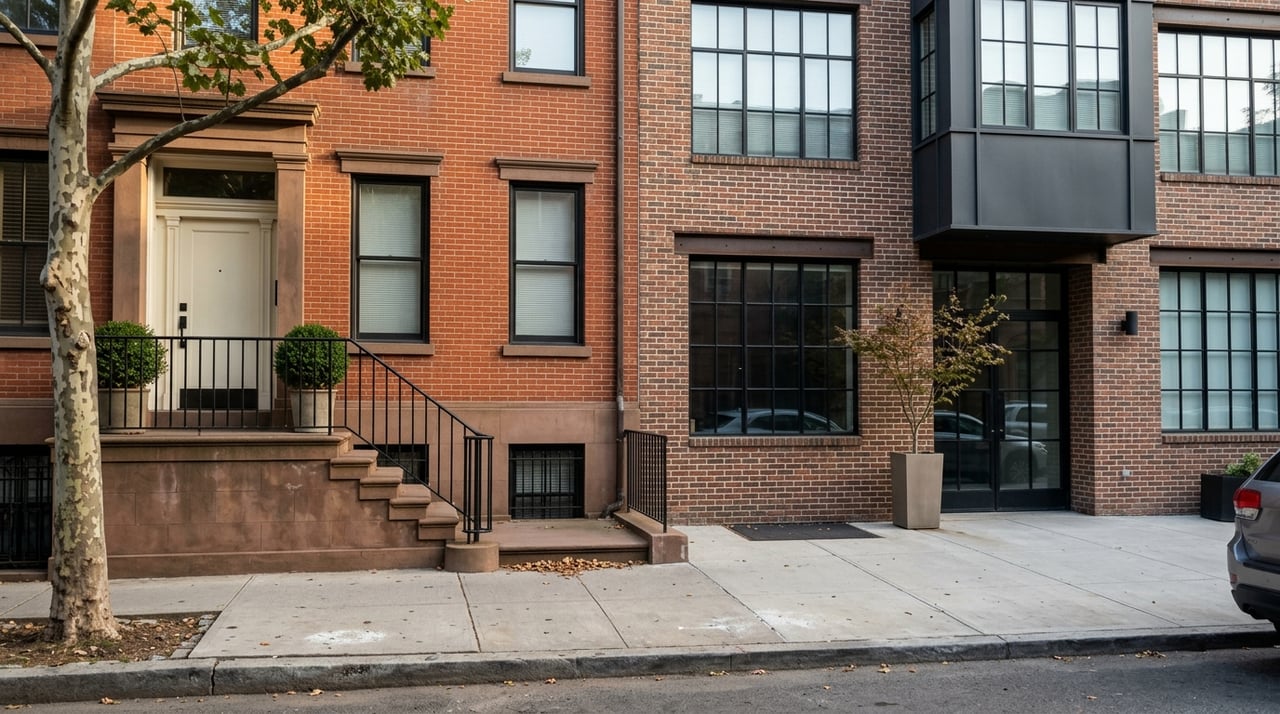
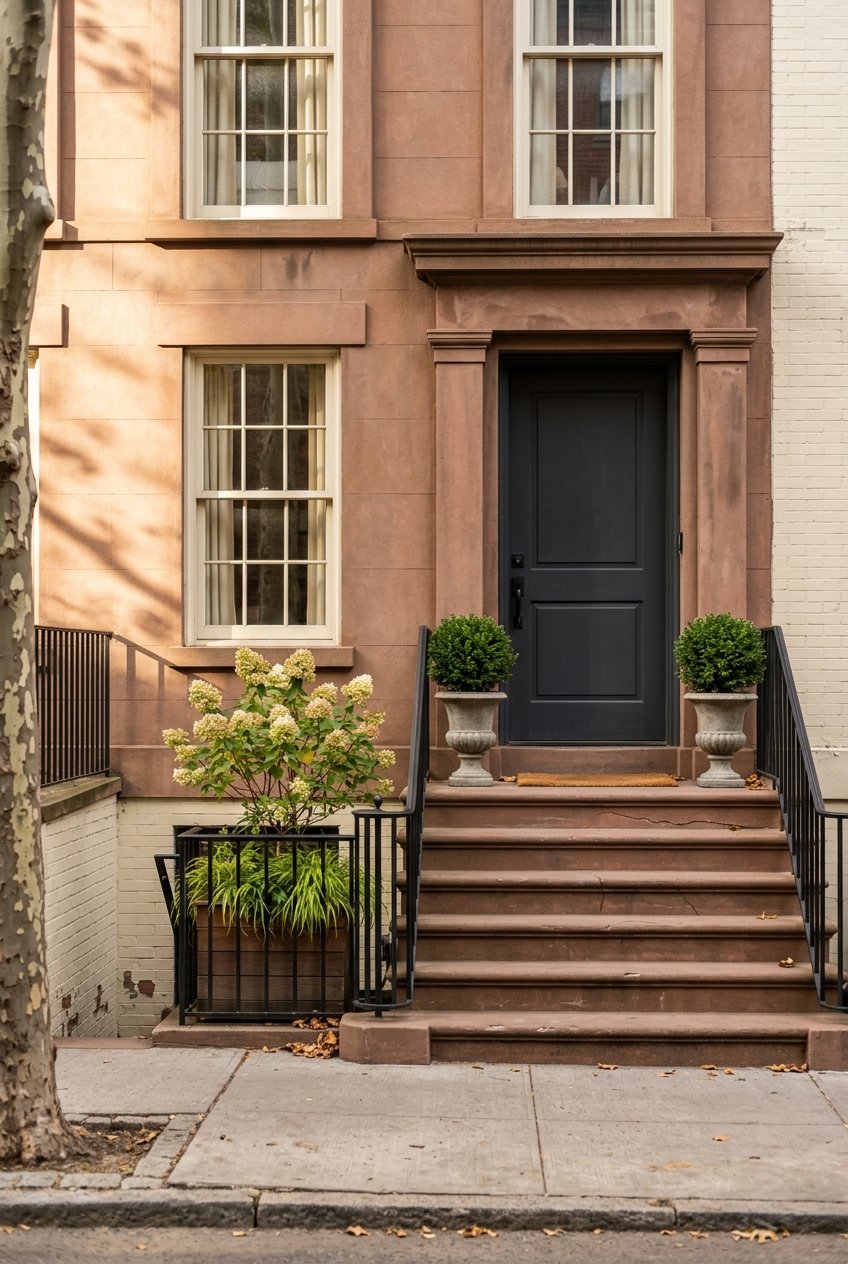
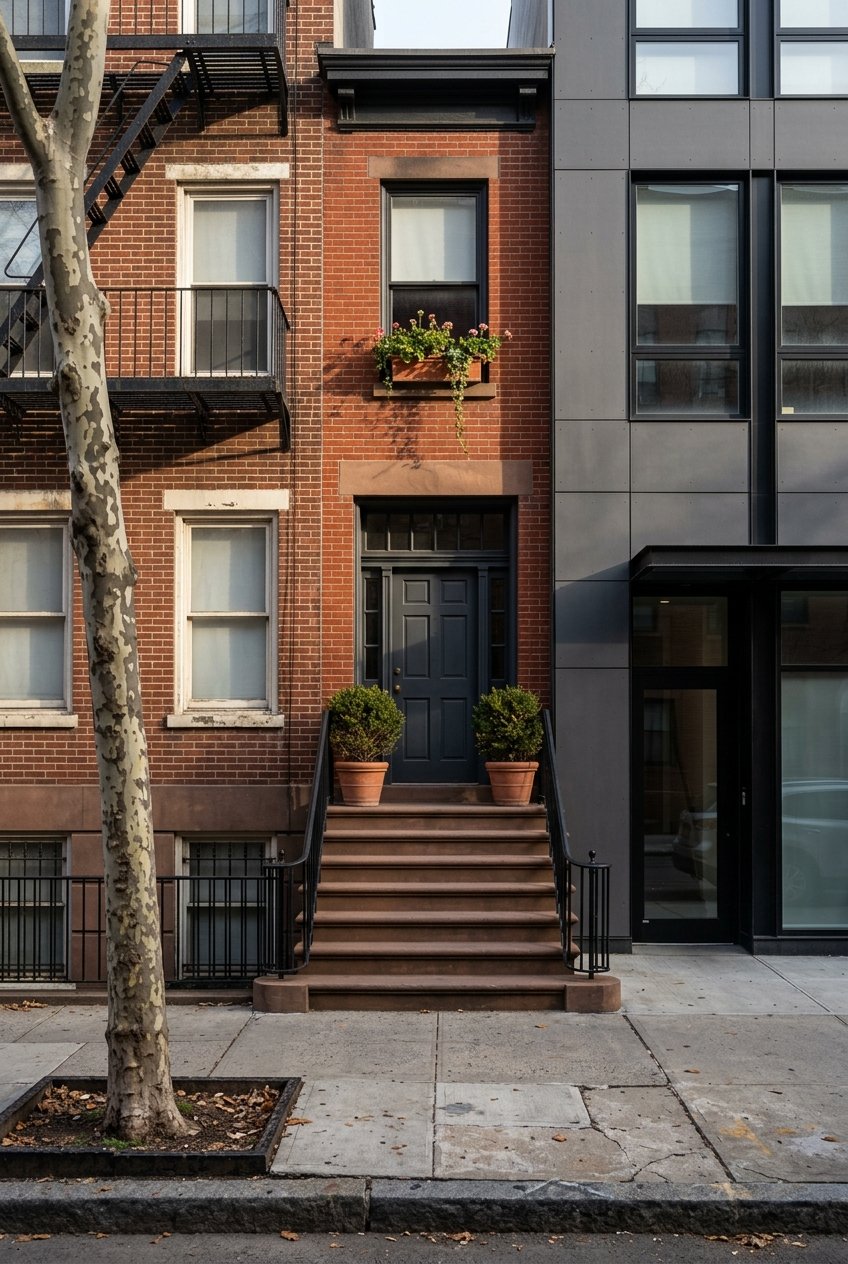
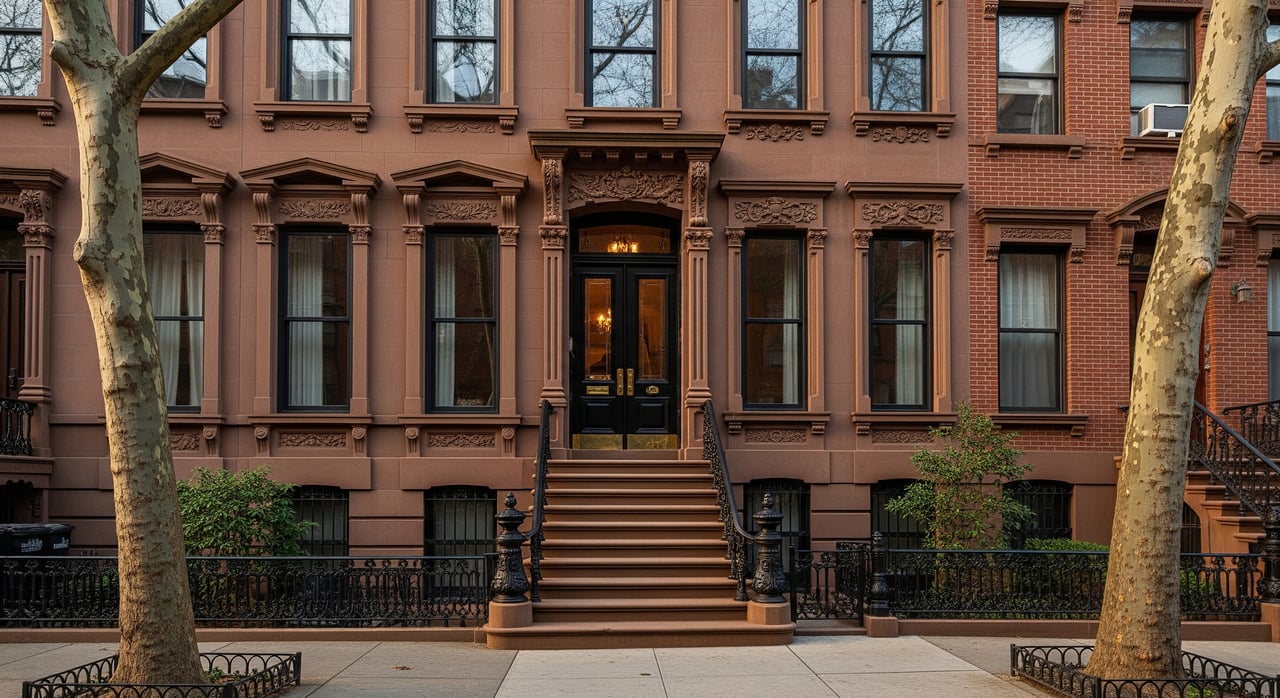
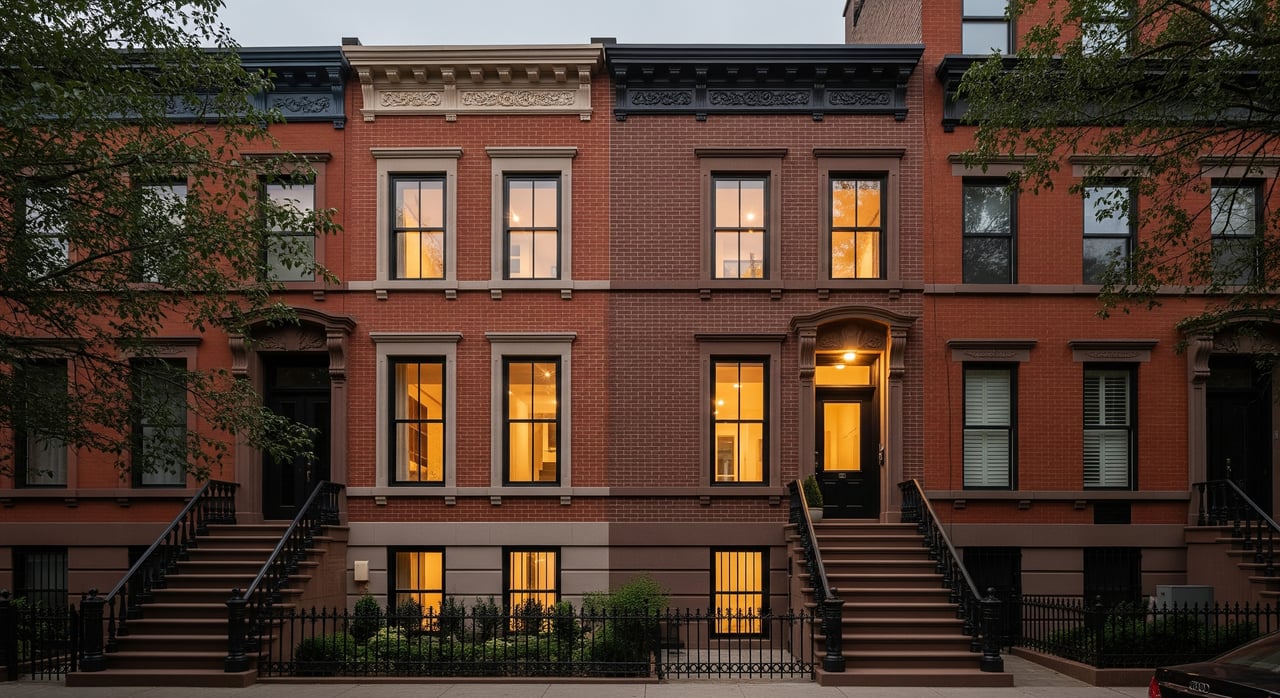
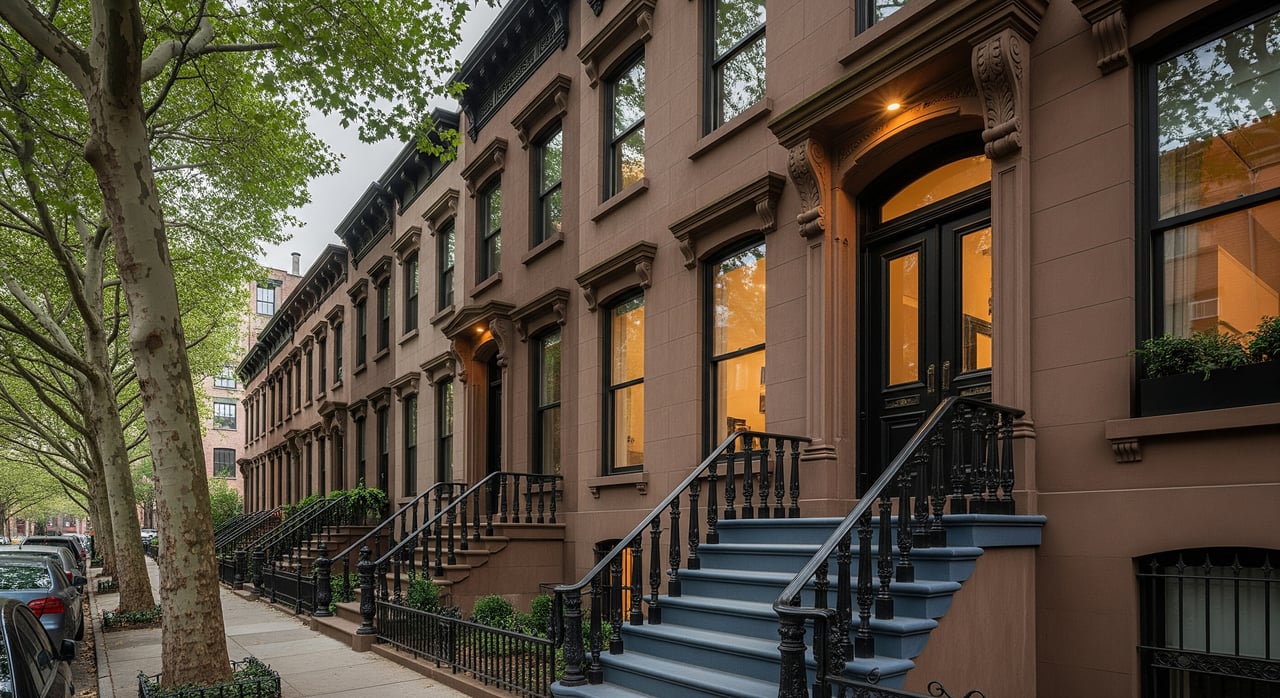
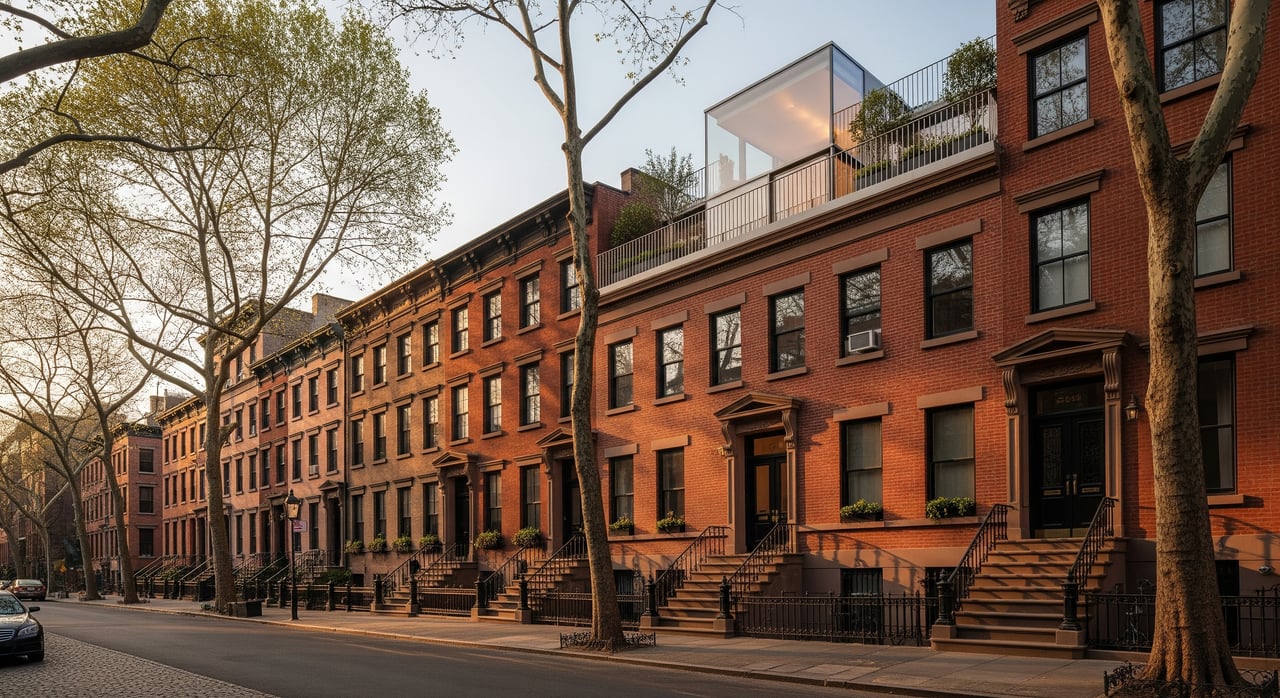
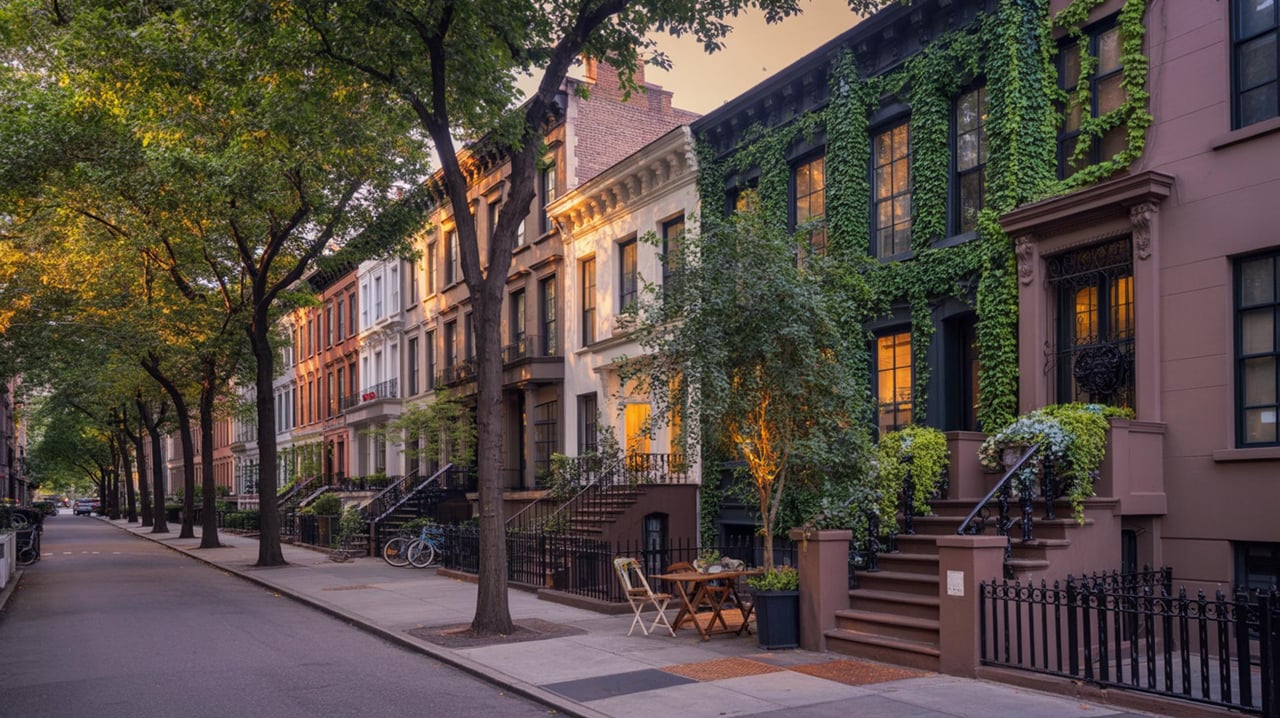
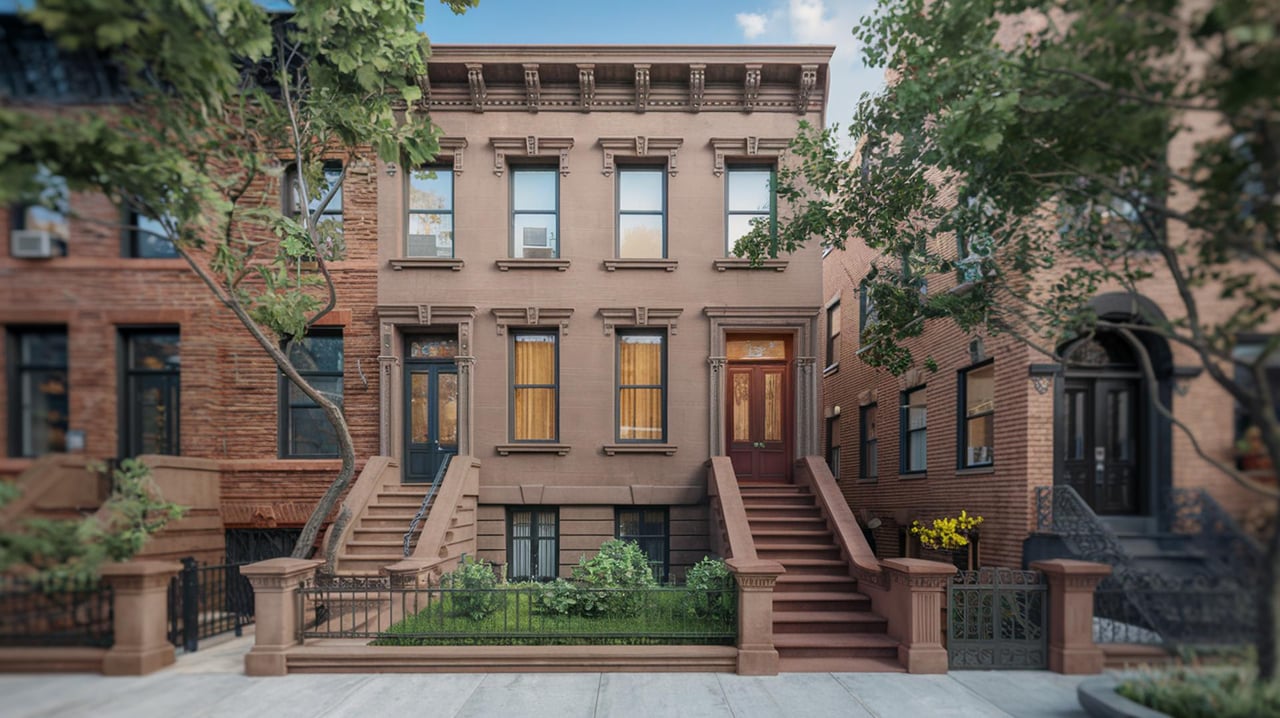
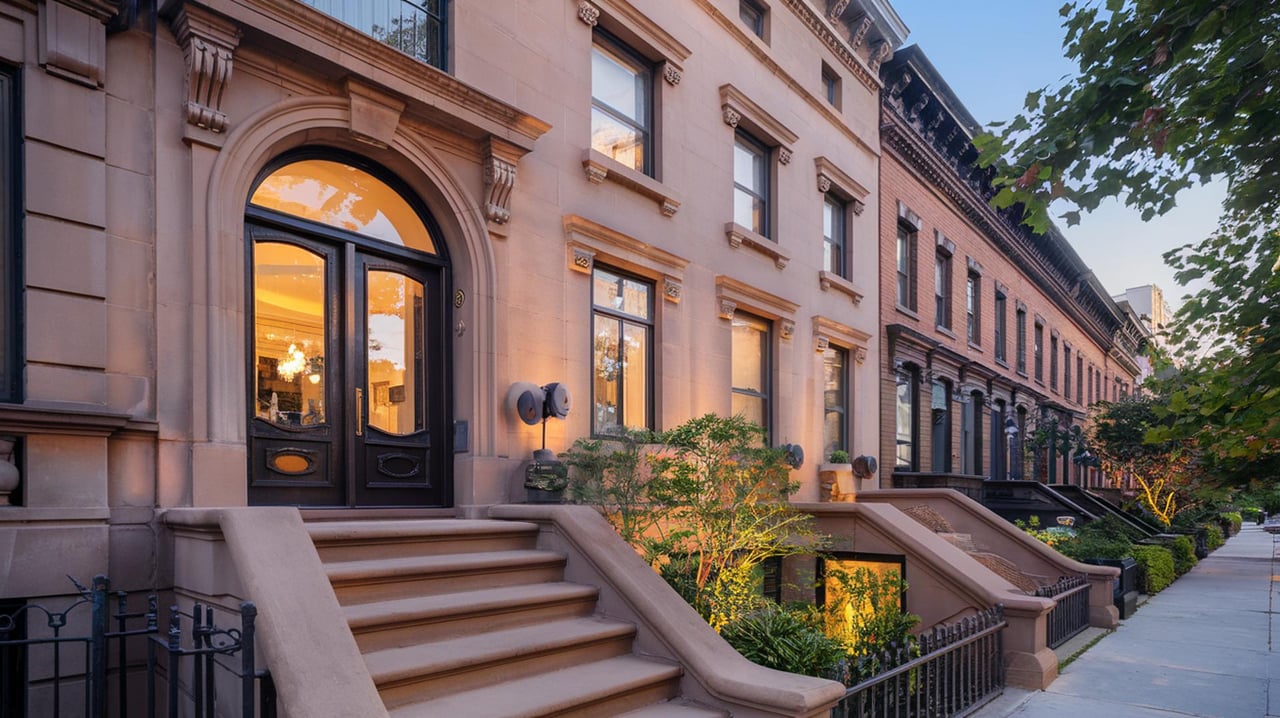
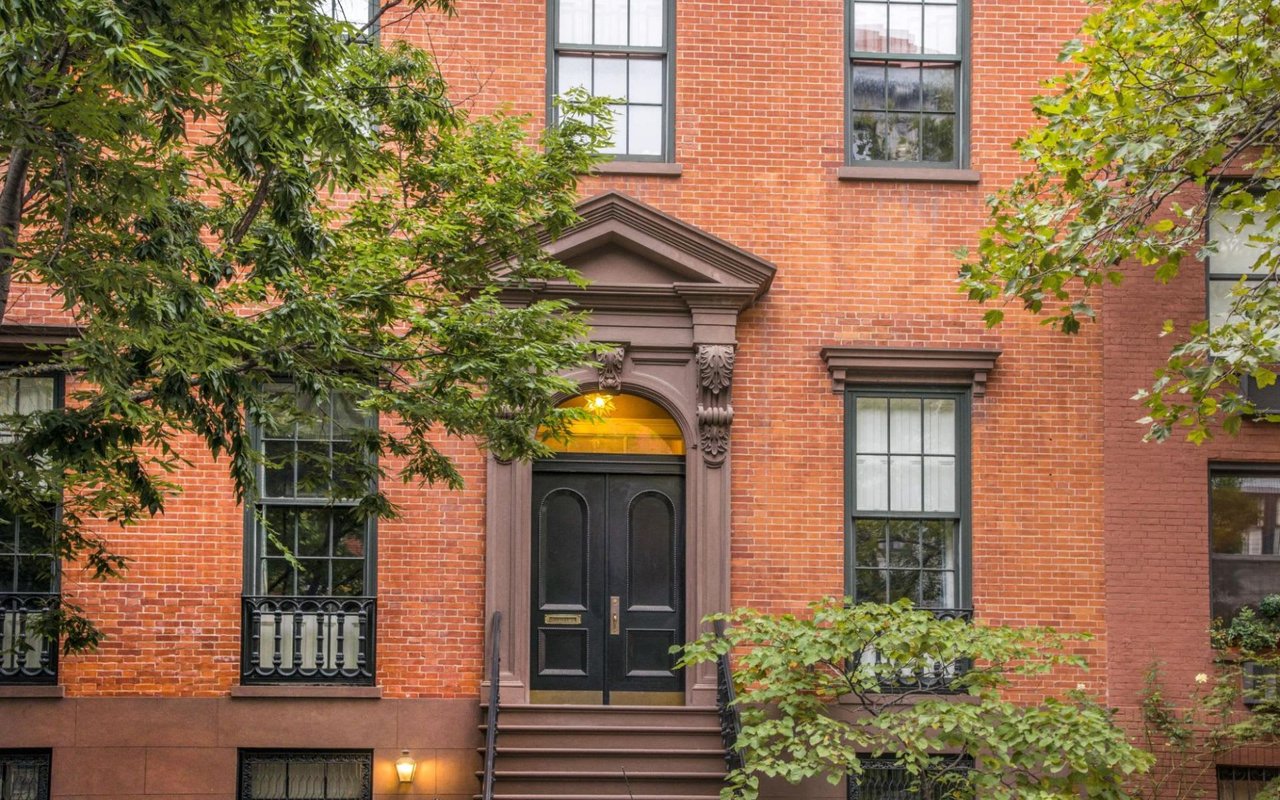
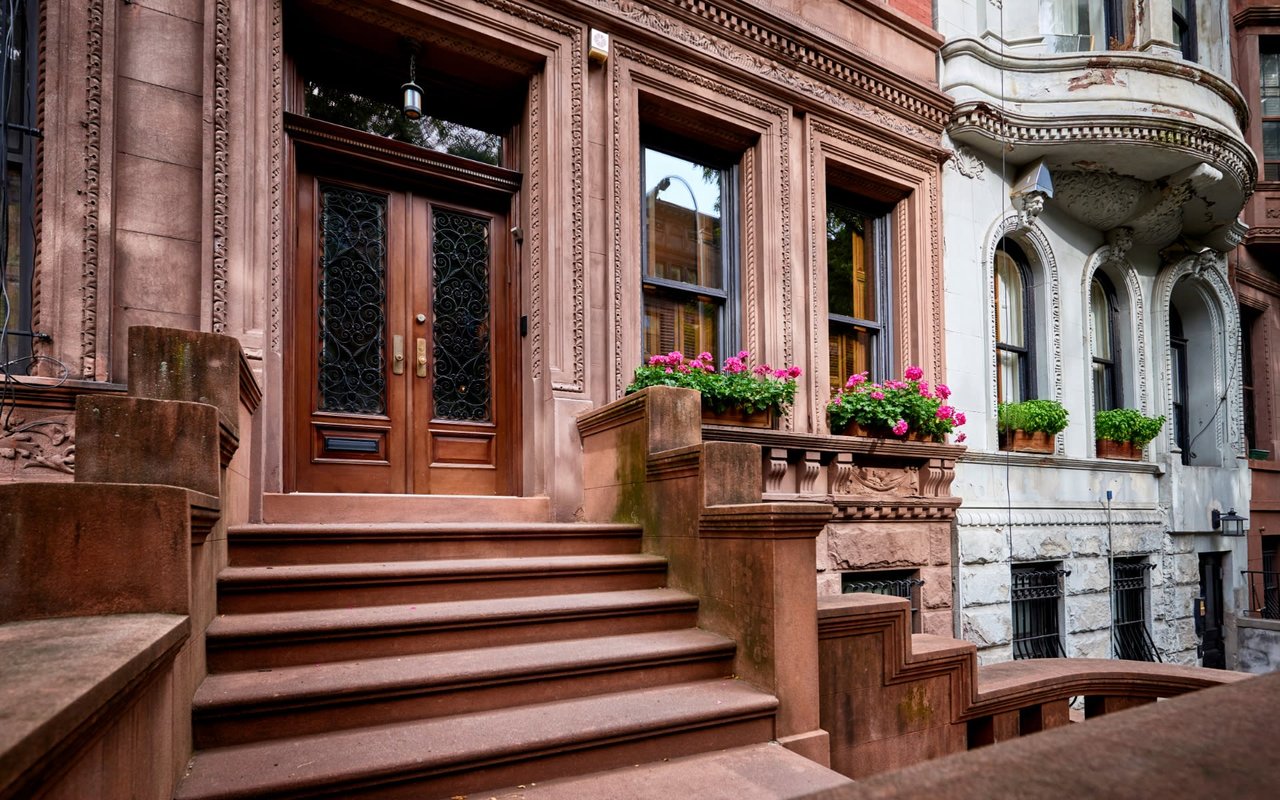
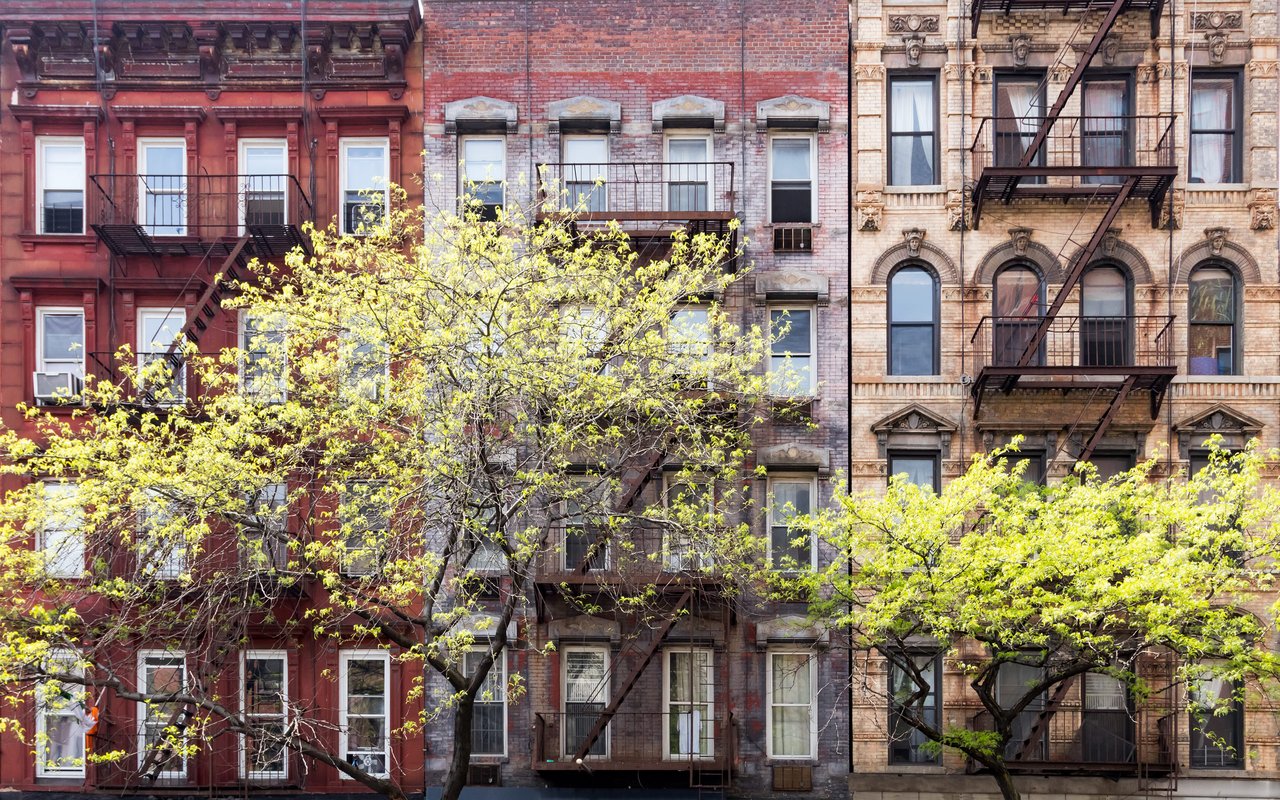
Williamsburg is not one uniform market. NYC Planning describes it as a patchwork of three- to four-story brick or frame buildings, five- to six-story apartment houses, older industrial loft buildings, and pockets of low-rise industrial uses and vacant land.
That matters because a mixed-use building on Bedford Avenue does not behave like one on a quieter residential side street or near an industrial edge. Storefront performance, apartment demand, and future renovation options are shaped by the immediate block as much as by the Williamsburg name.
NYC Planning identifies Bedford Avenue as a principal commercial corridor, with Grand Street carrying a different retail role and other streets functioning as secondary corridors or mixed-use edges. Around the Bedford Avenue L station and the traditional residential core, you will often find older residential and mixed-use blocks, while industrial activity is more concentrated west of McCarren Park and along Kent Avenue and Franklin Street.
Start With the Street, Not the Spreadsheet
Before you model rent growth or renovation upside, study the street itself. A ground-floor retail space depends on the right kind of demand, and that demand changes from block to block.
NYC Small Business Services recommends evaluating a site the way a tenant would. Ask whether the space depends on walk-by traffic, destination traffic, or both. Consider whether transit access, parking, delivery conditions, or loading access are important for the likely retail use.
In practical terms, that means you should stand on the block more than once. Visit during the morning, midday, evening, and weekend if possible. A storefront on a busy corridor may support one type of tenant, while a quieter street may need a more destination-driven business to succeed.
Check Zoning Lot by Lot
One of the biggest mistakes buyers make is assuming the neighborhood label tells them what they can do with a property. In Williamsburg, that shortcut can create expensive surprises.
The core mixed-use areas include Special Mixed Use District MX-8 in Greenpoint-Williamsburg. Under the Zoning Resolution, uses allowed in the mapped Residence District and M1 District are generally permitted unless modified by the special district rules.
The code also states that in a building occupied by residential uses, commercial or manufacturing uses are generally limited to stories below the lowest dwelling-unit story. Ground-floor streetscape rules may also apply.
If you are considering a conversion, enlargement, reconfiguration, or assemblage, exact zoning matters. You need to confirm the special district status, the underlying district, and how the lot is actually mapped before assuming a path forward.
What zoning review should answer
Your early zoning review should clarify:
- The exact underlying zoning district
- Whether the property is within MX-8 or another special district
- Whether the block functions as a true commercial corridor, mixed-use area, or industrial edge
- Whether your intended residential and non-residential uses align with the lot’s rules
- Whether a future enlargement or reconfiguration appears feasible
Verify Legal Use and Occupancy
In older Williamsburg buildings, paperwork history matters almost as much as the physical building. A nice-looking storefront and occupied apartments do not automatically mean the legal use is clean.
The NYC Department of Buildings states that a Certificate of Occupancy confirms the legal use and type of permitted occupancy. It also notes that no one may legally occupy a building until a CO or Temporary Certificate of Occupancy has been issued, though some buildings constructed before 1938 may not have a CO unless later work changed use, egress, or occupancy.
For an acquisition, you want the records to match the building you believe you are buying. If the upper floors are used residentially, the store is active, and the basement is part of an operating setup, the occupancy and filed use should support that reality.
Records to review early
At the offer stage, pull and review:
- Certificate of Occupancy, if one exists
- Floor-use records
- Open DOB applications
- DOB violations
- Any signs that the current use does not match filed records
DOB also says open violations must be resolved before a new or amended CO can be issued. That can affect both closing timing and post-closing renovation plans.
Be Careful With Temporary COs
A Temporary Certificate of Occupancy is not the same as final sign-off. If a seller is relying on a TCO, you need to understand what remains open and what it will take to close it out.
DOB’s owner guidance recommends negotiating around a final CO rather than a TCO. For buyers, that is a practical warning. Temporary approvals can create timing risk, lender questions, and unexpected follow-up work after closing.
If a deal involves a TCO, make sure you understand the remaining items, the likely cost, and who is responsible for resolving them. This is especially important in value-add deals where your business plan already includes renovation work.
Underwrite the Retail Lease Like a Lender
In a Williamsburg mixed-use building, the retail tenant can stabilize the property or become the source of recurring headaches. You should review the commercial lease with the same discipline you would apply to a financing package.
NYC SBS highlights several lease points that matter: permitted use, base rent and additional rent, renewal options, assignment and subleasing, guaranties, insurance, and construction or alteration rights. Those terms affect how durable the income really is.
A store with a healthy remaining term, clear use clause, workable renewal structure, and solid guaranty profile may support a stronger acquisition story. A short lease with vague use terms or expensive tenant obligations can point to re-leasing risk instead.
Retail lease checklist
Focus on these items:
- Remaining lease term
- Renewal options
- Permitted use clause
- Base rent and additional rent
- Escalations
- Assignment and sublease rights
- Guaranties
- Insurance requirements
- Tenant improvement or alteration obligations
Confirm Apartment Status Before You Project Upside
It is easy to overestimate residential upside if you assume every apartment is free market. In New York City, that assumption needs to be verified.
New York State Homes and Community Renewal says rent stabilization in NYC generally applies to buildings of six or more units built between February 1, 1947 and December 31, 1973, some pre-1947 tenants, and certain post-1974 buildings that received special tax benefits. HCR also states that rent stabilization regulates rent, services, leases, and evictions, and that owners of stabilized buildings must file apartment registrations.
That means your underwriting should confirm whether units are free market, rent stabilized, or otherwise regulated before you count on vacancy gains or renovation-driven rent changes. A regulated unit mix can materially change the income story.
Residential diligence questions
Ask these questions before you rely on projected apartment upside:
- How many residential units are in the building?
- Are any units rent stabilized or otherwise regulated?
- Has required apartment registration been filed where applicable?
- Does the rent history support the seller’s income claims?
- Are you assuming vacancy or turnover that may not be realistic?
Budget Renovation and Permit Risk Early
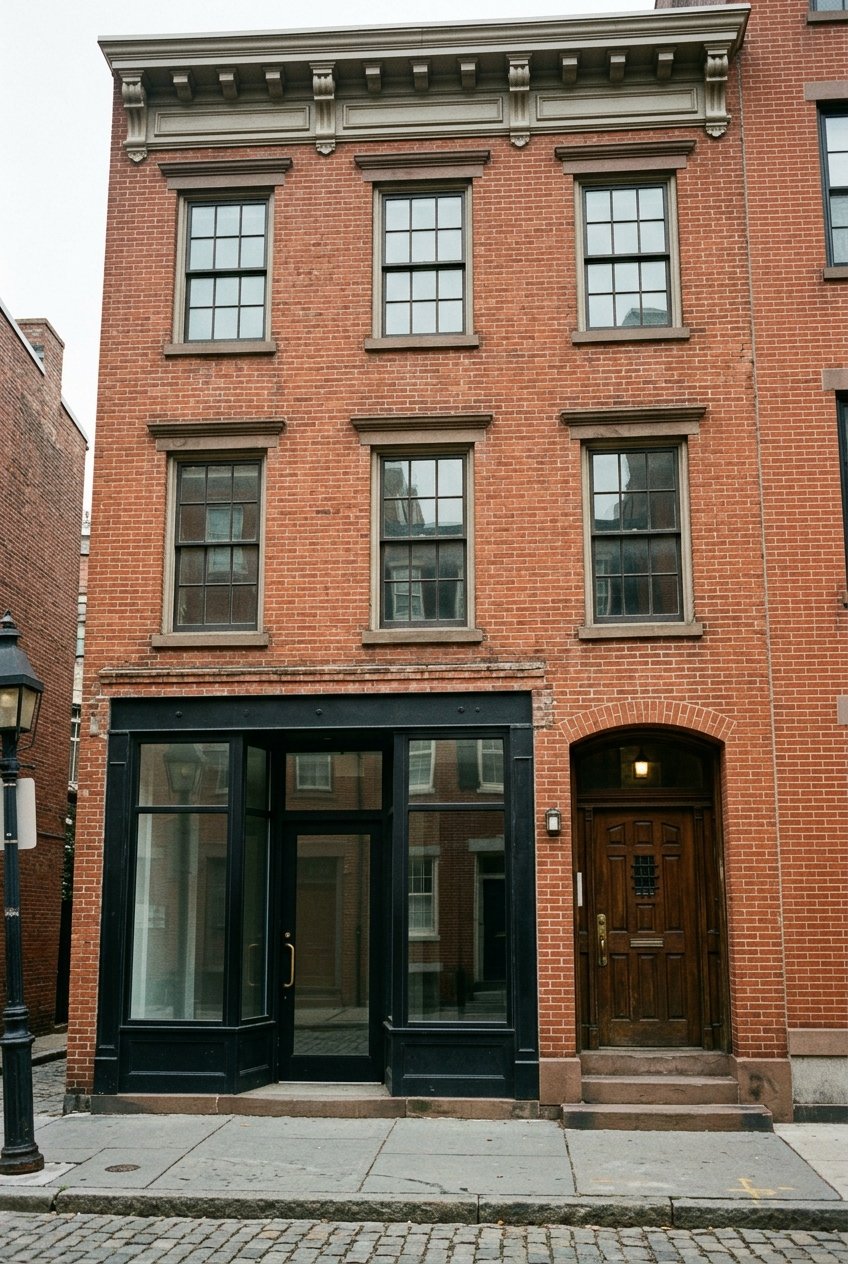
Mixed-use buildings often look straightforward from the sidewalk, but the real cost picture usually sits behind the walls and in the filings. Renovation plans should be grounded in permit reality, occupancy limits, and building code requirements.
DOB says most construction in New York City requires a permit. Major alterations that change use, egress, or occupancy are filed as Alt-CO.
For buyers with a value-add plan, this is where builder-level thinking matters. A storefront refresh is one thing. A reworked residential layout, use change, or legalization path is another, and the timing and cost can differ substantially.
Common cost drivers
Budget early for issues such as:
- Code and life-safety work
- Storefront upgrades
- Facade repairs
- Egress-related improvements
- Permit filings and professional fees
- Work tied to legalizing use or occupancy
Watch for Landmark and Loft Issues
Older Williamsburg properties can come with additional layers of review. If a building is landmarked or located within a historic district, exterior changes may require Landmarks Preservation Commission review.
LPC says most exterior changes require Commission review, including work on facades, storefronts, additions, demolitions, and new construction. That can affect design decisions, filing timelines, and total cost.
Loft history can also matter. Loft Board materials explain that legalization may require DOB sign-off, code compliance, and a revised residential Certificate of Occupancy for some older loft conversions without a residential CO.
If a building has a loft conversion history or appears to lack a clear residential occupancy path, do not treat that as a minor paperwork issue. It can materially affect your timeline, scope, and risk.
A Practical Offer-Stage Framework
When you evaluate a Williamsburg mixed-use building, your goal is not to eliminate every unknown. It is to identify which unknowns are manageable, which ones need pricing adjustments, and which ones should stop the deal.
A strong offer-stage review usually includes zoning confirmation, occupancy and DOB record checks, lease analysis, apartment status verification, and a realistic renovation budget. It also includes old-fashioned street observation, because the block can tell you things the rent roll cannot.
For many buyers, especially small-scale investors and value-add purchasers, the edge comes from combining neighborhood judgment with technical diligence. That is where a mixed-use acquisition often becomes clearer.
FAQs
What should you evaluate first in a Williamsburg mixed-use building?
- Start with the block and street context, then verify zoning, legal use, lease terms, apartment status, and renovation risk.
How important is retail corridor location in Williamsburg mixed-use investing?
- Very important. NYC Planning identifies distinct commercial, residential, mixed-use, and industrial areas, and storefront performance can vary sharply by block.
Why does the Certificate of Occupancy matter for Williamsburg mixed-use buildings?
- The CO helps confirm the building’s legal use and permitted occupancy, and it should match the actual use you expect to buy.
Can you rely on a Temporary Certificate of Occupancy when buying in Williamsburg?
- You should be cautious. DOB recommends negotiating around a final CO rather than a TCO when possible.
How do rent-stabilized apartments affect a Williamsburg mixed-use deal?
- They can materially change your income projections because rent stabilization can regulate rent, services, leases, and evictions.
What lease terms matter most for a Williamsburg retail space?
- Key terms include permitted use, rent structure, renewals, assignment and subleasing rights, guaranties, insurance, and alteration obligations.
Do older Williamsburg mixed-use buildings need special renovation review?
- They may. Permit requirements, Alt-CO filings, landmark review, and loft legalization issues can all affect scope, cost, and timing.
If you are weighing a mixed-use acquisition in Williamsburg and want a practical read on zoning, renovation scope, lease risk, and block-by-block value, Mark O’Brien Real Estate can help you evaluate the opportunity with a developer-broker lens.