
Thinking about opening a wall, upgrading a vintage bath, or rewiring a prewar apartment in the East Village? You are not alone. These buildings have charm and great bones, but they also come with rules, logistics, and hidden conditions that affect cost and timing. In this guide, you will learn how approvals work, when permits are required, what a realistic budget and timeline look like, and how to avoid common pitfalls. Let’s dive in.
Prewar realities in the East Village
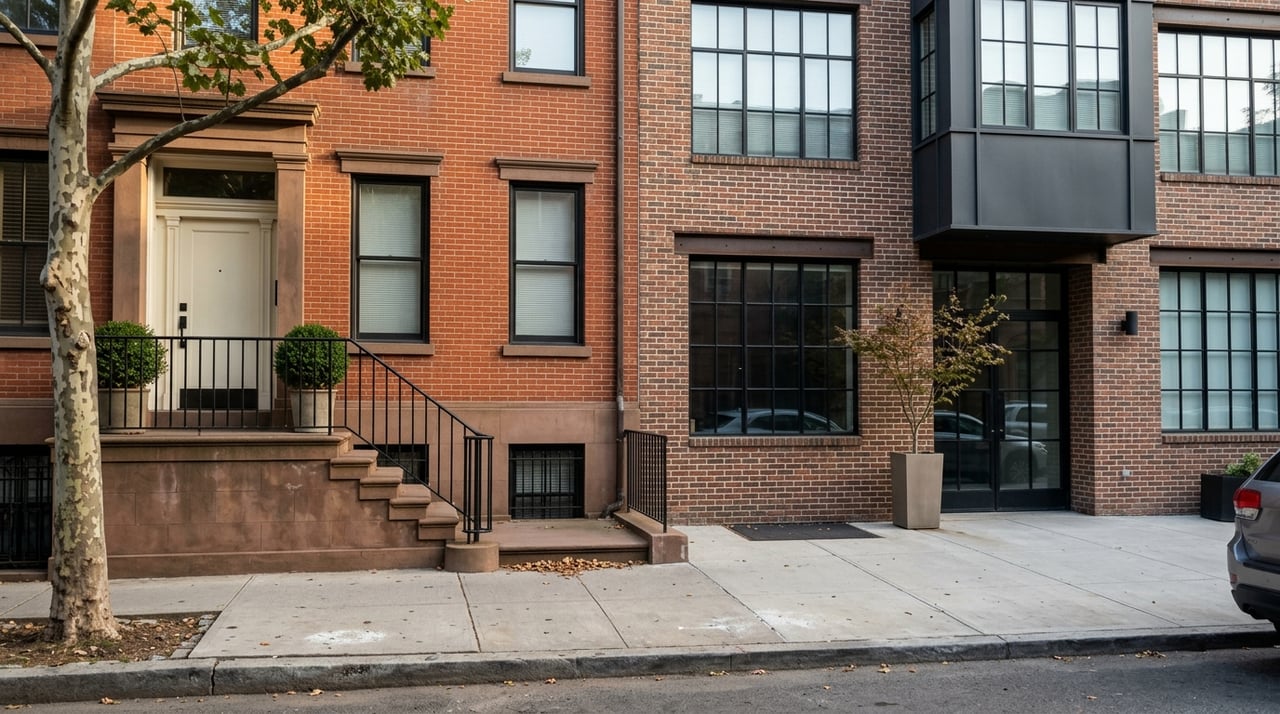
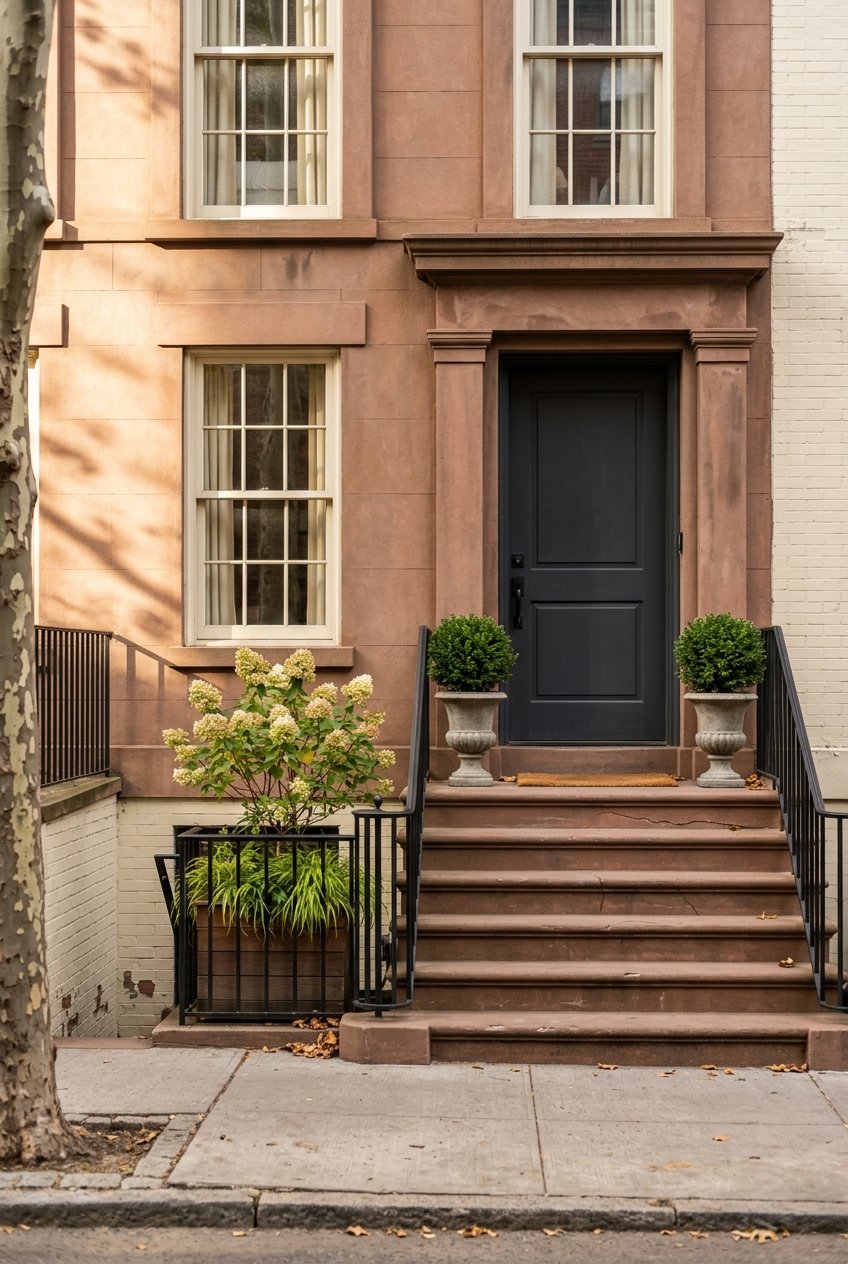
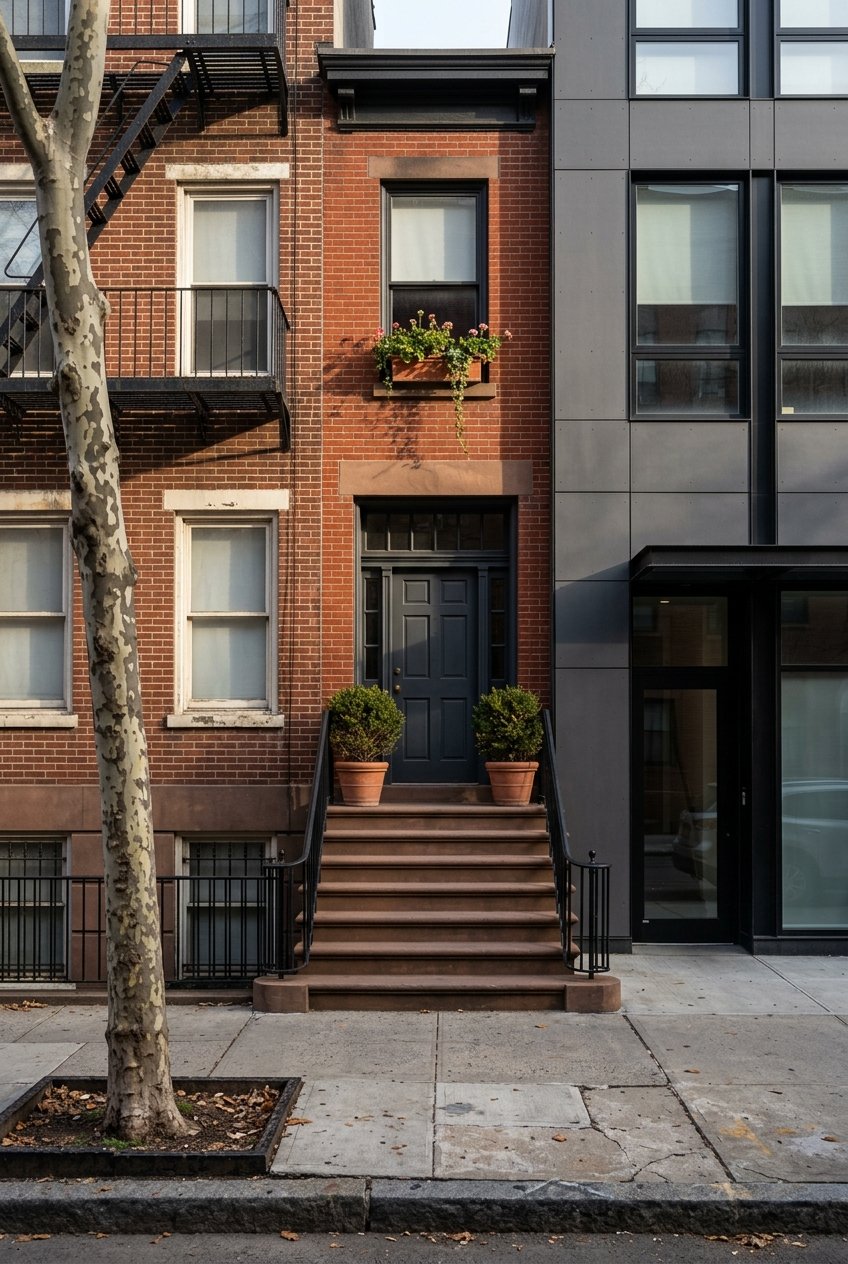
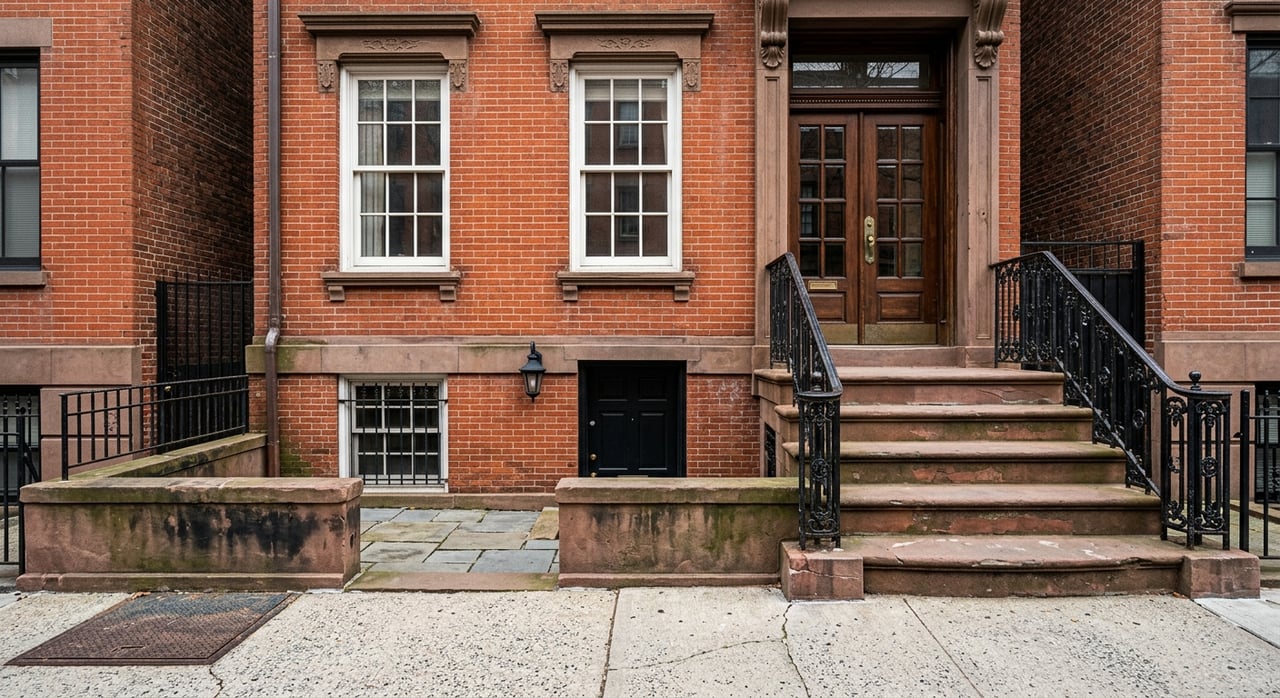
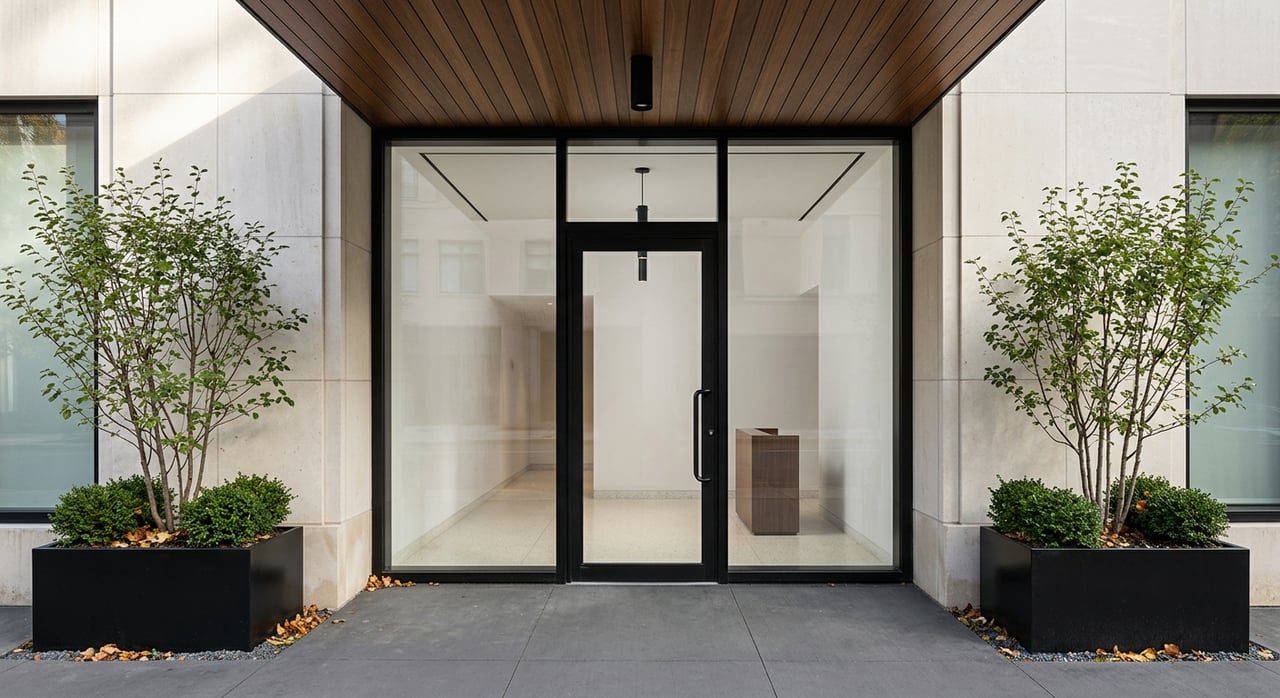
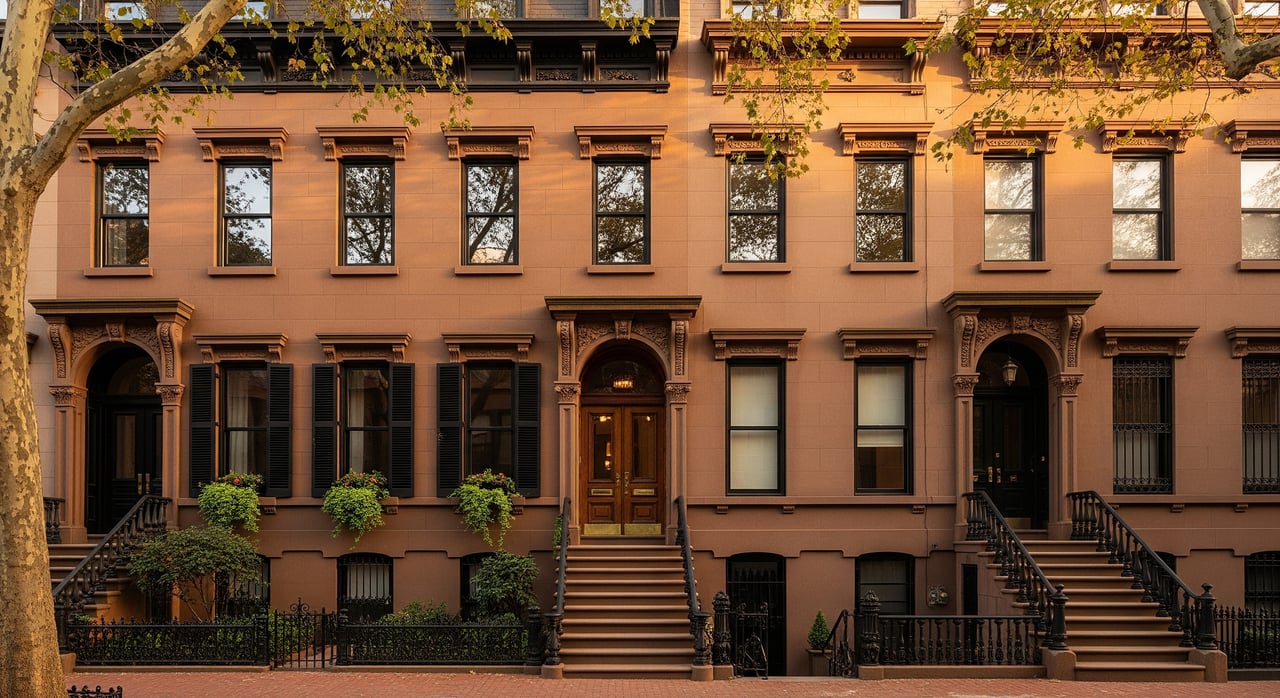
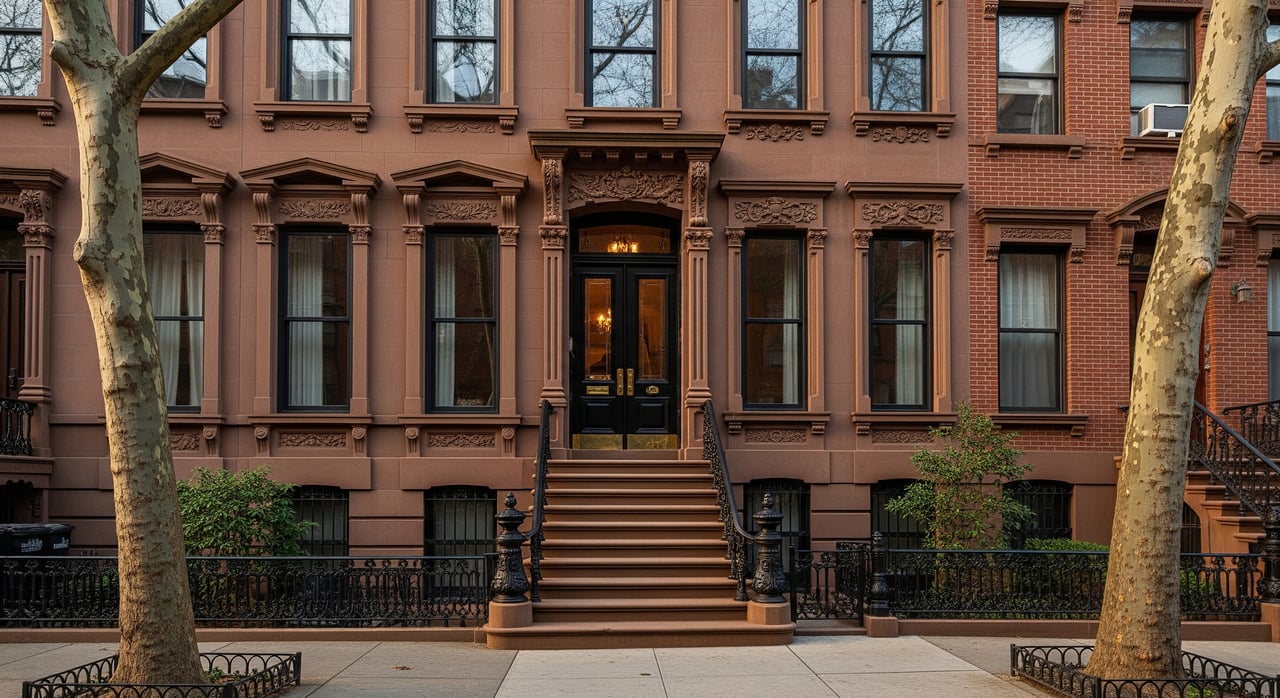
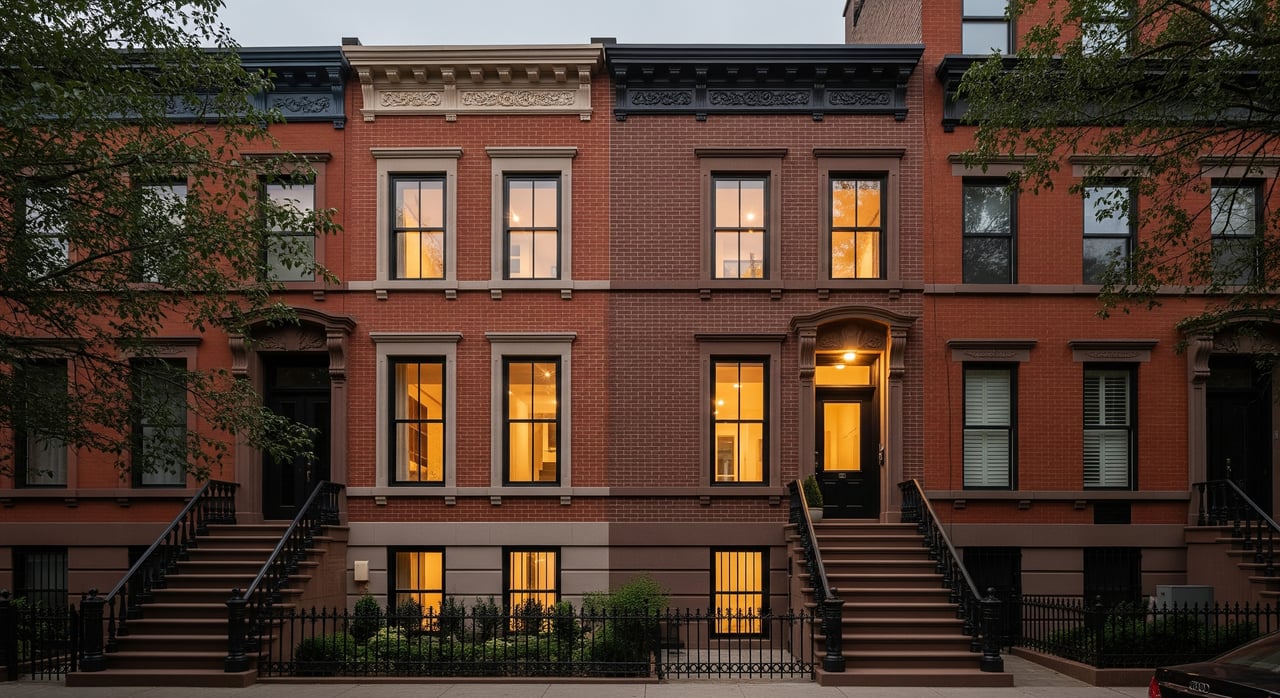
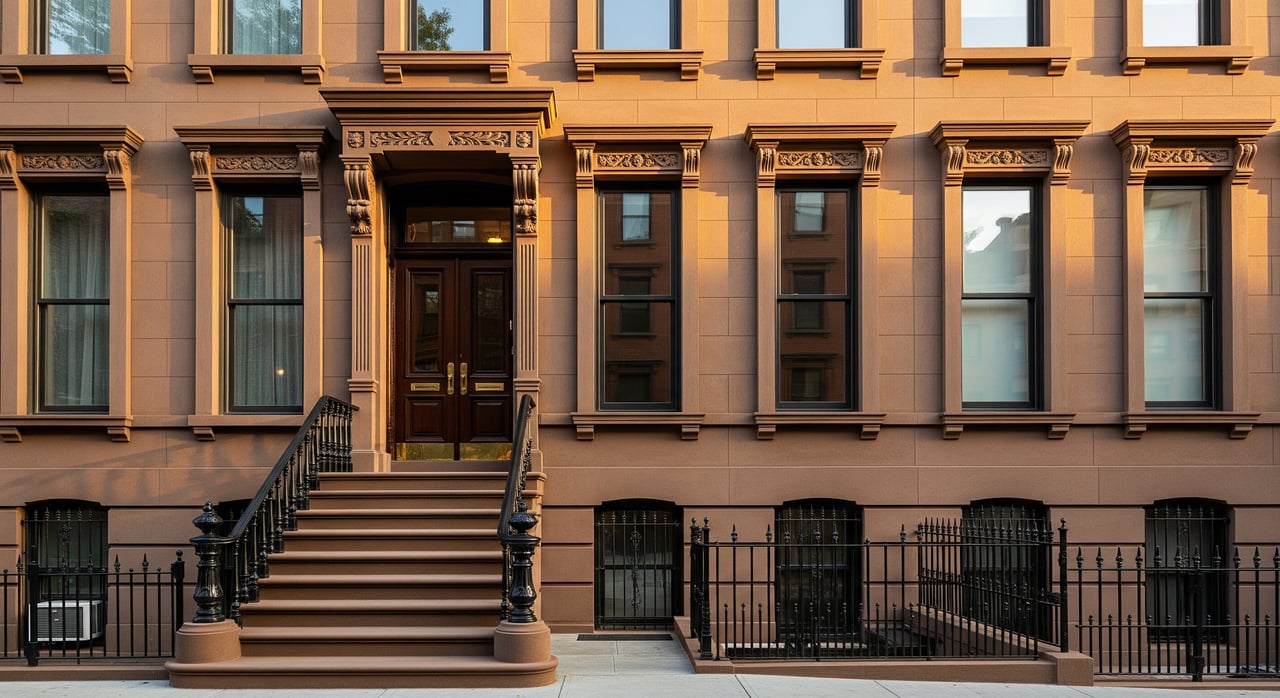
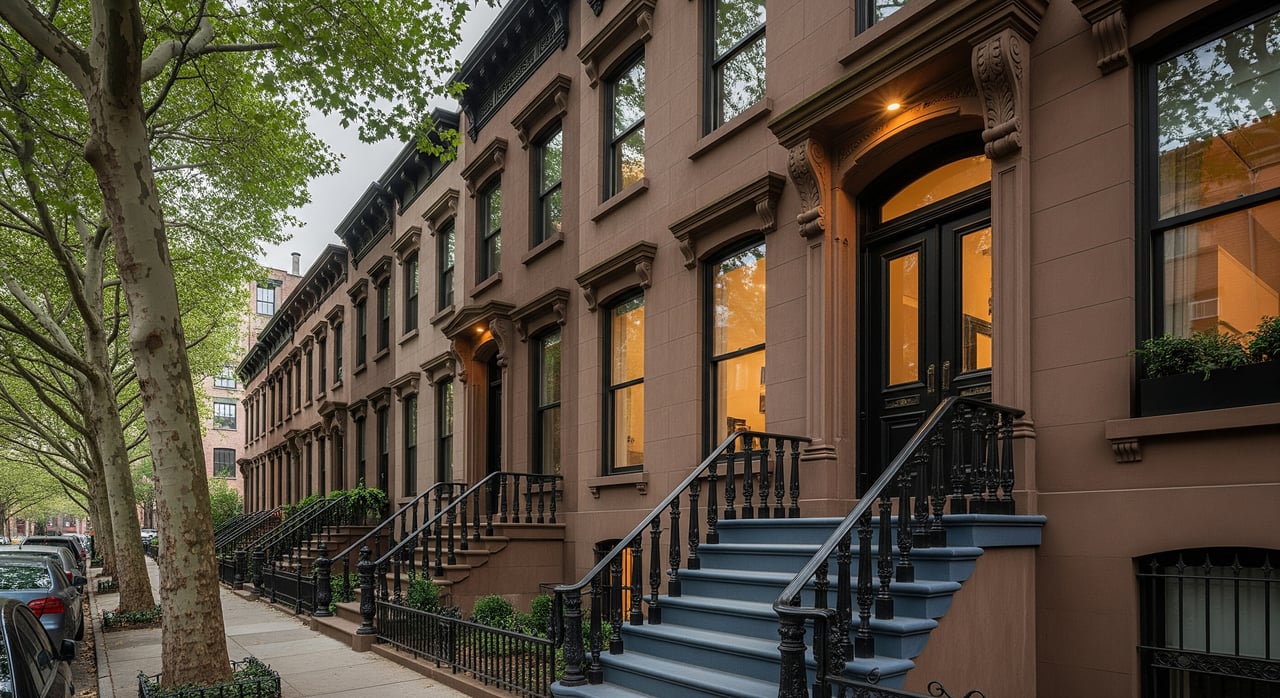
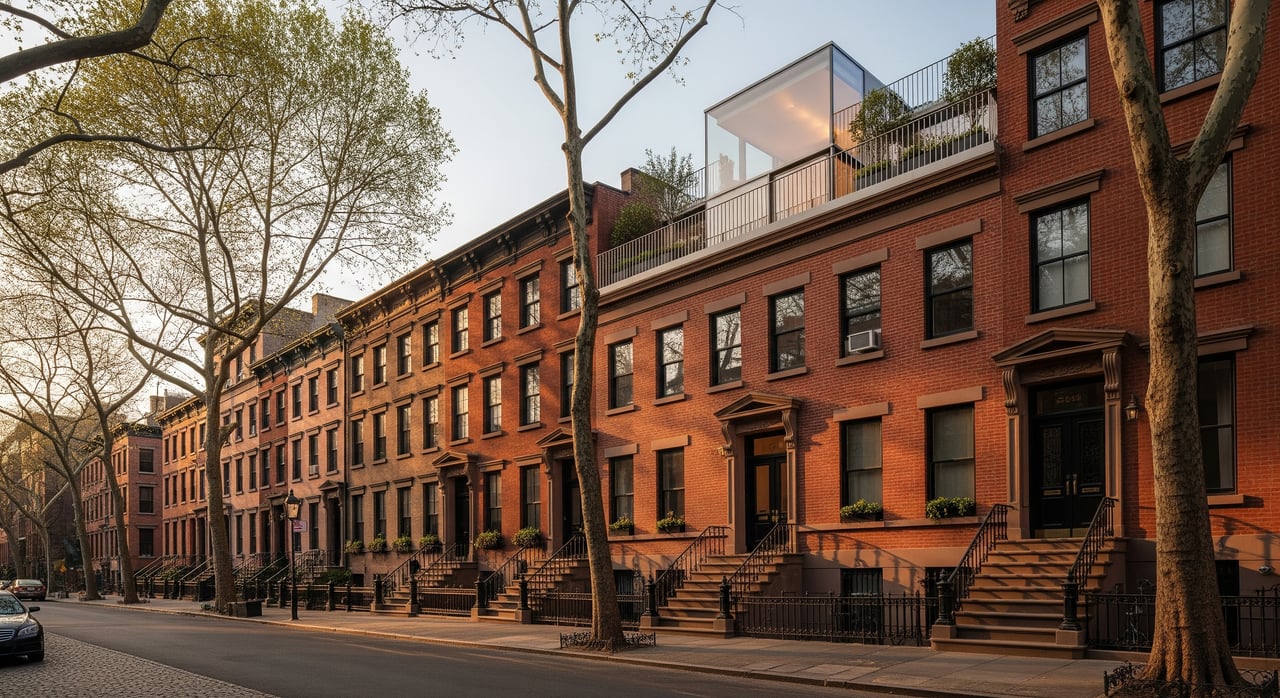
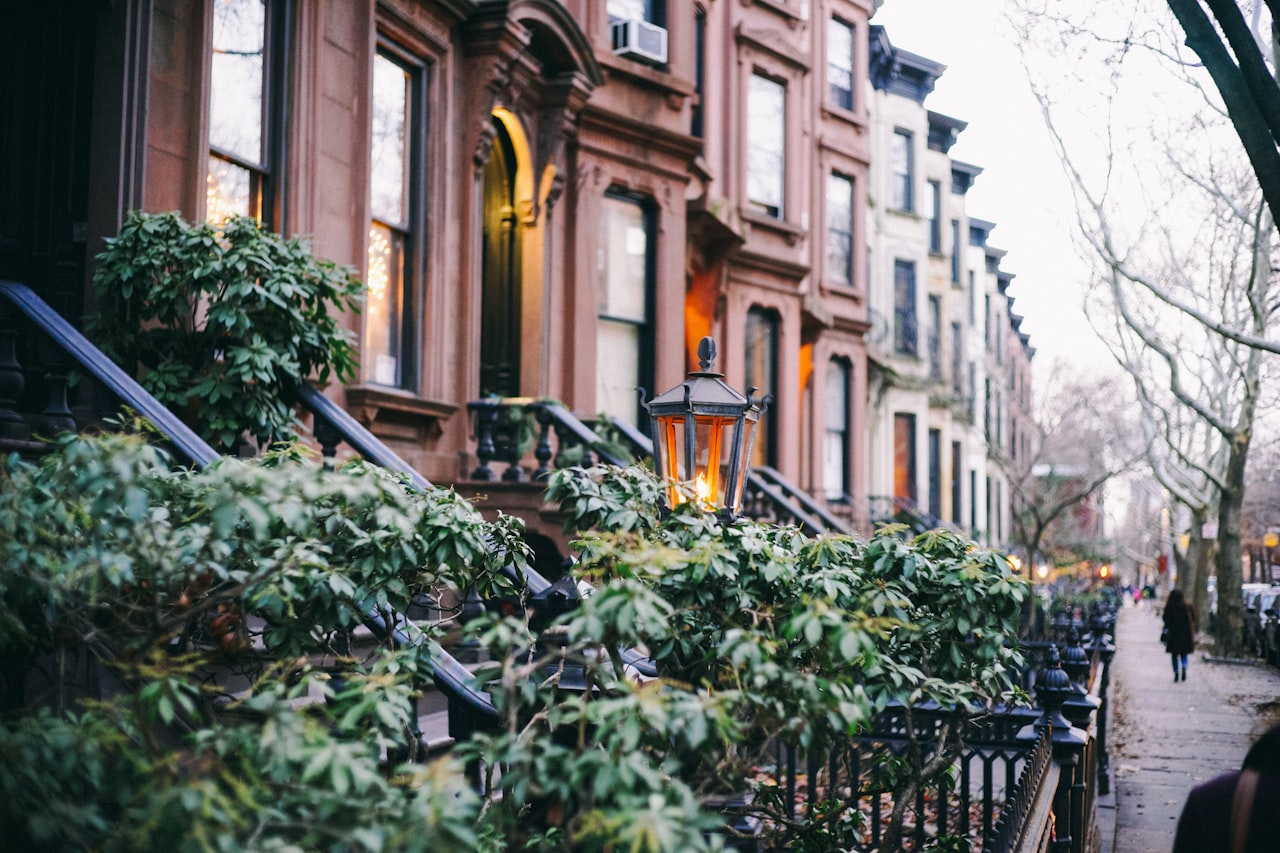
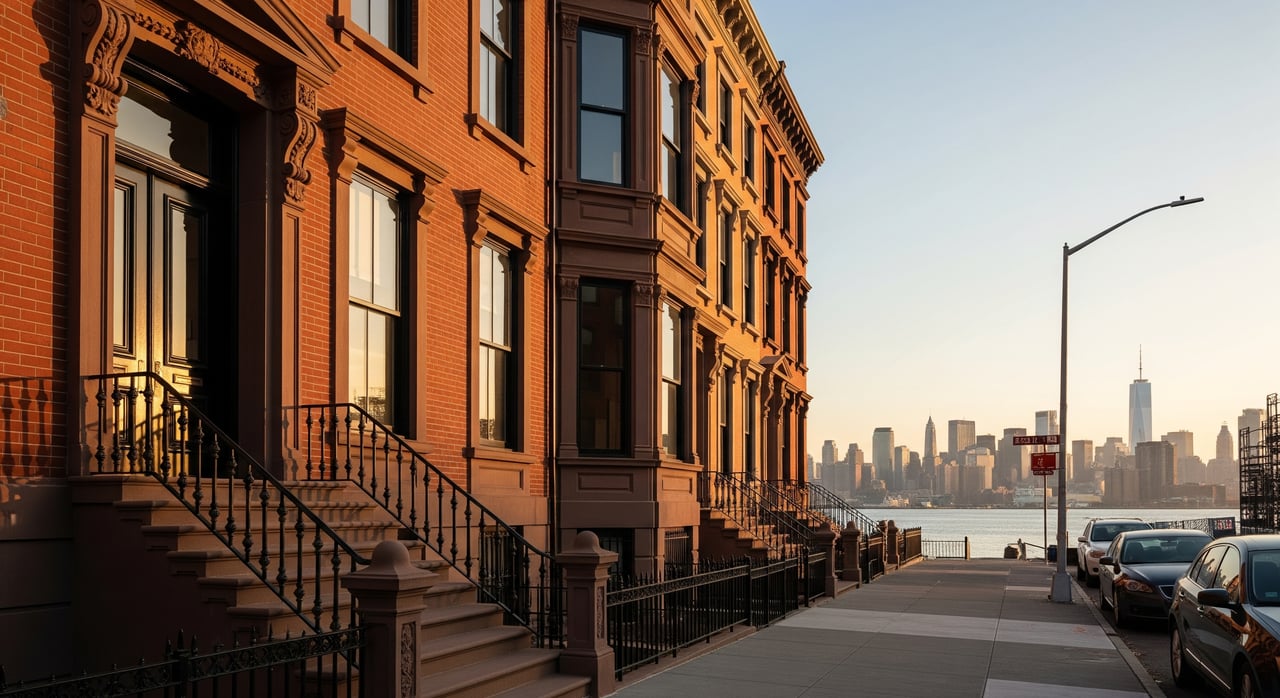
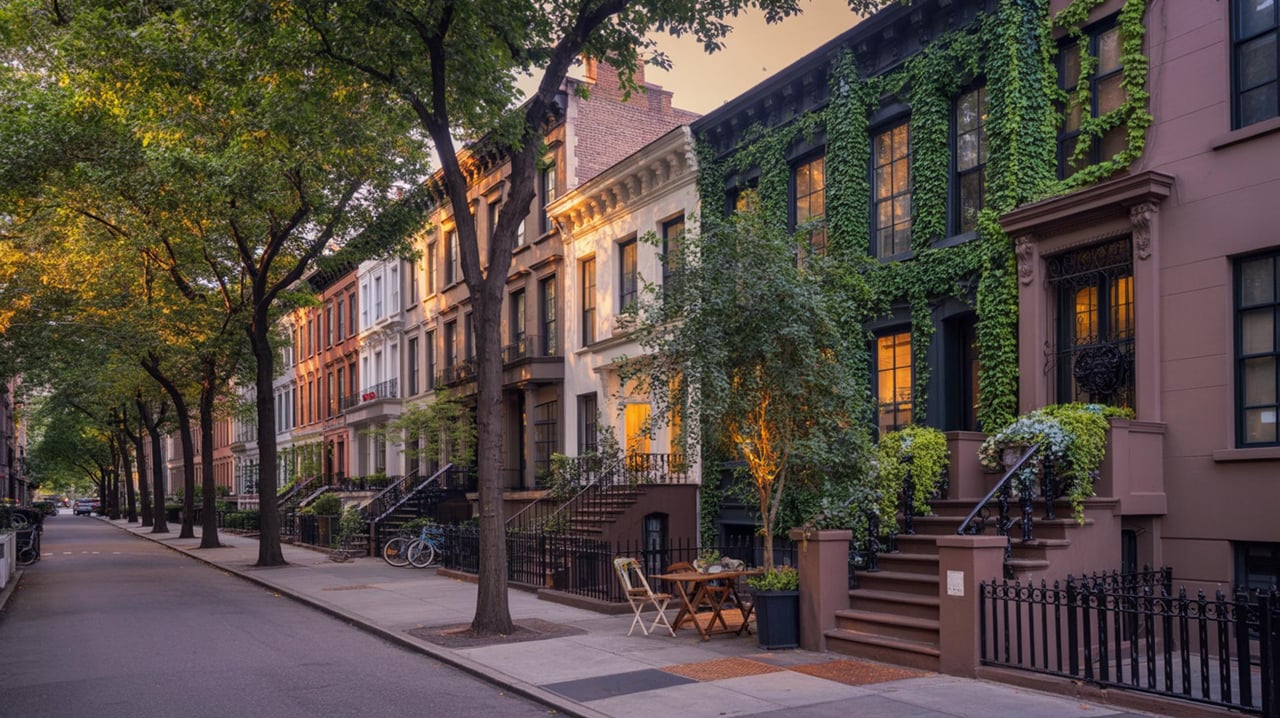
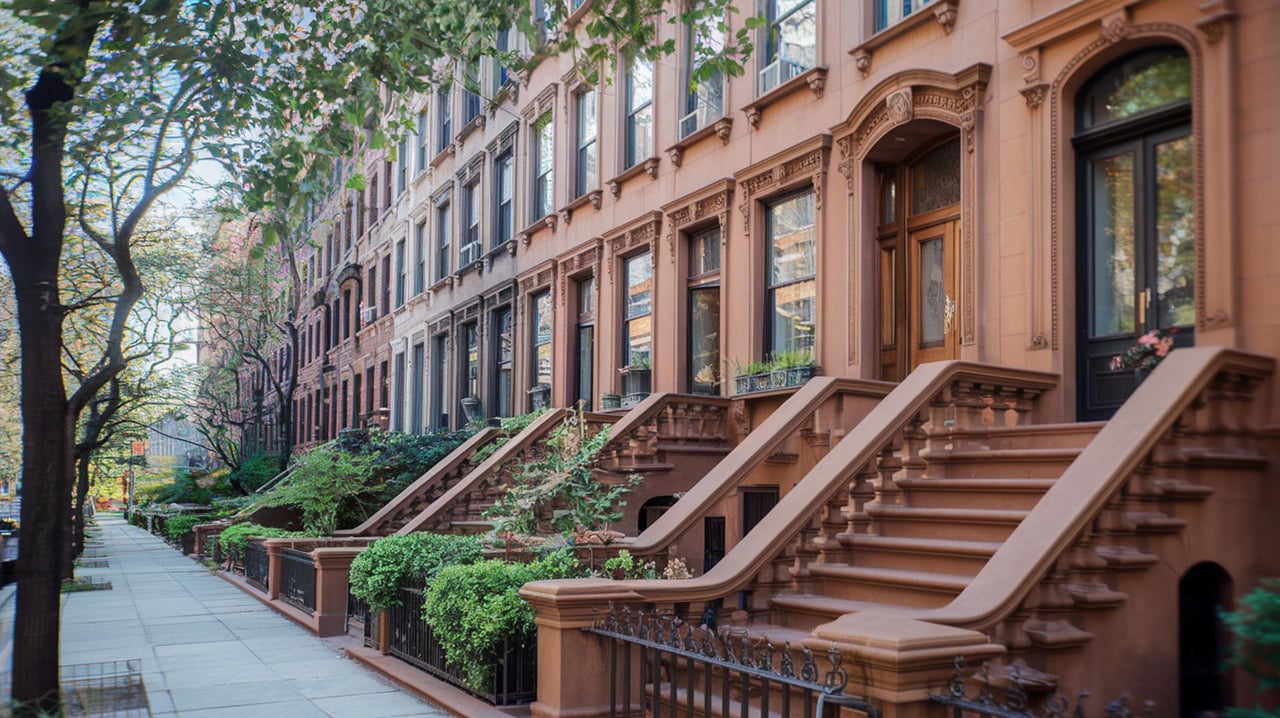
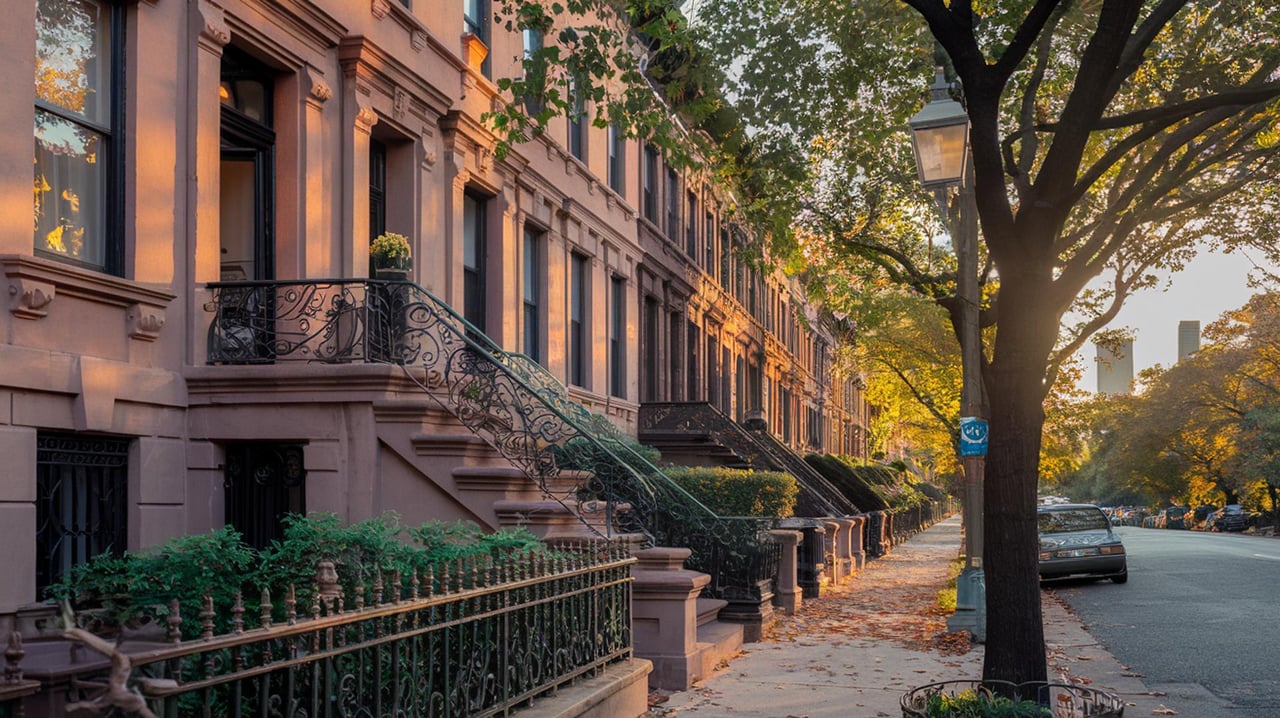
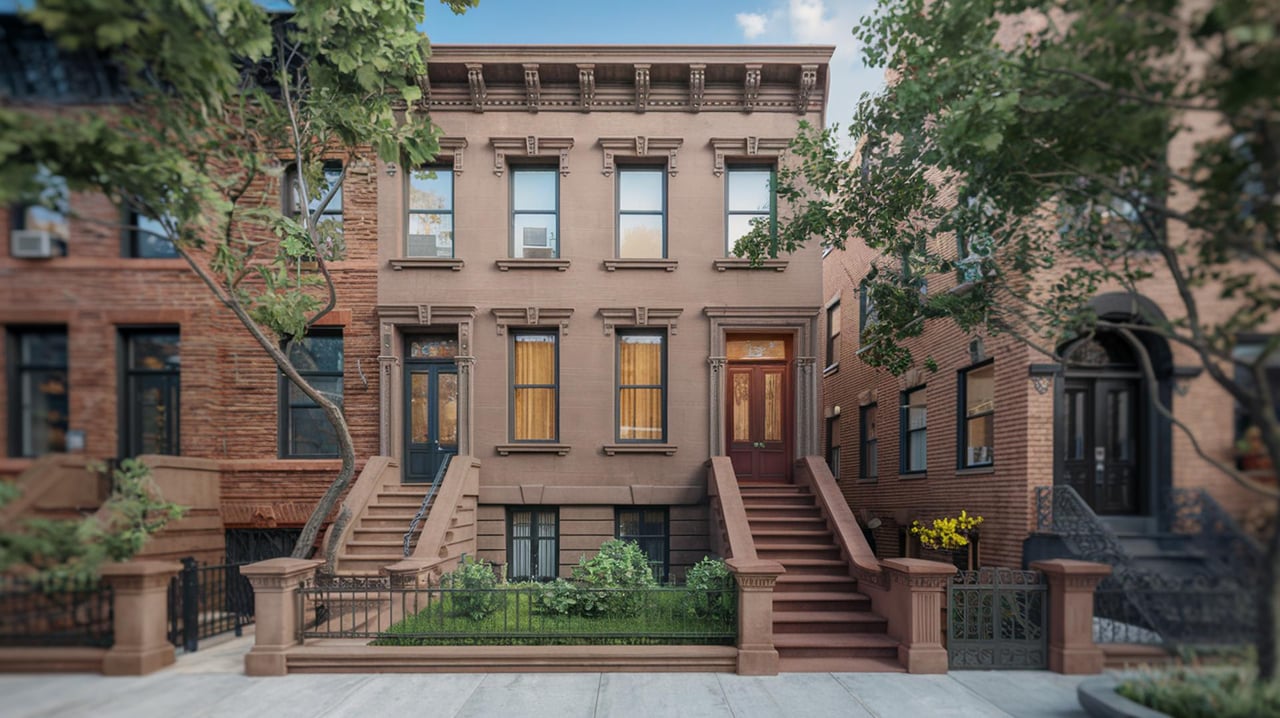
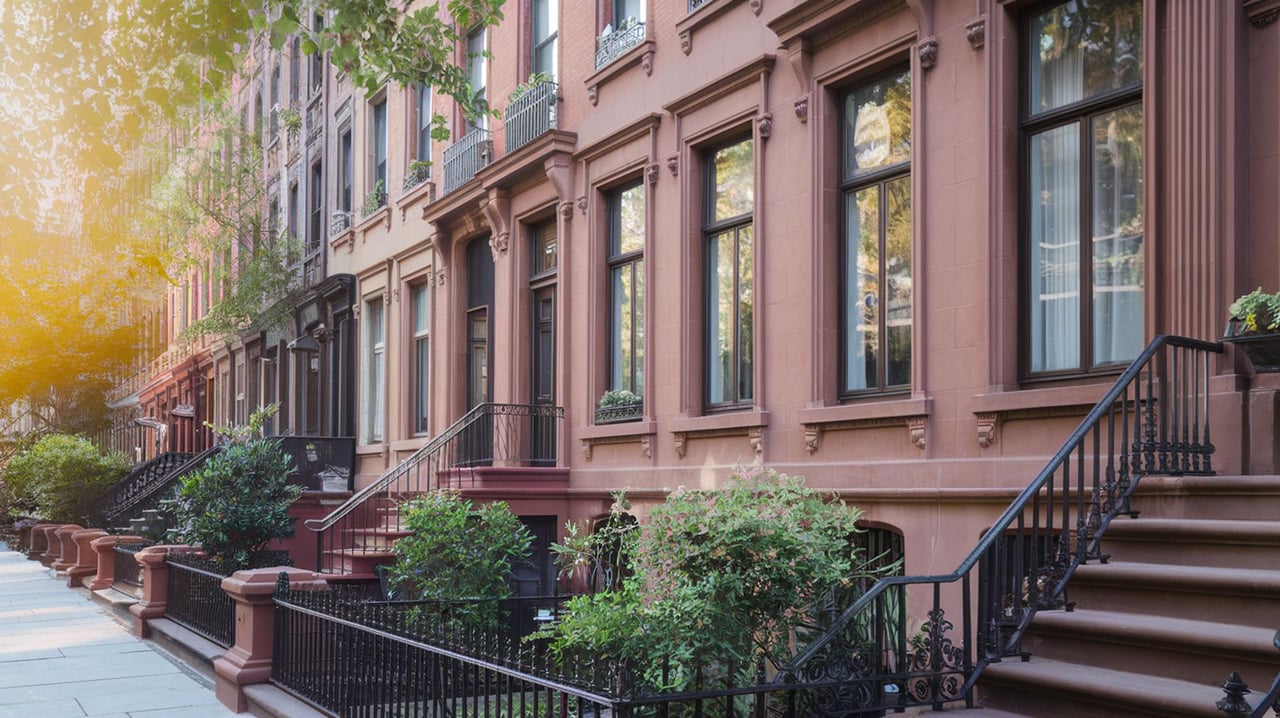
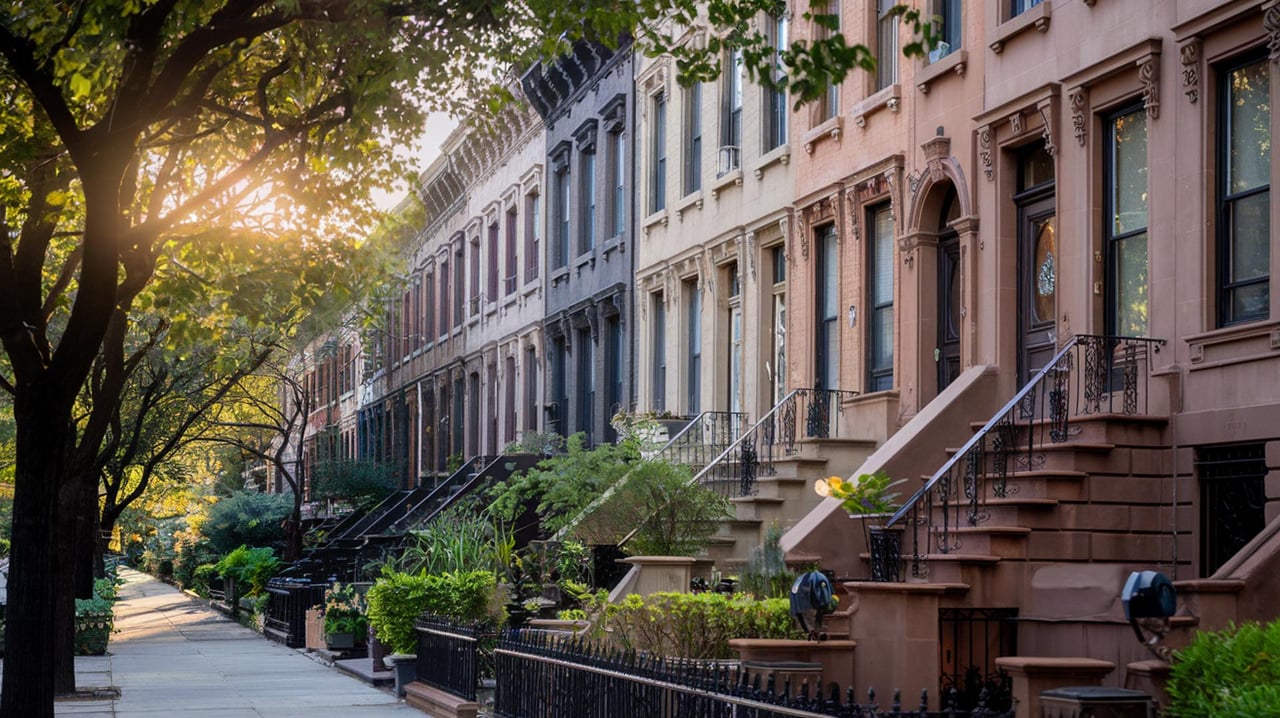
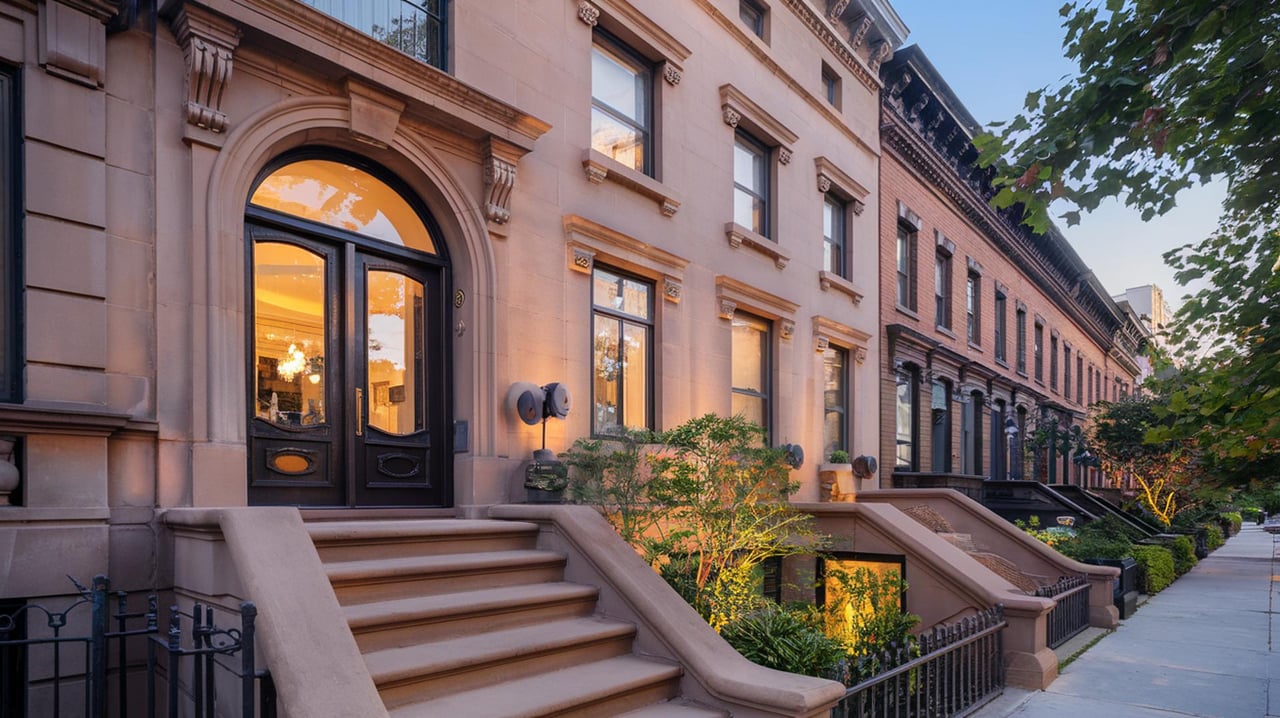
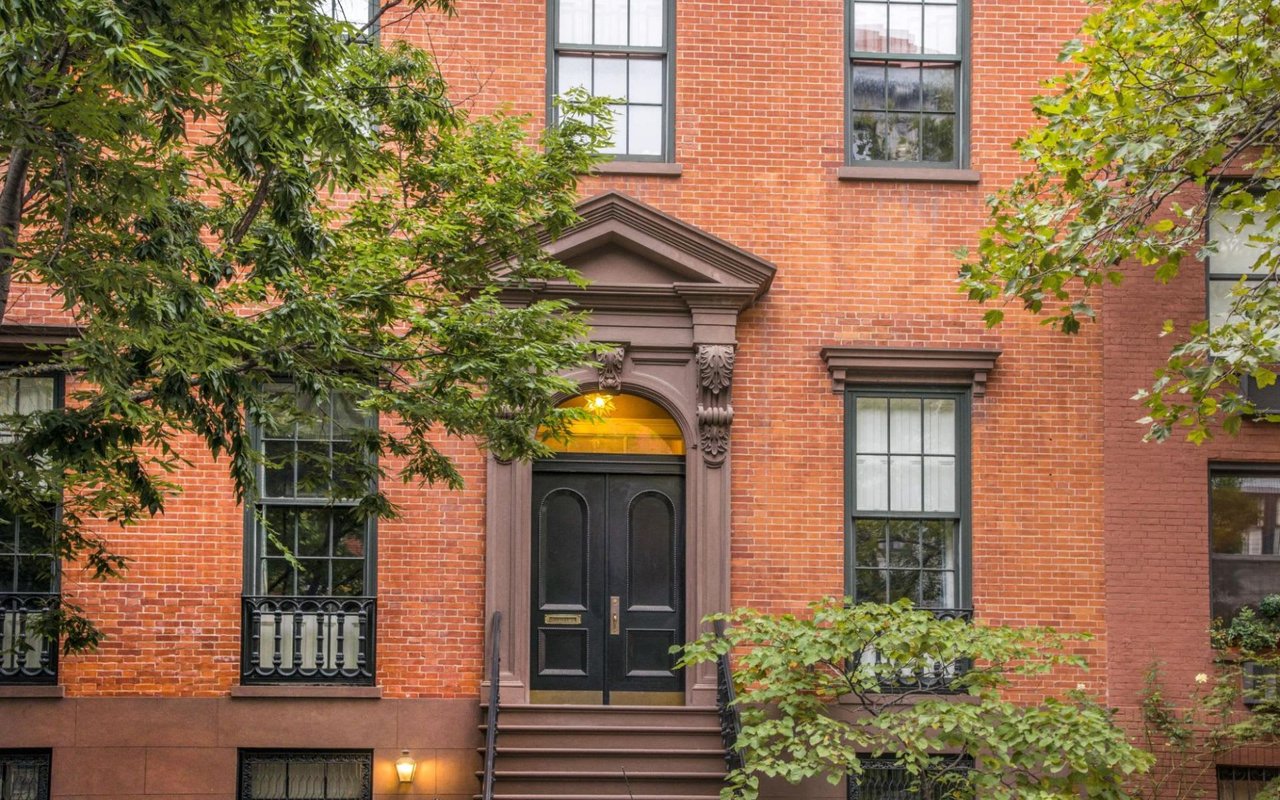
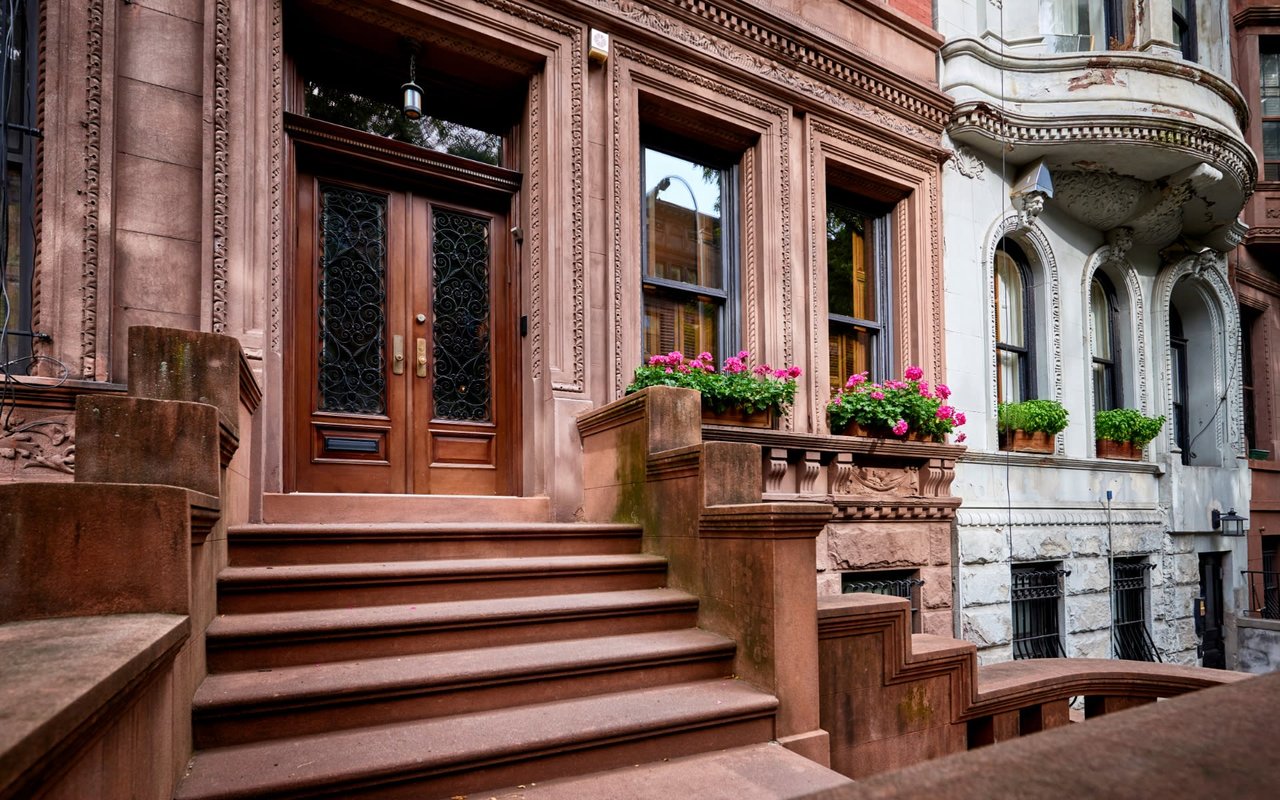
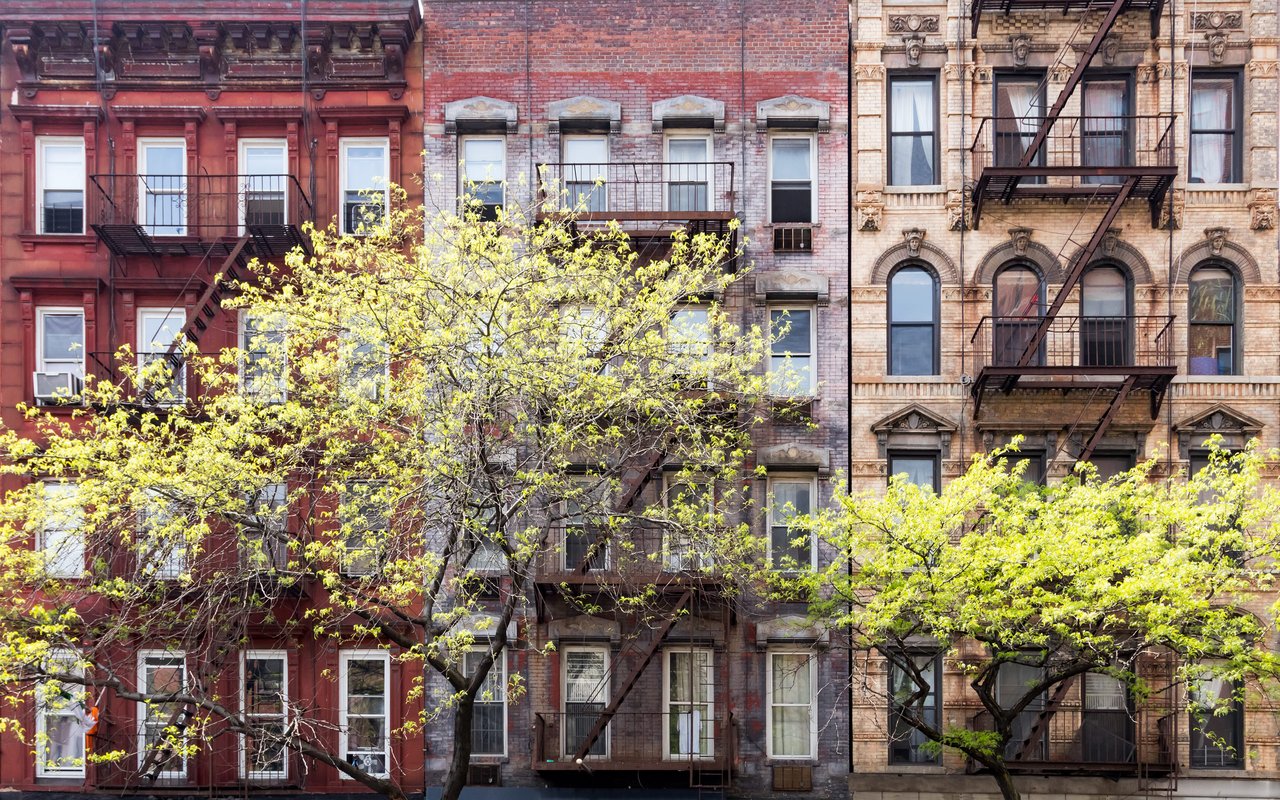
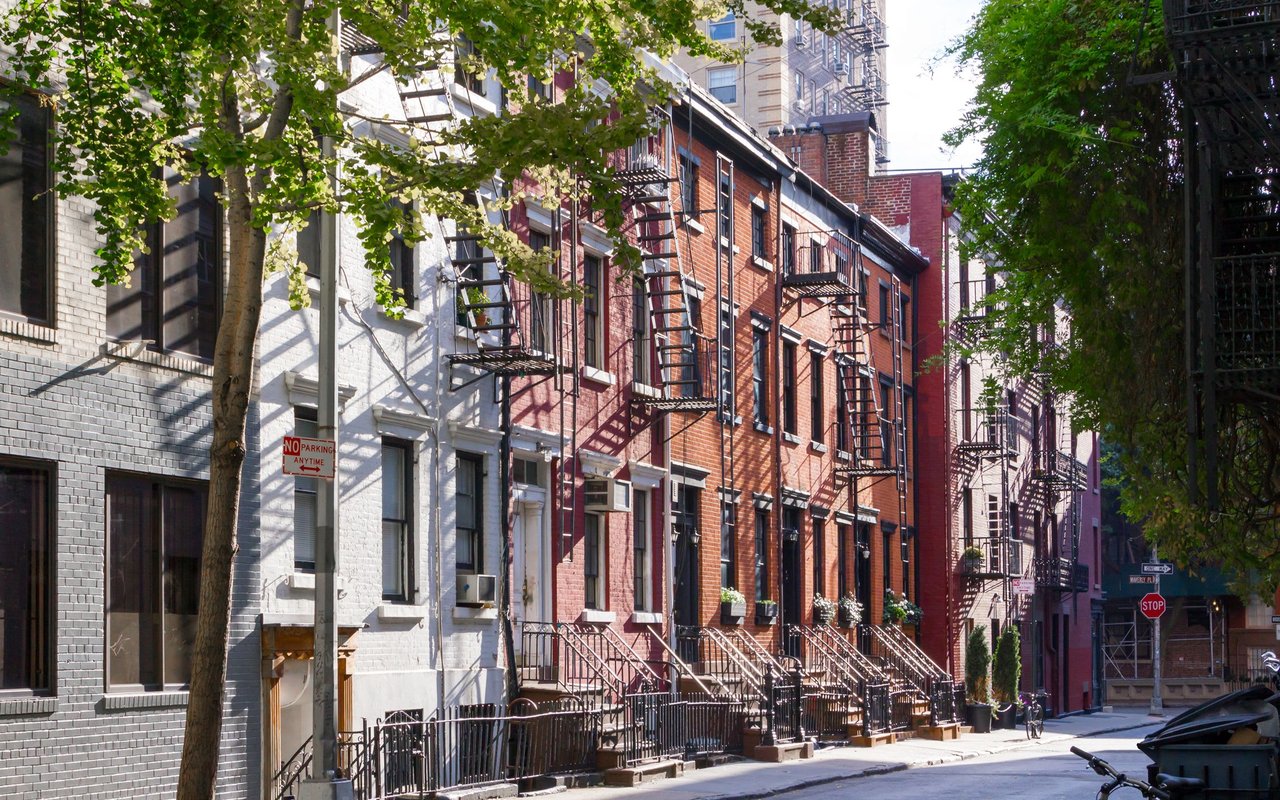
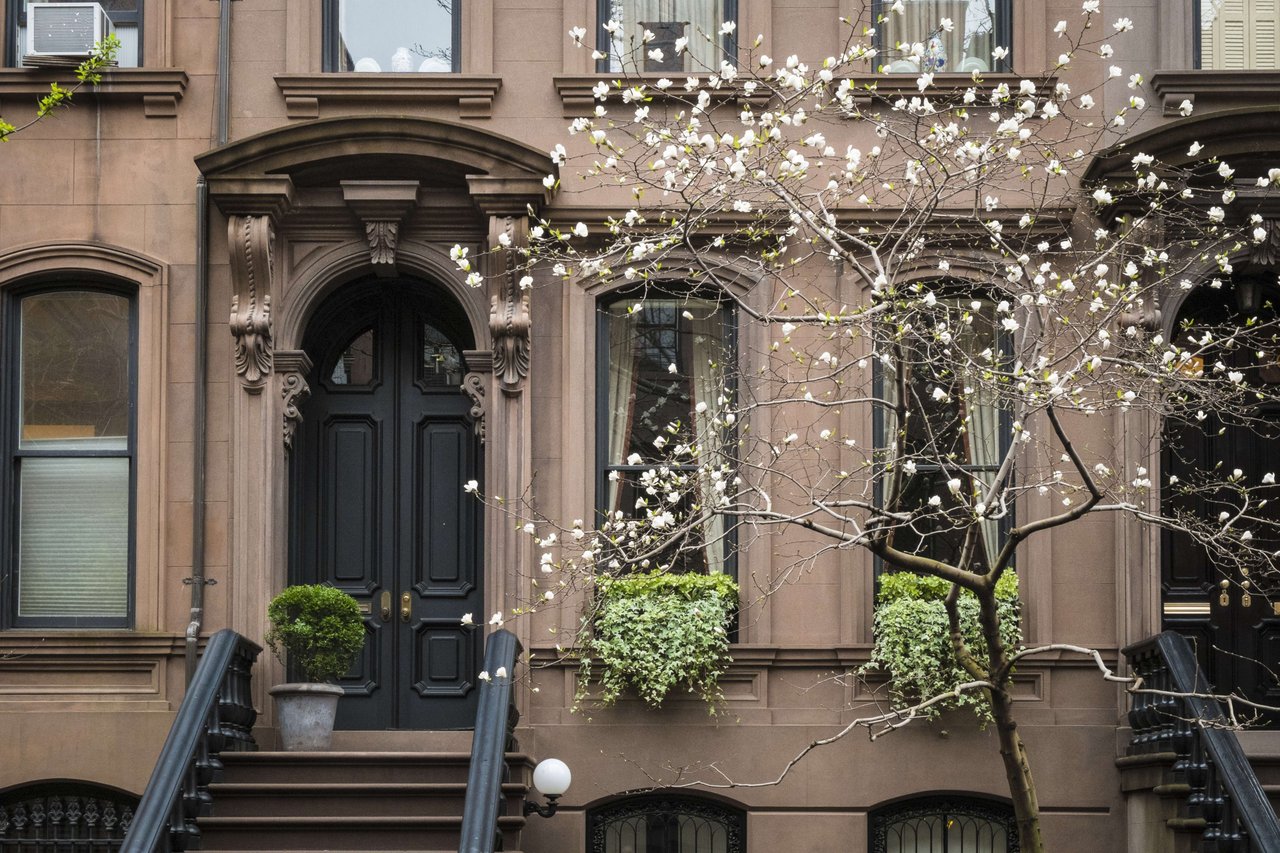
Prewar East Village buildings include classic walk‑ups and tenements, brownstones, and a mix of mid‑rise co‑ops and some condos. Building type matters. Walk‑ups mean more labor carrying materials, while elevator buildings add scheduling for protection and freight time. Some blocks also sit in historic districts. If your scope touches visible exterior elements like windows, you need to check Landmarks status early using the NYC Landmarks Preservation Commission map. See the current list of Manhattan historic districts and process on the Landmarks site. NYC LPC historic districts
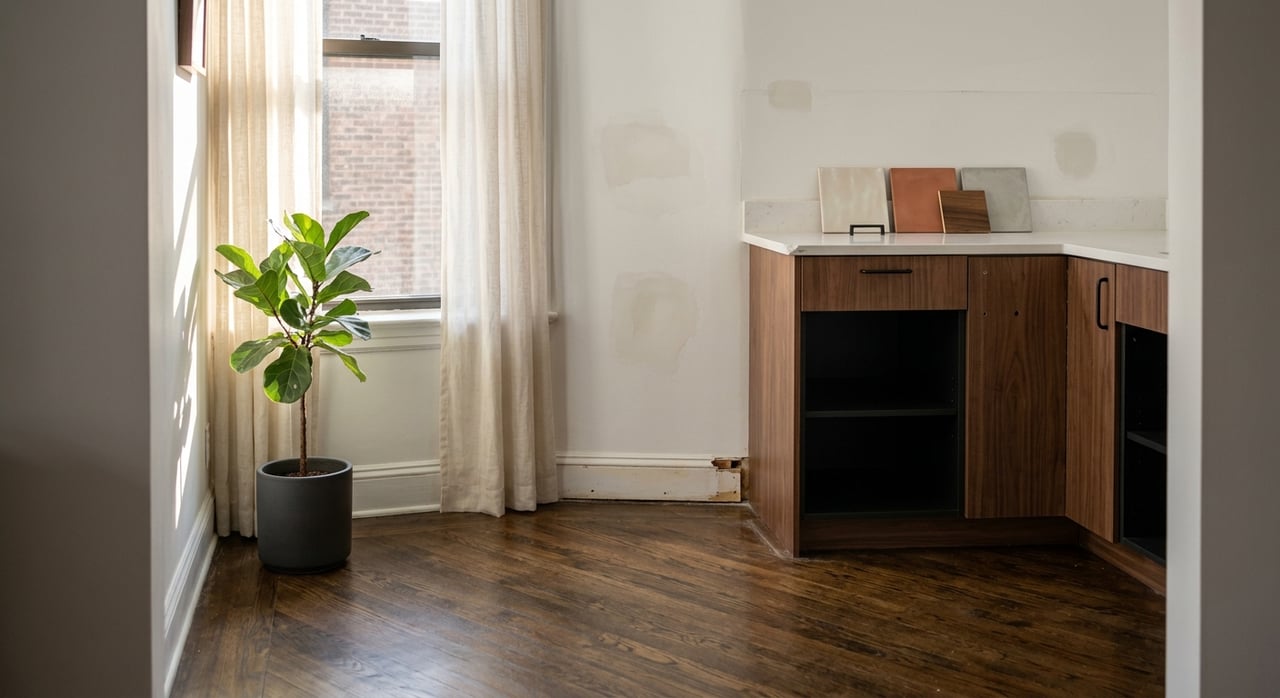
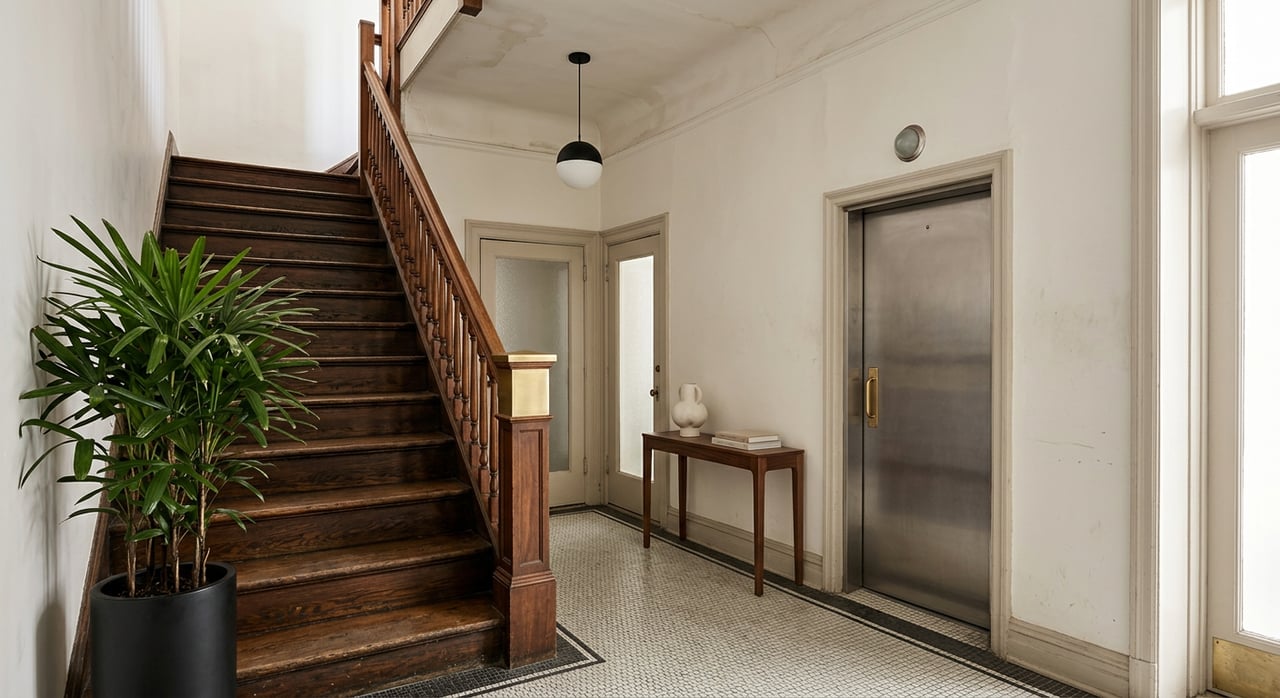
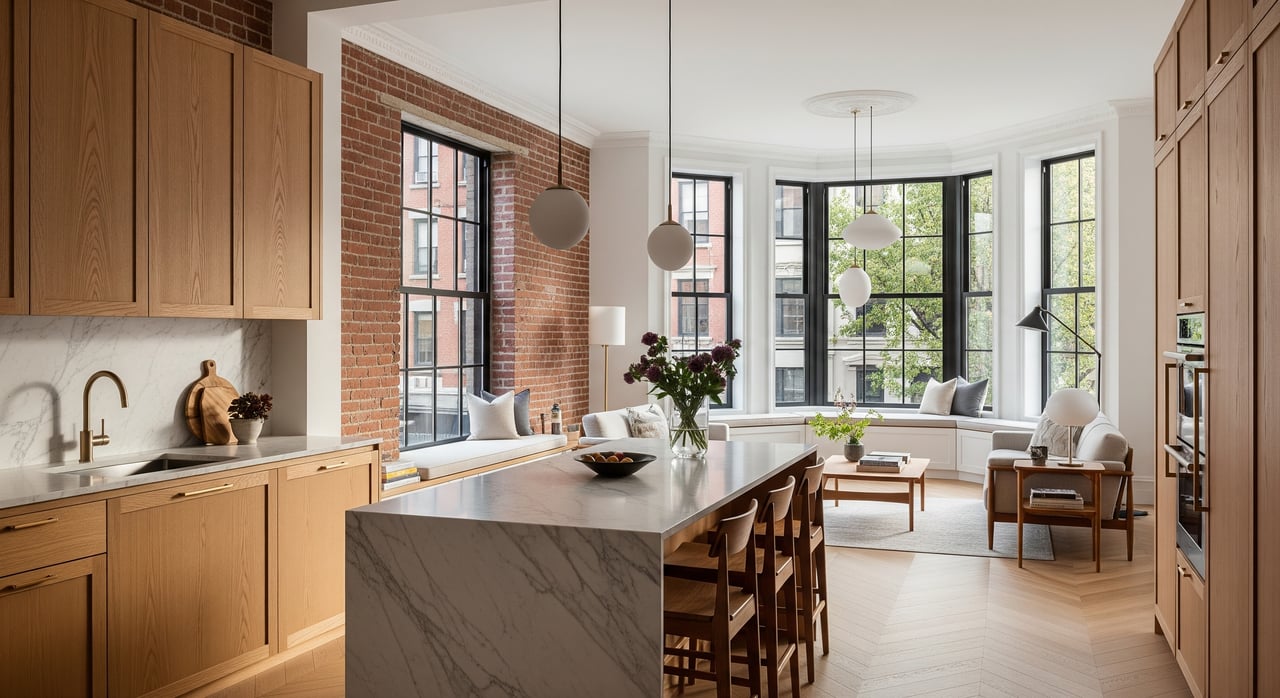
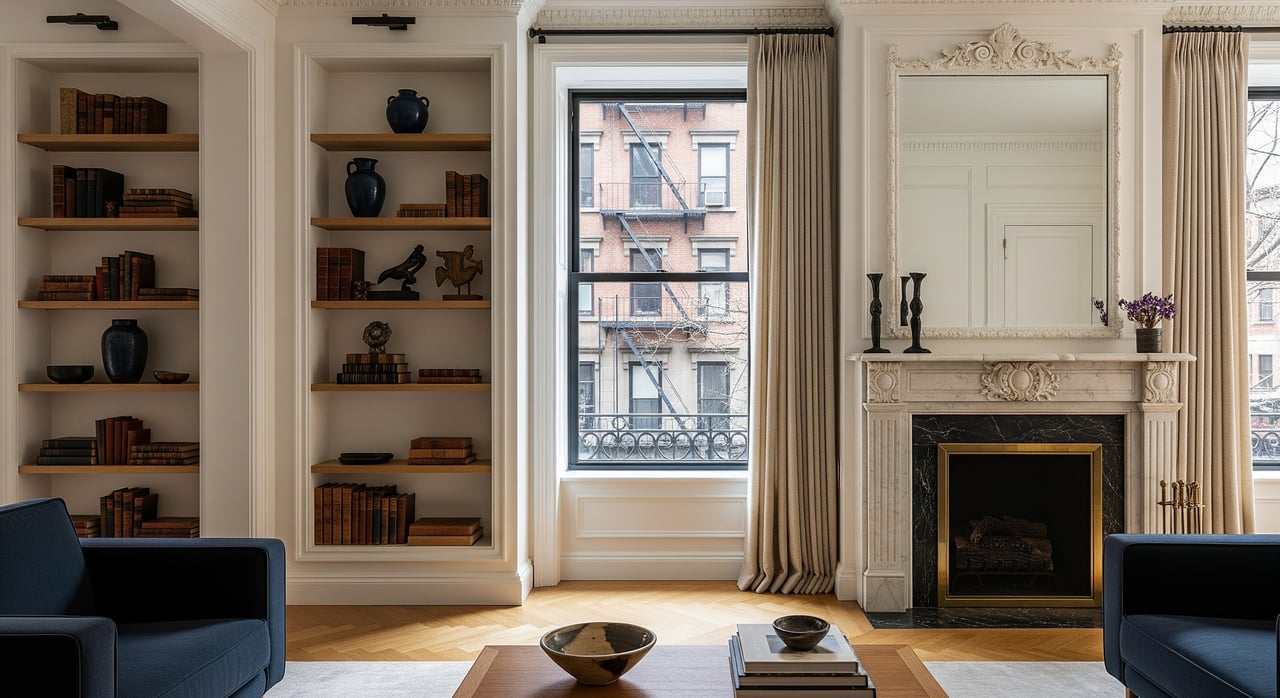
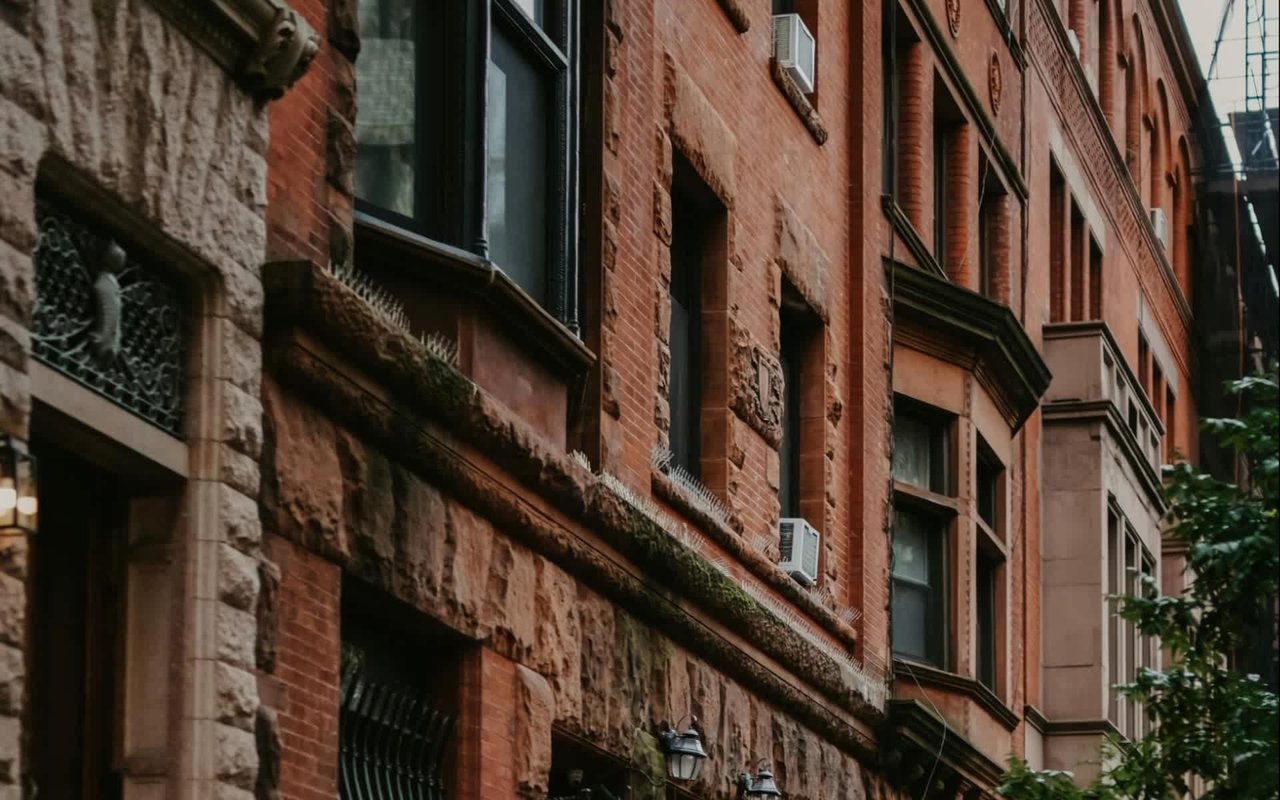
Inside the unit, expect plaster and lath walls and ceilings, original hardwoods and moldings, and steam or hot‑water radiators. Older plumbing stacks and electrical systems are common. You may find cloth‑insulated wiring, outdated panels, or galvanized and cast‑iron drains. These conditions can require careful demolition, rewiring, replumbing, and specialized patching, which adds time and cost.
If the building is over six stories, the city’s Façade Inspection & Safety Program can affect your logistics. Sidewalk sheds, scaffolding, or ongoing façade work can change how and when materials move in and out. DOB FISP overview
Approvals you need
Renovating in a co‑op or condo follows two tracks at the same time: building approval and city permits. You need both before work starts.
Board approval basics
Co‑ops tend to be more restrictive than condos. Expect an Alteration Agreement, a refundable construction deposit, proof of insurance naming the building as additional insured, contractor qualifications, working hours, and elevator rules. Condos also set construction rules, but the process is often a bit lighter. Ask the managing agent for your building’s construction policies and any required forms as soon as you start planning.
City permits: what triggers a filing
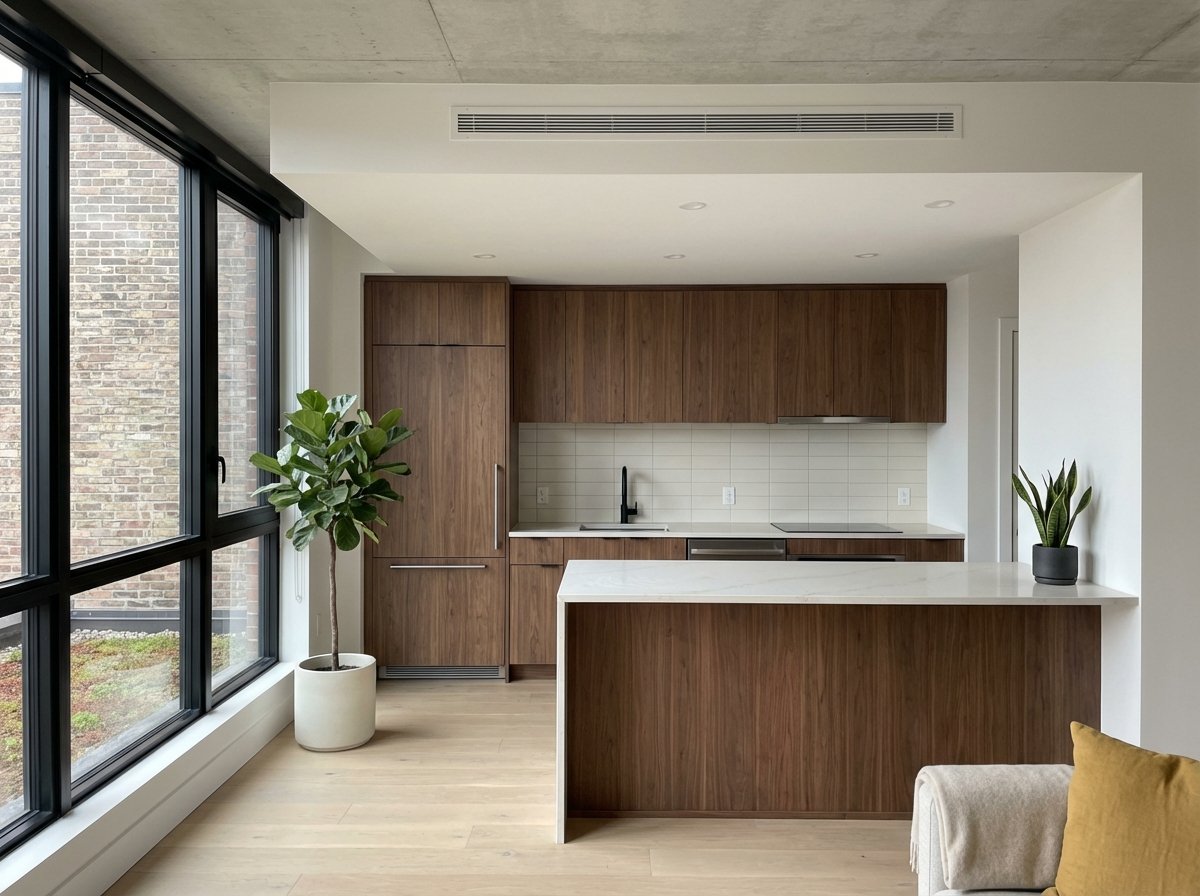
Most meaningful interior renovations require a Department of Buildings filing and permits. Common triggers include new plumbing or electrical circuits, panel upgrades, moving walls that affect layout or egress, kitchen or bath relocations, ventilation changes, and any exterior change that alters the façade. In NYC, full interior jobs that combine multiple trades typically file as Alteration Type 2. Always confirm the exact filing type and permit needs with a licensed architect or engineer. Start here for process details in DOB NOW. DOB NOW: Build FAQs
Do not start without approvals
Doing regulated work without permits or board sign‑off risks stop‑work orders, fines, and required corrective filings. It also creates friction with your building. Wait until your Alteration Agreement is signed and your permits are posted. You can review core filing forms and project types in the city’s PW1 guide. DOB PW1 user guide
Build your team early
- Architect or experienced designer: prepare feasibility options, board‑ready drawings, and DOB filing sets. An architect is essential if you plan layout changes or multi‑trade work.
- Structural engineer: bring in a PE if you are moving or altering load‑bearing walls or installing beams.
- Licensed general contractor: coordinate trades, protection, permits, and inspections. Verify registration for NYC work, insurance, and recent job references. DOB contractor requirements
- Lead and asbestos professionals: plan surveys before demolition. Use certified firms if abatement is required.
- Expediter or project manager: helpful for filing coordination, plan examiner comments, and inspection scheduling.
Timeline: from idea to move‑in
Below is a realistic sequence for a prewar East Village renovation. Durations are typical ranges. Your building, scope, and findings can shift these windows.
- Feasibility and due diligence: 0–2 weeks
- Review the proprietary lease or bylaws, request building construction rules, and check for open DOB violations. Confirm whether your scope touches plumbing stacks or risers. If you plan any exterior‑visible work, verify Landmarks status.
- Hire architect and create preliminary drawings: 2–4 weeks
- Site visit, layout options, scope narrative, and a board‑friendly plan set. If you suspect structural work, have a PE evaluate load paths and openings.
- Submit your board package: 4–12+ weeks
- Boards meet on different schedules and often request revisions. Budget time for legal review and extra insurance riders, deposits, or superintendent oversight.
- File DOB permits and required notifications: 2–8+ weeks
- Many Alt‑2 filings see 1–3 rounds of plan examiner comments. Complete lead and asbestos surveys before DOB issues permits when required. DOB NOW: Build FAQs
- Pre‑construction coordination: 1–3 weeks
- Confirm elevator reservations, post permits, deliver Certificates of Insurance, build protection, and schedule a pre‑construction walk with the superintendent.
- Demolition and rough‑in: 4–12+ weeks
- Plaster and lath, old wiring, and stack work can extend this phase. Expect some surprises. Hold a contingency in time and budget for hidden conditions.
- Finishes, inspections, and close‑out: 4–8 weeks
- Set cabinets and tile, install appliances, complete trim, paint, and pass final inspections. File completion paperwork your building requires.
Total project timing varies by scope:
- Cosmetic refresh: 4–8 weeks. NYC renovation guide
- Full kitchen plus one bath (no major layout change): about 8–16 weeks. Corniel Construction Manhattan cost guide
- Full gut remodel with multiple trades: 4–9 months for construction, and 6–12+ months including board and DOB approvals. Corniel Construction Manhattan cost guide
Budget: what to expect
Every building and scope is different, but Manhattan projects typically price higher than outer borough jobs. Use ranges to plan, then refine with your architect and GC.
- Cosmetic refresh: about $100–$250 per square foot. NYC renovation guide
- Full gut, mid‑range: commonly $250–$600 per square foot in Manhattan, with higher budgets for custom finishes or extensive remediation. Corniel Construction Manhattan cost guide
Build in a 15–25 percent contingency. Prewar projects often uncover hidden wiring, plumbing issues, or structural surprises. Big cost drivers to watch:
- Electrical: full rewiring, panel upgrades, or service increases.
- Plumbing: stack or riser work, especially if neighboring units are involved.
- Hazards: certified lead and asbestos abatement.
- Structure: beams or engineered openings.
- Logistics: walk‑up material handling and elevator protection.
- Plaster: extensive removal versus careful repair.
- Exterior: window replacements in a landmark district or any façade work coordinated with FISP.
Hazards and how to handle them
Because most prewar buildings predate 1978, lead paint is very likely. The EPA requires certified firms and lead‑safe work practices any time you disturb painted surfaces. Keep your certifications and records organized for your board and GC. Learn the basics here. EPA RRP program
NYC has additional lead guidance for multi‑dwelling owners and managers. Even if you are renovating a single apartment, it is smart to follow these best practices to protect your household and building staff. NYC lead-based paint guidance
New York State also requires an asbestos survey before many types of renovation. If asbestos is found, licensed contractors and formal notifications are mandatory. Plan for survey time and, if needed, abatement before demolition. NYS DOL Asbestos Control Bureau
Logistics that can shift your schedule
- Walk‑up vs elevator: Moving debris and materials by stair extends labor. Elevator buildings add protection and reservation windows that can slow deliveries.
- Historic district and FISP: Landmarks review for exterior‑visible work and façade safety requirements can influence timing and access. NYC LPC historic districts | DOB FISP overview
- Building rules: Working hours, noise limits, and elevator schedules can compress or stretch your day.
- Insurance and deposits: Many boards require Certificates of Insurance with additional insured language, a Waiver of Subrogation, and a refundable construction deposit.
Your board package checklist
Gather these items before you submit. It speeds review and reduces back‑and‑forth.
- Owner name, unit, contact info, and emergency contact
- One‑page scope of work summary
- Architect or designer info and NY‑licensed RA‑sealed plans: existing and proposed floor plans, key details
- Structural engineer letter or report if structural work is planned
- Contractor name, NYC registration or HIC where applicable, references, and any permit expeditor info
- Certificates of Insurance: General Liability and Workers’ Comp naming the building as additional insured; Waiver of Subrogation if required
- Construction schedule: start date, duration, working hours, elevator usage plan, and method for protecting common areas
- Construction deposit or escrow as required
- Lead and asbestos documentation: EPA RRP certification and asbestos survey or forms if applicable
- Draft or signed Alteration Agreement if your building provides one
Smart planning tips
- Do not demo before approvals: Wait for your signed Alteration Agreement and posted permits to avoid stop‑work orders and fines. DOB NOW: Build FAQs
- Test early for hazards: Lead and asbestos surveys before demolition save time and prevent costly resets.
- Verify structure and stacks: Have your architect or engineer confirm load‑bearing conditions and any plumbing risers that might involve neighbors.
- Hire registered and insured pros: Confirm your GC can pull permits in NYC and carries the insurance your board requires. DOB contractor requirements
- Build float into your plan: Sequence can shift for board comments, plan examiner notes, and long‑lead finishes.
Ready to map a clear path from concept to completion? You can partner with a team that knows East Village buildings and the entire approval process. From acquisition and feasibility to permitting, renovation coordination, staging, and sale, Mark O’Brien Real Estate brings developer‑grade construction know‑how and boutique service to your project.
FAQs
What permits do you need to renovate a prewar East Village apartment?
- Most multi‑trade work needs a DOB filing, typically an Alt‑2 for interior renovations, and you should always confirm scope with a licensed architect or engineer.
How long does East Village co‑op board approval usually take?
- Expect about 4 to 12 or more weeks depending on your board’s meeting schedule and any required revisions or legal review.
How much does a Manhattan full‑gut renovation cost per square foot?
- Mid‑range full guts commonly run about $250 to $600 per square foot, with higher budgets for custom finishes or significant remediation.
What if my building is in a historic district?
- Interior work is usually fine, but exterior‑visible changes like windows require Landmarks review, so verify LPC status early and plan review time.
Can you start demolition before permits and board sign‑off?
- No, starting early risks stop‑work orders, fines, and corrective filings; wait until your Alteration Agreement is signed and permits are posted.
Do you need an architect for a prewar East Village renovation?
- Yes for any meaningful layout, plumbing, electrical, or structural changes, and you also need board‑ready drawings and DOB permit sets.