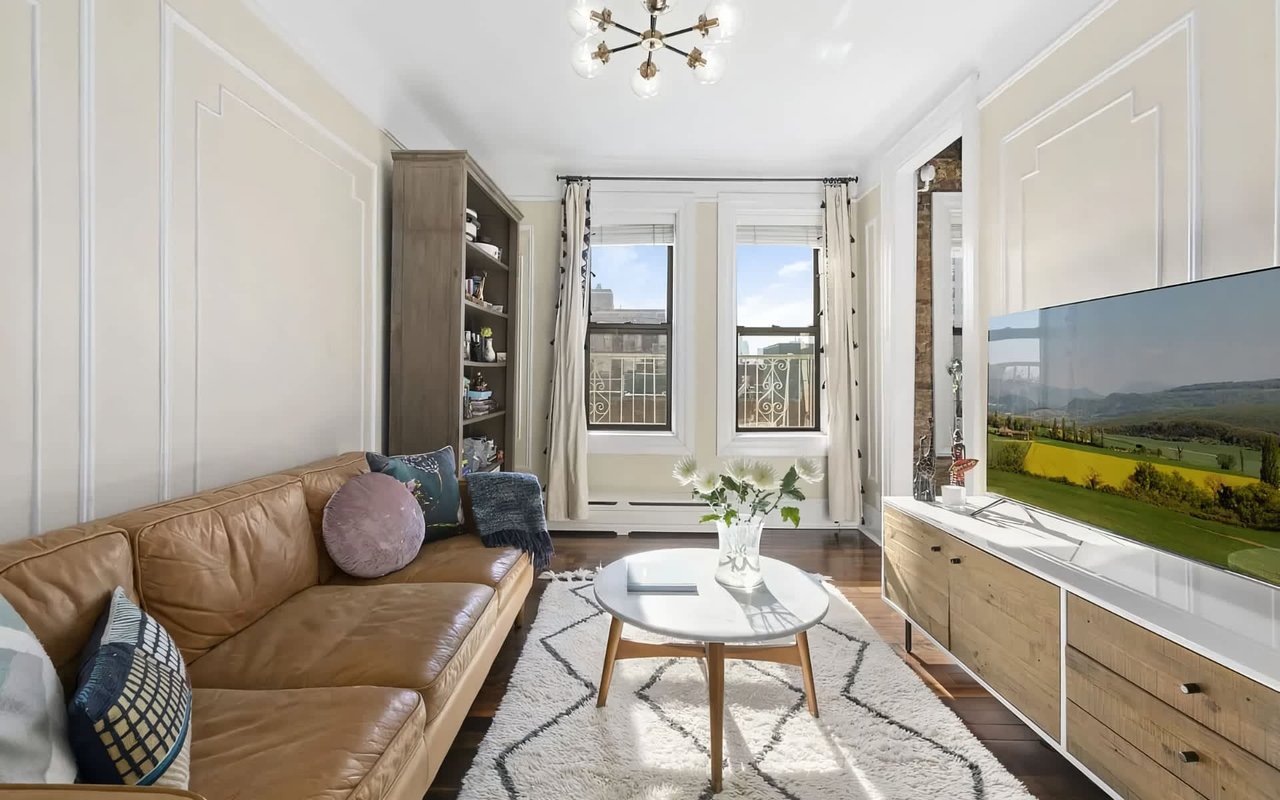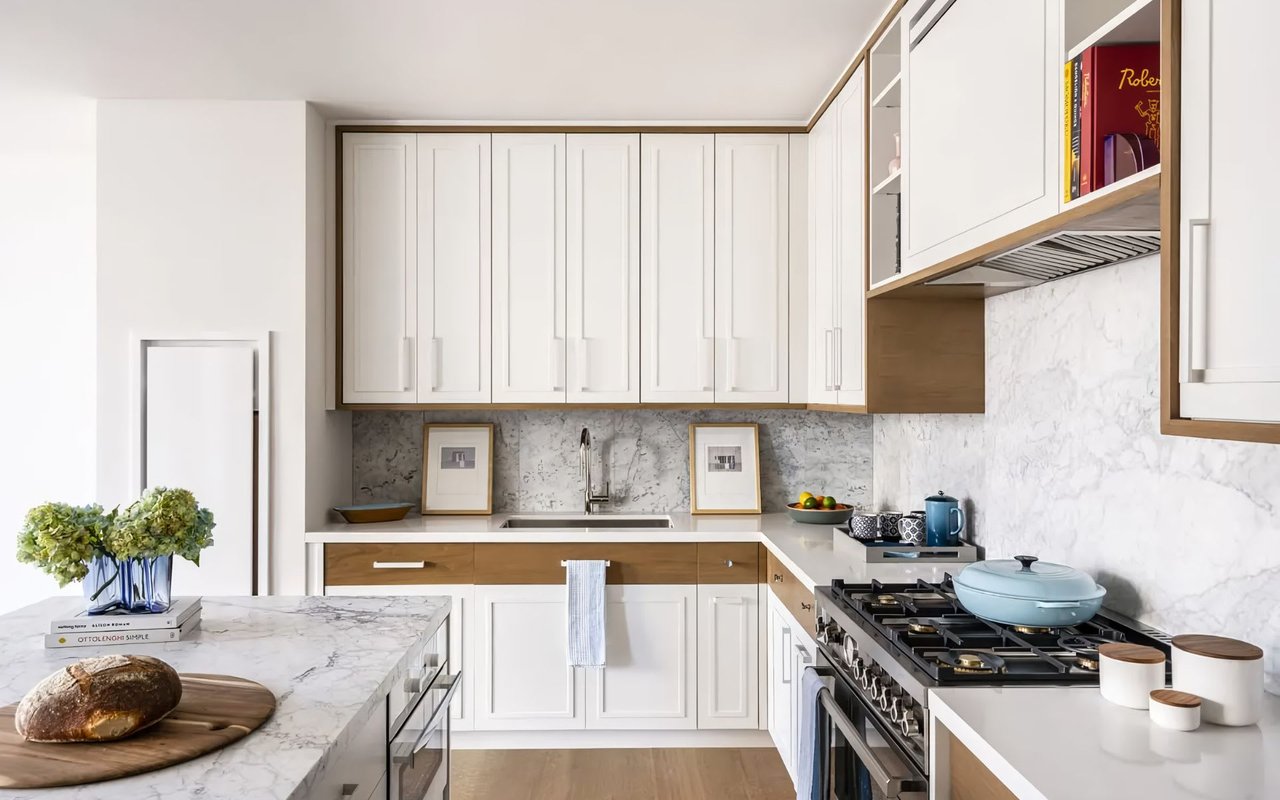
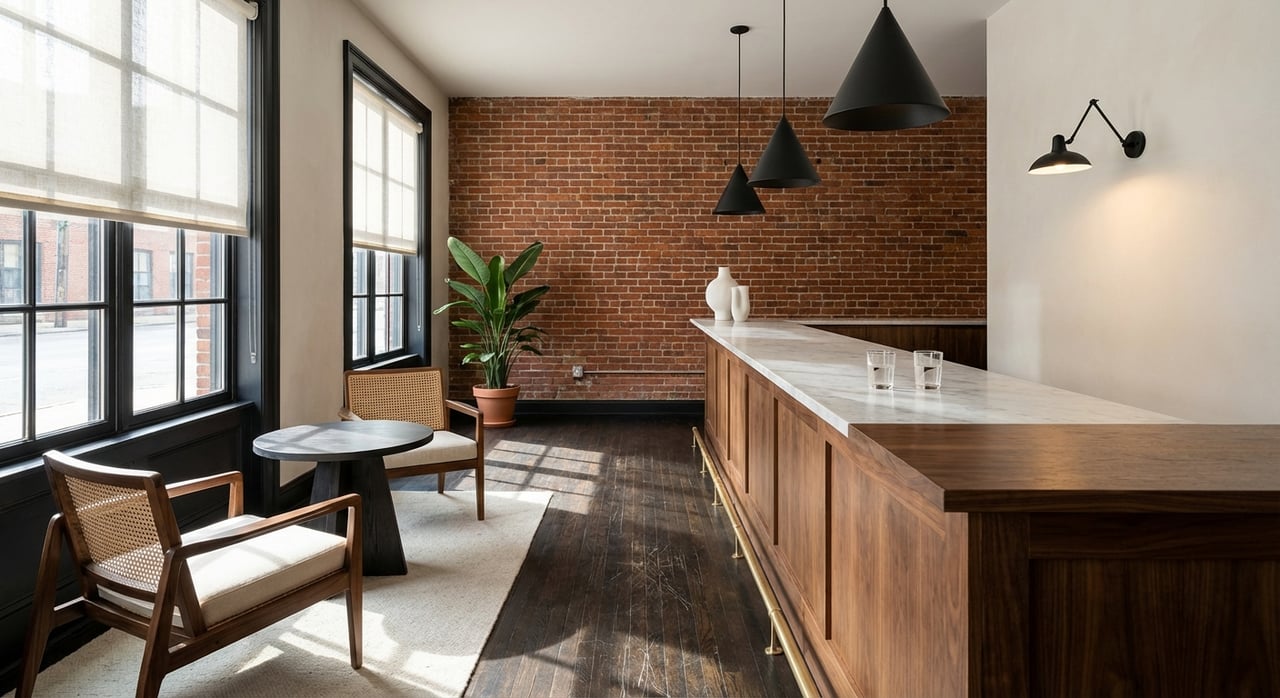
What if your next kitchen or bath idea started with brunch? In Williamsburg, many of the places you love to eat, sip, and stay are also living showrooms for materials, lighting, and layouts you can use at home. If you’re planning a renovation or just collecting ideas, this guide shows you exactly where to look and what to borrow. You’ll leave with visit-ready stops and room-by-room takeaways you can adapt to any apartment or townhouse. Let’s dive in.
Williamsburg design DNA to notice
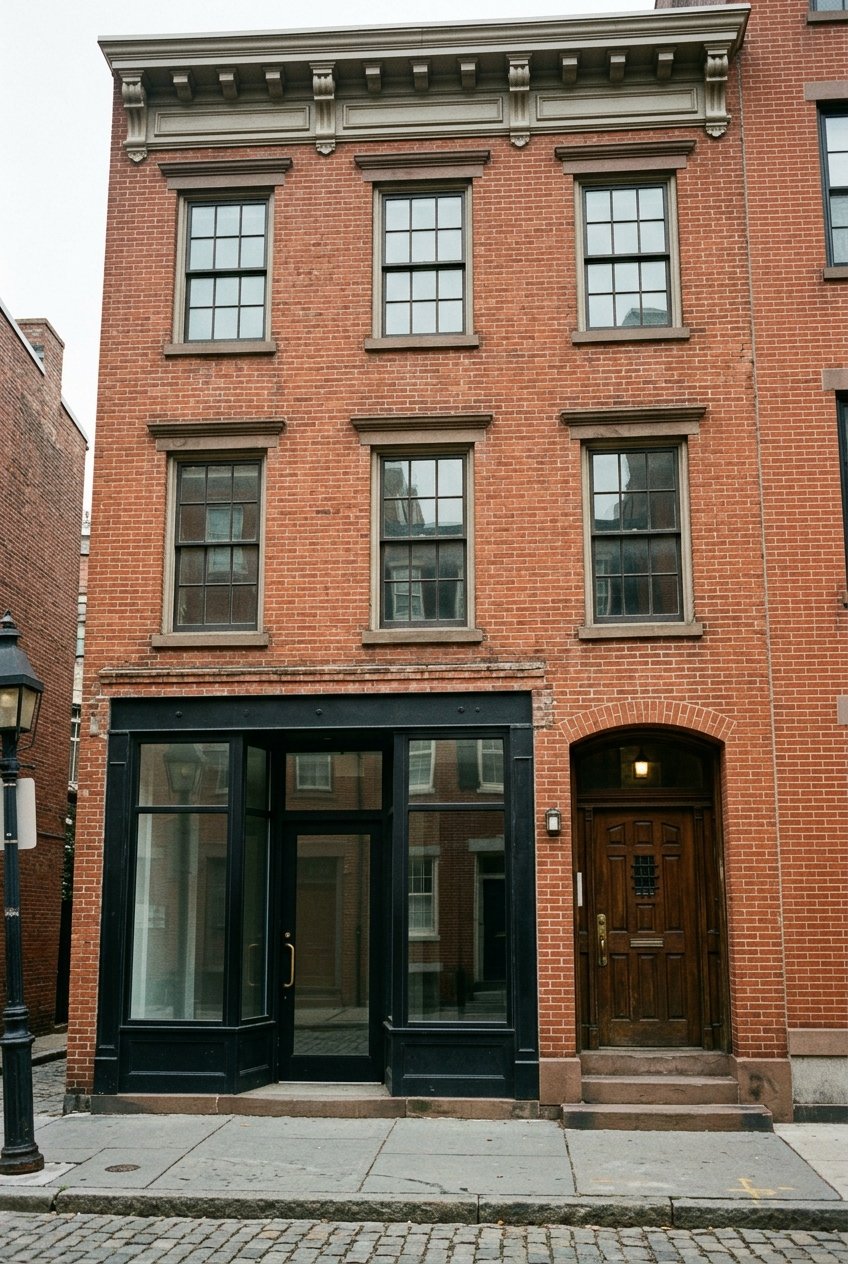
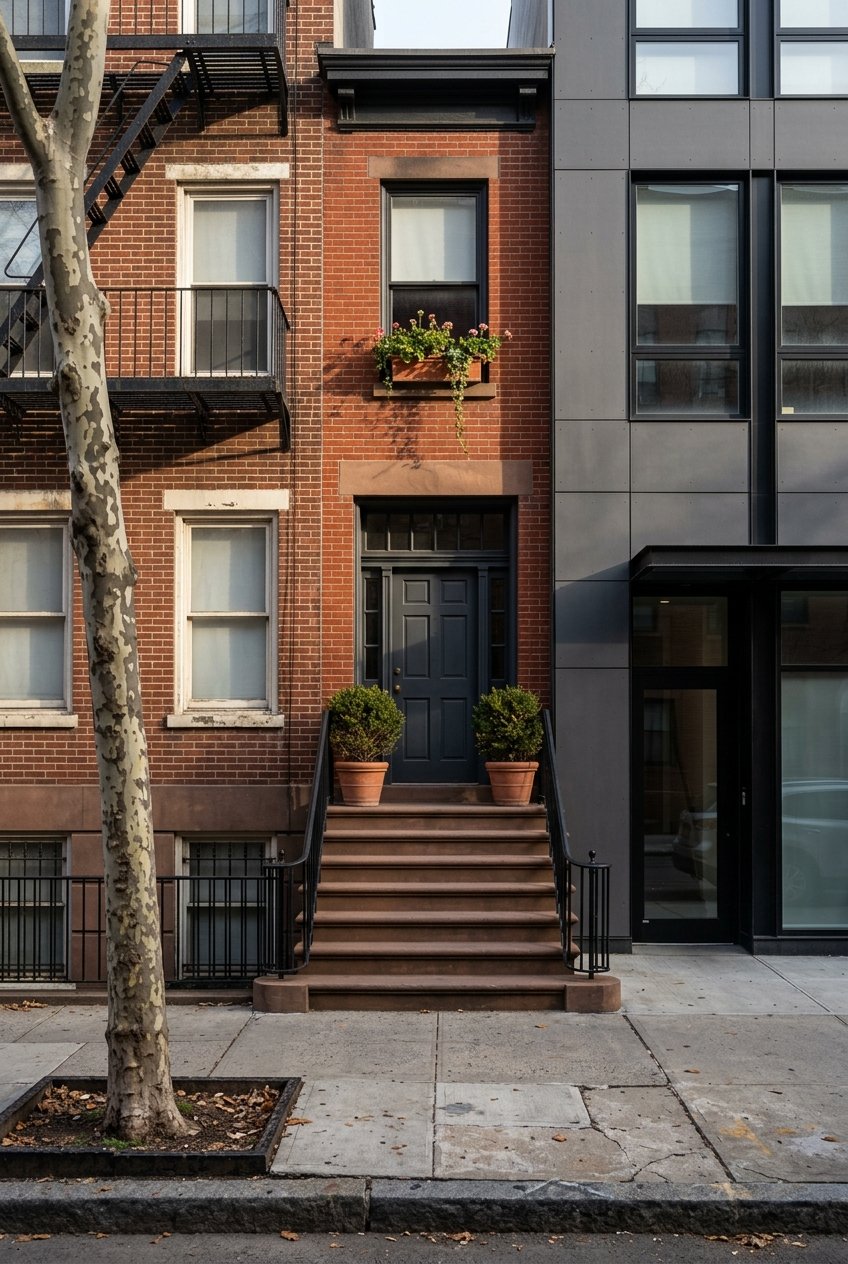
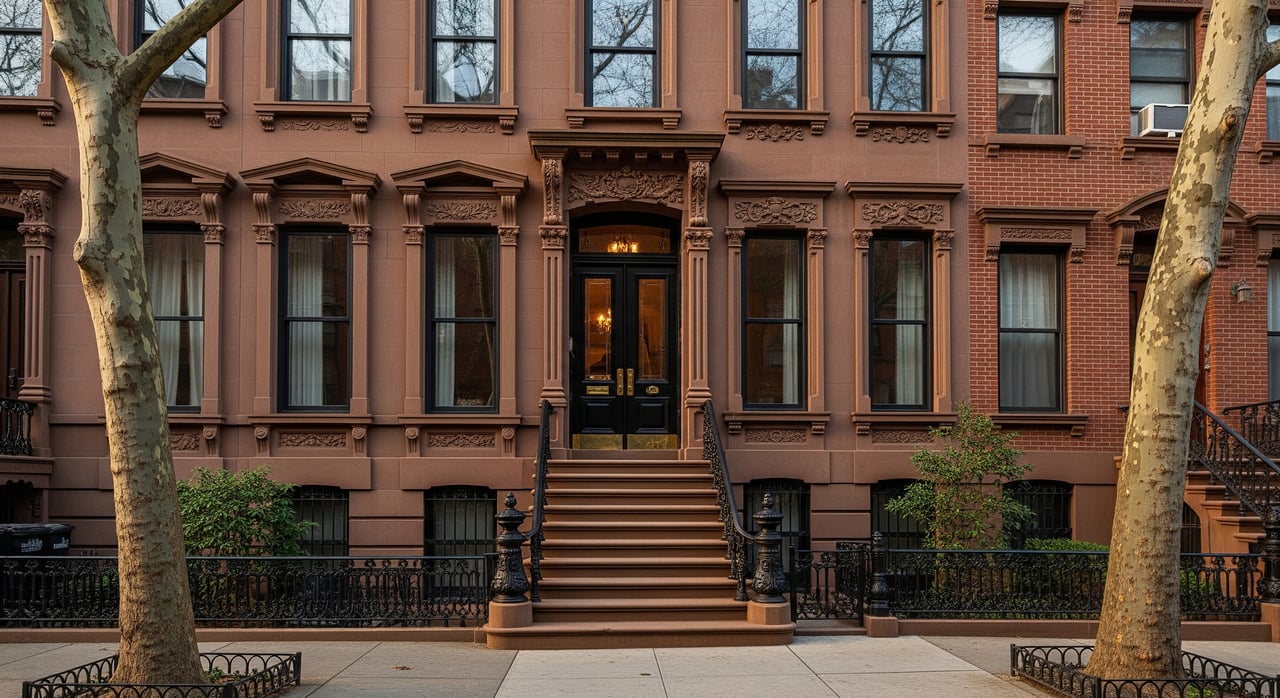
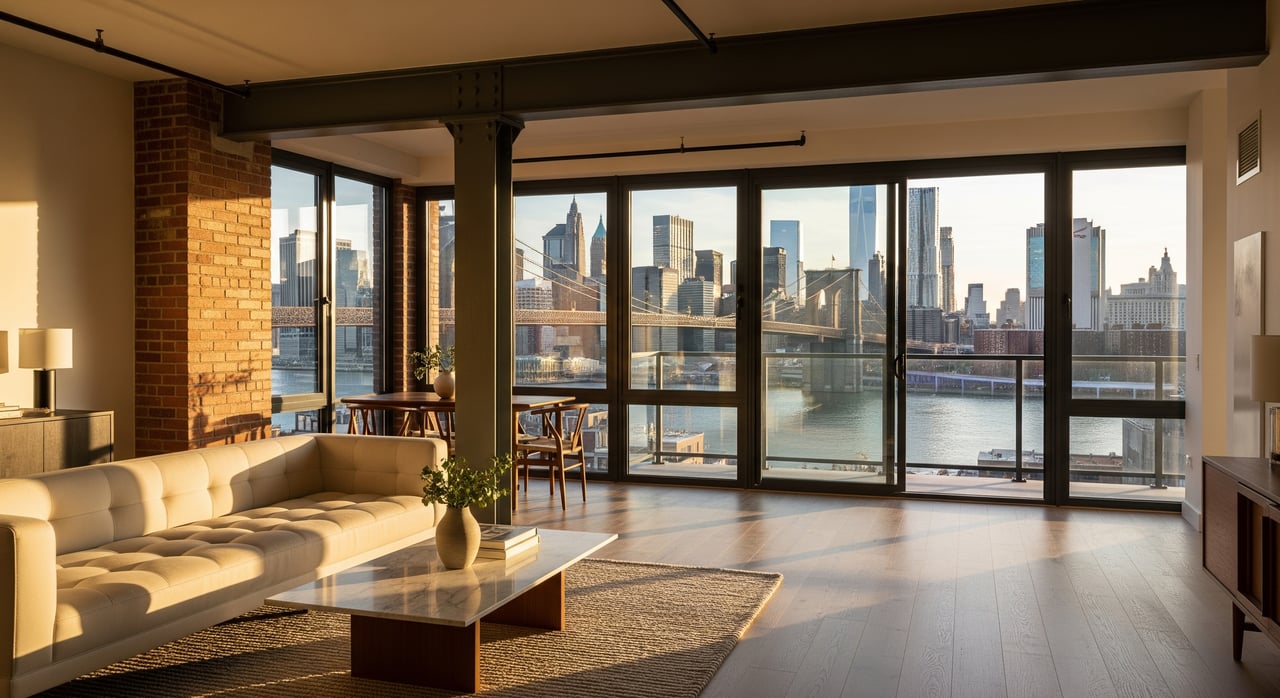
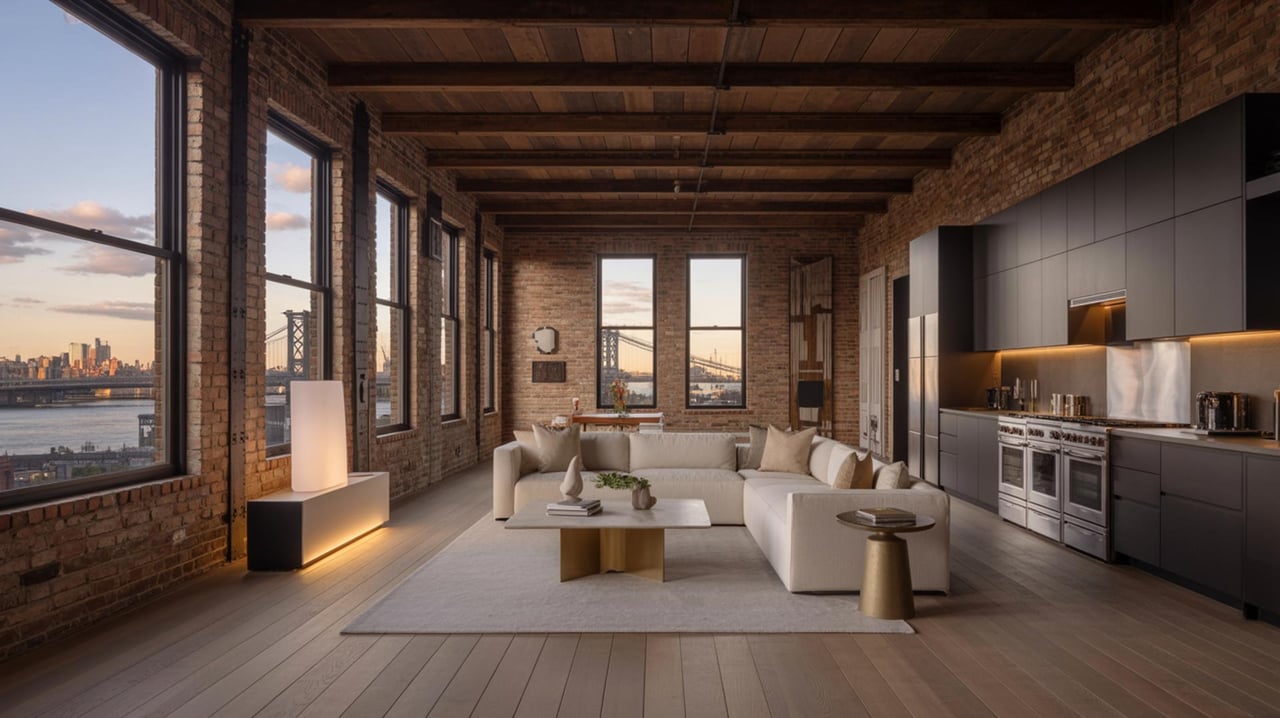
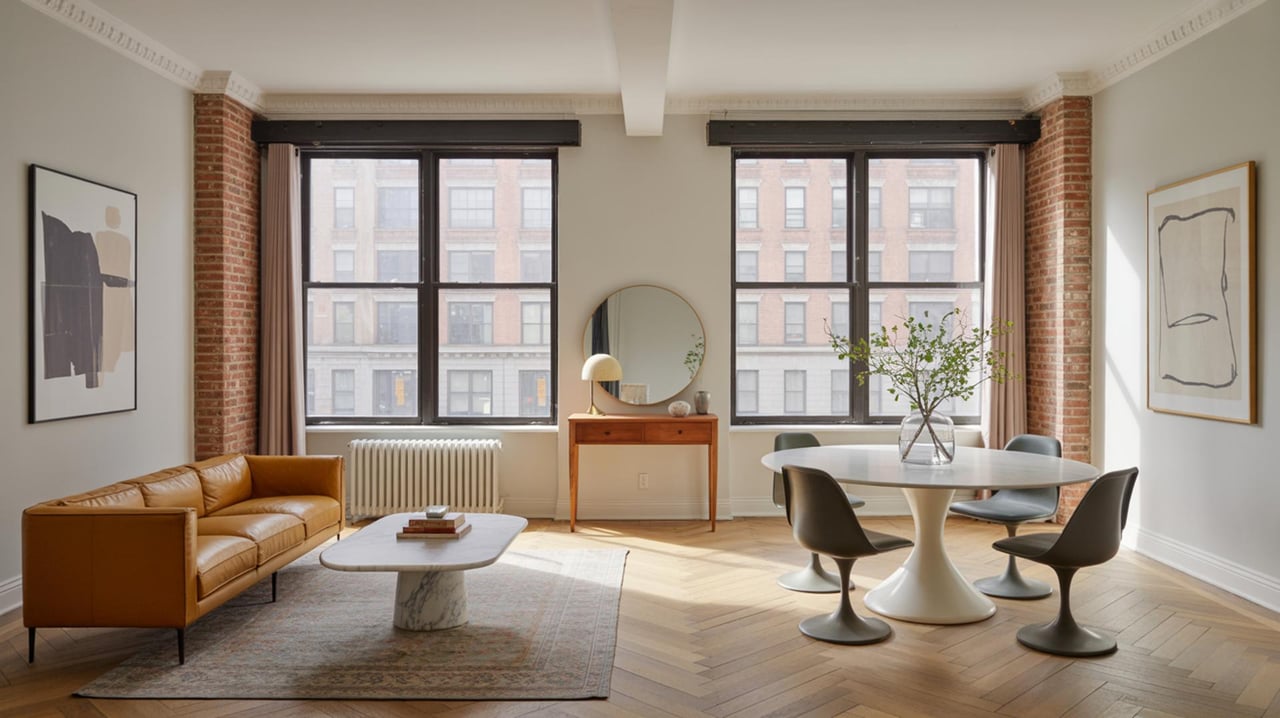
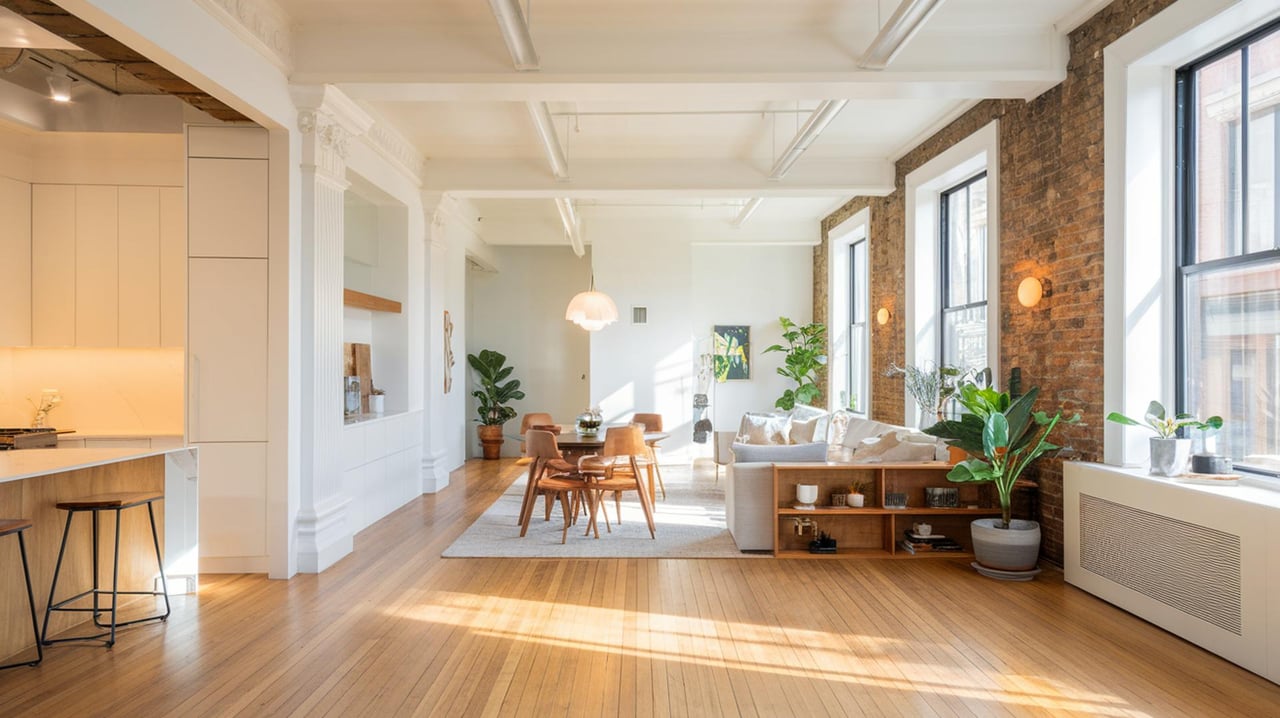
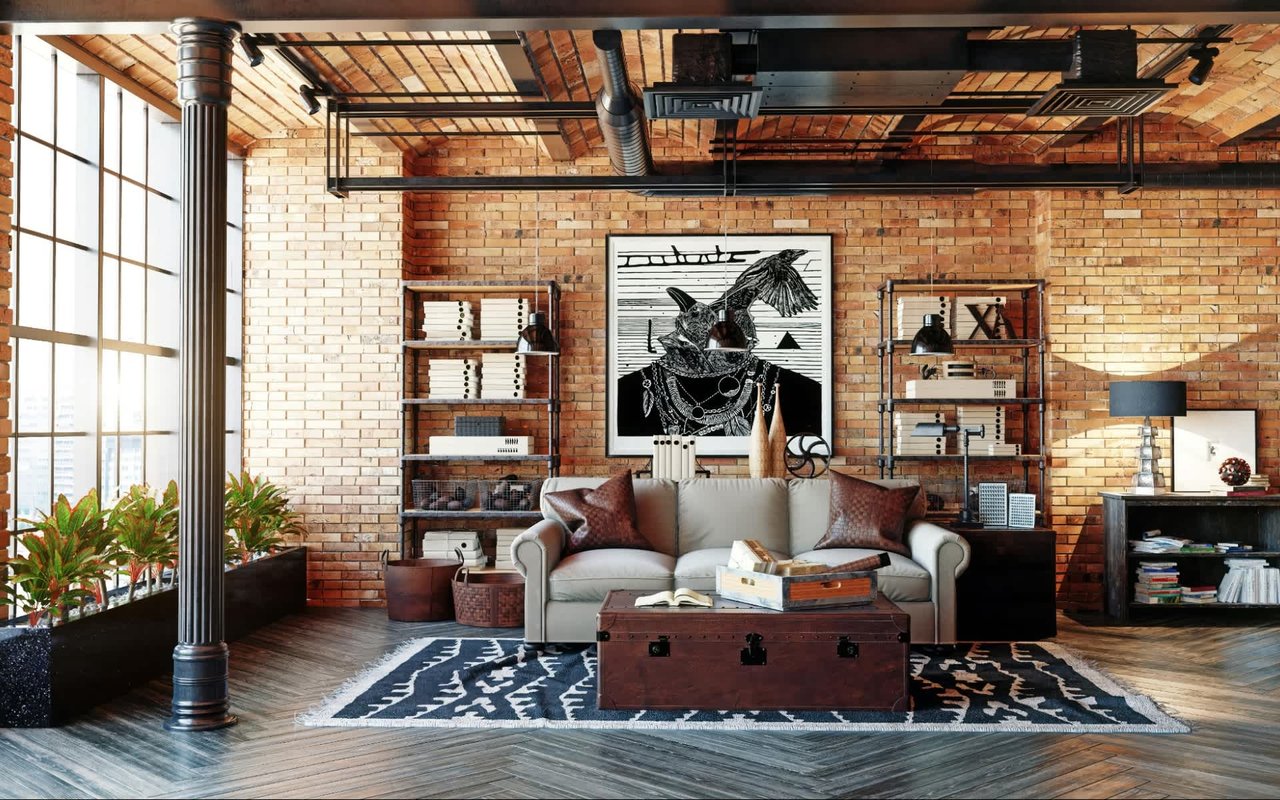
Williamsburg’s signature look grew out of adaptive reuse. Converted factories and warehouses often keep their exposed brick, cast-iron columns, heavy timber, and tall windows. Spaces like the Wythe Hotel show how to respect those bones while layering in polished fixtures and soft furnishings for warmth and function. You can study this contrast in the hotel’s public spaces, documented by its design team at Workstead’s Wythe project overview.
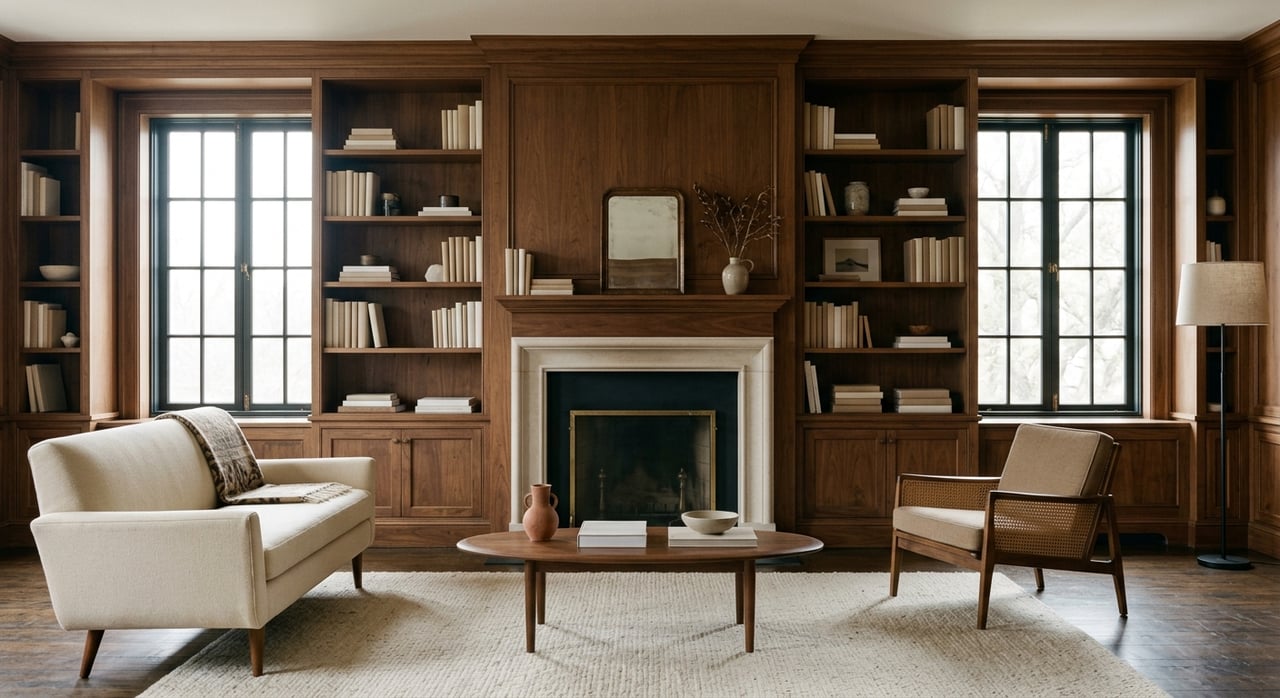
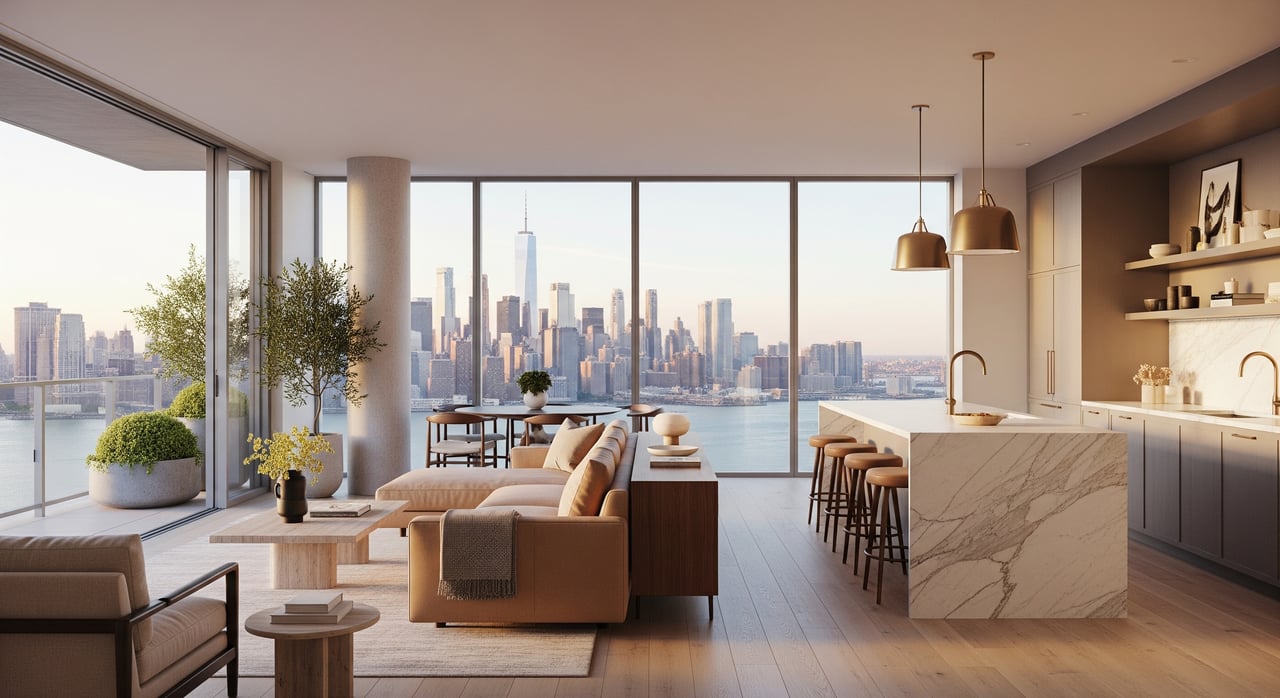
You’ll also see a material-first palette repeated across the neighborhood. Pale or warm woods, blackened steel, marble and terrazzo, and matte or aged brass create a timeless base you can scale to budget. The William Vale is a lighter counterpoint, pairing pale wood with white stone and curated art for a modern, airy feel, as covered in this design profile.
Lighting is the quiet hero. Williamsburg swings from skylit cafés to jewel-box cocktail bars. At Devoción, daylight and a living wall set the tone, proving that plants and skylights can change how materials read through the day. You can see the café’s biophilic approach on Devoción’s Williamsburg page.
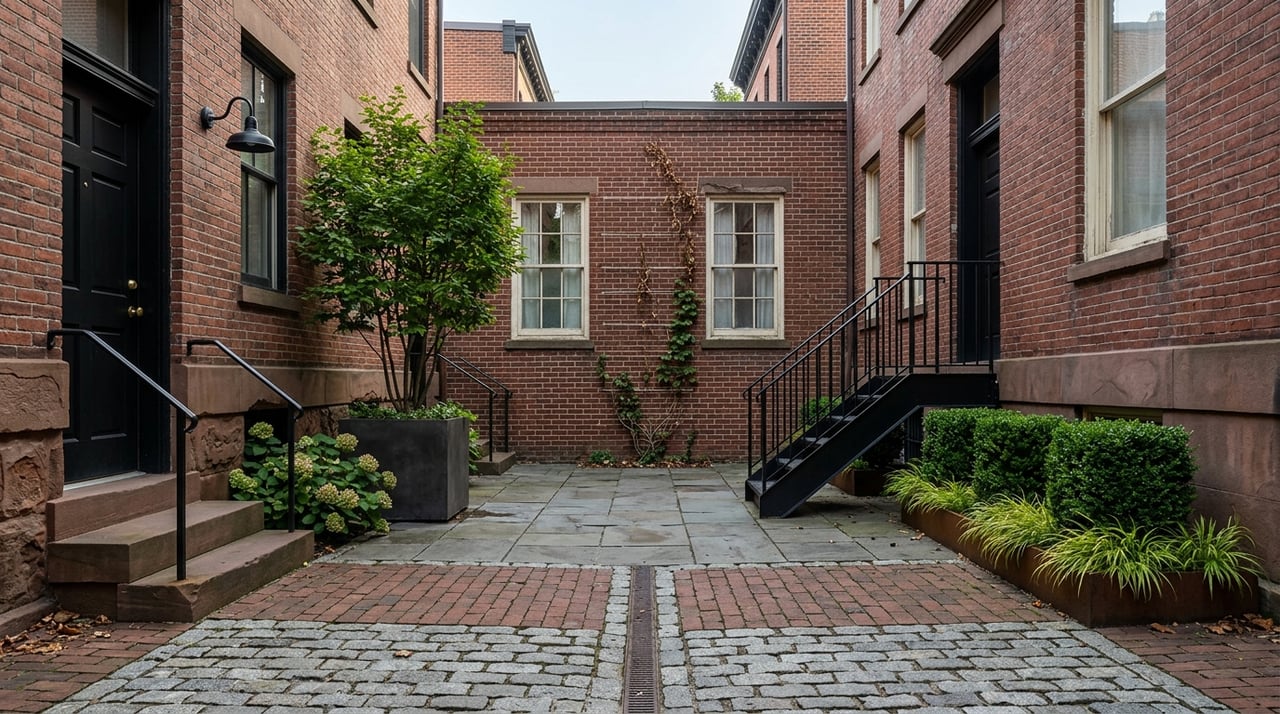
Greenery softens the industrial story. Living walls, planters, and garden courtyards show how a few well-placed plants can balance brick, concrete, or steel. If you have a small home, that’s immediate, high-impact texture without major construction.
Where to go for inspiration
Hotels
Wythe Hotel
- What to notice: Exposed brick, tall factory windows, cast-iron columns, and reclaimed woods set against tailored lighting and upholstery. See Workstead’s project overview for clear visuals.
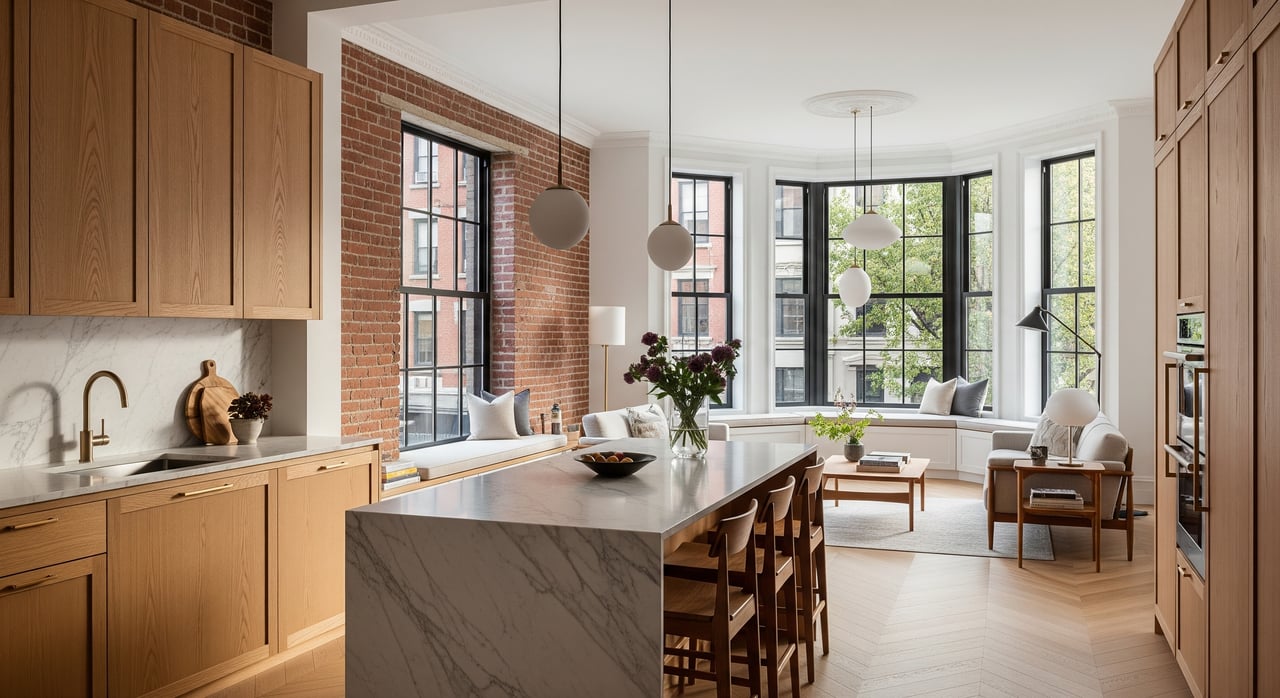
- Try this at home: Keep one brick feature wall and pair it with refined elements. Long window runs or grouped panes become a light-gathering focal point in living rooms or kitchens.
The William Vale
- What to notice: Pale woods, white marble, and a curated art program create a gallery-like calm, highlighted in this design profile.
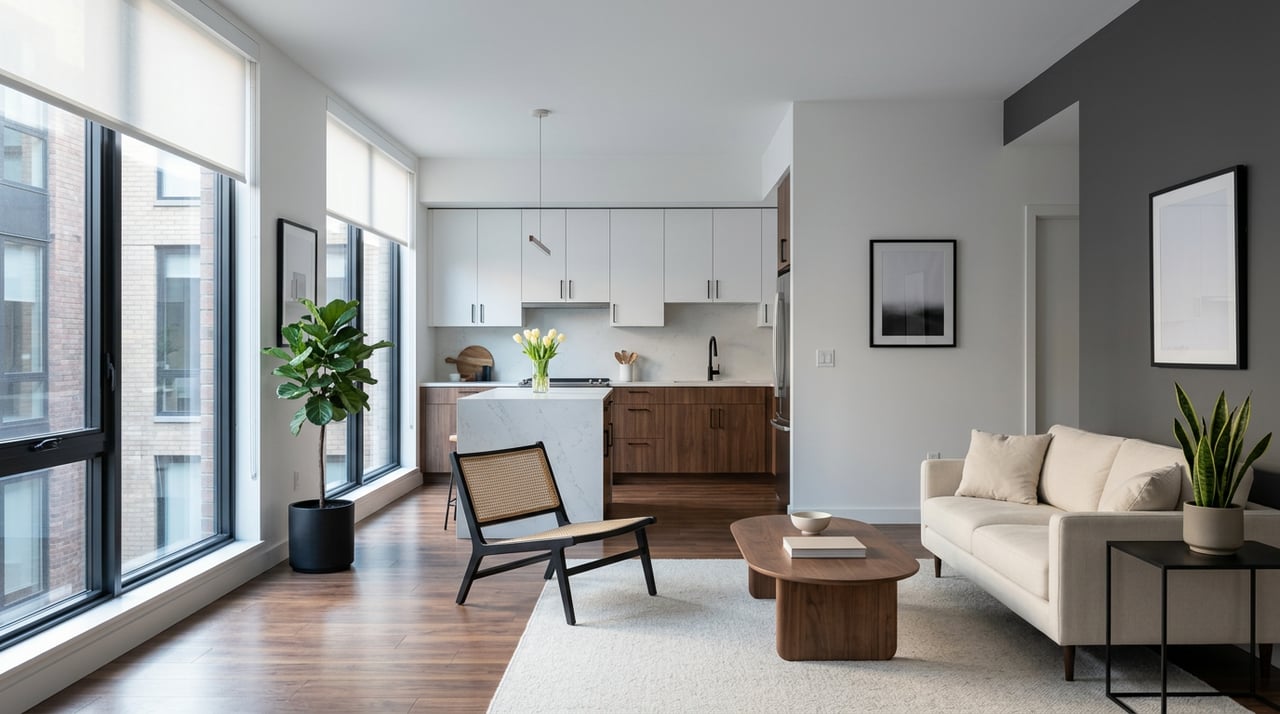
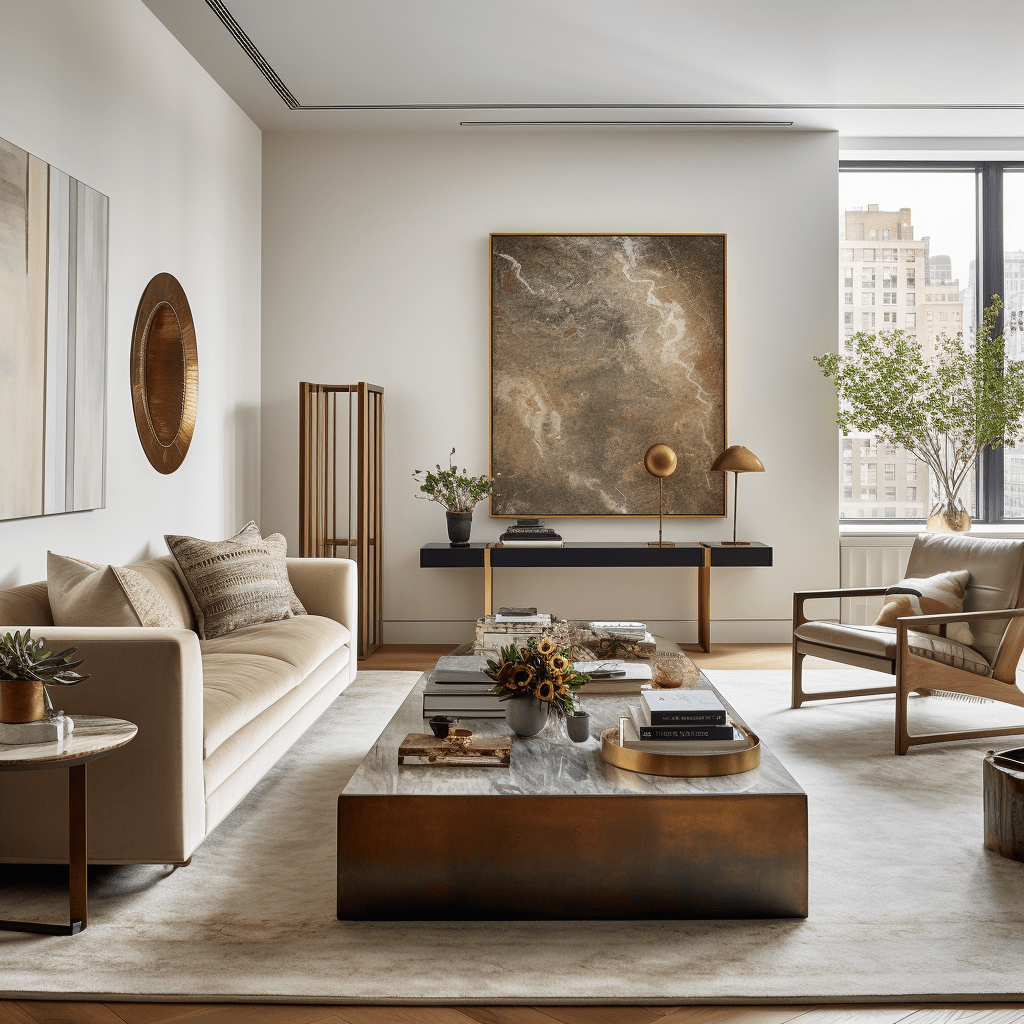
- Try this at home: Use pale-wood cabinets with honed white counters for a bright, modern kitchen. Let bold art sit above a muted backsplash so the room stays peaceful but personal.
Arlo Williamsburg (reopening of the former Williamsburg Hotel)
- What to notice: Velvet upholstery, statement lighting, murals, and hotel-luxe bathroom finishes like marble and brass, as described in this reopening announcement.
- Try this at home: Add a velvet or textile banquette to soften a dining nook, use a dramatic pendant over your island, and bring brass fittings into a pared-back bath for a warm, elevated touch.
Restaurants and bars
Maison Premiere
- What to notice: Layered, low lighting, mirrors that expand tight rooms, and a bar that acts like architecture.
- Try this at home: Choose theatrical sconces with dimmers for mood. Consider a marble slab for a wet-bar top or island face. Preview the vibe on Maison Premiere’s site.
Lilia
- What to notice: Open, wood-fired cooking framed by honest materials. Tile, visible hardware, and open shelves make the kitchen feel both working and welcoming.
- Try this at home: Center your range as a visual anchor with a strong hood and a tile surround. Add warm wood prep zones and select durable, easy-clean backsplash tiles.
Peter Luger Steak House
- What to notice: A restrained, classic palette of wood, tile, and enamel that feels timeless.
- Try this at home: Heavy wood millwork, simple white tile, and wood or leather seating create a quiet, enduring base that ages well.
Brooklyn Winery
- What to notice: Barrel-room warmth, reclaimed wood, and amber lighting show how repeating one material in multiple scales creates coziness. See interiors in Brownstoner’s look inside.
- Try this at home: Use warm, low amber light over open shelves to highlight texture. Consider plank patterns or wood-trimmed edges on an island for subtle craft.
Reynard and Wythe rooftop bars
- What to notice: Indoor-outdoor transitions, tile choices that can weather the elements, and small terrace rooms that become signature spaces. For rooftop design context, explore this feature on Lemon’s at the Wythe.
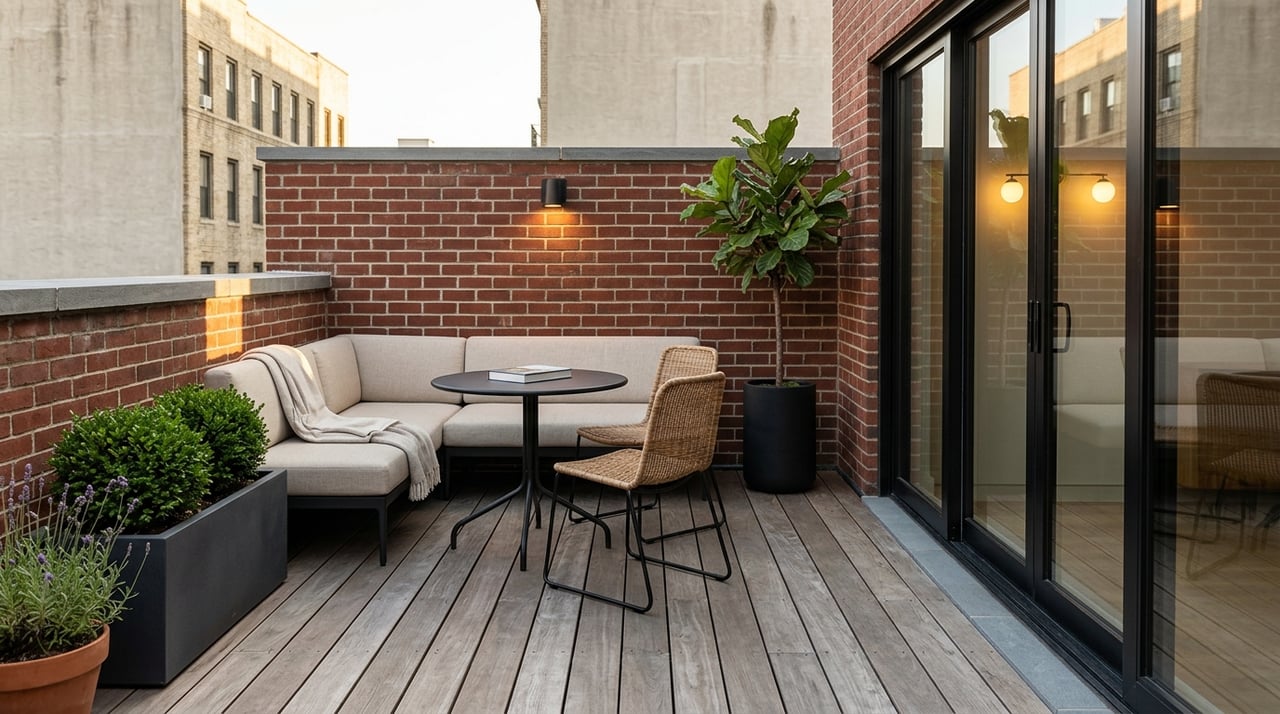
- Try this at home: Create a tiny terrace moment with festoon lights, a weather-proof prep surface, and compact planters for herbs.
Sunday in Brooklyn
- What to notice: Daylight planning, mixed seating, and greenery used as light room dividers.
- Try this at home: Build a pantry niche or market-style shelf wall, mix chair types for casual flexibility, and keep the palette daylight-friendly.
Cafés and roasteries
Devoción
- What to notice: Skylights, a pitched roof volume, and a large living wall that bring nature into a working café. See images on Devoción’s Williamsburg page.
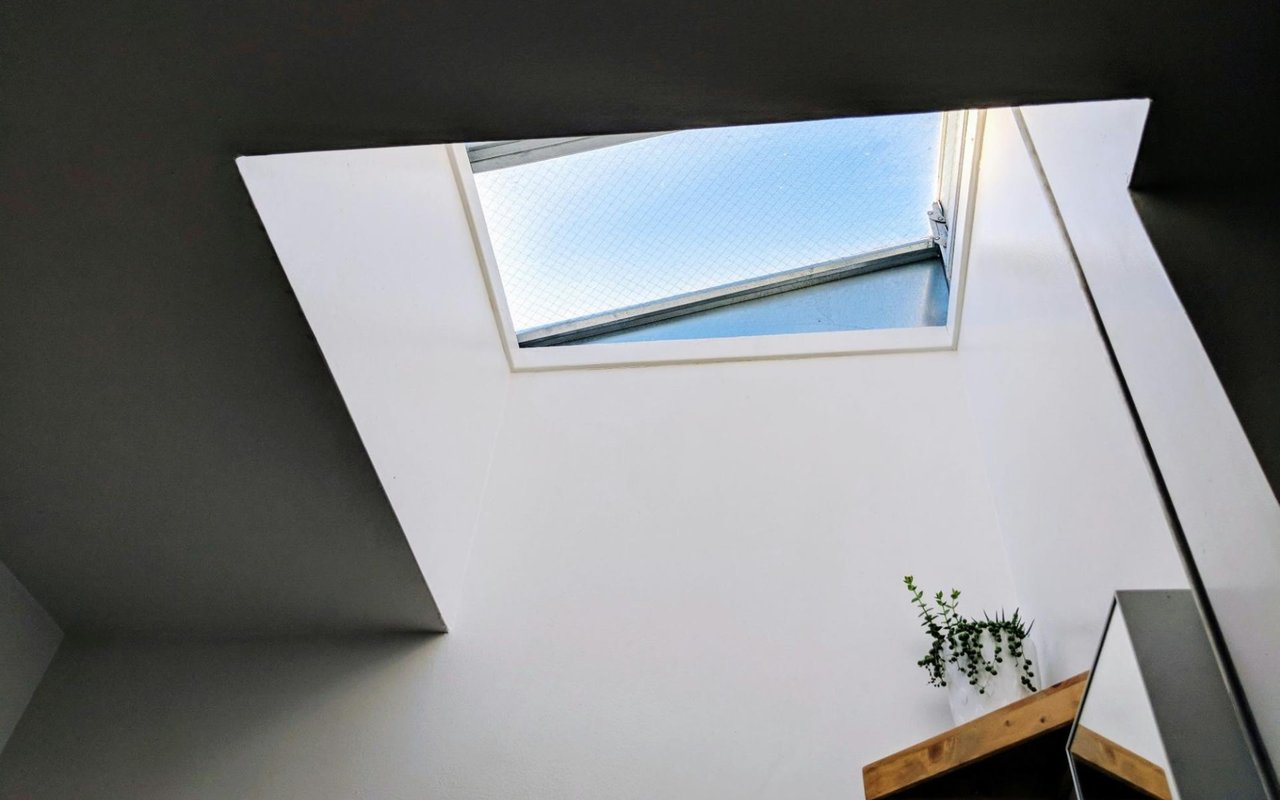
- Try this at home: Add a single skylight or clerestory over a breakfast nook and a compact plant wall or herb rack for daily texture.
Partners Coffee
- What to notice: Bright roastery layouts that celebrate visible equipment, communal tables, and practical finishes like concrete or hardwood floors.
- Try this at home: Expose a bit of ductwork for character, use stainless shelving for utility, and keep floors honest and durable. Get a feel from this neighborhood coffee roundup.
Café Mogador
- What to notice: Moroccan-influenced tile, garden seating, and cheerful color accents.
- Try this at home: Use patterned tile in small areas, like a backsplash or powder room floor, for high impact on a manageable budget.
Galleries, markets, and shops
Sideshow Gallery and Journal Gallery
- What to notice: Neutral walls, adjustable gallery lighting, and how large-format art anchors a room.
- Try this at home: Use track or adjustable spots to aim light at art. Scale frames and spacing so art reads as an intentional focal point.
Artists & Fleas
- What to notice: Vintage lighting, tile, hardware, and one-off fixtures with character. Learn about the market’s vibe from Artists & Fleas’ story.
- Try this at home: Hunt for a pair of vintage sconces or a set of cabinet pulls that become a signature detail in your bath or kitchen.
Room-by-room takeaways to copy
Kitchens
- Make the range your anchor. Study Lilia’s wood-fired focus, then create your own with a strong hood, a framed tile surround, or a scaled blackened-steel hood sized to your ceiling.
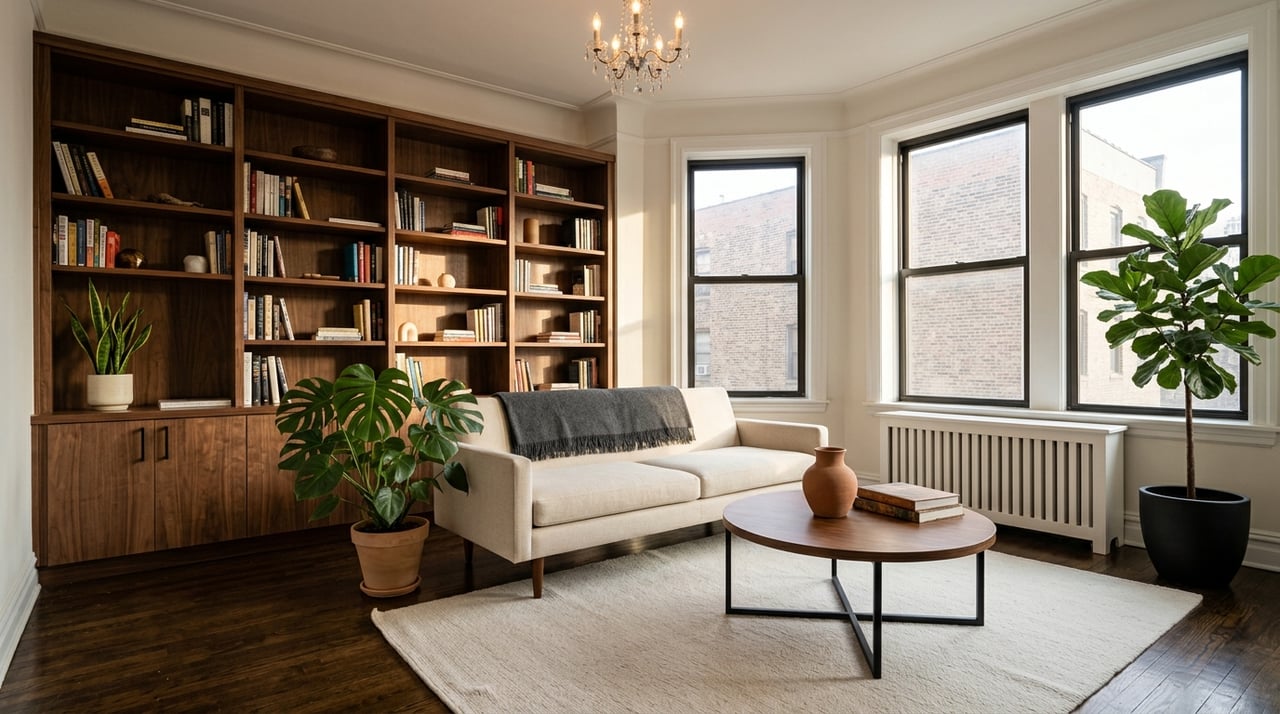
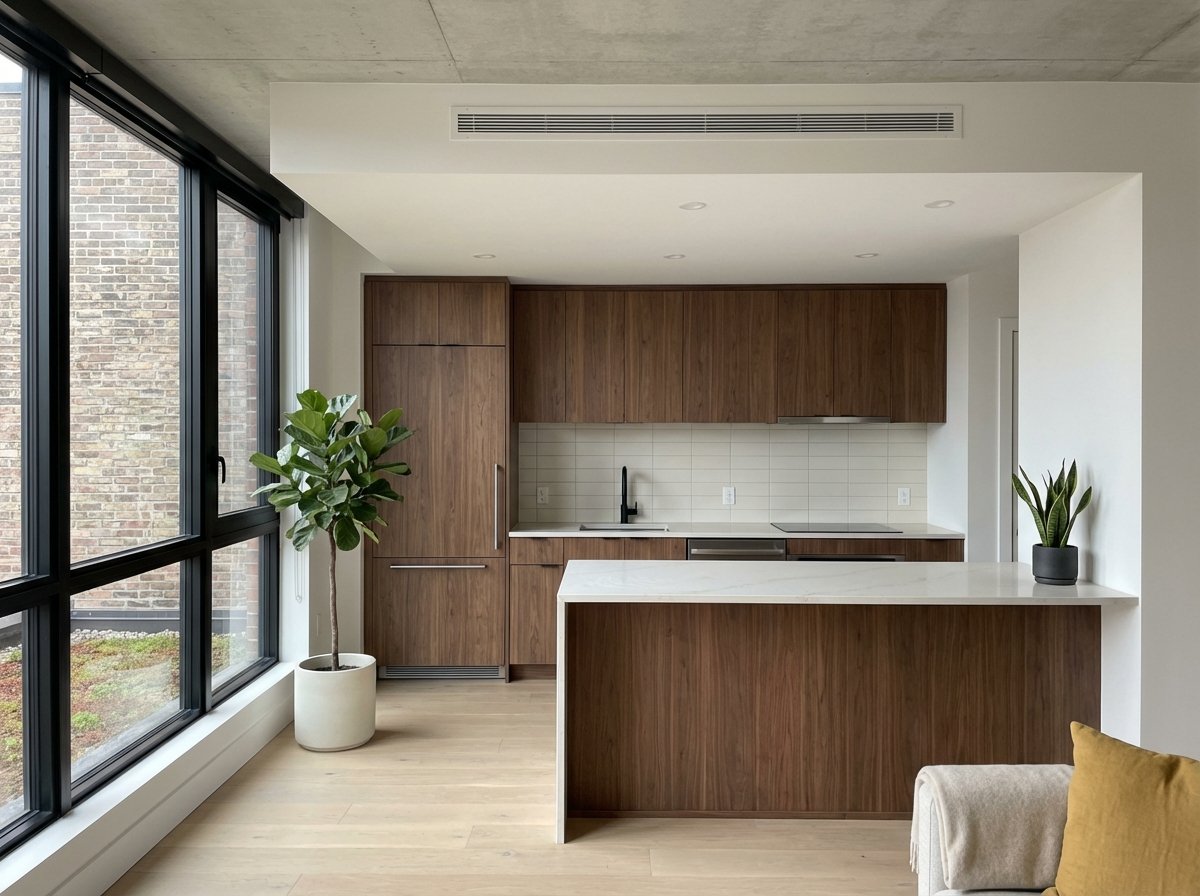
- Mix materials for balance. Pair stone counters with warm wood open shelves. Keep reclaimed wood away from heavy moisture spots and use it where touch and warmth matter.
- Use the backsplash as a pattern field. A small run of café-style or encaustic tiles can deliver personality without overwhelming the room.
Bathrooms
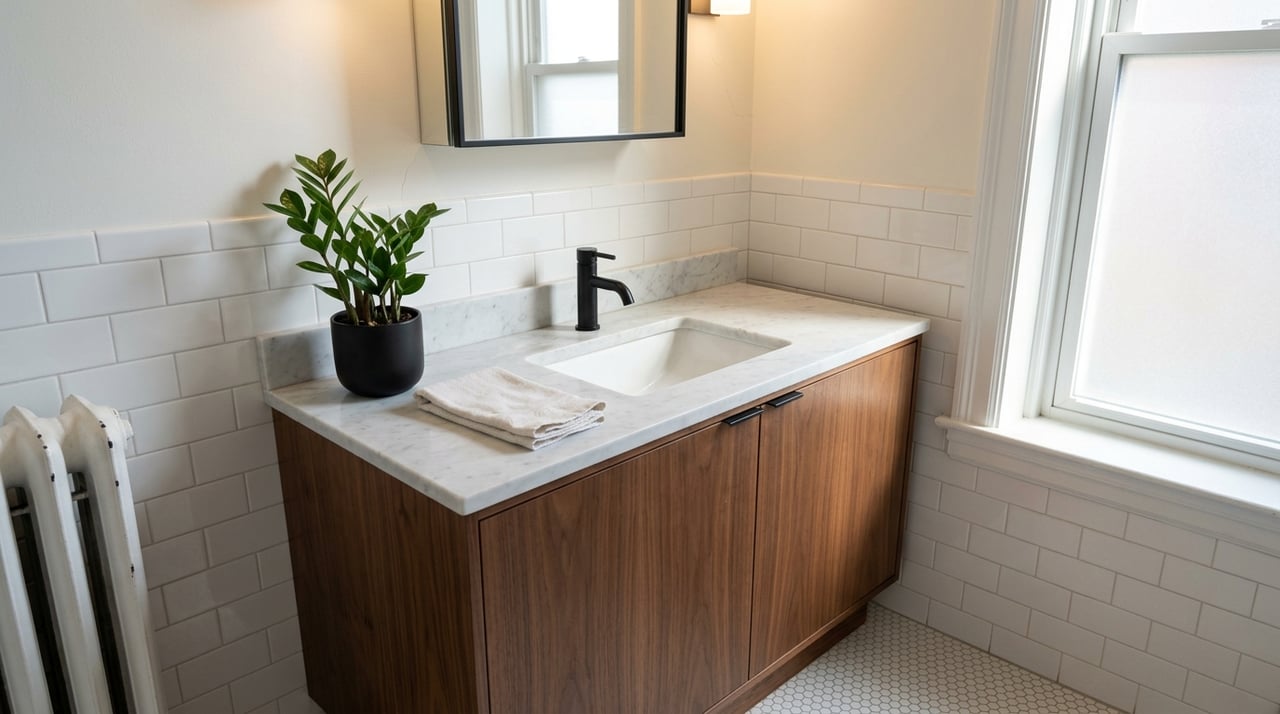
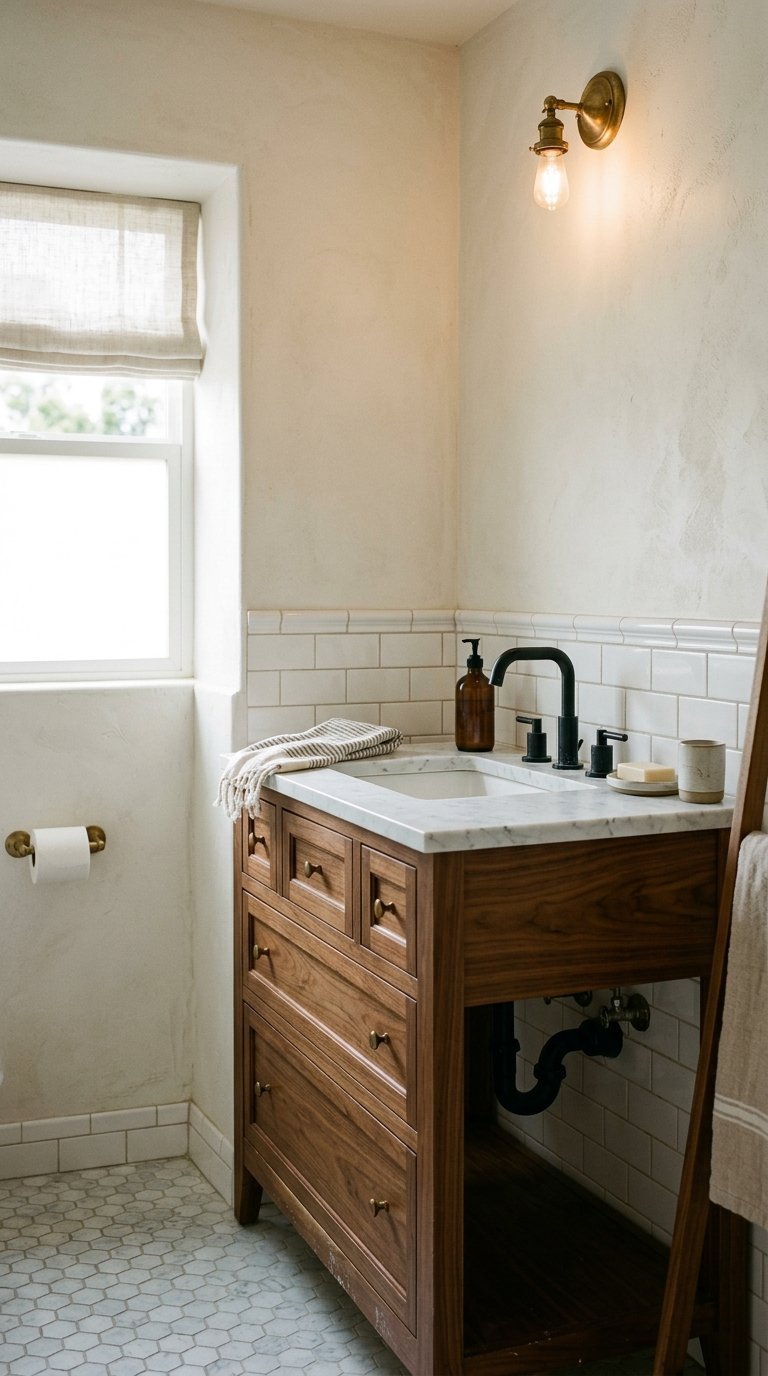
- Borrow hotel moves. Marble plus brass reads luxe when used sparingly. Try a feature wall in the shower or a honed stone vanity top, then keep the rest pared-back for longevity, as seen in hotels like Arlo Williamsburg.
- Create a focal tub moment. If space allows, set a freestanding tub against an accent tile wall. Add a soft pendant or sconce with a dimmer to bring calm, spa-like light.
Lighting
- Daylight first. Prioritize windows or a small skylight for general light, as you’ll notice at Devoción. At night, layer task, ambient, and accent light so the same room shifts from work to unwind.
- Use statement pendants and dimming. One or two bold pendants over an island read like a restaurant bar. Add local dimmers on walls and switches so you can slide from bright to dramatic.
Materials and finishes
- Contrast structure with refinement. Let brick, iron, or raw wood be your backdrop. Reserve marble, brass, or high-polish moments for focal points like the island or vanity.
- Bring in plants and warm wood. Greenery plus wood softens industrial bones instantly. Even a dense cluster of planters near a window can change the whole feel of a room.
How to plan your visits
- Check hours and reservations. Many restaurants and bars book up, and some rooftops limit access. For example, Maison Premiere uses reservations. Confirm details on their official site before you go.
- Time your shopping. Artists & Fleas is strongest on weekends. Plan a Saturday or Sunday visit for the widest selection of vintage lighting and hardware, and preview the market via their story.
- Ask before you photograph. Policies vary by venue. If you hope to capture tile joints, pendant heights, or hardware details, check with staff first.
- Verify galleries. Pop-ups and shows change often. If you plan to see Sideshow or Journal Gallery, confirm current locations and schedules ahead of time.
Ready to translate ideas at home?
When you’re ready to turn inspiration into a plan, you deserve a partner who can bridge design and construction. As a boutique developer-broker, Mark O’Brien Real Estate helps you source the right home, budget and permit a renovation, coordinate contractors, and bring your finished spaces to market when the time is right. Book an appointment and let’s map your next steps.
FAQs
What Williamsburg spots are best for kitchen design ideas?
- Lilia for range-as-focal lessons, Sunday in Brooklyn for daylight planning and flexible seating, and Partners Coffee for visible-utility details like stainless shelving and honest floors.
Which Williamsburg hotels should you study for bathroom finishes?
- Arlo Williamsburg for marble-and-brass used sparingly, the Wythe Hotel for pairing industrial bones with refined fixtures, and the William Vale for light, stone-forward palettes.
How can you get great lighting ideas from Williamsburg cafés and bars?
- Use Devoción for daylight and plant-forward layouts, then contrast with Maison Premiere’s layered, dimmed sconces to learn how the same materials shift from day to night.
Where can you find unique fixtures and hardware in Williamsburg?
- Artists & Fleas is a reliable weekend stop for vintage sconces, pulls, and small-batch pieces that add character. Arrive early for the best selection.
How do you adapt industrial materials for a small apartment?
- Keep one structural texture, like a brick feature wall, then add refined elements in small doses. Seal and maintain any raw finishes, and lean on plants and warm wood to soften the room.