Thinking about selling your Long Island City condo but not sure how to stand out next to shiny new buildings and aggressive sponsor incentives? You are not alone. LIC’s market is unique because new development sets the tone for pricing and buyer expectations, which can leave resales overlooked if they are not positioned well. In this guide, you will get a clear, step-by-step resale plan tailored to LIC: how to price with precision, time your launch, pick the right light-touch updates, and negotiate confidently. Let’s dive in.
LIC condo market now
Long Island City is still shaped by new development. In Q4 2025, LIC’s condo market posted an average sales price near $1.23 million and an average price per square foot (PPSF) around $1,563, with a median sales price near $1.12 million and 54 closings for the quarter. Recent new development closings in LIC also showed months where average PPSF came in lower than the broader condo matrix, a reminder that mix and building matter. You can see the quarterly backdrop in the latest Queens report from Elliman.
- Reference: see the Elliman Q4 2025 Queens condo data for LIC-level figures and context on price and PPSF trends. Elliman Q4 2025 Queens
In 2025, there were stretches of stronger contract activity, especially in the middle of the year, but deal mix shifted by price tier and by sponsor versus resale. That means building-level comps carry more weight than borough or neighborhood averages. Local coverage highlighted a Q2 and Q3 upswing in activity and closings. Report on LIC sales momentum
What this means for you: your pricing and presentation should be built from the bottom up. Start with your building and direct peers, then adjust for floor, view, outdoor space, and renovation quality. Treat active sponsor inventory and incentives as part of your comp set.
Compete with new development
What new buildings bring
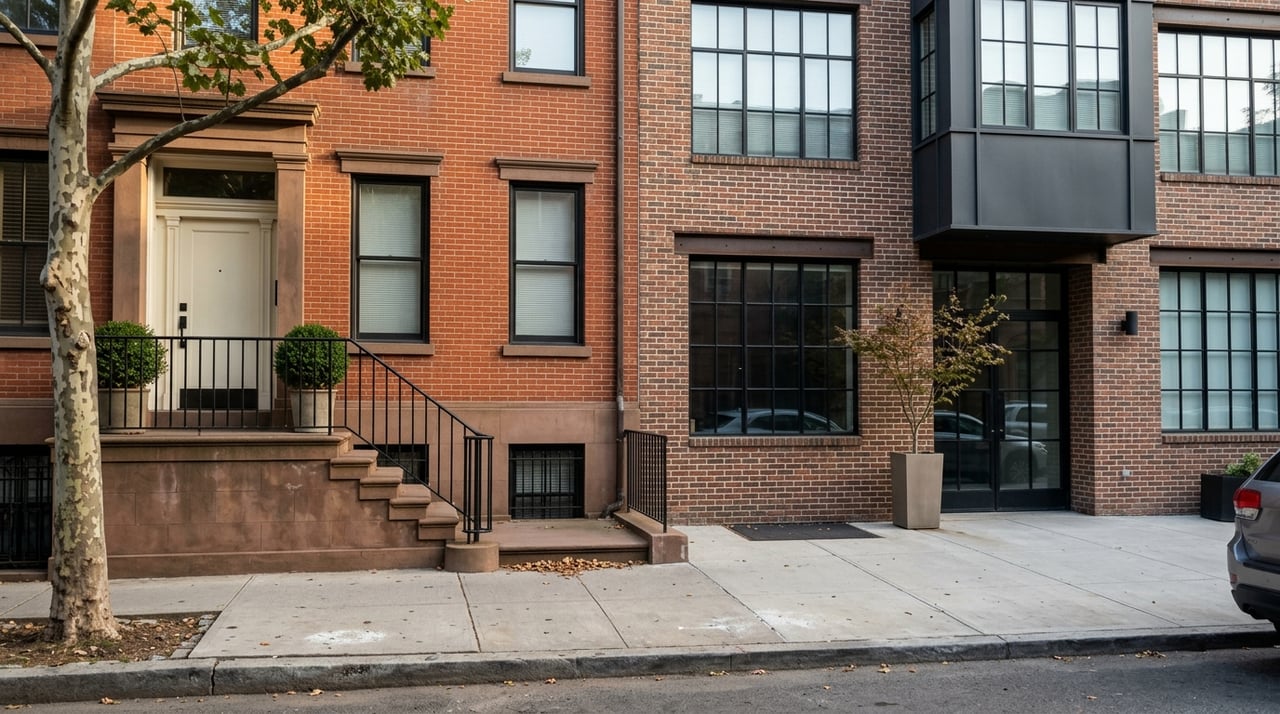
Sponsor condos are staged, turnkey, and marketed in volume. They often roll out amenities, model units, and polished presentations that set a high bar for buyers who want move-in-ready. They also sometimes release many comparable units at once, which makes inventory feel deeper and pushes buyers to compare on value.
How your resale wins
Your advantage is clarity and immediacy. Emphasize livability today, transparent carrying costs, and any upgrades that buyers can see and touch. If a nearby sponsor is offering concessions, you can compete by either pricing slightly under comparable PPSF or by matching on perceived value with move-in readiness, better light, a balcony, or a view.
- Tip: Document active sponsor concessions so you can decide whether to counter with selective credits or more competitive list pricing. Market data shows sponsor incentives can be decisive. New development incentives overview
Price with PPSF and real comps
Lead with PPSF, then refine. The right number comes from both math and context.
- Start with your building’s last 6 to 12 closings whenever possible. If data is thin, expand to the most similar LIC buildings by age, amenities, and scale.
- Adjust for floor height, exposure and view, balcony or terrace, recent kitchen and bath updates, effective room count, and net usable square footage.
- Track active sponsor inventory. If buyers can get concessions across the street, you may need a slight PPSF discount or a stronger story on condition and monthly costs.
- Set your target price band, then pre-negotiate your thresholds. Decide now how you will respond at day 10, day 21, and day 30 based on showing volume.
Ground your initial range with the latest Queens and LIC figures, then tighten to true building-level comps. Elliman Q4 2025 Queens
Time your launch
Spring often concentrates buyer activity in NYC and can shorten days on market, though building-level supply and interest rates can outweigh seasonality. What matters most is listing into a rising demand window with less direct competition.
- Ask your agent for a week-by-week read on active supply in your building and the three closest comps.
- If a sponsor release is imminent, consider listing either just before with aggressive positioning or shortly after with a sharper story on value and fees.
- Be available for a first seven to ten day push with back-to-back showings and two open house slots.
High-impact, light-touch updates
In a market full of new product, buyers reward clean, neutral, move-in-ready finishes. The National Association of Realtors’ Remodeling Impact research shows that modest, surface-level projects often deliver strong buyer appeal.
- Deep clean, declutter, and optimize storage. Pack away 50 to 70 percent of small items so closets and cabinets show generous capacity.
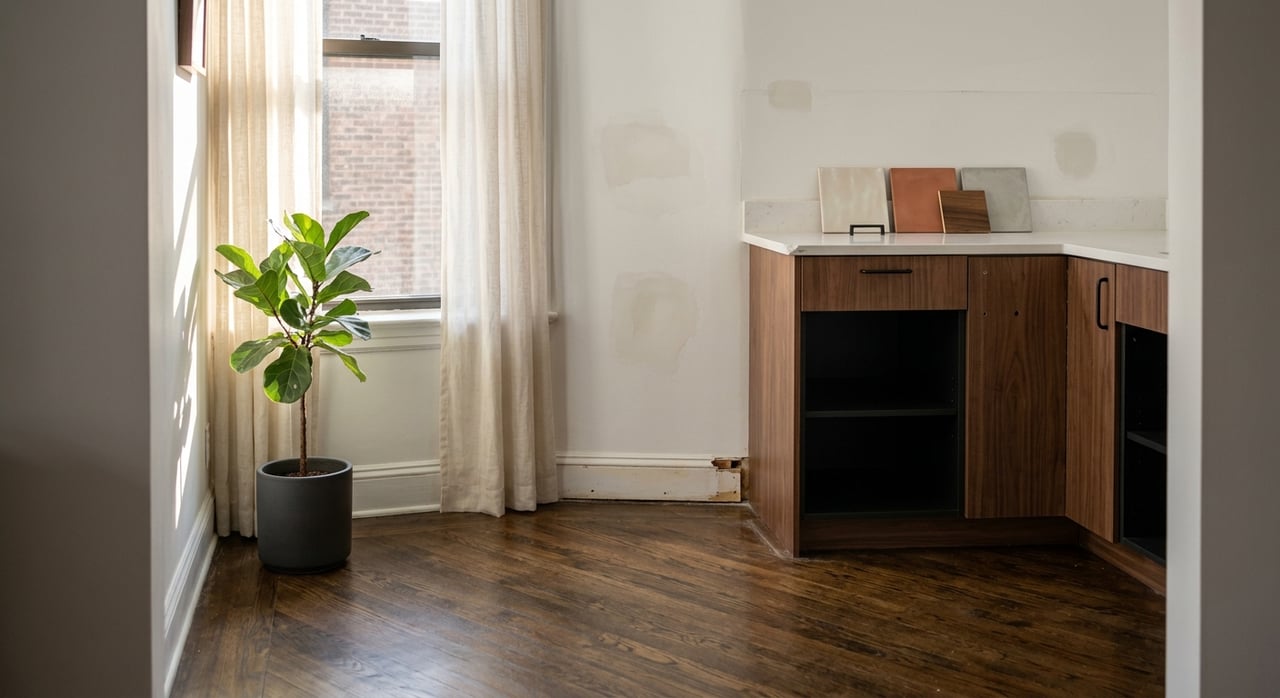
- Fresh neutral paint. This is one of the most recommended pre-list projects and reads as “new” in photos. NAR Remodeling Impact Report
- Update lighting and hardware. Brighter bulbs, simple modern fixtures, and new cabinet pulls can lift photos and in-person feel.
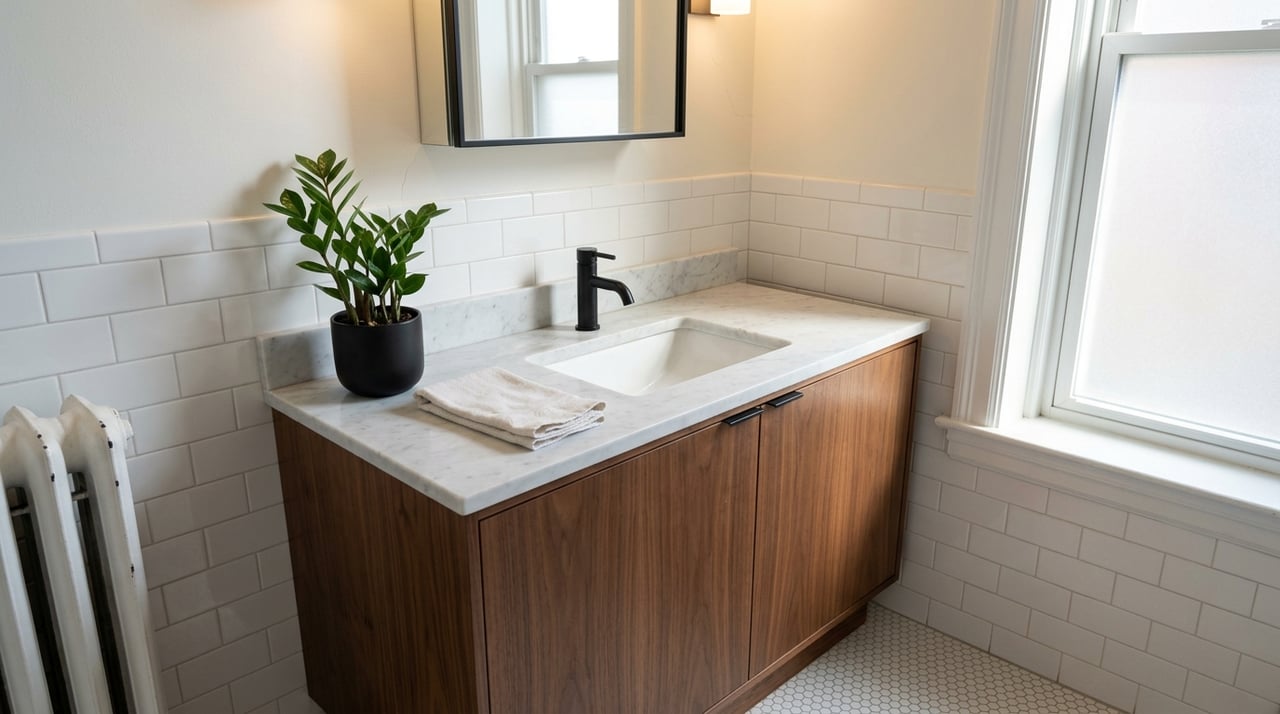
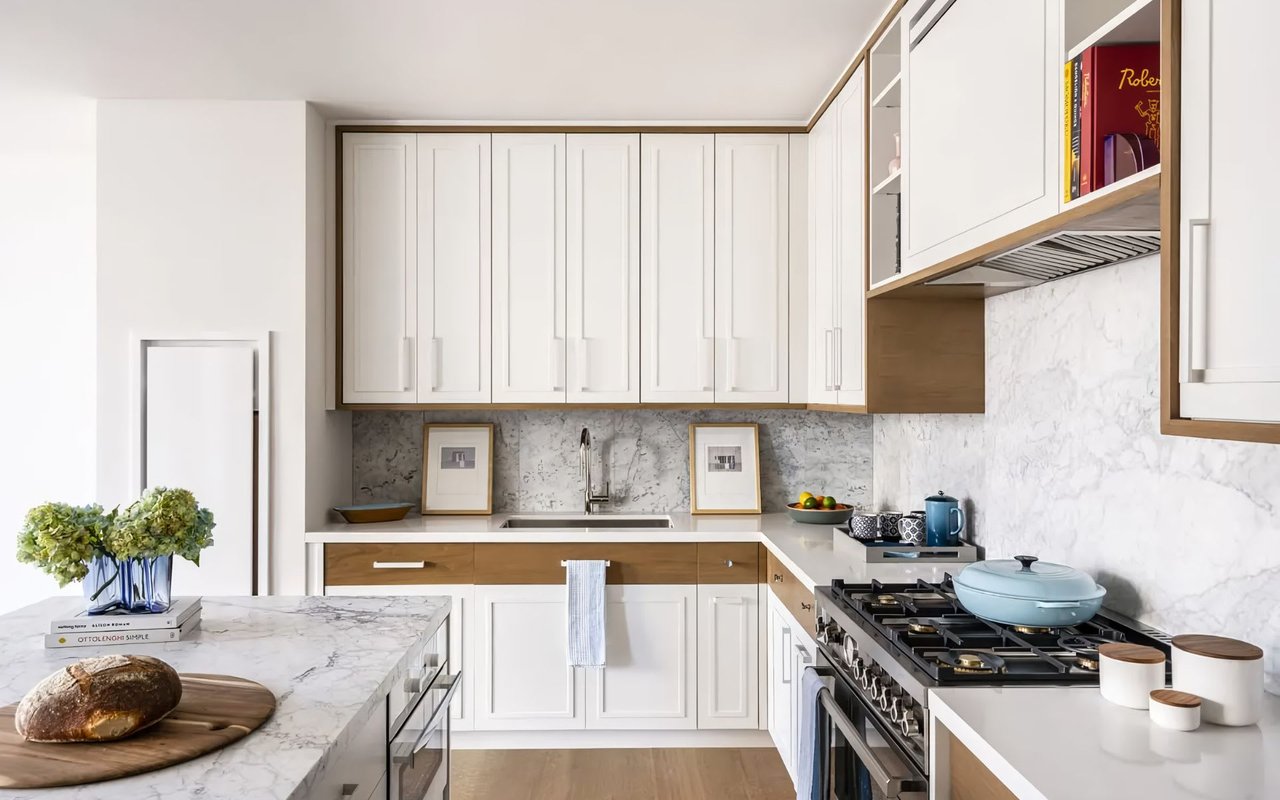
- Minor kitchen and bath refresh. Reface or refinish cabinets, swap a countertop or backsplash, and replace outdated faucets or lighting. NAR notes that minor kitchen updates carry strong perceived value. NAR Remodeling Impact Report
- Flooring touch-ups. Steam-clean carpet, polish wood, and size area rugs to clarify scale.
Stage and market the story
Staging, photos, and a tight narrative are your multipliers. NAR research shows staging helps buyers visualize the home, and many agents report shorter time on market when key rooms are staged. The median spend when hiring a professional stager was modest in the national survey, and virtual staging can stretch your budget for vacant rooms. NAR Profile of Home Staging
Your digital-first listing kit should include:
- Professional photography, an accurate floor plan, and a short video or virtual tour. If you have a skyline or water view, add a twilight set.
- A clear, scannable listing description that answers LIC buyer questions upfront: balcony or terrace, view, any recent renovations, common charges, any assessments, and building amenities.
- A pricing transparency note for buyer agents. Publish PPSF and clarify how your price aligns with the most relevant building comps.
Negotiation levers and concessions
If sponsor competition is heavy, you can mirror what works without giving away the farm. Market reports show developers sometimes offer to cover part of closing costs, buy down rates, or subsidize monthly charges. As a resale seller, consider:
- A limited credit toward buyer closing costs if needed.
- A flexible closing window to match financing or a lease end.
- A small credit for appliance upgrades if that closes a quality gap.
Avoid large early price cuts. Run a focused 1 to 2 week marketing push, monitor showings and inbound questions, then adjust with data. New development incentives overview
Closing costs and required documents in LIC
New York imposes several transfer taxes that shape the net you will receive and the total cost for buyers.
- Transfer taxes in brief. New York State levies a real estate transfer tax, plus a 1 percent mansion tax when the consideration is $1 million or more. New York City adds its Real Property Transfer Tax, which is 1 percent for residential transfers of $500,000 or less and 1.425 percent when the consideration exceeds $500,000. Review these early so you can price and negotiate with clarity. NY transfer tax guidance
- Who pays what. In most resale deals the seller covers transfer taxes, while sponsor contracts sometimes push certain transfer taxes to buyers. Confirm responsibility up front and put it in writing. NY transfer tax guidance
- Condo resale documents. Be ready with the building’s offering plan or resale packet, current budget, month-to-month common charge statement, any assessments or planned capital projects, and the management or estoppel letter often requested during contract review. This helps avoid last-minute surprises. NYC seller documentation overview
Your LIC resale checklist
Use this quick list to keep your sale on track:
- Benchmark PPSF to your building’s last 6 to 12 closings, then adjust for floor, view, outdoor space, and renovation quality.
- Map sponsor competition within a 3 to 6 block radius. Track any advertised concessions.
- Pick a listing window that avoids head-to-head launches with similar units.
- Complete light-touch updates: paint, lighting and hardware, minor kitchen or bath refresh, and flooring touch-ups.
- Stage the living room, kitchen, and primary bedroom. Use virtual staging for any vacant rooms.
- Hire a pro photographer and publish an accurate floor plan. Add a short vertical video or virtual tour.
- Write a factual, value-forward listing description that addresses fees, assessments, and building amenities.
- Set your first 30-day pricing plan. Decide on response triggers at days 10, 21, and 30.
- Prepare transfer tax and closing cost estimates so you know your net at several price points.
- Gather documents early. Request management letters and resale packets as soon as you list.
Ready to plan your LIC sale with a developer-broker who understands both renovation details and pricing strategy? Book an appointment with Mark O’Brien Real Estate to set your timeline, budget your pre-list updates, and go to market with confidence.
FAQs
What makes LIC condo pricing different from other NYC areas?
- New development has a larger footprint in LIC, so sponsor incentives and concentrated releases can skew buyer comparisons. Building-level comps and PPSF are your best pricing anchors. Elliman Q4 2025 Queens
How should I price if a sponsor building nearby is offering incentives?
- Either list slightly under comparable sponsor PPSF to grab attention or match on perceived value with move-in readiness and transparent monthly costs. Track concessions and adjust with data. New development incentives overview
Which pre-listing upgrades deliver the best ROI for LIC condos?
- Focus on paint, lighting and hardware, minor kitchen and bath refreshes, and flooring touch-ups. NAR’s Remodeling Impact research supports these for buyer appeal. NAR Remodeling Impact Report
Is professional staging worth it for a one-bedroom condo?
- Yes. Staging helps buyers visualize scale and layout, and national data shows it can shorten time on market. Consider staging the living room, kitchen, and primary bedroom. NAR Profile of Home Staging
What closing costs should I expect as a seller in LIC?
- Expect New York State and New York City transfer taxes, plus standard attorney and brokerage fees. Review who pays what early since sponsor deals can differ. NY transfer tax guidance