
Buying a co-op in Greenwich Village is exciting, but the board package can feel like a final exam you did not study for. You might be wondering what to include, how much liquidity to show, and how to present your story to a board that has seen it all. You are not alone. With the right strategy and clean documentation, you can move from accepted offer to interview with confidence.
This guide walks you through what Greenwich Village co-op boards commonly ask for, how to assemble a strong packet, what pitfalls to avoid, and how to prepare for the interview. Let’s dive in.
Co-ops and board approval basics
A co-op is a corporation that owns the building. You buy shares and receive a proprietary lease. Unlike a condo, your purchase must be approved by the co-op board, which reviews your package and can approve or deny your application.
Boards weigh both objective and subjective factors. Your financial stability and liquidity matter a lot, and so do references and interview impressions. In Greenwich Village, where many buildings are prewar or boutique, boards often take a conservative approach and look closely at your long-term ability to pay maintenance, your residency plans, and your overall fit with building norms.
What boards request
Commonly requested documents
- Completed building application with authorizations and background disclosures
- Fully executed purchase and sale contract and addenda
- Government ID and Social Security number for credit/background checks
- Two to three years of personal federal tax returns with all schedules
- Recent pay stubs and an employment verification letter on company letterhead
- W-2s and/or 1099s from the last 1 to 2 years
- Recent bank statements and proof of liquid assets (often 2 to 3 months)
- Statements for other assets such as retirement and investment accounts
- Signed personal financial statement or net worth summary
- Credit report, if the building does not pull it directly
- Personal and professional reference letters; landlord reference if applicable
- Documentation for down payment funds and any gifts, including a signed gift letter and donor statements
- For self-employed buyers: business tax returns, profit and loss statements, and a CPA letter
- For retired buyers: pension, Social Security, or other income documentation
- If using a guarantor: the guarantor’s full financial package
- Application, processing, and move-in fee checks
- Pet information, if required
- Renovation plans or notes if you intend to modify the unit
Variations to confirm early
Every building has its own list. Many request two years of tax returns and 2 to 3 months of bank statements, but some ask for more history. Confirm packet deadlines tied to board meetings and deliver your package well in advance so directors have time to review. Ask management whether they prefer a digital submission, a hard-copy binder, or both.
How to present a standout packet
Lead with a clear financial story
Boards focus on your ability to close and your liquidity after closing. Start with a concise net worth summary that totals your assets, liabilities, and post-closing reserves. Label account statements clearly, and add short notes to explain anything unusual, such as large recent deposits or business funds.
If you are using a gift, include a signed gift letter, proof of the donor’s funds, and documentation of your relationship. When donors are foreign or institutional, expect extra questions and prepare thorough documentation. Transparency builds trust and reduces follow-up requests.
Verify income and employment
Include recent pay stubs and a current employment letter that states your title, salary, start date, and intent to continue employment. If you are self-employed, provide business tax returns, a year-to-date profit and loss, and a CPA letter that explains income continuity. If you are starting a new job, include the offer letter and context on your prior role.
References that actually help
Select personal and professional references who can speak to reliability, financial responsibility, and community-minded behavior. Landlord references can be helpful if you are currently renting. Add a brief line under each letter clarifying how long the writer has known you and in what context, plus contact information.
Your short buyer letter
A one-page letter can humanize your file. Introduce yourselves, explain why you chose the building, and state whether you plan to be owner-occupants. Keep it factual and professional. Do not overshare. The letter should complement your documentation, not replace it.
Greenwich Village specifics
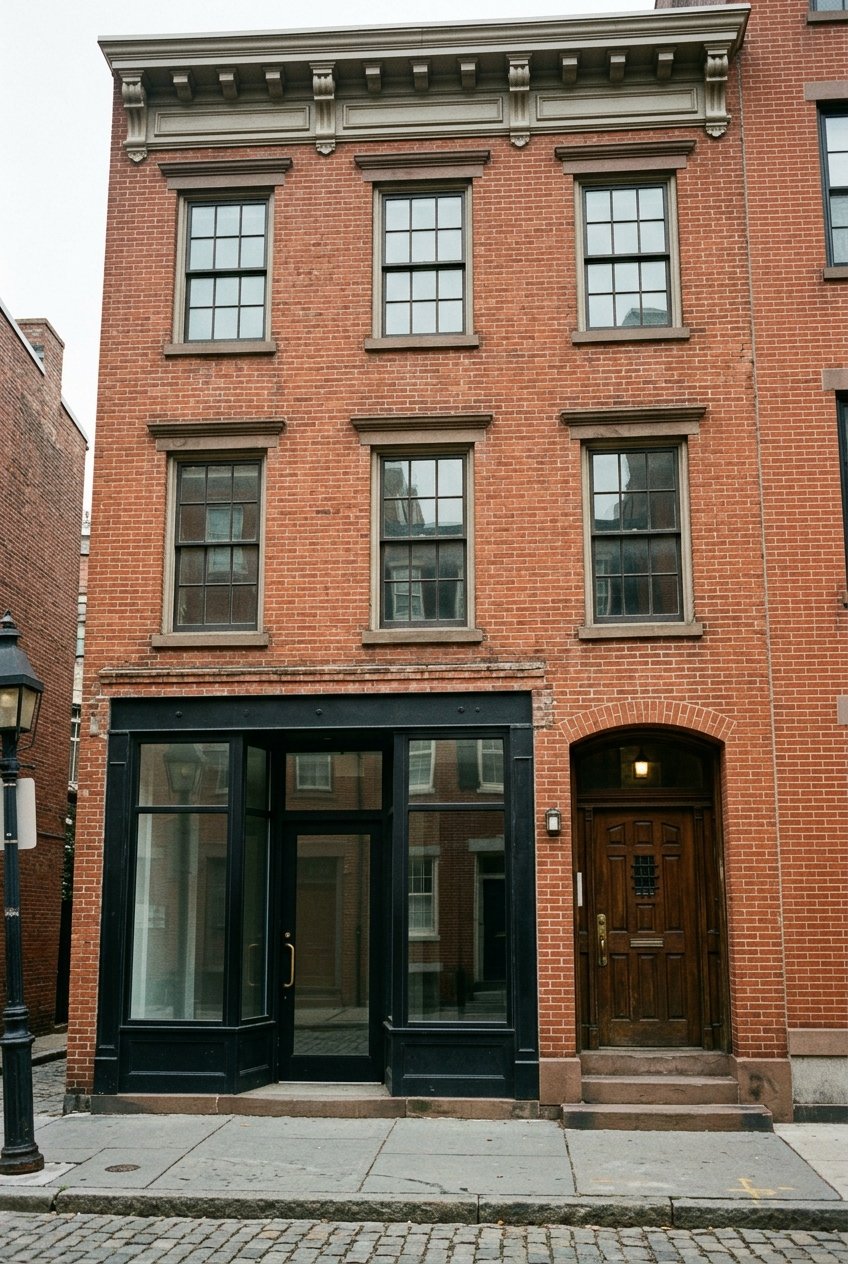
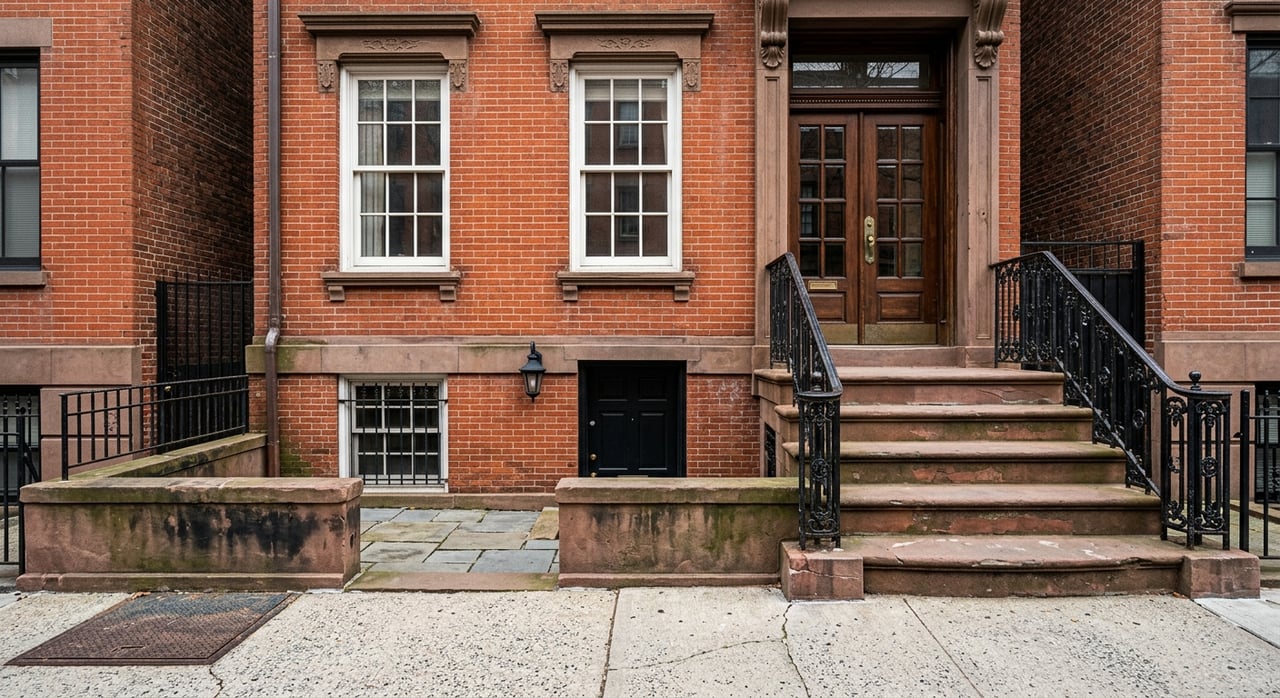
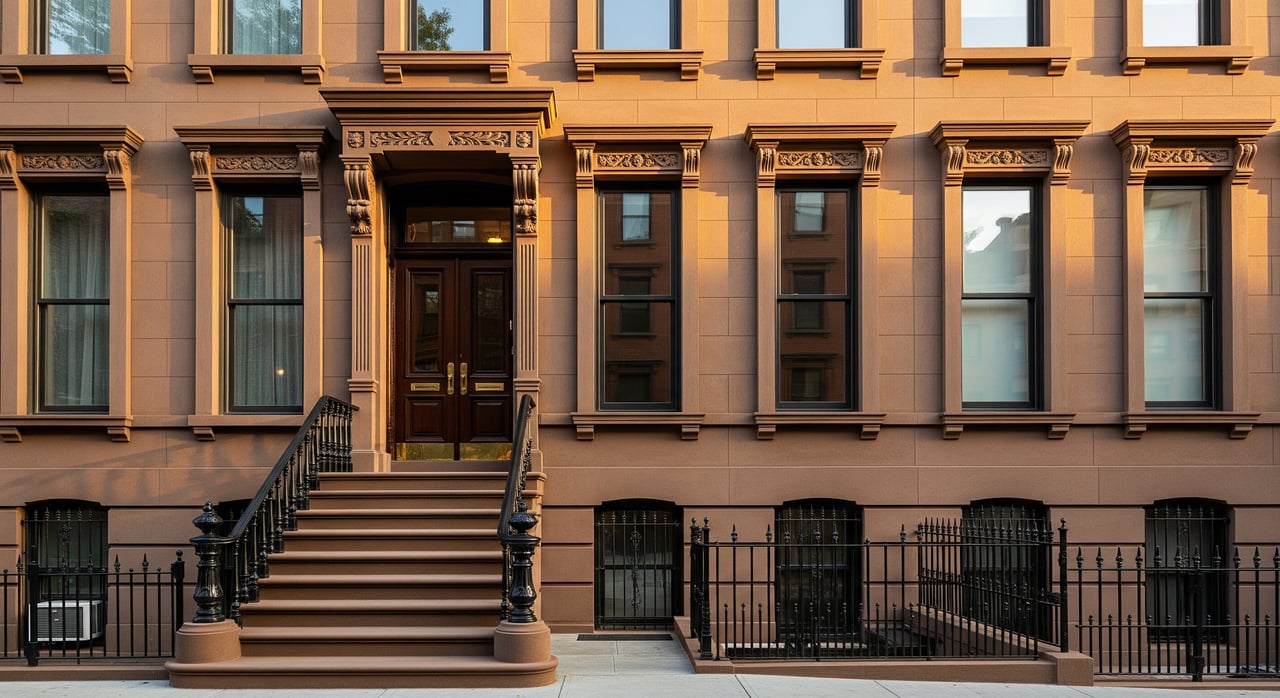
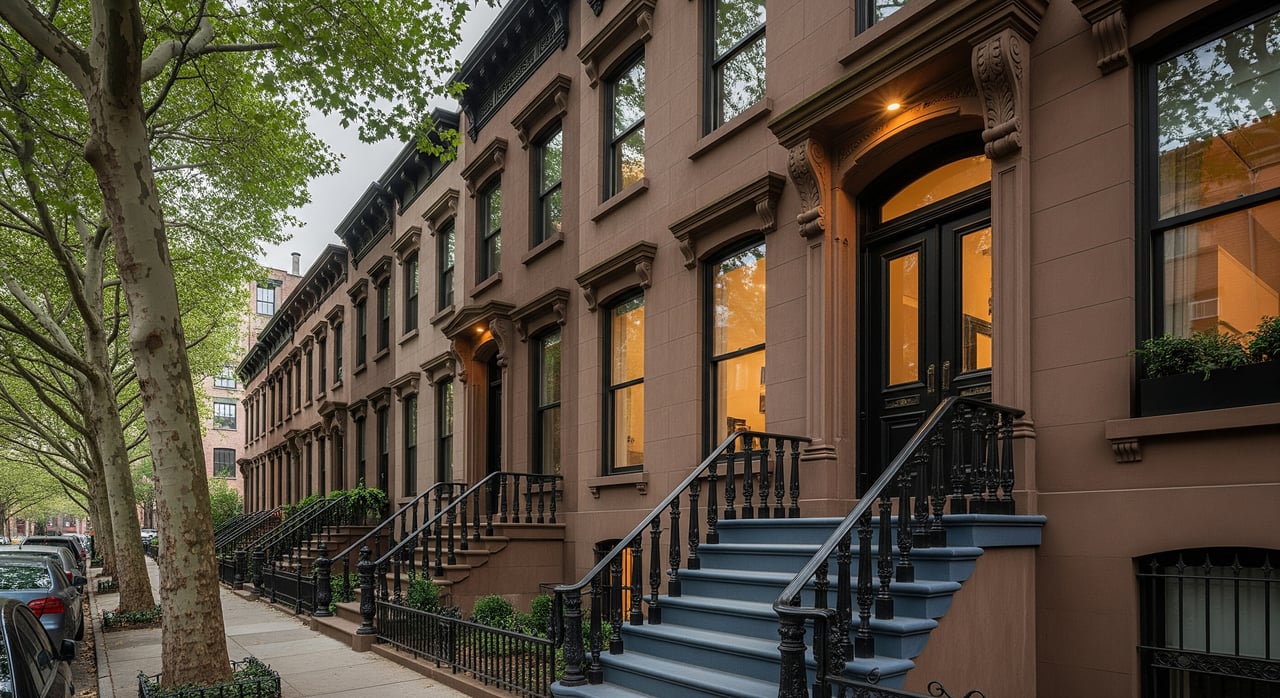
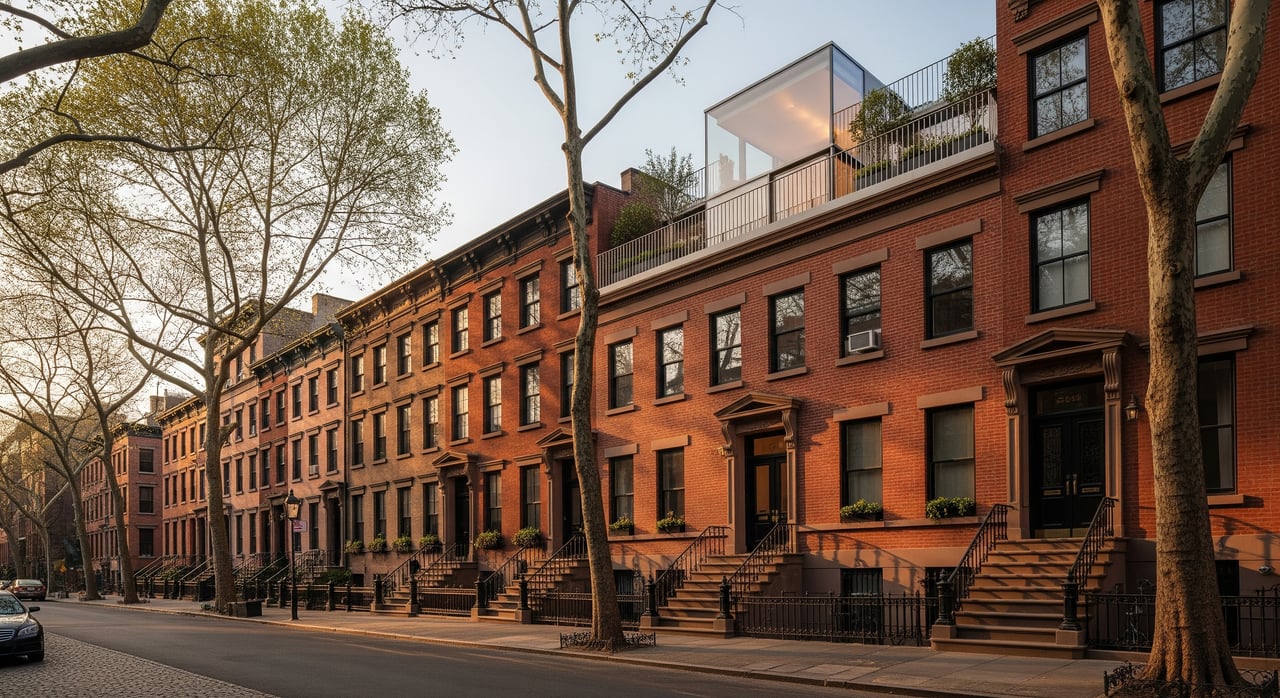
Greenwich Village has many prewar and boutique co-ops with smaller management teams and long-resident shareholders. Boards here often apply close scrutiny to finances, references, and how you plan to use the home. If you intend to renovate, expect questions about timing, scope, and how you will handle building rules. Smaller buildings may also be more sensitive to subletting and investor profiles.
Local experience matters. A broker who knows Village buildings can help anticipate board questions, assemble your packet in the right order, and present you smoothly at the interview. In a competitive market, a clean, complete package can keep your contract timeline on track.
Timeline and logistics
- Submission: Deliver the full packet to management in the required format.
- Review: Boards may take 1 to 6 or more weeks to review, depending on meeting schedules.
- Interview: Often scheduled within 1 to 4 weeks after submission.
- Decision: Some boards decide immediately after the interview, others within a few days.
Confirm any required lead time before scheduled board meetings and align your contract dates accordingly. If the board requests additional documents, respond quickly to avoid missing an upcoming meeting cycle.
Entities, guarantors, and trusts
Many Greenwich Village co-ops do not accept purchases by LLCs or trusts without prior approval. Some do not allow them at all. If you are using a guarantor, be ready with a complete guarantor package, including tax returns, bank statements, and a net worth summary. For trust purchases, plan for trust documents, trustee identification, and possible additional legal review. Always confirm building policy before you sign the contract.
Red flags and realistic fixes
Common reasons for denial include insufficient post-closing liquidity, unclear or unverifiable funds, misrepresentations, adverse references, high debt, recent bankruptcies, and ownership structures a building does not accept. Investor intent can also be a concern in buildings that restrict subletting.
Mitigate early. If liquidity is tight, consider a larger down payment or a credible guarantor. If you have a credit blemish or a short employment history, include an explanatory letter with supporting documentation and strong references. For gifts, provide complete donor documentation and clarify that the funds are not a loan.
Interview prep that works
Expect polite, direct questions about your finances, work, daily routines, pets, renovation plans, and intent to occupy the apartment. Keep answers clear and concise. Match your answers to your documents. Bring printed copies of key pages in case the board asks.
If you plan updates after closing, explain that you will follow building procedures and submit plans for approval. This reassures boards that you respect house rules and neighbor comfort.
Renovation plans and credibility
If you are considering renovations, boards want to know you will follow the building’s alteration agreement and manage the process responsibly. Provide a brief outline of your goals and confirm that you will seek approvals before any work. Share that you will use licensed professionals and follow building hours and rules. Clear, practical plans can ease concerns, especially in smaller, legacy buildings.
Legal protections to know
Boards must follow federal, state, and city anti-discrimination laws. They cannot lawfully deny an application based on protected categories. If you suspect illegal discrimination, consult a co-op attorney and consider contacting the appropriate agencies. Keep your documentation accurate and complete, and stay professional throughout the process.
Your action plan
- Confirm the building’s exact application checklist and format.
- Assemble a complete financial story with a clear net worth summary.
- Collect employment, income, and reference letters early.
- Document gifts and unusual deposits with simple, factual notes.
- Prepare a one-page buyer letter that states your intended occupancy.
- Submit the packet ahead of board meeting deadlines and track follow-ups.
- Practice for the interview. Keep answers consistent and concise.
A thoughtful, well-organized package shows respect for the board’s time and puts your best foot forward. If you want hands-on guidance coordinating the packet, planning renovations, and managing a smooth path to closing, connect with Mark O’Brien Real Estate. We combine local market fluency with developer-level execution so you can move in with confidence.
FAQs
What is a co-op board package?
- It is the full application the board reviews to approve your purchase, including financials, references, employment verification, and your signed contract.
How much liquidity should I show post-closing?
- Requirements vary by building, but boards favor clear evidence of reserves after closing; confirm your building’s expectations and present a conservative picture.
Can I buy a Greenwich Village co-op in an LLC or trust?
- Many co-ops do not allow LLC or trust purchases without prior approval, and some do not allow them at all; verify rules before signing a contract.
How should I handle gifted down payment funds?
- Include a signed gift letter, proof of donor funds, and documentation of your relationship; be transparent and explain any large deposits.
How long does co-op approval take?
- Timelines vary, but many boards review within 1 to 6 or more weeks, then schedule interviews 1 to 4 weeks after submission, with decisions soon after.
What happens if the board denies my application?
- Ask for the reason if available, correct any factual errors, consider re-presenting with clarifications, and consult a co-op attorney if you suspect violations.