Touring shiny model homes along the Williamsburg waterfront and quirky loft conversions inland, but not sure how to compare them apples to apples? You are not alone. New development in Williamsburg spans two very different product types, and the details buried in offering plans and budgets can make or break your purchase. In this guide, you will learn what to read first, how to quantify true monthly costs, which construction and amenity cues matter, and how to spot red flags before you sign. Let’s dive in.
Williamsburg new dev at a glance
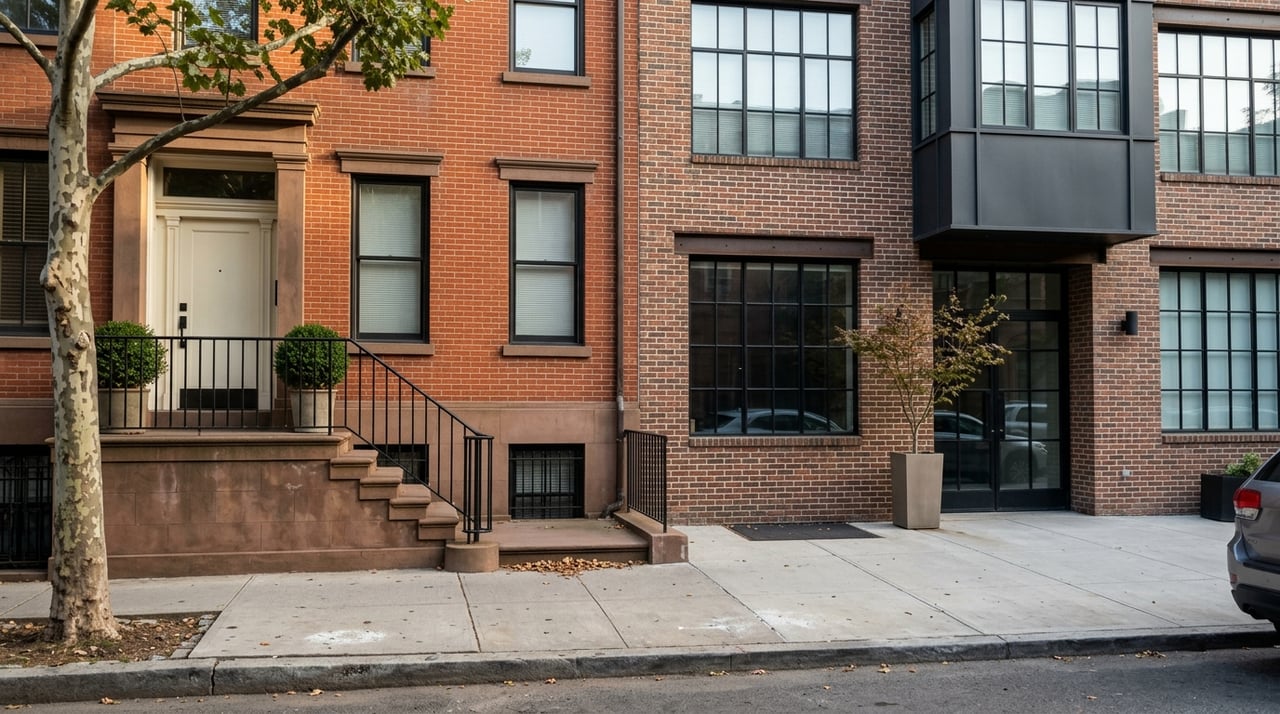
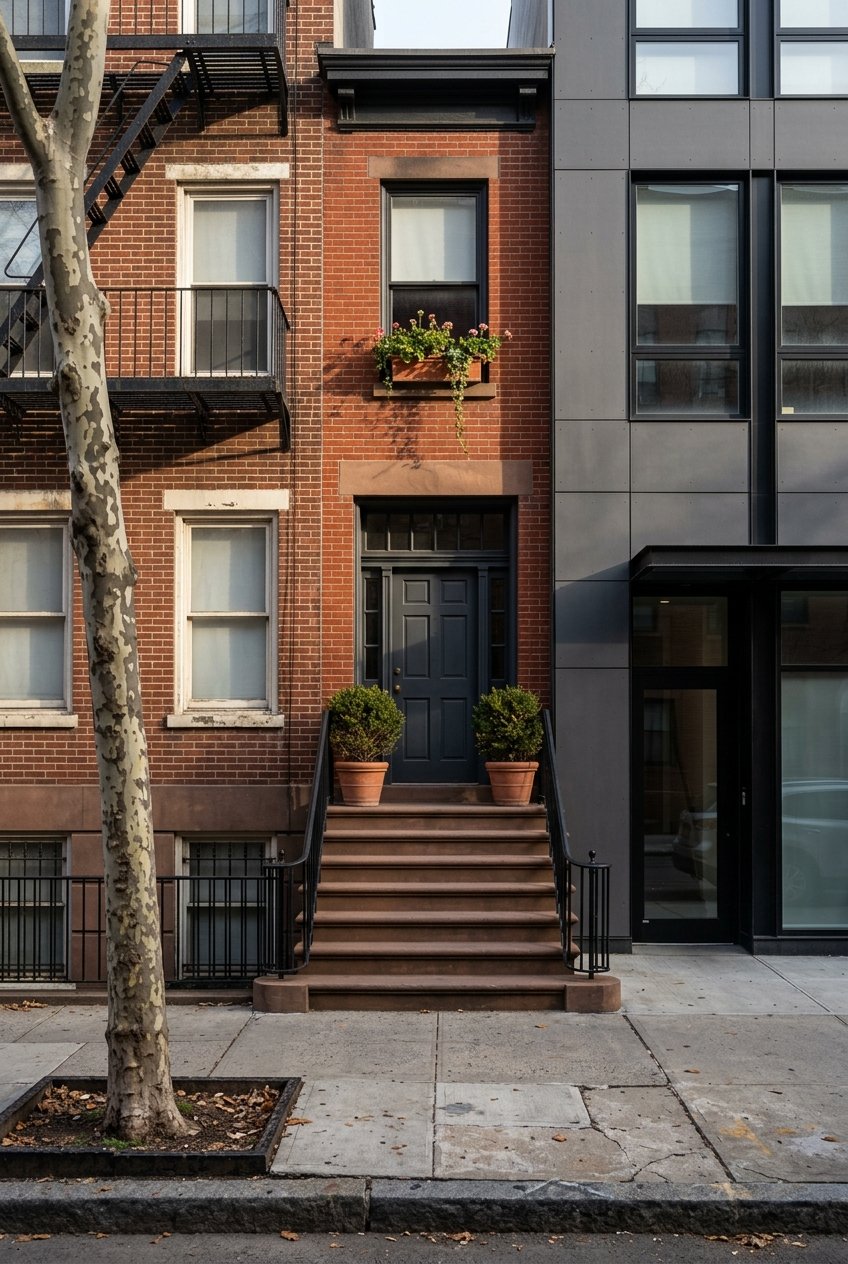
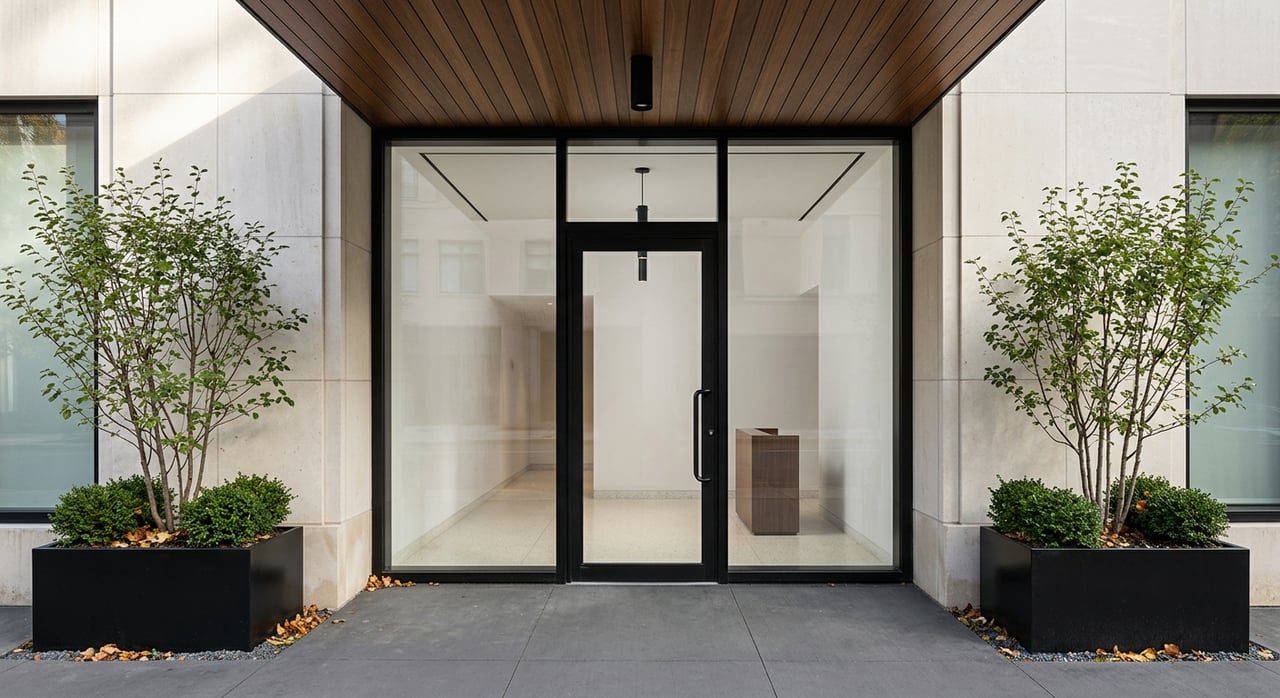
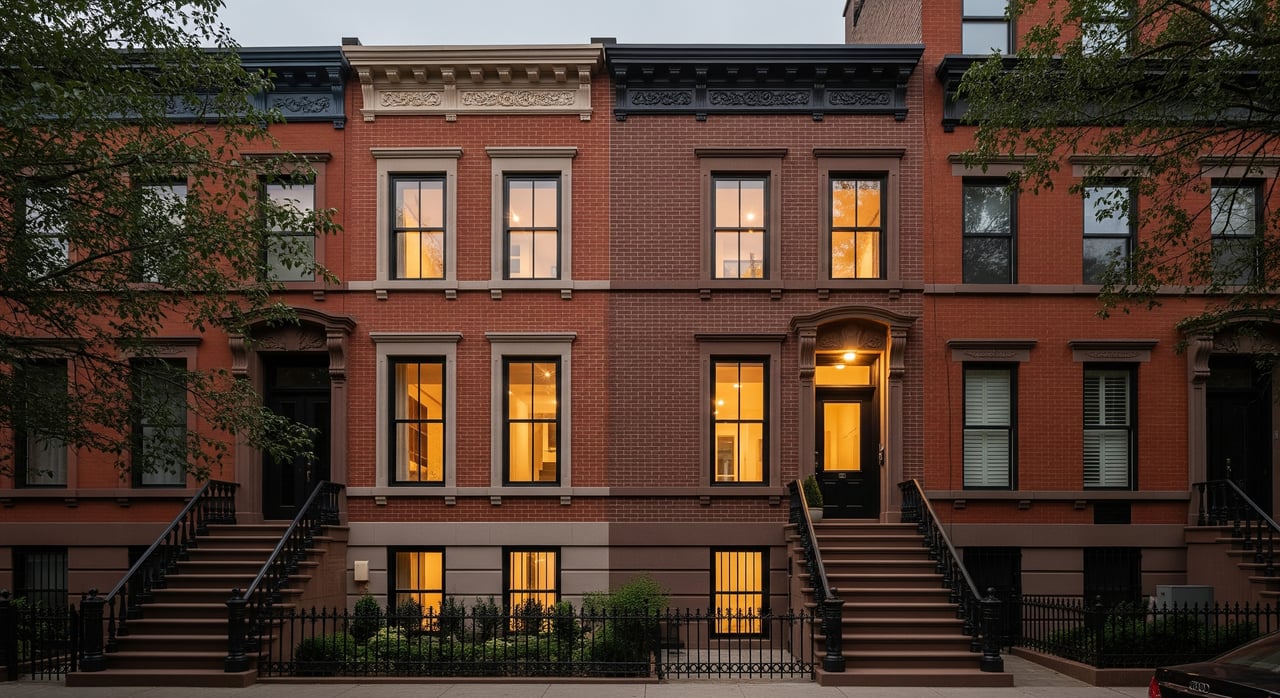
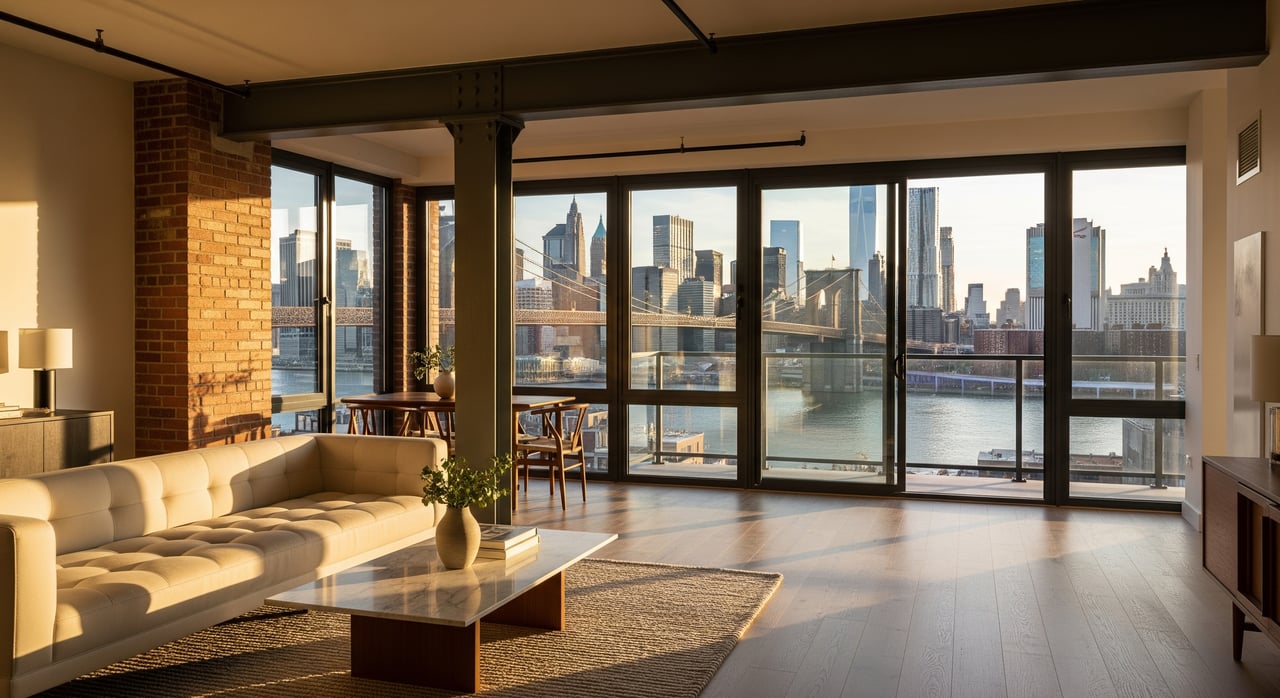
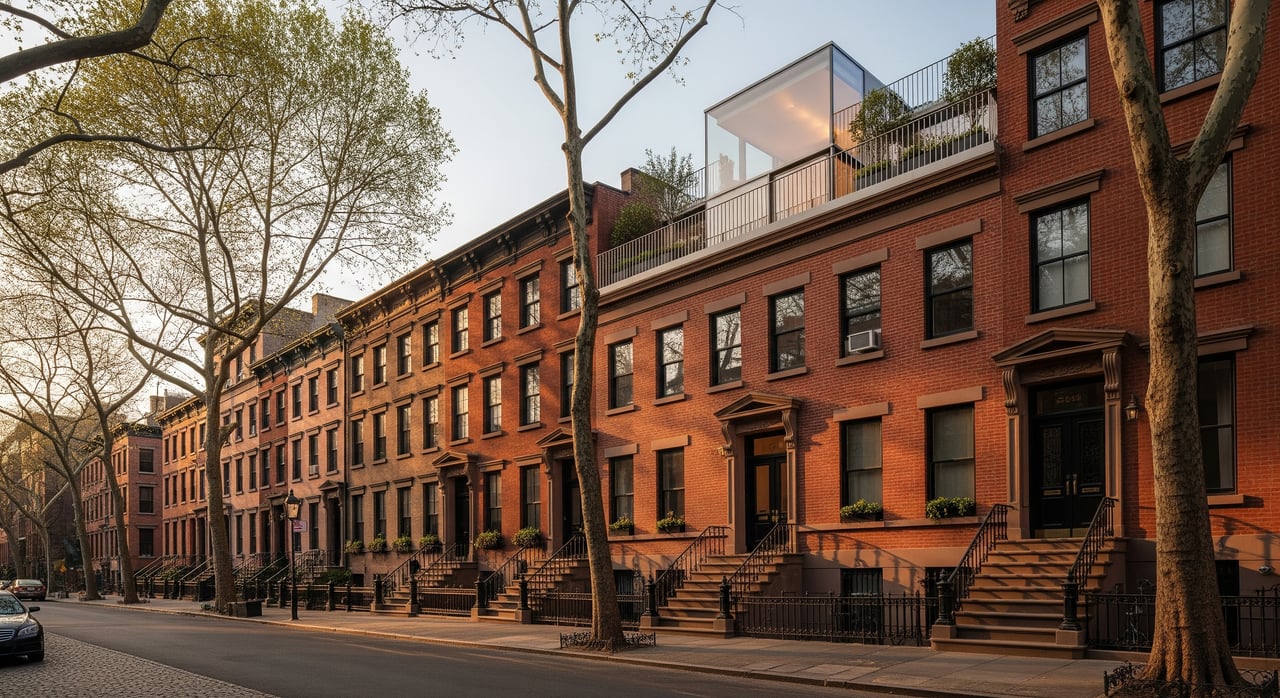
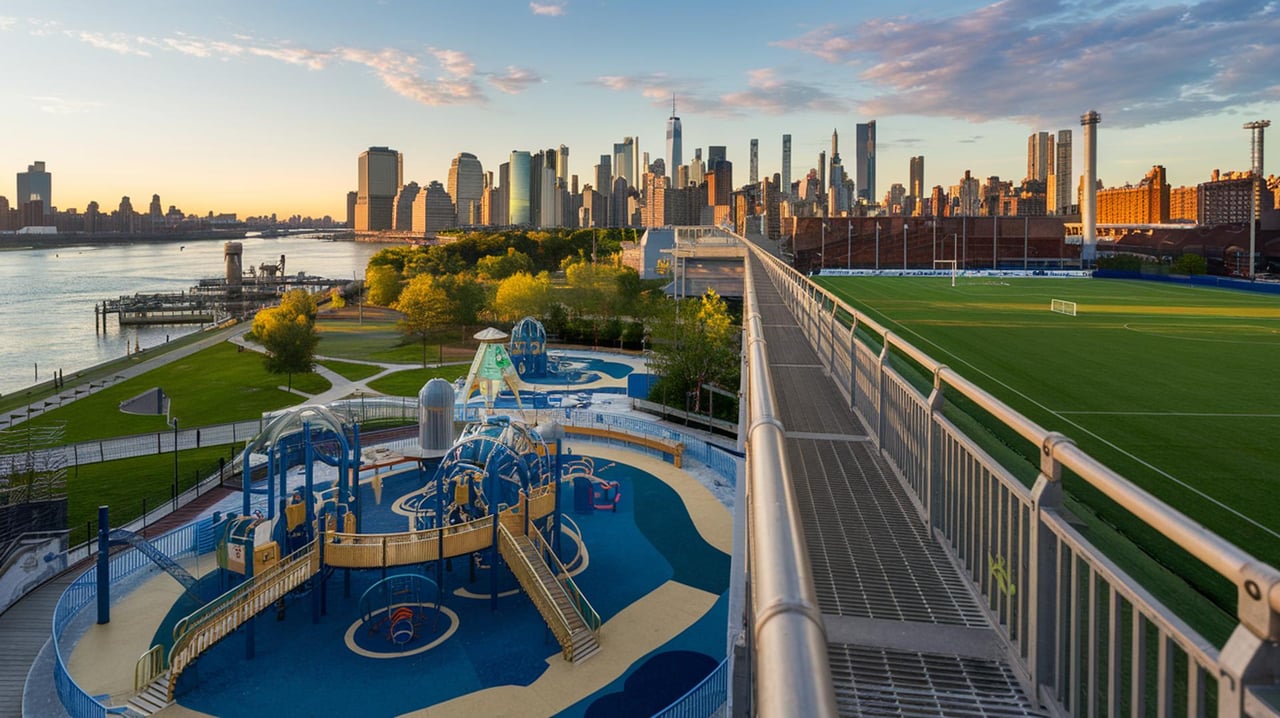
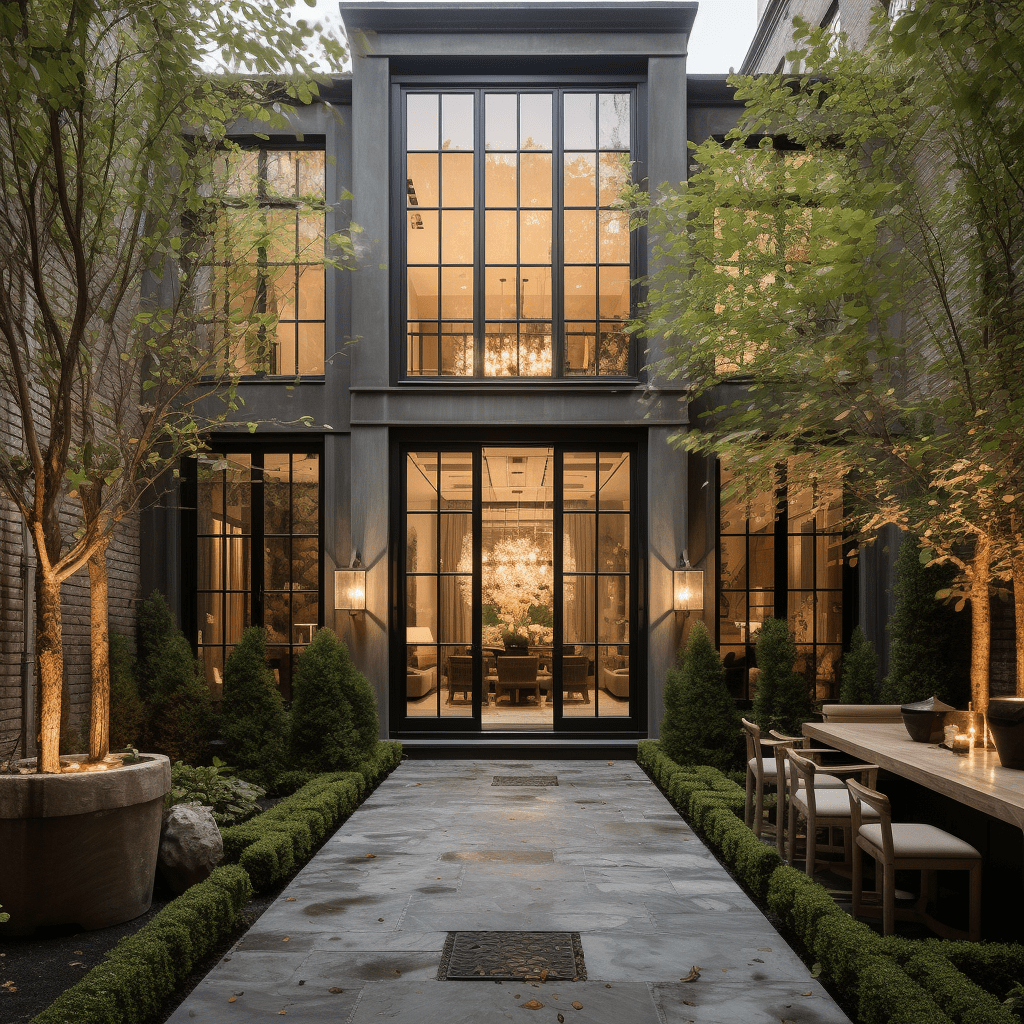
Williamsburg’s newest master-planned waterfront towers sit alongside a deep inventory of converted warehouses and boutique loft buildings. These two options trade at different price points and offer very different day-to-day experiences. Recent launches on the waterfront have set neighborhood pricing marks, with projects like One Domino Square and One Williamsburg Wharf reporting headline sponsor deals that signal higher per-foot pricing for view and amenity-rich towers as covered by The Real Deal. Expect to weigh character and uniqueness against full-service convenience and predictability.
Start with the offering plan
The offering plan is your primary source of truth. It lays out the declaration, bylaws, budget, reserve fund disclosures, finish specifications, amenity details, sponsor rights, and more. Always pull the plan and any amendments from the NYS Attorney General offering plan database and review the AG’s consumer overview, Before You Buy a Co-op or Condo, for a plain-language checklist.
Key pieces to zero in on:
- Schedule B budget and reserves. Confirm projected common charges, staffing assumptions, any commercial income, and the initial reserve funding.
- Finish commitments. Look for brand and model numbers, not just “or similar.”
- Sponsor rights and control period. Understand how long the sponsor controls the board and any veto powers.
- CO/TCO/Interim Occupancy. Confirm whether you will occupy under a temporary or interim status and how fees work.
Loft conversions vs towers
You are often choosing between two different experiences:
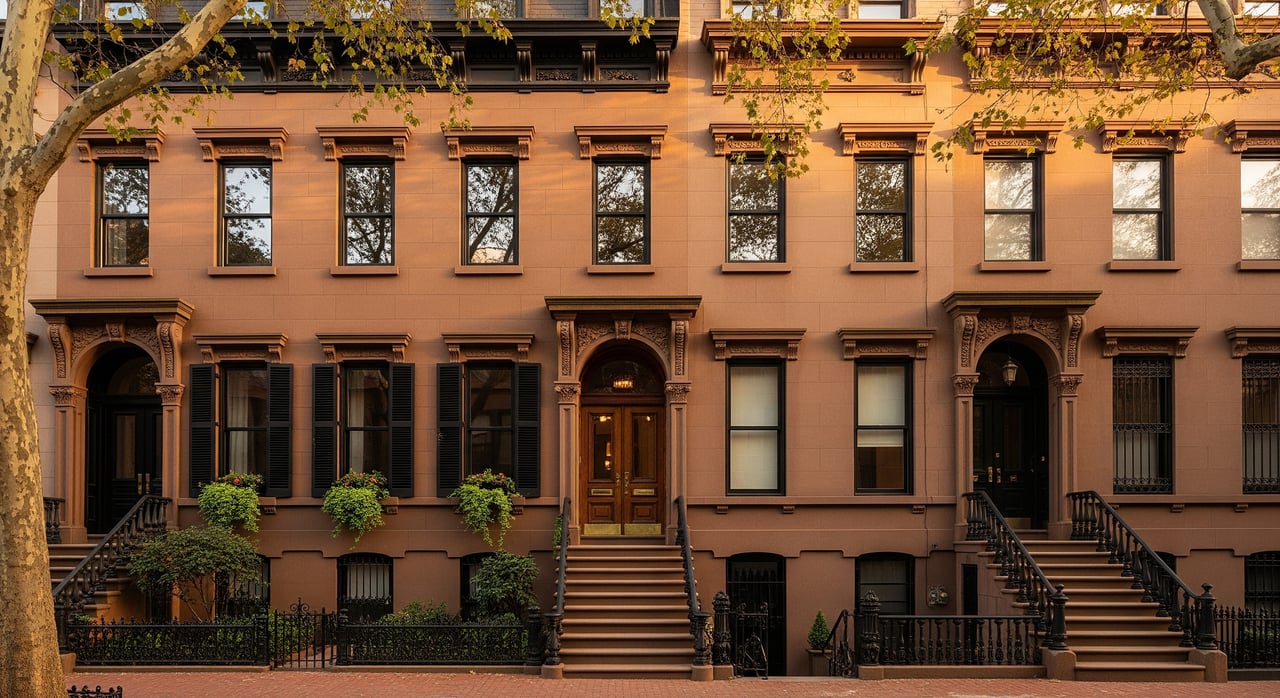
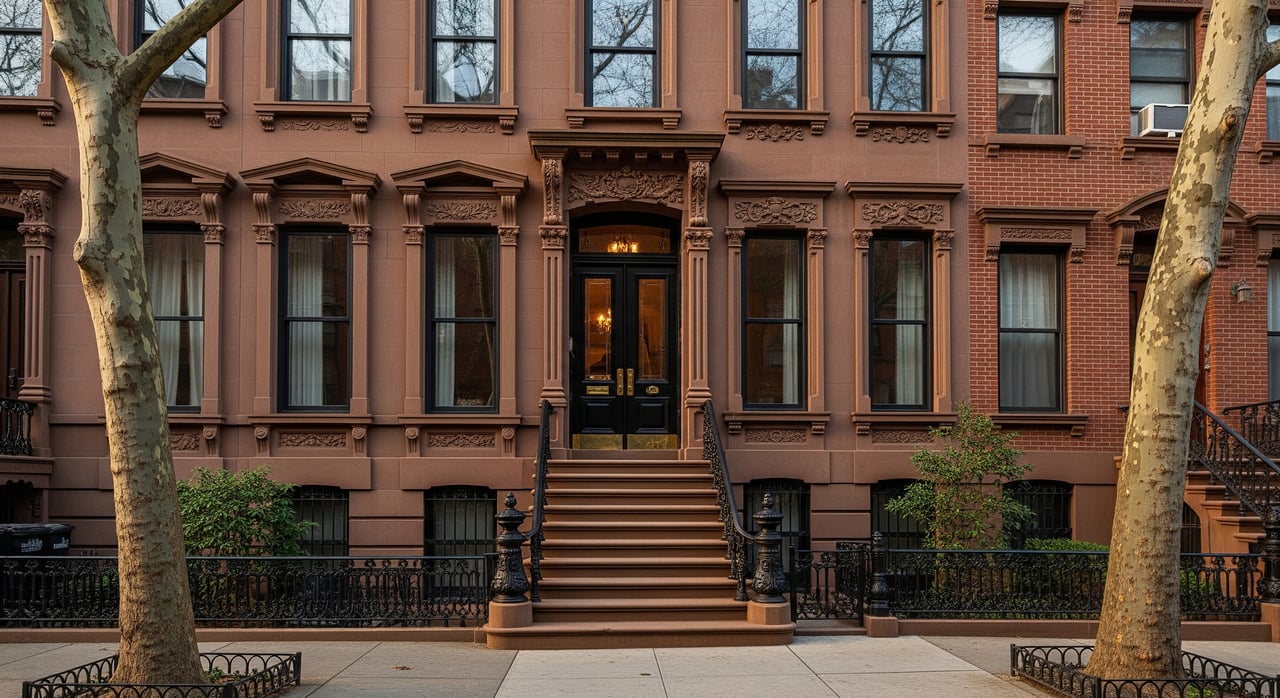
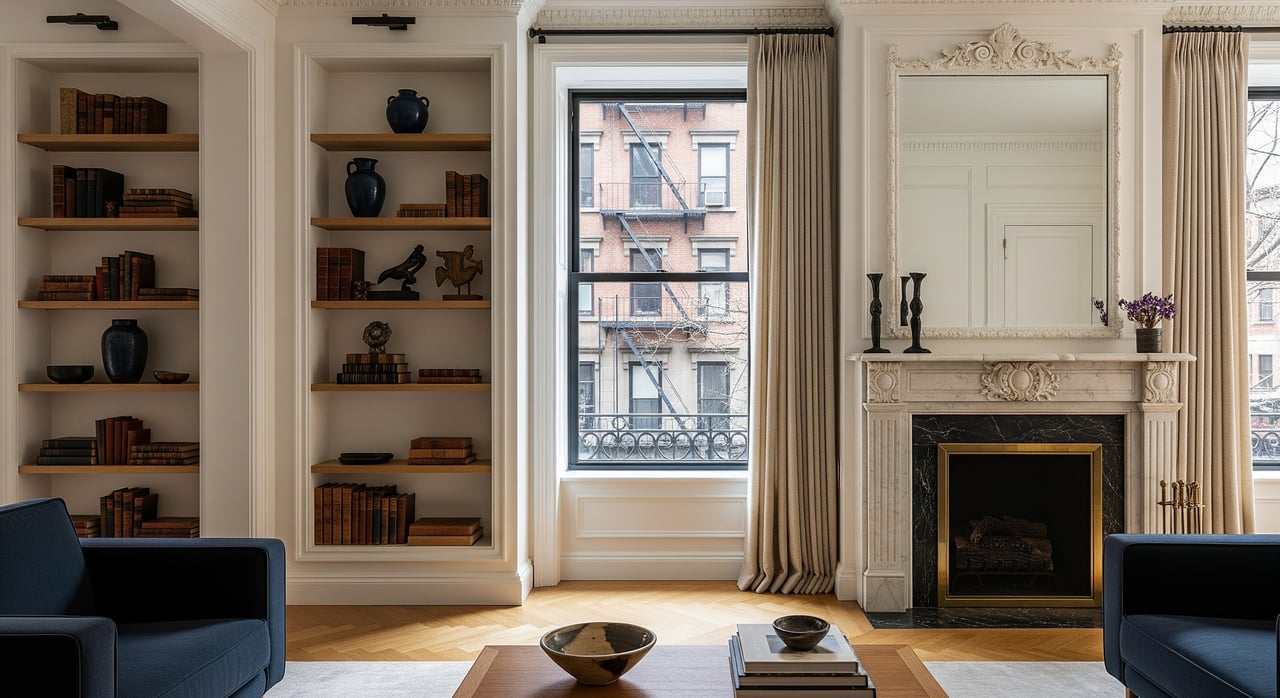
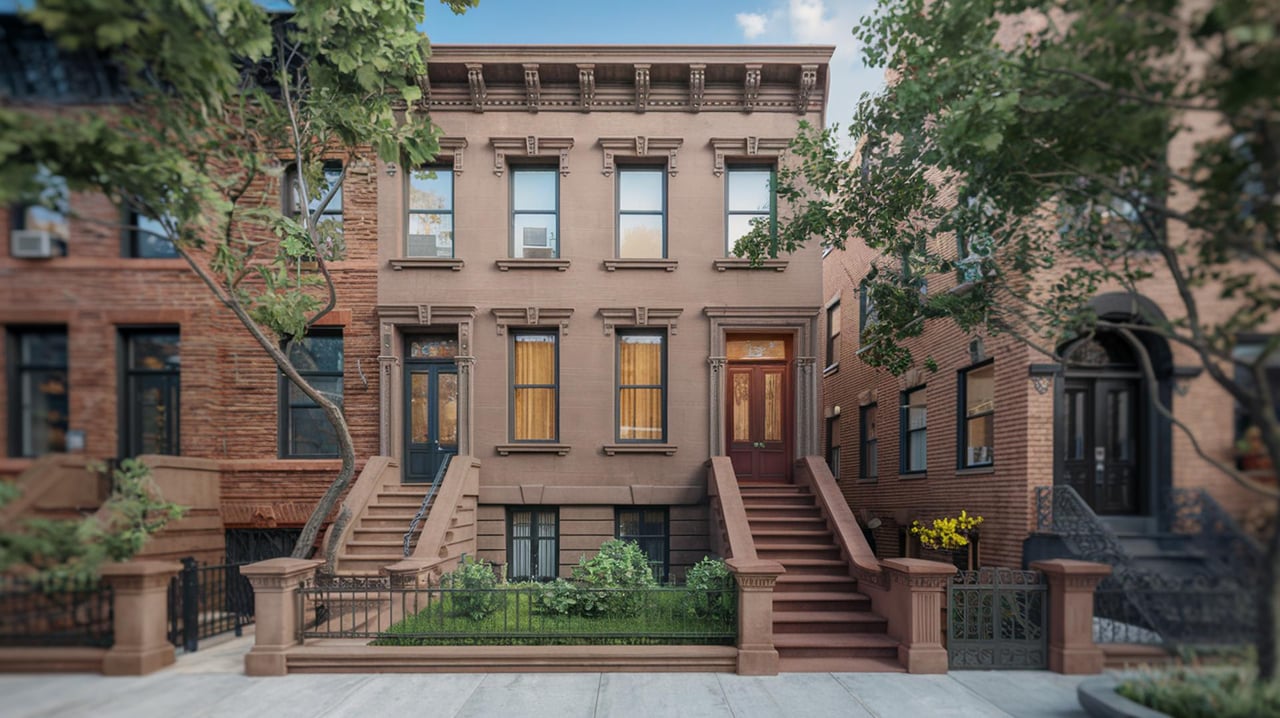
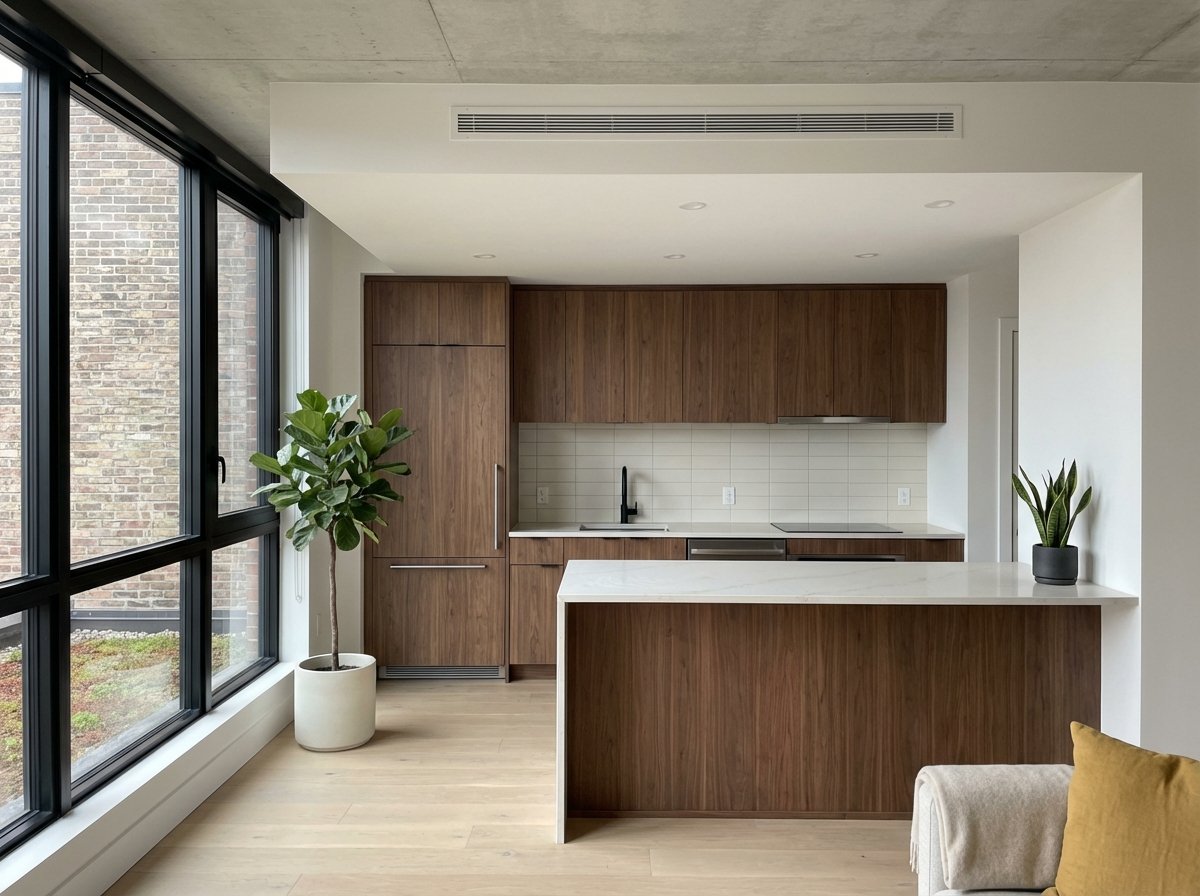
- Converted lofts. You get character, higher ceilings, and unique layouts, but shells can be older and may require more building-wide work over time. Ask counsel to confirm any Loft Law or IMD history and current legalization status, since past tenancies and conversions can affect future capital projects and rules. A recent Court of Appeals decision offers context on Loft Law interpretations, summarized on Justia’s case page.
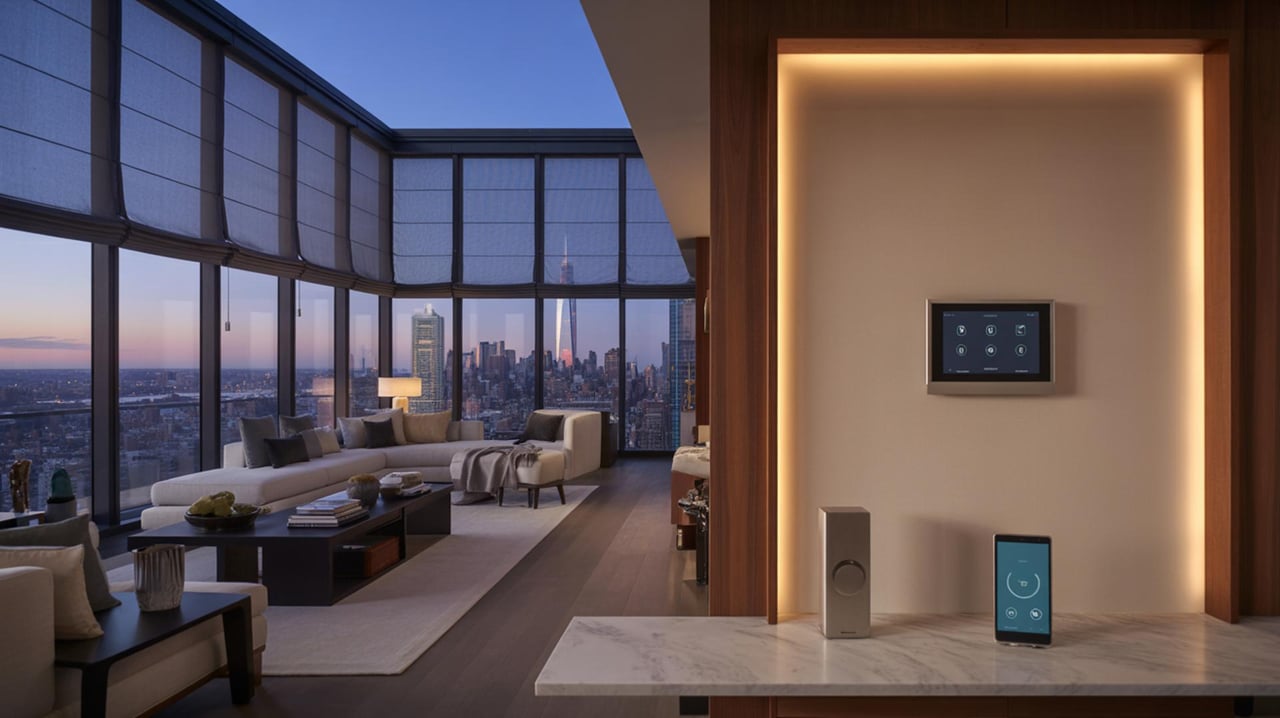
- Ground-up waterfront towers. You get modern MEP systems, new warranties, and large amenity suites, but often higher monthly common charges to operate full-service programs. Recent towers along the water exemplify this amenity-forward model, which can help resale but raises carrying costs compared to boutique buildings as reflected in waterfront launch coverage.
Construction quality checklist
A short, practical list to bring to your tour and your attorney review:
- Facade and windows. What are the cladding materials and is there a facade warranty? Ask for window specs, glazing type, and any thermal break details.
- Floor and sound assemblies. Ask if the sponsor provides lab or field-tested STC/IIC ratings and how the building handles flanking paths, resilient channels, and underlayments. If you want background on what STC and IIC mean, see this architectural reference on acoustic design standards.
- Elevators and floorplate. How many elevators serve the residential floors and how many units per landing?
- HVAC and ventilation. Identify in-unit system type, filtration, and whether there is heat recovery or dedicated outdoor air.
- Warranties and service. Confirm in the plan how long the sponsor warrants major building systems and finishes, and what service process exists for punch-list and post-closing items. The AG’s guide outlines what sponsors must disclose about materials and systems in the consumer overview.
Finishes and substitution clauses
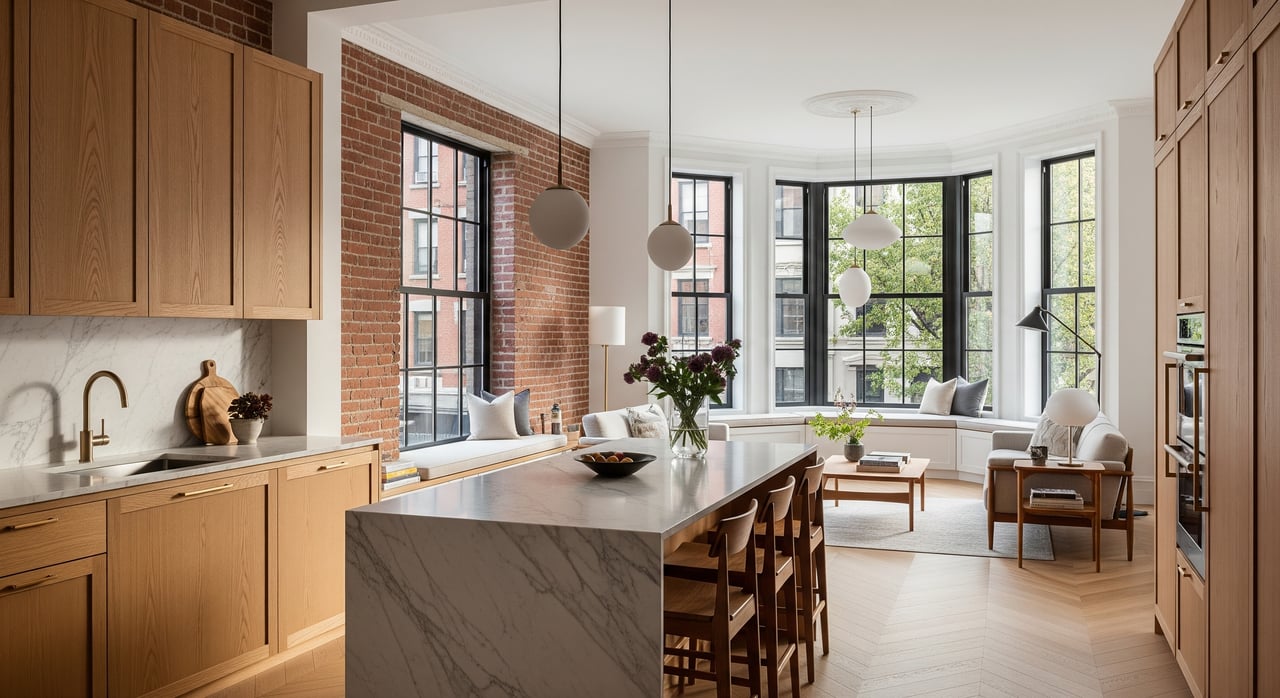
Finishes drive both your living experience and resale narrative. The AG requires offering plans to list brand and model numbers for promised appliances and major fixtures when they are represented. Look for:
- Named brands and models. The more specific, the better for expectation-setting and future comps.
- Substitution language. “Or similar” creates wiggle room. Ask your attorney to negotiate limits or value caps on any substitutions.
- Upgrade schedule. If upgrades are offered, request a clear allowance sheet and installation timelines in writing.
Amenities and operating costs
Waterfront towers often advertise pools, fitness centers, lounges, playrooms, screening rooms, pet spaces, rooftops, parking, and more. These can help attract buyers and support resale, but they also increase staffing and maintenance costs.
Questions to ask:
- Staffing model. Which spaces are staffed versus self-service? Payroll drives common charges.
- Revenue offsets. Will any retail or event spaces generate condo income, and how stable are those assumptions?
- Cost allocation. How are terraces, cabanas, and parking treated? Confirm which items are common elements versus limited common elements to avoid future disputes. The AG’s resources explain how these allocations should be disclosed in the plan.
Common charges, reserves, and taxes
Carrying costs matter as much as sticker price. In Schedule B, look for:
- Realistic staffing and utility assumptions. If the budget relies on high commercial income or conservative staffing cuts, note the risk of fee increases later.
- Healthy reserves. A tiny initial reserve or no clear reserve schedule is a red flag. Ask for an explanation of long-term capital planning.
- Tax abatements. Some buildings vested under prior incentive programs may include abatements that reduce early-year taxes. Policies have evolved in recent state budgets, so verify whether an abatement applies and the phase-out timeline in the plan and city records. For background on recent policy shifts, see this New York Housing Conference update.
Interim occupancy and CO
In New York City, it is common to occupy before final closing if the building has a Temporary or Interim Certificate of Occupancy. During this period, you may pay an occupancy fee and certain carrying costs before taking legal title. Confirm exact obligations, who pays utilities, and the expected timetable to record closings. For definitions and process, review the DOB’s CO and TCO guidance.
Ask the sales team and your attorney:
- What is the building’s current CO/TCO/IO status and expected timeline to final CO?
- How is the interim occupancy fee calculated and what does it cover?
- When do common charges and taxes start, and what is escrowed at each stage?
Compare buildings side by side
Use this quick framework to evaluate options on equal footing:
Numeric fields
- Asking price and price per square foot.
- Monthly common charges and common charges per square foot.
- Annual property taxes and years remaining on any abatement.
- Monthly carrying cost = mortgage principal and interest + monthly HOA + monthly tax.
- Interim occupancy exposure if applicable: estimated monthly IO payments and expected months to legal closing.
Practical formulas
- Monthly carrying cost = Mortgage P&I at your assumed rate + HOA + (Annual taxes ÷ 12).
- Net effective cost per square foot = (Purchase price + 5-year total of HOA and taxes) ÷ unit square feet.
Qualitative factors
- Product type: conversion or ground-up tower.
- Developer track record and past delivery quality.
- Amenity fit for your lifestyle versus investor needs.
- Governance risk: length of sponsor control and amendment thresholds.
- Construction signals: windows, floor assemblies, HVAC strategy, and warranties.
Resale potential in Williamsburg
Resale strength in this submarket hinges on a few priorities:
- Location and views. Waterfront master plans can command premium pricing but may concentrate supply when many units close at once, as seen in recent launch reporting covered by The Real Deal.
- Developer and design. Recognizable teams and high-quality design detail tend to support future buyer demand, as seen in coverage of anticipated condo launches on CityRealty.
- Governance and financing. Clear budgets, healthy reserves, and financing-friendly terms widen the buyer pool on resale. For common offering-plan pitfalls that can impact marketability, see this Inman analysis of red flags.
- Amenity fit. Programs that match the likely future buyer profile help long-term value, while overbuilt or idiosyncratic amenities can push fees higher than resale demand supports.
Red flags to watch
- Vague finish promises. “Or similar” without model numbers for key fixtures and appliances.
- Weak reserves or missing Schedule B. Little reserve funding and optimistic commercial income assumptions.
- Open-ended sponsor control. Extended board control or broad veto powers beyond turnover thresholds.
- Ambiguous element allocations. Unclear cost responsibility for terraces, cabanas, or balconies.
- CO gaps. Claims of immediate occupancy without a TCO or IO status you can verify.
For a deeper look at offering-plan traps and negotiation points, review the AG’s resources and the Inman red flags overview, and confirm CO details with the DOB’s CO guidance.
How we help you buy smart
You deserve clear answers and a plan that fits your life. As a developer-broker, our team pairs construction fluency with buyer representation to help you compare towers and conversions with confidence. We can frame your priorities, review plans alongside your attorney, model true monthly costs, evaluate finishes and building systems, and coordinate the right inspections and specialists. If you want a measured, builder-level perspective on Williamsburg new development, let’s talk.
Ready to explore the right buildings and buy with clarity? Connect with Mark O’Brien Real Estate to book an appointment.
FAQs
What is an offering plan and why does it matter for a Williamsburg new condo?
- It is the legally required disclosure that spells out the building’s budget, reserves, finish specs, sponsor rights, and CO status; always pull it and amendments from the AG database.
How do interim occupancy fees work before my condo closing in NYC?
- If you move in under a Temporary or Interim CO, you may pay an occupancy fee and certain carrying costs before taking title; confirm obligations and timelines using the DOB’s CO guidance and your contract.
How do amenities impact common charges in waterfront Williamsburg towers?
- Staffed amenities like doormen, pools, and concierge drive payroll and maintenance, which raises HOA; check Schedule B for staffing assumptions and any commercial income used to offset costs.
What do STC and IIC sound ratings mean when I tour condos?
- STC rates airborne sound control and IIC rates impact sound control; ask for assemblies used and any lab or field tests, and see this design reference on acoustic standards for definitions.
Do Williamsburg new developments still have tax abatements?
- Some projects vested under older programs may carry abatements that phase out over time; verify presence and remaining term in the plan and city records, and see recent policy context from the New York Housing Conference.
Are converted loft condos riskier than ground-up towers?
- Not necessarily, but conversions can involve older shells and unique legal histories; confirm any Loft Law or IMD background and review reserves, planned capital work, and governance terms against a tower’s modern systems and higher HOAs.