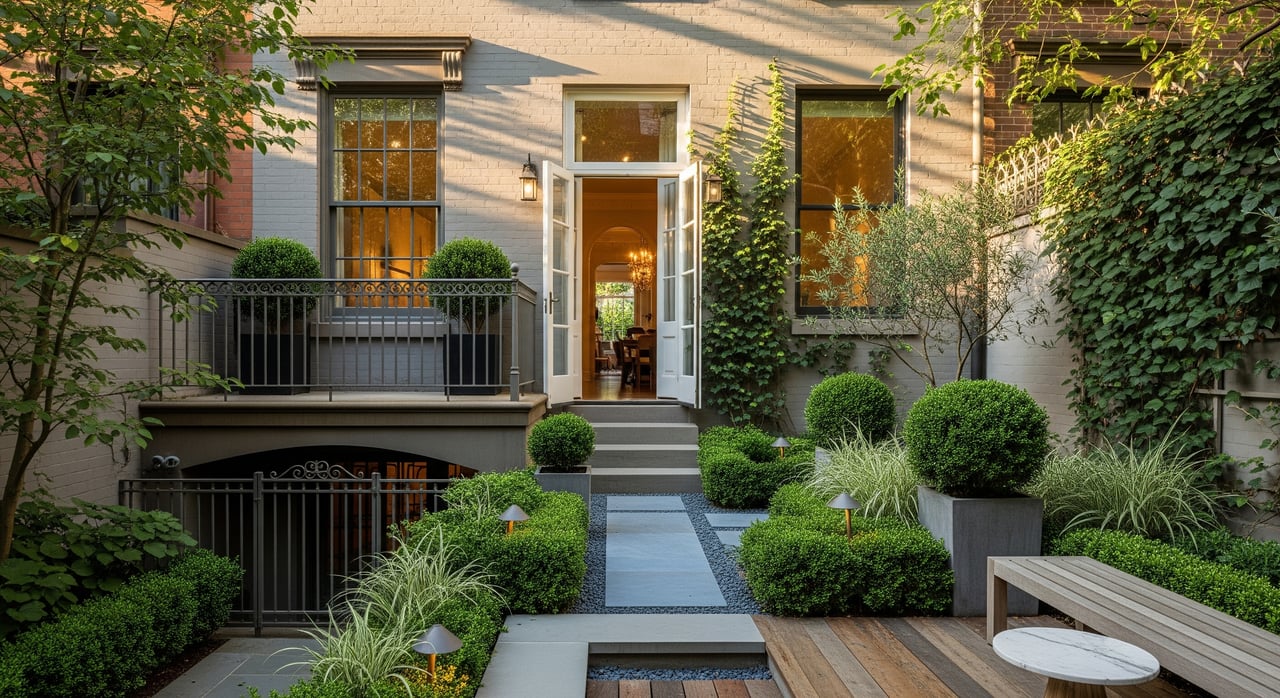
You love the idea of West Village living with a slice of private green, but you’re not sure if a garden duplex is the right move. You’re not alone. These homes promise outdoor space and a townhouse feel, yet they come with unique legal, maintenance, and financing details you should understand before you commit. In this guide, you’ll learn what a garden duplex really is in the West Village, how to weigh the benefits and risks, what to verify in the paperwork, and the inspections that matter most. Let’s dive in.
What counts as a garden duplex
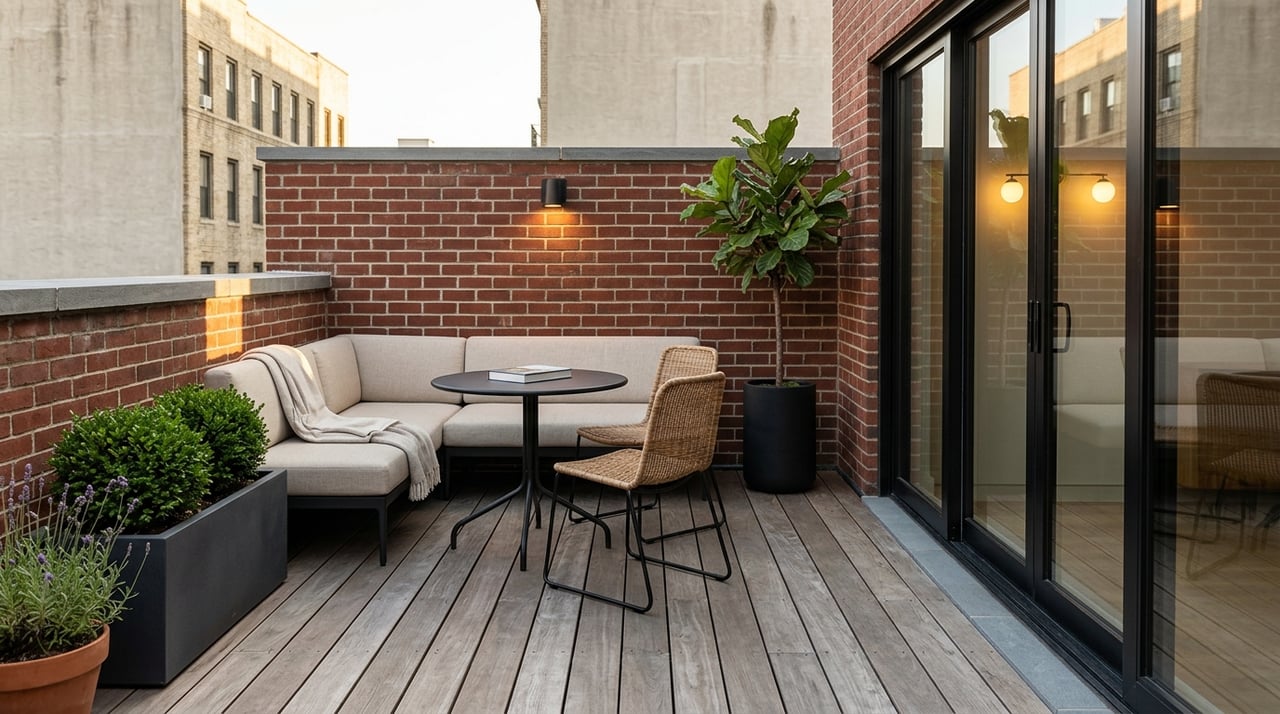
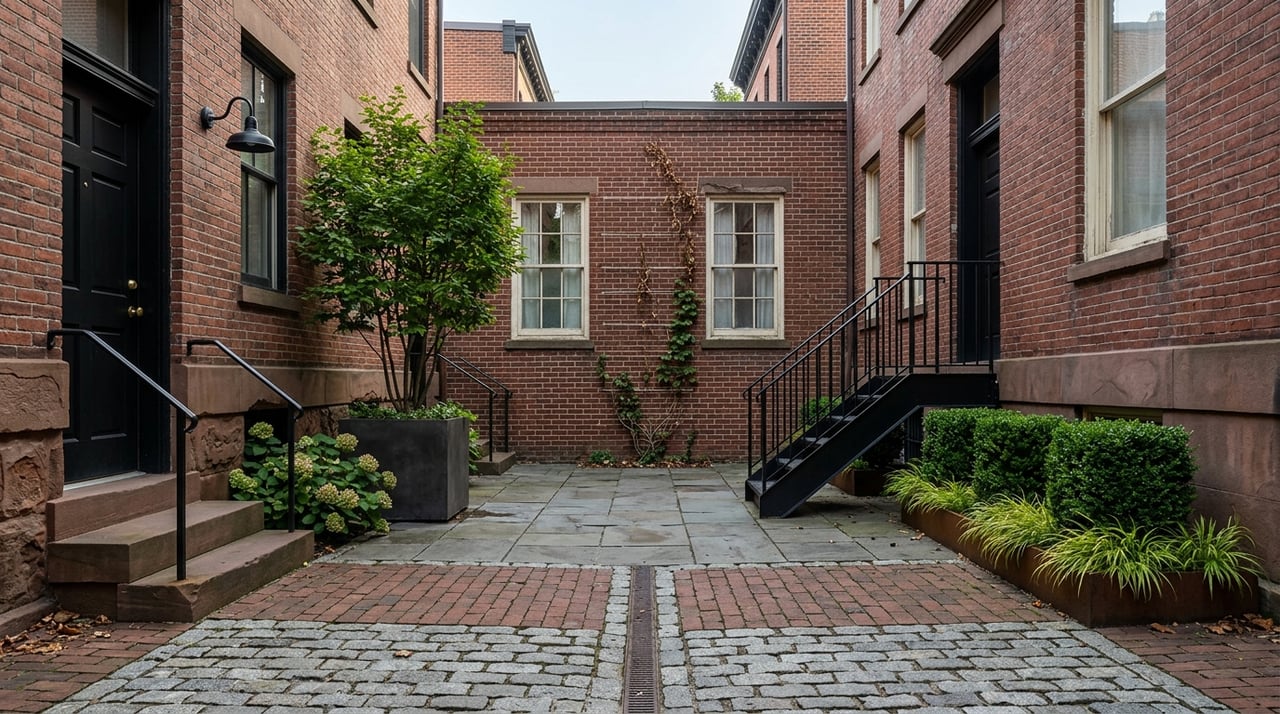
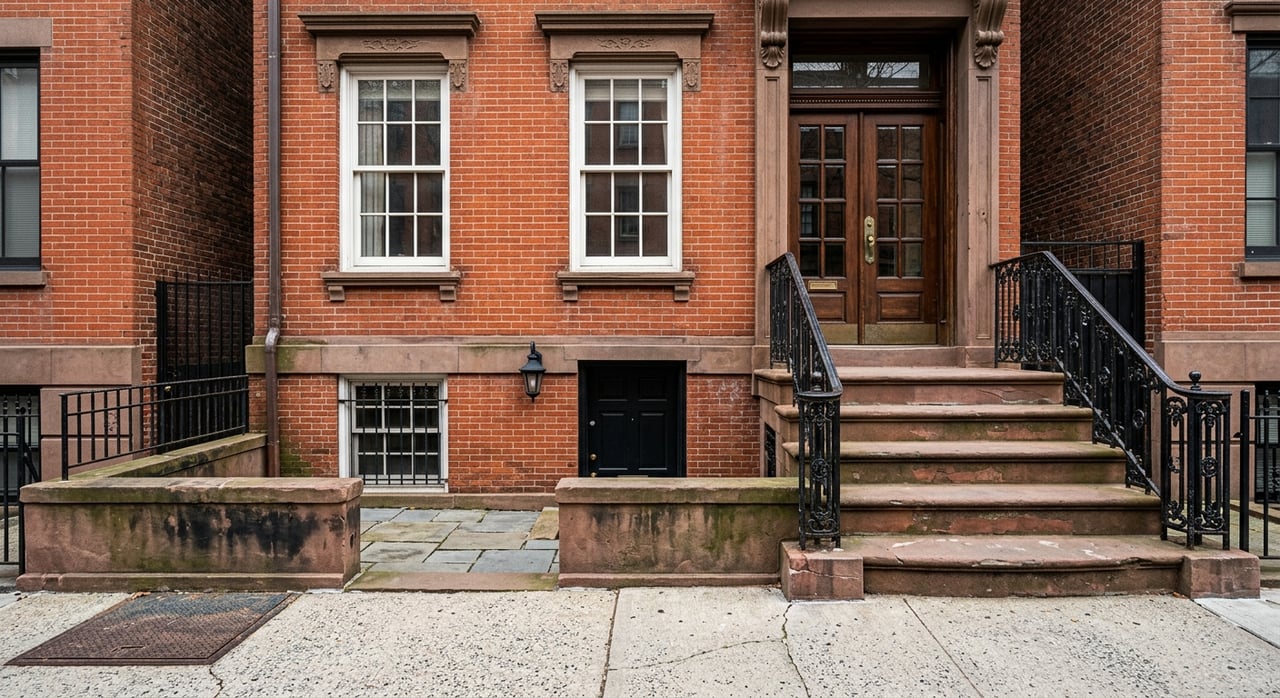
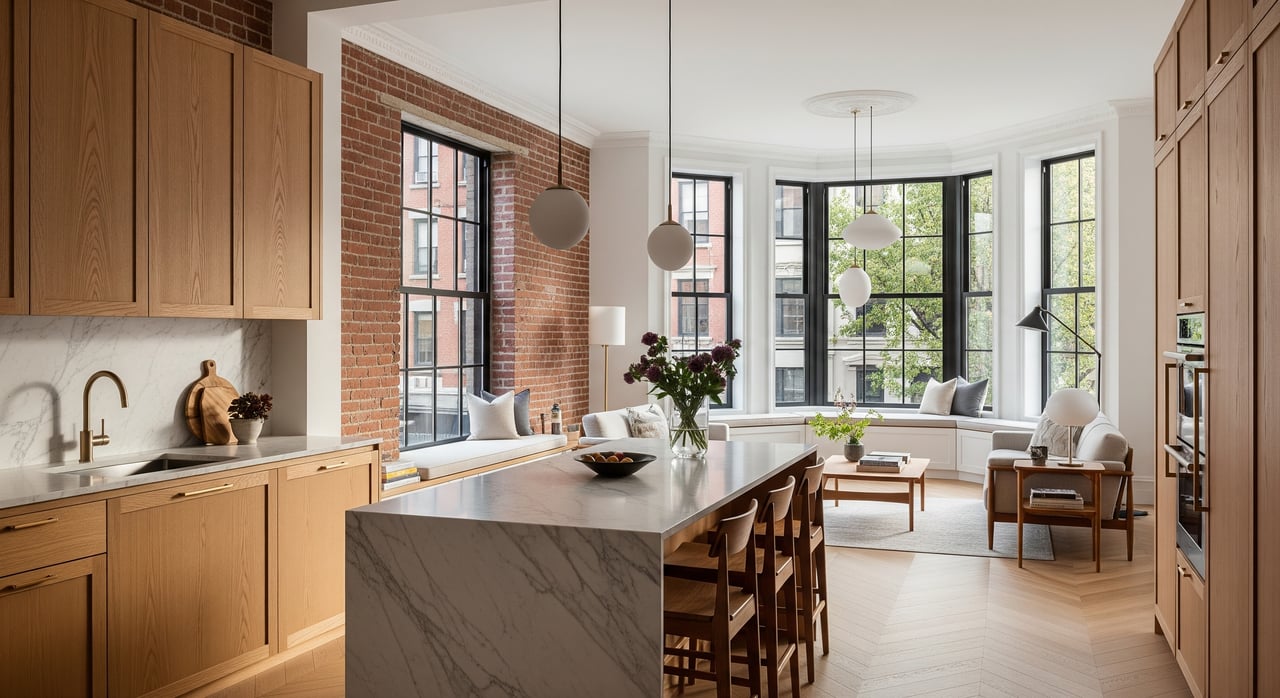
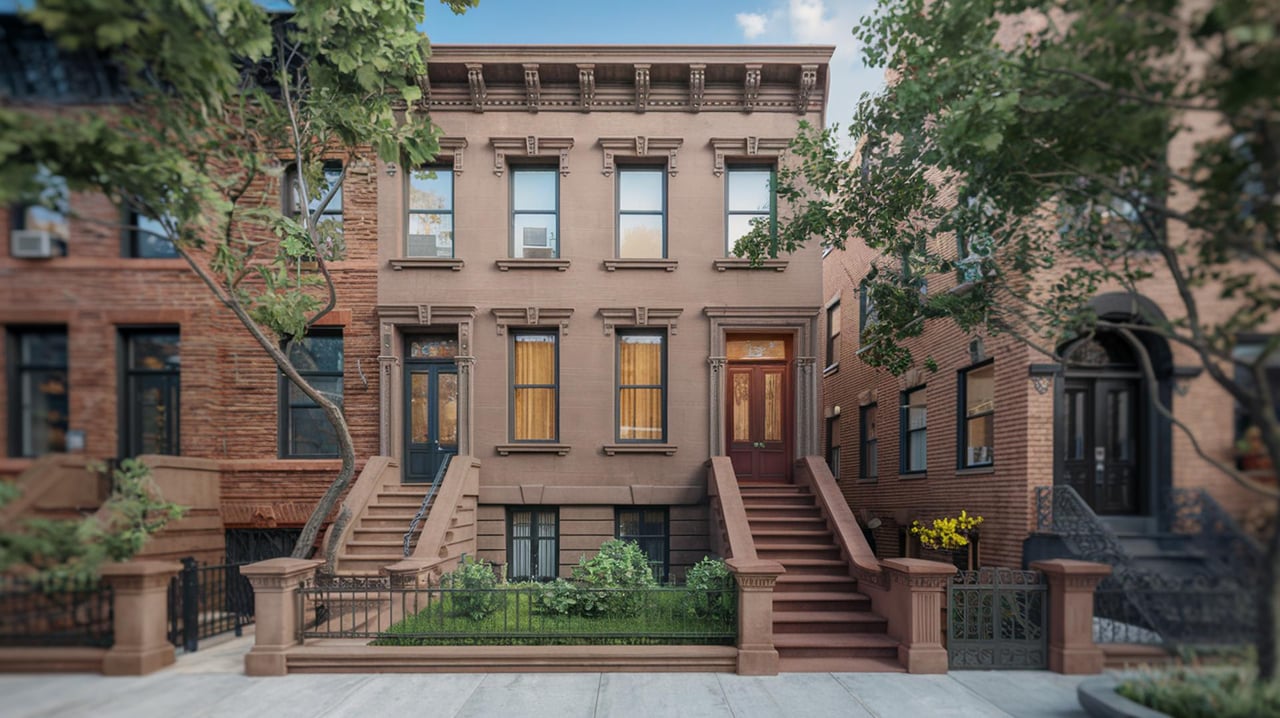
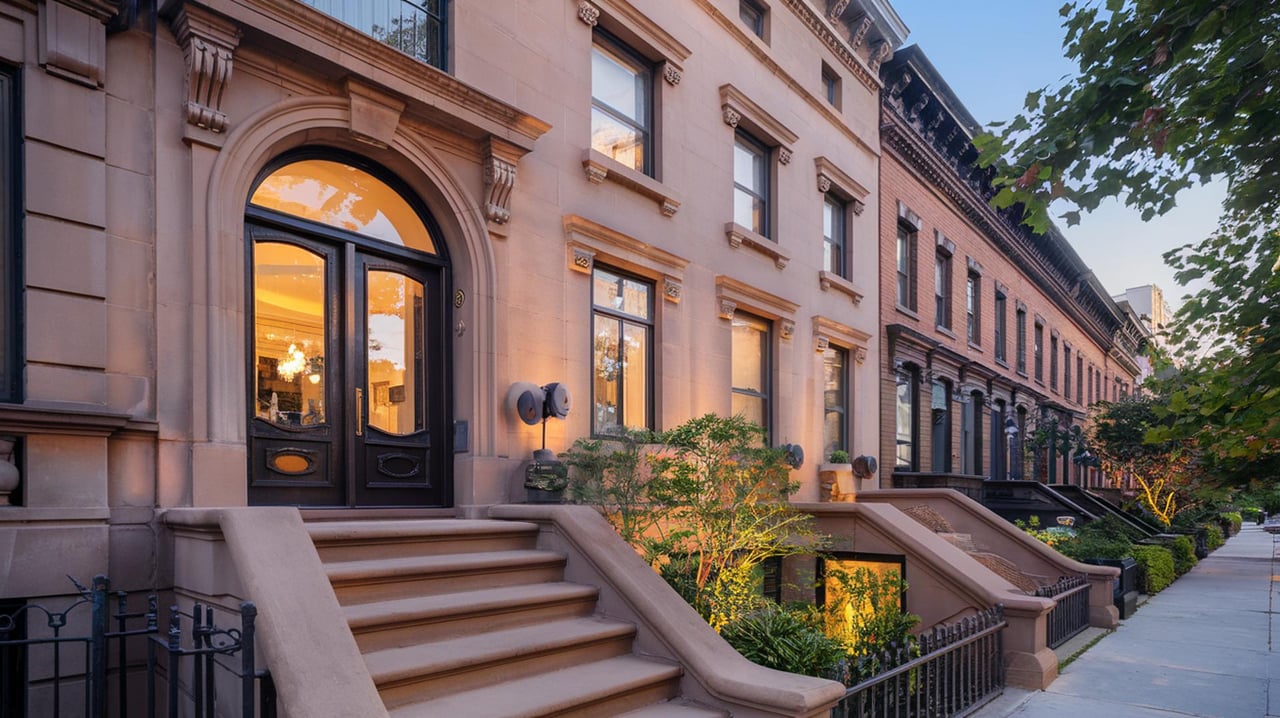
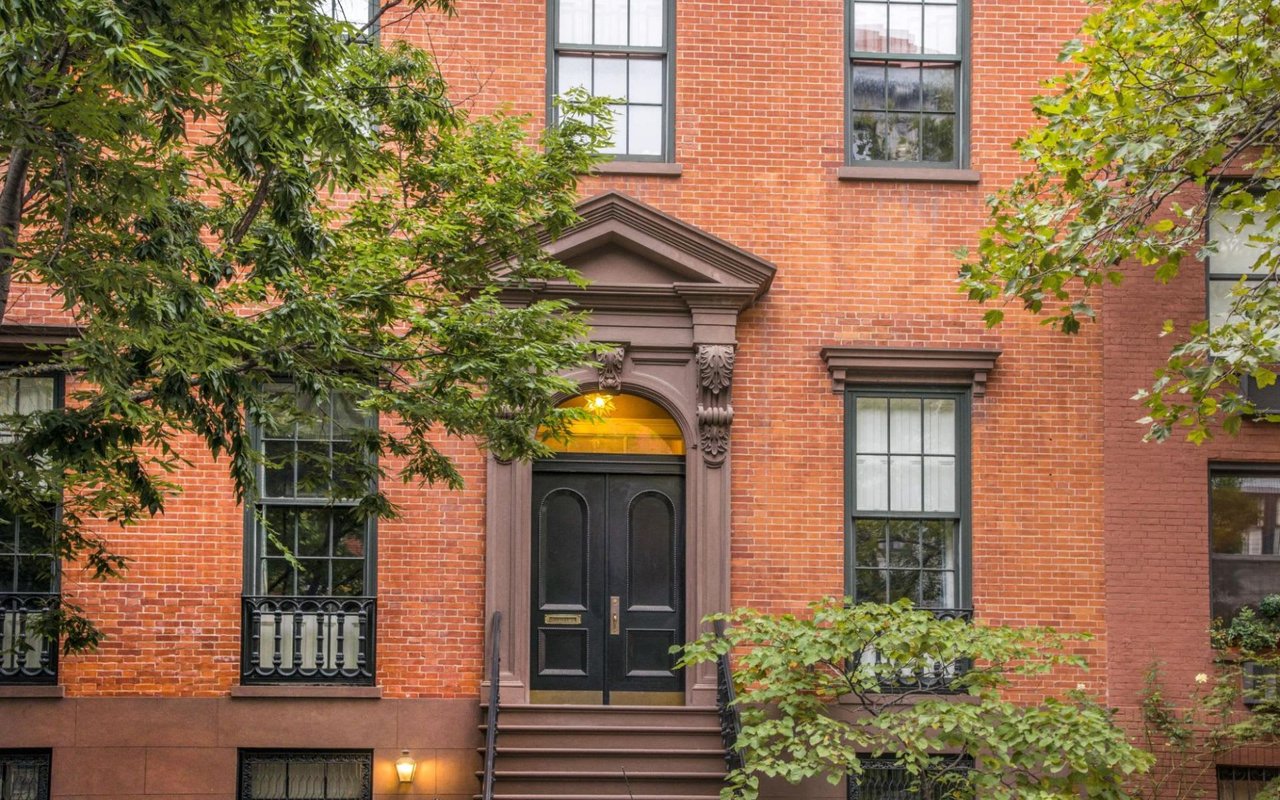
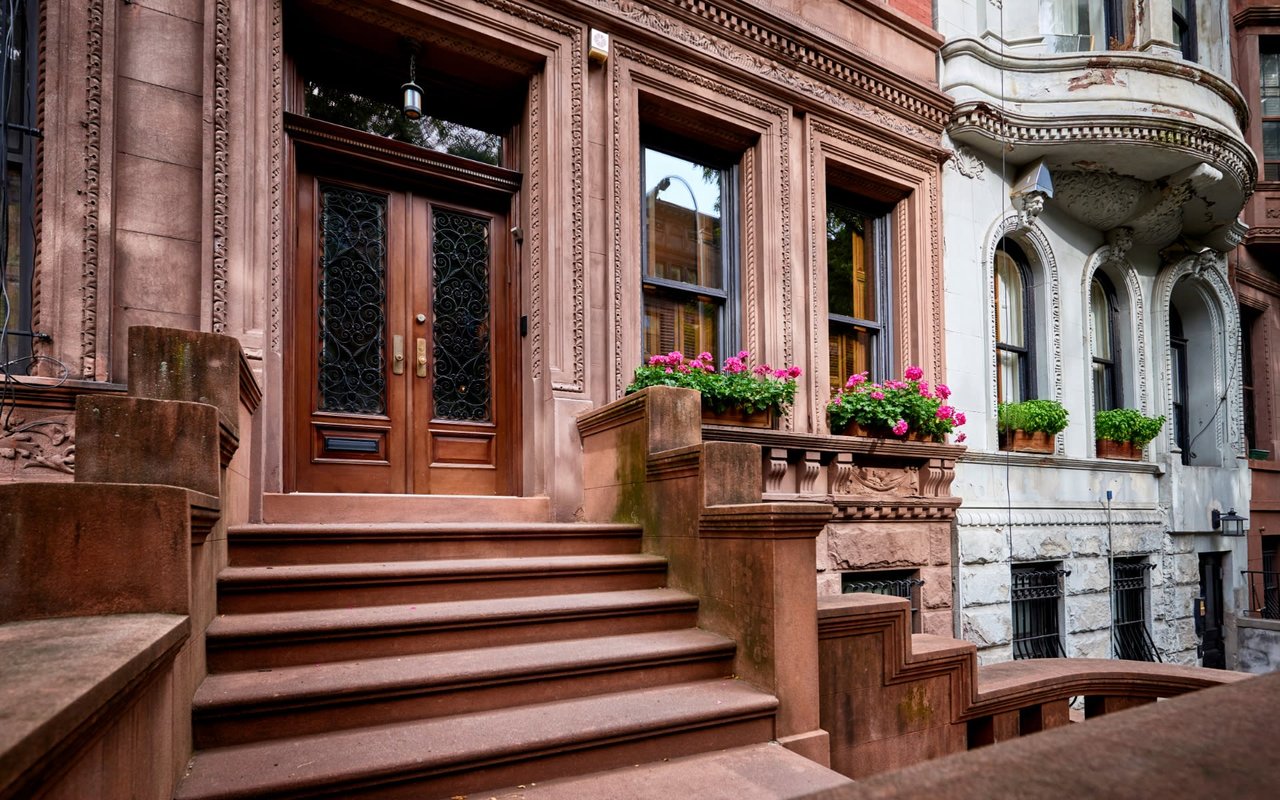
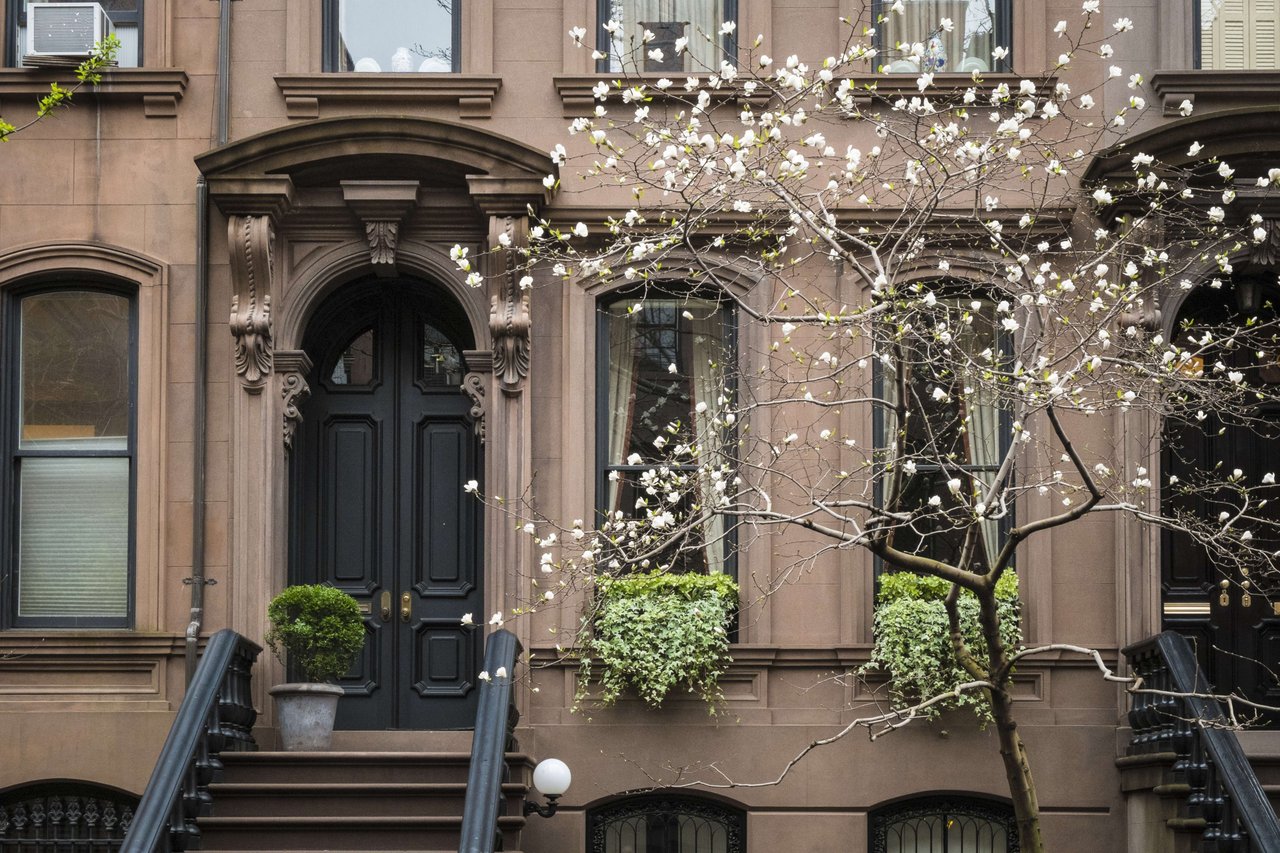
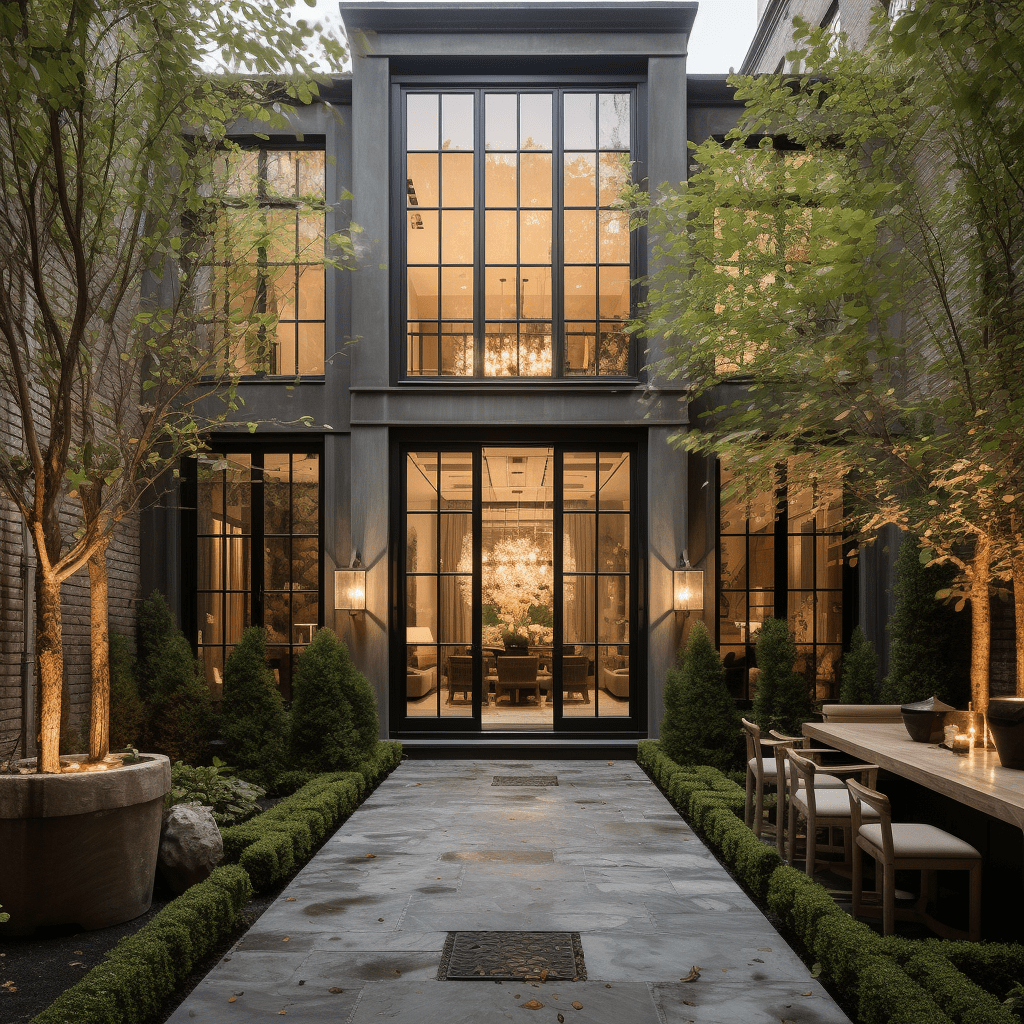
In New York City, a garden duplex typically spans the garden or ground level and a lower level that may be partially below grade. The hallmark feature is direct access to private outdoor space like a rear garden, patio, or planted area. Many West Village units of this type come from townhouse or brownstone conversions and often retain prewar details.
You may also see terms like “garden apartment,” “garden unit,” or “English basement.” Listings use these loosely. Always confirm the unit’s exact layout and legal status in the building documents, especially if the lower level is partially below grade or includes rooms marketed as bedrooms or living areas.
West Village context and availability
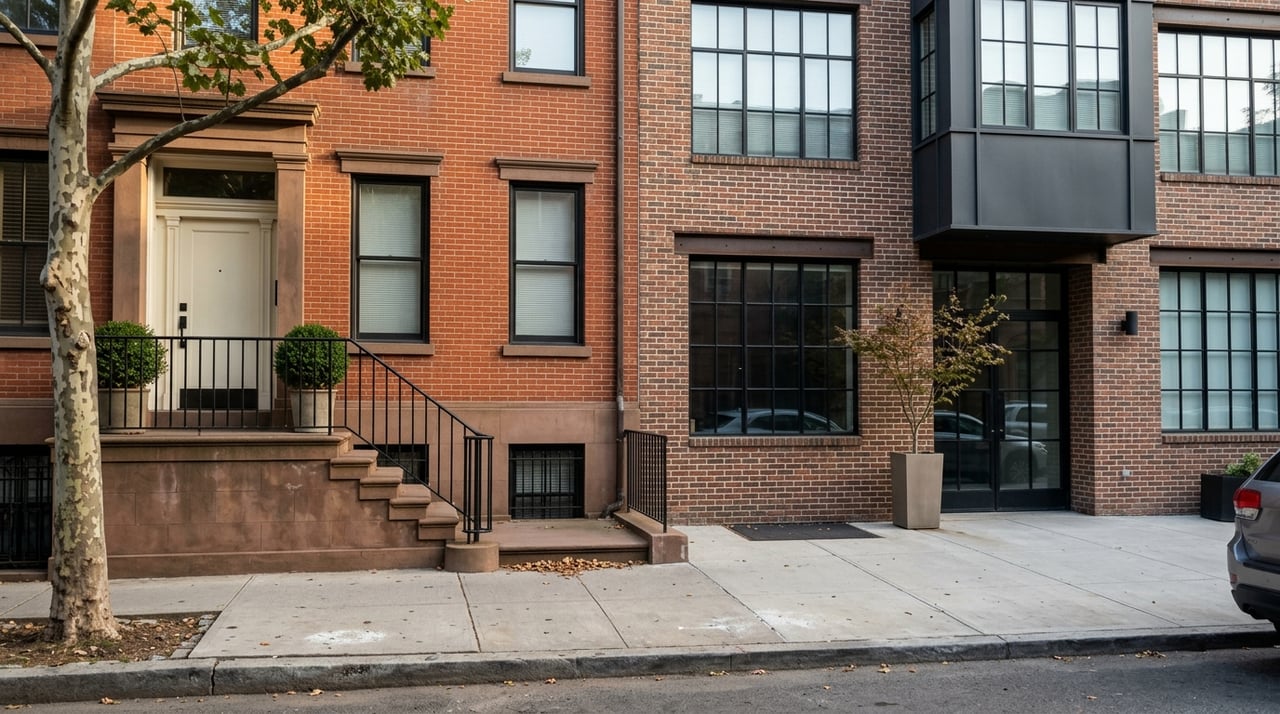
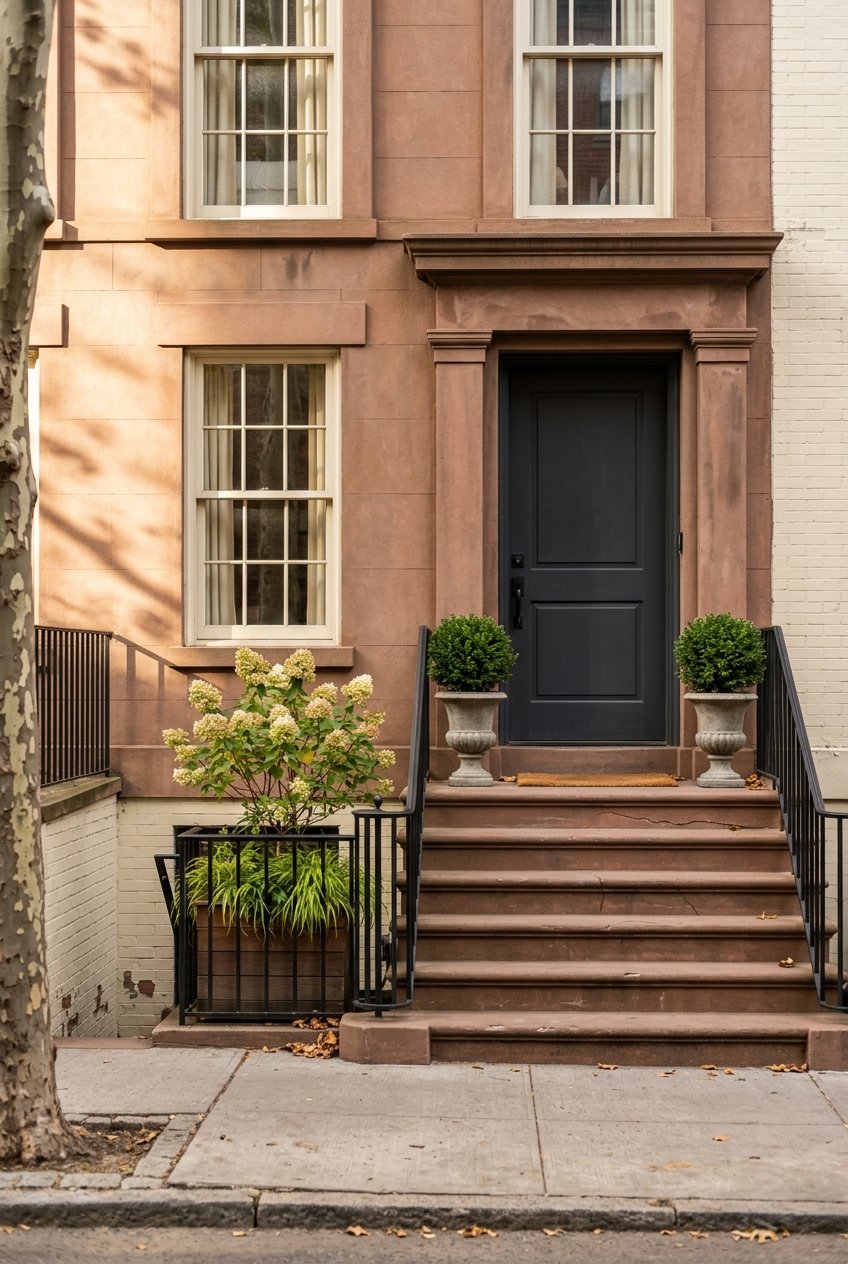
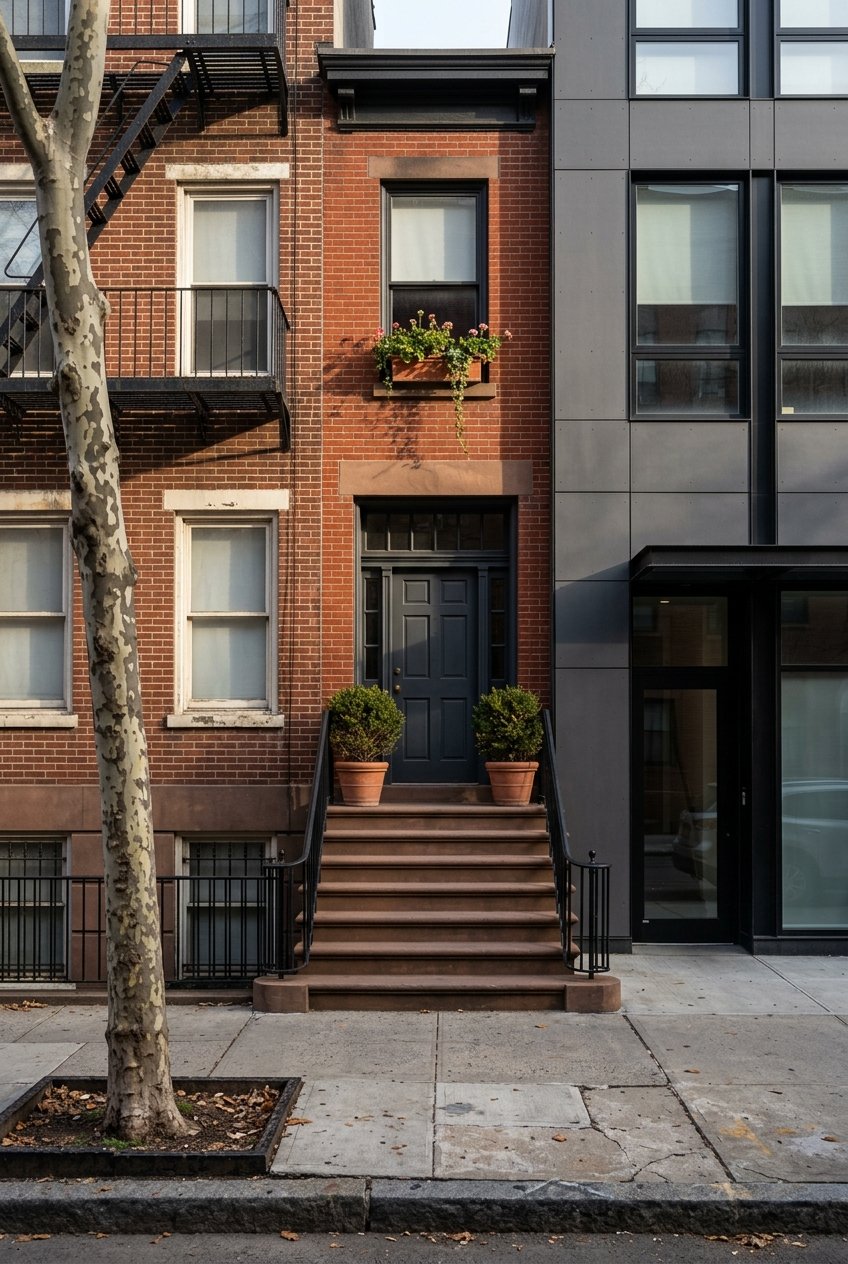
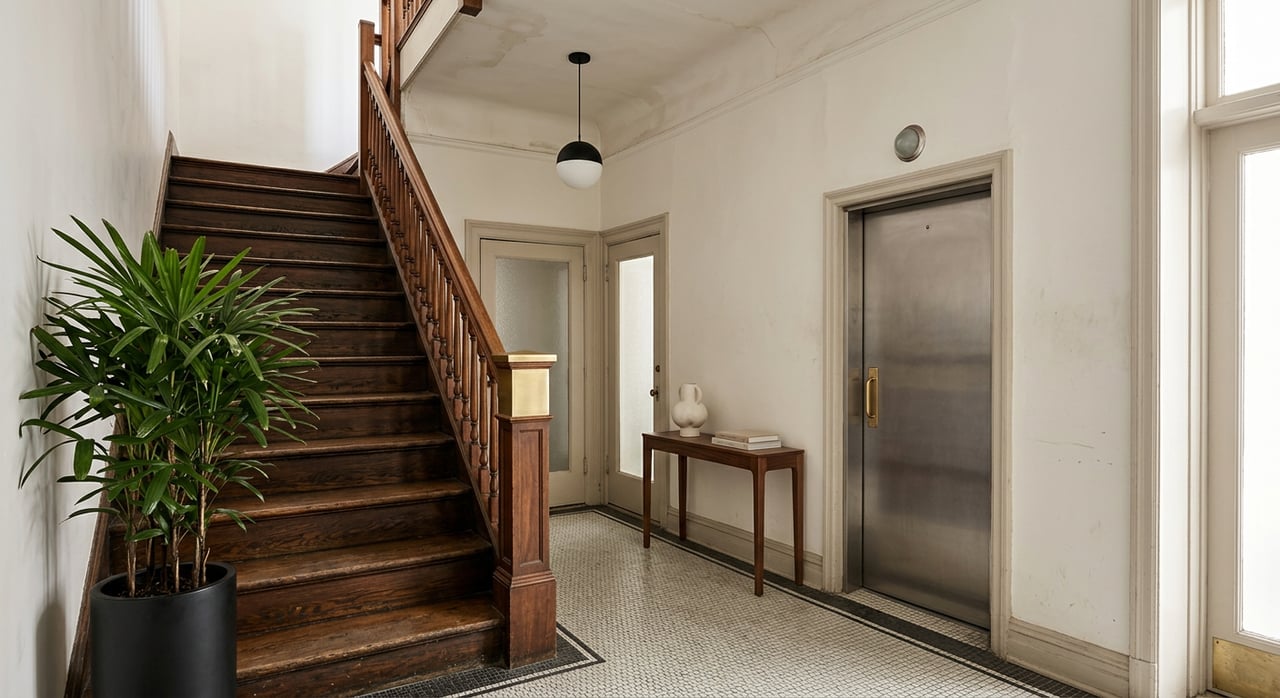
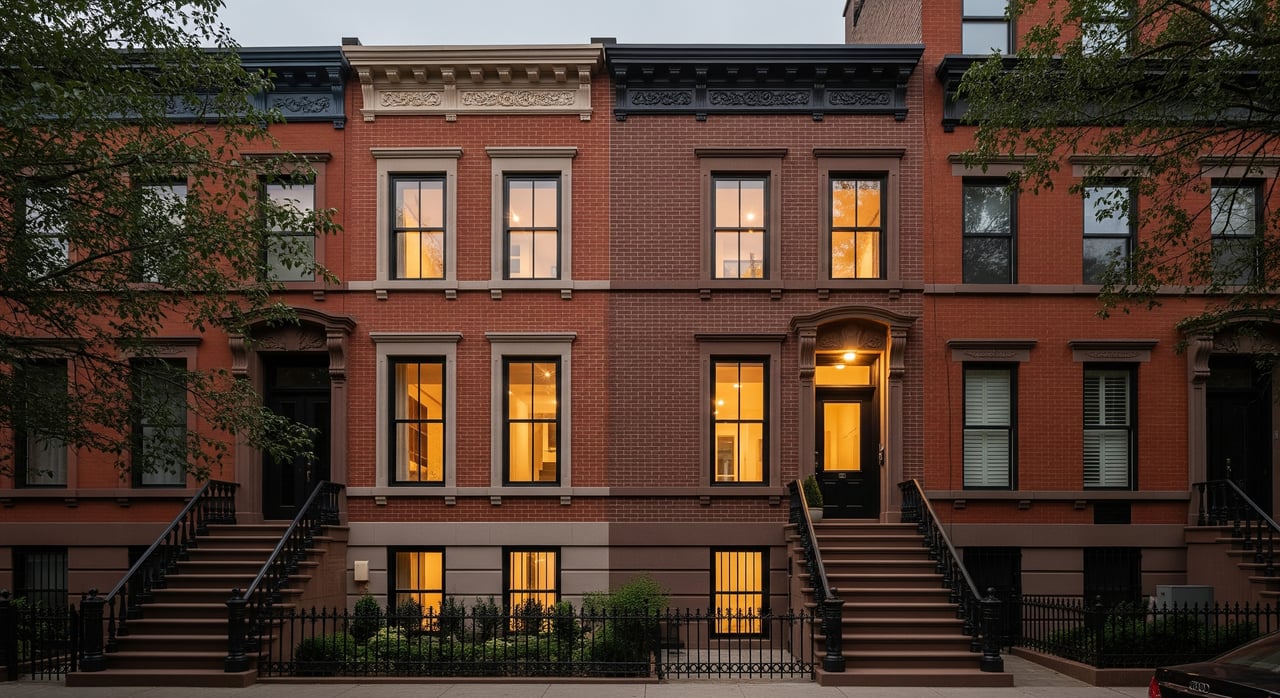
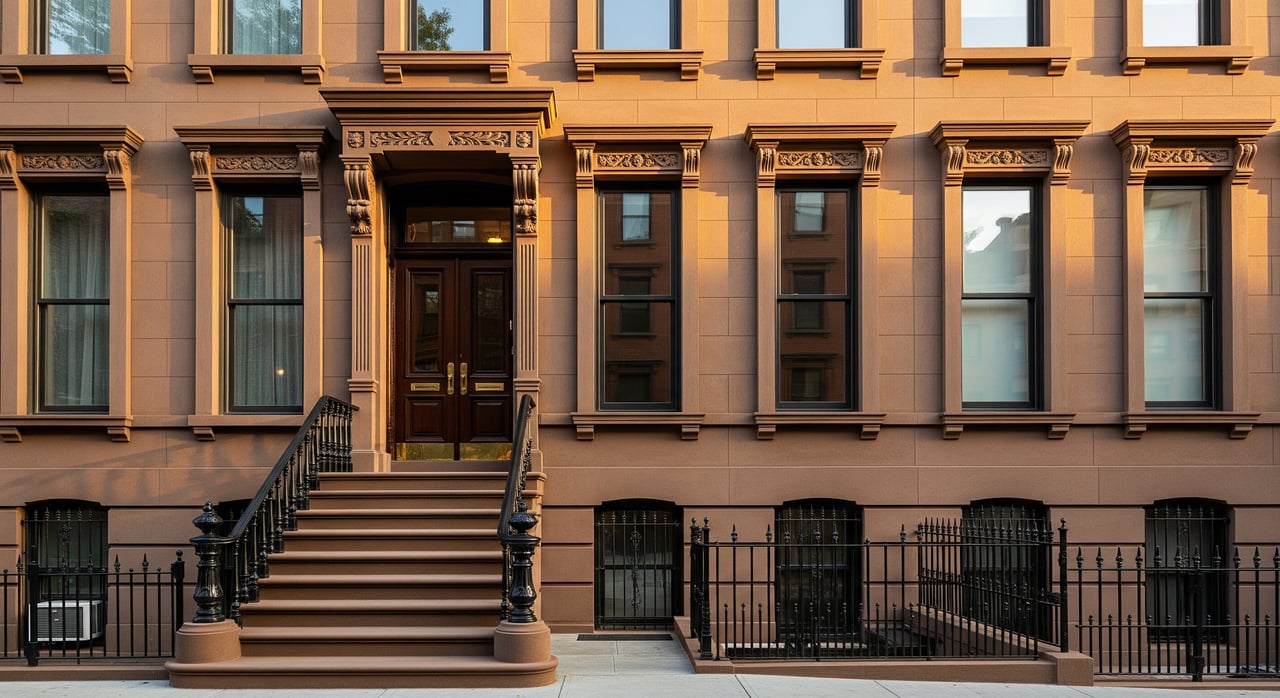
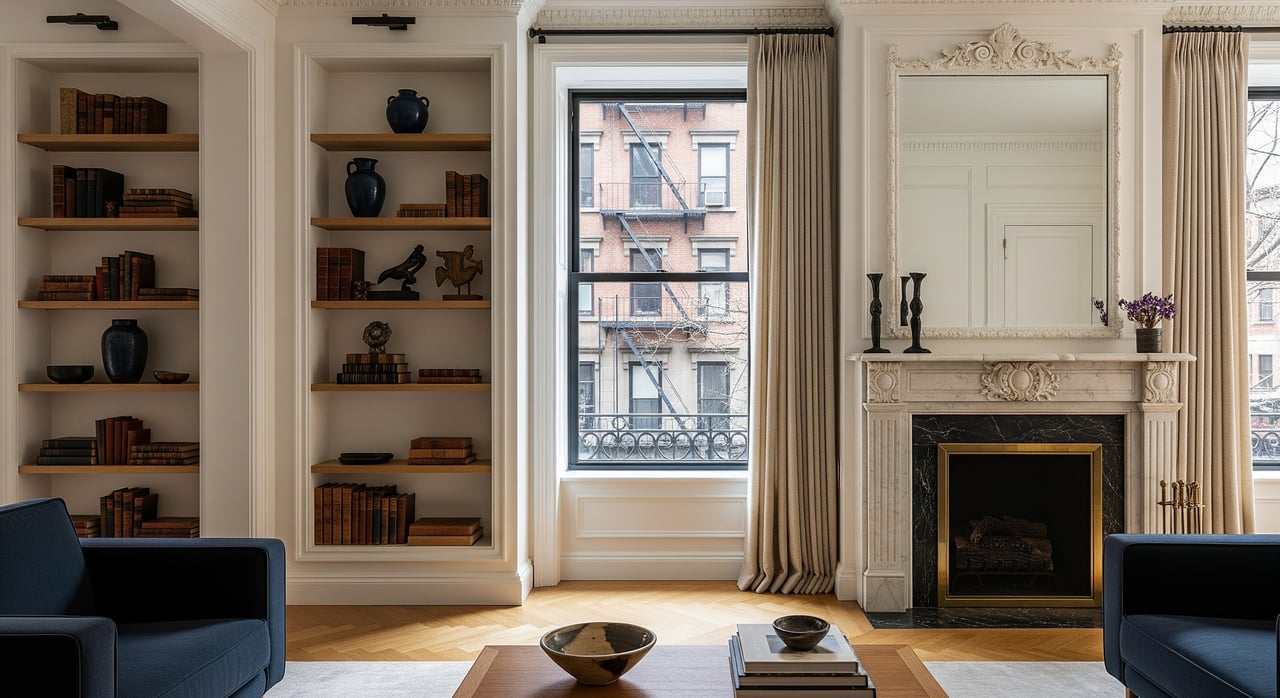
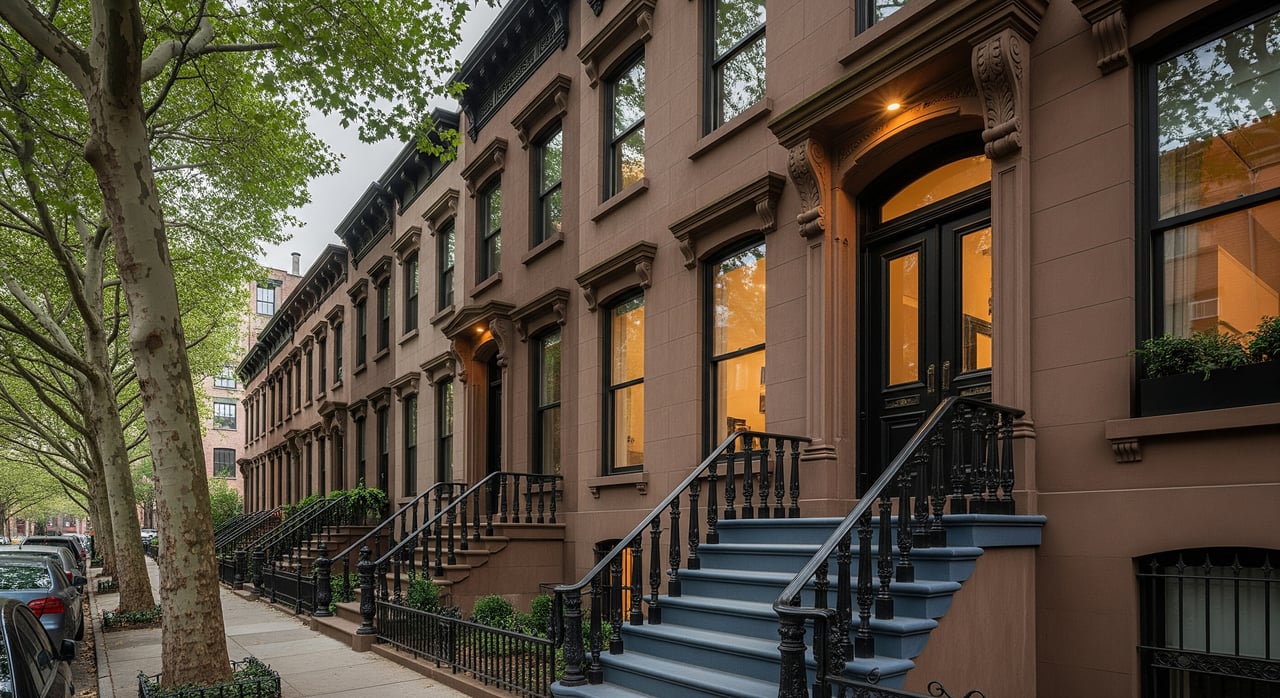
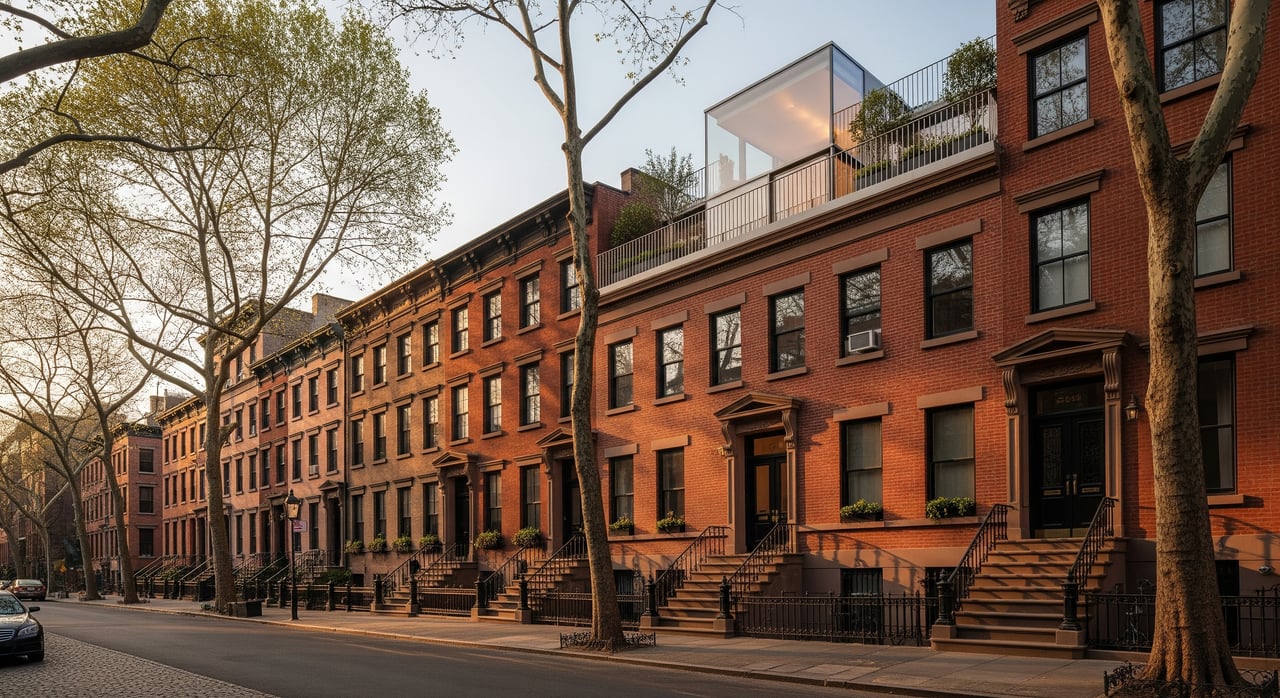
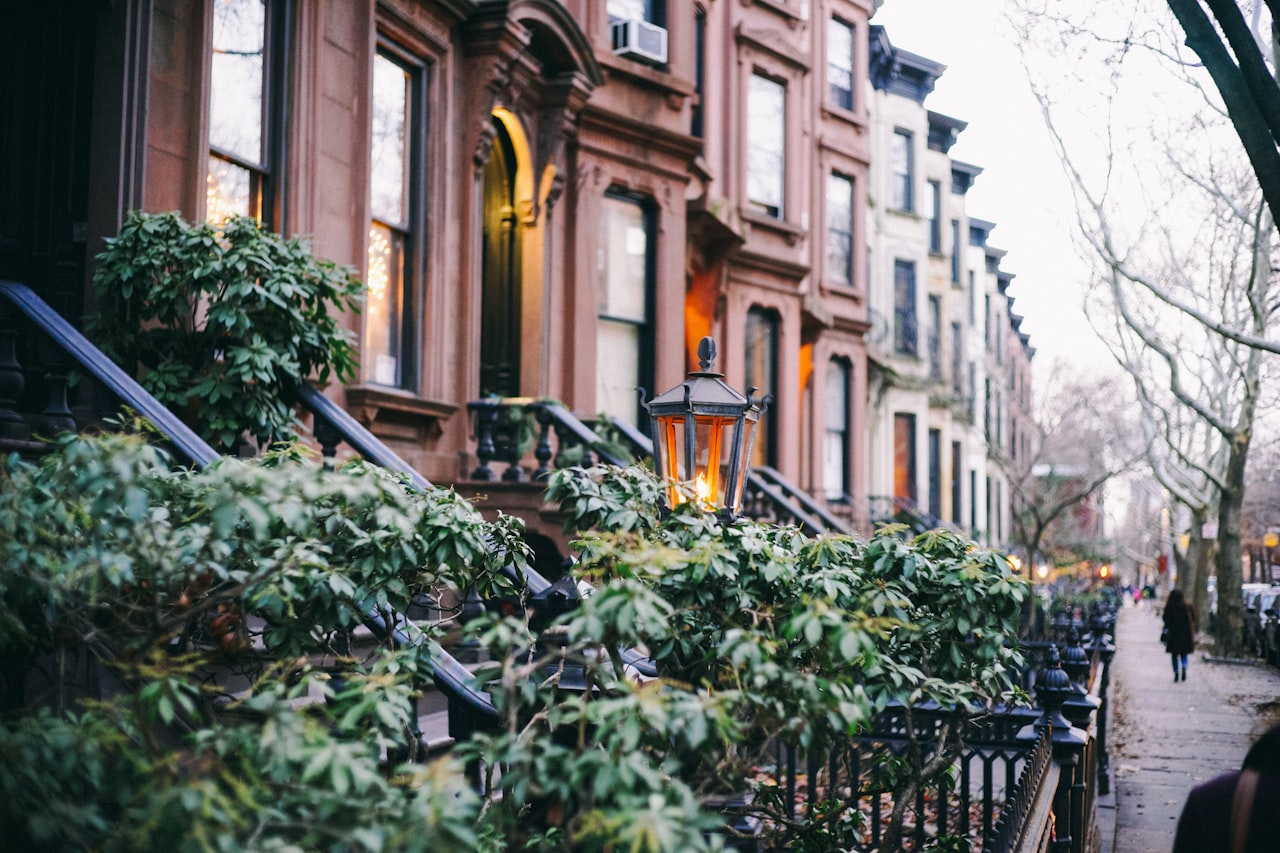
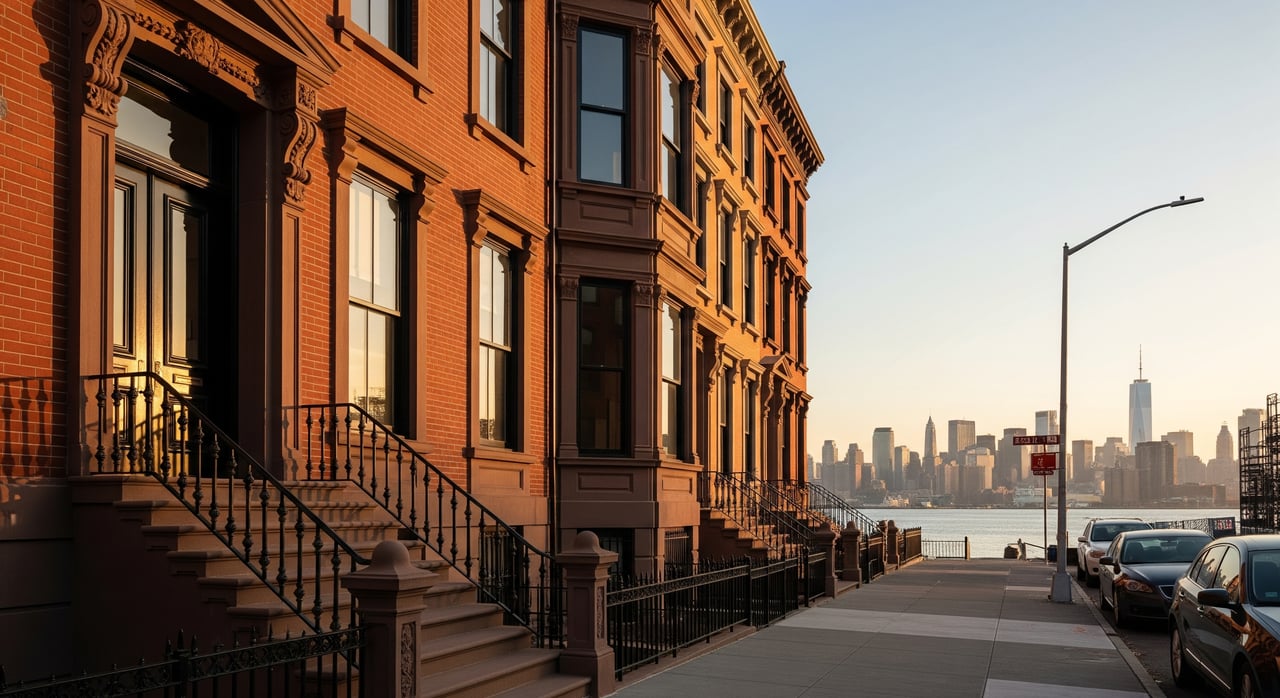
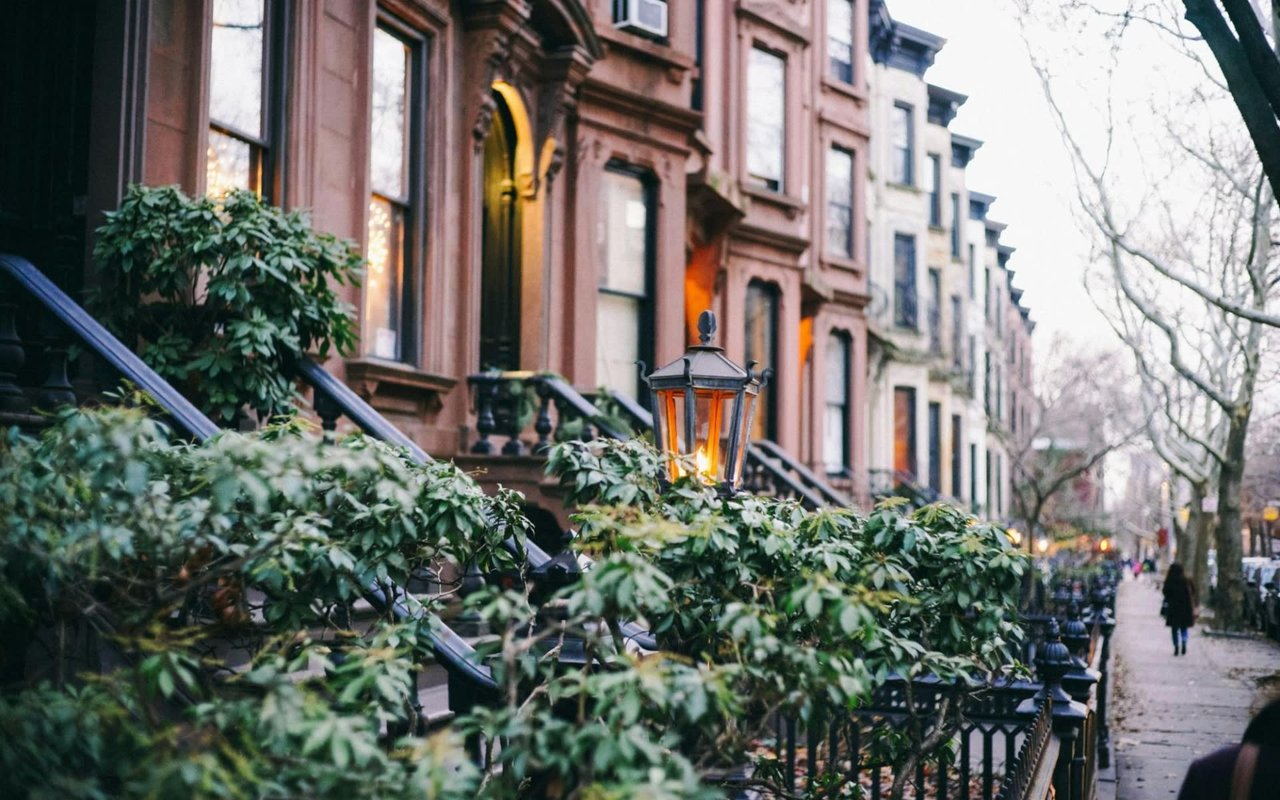
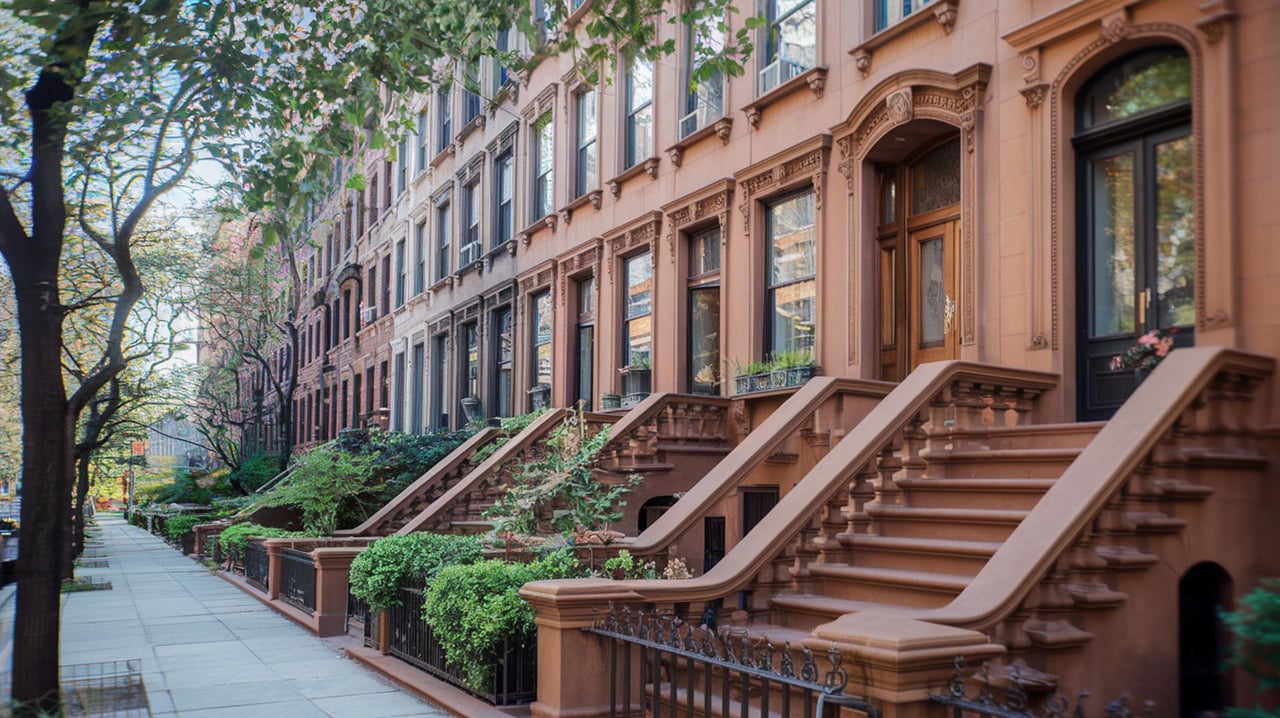
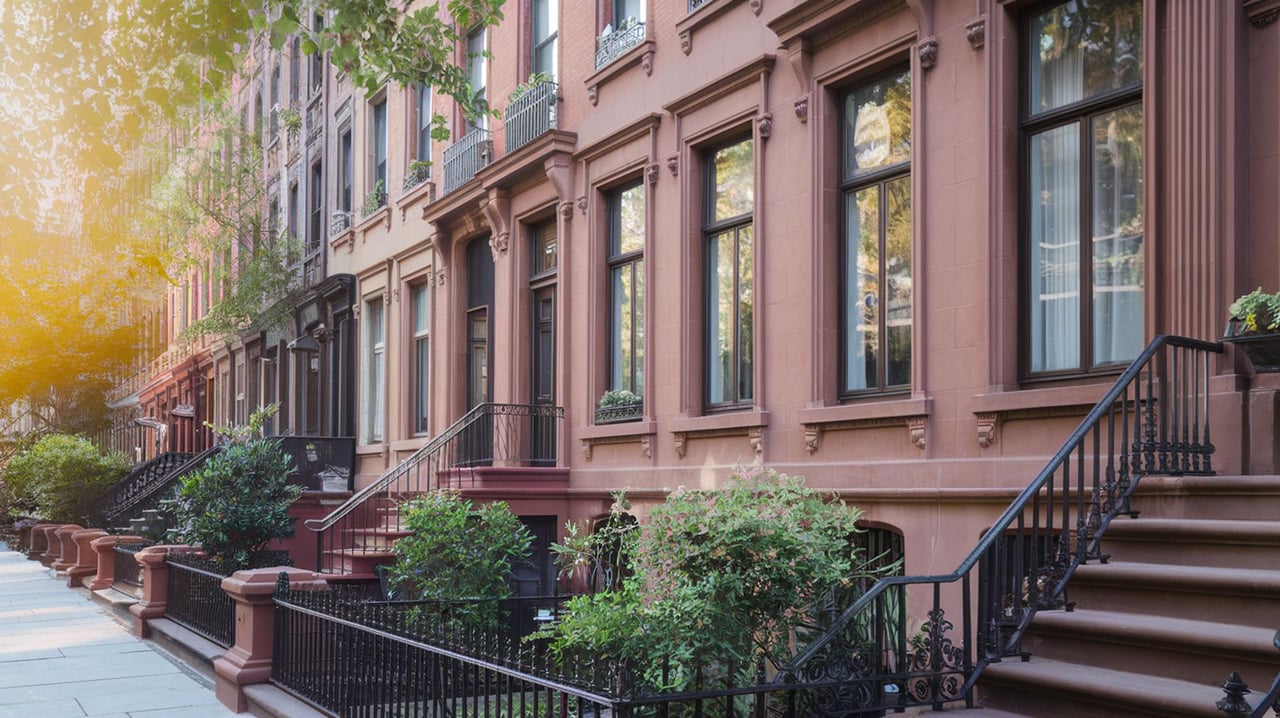
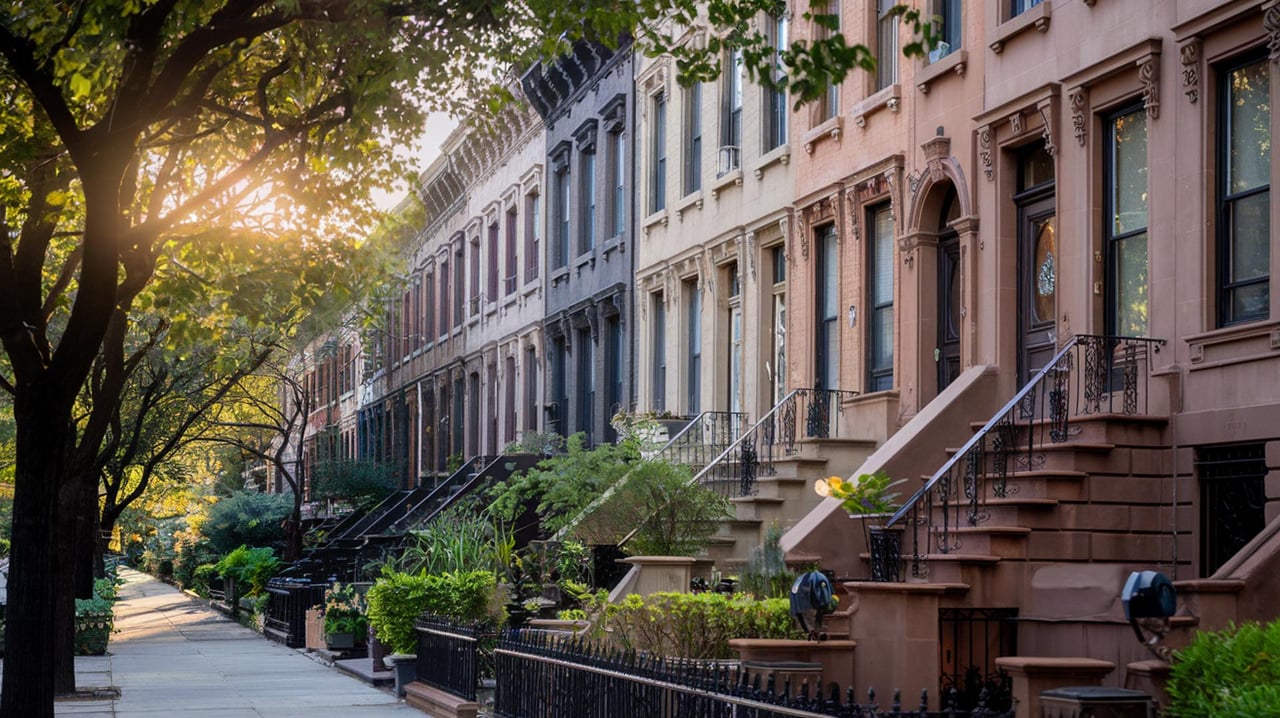
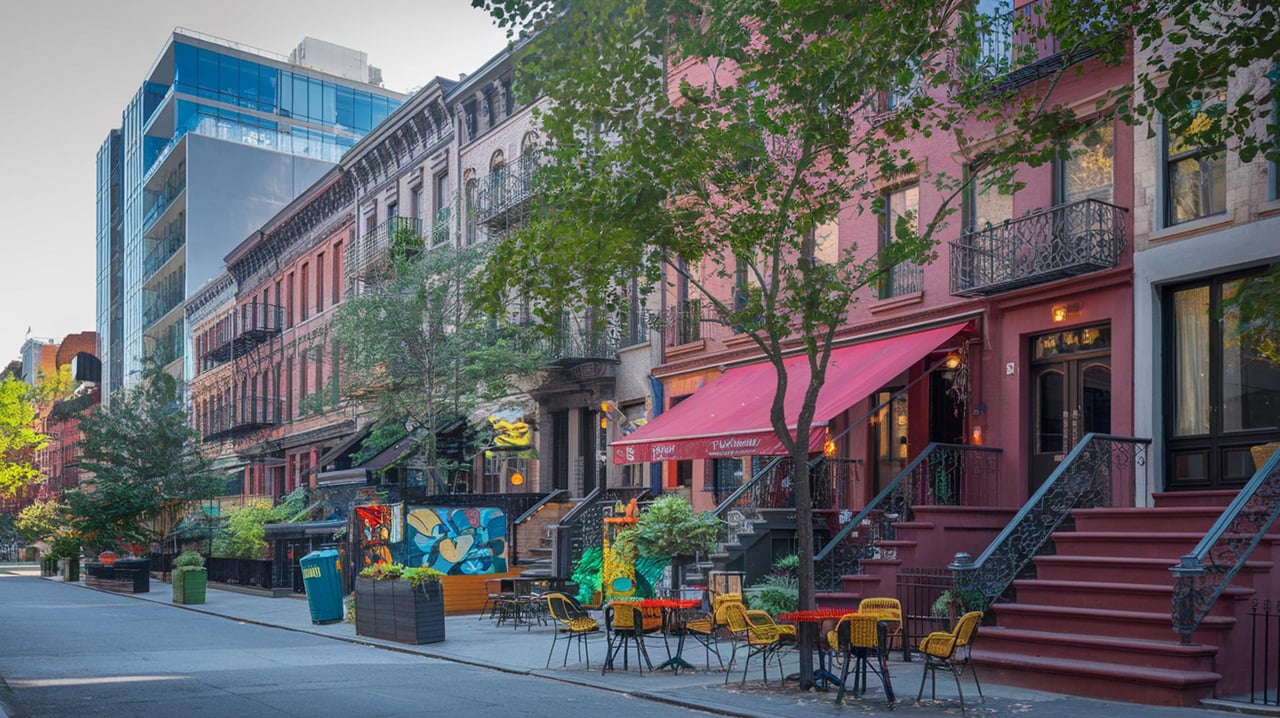
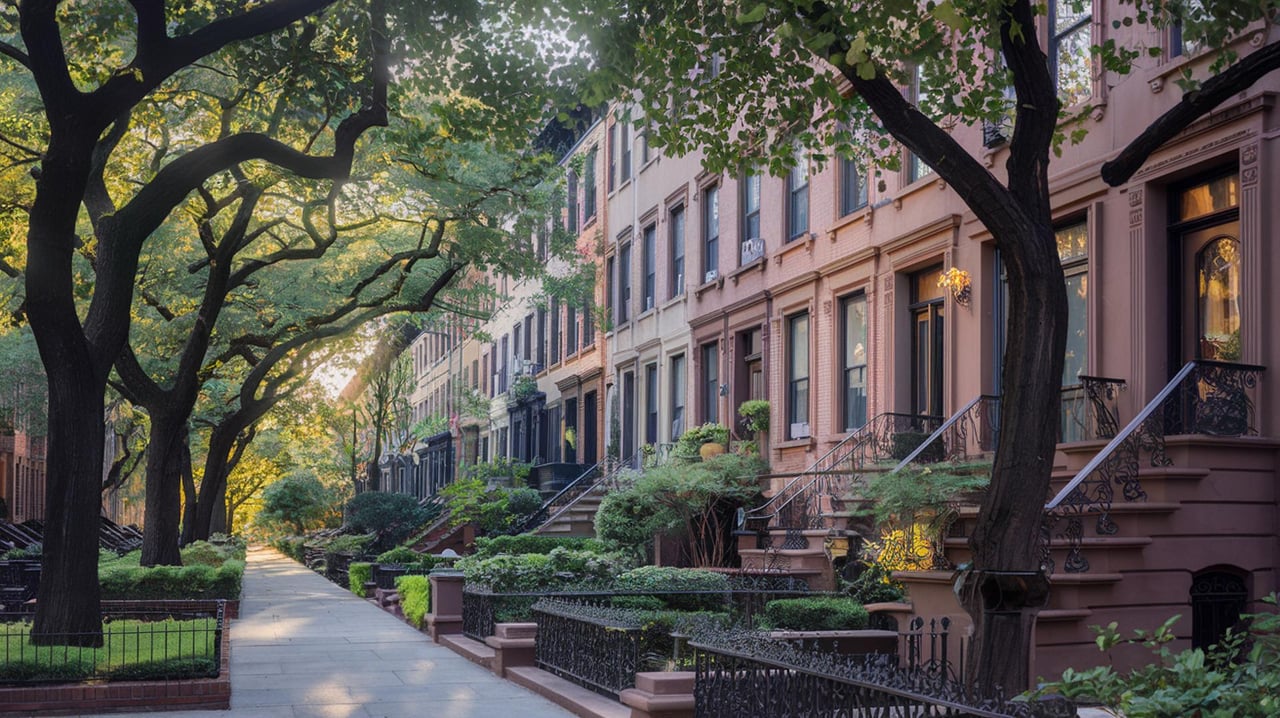
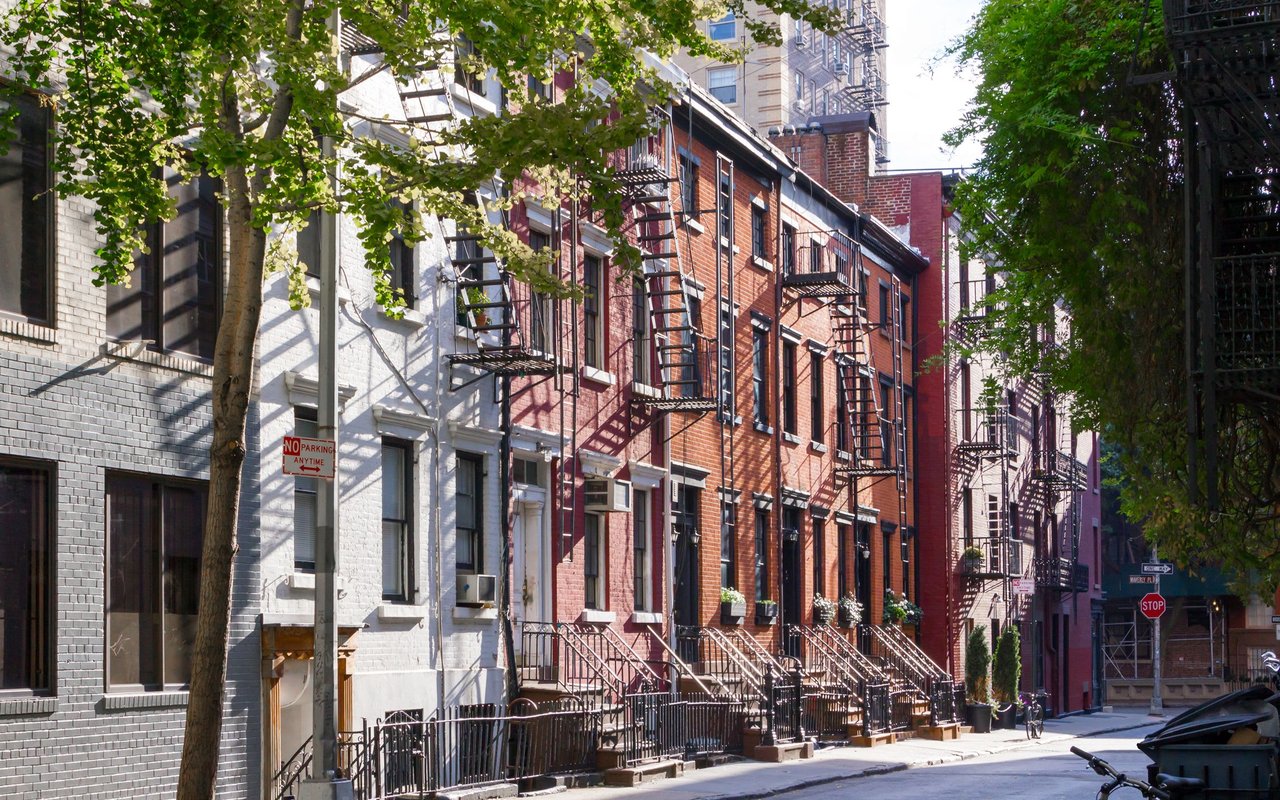
The West Village is known for low- to mid-rise prewar buildings, historic townhouses, and a high share of co-ops, with some condos and a number of privately owned rowhouses. Garden duplexes most often appear in townhouse conversions and co-op buildings, with deeded gardens more common in condos or full townhouses.
True garden duplexes with private outdoor space are relatively scarce in the West Village. Private outdoor space in Manhattan is a rare amenity, which is why “garden” features prominently in listing language. The area is also largely landmarked, so exterior changes to fences, stoops, or front gardens may require approvals.
Benefits to expect
- Private outdoor space enhances day-to-day living and often supports resale value in a dense neighborhood.
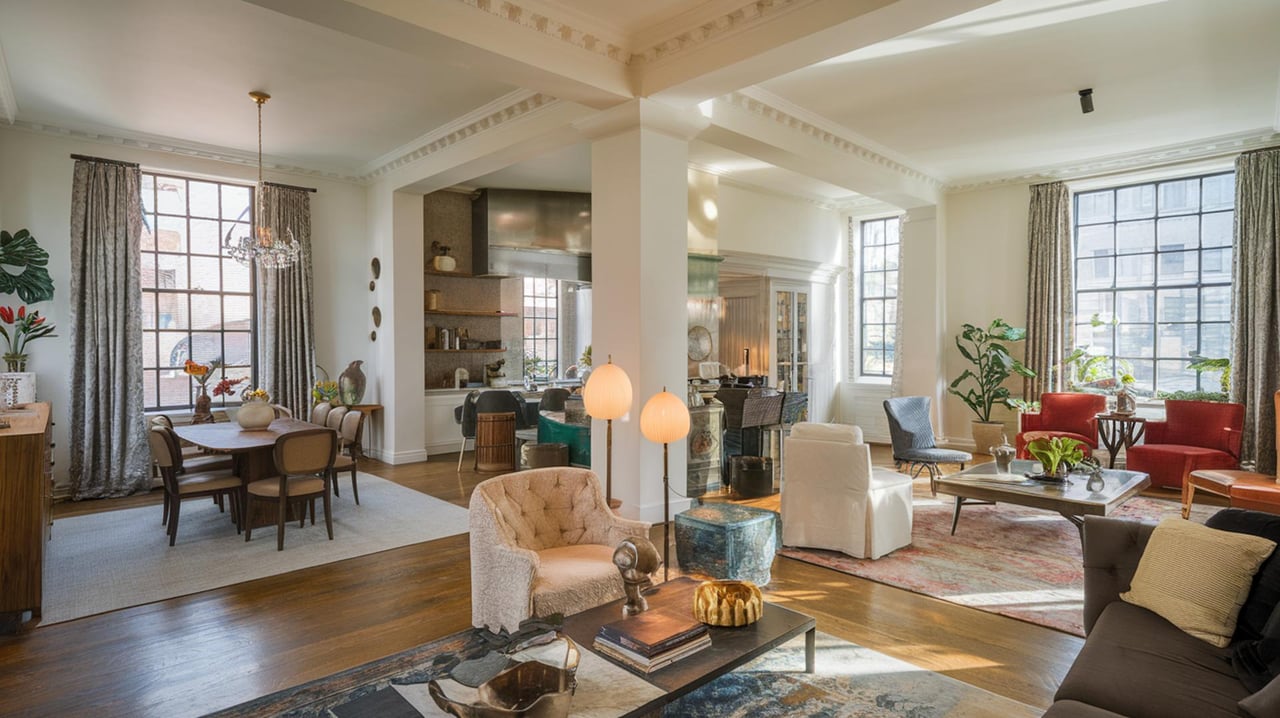
- Two-level layouts create flexibility for a home office, playroom, guest suite, or media room.
- Some units offer a separate or semi-private entrance, which can feel more townhouse-like and private.
- In a neighborhood valued for walkability and local amenities, private garden access can be a standout feature.
Risks to weigh
- Moisture and waterproofing: Below-grade areas are more susceptible to damp, leaks, mold, or sump-pump failures.
- Light and ventilation: Lower-level rooms often have less natural light and airflow.
- Egress and ceiling height: Rooms must meet code for legal occupancy. Limited egress or low ceilings can affect value.
- Flood and sewer backup: Garden and basement levels can be vulnerable during heavy storms; mitigation and insurance may be needed.
- Security and privacy: Ground-level patios near sidewalks can require privacy screening and security planning.
- Maintenance: Gardens need regular care. Irrigation, drainage, and landscaping add ongoing costs.
- Legal clarity: Some conversions were done without proper approvals. Missing or mismatched Certificates of Occupancy can complicate financing and resale.
- Co-op rules: Subletting, renovations, and rental policies vary, which can affect your flexibility and investor appeal.
Legal and building checks to verify
Before you make an offer, verify the legal framework of the unit and the garden:
- Certificate of Occupancy: Confirm the unit is legally recognized across both levels and that lower-level spaces are approved for residential use.
- Condo vs co-op vs townhouse: Determine whether the garden is deeded or exclusive-use. In condos, the garden may be deeded or designated for exclusive use. In co-ops, it is often part of the common elements with private-use rights set by the proprietary lease and house rules.
- Landmark status: The West Village includes historic districts. Changes to exterior elements like fences, paving, and front planters may require Landmarks approval.
- Easements and encroachments: Ask for a survey or title review to confirm no shared access or restrictions on the garden area.
- Permits and past work: Verify that below-grade conversions, garden hardscaping, and drainage changes were properly permitted and inspected.
- Flood and sewer risk: Review flood mapping and ask about mitigation features like backflow devices, sump pumps, and drainage.
- Building governance and assessments: Review board minutes, bylaws, proprietary lease, and financials. Note any planned capital projects that may affect the building envelope or garden drainage.
Inspection checklist for garden duplexes
Bring an inspector who understands older NYC buildings and below-grade spaces. Consider specialty pros if red flags appear.
- Waterproofing and drainage: Look for stains, efflorescence, peeling paint, musty odors, or a history of leaks. Confirm sump pump presence, age, and operation. Check window well drains.
- Mold and air quality: If you suspect chronic dampness, consider a moisture or mold specialist and request humidity readings.
- Structural and foundation: Inspect for foundation cracks, settlement, or floor deflection, especially near staircases and garden walls.
- Egress and ceiling height: Confirm that lower-level rooms marketed as bedrooms meet legal egress and height requirements.
- Mechanical systems: Identify heating and cooling distribution on both levels, ventilation for mechanical rooms, and the location of critical utilities.
- Pest exposure: Ask about rodent or pest history and any recurring treatments.
- Exterior garden conditions: Confirm grading that directs water away from the structure. Check planters, retaining walls, hardscape, and fences for conditions that could trap moisture.
- Legacy materials: In prewar buildings, check disclosures for lead paint, possible asbestos in older systems, and plumbing materials.
- Stairs and access: Evaluate daily usability and aging-in-place needs.
Recommended inspections:
- General home inspection with prewar experience
- Moisture or mold specialist if conditions suggest dampness
- Structural engineer for foundation concerns
- Licensed plumber and electrician for system and sewer-backup risk
- HVAC specialist to assess comfort across both levels
Financing and insurance nuances
Ownership form matters. Co-ops require board approval and have their own underwriting standards. Condos and townhouses tend to follow conventional mortgages. Appraisals can be sensitive to below-grade space, ceiling height, and natural light, and some lenders discount or exclude strictly below-grade square footage when calculating value.
Insurance should reflect the risk profile of a garden-level home. Even if the building is not in a designated floodplain, consider sewer-backup coverage and confirm who is responsible for garden maintenance and ground-level systems. If mitigation features exist, ask for maintenance records and any transferable warranties.
Resale performance depends on legality and usability. The presence of private outdoor space can support a price premium, but the scale of the premium depends on whether the garden is deeded or exclusive-use, the quality of waterproofing, and how functional the lower level feels.
Is a garden duplex a fit for you
A West Village garden duplex is typically a strong match if you value outdoor living, want a townhouse vibe without taking on a full building, and plan to maintain the garden over time. It also suits buyers who can accept less natural light on the lower level in exchange for extra space and privacy.
It may be less suitable if you prioritize bright, fully above-grade rooms throughout or if you need flexible subletting rules that many co-ops do not offer. Investors should pay close attention to building policies, garden legal status, and how appraisers treat below-grade space when modeling returns.
Buyer and seller playbooks
If you are buying
- Clarify garden rights: Deeded vs exclusive-use and any limits on structures, plantings, or furniture.
- Confirm legality: Check the Certificate of Occupancy and DOB permit history for the unit and any below-grade work.
- Budget for protection: Price in dehumidification, waterproofing upgrades, and potential backflow prevention if not already in place.
- Review governance: Read board minutes, house rules, and financials. Understand renovation policies and any assessments.
- Plan inspections: Include moisture, structural, and systems specialists if needed.
If you are selling
- Gather documentation: Pull permits, Certificate of Occupancy, and records of waterproofing, sump pump updates, and drainage work.
- Clarify rights clearly: Present deed maps, proprietary lease excerpts, or bylaws that define garden ownership or exclusive use.
- Showcase maintenance: Provide landscaping costs, irrigation details, and any specialty care required. n- Respect historic context: If you made exterior changes, have your approval records ready.
- Position the lifestyle: Highlight outdoor dining, gardening potential, and townhouse-like privacy, supported by practical documentation.
What to request before an offer
- Certificate of Occupancy and DOB permit history
- Deed, condo map and bylaws, or proprietary lease and house rules that define garden rights
- Board minutes and building financials
- Recent utility bills and tax assessments
- Records of waterproofing, sump pumps, and drainage or foundation work
- Pest control and any mold remediation history
On-the-ground checks at the showing
- Smells and surfaces: Musty odors, peeling paint, stains, or efflorescence on lower-level walls
- Drains and pumps: Window wells and sump pump operation
- Garden slope: Water should flow away from the building
- Light and ventilation: How do lower-level rooms feel in midday conditions
- Privacy and access: Sightlines from sidewalks or neighboring units
- Climate control: Even heating and cooling on both levels
Costs to expect over time
- Garden care: Landscaping, irrigation checks, seasonal cleanup
- Moisture management: Dehumidifiers, sump pump service, occasional waterproofing upgrades
- Insurance: Potentially higher premiums for sewer-backup or flood-related coverage
- Building obligations: Shared costs if the garden ties into broader building systems
How Mark O’Brien Real Estate helps
Choosing a garden duplex in the West Village involves architecture, construction, permits, and market nuance. Our developer-broker approach combines feasibility and budgeting with permitting and construction oversight, renovation coordination, and targeted marketing at resale. You get practical guidance on legal checks, waterproofing strategies, and garden maintenance planning, paired with neighborhood-level insight.
If you want clear answers on legality, moisture risk, cost ranges, and how appraisers and boards will view your unit, we will walk you through each step and coordinate the right inspectors and attorneys.
Ready to explore West Village garden duplex options with a technical and market-savvy partner? Connect with Mark O’Brien Real Estate to get started.
FAQs
What does “garden duplex” legally include in NYC
- It usually covers a ground or garden level plus a partially below-grade level with direct outdoor access, but you should confirm legal recognition and layout in the Certificate of Occupancy and building documents.
Are West Village garden duplexes hard to find
- Yes, they are relatively scarce due to the neighborhood’s low-rise historic housing stock and high demand for private outdoor space.
Do lower-level rooms count as legal bedrooms
- Only if they meet egress and ceiling-height requirements and are recognized as habitable space in the Certificate of Occupancy.
Will I need special insurance for a garden duplex
- You may want sewer-backup coverage and, depending on mapping and building protections, flood-related coverage. Confirm what the building covers versus what you must insure.
How do lenders and appraisers treat below-grade space
- Some lenders discount or exclude strictly below-grade square footage in collateral calculations, and appraisers can weigh light, ceiling height, and finish quality heavily.
Is the garden usually deeded or exclusive-use
- It varies. Condos and townhouses more often have deeded gardens, while co-ops often grant exclusive-use rights. Always verify in the deed, condo bylaws, or proprietary lease.
What maintenance should I plan for
- Expect seasonal garden care, irrigation checks, pest prevention, dehumidification, and periodic sump pump service or waterproofing updates if needed.