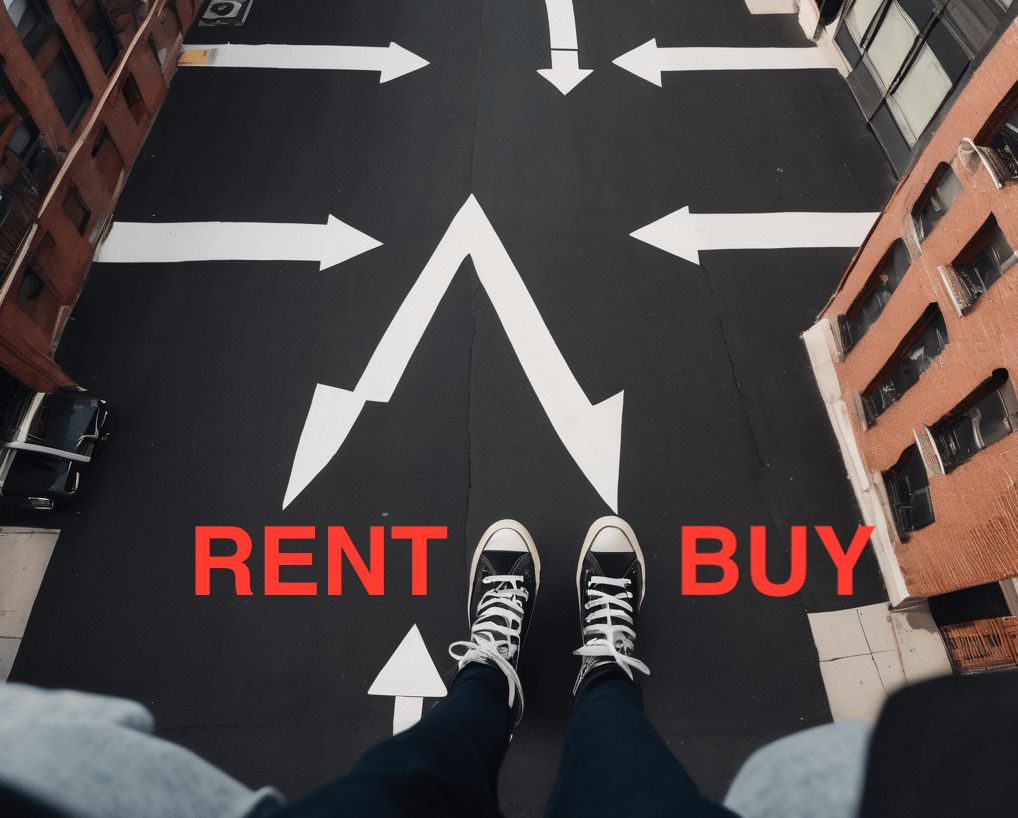
Thinking about buying in Williamsburg but torn between a sleek condo and an authentic loft? You are not alone. Both choices offer real benefits, and the right fit comes down to how you want to live, how you plan to finance, and what matters most at resale.
This guide breaks down space and design, ownership and legal status, financing and monthly costs, amenities, renovation considerations, and resale factors specific to Williamsburg. You will walk away knowing the tradeoffs so you can choose with confidence. Let’s dive in.
What “condo” and “loft” mean here
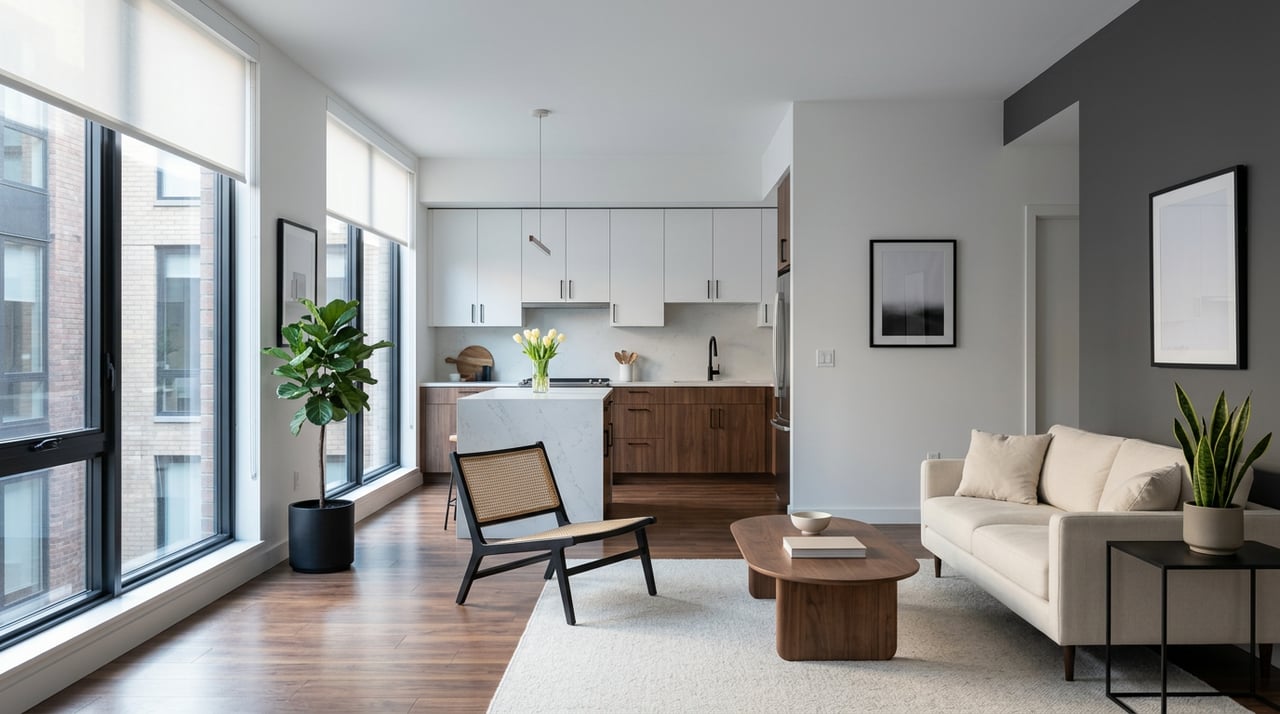
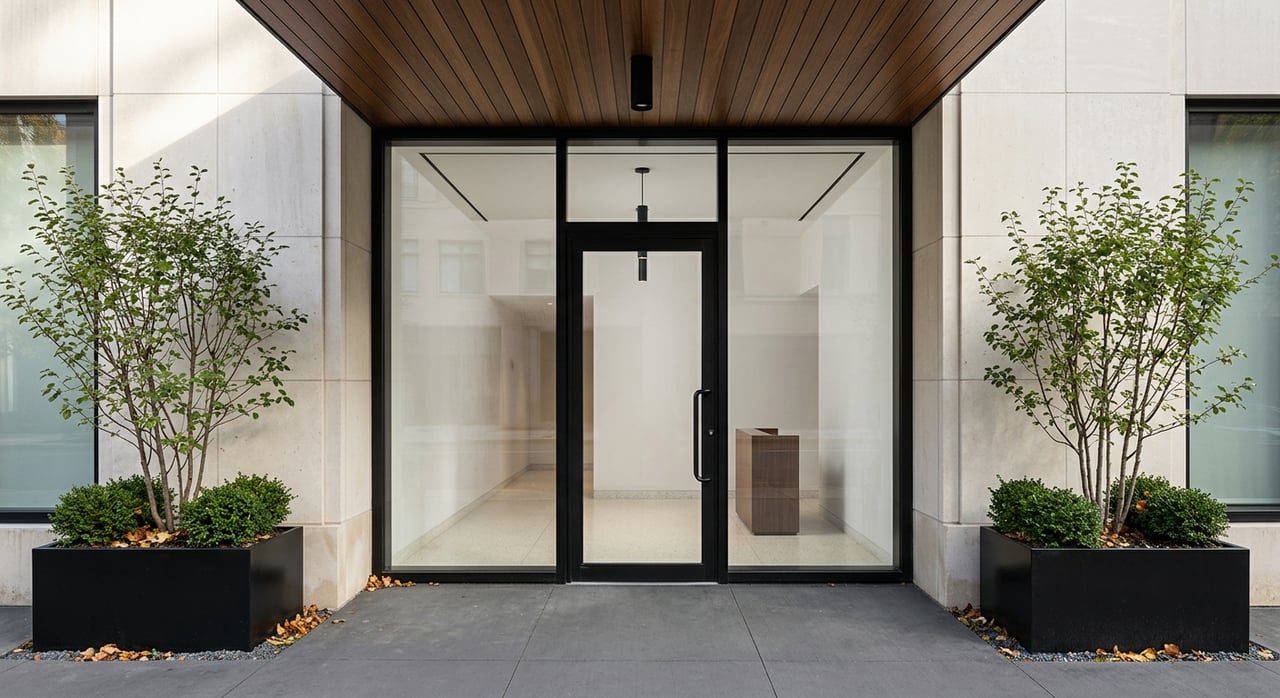
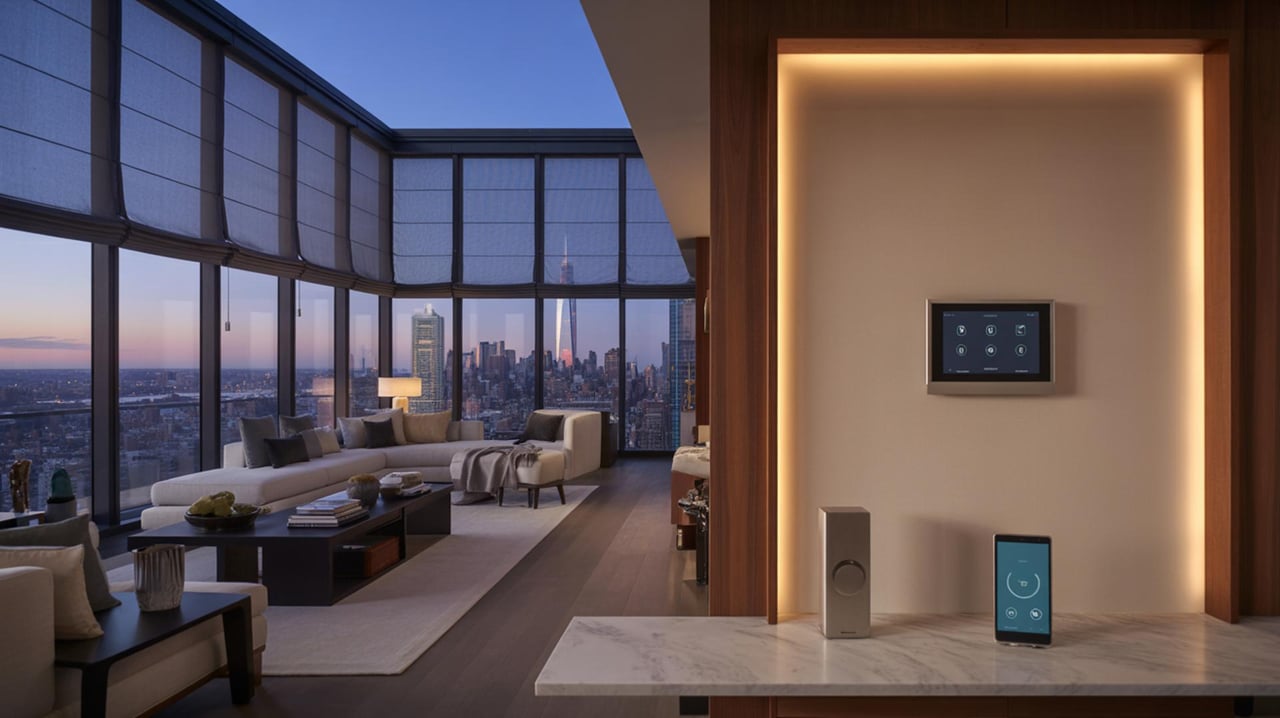
In Williamsburg, “condo” describes a legal form of ownership. You own the unit and a share of common elements, with rules set by bylaws and a board. Modern Williamsburg condos often offer elevators, roof decks, and concierge-style services.
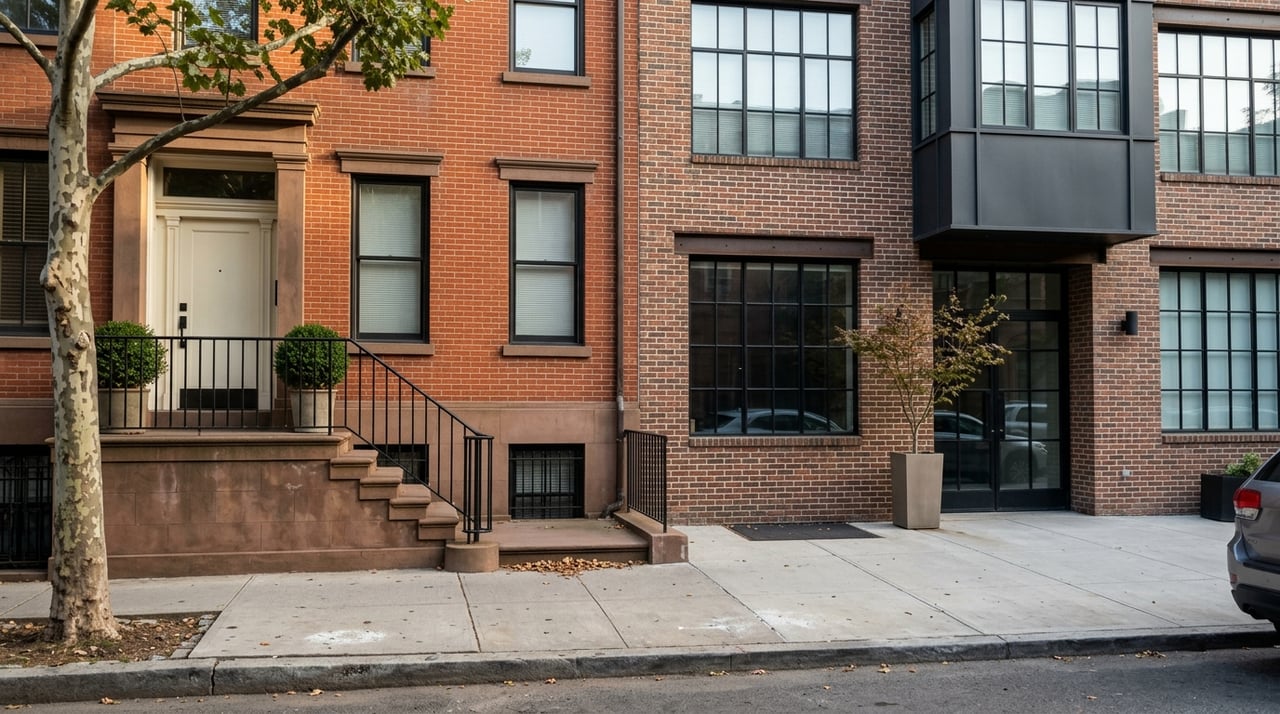
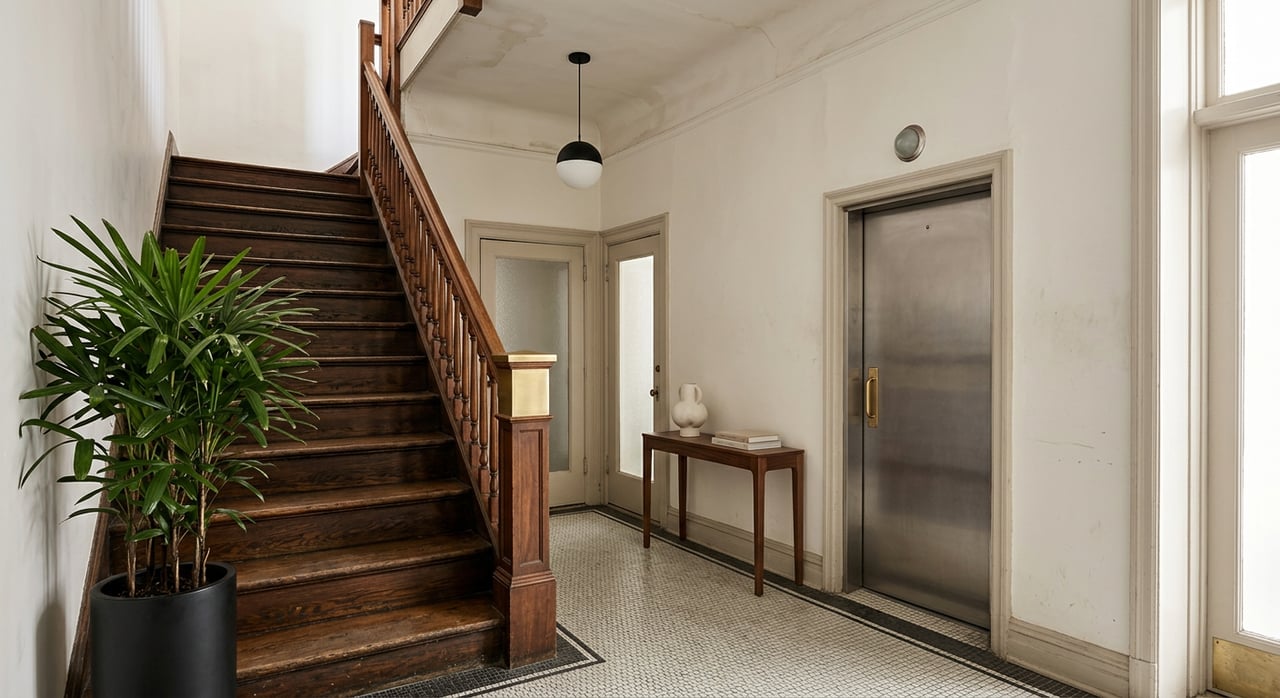
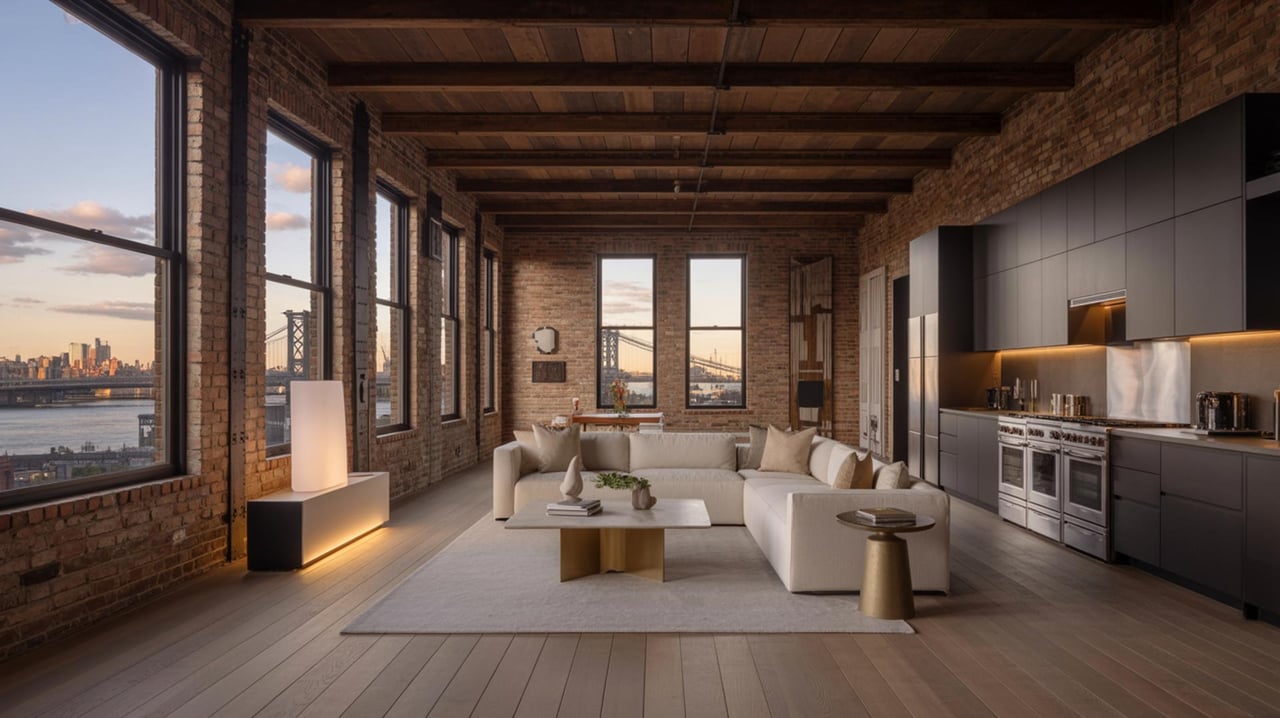
“Loft” usually refers to style and building type. Many are former industrial buildings with high ceilings, big windows, and open plans. Some lofts are in fully converted, legally residential buildings, while others may have unique legal status that affects financing and use. Always confirm the building’s Certificate of Occupancy and rules.
Space and design differences
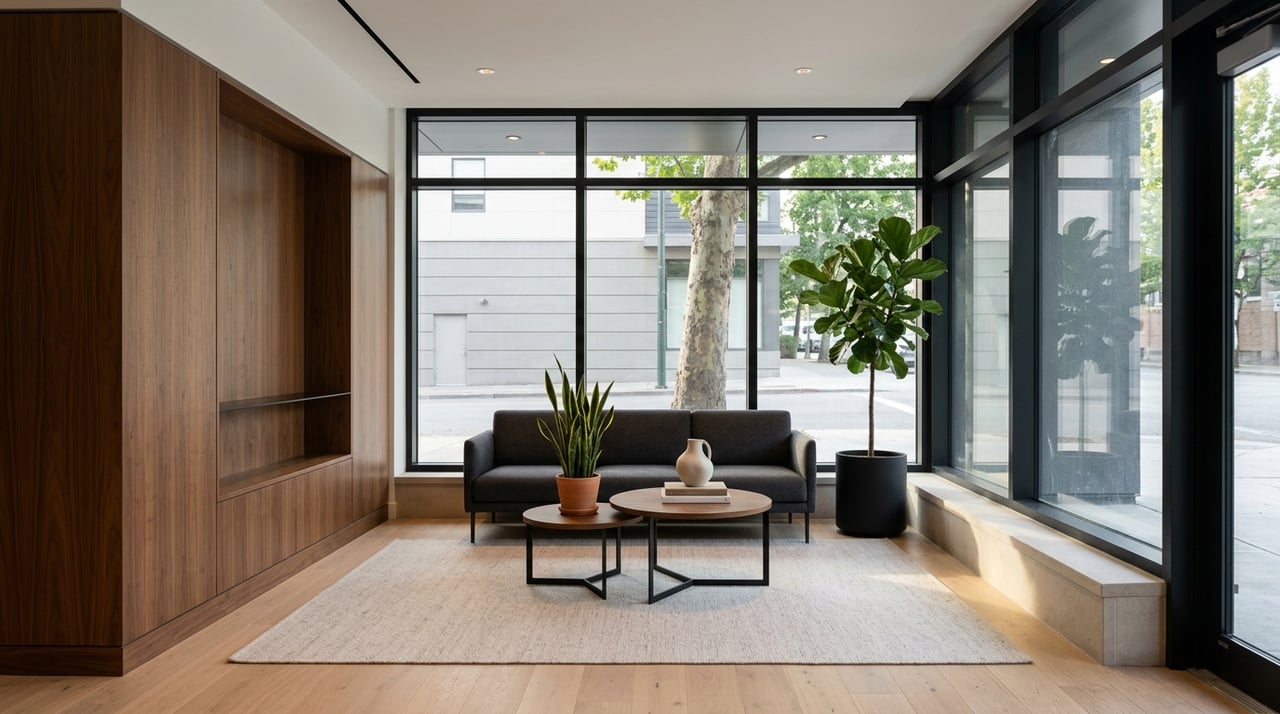
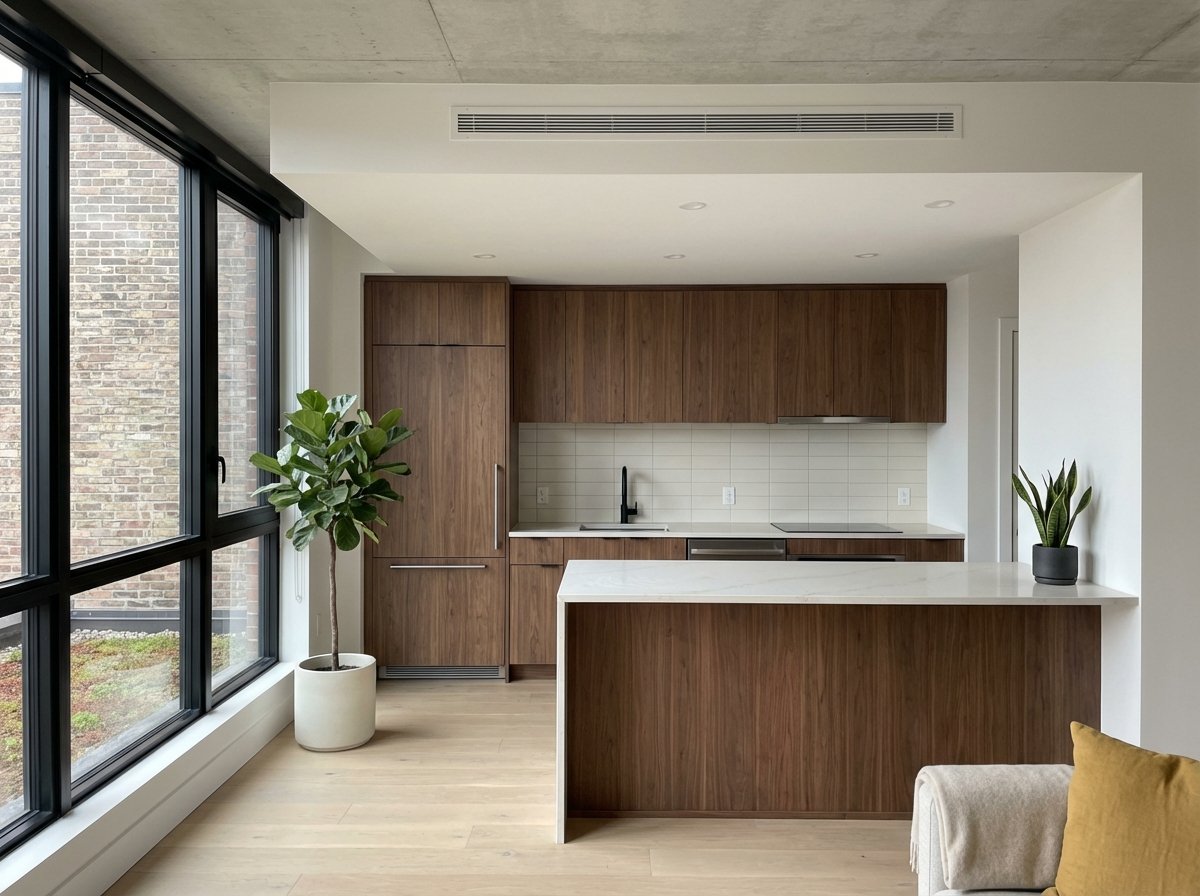
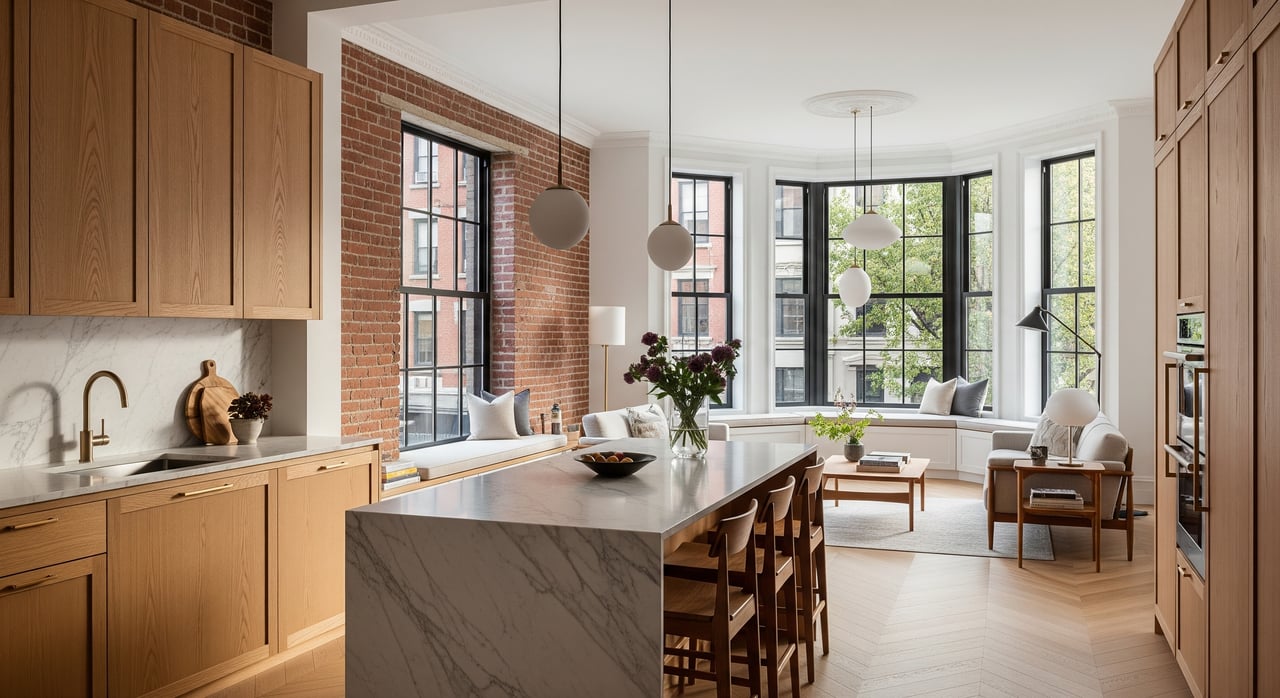
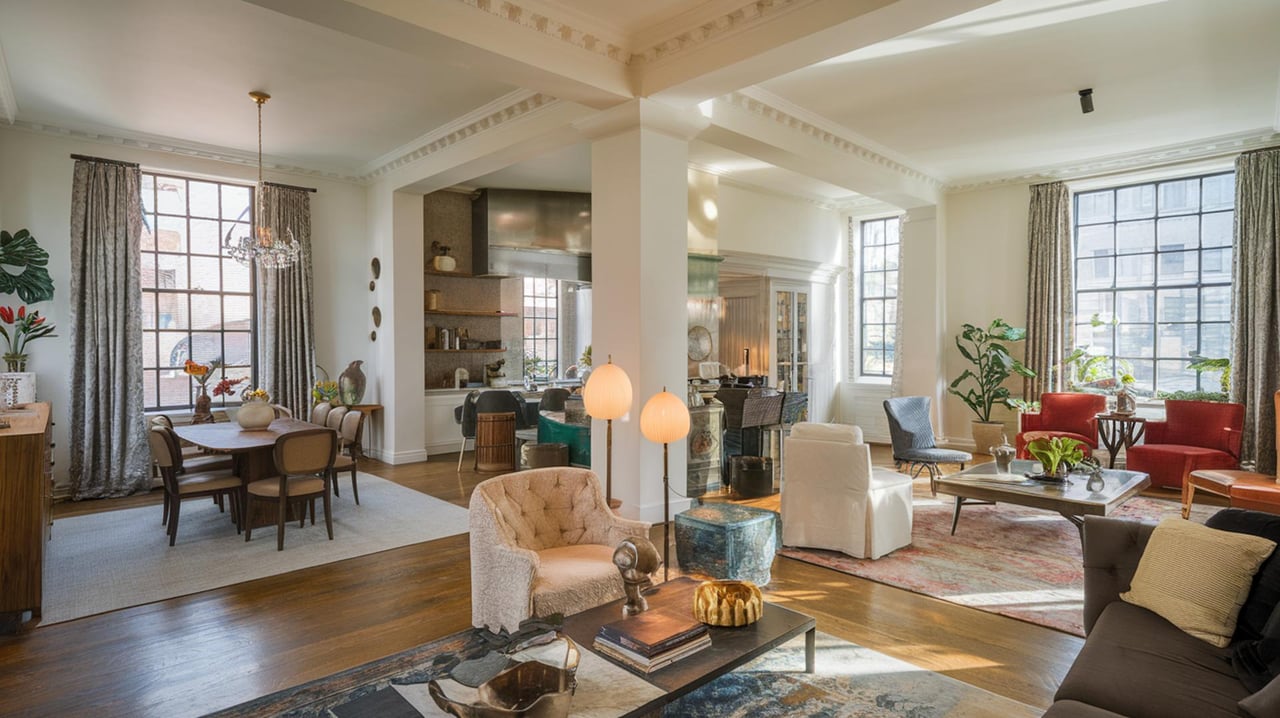
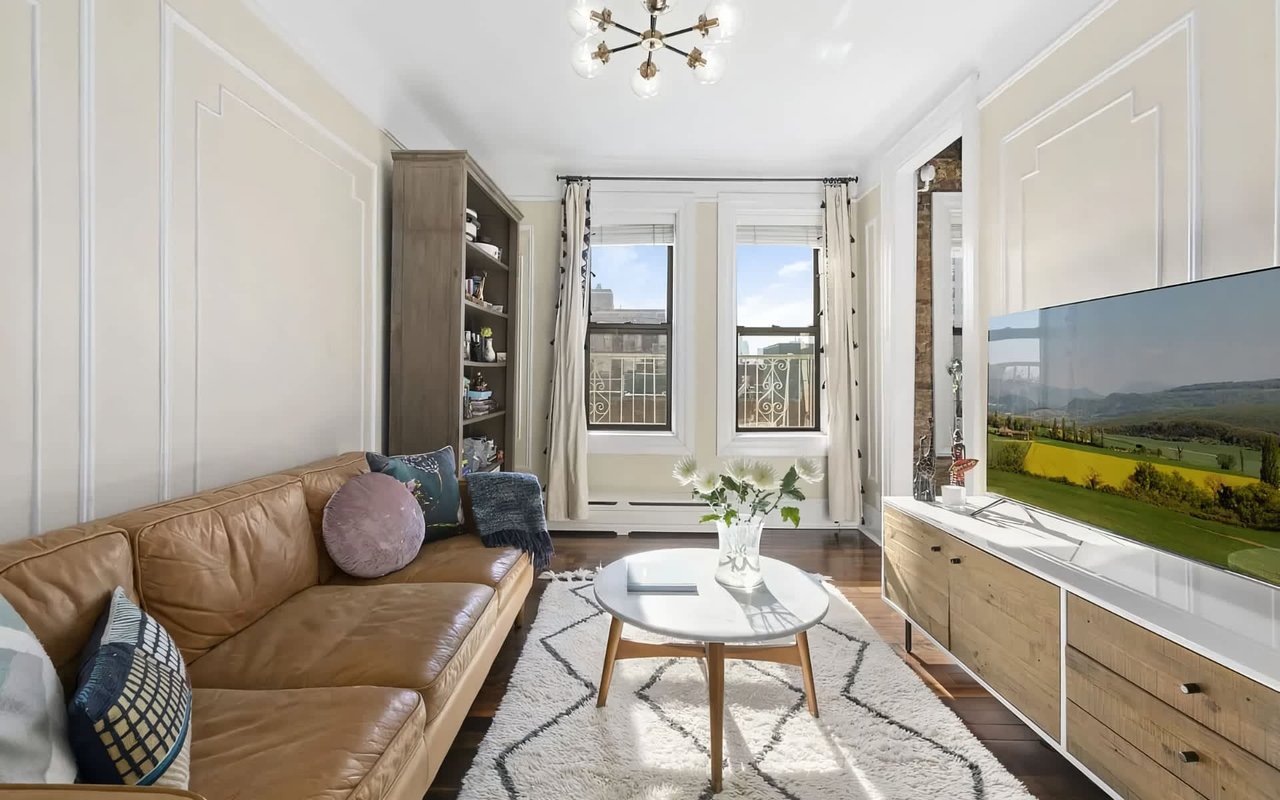
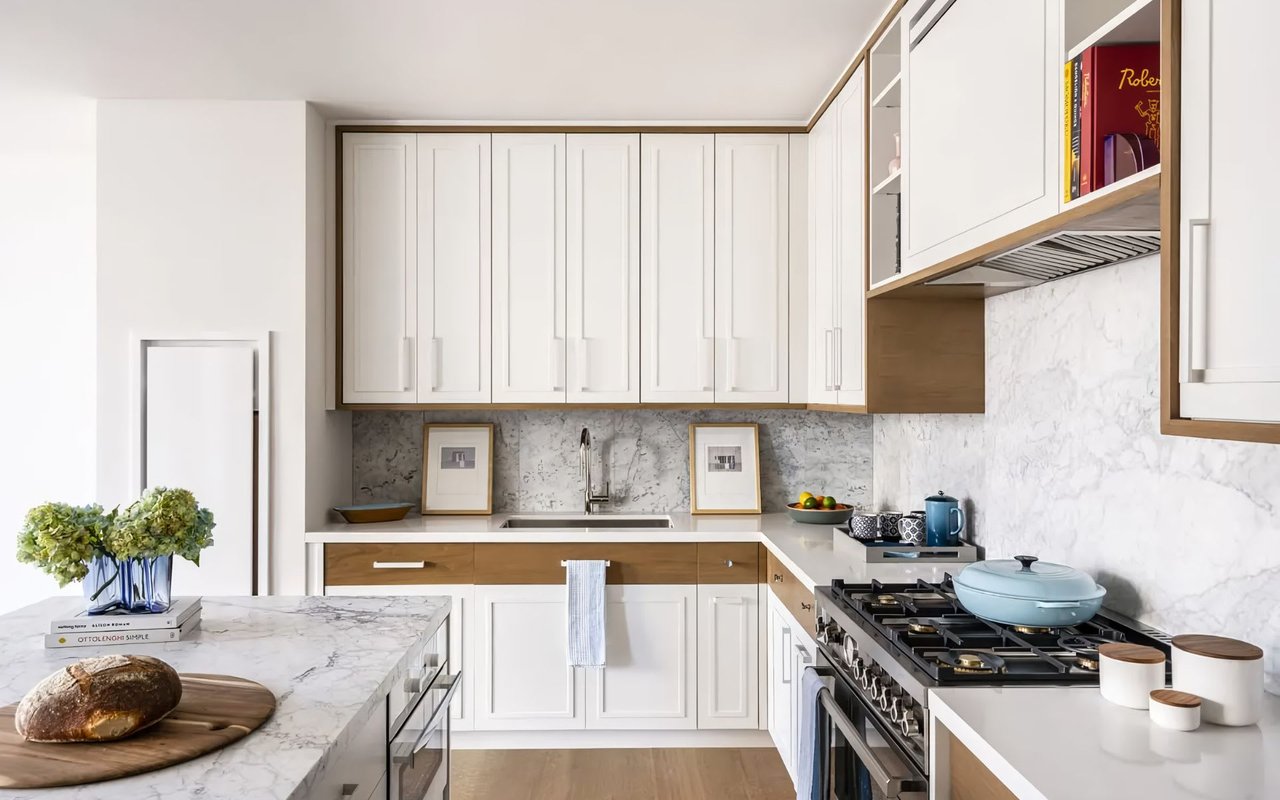
Condos tend to have traditional layouts, defined bedrooms, modern kitchens and baths, and built-in storage. That makes daily living simple and predictable.
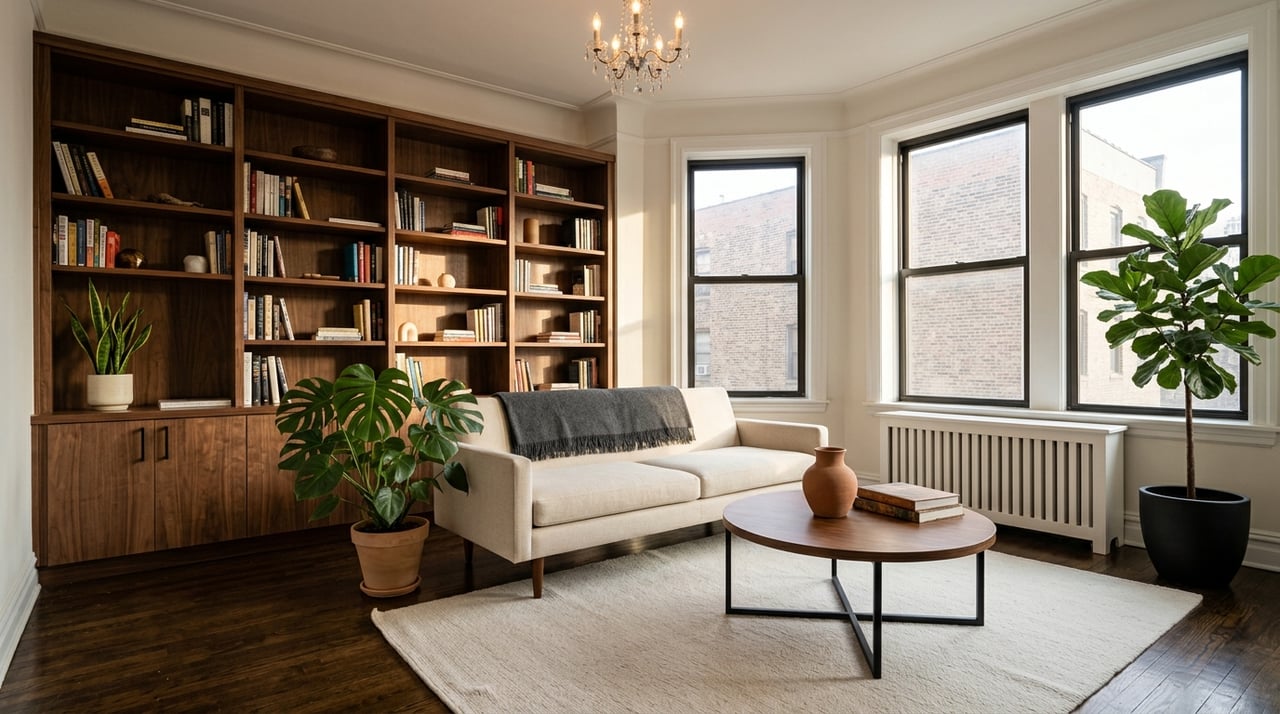
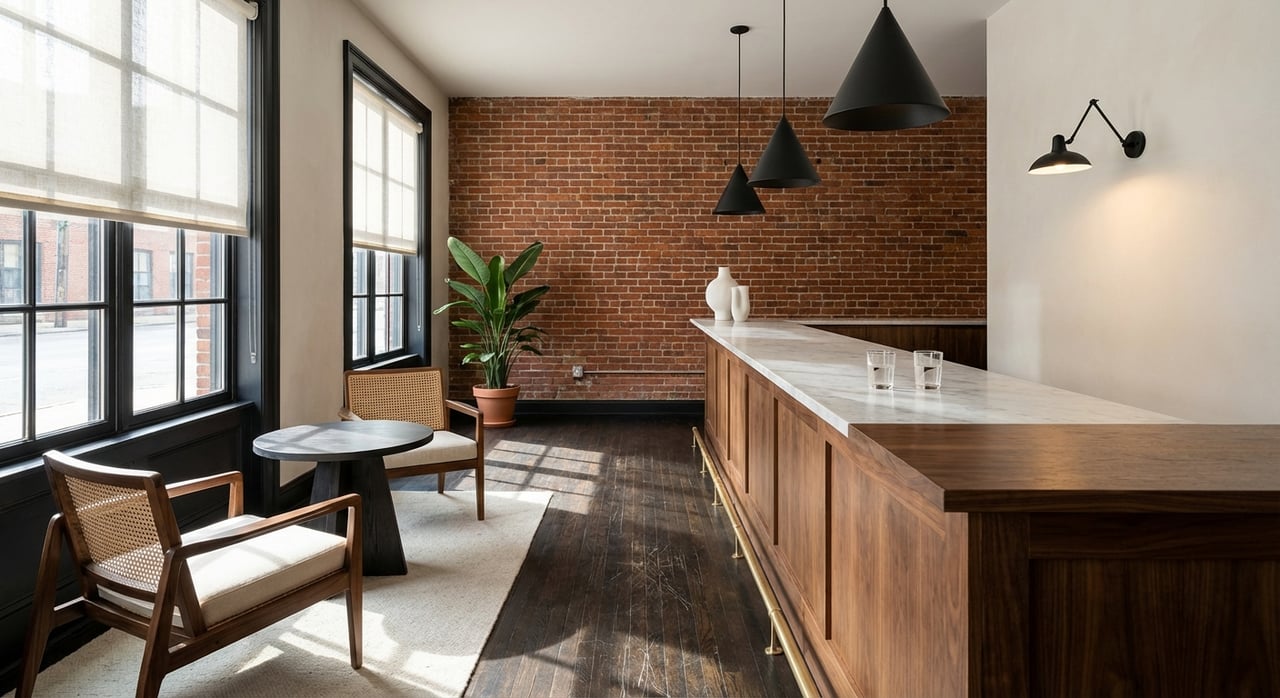
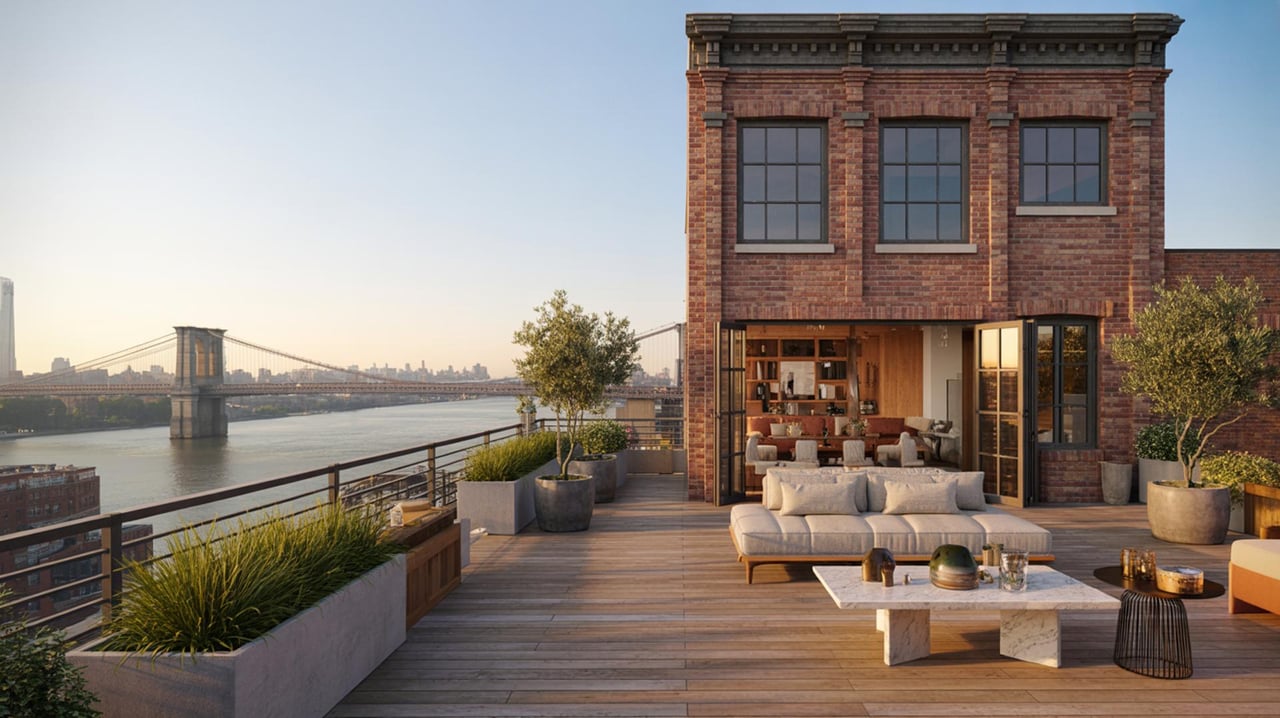
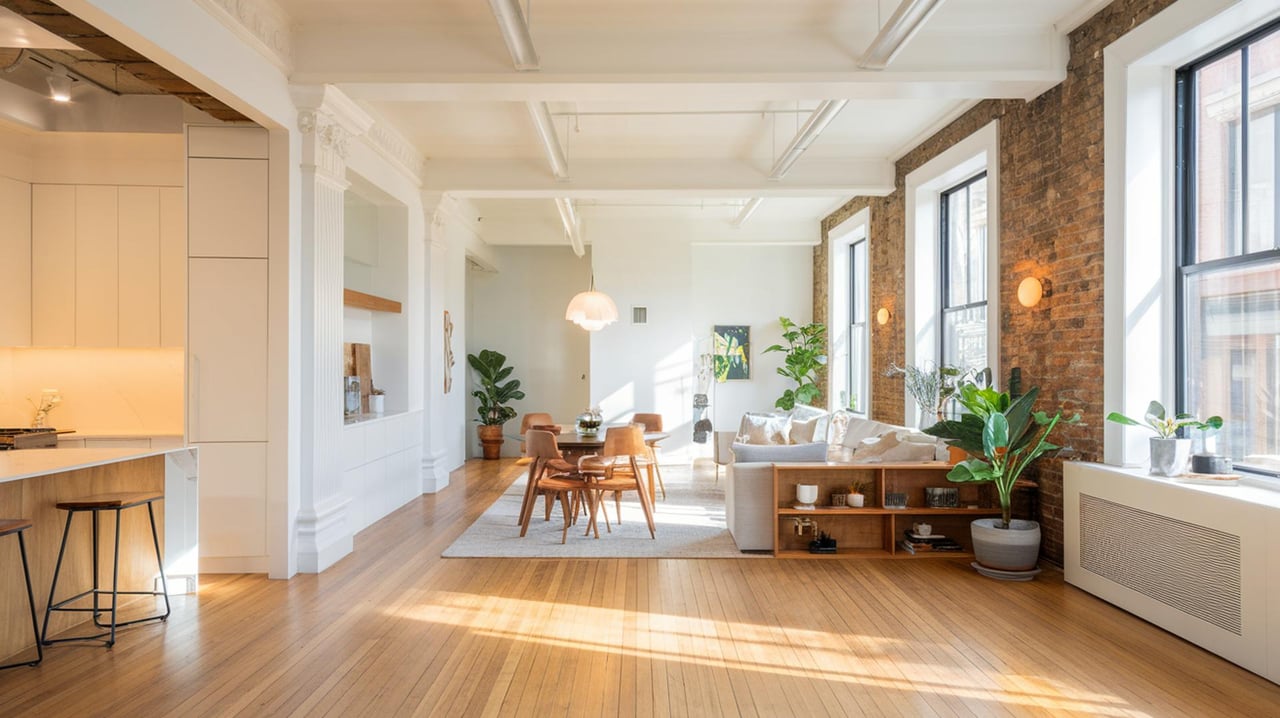
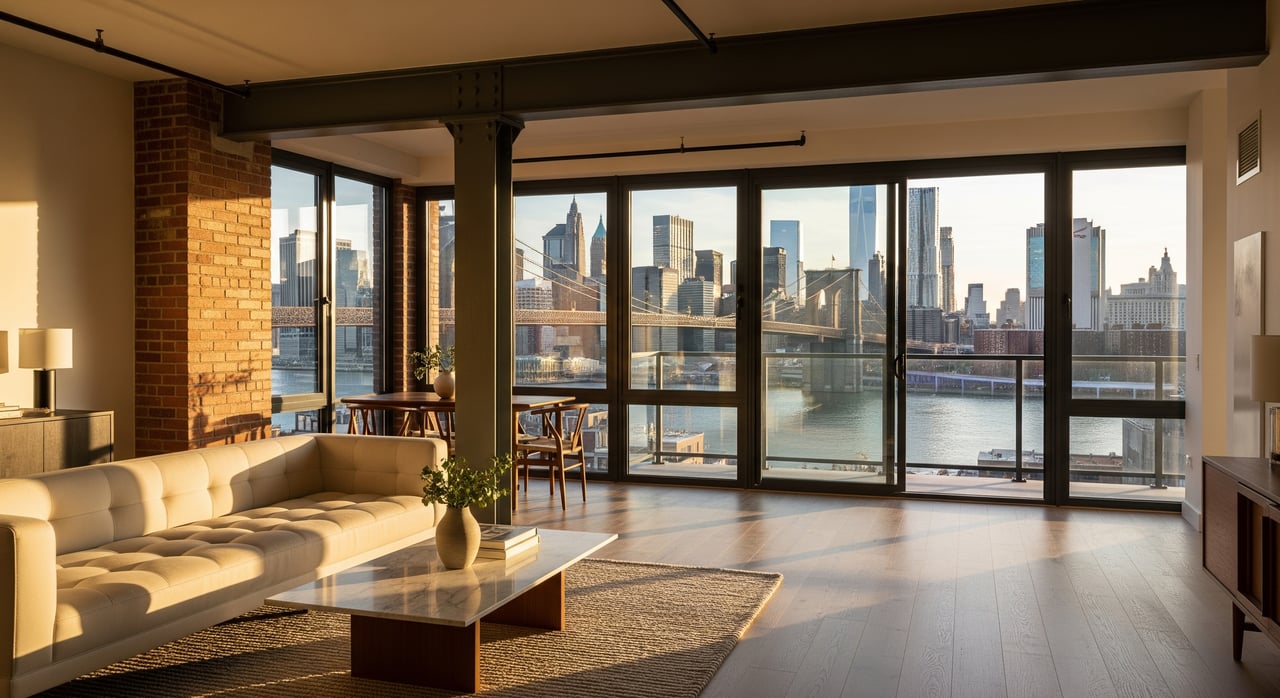
Lofts emphasize volume and character. Expect wide open rooms, exposed beams or ductwork, and factory-style windows. Storage can be limited, and you may want custom millwork or room dividers to fine-tune privacy.
Ownership, boards, and legal status
With condos, you buy real property and pay common charges plus your own property tax bill. Rules vary by building, but subletting is often more flexible than in co-ops.
Lofts can exist in different legal forms. Some are condos, some are co-ops, and some are buildings covered by special regulations. The legal status matters for financing, insurance, and resale. Confirm the Certificate of Occupancy, building use classification, house rules, and whether any unit or building is subject to New York’s Loft Law.
Financing and closing factors
Lenders tend to view standard condos as straightforward. Co-ops and nonstandard loft scenarios can be more complex and may require larger down payments and longer approvals. Start the lender conversation early so you understand requirements for a specific building.
Co-ops usually require a detailed board package and interview. Condos are typically lighter on approvals, though some have strict policies on rentals or investors. Closing costs vary by ownership type, so budget for taxes, legal fees, and any sponsor-related items if you are buying in new construction.
Monthly costs and taxes
- Condos: You pay monthly common charges for building operations, plus separate property taxes billed to you. Reserves and operating budgets affect the potential for assessments.
- Co-ops or certain lofts: You pay maintenance that includes the building’s property tax share and common expenses. Rules and financial health vary by building.
In any building, review financial statements, reserves, capital improvement plans, and recent or pending assessments. Strong building finances help stabilize monthly costs.
Amenities and daily living
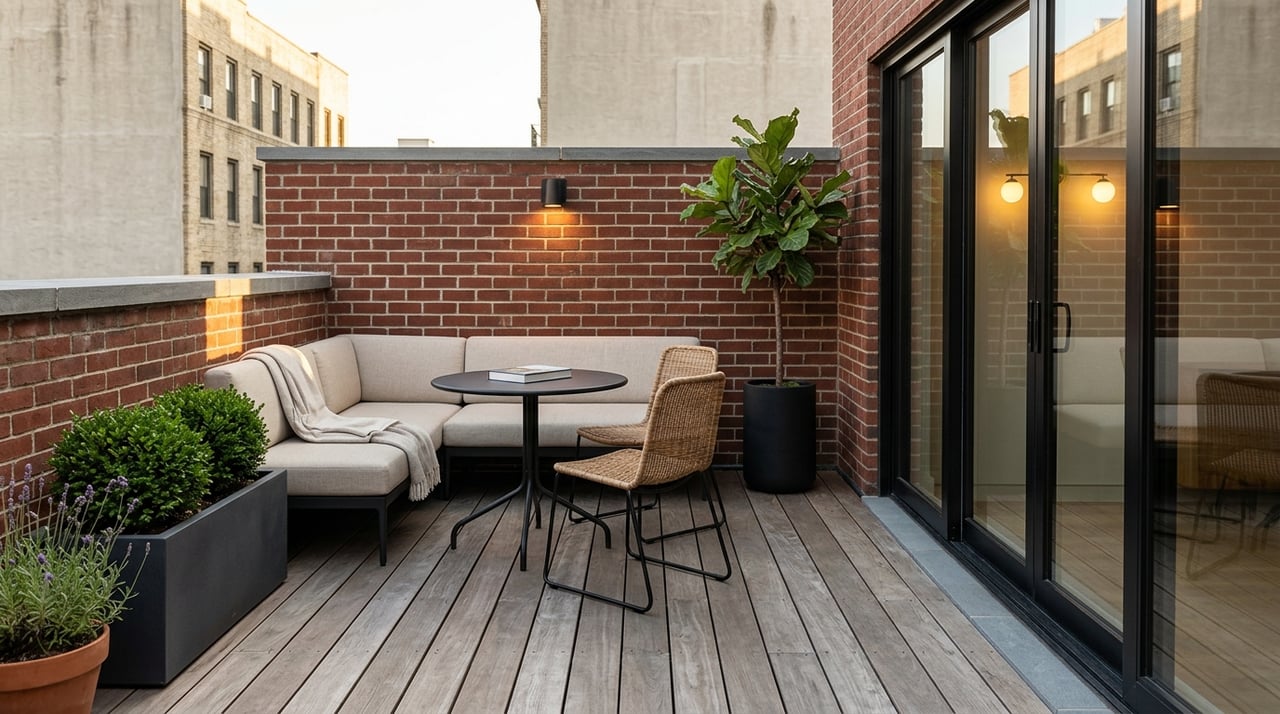
Condos in Williamsburg often prioritize convenience. Many offer doormen or concierges, package rooms, gyms, roof decks, bike storage, and sometimes parking. If you value services and easy living, this is a strong fit.
Lofts tend to trade amenities for character and square footage. Some conversions add elevators or shared outdoor space, but many remain low-service. Soundproofing can vary due to the original industrial structure. Visit at different times of day to gauge noise.
Renovation and building condition
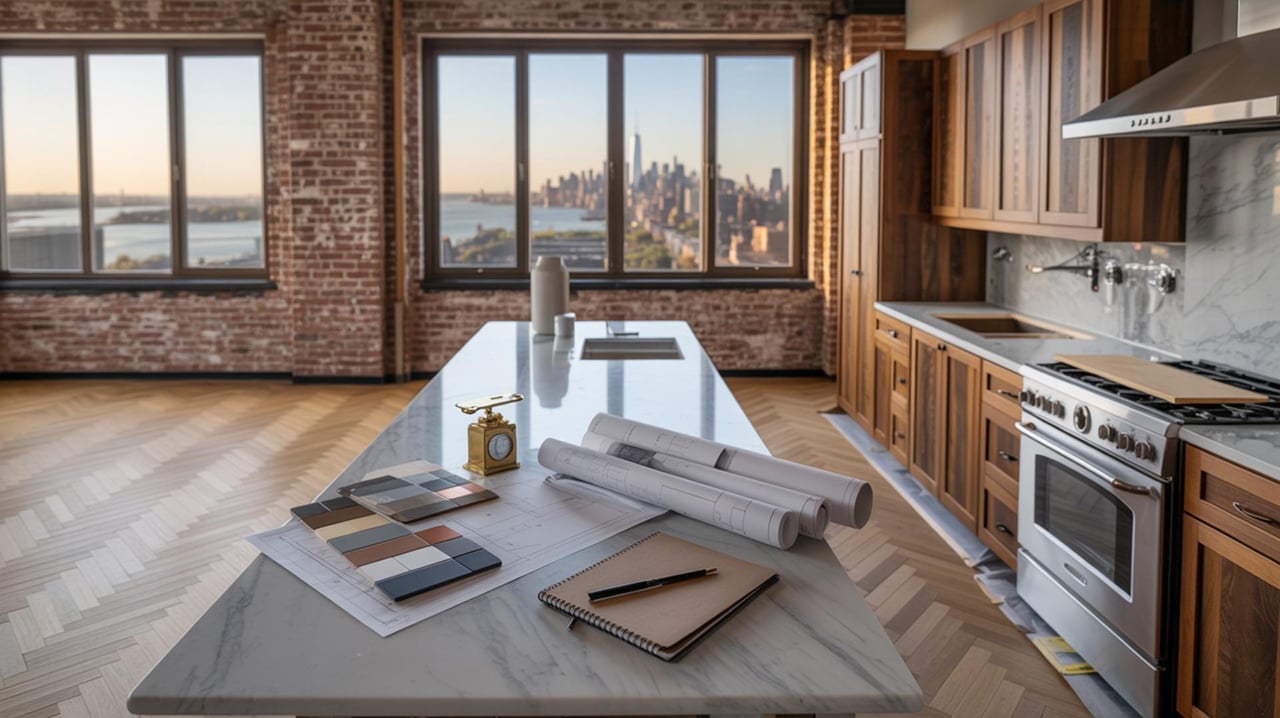
Historic lofts can include older mechanicals, industrial windows, and limited insulation. Plan for potential upgrades to windows, electrical, plumbing, and HVAC, plus permits through the NYC Department of Buildings for any structural, plumbing, or electrical work.
Condos can also require board approvals for renovations. Expect contractor insurance requirements and documented sign-offs. Whether condo or loft, verify roof and façade upkeep, window seals, and any open violations.
Resale and rental outlook
Condos often appeal to a broad buyer pool and are generally more investor friendly, which can support liquidity. Sublet policies are usually simpler, which may help if you plan to rent your unit.
Lofts attract buyers who value authenticity and volume. Unique spaces in prime micro-locations can command premiums, though they may take longer to match with the right buyer. Short-term rentals are restricted by city law and most building rules, so confirm policies if you plan any rental strategy.
Micro-locations within Williamsburg
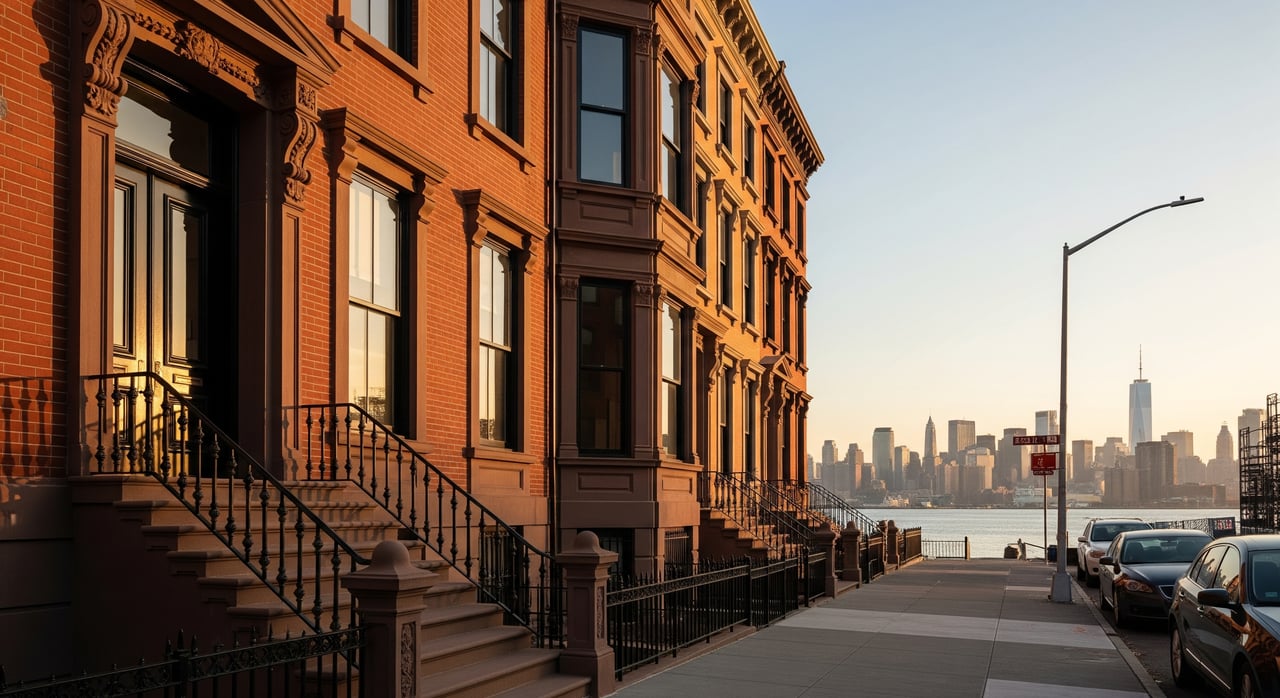
- Waterfront vs inland: Waterfront condos may offer views, new construction, and larger amenity suites. Inland lofts can sit closer to coffee shops, restaurants, and nightlife.
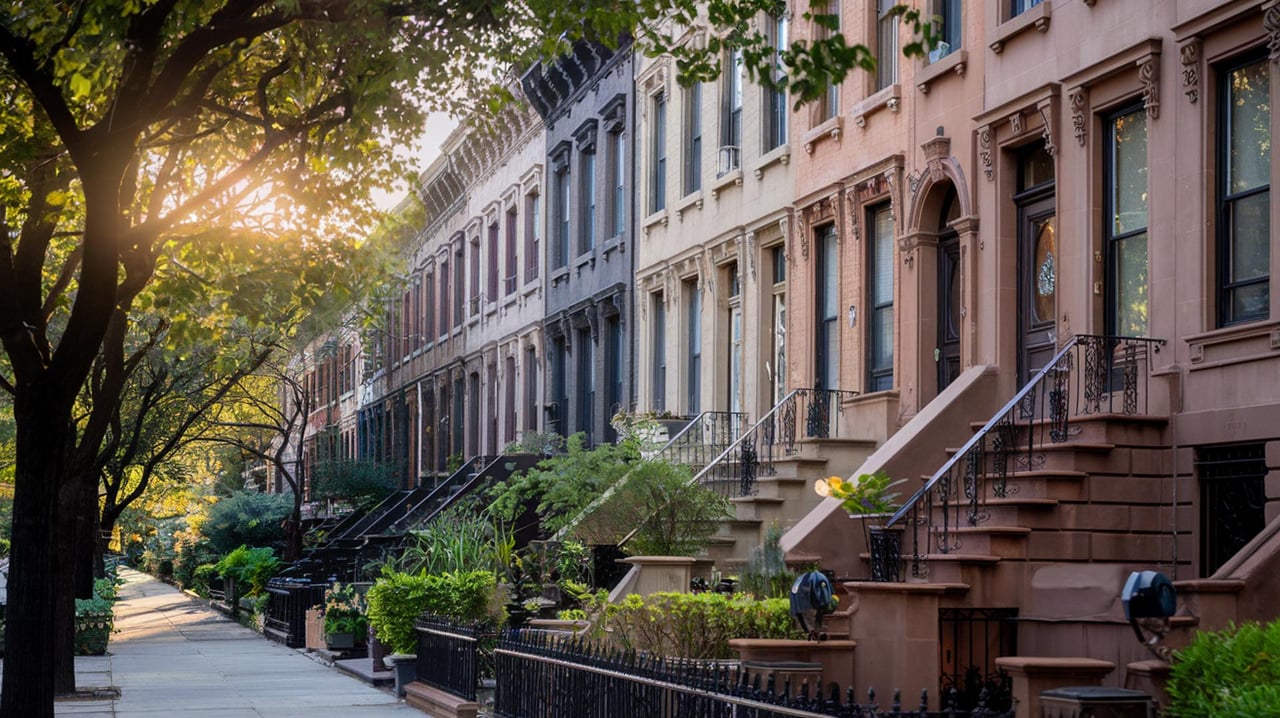
- North vs south: Building age, character, and pricing can shift from block to block. Tour a few options to understand feel and value.
- Transit access: Proximity to the L train corridors, the NYC Ferry, major bus lines, and the Williamsburg Bridge affects commute and resale appeal.
- Parks and green space: Being near McCarren Park or Domino Park is a draw for many buyers focused on outdoor time.
Quick comparison: pros and tradeoffs
Condos
- Pros: Easier financing, flexible subletting in many buildings, modern amenities, defined rooms and storage.
- Tradeoffs: Common charges plus separate taxes, potential for amenity-related operating costs, less architectural uniqueness.
Lofts
- Pros: Volume and character, large windows and open plans, potential for creative layouts and mezzanines.
- Tradeoffs: Legal status can vary, potential sound and insulation issues, fewer services, and more complex renovations.
Due diligence checklist for Williamsburg buyers
Use this list to keep your search on track:
- Verify the Certificate of Occupancy for the unit and building, and confirm legal residential use.
- Review the offering plan and bylaws for condos, or proprietary lease and house rules for co-ops.
- Request financials, including reserves, budget, recent assessments, and any pending litigation.
- Check for open Department of Buildings violations and active permits, and ask about capital plans.
- Confirm sublet rules, investor policies, any flip tax or transfer fees, and pet policies.
- Evaluate sound transmission, natural light, and insulation during a viewing.
- Inspect for water intrusion, roof and façade condition, and window performance.
- Verify elevator maintenance, building systems age, and replacement schedules.
- For any renovation, understand board approvals, required permits, and contractor insurance.
- Speak with a lender about the specific building before you sign a contract.
- Hire a New York real estate attorney experienced with condos, co-ops, and loft conversions.
Which one fits your lifestyle and plan
Choose a condo if you want a move-in ready layout, building services, and simpler financing or rental flexibility. This path suits buyers who prefer predictability and amenities.
Choose a loft if you value volume, natural light, and an industrial aesthetic. This path suits buyers who enjoy tailoring a space and can navigate legal and renovation details with the right team.
Three smart next steps
- Ask for the building’s Certificate of Occupancy and financials. 2) Speak with your lender about the specific building and unit. 3) Schedule a professional inspection that reviews structure, noise, windows, and mechanicals.
How we help you compare, plan, and execute
You get both brokerage and builder-level insight in one place. We help you vet legal status, read building financials with a practical eye, and plan upgrades with accurate scopes and budgets. If you buy a space that needs work, we coordinate permitting, contractor bids, and renovation oversight through to closing and beyond.
Ready to weigh your options in Williamsburg and see real units side by side? Reach out to Mark O’Brien Real Estate to book an appointment.
FAQs
What is the difference between a Williamsburg condo and a loft?
- A condo is a legal ownership structure with common charges and bylaws, while a loft usually refers to an industrial-style space that may be in a condo, co-op, or special-status building.
How does financing differ for Williamsburg condos vs lofts?
- Lenders generally find standard condos simpler to finance, while co-ops and nonstandard loft scenarios can require larger down payments and longer approvals.
Are monthly costs higher in Williamsburg loft buildings?
- Not always, since monthly charges depend on a building’s operations and reserves, and many loft conversions have fewer services that can lower costs but may also mean smaller reserves.
What legal documents should I review before buying a loft in Williamsburg?
- Confirm the Certificate of Occupancy, review house rules and any special regulatory status, and have an attorney evaluate the building’s legal and financial documents.
How do amenities compare between Williamsburg condos and lofts?
- Condos often provide doormen, gyms, and roof decks, while lofts usually focus on space and character with fewer building services.
Do condos or lofts resell faster in Williamsburg?
- Condos often appeal to a wider buyer pool and can sell faster, while unique lofts may take longer but can command premiums when matched to the right buyer.