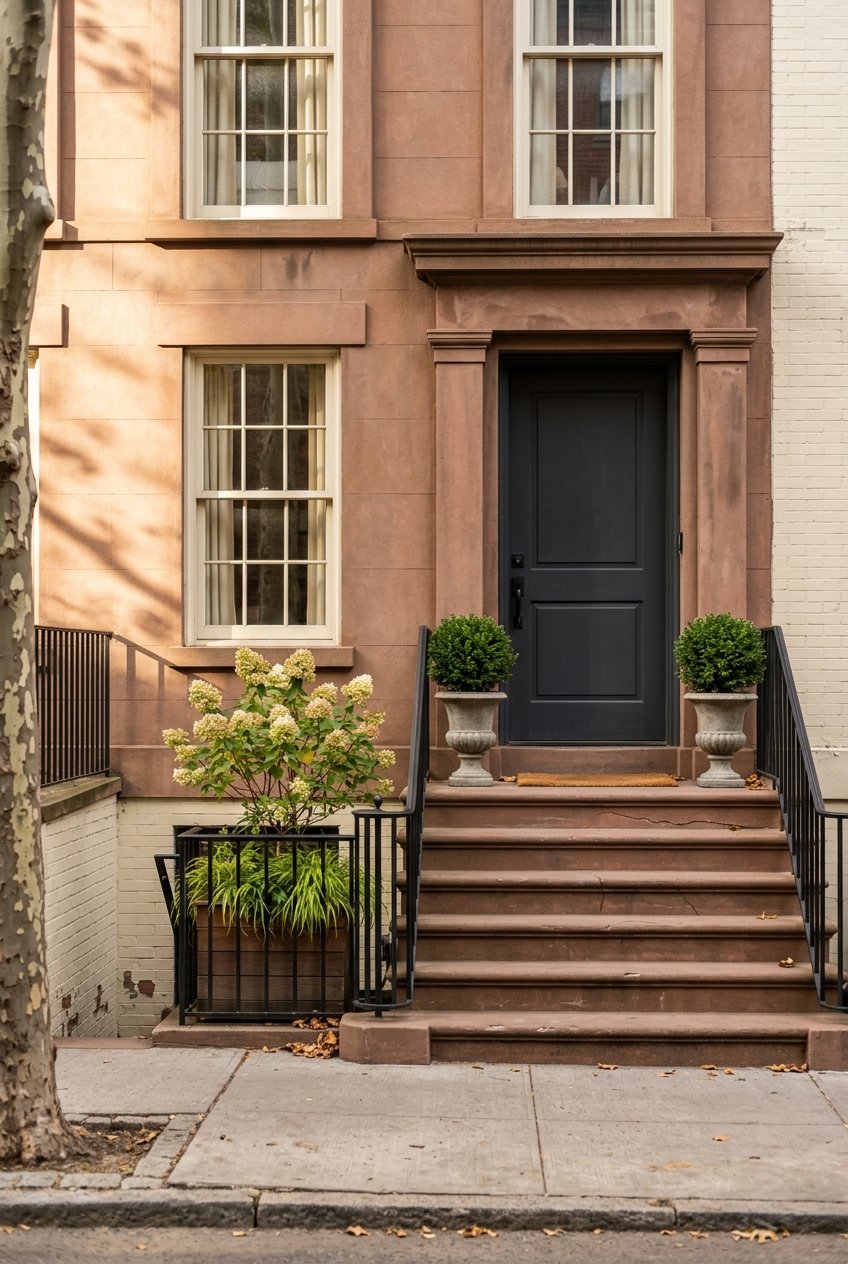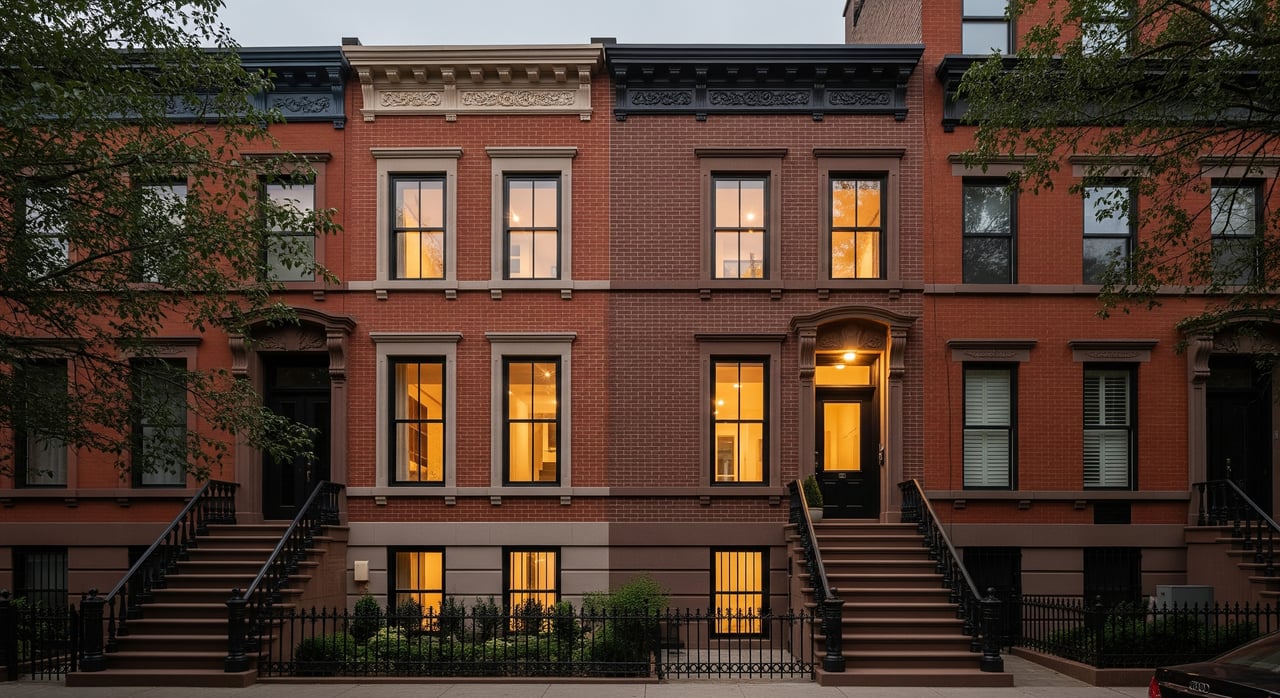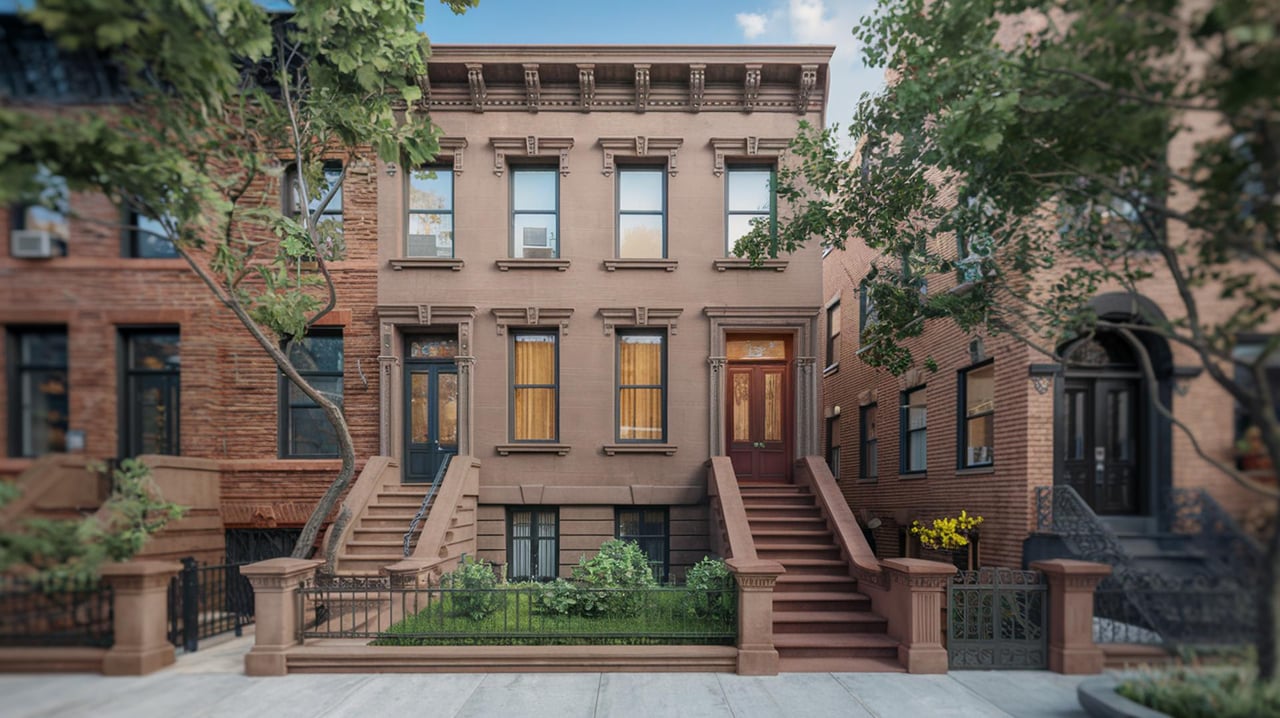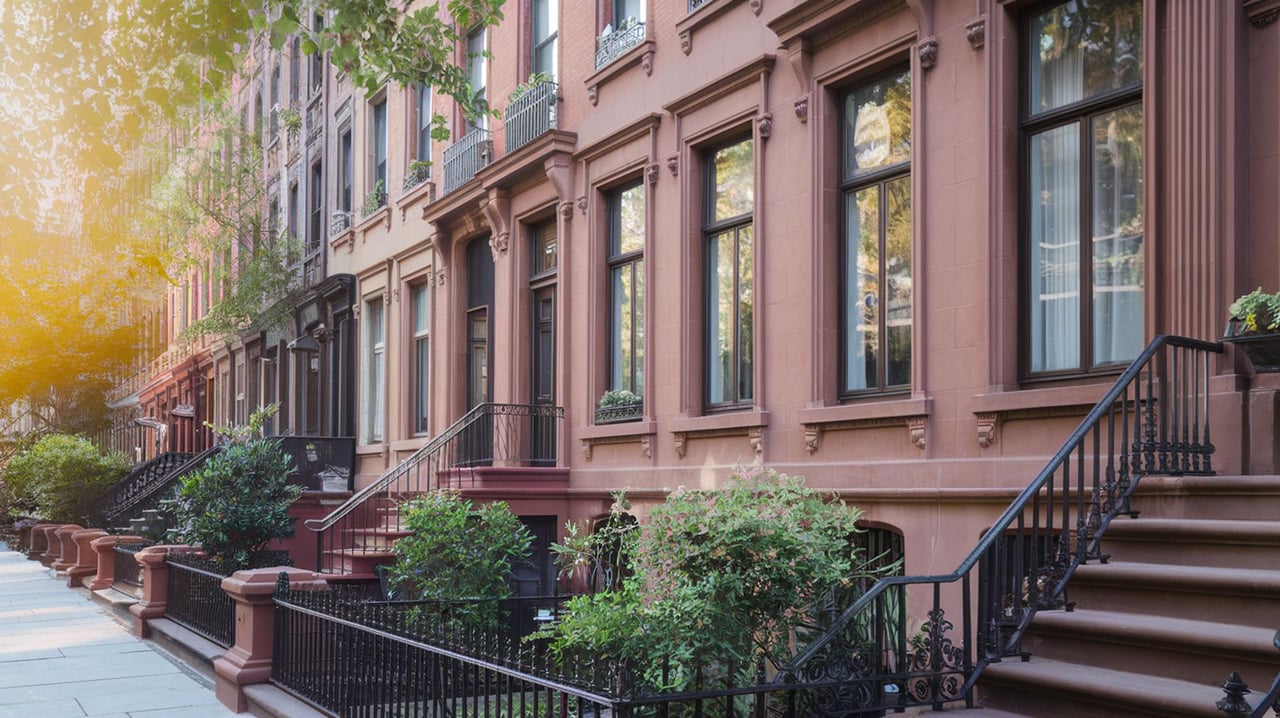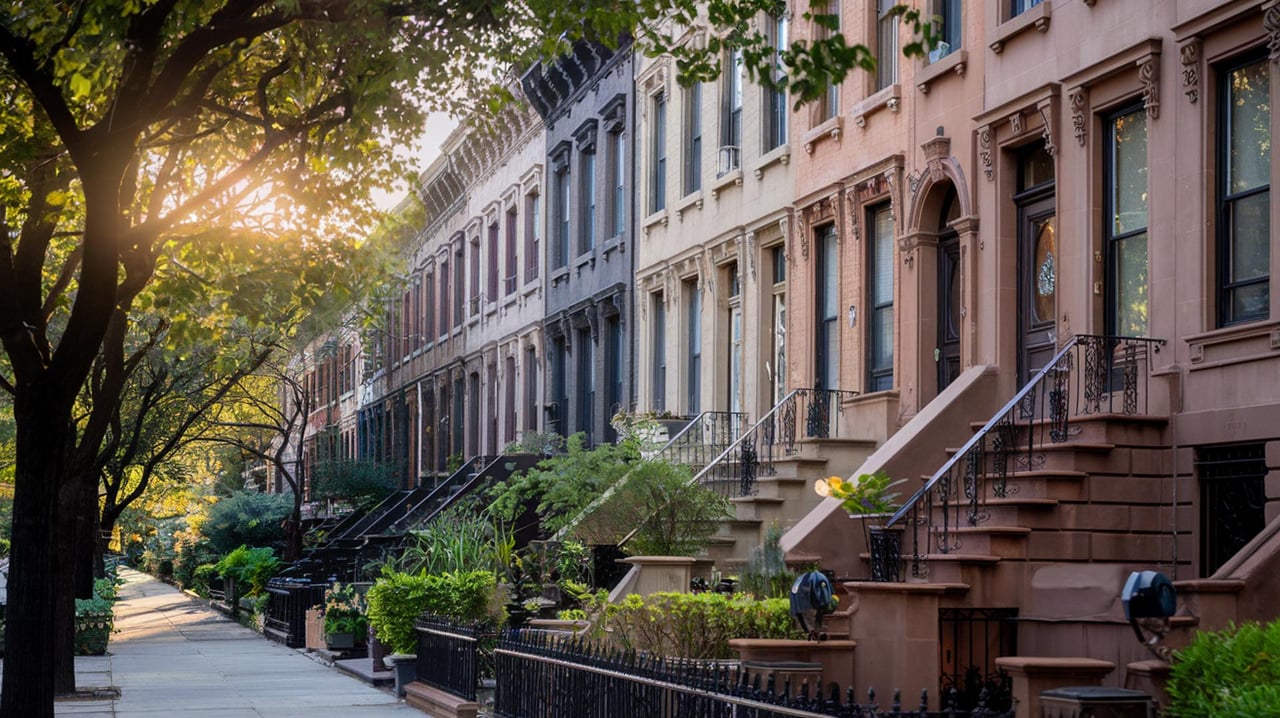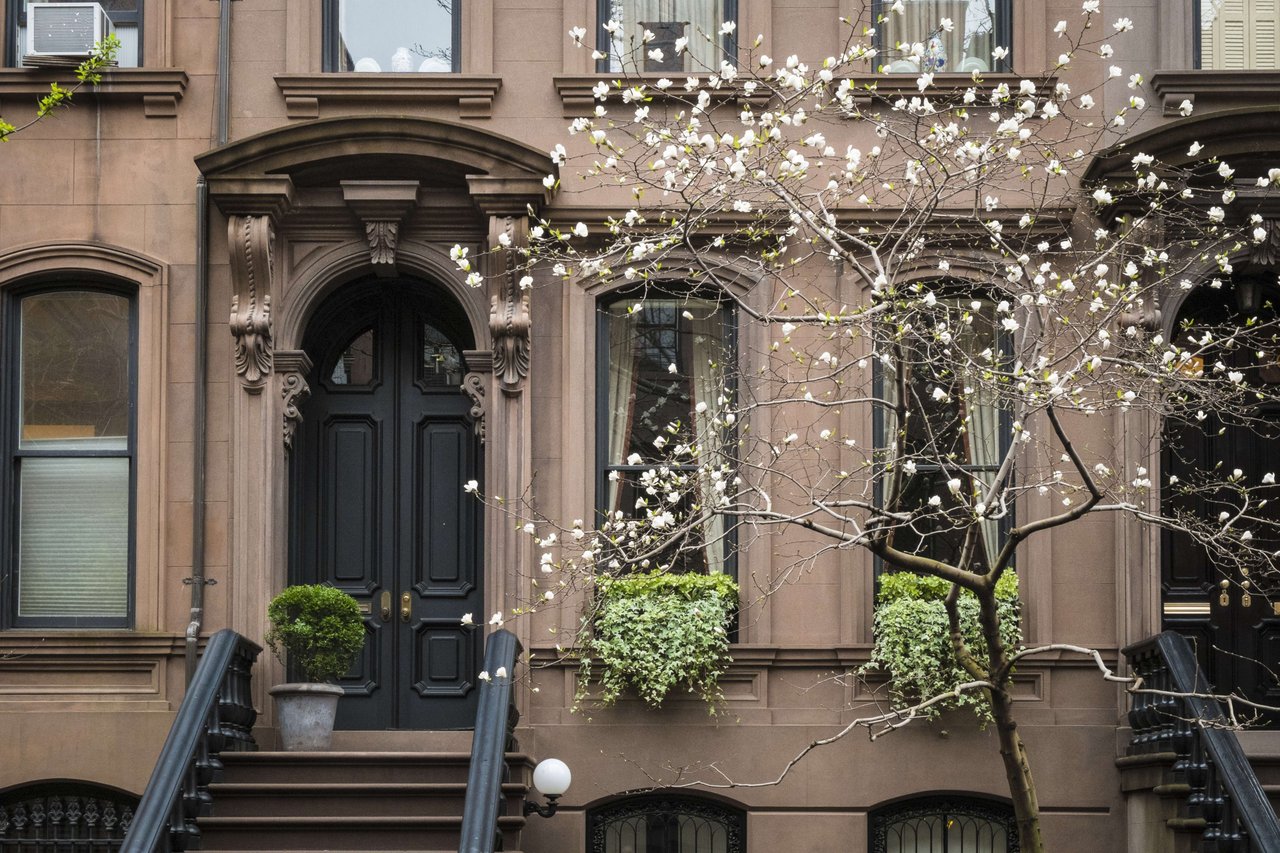
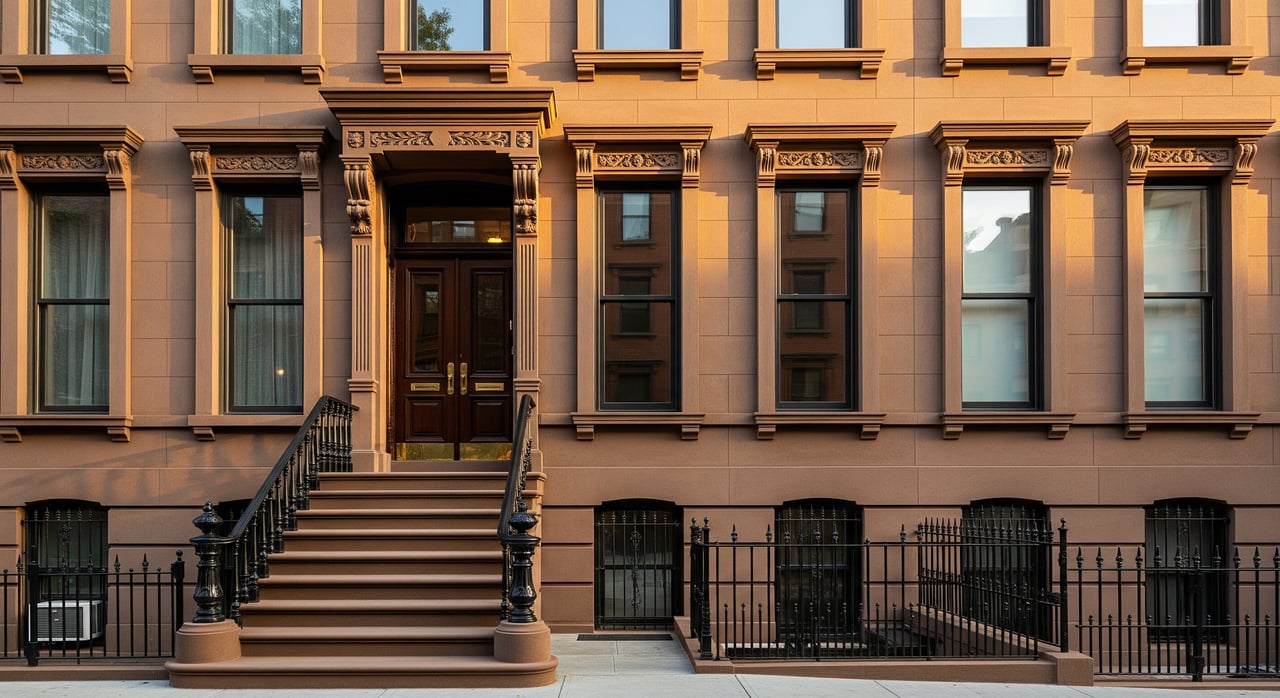
Noticing flaking stone, hairline cracks, or crumbling mortar on your Williamsburg brownstone? You are not alone. Brownstone is beautiful, but it is softer and more porous than brick, so New York’s freeze–thaw cycles and city grime can wear it down fast. In this guide, you will learn how to diagnose issues, navigate permits, choose the right repair methods, plan a realistic timeline, and protect your investment for the long run. Let’s dive in.
Why brownstone facades matter in Williamsburg
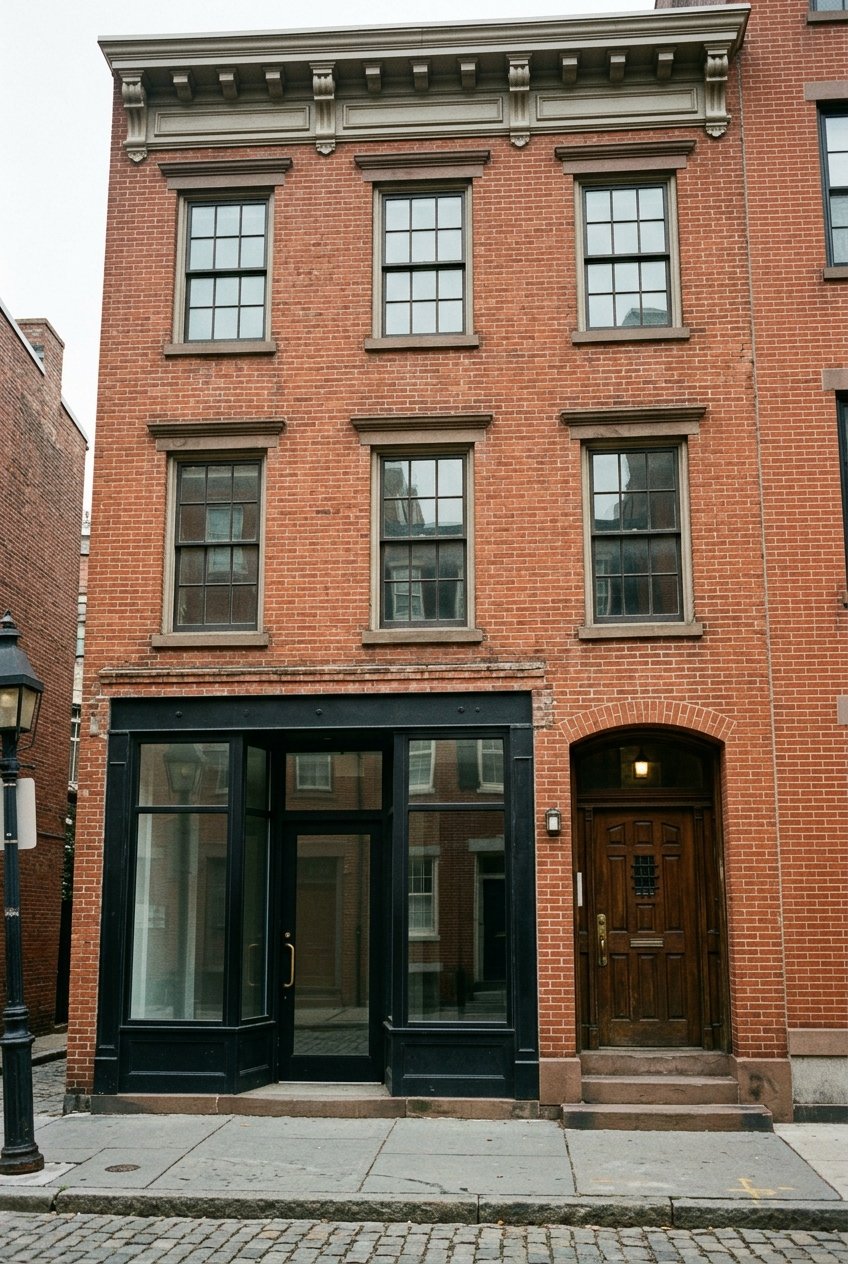
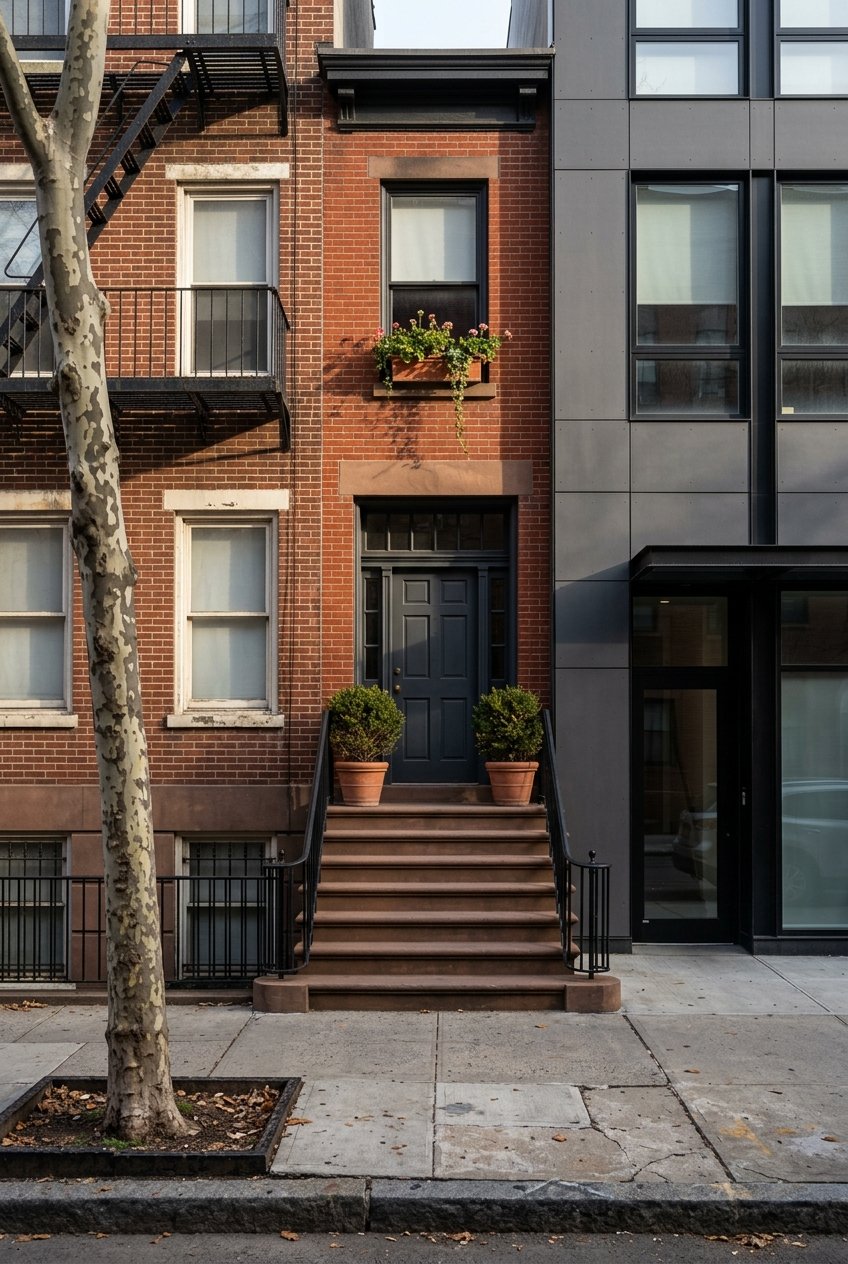
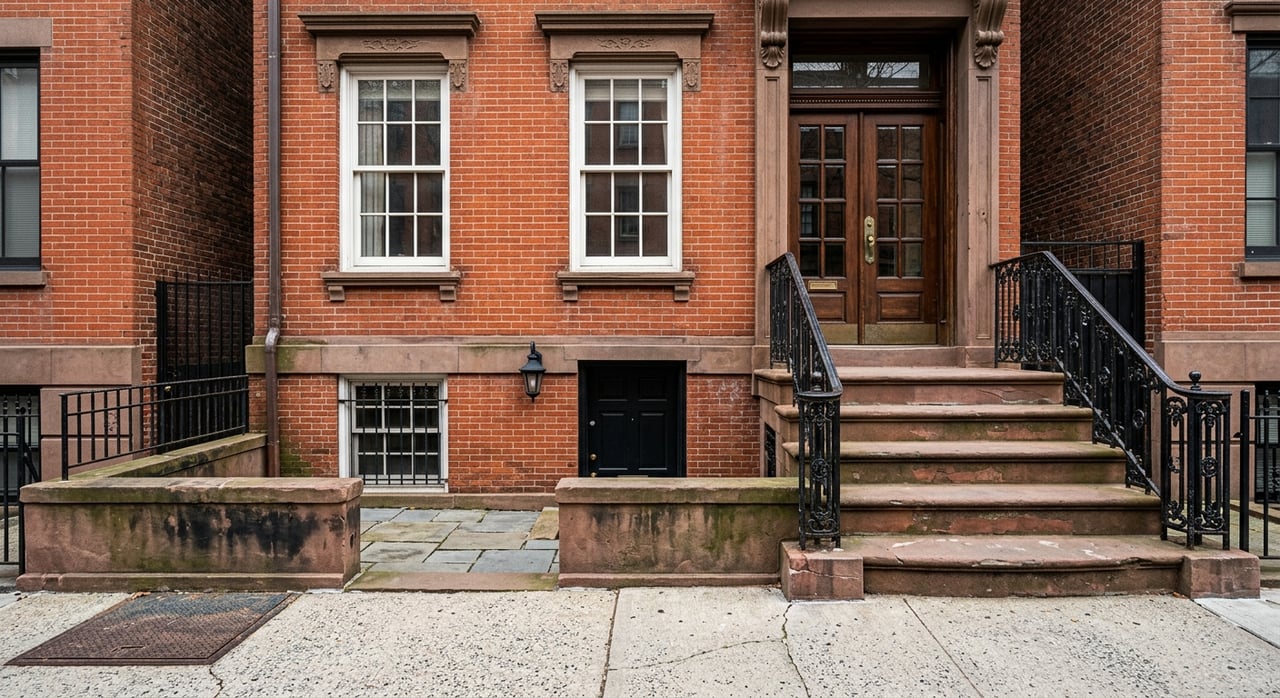
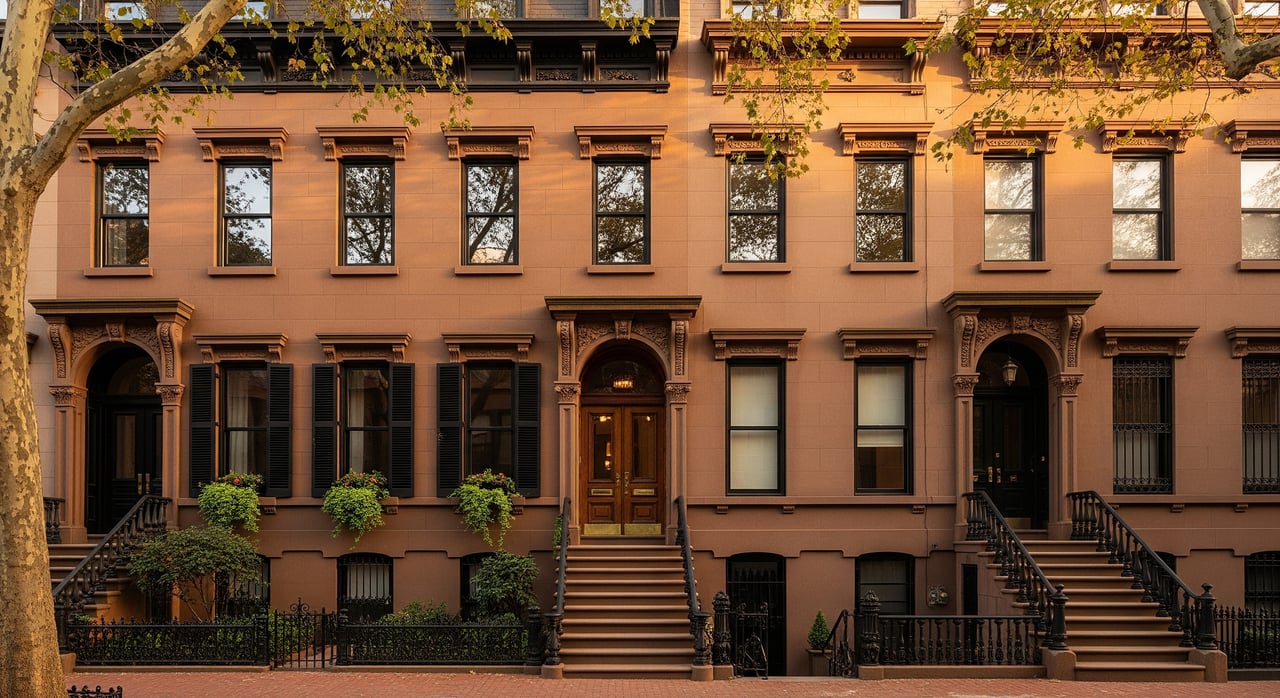
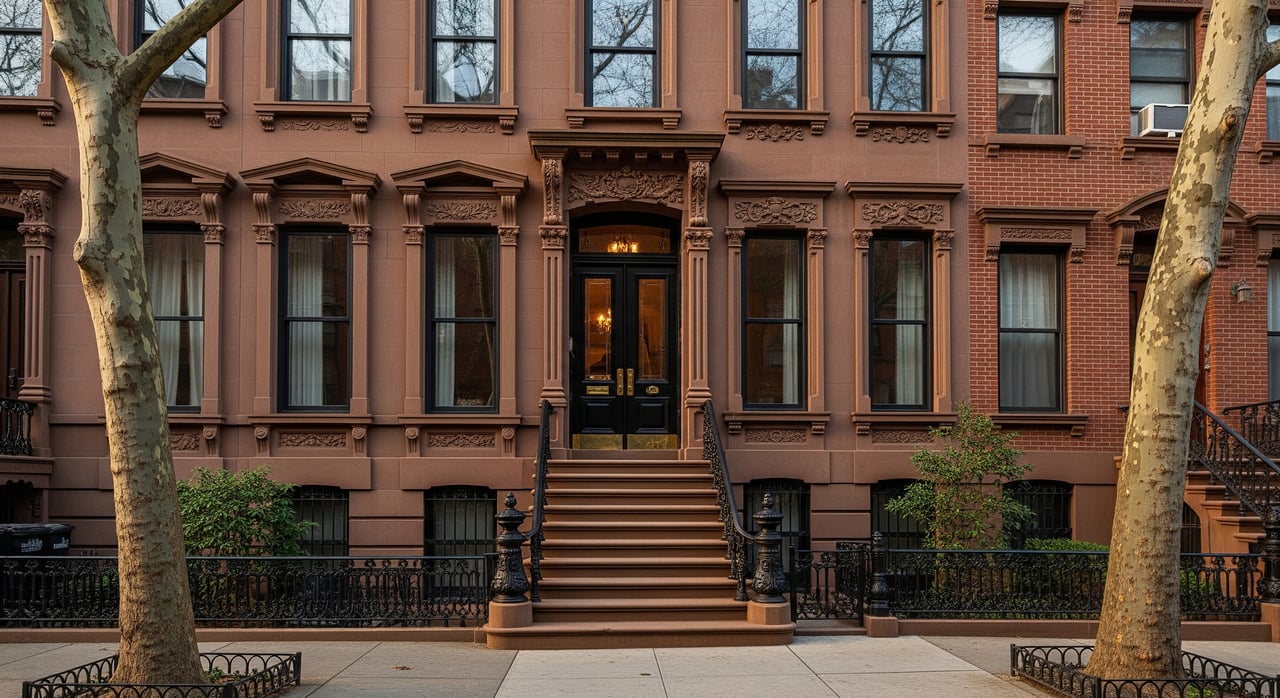
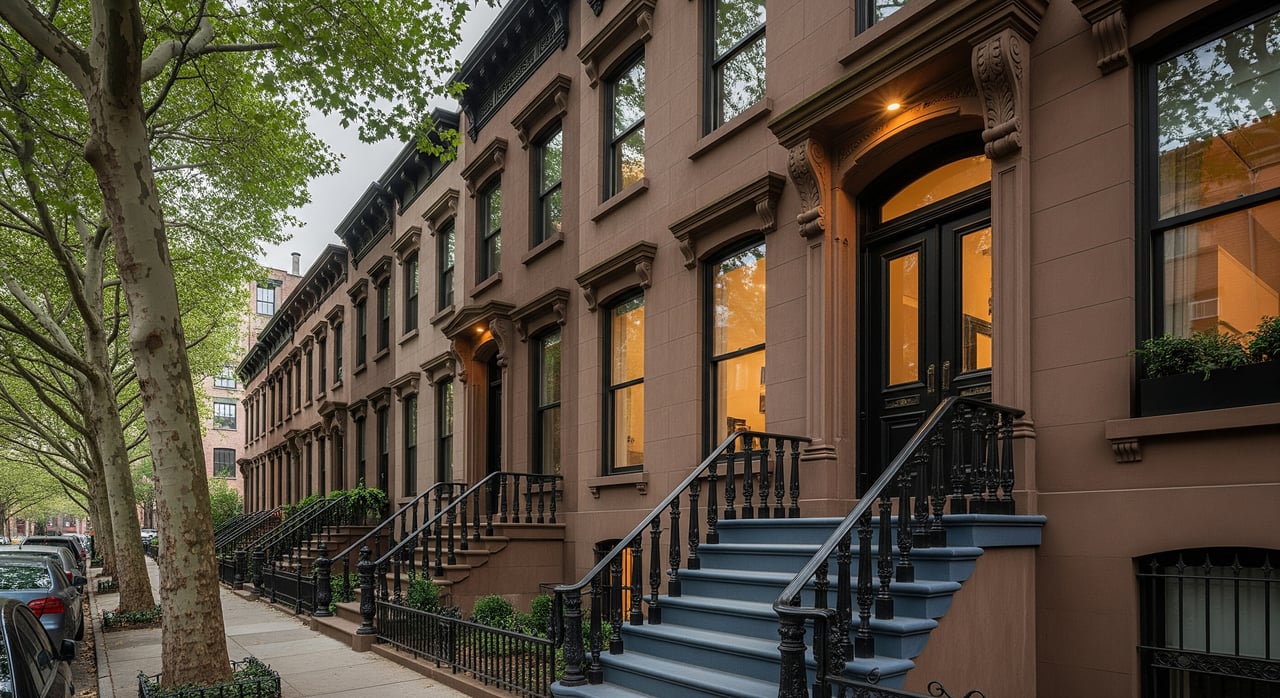
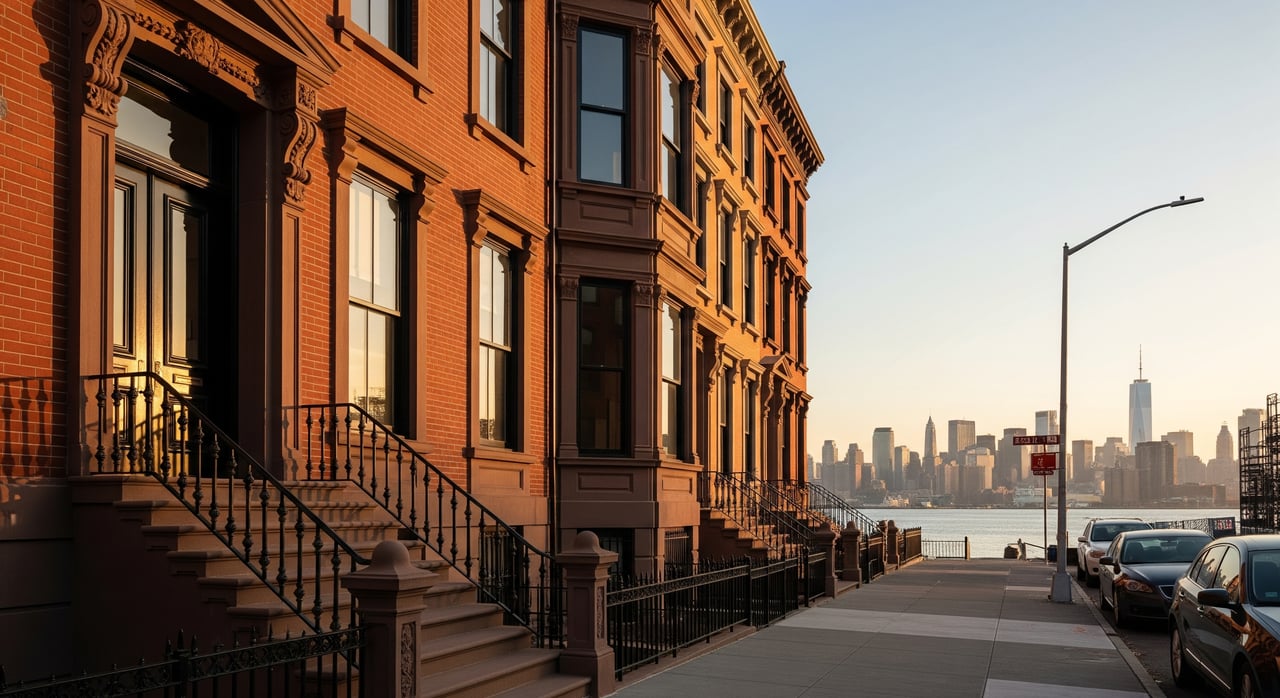
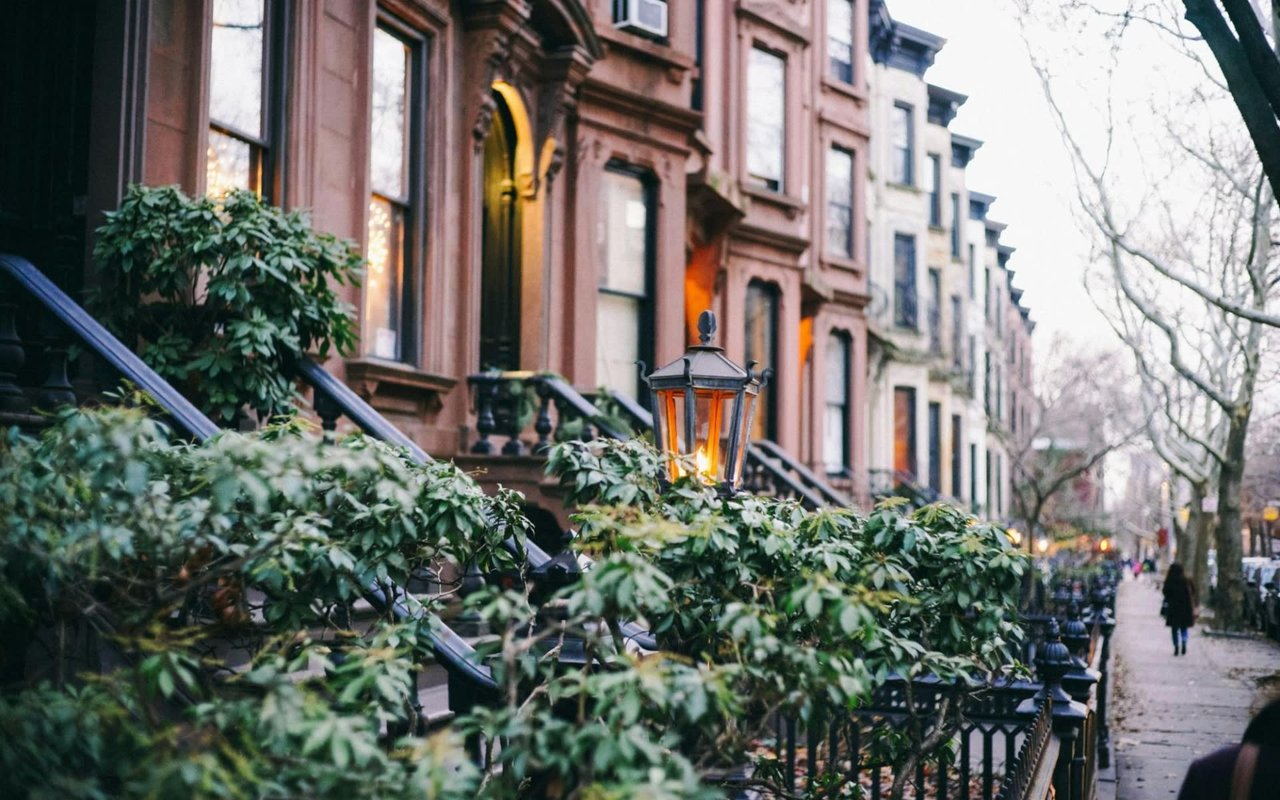
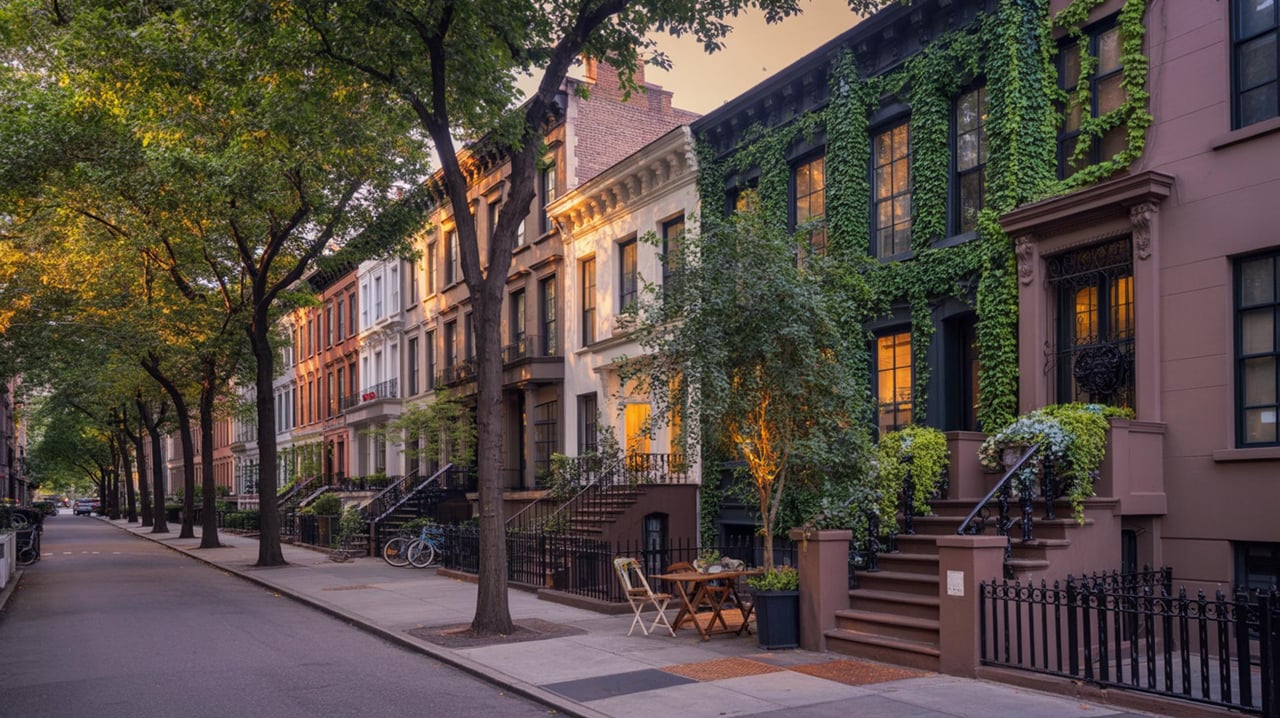
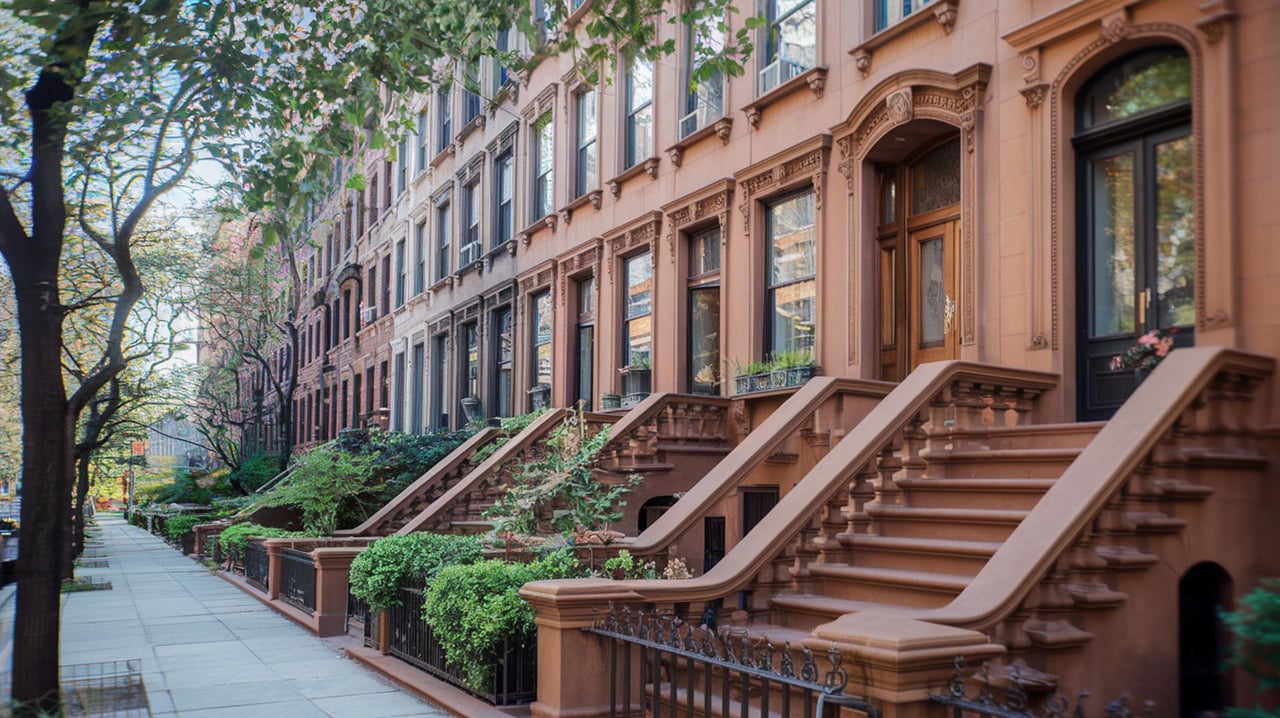
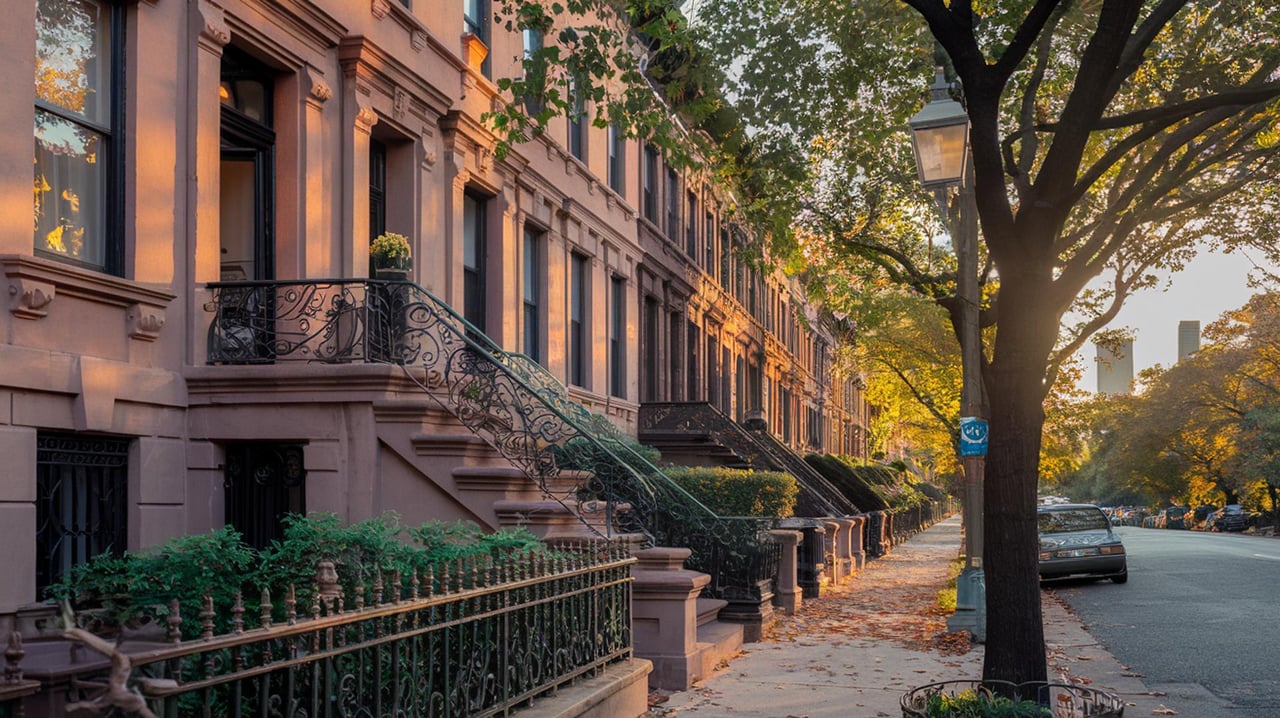
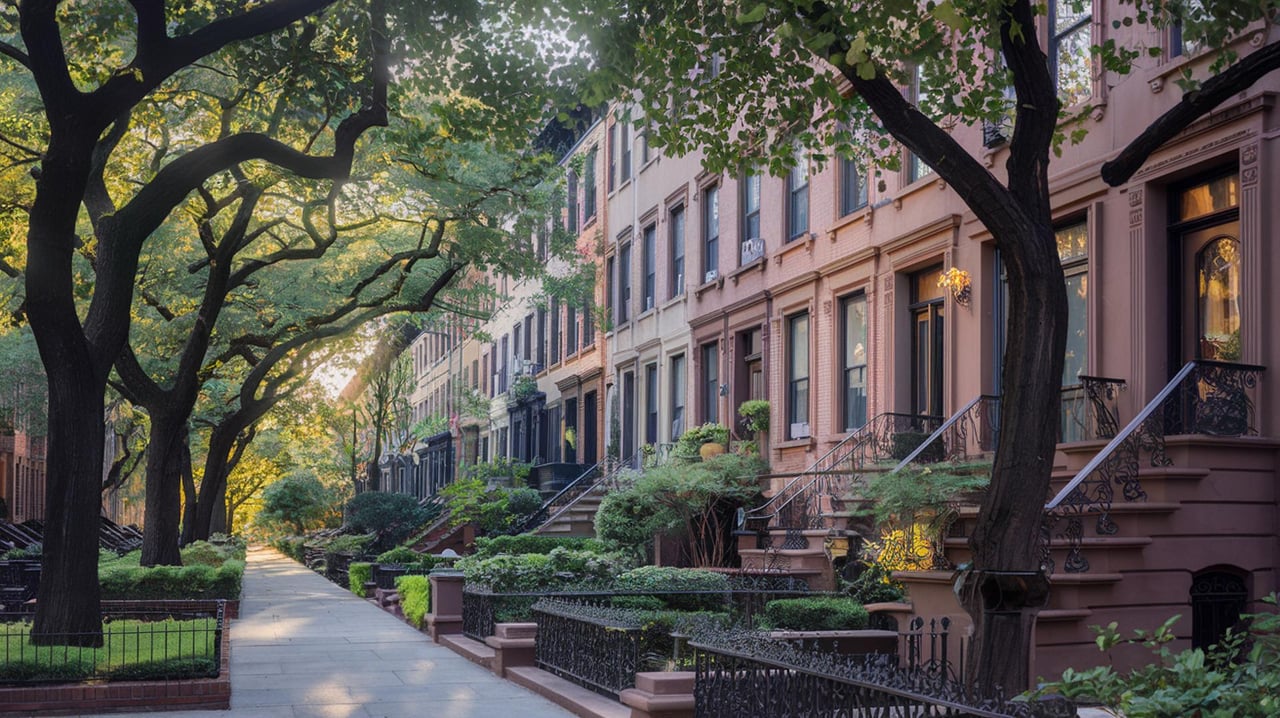
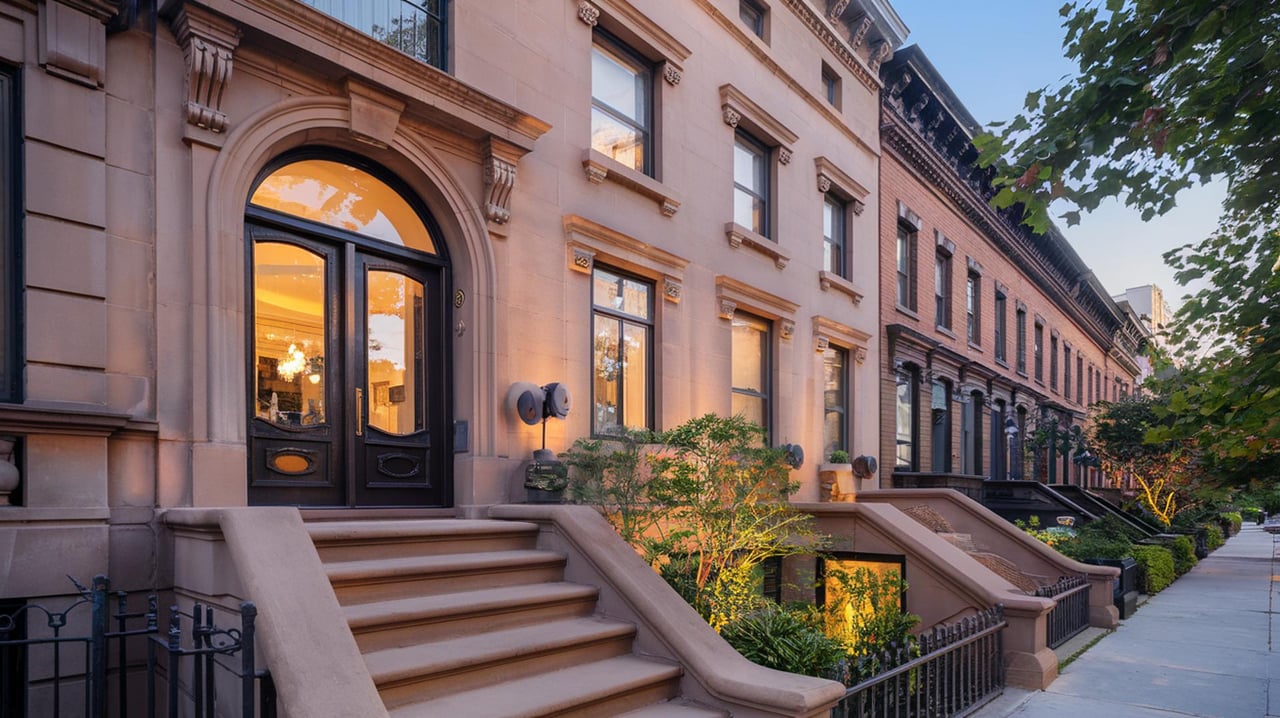
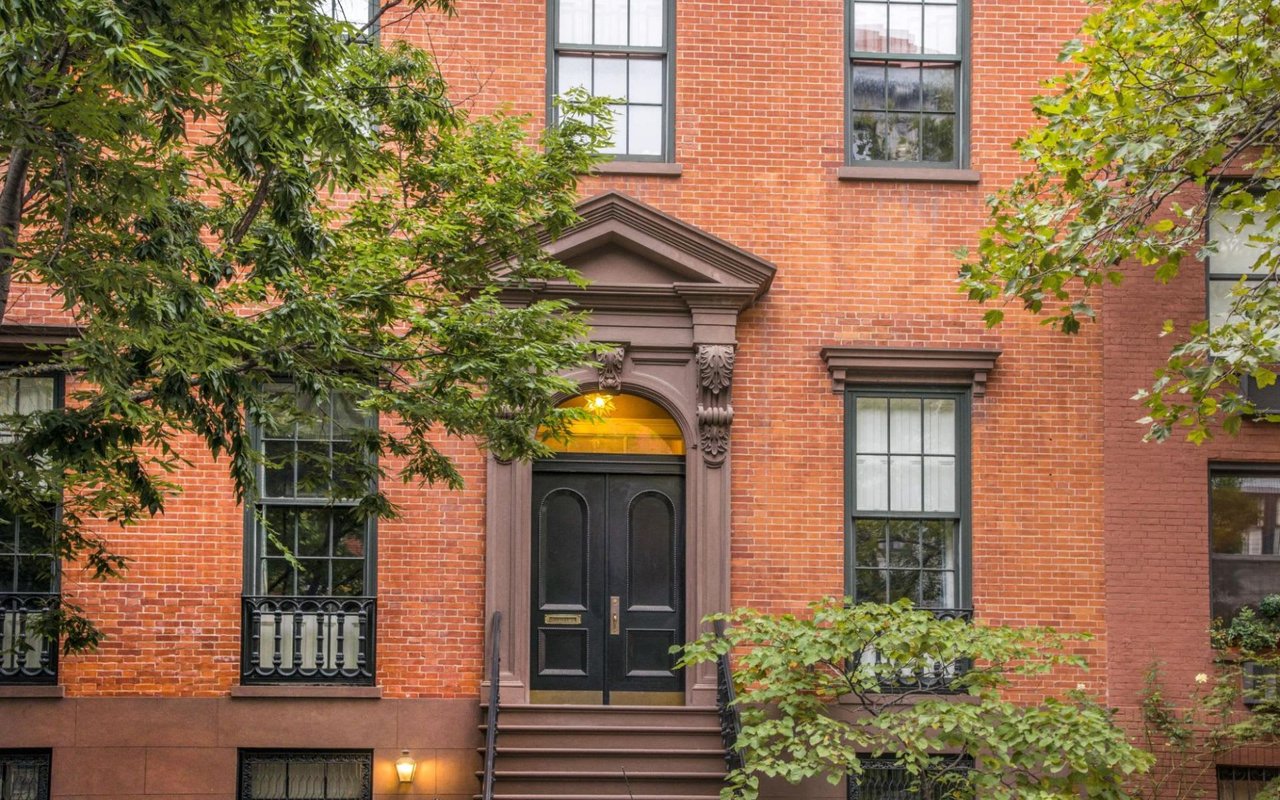
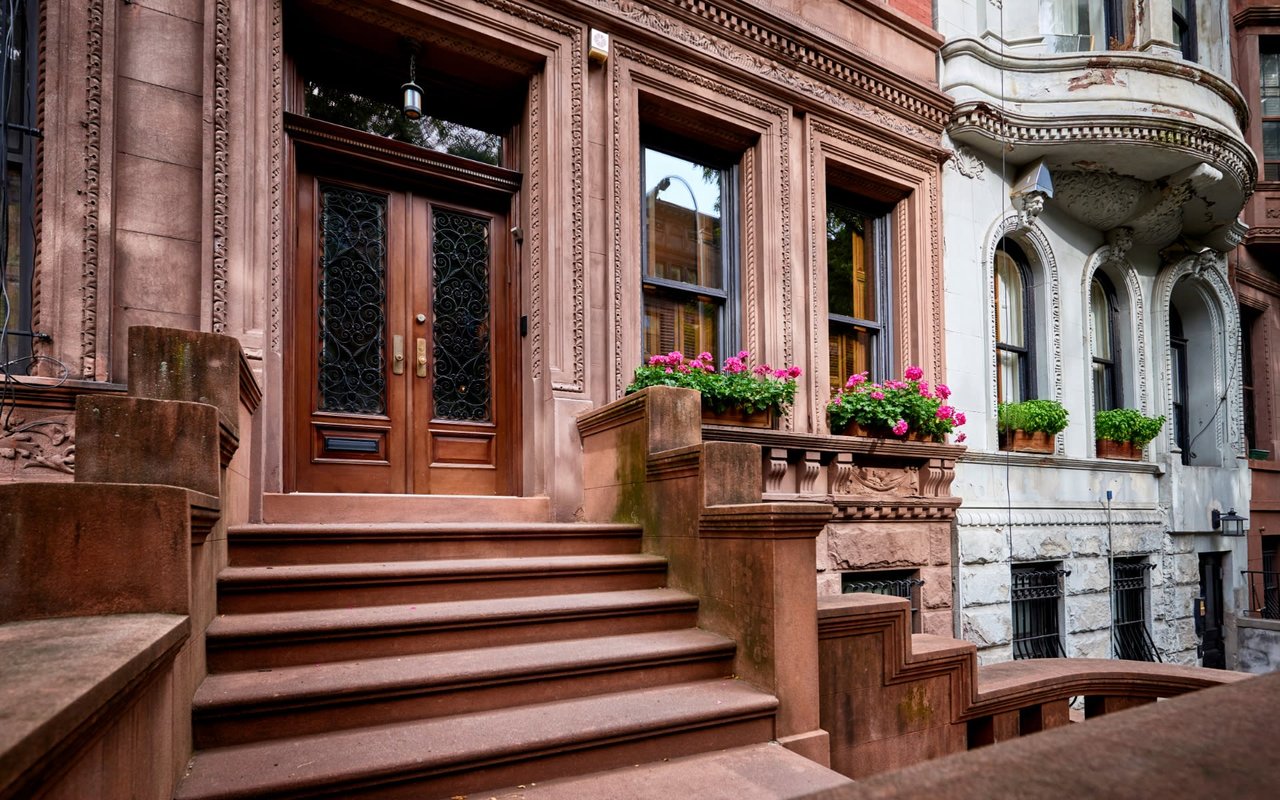
Many Williamsburg townhouses were built in the late 19th and early 20th centuries with brownstone, brick, and decorative masonry. Brownstone needs different care than harder stone because it absorbs moisture and can shed its surface when stressed. Local conditions in Kings County, like humid summers, freezing winters, urban pollutants, and salt exposure near the East River, can speed up deterioration. Understanding these factors helps you plan repairs that last.
Spot the warning signs early
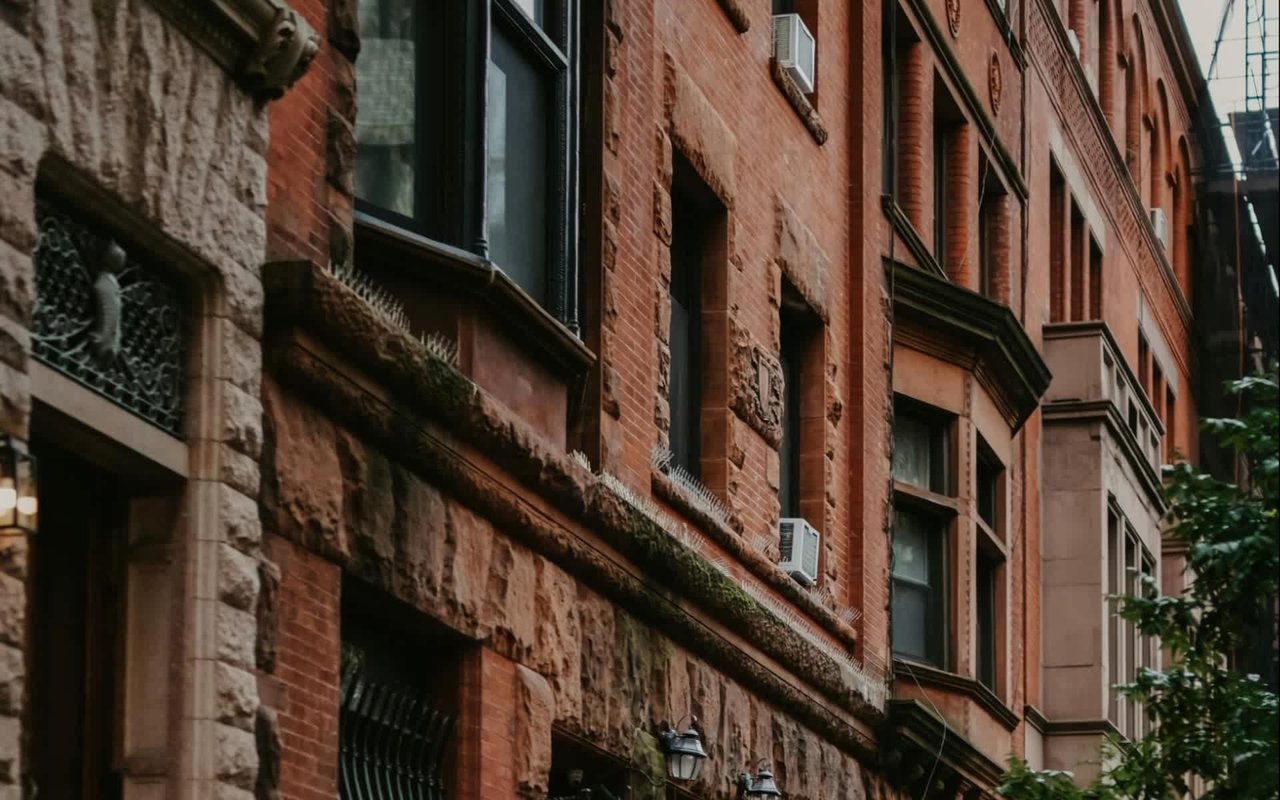
Common facade issues include:
- Surface soiling and black crusts
- Spalling and flaking, especially on sills, stoops, and cornices
- Eroded edges on carvings and moldings
- Cracked or crumbling mortar joints that let water in
- Step cracks near windows or lintel deflection
- Past repairs that used hard Portland cement or abrasive cleaning
If you see any of these, start with a careful assessment before anyone proposes fixes.
Start with a proper assessment
A solid plan begins with documentation and small-scale tests, not guesswork.
- Do a full visual survey and take photos of every elevation and detail.
- Track moisture sources from the roof, cornice, gutters, flashing, and balcony drains.
- Consider mortar analysis or stone testing if original materials are unknown.
- Bring in an engineer if you see structural movement or lintel cracking.
- Test clean a small area and repoint a small sample joint to confirm method, color, and finish.
For conservation-focused approaches and testing guidance, review resources from the American Institute for Conservation and the National Park Service’s repointing best practices in Preservation Brief 2.
Permits and approvals in Williamsburg
First, confirm if your property is landmarked. If it is inside a historic district or has individual designation, exterior work usually needs approval from the NYC Landmarks Preservation Commission (LPC).
- Landmarked properties: Apply to the NYC Landmarks Preservation Commission for the appropriate permit. Expect requirements for historically compatible materials and documentation.
- Non-landmarked or all properties: Many facade projects still need NYC Department of Buildings (DOB) permits, especially for scaffold, sidewalk protection, and any structural work. Start at the NYC Department of Buildings.
- Sidewalk and scaffold safety: Street-facing work often requires a sidewalk shed and posted protections. Learn more about owner responsibilities on the DOB’s Sidewalk Sheds page.
Tip: Search LPC designation status and DOB records before you commit to a schedule. Unpermitted work can lead to violations and delays.
Proven restoration methods that work
Follow the principle of “do no harm.” Brownstone benefits from gentler, compatible treatments.
- Cleaning. Start with the gentlest effective method, like low-pressure water or mild detergents. Avoid abrasive techniques that strip the protective surface. See the NPS guidance on the dangers of abrasive cleaning.
- Repointing. Use mortar that matches the original in strength, composition, color, and joint profile. Soft, lime-rich mortars are often right for historic brownstone. Review the NPS guide to repointing historic masonry.
- Stone repairs. For localized failures, consider dutchman repairs or compatible repair mortars. Heavily deteriorated units may need full stone replacement with matching brownstone.
- Consolidants and repellents. Use breathable treatments only when a conservator recommends them. Avoid impermeable coatings or paints that trap moisture.
- Metal and lintels. Replace corroded anchors or steel lintels and repair adjacent masonry if salts and rust have caused damage.
- Decorative elements. Terra cotta or metalwork often needs custom fabrication or specialized repair.
Red flags include proposals to sandblast, apply hard cement mortars, or paint over stone to “seal” it.
Plan your project timeline
Every building is different, but these phases are common for a Williamsburg townhouse facade:
- Phase 1 — Assessment and testing: 1 to 3 weeks
- Phase 2 — Design and approvals: 2 to 8+ weeks, depending on LPC and DOB review
- Phase 3 — Mobilization and scaffolding: 1 to 2 weeks
- Phase 4 — Repairs and restoration: a few weeks to several months, based on scope
- Phase 5 — Final inspections and closeout: 1 to 2 weeks
Large projects with custom stone work or extensive lintel repairs can stretch timelines. Build in weather allowances and time for sample reviews.
Budget basics and financing options
Facade cost ranges vary widely in New York City. Key drivers include the extent of deterioration, scaffold and sidewalk protection, lintel and anchor repairs, custom stone, LPC documentation, and site access. Always compare detailed, apples-to-apples scopes and include a contingency for unknowns uncovered after demo.
If your building is income-producing, explore state and federal rehabilitation tax credits. In New York, the State Historic Preservation Office outlines eligibility and documentation requirements. For owner-occupied homes, consider personal home-improvement or construction loans. Discuss financing with your lender or financial advisor before you sign contracts.
Choose the right team
For anything beyond minor patching, you will benefit from a coordinated team.
- Preservation architect or architect experienced with LPC filings
- Masonry conservator or experienced stone mason
- Licensed contractor with NYC facade and scaffold experience
- Structural or facade engineer if movement or lintel issues are present
Vetting tips:
- Ask for brownstone-specific portfolios and references.
- Verify insurance and required licenses. Require written scope, schedule, and payment milestones.
- Insist on test areas for cleaning and repointing before full production.
- Avoid bids that recommend sandblasting, hard Portland cement mortar, or fast-tracking without permits.
For local guidance and preservation resources, explore the New York Landmarks Conservancy and the Historic Districts Council.
Maintenance that preserves your investment
Once restored, a little routine care goes a long way.
- Inspect gutters, flashing, sills, and mortar joints yearly or after major storms.
- Fix roof and drain issues quickly to stop water intrusion.
- Clean gently as needed with approved methods. Do not seal or paint stone without a conservator’s input.
- Keep records of work, permits, and maintenance for future owners and compliance.
Quick homeowner checklist
- Confirm if your property is landmarked through LPC, then plan the right approvals.
- Determine DOB permit needs for facade work, scaffold, and sidewalk protection.
- Document the facade and commission an assessment with test patches.
- Get at least two itemized bids from qualified, insured contractors.
- Select compatible methods: gentle cleaning, lime-rich mortar, breathable treatments.
- Build a realistic schedule and budget with contingency.
- Keep all approvals, inspections, and sign-offs in a project folder.
How we help in Williamsburg
If you want a single, accountable partner for restoration and resale, you are in the right place. As a boutique developer-broker, we bring builder-grade know-how to feasibility, budgeting, LPC and DOB strategy, contractor selection, and construction oversight. We coordinate the work, then stage and market the finished property with neighborhood-savvy storytelling to maximize your outcome. Ready to talk your facade through from plan to punch list? Connect with Mark O’Brien Real Estate.
FAQs
Do I need LPC approval for a Williamsburg brownstone facade?
- If your home is landmarked or in a historic district, exterior work usually requires LPC permits. Verify status and requirements with the NYC Landmarks Preservation Commission.
What permits do I need for facade work in Brooklyn?
- Many projects require DOB permits plus sidewalk protection or a shed. Start with the NYC Department of Buildings and confirm site-specific filings.
How long does brownstone facade restoration usually take?
- Simple repairs can wrap in about a month, but full facades with LPC review, scaffold, and custom stone can take several months from assessment to closeout.
What mortar should be used for repointing brownstone?
- Use a mortar compatible with the original, often lime-rich and softer than modern cement. See NPS guidance in Preservation Brief 2.
Is sandblasting ever appropriate for cleaning brownstone?
- Abrasive cleaning can permanently damage stone and is generally discouraged. The NPS explains why in Preservation Brief 6.
Are there tax credits for brownstone restoration in New York?
- Income-producing properties may qualify for state and federal rehabilitation credits. Review eligibility with the New York State Historic Preservation Office and consult your tax advisor.