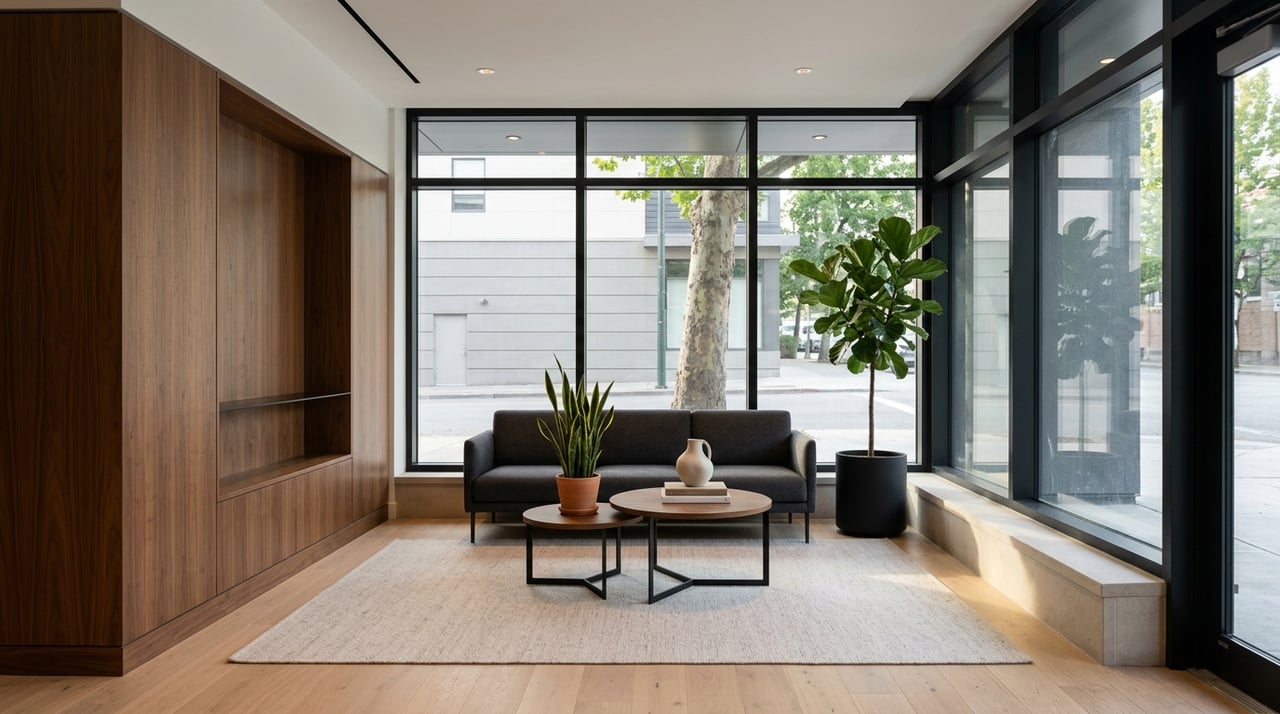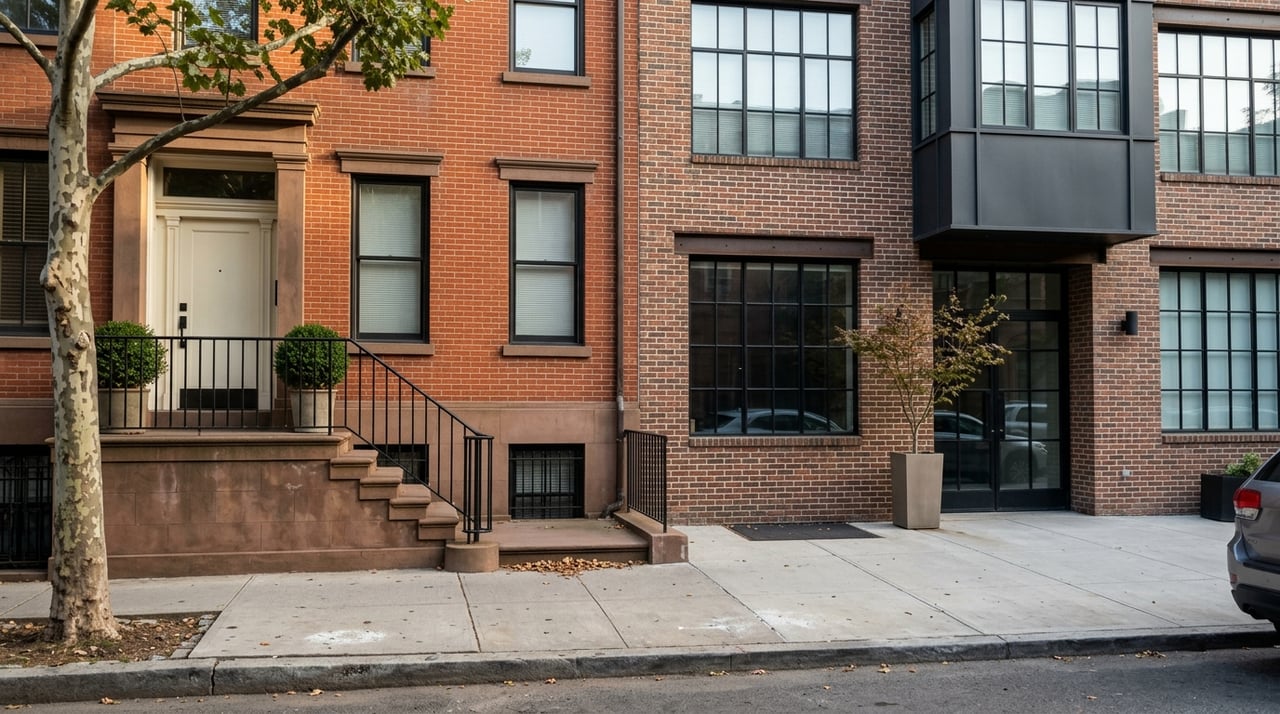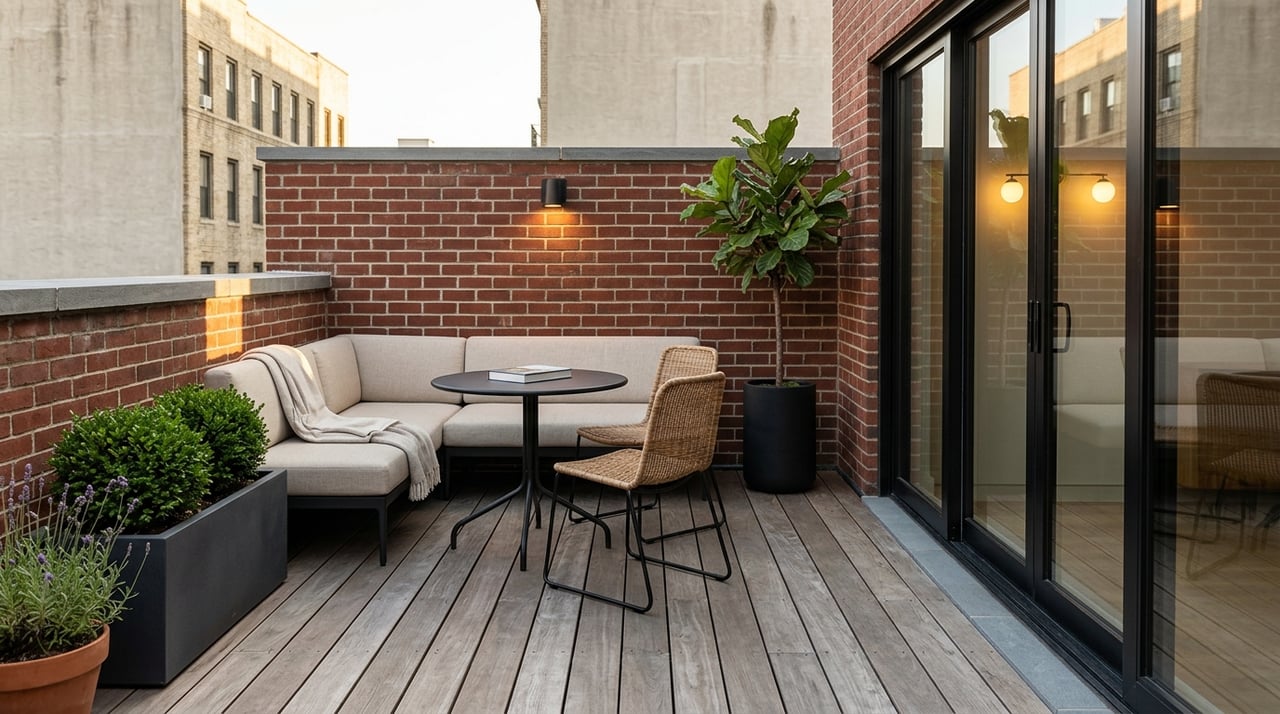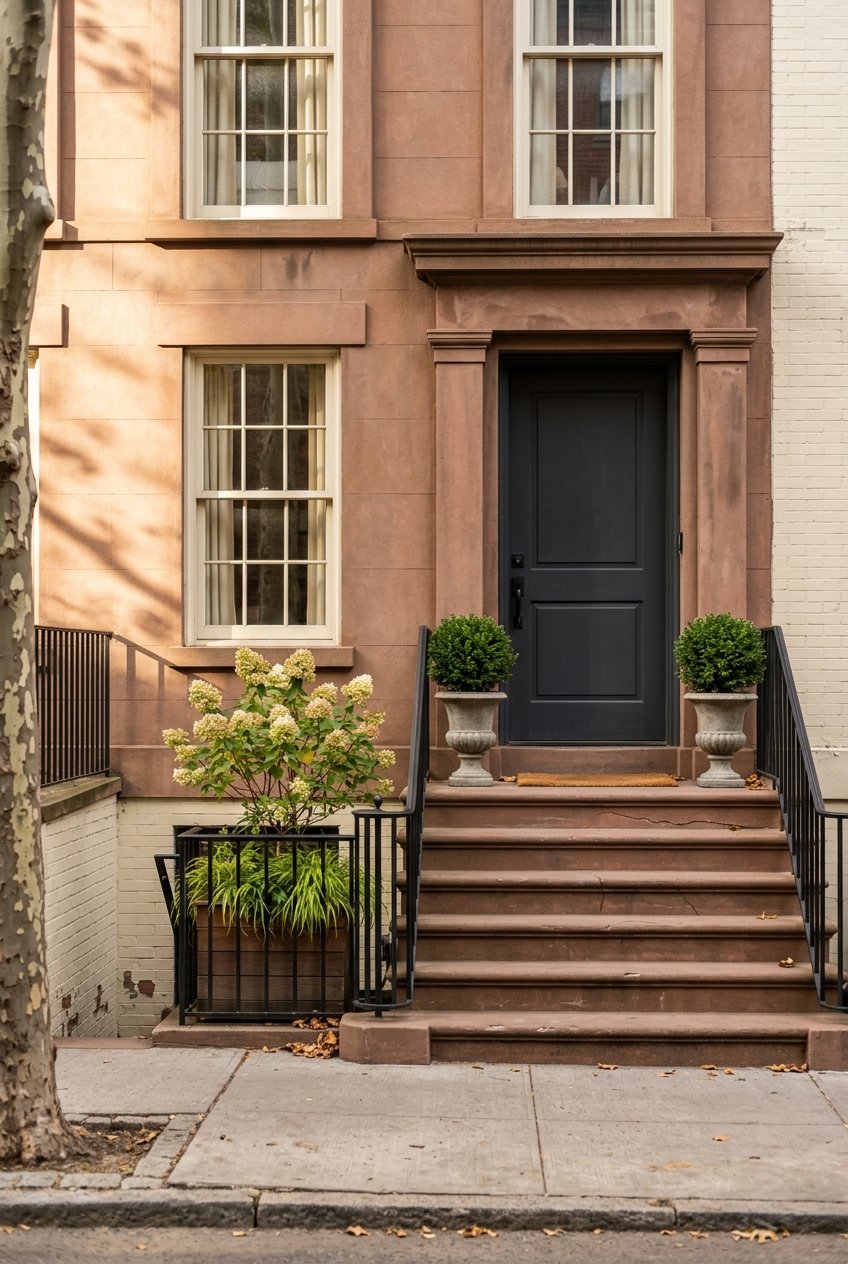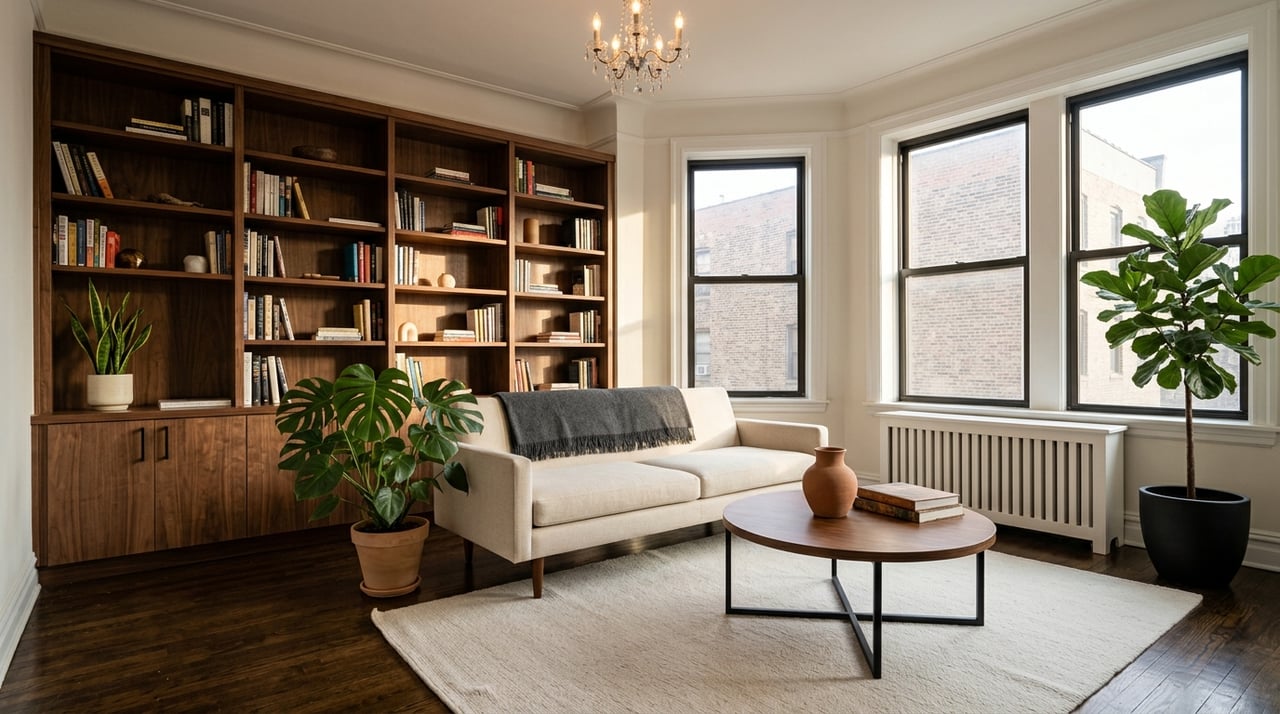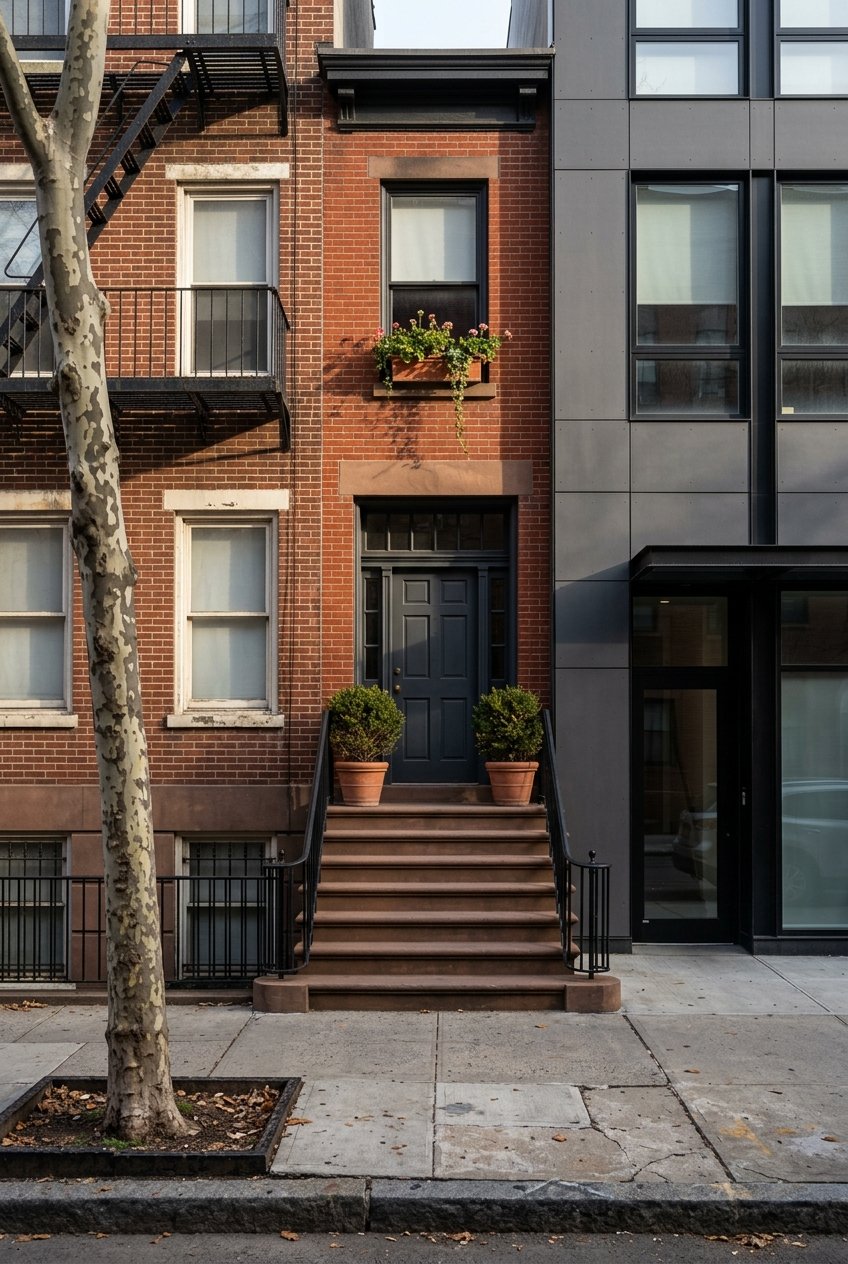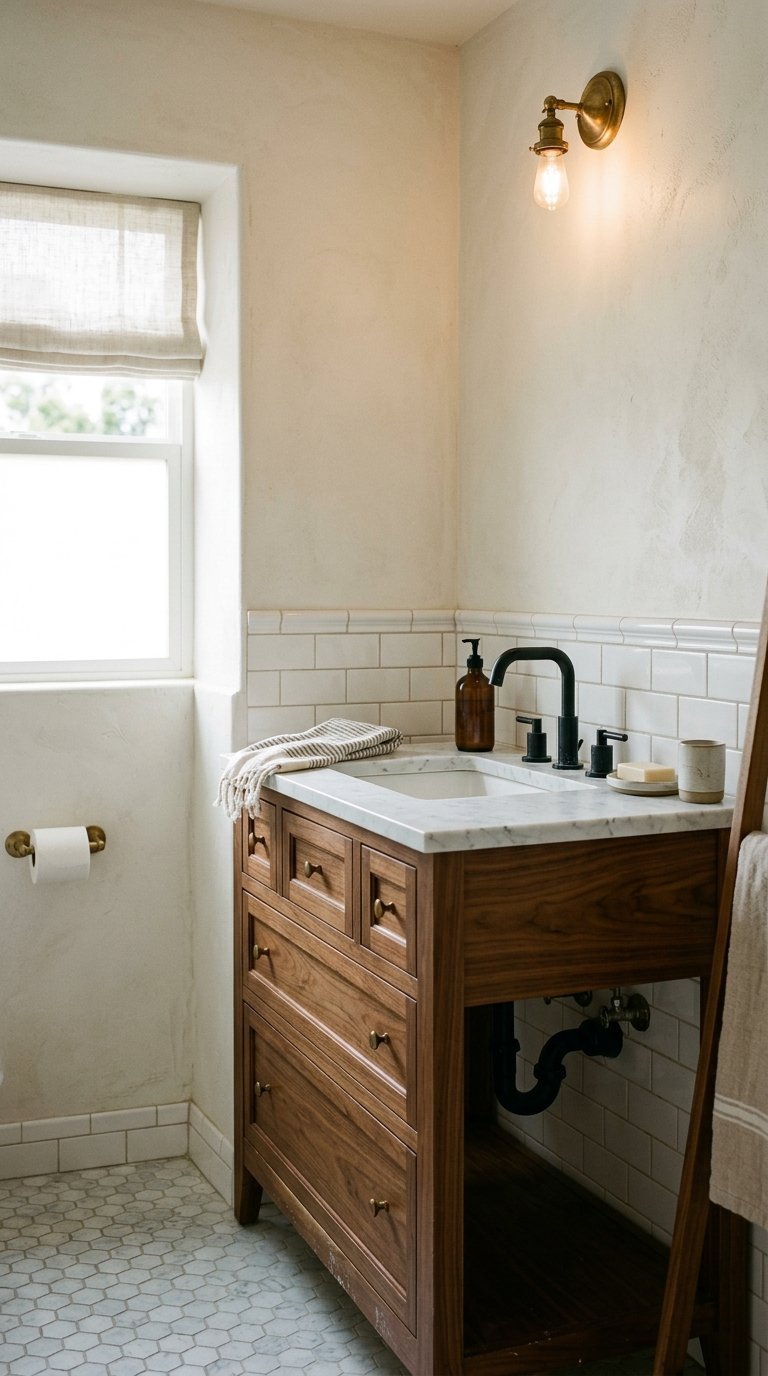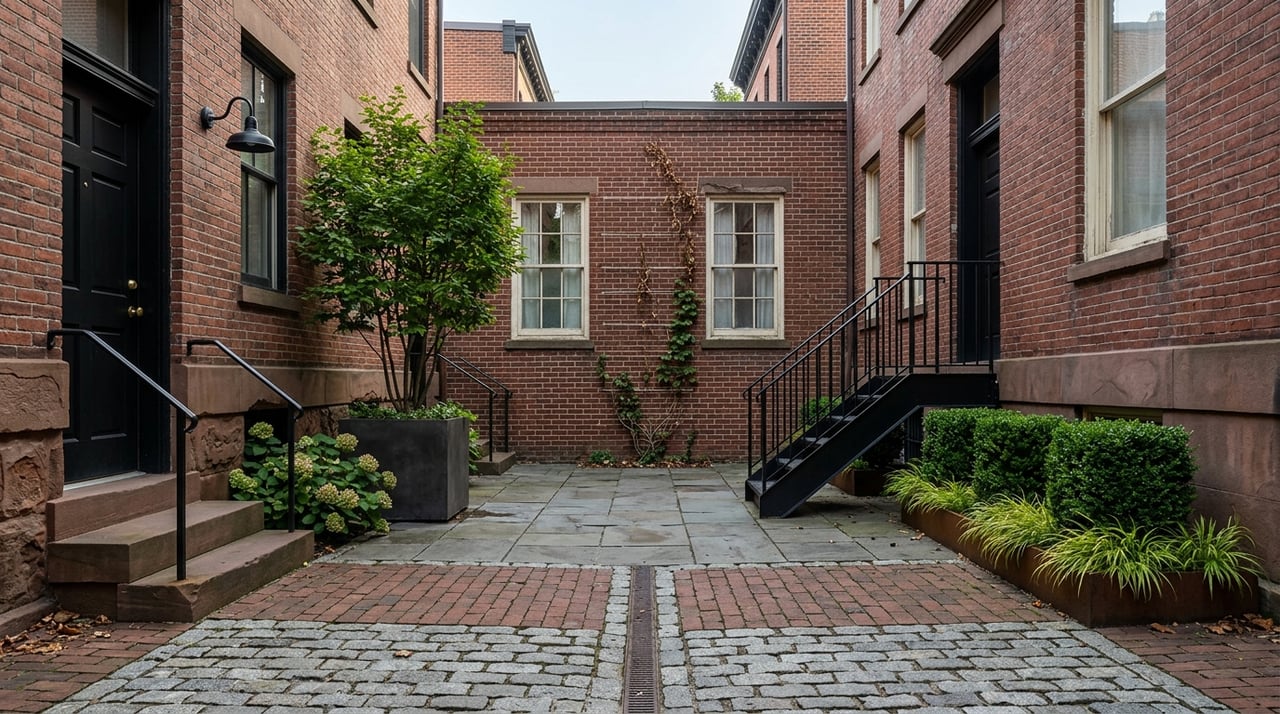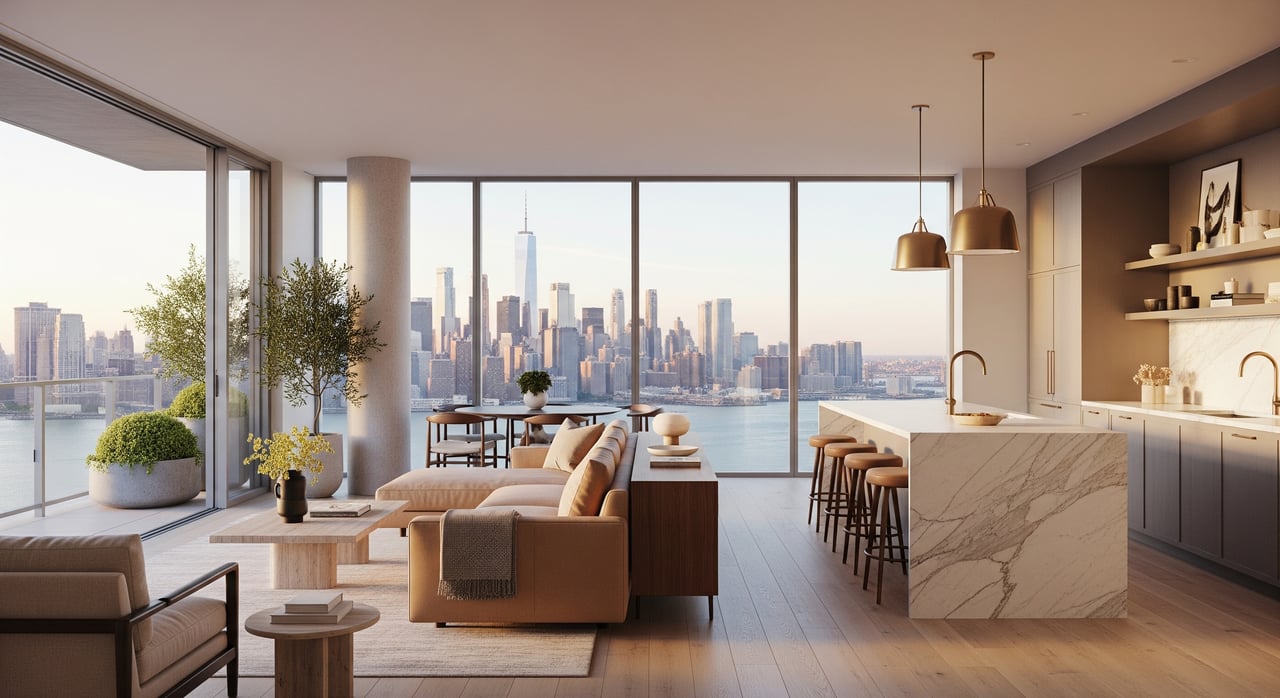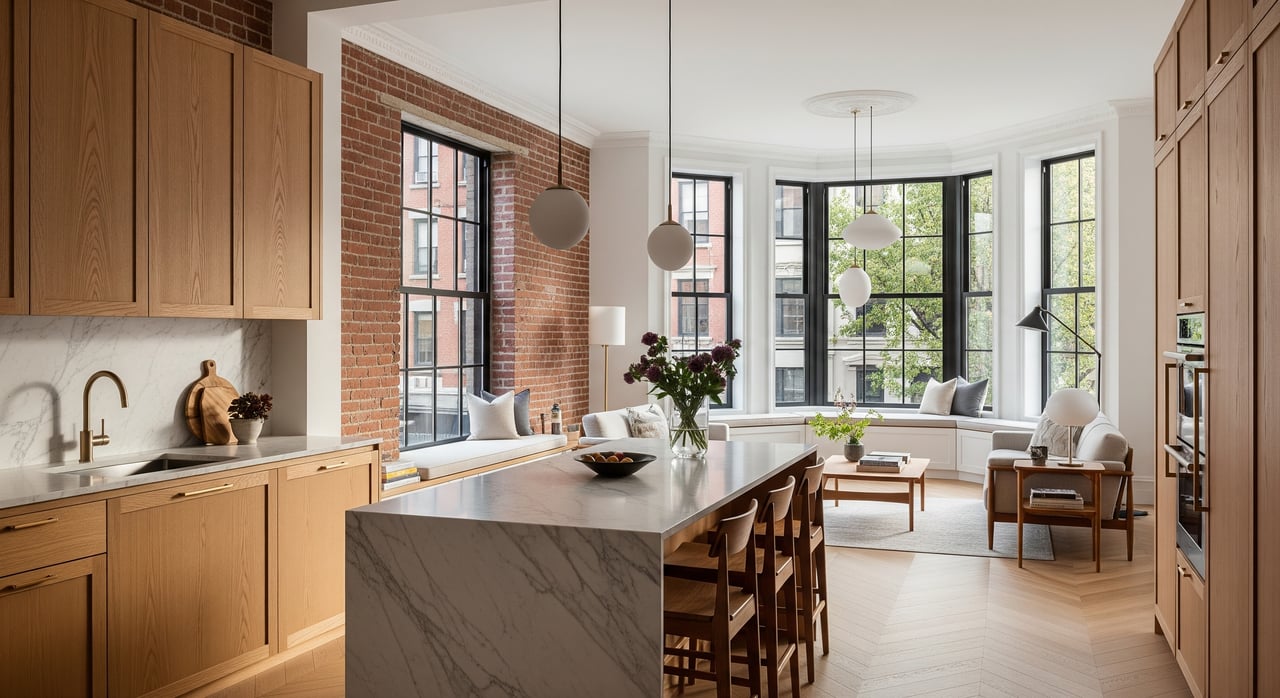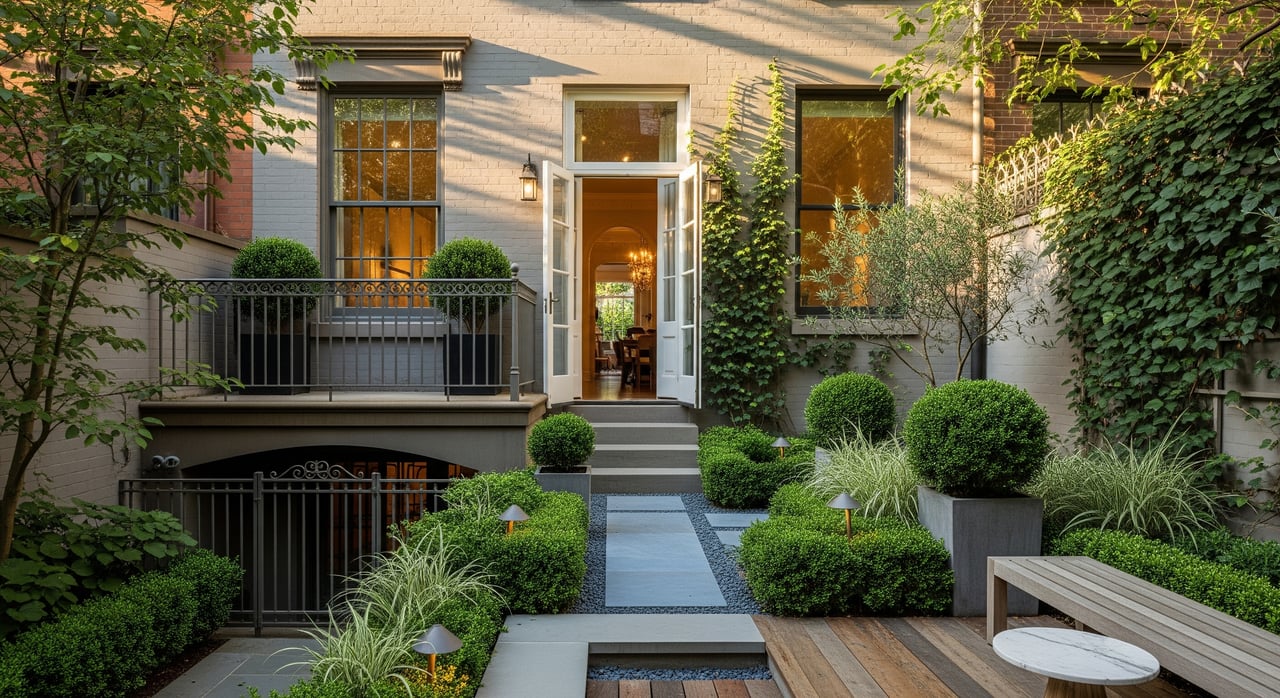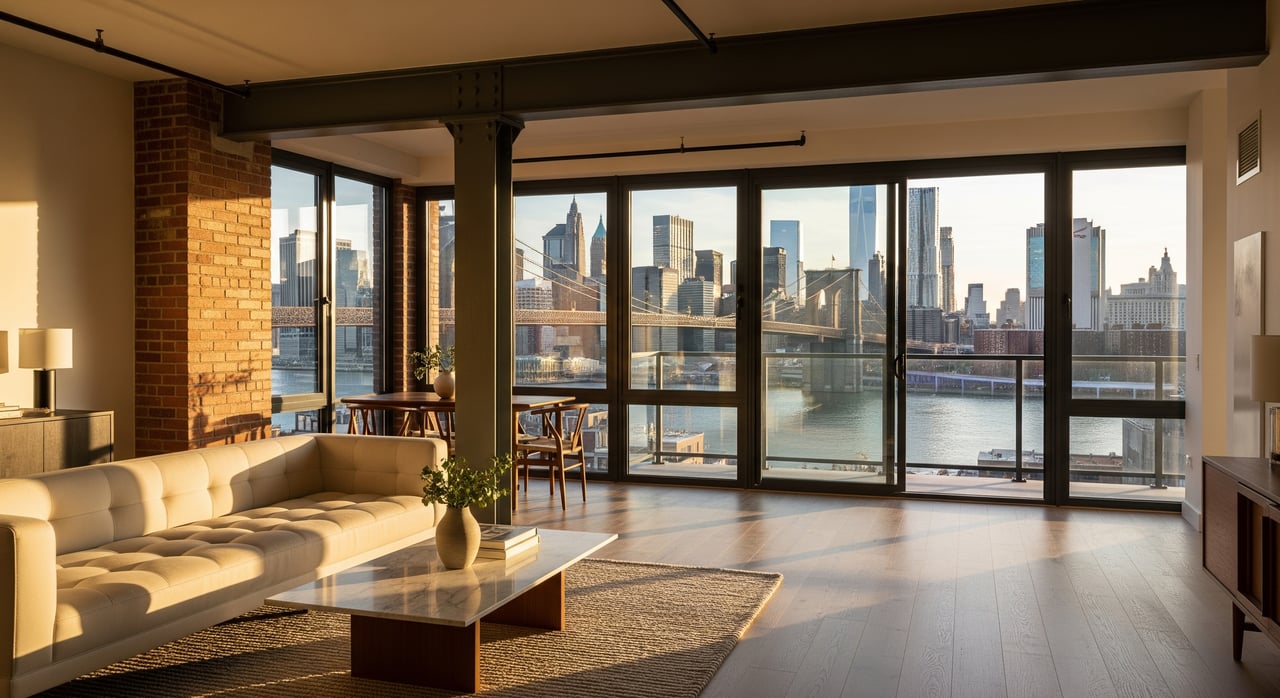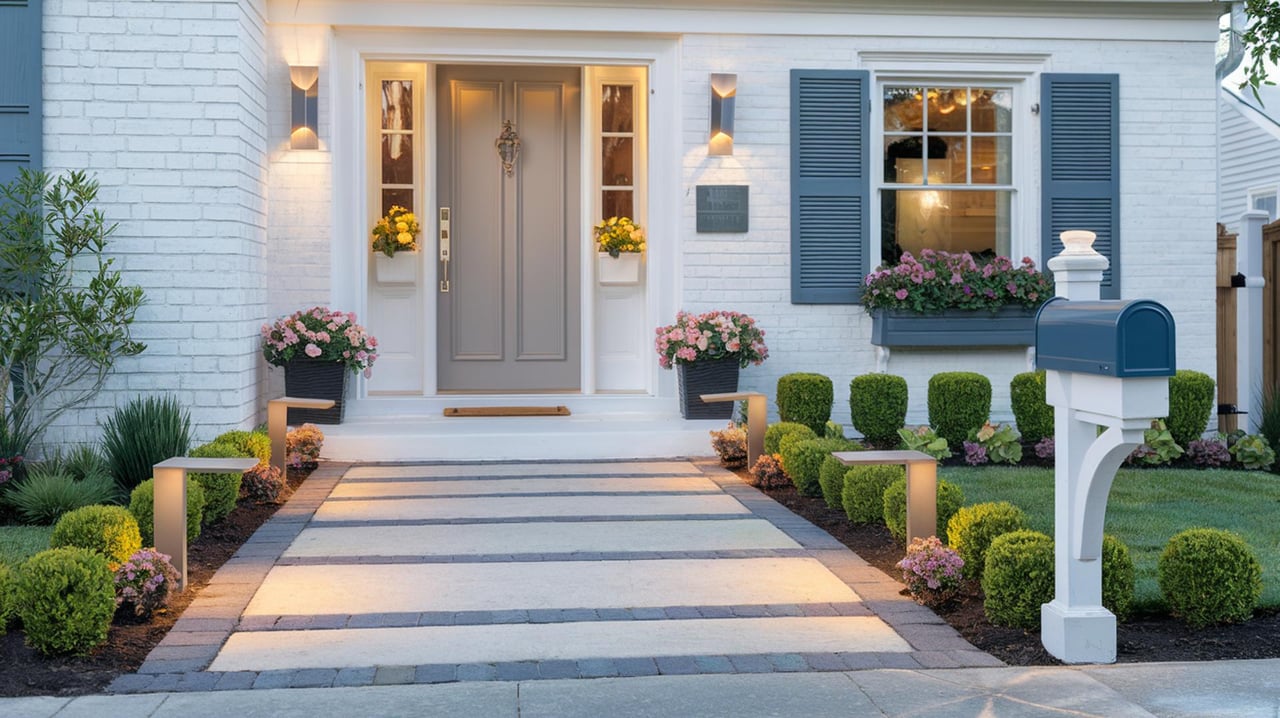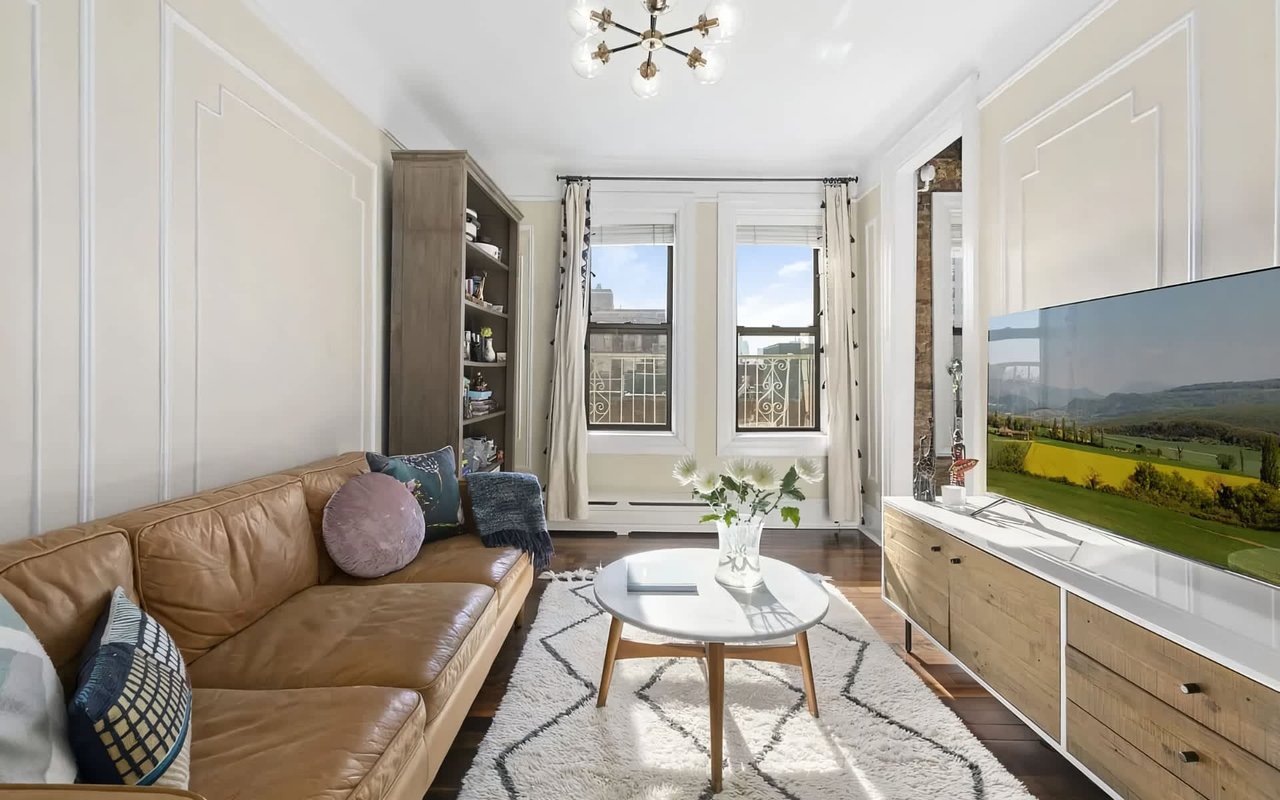
A beautifully renovated Fort Greene townhouse can command a premium, but only if you price it precisely. You invested in design, systems, and craftsmanship. Now you need the market to see and pay for that value. In this guide, you’ll learn what drives pricing in Fort Greene, how renovations translate into dollars, the exact steps to set a smart list price, and the documents that help you defend it. Let’s dive in.
What drives value in Fort Greene
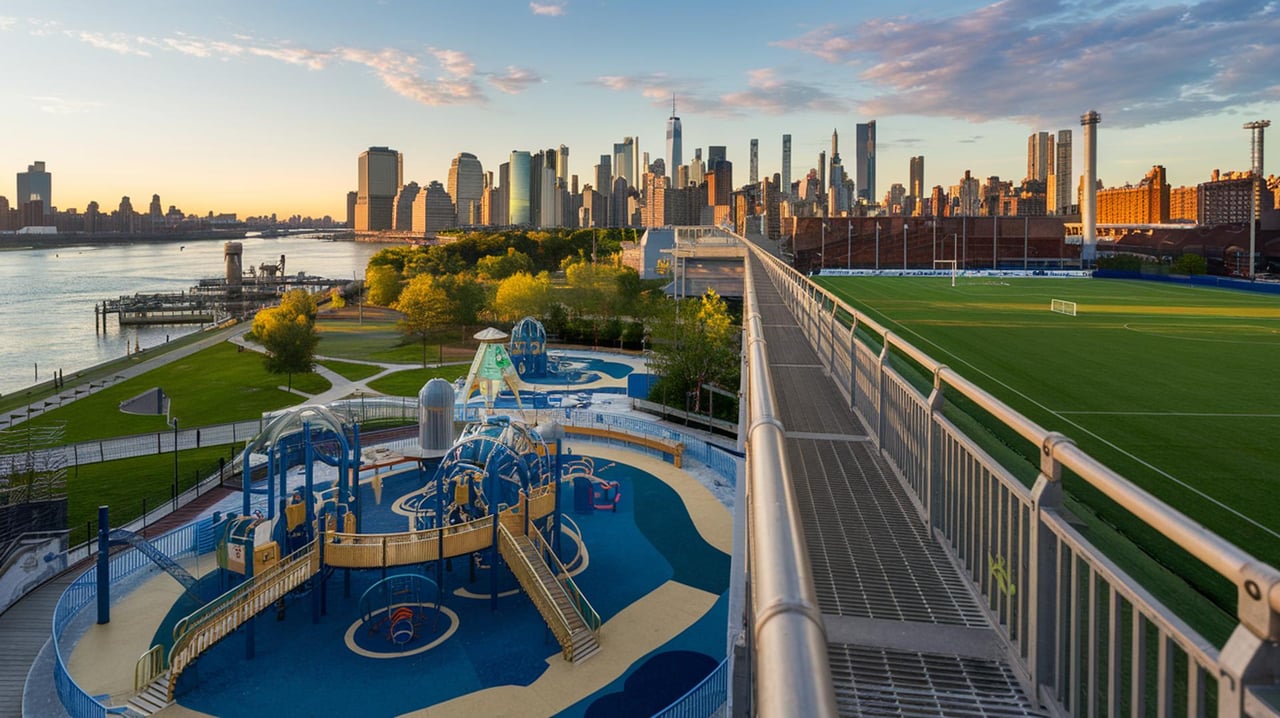
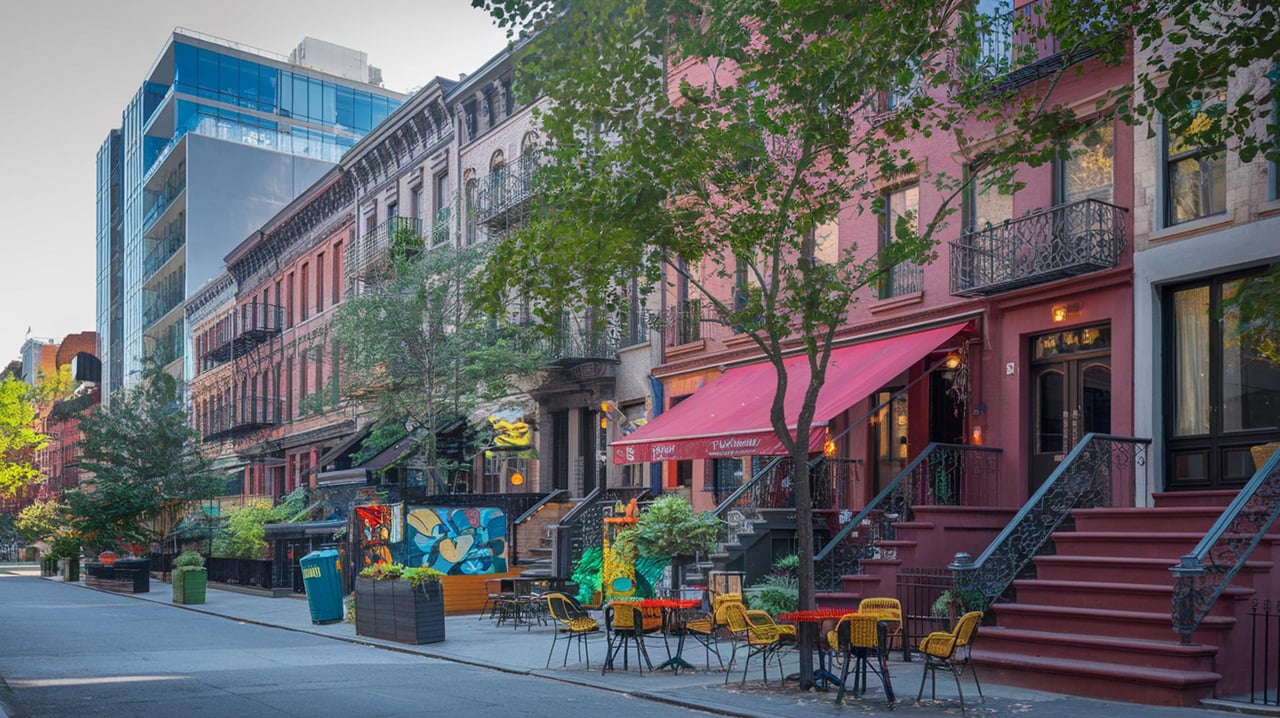
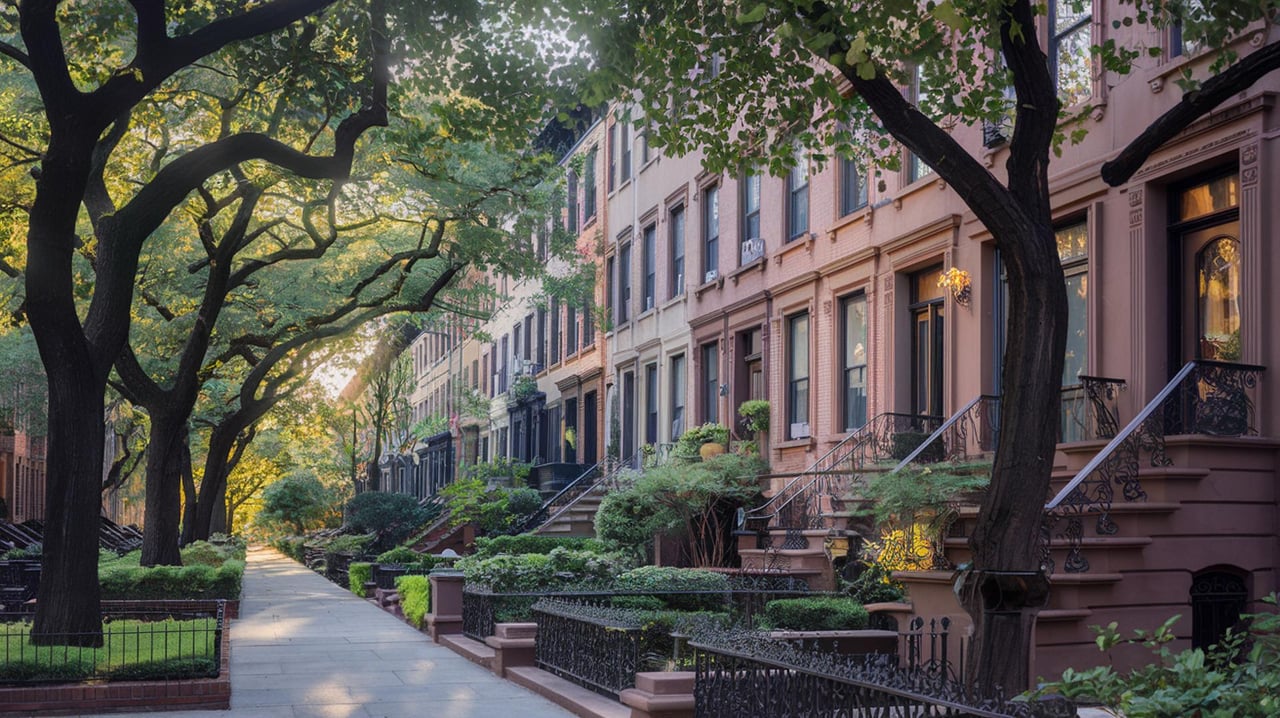
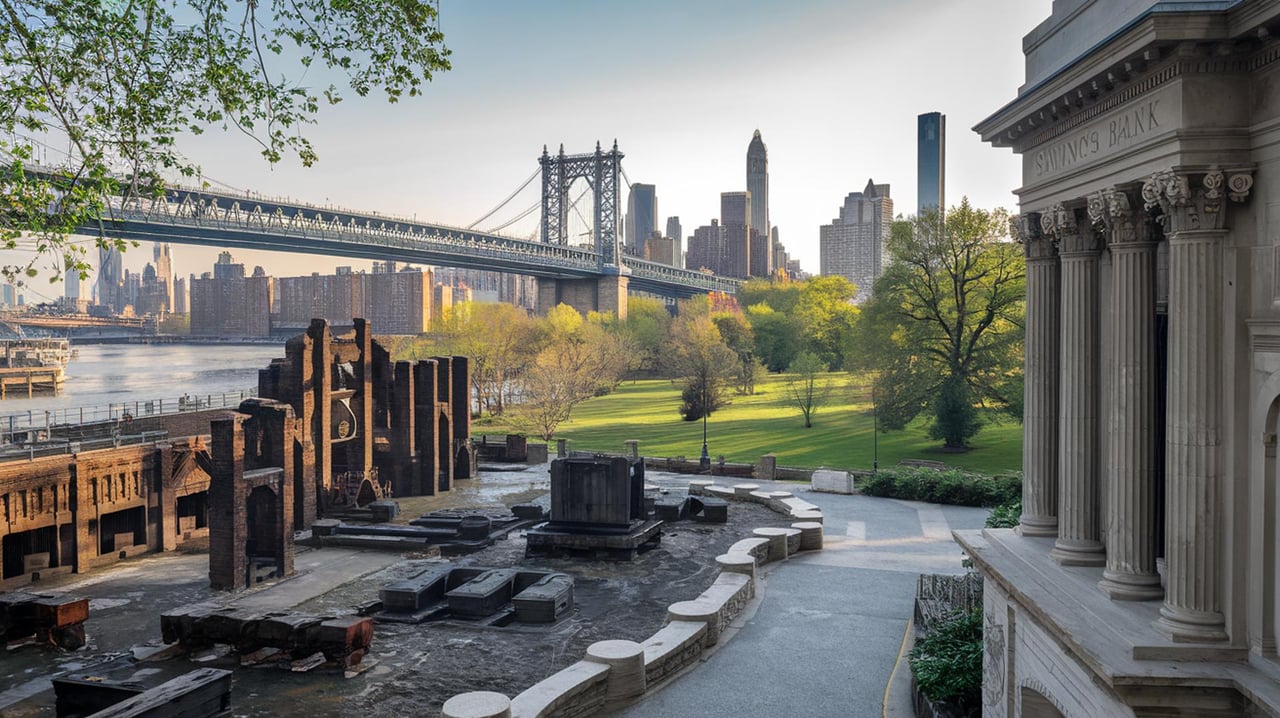
Fort Greene is prized for transit access, walkability, and green space. Buyers pay attention to proximity to the Atlantic Avenue–Barclays Center transit hub, local subway lines, and an easy commute to downtown Brooklyn or Manhattan. Fort Greene Park, BAM, and a lively dining scene add everyday value for many buyers.
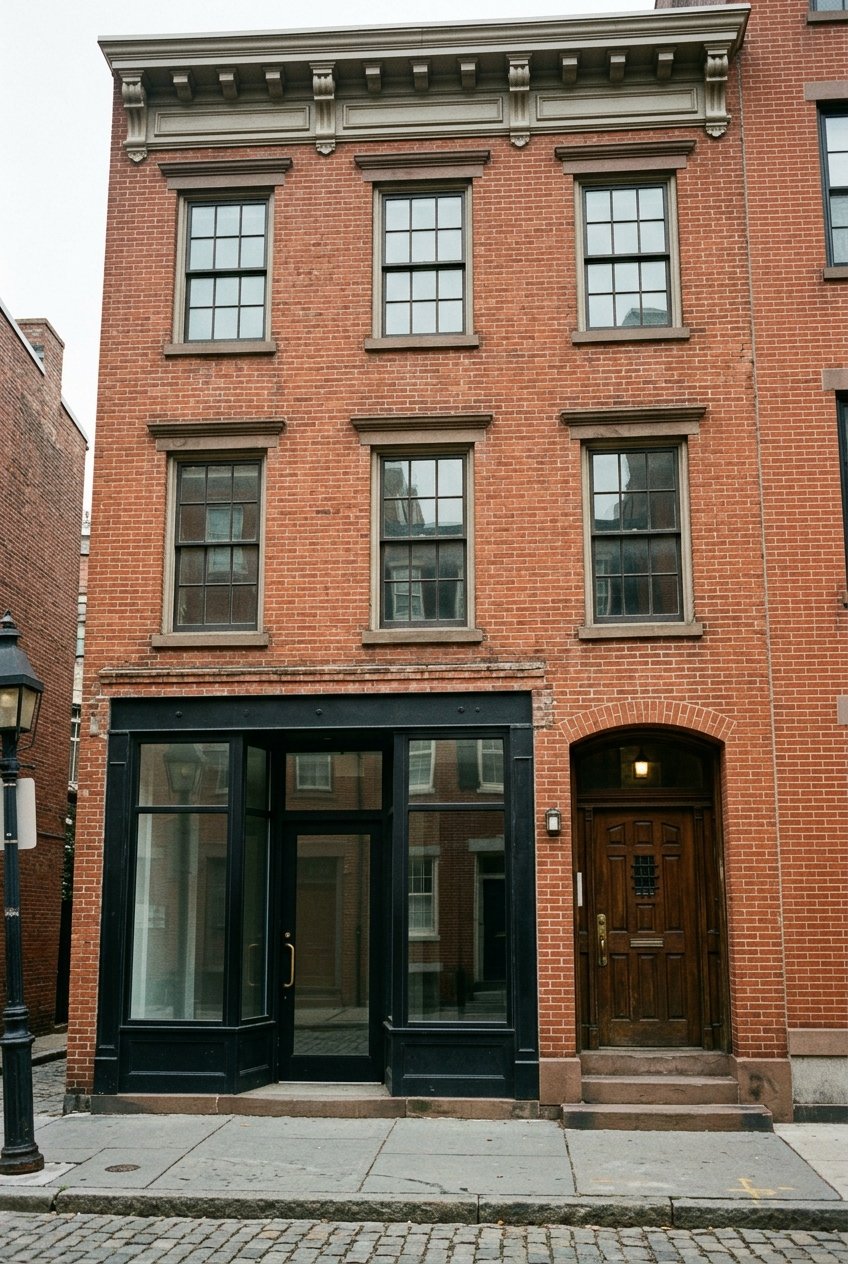
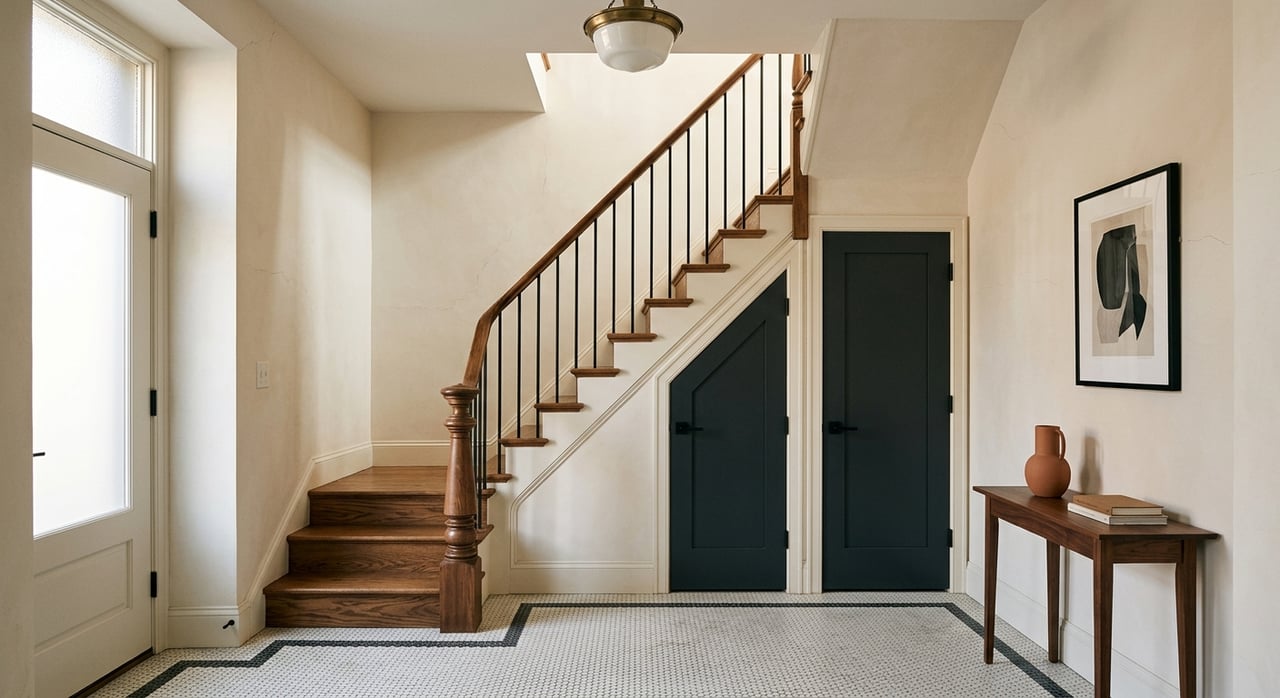
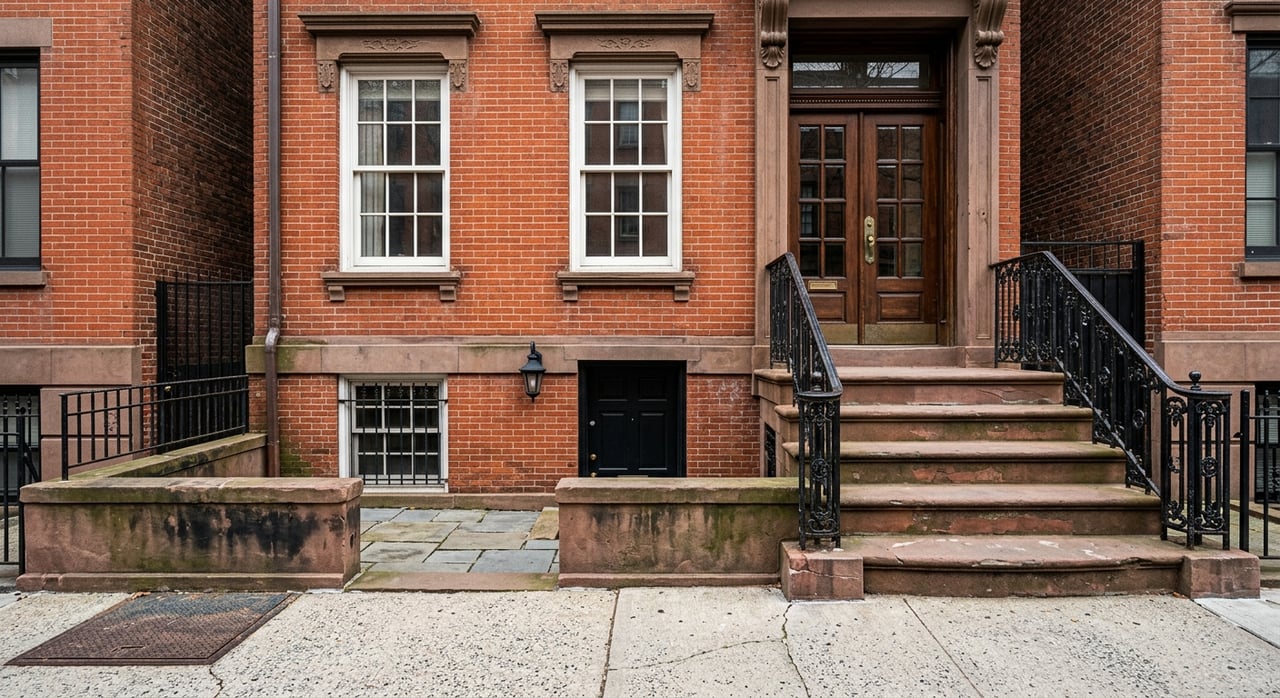
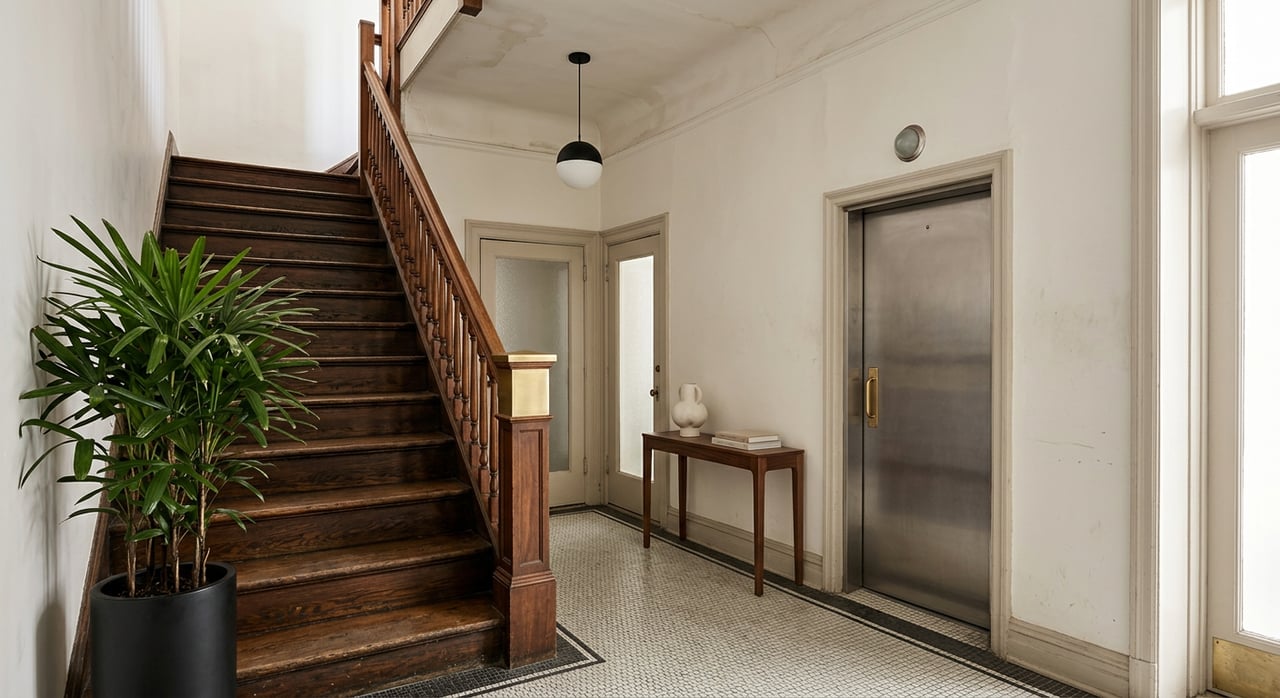
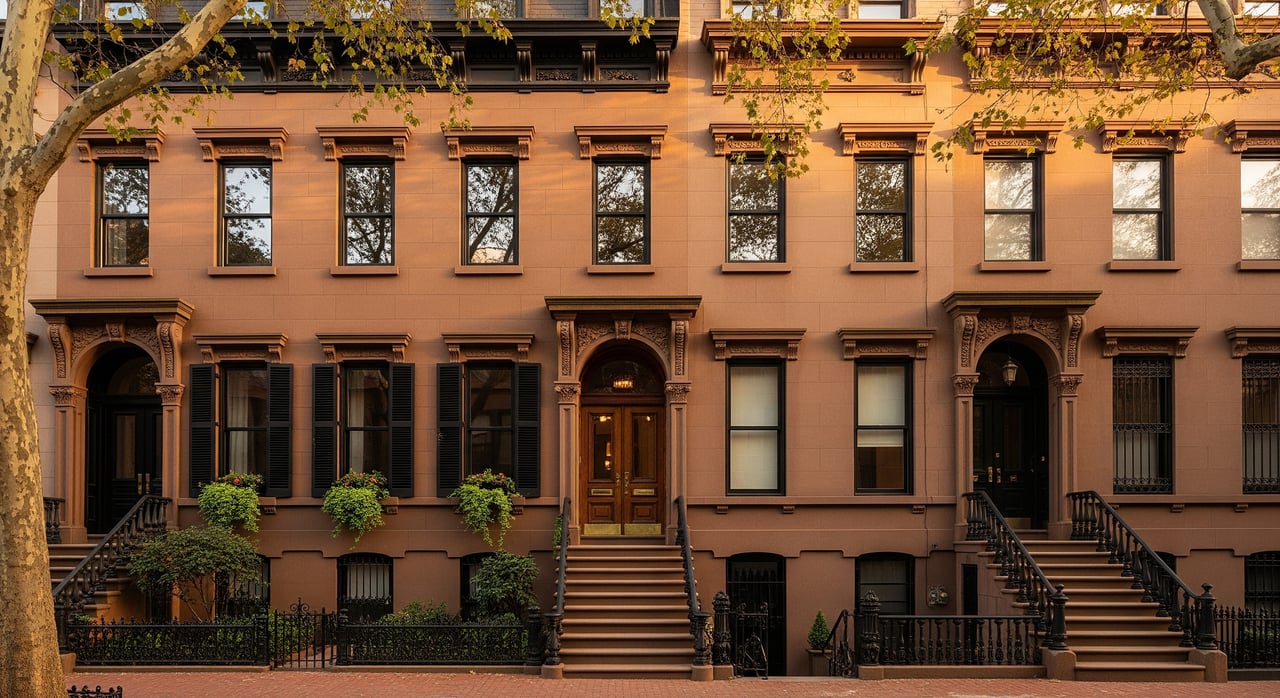
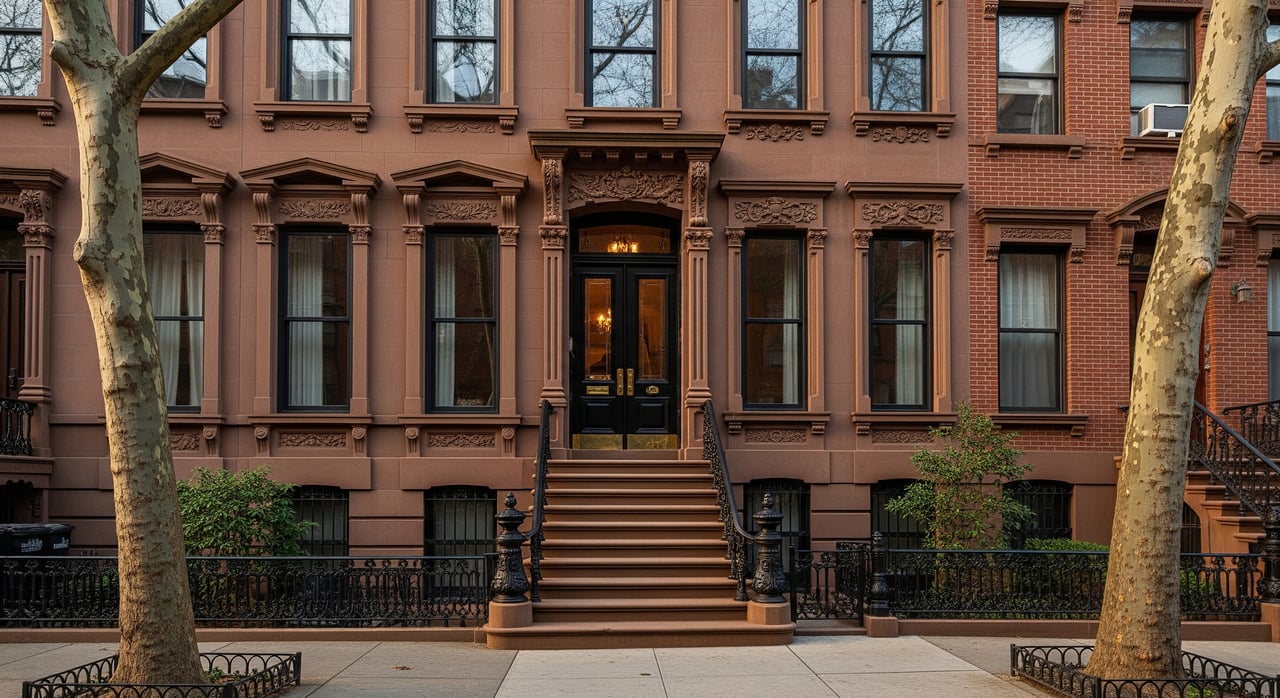
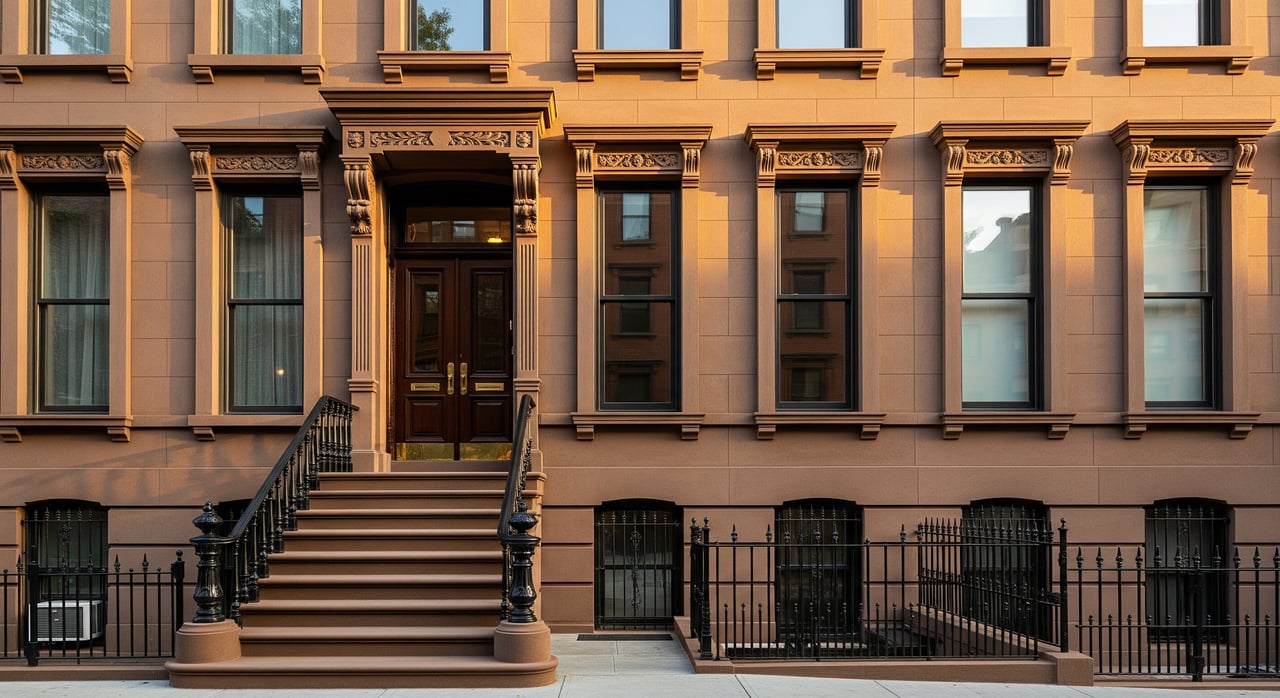
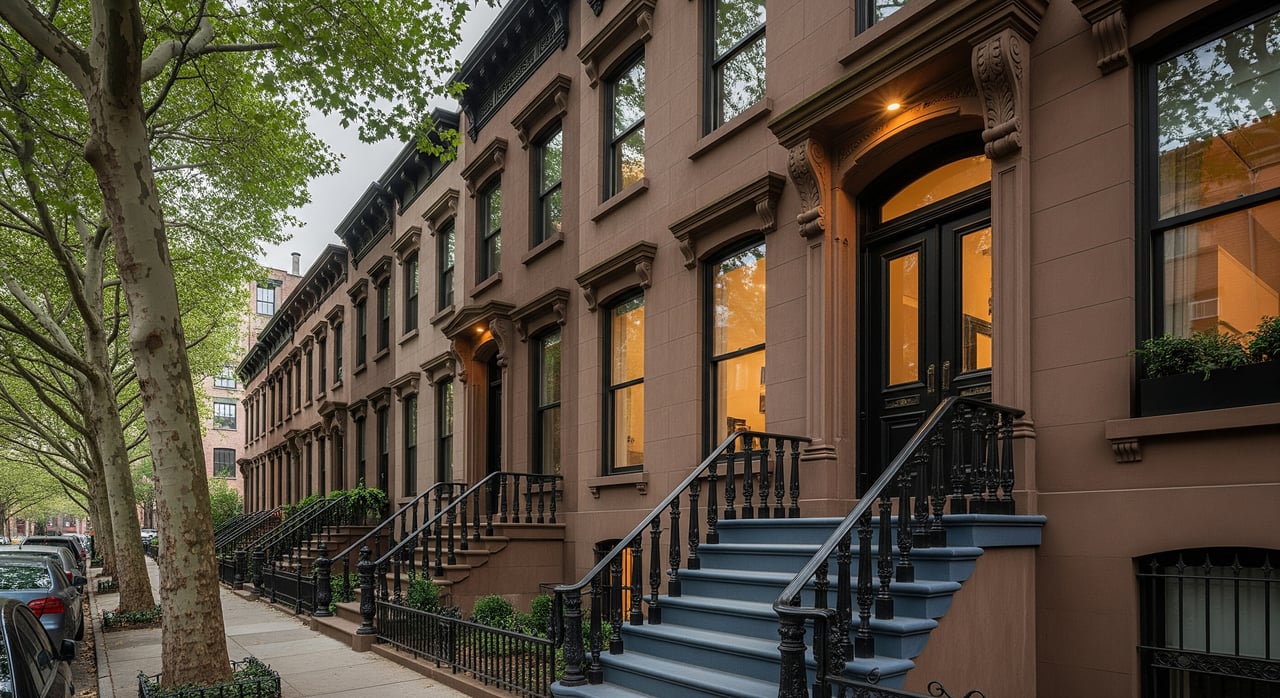
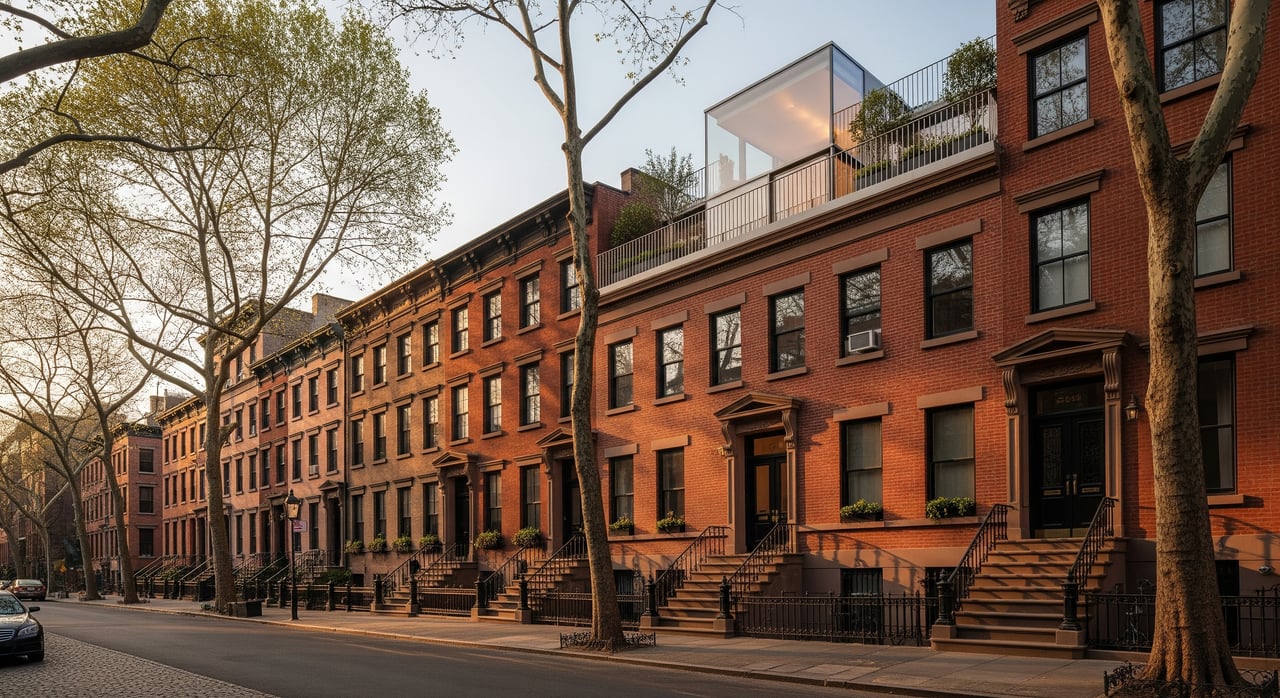
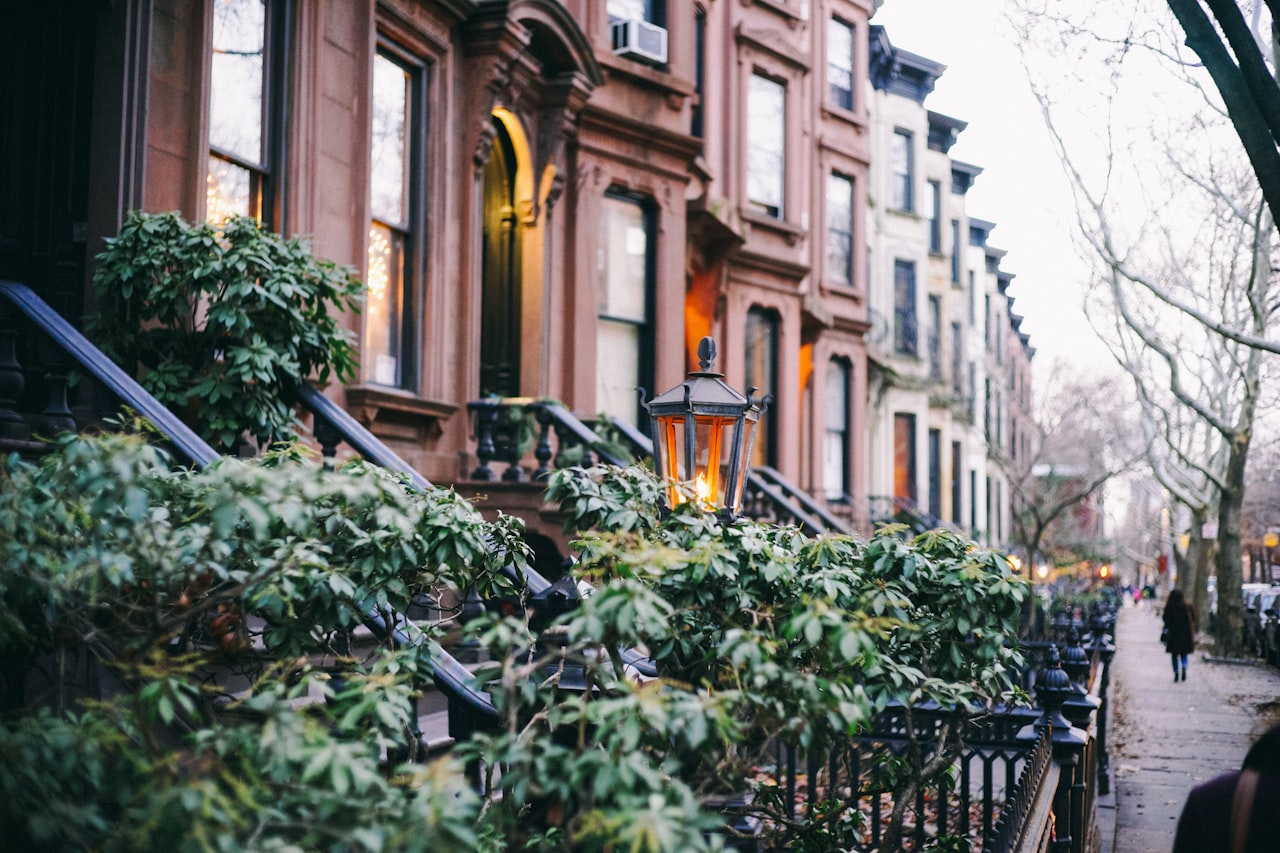
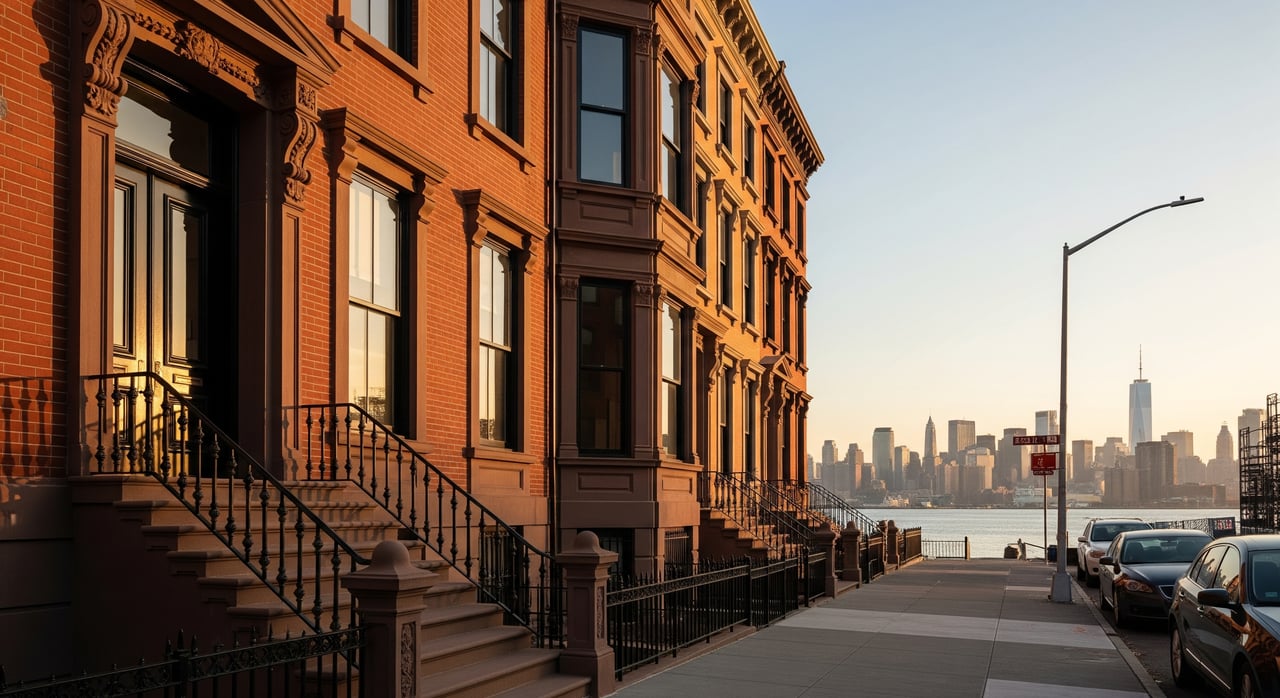
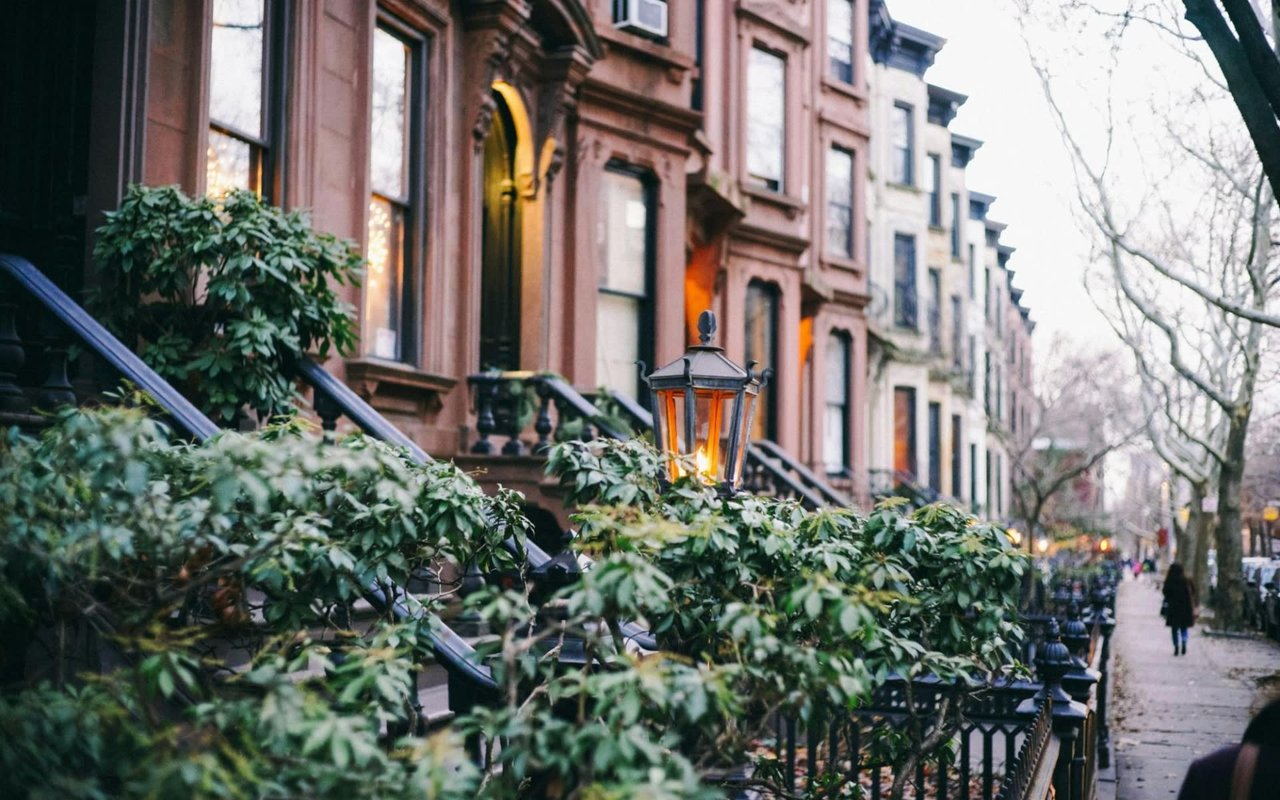
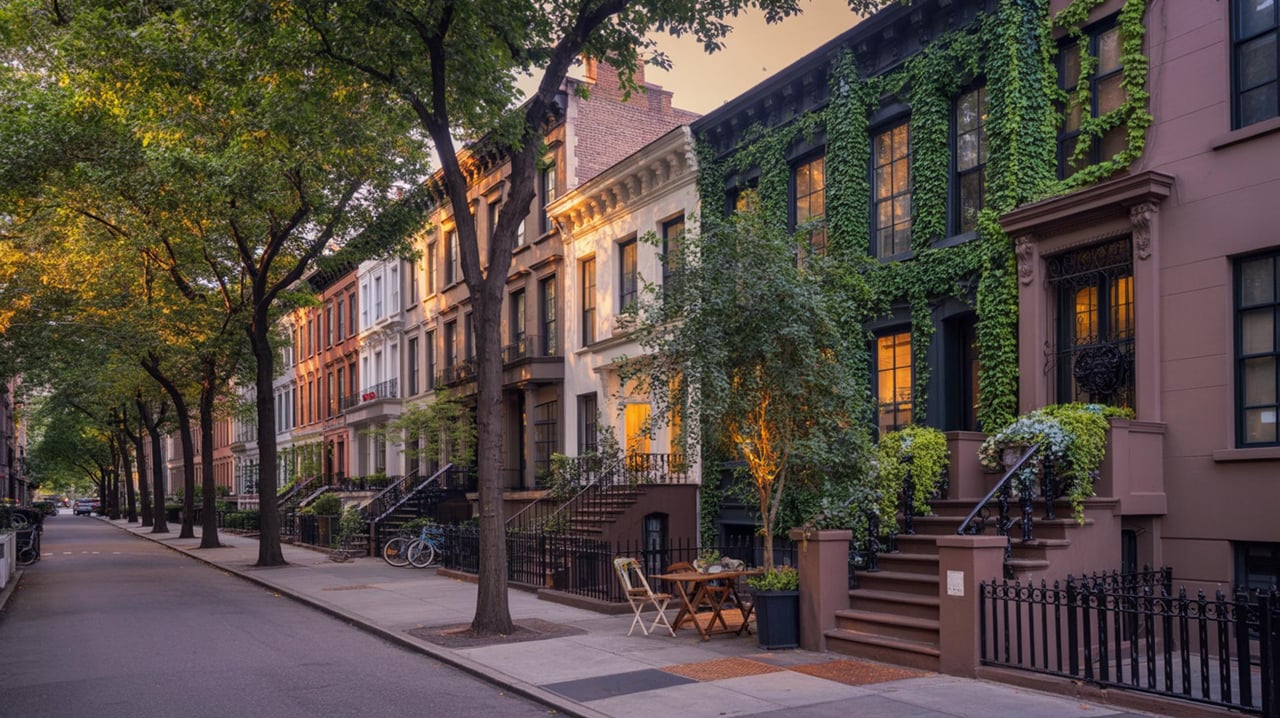
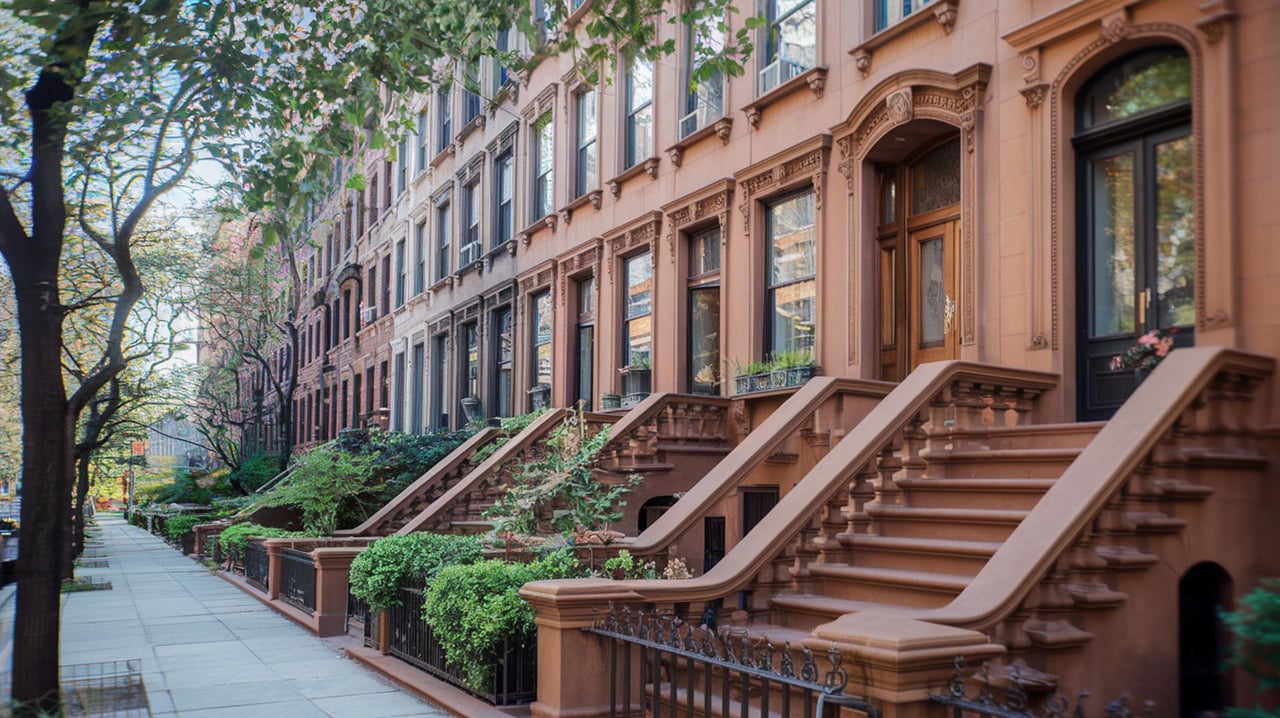
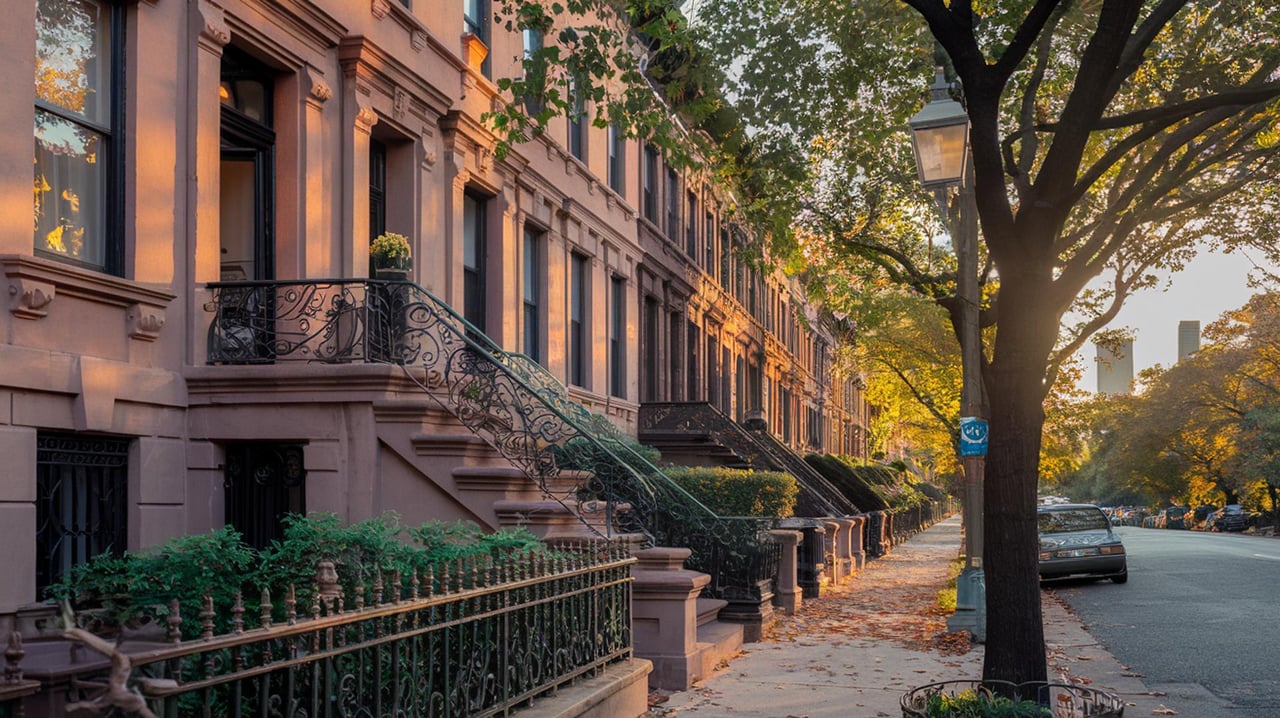
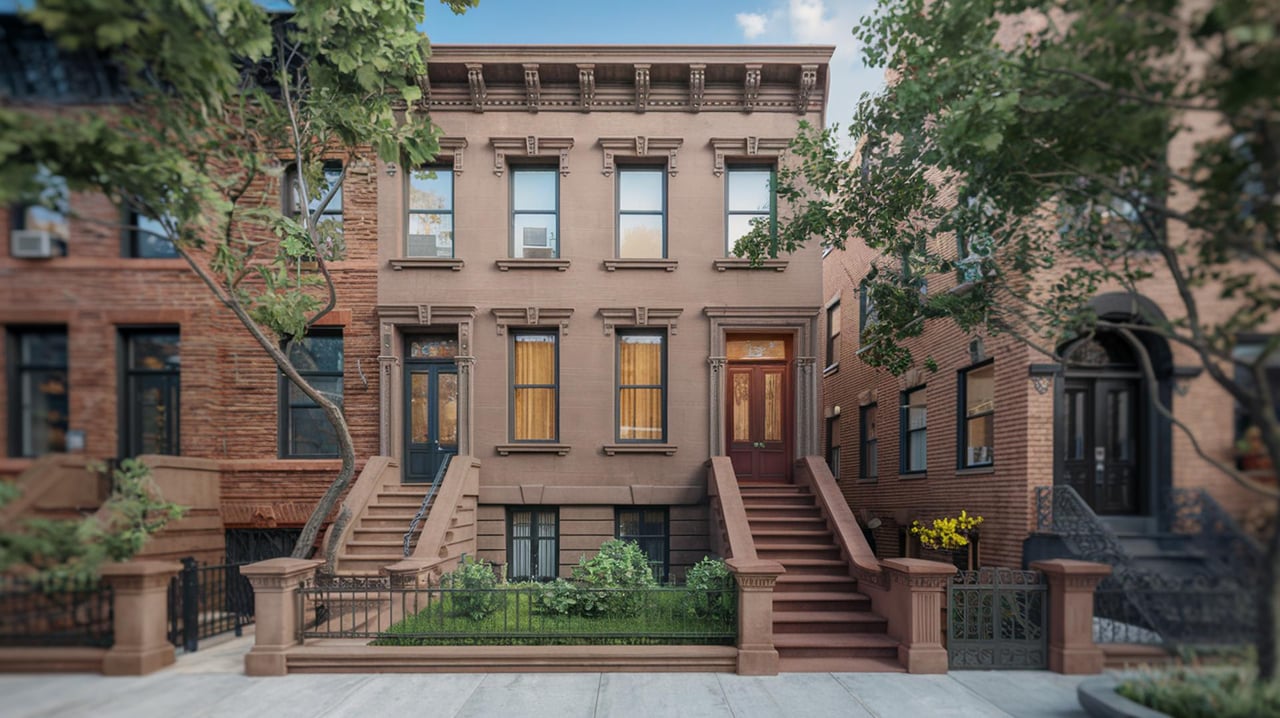
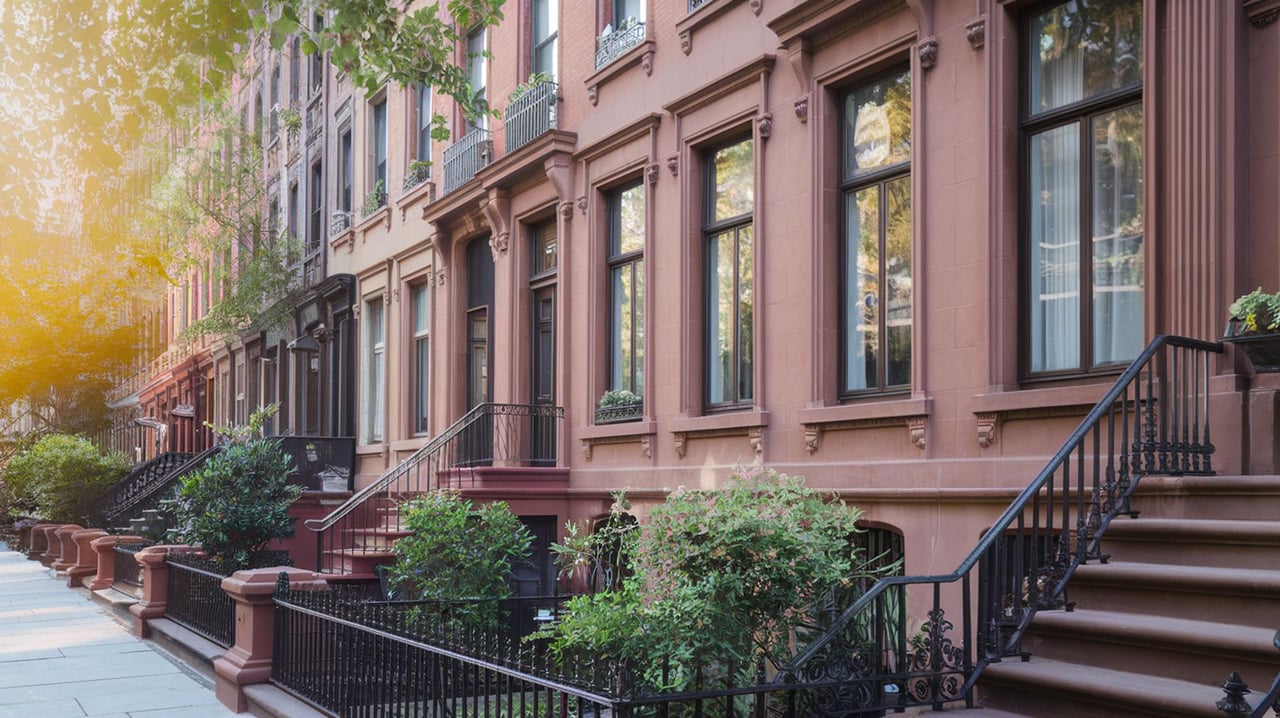
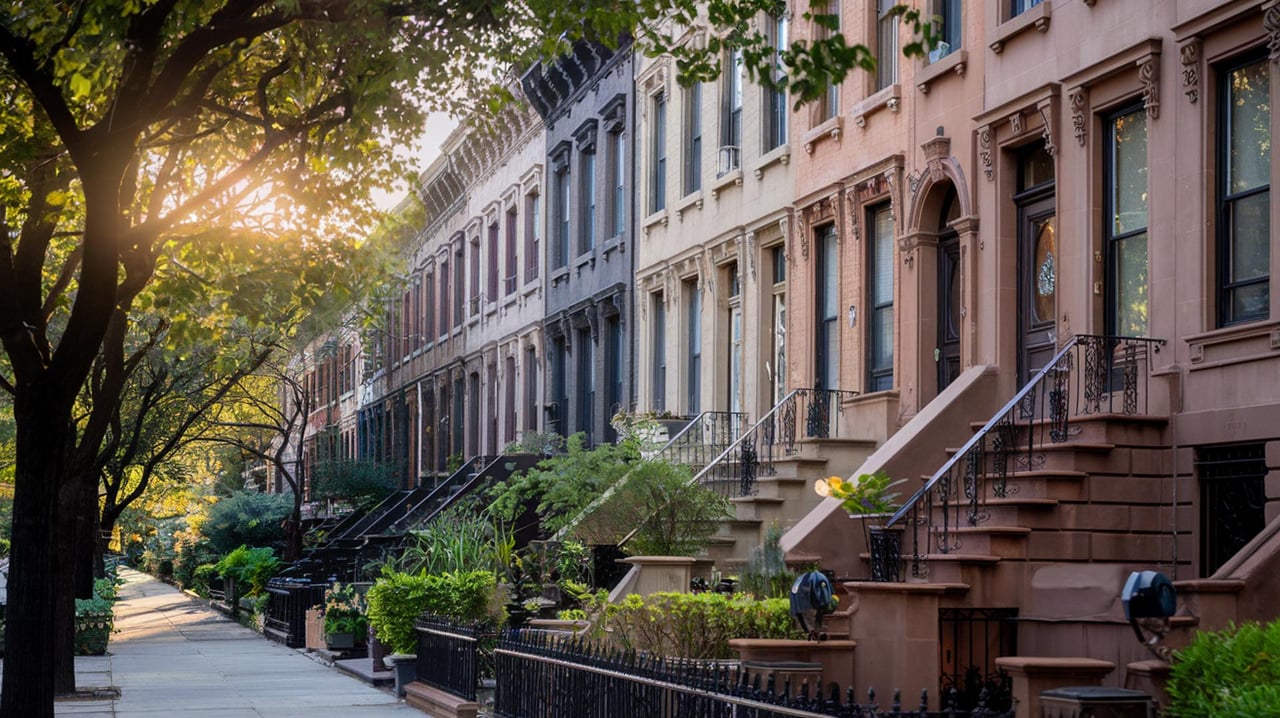
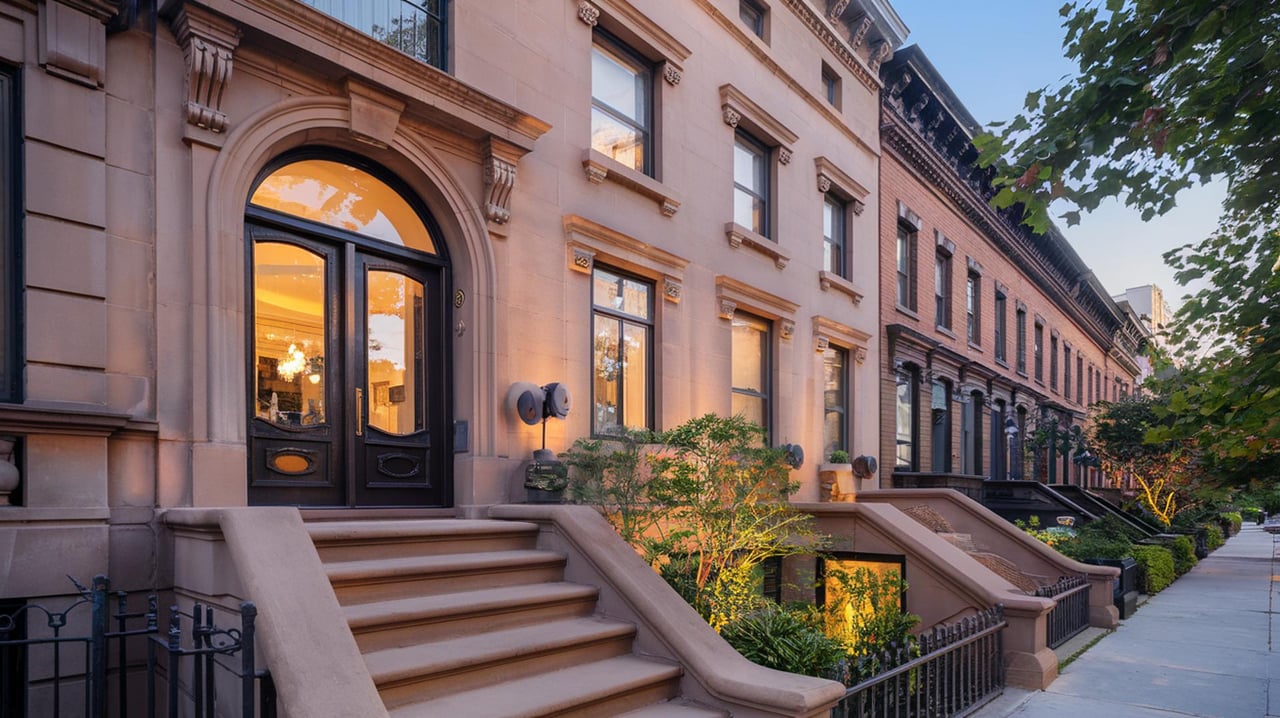
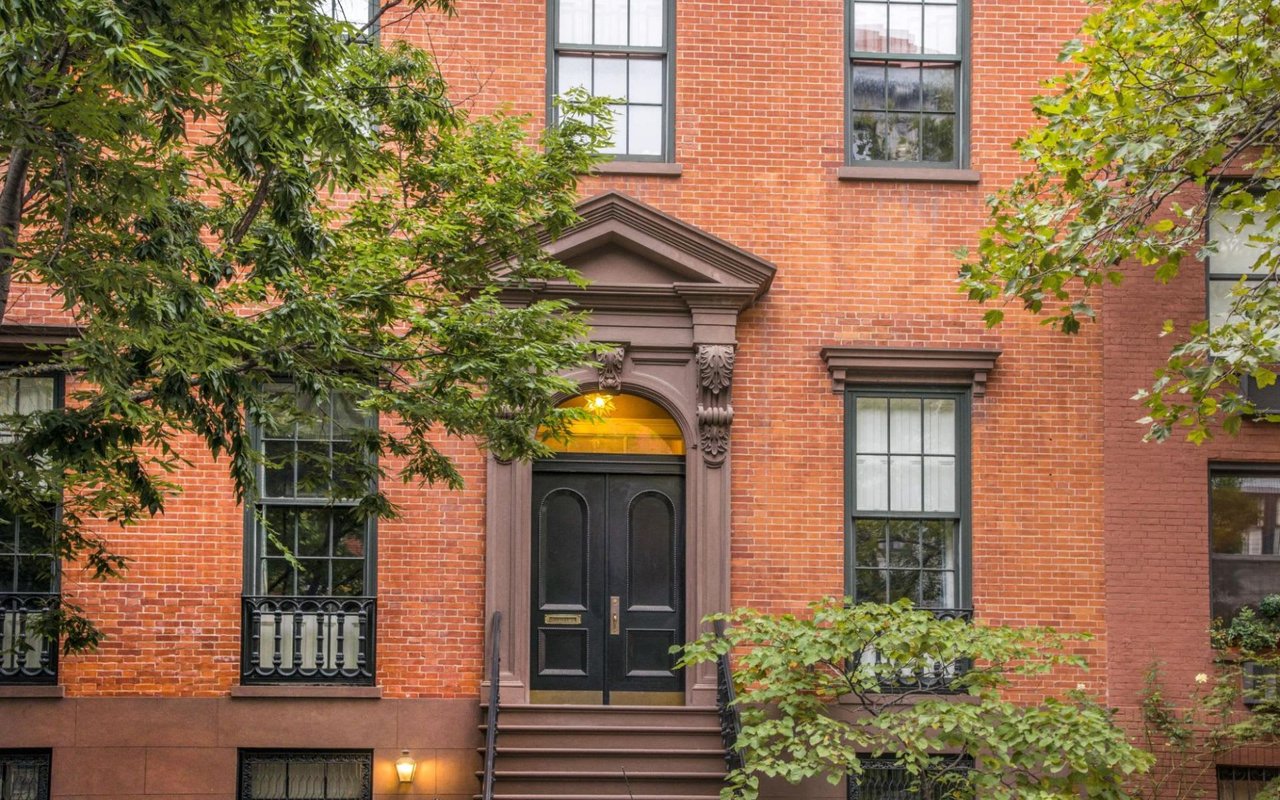
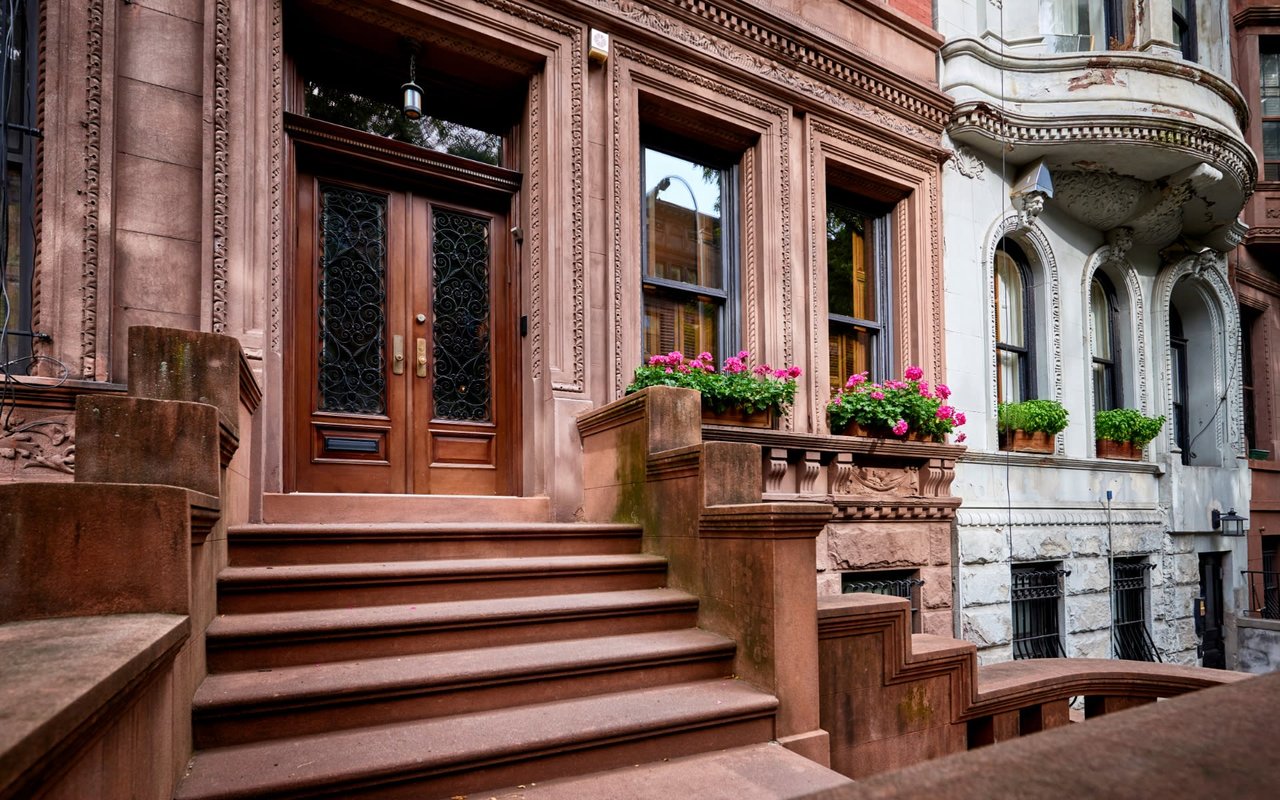
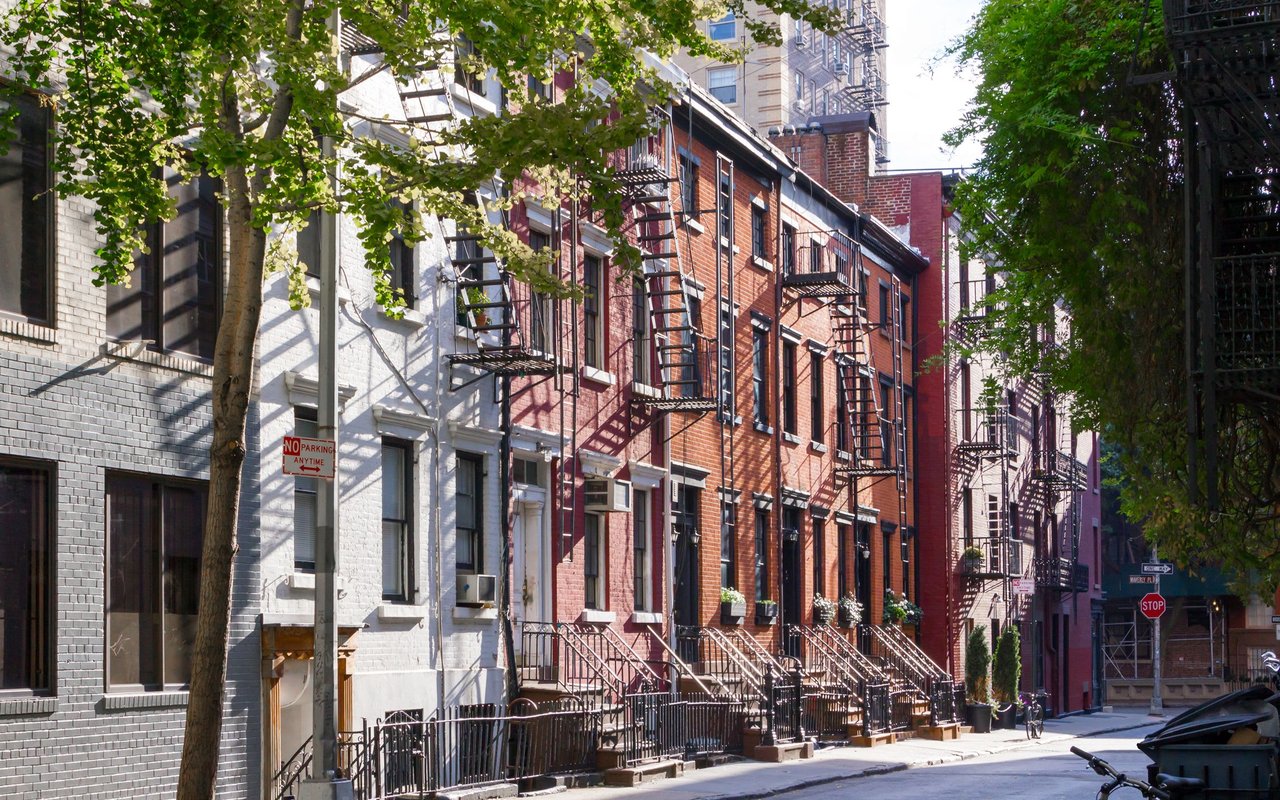
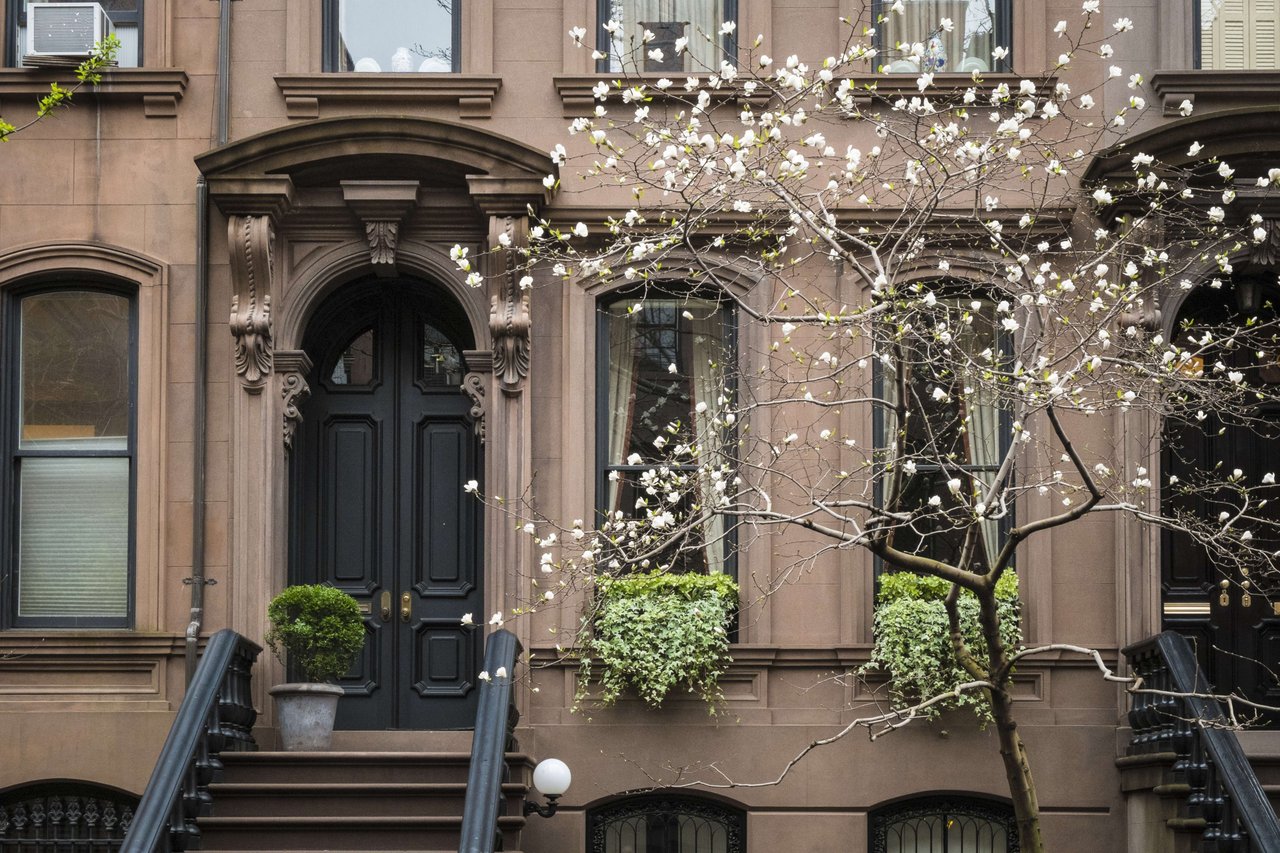
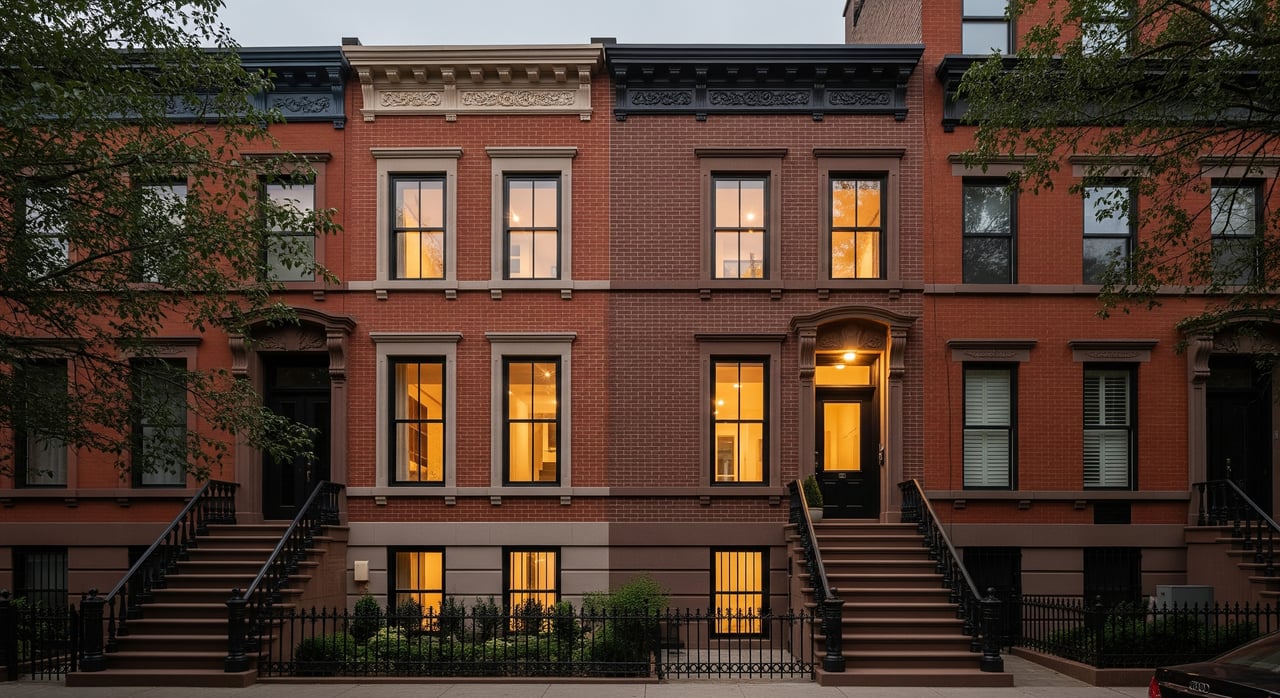
Historic blocks with cohesive brownstone architecture are a draw, especially when original detail is intact or properly restored. School zones and childcare options influence family buyers, but you should keep references neutral and factual. Outdoor space and a quiet streetscape add to appeal across buyer segments.
Renovations and price impact
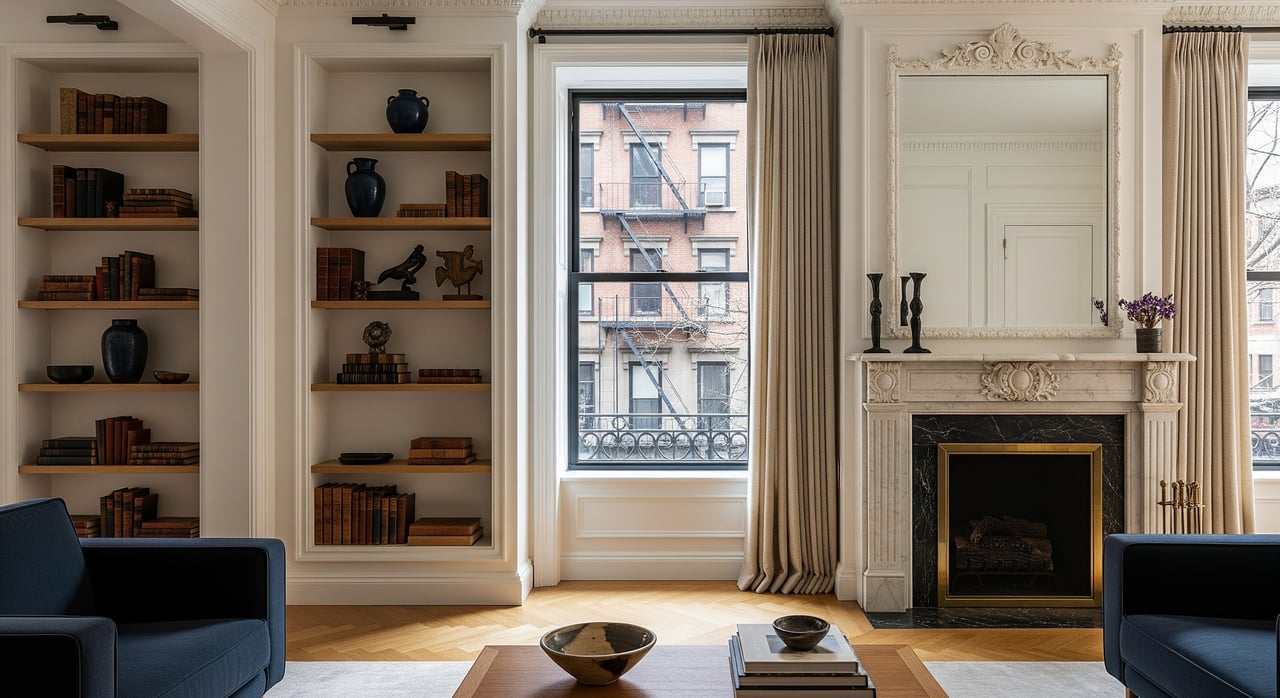
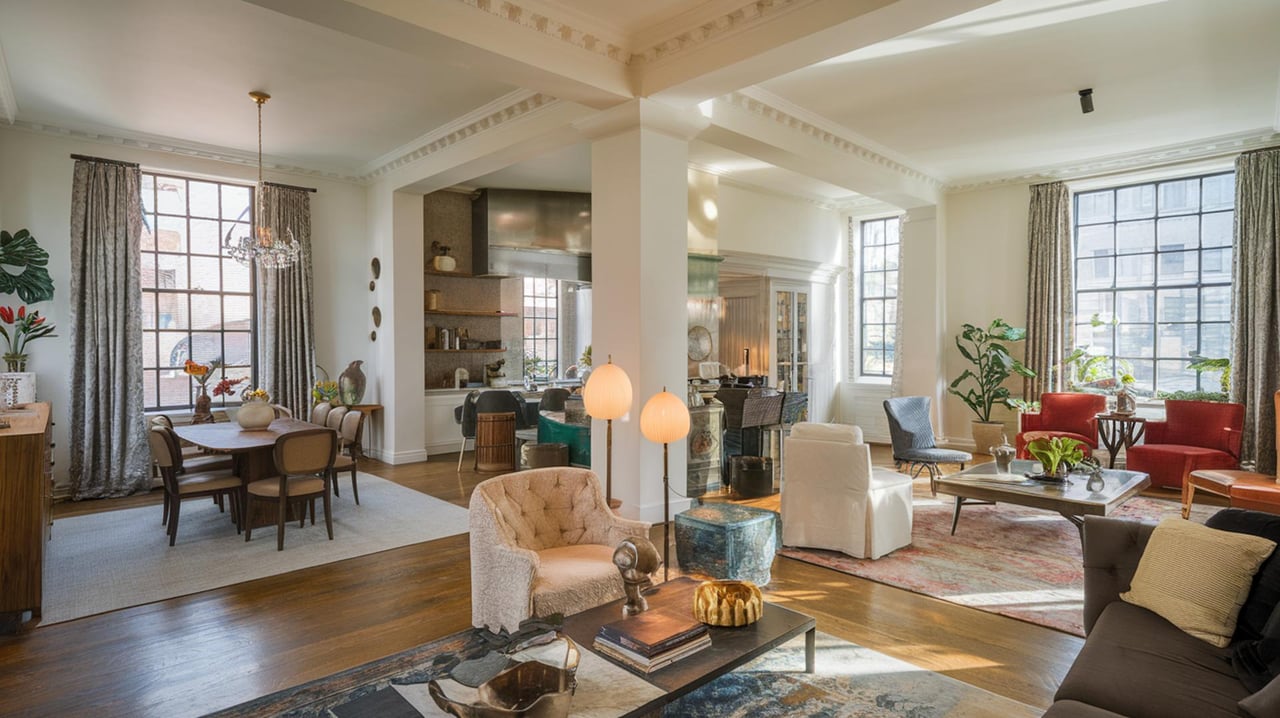
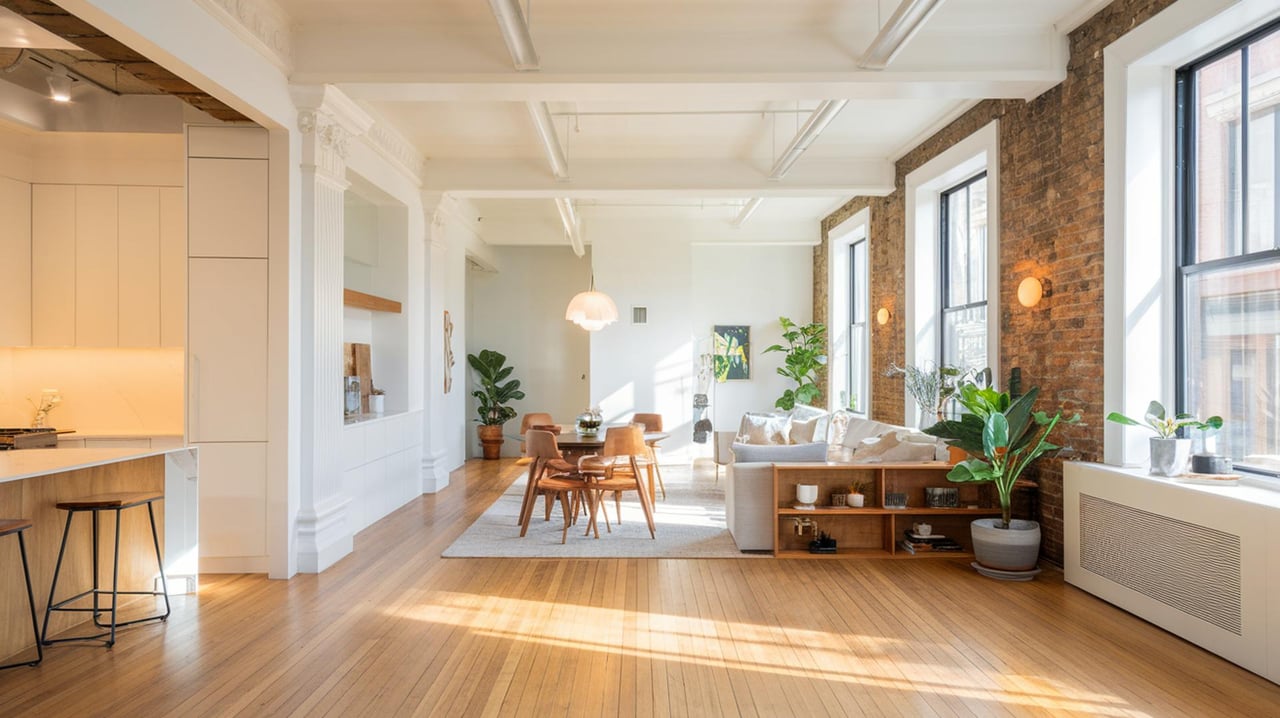
Renovations change how buyers perceive risk, effort, and lifestyle fit. Well-executed work can move your home into a higher pricing tier compared with similar-size but dated houses. Fully gut-renovated, turnkey townhouses often sell at a premium over unrenovated or cosmetically updated homes. In many markets, that premium can land in the low double digits, roughly 10 to 25 percent, but it varies by block quality, buyer pool, and current conditions. Treat these figures as approximate and verify against recent Fort Greene comps.
Kitchens and baths that sell
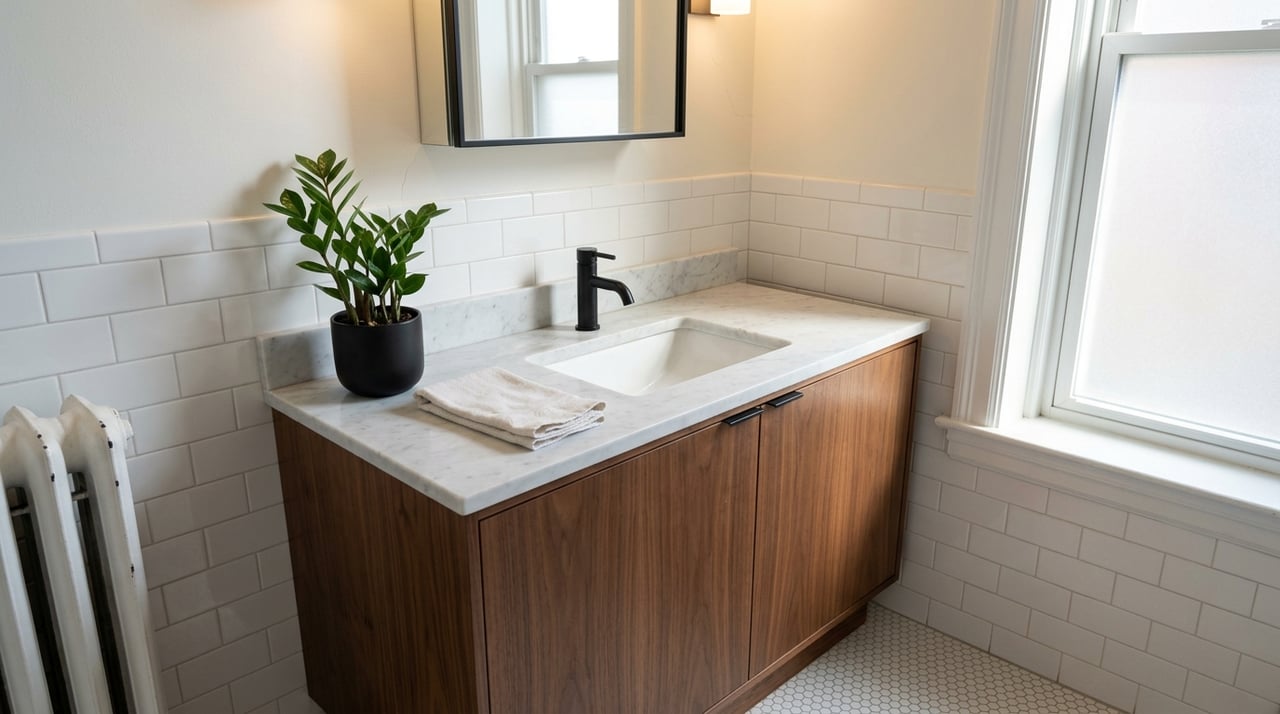
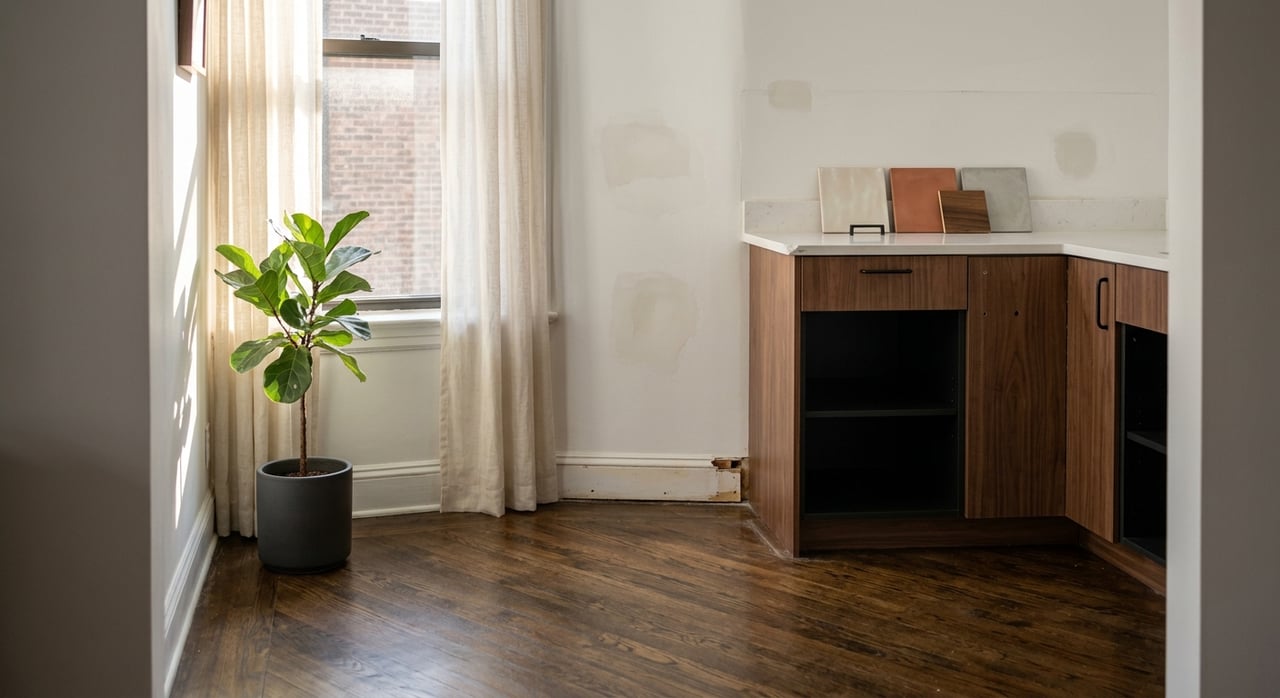
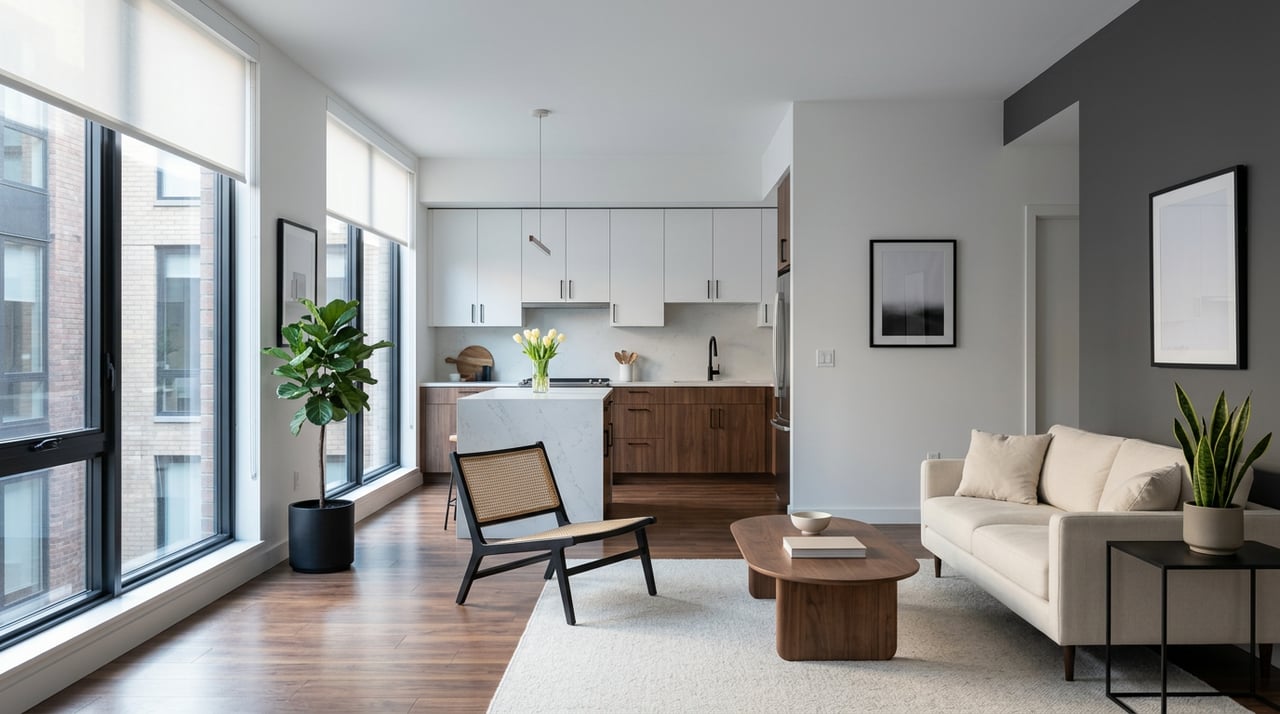
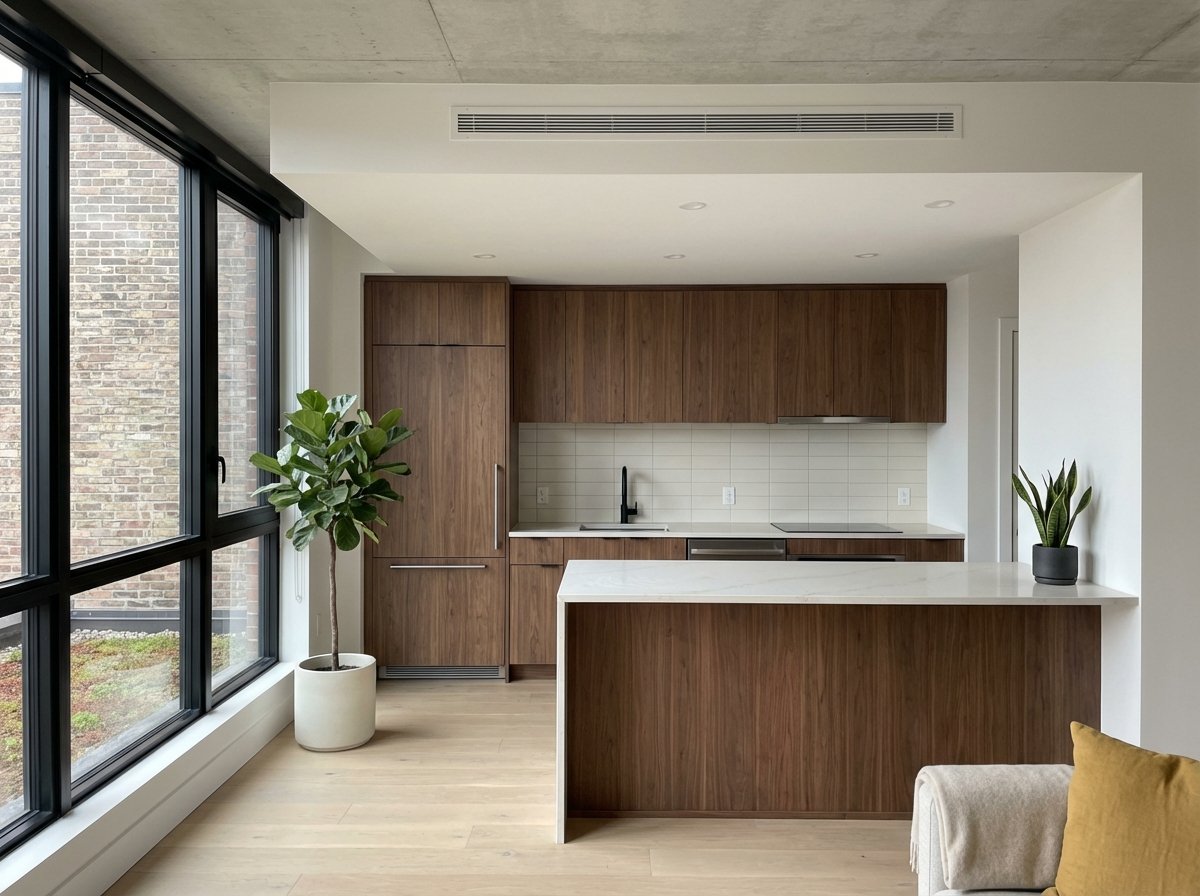
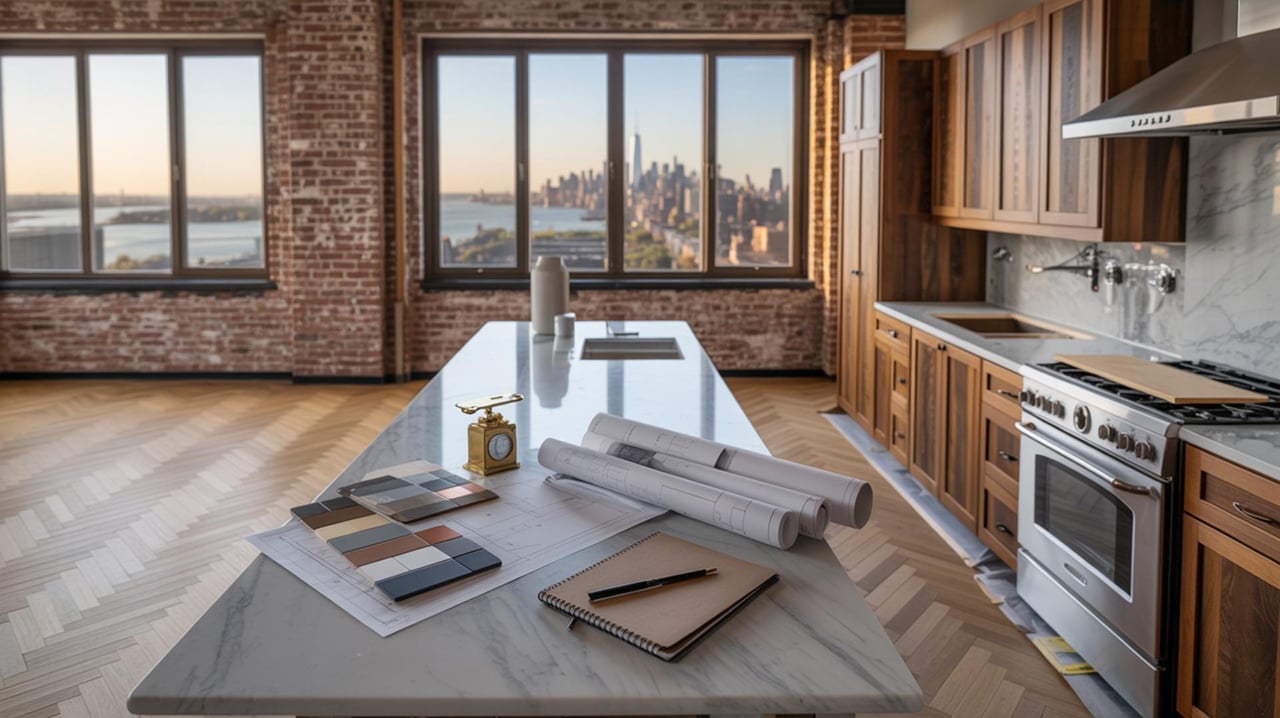
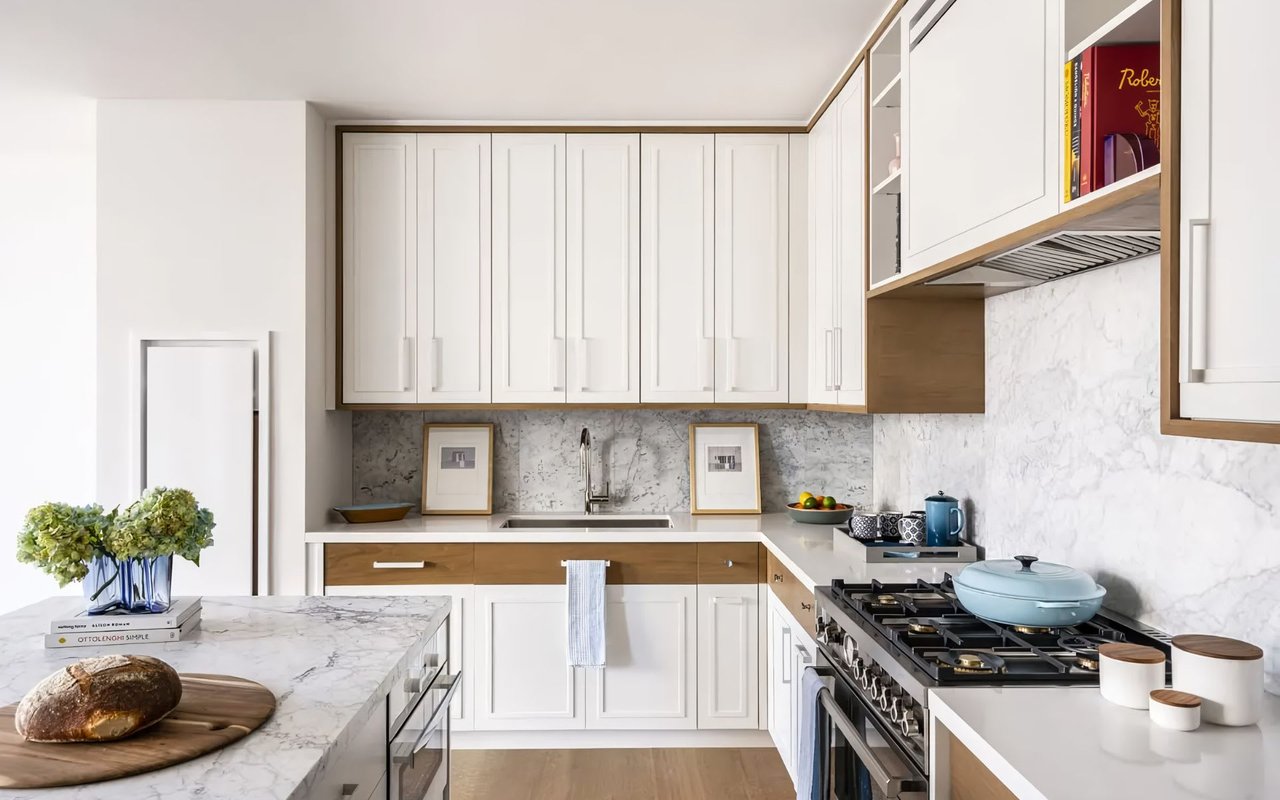
Modern kitchens with quality appliances, stone counters, and thoughtful layouts are high-impact upgrades. Additional baths, especially a primary suite bath, add both functionality and value. Cosmetic refreshes help, but they typically support smaller premiums than a full overhaul.
Systems and structure upgrades
Up-to-code electrical, modern plumbing, energy-efficient HVAC, and a sound roof reduce buyer risk and inspection pushback. Even when systems do not fully “pay for themselves” in price, they can prevent costly concessions and keep your contract on track.
Added space and outdoor areas
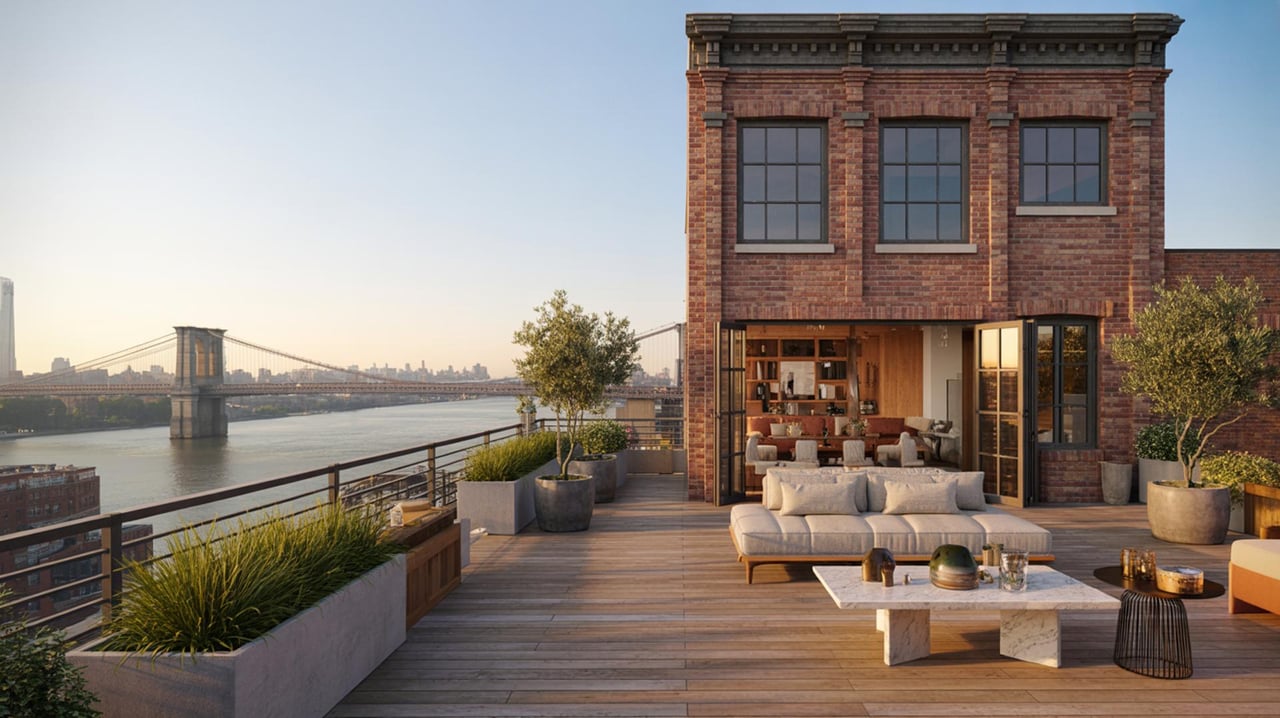
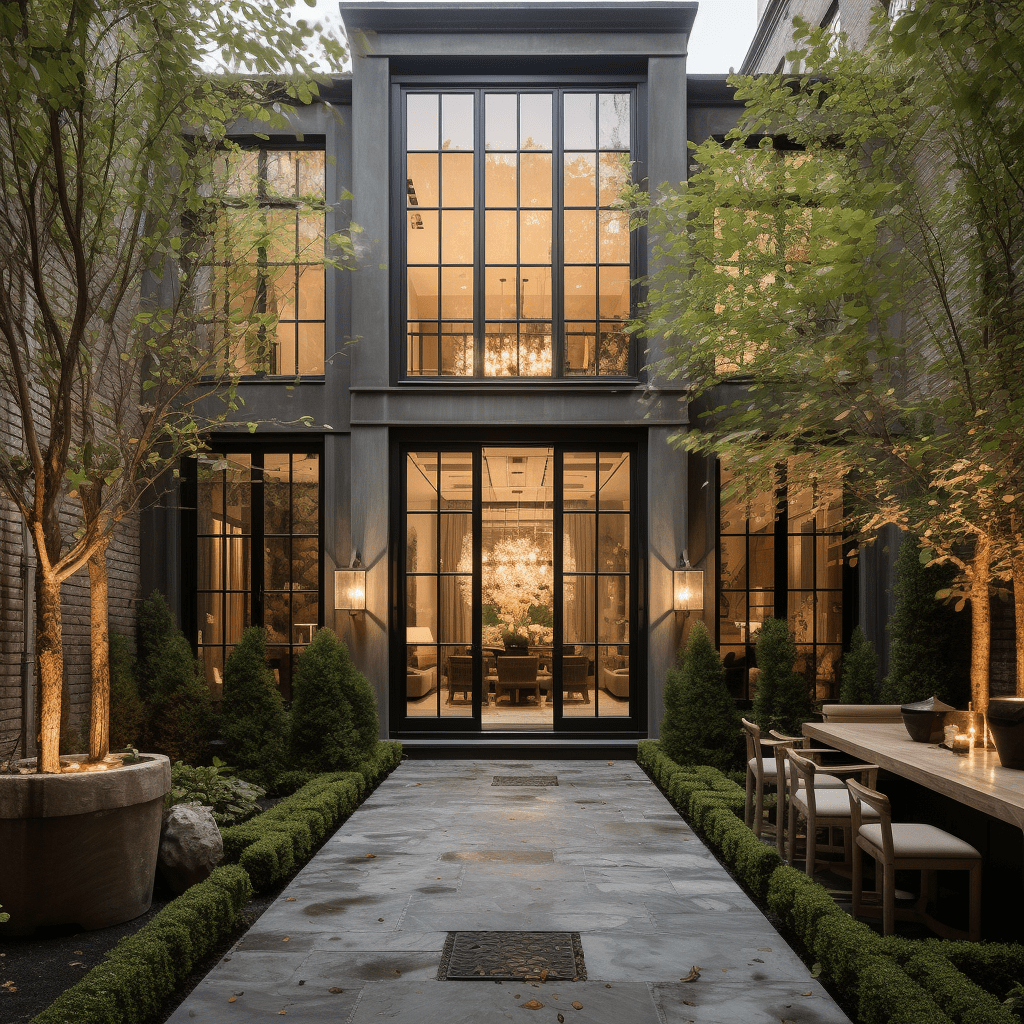
Finished basements, legal accessory units, roof decks, and code-compliant additions increase usable area and lifestyle value. Private yards and terraces are highly prized in Fort Greene and can justify pricing above similar homes without outdoor space.
Permits and clean DOB history
Documented, permitted work commands stronger offers. Unpermitted renovations can lower buyer confidence, trigger lender issues, and delay closing. Verify your permit history and final sign-offs through the NYC Department of Buildings before you list.
Step-by-step pricing process
Use this practical framework to set a credible list price and defend it during negotiations.
- Establish the market baseline
- Pull 4 to 8 recent closed townhouse sales in Fort Greene from the past 6 to 12 months. Prioritize the same block or similar blocks with comparable architecture and streetscape. Confirm sale details in the city’s official records via ACRIS recorded sales.
- Measure the key metrics
- Track sale price and price per finished square foot. Note lot size, width, unit count, bedroom and bath counts, outdoor space, basement finish, and renovation level.
- Adjust for differences
- Make line-by-line adjustments for size, bed/bath count, outdoor space, permitted basement, legal unit count, systems condition, and level of finish. Separate “gut-renovated” comps from “cosmetic” comps to avoid blending tiers.
- Apply a renovation premium or discount
- If your home is fully renovated, apply a premium relative to dated comps, keeping in mind that premiums are market-relative. In a competitive, low-inventory moment, a slightly lower list price can catalyze more showings and potential bidding.
- Confirm legal and tax factors
- Verify your permit history and legal unit count through the NYC Department of Buildings. If your property is within a historic district, confirm rules with the NYC Landmarks Preservation Commission. Provide buyers with property tax and assessment details from the NYC Department of Finance, and be aware of potential transfer costs like NYC RPTT and state-level taxes during negotiations.
- Pressure-test with buyers in mind
- Decide which buyer segment is most likely to pay a premium for your renovation. Move-in buyers prize turnkey finishes and systems. Investors focus on legal units, income potential, and operating costs.
- Sanity check with cost-versus-value data
- For broad benchmarks on project payback, consult Remodeling Magazine’s Cost vs. Value report. Treat it as directional, then validate locally with townhouse comps.
Key documents to gather
Having a clean, complete file reduces buyer friction and supports your price.
- DOB permit history with final sign-offs and a summary of the scope of work
- Certificate of Occupancy or Letter of No Objection, especially for multi-family use
- Contractor invoices, specifications, and manufacturer warranties for mechanical and structural work
- Appliance and finish schedules for kitchens and baths
- Recent property tax bills and assessment history from the NYC Department of Finance
- Lead-based paint disclosure for pre-1978 properties
- Survey or plot plan, if available
- Energy-related documentation, if available
- If multi-family: current rent roll, copies of leases, and tenant histories
Multi-family and tenant factors
If your townhouse has rental units, legal status and tenancy will shape price and buyer pool. Investors will price based on net operating income and risk profile, while owner-occupants may value rental income differently. Disclose unit count, lease terms, rent history, and whether you can deliver any units vacant. Rent-regulated tenancies typically narrow the buyer pool and reduce achievable pricing.
Prepare a clear package that includes rent rolls, leases, and any building ledger. Confirm legal unit count and any past alterations through the NYC Department of Buildings before you go to market.
Listing strategy for sellers
Your pricing choice can influence time on market and final proceeds. A high, aspirational list price can signal quality but may lead to longer days on market and larger discounts. Competitive pricing near market value can draw more traffic and improve your sale-to-list ratio, particularly if inventory is tight.
Highlight what makes your renovation trustworthy and transferable:
- Call out permitted work, final sign-offs, and system replacement dates in the listing description.
- Share a concise renovation summary with brand lists and warranties.
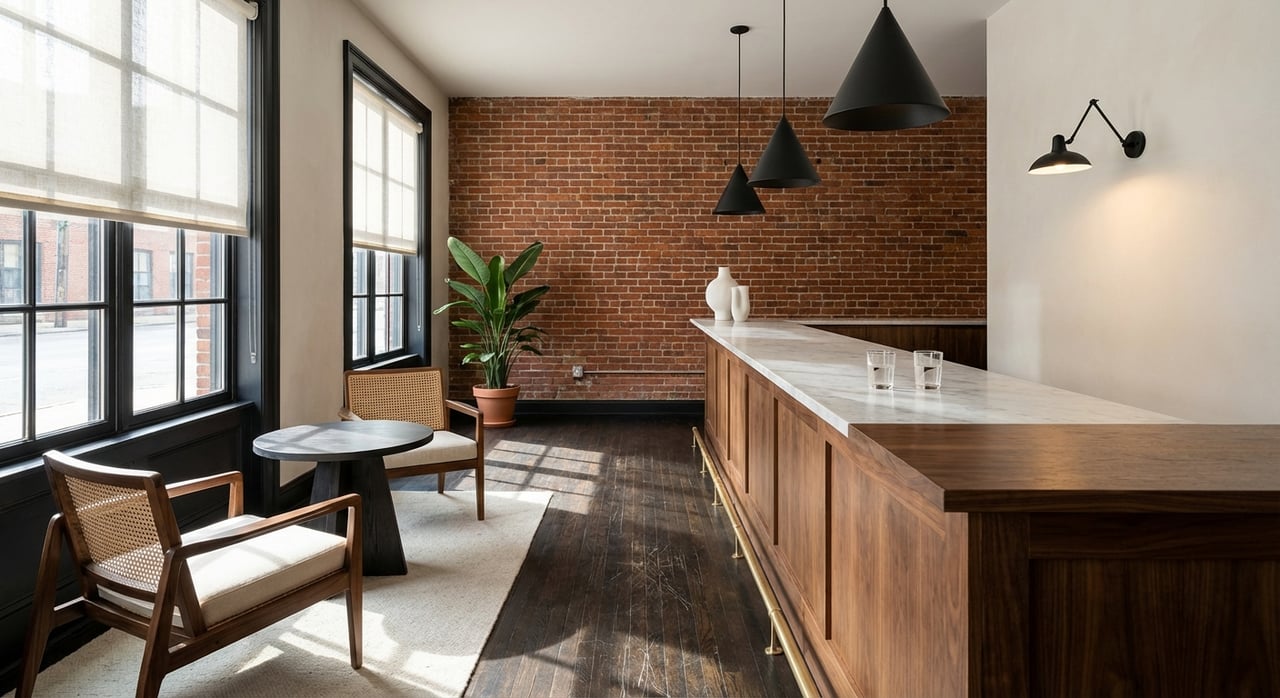
- Invest in professional photography and staging that balances restored detail with modern function.
- Target outreach to the most likely buyer segment, whether turnkey-focused end users or income-oriented investors.
Buyer verification checklist
If you are on the buy side of a renovated Fort Greene townhouse, confirm the details that support price.
- Permits and final sign-offs through the NYC Department of Buildings
- Legal unit count and whether any finished basement area is permitted
- Historic district rules and exterior change limits via the NYC Landmarks Preservation Commission
- Property taxes, assessment class, and projected carrying costs through the NYC Department of Finance
- Scope-of-work, contractor invoices, and warranties for systems and structural work
Ready to price with confidence?
Pricing a renovated Fort Greene townhouse is part art, part science. When your comp set, renovation documentation, legal status, and marketing work together, buyers see and pay for your value. If you want a hands-on partner who understands both construction and the Brooklyn market, connect with Mark O’Brien Real Estate. We combine builder-grade expertise with boutique brokerage to help you price right and sell smart.
FAQs
How do I estimate a renovation premium in Fort Greene?
- Compare against 6 to 12 months of nearby closed townhouse sales, adjust for size, features, and condition, and treat any 10 to 25 percent premium as approximate until local comps confirm it.
Do I need permits for buyers and lenders to value my work?
- Yes, documented and permitted work is preferred; unpermitted renovations can reduce price, limit financing, or delay closing, so verify status with the NYC Department of Buildings.
How can I check if my townhouse is in a historic district?
- Confirm your address and review exterior rules using the NYC Landmarks Preservation Commission resources.
What taxes should I plan for when selling in NYC?
- Budget for the NYC Real Property Transfer Tax and New York State transfer and potential mansion tax; verify current rates with the NYC Department of Finance and the New York State Department of Taxation and Finance.
How do tenants and rent regulation affect a two- or three-family sale?
- Existing leases, rent history, and any rent regulation status narrow the buyer pool and impact pricing, so prepare a rent roll and disclose terms early.
Should finished basement space count in price per square foot?
- Only if it is legally finished and recognized in permits or the Certificate of Occupancy, since appraisers and lenders often treat nonconforming space differently.