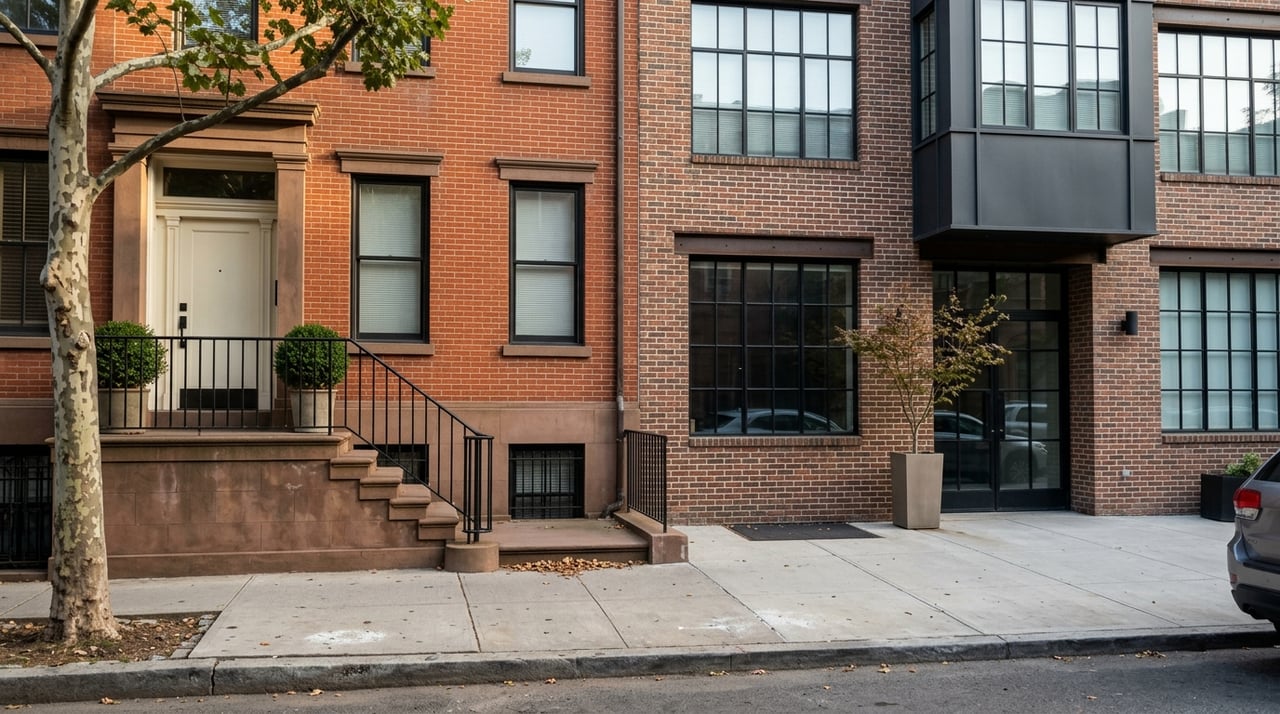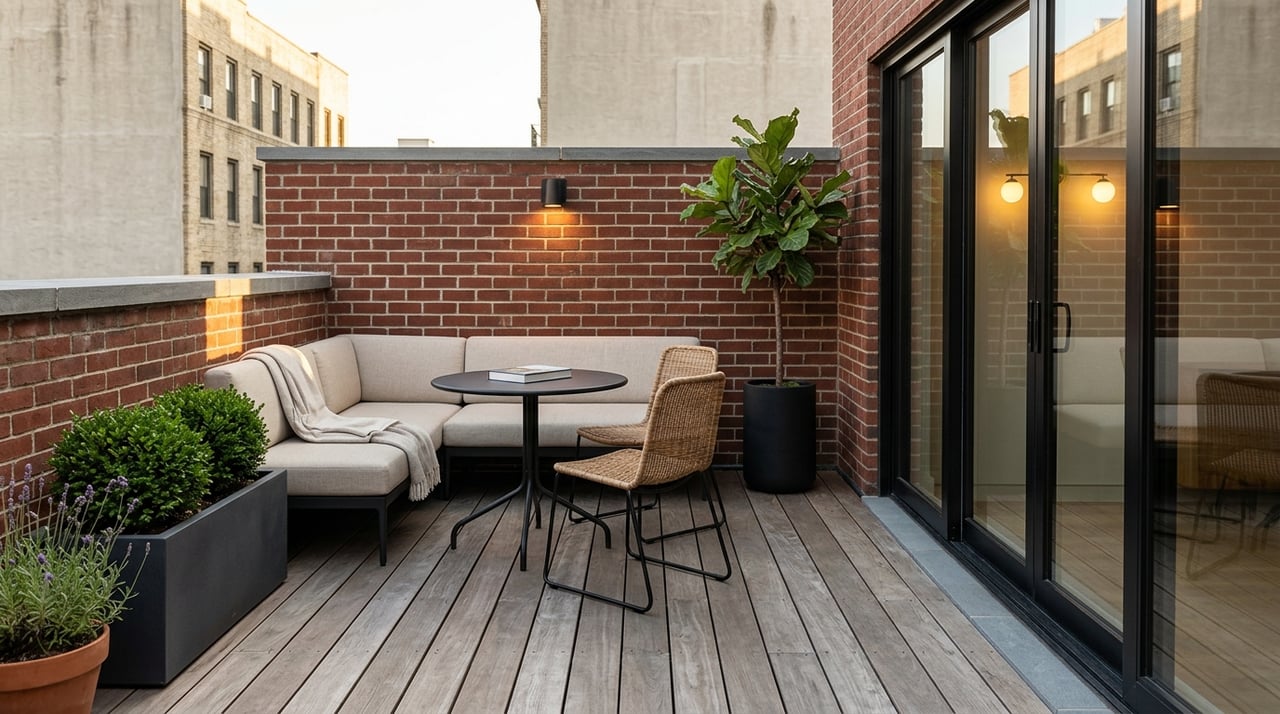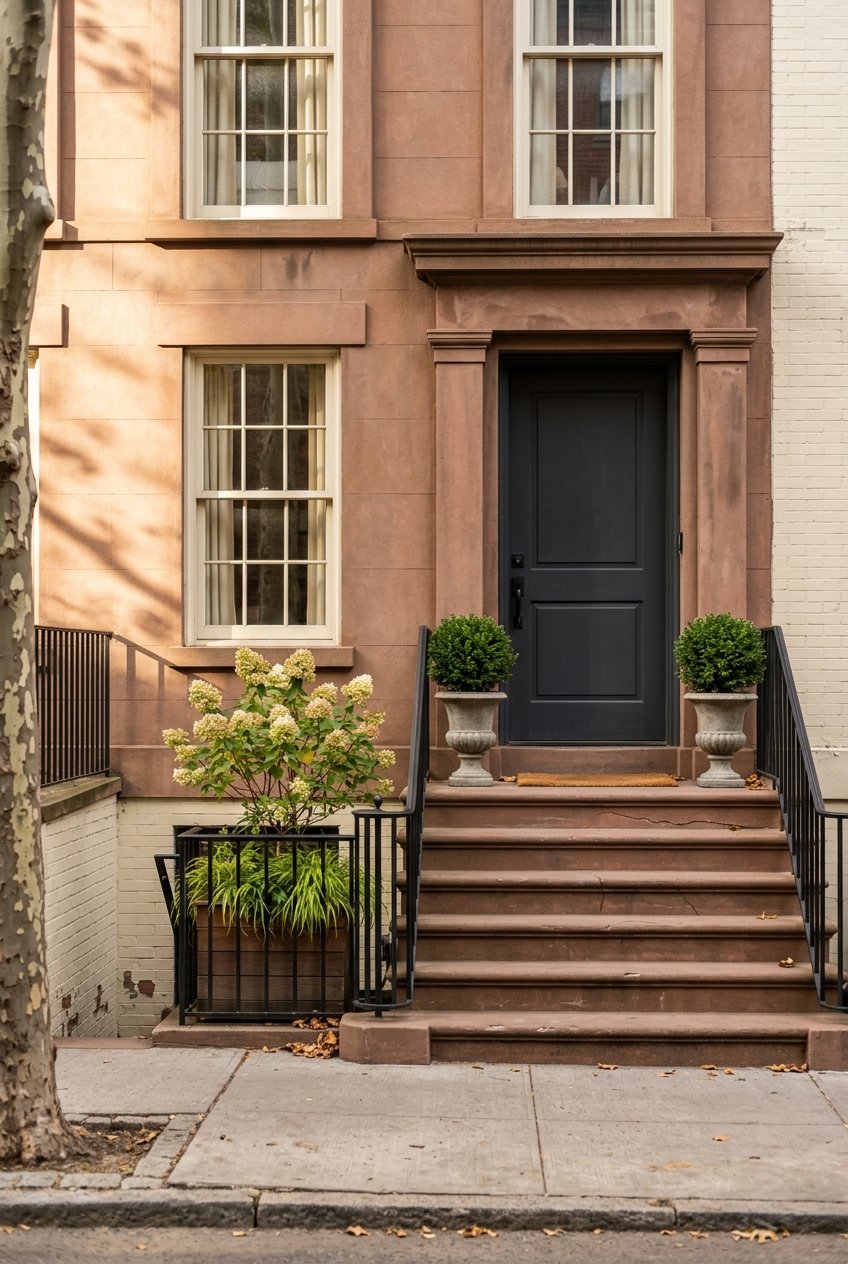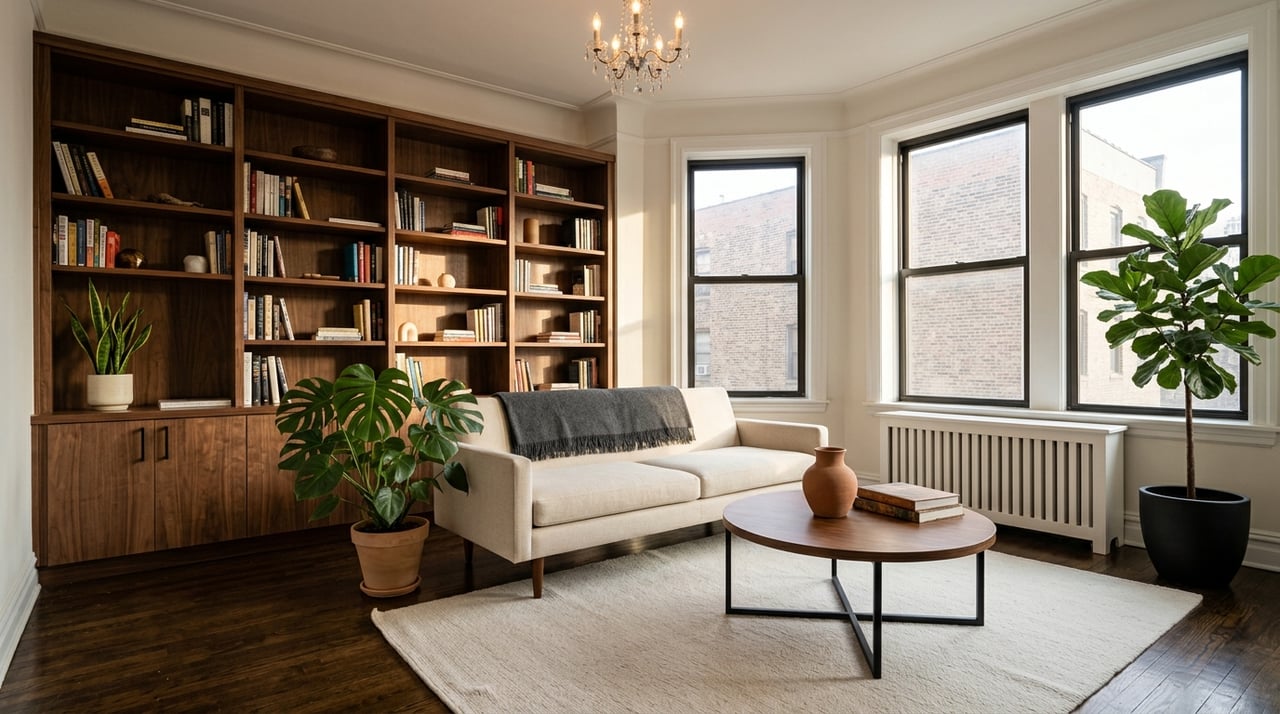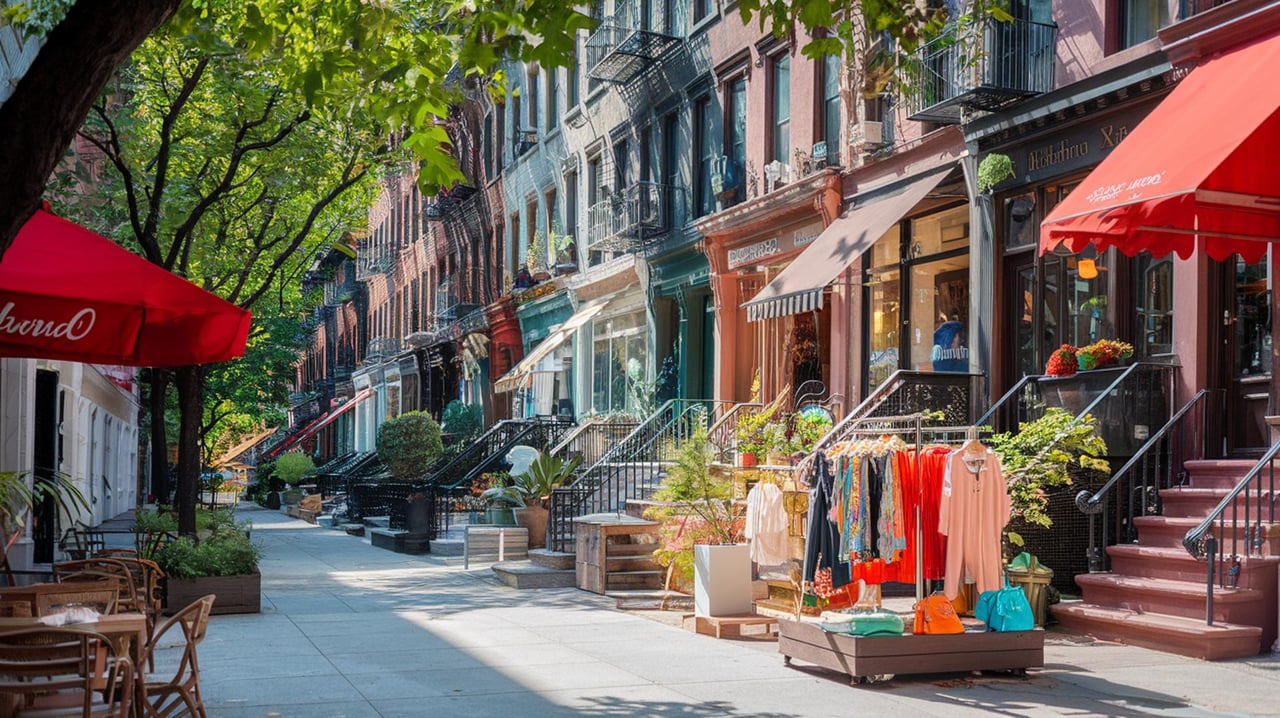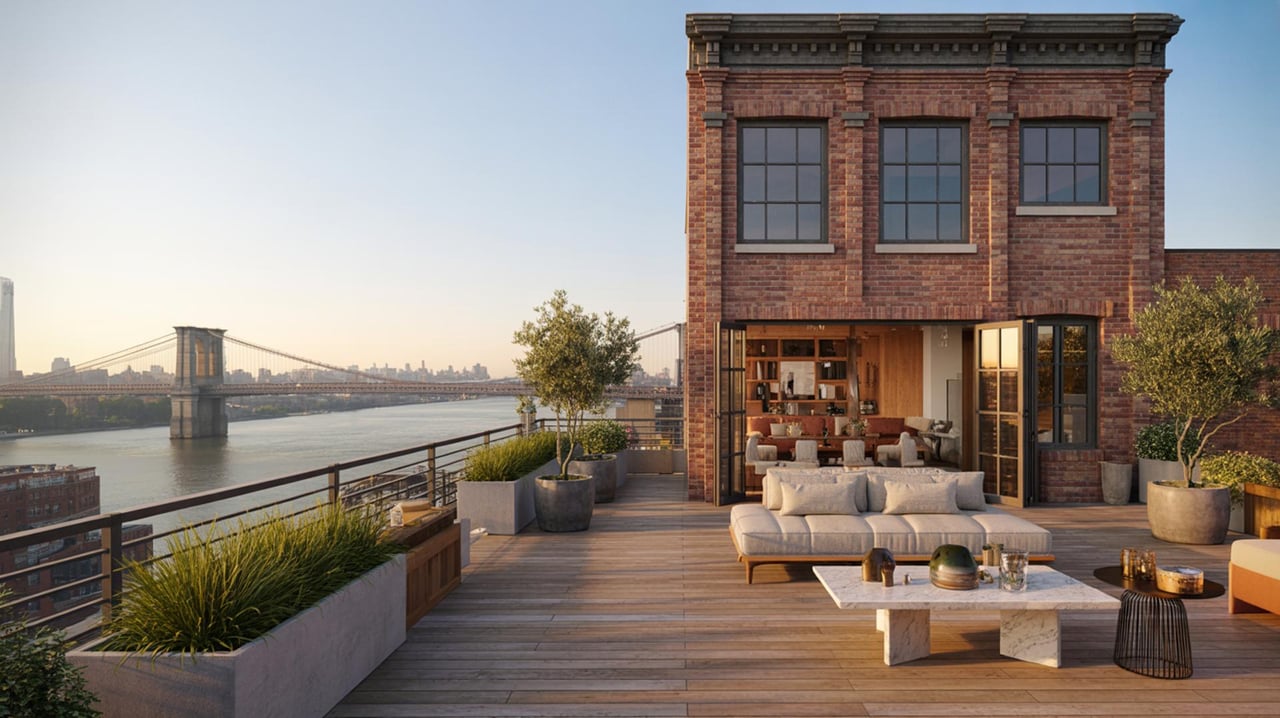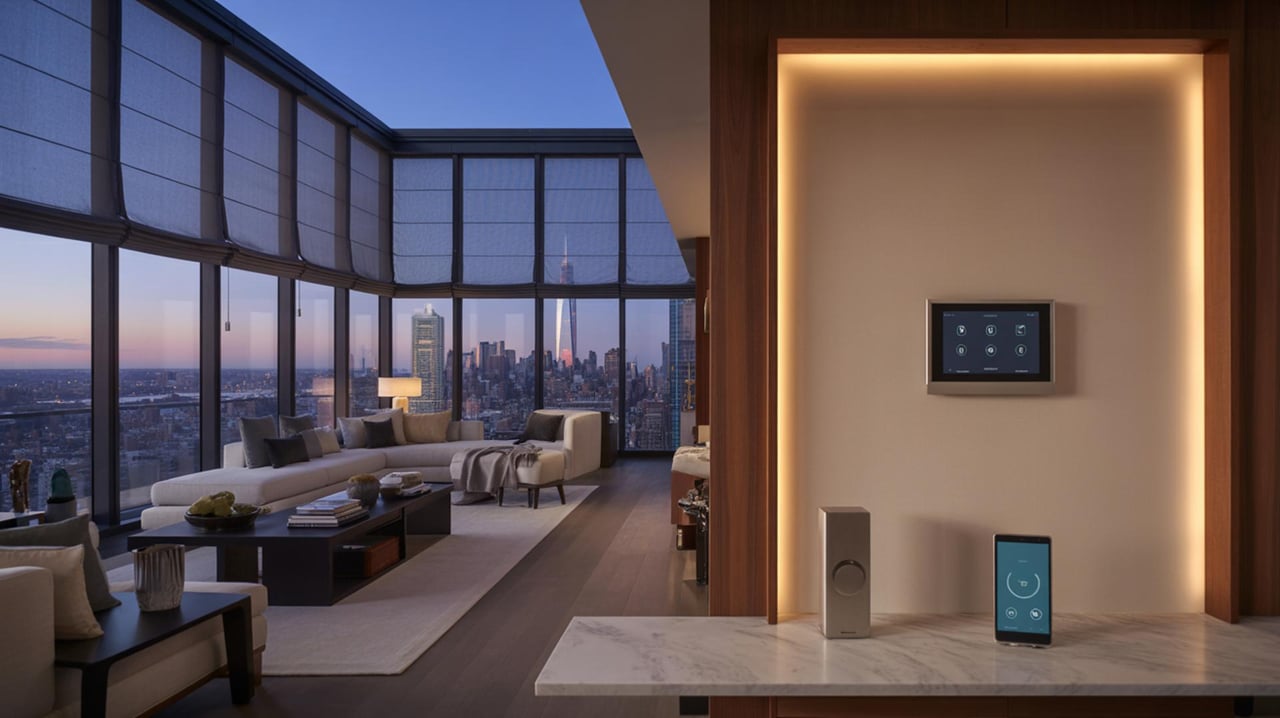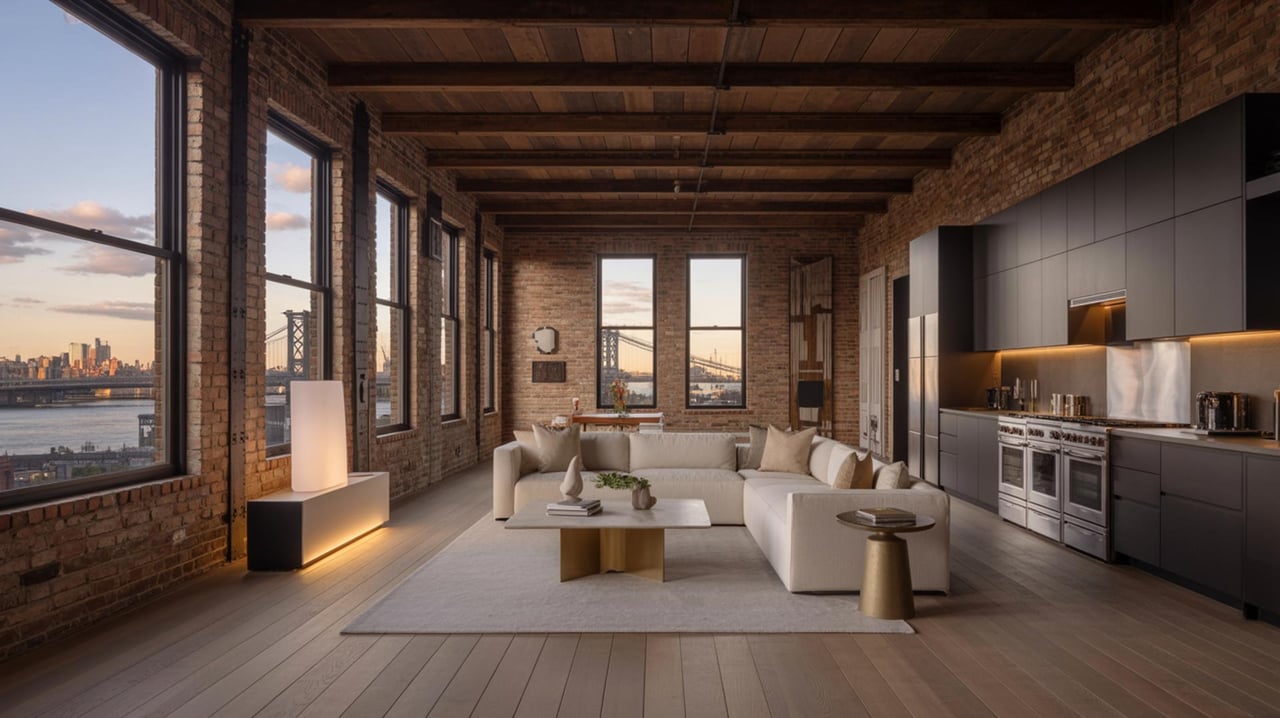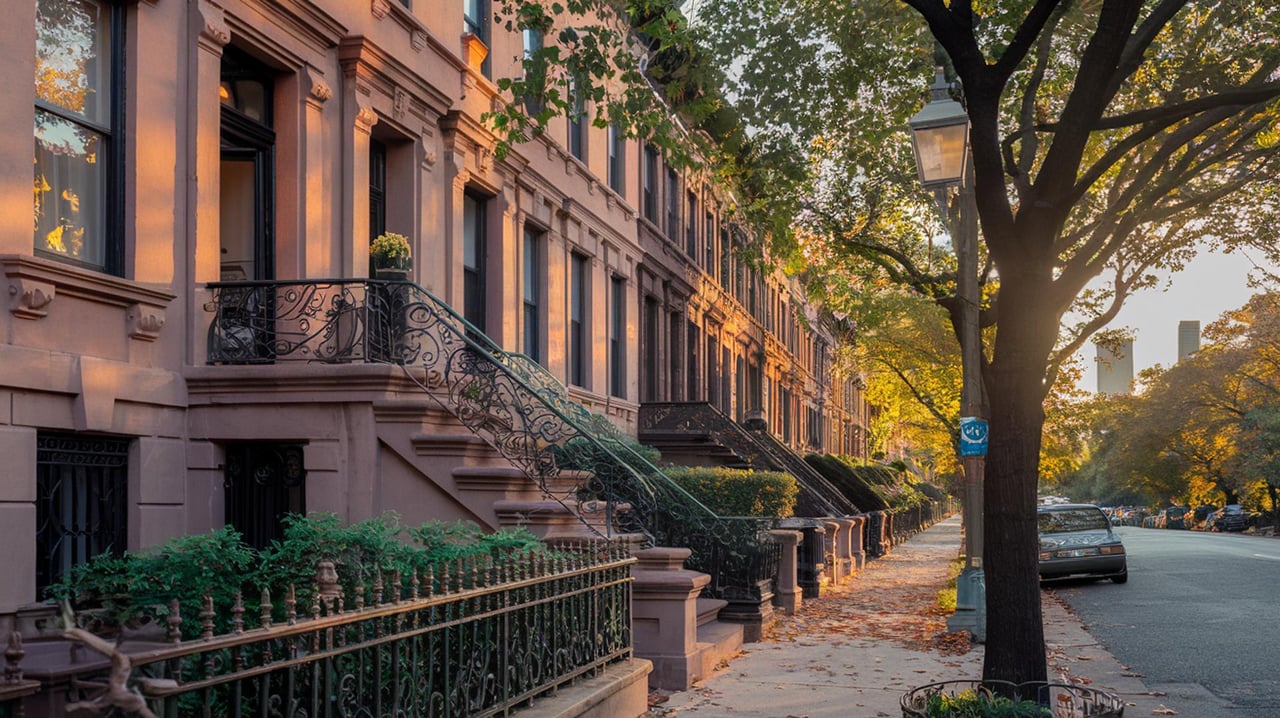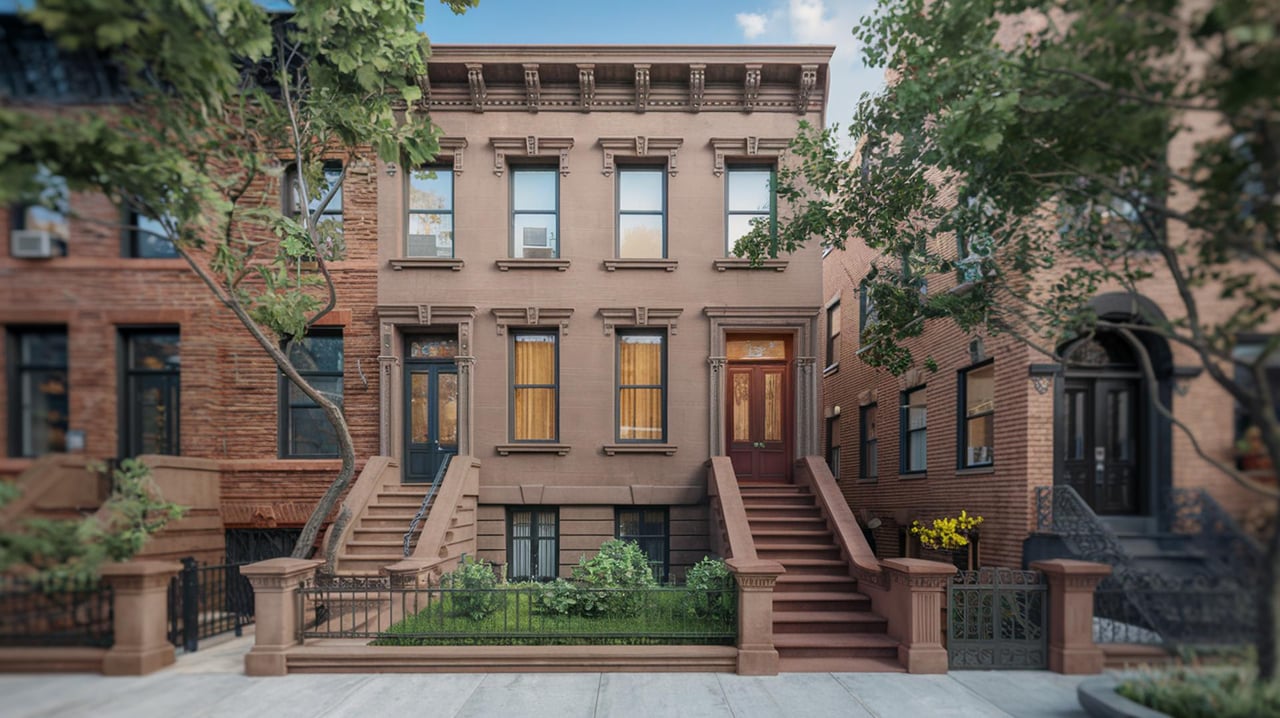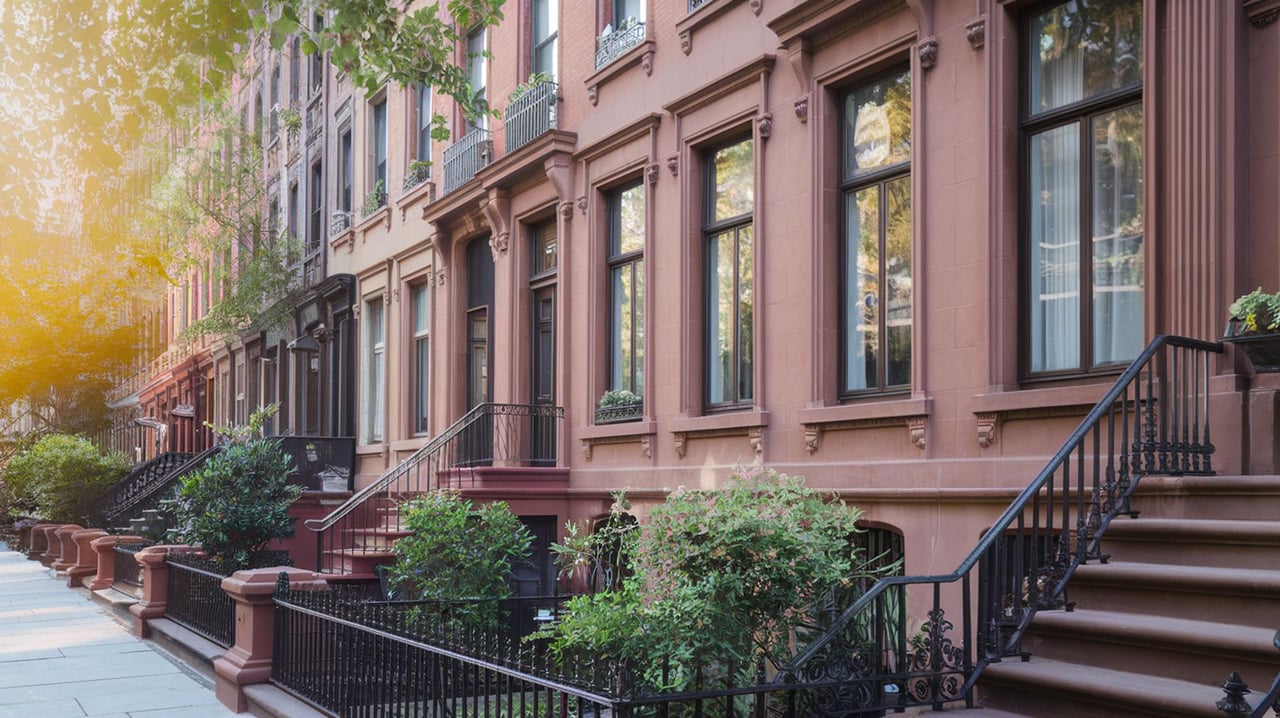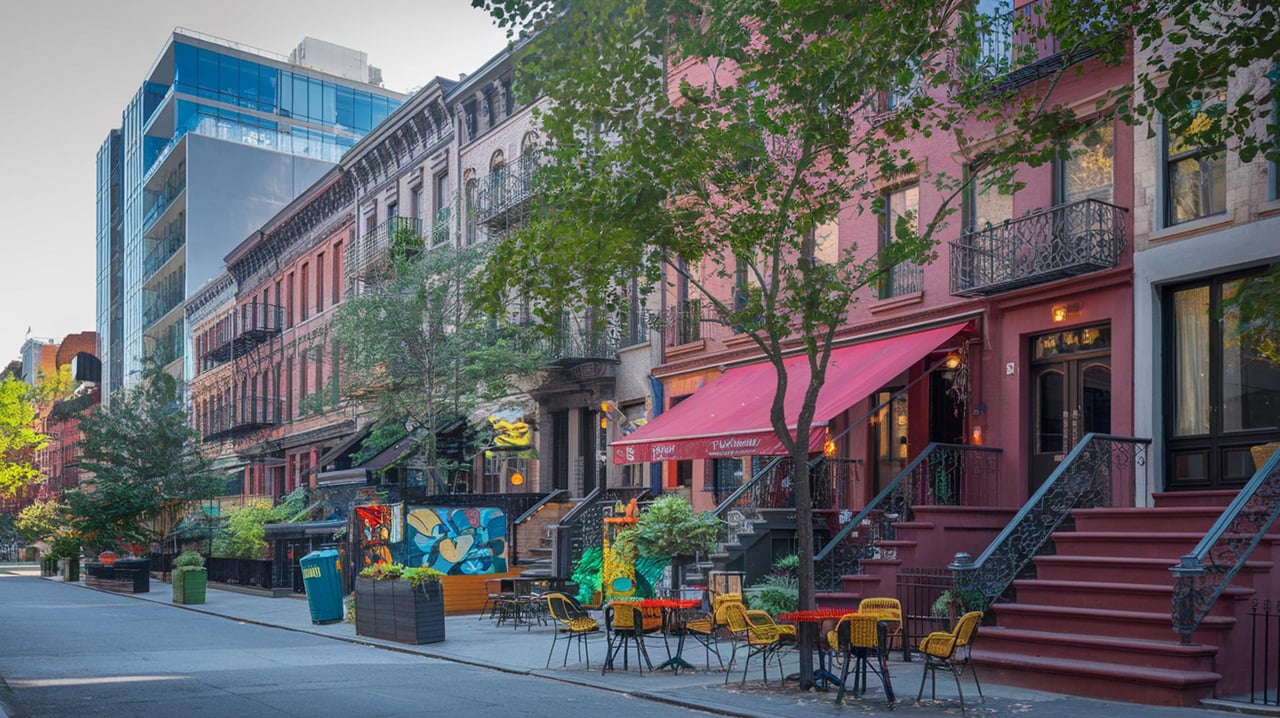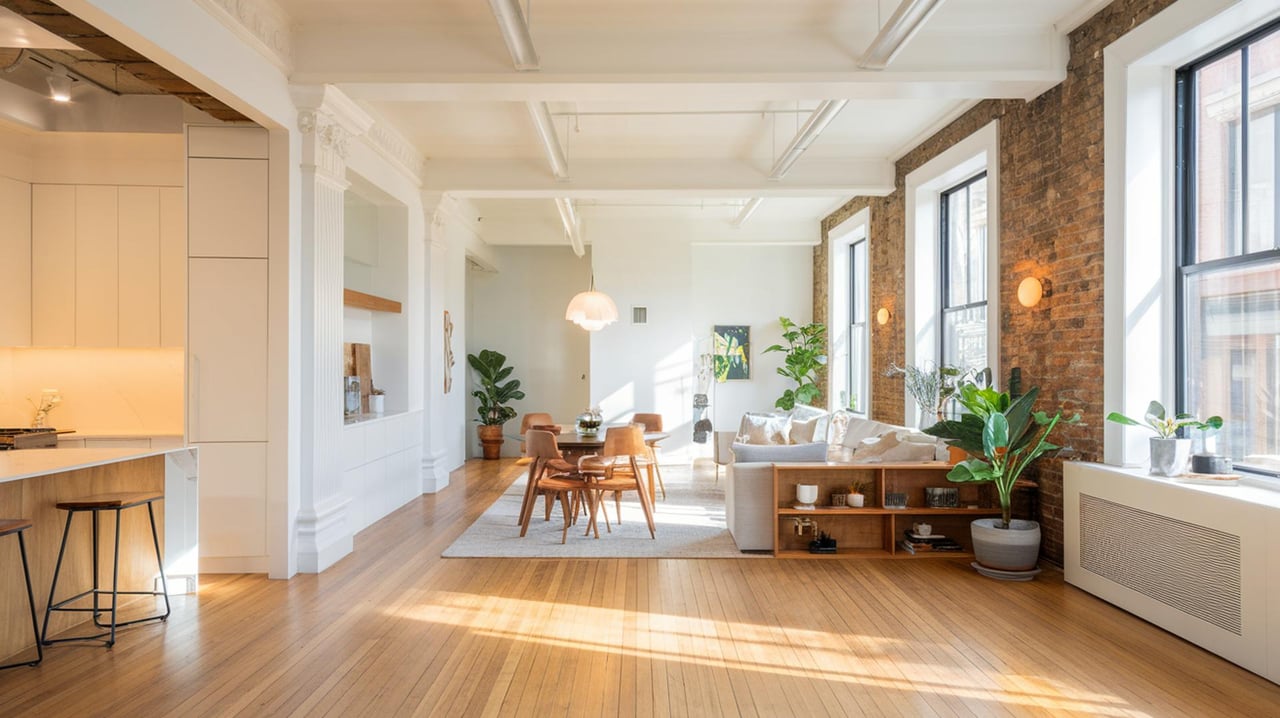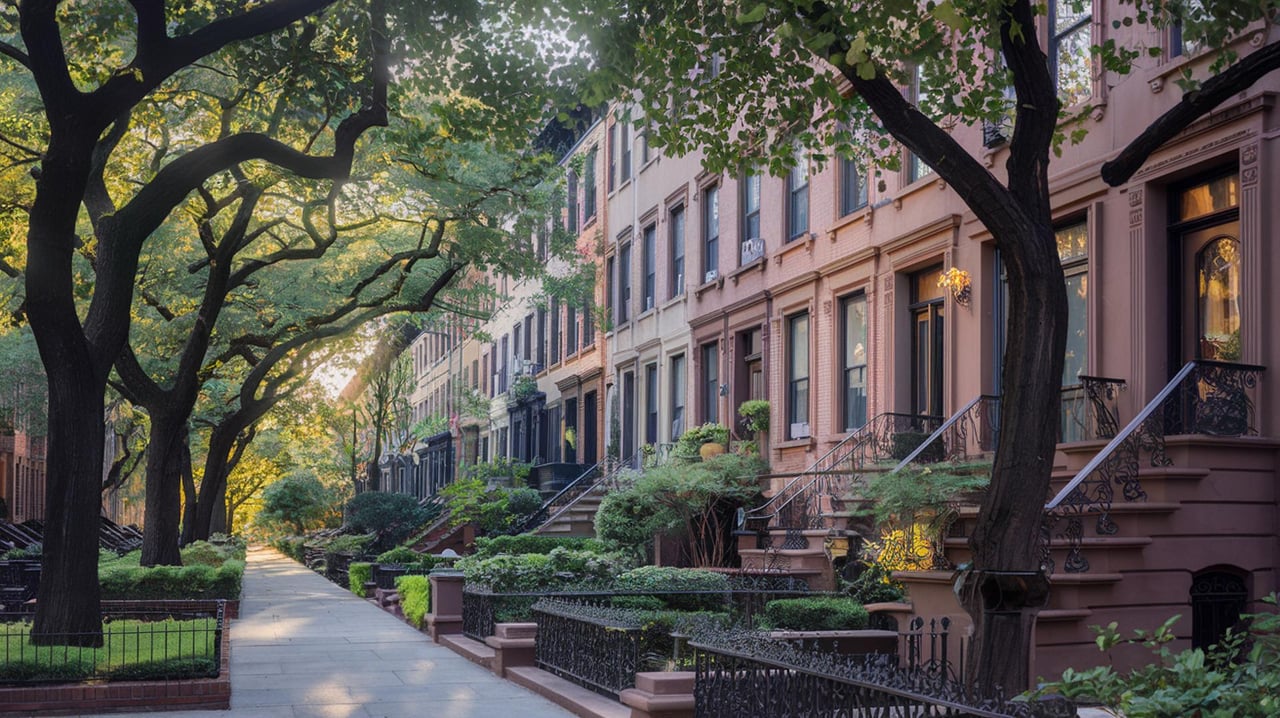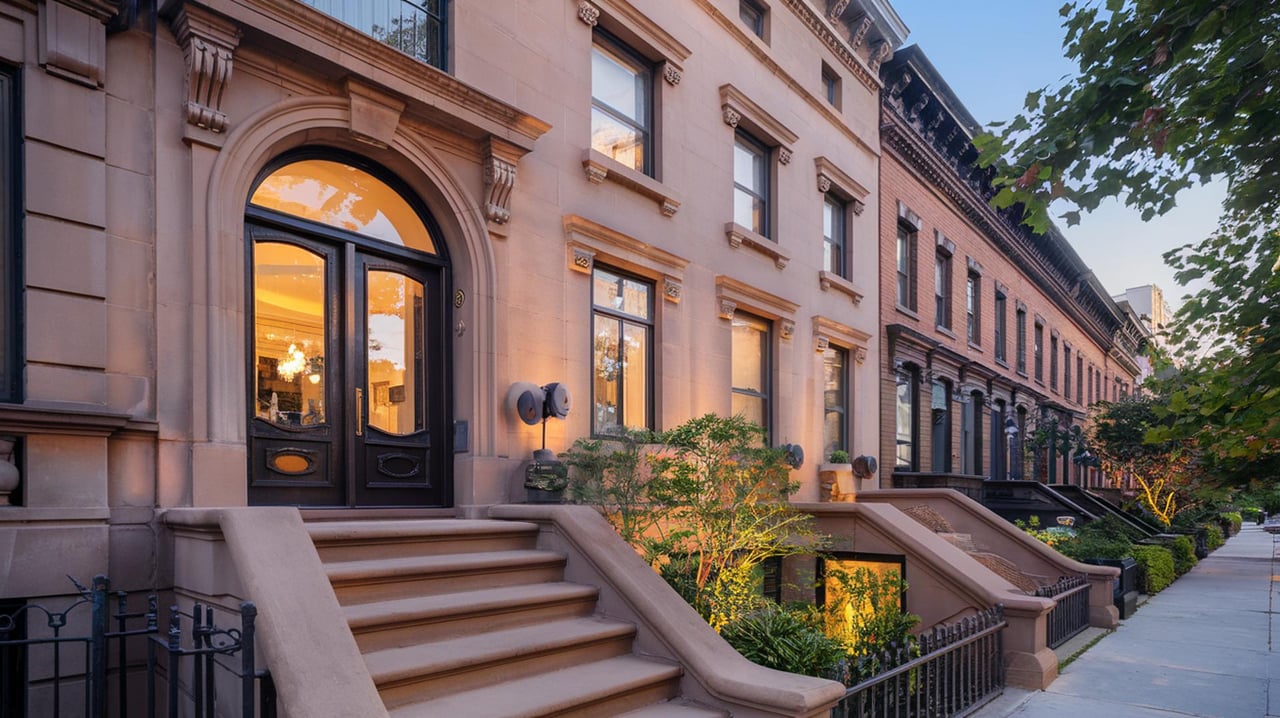
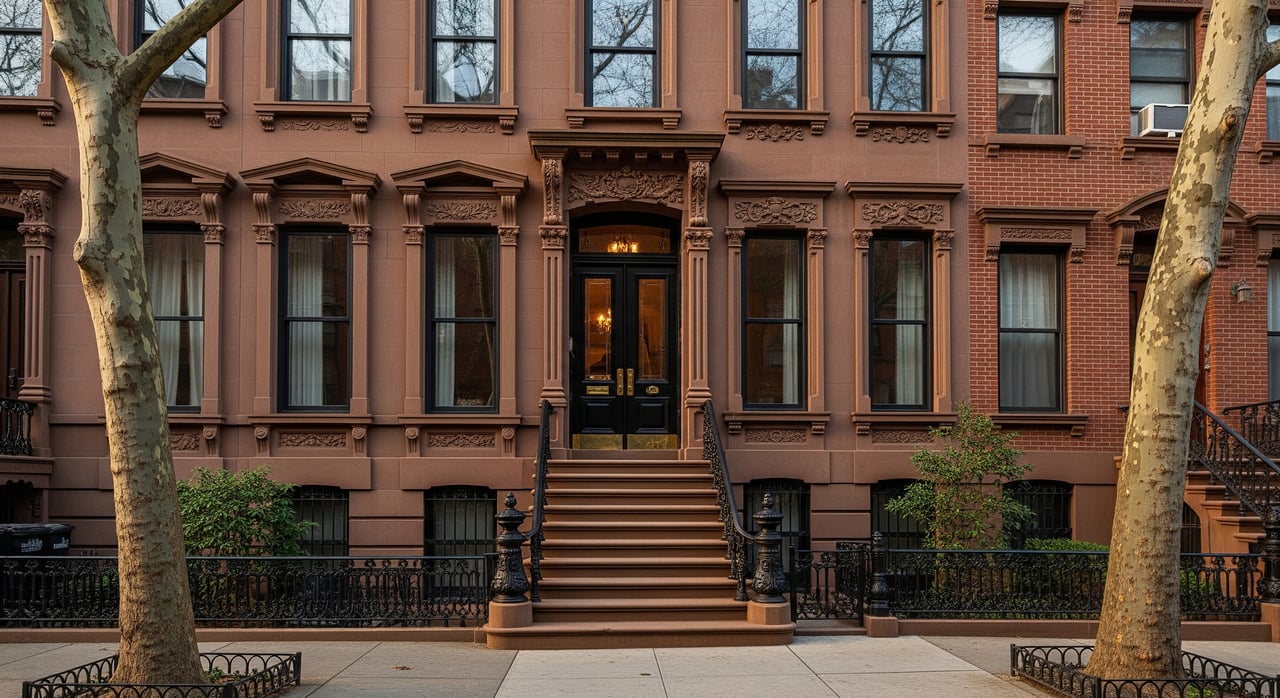
Do you find yourself slowing down on a Fort Greene block because a cornice or stoop catches your eye? You’re not alone. Fort Greene is a living open-air gallery where Greek Revival, Italianate, and Renaissance Revival buildings line up like chapters of a design textbook. In this guide, you’ll learn how to spot each style quickly, understand what those features mean for daily living, and follow easy walking routes that bring the neighborhood’s architecture into focus. Let’s dive in.
How Fort Greene got its look
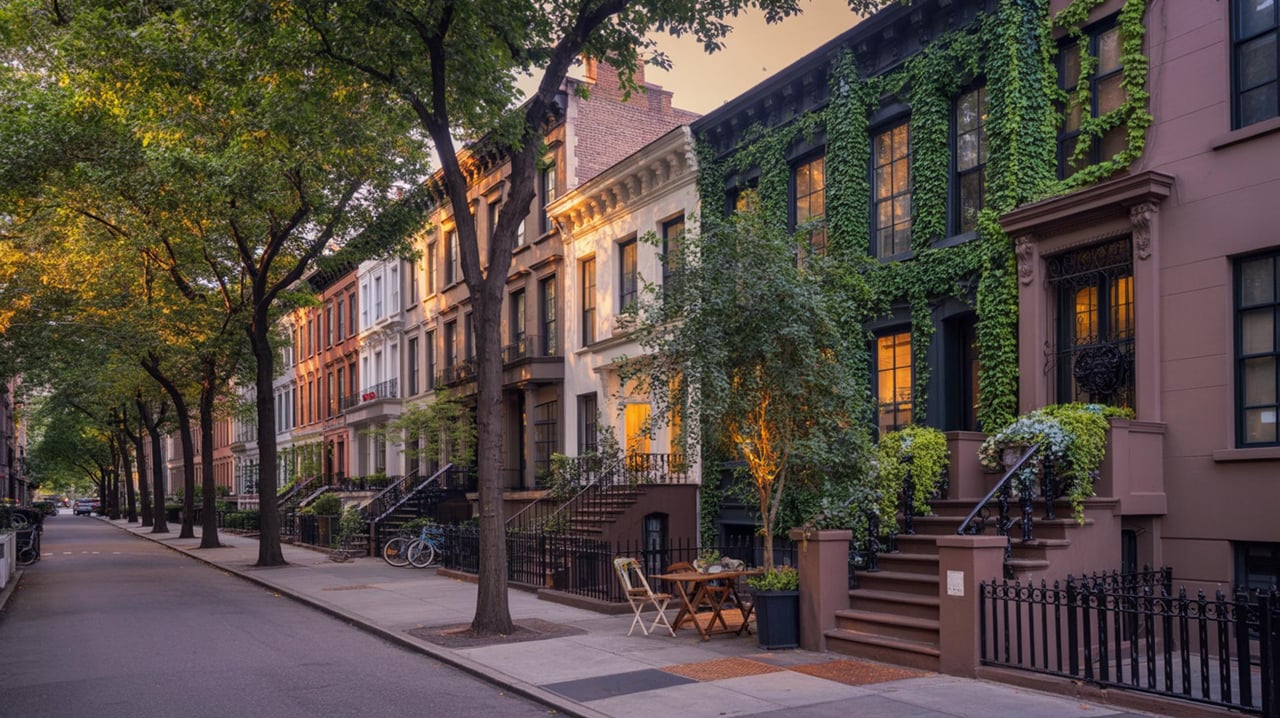
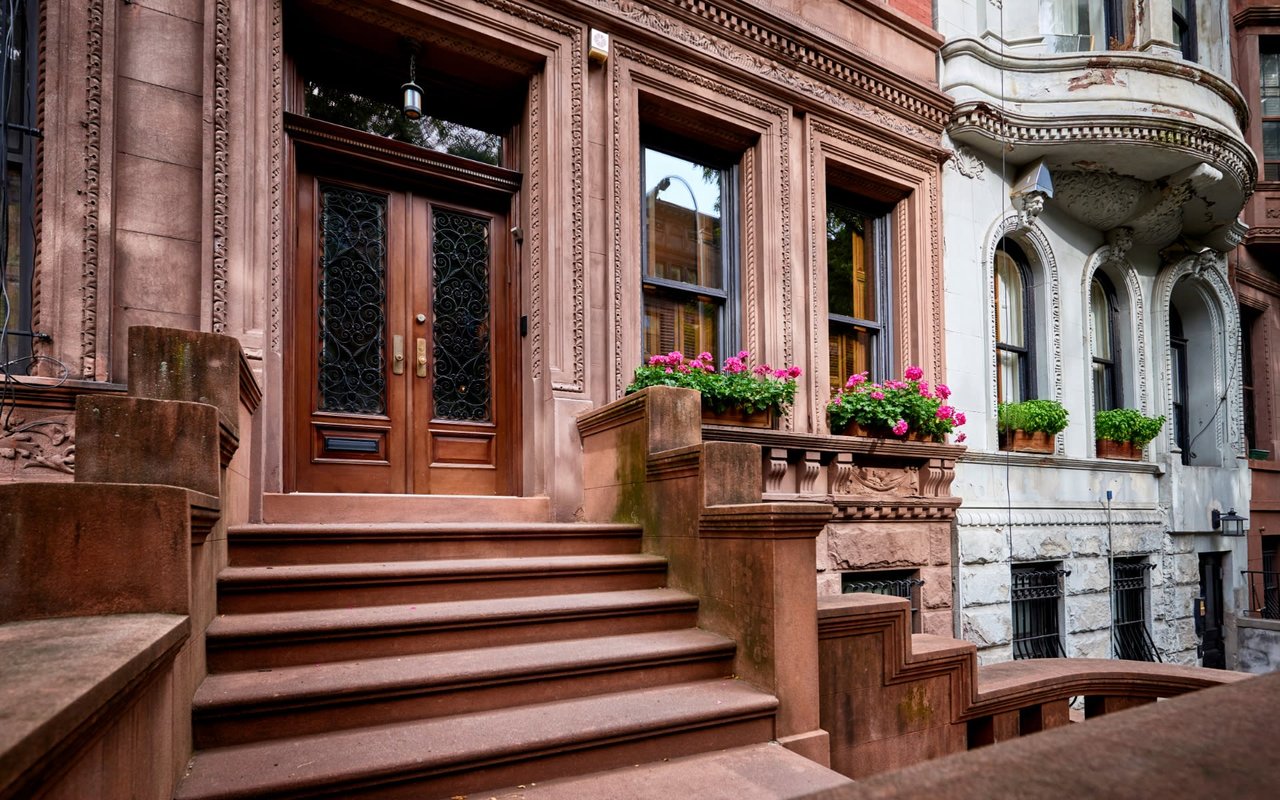
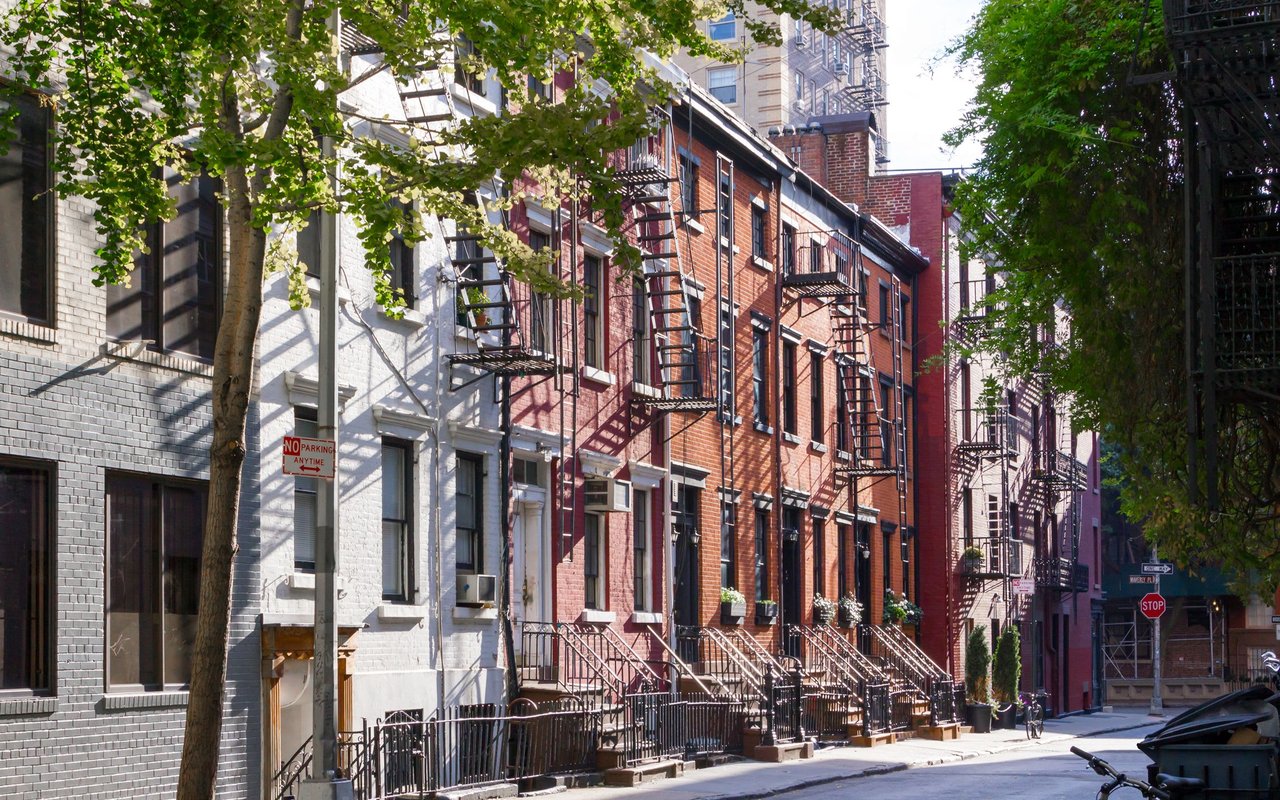
Fort Greene grew up around Fort Greene Park and the cultural anchor of the Brooklyn Academy of Music. Most homes you see today were built from the mid 19th century into the early 20th century, when rowhouses and masonry apartment buildings shaped a consistent streetscape. Many of those houses have been adapted over time, with some converted into multi-unit homes and others restored as single-family residences.
Large portions of the neighborhood fall within historic districts or include individual landmarks. Exterior work that is visible from the street typically requires review by the New York City Landmarks Preservation Commission. If you want to confirm a block’s status or boundaries, check the Landmarks Preservation Commission’s interactive landmark maps. That simple step helps you understand what you can and cannot change on a façade, window, or stoop.
Spot the big three styles
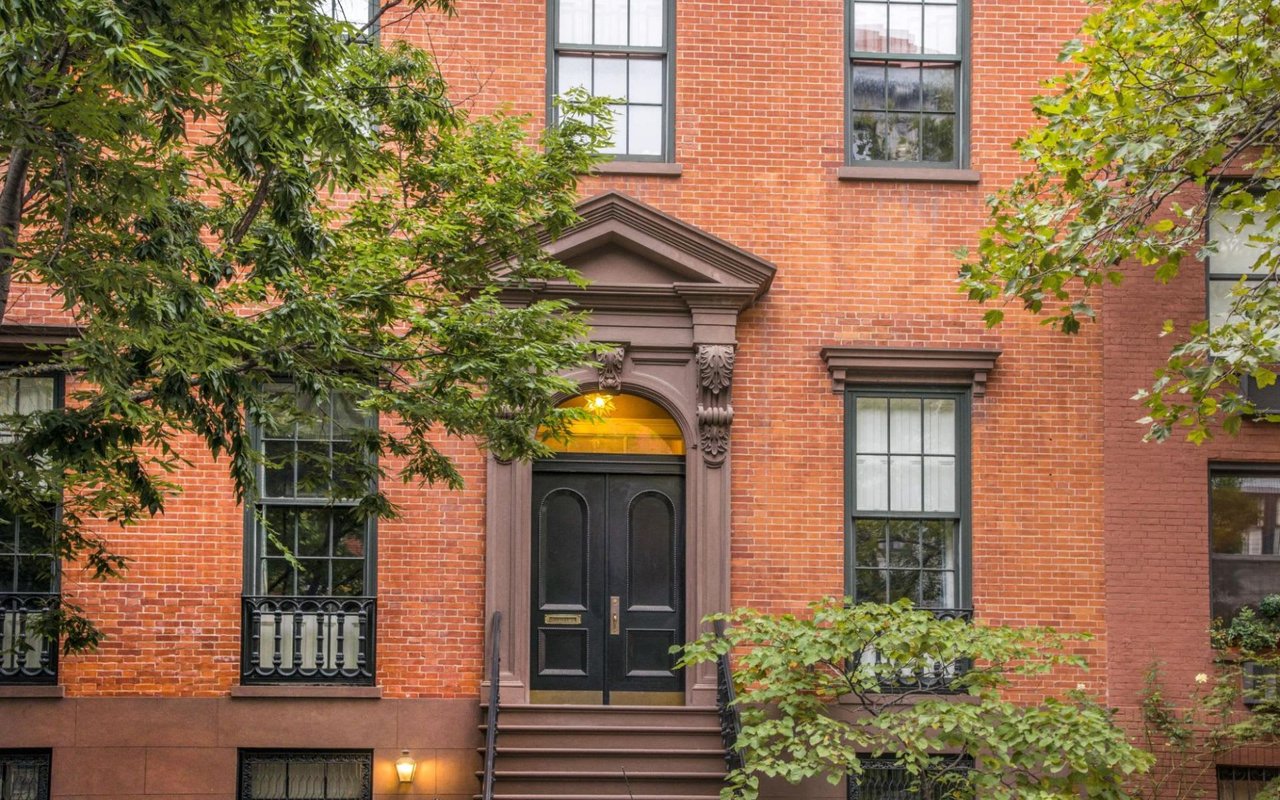
Greek Revival
- Visual cues to look for:
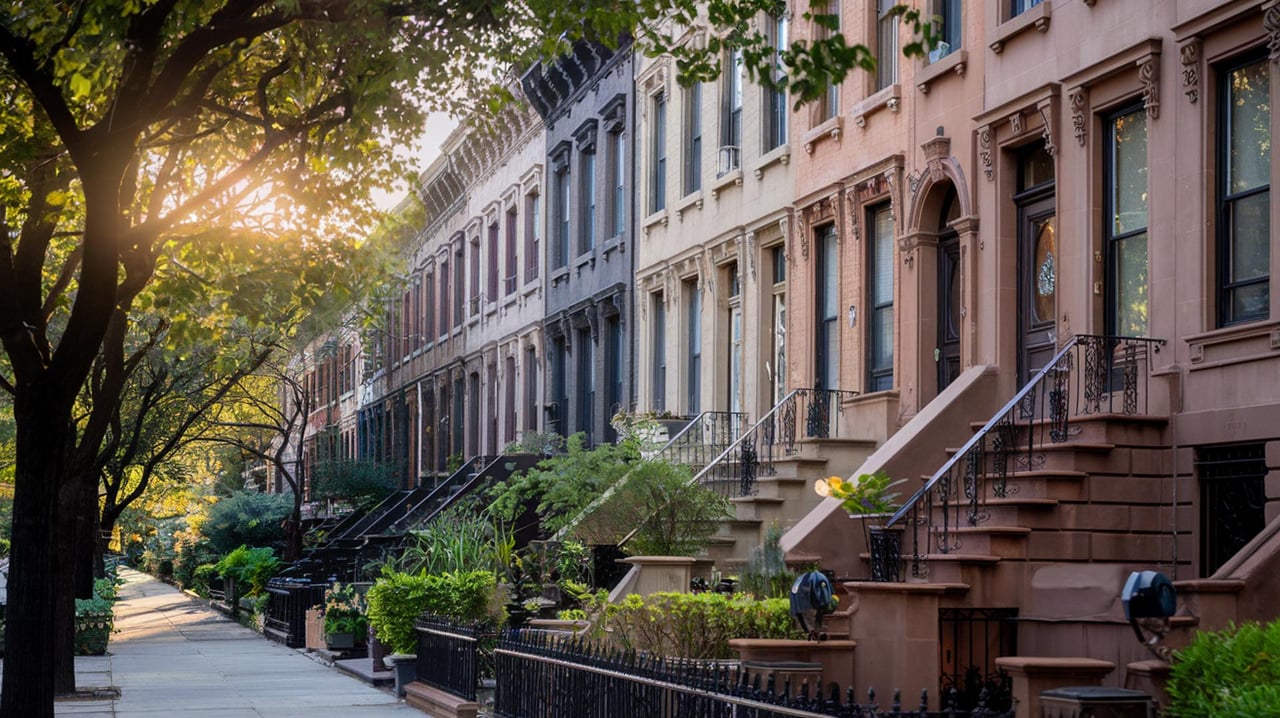
- Temple-inspired feel with a strong cornice line and simple, balanced proportions.
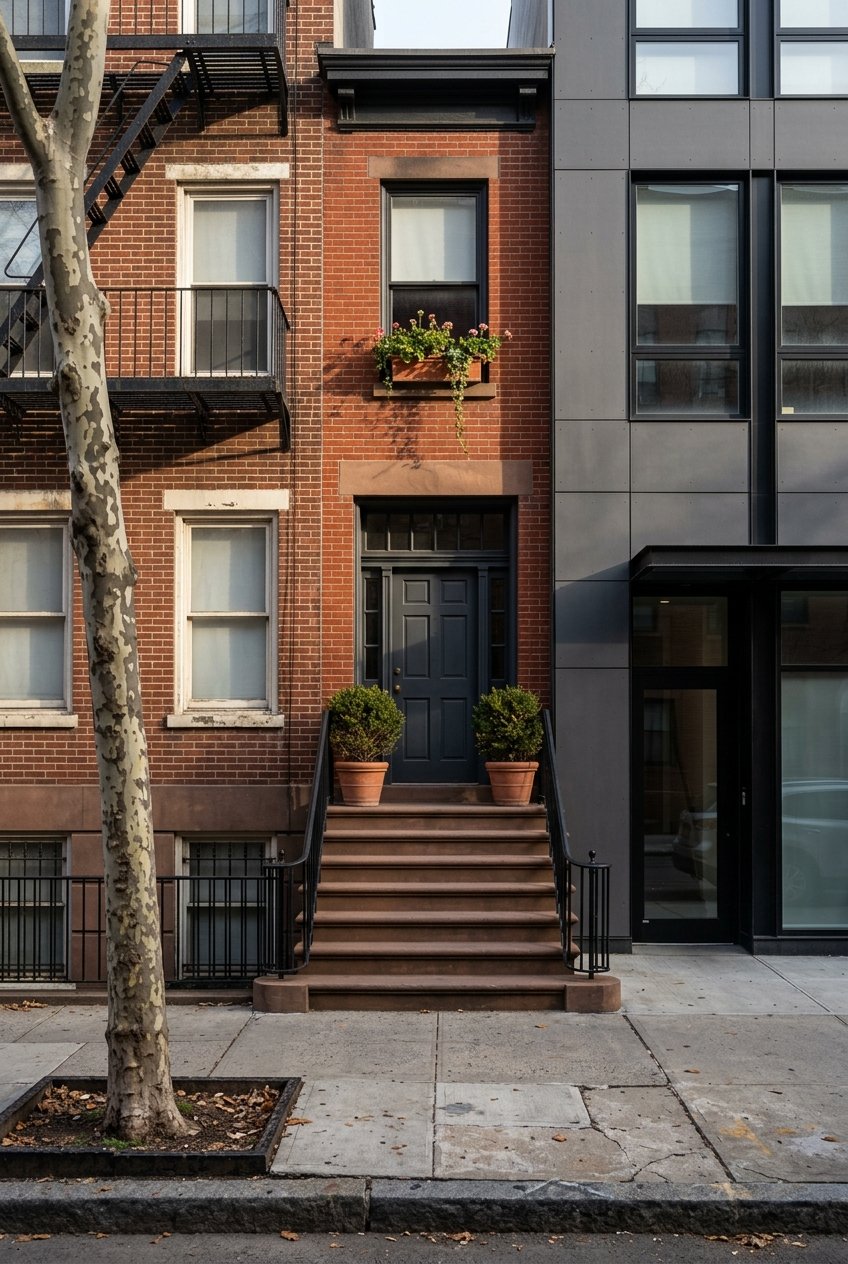
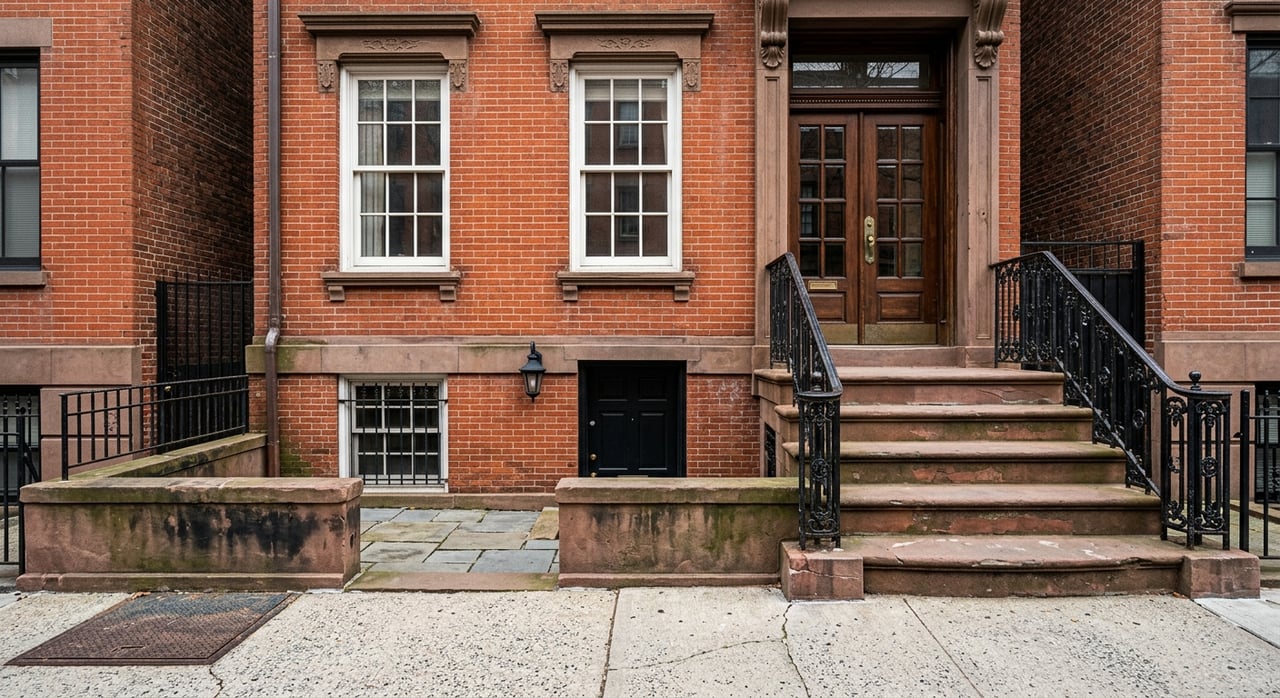
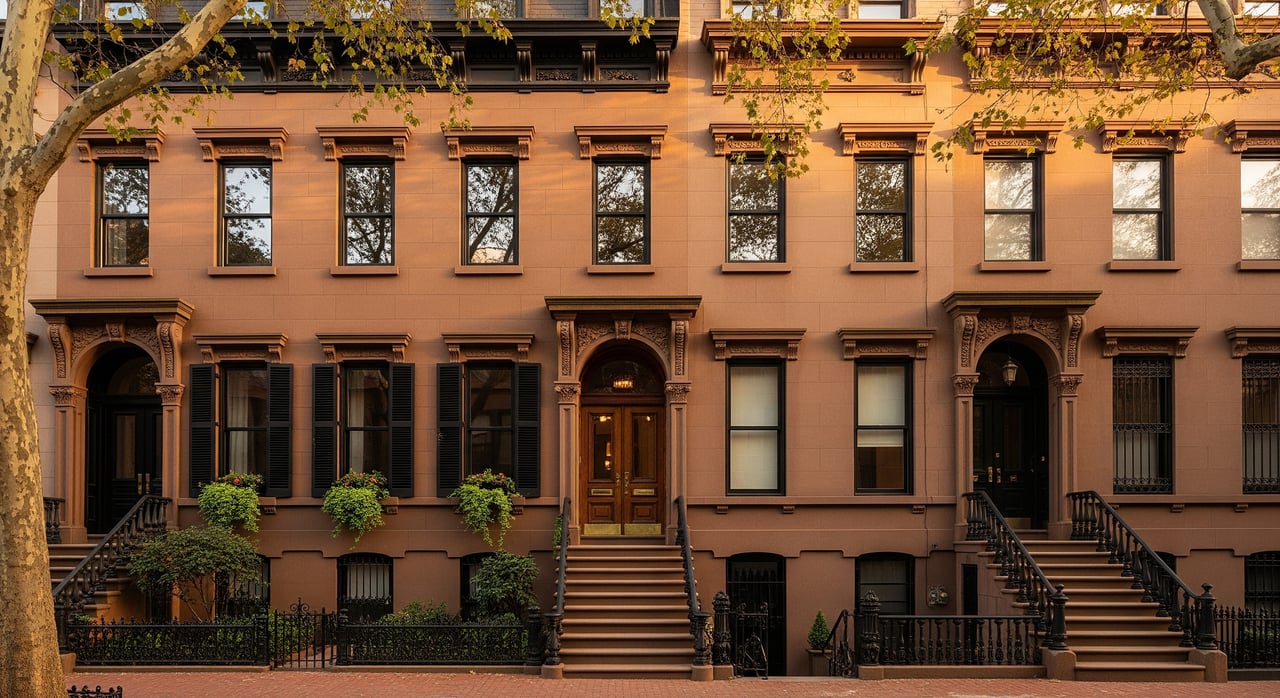
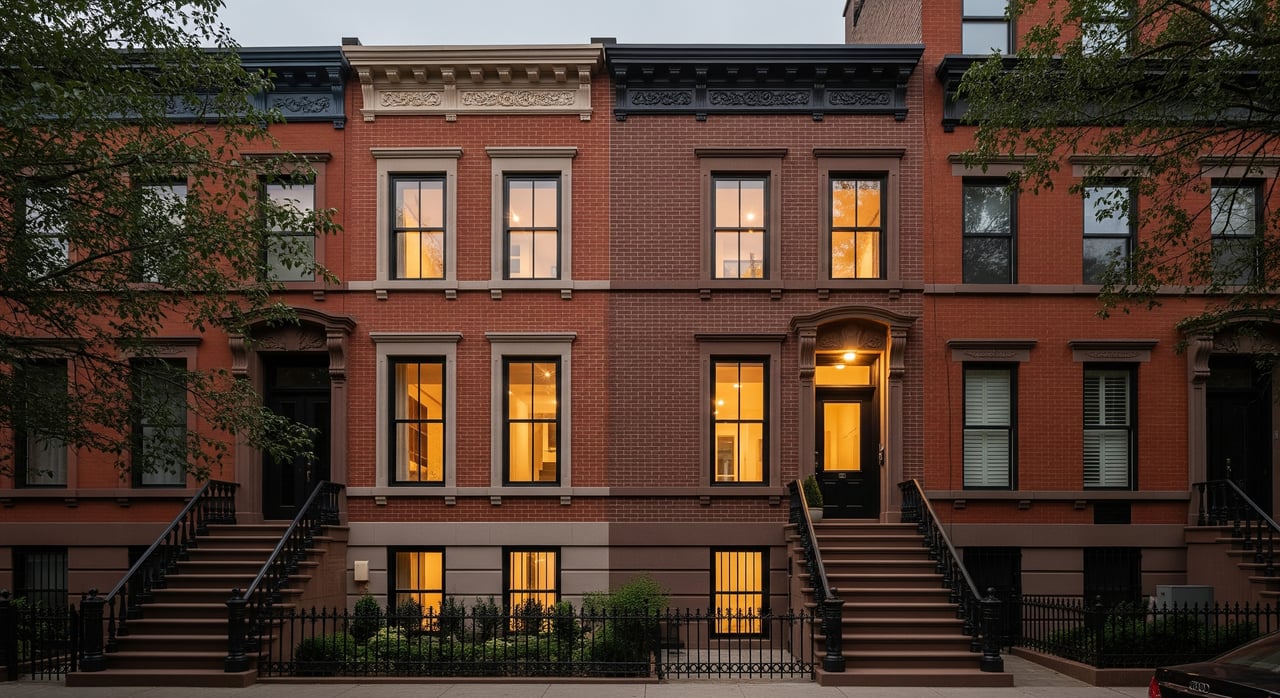
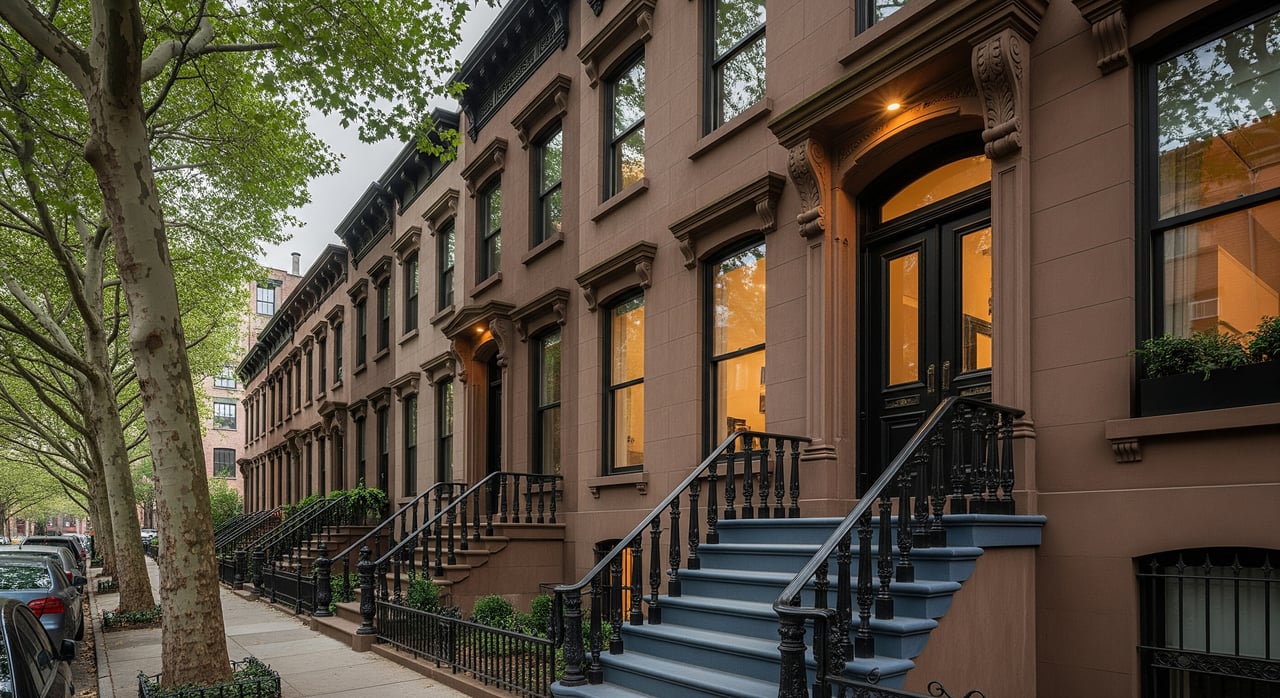
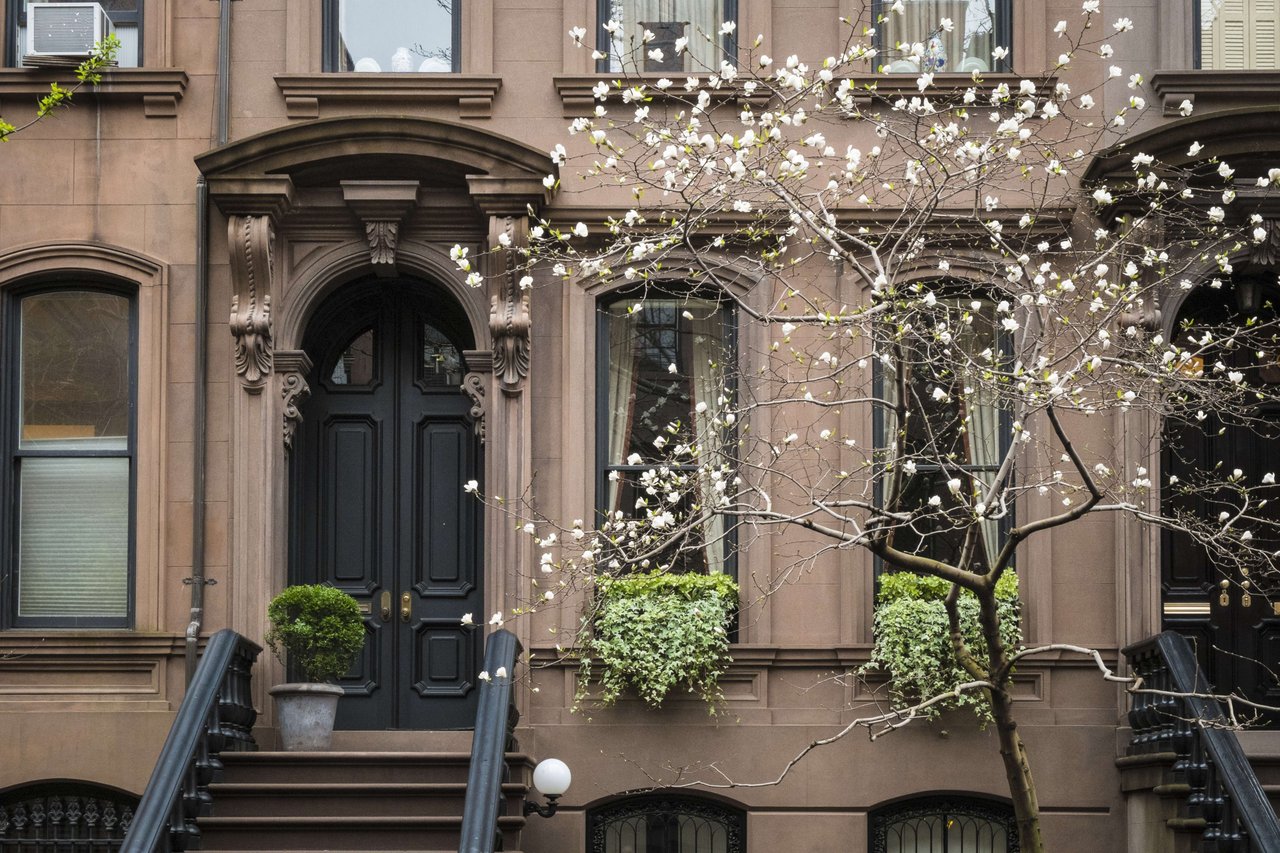
- A front door with a transom and sidelights framed by pilasters or a column-like surround.
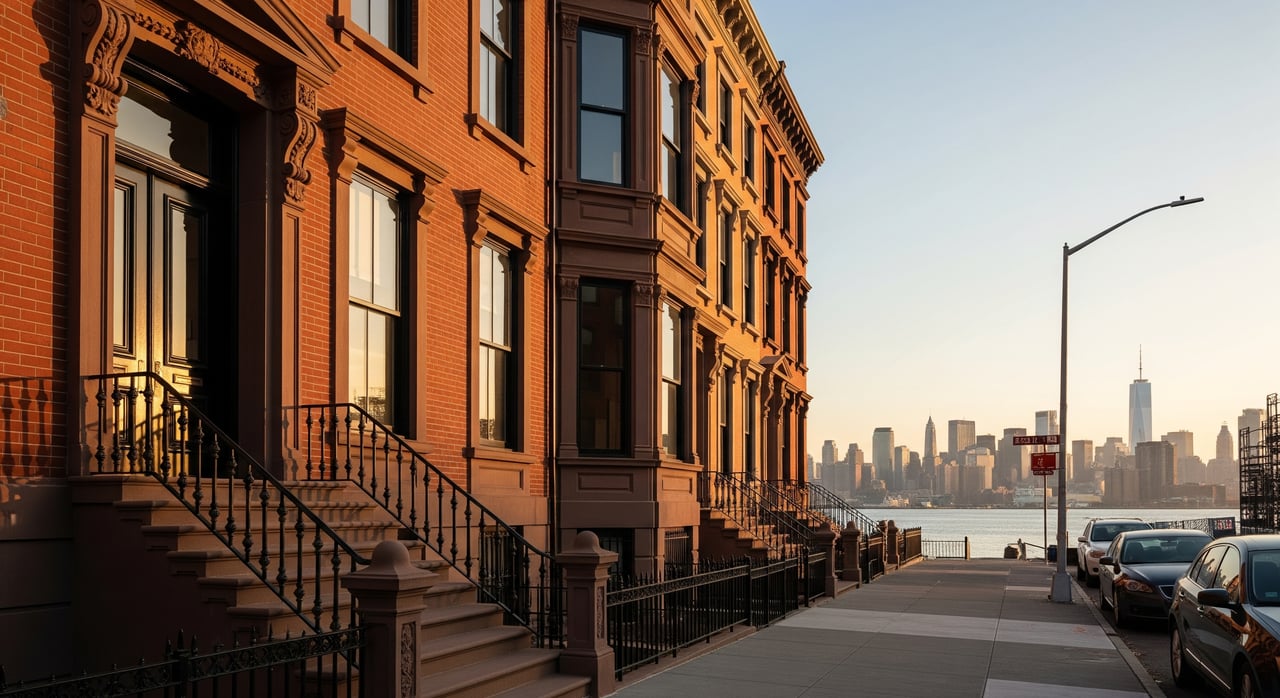
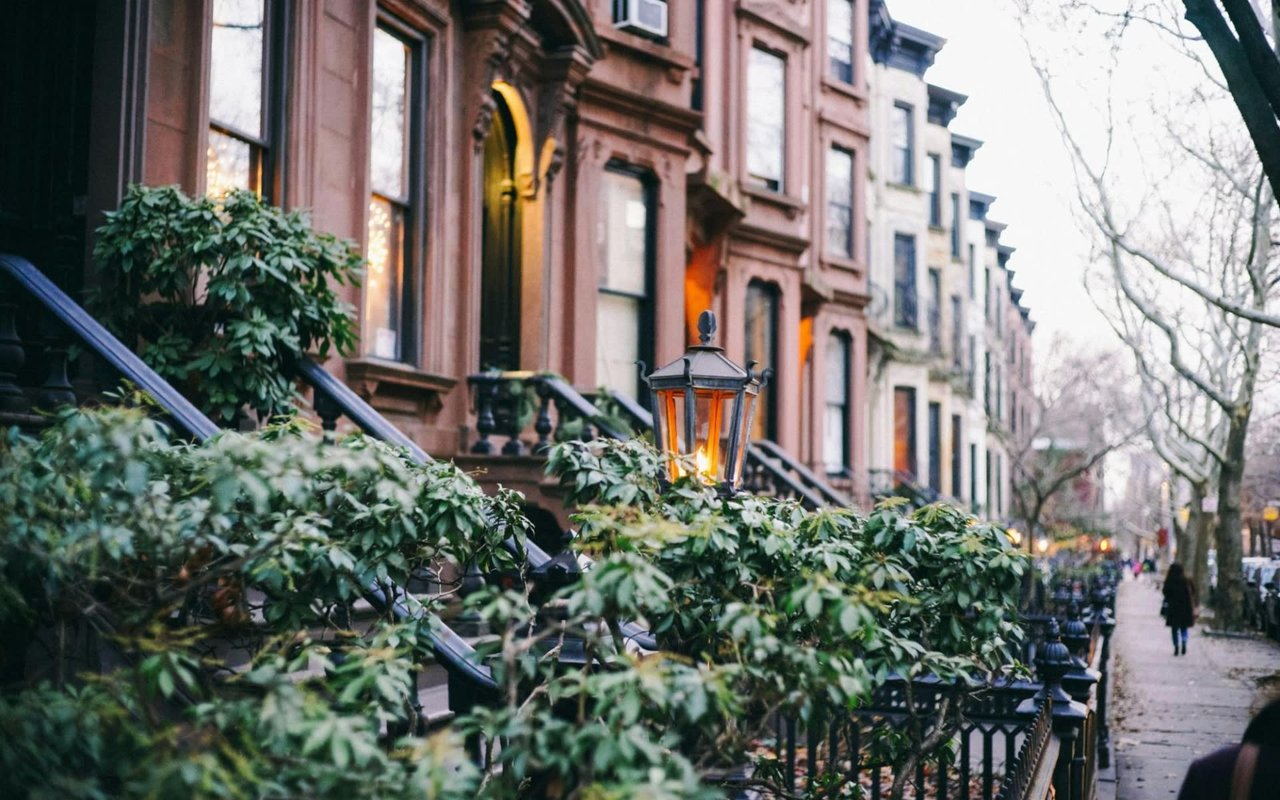
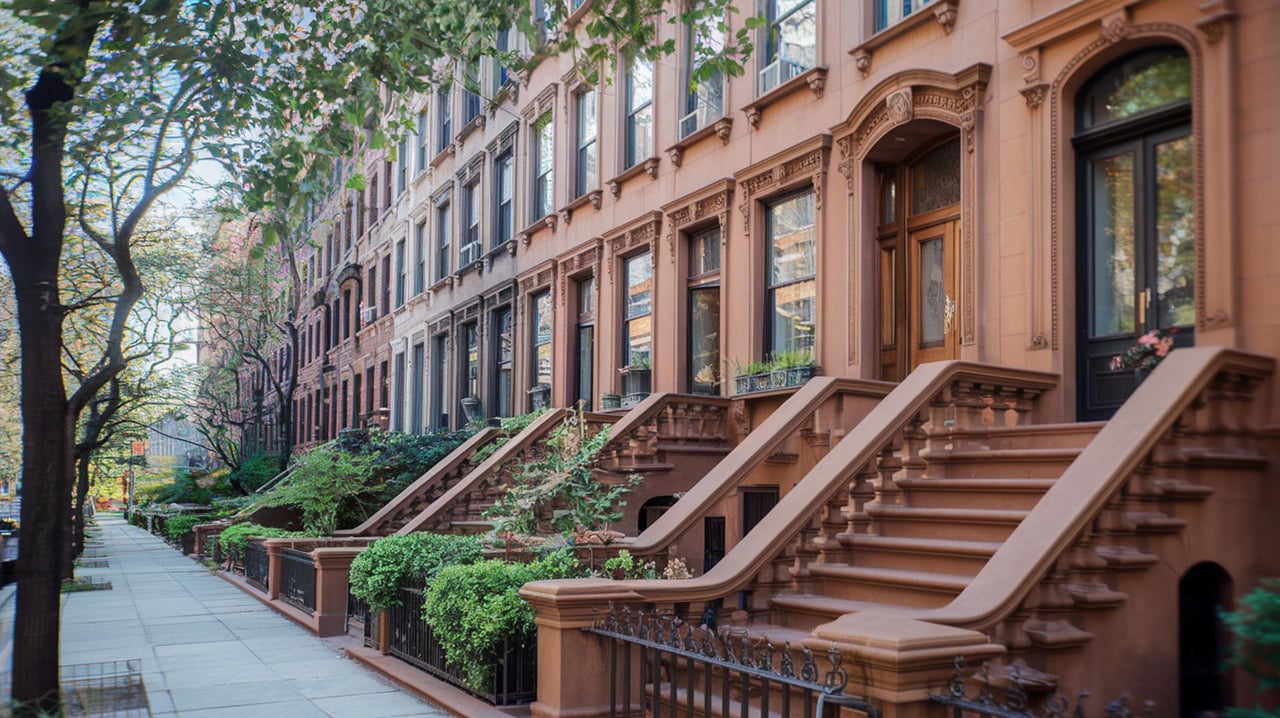
- A raised stoop that brings you up to the parlor level.
- What it means for daily living:
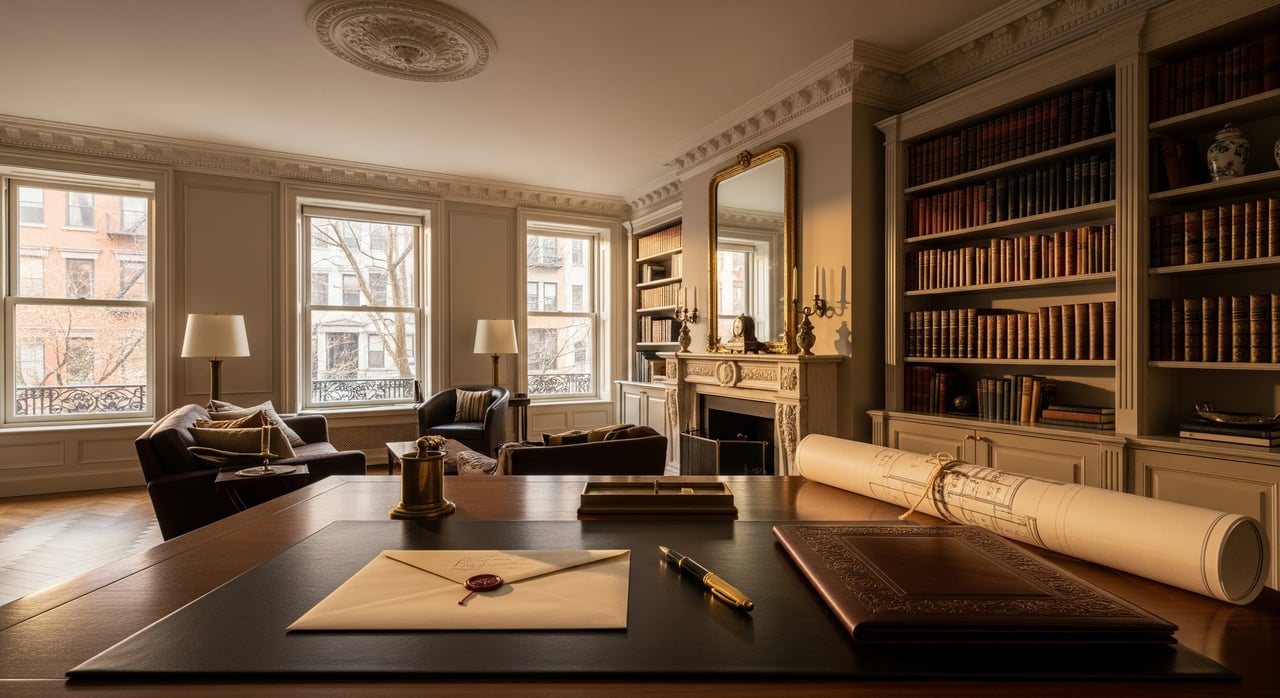
- The main living floor often sits above street level, which gives you light and privacy but adds stairs to your routine. Interiors usually have straightforward room shapes and classic plaster moldings that are easier to maintain than highly ornate Victorian trim.
Italianate
- Visual cues to look for:
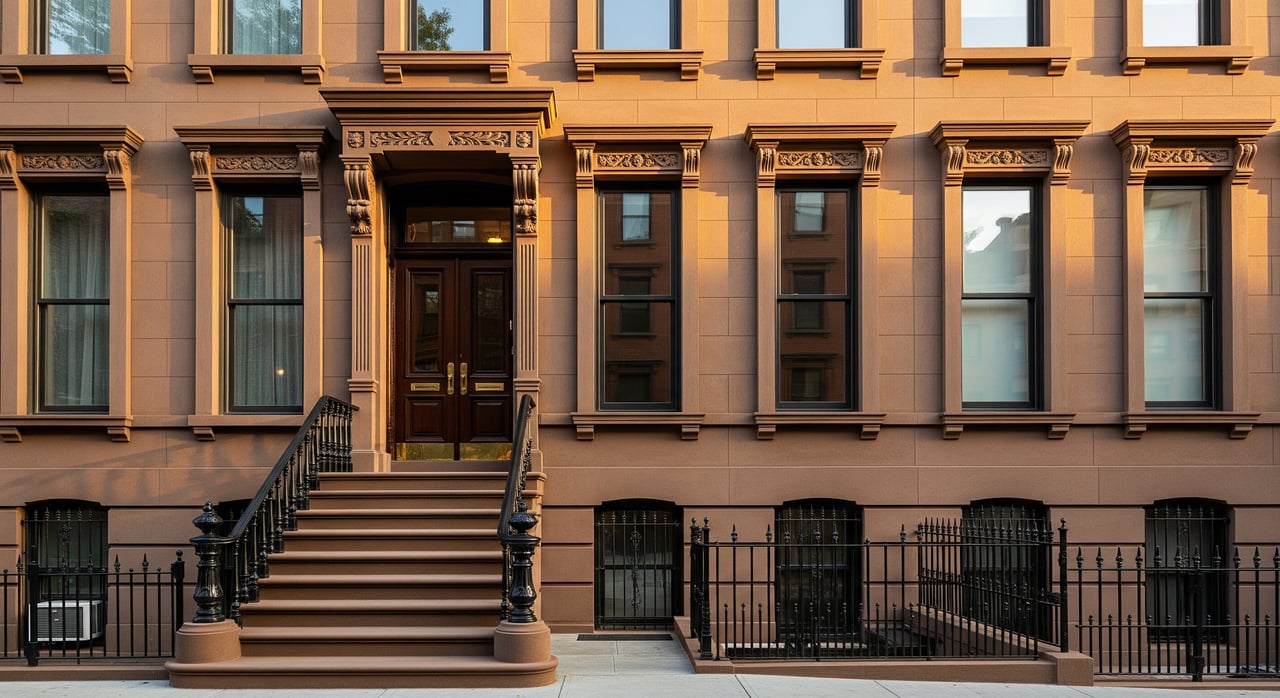
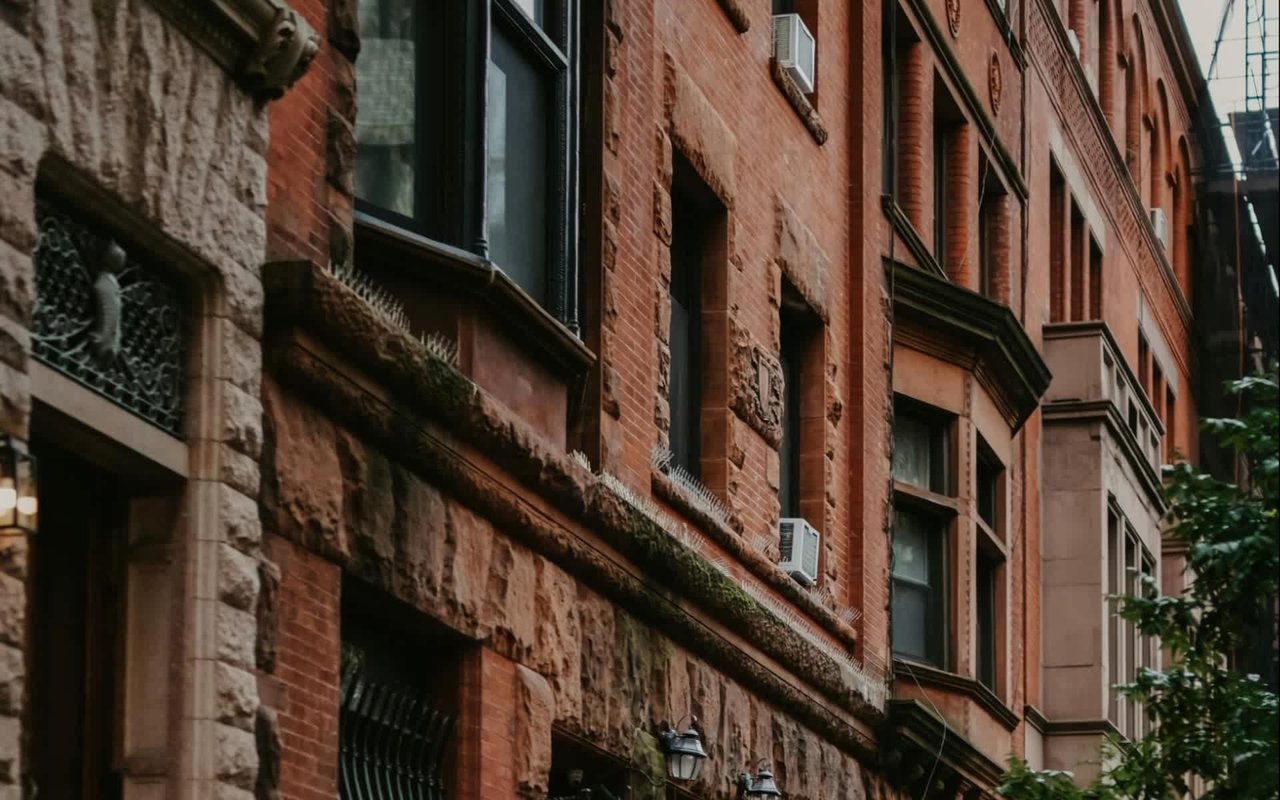
- A projecting bracketed cornice along the roofline.
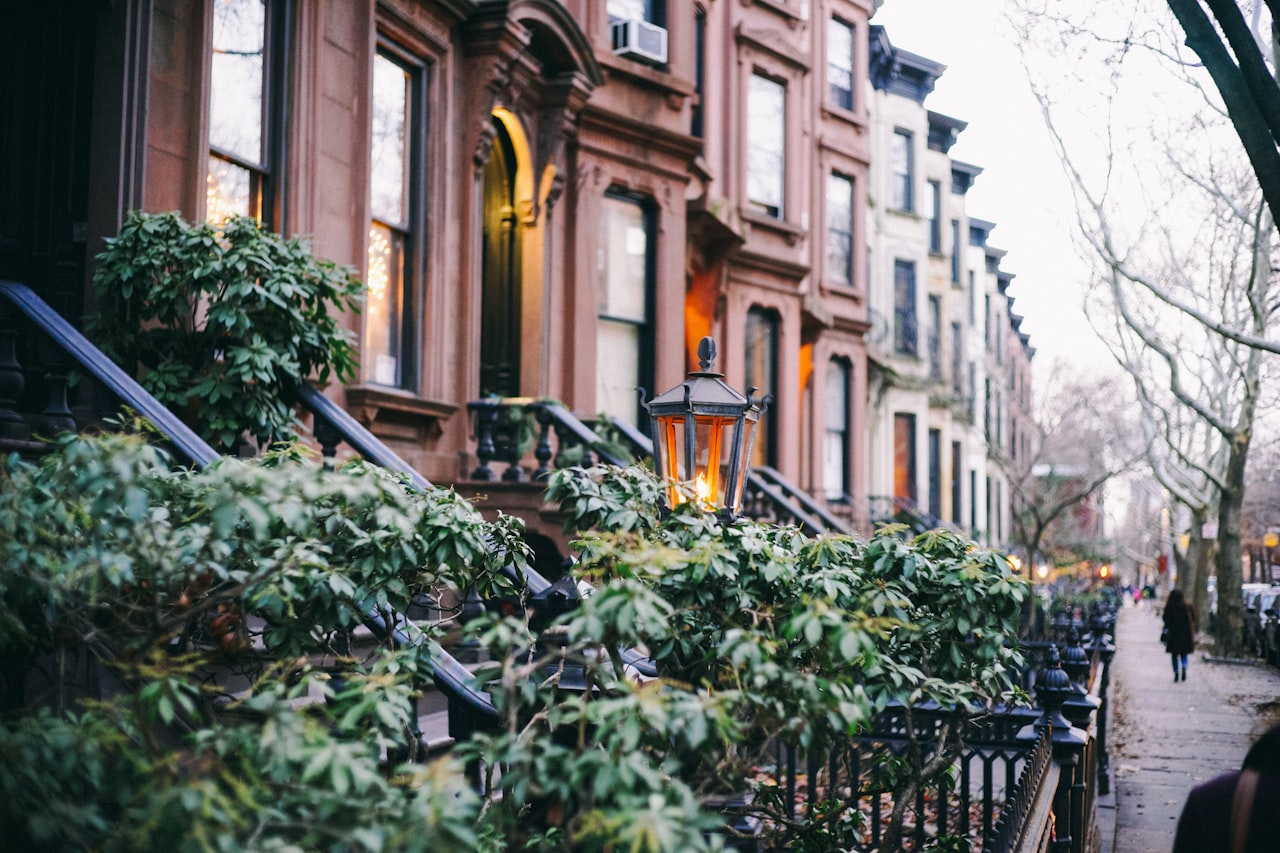
- Tall, narrow windows, sometimes arched, often topped with carved hoods or lintels.
- Low-pitched or flat roofs and a prominent stoop entry.
- What it means for daily living:
- High ceilings on the parlor level and tall windows make spaces feel generous and bright. The ornament is striking, but elements like brackets and carved lintels need periodic maintenance, which can add cost over time.
Renaissance Revival
- Visual cues to look for:
- Heavier masonry with rusticated stone or brick patterns and belt courses that emphasize horizontal lines.
- Round-arched openings at the base or entry level, plus classical cornices.
- Often seen on larger rowhouses and early apartment buildings that feel more substantial.
- What it means for daily living:
- These buildings often have broader floorplates or multi-unit layouts. Solid masonry can make interiors quieter and thermally stable, though pointing and mortar upkeep are part of long-term care.
Park-to-BAM strolls that teach your eye
Route A: Park-centered stroll (30–45 minutes)
- Start at the main plaza of Fort Greene Park near the Prison Ship Martyrs’ Monument. Use the open space to orient yourself and look at how surrounding blocks step down in scale.
- Exit toward South Oxford Street or Washington Park. Look for Greek Revival and Italianate rowhouses with raised stoops, transom windows, and bracketed cornices. Compare the simpler Greek Revival door surrounds to the more ornate Italianate hoods.
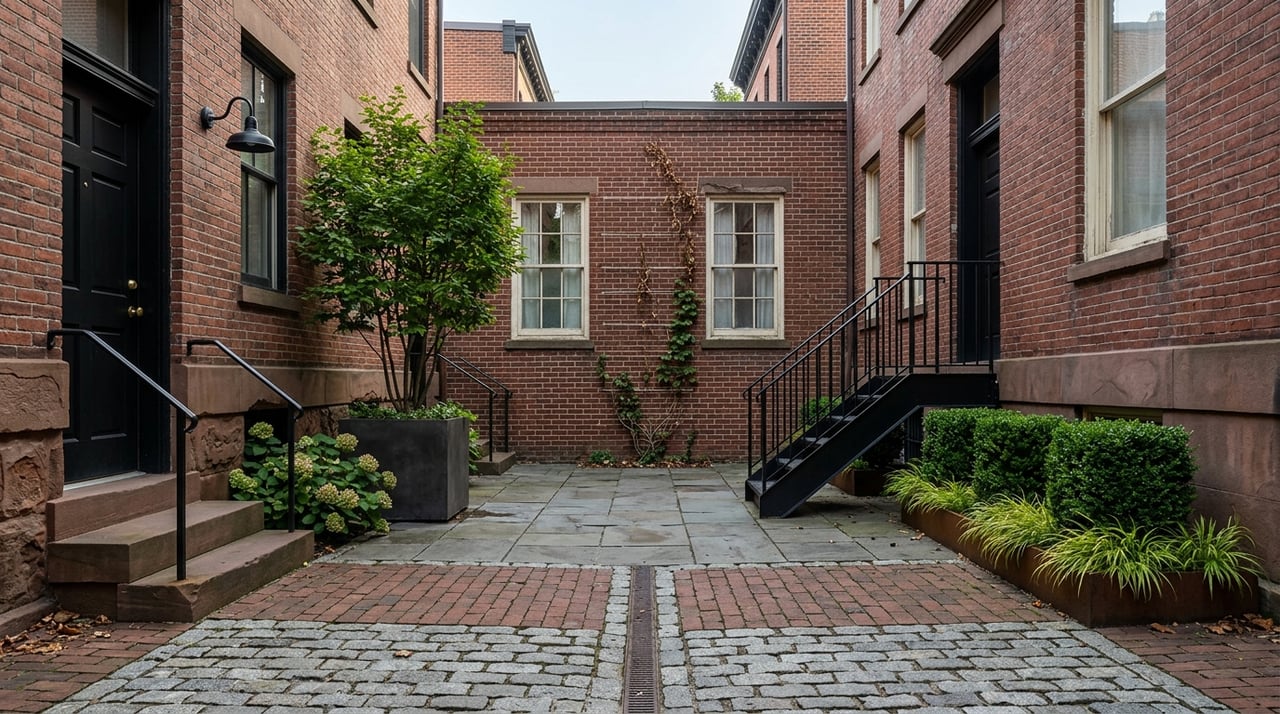
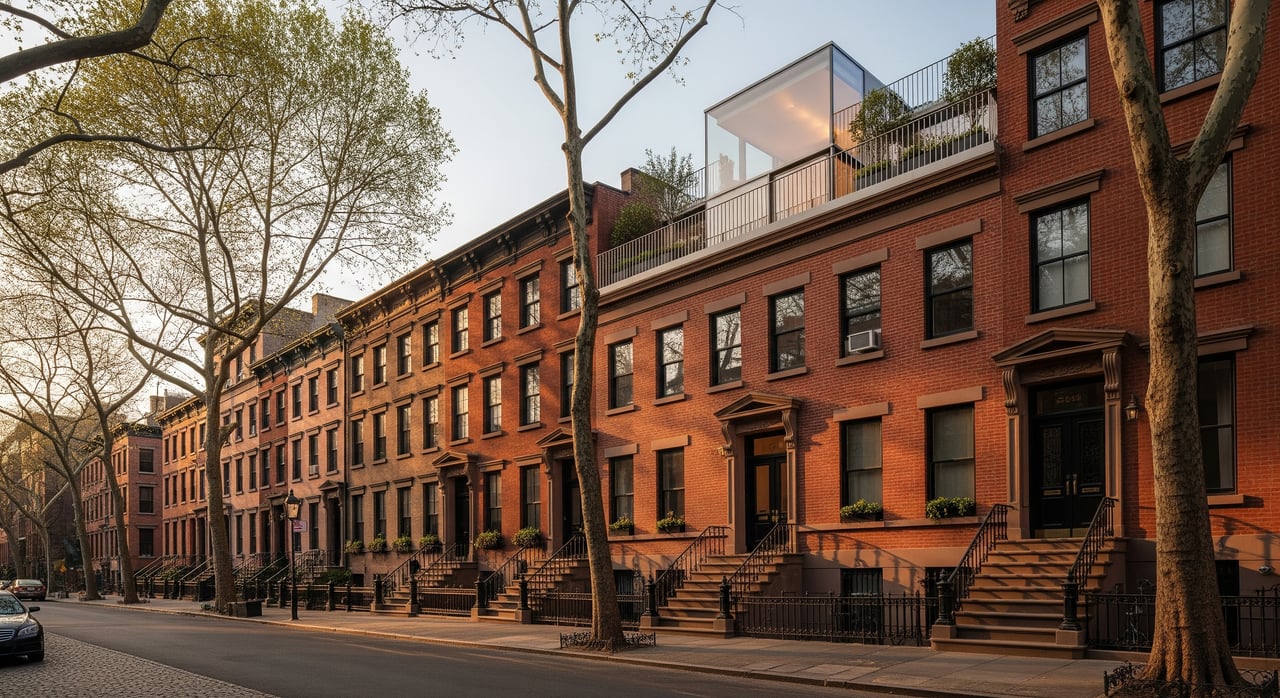
- Continue to Cumberland Street and nearby blocks. Notice how a continuous run of stoops creates a unified rhythm and how cornice lines tie the block together.
- Walk east toward the Lafayette Avenue corridor by the Brooklyn Academy of Music. You’ll see the shift from narrow, intimate rowhouses to larger, later masonry buildings that feel more monumental.
What to focus on:
- Stoops and basement entries.
- Door surrounds and transoms.
- Cornice brackets and window hoods.
- The jump in scale as you approach larger avenues.
Route B: Cultural corridor and side-street details (1–1.5 hours)
- Begin at the Brooklyn Academy of Music on Lafayette Avenue. Scan the corridor for larger institutional façades that anchor this cultural spine.
- Cut into side streets like South Oxford or Adelphi. Here you’ll see rows of Greek Revival and Italianate homes with distinctive cornices and door frames. Compare original façades with restored examples and with houses that have modernized details.
- Loop back through quieter residential blocks. Watch how consistent cornice lines and stoops create a cohesive streetscape even when individual houses vary in detail.
What to focus on:
- Bracketed cornices versus simple cornices.
- Window shapes: segmental, arched, or rectangular.
- Masonry repairs and repointing patterns.
- Restored versus altered façades.
Route C: Longer architectural survey (2+ hours)
- Combine the park loop with the cultural corridor. Add stops at nearby civic or religious buildings that feature Renaissance or Beaux-Arts elements.
- Take time to study cornice brackets up close. Note weathering on brownstone, carved lintels, and the difference between two-over-two and six-over-six window sash.
- Look up at parapets and down at stoops to catch details you might miss at eye level. The vertical scan often reveals the best clues.
What to focus on:
- Rusticated bases and belt courses on larger buildings.
- Brownstone erosion and repair patches.
- Cast-iron railings and newel posts.
- Consistency of details across a block.
Daily life inside these buildings
Layouts you’ll encounter
- Parlor or stoop plan: A classic setup in Greek Revival and Italianate houses. You enter at the parlor level via a stoop. The main sitting room enjoys high ceilings and street views. Kitchens and service spaces often sit on the garden level.
- Floor-through apartments: Many brownstones were divided into separate units. Always confirm unit boundaries, legal egress, and occupancy when you are buying.
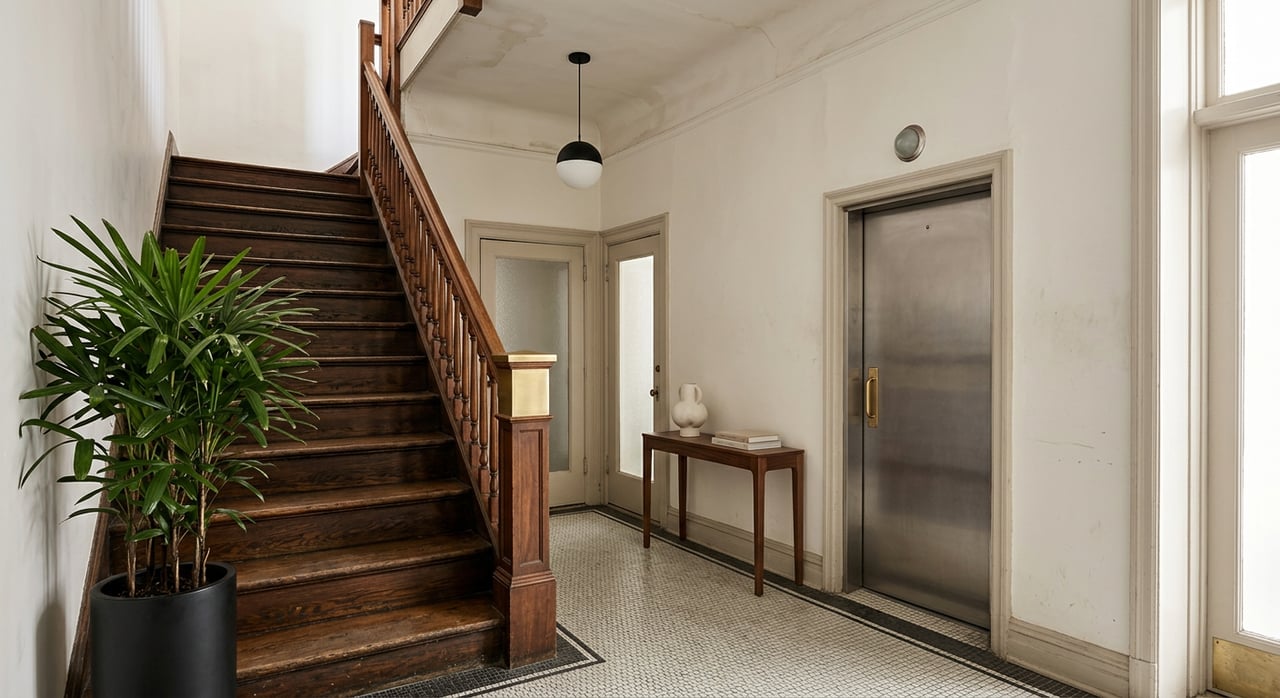
- Renaissance Revival apartment houses: Expect larger lobbies, longer corridors, and sometimes elevators in bigger buildings. Units are usually self-contained rather than stacked like a single-family plan.
Renovation realities
- Façades and stonework: Brownstone can spall and may need careful patching or replacement with compatible materials. Carved lintels and cornices often require specialist trades.
- Cornices and brackets: Wood or metal cornices can rot or rust. Repairs are visible and can be significant items in a budget.
- Basements and foundations: Moisture and drainage issues are common in older houses. Waterproofing and proper ventilation improve comfort and protect finishes.
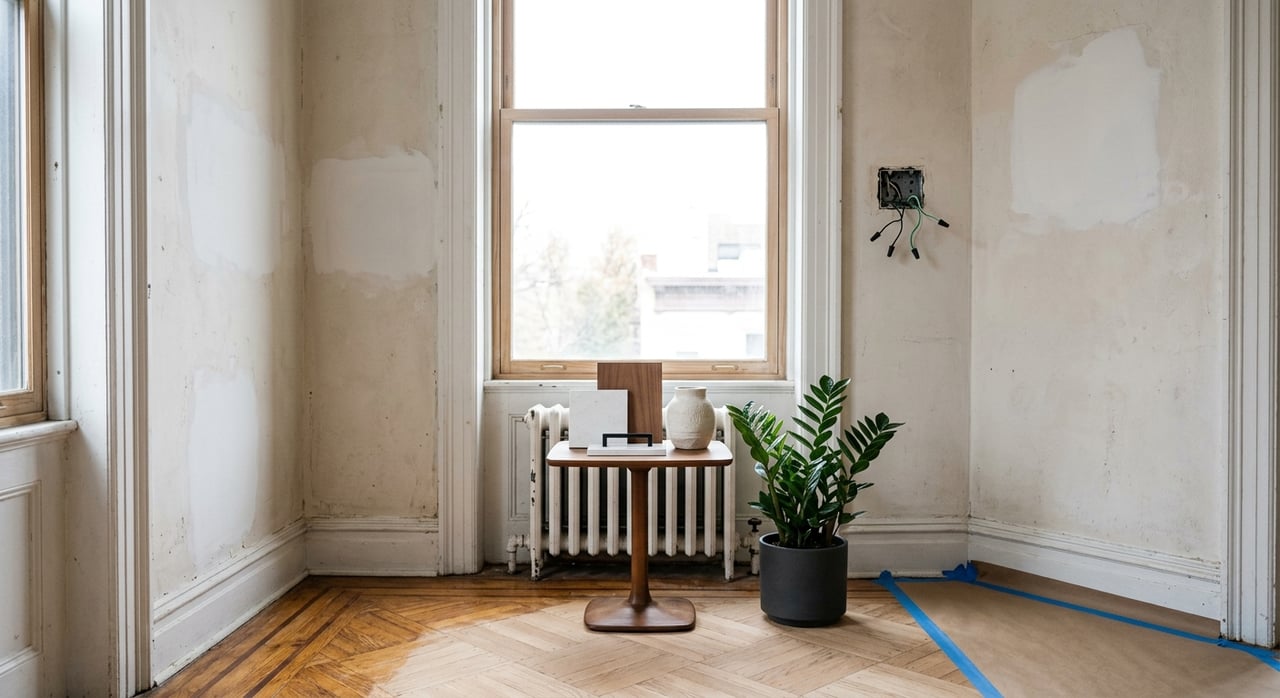
- Mechanical systems: Older wiring and plumbing may need full upgrades. Many owners modernize systems during a comprehensive renovation for safety and comfort.
- Windows and sash: Original wood windows add character but can be drafty. Restoration or interior storm windows can improve performance while preserving historic profiles.
Rules and approvals to know
- If your property is in a historic district or designated as an individual landmark, most exterior changes visible from the street require review by the Landmarks Preservation Commission. Start by confirming status on the Landmarks Preservation Commission’s landmark map, then review the commission’s guidance on permit applications for landmark properties.
- Interior structural changes and major system work typically require Department of Buildings permits. You can review permit histories and filings using the Department of Buildings’ Building Information System.
- Zoning can affect what you can add or change. For context, explore your lot and block on the Department of City Planning’s ZoLa map.
Buyer and seller checklists
If you’re buying
- Verify landmark status and review the Landmarks Preservation Commission’s permitted work guidance before you plan exterior changes.
- Inspect roofs, façades, and cornices for deferred maintenance. Ask for repair histories and permits.
- Confirm unit count, legal egress, and mechanical systems. Understand whether utilities are shared or separate.
- Assess stair runs and layout if you want a stroller-friendly or mobility-friendly home. Many brownstones involve multiple flights.
If you’re selling
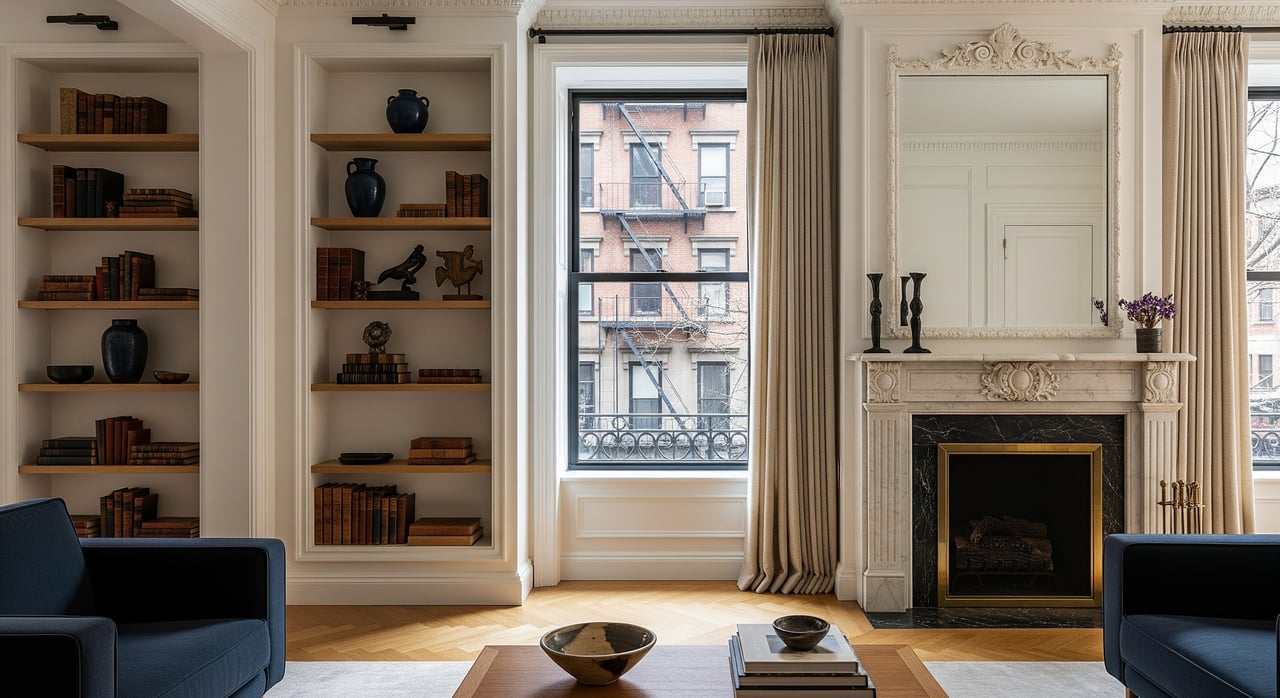
- Highlight restored historic features like original moldings, mantels, staircases, and any Landmarks Preservation Commission approved exterior work.
- Document recent façade, roof, or window projects with before-and-after photos and permits.
- Prepare a simple summary of mechanical upgrades, energy improvements, and waterproofing measures. Buyers appreciate clarity on long-term maintenance.
Practical tips for every walk
- Take photos of cornices and door surrounds from the opposite sidewalk to capture full profiles.
- Compare window proportions from house to house on the same block. You’ll notice style shifts quickly.
- Look for maintenance clues like new mortar joints or patched stone. They often reveal age and care.
- Check landmark maps early if you are considering any project. A quick search can save time later.
Resources to go deeper
- Confirm historic district boundaries with the Landmarks Preservation Commission’s landmark maps.
- If you plan work, read the Landmarks Preservation Commission’s permit application guidance for landmarks.
- Review past permits and violations in the Department of Buildings’ Building Information System.
- Explore zoning and lot details on the Department of City Planning’s ZoLa map.
- Browse restoration case studies and neighborhood features in Brownstoner’s Fort Greene coverage.
- View historic photographs at the Brooklyn Public Library’s Center for Brooklyn History.
- Get preservation tips from the Historic Districts Council’s guide to common repair issues.
Fort Greene rewards a curious eye. Once you know what to look for, the neighborhood tells its story block by block, from temple-like Greek Revival doors to soaring Italianate brackets to the solid confidence of Renaissance Revival masonry. If you are thinking about buying, renovating, or selling a brownstone or a prewar apartment here, you deserve a guide who understands both the design and the day-to-day realities.
Ready to match your architectural taste to the right block and building type? Let’s walk it together. Book an appointment with Mark O’Brien Real Estate to explore your options and map out next steps.
FAQs
How can I tell Greek Revival from Italianate fast?
- Greek Revival reads as simple and classical with a strong door surround and transom, while Italianate features a bracketed cornice and taller, often arched windows with decorative hoods.
Are all brownstones actually brownstone?
- No, the term often refers to the look rather than the material; façades may be brown sandstone, brick, or limestone, and each material has different maintenance needs.
Do I need approval to change windows in a historic district?
- If the change is visible from the street, you generally need Landmarks Preservation Commission review, and approved profiles and materials are required.
Will a brownstone be drafty or noisy?
- Masonry helps with sound, but older single-pane windows can be drafty; many owners restore sash and add interior storms to improve comfort while keeping the historic look.
What ceiling heights should I expect?
- The parlor level often has the highest ceilings, commonly around 10 to 12 feet in Italianate homes, with upper floors usually a bit lower.