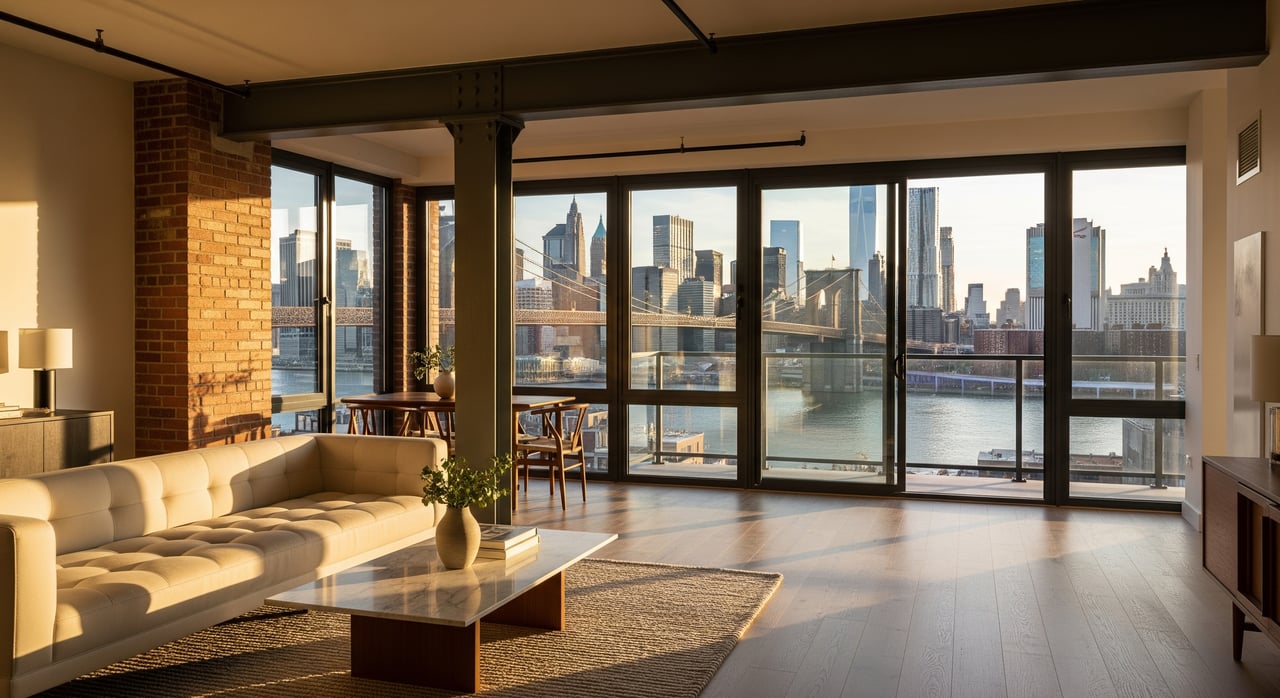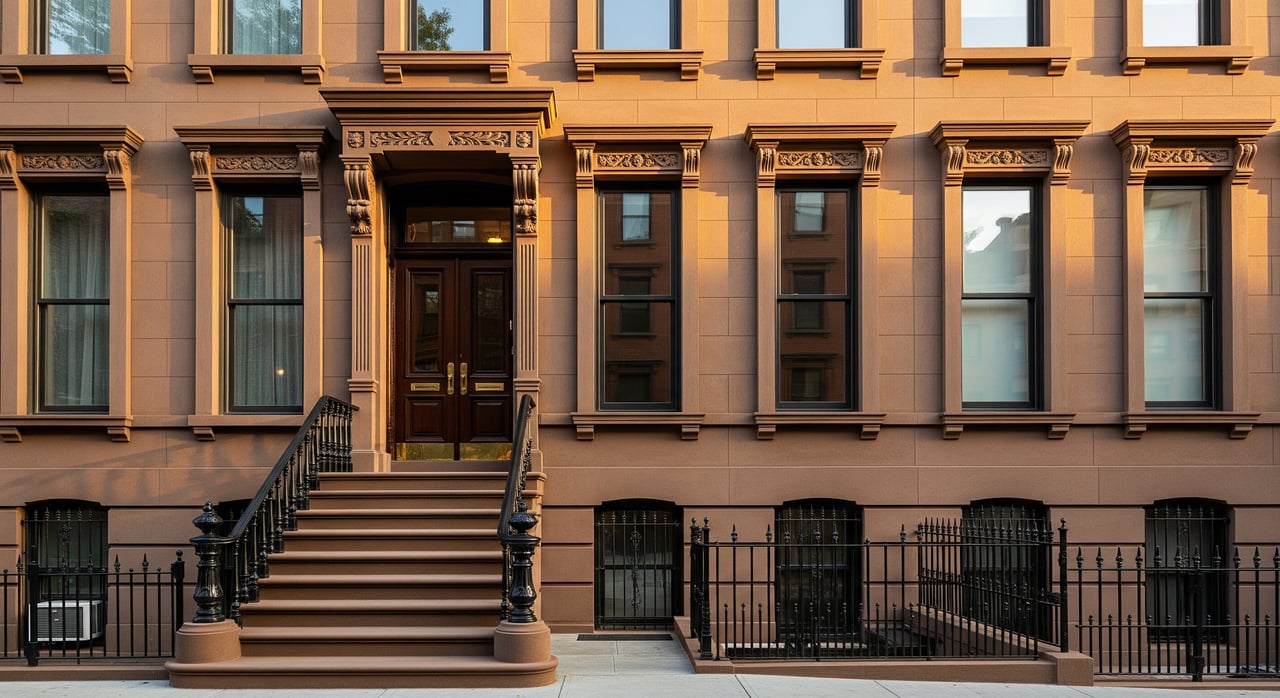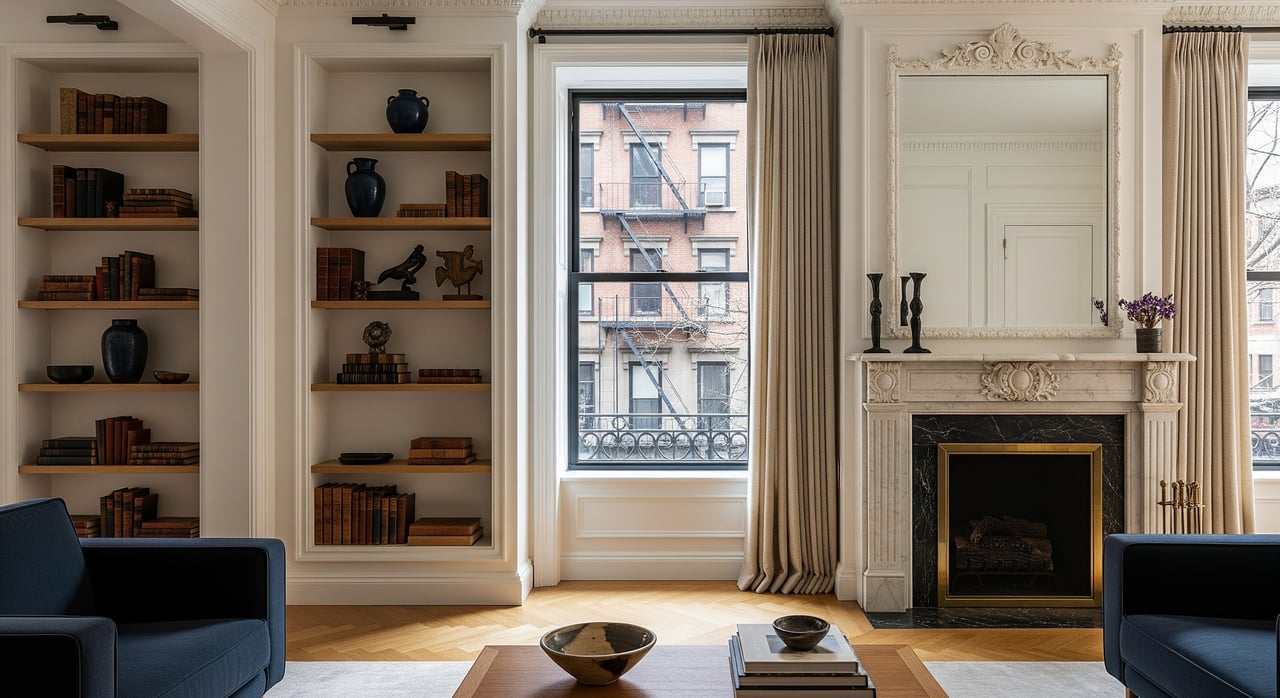
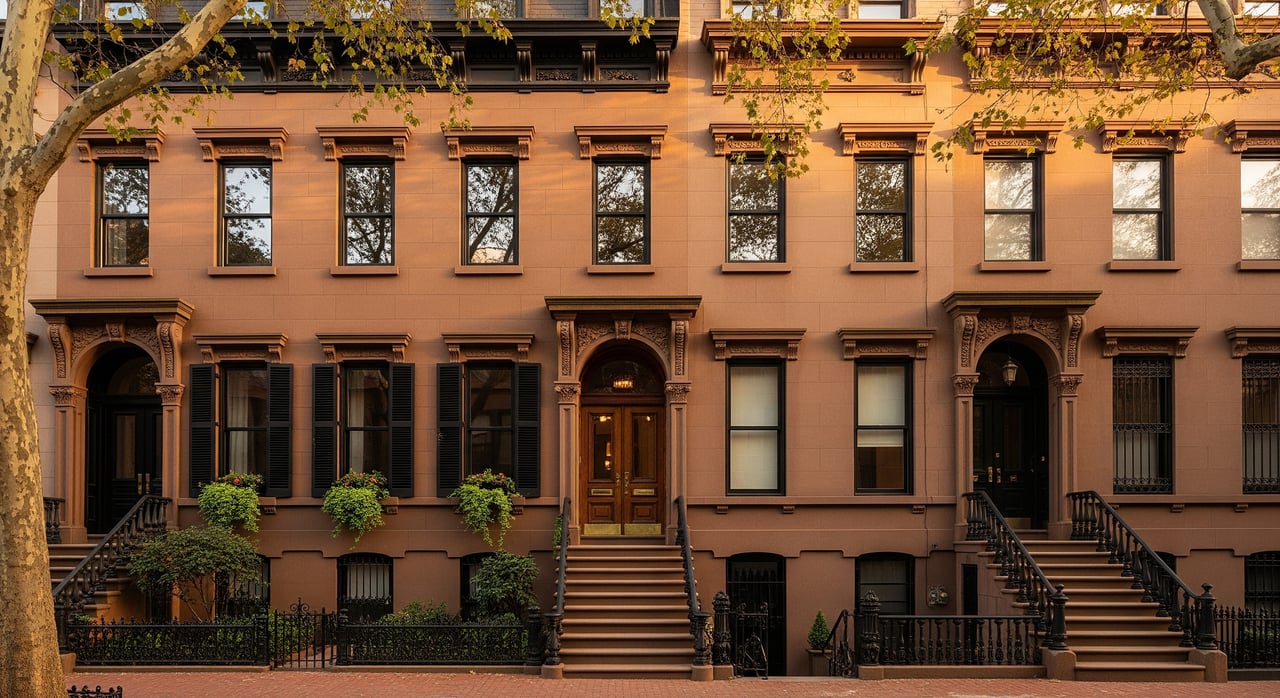
Torn between the charm of a single-family brownstone and the flexibility of a multi-family in Fort Greene? You are not alone. The neighborhood’s historic streets, strong transit access, and steady rental demand make both paths appealing. In this guide, you will learn how each option lives day to day, what to expect for maintenance and approvals, and how financing and legal status can shape your decision. Let’s dive in.
Fort Greene at a glance
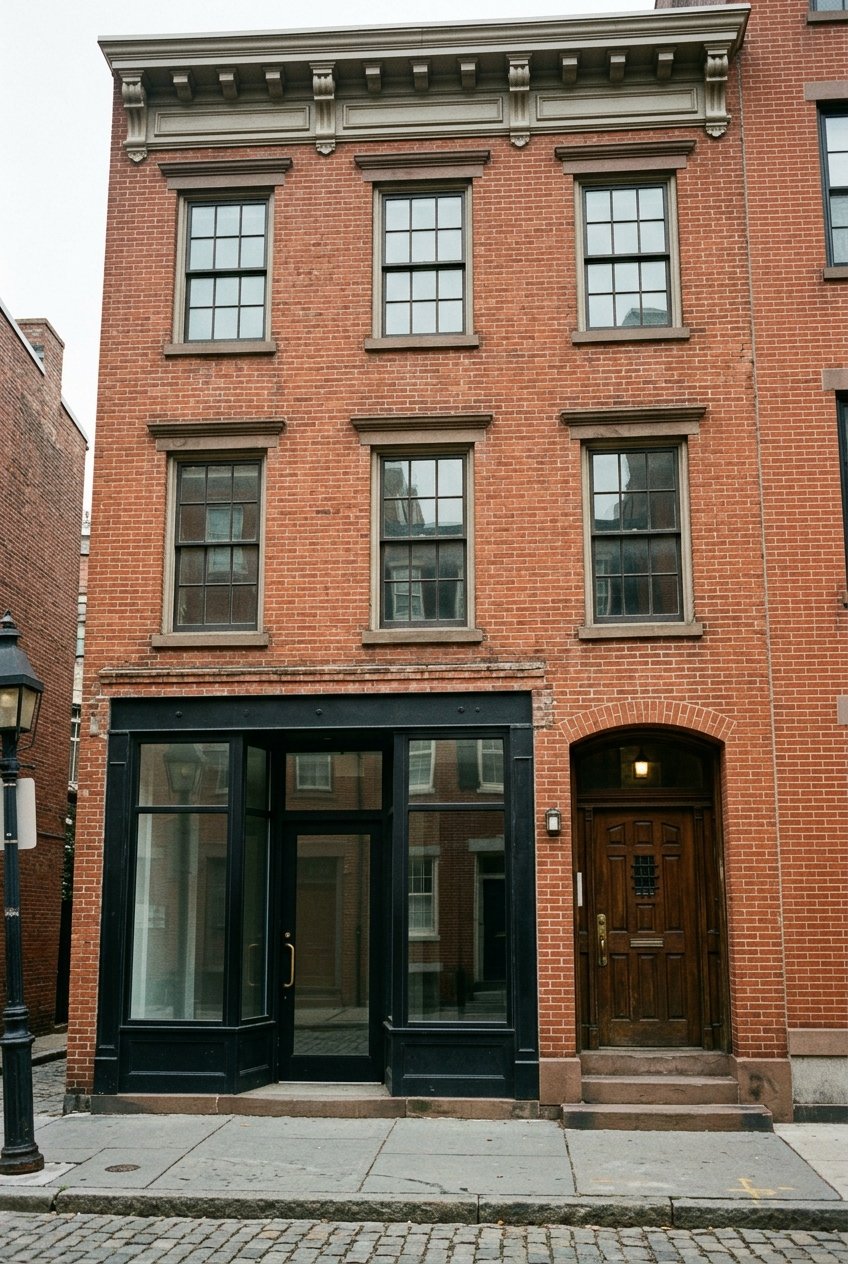
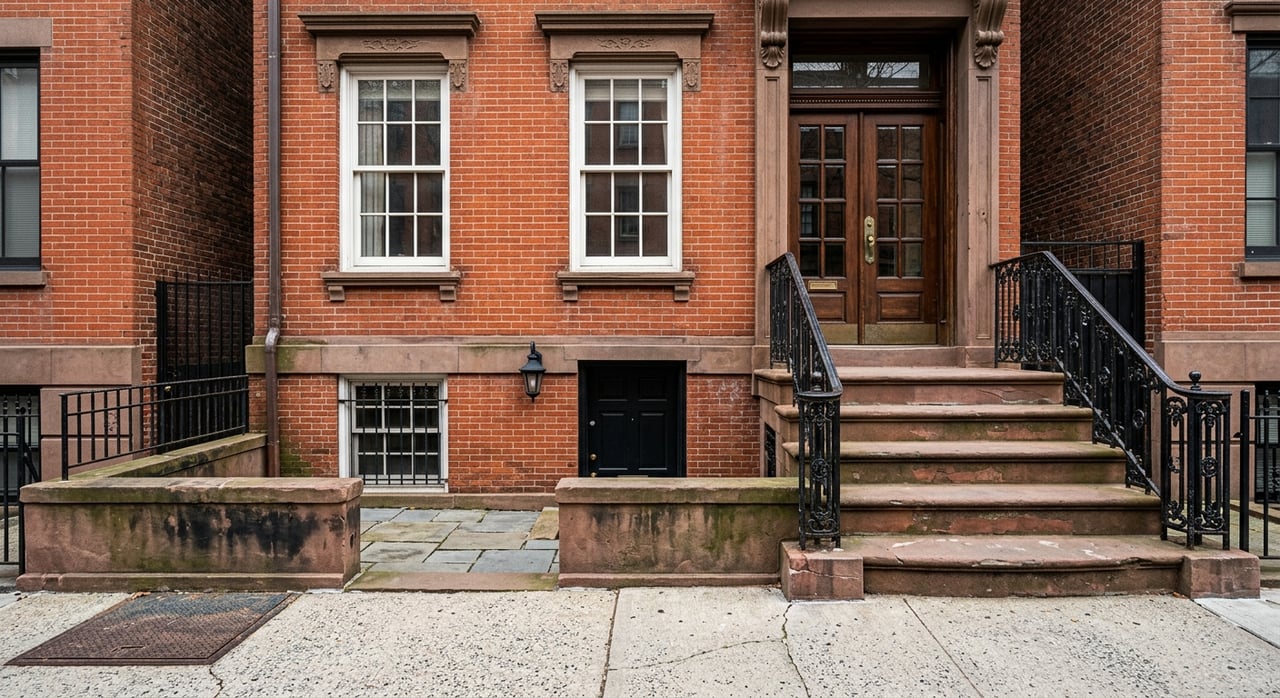
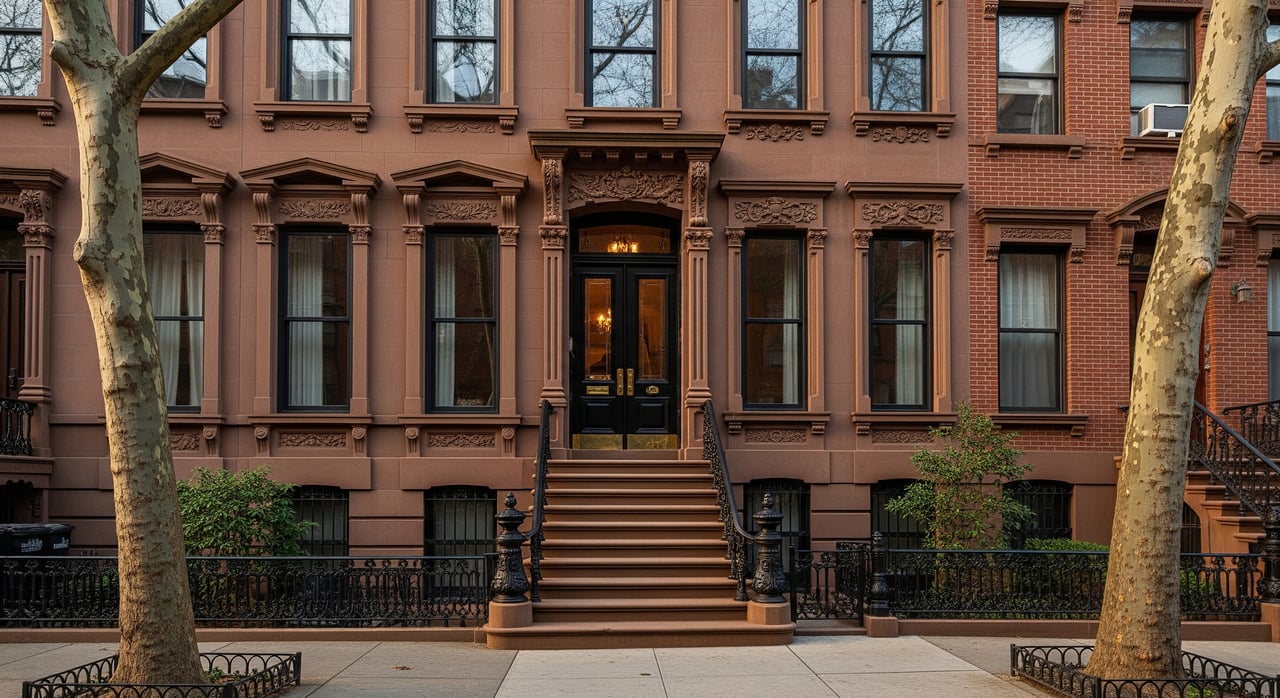
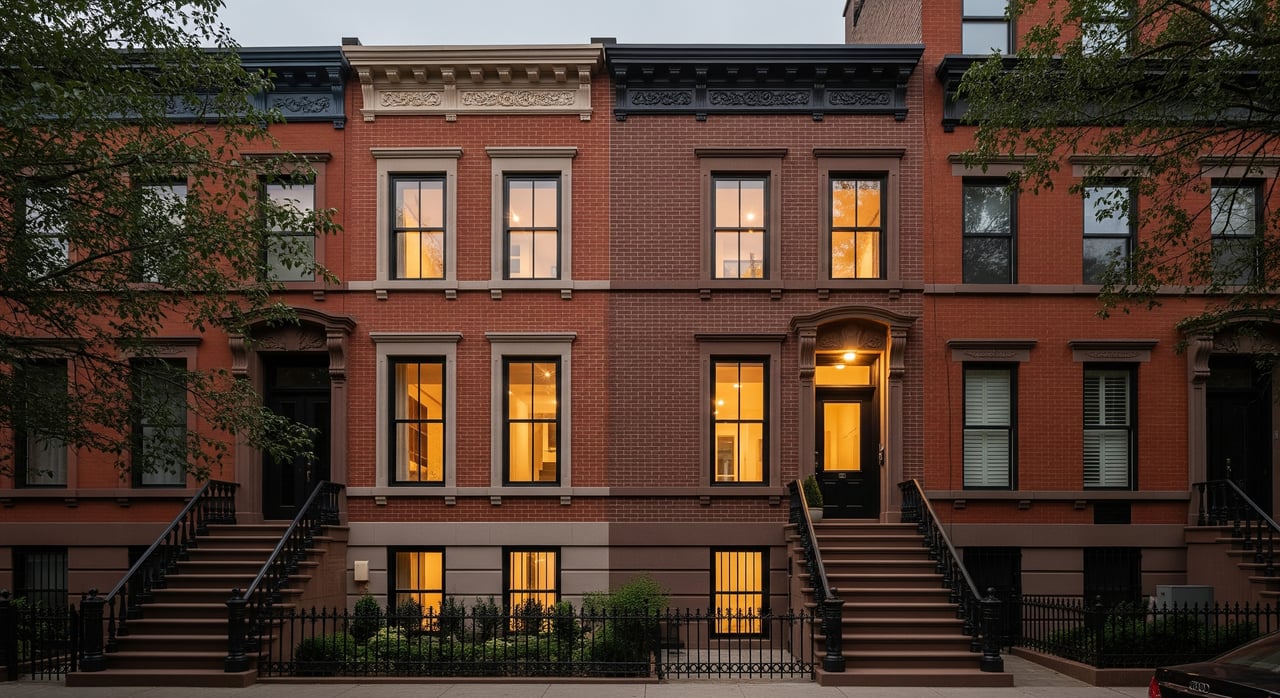
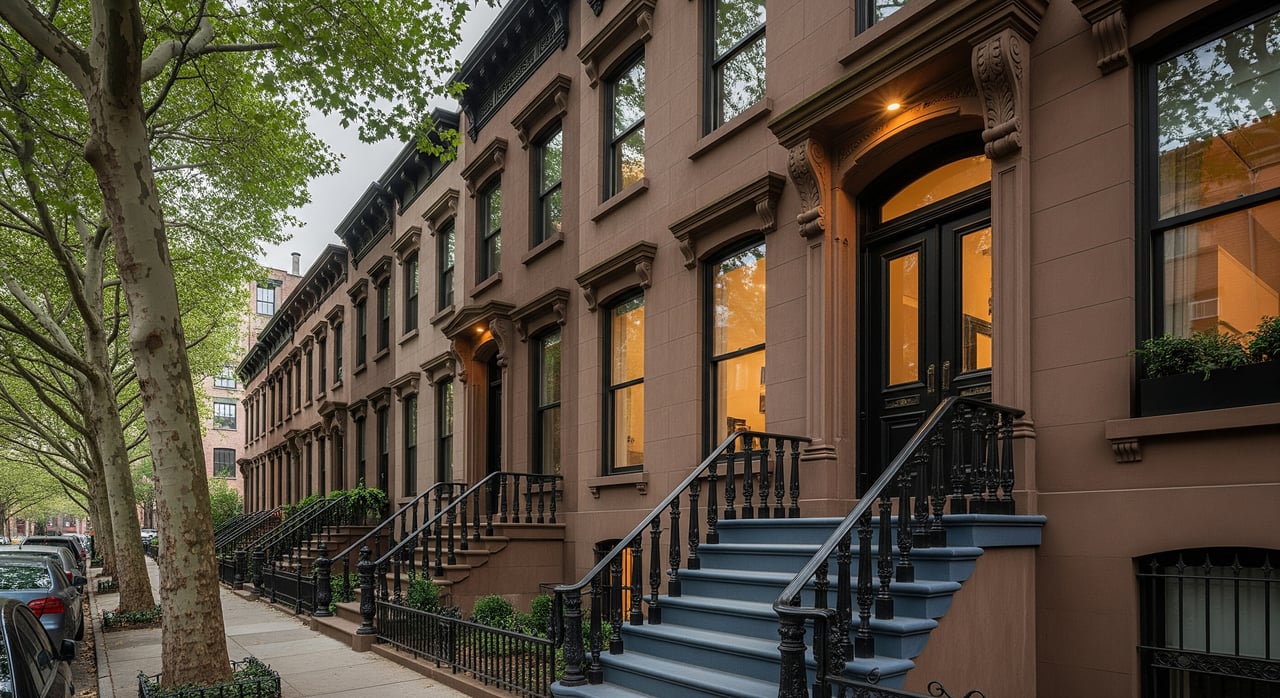
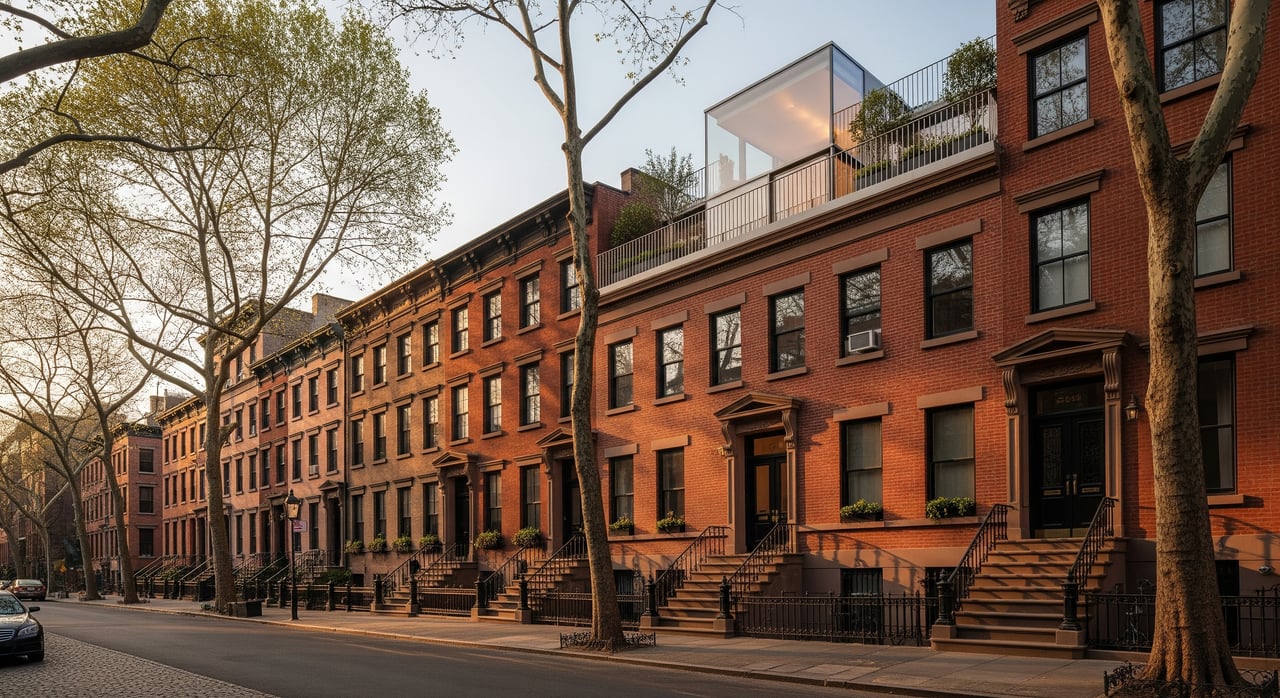
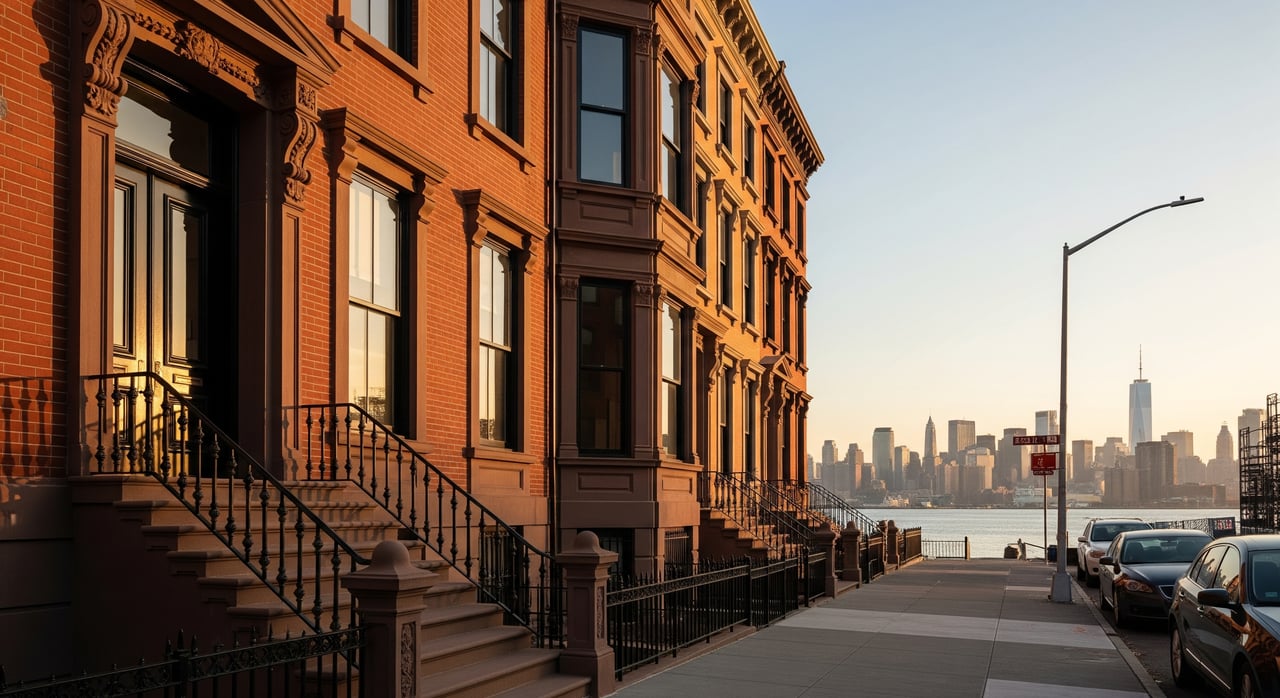
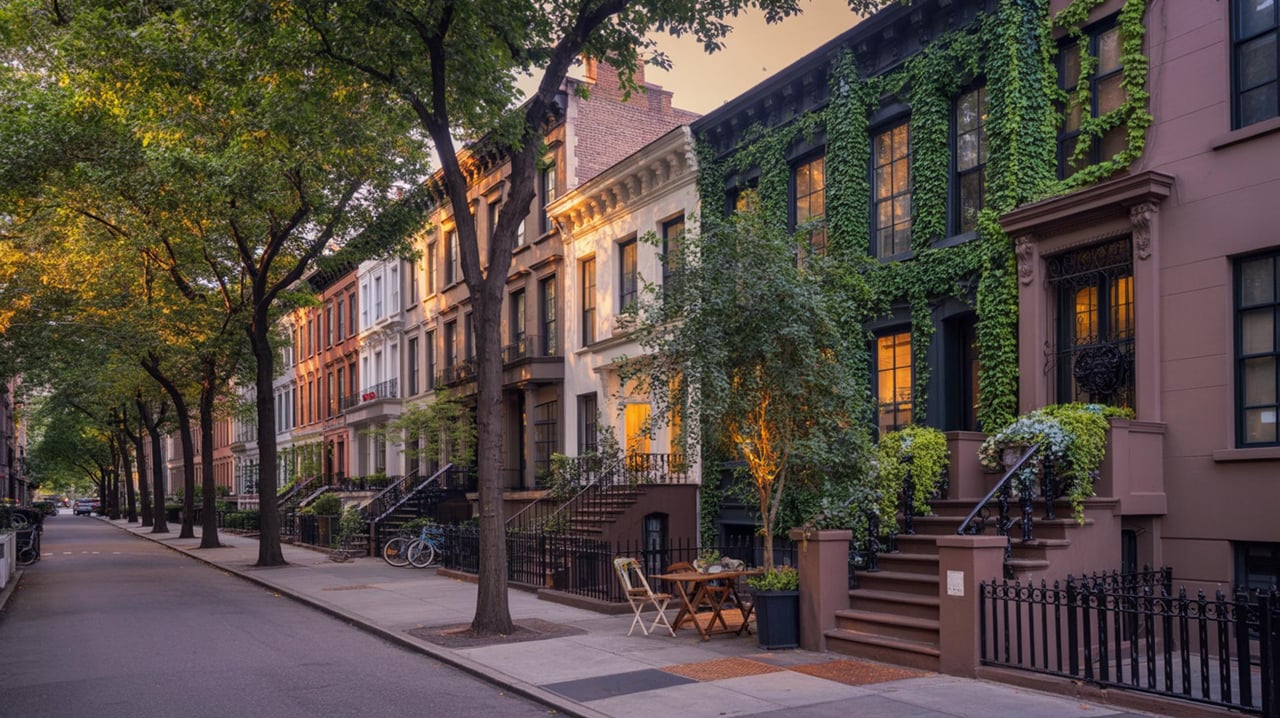
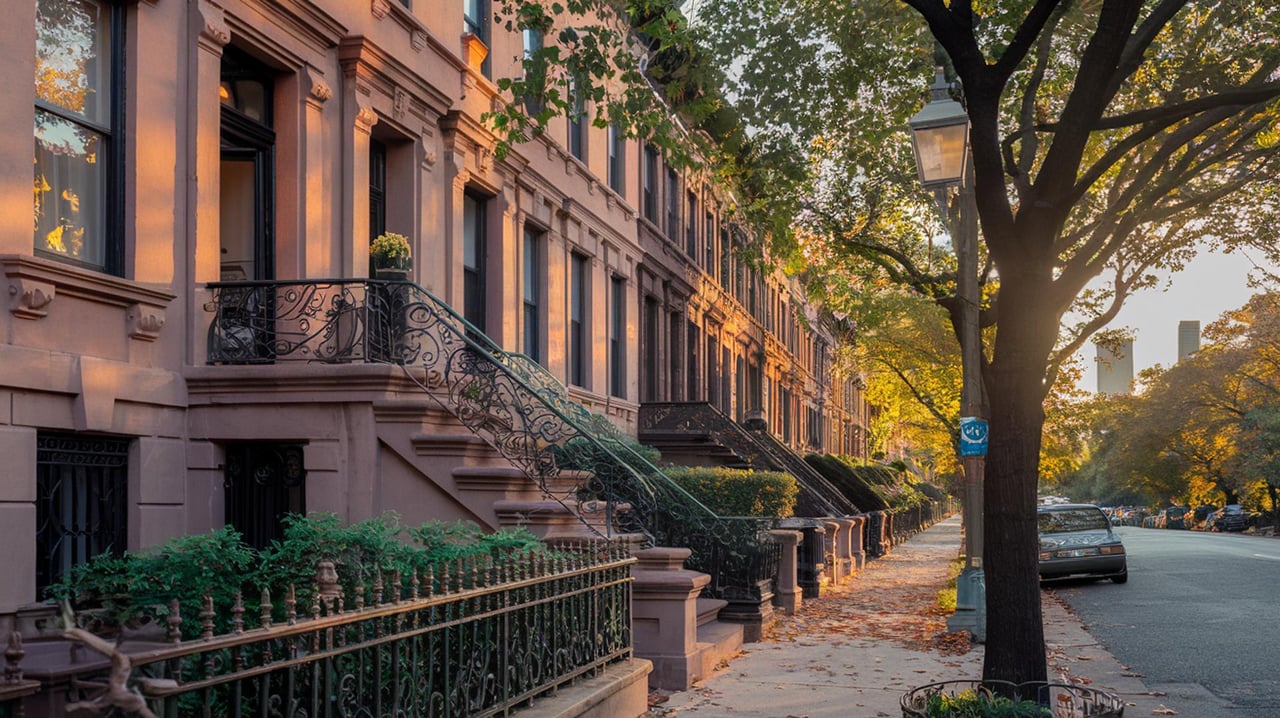
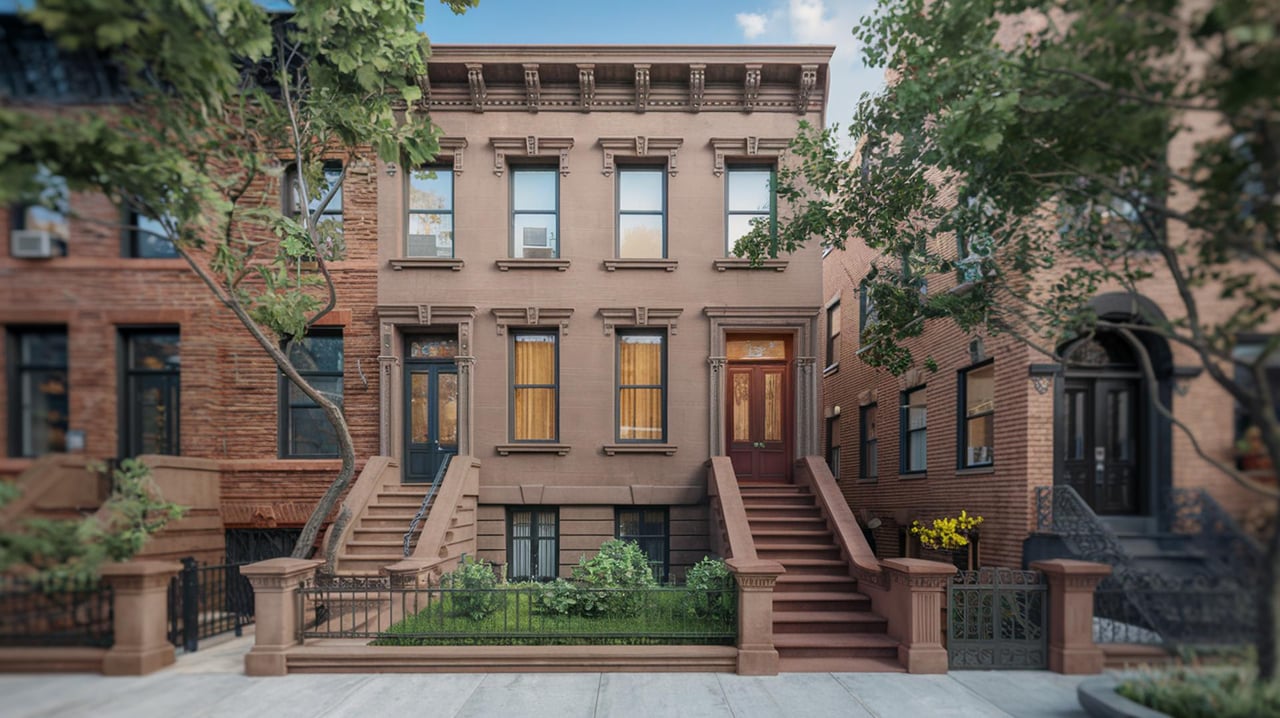
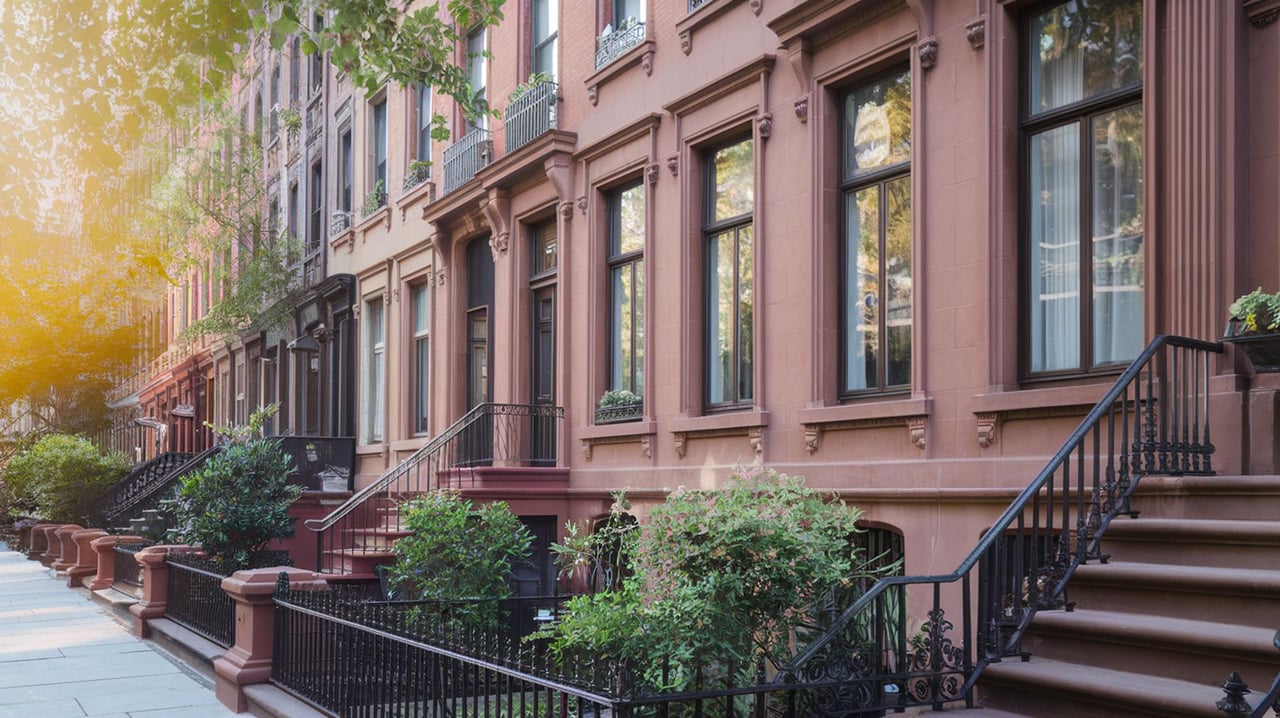
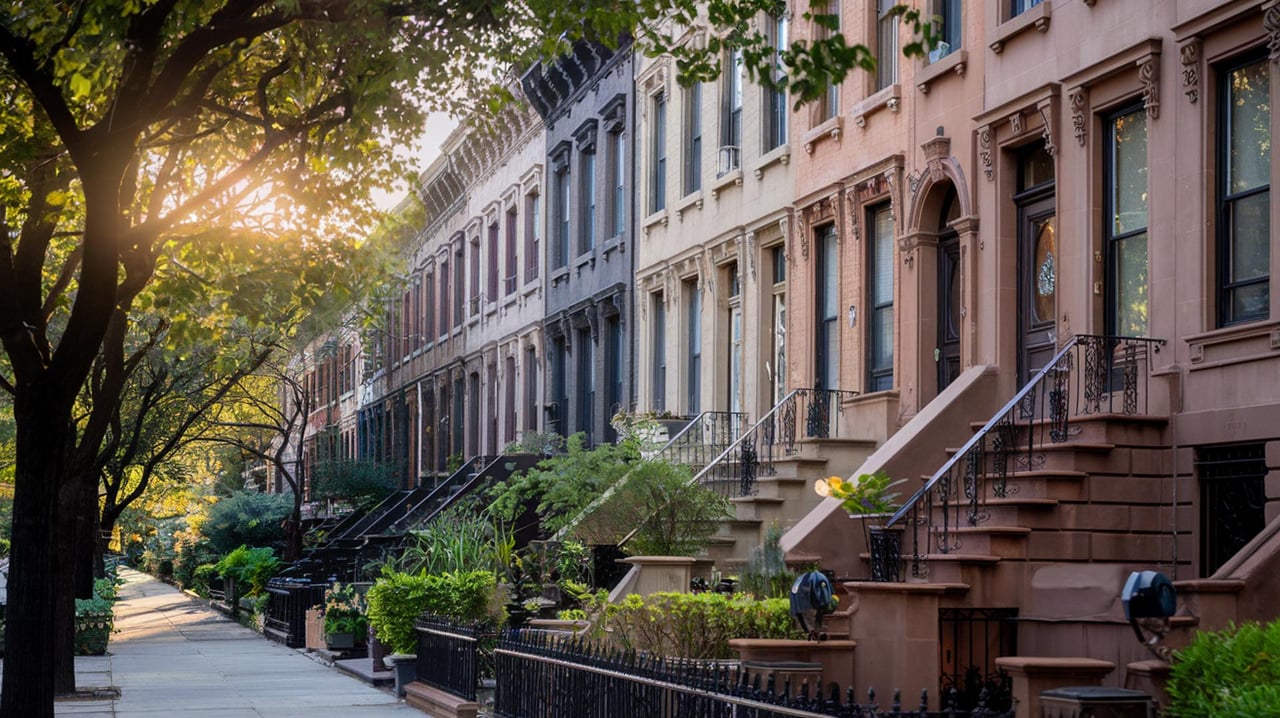
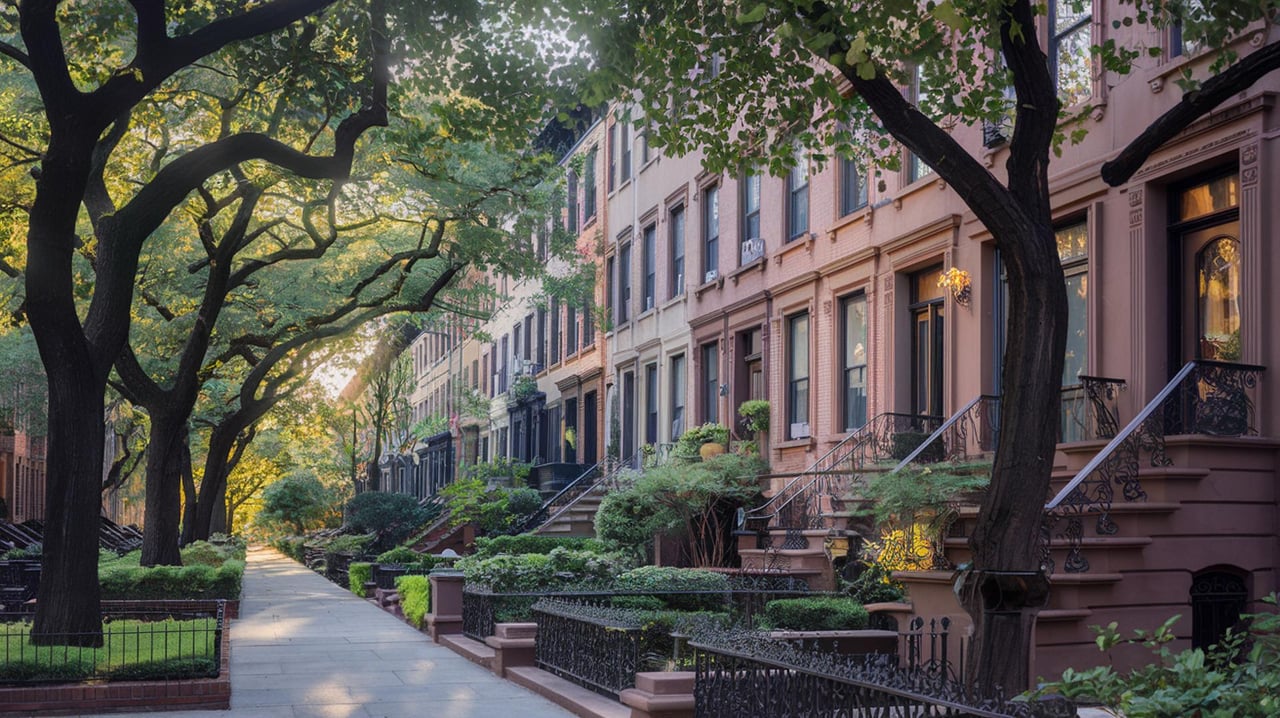
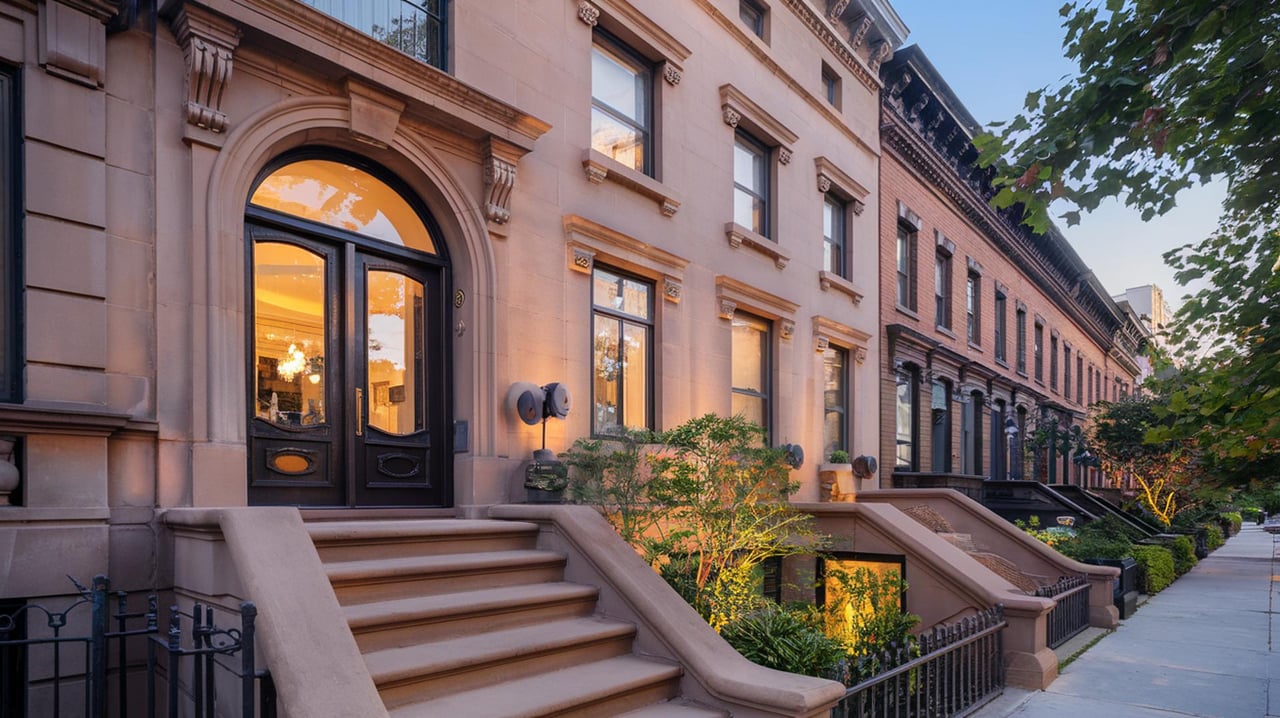
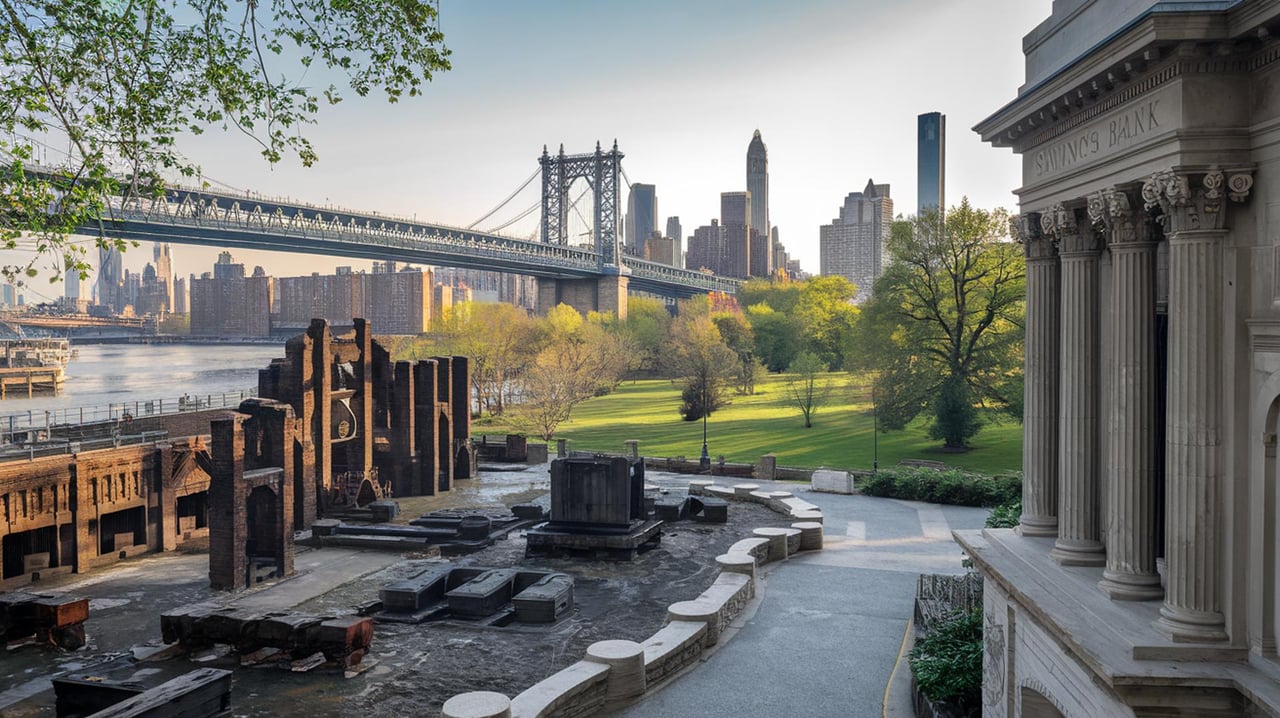
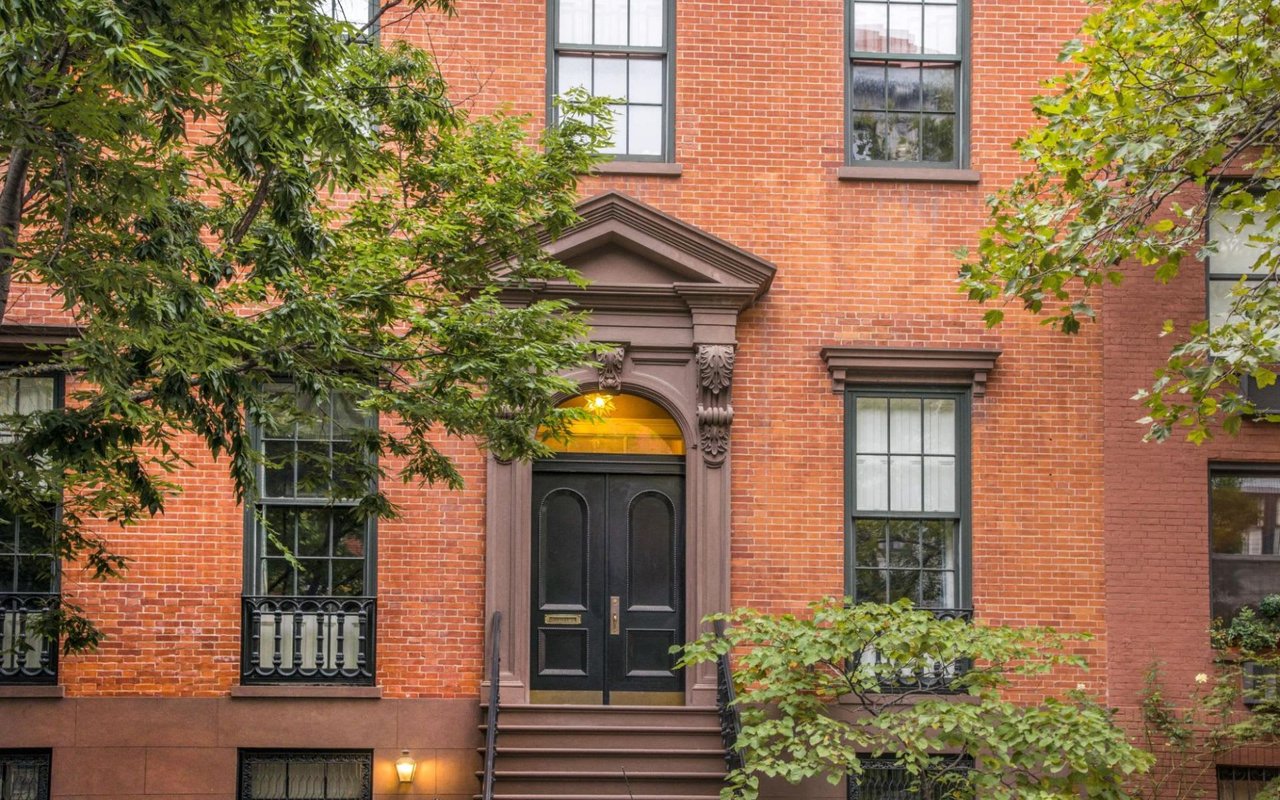
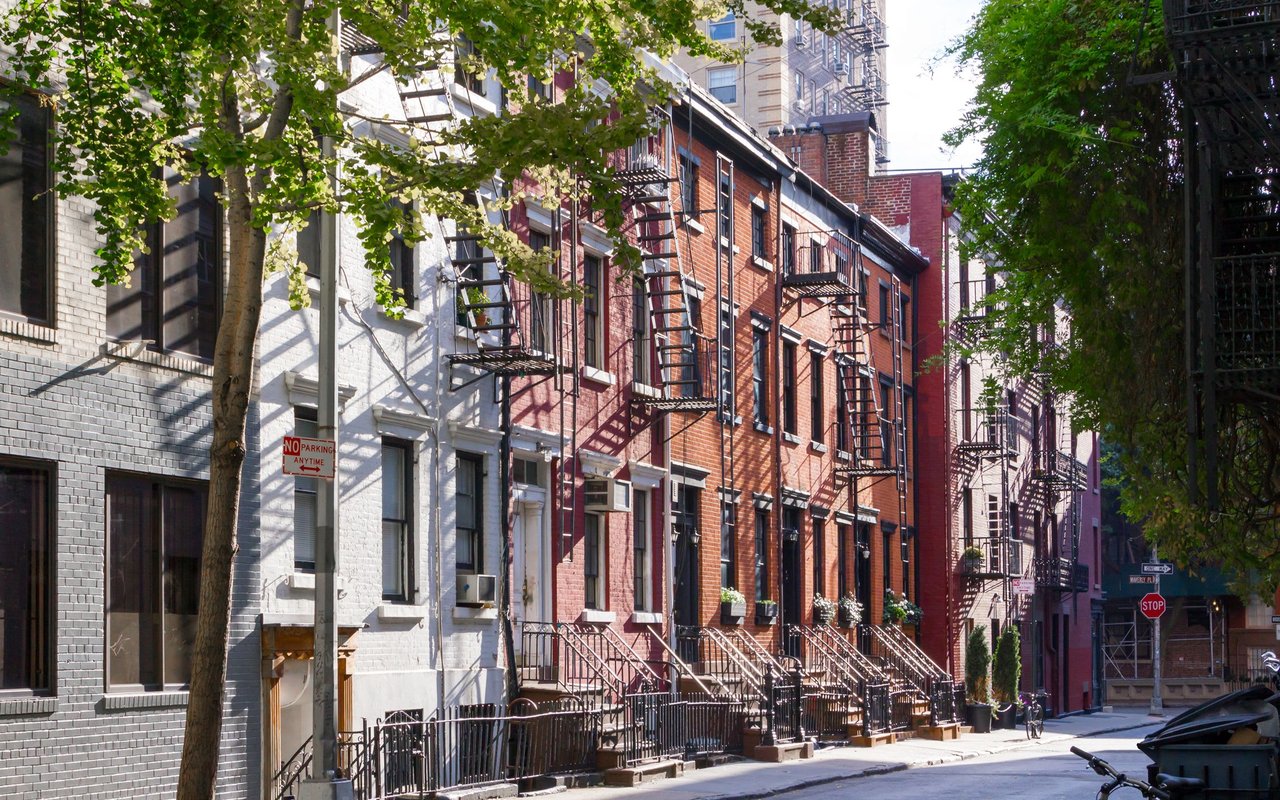
Fort Greene is known for tree-lined blocks of 19th-century rowhouses, cultural anchors like the Brooklyn Academy of Music and Pratt Institute, and excellent access to multiple subway lines and the LIRR at Atlantic Terminal. These strengths support both owner-occupant demand and a deep tenant pool.
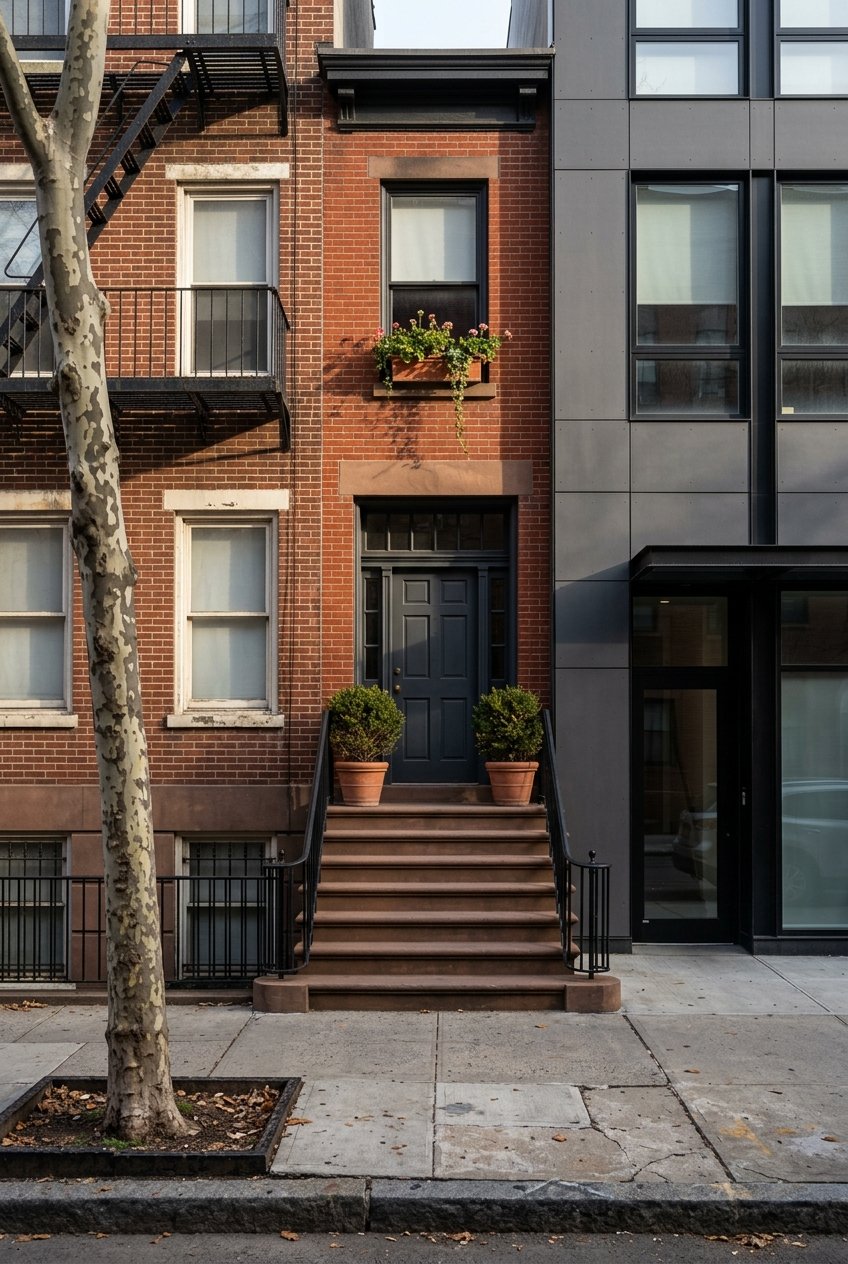
Many properties sit within local historic districts. If you plan exterior work that is visible from the street, you will likely need review and permits through the city’s Landmarks Preservation Commission. Always confirm landmark status for any property early in your process.
What makes a single-family brownstone
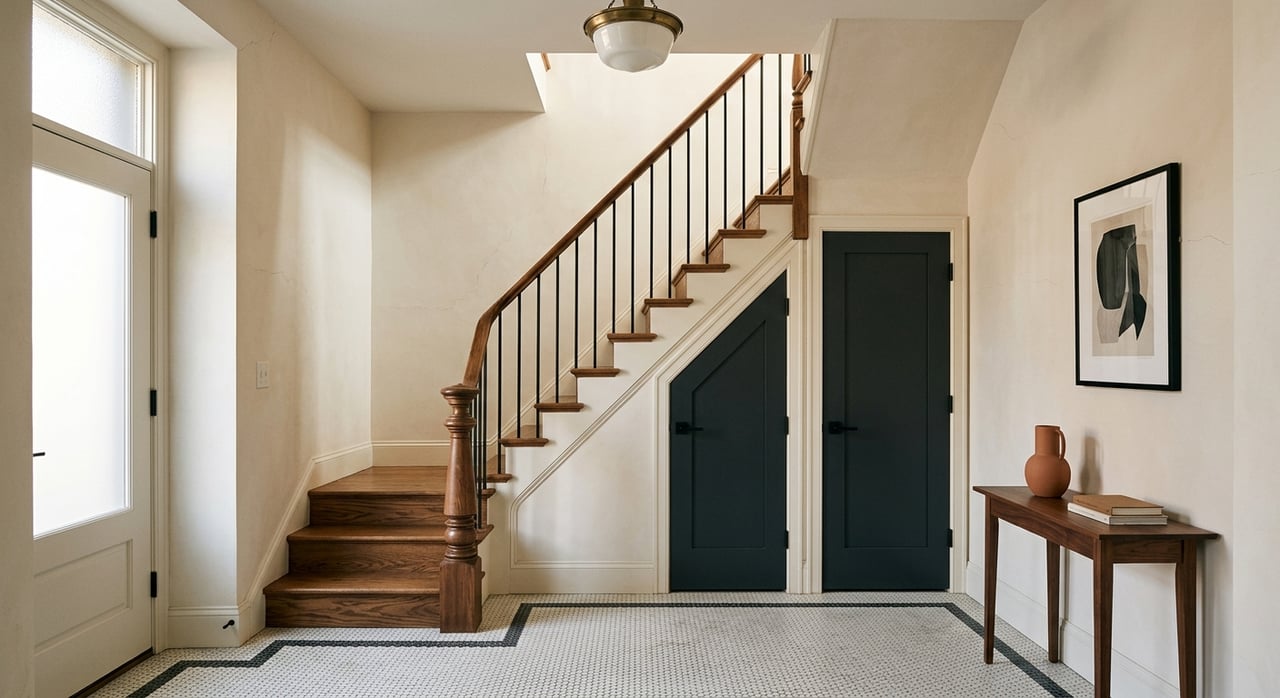
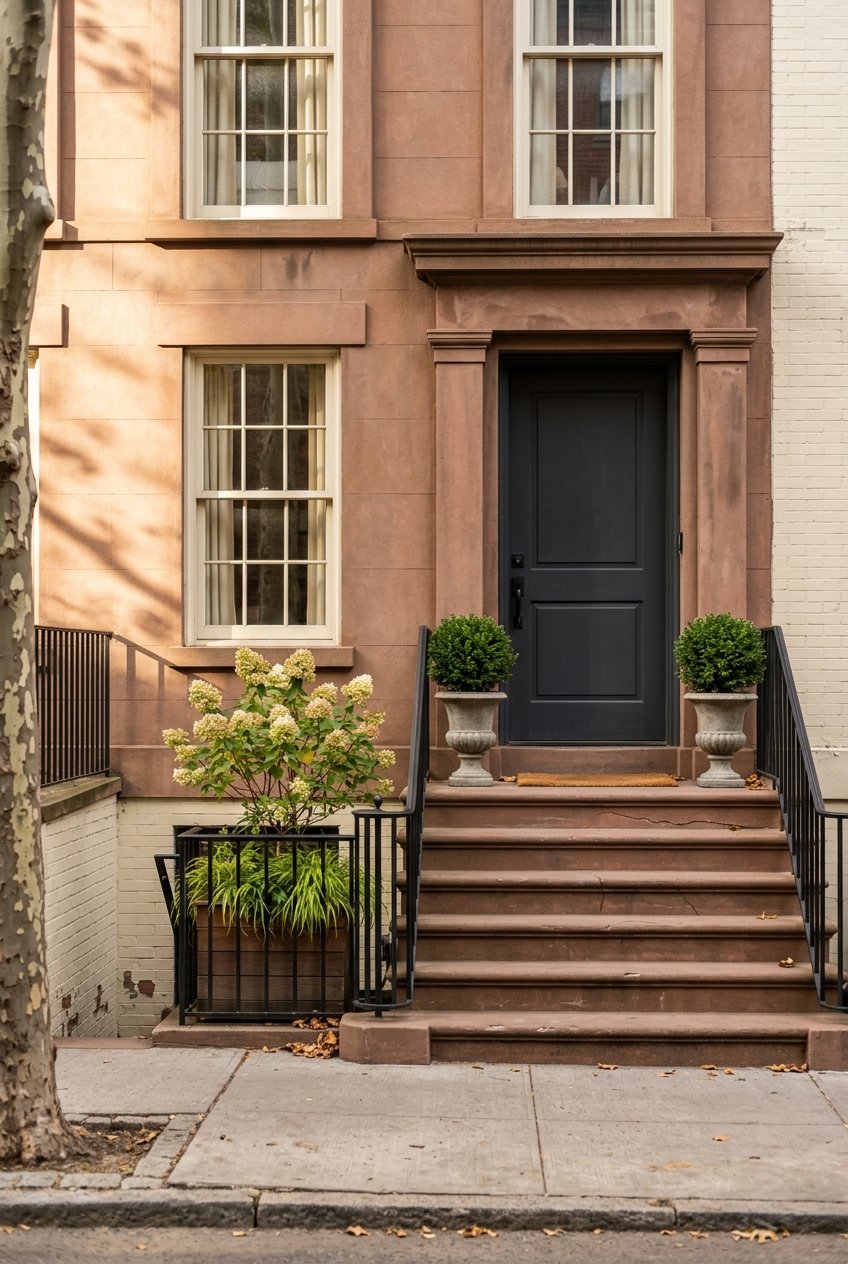
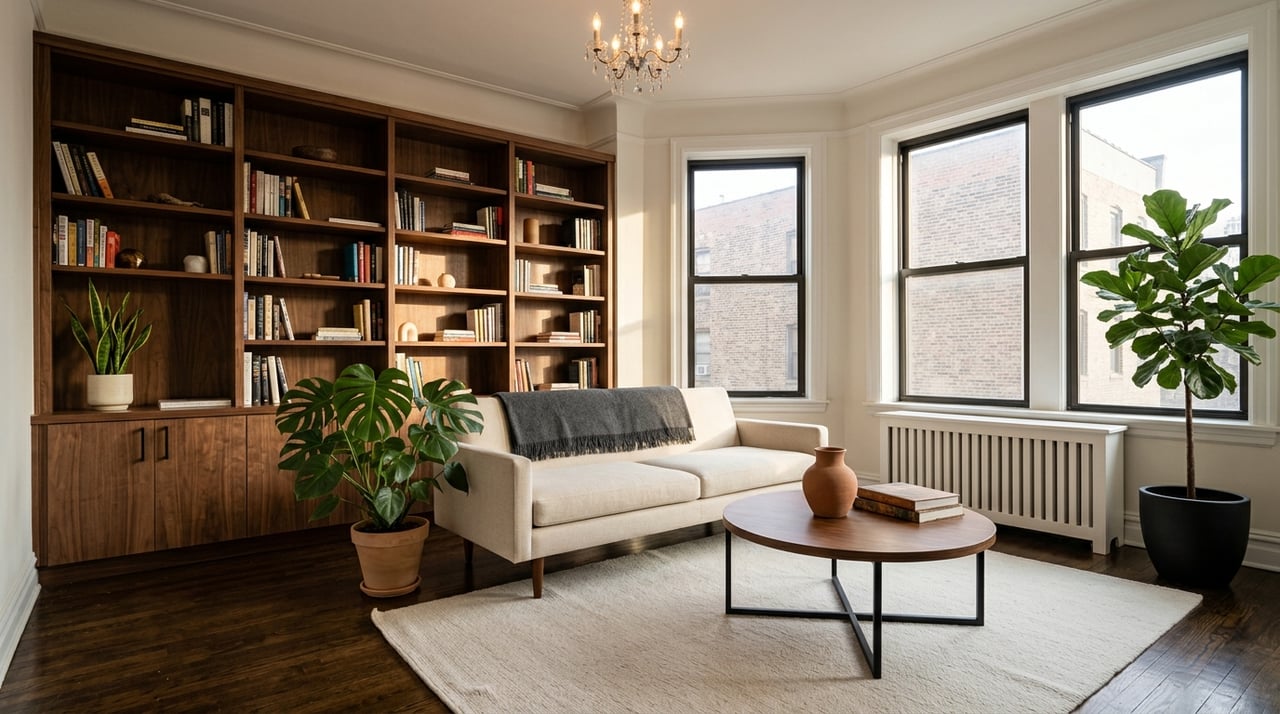
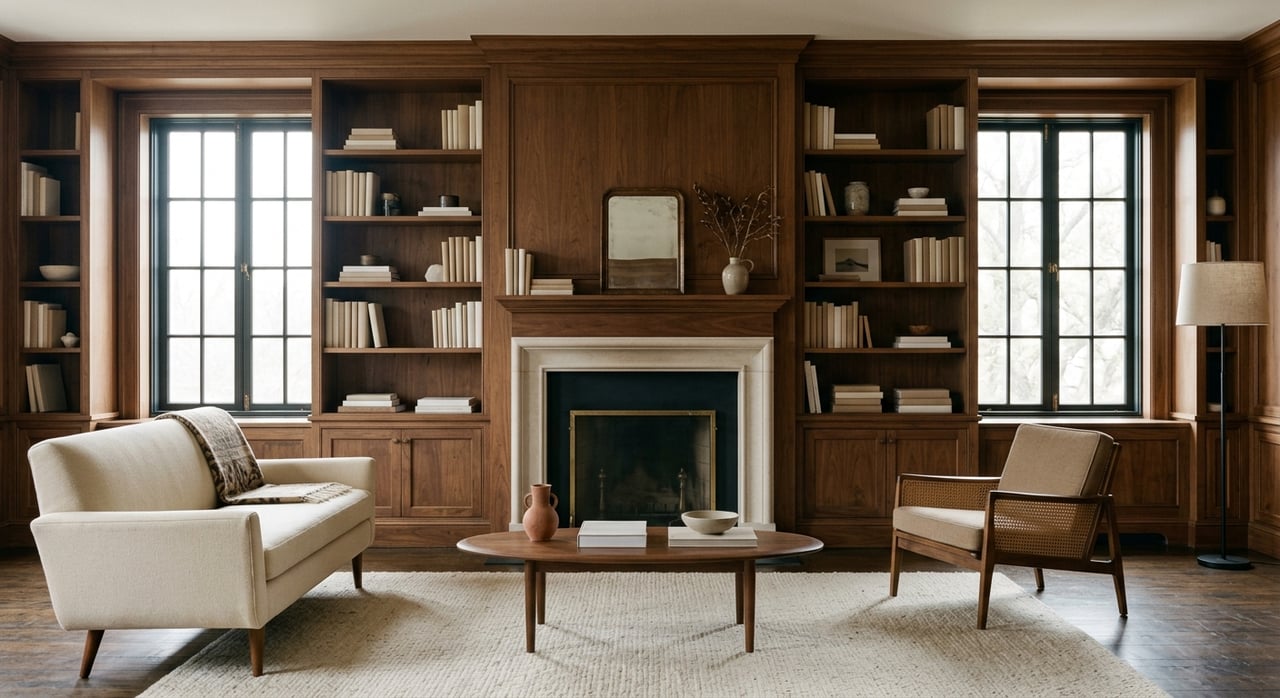
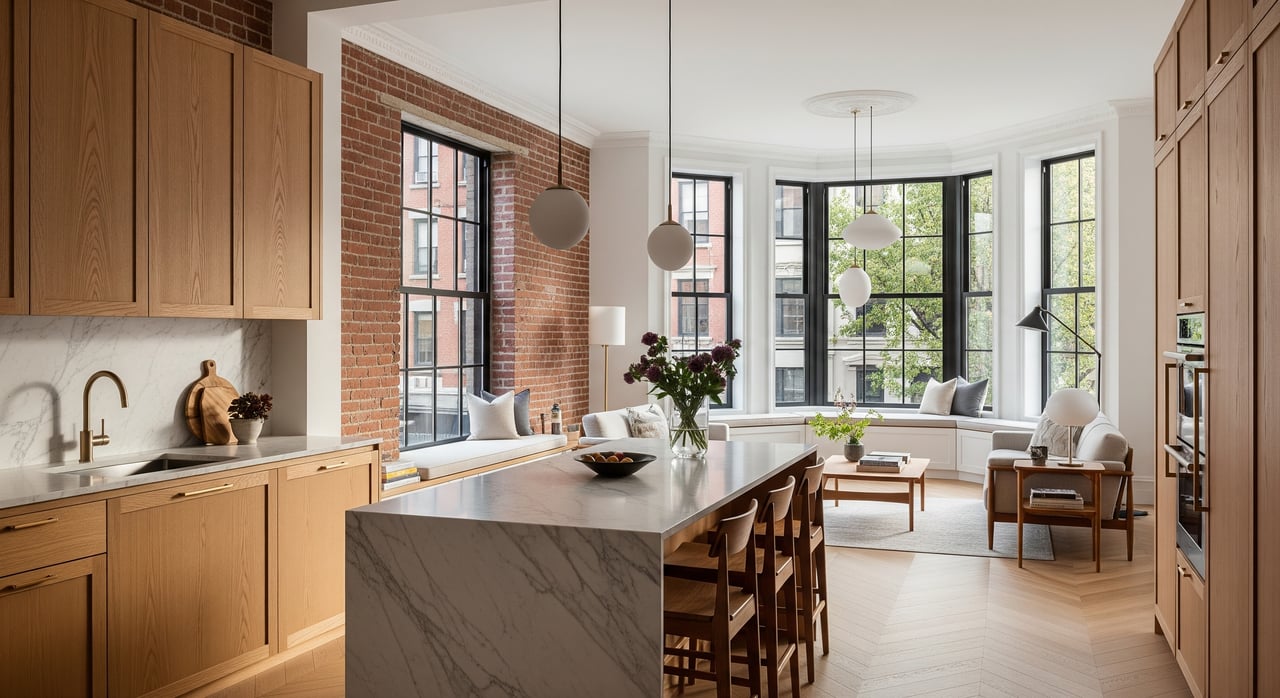
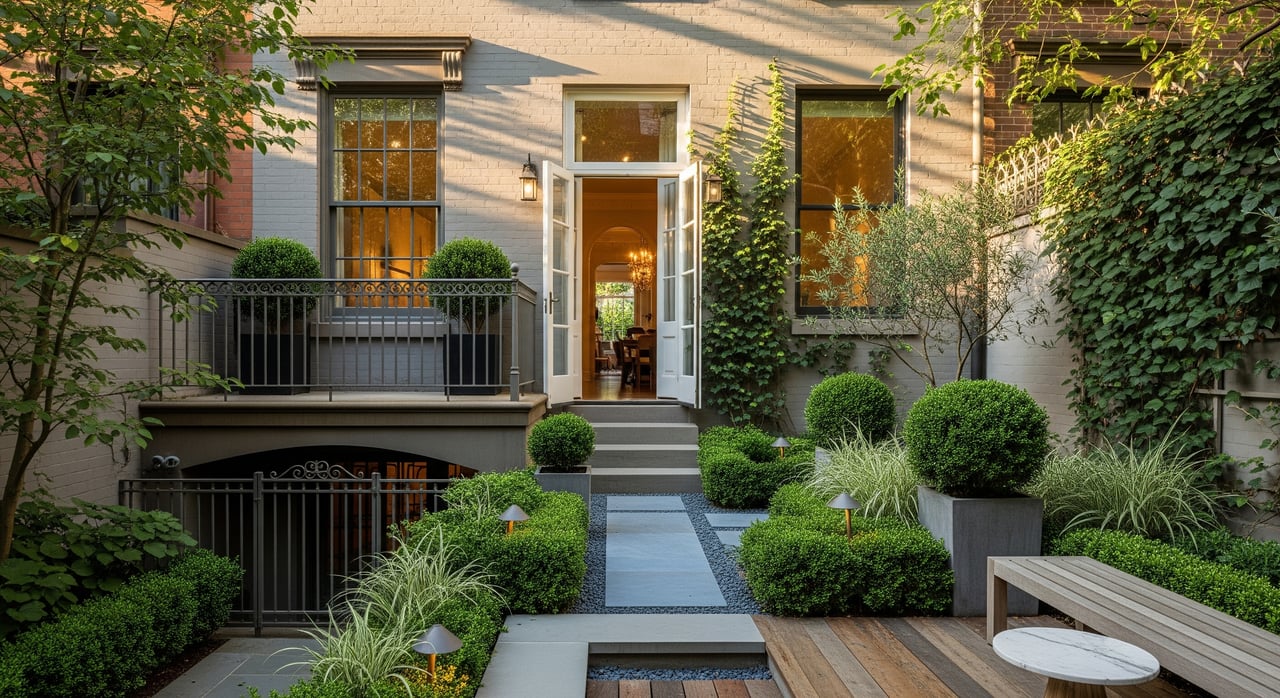
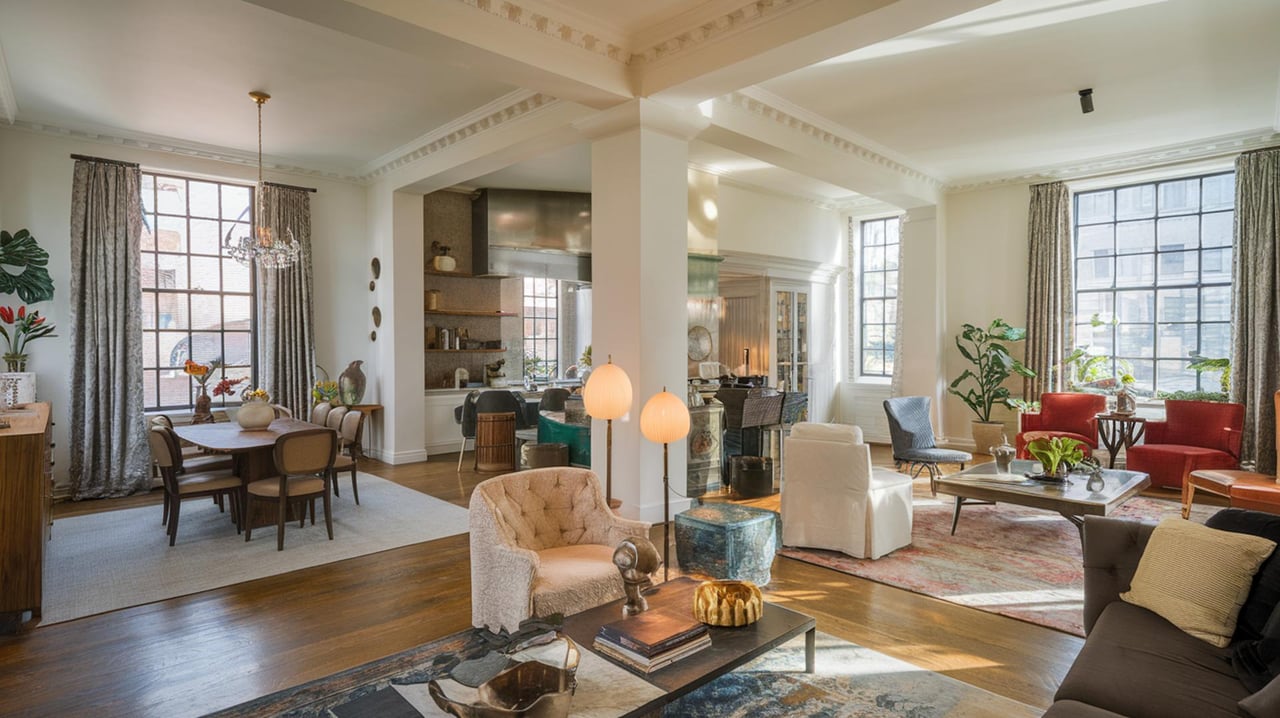
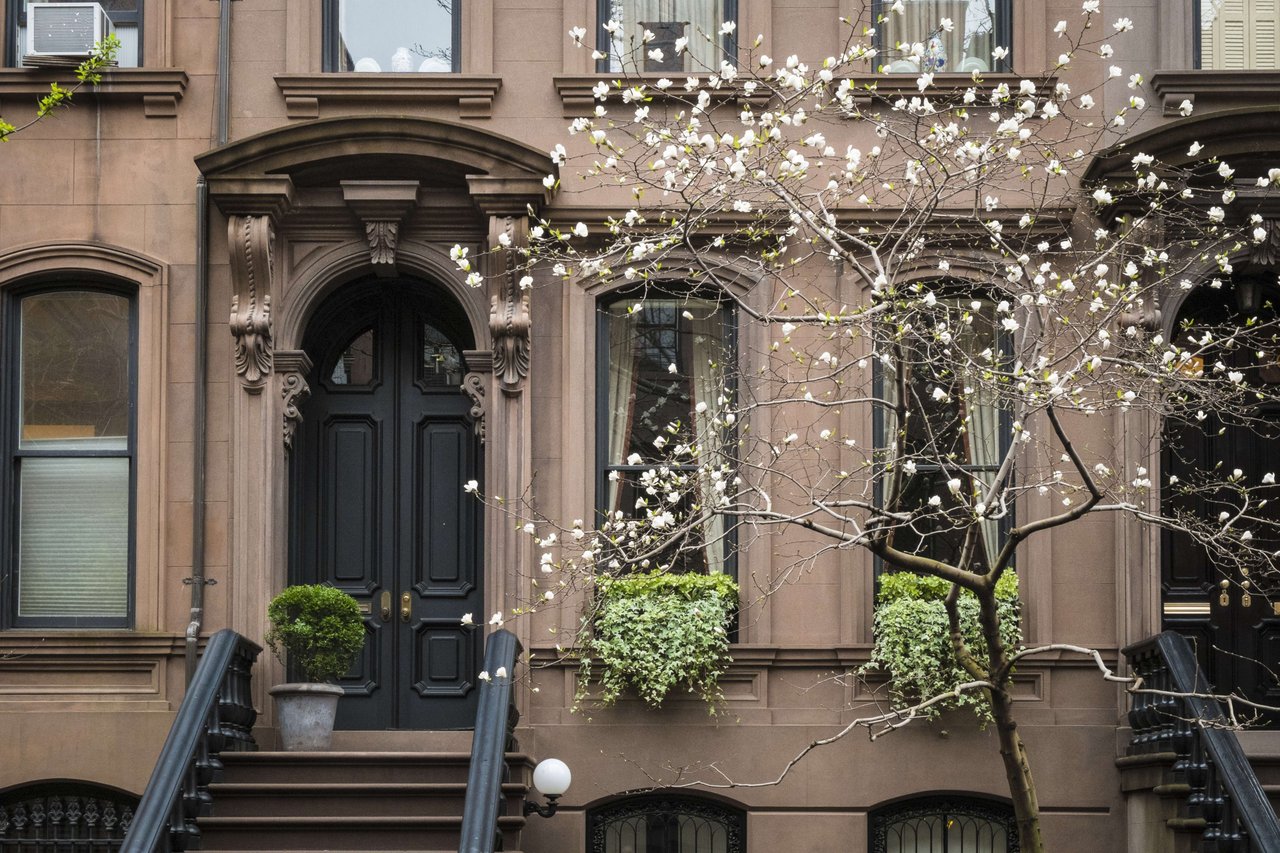
Single-family townhouses center daily life around a vertical flow. You often enter on the parlor level with tall ceilings and formal rooms, then move up to bedrooms and down to a finished garden or English basement. With one household in control, you can reconfigure rooms or combine floors more freely.
Utility systems are typically shared throughout the building. You manage one boiler, one hot water setup, and one electrical service. That simplifies decision-making but concentrates risk if a key system fails.
What makes a multi-family brownstone
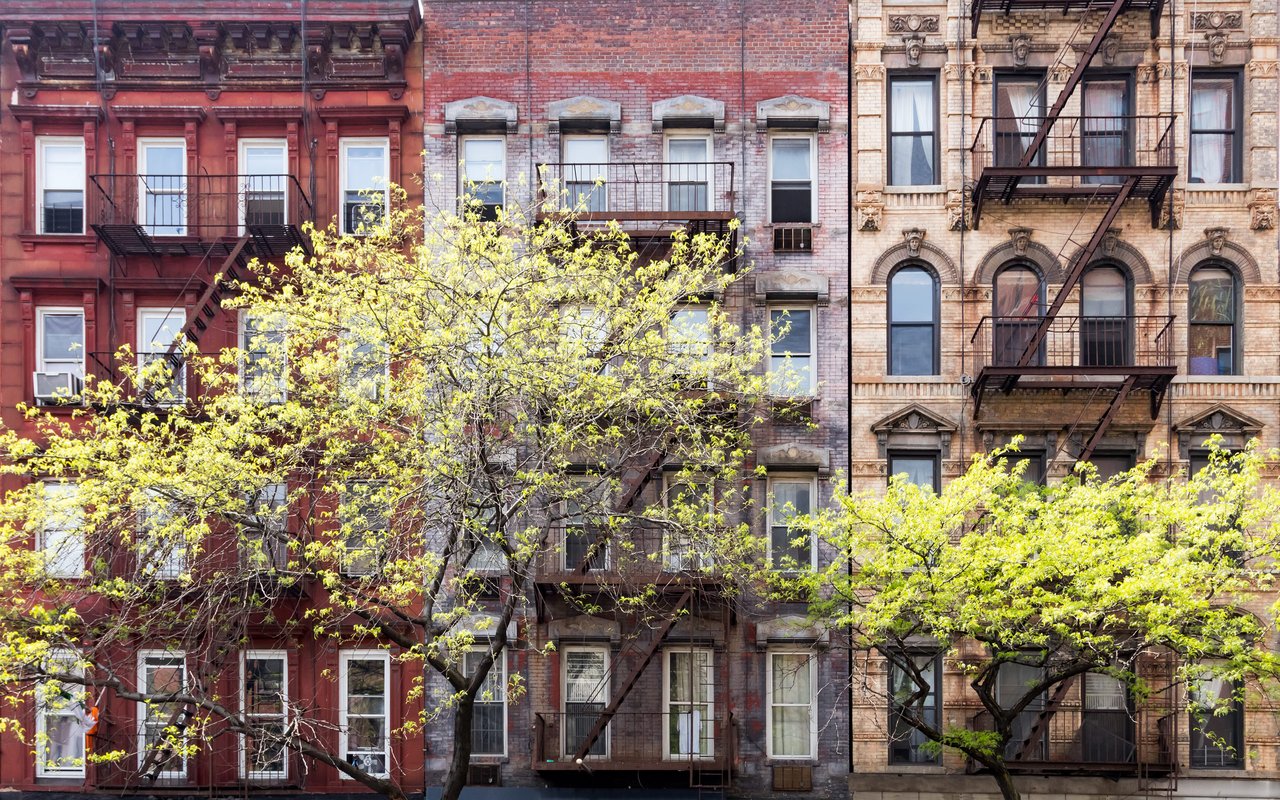
Multi-family setups in Fort Greene commonly range from 2 to 6 legal units. You will see floor-through apartments stacked one per level, garden duplexes with apartments above, or classic two-family layouts where an owner lives in one unit and rents the other.
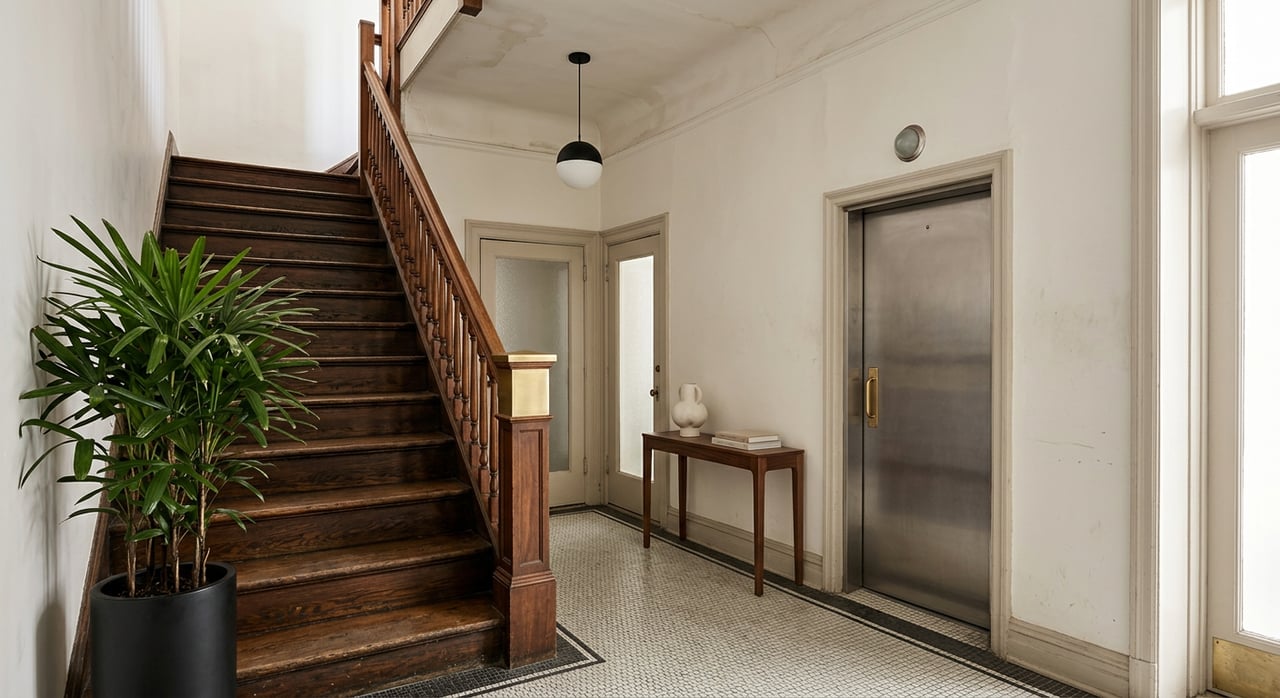
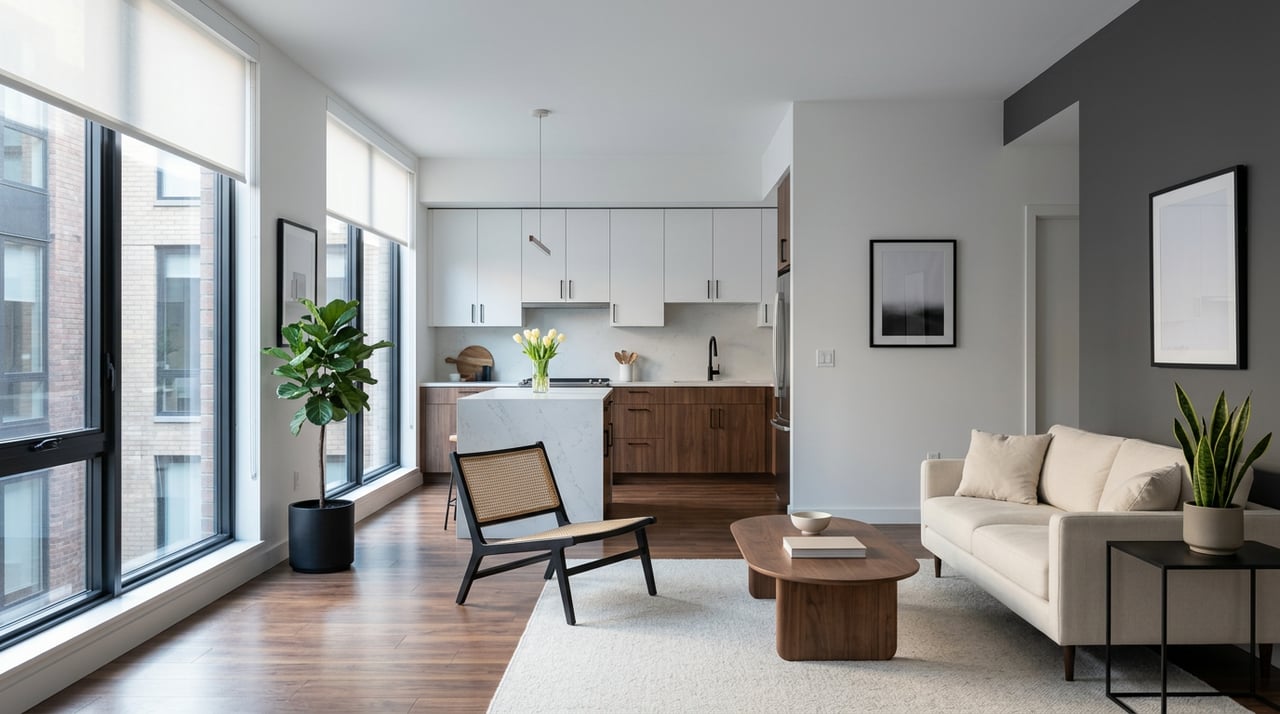
Each unit is self-contained with its own kitchen and bath. Privacy, sound transfer, and circulation become important. Shared halls, separate entrances, and required egress and fire separation can limit how you remodel.
Utility arrangements vary. Some buildings have separate gas and electric meters per unit. Others share central systems with submetering or owner-paid heat and hot water. These details affect how you bill tenants, underwrite income, and plan upgrades.
Lifestyle vs income: key tradeoffs
Single-family pros:
- Lifestyle control, privacy, and full use of the yard.
- Easier resale to owner-occupant buyers who value restored homes.
- Fewer landlord tasks day to day.
Single-family cons:
- No rental income to offset mortgage and operating costs.
- All capital projects fall on one owner.
Multi-family pros:
- Rental income can reduce carrying costs; you can live in one unit and rent others.
- Multiple tenants can diversify vacancy risk at the unit level.
- Potential to reconfigure units over time if zoning and building conditions allow.
Multi-family cons:
- Active landlord responsibilities: leases, habitability, and repairs.
- Financing and underwriting can be more complex.
- Tenant protections and possible rent regulation can limit near-term rent growth in certain cases.
Systems, utilities, and daily operations
In a single-family, you make all maintenance decisions and schedule upgrades on your timeline. You avoid tenant relations, but a boiler or roof project is fully your cost.
In a multi-family, you balance property care with tenant communication. Separate metering can shift some utilities to tenants. Centralized heat and hot water increase owner oversight but can simplify maintenance. Your approach to metering and system design directly influences operating costs and rent structures.
Maintenance and preservation realities
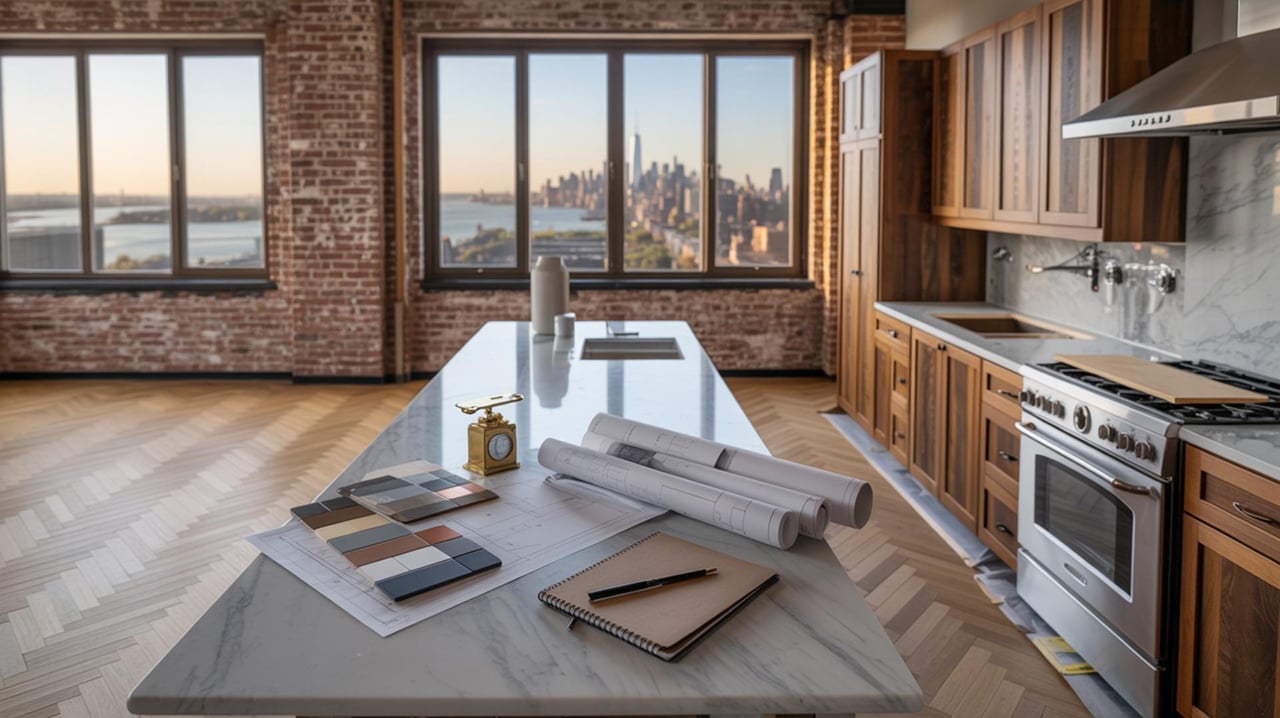
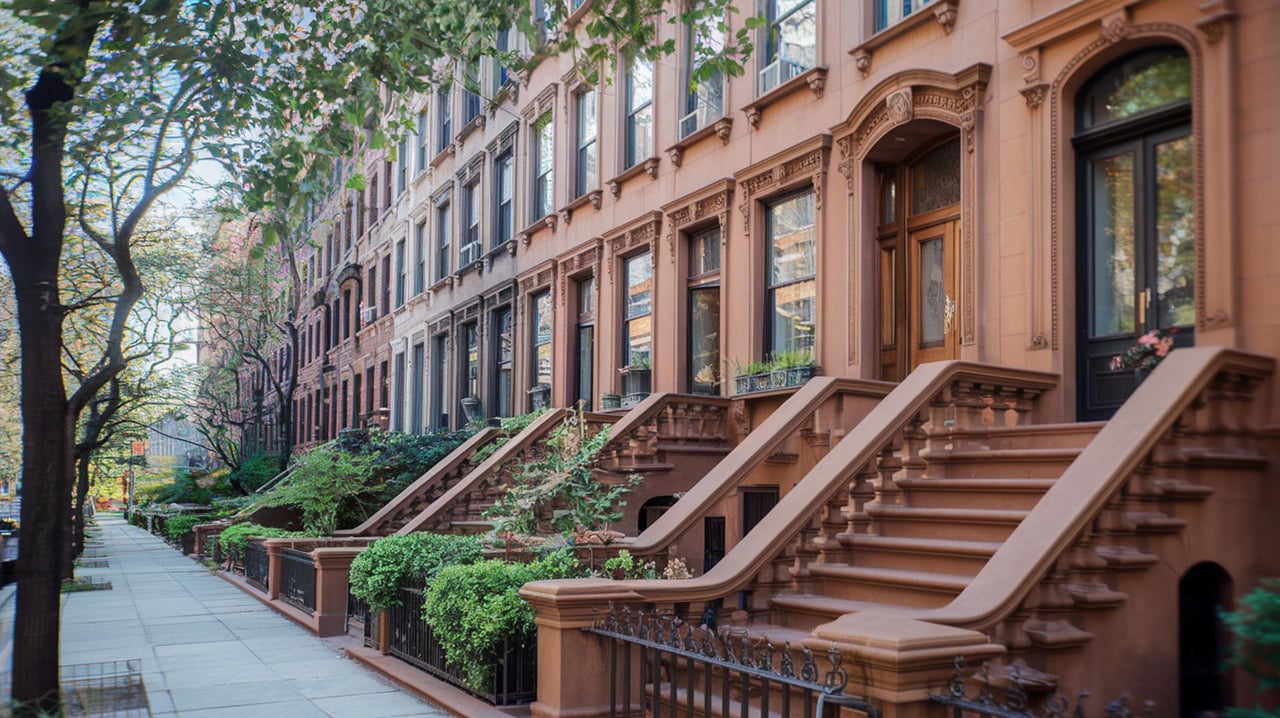
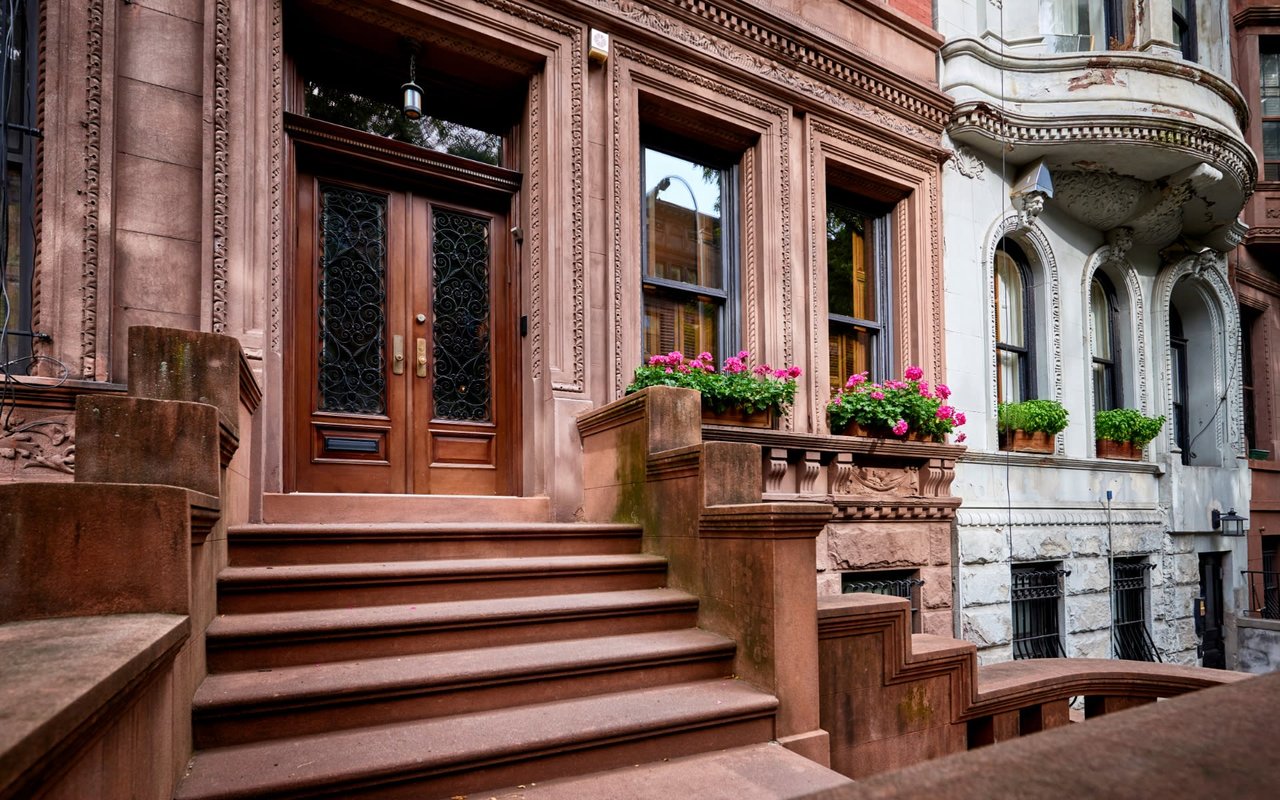
Brownstones require regular care. Expect periodic façade repointing, brownstone stoop and lintel restoration, and attention to cornices. Roofs, gutters, flashings, and chimneys need ongoing maintenance. Basements may need waterproofing or improved drainage in older structures.
Mechanical modernization is common. Many owners upgrade boilers, hot water systems, plumbing, and electrical panels to meet current codes. In pre-1978 buildings, lead paint and asbestos are possible. If tenants are present or if you plan renovations, testing and proper abatement are essential.
If your home is in a historic district, exterior changes visible from the street typically require Landmarks approval. That includes window replacements, façade repair methods, stoop work, and many roofline projects. Interiors are generally not regulated unless specifically designated.
Legal status and conversions
Always verify the building’s legal unit count and Certificate of Occupancy through city records. Some properties were altered over time without permits or have “cooked” layouts that do not match legal documents. Lenders often will not underwrite rent from illegal units, and you may be required to correct conditions before closing.
Converting a single-family into multiple legal apartments usually requires filings with the Department of Buildings, compliance with egress and fire separation rules, and system changes like ventilation and metering. Zoning designations in Fort Greene, such as R6, R6B, or R7 on certain blocks, influence floor area, lot coverage, and any potential expansion. If the property is landmarked, you will also coordinate with Landmarks for exterior modifications.
Basement apartments deserve special scrutiny. Some are legal, but many are not. Ceiling height, light and air, and egress determine whether a unit can be rented legally.
Financing basics for 1 to 4 units
Owner-occupant loans can offer more favorable terms than pure investment financing. Certain programs permit the purchase of 2 to 4 unit properties if you occupy one unit, sometimes with lower down payments. VA loans have specific rules, and portfolio or commercial loans may apply to larger or non-standard properties.
Underwriting will focus on rental income history, unit legality, building condition, and your credit and reserves. If units are illegal or systems are deficient, a lender may reduce the income they count or require repairs before closing. Separate meters and clear leases can support cleaner underwriting.
Taxes and assessments
Property tax treatment in the city depends on how a building is classified and assessed. Converting use or reconfiguring units can change your assessment. For investment properties, federal rules around depreciation, capital gains, and 1031 exchanges can apply. A tax professional can help you plan before you buy.
Which path fits your goals
Choose a single-family if you want full control of a historic home with fewer day-to-day obligations. You value privacy, parlor-floor living, and the ability to reshape space without tenant constraints. You are comfortable carrying operating costs without rental income.
Choose a multi-family if you want income to offset your mortgage or to grow a small portfolio in a high-demand neighborhood. You are prepared for landlord responsibilities, lease management, and the possibility of regulated or legacy tenants. You value flexibility to reconfigure units over time, where allowed.
Due diligence checklist
- Confirm legal unit count and Certificate of Occupancy.
- Check historic district status and the need for Landmarks permits.
- Order a full building inspection, including structure, façade and stoop, roof, mechanicals, and moisture.
- Review utility metering for gas, electric, and water, plus billing history.
- For income properties, obtain rent rolls, lease copies, security deposit records, and tenant histories.
- Verify property tax class and assessment history.
- Confirm zoning constraints and any expansion or conversion feasibility.
- Speak with lenders early about how they will treat rental income and repairs.
- Engage a local attorney experienced in landlord-tenant law and closings.
- If landmarked, consult an architect or contractor with Landmarks experience.
How we help
You do not need to navigate this alone. Our team combines developer-grade construction expertise with hands-on brokerage. We help you evaluate feasibility, budget capital work, coordinate permitting, and plan a renovation that respects historic character and meets your financial goals. When it is time to sell or lease, we bring neighborhood-specific marketing to drive results.
If you are weighing single-family versus multi-family in Fort Greene, let’s map your options, timeline, and numbers together. Book an appointment with Mark O’Brien Real Estate to get started.
FAQs
What is the main lifestyle difference between single-family and multi-family brownstones in Fort Greene?
- Single-family living gives you full control of the entire home and yard, while multi-family offers separate units that trade some privacy for rental income potential.
How do historic district rules affect renovations on Fort Greene brownstones?
- Exterior changes visible from the street often require Landmarks approval, which can shape timelines and methods; interiors are usually not regulated unless specifically designated.
Why is the Certificate of Occupancy important when buying a multi-family?
- It confirms the legal number of units; lenders and the city rely on it, and mismatches between actual and legal layouts can impact financing and require corrections.
Can I convert a single-family brownstone into multiple legal apartments?
- It may be possible but requires Department of Buildings filings, compliance with egress and fire separation, and alignment with zoning and landmark rules.
How does utility metering impact operating costs in multi-family buildings?
- Separate gas and electric meters allow tenants to pay their own usage, while shared systems or owner-paid heat and hot water increase oversight and affect net income.
Are basement apartments in Fort Greene brownstones usually legal?
- Some are, but many are not; legality depends on ceiling height, egress, light and ventilation, and prior approvals on record with the city.
What financing options exist for 2 to 4 unit properties if I live in one unit?
- Owner-occupant loan programs can allow lower down payments and favorable terms on 2 to 4 unit properties, subject to current lender guidelines and building condition.
What are the biggest capital items to expect in a historic brownstone?
- Plan for façade and stoop restoration, roof and gutter work, basement waterproofing, and mechanical upgrades such as boilers, plumbing, and electrical panels.