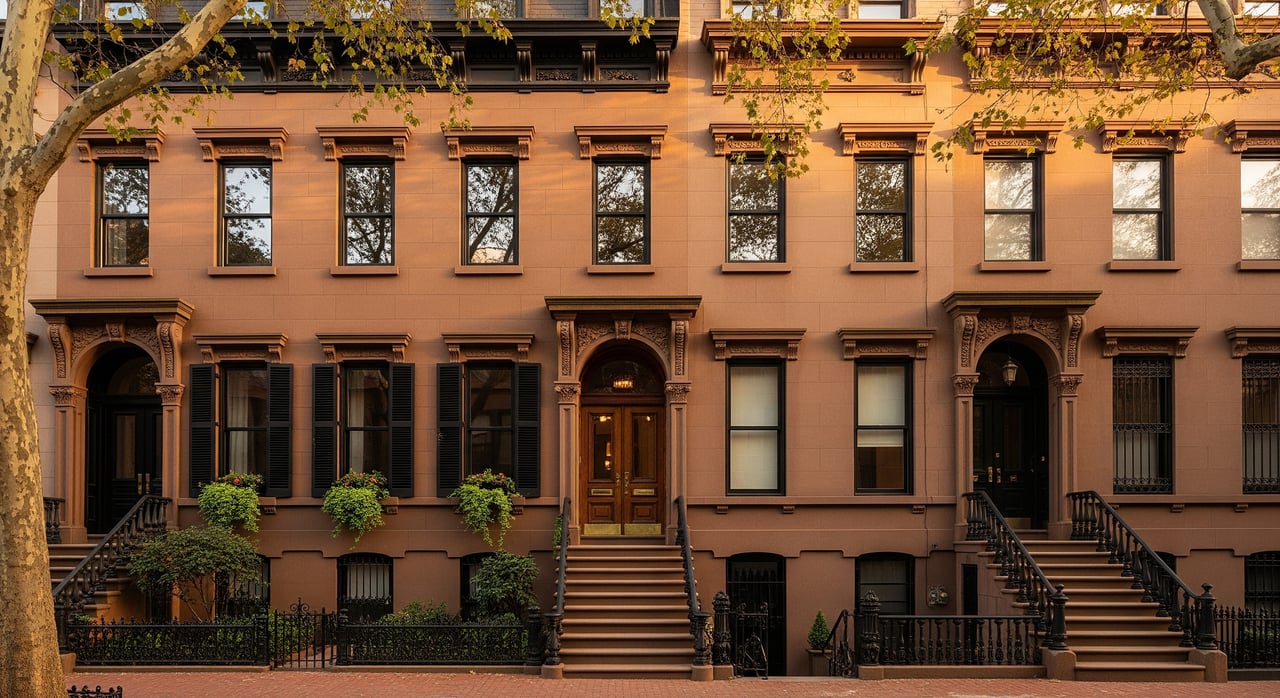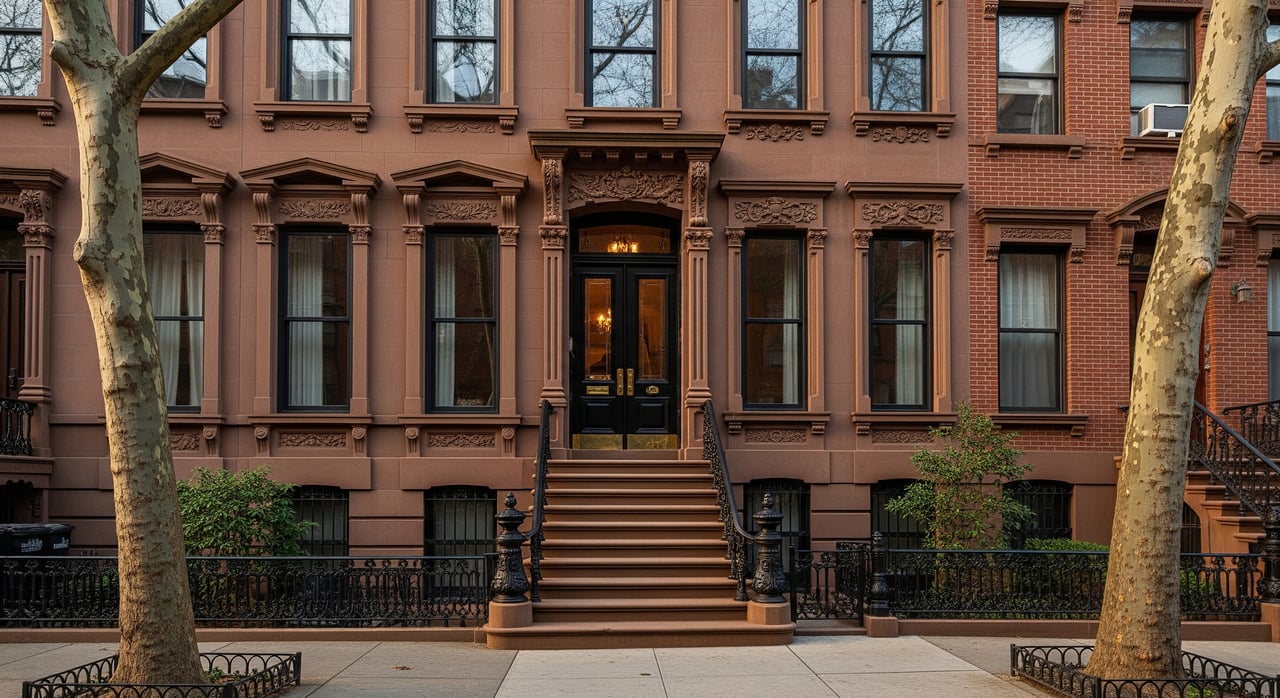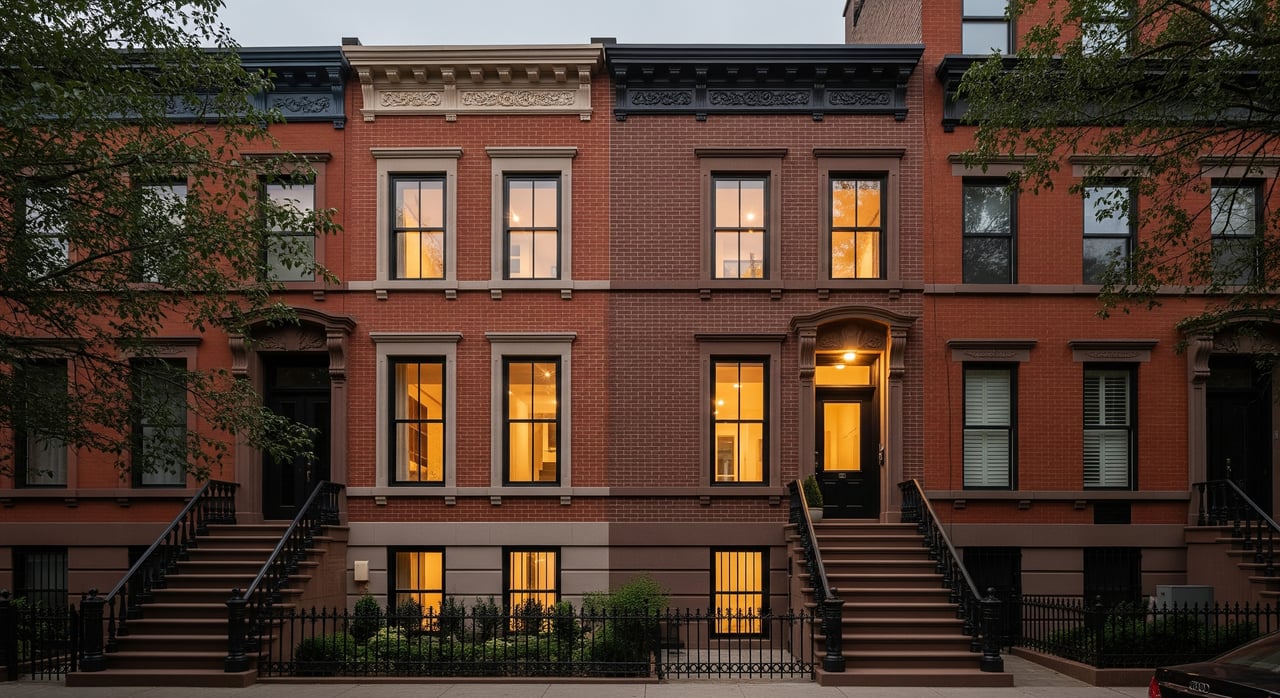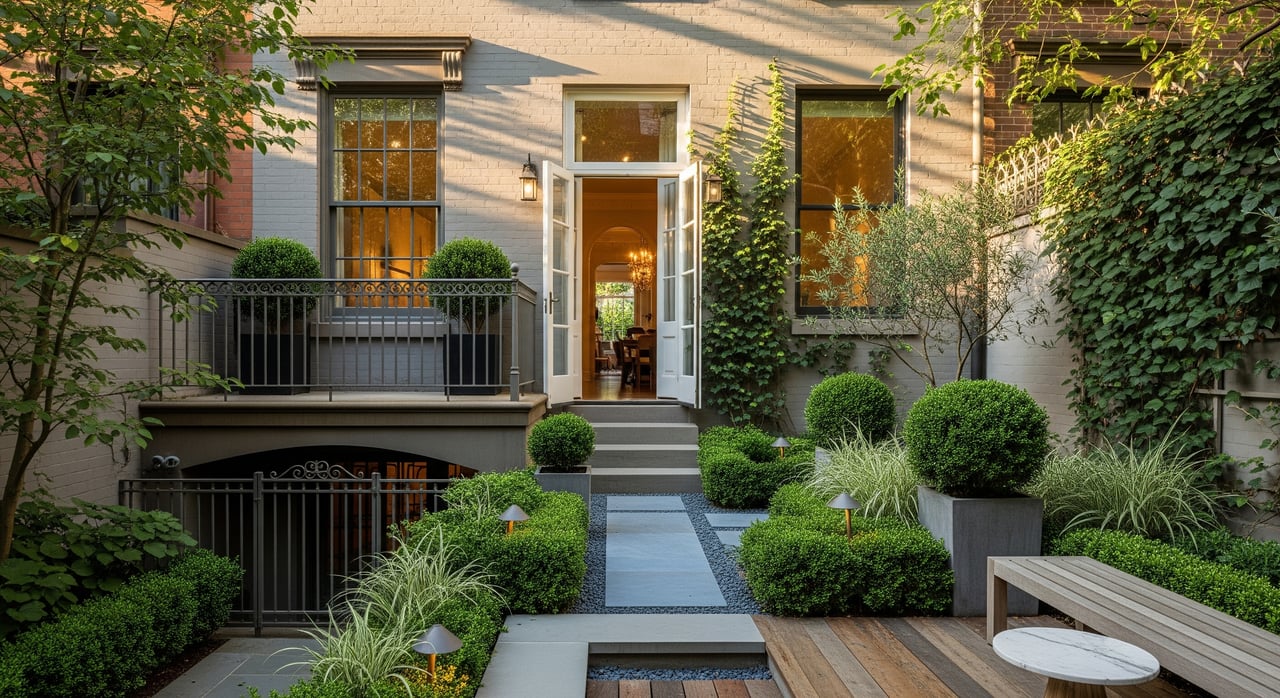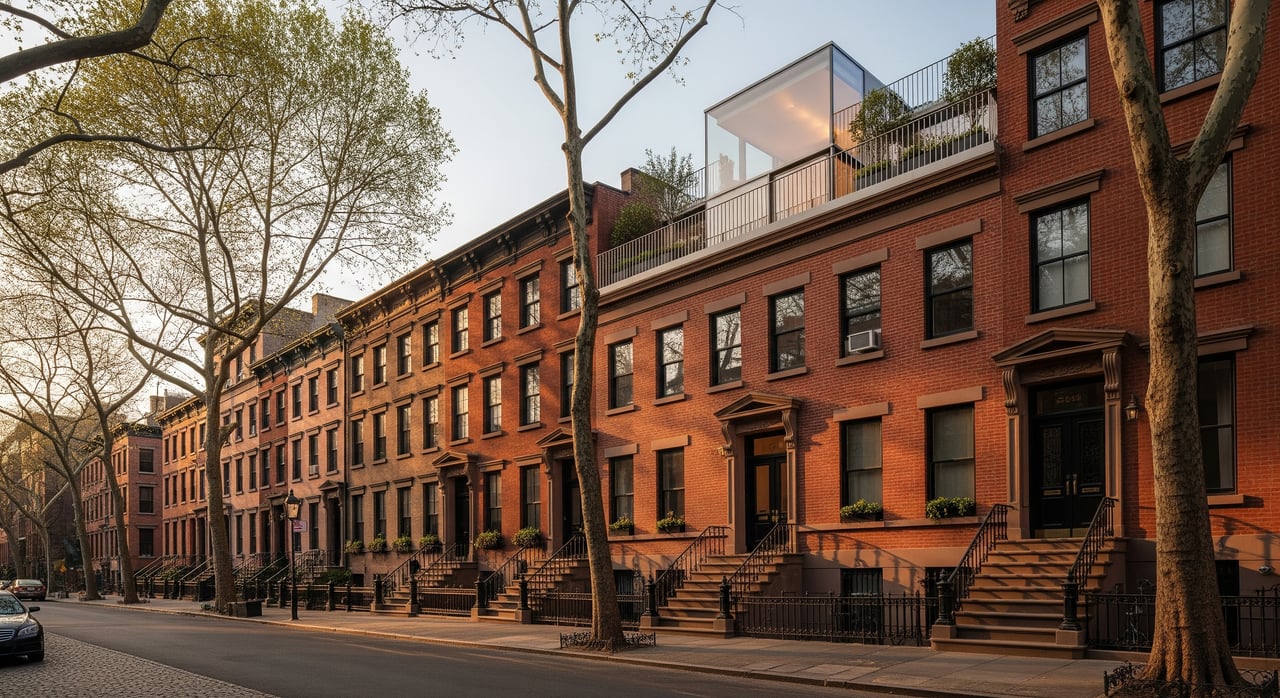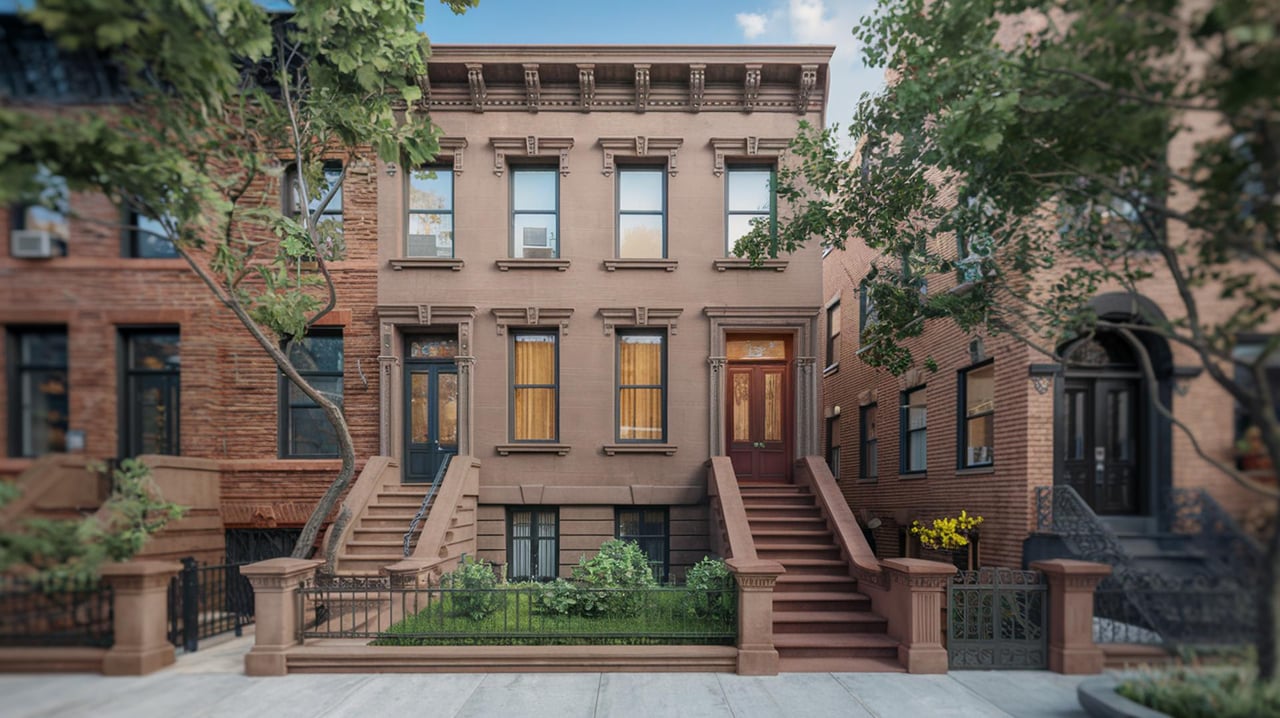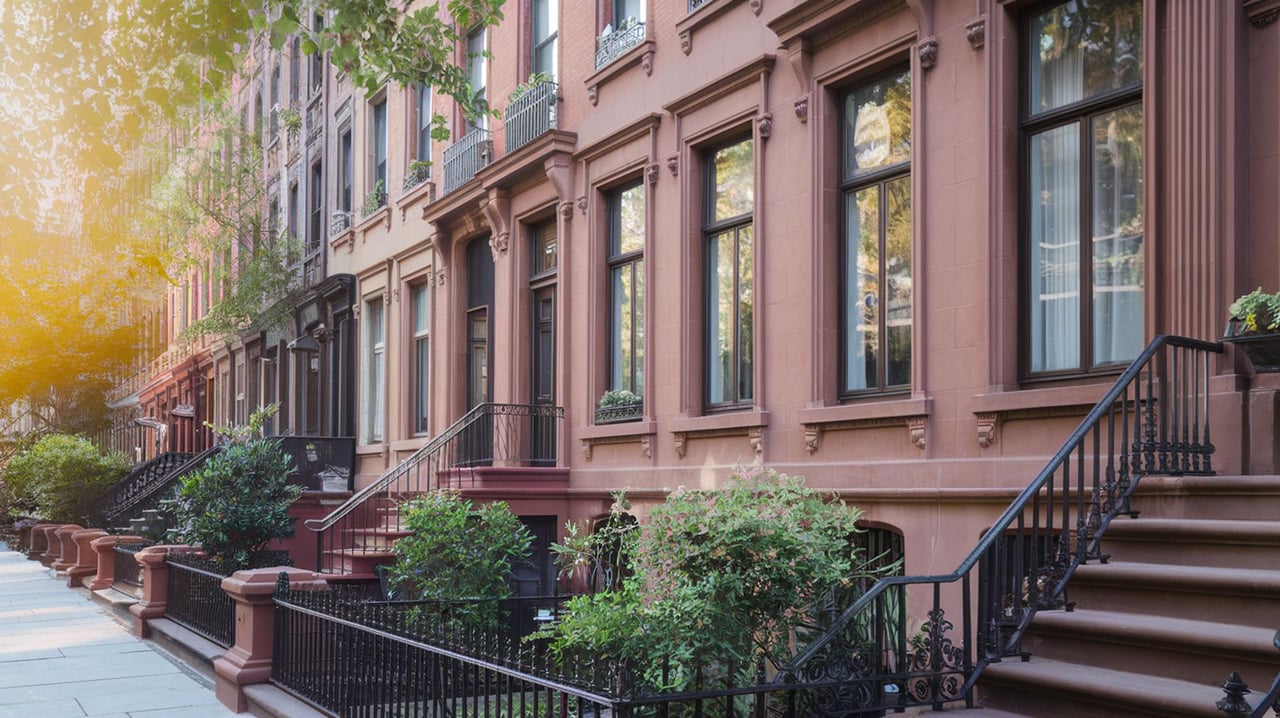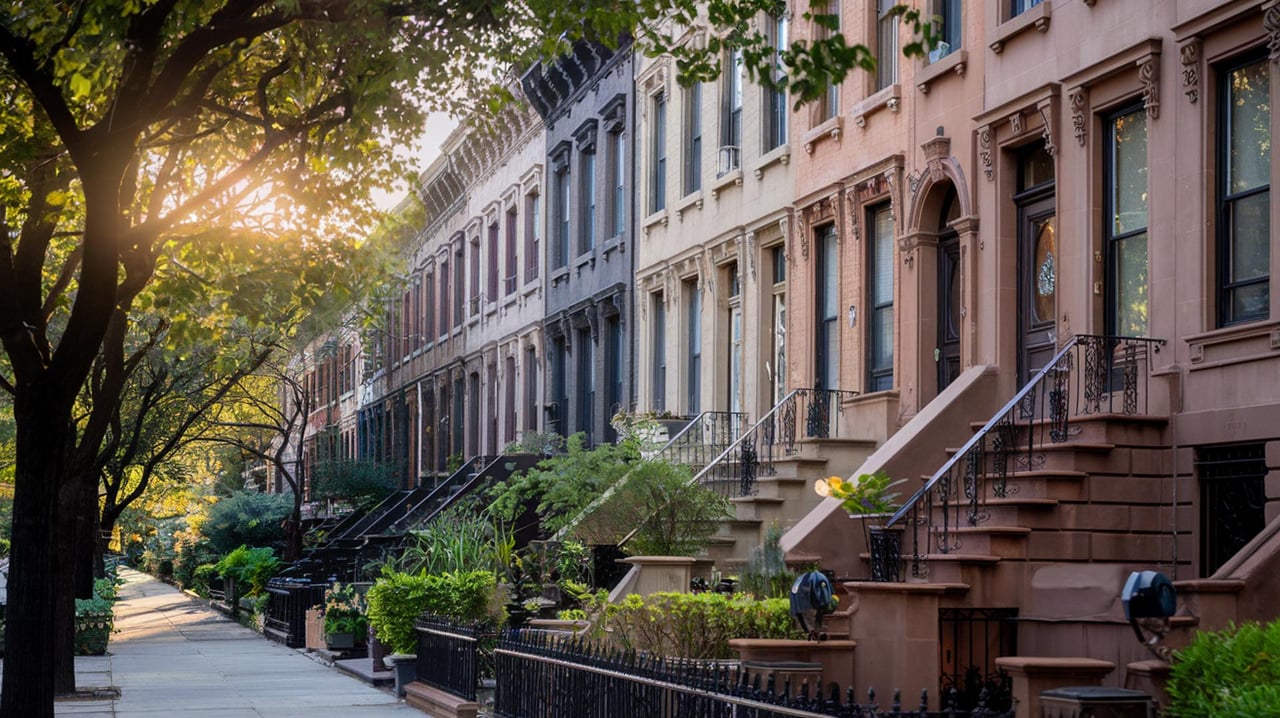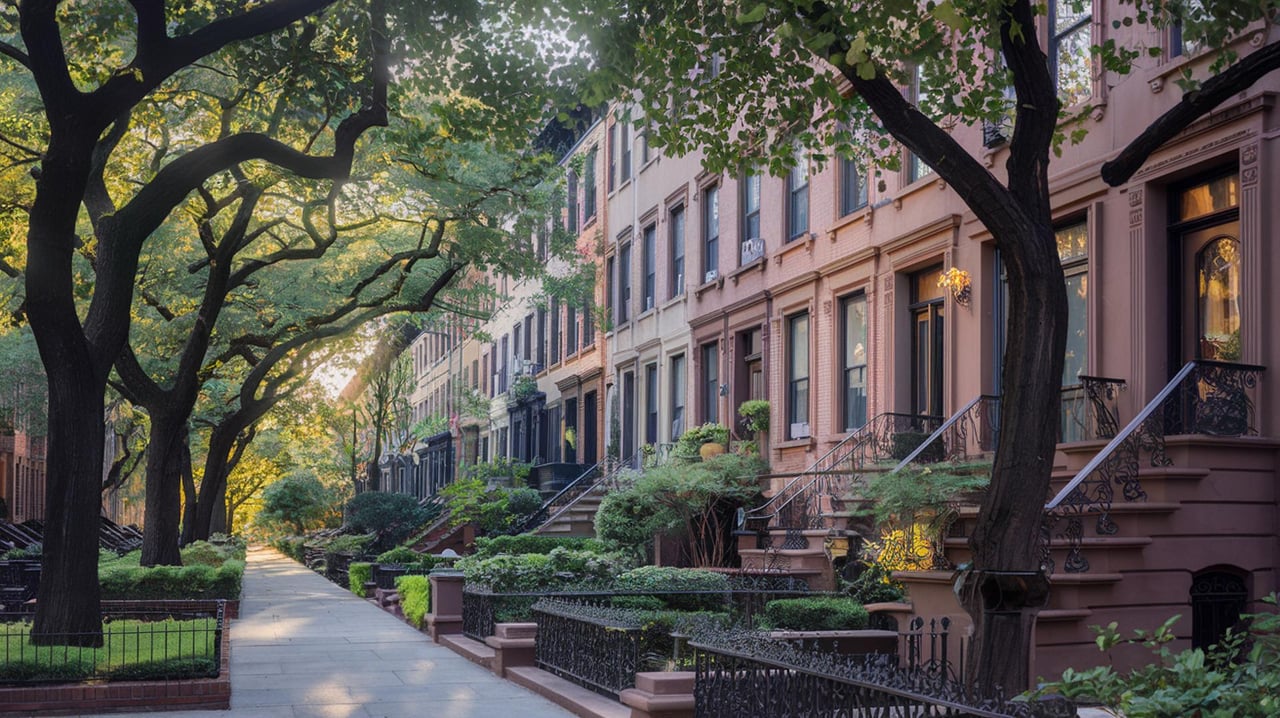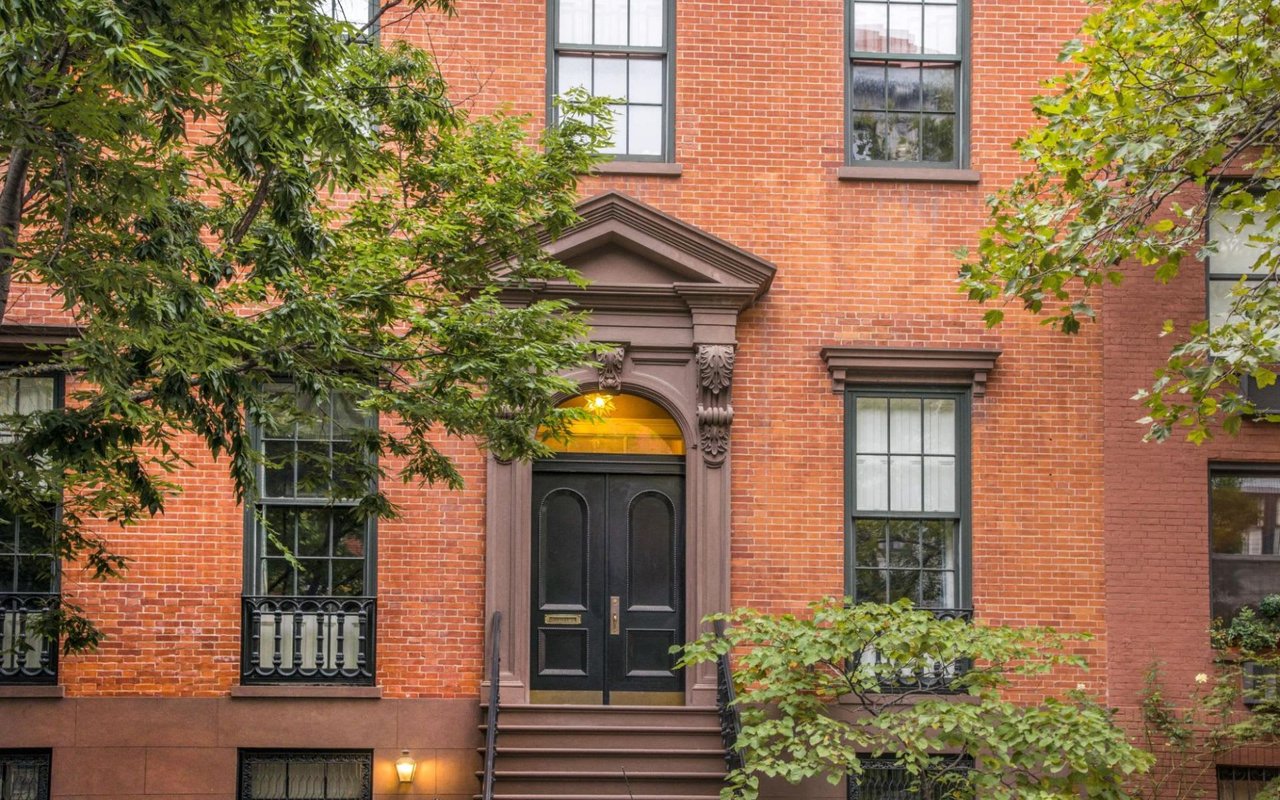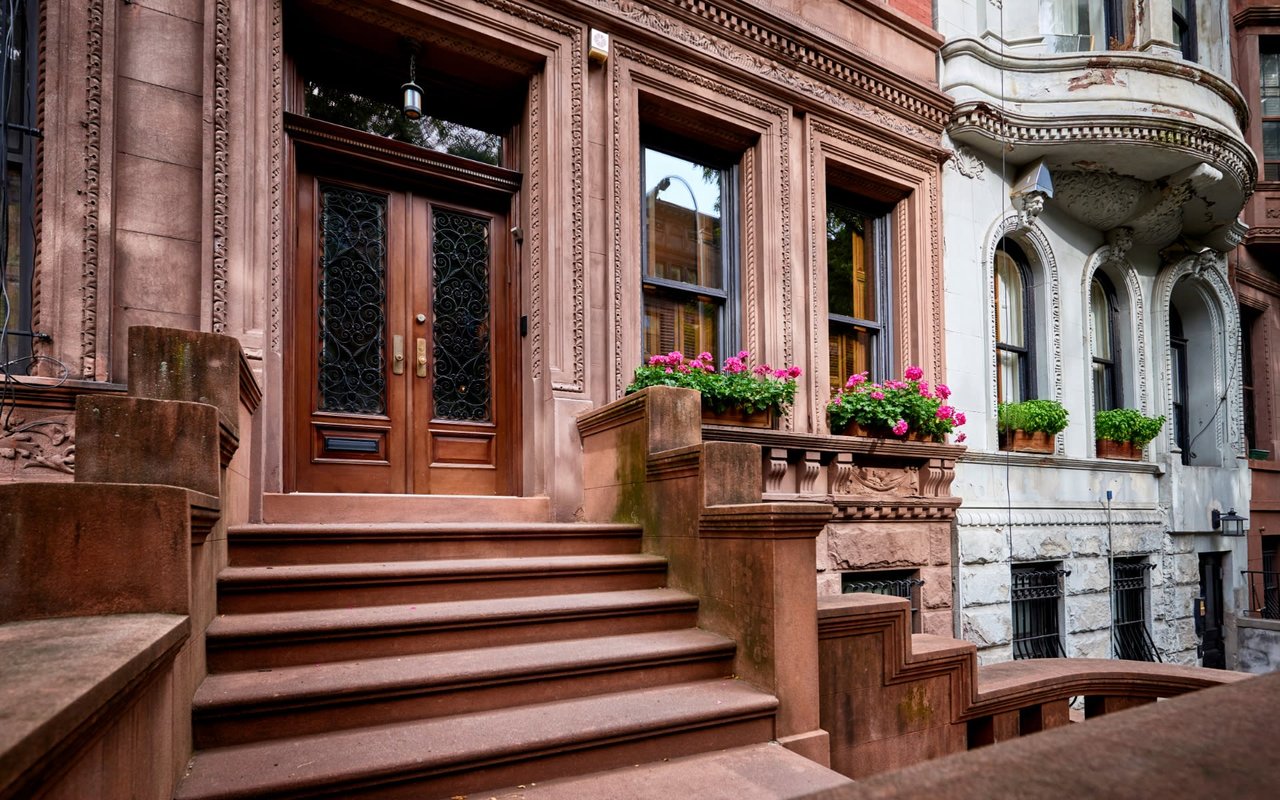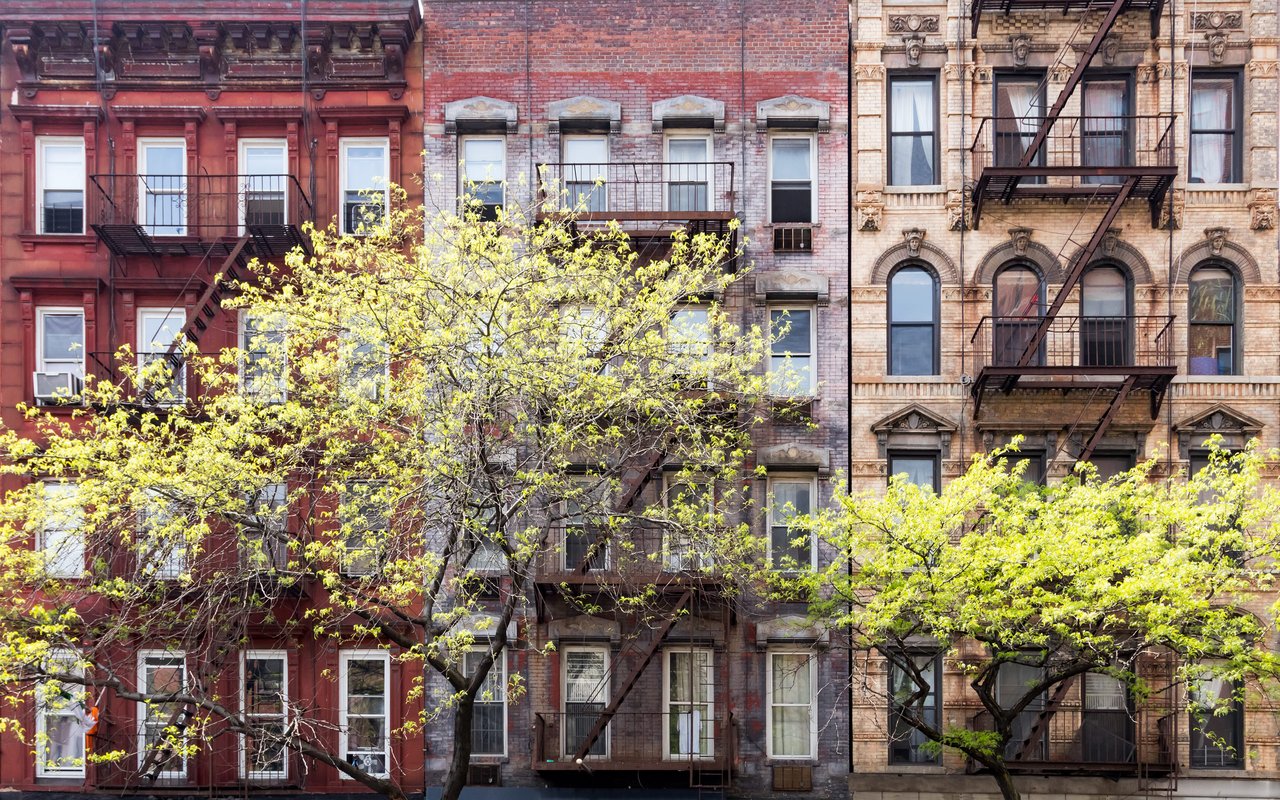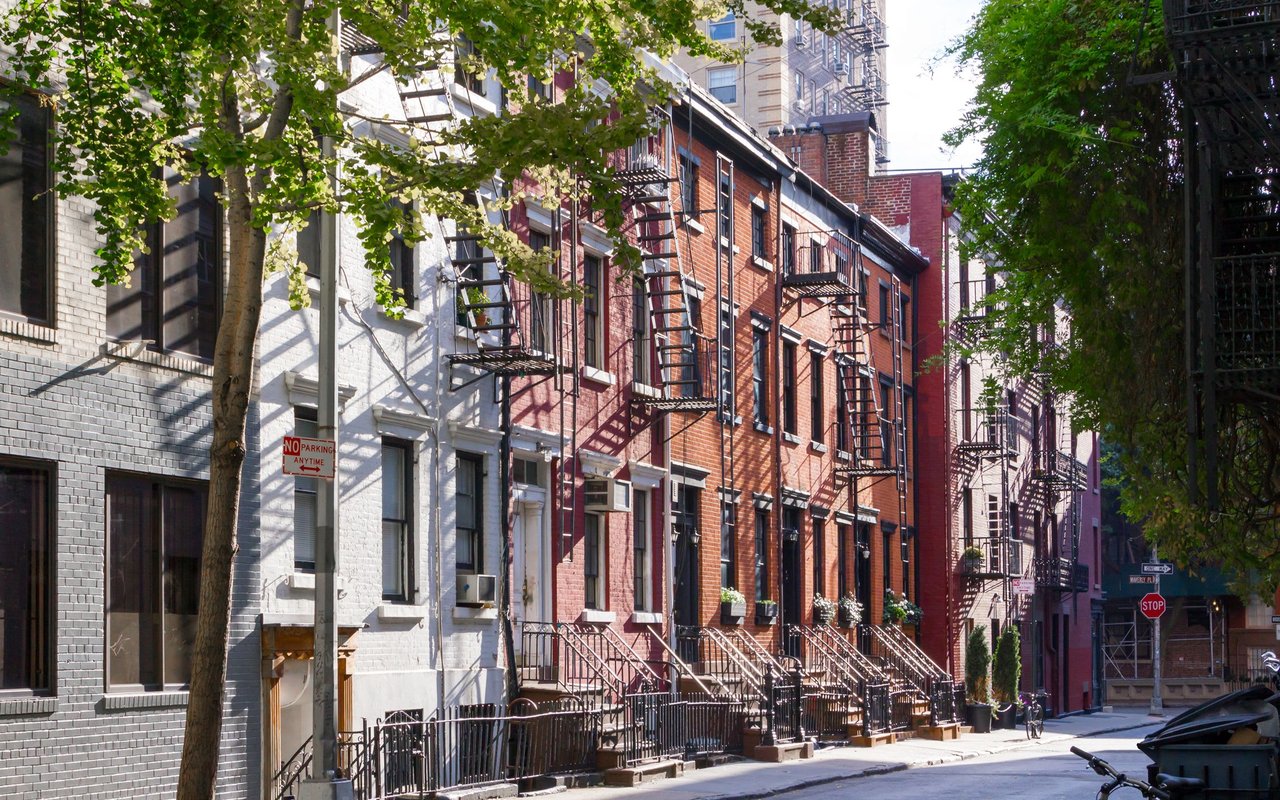
Eyeing a classic East Village fixer and wondering how to pay for the upgrades? You are not alone. Many buyers here want pre-war character with modern systems and finishes, and the right renovation loan can make that possible. In this guide, you will learn the main loan options, how they work in NYC buildings, and what to expect with permits, timelines and costs. Let’s dive in.
Renovation loans at a glance
Renovation mortgages bundle your purchase and construction budget into one loan based on the home’s future, improved value. The big three options most East Village buyers consider are:
- FHA 203(k) Rehabilitation Loan. A single-close loan that finances both purchase and repairs, with a Standard version for larger or structural work and a Limited version for non-structural projects up to $35,000. Funds are held in escrow and released in draws after inspections. FHA mortgage insurance applies. Learn more on the official HUD 203(k) program page.
- Fannie Mae HomeStyle Renovation. A conventional loan that uses the “as-completed” value, works for primary homes and also certain second homes or investment properties, and can cover higher-end finishes and some non-essential improvements. Private mortgage insurance may apply if your loan-to-value is above 80 percent. See Fannie Mae’s HomeStyle guidance.
- Freddie Mac CHOICERenovation. A conventional option similar to HomeStyle, with draws tied to progress and conventional underwriting. Review Freddie Mac’s CHOICERenovation overview.
Other ways to fund work include a HELOC or cash-out refinance if you already own, or small personal loans for minor finish work. For most East Village purchases, a renovation mortgage is what lets you close once, build your budget into the loan, and renovate right after closing.
Best fit by property type
The East Village is a mix of pre-war condos, many co-ops, and a smaller number of townhouses. Your property type affects which loan will work and how you proceed.
- Condos. You can often use FHA 203(k), HomeStyle, or CHOICERenovation on a condo unit if the building meets each program’s project rules. You will also need board approval for unit work and coordination for anything that touches building systems. FHA and conventional condo guidance lives under HUD Single Family programs and the Fannie/Freddie condo project guidelines.
- Co-ops. Renovation financing for co-ops is more complex. Some lenders and programs limit or exclude co-ops, or require specific project approvals. Most boards have strict construction rules, insurance requirements, and deposits. If you are buying a co-op, plan to work with a lender who regularly finances NYC co-ops and get early board sign-off on your scope.
- Townhouses and small multi-unit. FHA 203(k) and conventional renovation mortgages can apply to 1–4 unit properties if they meet program rules. If tenants are in place, local regulations and notices can affect scope and timing. In landmarked areas, exterior work often needs Landmarks Preservation Commission review.
Short answer: match your loan to the building and your project size. FHA 203(k) can suit buyers with lower down payments and larger repair needs. HomeStyle or CHOICERenovation fit buyers with stronger credit who want broader finish options or plan to finance a second home or certain investment scenarios.
How the funding works
Renovation loans hinge on the home’s as-completed value, which is what the appraiser believes the property will be worth after your improvements. You submit plans and detailed contractor bids, and the appraiser uses those to value the finished product. The lender then sizes your loan to program limits based on that value.
After closing, the lender holds the renovation funds in escrow and releases them in draws as work is completed and inspected. Many lenders hold a small percentage as a contingency until final completion. For Standard FHA 203(k) projects, a HUD 203(k) consultant develops a work plan and inspects progress. For a quick overview, the CFPB’s renovation mortgage Q&A explains key steps and terminology.
NYC permits and approvals
Most non-cosmetic work in NYC requires permits. Interior changes to walls, plumbing, or electrical, and nearly all exterior work, must be filed with the NYC Department of Buildings. Lenders generally require proof of permits before releasing renovation draws. You can review permit guidance on the NYC Department of Buildings site.
Portions of the East Village fall within local historic districts. If your exterior work is visible from the street, you may need Landmarks Preservation Commission approval and specific materials or detailing, which can affect timeline and cost. Owner guidance is available from the NYC Landmarks Preservation Commission.
Many buildings predate 1978, so lead-safe practices may apply when disturbing paint. Contractors must follow the EPA’s Renovation, Repair and Painting Rule for covered work. Learn more from the EPA RRP Program. In older structures, asbestos and other hazardous materials are possible and may require specialists.
Timeline and costs to plan for
- Loan origination. Renovation mortgages add time for plan review and the as-completed appraisal. Expect about 30 to 60 days or more from application to closing, depending on scope and lender.
- Construction duration. Small cosmetic jobs can take weeks to a few months. Moderate interior renovations often run 2 to 6 months. Full gut or structural work can extend past 6 months, especially with DOB filings or LPC review.
- Fees and reserves. Budget for loan origination and appraisal fees, potential FHA upfront mortgage insurance for 203(k), and private mortgage insurance on conventional loans if your LTV is above 80 percent. For Standard 203(k), include the HUD consultant fee. Add permit, architect or engineer fees, and filing fees. Keep a 10 to 20 percent contingency on your construction budget and expect that lenders may retain a holdback until final completion.
- Monthly payment impact. Renovation funds increase your total loan amount. Ask your lender to model payments with mortgage insurance where applicable and confirm current loan limits for Manhattan.
Your step-by-step plan
- Identify the property type and project scope. Confirm whether you are buying a condo, co-op, or townhouse and outline must-have improvements versus nice-to-haves.
- Get pre-approved with the right lender. Ask specifically about FHA 203(k), HomeStyle, and CHOICERenovation, and confirm experience with NYC condos or co-ops.
- Engage licensed pros for bids. Obtain detailed, line-item contractor estimates and a realistic schedule. Include a contingency of 10 to 20 percent.
- Confirm board and building requirements. Secure preliminary board approvals, building rules, certificates of insurance needs, and any construction deposits.
- Align plans with NYC rules. Check DOB permit requirements and, if applicable, LPC approvals for exterior or visible work before finalizing scope.
- Prepare the appraisal package. Share plans and bids so the appraiser can value the home as completed. Discuss comparable renovated sales with your agent.
- Close and start work. Understand the draw schedule, required inspections, and documentation for disbursements. Keep reserves for delays or overruns.
Pitfalls to avoid
- Lender overlays in Manhattan. Many lenders apply stricter rules for co-ops and certain condo projects. Verify eligibility early and do not assume every lender offers all renovation products for co-ops.
- Board process surprises. Boards can require deposits, strict working hours, and specific insurance. Get these details upfront so they appear in your loan timeline.
- Underestimating permitting and LPC time. DOB filings and Landmarks reviews add steps that affect schedules and inspections tied to loan draws.
- Inadequate contingency. Older buildings can hide conditions behind walls. A 10 to 20 percent contingency helps manage surprises without stalling draws.
- Weak comps for appraisal. Work with your agent to identify recent, comparable renovated sales so your as-completed value supports the loan amount.
- Building financials and assessments. Planned roof or façade work can mean special assessments that affect your debt-to-income ratio and timing.
When HELOCs and cash-out fit
If you already own in the East Village and have equity, a HELOC or cash-out refinance can be a faster way to fund renovations without changing your purchase plans. A HELOC lets you draw funds as you need them, while a cash-out refinance replaces your current mortgage with a larger one and provides cash at closing. These options generally require solid equity and credit, and they are less common during a purchase.
Ready to move forward?
The right loan can turn a character-rich East Village home into your ideal space. The key is matching the program to your building type, getting the board and permits aligned, and budgeting with real NYC timelines and costs in mind. If you want a single team that understands acquisition, feasibility, permitting, and construction oversight, we can help coordinate your lender, your contractor, and your path to a finished home you love.
Have questions about scope, timelines, or lender options for a specific address? Book an appointment with Mark O’Brien Real Estate and get a pragmatic plan tailored to your renovation goals.
FAQs
What is an FHA 203(k) and how does it work?
- It is an FHA-insured loan that rolls purchase and renovation into one mortgage, funds draws from an escrow, and uses an as-completed appraisal; see the HUD 203(k) program page for details.
Can I use a renovation loan for an East Village condo?
- Often yes, if the condo project meets program rules and your board approves the work; check program guidance under HUD Single Family and confirm with your lender.
Are co-ops eligible for renovation mortgages?
- Co-ops are more limited and lender-dependent, so you should confirm eligibility early with lenders who regularly finance NYC co-ops and secure board approval for your scope.
How does the as-completed appraisal affect my budget?
- The lender sizes your loan to program limits based on the appraised as-completed value, so accurate plans, bids, and solid neighborhood comps are essential.
What NYC approvals do I need before draws are released?
- For non-cosmetic work, lenders typically require DOB permits and may need inspection confirmations; see the NYC Department of Buildings for permit guidance.
Do I need Landmarks approval for exterior changes?
- If your property is in a historic district and work is visible from the street, the LPC may need to approve materials and details; start with the NYC Landmarks Preservation Commission.
What about lead-based paint in older East Village buildings?
- Work that disturbs lead paint must follow the EPA’s RRP Rule with certified contractors; review the EPA RRP Program for requirements.
How long does a renovation mortgage take to close?
- Expect about 30 to 60 days or more due to plan review and the as-completed appraisal, and longer if your project requires complex filings or board approvals.
Which conventional renovation loan should I consider?
- HomeStyle and CHOICERenovation are both strong options with conventional underwriting; compare program details from Fannie Mae and Freddie Mac.