
Trying to choose between a co-op and a condo in Greenwich Village can feel harder than it should. You are not just picking a home type. You are also choosing a building culture, a purchase process, and a level of flexibility that can shape your day-to-day life and your long-term plans. In a neighborhood known for historic buildings, limited inventory, and wide price variation, understanding those tradeoffs can save you time, money, and stress. Let’s dive in.
Why this choice matters in Greenwich Village
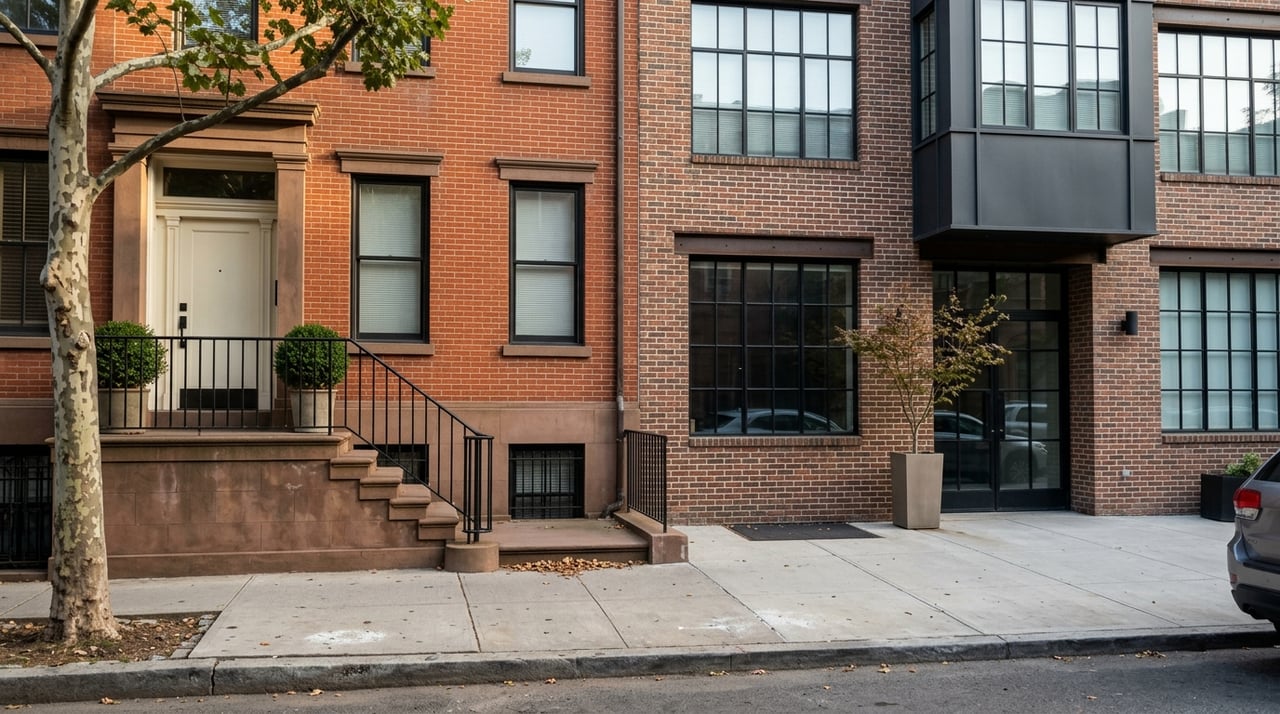
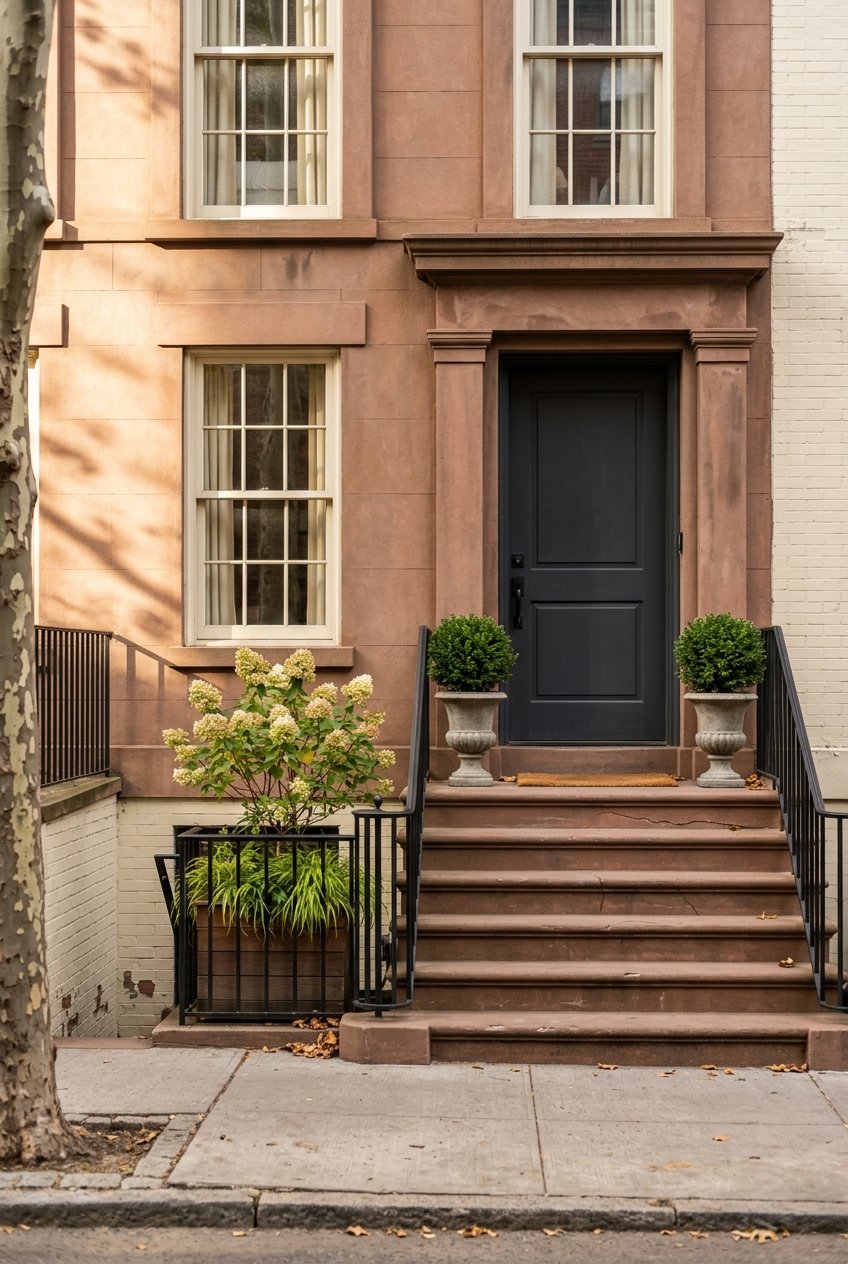
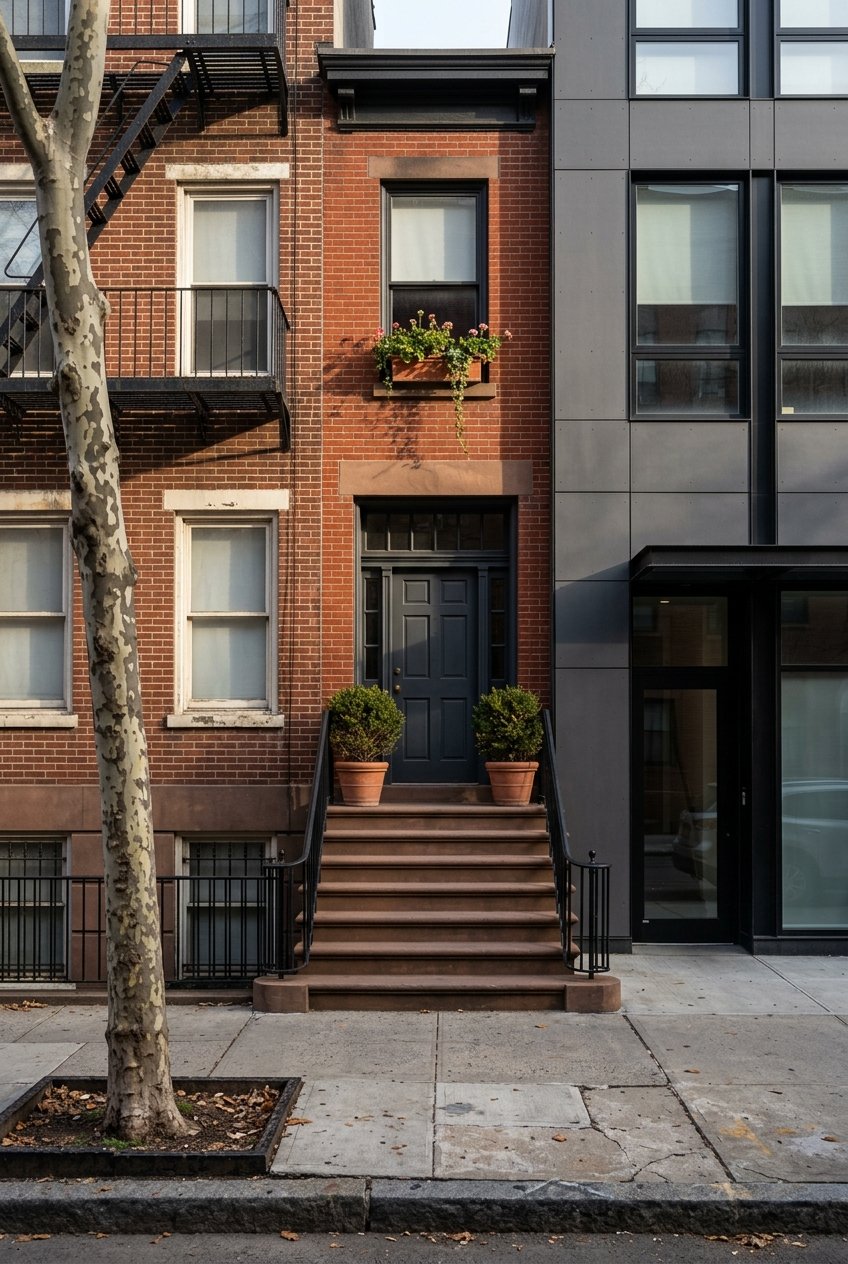
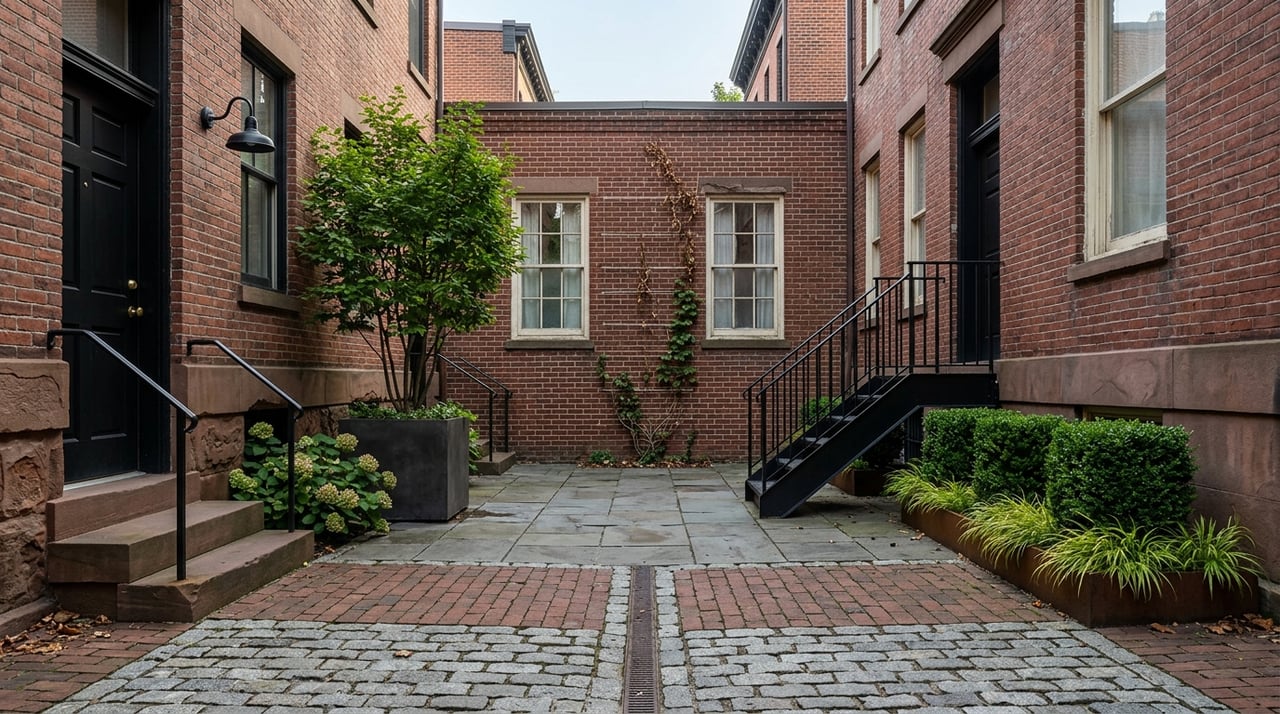
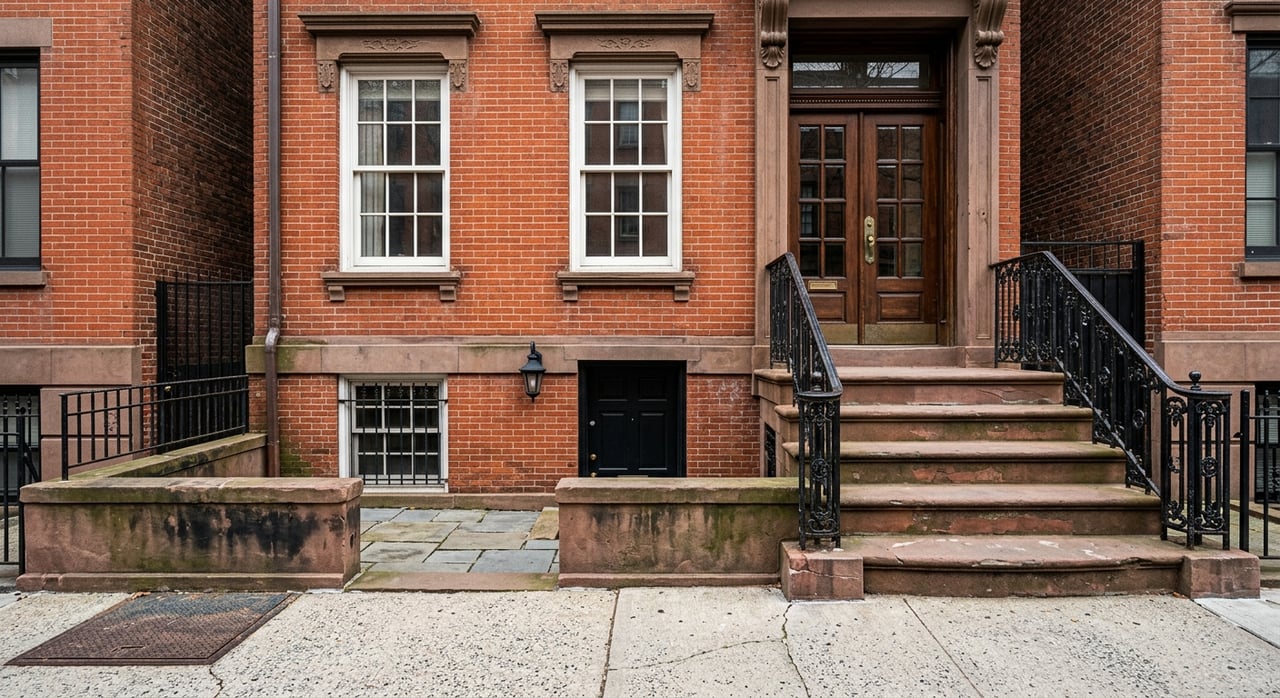
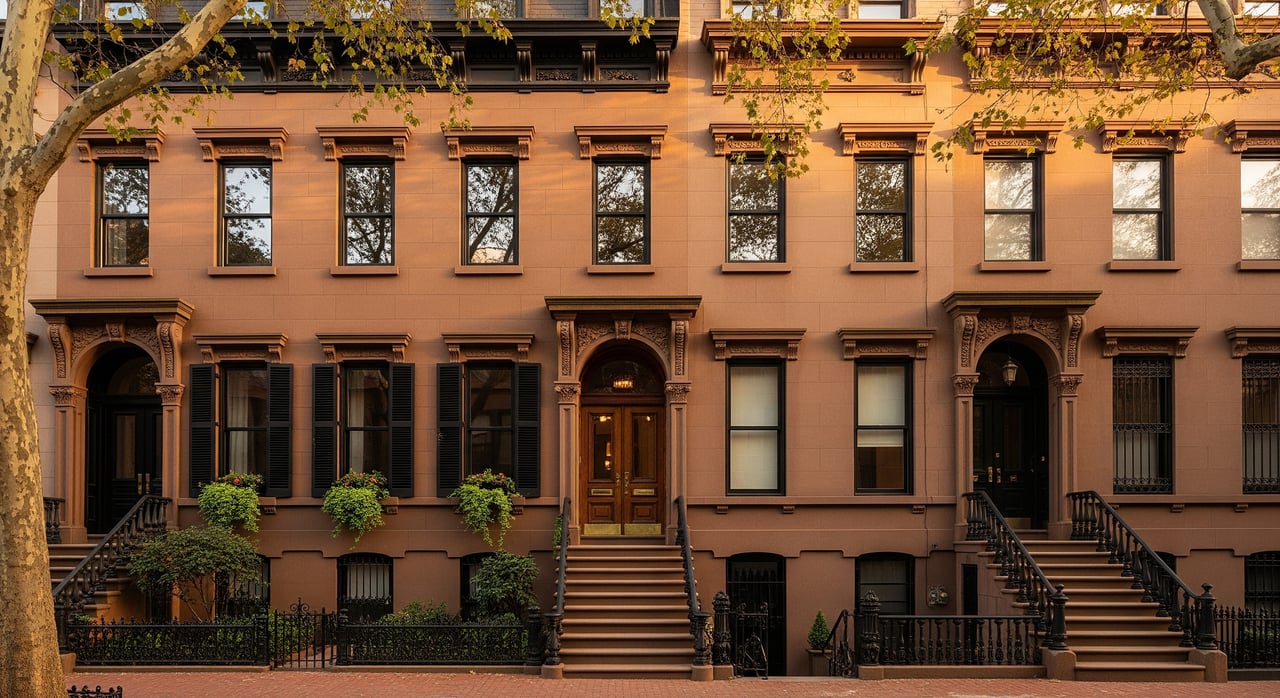
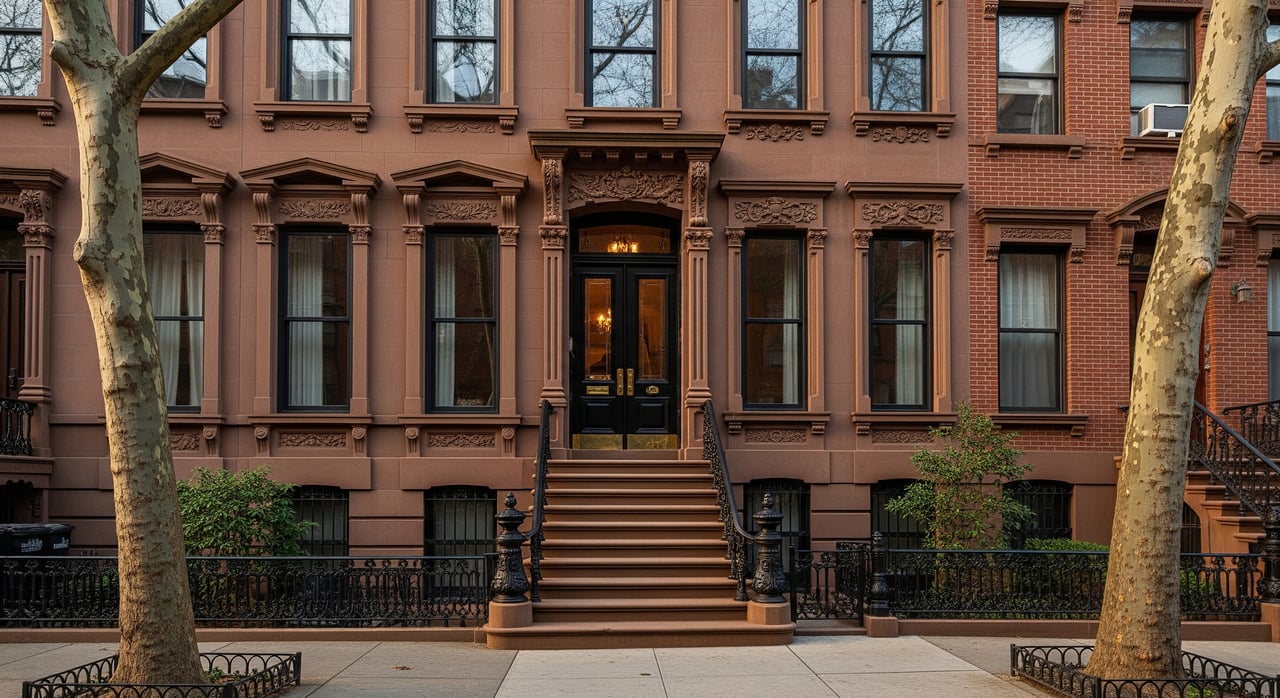
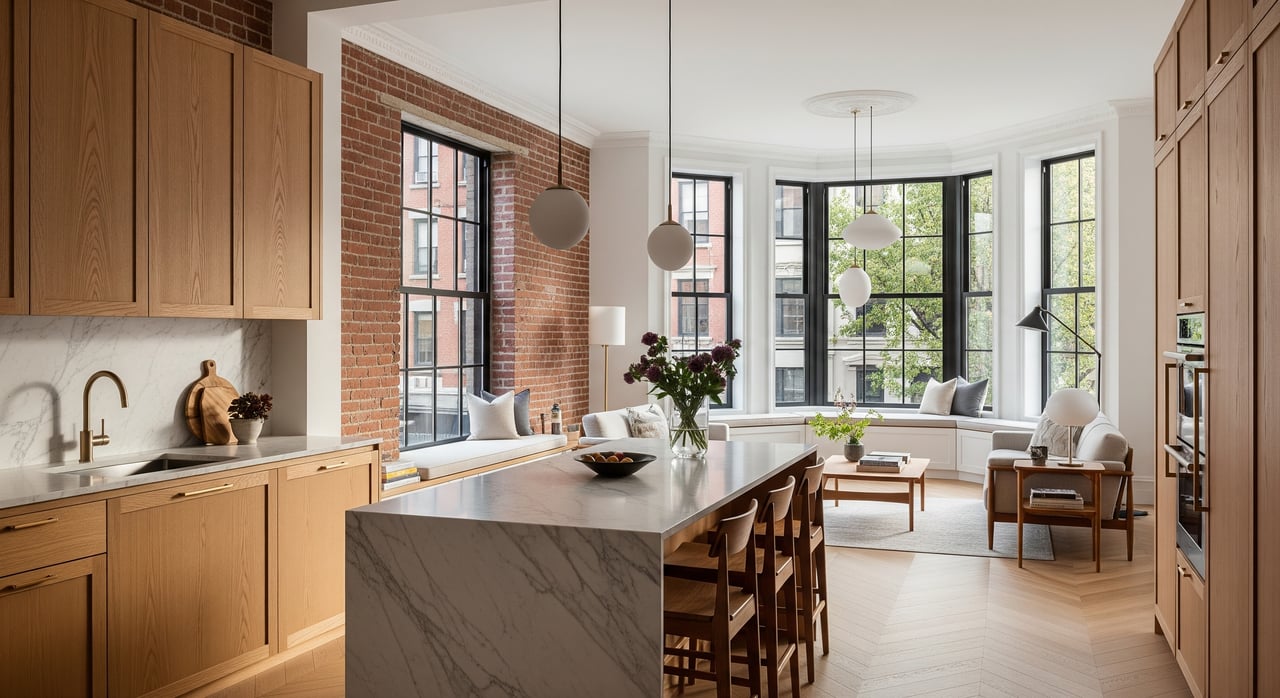
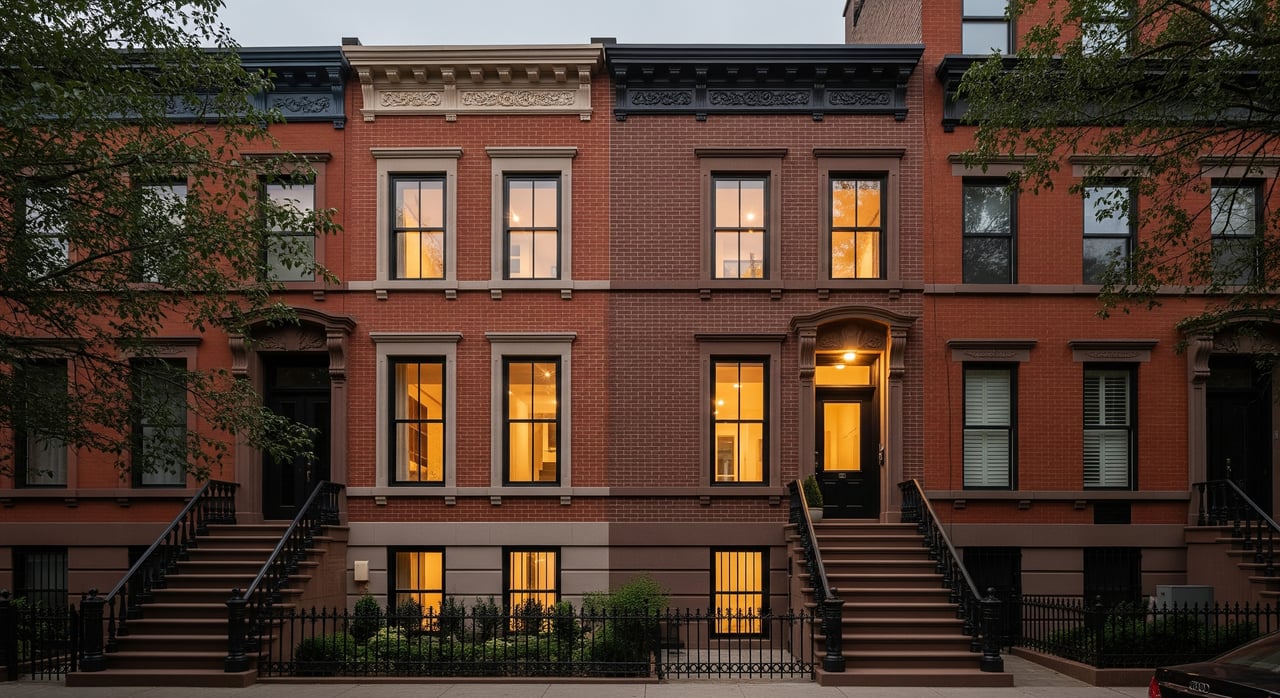
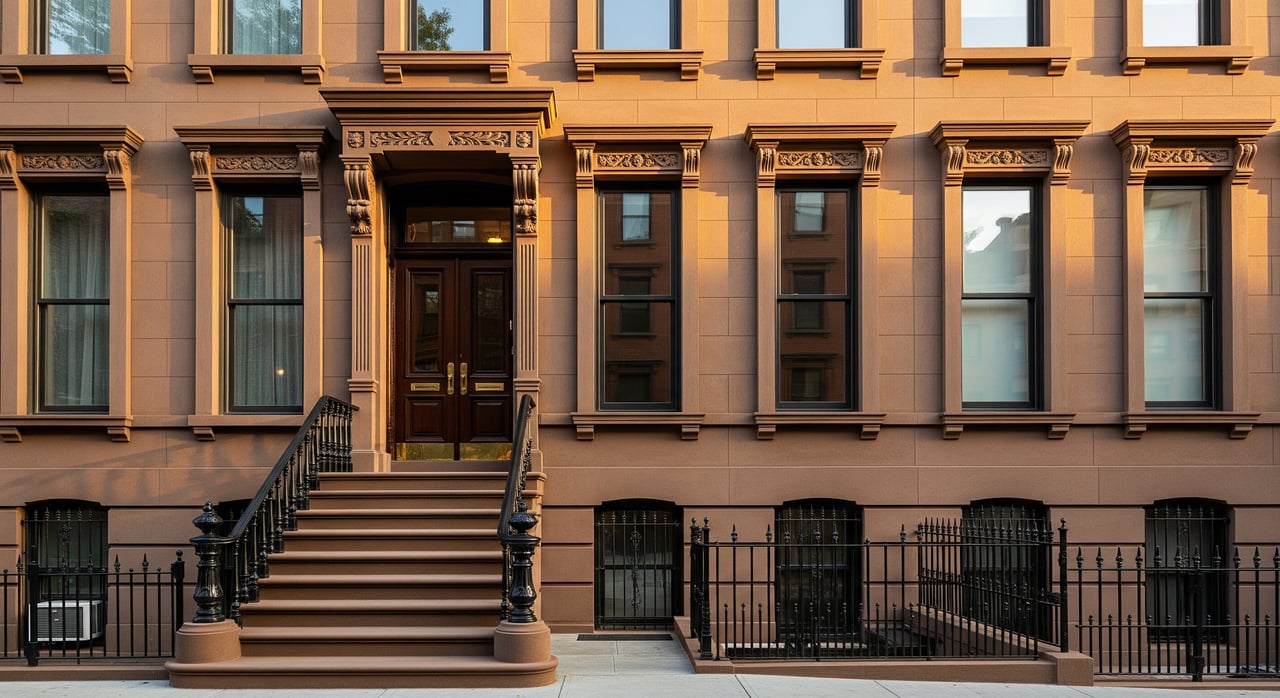
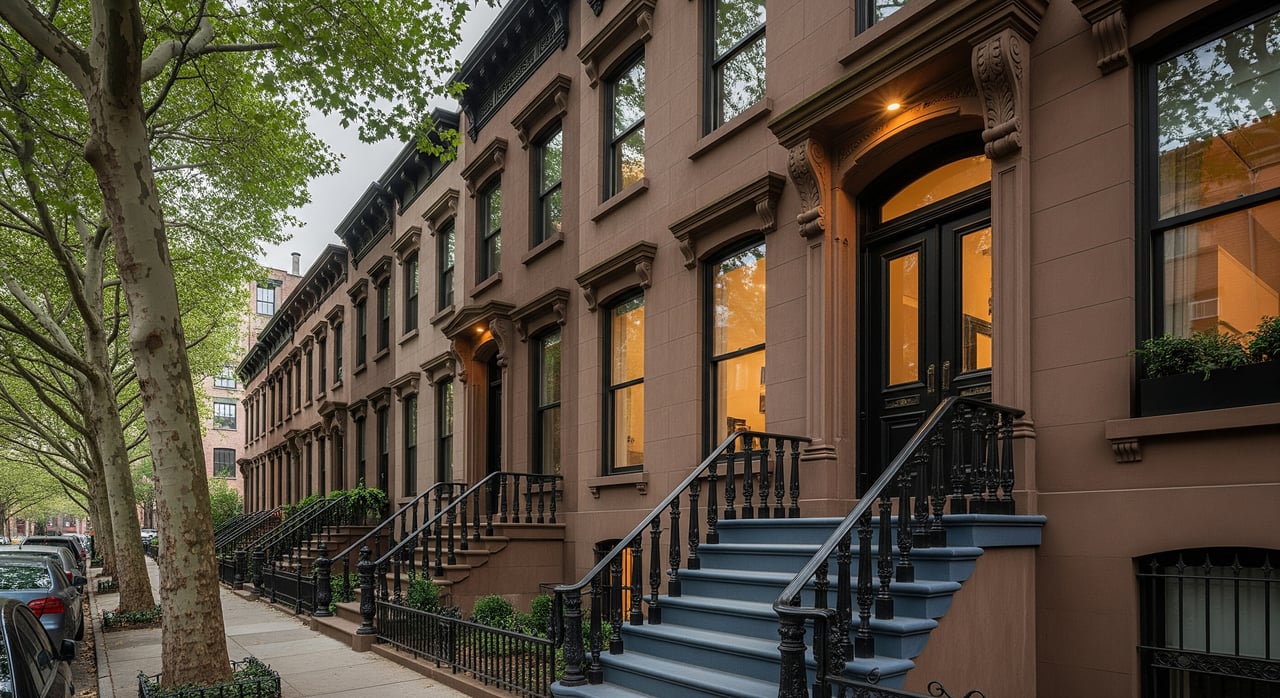
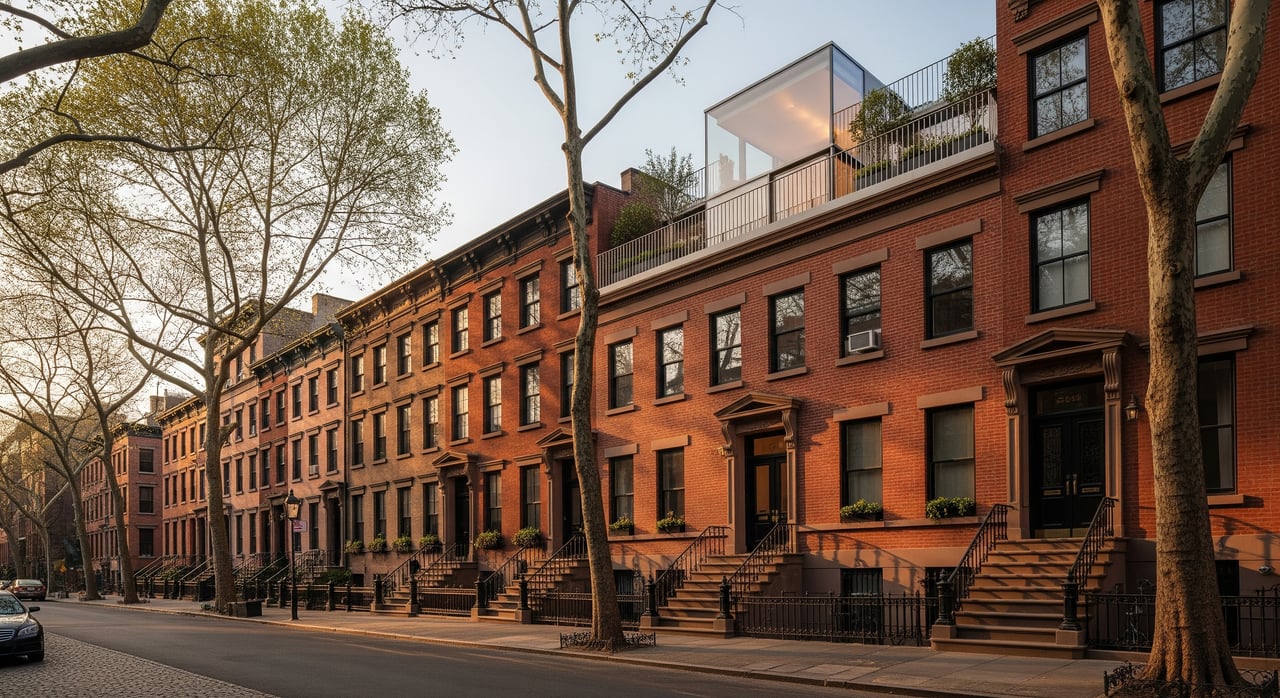
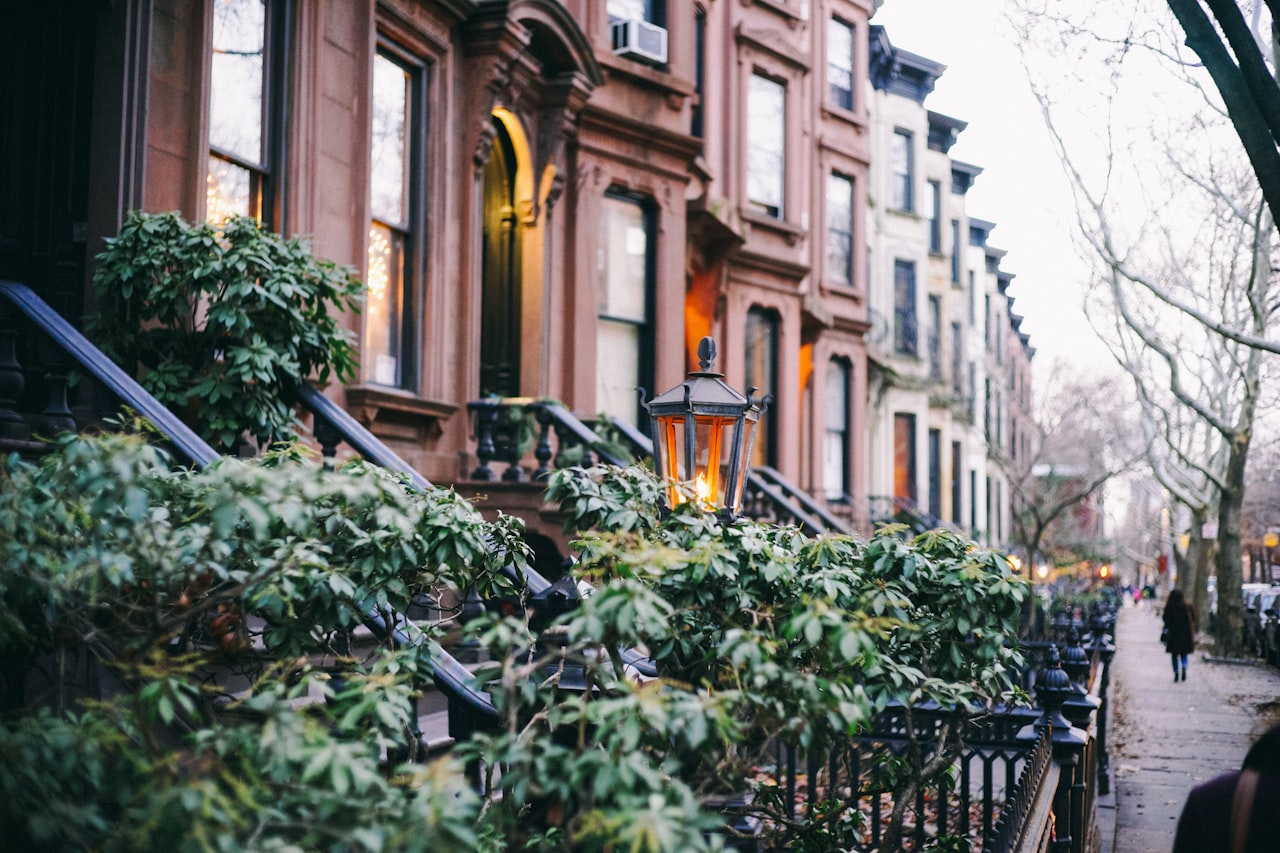
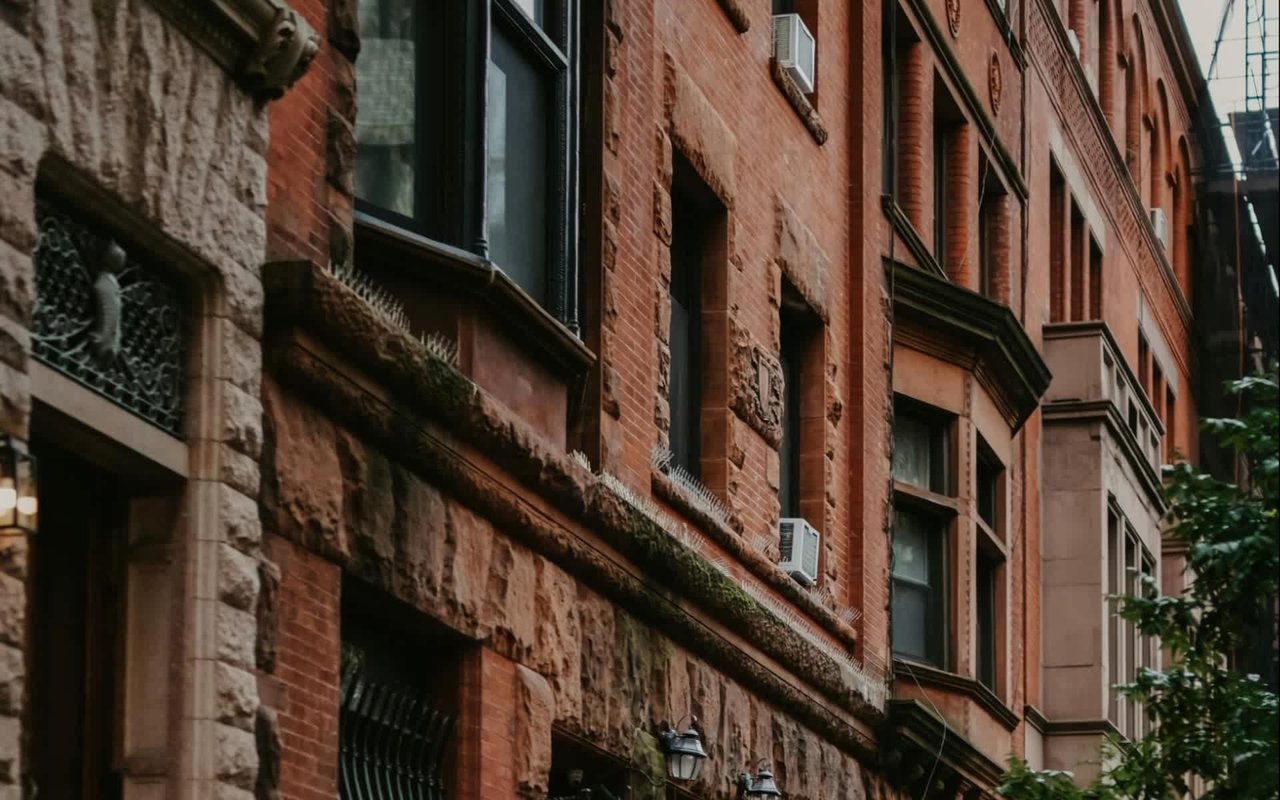
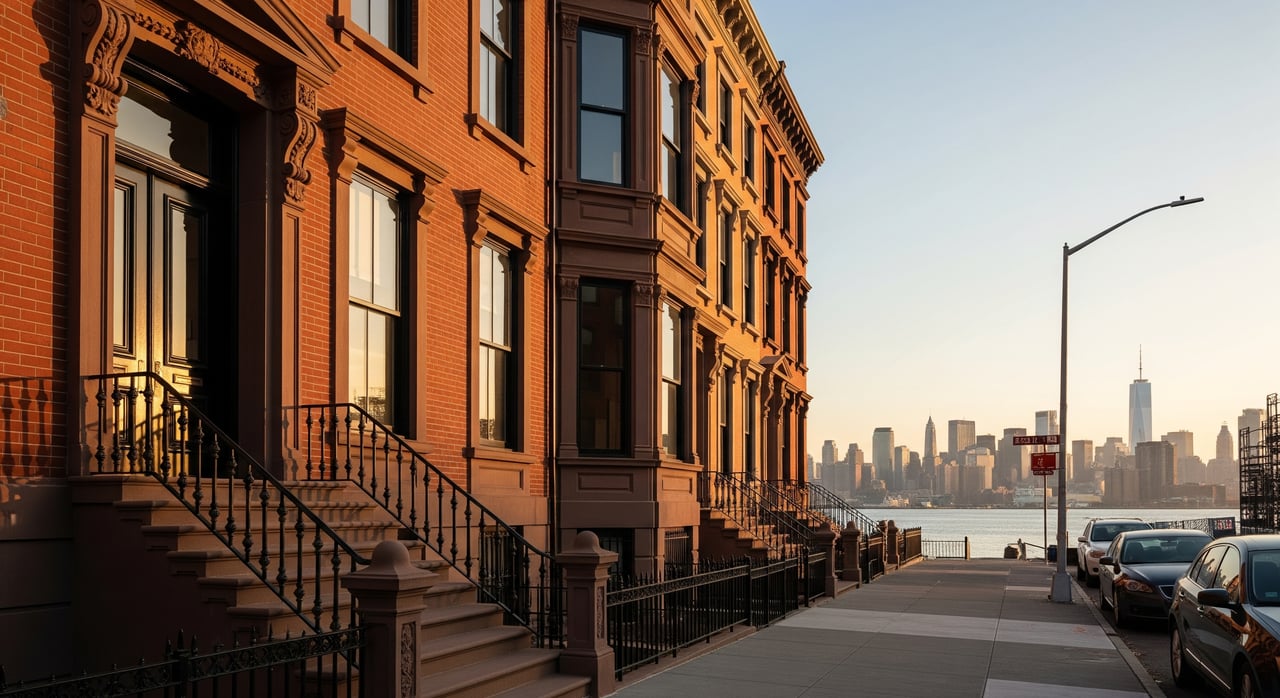
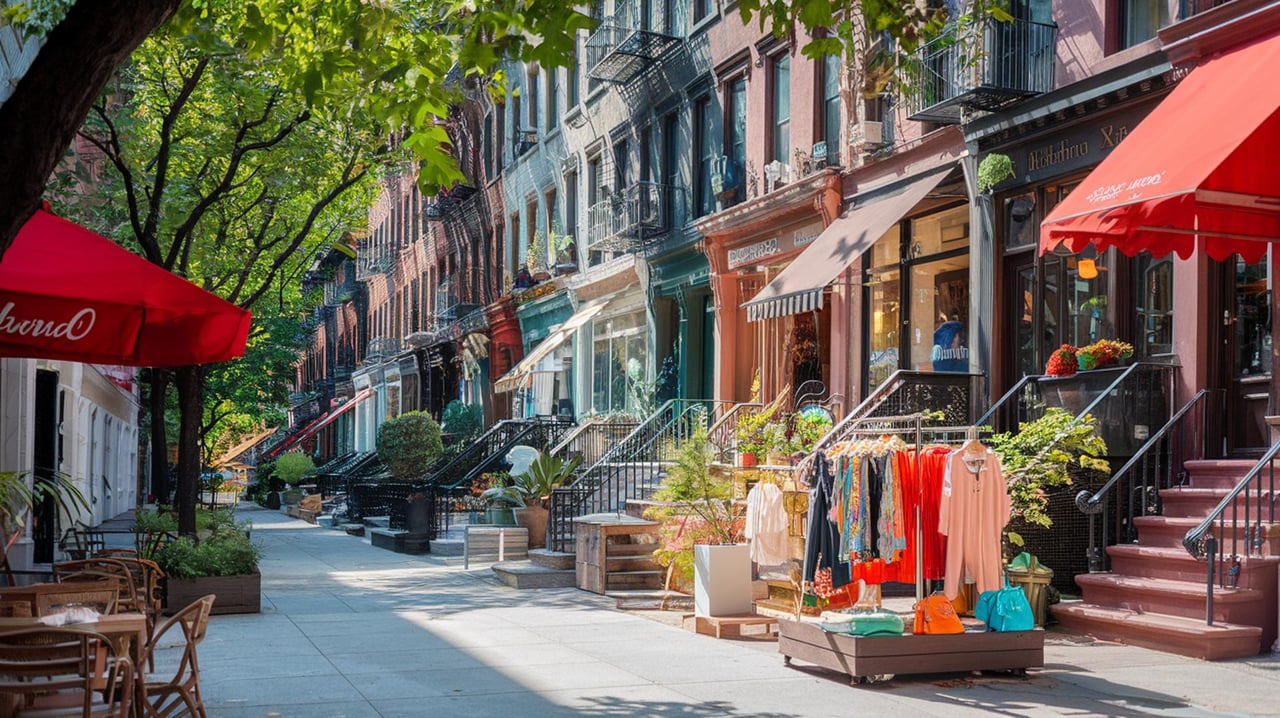
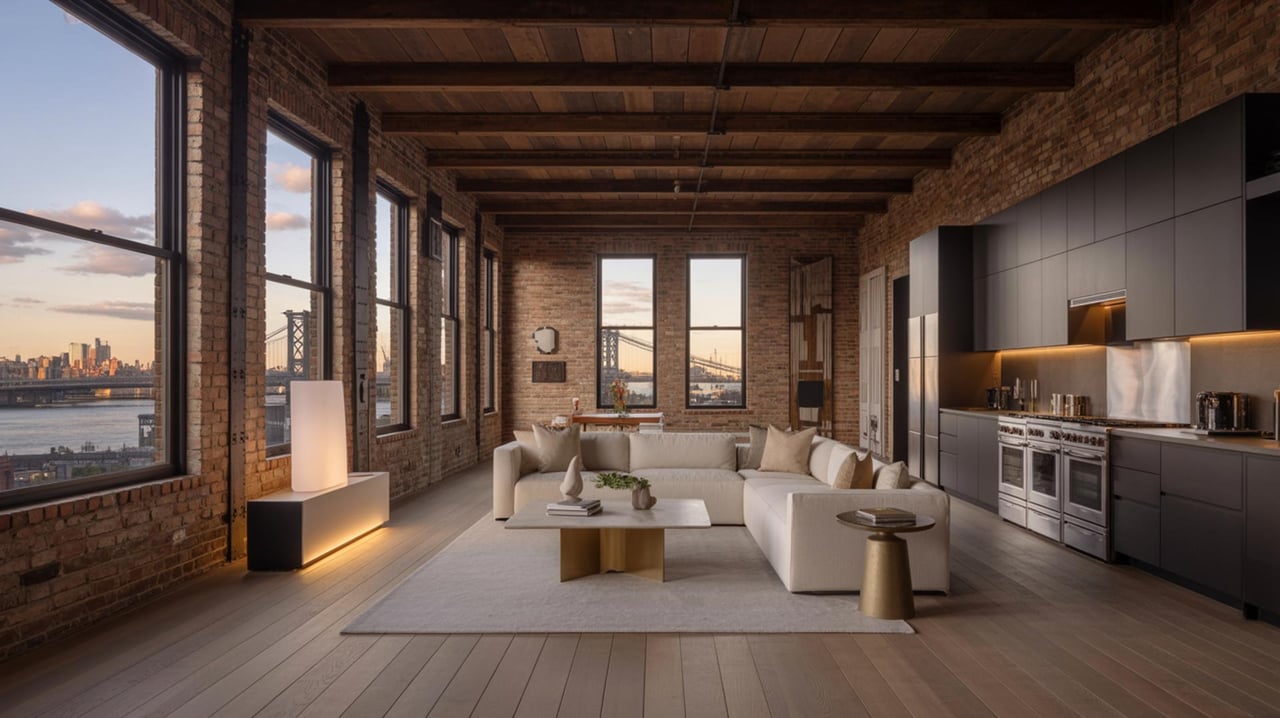
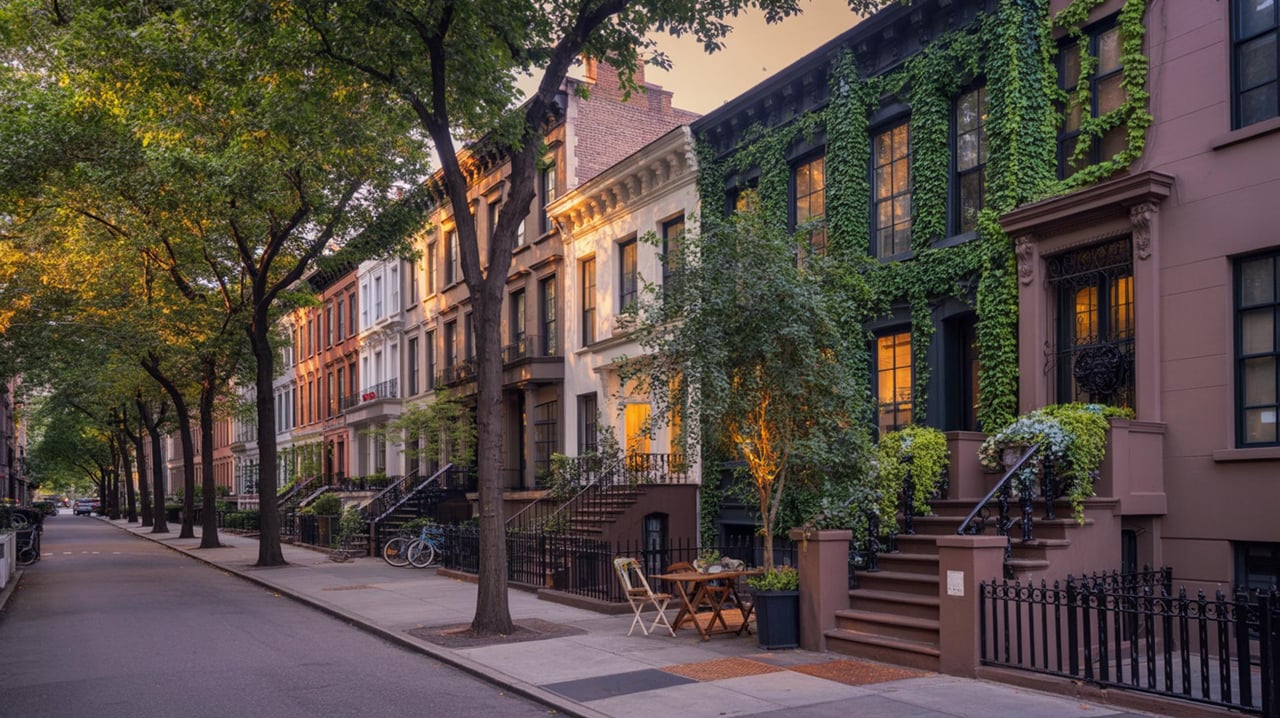
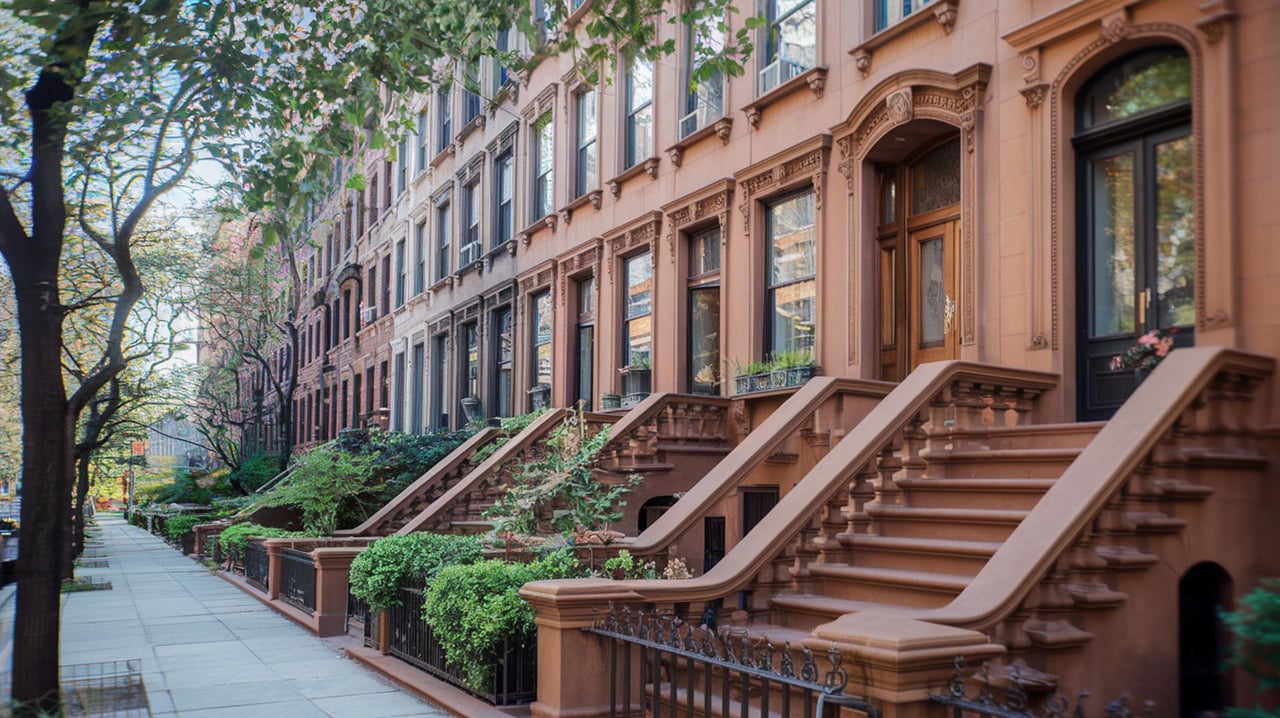
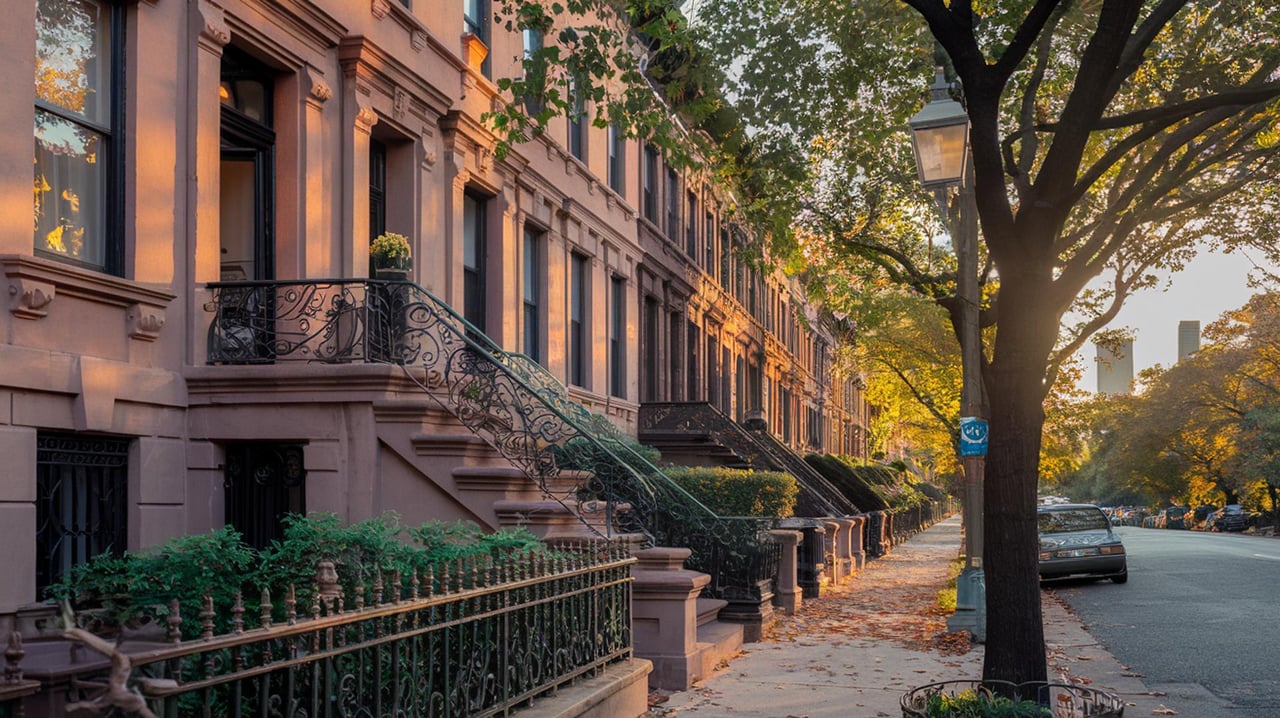
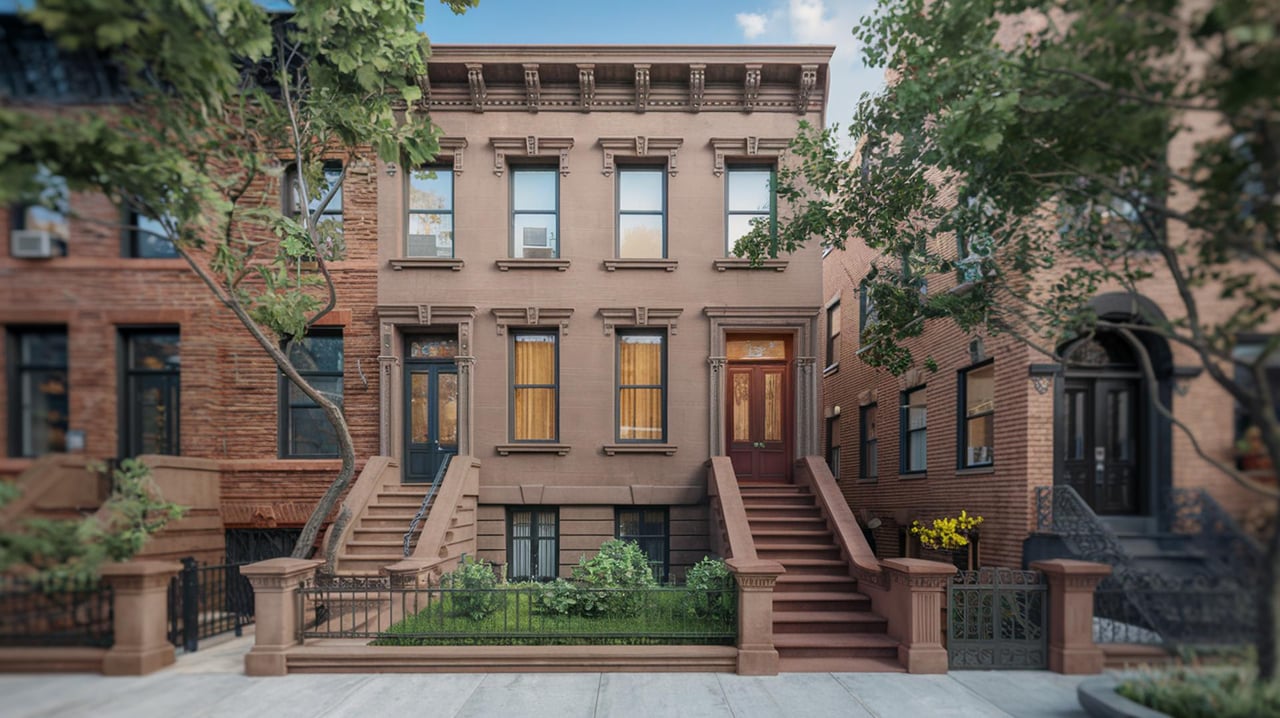
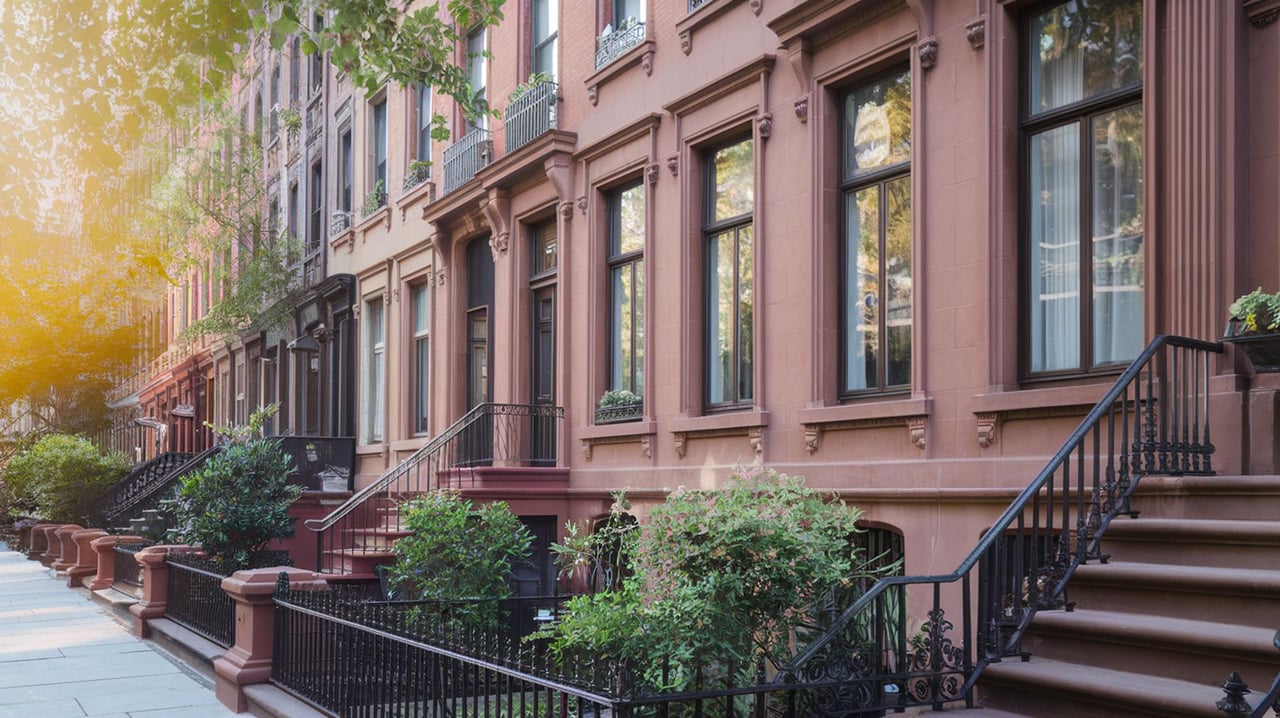
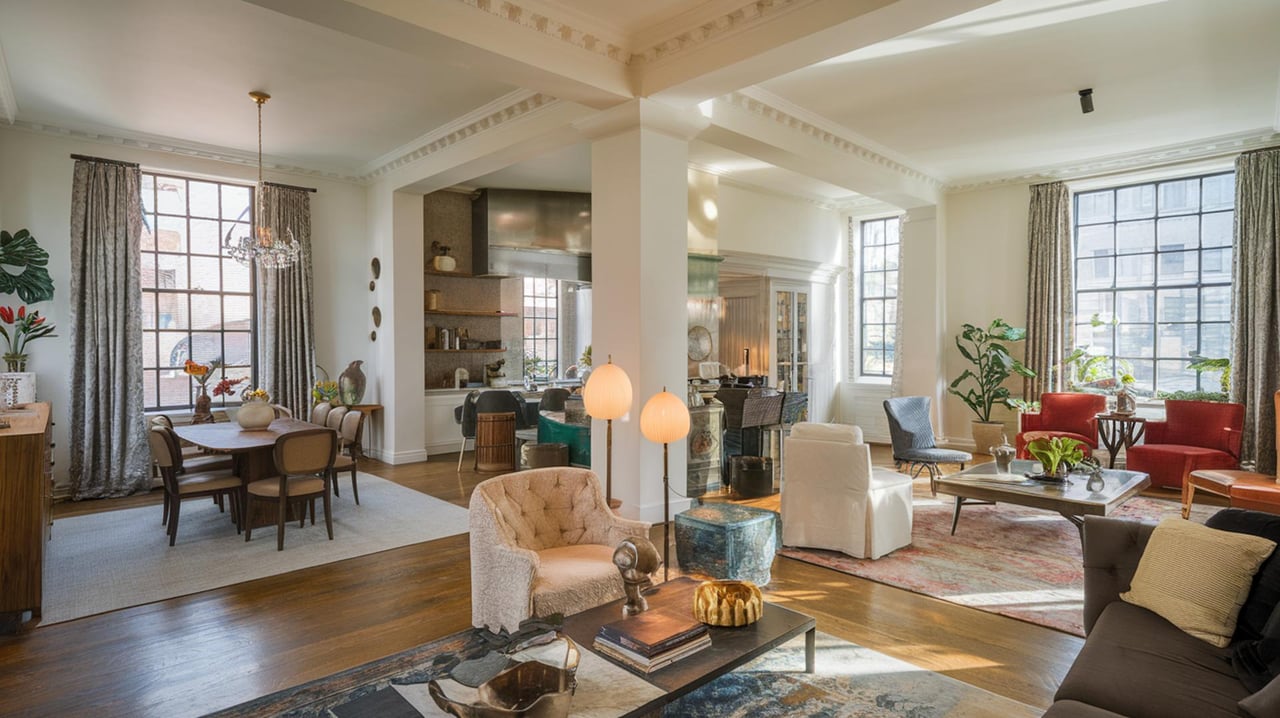
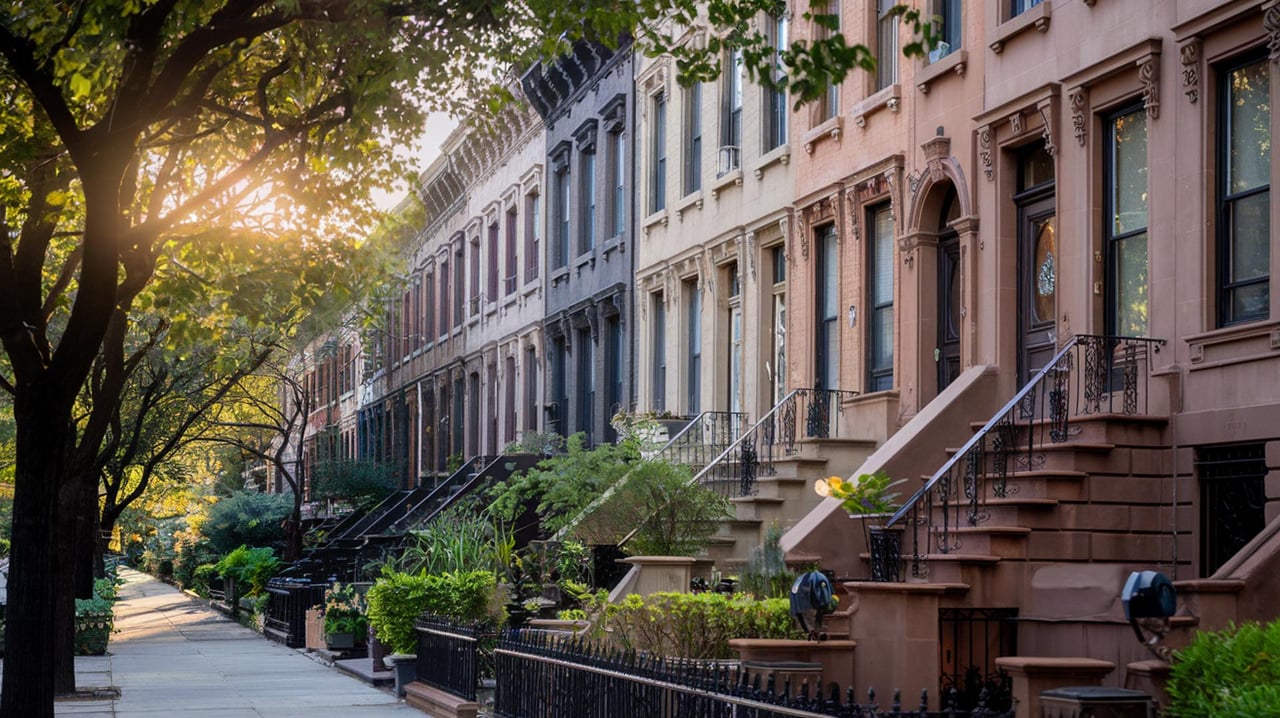
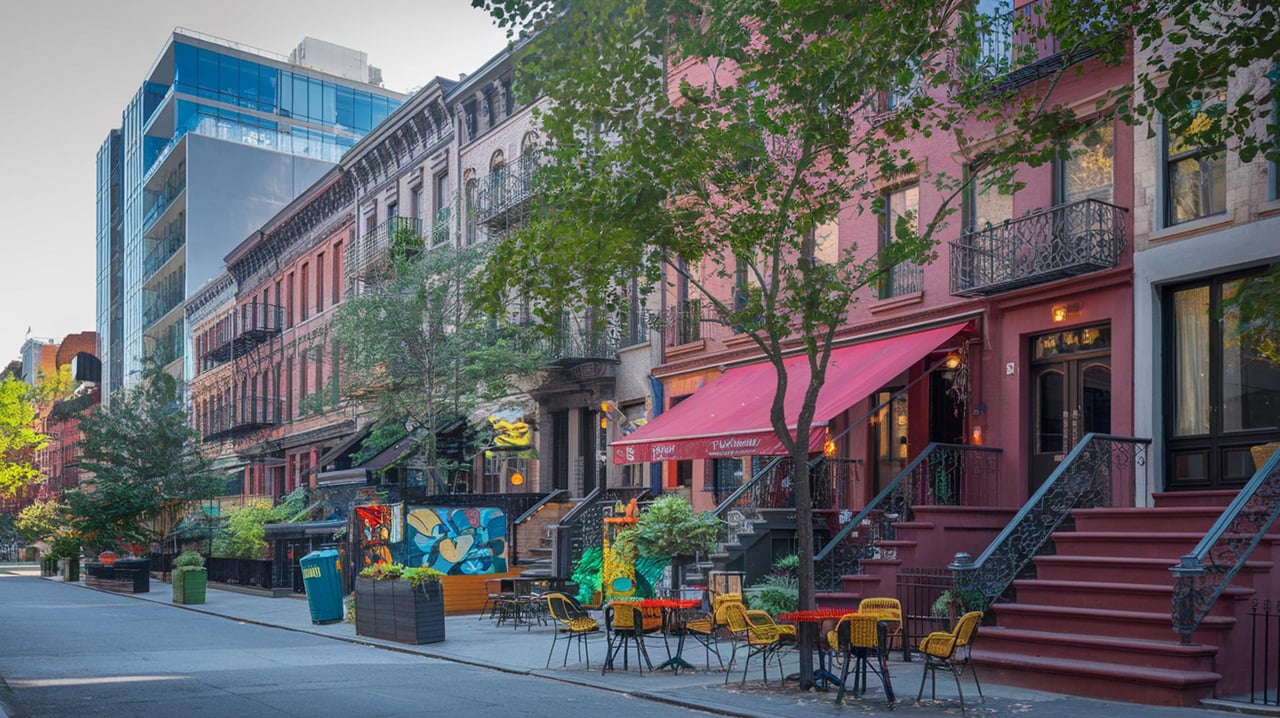
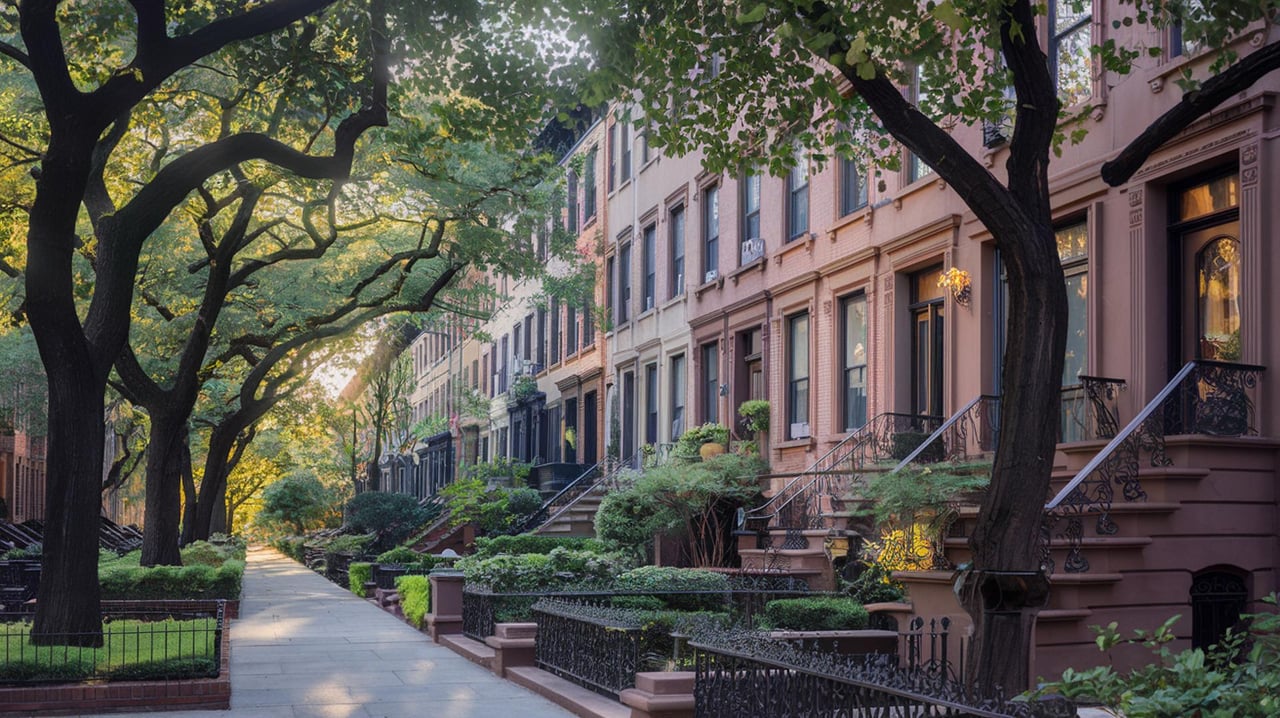
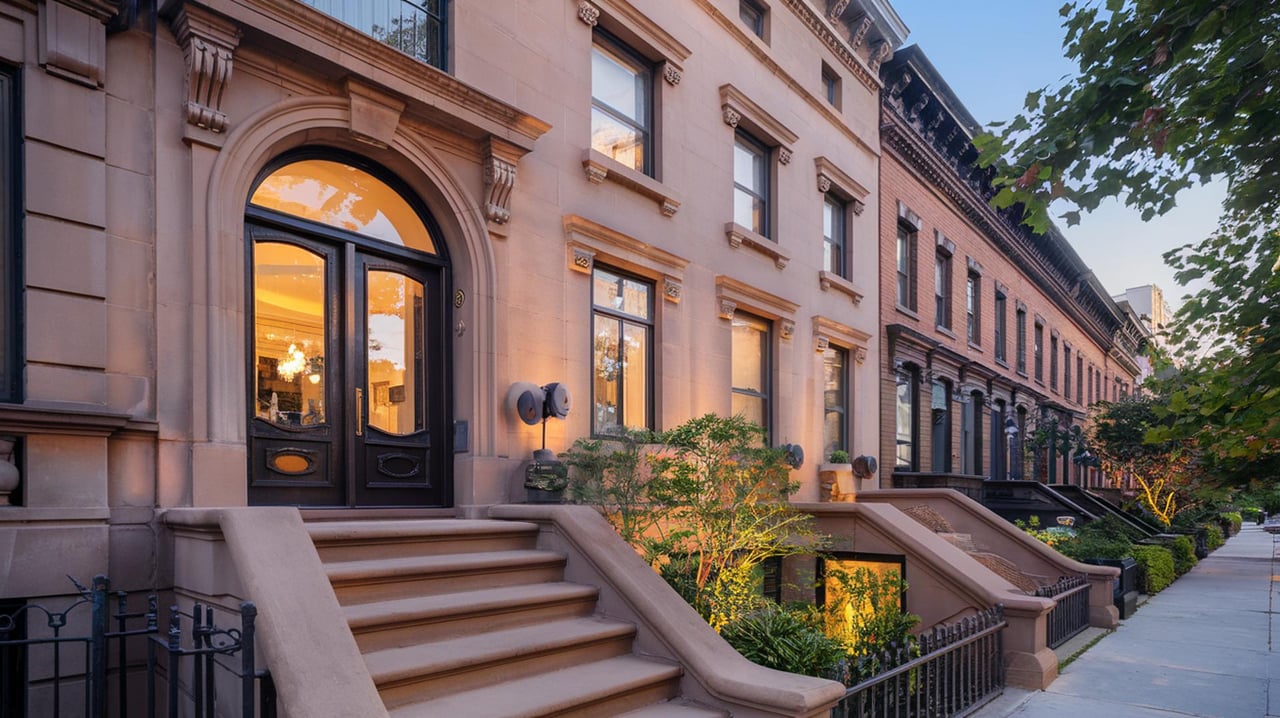
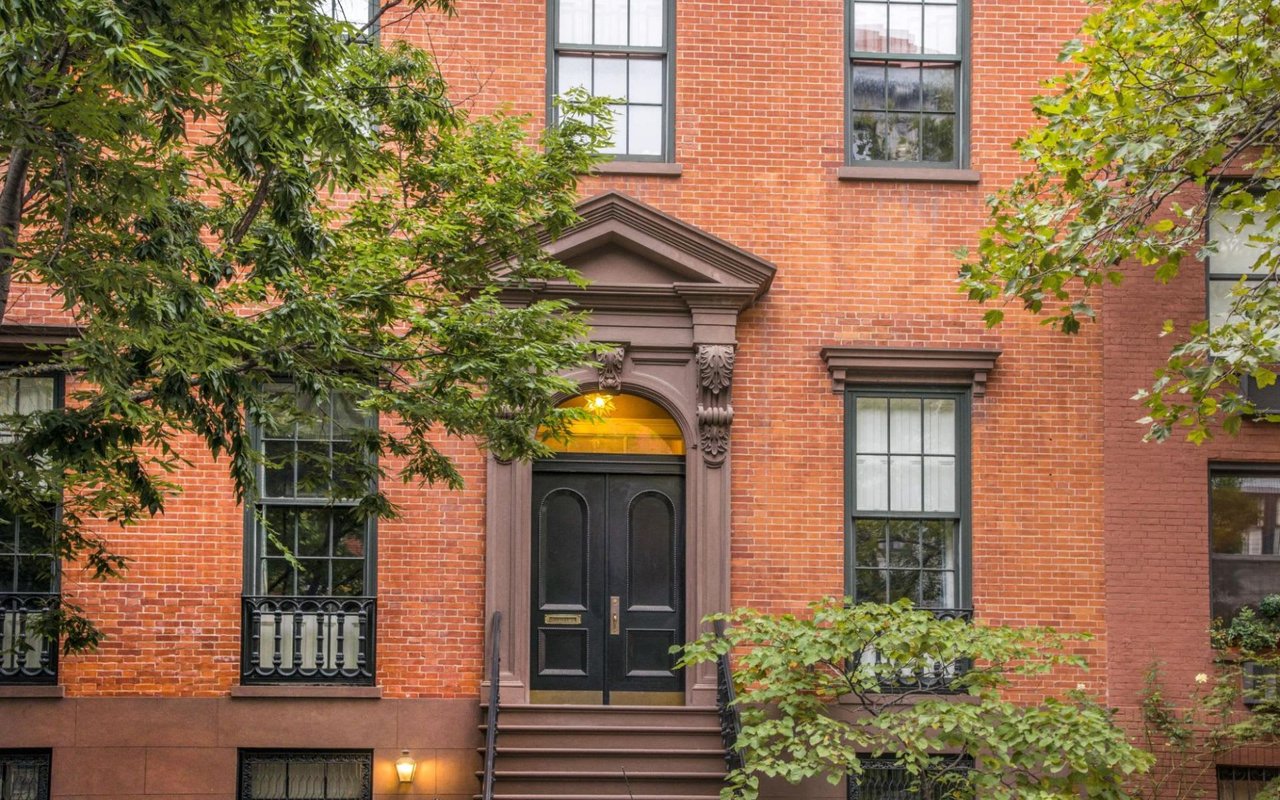
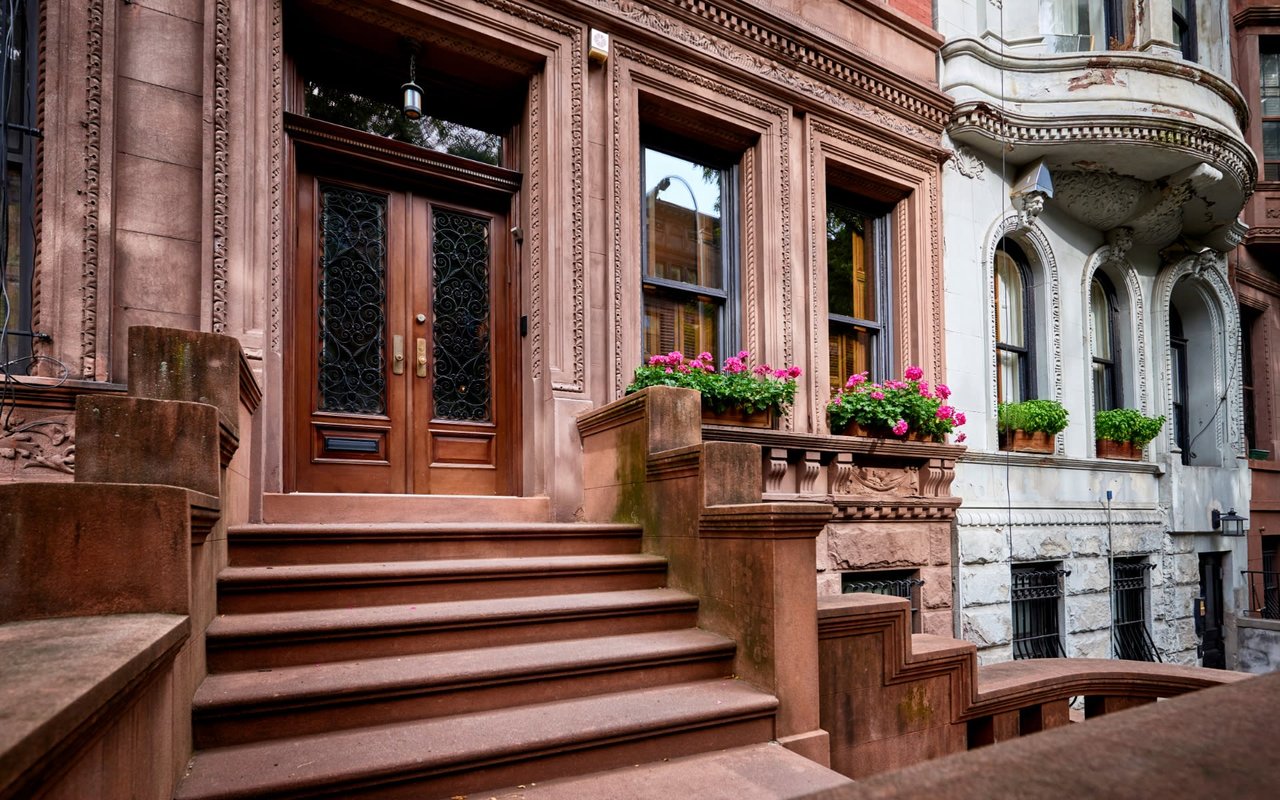
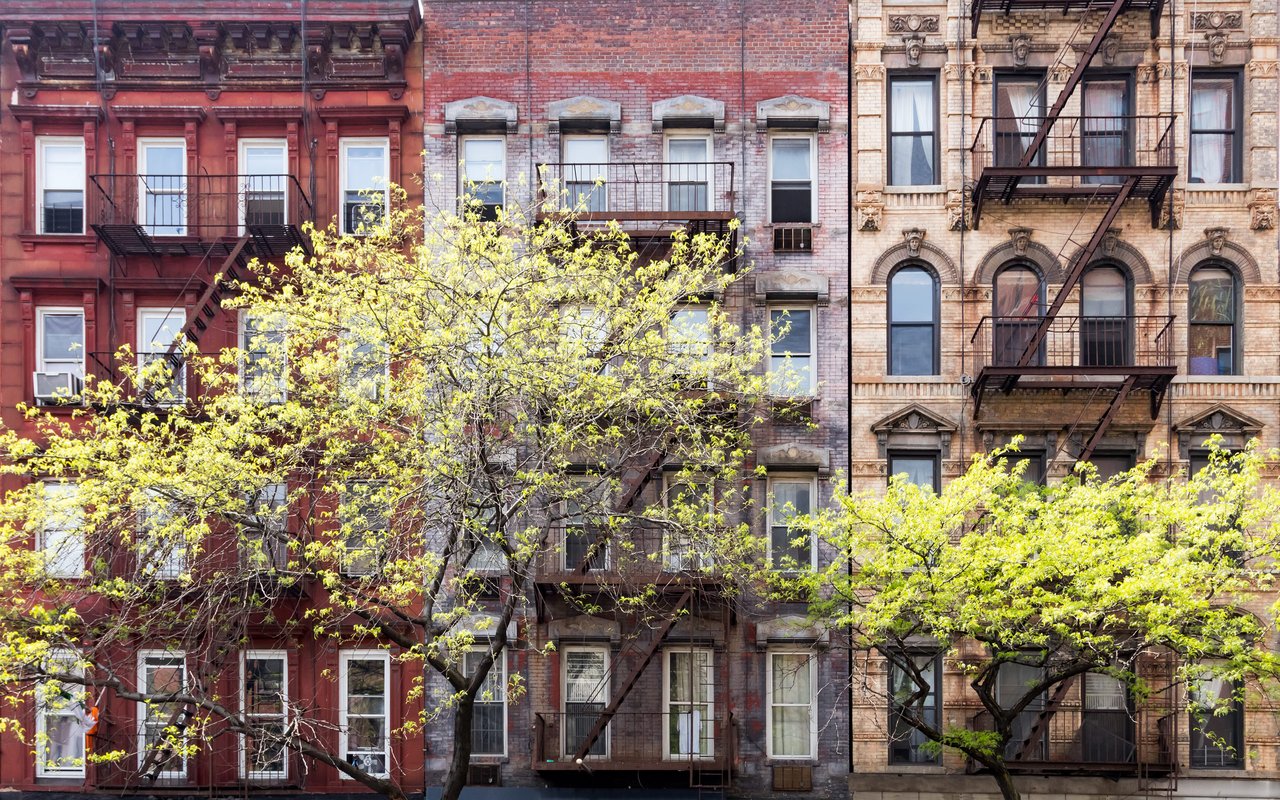
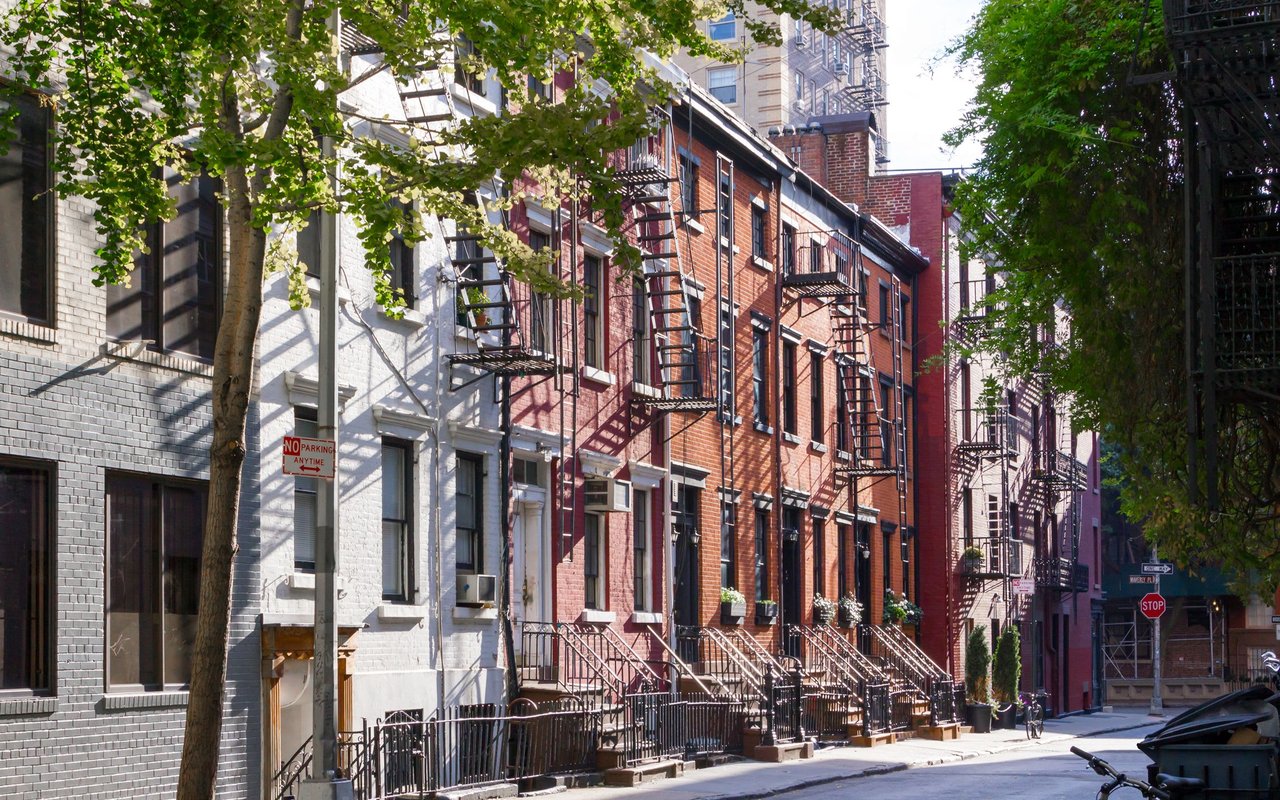
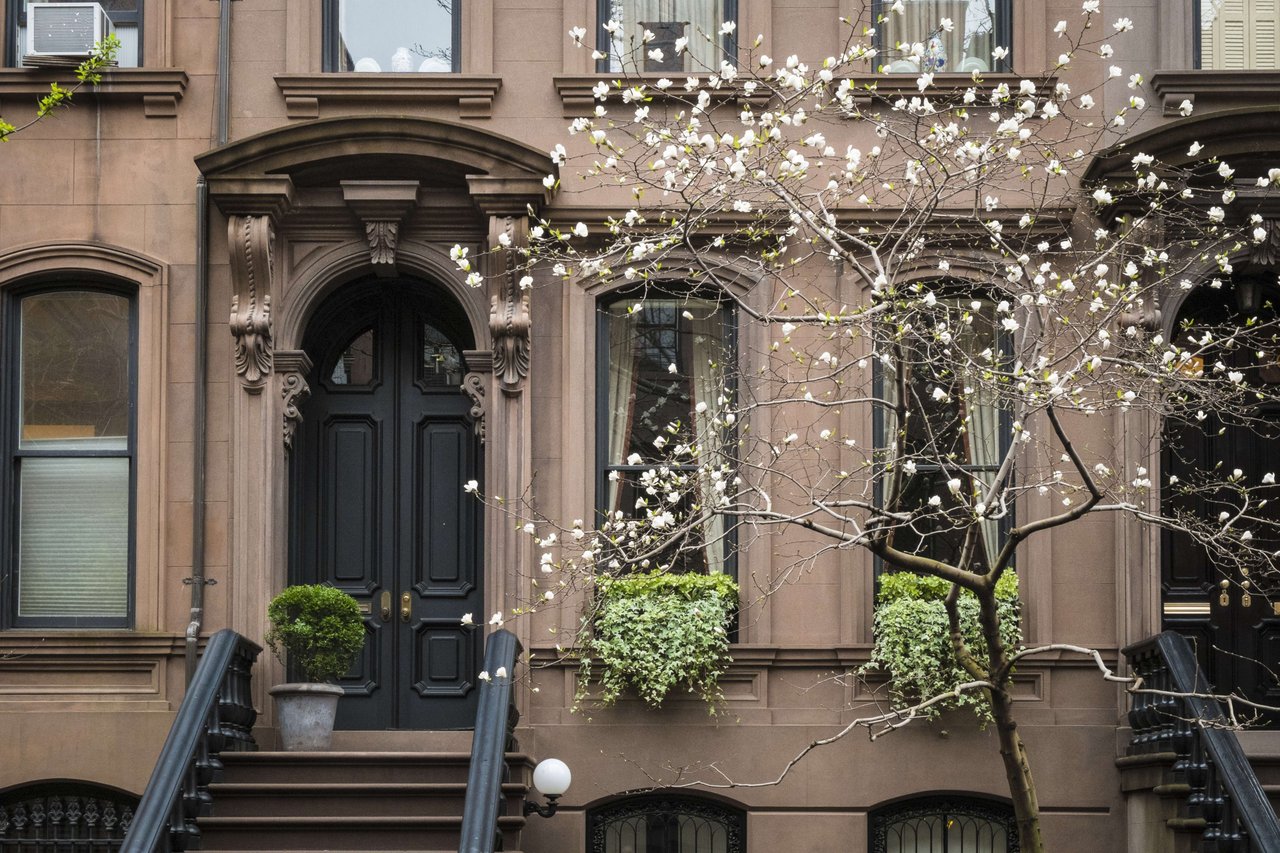
Greenwich Village is not a one-style market. According to Village Preservation’s look at the neighborhood’s layered housing stock, the area includes mid-to-late 19th-century row houses, some of Manhattan’s oldest wood-frame houses, and later apartment-house and mid-century buildings. That mix helps explain why buyers here often compare classic prewar co-ops with later condo conversions or newer infill buildings.
That local housing mix changes the decision. In Greenwich Village, your choice is often about more than ownership structure alone. It is also about building age, renovation needs, board oversight, and how much architectural character you want compared with how much flexibility you need.
StreetEasy also describes Greenwich Village as a competitive market with limited housing stock, with a median sale price of about $1.4 million and a median 62 days on market. In a market like that, clarity matters because the right fit can help you move faster and more confidently.
Co-op vs condo basics
What you buy in a co-op
When you buy a co-op in New York, you are not buying real property in the same way you do with a condo. The New York Attorney General explains that you purchase shares in a corporation and receive a proprietary lease tied to a specific apartment. Your monthly maintenance is generally based on the number of shares allocated to your unit.
This structure often comes with more board oversight. It can also mean more detailed rules around subletting, renovations, and how the building is run.
What you buy in a condo
With a condo, you buy a deeded unit plus an undivided interest in the building’s common elements. That ownership structure tends to feel more familiar to many buyers, especially those coming from outside New York City.
Condos also often offer more flexibility. Existing rental buildings can be converted to condominium or cooperative ownership under an offering plan, which is one reason Greenwich Village condo inventory often includes conversion buildings rather than only new development, according to the Attorney General’s co-op and condo guide.
How the buying process differs
Co-op approvals are usually more involved
The purchase process is where many buyers feel the biggest difference. The NYAAREA buyer’s guide notes that co-op purchases usually require a board application and often a board interview. That extra review can add time and paperwork.
For many end users, that is manageable if the apartment and building are a strong fit. But if you are on a tight timeline or want a simpler approval path, the co-op process can feel more demanding.
Condo purchases are often more streamlined
By comparison, condo applications are generally less formal and usually do not include a formal interview, according to the same NYAAREA guide. The organization also notes that condo deals can move from contract to closing in about 60 days when financing is ready, while co-op transactions often take longer, commonly more than 60 to 90 days.
That timing difference matters in a fast-moving market. If certainty and speed are high priorities for you, a condo may offer a smoother path.
Board rules and everyday flexibility
Co-ops usually have tighter controls
Co-op boards are governed by bylaws, the proprietary lease, the certificate of incorporation, and house rules. The Attorney General’s guidance for co-op boards notes that these documents help define sublet provisions and many day-to-day rules.
In practice, that can affect everything from renovation timing to pet policies to whether you can rent out the apartment later. The NYAAREA buyer’s guide also says most co-ops want primary-residence buyers, which is one reason co-ops are often a better fit for buyers who plan to live in the home themselves.
Condos tend to offer more latitude
Condo boards also have bylaws and house rules, but the Attorney General’s condo-board guidance says sublet provisions generally have no restrictions, while the board’s internal documents control use, repairs, pet rules, and amendments. That does not mean condos are unrestricted. It does mean they often feel more flexible than co-ops.
If you want broader options for future subletting or resale appeal, that flexibility can be a major advantage. It is one of the main reasons some buyers are willing to pay more for a condo in the Village.
Renovation and building condition matter here
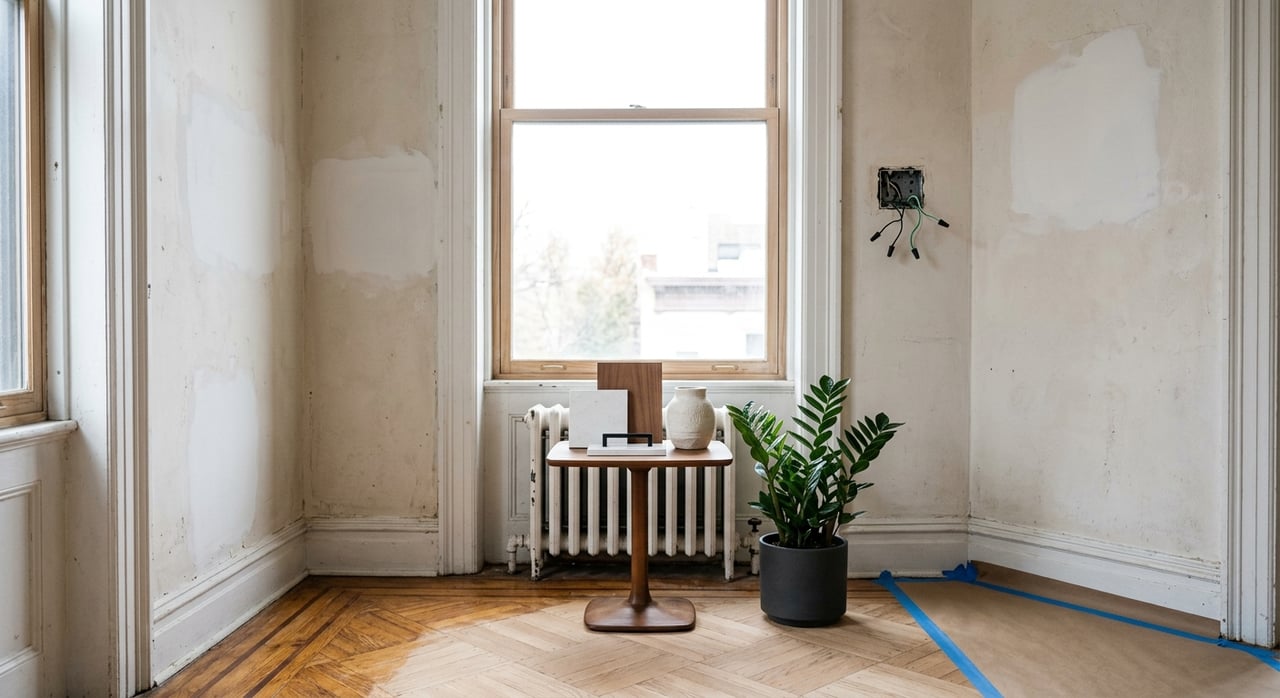
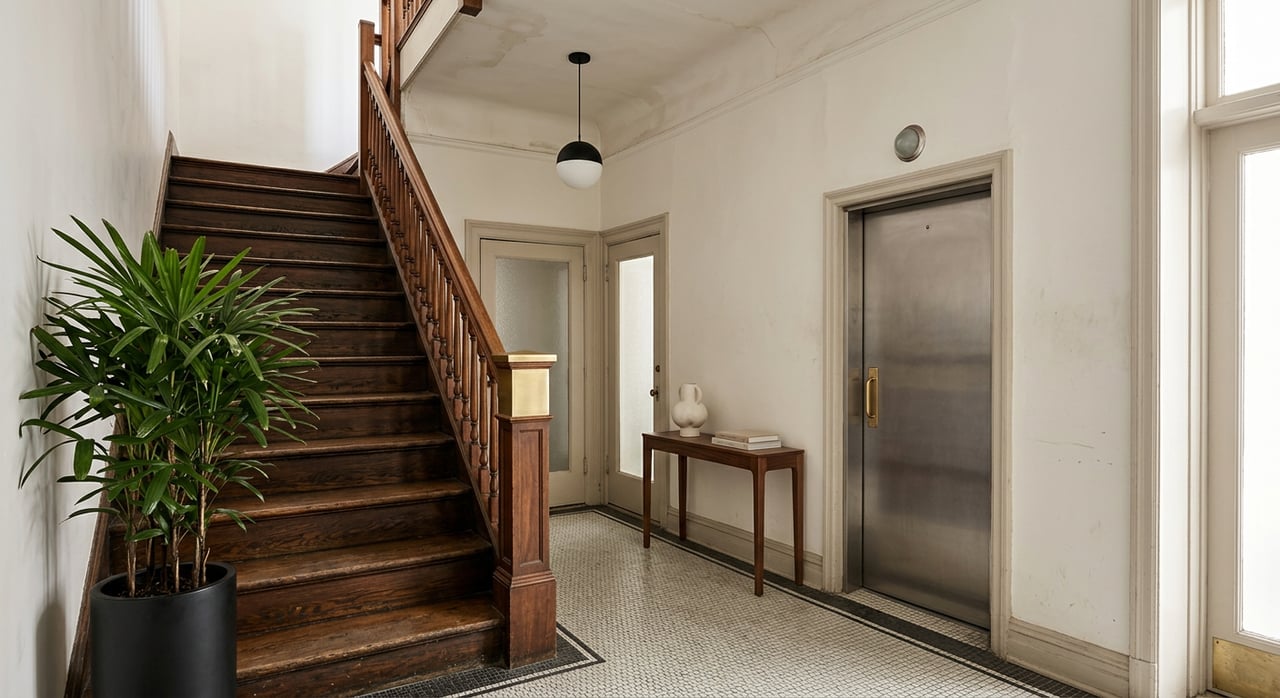
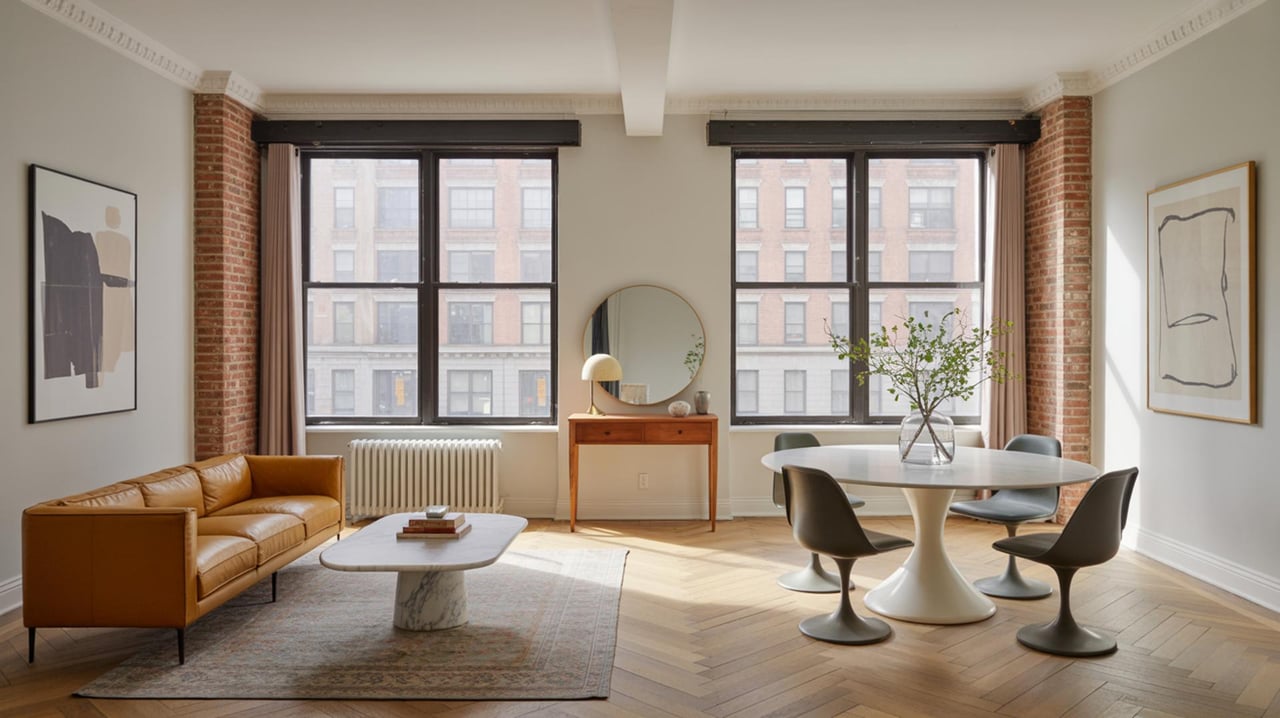
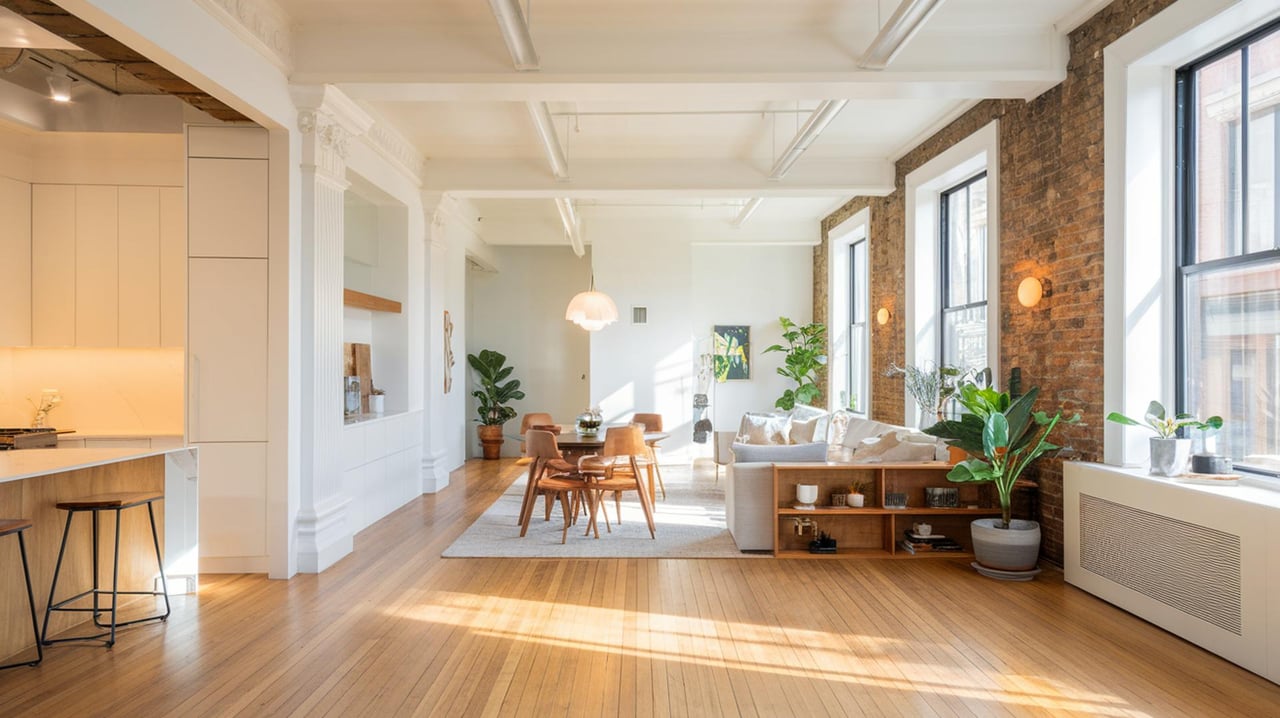
Greenwich Village buyers often fall in love with charm first. That makes sense in a neighborhood full of prewar apartments, rowhouse conversions, and mid-century buildings. But older building stock also means you should look closely at condition, systems, and approvals.
The Attorney General advises buyers in older buildings and conversions to review the offering plan, financial reports, and board minutes for repair issues. The same guide warns that costly problems often involve façades, roofs, elevators, plumbing, electrical systems, and boilers.
That is especially relevant in Greenwich Village, where building age is often part of the appeal. A beautiful prewar co-op may offer classic proportions and strong character, but you still want to understand the building’s capital needs and how repairs are being managed.
Renovation work still has limits
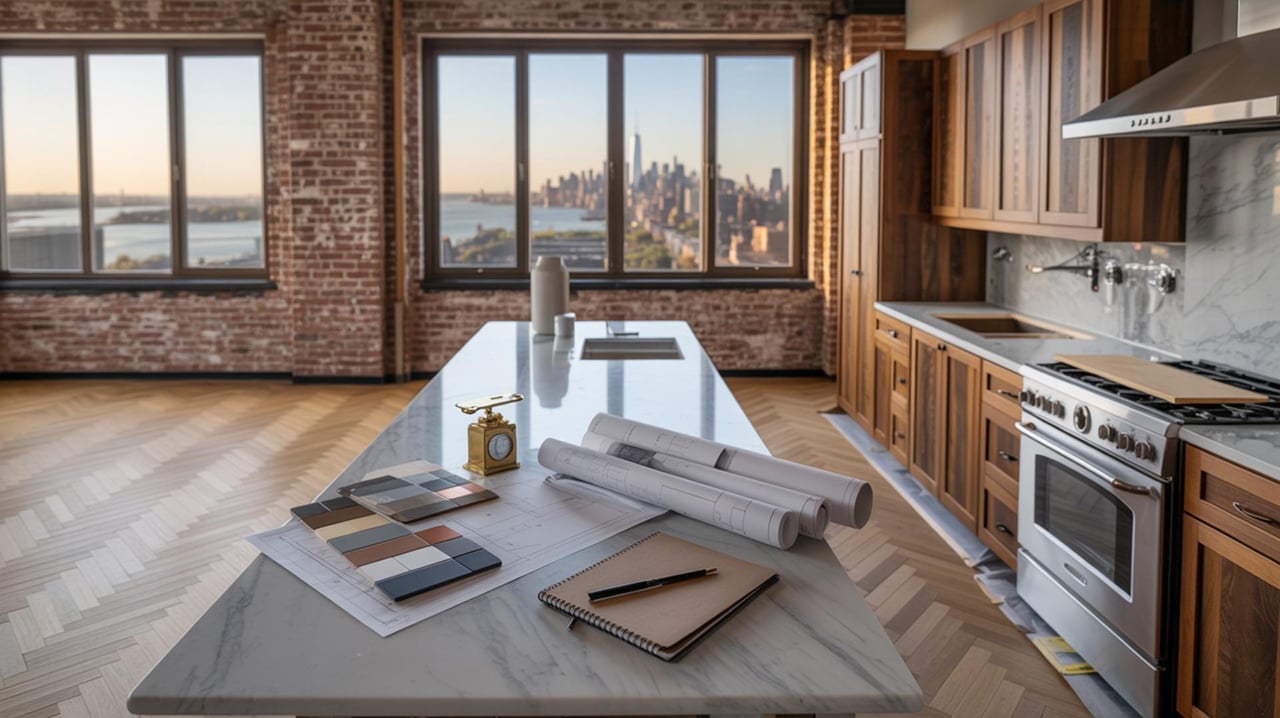
Neither ownership type gives you unlimited freedom to renovate. The NYC Department of Buildings says contractors need a Home Improvement Contractor license when filing Alteration 1, 2, or 3 work for co-op and condo units.
Landmark status can add another layer. Village Preservation notes that exterior work at 2 Fifth Avenue required Landmarks Preservation Commission review because it sits within the Greenwich Village Historic District. If you are buying with renovation plans, it helps to understand both building rules and any historic district requirements before you commit.
Price differences are significant
If budget is part of your decision, the Greenwich Village data shows a sharp gap between co-ops and condos. According to Douglas Elliman’s 2024 Manhattan market data, Greenwich Village co-ops averaged $1,414,152 with a median sale price of $1,028,500 across 350 closed sales. Condos averaged $5,102,823 with a median sale price of $3,100,000 across 73 closed sales.
That tells you two important things. First, the Village condo market is much smaller. Second, condos tend to command a substantial premium.
For many buyers, co-ops provide a more accessible entry point into Greenwich Village ownership. For others, the higher condo price is worth it for the simpler process, greater flexibility, and potentially broader resale audience.
Which option fits your goals?
A co-op may fit you if
- You plan to use the apartment as your primary residence
- You are comfortable with board review and a more detailed approval process
- You want a lower entry price relative to Village condos
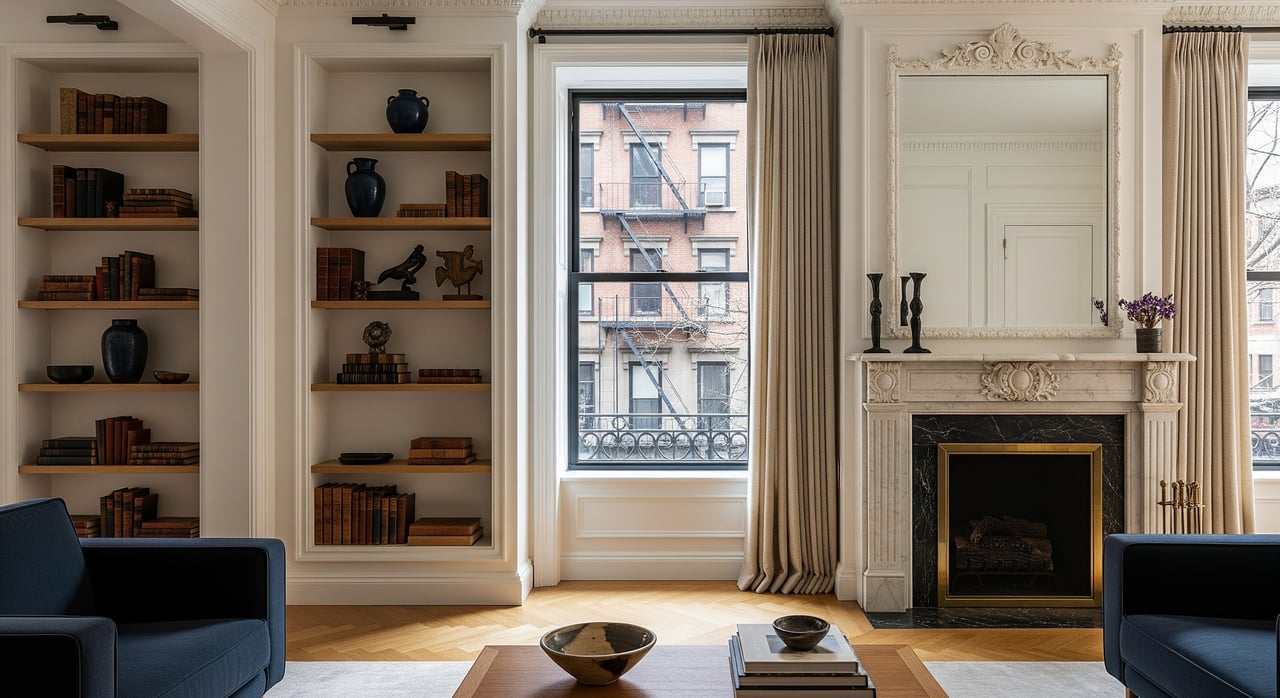
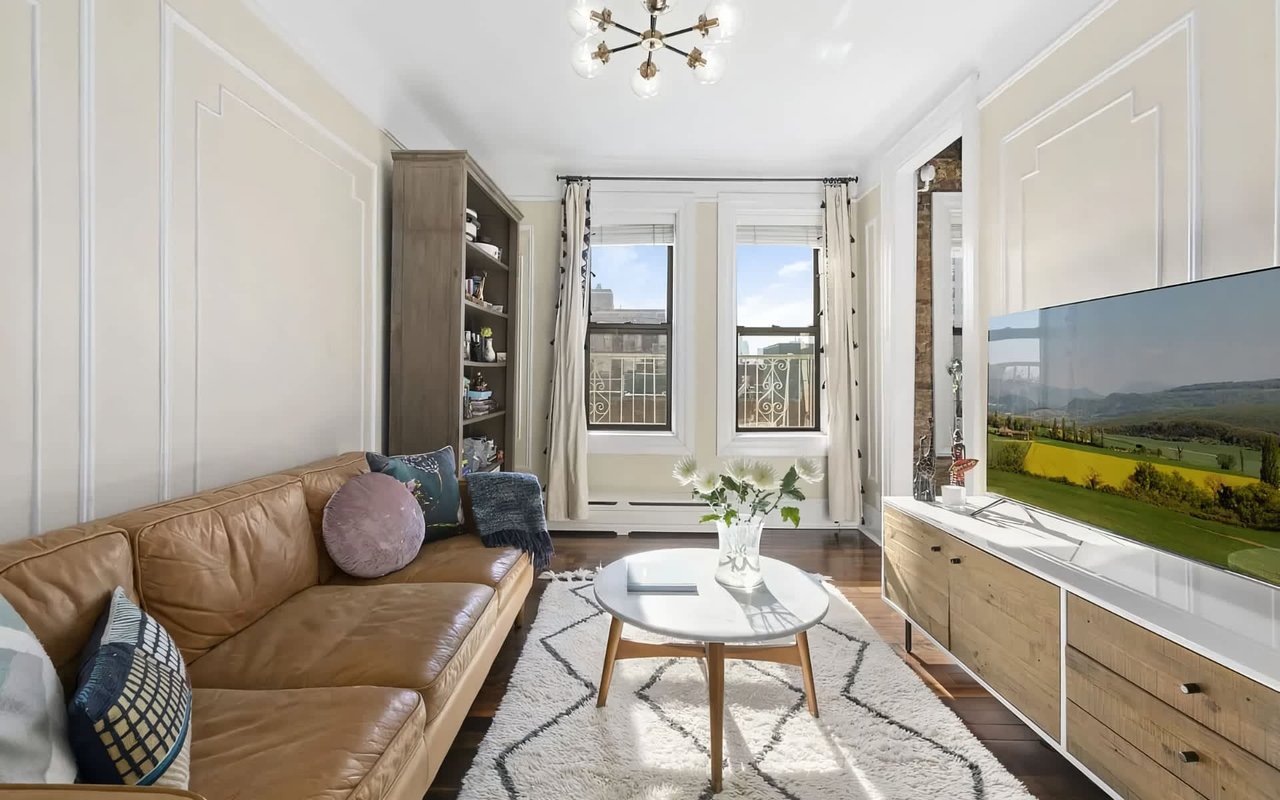
- You are drawn to prewar character, classic apartment layouts, or established building communities
A condo may fit you if
- You want a more straightforward purchase process
- You value greater flexibility around subletting or future use
- You want a deeded ownership structure
- You are comfortable paying a premium for flexibility and easier resale positioning
Questions to ask before you decide
No matter which direction you are leaning, it helps to compare specific buildings, not just ownership labels. In Greenwich Village, two co-ops can feel very different from each other, and the same is true for condos.
Ask questions like:
- What do the board minutes and financials show about upcoming repairs?
- Are there renovation restrictions, move-in rules, or alteration agreements?
- Is the building landmarked, and would any planned exterior work need extra review?
- What are the sublet rules today?
- Does the building receive the cooperative and condominium property tax abatement, and would the unit qualify if it will be your primary residence?
These details can matter as much as the listing itself. They also help you compare true ownership costs and future flexibility, not just the asking price.
The Greenwich Village tradeoff
In Greenwich Village, the co-op versus condo decision usually comes down to a practical tradeoff. How much governance, renovation control, and future flexibility are you willing to exchange for a lower entry price, stronger prewar character, or a specific type of building experience?
That tradeoff feels especially real here because the neighborhood’s older housing stock makes building condition, rules, and long-term planning impossible to ignore. The right answer is not the same for every buyer. It depends on how you want to live, how long you plan to stay, and how much optionality you want later.
If you want help weighing those tradeoffs in a specific Greenwich Village building, Mark O’Brien Real Estate can help you evaluate not just the apartment, but the building, approval path, renovation realities, and resale implications so you can move forward with more confidence.
FAQs
What is the main difference between a co-op and a condo in Greenwich Village?
- In Greenwich Village, a co-op means you buy shares in a corporation and lease the apartment through a proprietary lease, while a condo means you buy a deeded unit with an interest in the common areas.
Are co-ops cheaper than condos in Greenwich Village?
- Based on Douglas Elliman’s 2024 data for Greenwich Village, co-ops had a much lower median sale price than condos, making them the more common lower-entry-price option in the neighborhood.
Do Greenwich Village co-ops usually require board approval?
- Yes. Co-op purchases in New York typically involve a board application and often an interview, while condo applications are usually less formal.
Are condos easier to rent out in Greenwich Village?
- In general, condos tend to offer more flexibility for subletting than co-ops, although each building’s bylaws and house rules still matter.
Should you worry about renovation limits in Greenwich Village buildings?
- Yes. In both co-ops and condos, renovation work can require licensed contractors, building approvals, and in some cases additional review for landmarked properties in the Greenwich Village Historic District.
How long does a co-op or condo closing take in New York City?
- Condo deals can often close in about 60 days when financing is ready, while co-op purchases commonly take longer because of the board approval process.
Can a Greenwich Village co-op or condo qualify for a property tax abatement?
- Possibly. New York City’s cooperative and condominium property tax abatement can apply to both, but eligibility generally depends on primary-residence use and whether the building files for the program.