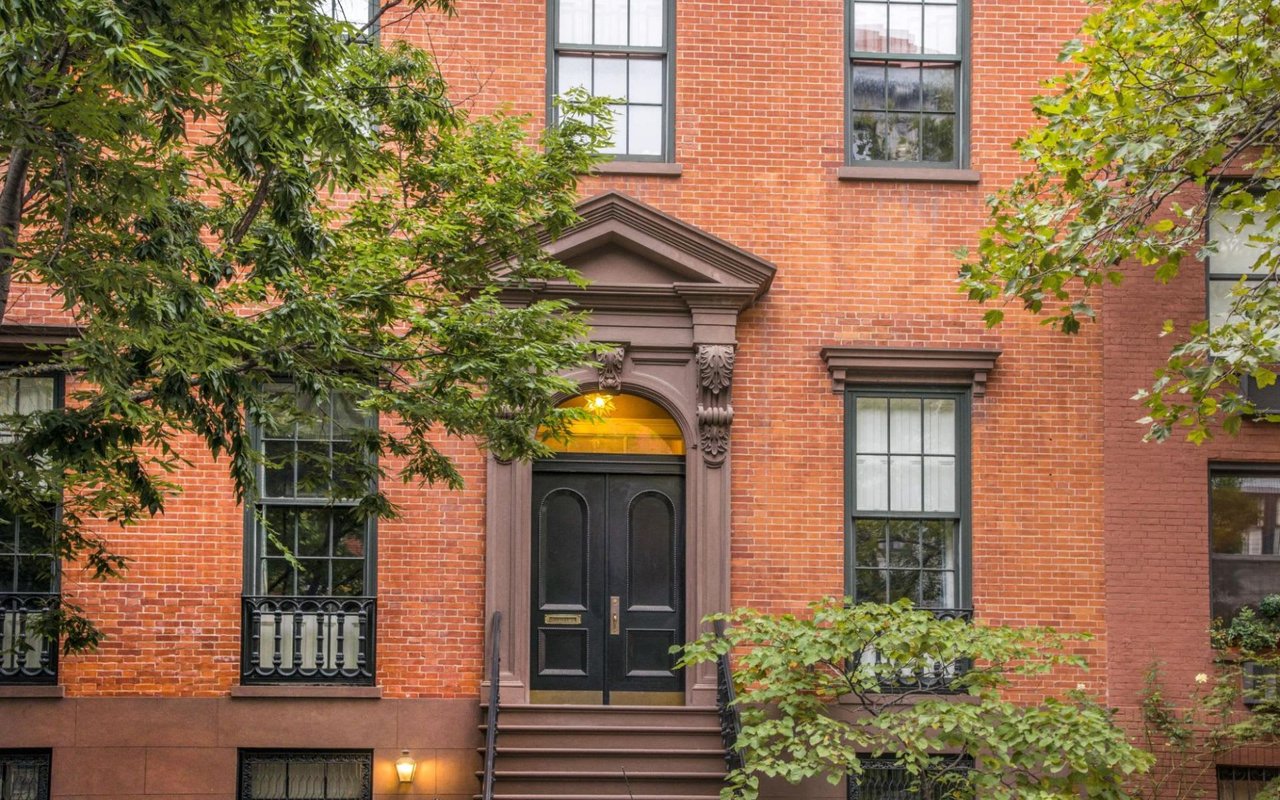

Choosing between a classic walk-up and an elevator building in the East Village can feel like a lifestyle decision as much as a housing decision. You might love historic details and value, yet also want easier moves, packages, and long-term accessibility. In this guide, you will compare layouts, everyday living, monthly costs, renovation logistics, and resale so you can pick the right fit with confidence. Let’s dive in.
East Village housing at a glance
The East Village sits roughly between 14th Street and Houston Street, east of the Bowery toward the East River, and is known for low-rise blocks, historic buildings, and creative energy. You will find a mix of 19th and early 20th century tenements, brownstones, and newer mid-rise developments, which is why both walk-ups and elevator buildings are part of the neighborhood fabric. For context on the area’s history and boundaries, see the East Village overview.
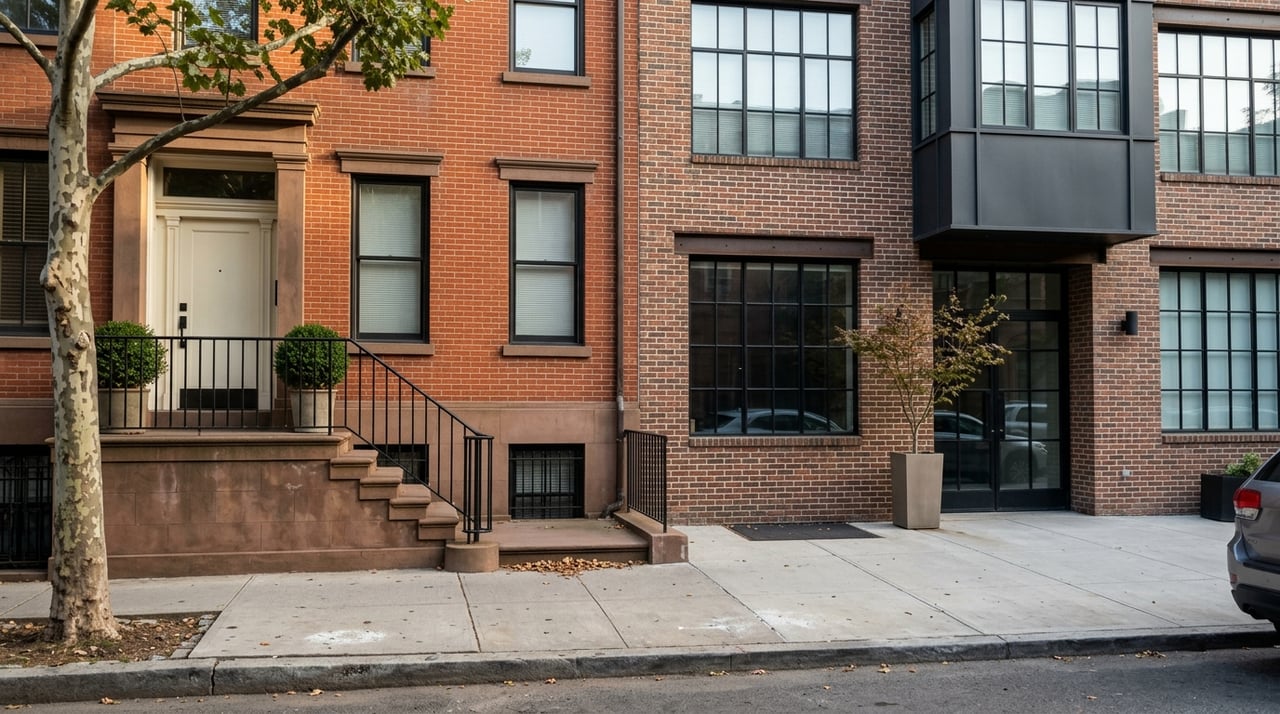
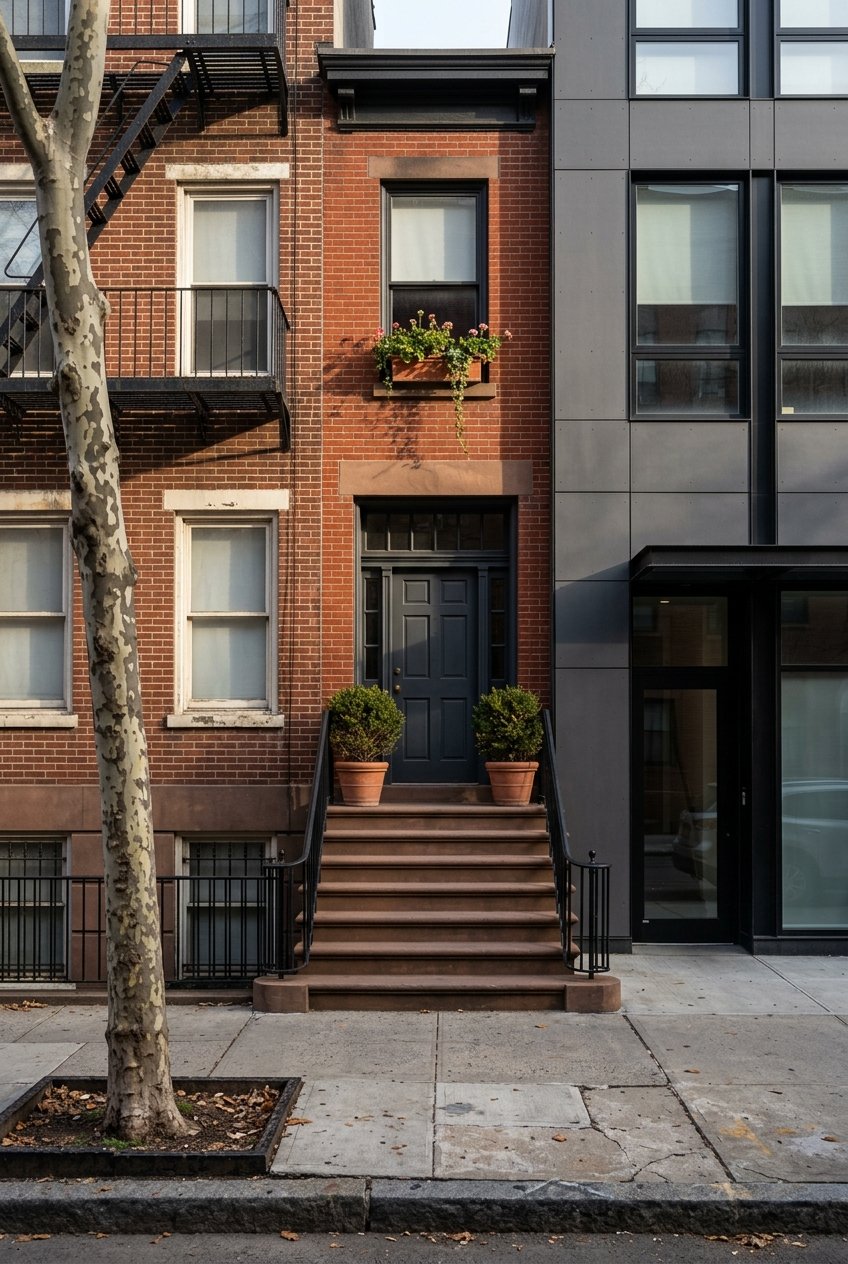
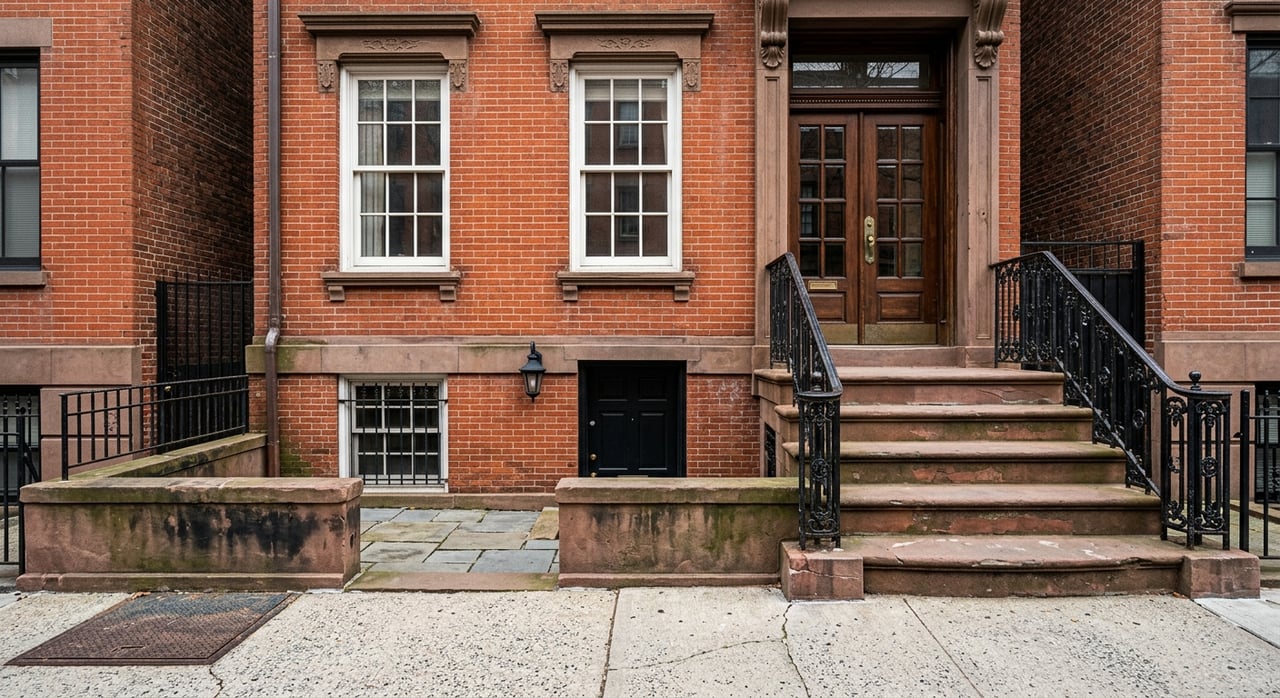
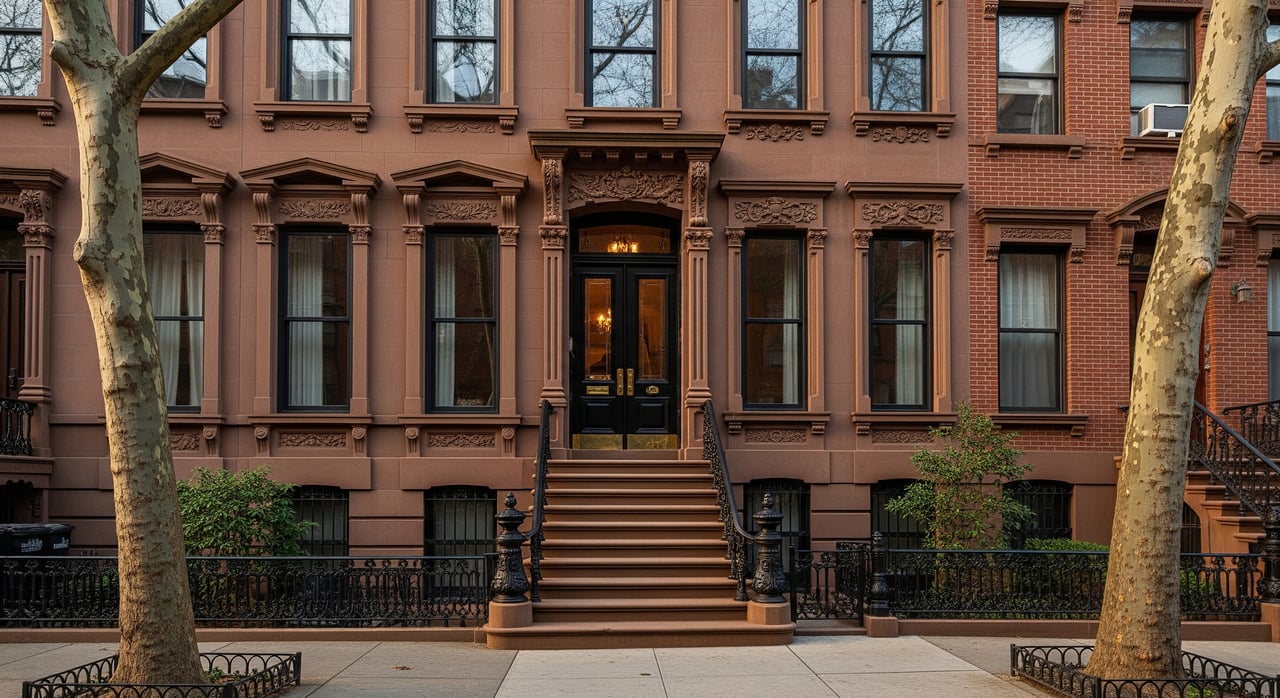
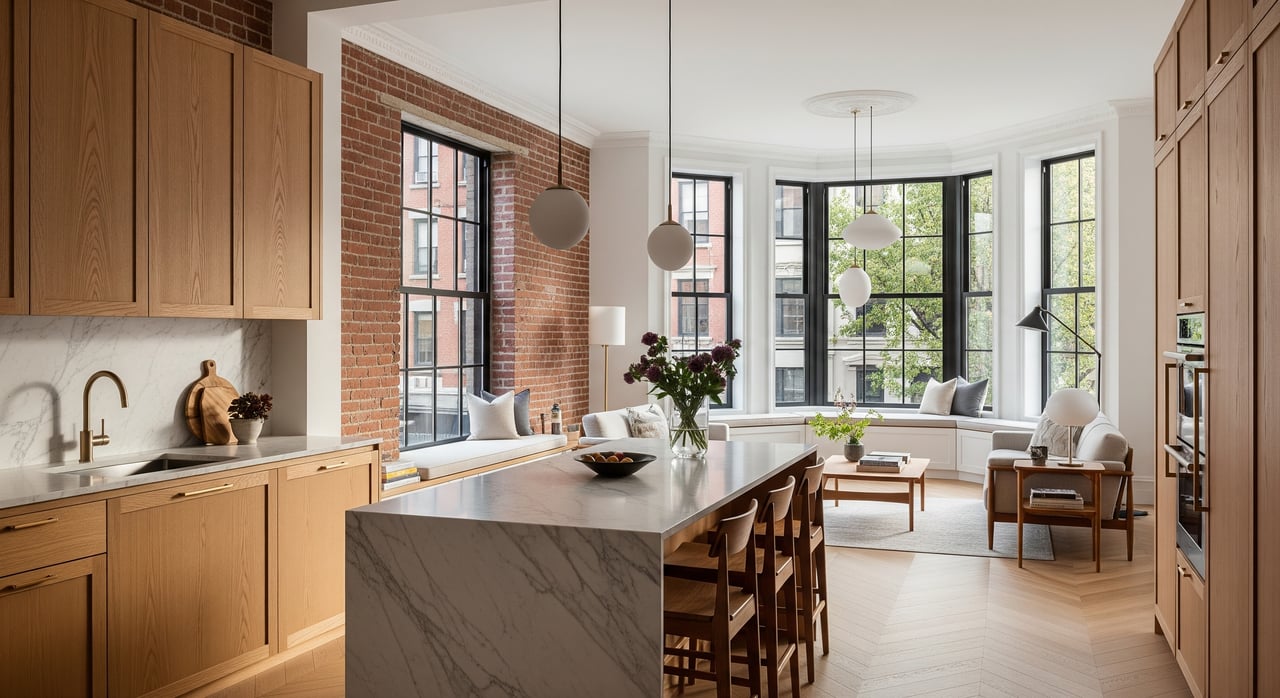
Many pre-war walk-ups grew out of tenement-era layouts, often with narrow footprints and floor-through or railroad plans that maximize usable space. If you are drawn to original trim, wood floors, and tall windows, this is where you will often find them, as documented by local history resources like the Tenement Museum. Elevator buildings in the neighborhood include older mid-rises and a smaller number of newer condos, often on the avenues or near higher-value blocks. For a sense of modern elevator building design and systems, explore an example like 212 East 13th Street.
Layout and light: walk-up vs elevator
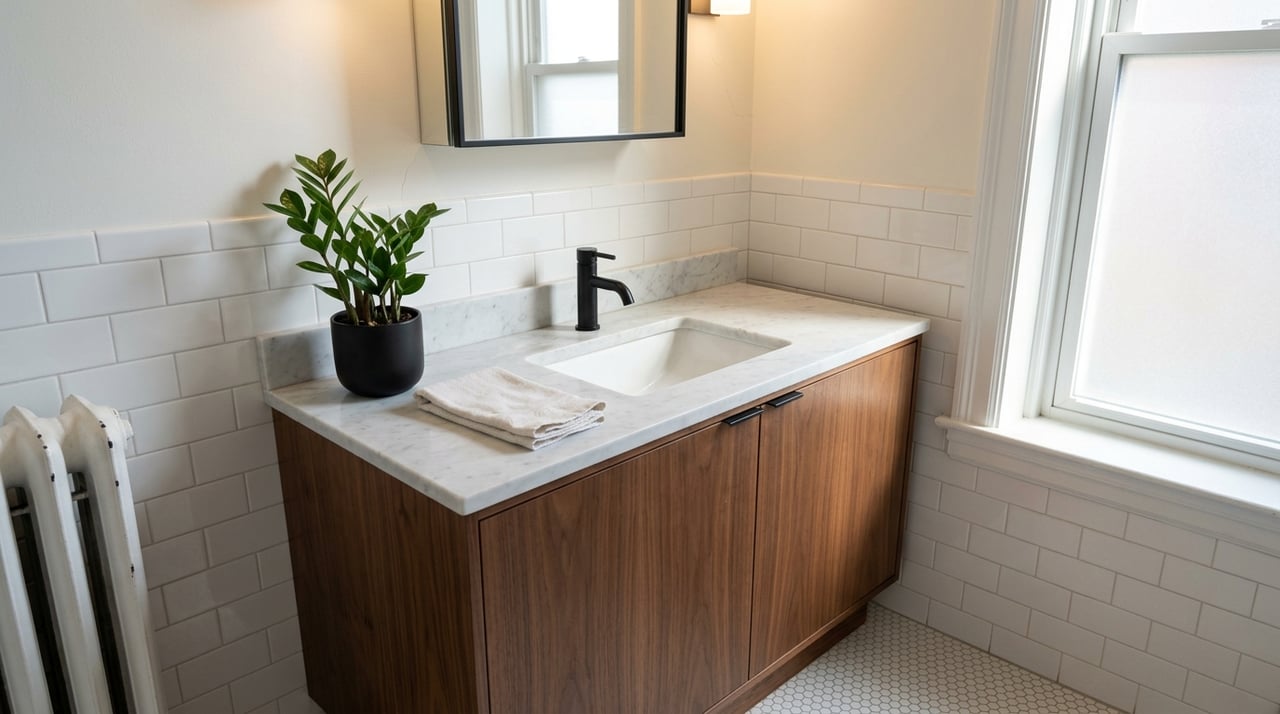
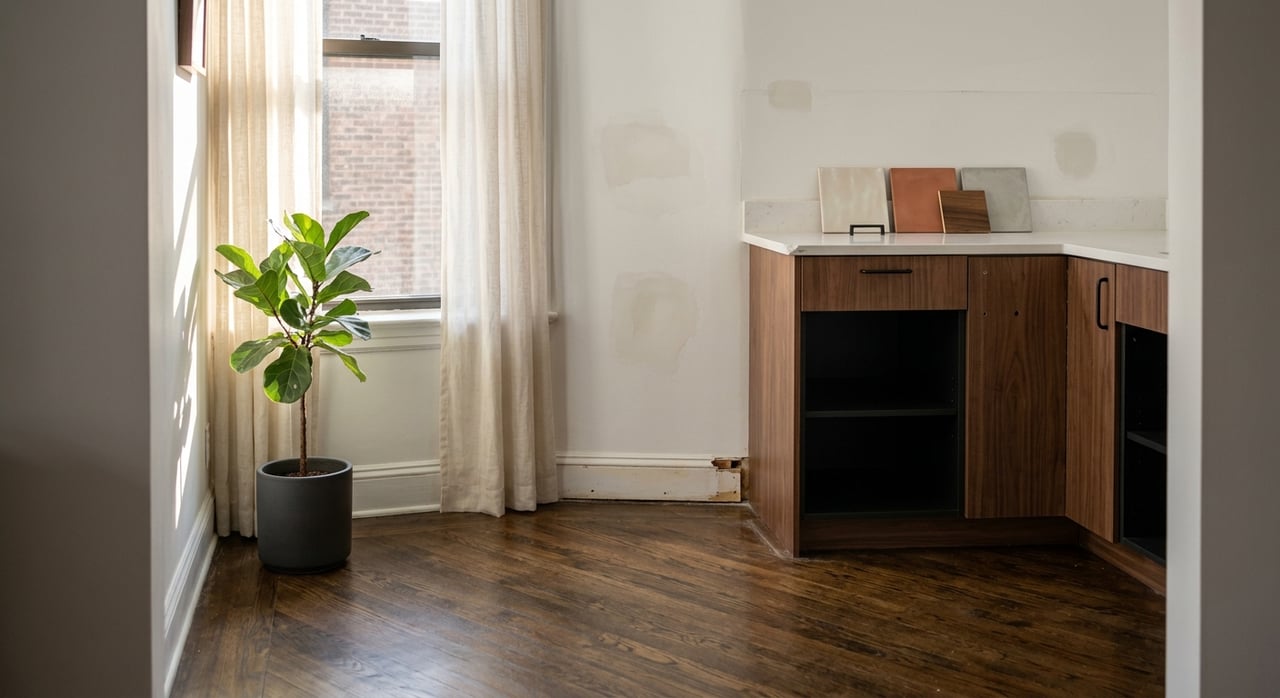
Walk-ups often deliver larger room sizes for the price, thanks to deeper floor-through footprints. You may gain a big living room or bedroom, but kitchens and baths can be smaller by modern standards, and closet space may be limited. Ceiling heights can vary by floor, and window placements follow the narrow lot pattern.
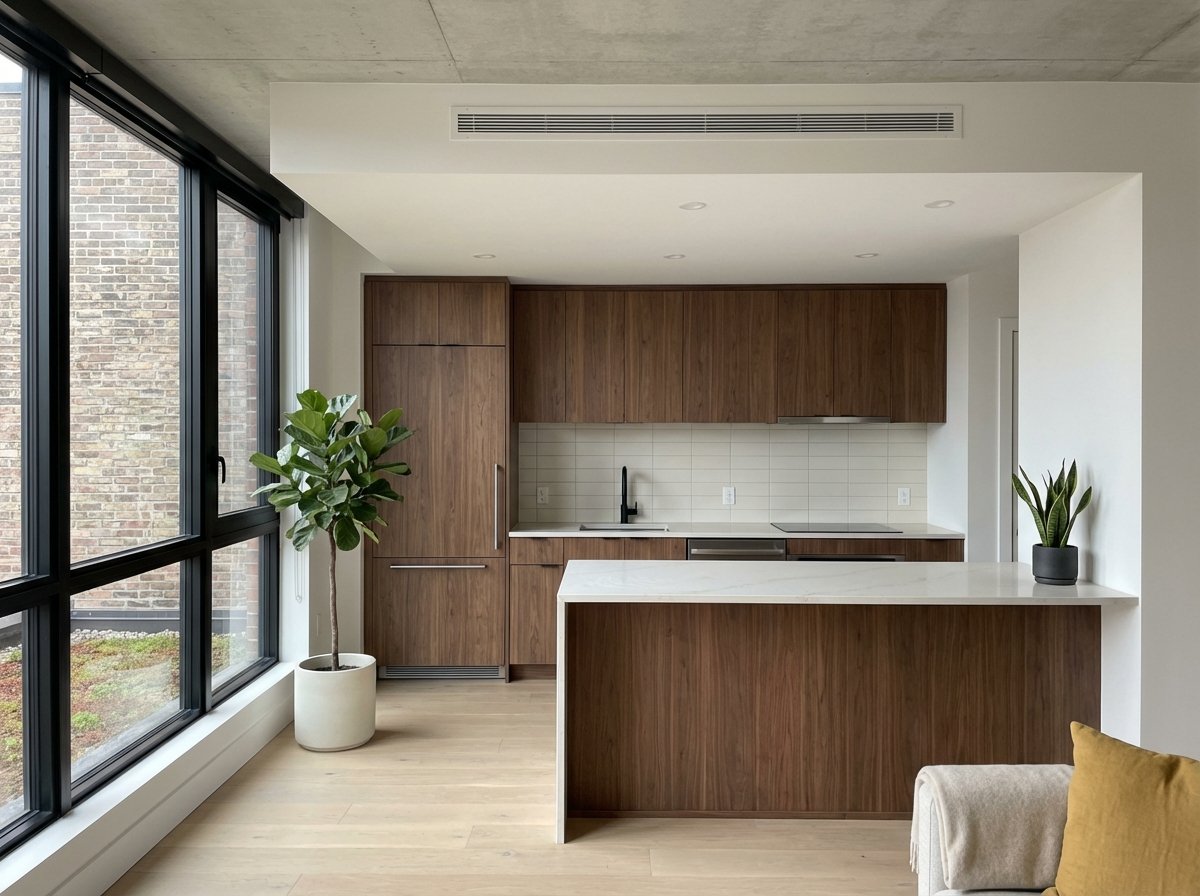
Elevator buildings tend to have more predictable unit stacks and rectilinear room shapes, which can make kitchen and bath upgrades easier. Newer elevator buildings may include in-unit HVAC or central systems that simplify comfort and air quality. You also tend to see more consistent window exposure by room type.
Noise and comfort factors
Pre-war masonry construction in many walk-ups can reduce airborne noise between units compared with lightweight partitions you might find in some newer buildings. At the same time, older single-pane windows or radiators can transmit street sound or clanking. Newer elevator buildings may use concrete and steel that perform well for sound, yet actual results vary by building and fit-out. Always test sound conditions during showings and ask management about recent noise complaints.
Daily convenience and access
Stairs shape daily life in a walk-up. Bringing home groceries, moving furniture, and accepting large deliveries will take more planning, and higher floors amplify that effort. You likely will not see doormen or many amenities, which can help keep monthly charges lower in some cases.
Elevator buildings shine when it comes to mobility and convenience. Moves are easier, deliveries are simpler, and on-site amenities like laundry rooms, fitness rooms, and package storage can smooth day-to-day life. Those conveniences come with operating costs, which show up in monthly charges.
Monthly costs explained
Co-op vs condo math
Co-ops and condos present monthly numbers differently, so you need an apples-to-apples view. Co-op buyers pay a single monthly maintenance fee that usually includes building taxes, heat or hot water in many older buildings, staff, and reserves. Condo owners pay common charges for operations and reserves, plus a separate property tax bill for the unit. The smart move is to build a quick worksheet that adds principal and interest, maintenance or common charges, unit taxes for condos, owner-paid utilities, and insurance. For a clear breakdown of how these parts work, review this guide to co-op maintenance and condo fees.
Two other variables matter. First, some buildings include heat or hot water in the monthly fee while others do not. Second, doorman staffing, elevator maintenance, and amenities affect operating budgets. Ask for budgets and recent financials so you can forecast your true monthly carry.
Financing and approvals
Co-ops often require higher down payments and detailed board approvals, which can slow deals and narrow the buyer pool. Condos usually accept lower down payments and have simpler transfers. If you are considering renovations, also note that boards may review your plans closely and set work rules before you start. For a practical look at board processes and timelines, see this overview of co-op board approvals and alterations.
Renovation reality in both buildings
Permits and safety basics
In New York City, any work that changes plumbing, electrical, gas, structure, or egress typically needs a Department of Buildings filing and trade permits. Even projects that seem cosmetic can trigger filings if they touch regulated systems, and many scopes require a registered architect or engineer. Start with the NYC Department of Buildings guidance to understand what filings your scope may require.
Because much of the East Village stock is pre-1978, lead-safe practices and asbestos assessments are common. The EPA’s Renovation, Repair and Painting Rule sets requirements for paid work that disturbs painted surfaces in pre-1978 homes, so confirm your contractor is certified under the EPA RRP program. For suspect materials that may contain asbestos, NYC typically requires an assessment and DEP documentation as part of DOB review, so plan for that step early using NYC DEP asbestos guidance forms.
Access and contractor logistics
Access directly affects cost and schedule. In walk-ups, contractors often charge stair-carry fees for materials, appliances, baths, and millwork, and tight landings can slow progress. That added labor can increase budgets and change sequencing. See tips on coordinating with boards and access in this guide to navigating co-op renovations.
Elevator buildings simplify material movement and reduce stair-carry labor, but management may require elevator reservations, protective pads, proof of insurance, and move-in or alteration deposits. Those rules live in the alteration agreement and building policies, and they can shape your schedule. Ask for them up front and build the dates into your plan.
Long-term livability and resale
Accessibility and aging
If you plan to stay long term, the presence of an elevator matters. Stairs increase fall risk for older adults, and fall injuries are a leading health concern. For perspective on why fewer stairs can support safer living as you age, review these fall statistics and solutions. If you anticipate mobility changes or prefer to move less daily, choose an elevator building or a lower-floor walk-up.
Resale and buyer pool
Condos often attract a wider buyer and investor pool due to simpler transfers and more flexible sublet policies. Co-ops can deliver more space for the price but may take longer to market because buyers must pass board standards and meet stronger liquidity rules. If you value flexibility or a faster exit, a condo can be a better fit. If you are optimizing for square footage and are comfortable with board processes, a co-op in either a walk-up or elevator building can be compelling.
How to choose: quick guide
- Prioritize layout and light. Decide whether you prefer floor-through character or modern, rectilinear rooms with predictable storage and systems.
- Test daily convenience. Walk the stairs, imagine weekly deliveries, and consider guests or future needs.
- Run the full monthly. Add mortgage, maintenance or common charges, condo taxes if applicable, utilities, and insurance. Compare apples to apples.
- Consider renovation timing. Understand permits, board approvals, lead-safe and asbestos steps, and access logistics before you commit.
- Think 5 to 10 years ahead. Balance accessibility, potential life changes, and resale goals.
East Village buyer checklist
Use this quick list to evaluate any East Village walk-up or elevator listing:
- Building profile. Confirm co-op or condo, year built, number of floors, and whether an elevator is present. Ask for elevator maintenance history when relevant. For context on local building types, browse an elevator condo example.
- Co-op documents. Request the proprietary lease, latest budget, year-to-date P&L, reserve balance, any underlying mortgage, alteration agreement, sublet policy, and typical board approval timelines. This helps you model risk and timeframes.
- Condo documents. Ask for the declaration and bylaws, recent budgets, reserve study, and any special assessments from the last three years.
- Utilities and inclusions. Clarify which utilities are included in maintenance or common charges, especially heat and hot water. Inclusions shift your monthly carry in meaningful ways.
- Permits and compliance. Verify that prior renovations were permitted and closed, check for open violations, and confirm whether asbestos filings were required. Start with the NYC DOB portal and coordinate DEP documents if your scope will disturb suspect materials.
- Moves and work rules. Get elevator reservation policies, alteration agreements, required insurance endorsements, refundable deposits, and any stair-carry or work-hour limits. If you plan to renovate, review these alongside your contractor’s schedule and access plan, using resources like co-op renovation guides.
Final thoughts
There is no single right answer for walk-up versus elevator living in the East Village. The best choice is the one that fits your daily rhythm, renovation appetite, budget, and long-term plan. If you want help comparing listings, running true monthly numbers, or mapping a renovation from permitting to punch list, we are here to advise and manage the details.
Curious which buildings fit your lifestyle and budget right now? Book an appointment with Mark O’Brien Real Estate to explore smart options and next steps.
FAQs
What is a walk-up in the East Village?
- A walk-up is a building without an elevator, often 4 to 6 stories, commonly from the tenement and pre-war era, with floor-through or railroad-style layouts.
How do co-op and condo monthly fees differ in NYC?
- Co-op maintenance typically includes building taxes and some utilities, while condo owners pay common charges plus a separate property tax bill for the unit.
What permits are needed to renovate an East Village apartment?
- Projects that alter plumbing, electrical, gas, structure, or egress usually need NYC DOB filings and trade permits, and many scopes require a licensed design professional.
How do stairs impact long-term living and safety?
- Stairs increase daily effort and can raise fall risk over time; an elevator or a lower-floor unit can support easier living as needs change.
Do elevator buildings usually cost more each month?
- They often have higher operating costs due to elevators, staffing, and amenities, which can increase monthly common charges compared with many walk-ups.
How do renovation logistics differ between walk-ups and elevator buildings?
- Walk-ups often add stair-carry labor and time, while elevator buildings require reservations, protection, and deposits that can affect schedules and costs.