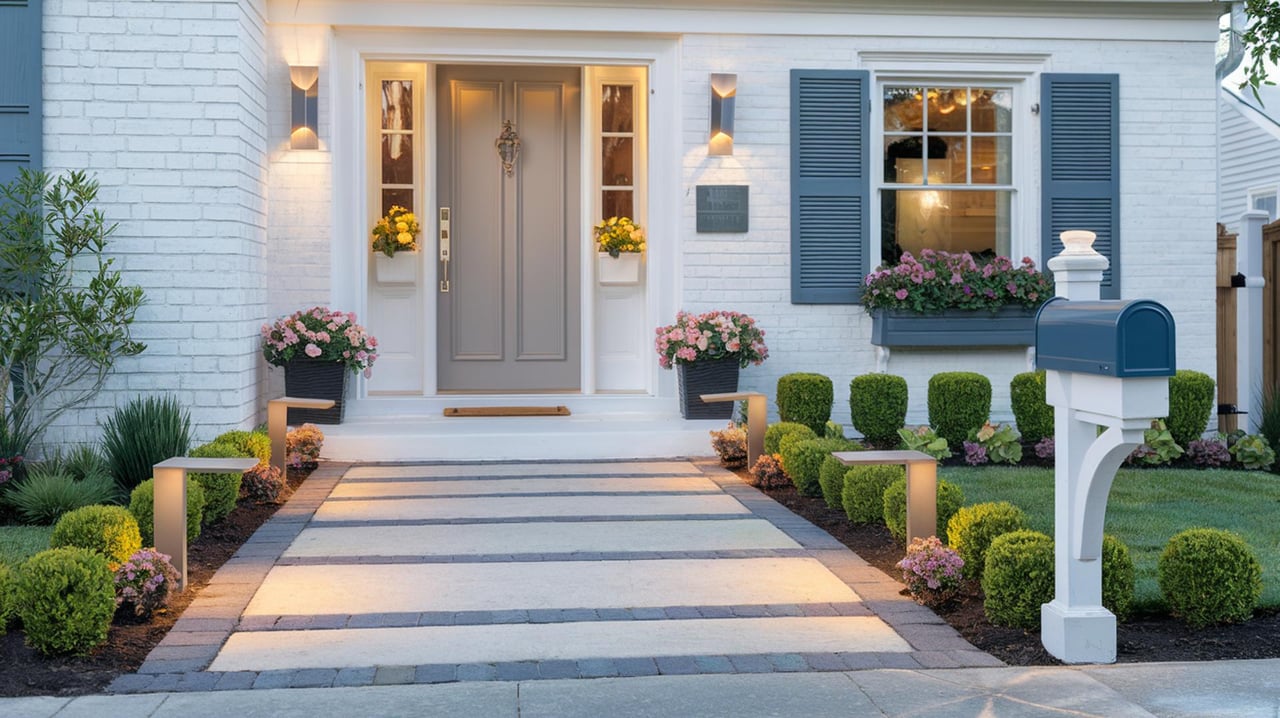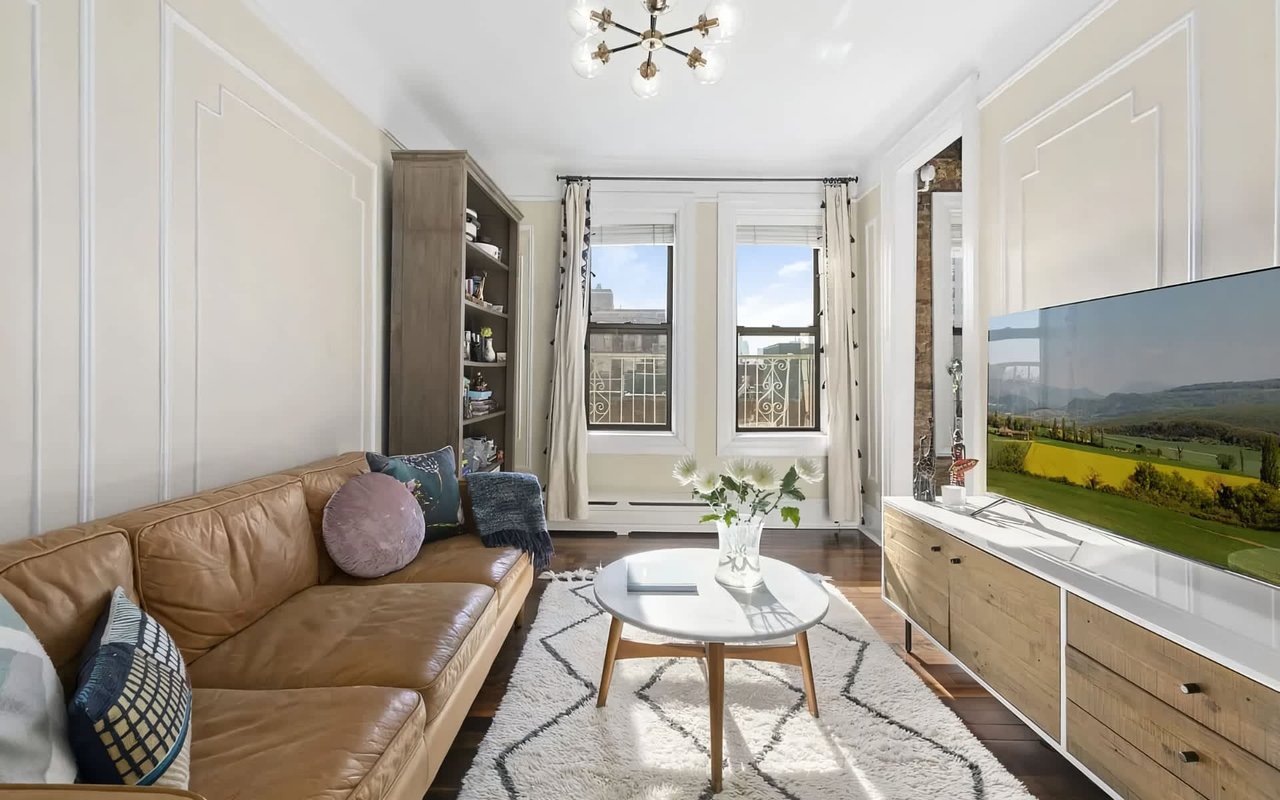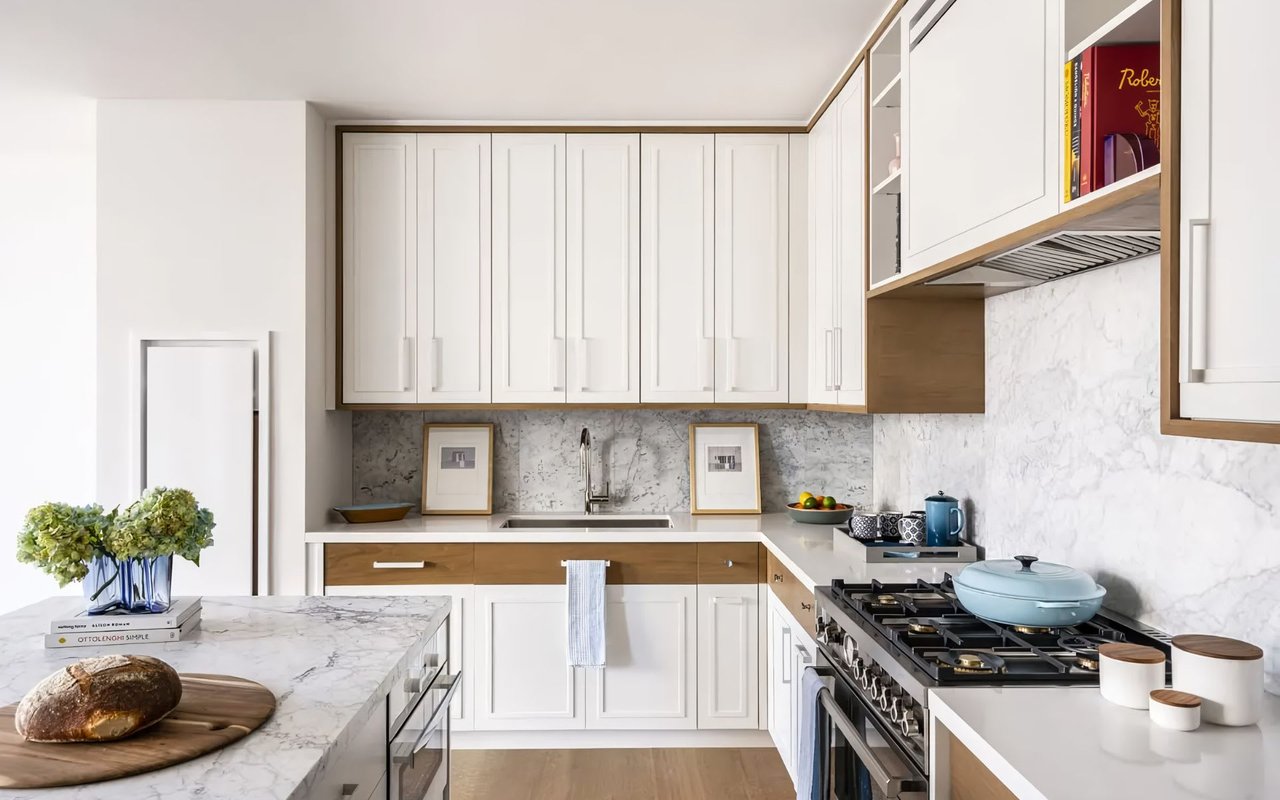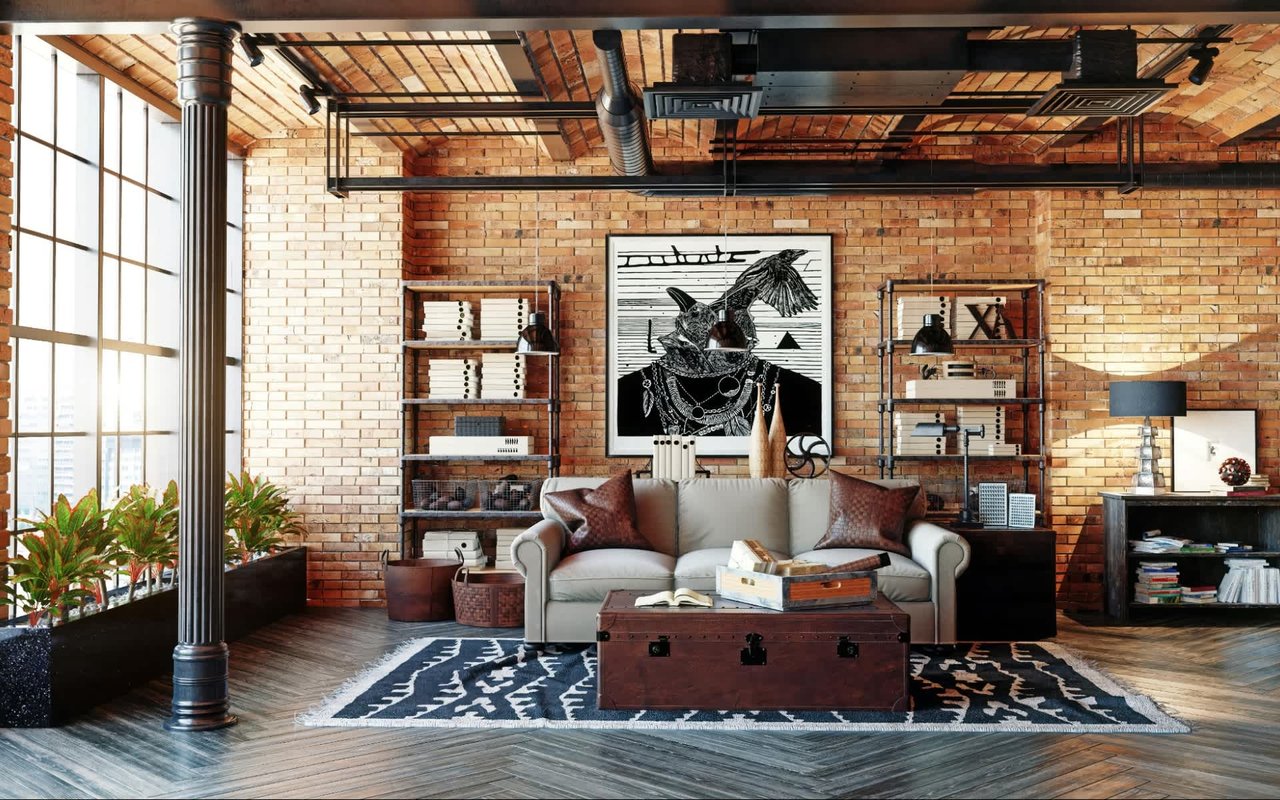
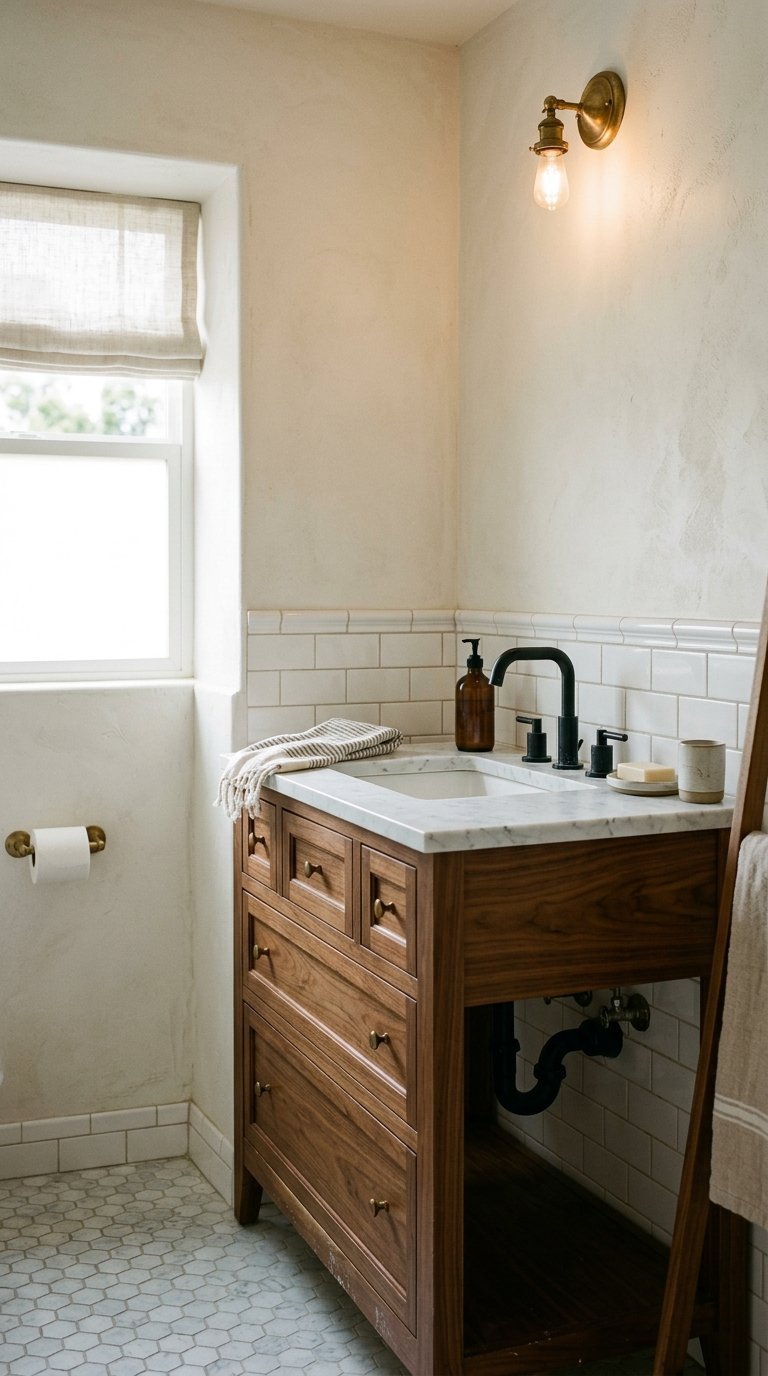
Wondering which renovations are actually worth the money in a West Village home? In a neighborhood known for historic architecture, small footprints, and high buyer expectations, the answer is rarely about doing the most work. It is about making smart upgrades that improve how the home lives while respecting the character that gives West Village properties their appeal. Let’s dive in.
Why West Village upgrades are different
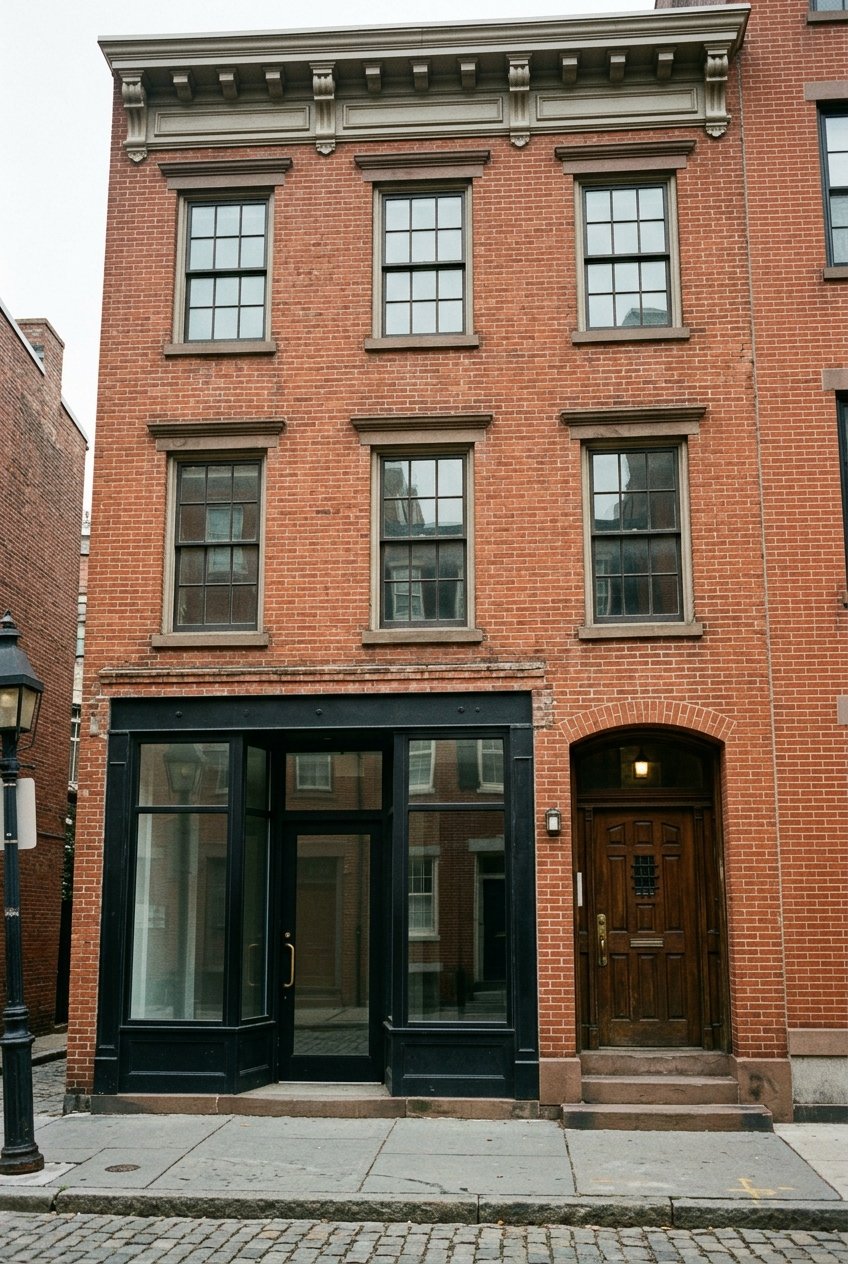
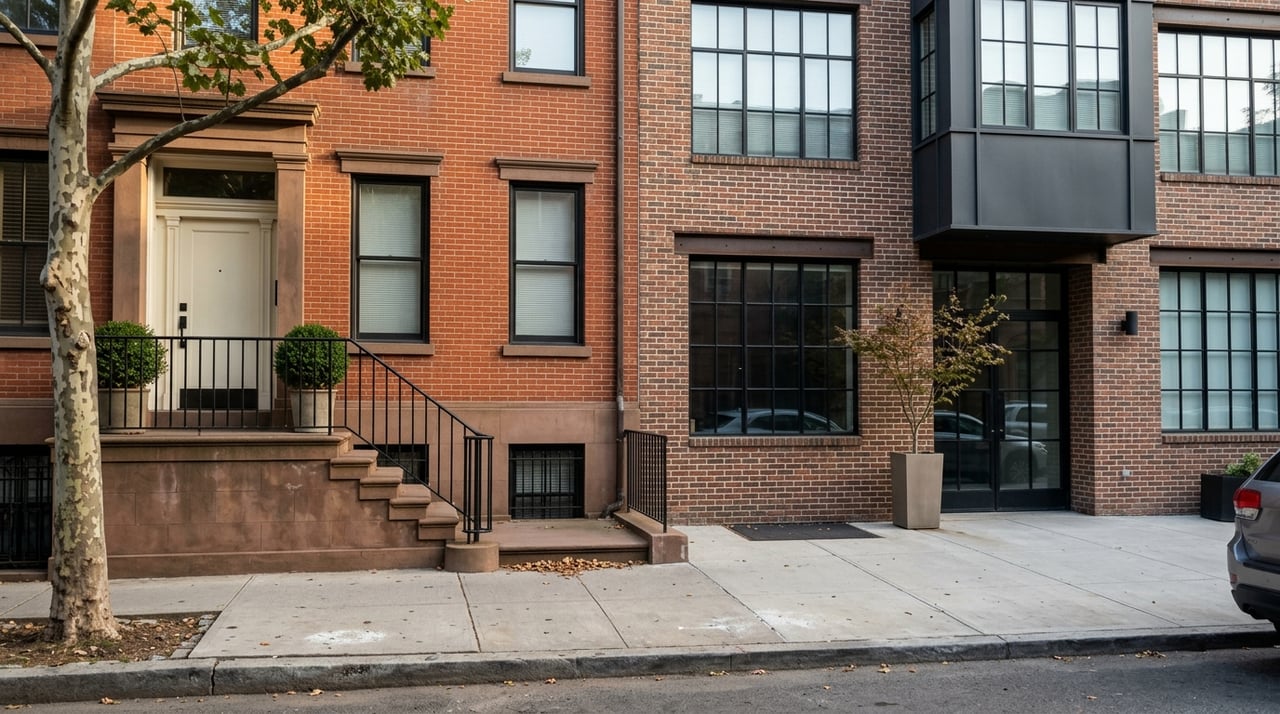
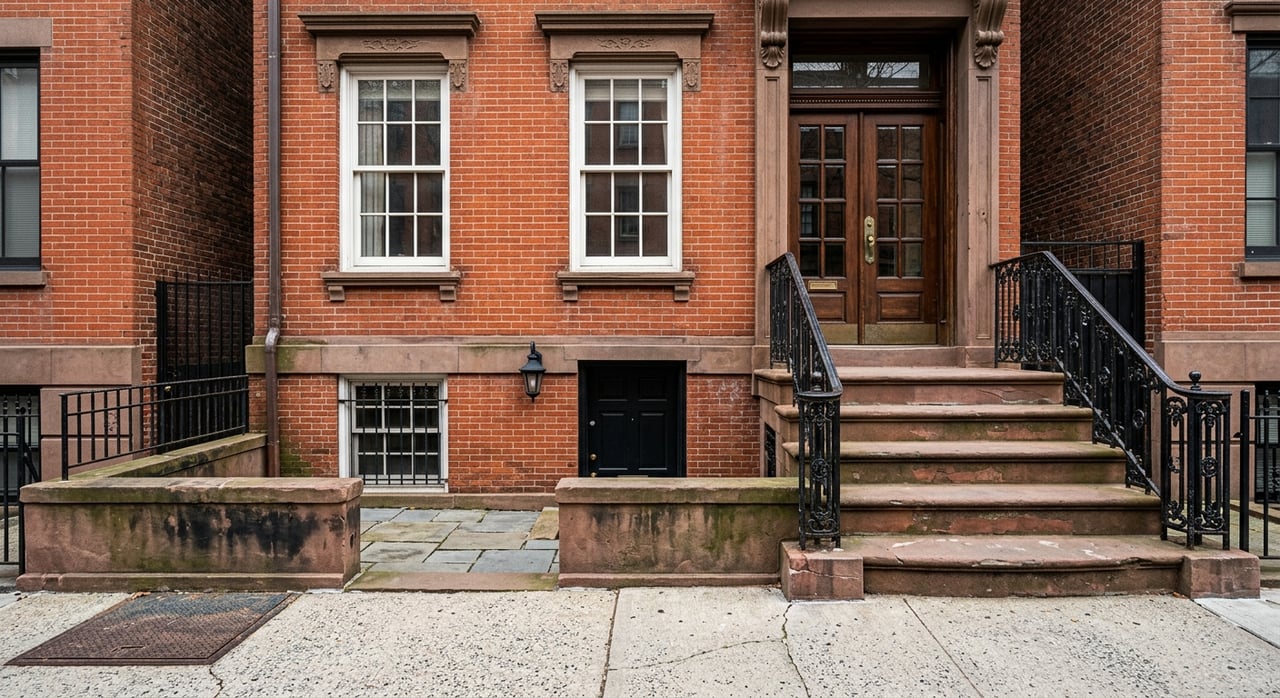
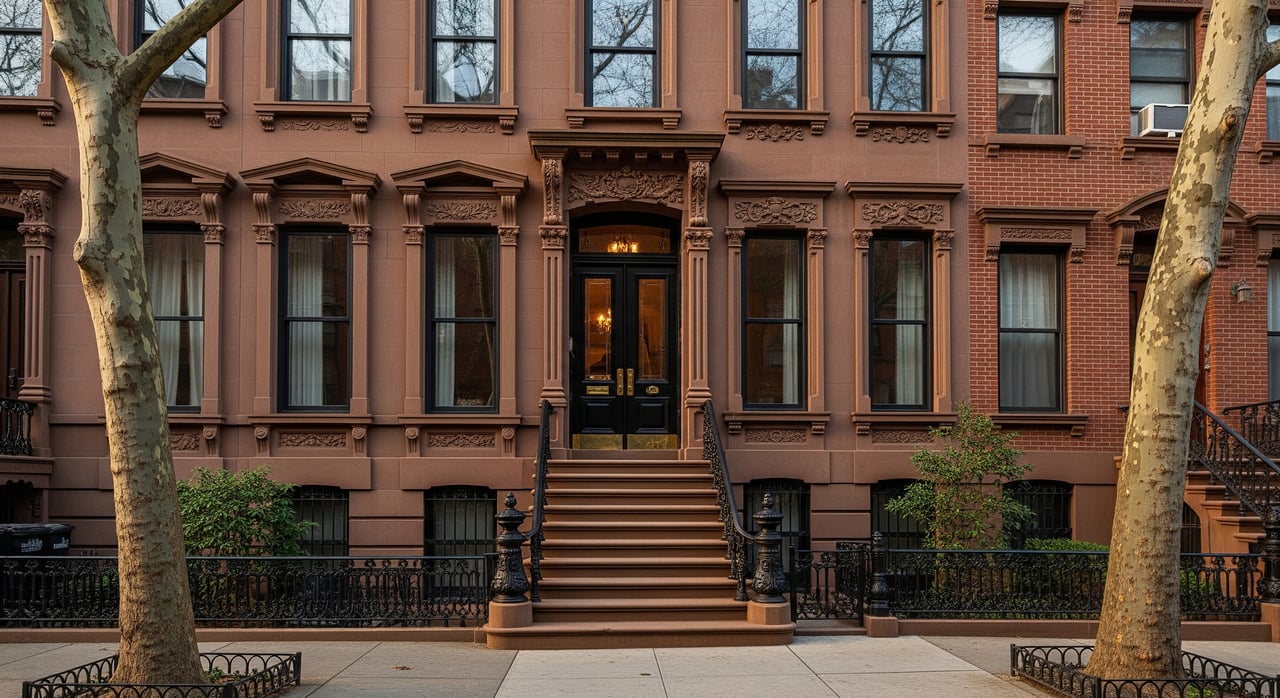
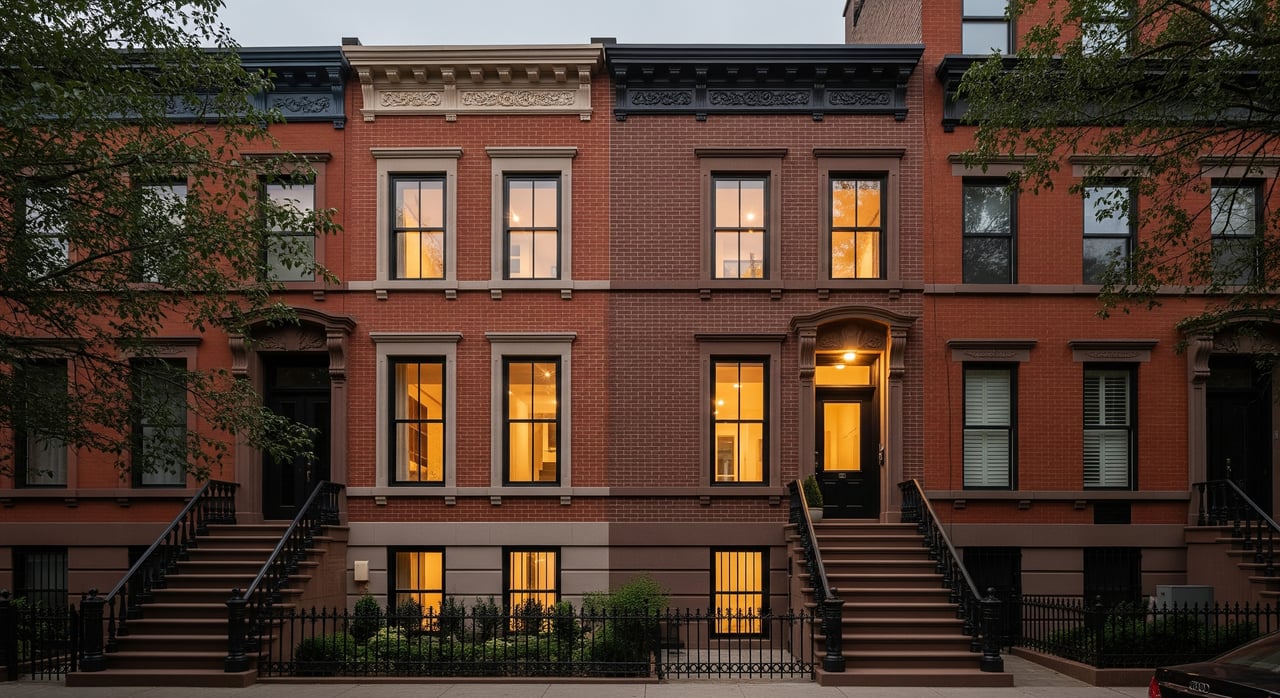
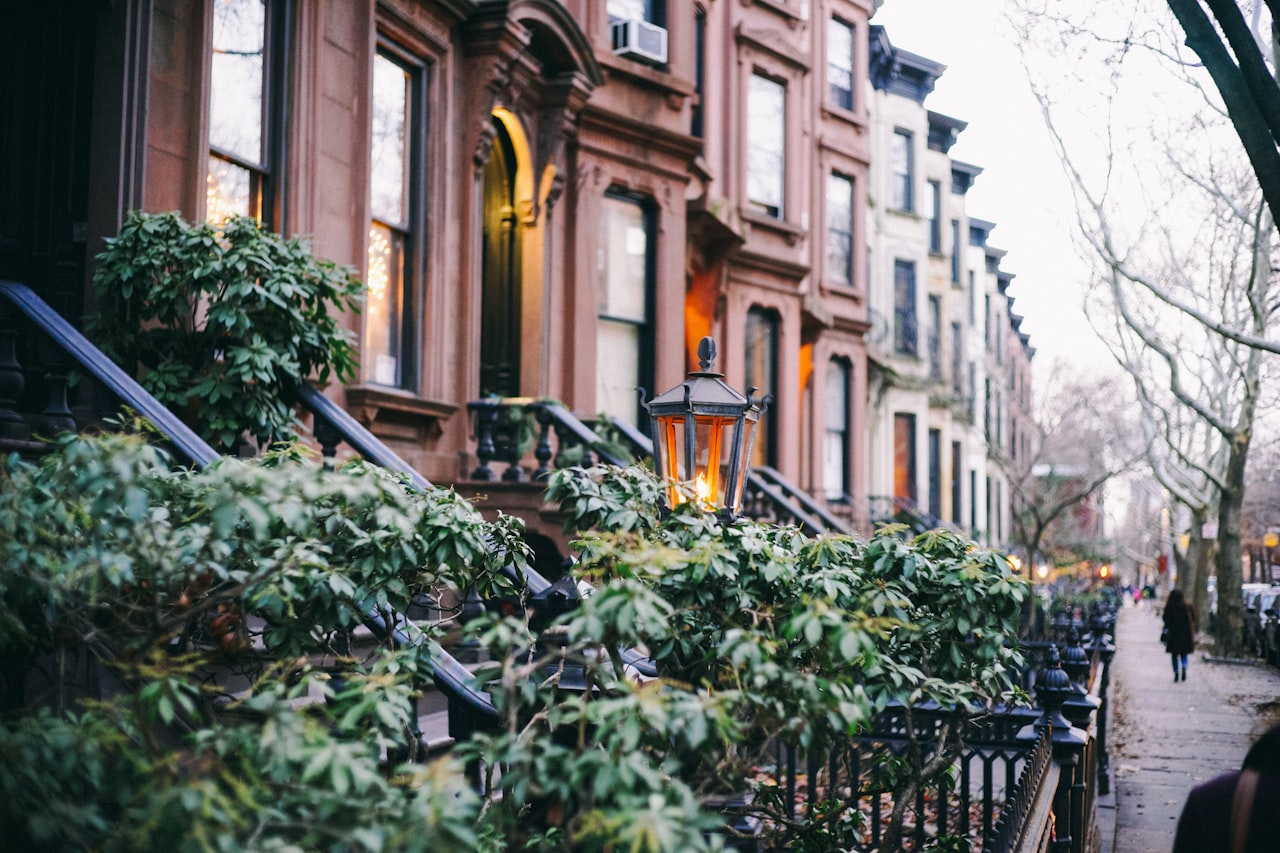
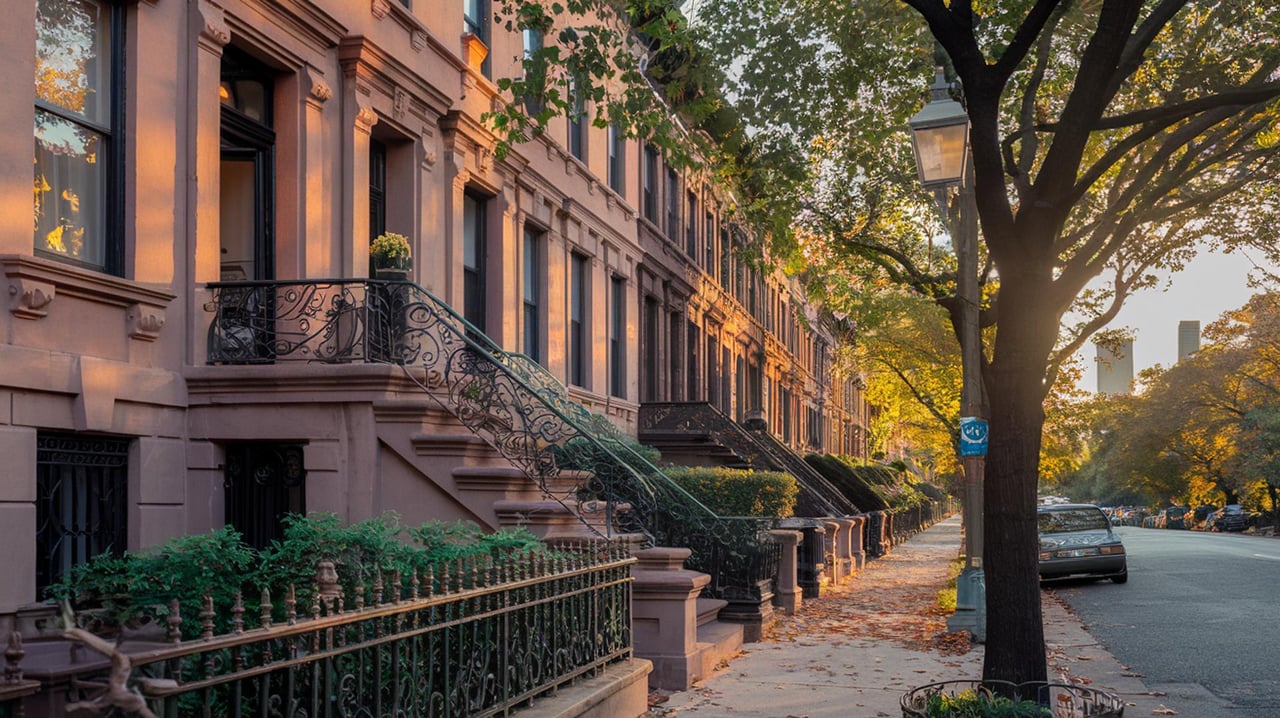
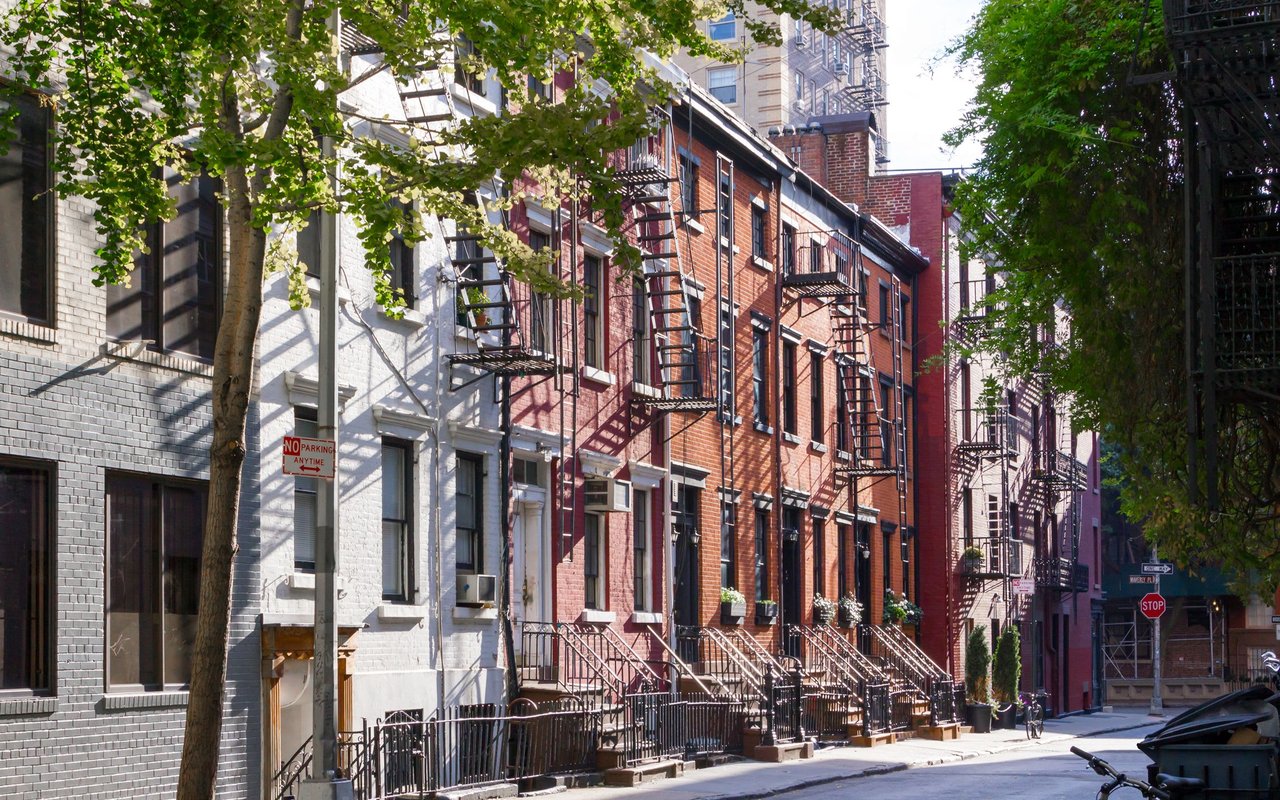
West Village renovation strategy is not the same as a typical Manhattan update. Much of the neighborhood sits within or near Greenwich Village historic districts, where the New York City Landmarks Preservation Commission reviews changes based on how they affect a building’s architectural and historic character. According to the LPC designation reports, the Greenwich Village Historic District was the city’s largest historic district at the time of designation, with more than 2,000 buildings across 65 blocks.
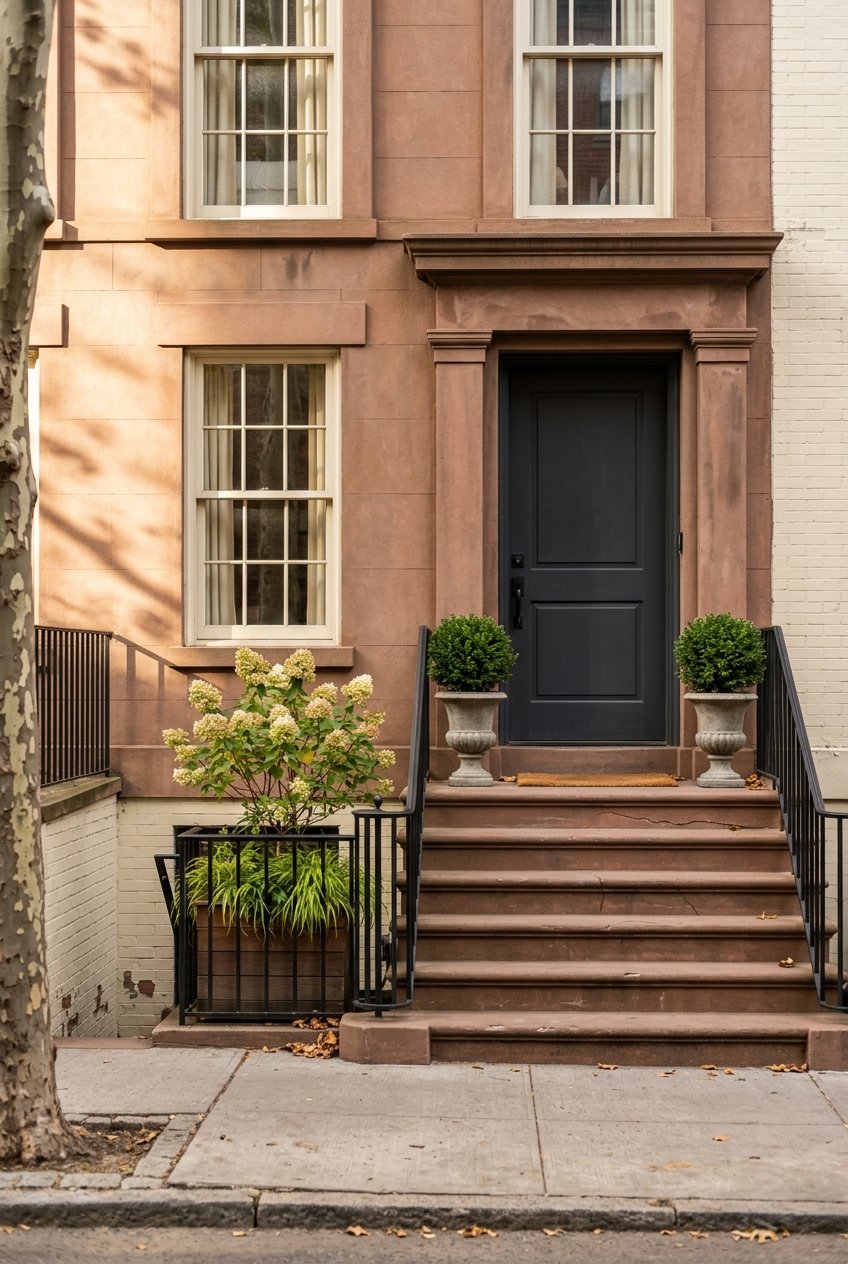
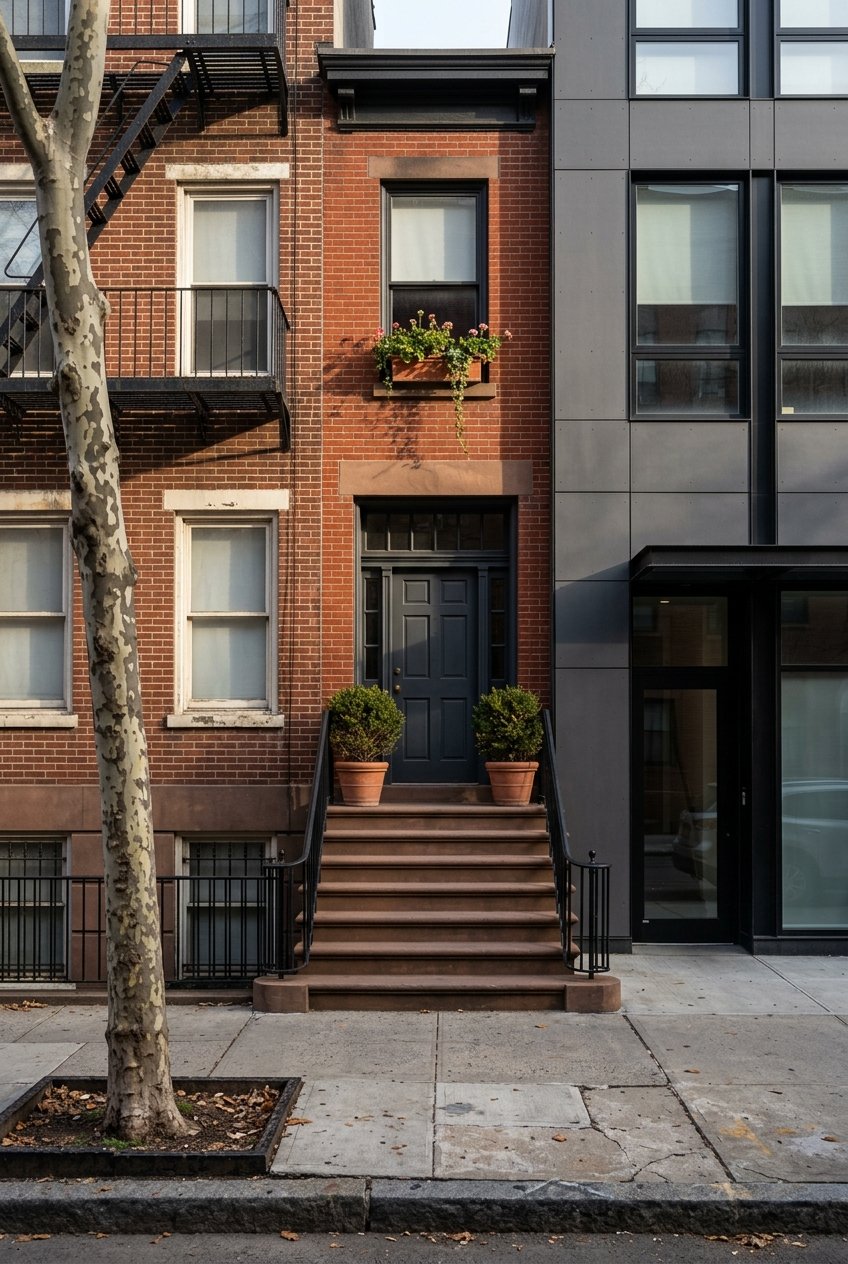
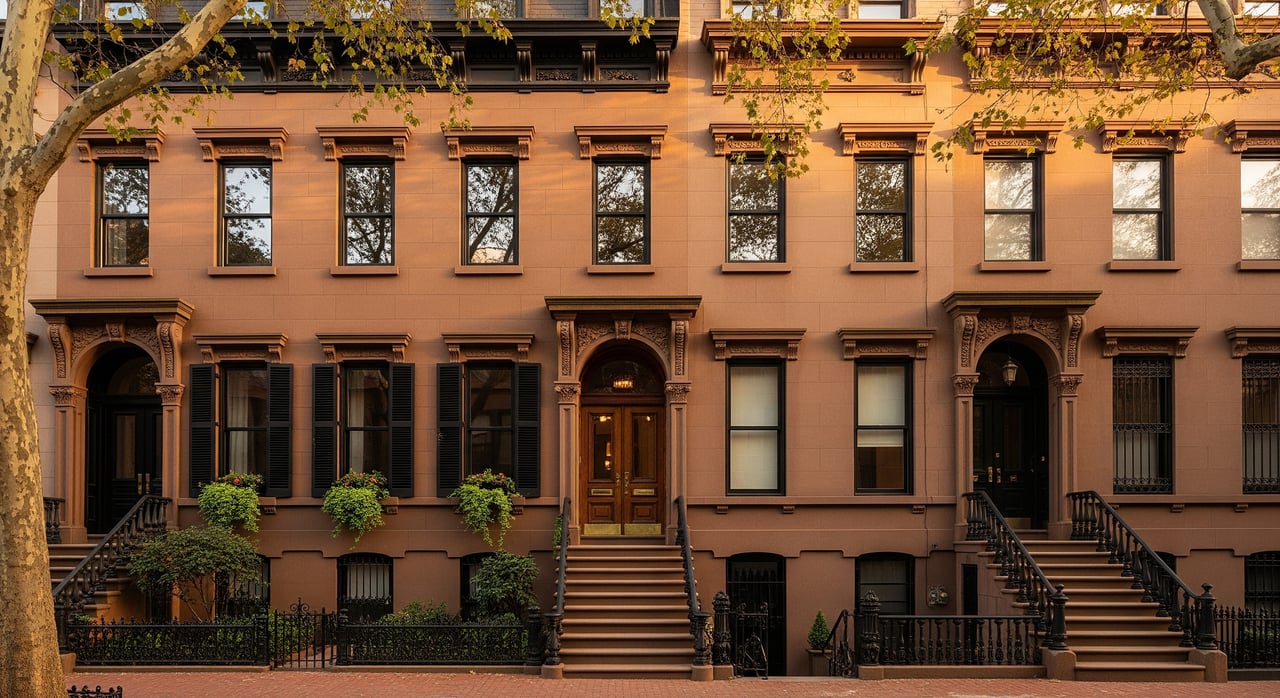
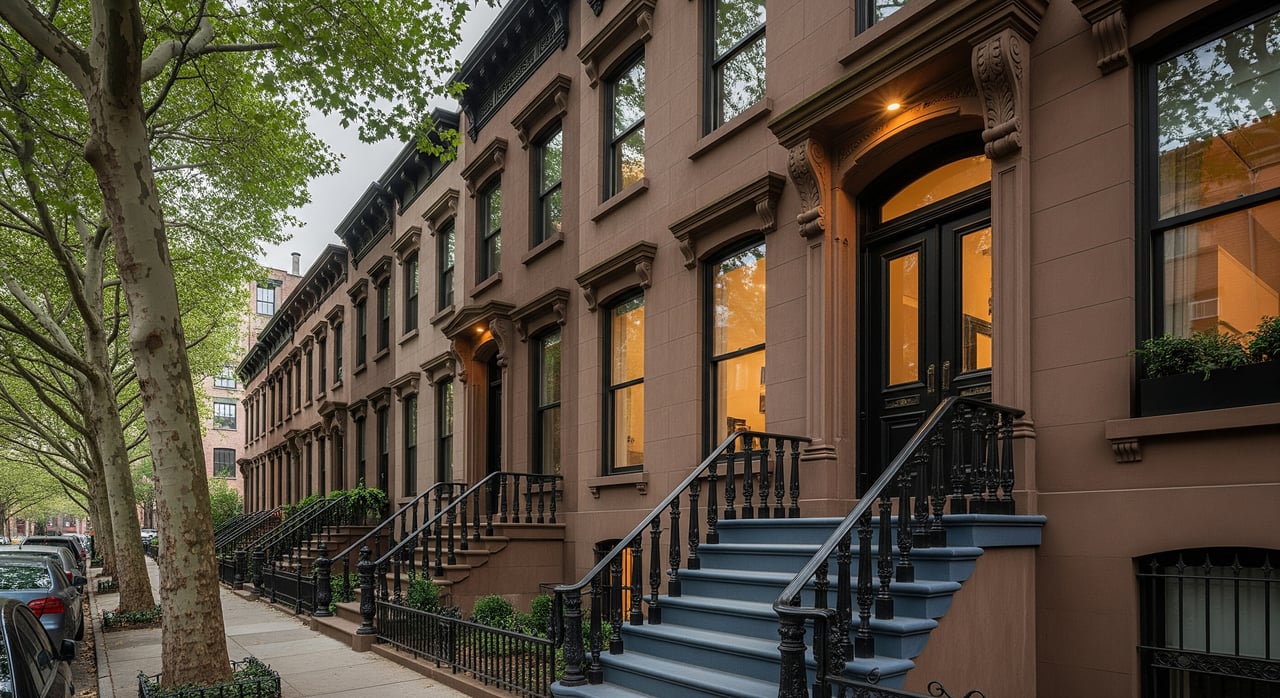
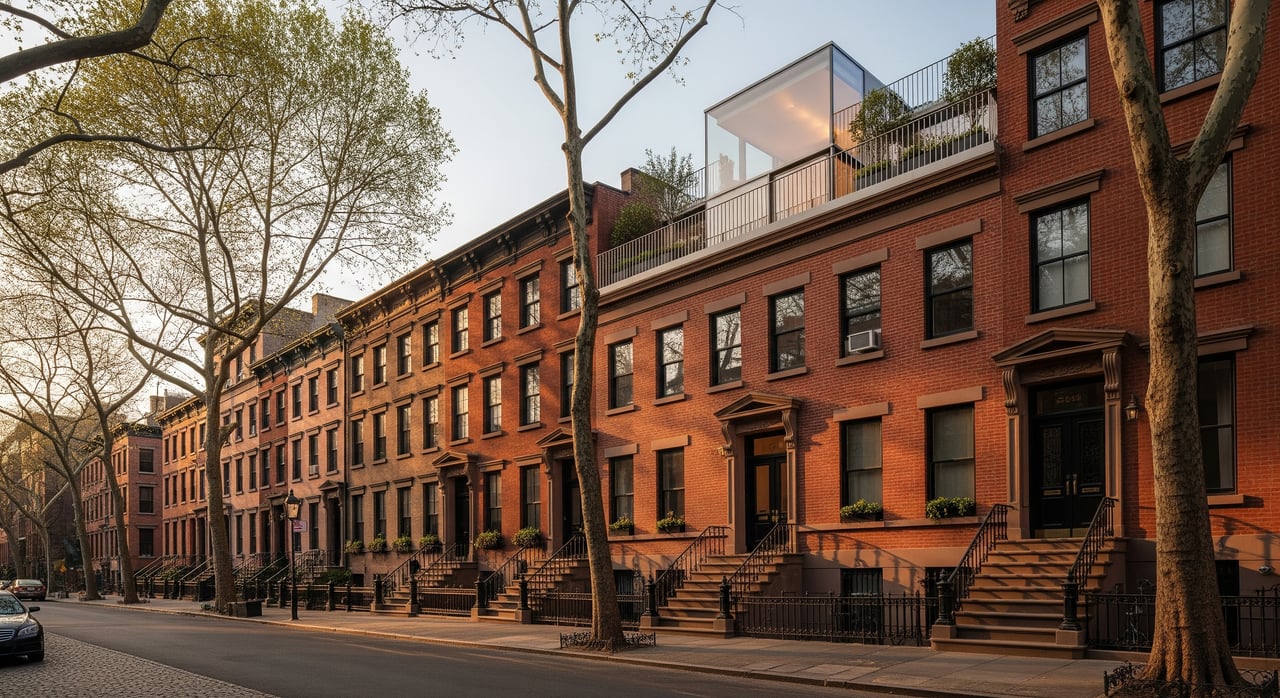
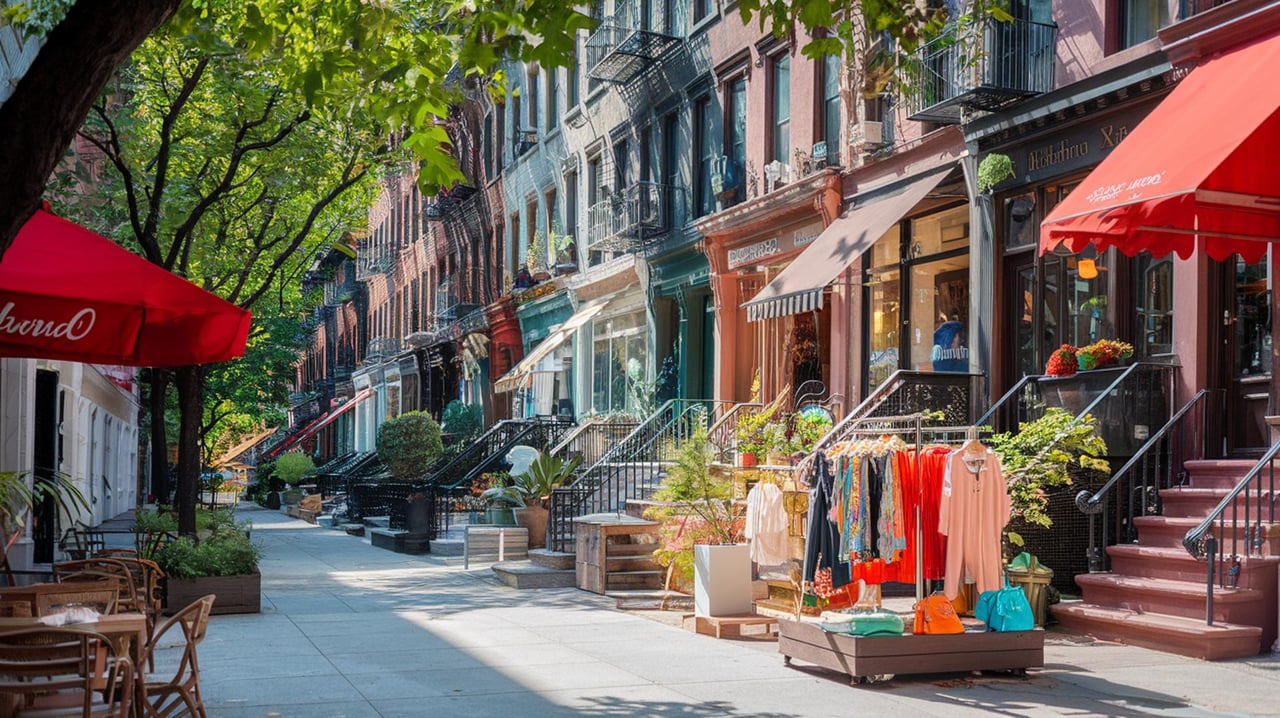
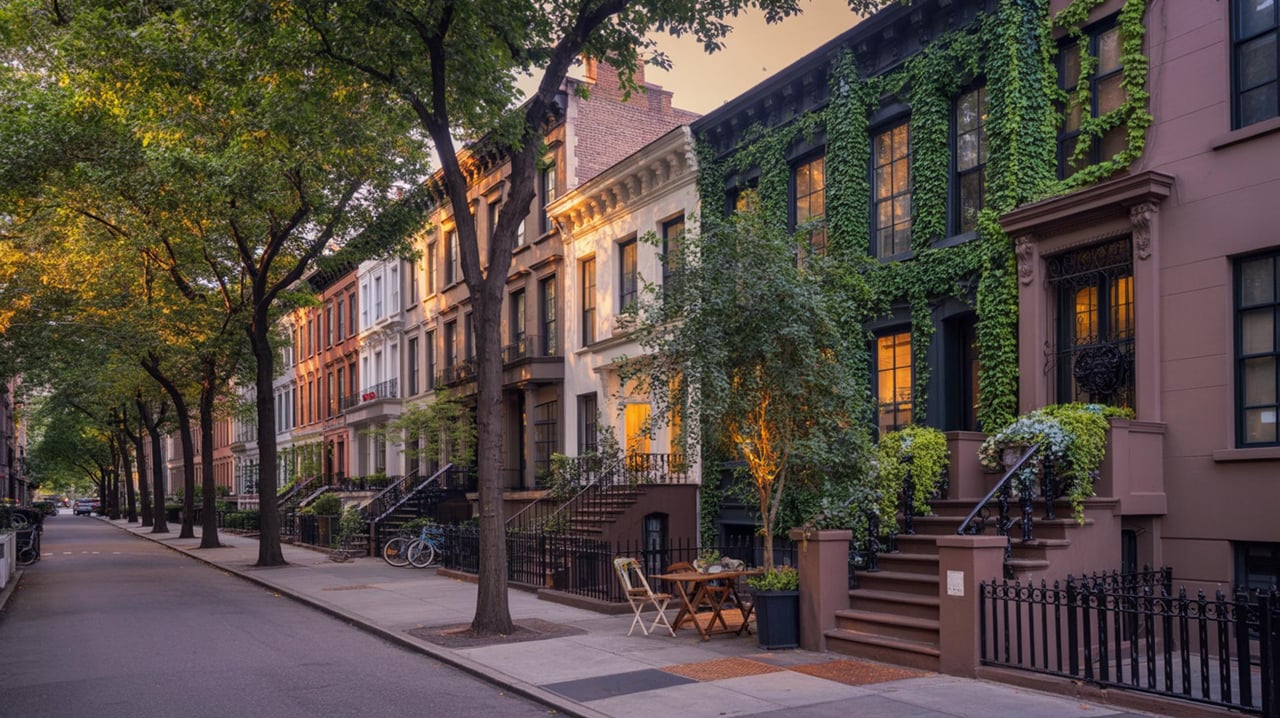
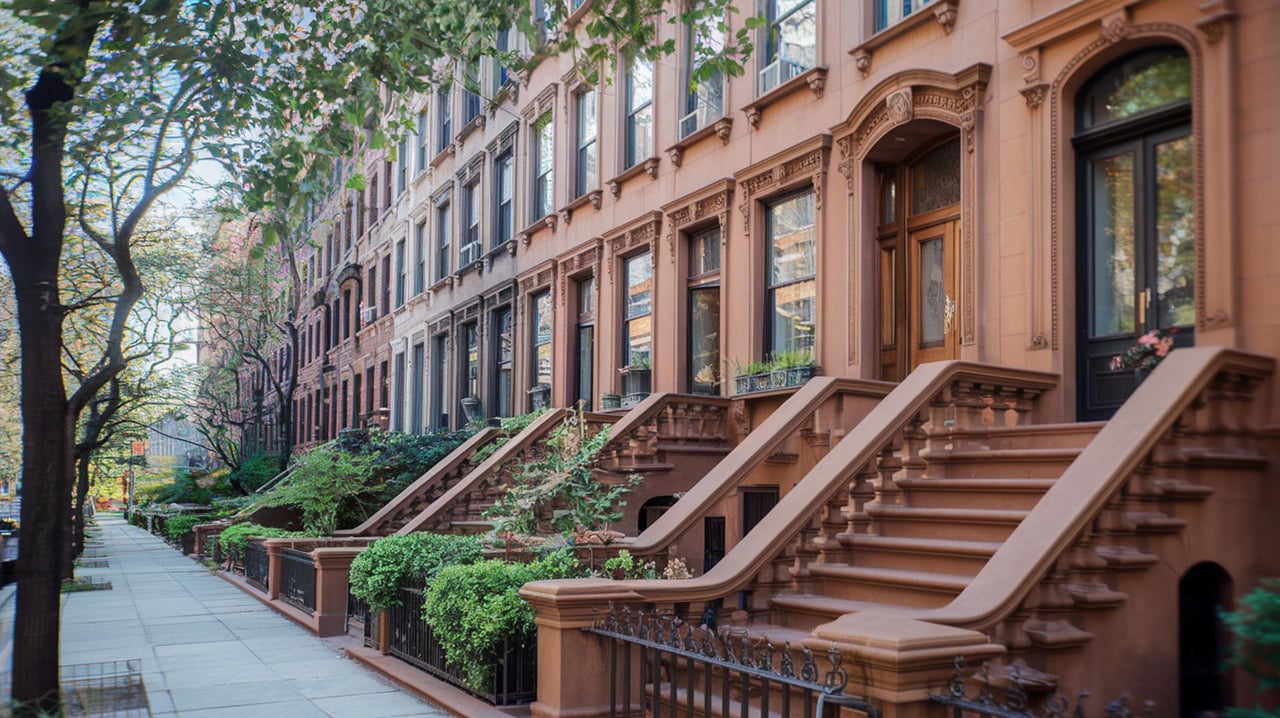
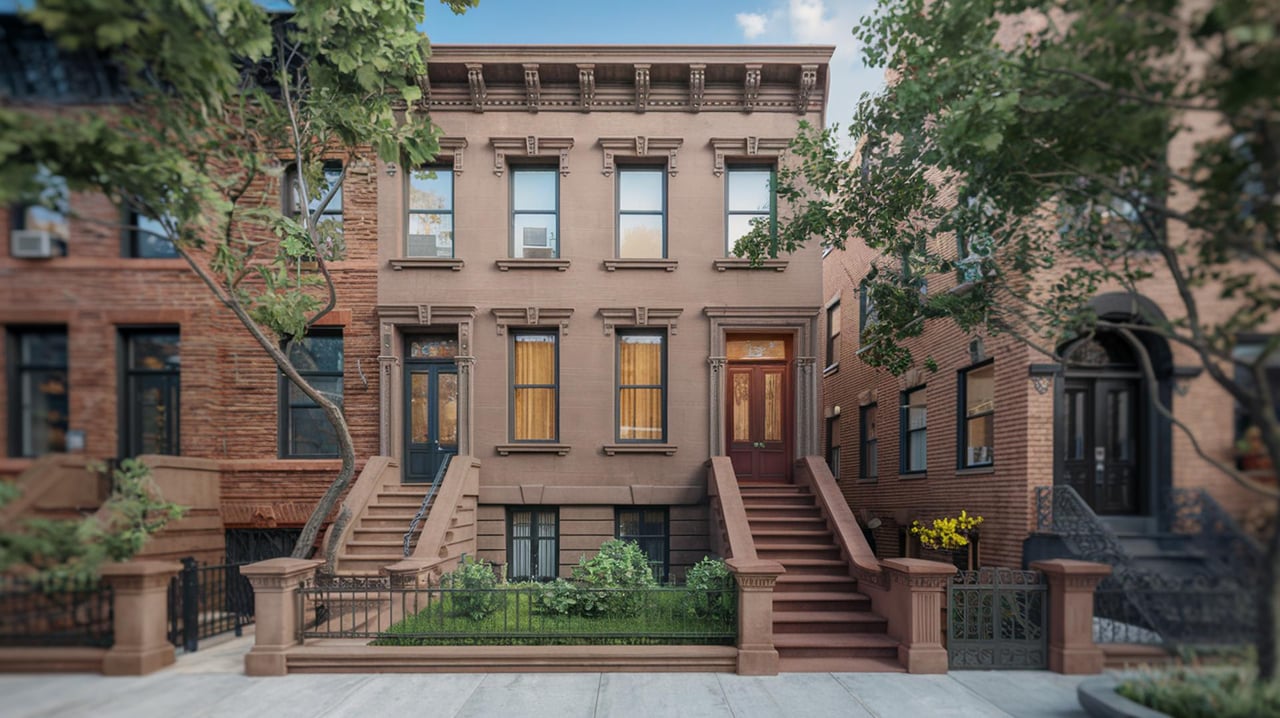
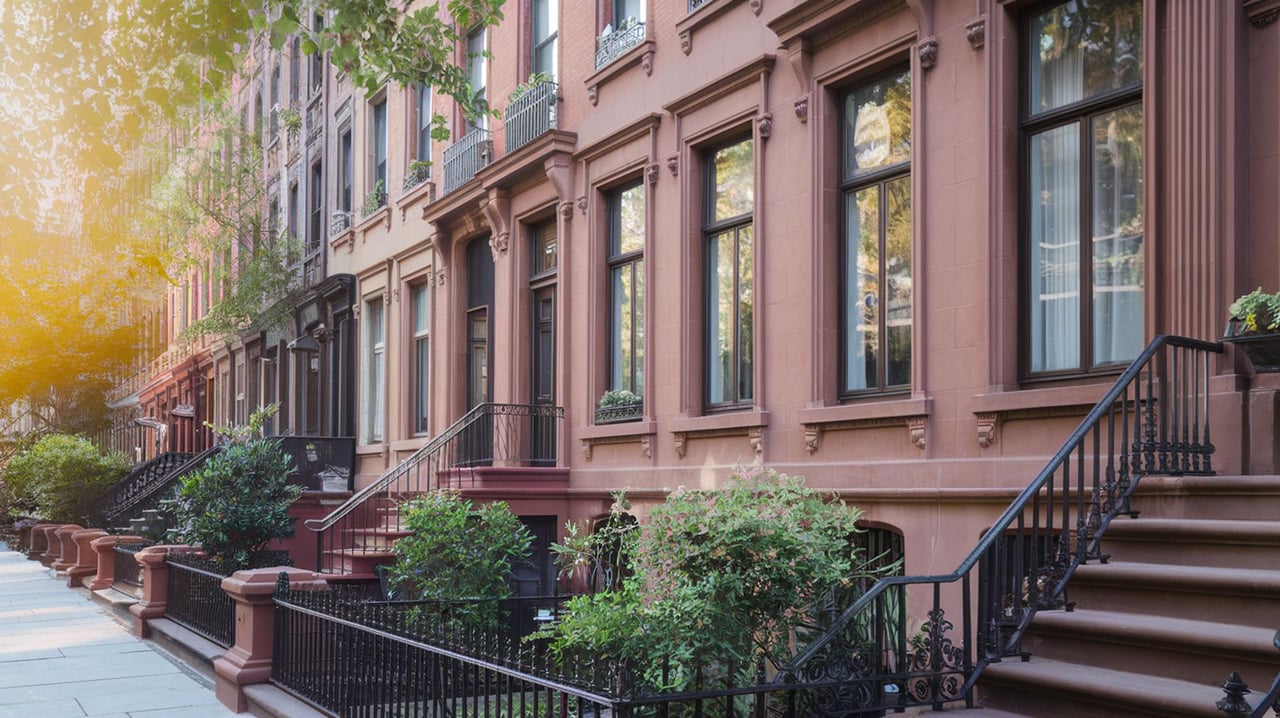
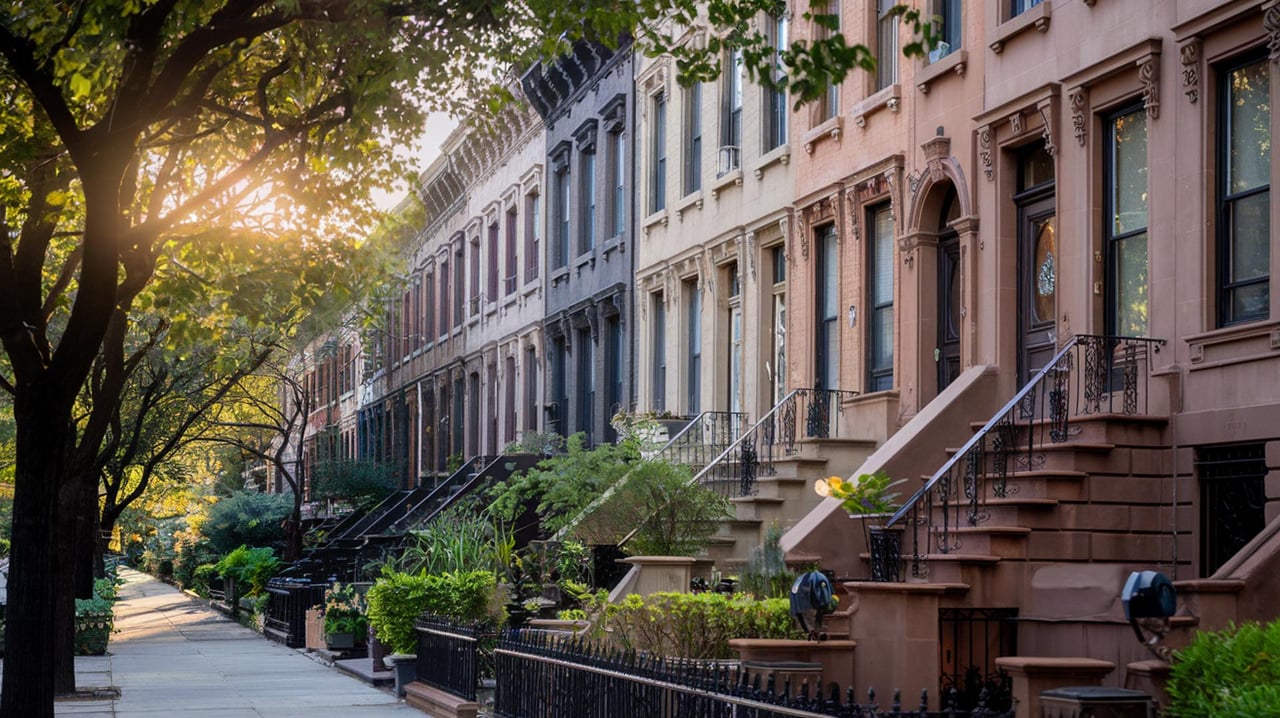
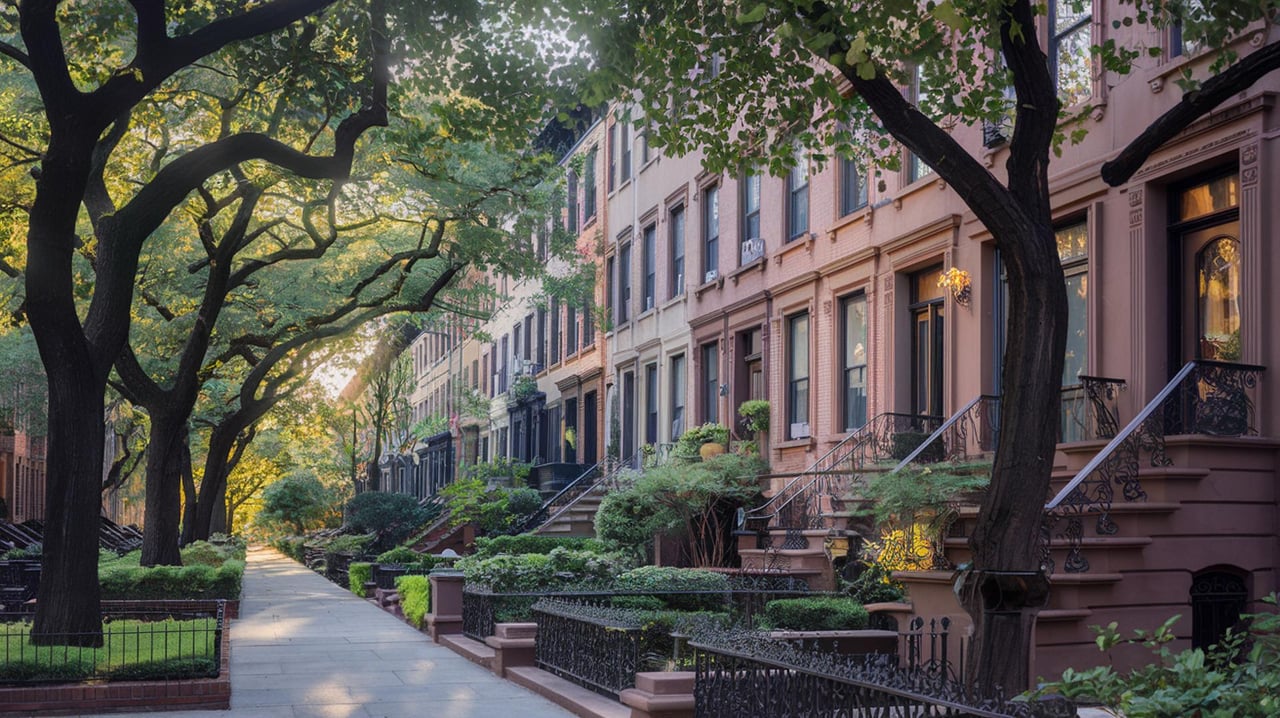
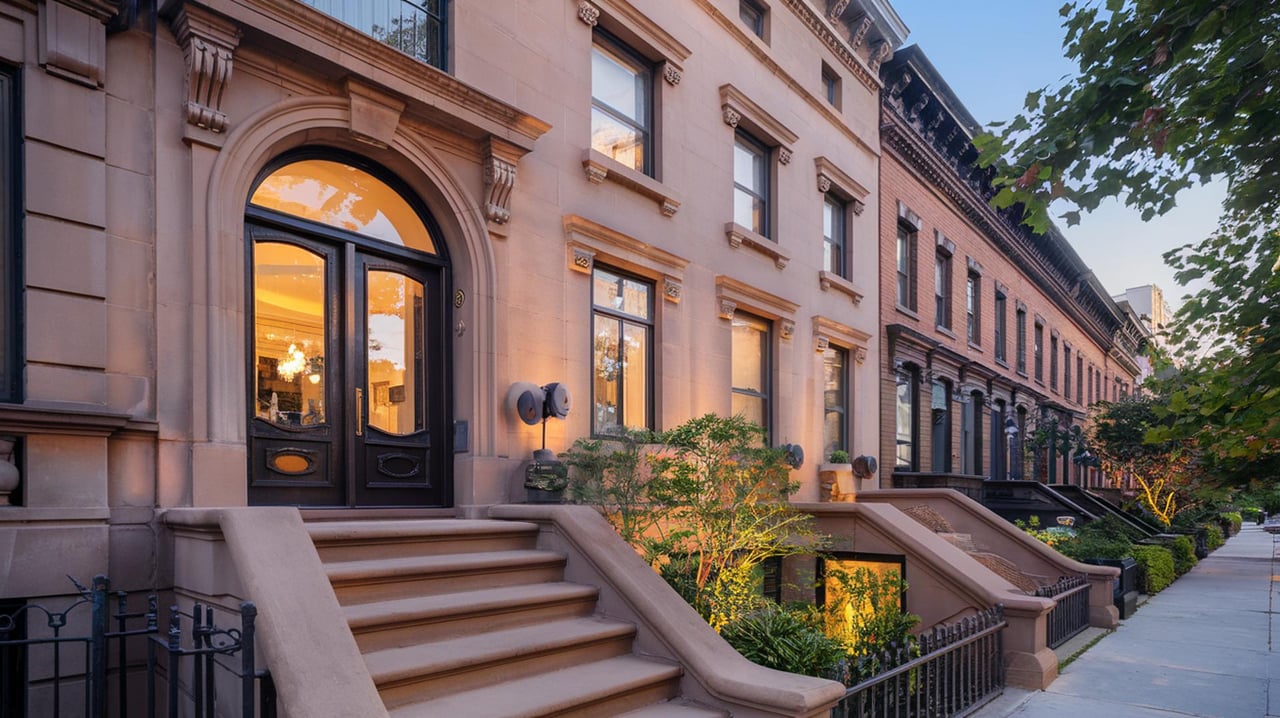
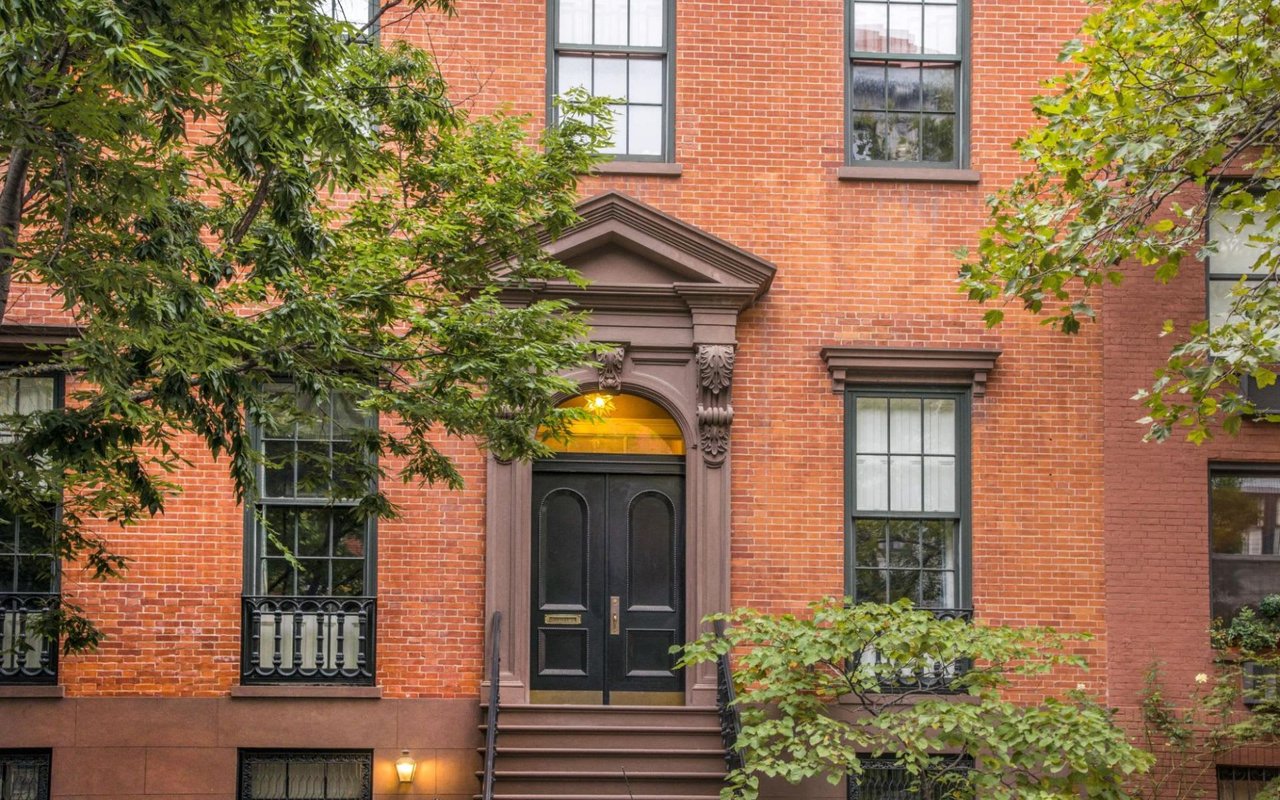
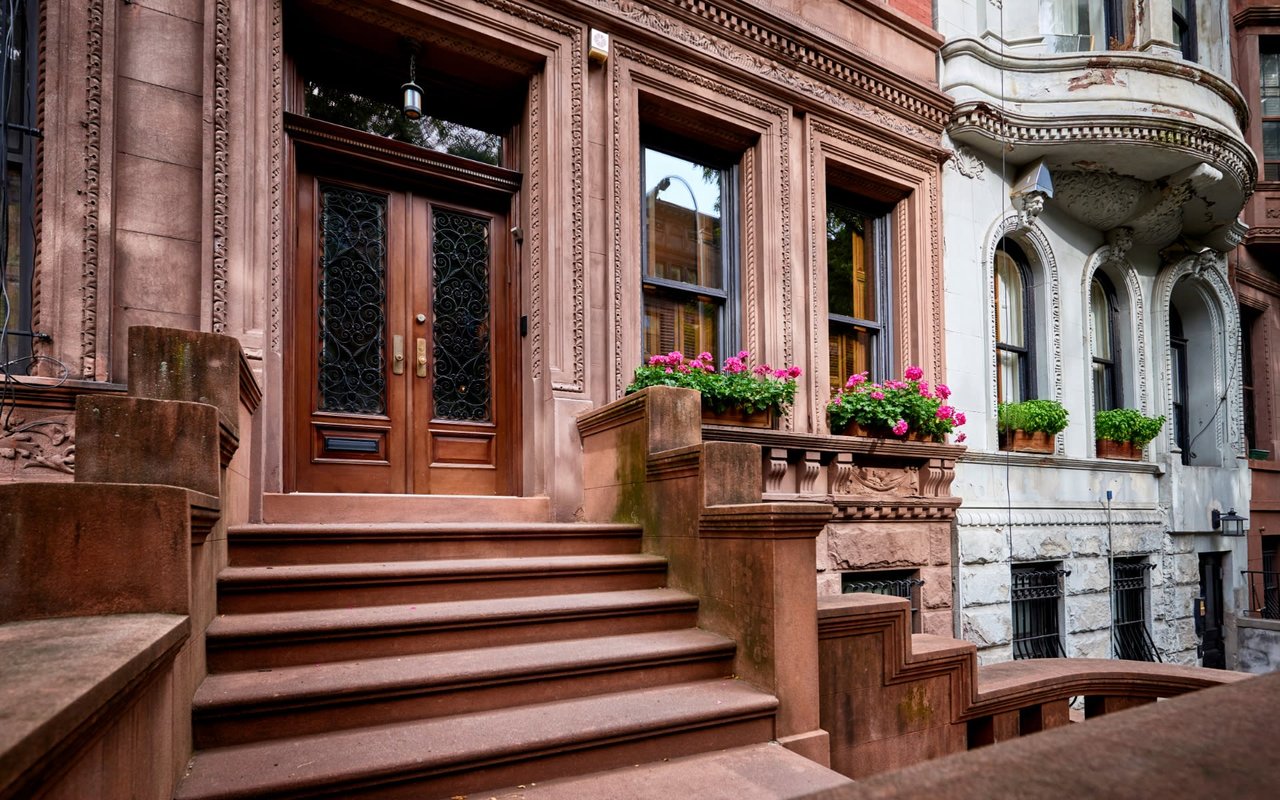
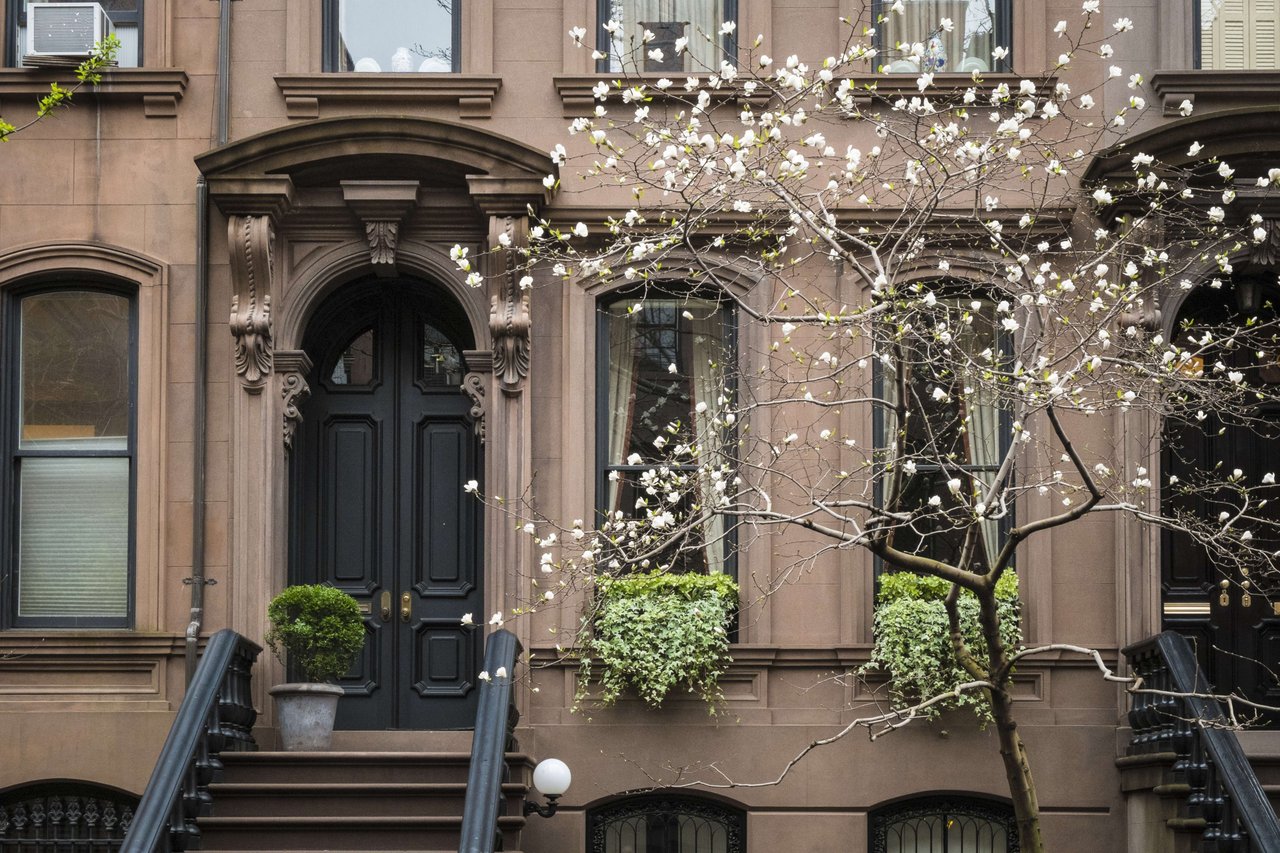
That matters because buyers are not just reacting to new finishes. In the West Village, they are also responding to whether a renovation feels right for the building. The LPC Rowhouse Manual notes that rowhouses are the dominant housing type in many historic districts, and district reports describe the area’s Federal and Greek Revival row houses and town houses dating to the early and mid-1800s.
For you as an owner, seller, or buyer planning future resale, that creates a clear framework. The upgrades that tend to pay off are usually the ones that improve function, comfort, and flow without stripping away the proportions and details that make the home feel authentically West Village.
Focus on function first
If your goal is resale, the strongest renovation case usually starts with livability. National Association of REALTORS® survey data in the 2025 Remodeling Impact Report shows that homeowners most often remodel to improve worn-out surfaces, boost energy efficiency, add features, and improve how the home functions day to day.
That same report found that the most important result after remodeling was better functionality and livability. In practical terms, that means layout improvements, better storage, updated kitchens, and cleaner bathroom design often make a stronger impression than expensive design moves that do little for daily life.
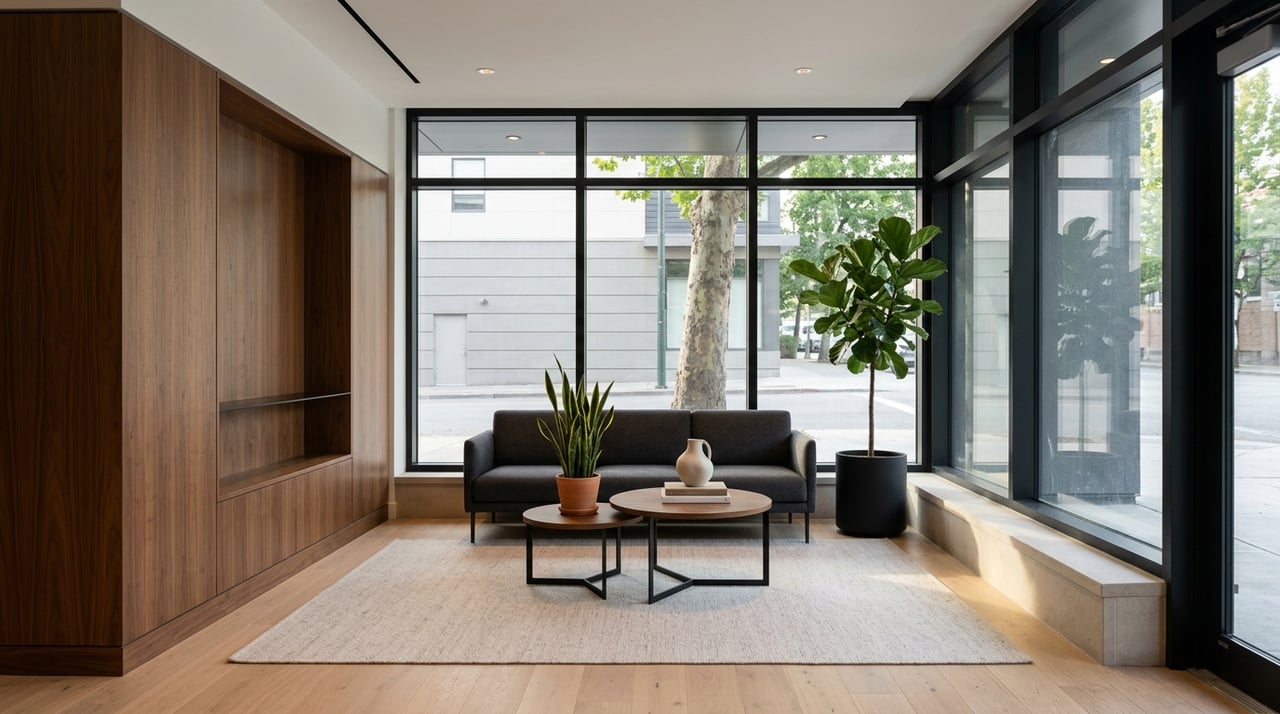
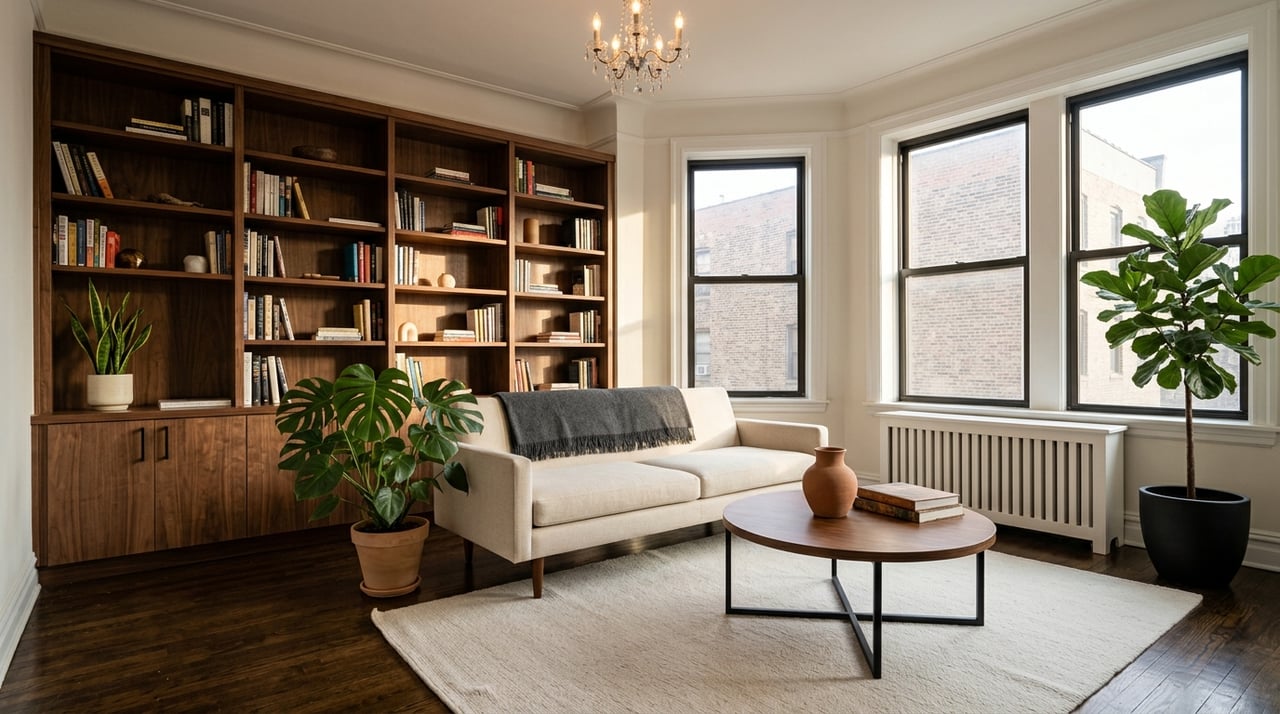
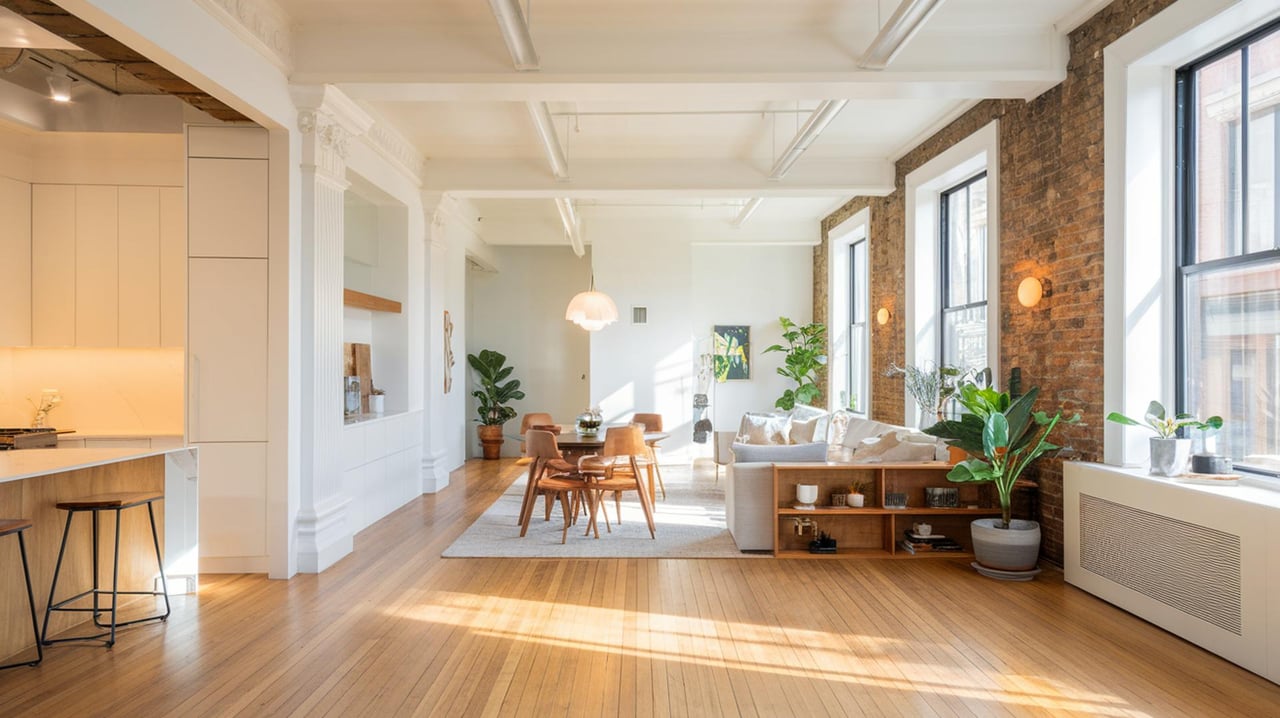
In the West Village, this is especially relevant. Many homes have compact rooms, older layouts, and limited storage. A renovation that solves those issues in a thoughtful way often feels more valuable than one that simply adds luxury materials.
Kitchen upgrades with resale potential
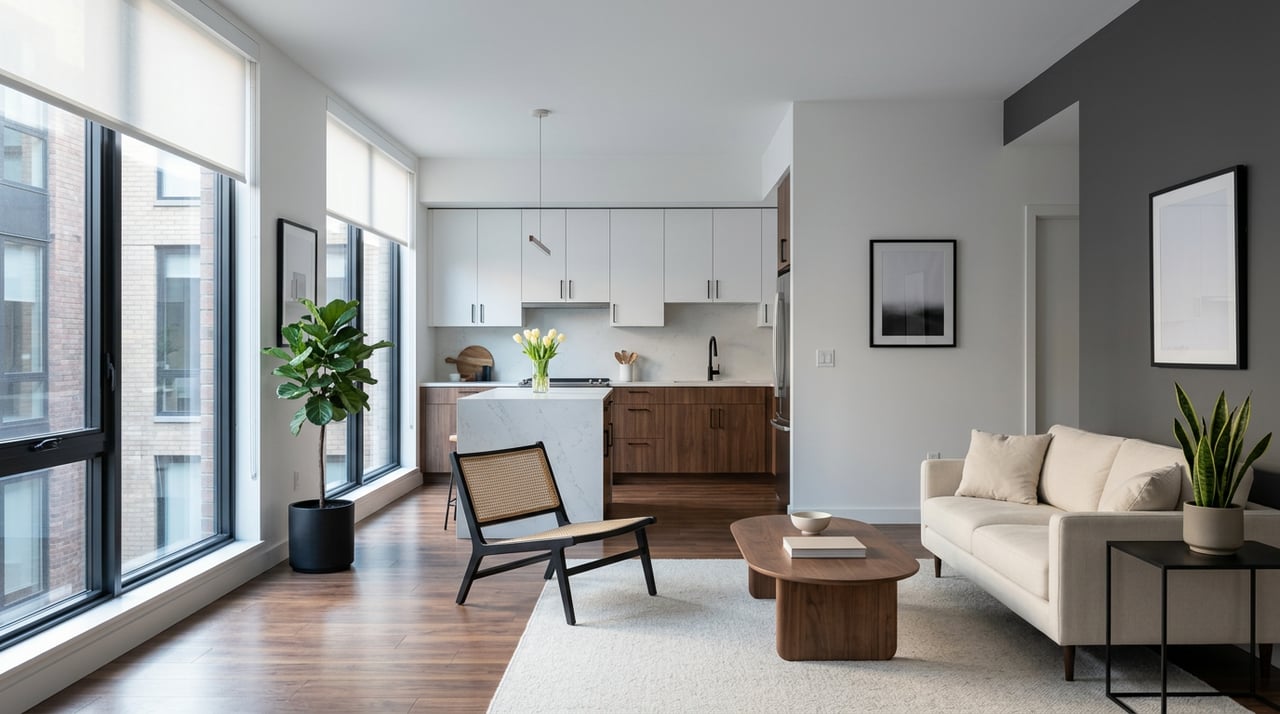
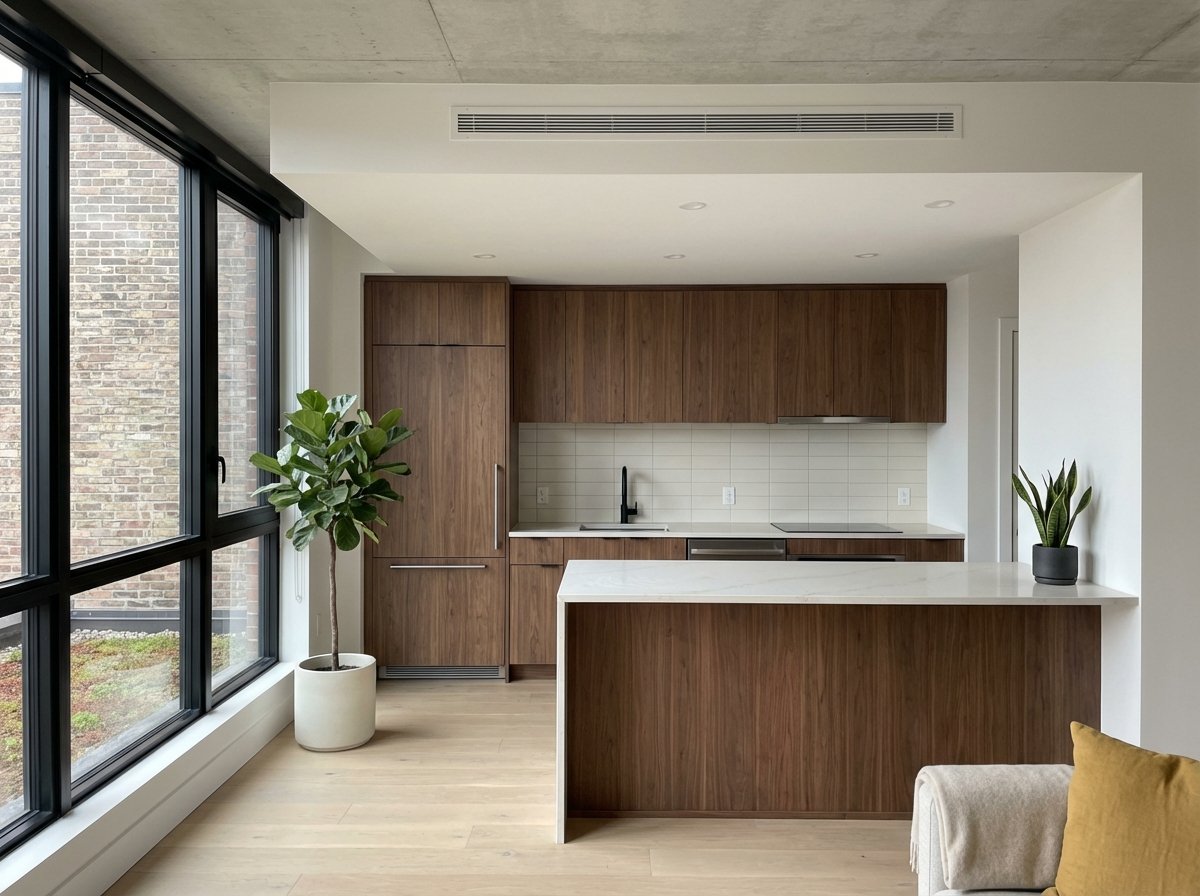
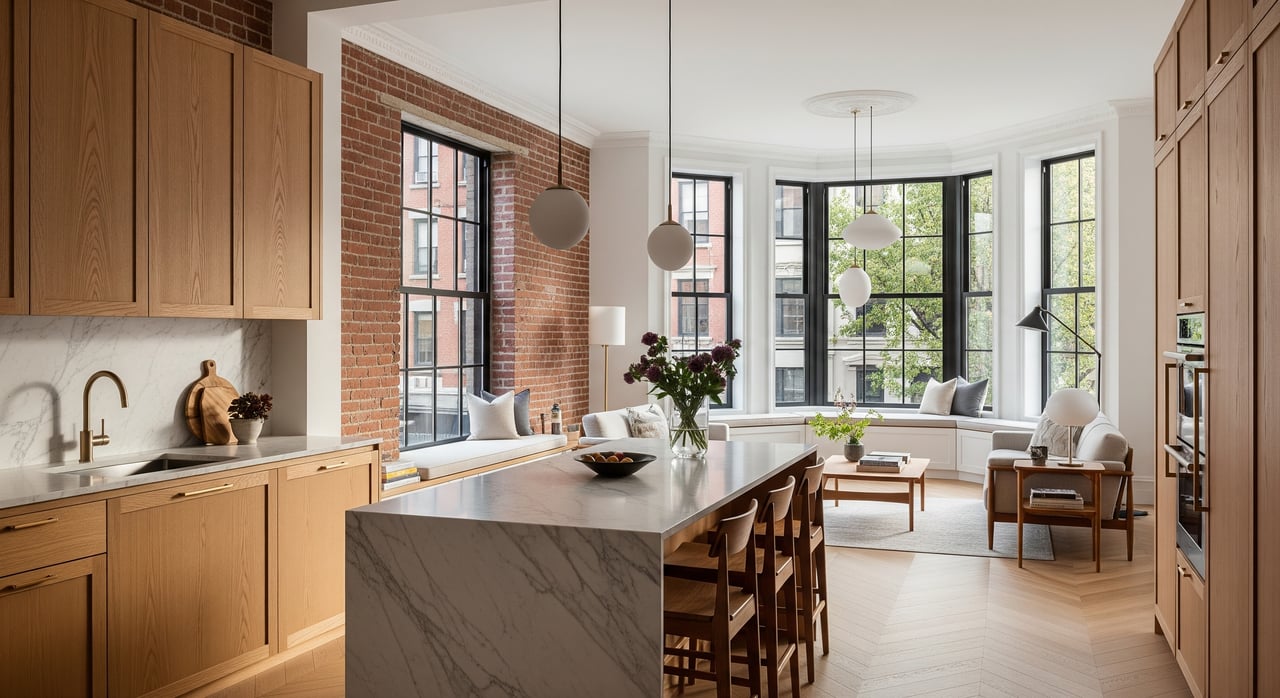
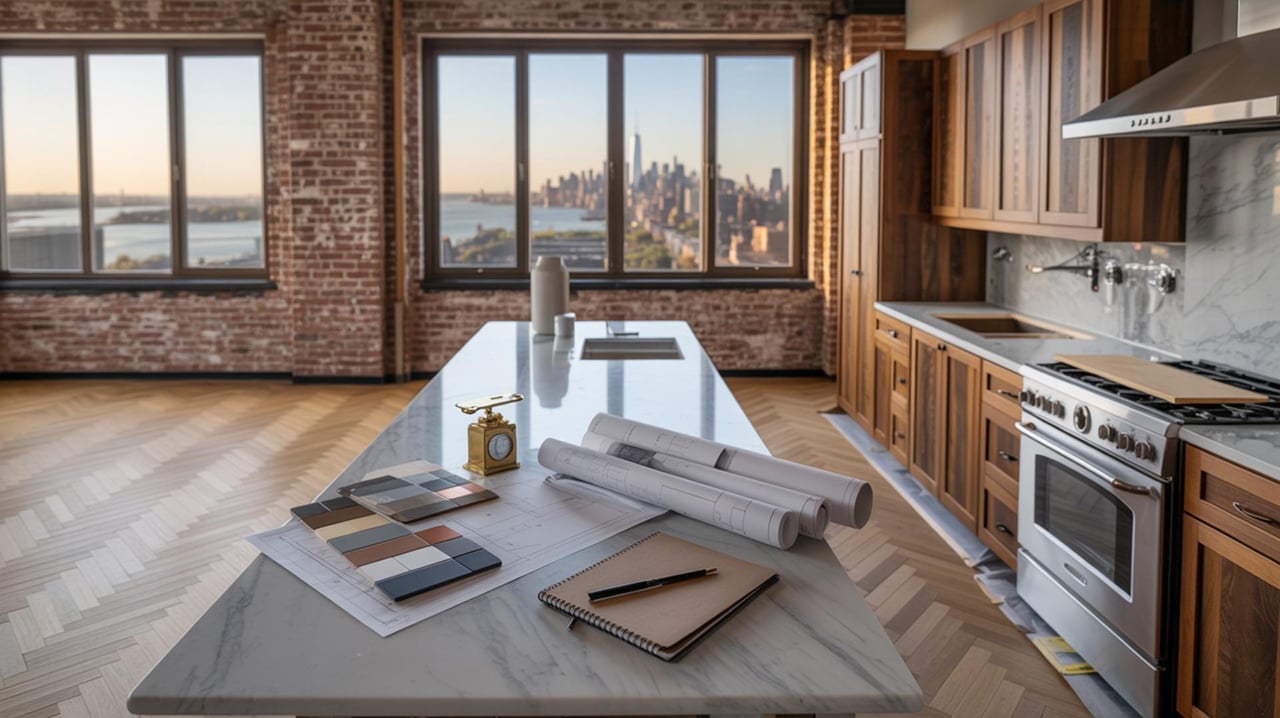
Kitchens continue to be one of the clearest places to invest. In the 2025 Remodeling Impact Report, both a complete kitchen renovation and a minor kitchen upgrade were estimated to recover 60% of project cost. A kitchen upgrade was also one of only three projects to earn a perfect Joy Score of 10.
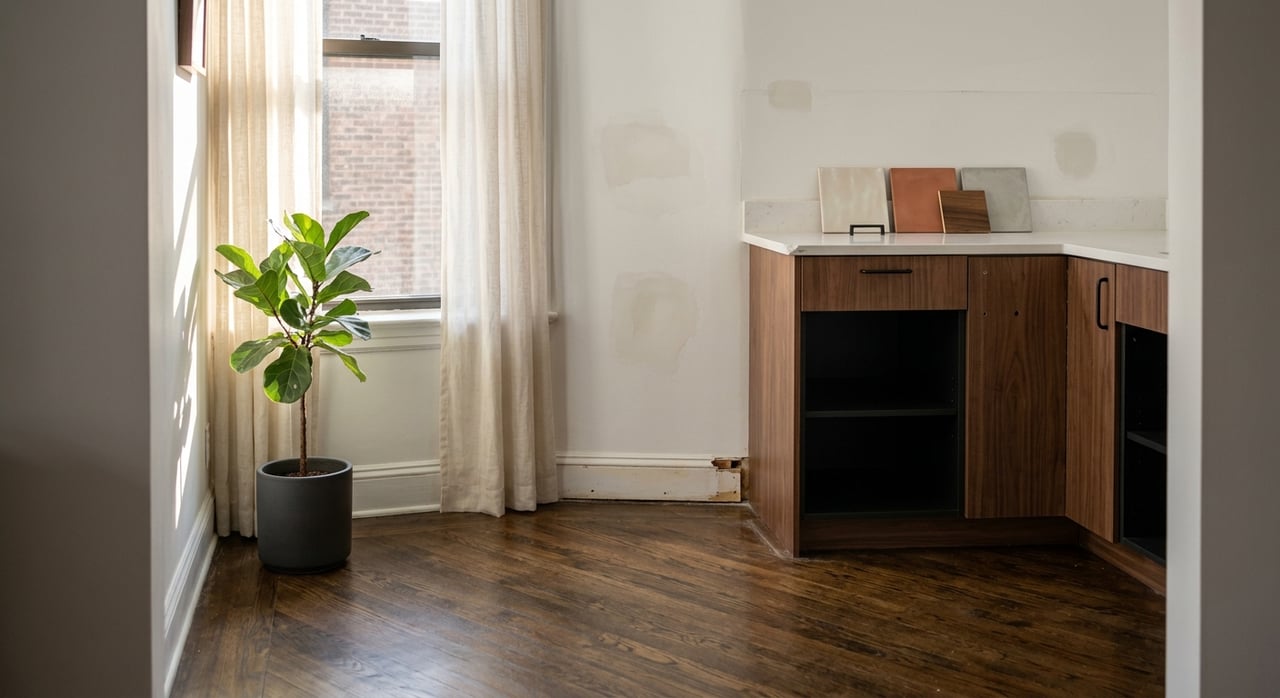
That does not mean every kitchen should become a showpiece. The report is based on standard or typical-quality materials, so the takeaway is not to overbuild. In a West Village apartment or townhouse, the better resale move is often a kitchen that feels efficient, durable, and timeless.
What tends to work in West Village kitchens
- Improve layout and circulation within the existing footprint
- Replace tired cabinets or fronts with simple, classic profiles
- Choose durable materials over highly personalized statement finishes
- Add practical storage where possible
- Keep the design cohesive with the age and style of the home
If you are choosing between a dramatic redesign and a smarter, cleaner update, the cleaner update often has the stronger resale logic.
Bathrooms and added baths matter
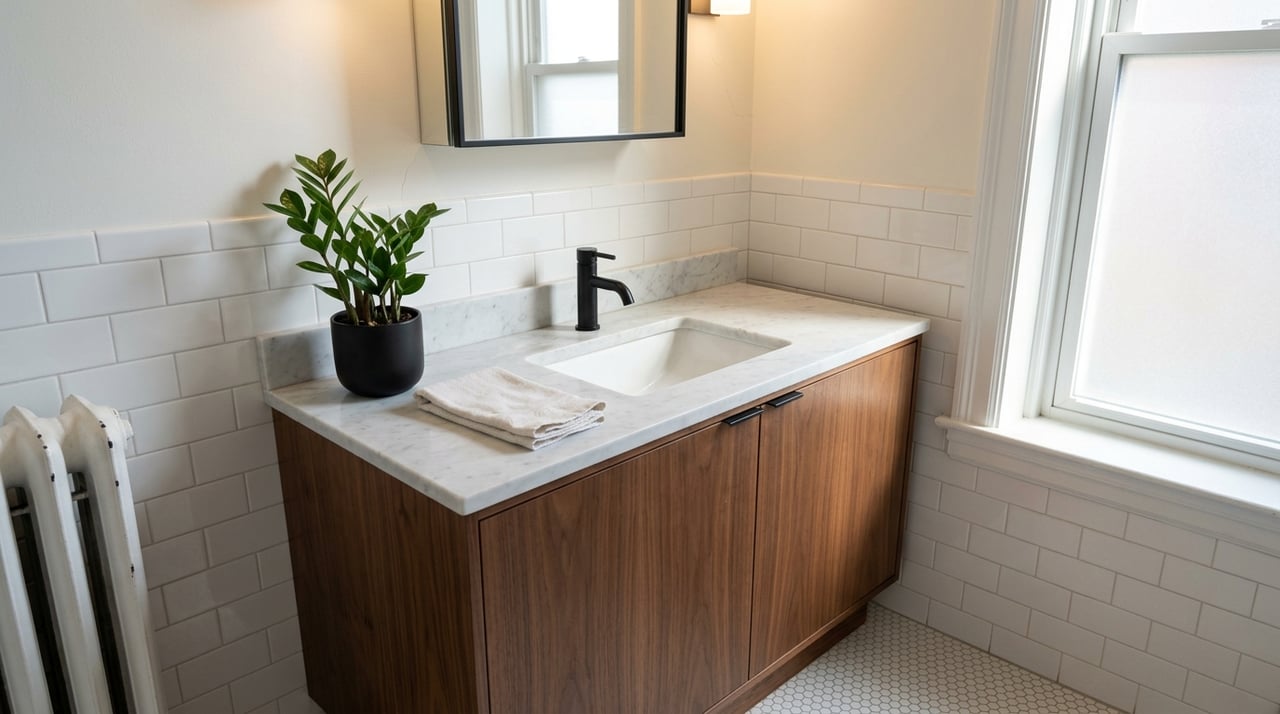
Bathrooms are another category with a solid resale case. The 2025 Remodeling Impact Report found that a bathroom renovation recovered about 50% of cost, while adding a new bathroom recovered about 56%.
That is especially meaningful in the West Village, where some homes may have a bath count that no longer matches modern expectations. A well-planned additional bath or a more polished primary bath can improve both usability and buyer appeal.
The key is restraint. You usually do not need a highly customized spa buildout to make the upgrade count. A bathroom that feels well-made, easy to maintain, and visually calm will often serve resale better than one designed around highly specific tastes.
Storage improvements can punch above their weight
In smaller homes, storage can be a major value driver. The same NAR report estimated that a closet renovation recovered 83% of cost, making it one of the stronger performers in the study.
That is a useful reminder for West Village owners. If your home has limited closets, awkward dead space, or underused millwork opportunities, improving storage may deliver more practical value than a decorative upgrade.
High-impact storage ideas
- Rework closets for better organization and capacity
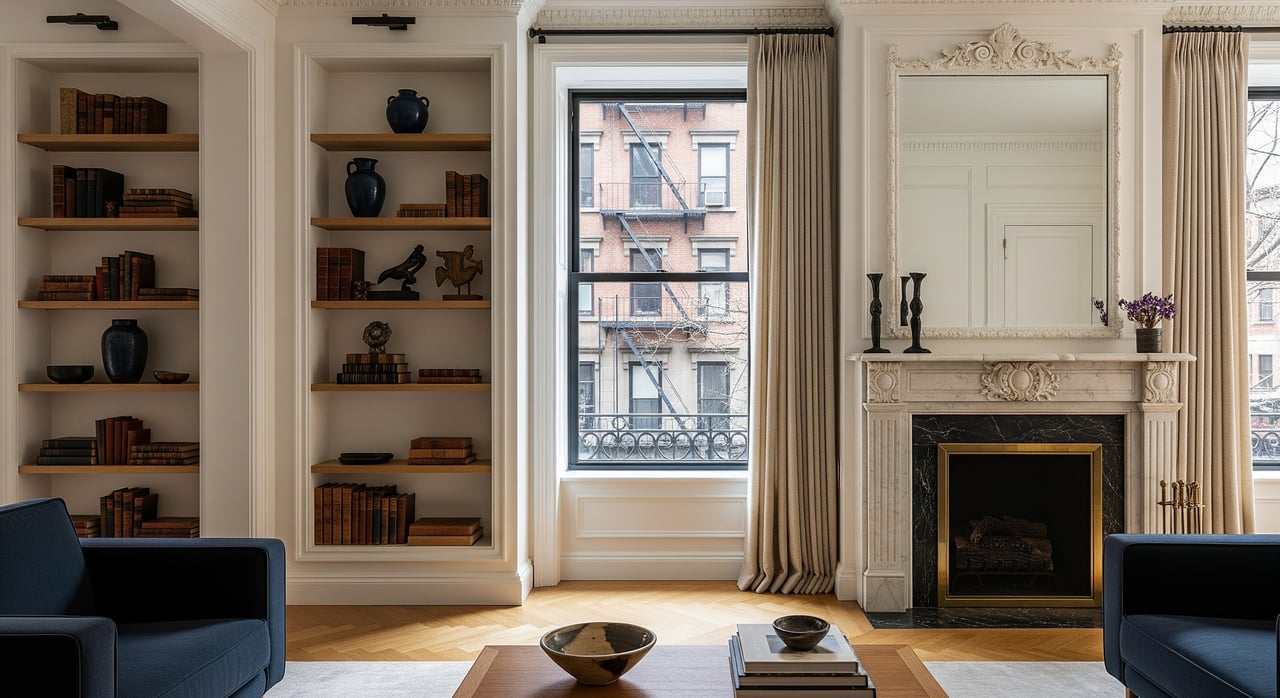
- Add built-ins that match the architecture and scale of the room
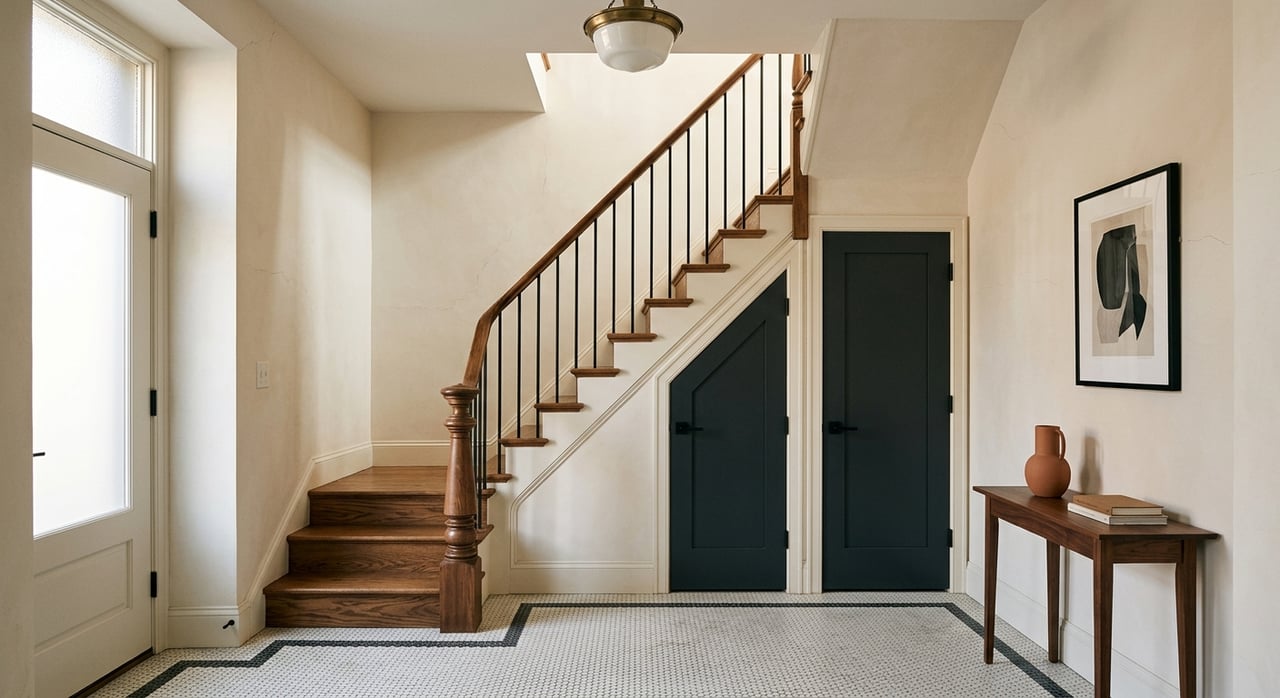
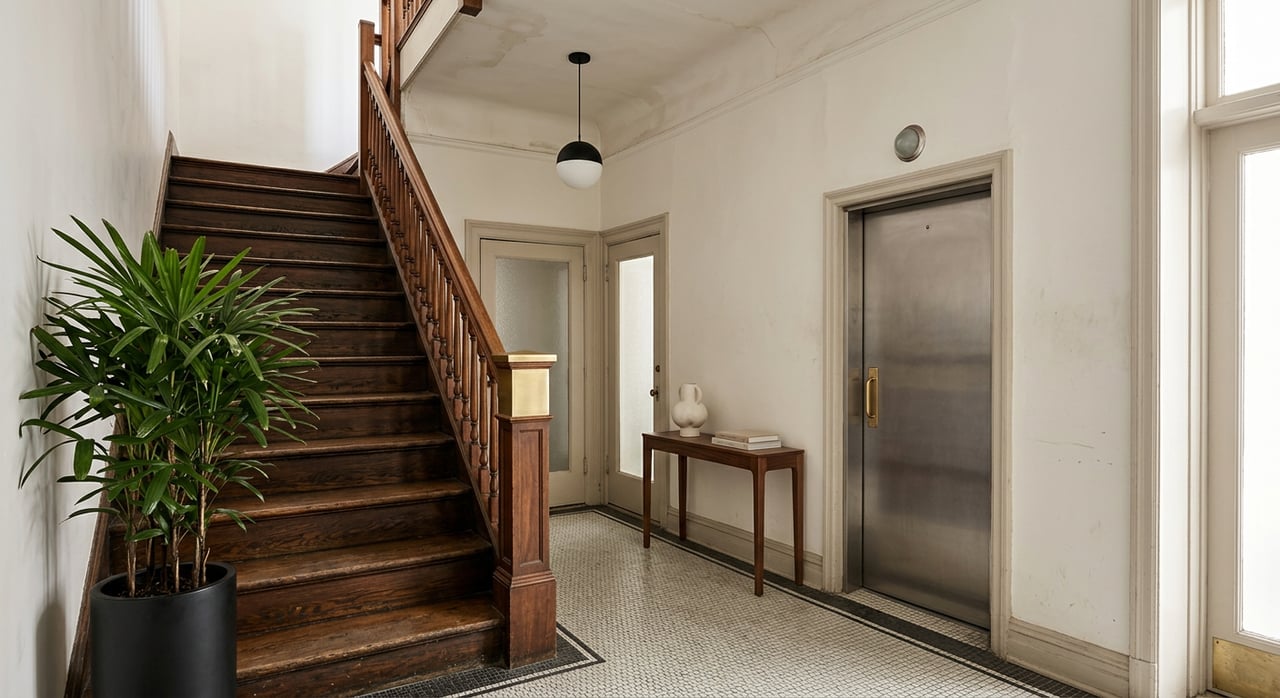
- Use entry, hallway, or under-stair space more efficiently
- Create concealed storage that reduces visual clutter
Buyers may not always call out storage in the first sentence, but they notice when a home feels easier to live in.
Preserve what gives the home character
One of the biggest mistakes in a West Village renovation is treating original details like obstacles. In many cases, they are part of the property’s value proposition.
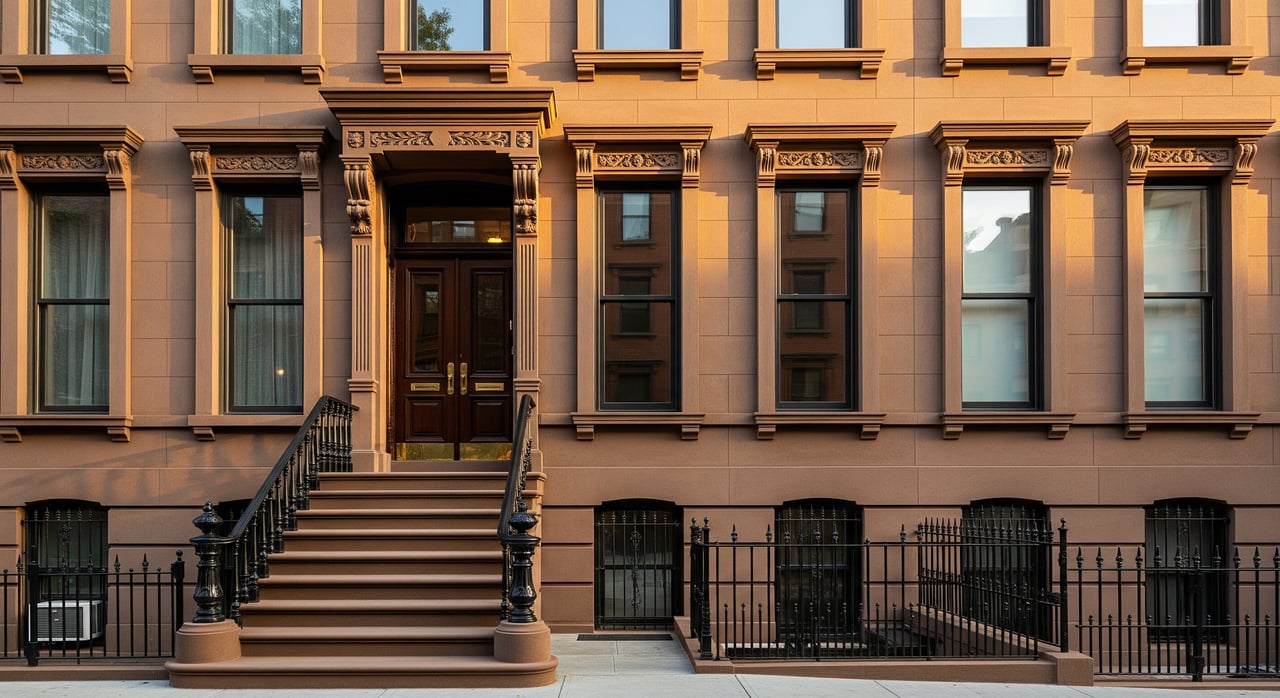
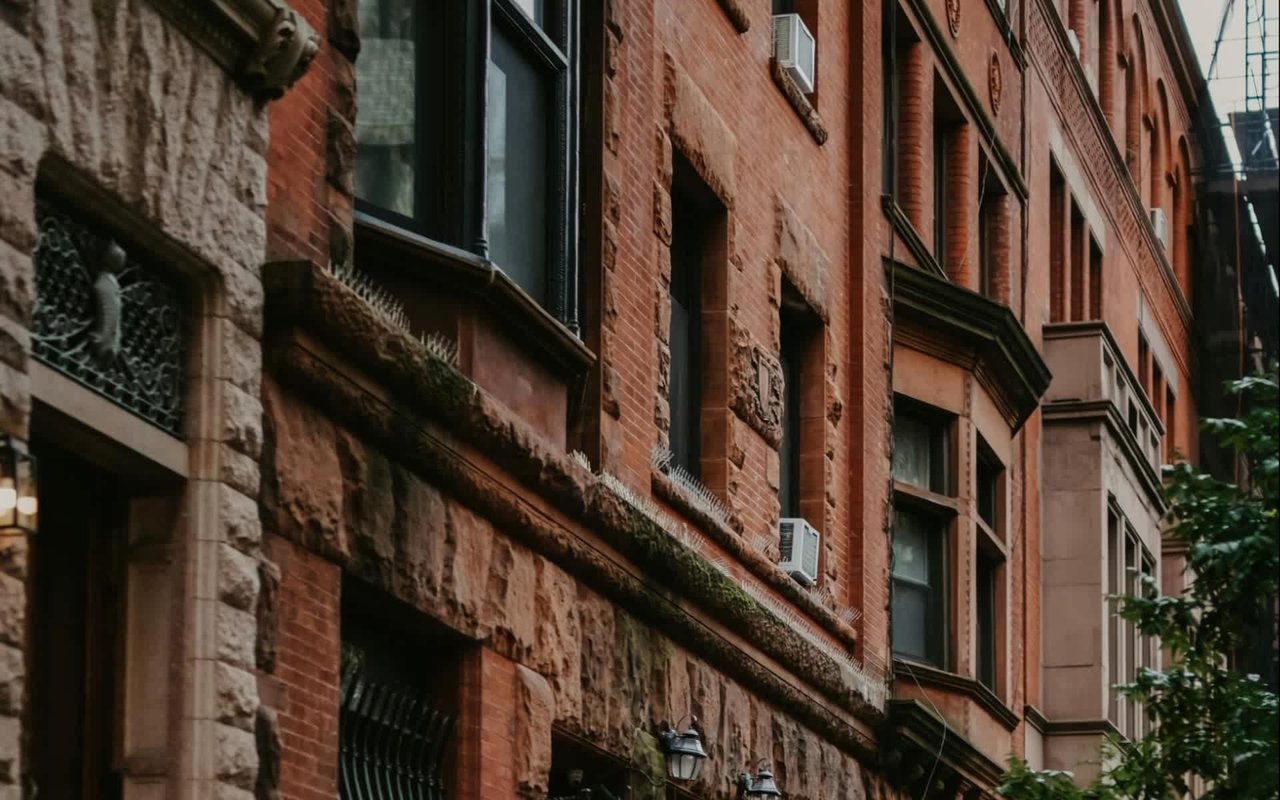
The LPC permit and alterations guidance makes clear that proposed changes are reviewed based on their impact on a building’s architectural and historic character. For townhouses and rowhouses, that can include façades, stoops, windows, doors, cornices, and overall proportions.
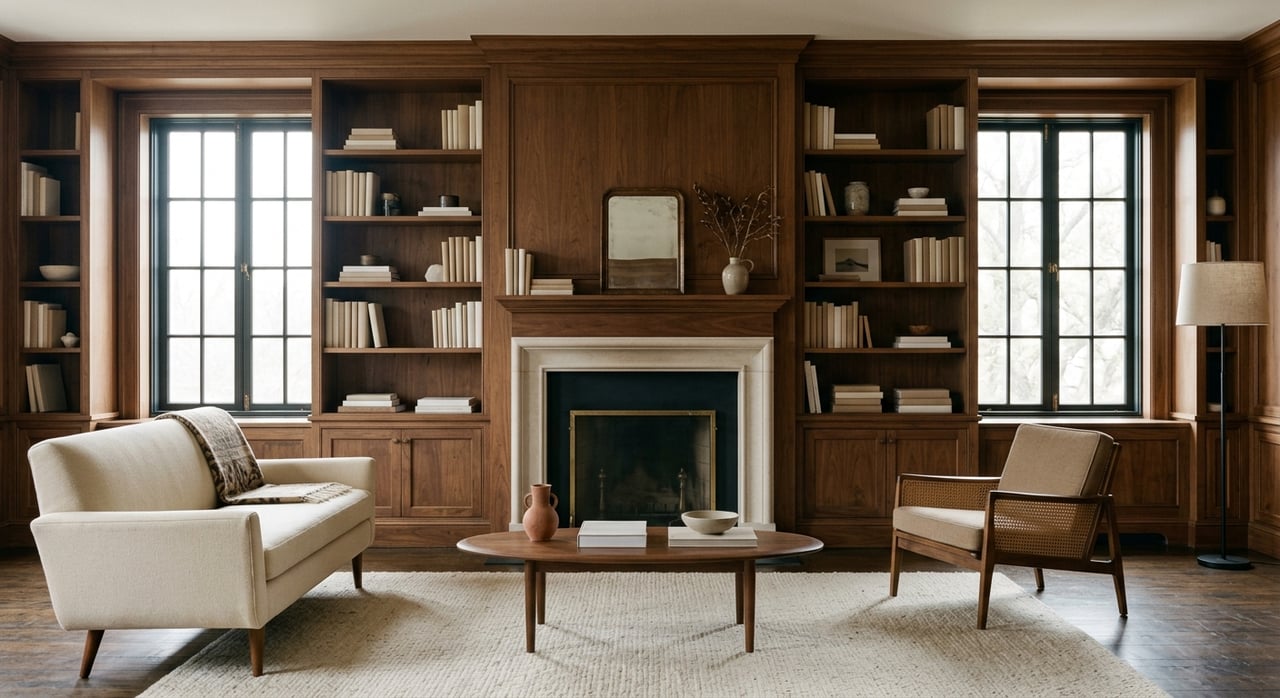
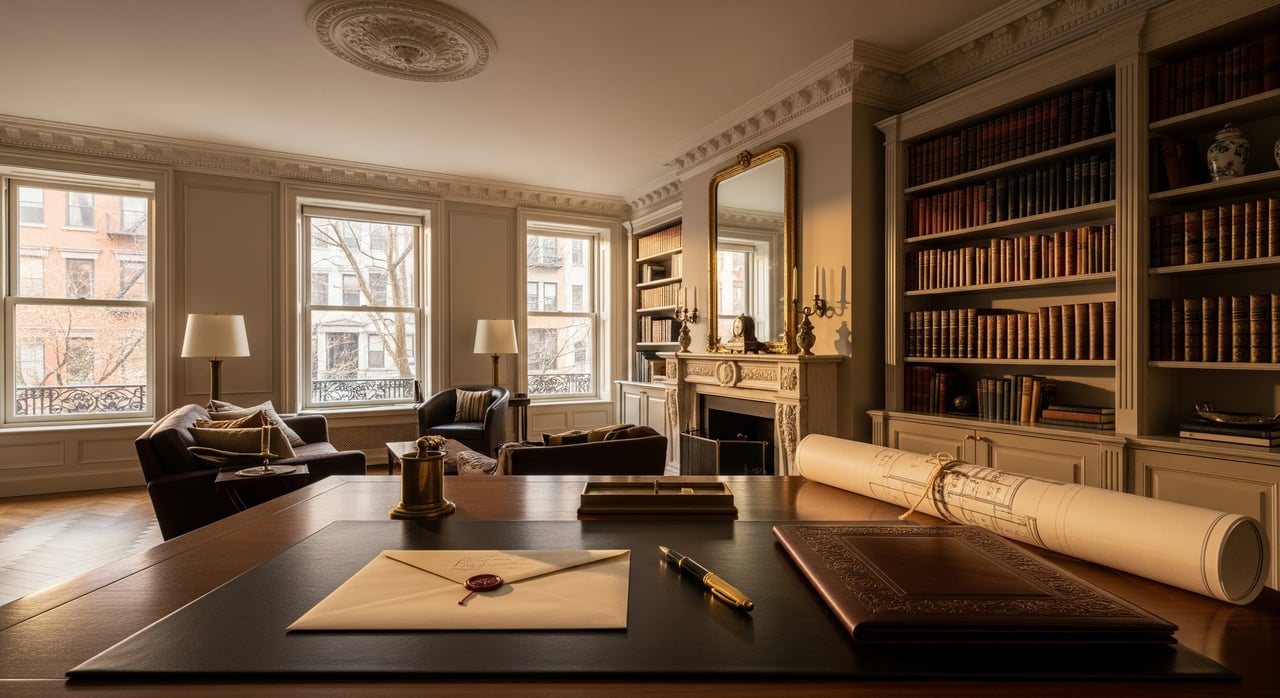
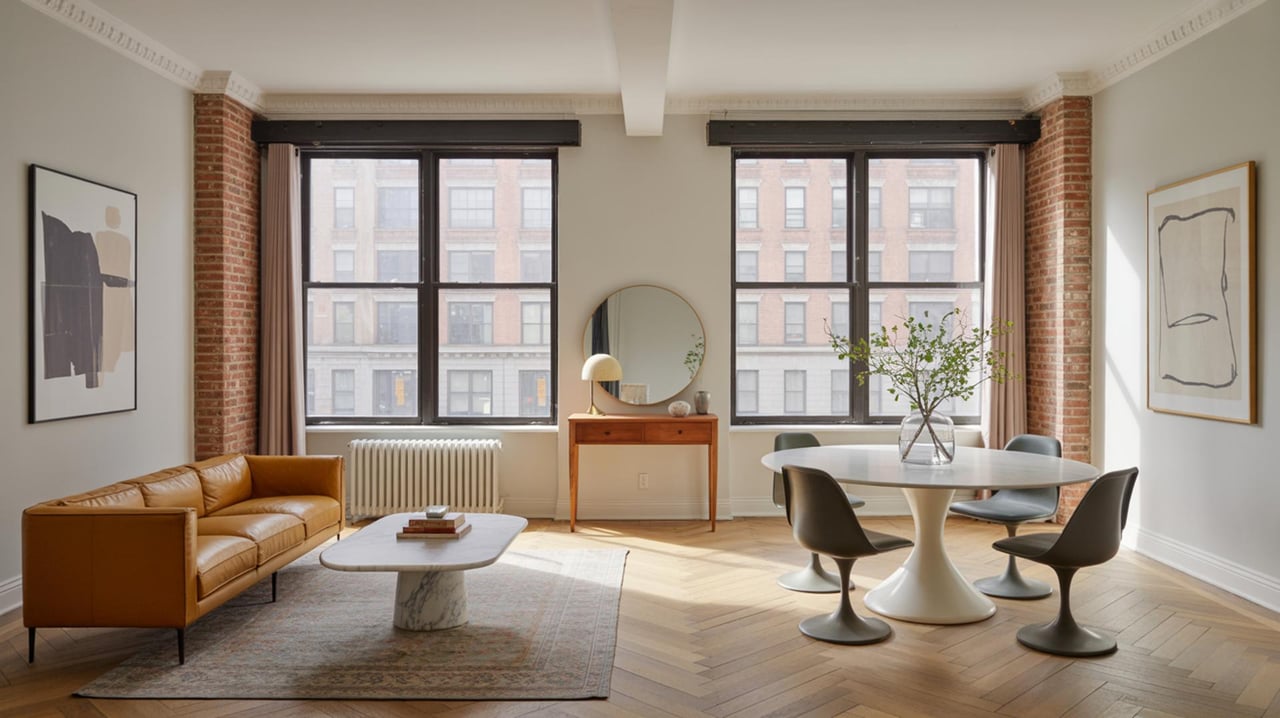
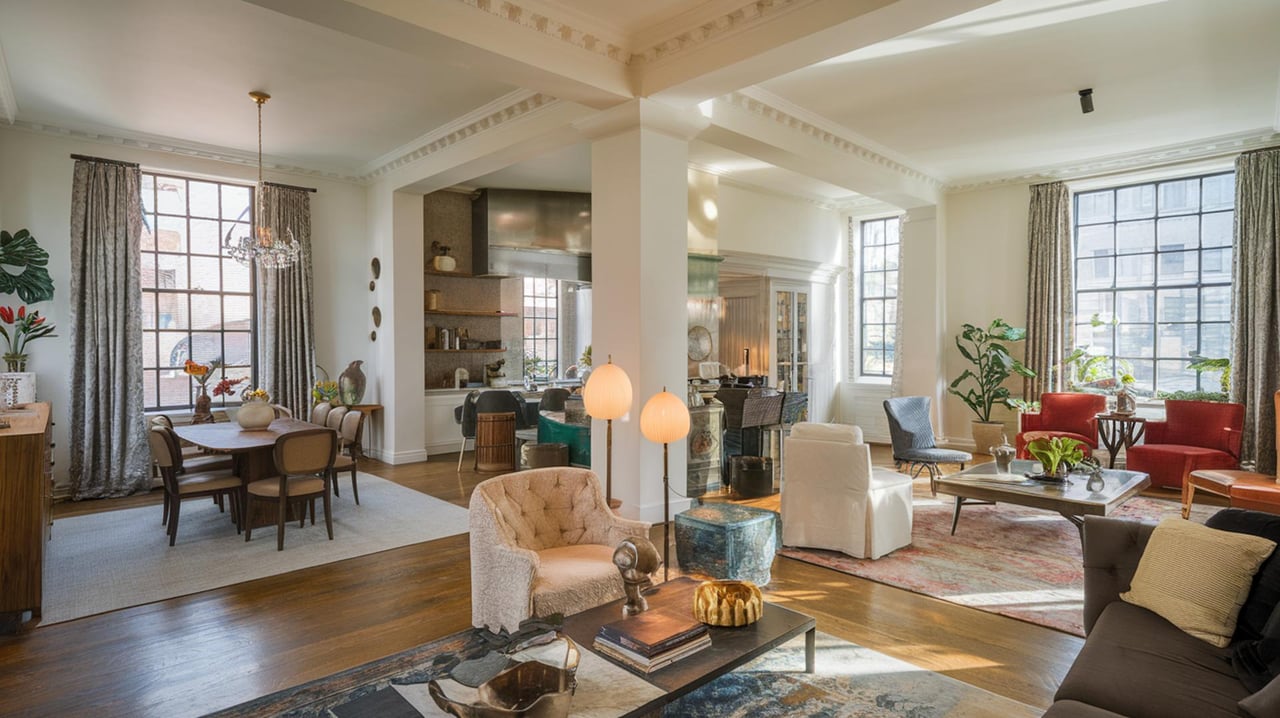
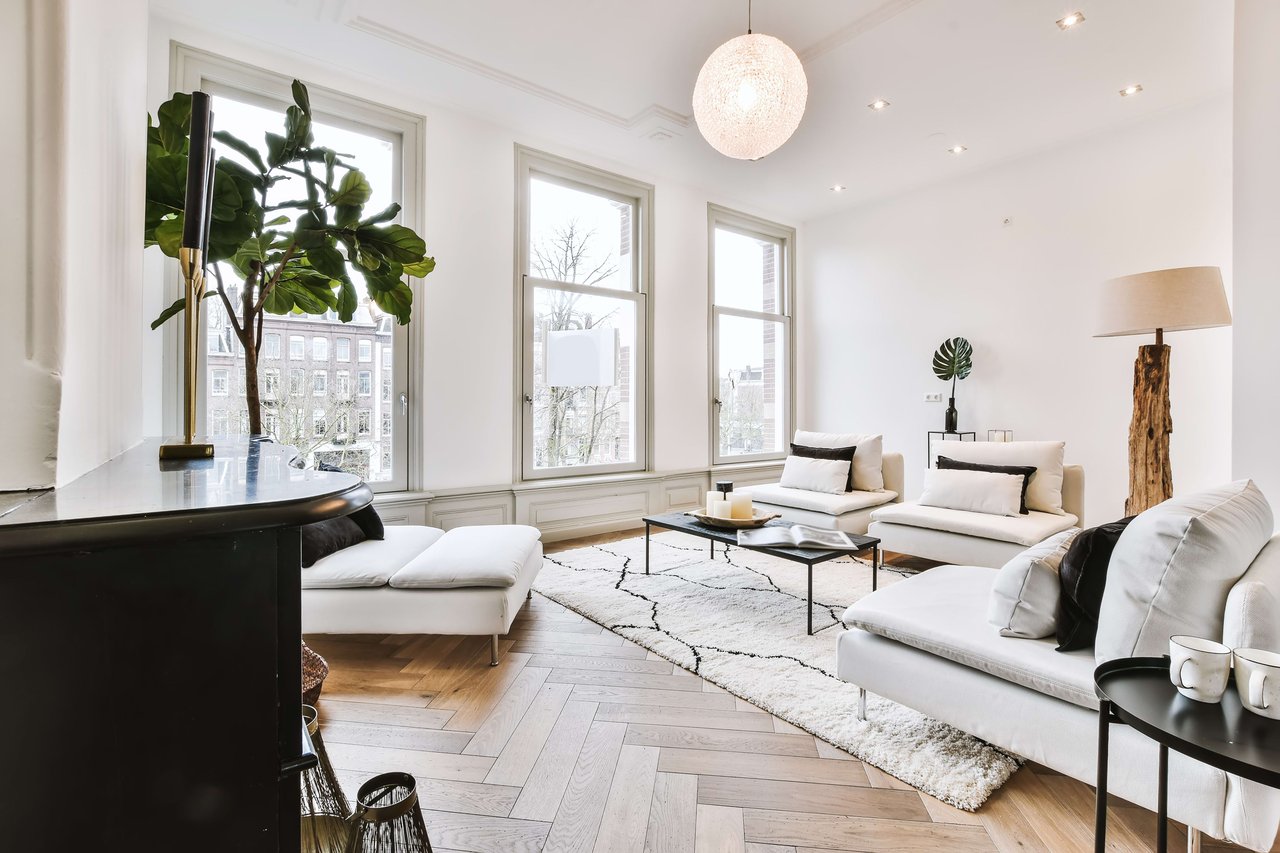
Inside the home, the same principle often applies even when formal landmark review is focused elsewhere. If original flooring, trim, proportions, or other character-defining elements can be retained or thoughtfully restored, they often help the finished result feel more authentic and more aligned with what buyers expect in the neighborhood.
Don’t over-renovate
This is where many sellers lose the plot. It is easy to assume that more expensive means more valuable, but the research does not really support that approach.
NAR notes that its remodeling cost-recovery estimates are based on standard or typical-quality materials, not top-of-the-line luxury finishes. The same report also found that 46% of buyers are less willing to compromise on home condition. Together, those points suggest that buyers want homes that feel finished, functional, and move-in ready, but not necessarily overdesigned.
In the West Village, over-renovation can also backfire aesthetically. If a home loses its architectural identity in favor of trend-driven finishes or overly customized choices, it may appeal to fewer buyers. A careful renovation with lasting materials and a sense of restraint is often the more durable strategy.
Flooring upgrades still matter
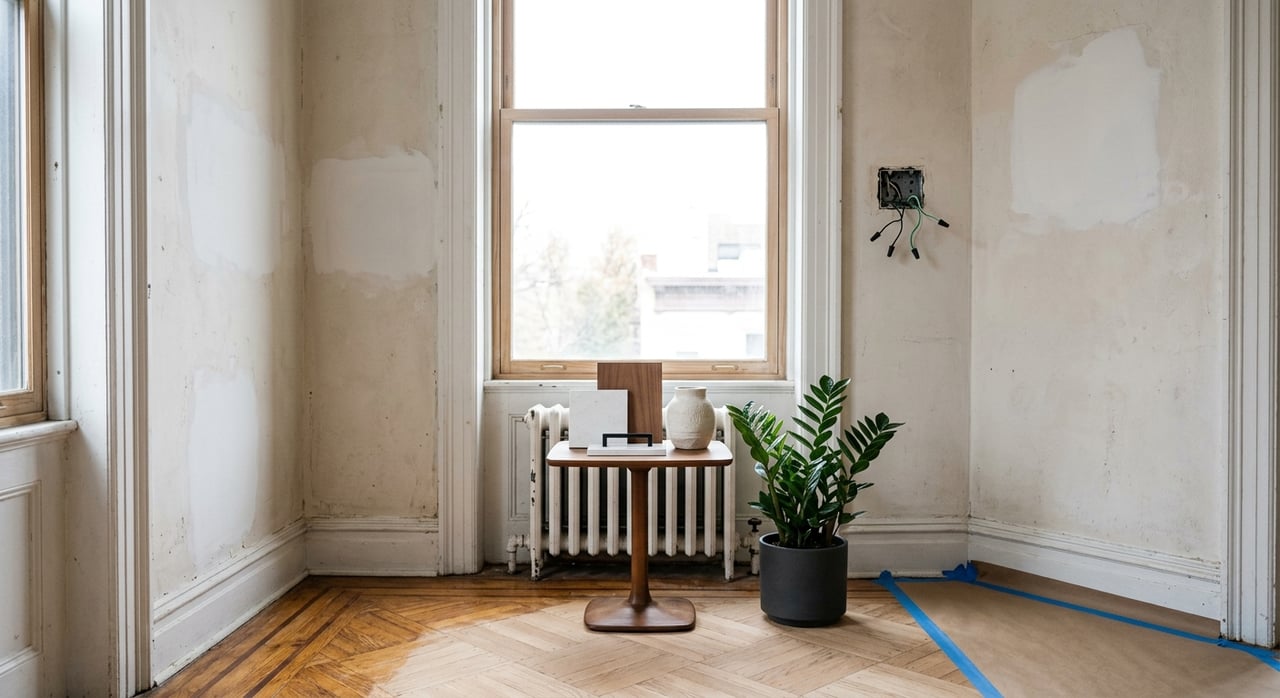
If your floors are tired, do not ignore them. Earlier NAR data from 2022 showed especially strong returns for hardwood flooring work, with refinishing estimated at 147% cost recovery and new wood flooring at 118%.
That is relevant in a neighborhood where original wood floors or appropriately updated wood flooring can reinforce warmth and continuity. In many West Village homes, refinishing what is already there may be the smartest move, especially when it supports the home’s historic feel.
Permits and approvals can shape the budget
A good renovation plan starts with approvals, not mood boards. In New York City, the Department of Buildings says most kitchen and bathroom renovations require approval, and many need an ALT2 filing by a licensed professional engineer or registered architect.
DOB also notes that some minor work, such as painting, plastering, installing new cabinets, plumbing fixture replacement, and resurfacing floors, may not require a permit. At the same time, the LPC says most exterior changes in historic districts require review, and certain interior work may also need LPC approval when it requires a DOB permit, affects the exterior, or involves an interior landmark.
A smart renovation sequence
- Confirm whether DOB approval is required
- Confirm whether LPC review applies
- Build the design around those constraints
- Prioritize upgrades with clear functional payoff
- Keep finishes timeless and appropriate to the home
This order matters. In the West Village, permit path and historic context are not side issues. They are part of the renovation strategy.
The upgrades most likely to pay off
If you want the short version, the most defensible resale upgrades in the West Village usually share three traits: they improve everyday living, respect the architecture, and avoid unnecessary excess.
Best bets for West Village resale
- Kitchen upgrades with better layout and durable finishes
- Bathroom renovations or a well-planned added bath
- Closet and storage improvements
- Floor-plan changes that improve circulation and usability
- Hardwood floor refinishing or appropriate wood flooring updates
- Preservation of original details wherever feasible
That mix tends to align with both the local realities of historic housing stock and the broader remodeling data.
A practical way to think about ROI
Return on investment in the West Village is rarely just a spreadsheet exercise. Yes, cost recovery matters. But so do marketability, buyer confidence, and whether the finished home feels coherent.
A renovation pays off best when it helps buyers say yes faster. That usually comes from a home that feels easy to live in, visually grounded, and true to its setting. In this neighborhood, good taste and good judgment often matter as much as raw spend.
If you are planning updates before a sale, evaluating a value-add purchase, or trying to decide which projects are worth doing, working with someone who understands construction, permitting, and buyer expectations can help you avoid expensive missteps. If you want that kind of practical guidance, Mark O’Brien Real Estate can help you think through renovation priorities, feasibility, and how to position a West Village home for the market.
FAQs
Which kitchen renovation upgrades add the most value in a West Village home?
- Kitchen upgrades that improve layout, storage, durability, and timeless appeal tend to have the strongest resale case, especially when they fit the home’s existing character.
Do bathroom renovations pay off when selling a West Village property?
- Yes. According to NAR’s 2025 data, bathroom renovations recovered about 50% of cost, and adding a new bathroom recovered about 56%, making both relevant options for resale planning.
Should you keep original details in a West Village townhouse renovation?
- In many cases, yes. Original and character-defining features are often part of the home’s appeal, and preserving them can support both authenticity and buyer interest.
Do West Village renovations need LPC or DOB approval?
- Many do. DOB says most kitchen and bathroom renovations require approval, and LPC review may apply for exterior work in historic districts or certain interior work tied to permits or landmarks.
What home upgrades are better than luxury finishes for West Village resale?
- Functional improvements such as storage upgrades, better circulation, updated baths, and refinished wood floors often have a stronger resale argument than highly customized luxury materials.