
Wondering whether a brownstone, loft, or condo is the right fit in the West Village? You are not alone. This neighborhood offers several distinct ways to live, and each one comes with a very different daily experience, ownership structure, and level of upkeep. If you are trying to match your lifestyle to the right property type, this guide will help you compare the tradeoffs with more confidence. Let’s dive in.
Why West Village Housing Feels Different
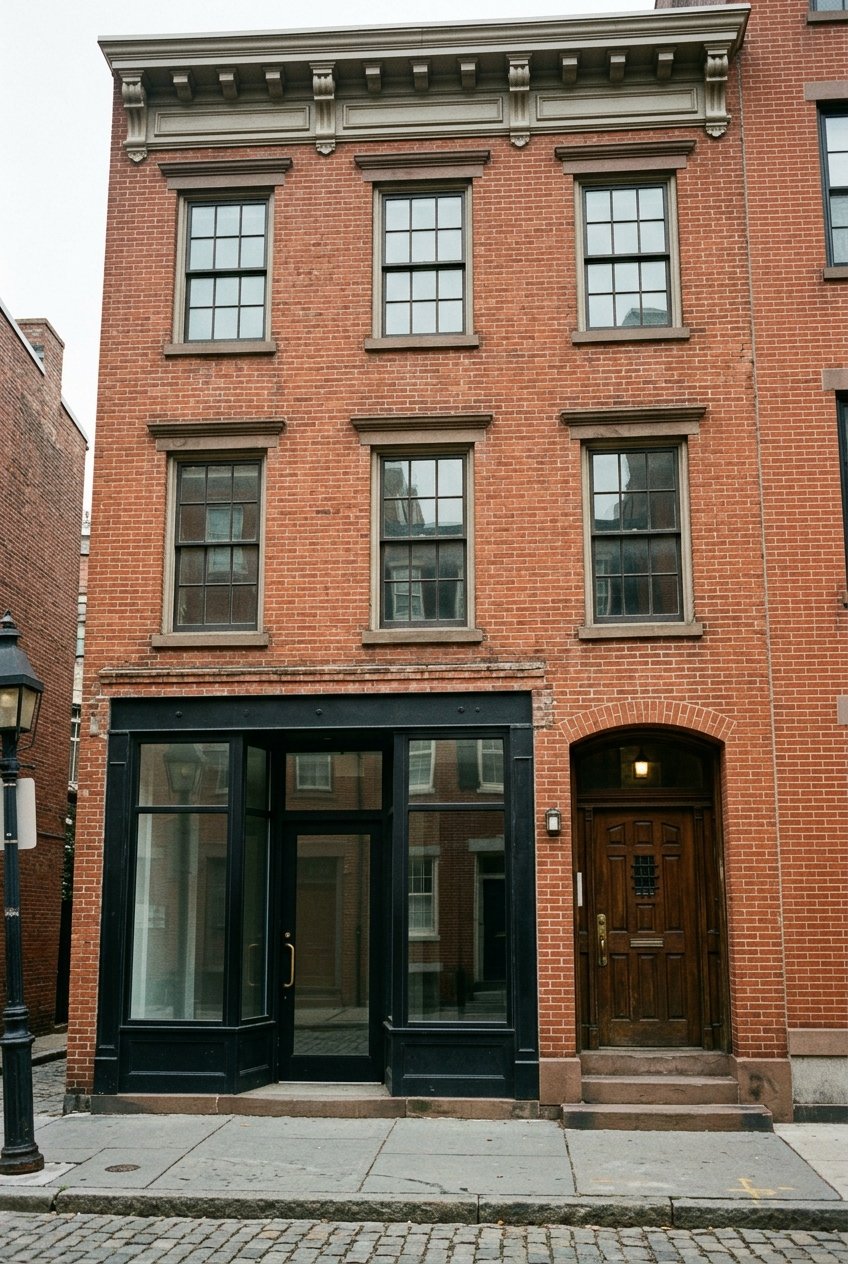
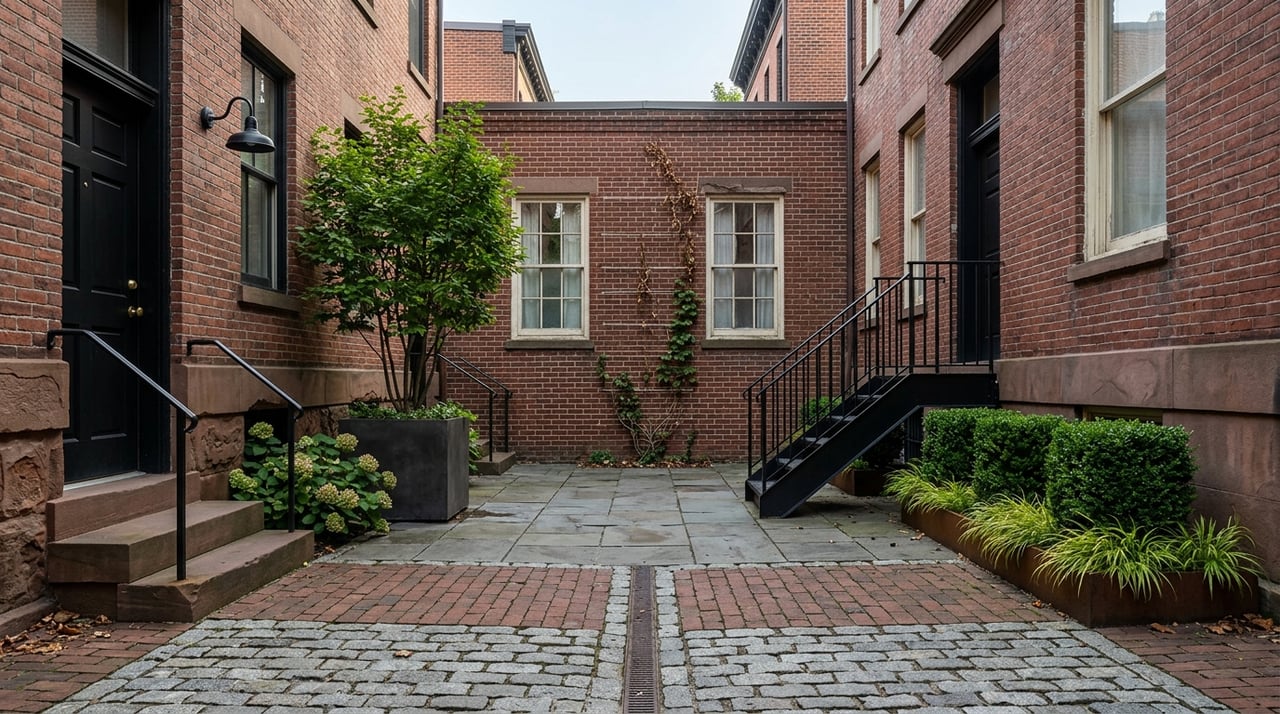
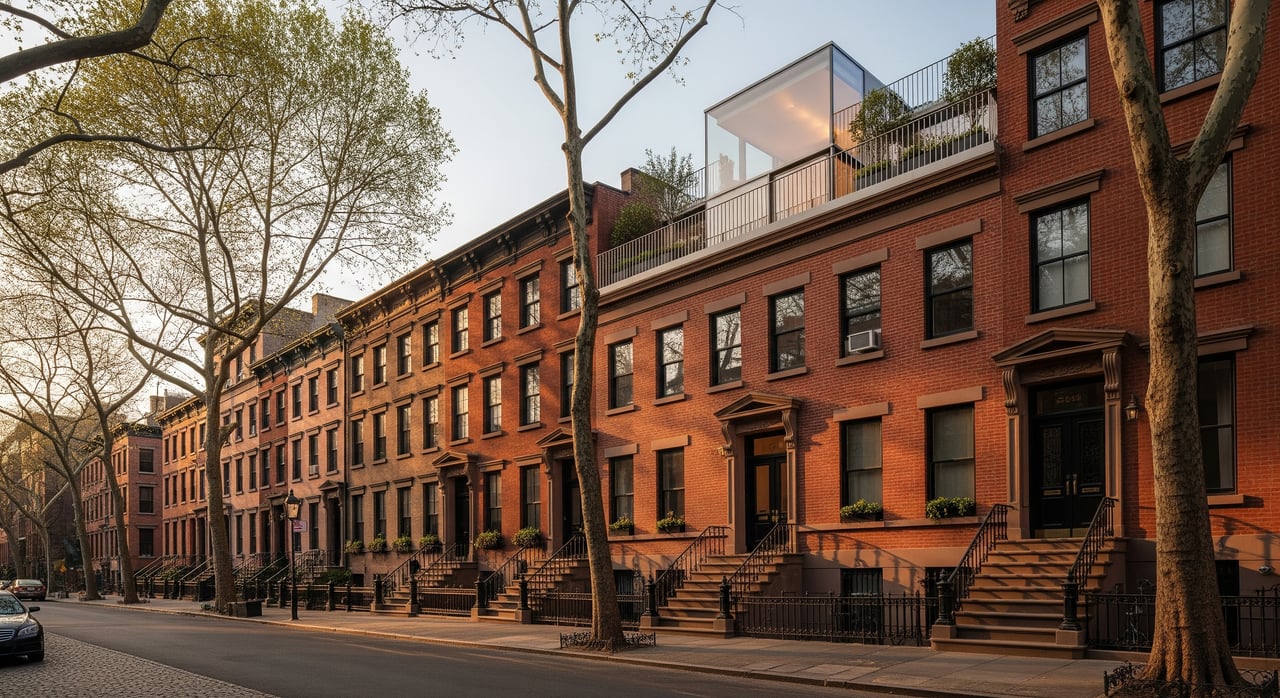
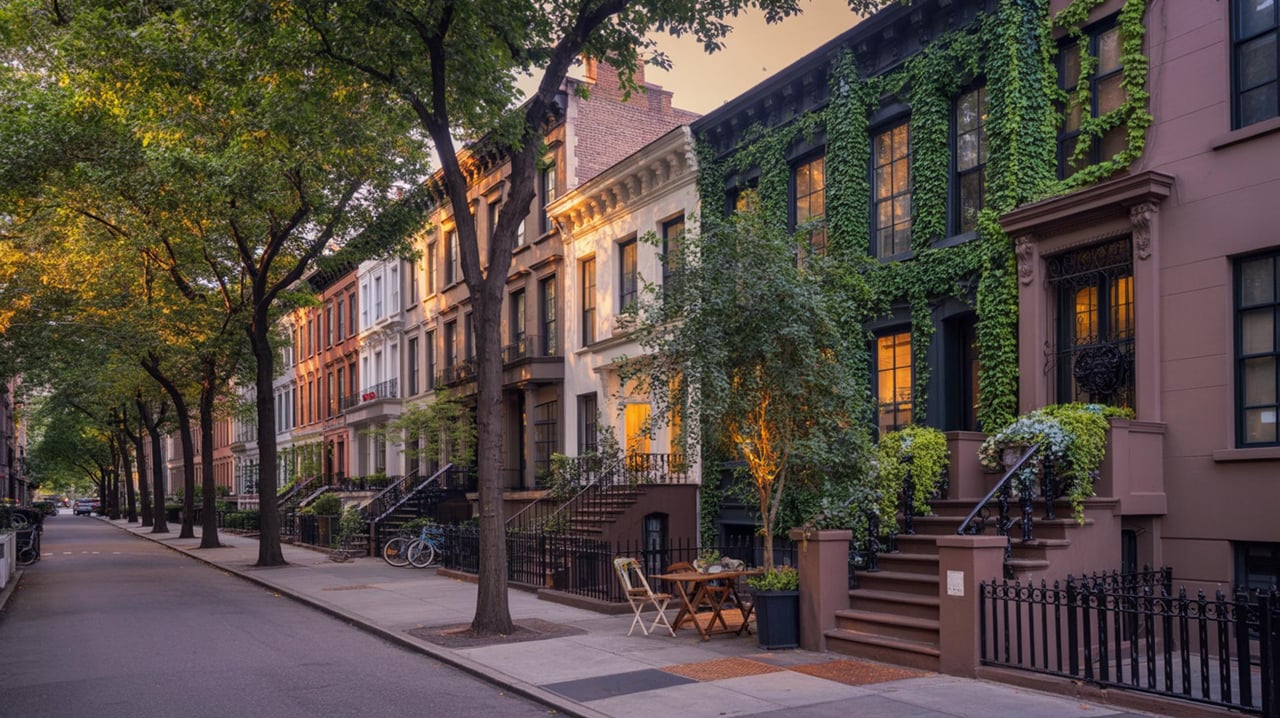
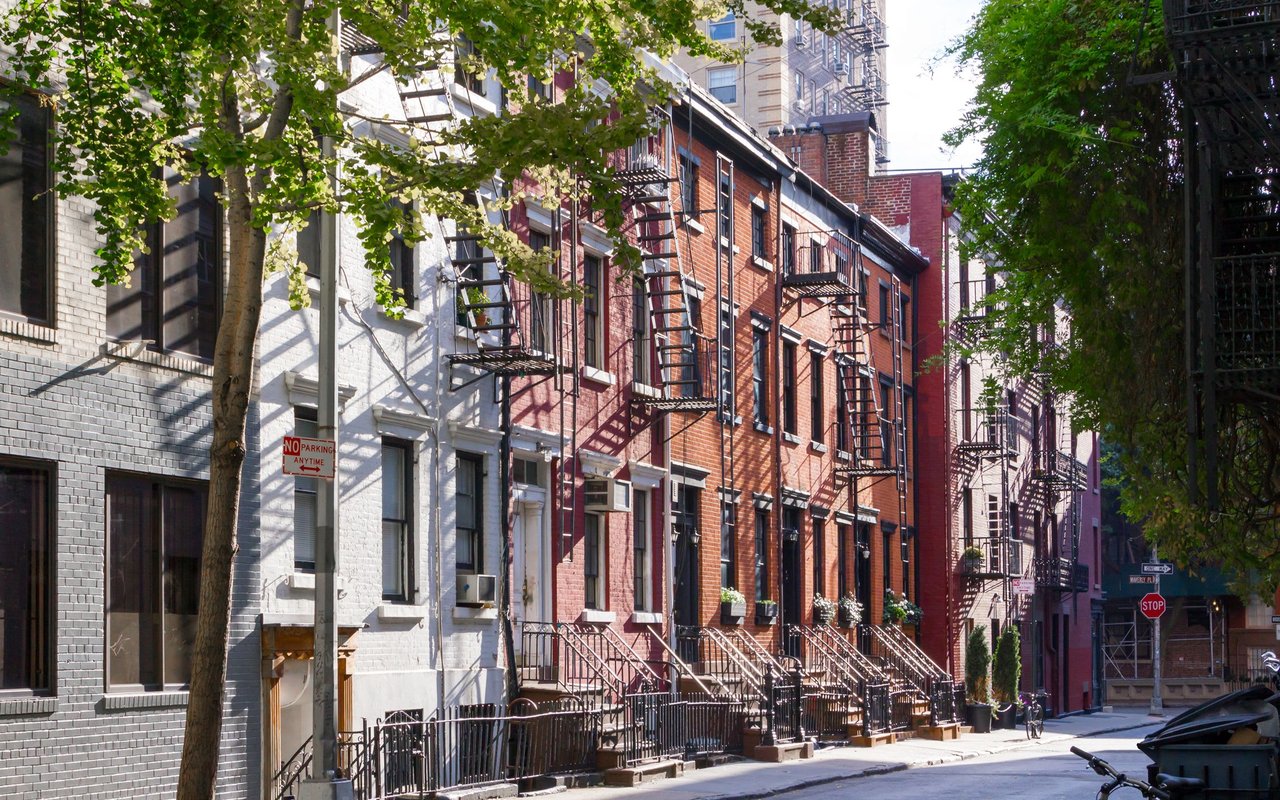
The West Village is shaped by preservation in a way that few Manhattan neighborhoods are. The Greenwich Village Historic District, designated in 1969, includes more than 2,000 buildings across 65 blocks, and it remains the largest historic district in New York City.
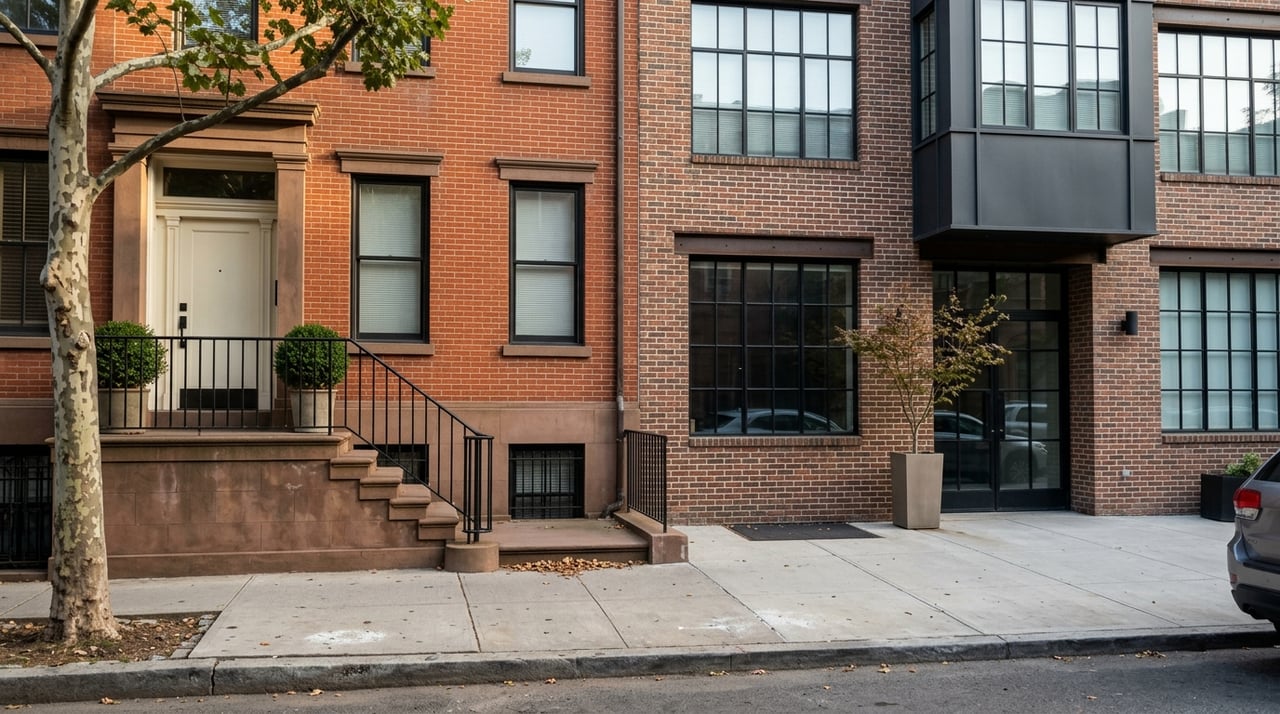
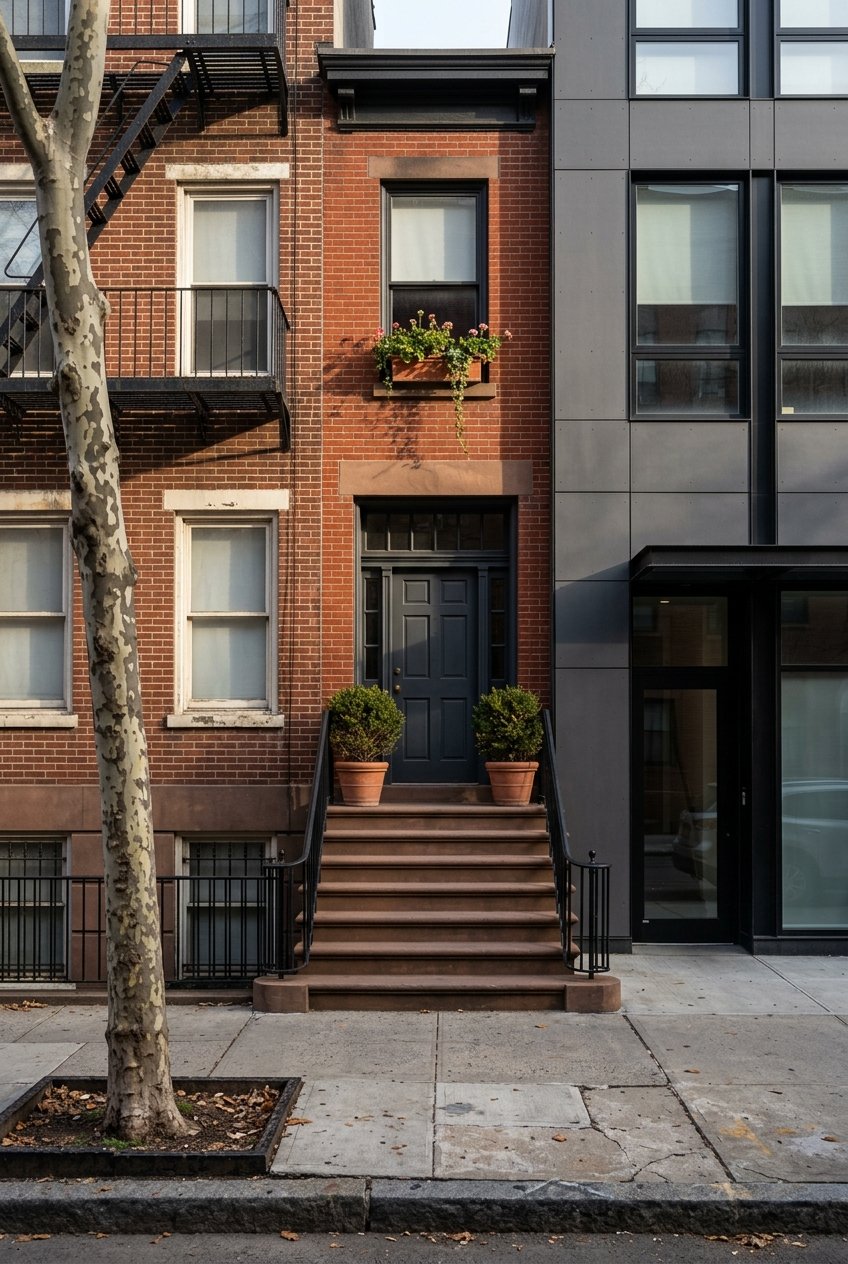
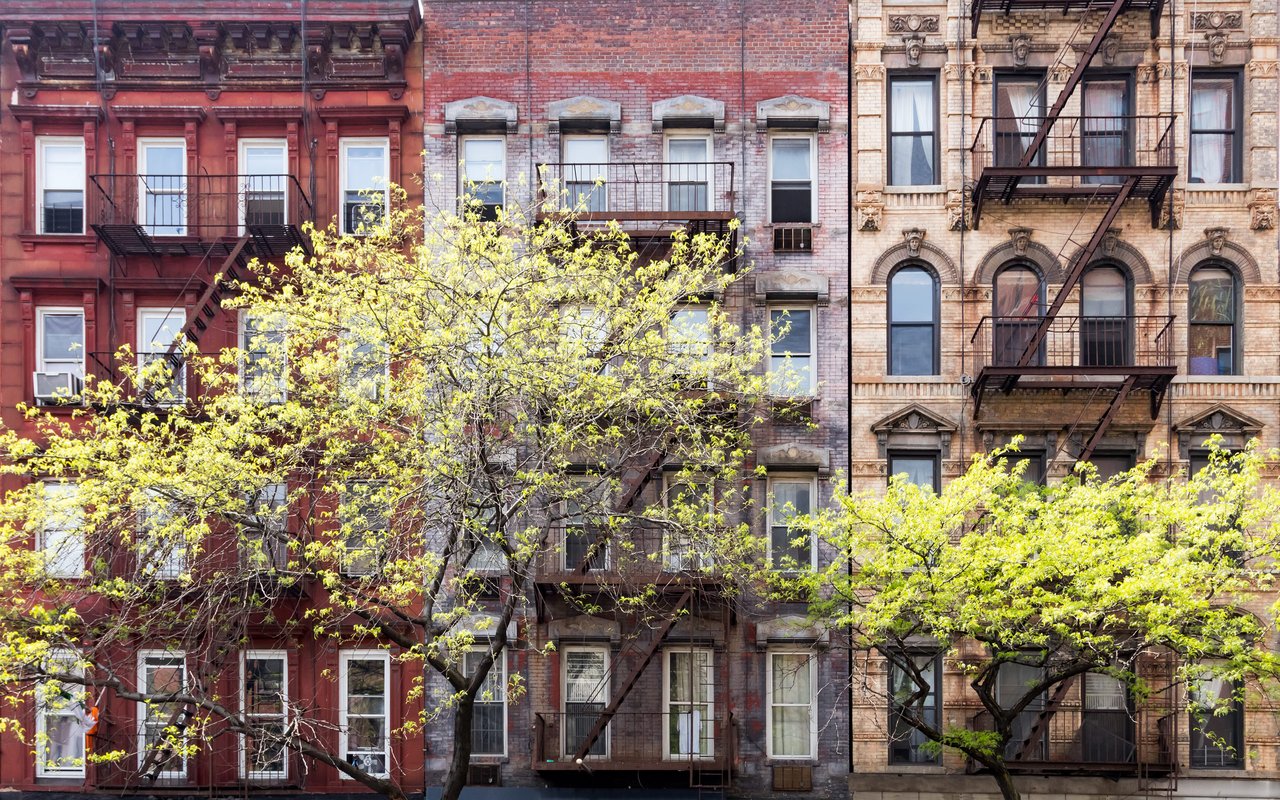
That matters because the neighborhood was not built around one housing format. Its protected low-rise streetscape includes early rowhouses, former industrial and warehouse buildings, and later apartment conversions. In practical terms, West Village living often comes down to choosing between a house-like brownstone, an open-plan loft, or a more managed condo lifestyle.
Brownstone Living in the West Village
What a brownstone usually offers
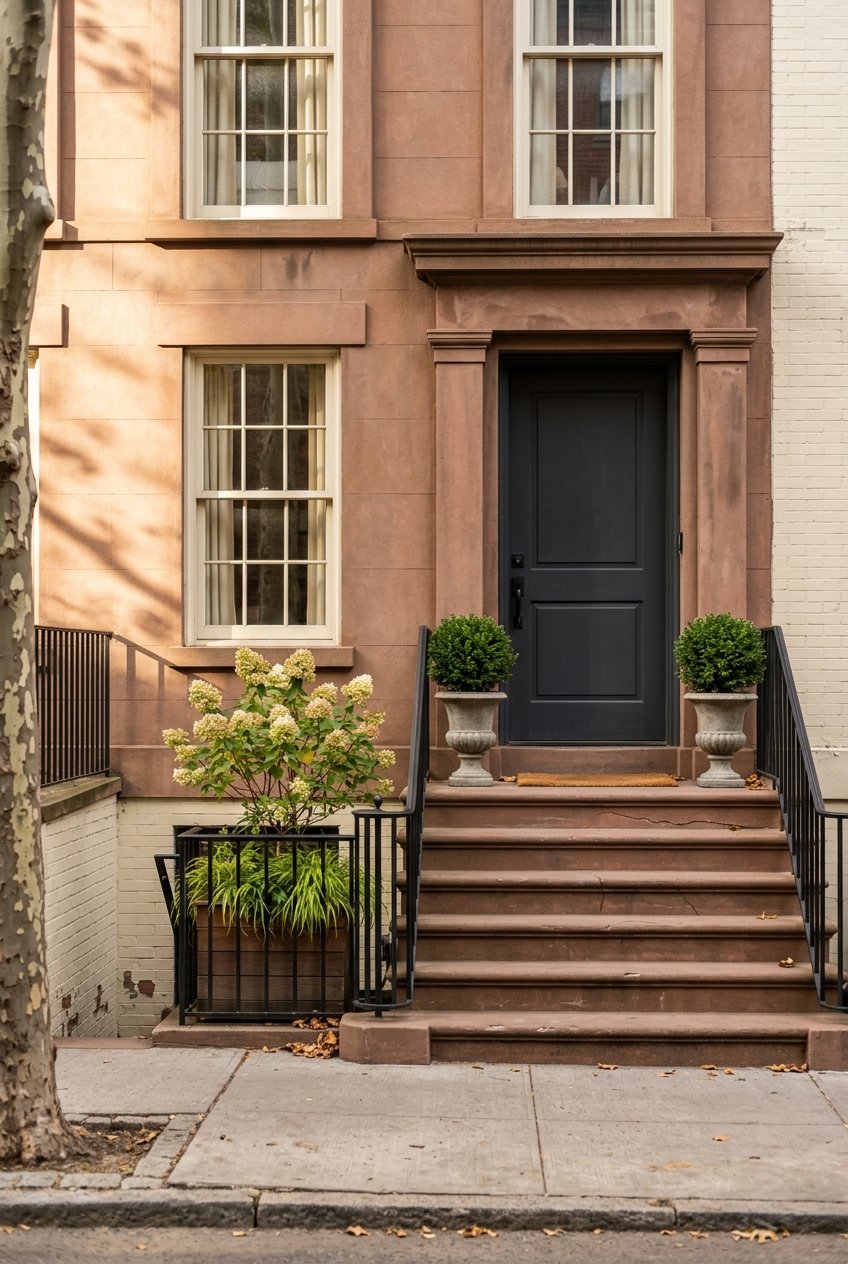
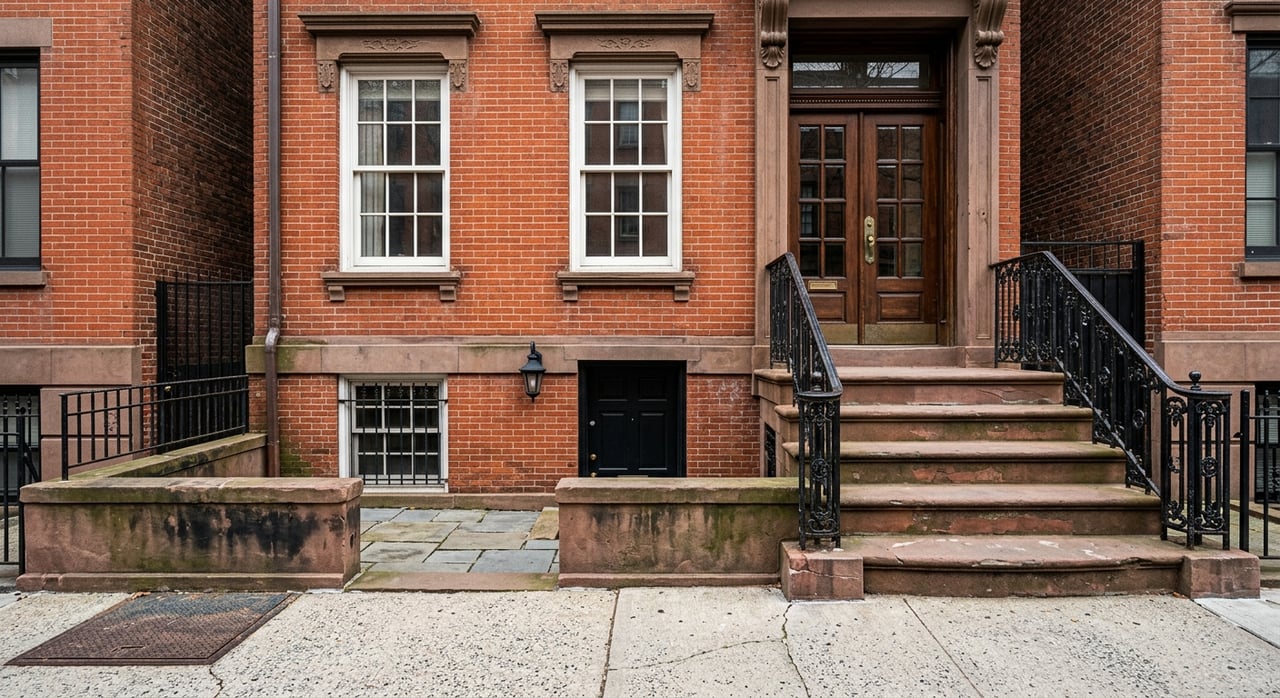
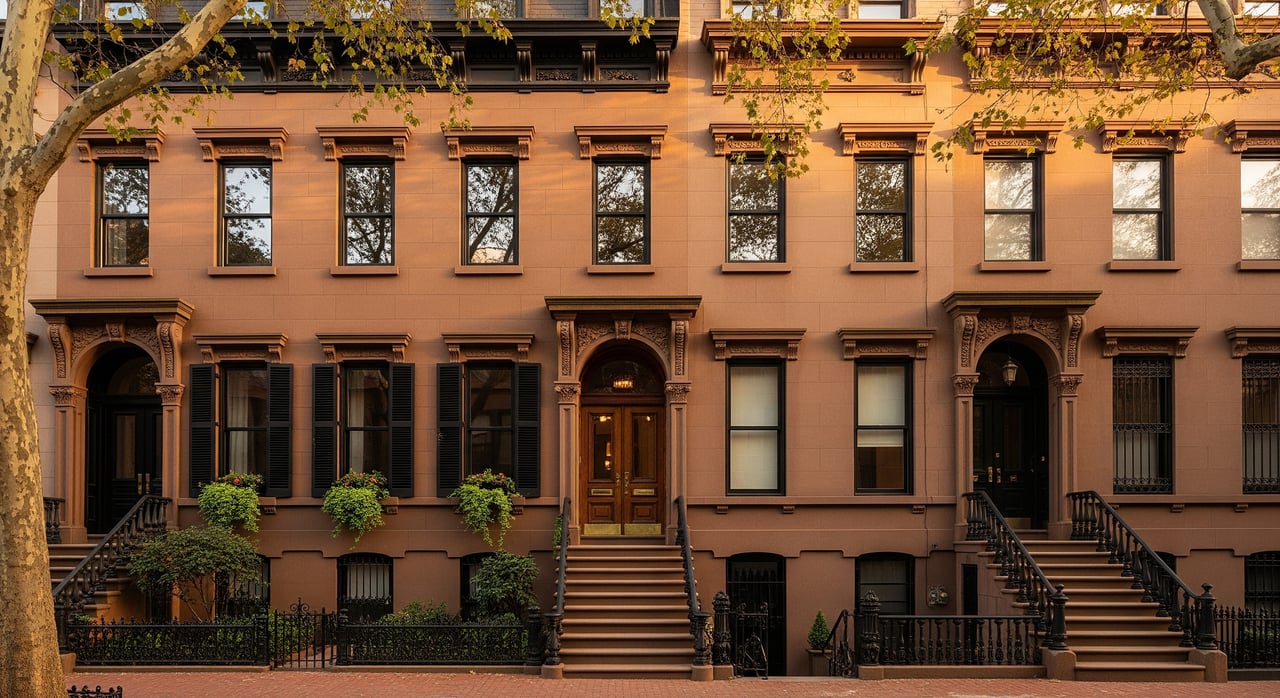
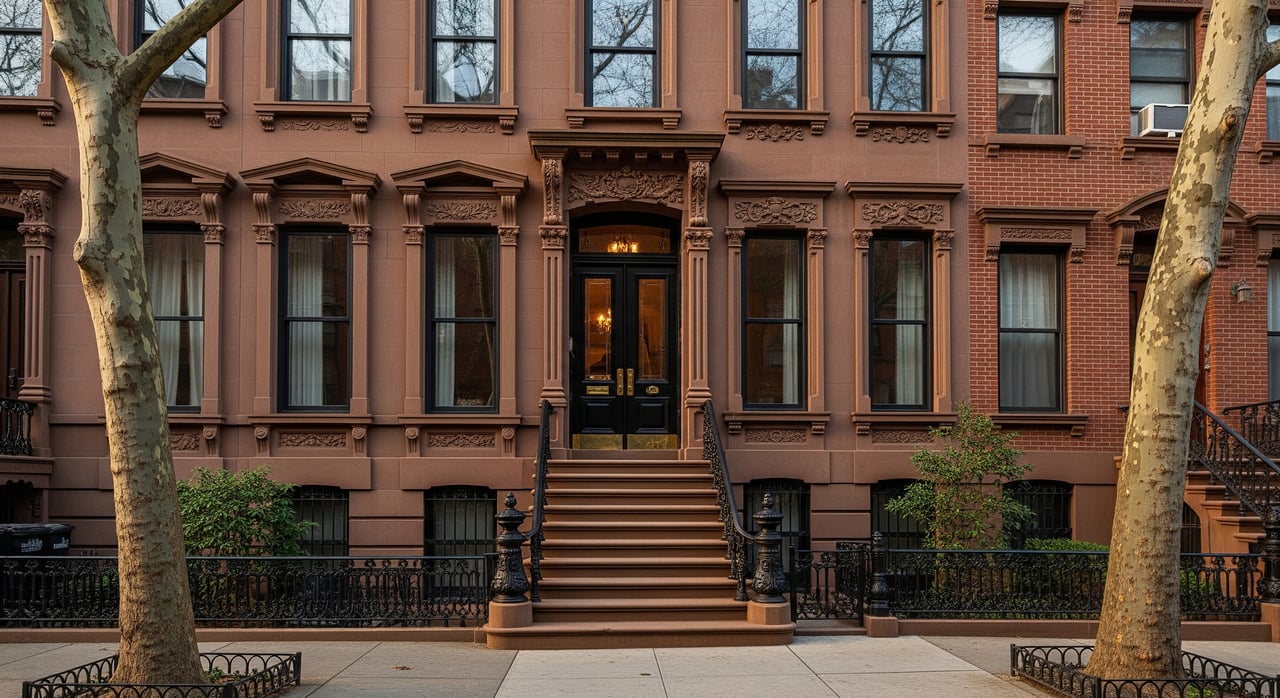
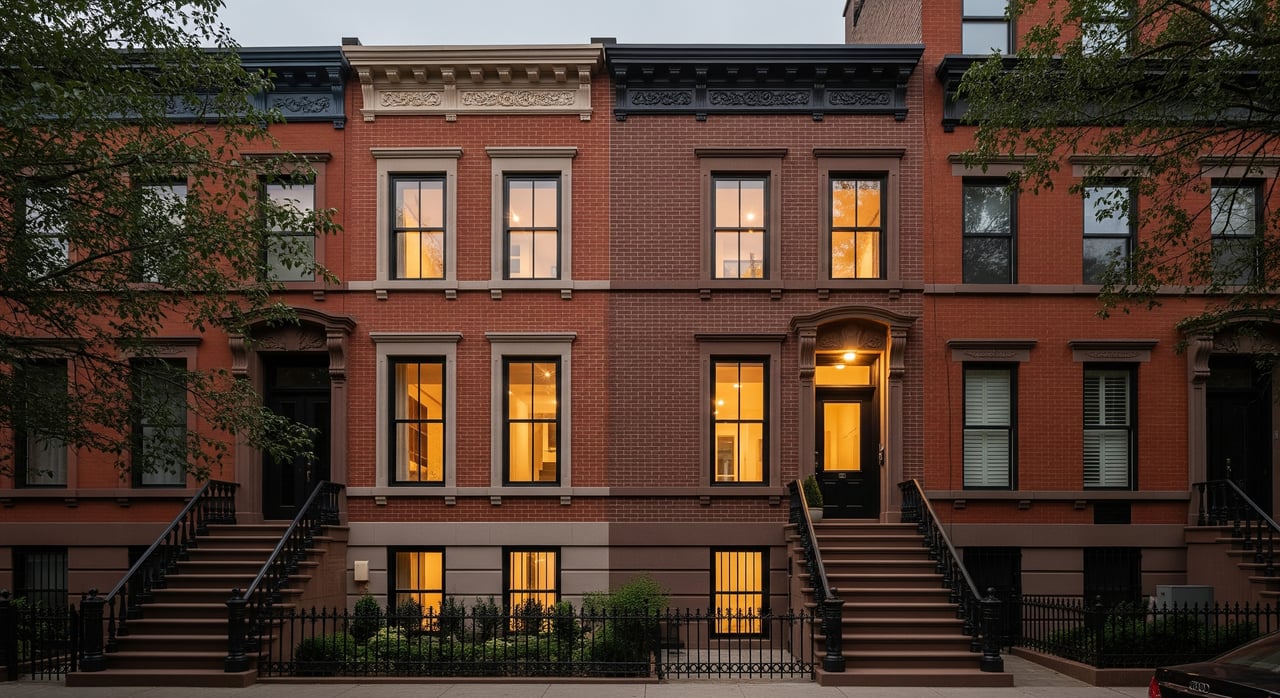
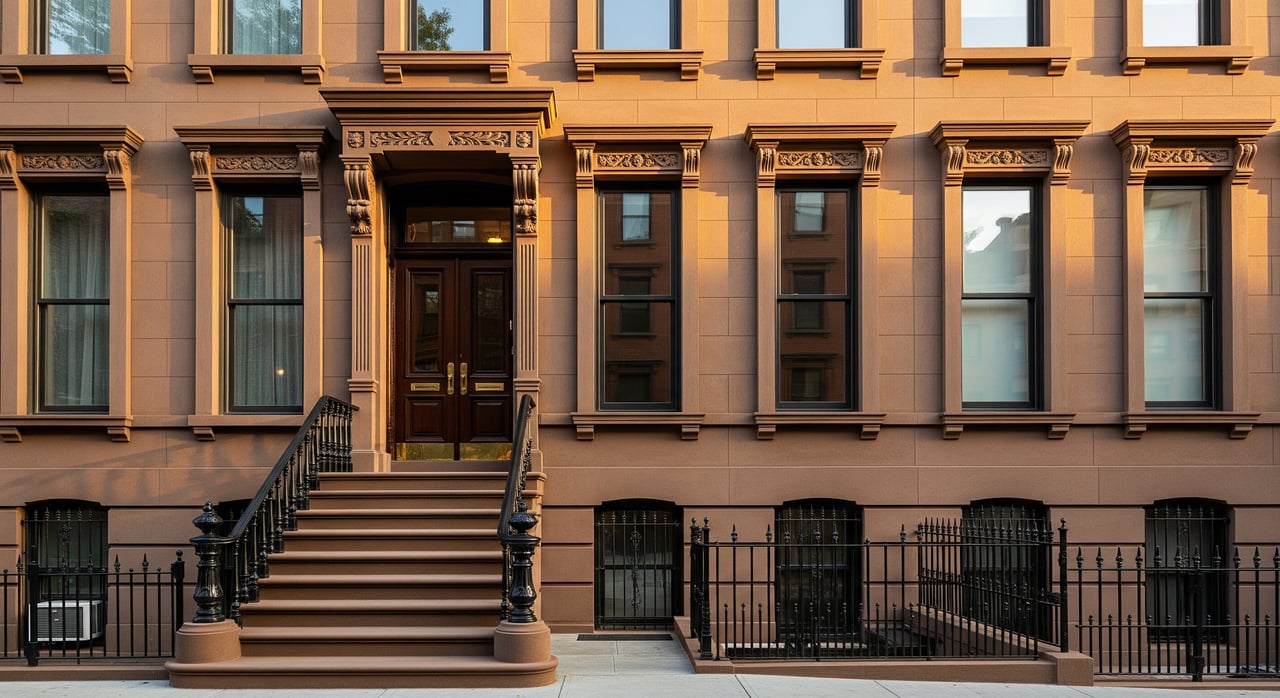
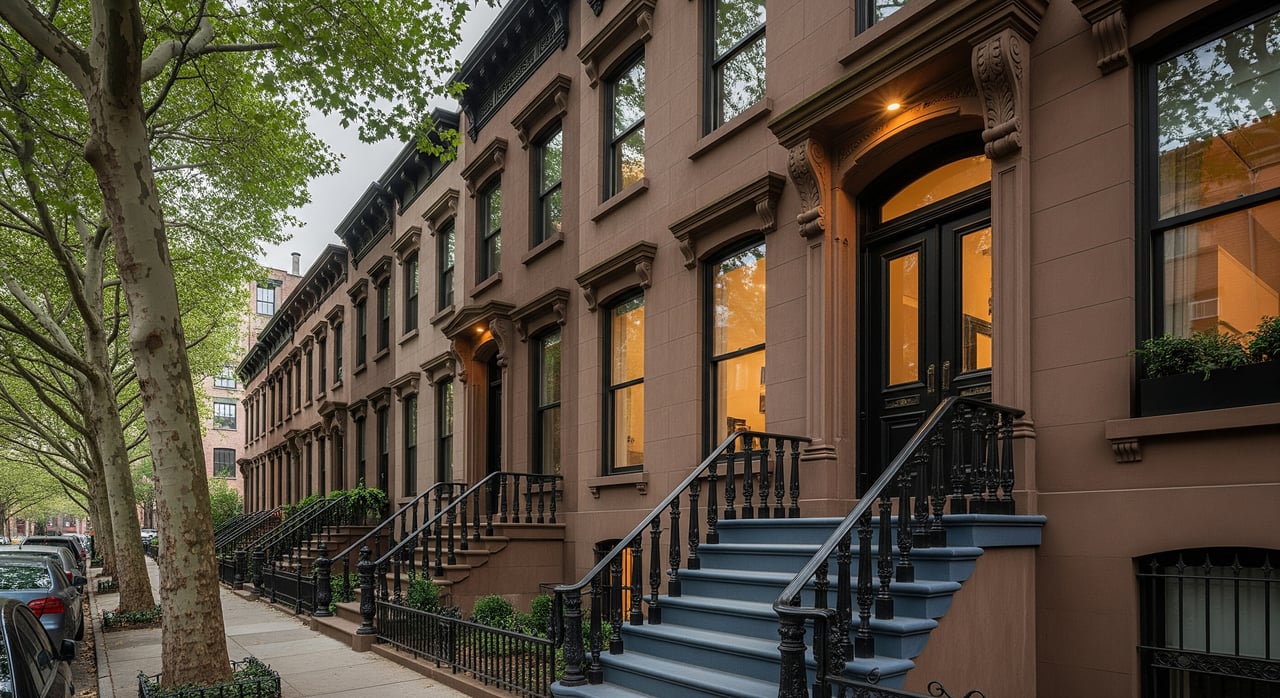
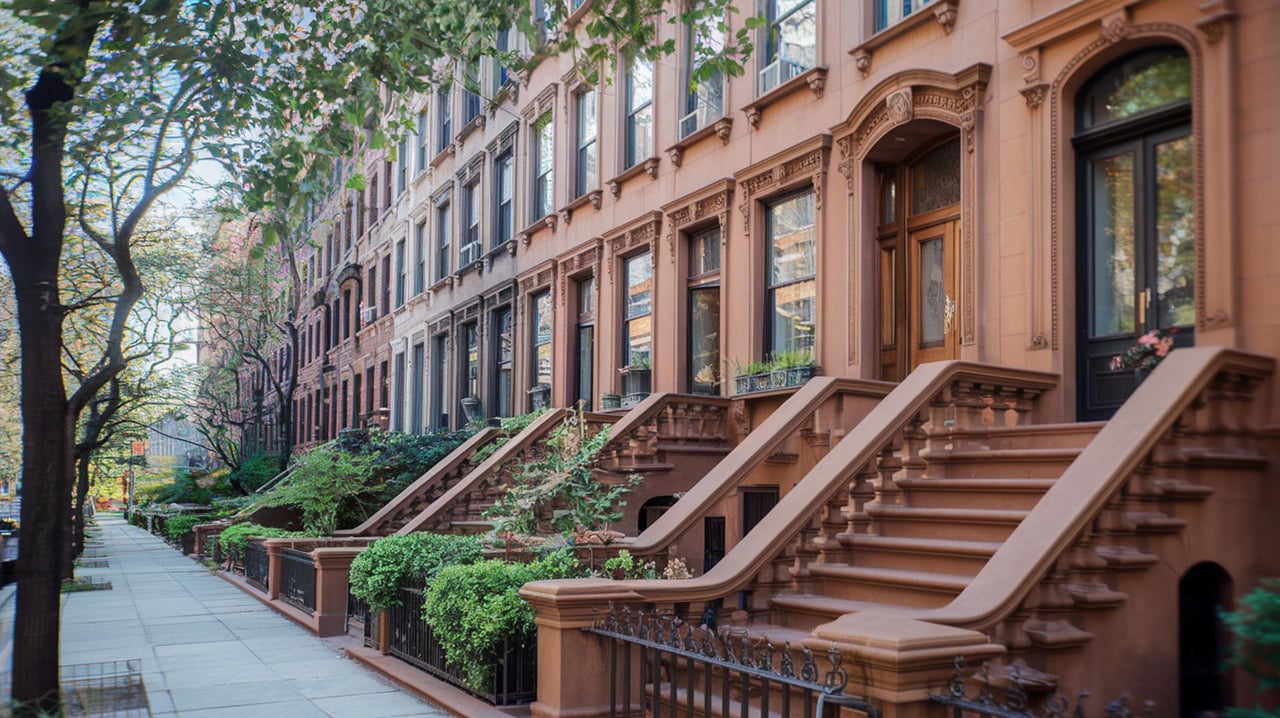
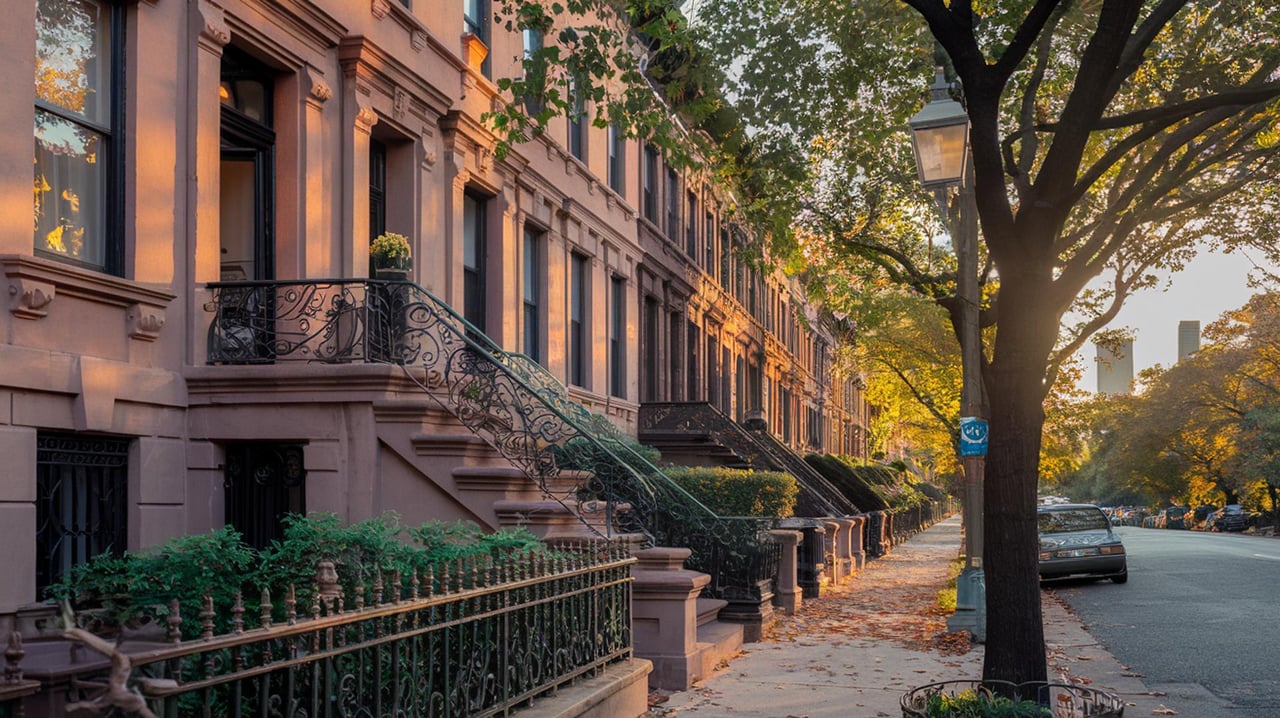
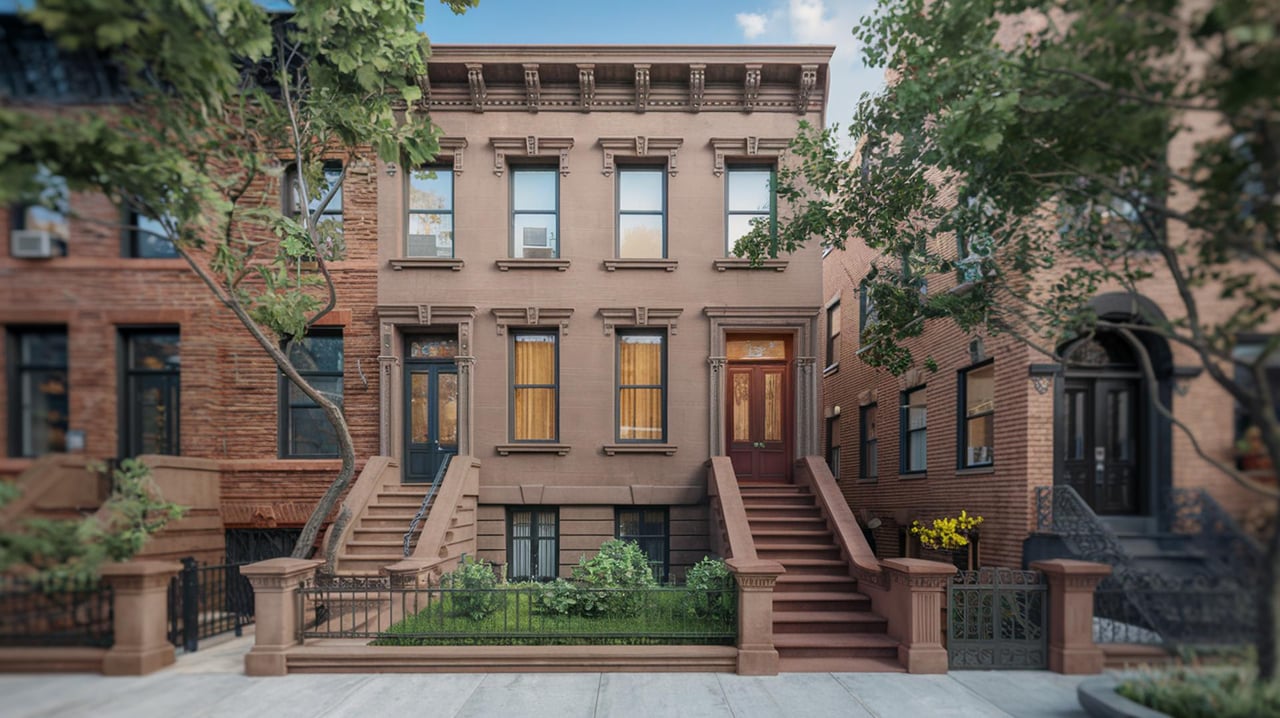
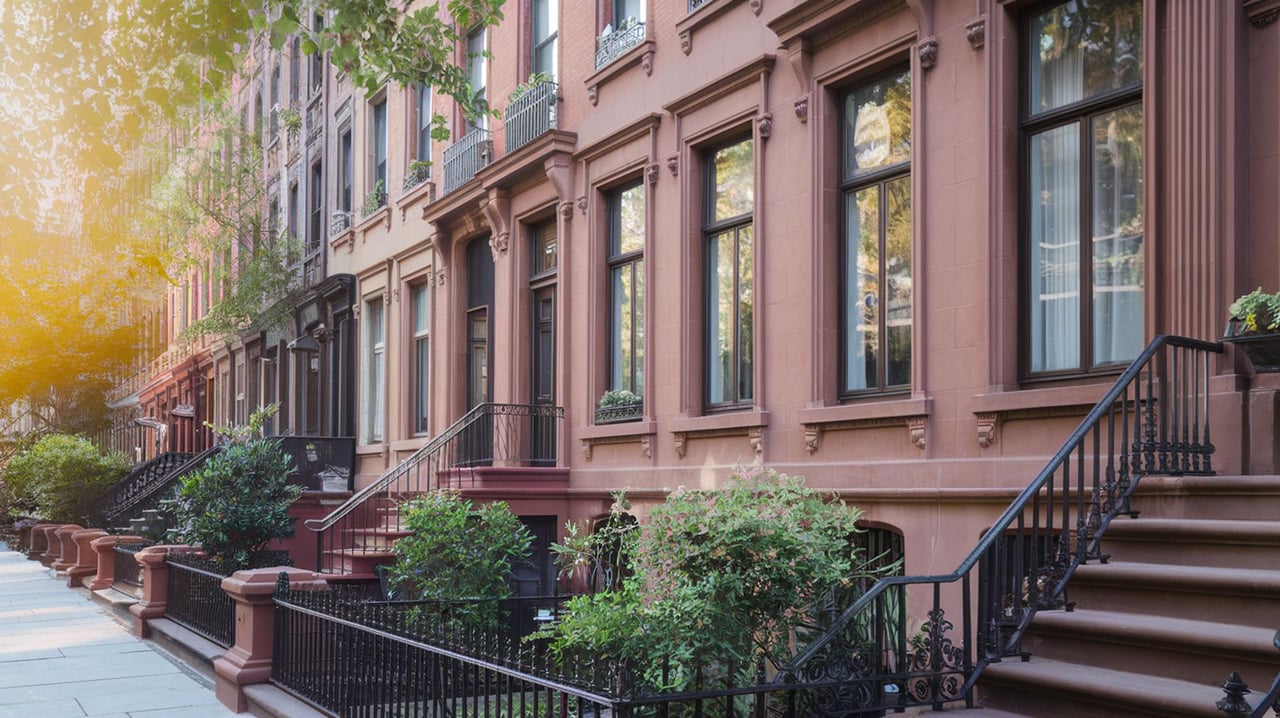
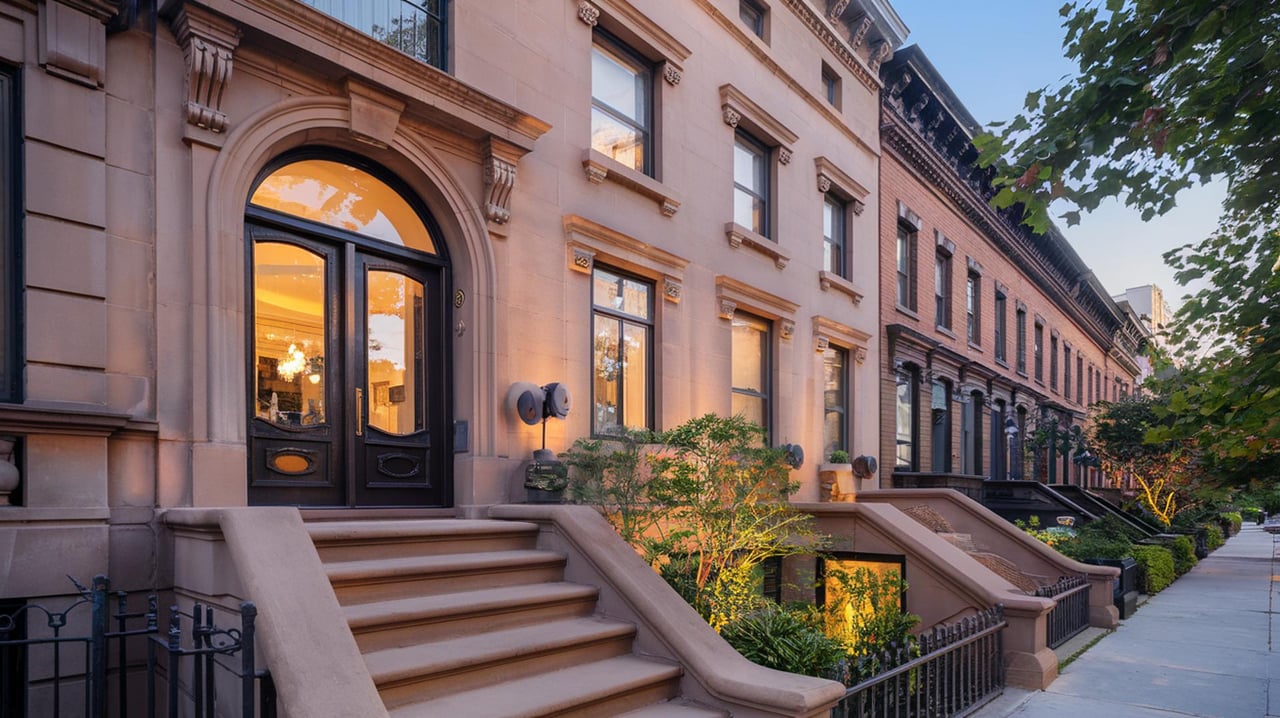
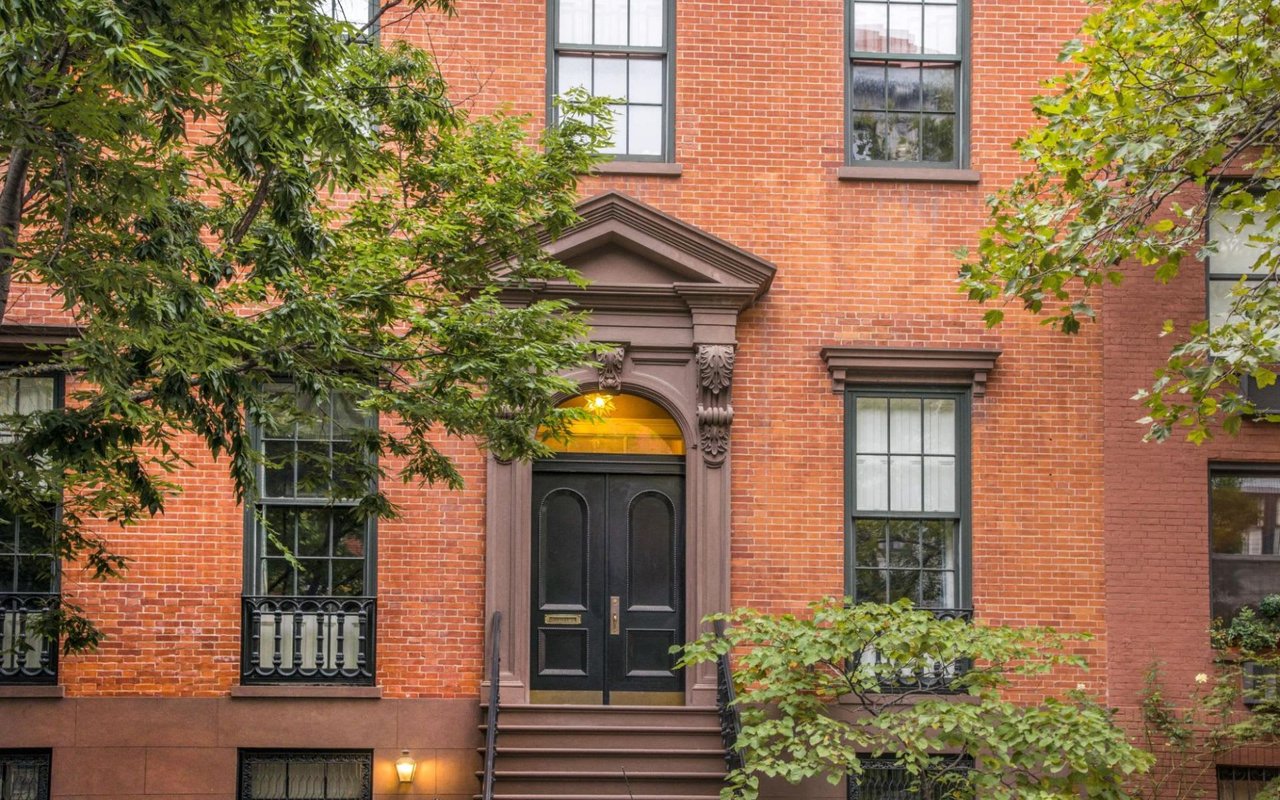
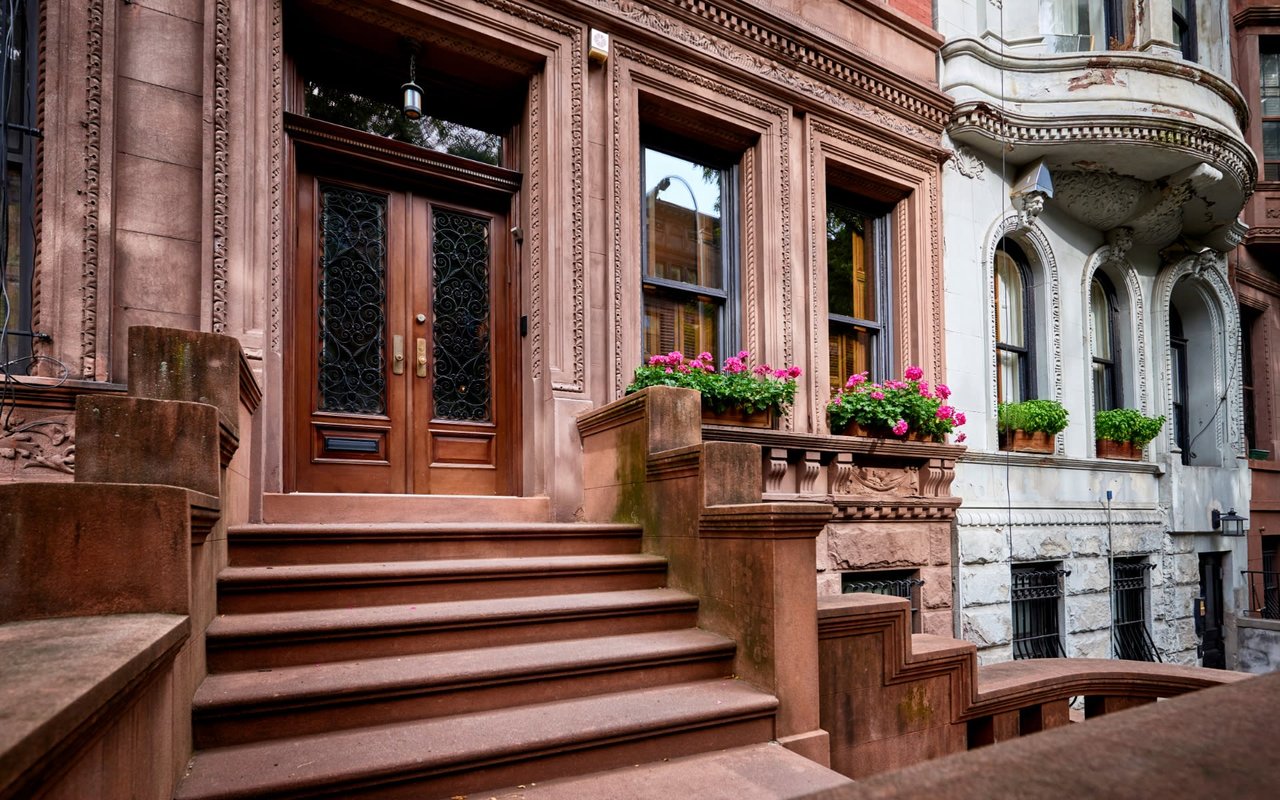
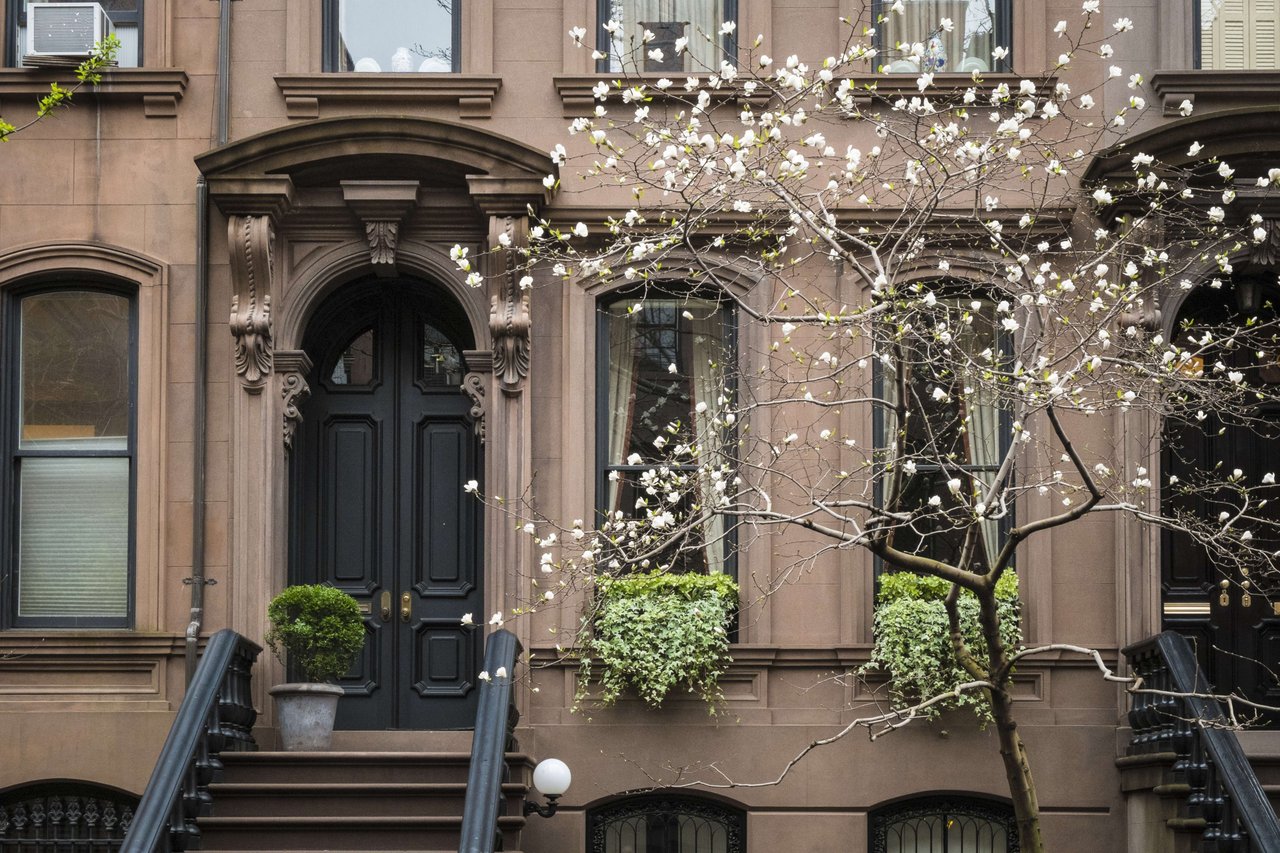
Brownstones are closely tied to the row-house form that became common as cities grew and attached houses shared walls. The classic layout often includes a tall stoop, a second-floor entry, and rooms stacked vertically over a basement level.
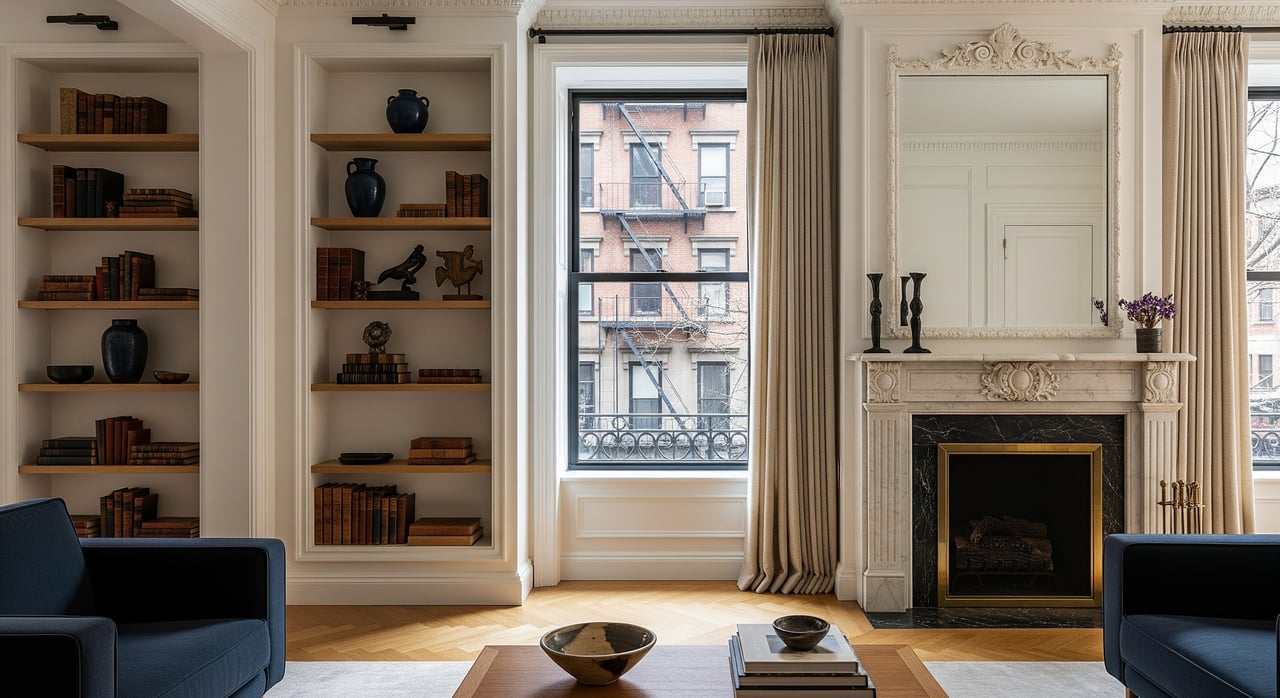
In the West Village, this type of home tends to feel the most like traditional townhouse living. You may have your own front entrance, a stronger separation between public and private space, and architectural details that give the home a real sense of history.
Why buyers choose brownstones
For many buyers, the appeal is character first. A brownstone can offer a more house-like experience than a typical apartment, with a stoop, a distinct entry sequence, and multiple levels that create privacy within the home.
This setup can also suit buyers who value layout separation. Living, entertaining, sleeping, and work areas often sit on different floors, which gives the home a different rhythm than an open-plan apartment.
What to watch before you buy
Brownstones are not maintenance-free. Because rowhouses share walls, they do not provide the same separation as a detached home, and exterior upkeep can be more hands-on than in a building-managed condo.
In landmarked properties, most exterior alterations require approval from the Landmarks Preservation Commission before work begins. At the same time, the Landmarks Law requires good repair. Some ordinary exterior repairs, such as replacing broken window glass, generally do not require a permit, but buyers should still confirm what work needs review before making plans.
Who brownstones fit best
Brownstones tend to work best if you want historic character and a home that feels personal and architectural. They also make sense if you are comfortable with preservation rules, ongoing upkeep, and the reality that older homes need active stewardship.
Loft Living in the West Village
What defines a loft here
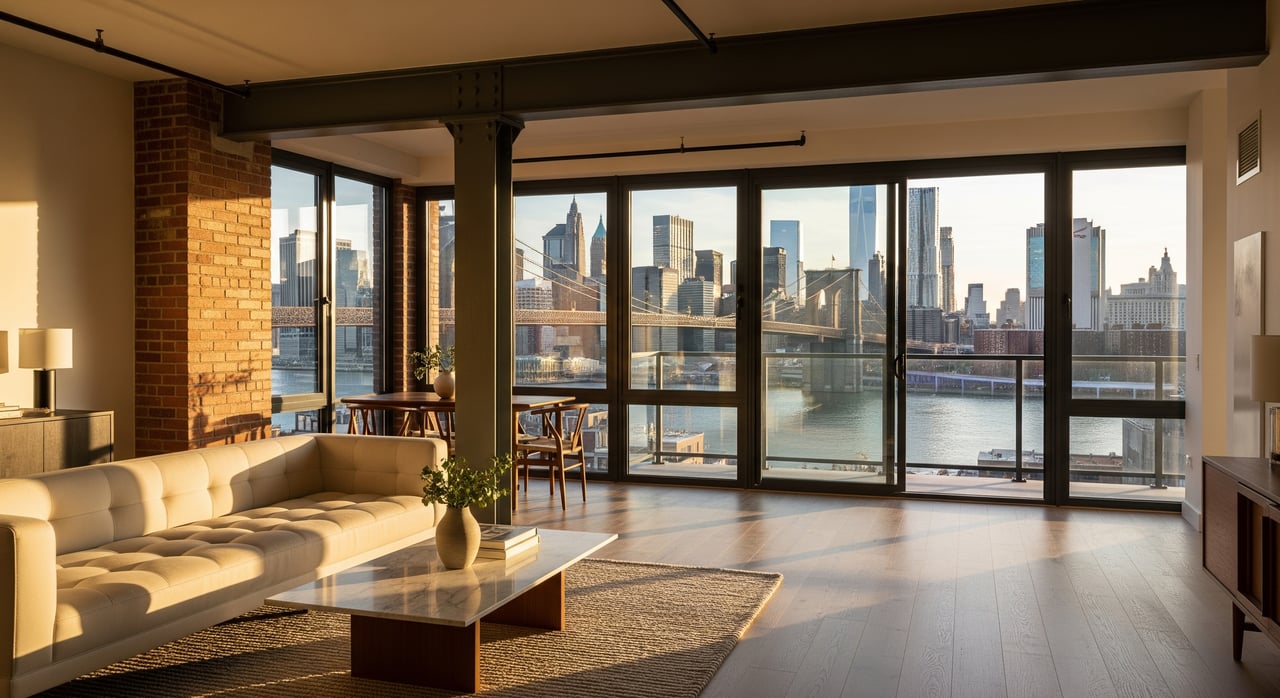
A loft usually starts with a large, open space in a building that was originally used for storage, business, or industry. In modern cities, those spaces are often converted into residences by subdividing the interior.
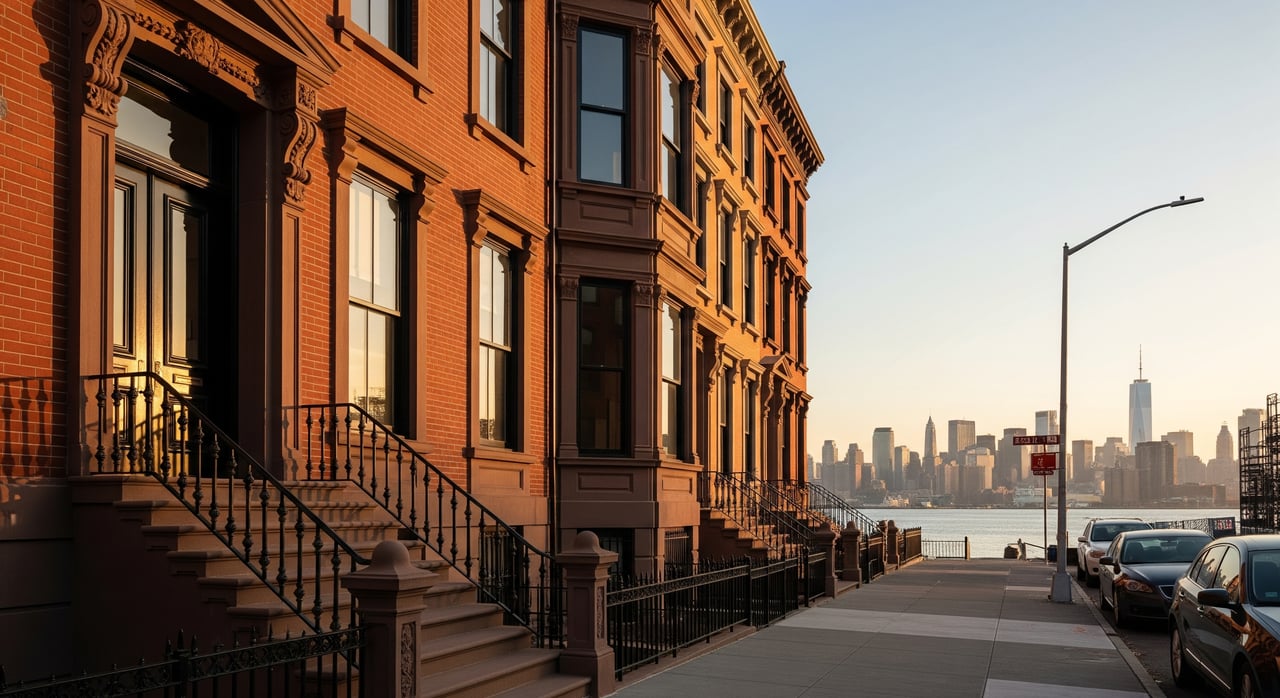
That history matters in the West Village. The far-west waterfront developed as a mixed area of dwellings, warehouses, stables, and other commercial structures, and some of those buildings were later converted into apartments. That local evolution is the basis for loft-style living in this part of downtown Manhattan.
Why buyers are drawn to lofts
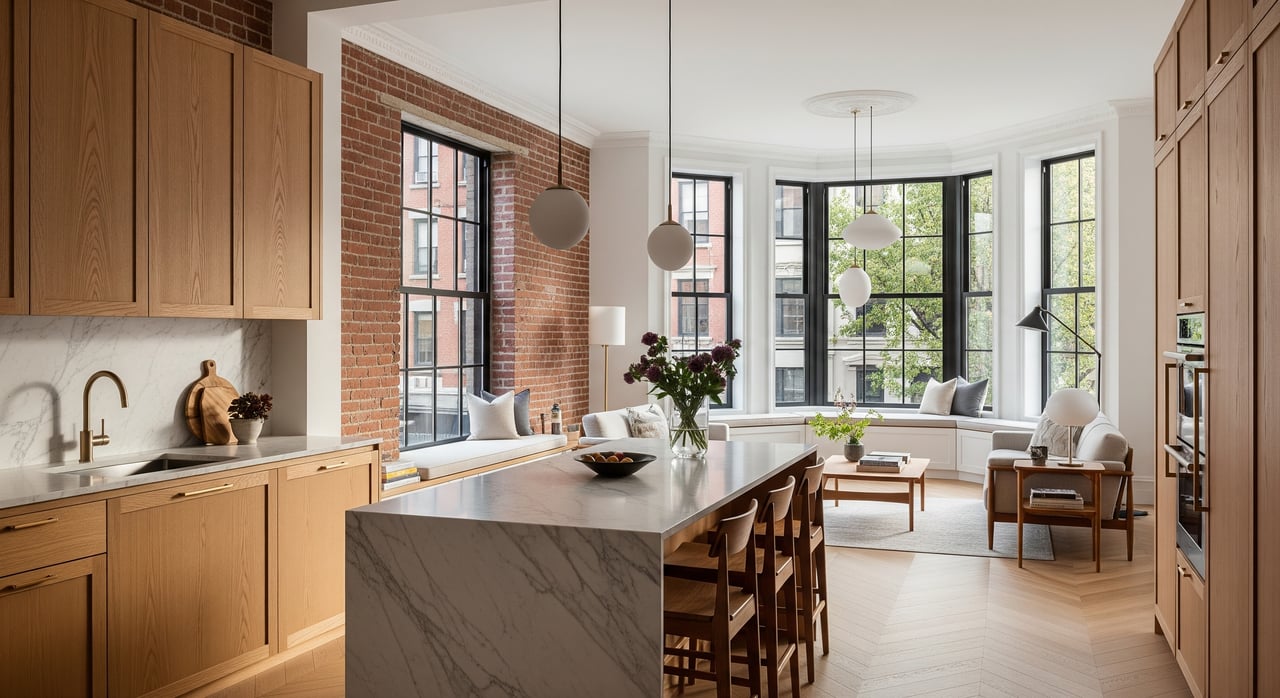
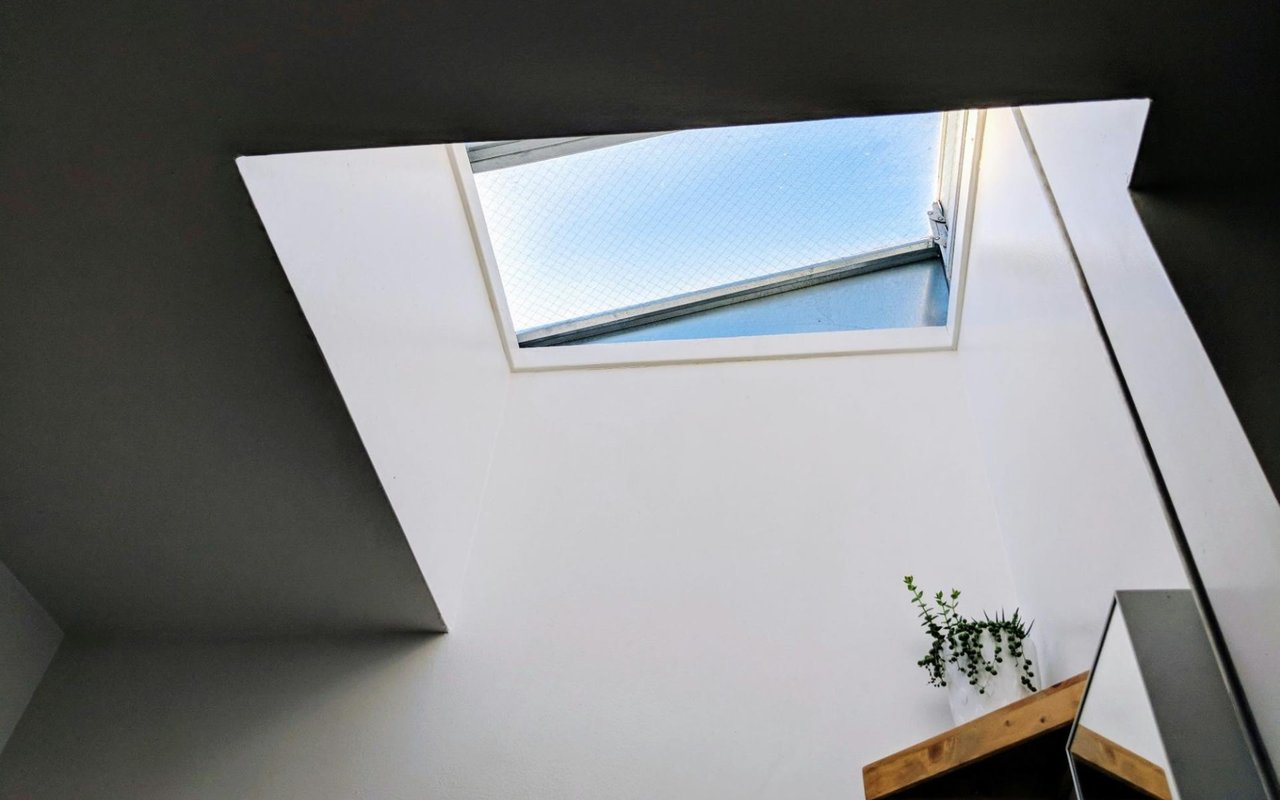
The biggest draw is flexibility. Loft spaces often feel open, airy, and adaptable, which can be a real advantage if you want a home office, a more creative layout, or room to shape the space around your routine.
Lofts also tend to carry a strong downtown identity. Their industrial roots often show up in the scale, proportions, and less traditional room arrangement, which can feel very different from a classic townhouse or a newer condo.
What buyers should check carefully
Open space is not always the same thing as easy living. Privacy, acoustic separation, and clearly defined rooms may require thoughtful design, especially if you need multiple sleeping areas or distinct work zones.
Some loft buildings may also fall under New York City’s Loft Law, which regulates the conversion of certain commercial or manufacturing buildings to lawful residential use. That means buyers should verify the building’s legal residential status and review disclosure materials carefully.
Condition also matters. In existing loft buildings, key areas to review include the facade, roof, elevators, HVAC, windows, electrical systems, and plumbing.
Who lofts fit best
Lofts usually make the most sense if you value openness, flexibility, and downtown character. They can be a strong option for buyers who appreciate nontraditional layouts and are ready to do a little more due diligence before closing.
Condo Living in the West Village
How condo ownership works
In a condominium, you own your unit outright and also hold an interest in the common elements of the building. You pay common charges, remain responsible for maintenance, repairs, and insurance within your unit, and the condo board manages the shared parts of the property.
For many buyers, that creates a simpler ownership structure than a townhouse. The building handles the common areas, and the offering plan is required to describe amenities, parking, recreational facilities, and other features that are part of the property.
Why buyers choose condos
Condos are often the clearest path to building-managed living. If you want a more streamlined ownership experience, this option can reduce the amount of hands-on building responsibility that comes with a brownstone.
Depending on the building, buyers may also value amenities and service features that are described in the offering plan. In day-to-day life, that can feel more convenient than managing many property issues yourself.
What the tradeoffs look like
Convenience has a cost. Condo owners typically pay ongoing common charges, may face assessments, and have less individual control over building-wide decisions.
Buyers should also avoid relying on marketing materials alone. The New York Attorney General’s guidance is clear that you should review the offering plan carefully and inspect the physical condition of the building, especially major items like the facade, roof, elevators, plumbing, and electrical systems.
Who condos fit best
A condo is usually the best fit if you want the least hands-on ownership of the three options. It can be especially appealing if your schedule is busy and you prefer building management over direct responsibility for many shared systems.
Brownstone vs Loft vs Condo
A simple lifestyle comparison
The easiest way to choose is to think less about square footage alone and more about how you want to live. In the West Village, each property type offers a different balance of privacy, flexibility, convenience, and responsibility.
| Property type | Best known for | Main tradeoff |
|---|---|---|
| Brownstone | Historic character and house-like feel | More upkeep and landmark-related limits |
| Loft | Open space and flexible layout | More design and legal due diligence |
| Condo | Managed living and potential amenities | Common charges and shared governance |
Which one feels most private?
Brownstones usually feel the most house-like, especially when they function as a single home rather than a divided building. Lofts tend to feel the most open, while condos often feel the most shared at the building level.
That said, the exact answer depends on the specific property. A subdivided townhouse, a well-planned loft, or a thoughtfully laid-out condo can each feel very different from the category average.
How to Evaluate a West Village Property
Start with landmark status
In the West Village, this is one of the first questions to answer. If a building is designated, most alterations require Landmarks Preservation Commission approval before work begins.
That does not mean you cannot improve the property. It does mean your renovation plans, exterior changes, and timing should be reviewed early so you understand what is allowed.
Confirm legal status for lofts
If you are looking at a loft or former industrial building, verify that the residential use is lawful and clearly documented. This step is especially important in older conversions.
It is better to clarify this before falling in love with a floor plan. A striking space is only as attractive as its legal and physical condition.
Review building condition carefully
No matter which property type you choose, pay close attention to the building envelope and core systems. Important items include the facade, roof, windows, elevators, HVAC, plumbing, and electrical.
Existing buildings always require repairs and maintenance over time. A careful review now can help you understand both short-term needs and long-term ownership costs.
Read the paperwork with purpose
For condos, the offering plan is a key source of information about ownership structure, amenities, and building obligations. Buyers should use it to confirm what is actually included and what responsibilities remain with the unit owner.
For any property type, a smart review process should connect the paperwork to the building itself. What is described on paper should line up with the physical condition and your planned use.
Choosing the Right Fit for Your Lifestyle
If you picture yourself climbing your own stoop, living among original architectural details, and treating the home as a long-term restoration story, a brownstone may feel right. If you want openness, flexibility, and a more unconventional downtown floor plan, a loft may be the better match. If you want a more managed ownership experience with fewer hands-on building responsibilities, a condo may be the simplest choice.
In the West Village, the best decision usually comes from matching your lifestyle to the neighborhood’s built fabric, not from chasing one-size-fits-all advice. If you want help weighing layout, condition, renovation potential, and ownership tradeoffs, Mark O’Brien Real Estate can help you evaluate the options with a practical, design-aware perspective.
FAQs
What is the main difference between a West Village brownstone and a condo?
- A brownstone usually feels more house-like and hands-on, while a condo usually offers more building-managed living with common charges and shared governance.
What should buyers check before purchasing a West Village loft?
- Buyers should confirm legal residential status, review disclosure materials, and inspect major building components such as the facade, roof, HVAC, windows, electrical, and plumbing.
Do West Village landmarked properties allow renovations?
- Yes, but most alterations in designated buildings require approval from the Landmarks Preservation Commission before work begins, while some ordinary repairs generally do not require a permit.
Which West Village property type is usually easiest to manage?
- A condo is usually the least hands-on option because the board manages the common elements, though owners still handle their own unit maintenance, repairs, and insurance.
How should buyers compare brownstone, loft, and condo living in the West Village?
- Start with your lifestyle goals, then evaluate privacy, layout, upkeep, landmark status, legal use, and building condition before deciding which property type fits you best.