If you are torn between a sleek waterfront building and a classic inland block, you are not alone. Williamsburg can feel like two different neighborhoods depending on where you stand, and that choice can shape your daily routine, building style, park access, and commute. If you are trying to decide which side fits your lifestyle, this guide will help you compare the tradeoffs with a clear, practical lens. Let’s dive in.
Why Williamsburg Feels Like Two Markets
Williamsburg is not one uniform housing market. Public planning data for Brooklyn Community District 1, which covers the Greenpoint and Williamsburg area, shows population growth from 173,083 in 2010 to 204,125 in 2020, while housing units increased from 72,105 to 89,974.
That growth helps explain why you now see both substantial new development and the older low-rise fabric that many people still associate with Williamsburg. In practical terms, your experience can vary widely depending on whether you are looking along the East River or farther into the interior street grid.
What Waterfront Living Means
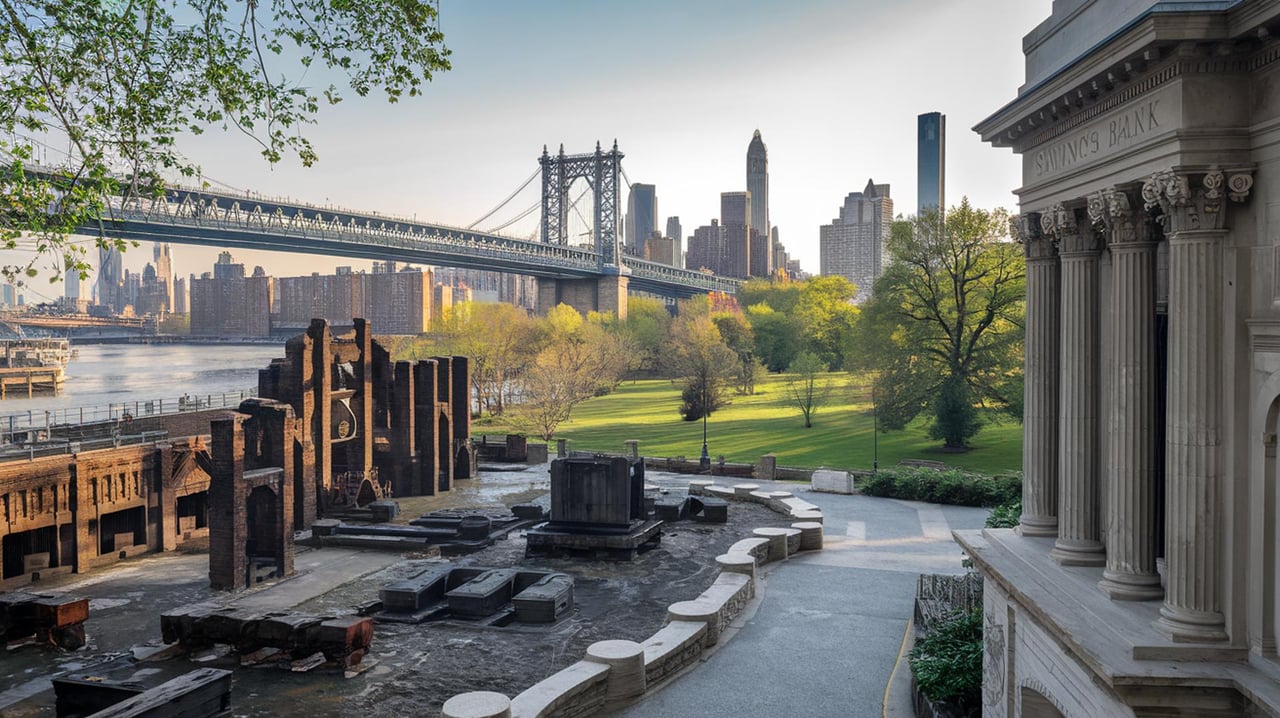
The Williamsburg waterfront was shaped by the Greenpoint-Williamsburg rezoning, which reclaimed about two miles of East River waterfront. That plan was designed to create more than 50 acres of open space, including a continuous public esplanade and the 28-acre Bushwick Inlet Park.
This matters because waterfront living here is not just about a view. The zoning requires public access features like shore public walkways and upland connections on qualifying waterfront sites, which is one reason the area feels more open and promenade-oriented than inland blocks.
Waterfront Buildings Are Often Larger and Newer
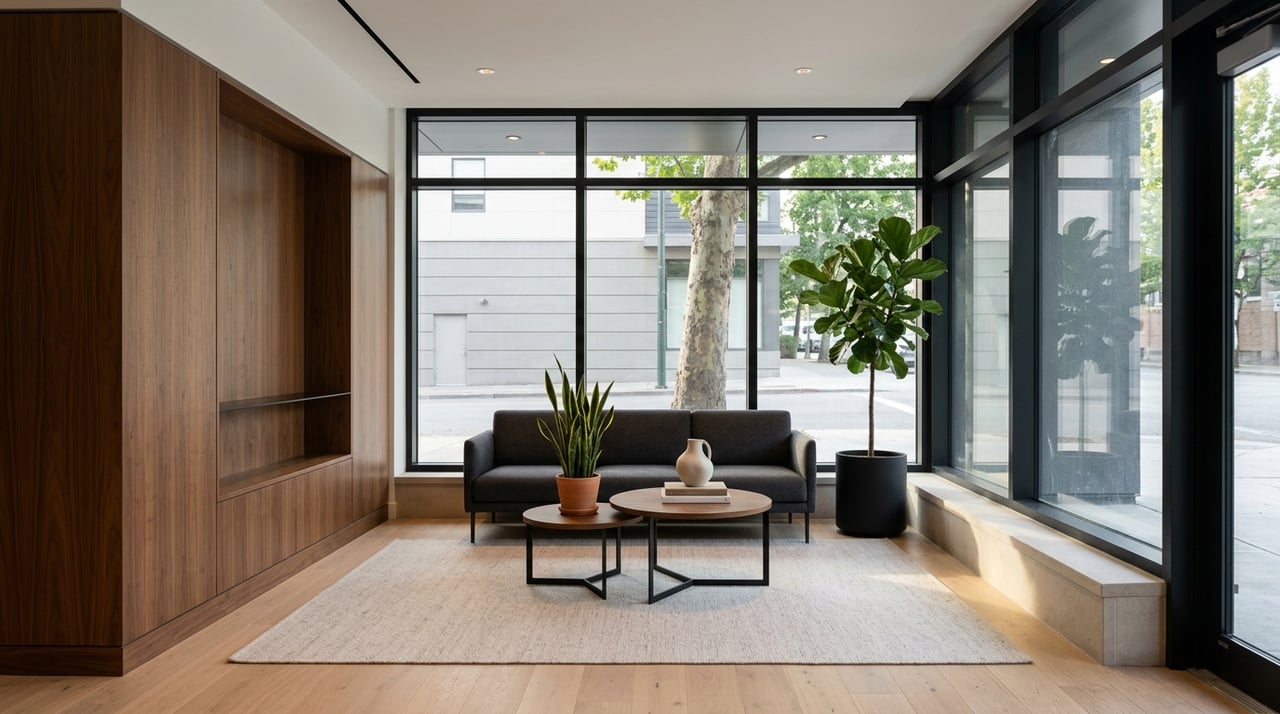
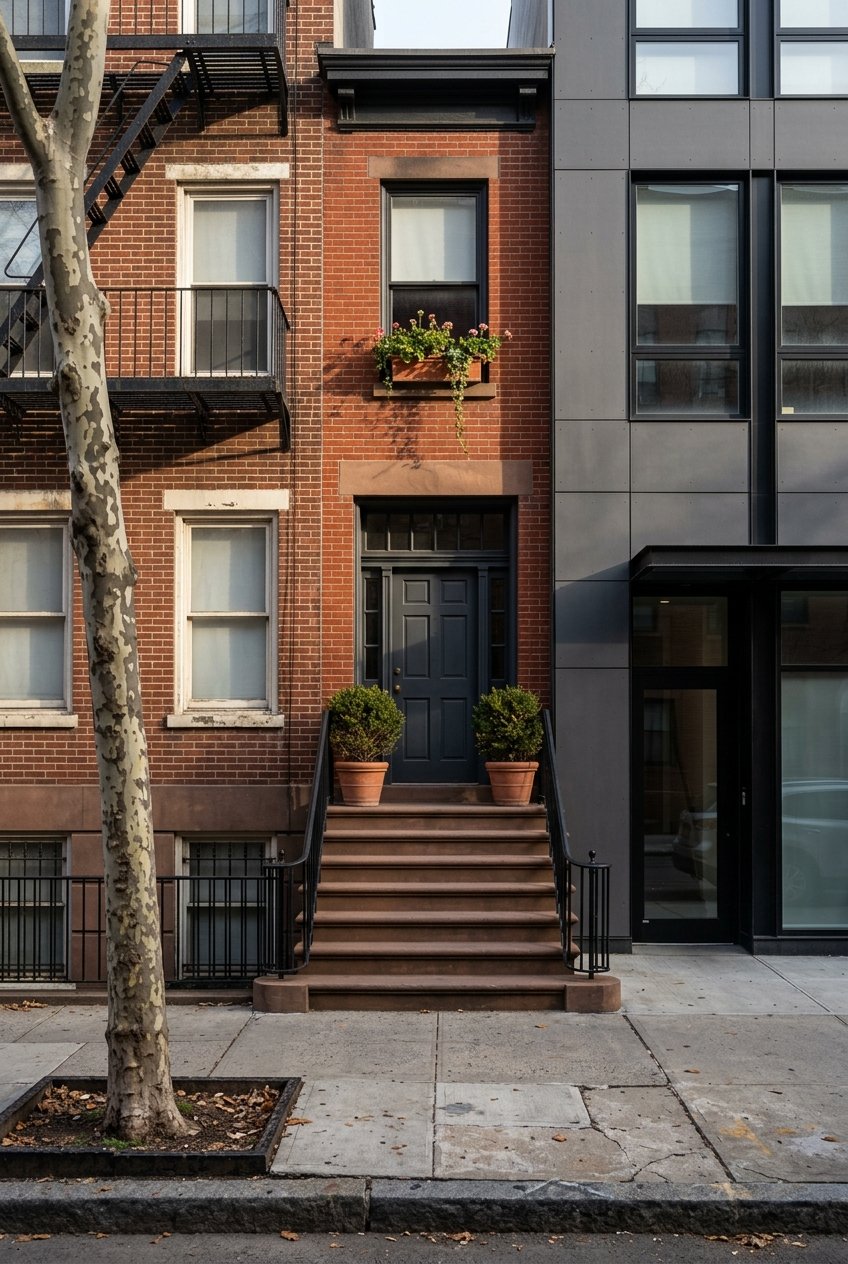
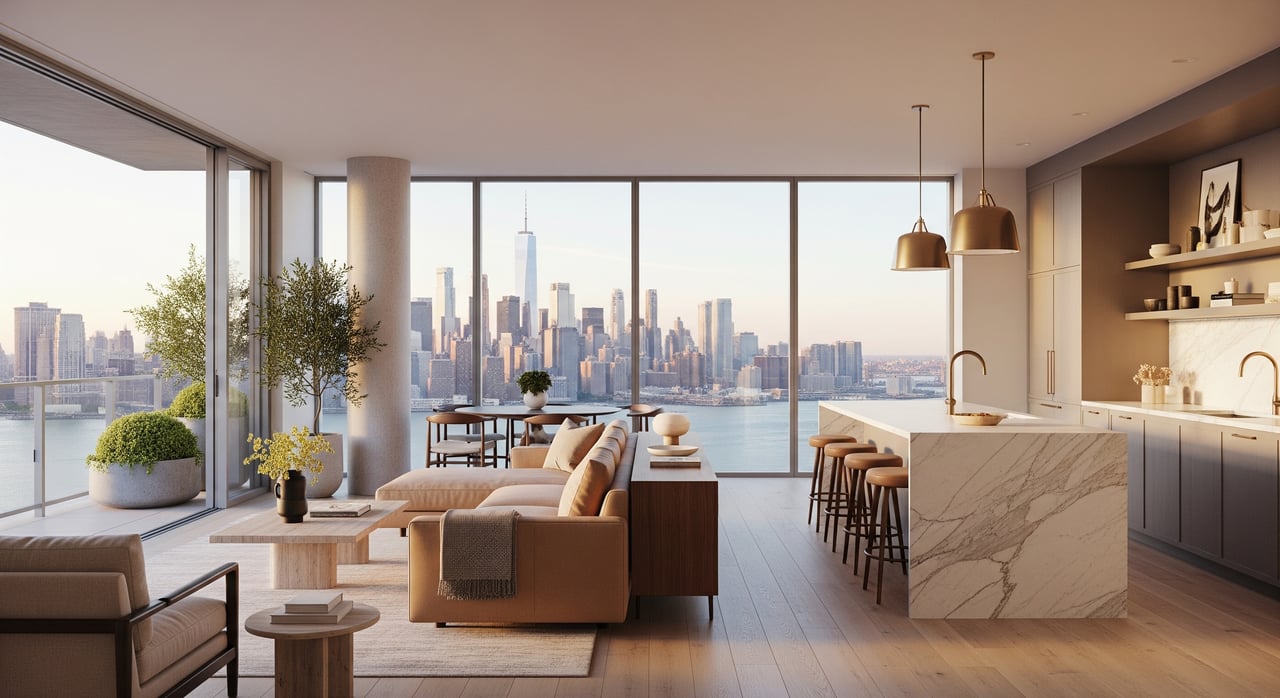
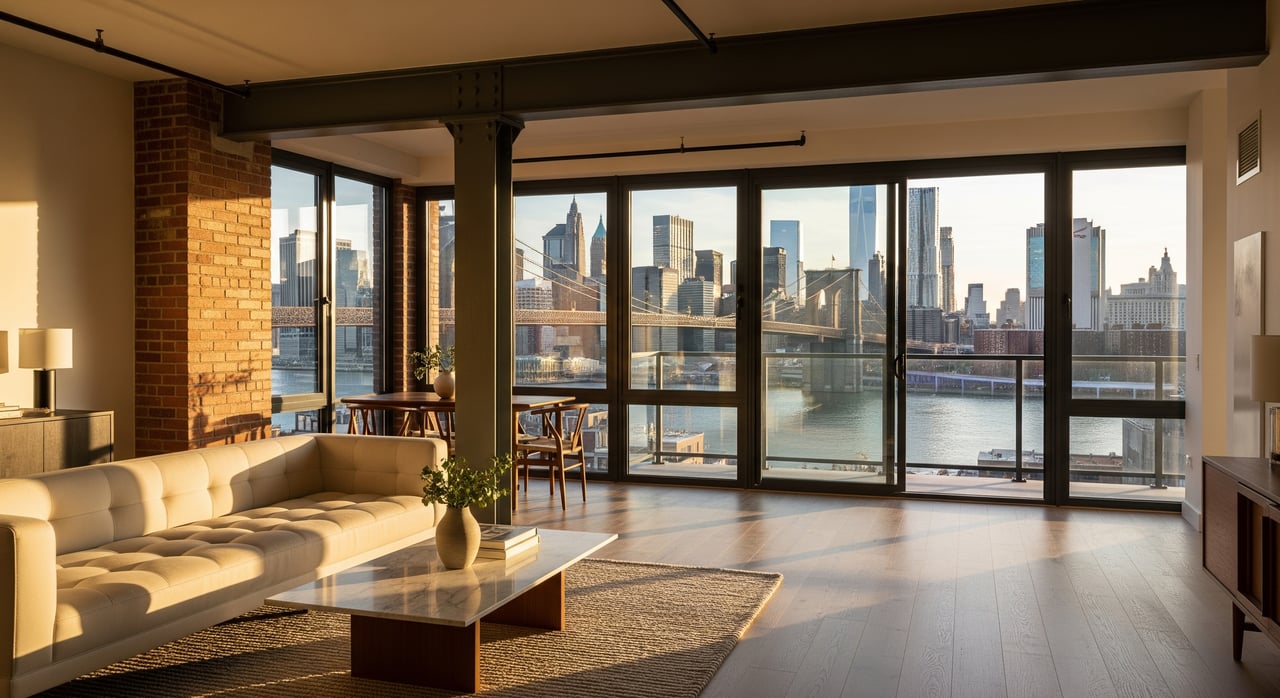
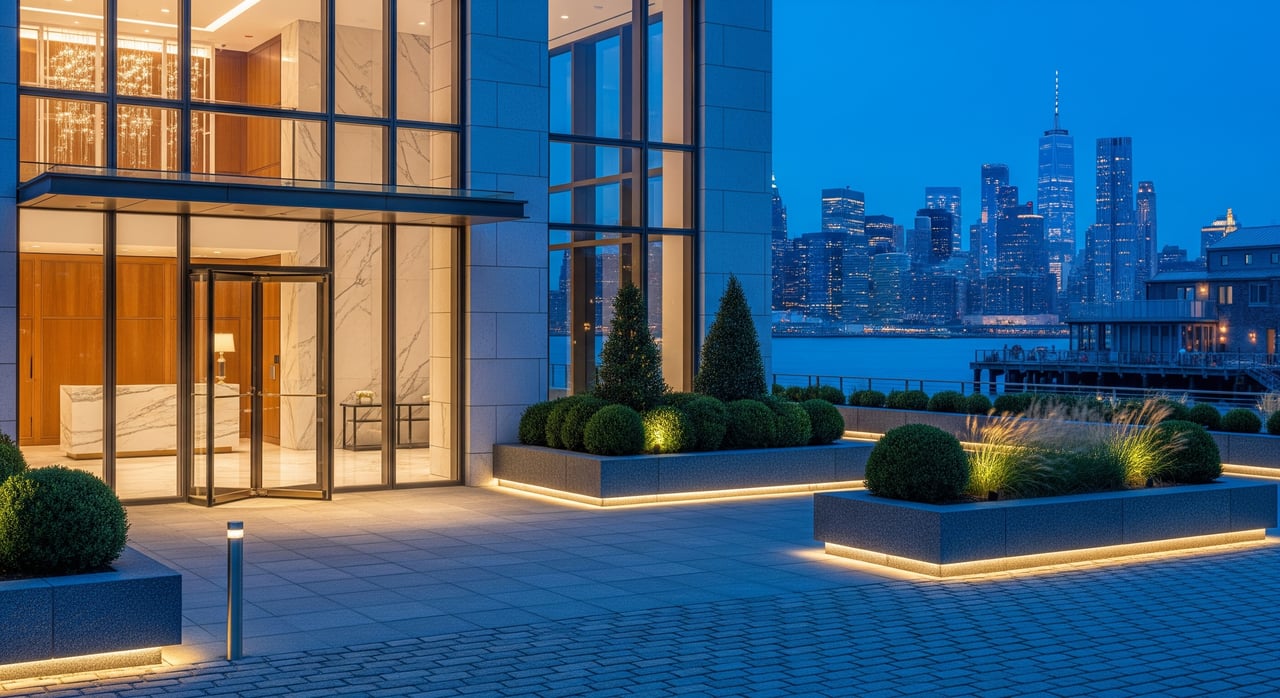
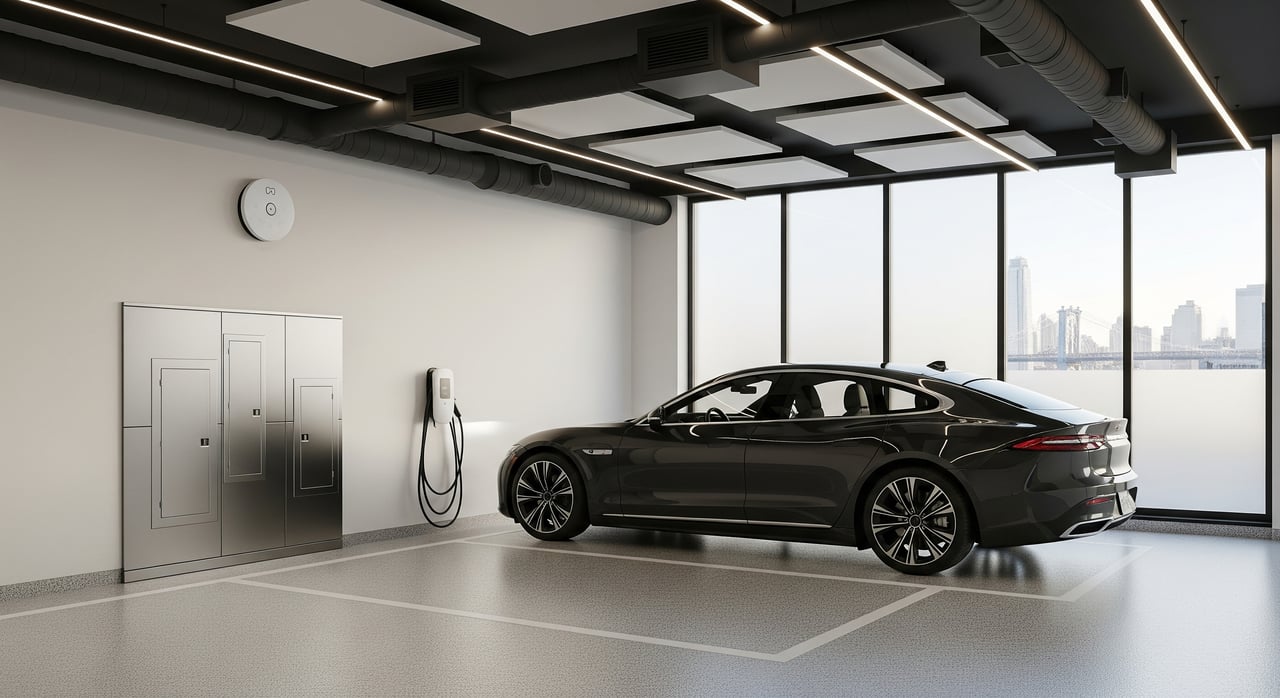
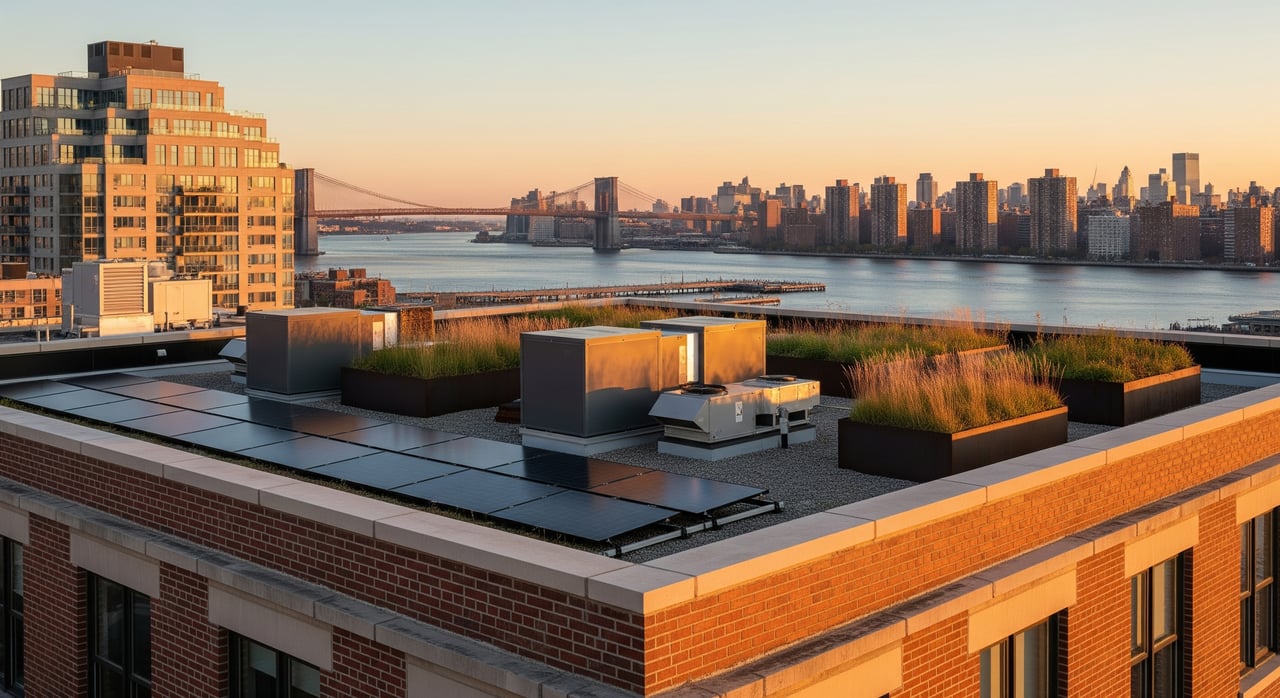
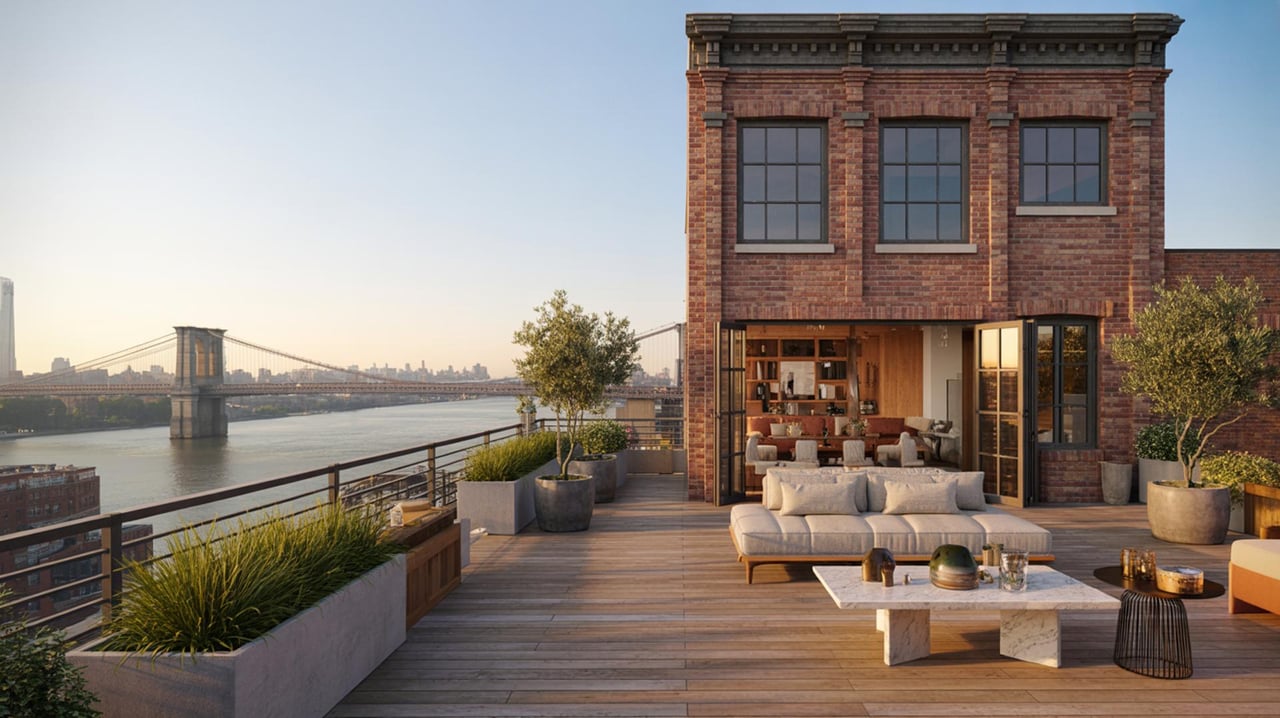
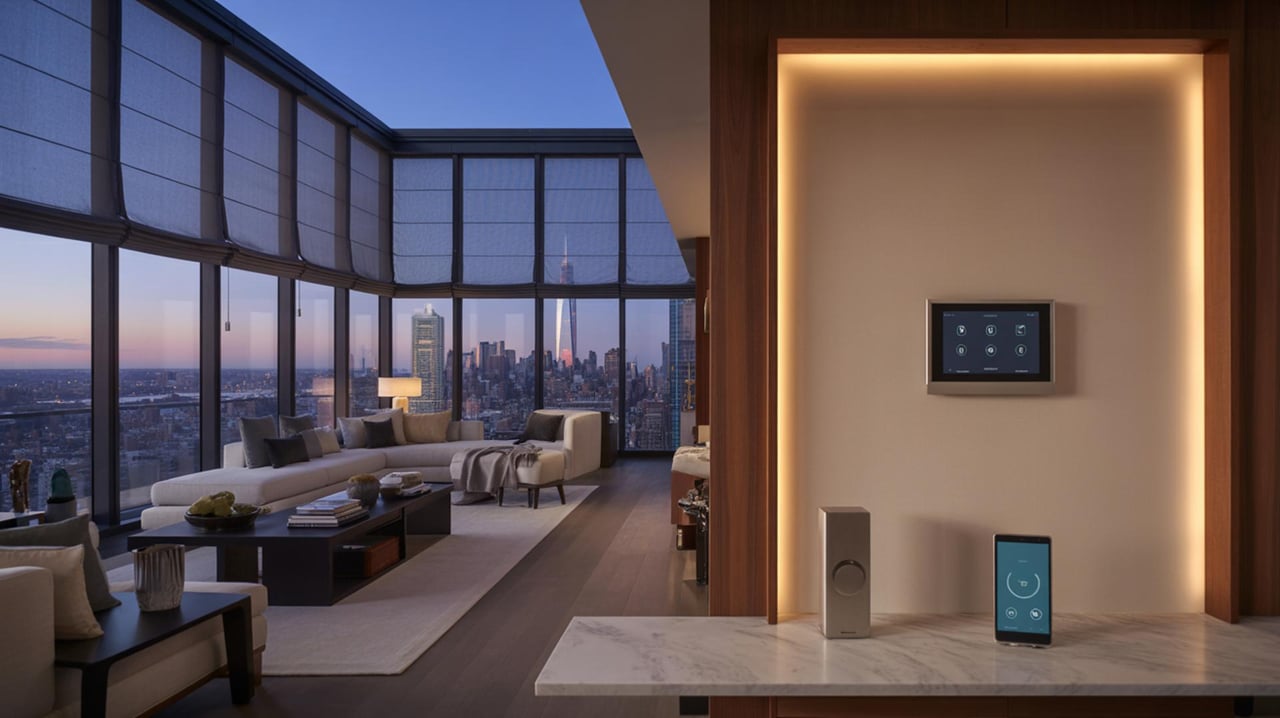
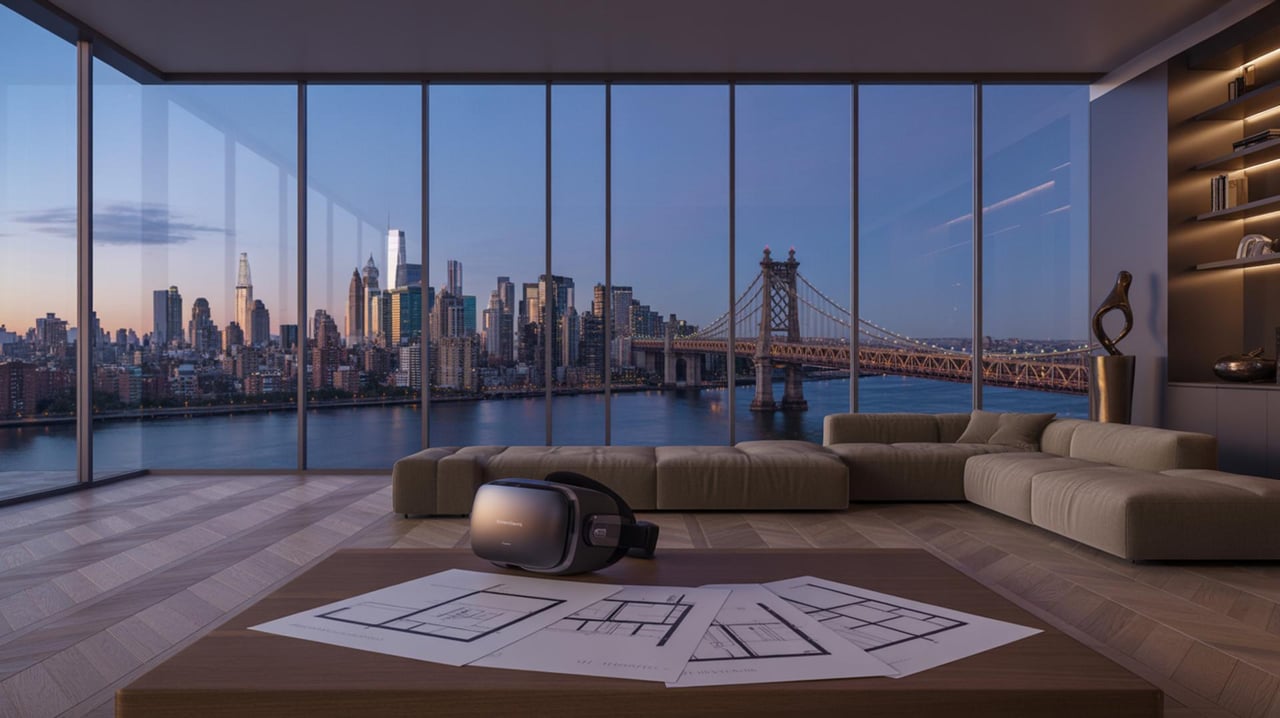
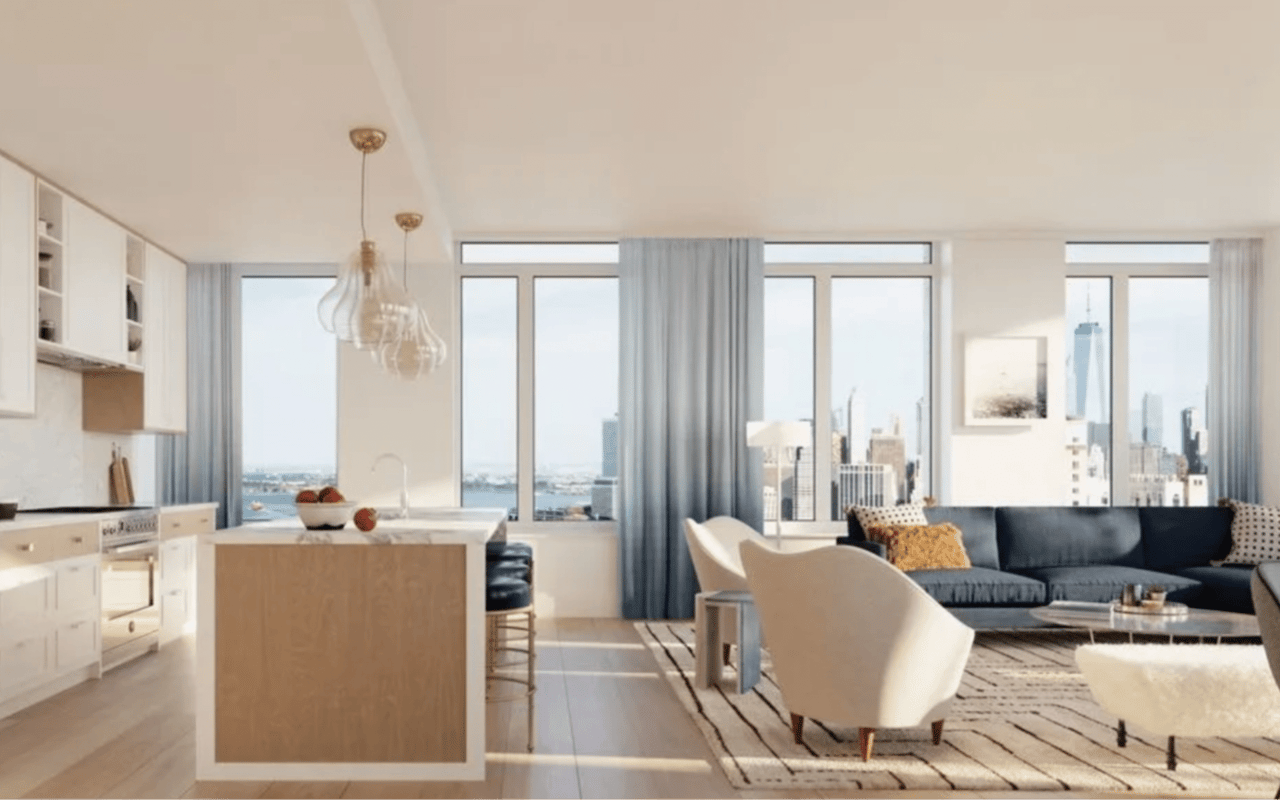
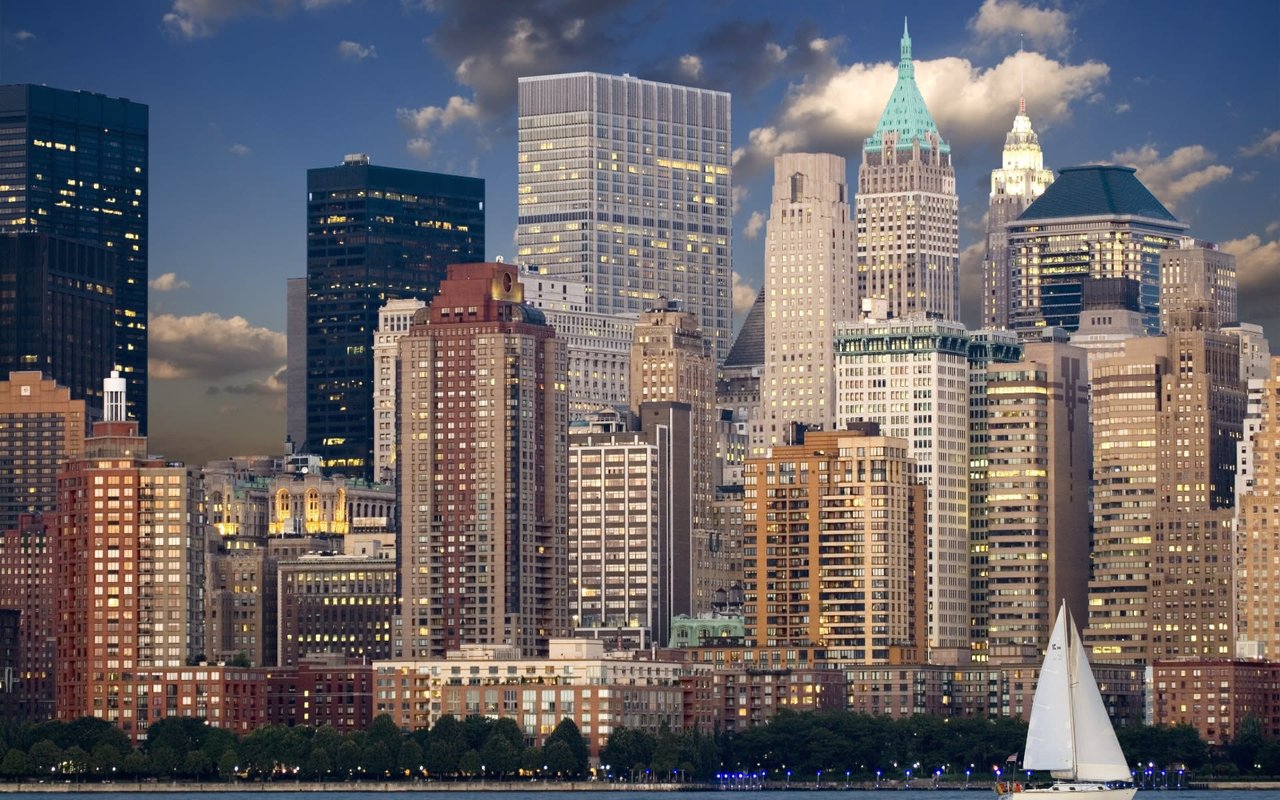
If you picture glassier towers, larger amenity buildings, and more recent construction, you are likely picturing the waterfront edge. In the Domino area, official environmental review documents describe residential districts where some towers can reach 330 feet as-of-right and up to 400 feet with the affordable-housing bonus.
That same review notes a completed 42-story mixed-use building and a 16-story mixed-use building, along with the opening of Domino Park in 2019. Compared with the interior of Williamsburg, the building scale here is noticeably different.
Waterfront Parks Create an Open Feel
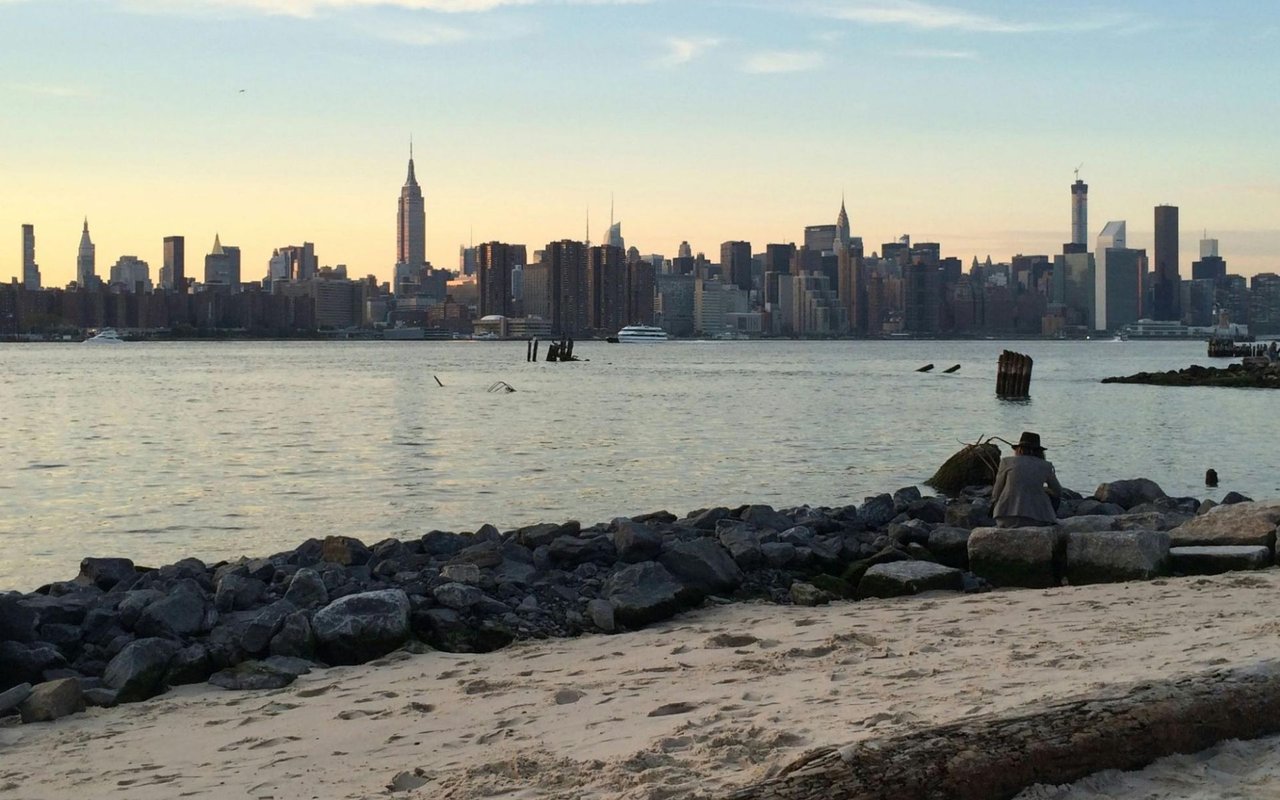
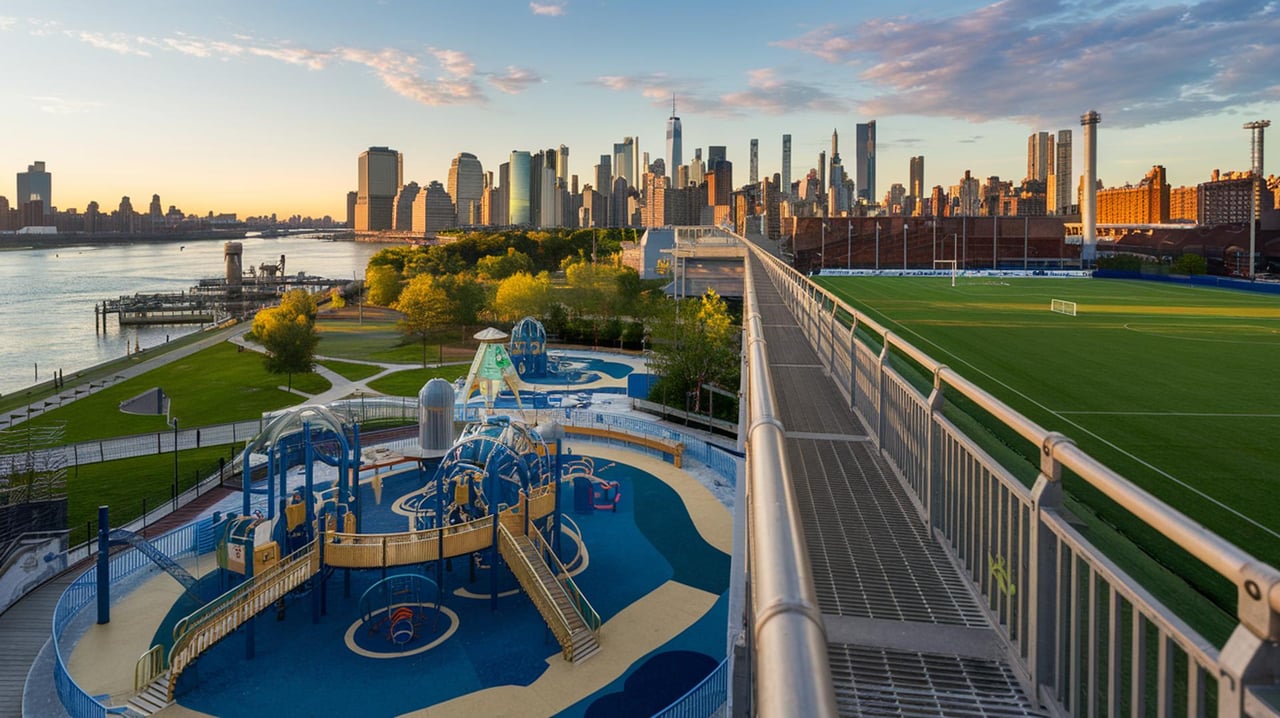
One of the strongest reasons buyers gravitate to the waterfront is access to open space. Bushwick Inlet Park includes waterfront access, a viewing platform, a playground, and a multi-purpose field, while Marsha P. Johnson State Park offers seven acres of waterfront parkland with space for passive recreation, picnicking, and barbecues.
That park system changes the feel of the area. Instead of a continuous street-wall experience, you get more visual openness, wider views, and easier access to the riverfront public realm.
Waterfront Transit Is More Location-Specific
The waterfront can offer a strong commute, but it depends more on the exact pocket. The NYC Ferry East River route serves South Williamsburg, North Williamsburg, and Greenpoint, which can be a meaningful plus if you value ferry access.
At the same time, subway convenience still depends on how close your building is to a station. Nearby accessibility and station upgrades at Bedford Avenue, Lorimer Street and Metropolitan Avenue-Lorimer Street, and Marcy Avenue improve access, but the best transit option is still highly block-specific.
Flood Review Matters More on the Waterfront
The tradeoff for riverfront living is that low-lying shoreline areas deserve closer flood review. NYC Planning’s Flood Hazard Mapper is the city’s official tool for understanding current and future coastal flood hazards.
If you are considering a waterfront address, this should be part of your due diligence. Views and park access can be a major draw, but you also want a clear picture of flood exposure and resiliency planning before you buy.
What Interior Williamsburg Means
Interior Williamsburg is shaped less by shoreline redevelopment and more by contextual zoning. A 2009 rezoning mapped lower- and mid-rise districts such as R6B, R6A, and R7A across many inland blocks, helping preserve a neighborhood-scale built form.
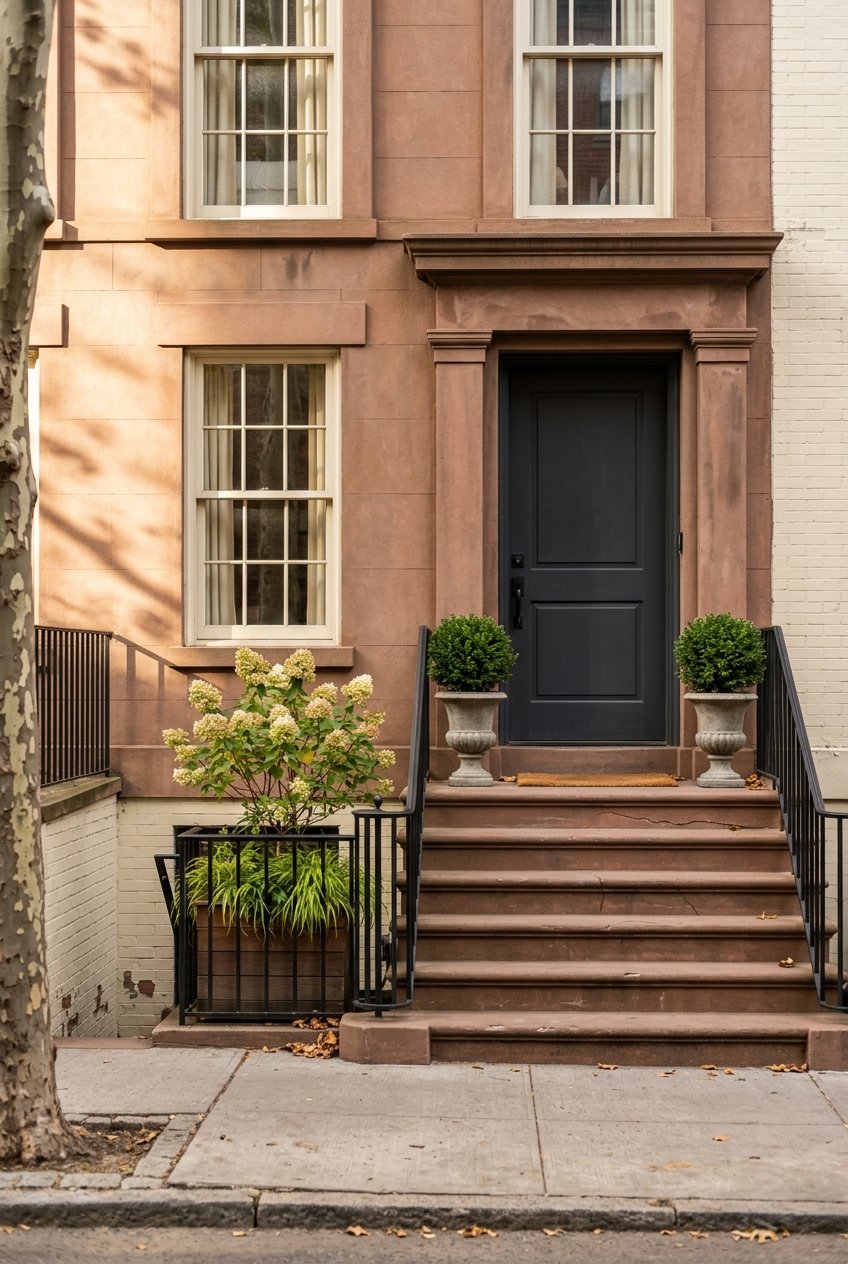
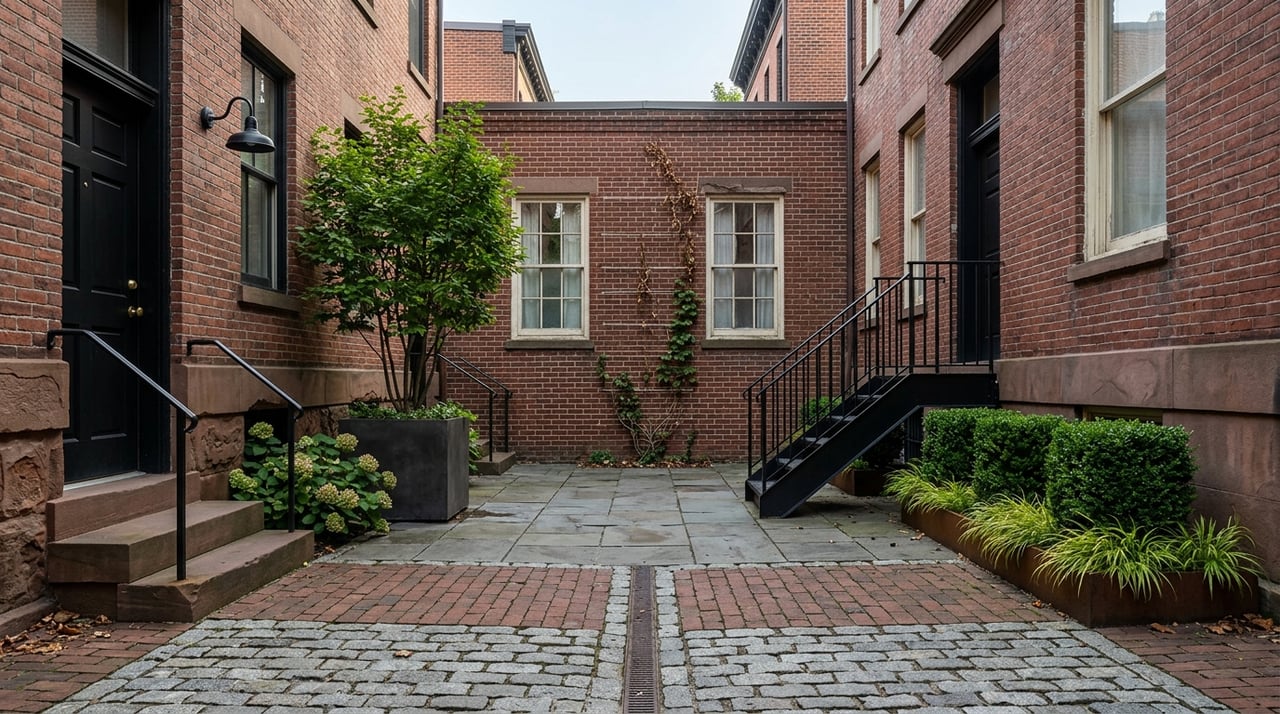
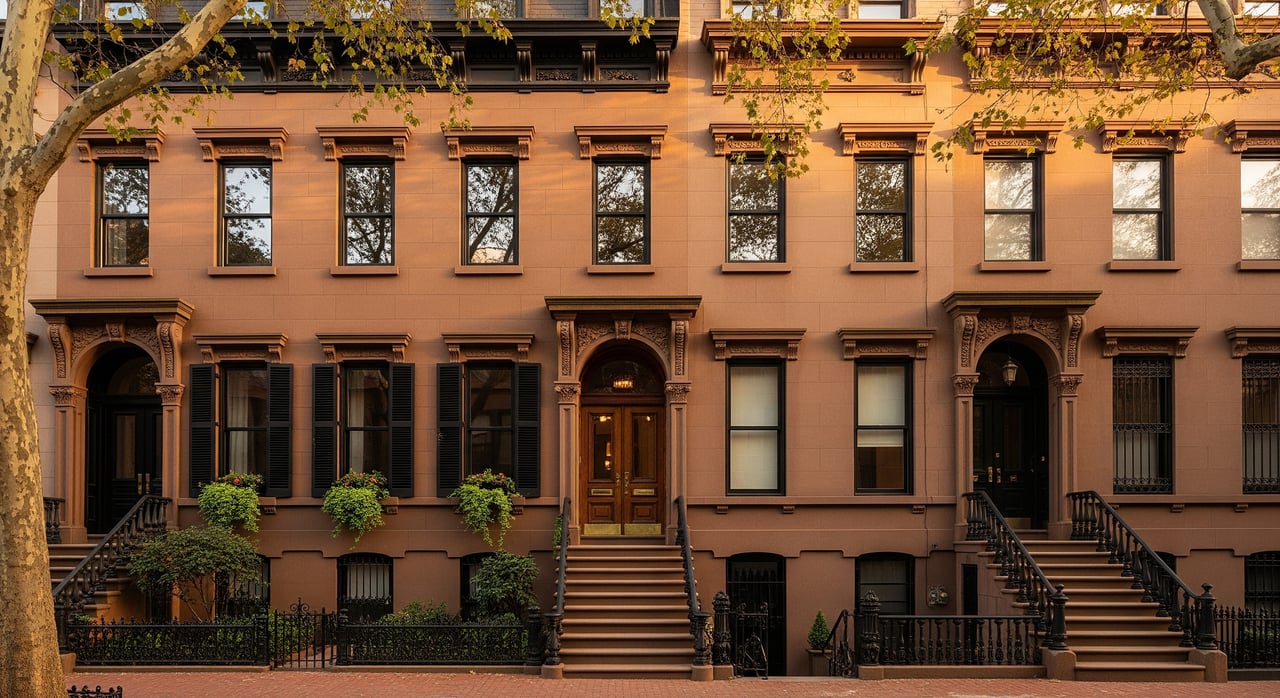
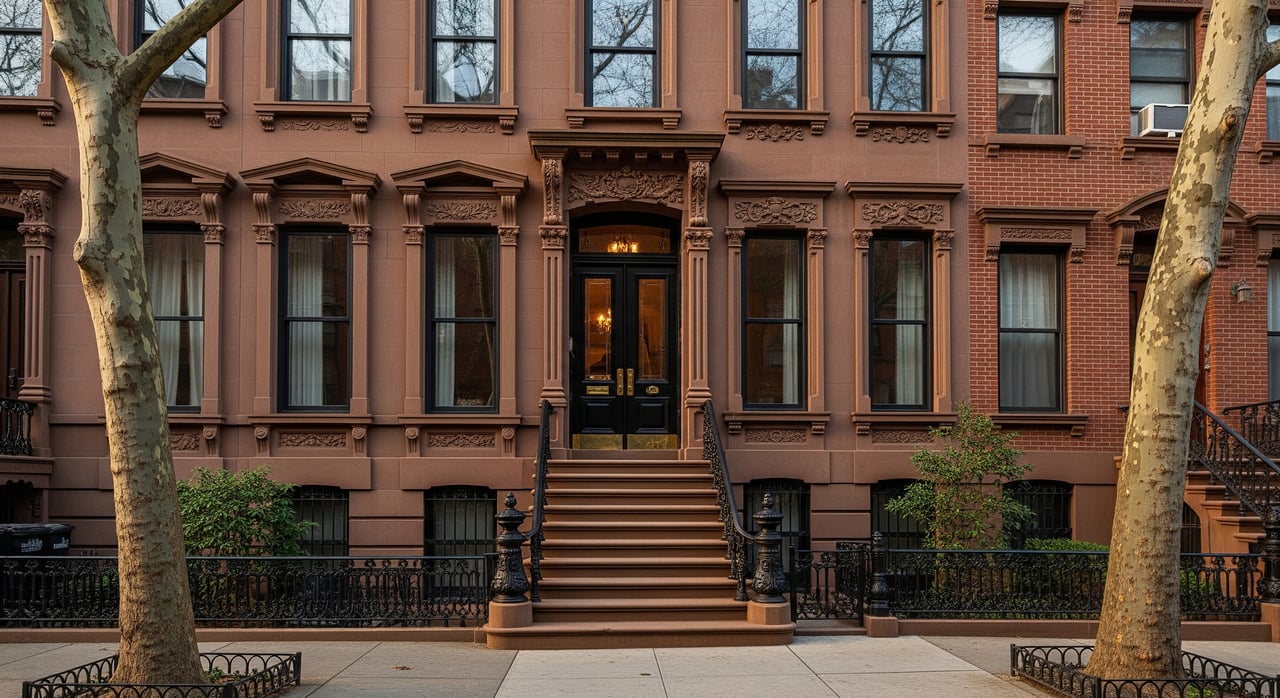
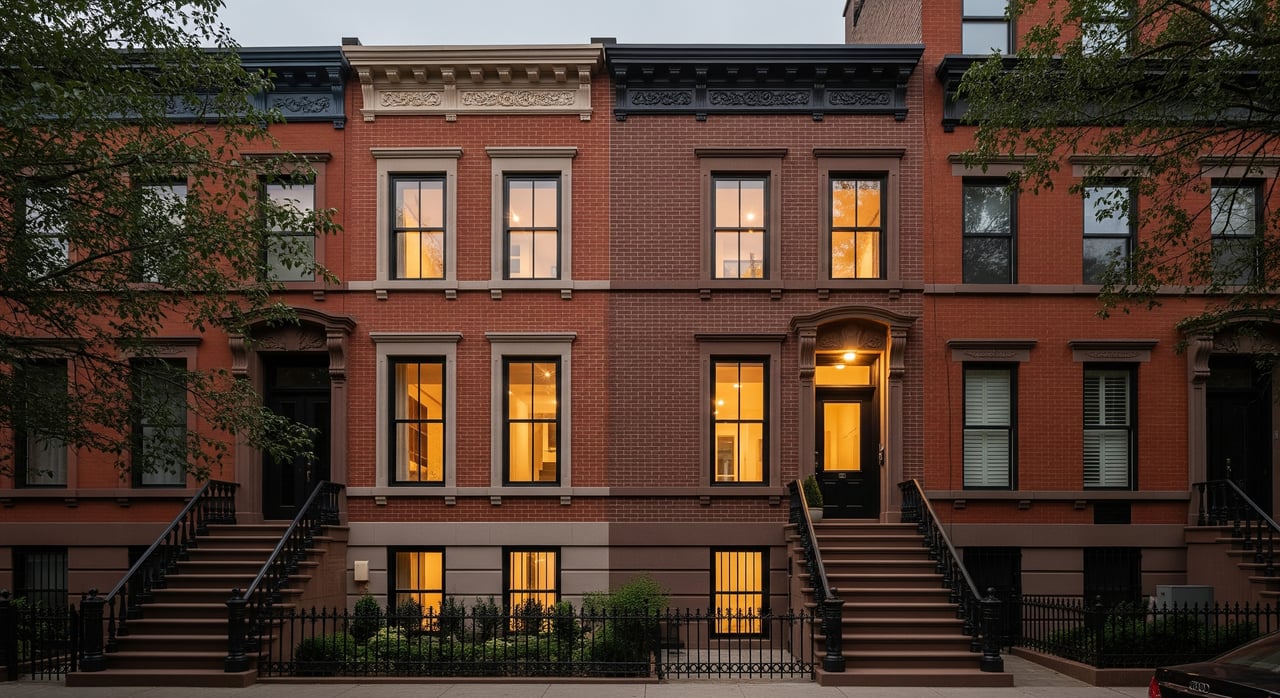
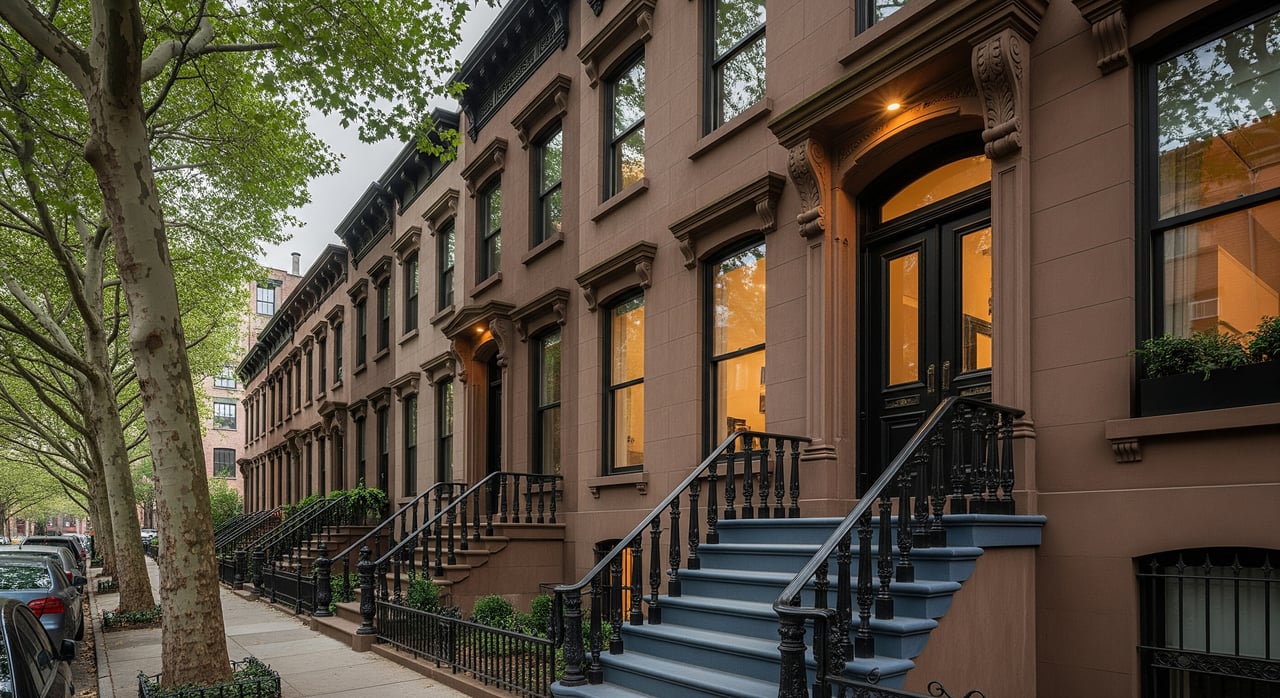
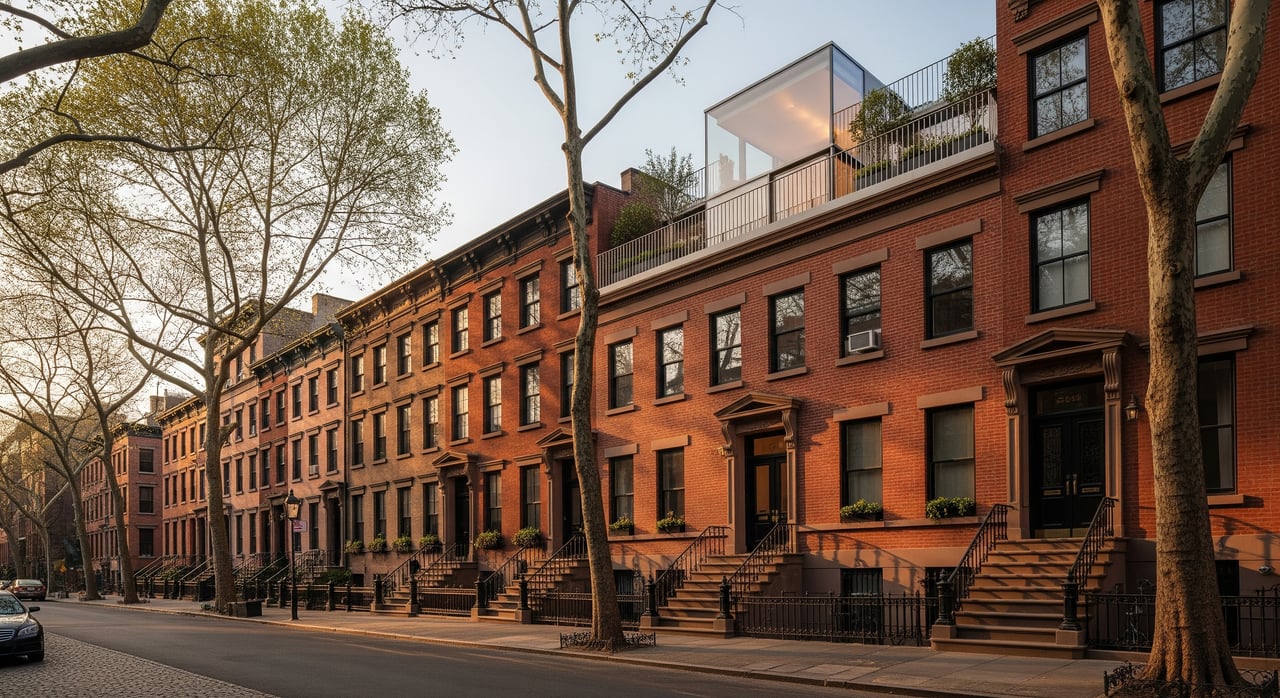
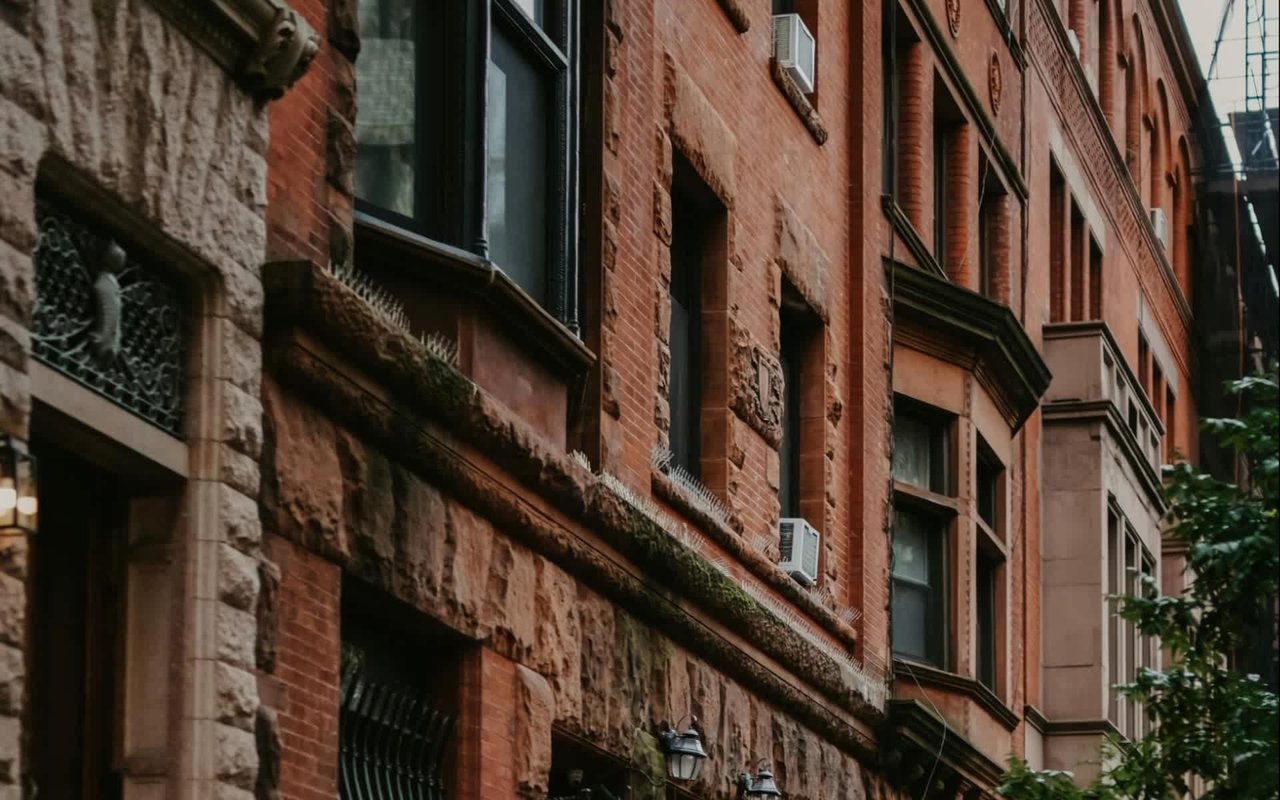
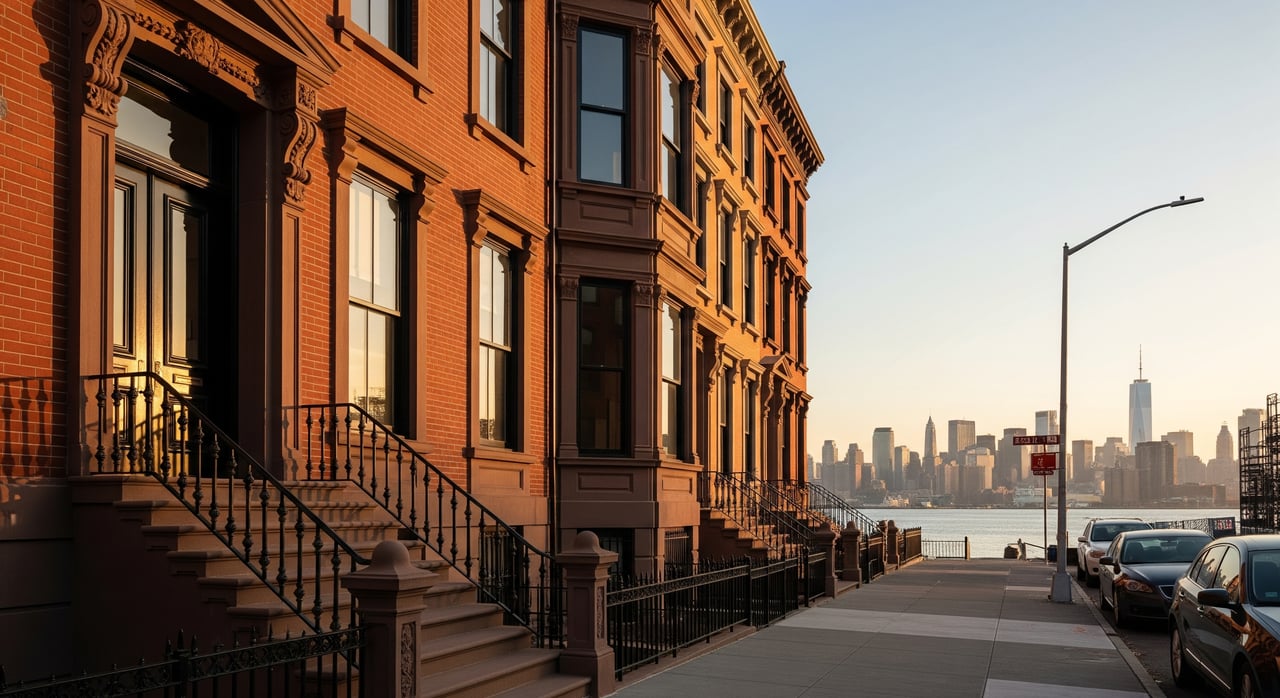
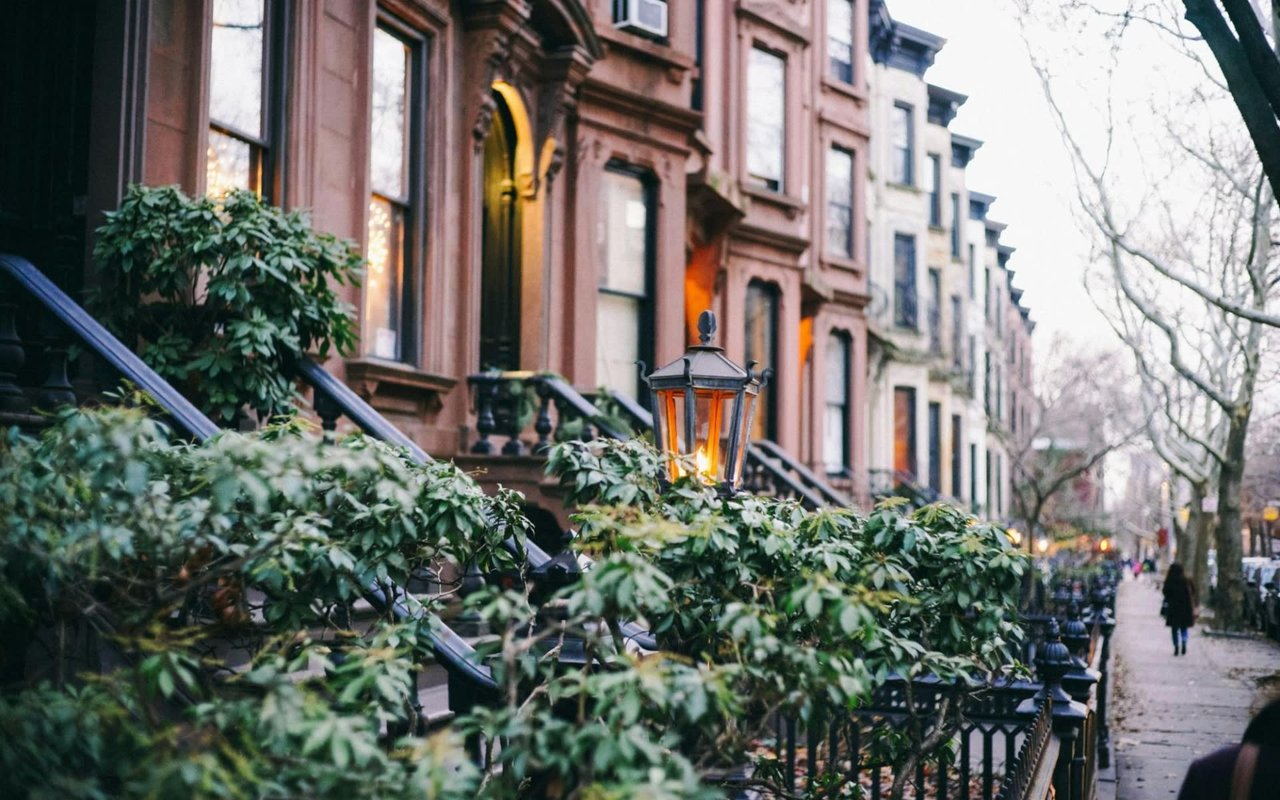
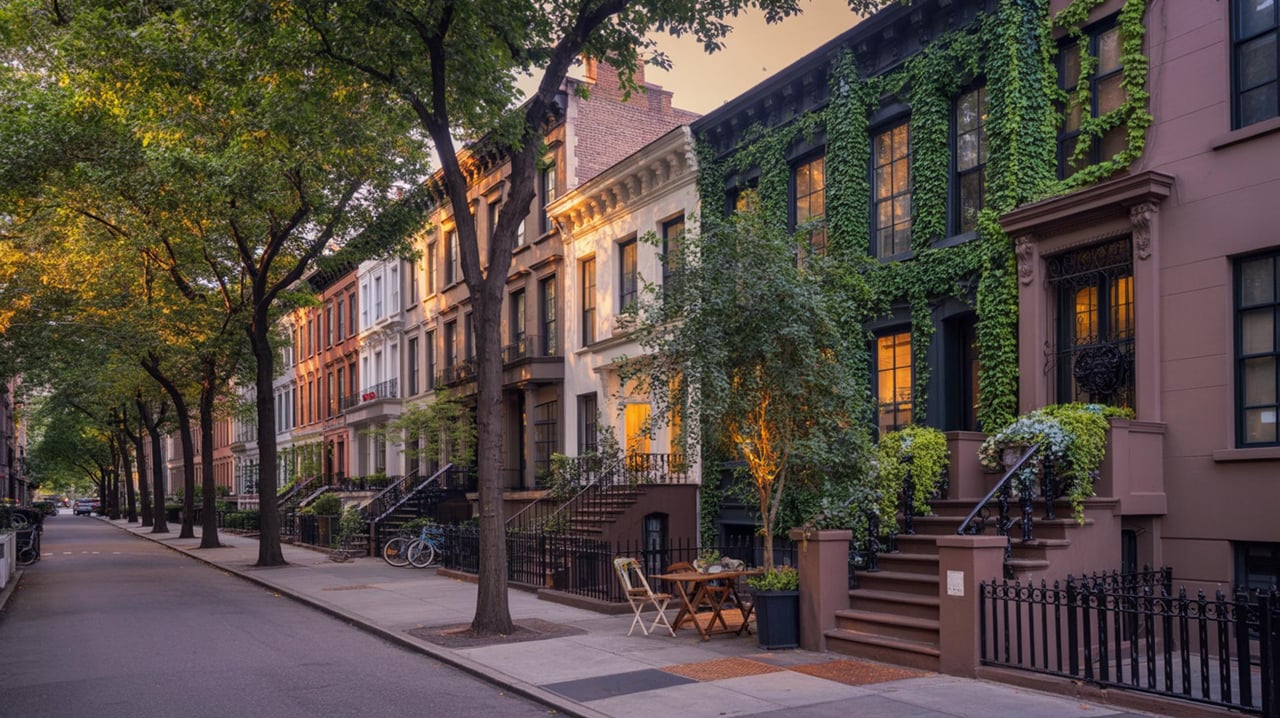
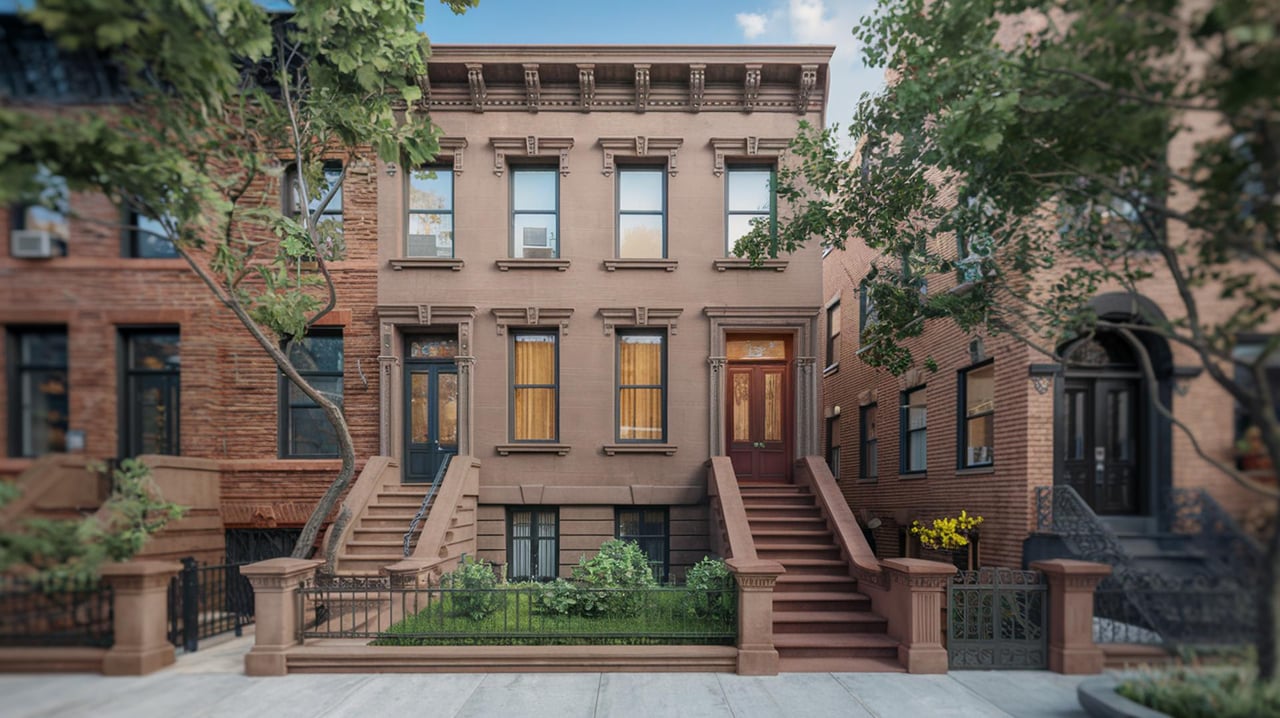
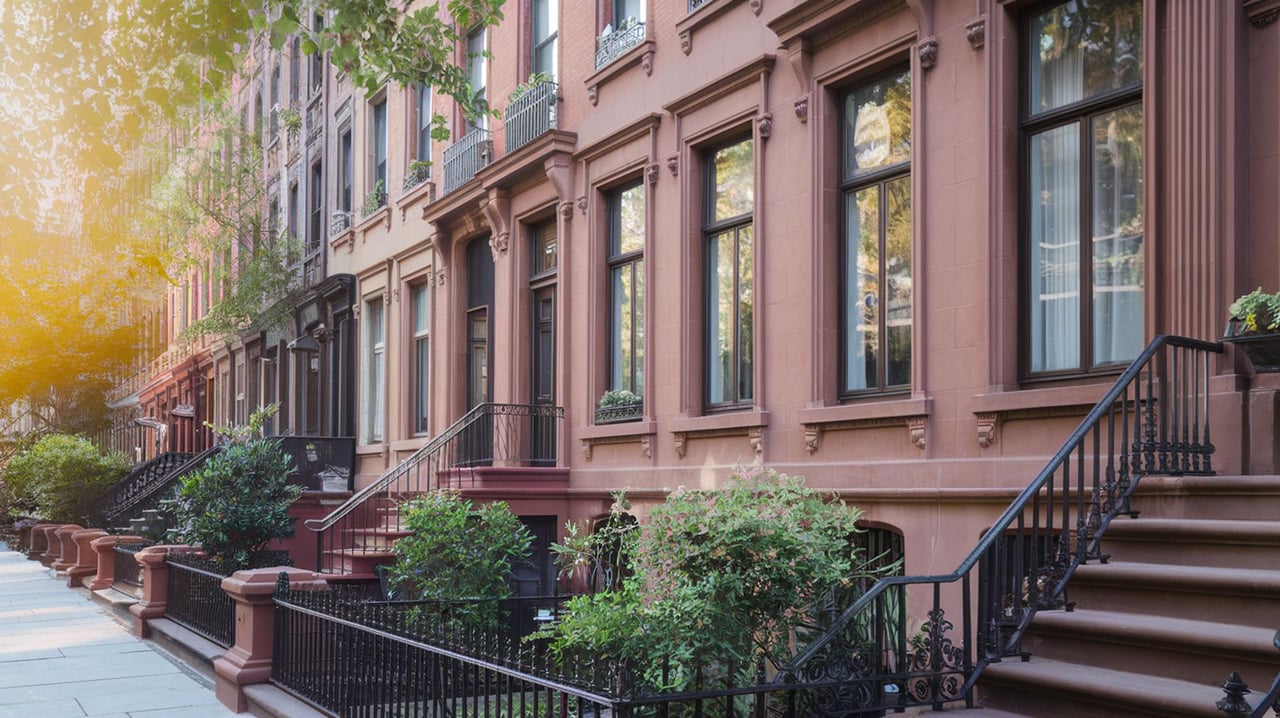
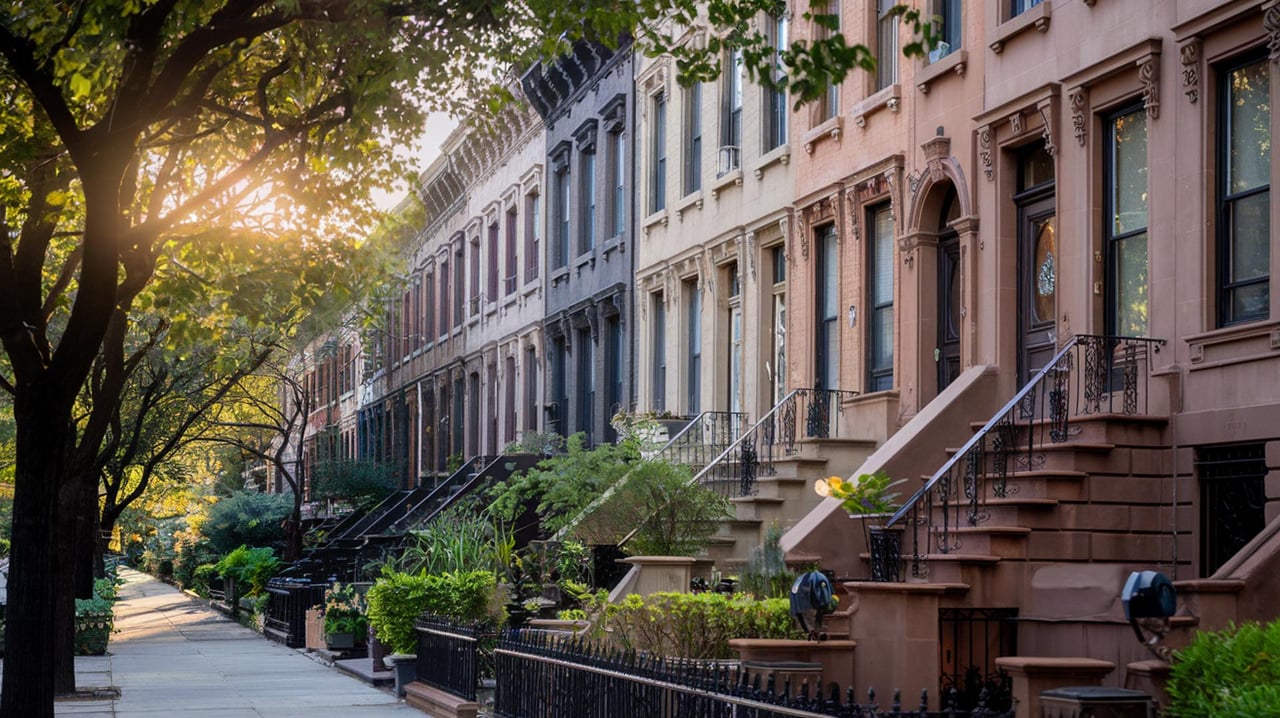
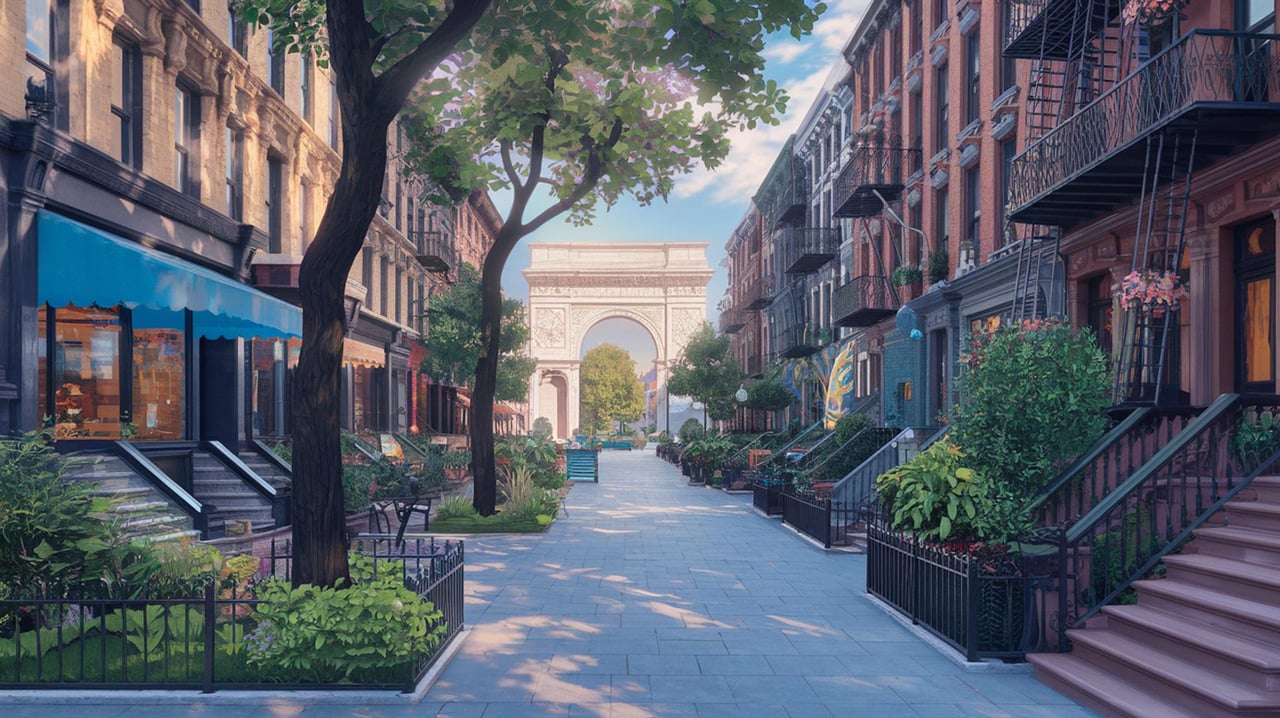
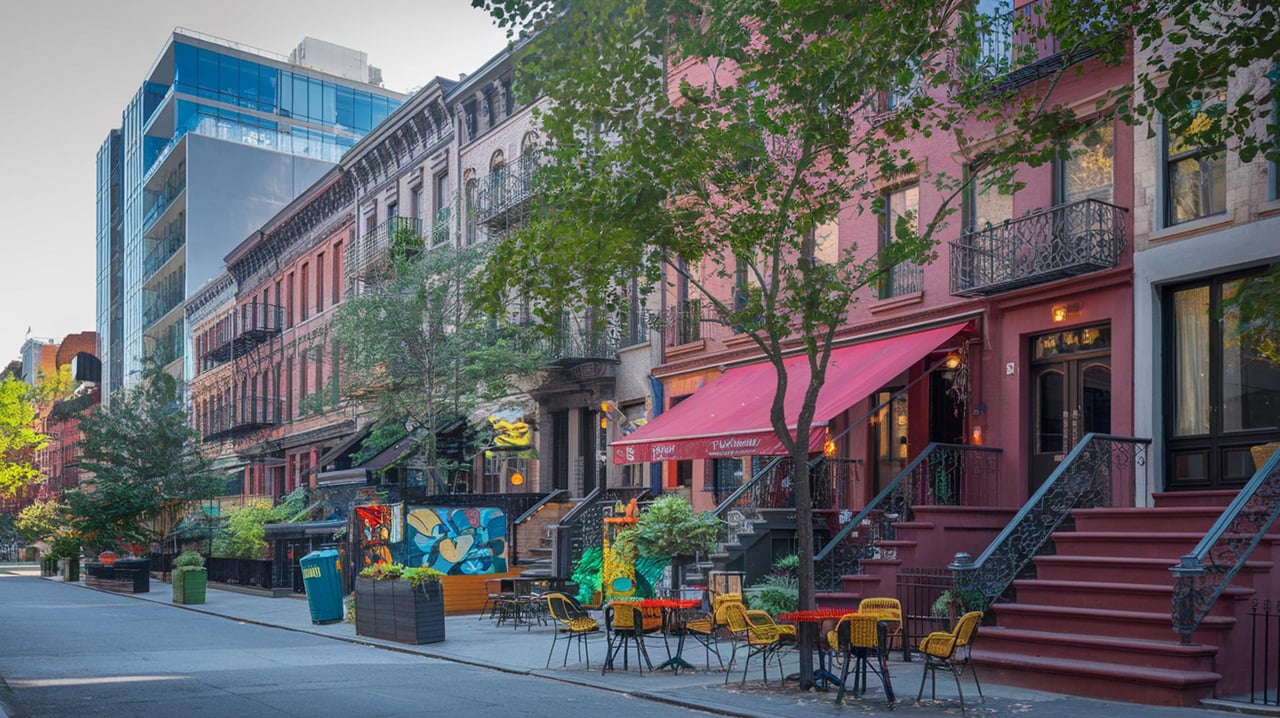
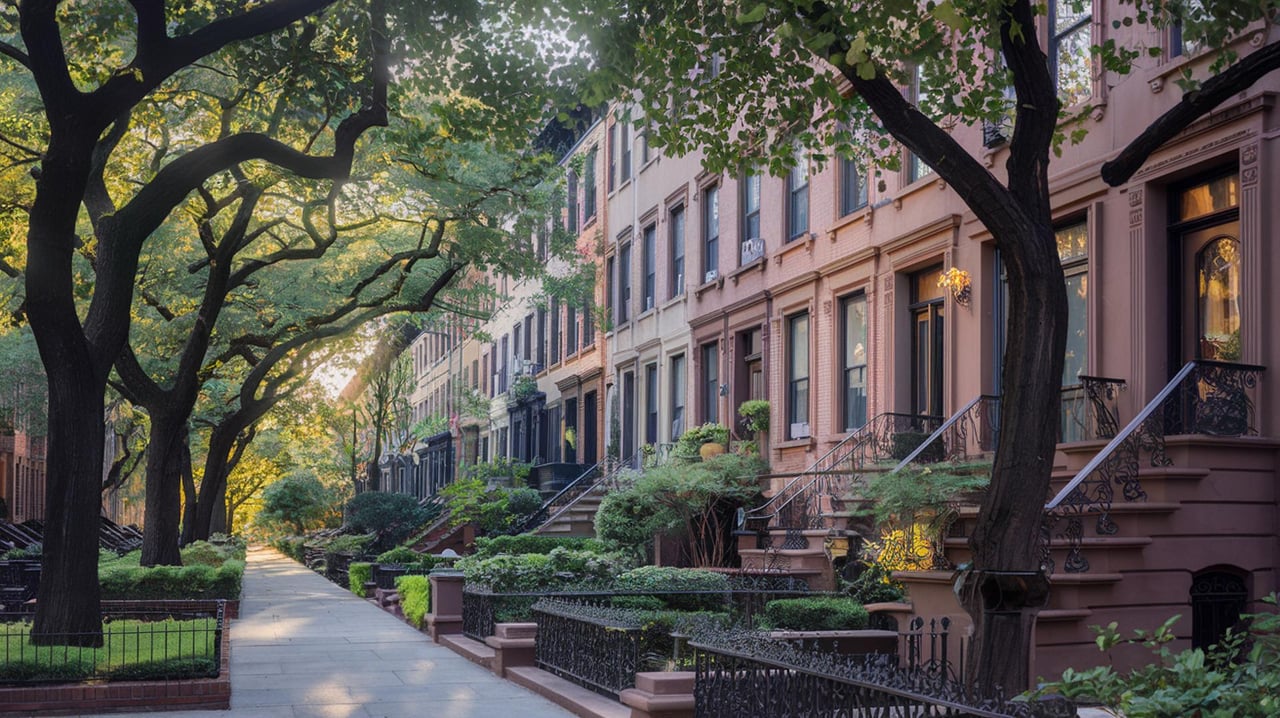
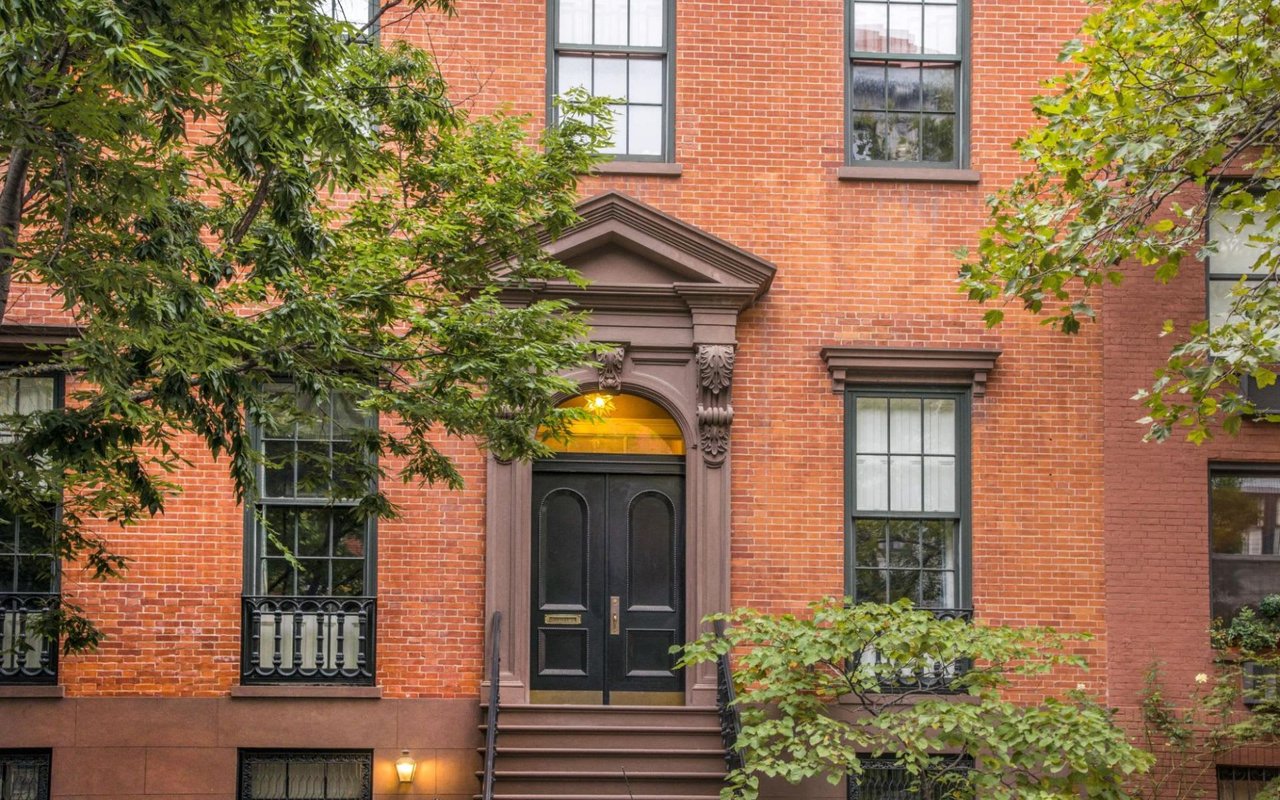
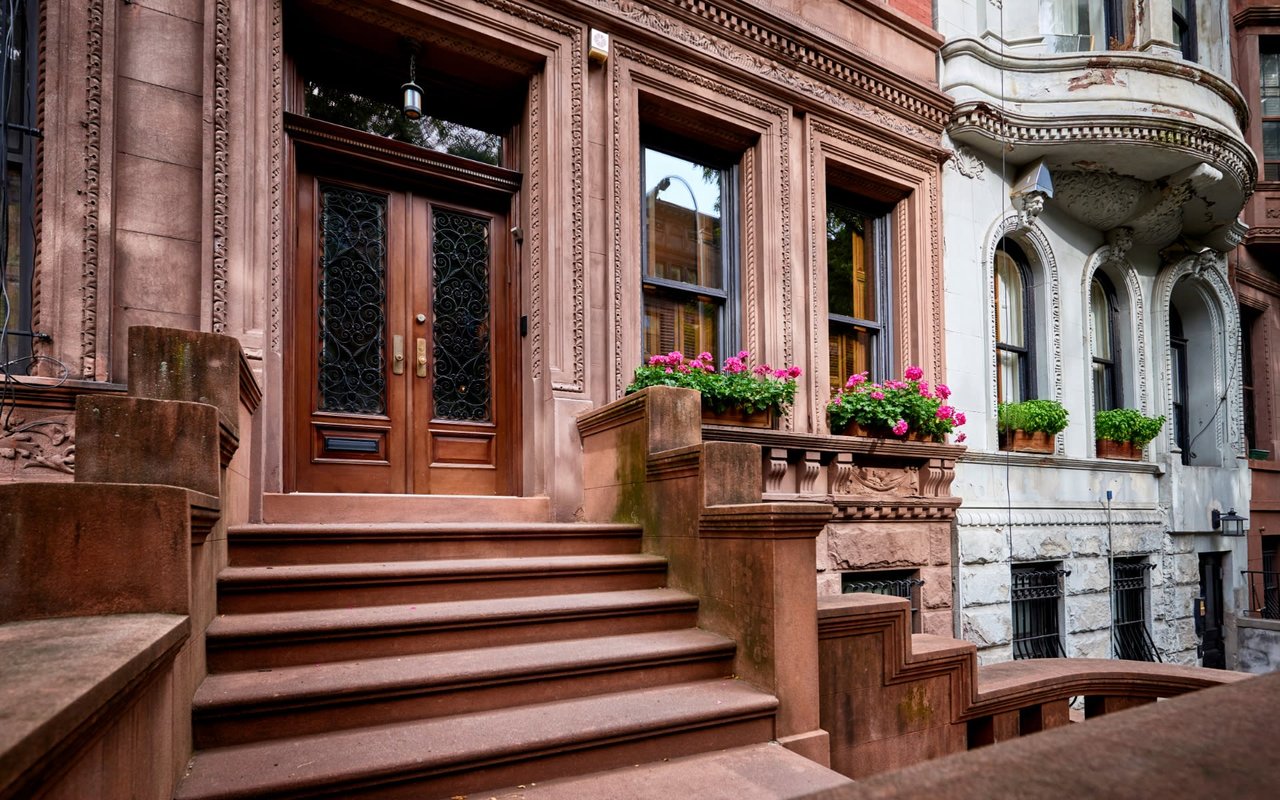
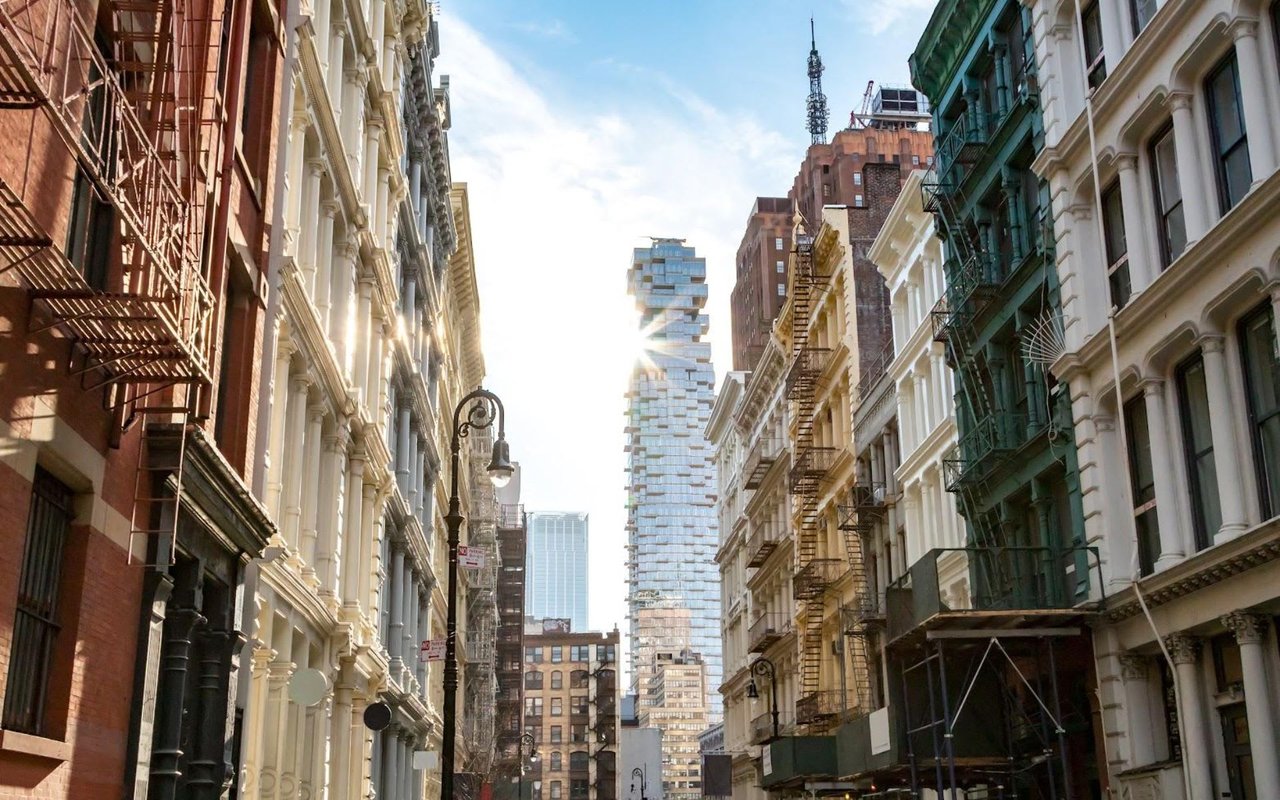
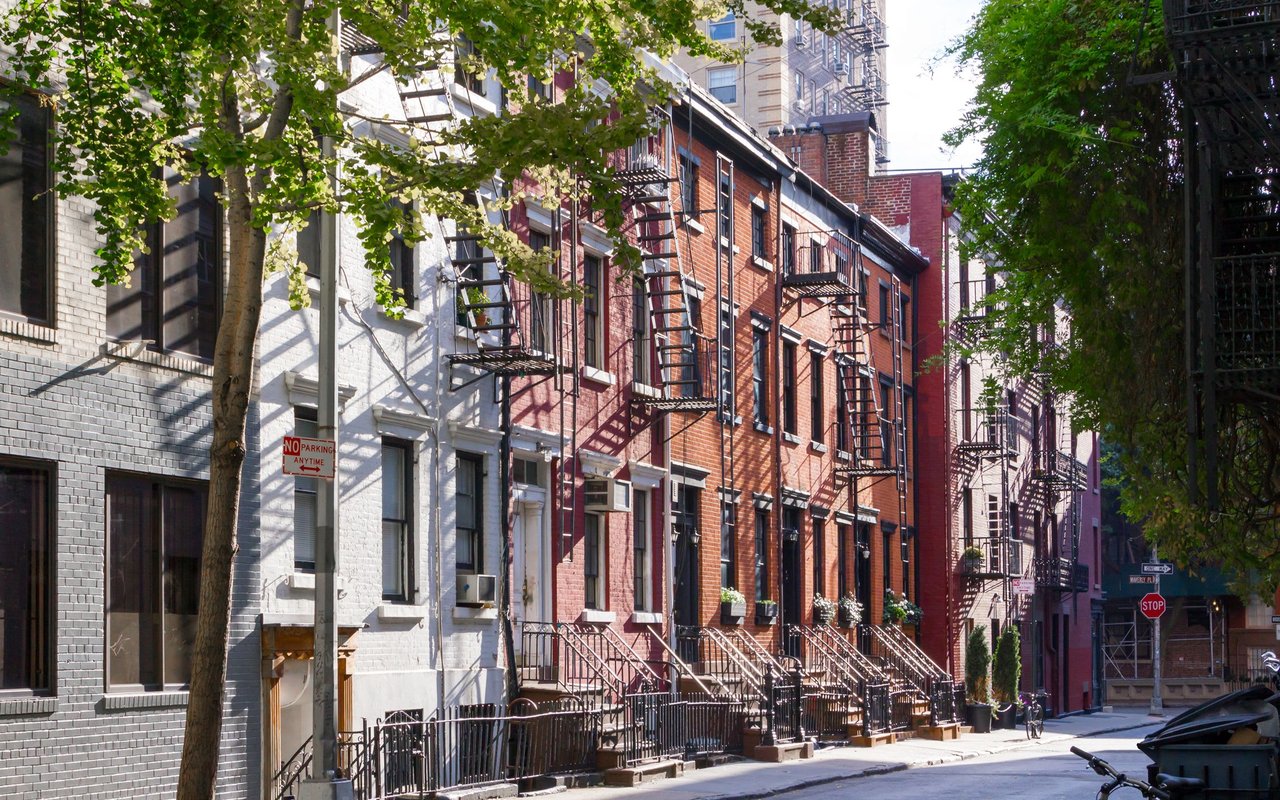
In simple terms, this is why so much of the interior still feels like classic Williamsburg. You are more likely to find narrower side streets, lower street walls, and a more incremental mix of building types rather than large-scale waterfront development.
Interior Buildings Often Feel More Layered
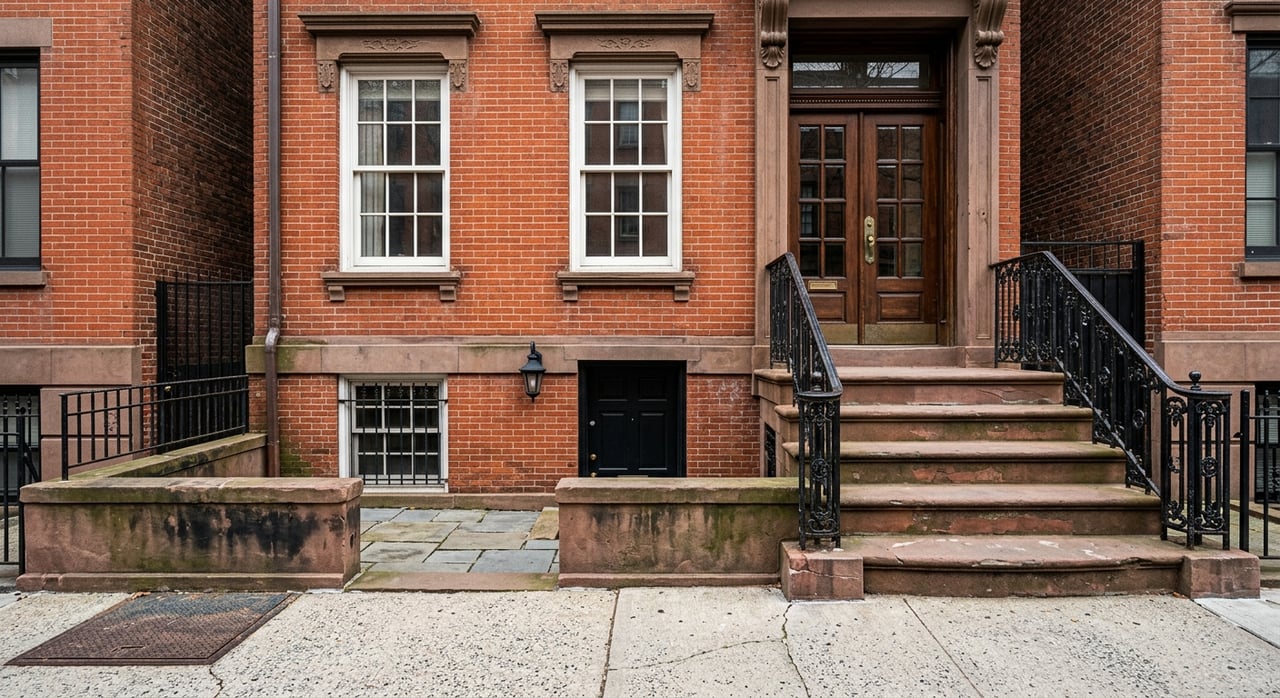
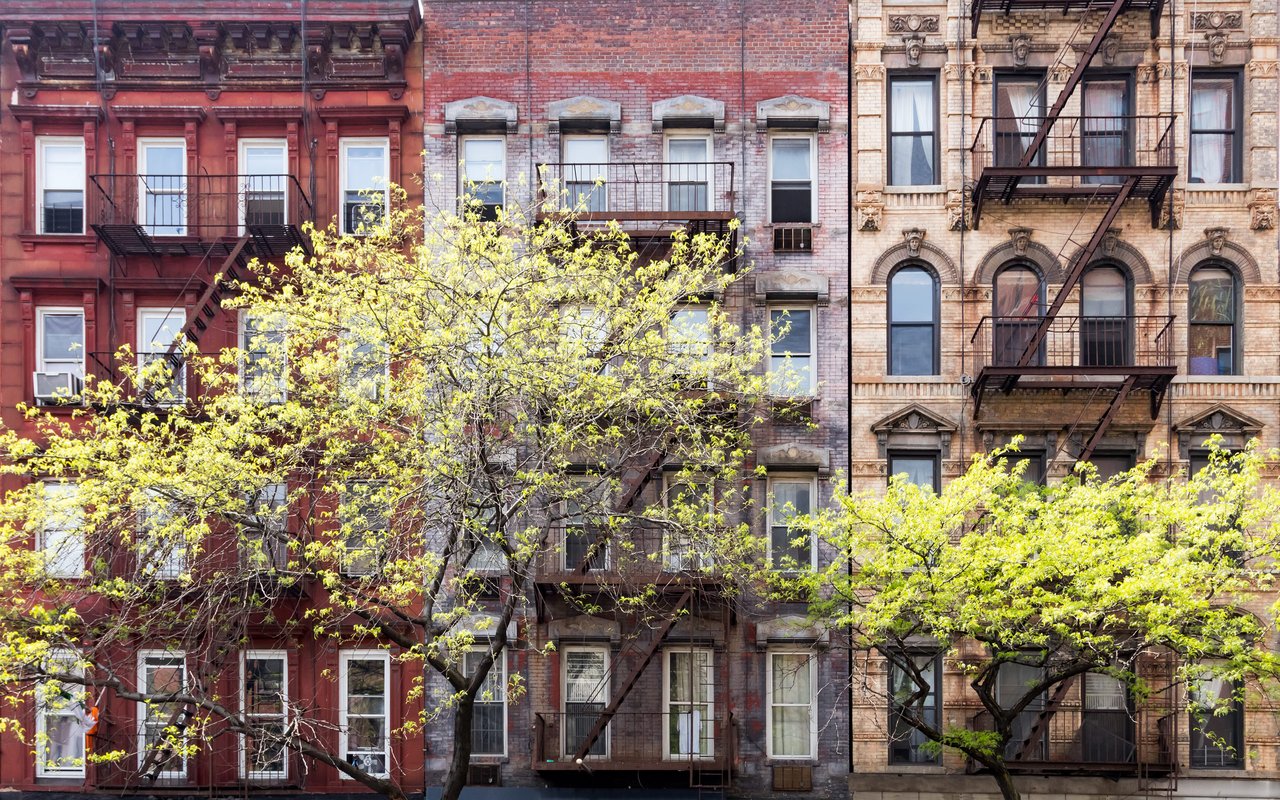
On many residential side streets, R6B zoning typically produces 4- to 5-story buildings. On wider streets, R6A and R7A districts typically allow 6- to 7-story and 6- to 8-story buildings, which still read as more neighborhood-scale than many waterfront towers.
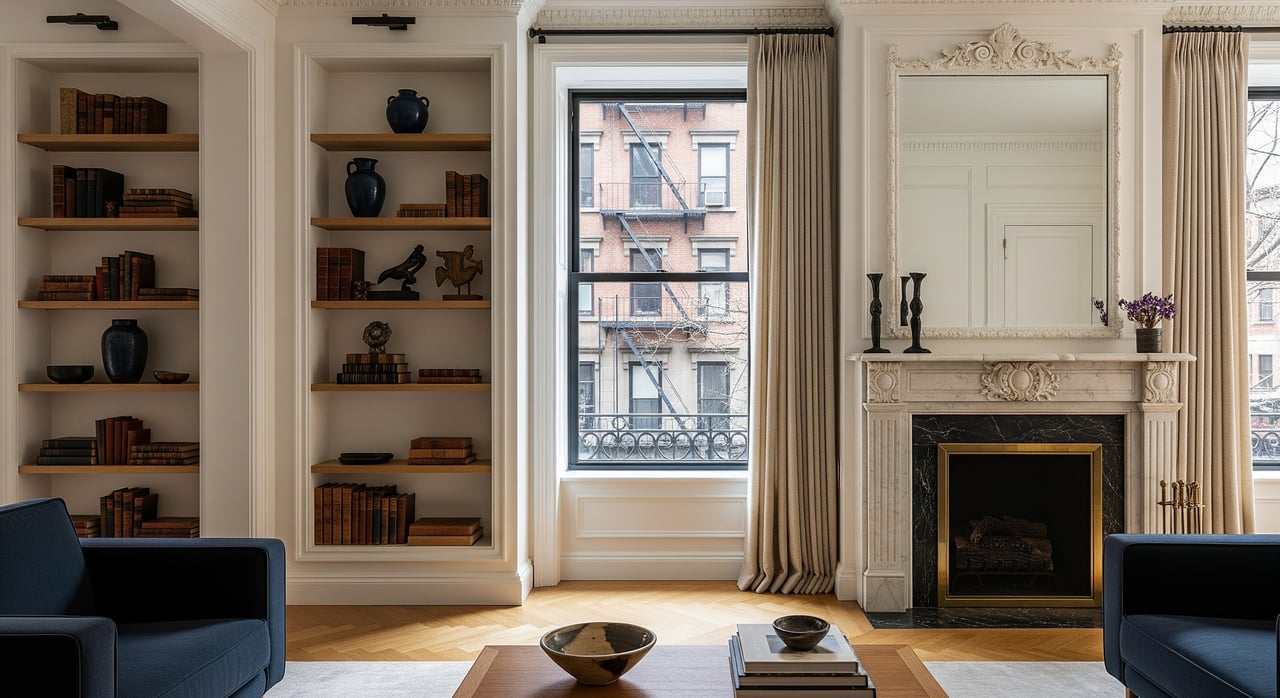
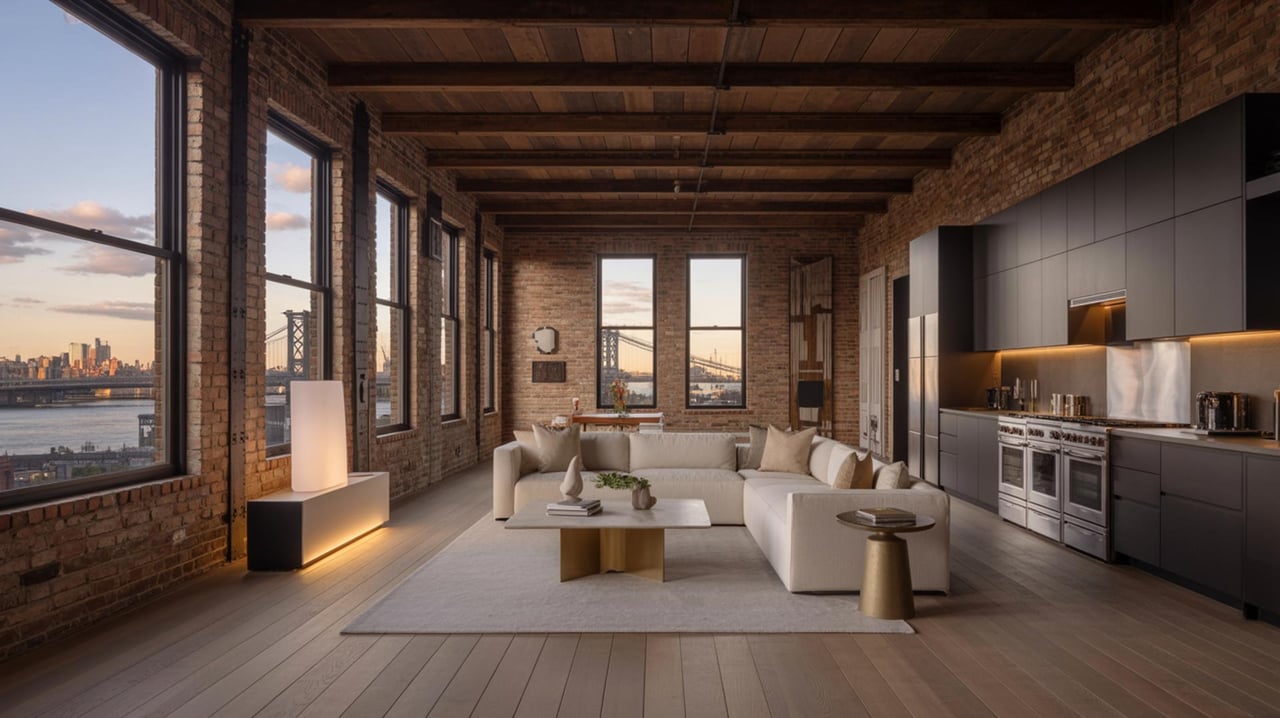
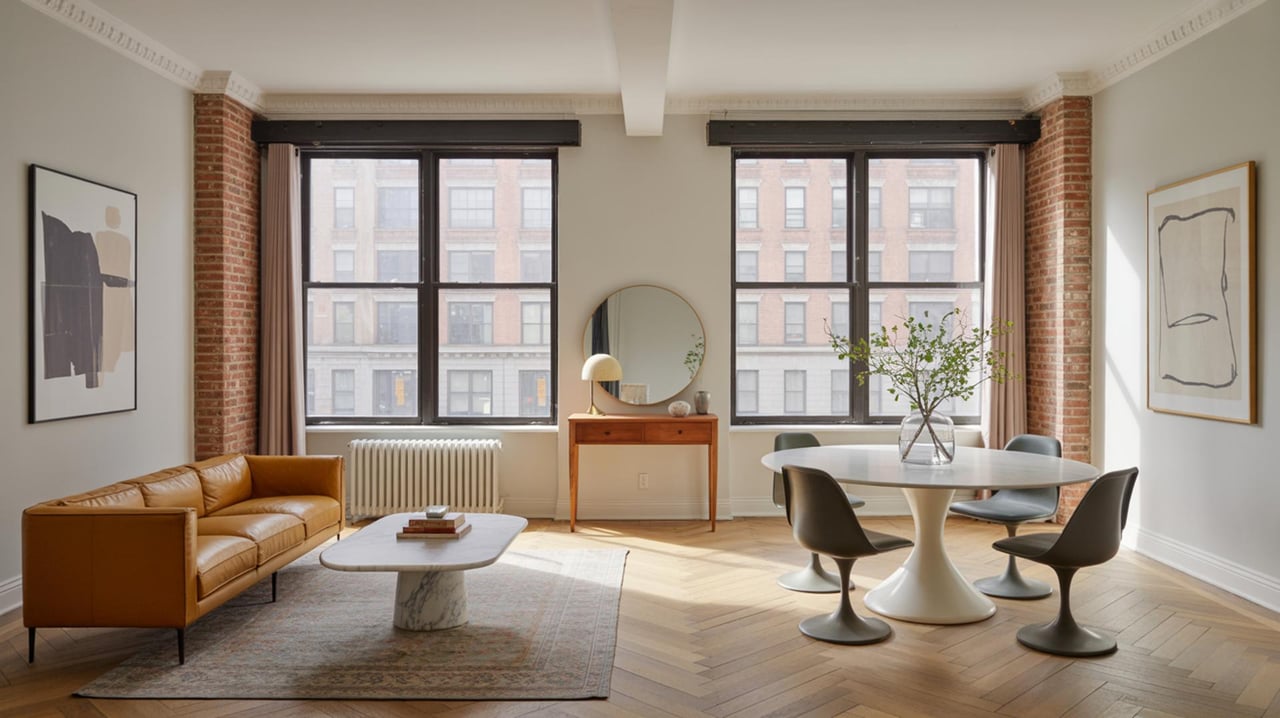
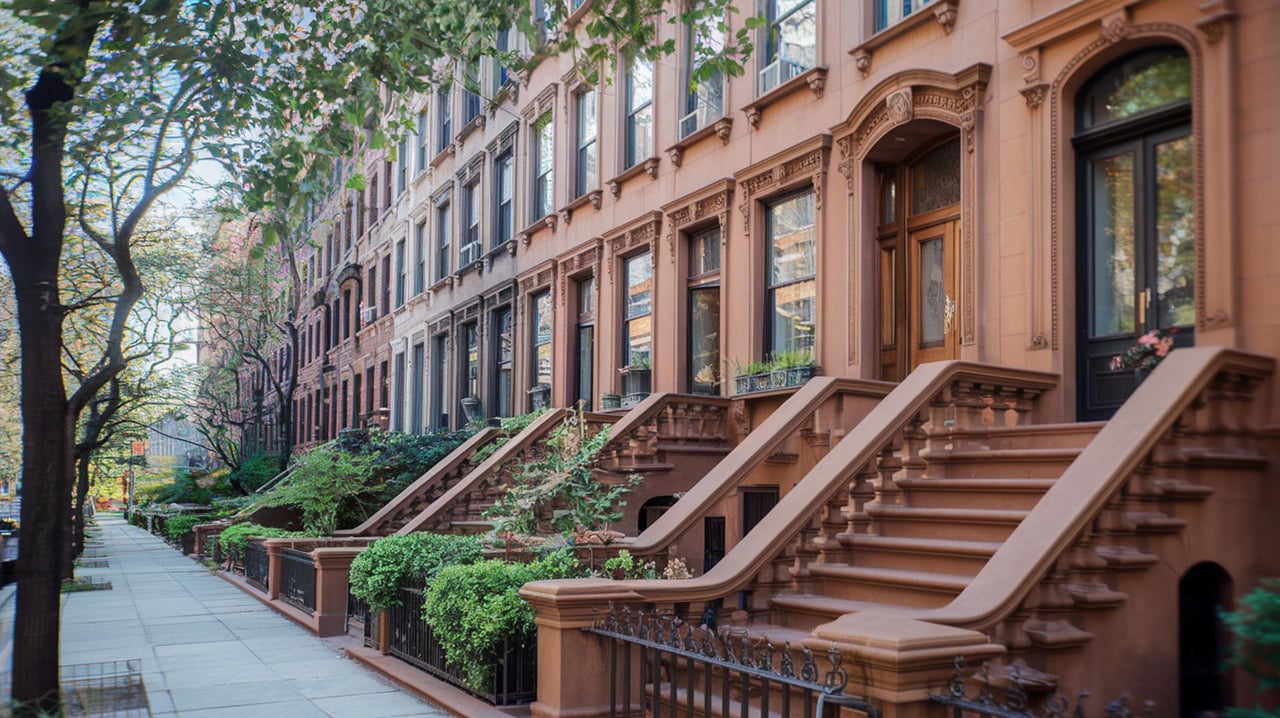
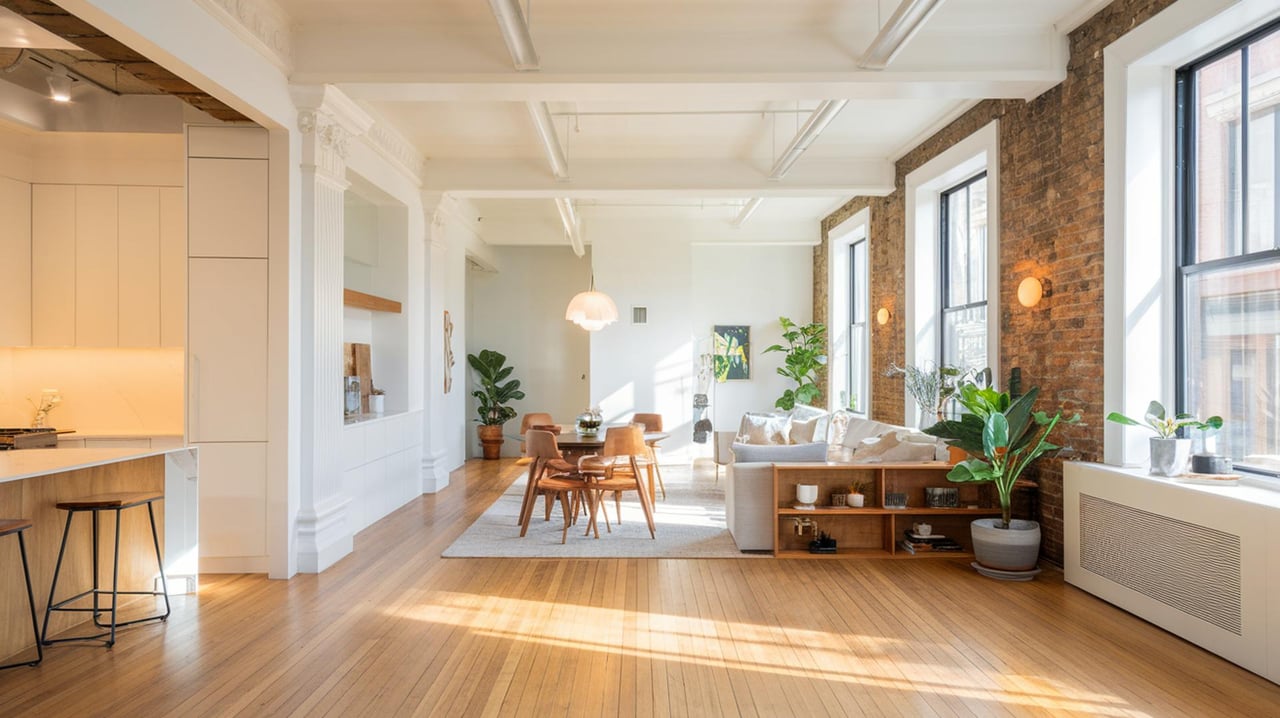
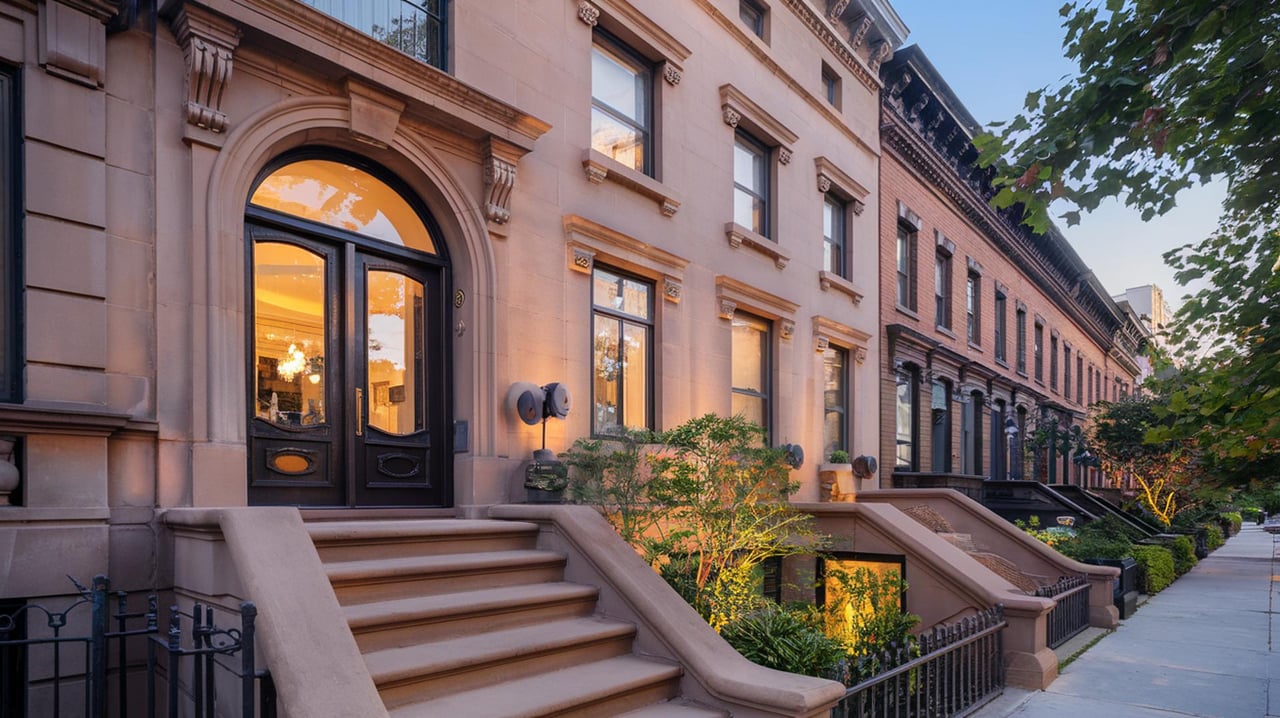
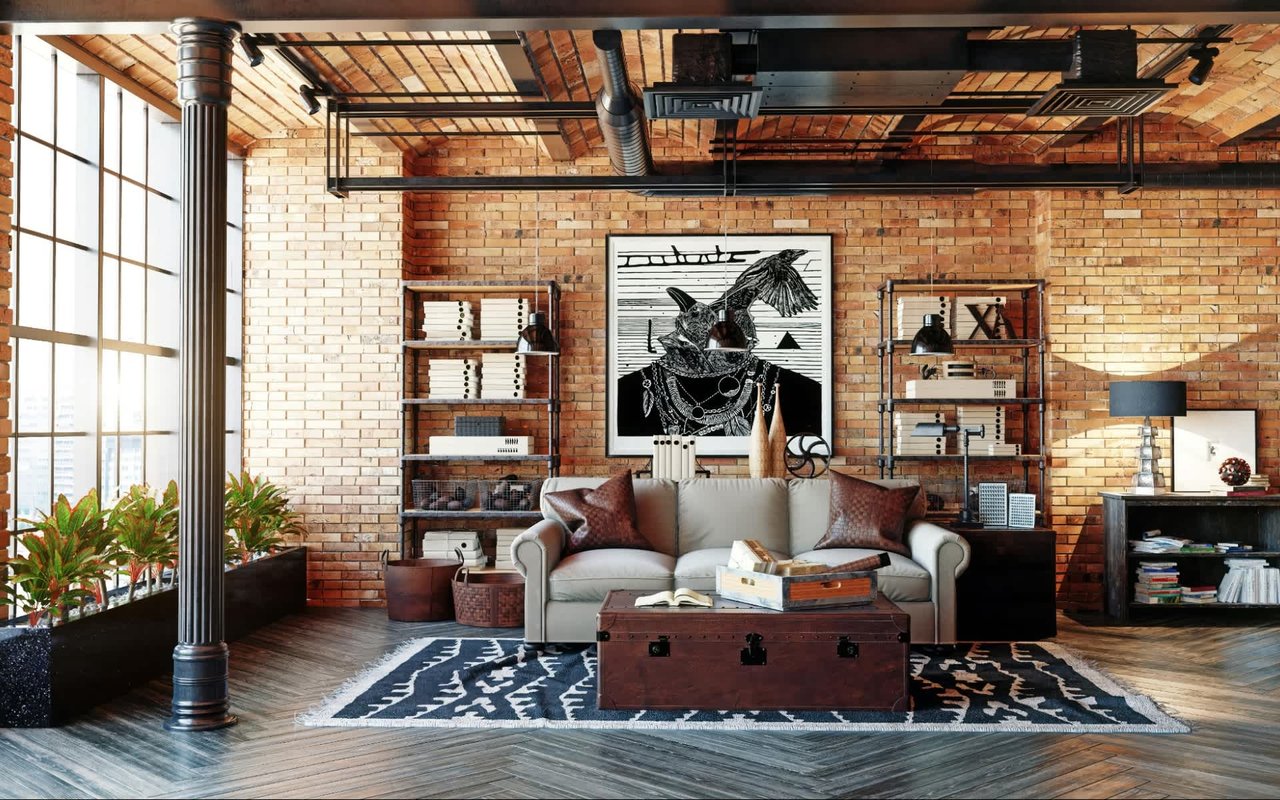
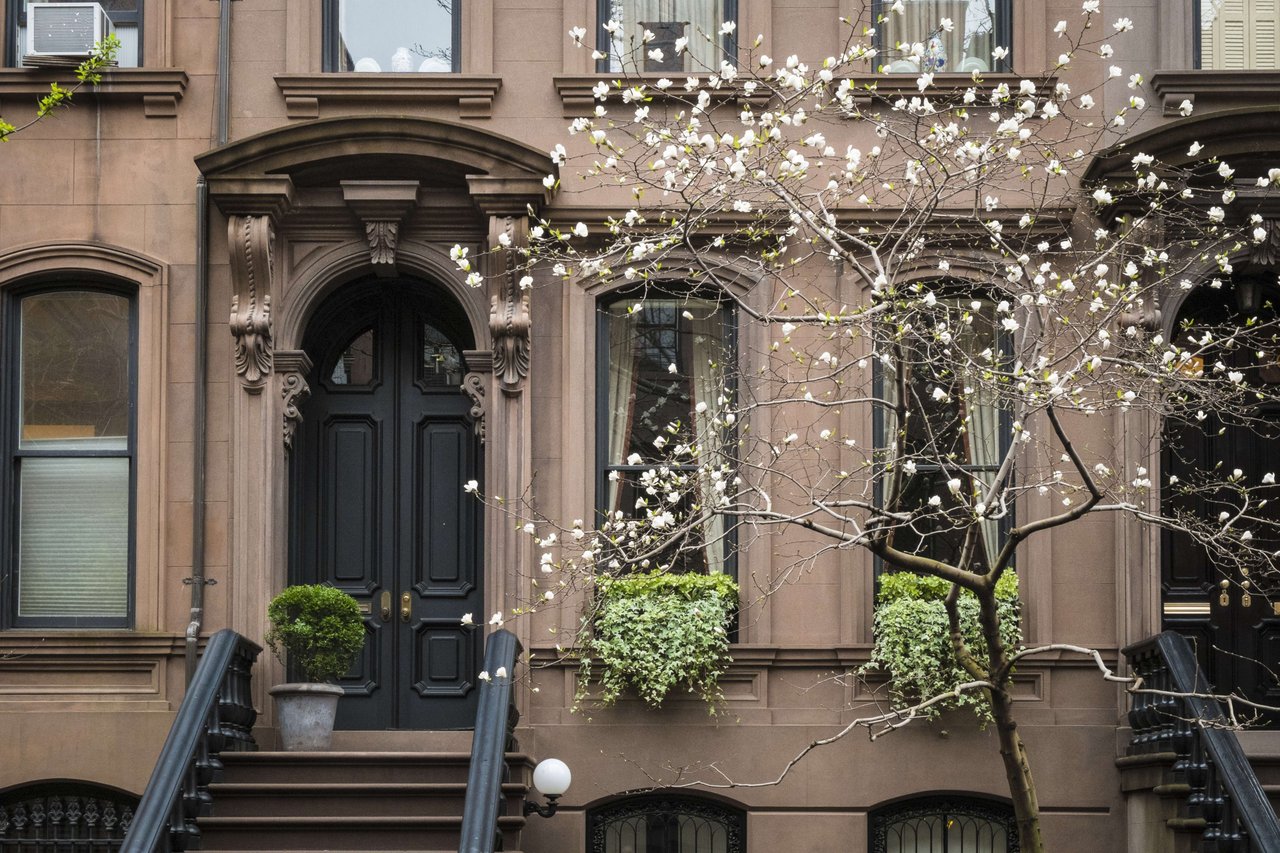
You also see Special Mixed Use districts that allow residential and industrial uses to coexist. That helps explain why the interior can include rowhouses, walkups, loft-style spaces, mixed-use buildings, and smaller condo stock in a way that feels more varied from block to block.
Interior Streets Feel More Traditional
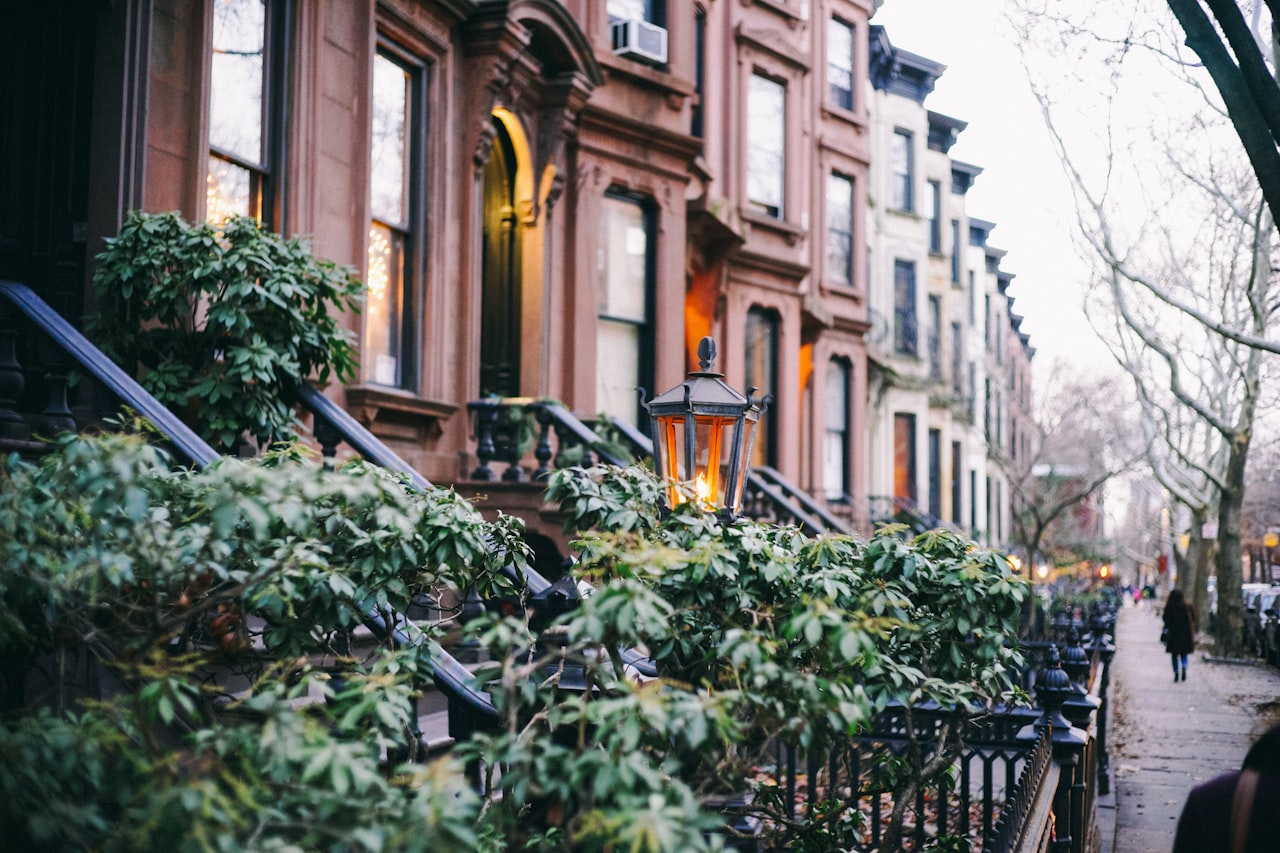
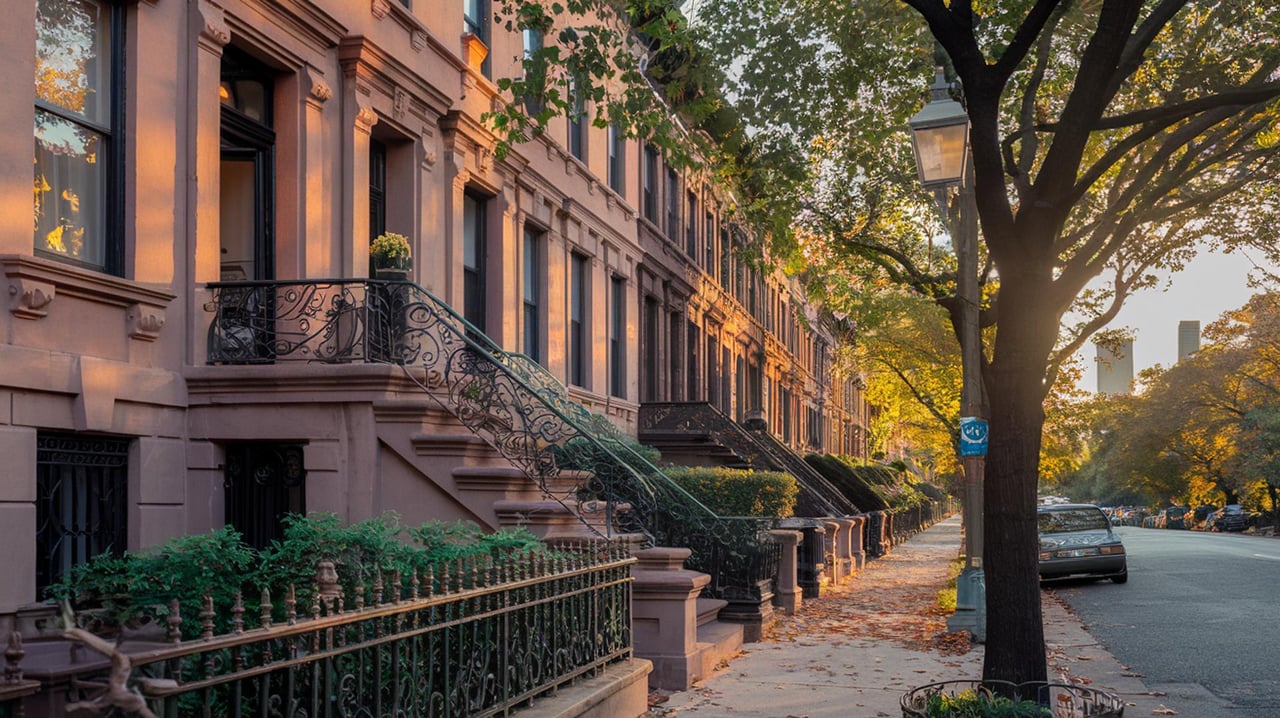
If you are drawn to a more classic Williamsburg street texture, the interior may be the better fit. Planning guidance for these districts specifically aims to preserve the scale of attached residential buildings on certain side streets, while still allowing somewhat taller buildings on wider corridors.
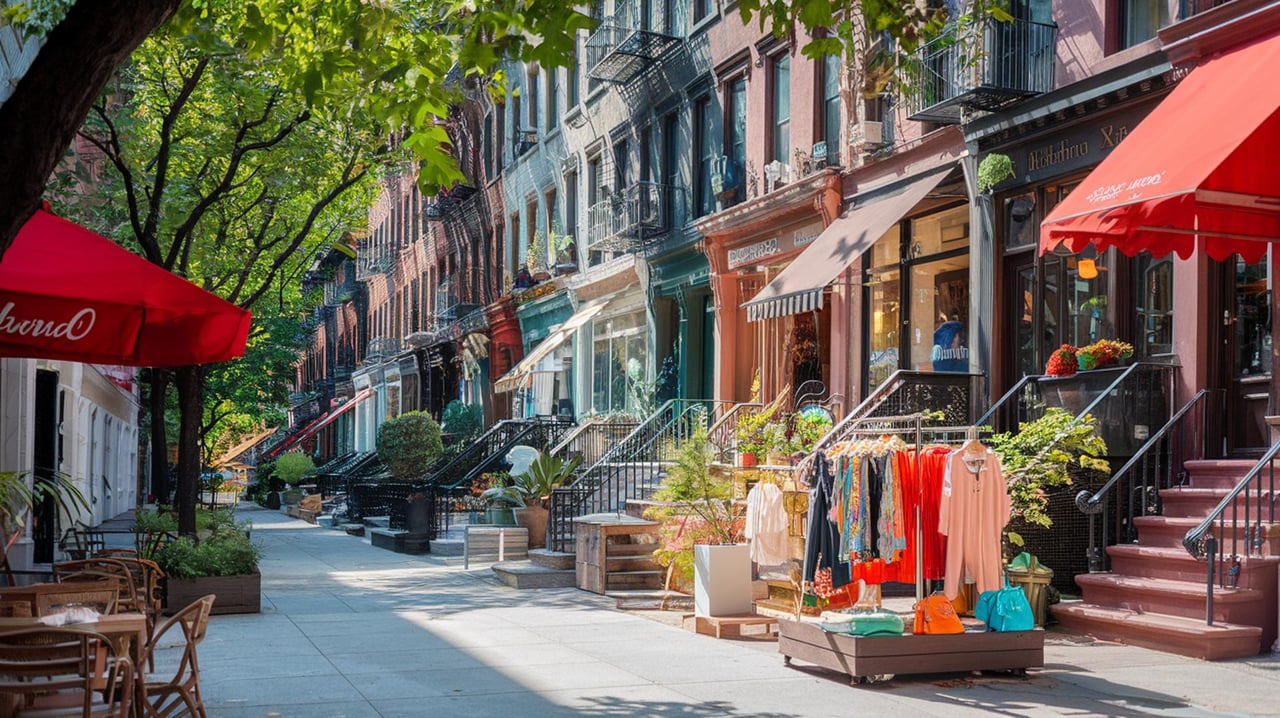
Commercial overlays along corridors like Bedford Avenue and Grand Street keep parts of the interior lively and retail-oriented. So you can still get energy and convenience without the open-edge character of the riverfront.
Interior Park Life Centers on McCarren
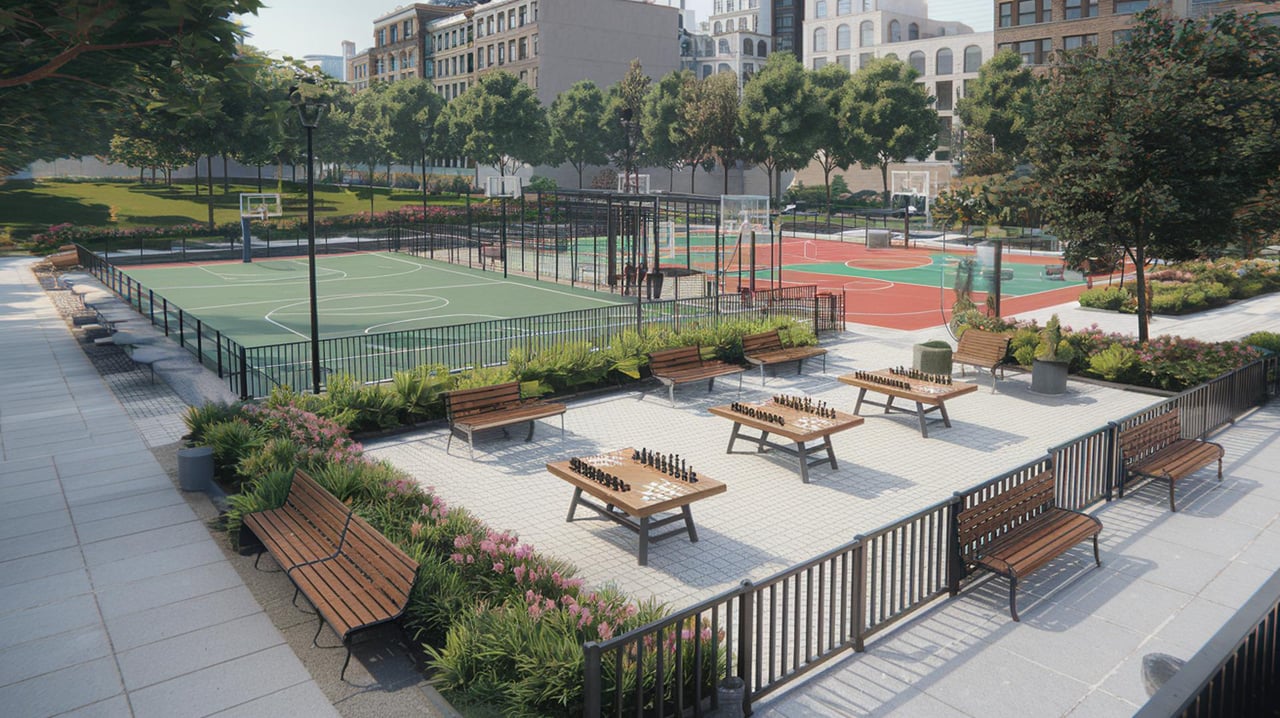
For many inland blocks, McCarren Park is the major open-space anchor. The park spans 35 acres and includes fields, courts, a pool, and year-round community use.
That creates a different park experience from the waterfront esplanade. Instead of riverfront walks and skyline views, the interior often offers a more central neighborhood park dynamic tied into the regular street grid.
Interior Transit Usually Favors Subway Access
If your priority is subway redundancy, the interior can be a strong choice. Williamsburg is served by the L, G, J, M, and Z lines, and recent accessibility work has improved stations including Lorimer Street and Metropolitan Avenue.
For many buyers, that matters more than ferry access. If you want several train options within the broader neighborhood, the interior often gives you more flexibility depending on the block you choose.
Waterfront Vs Interior: The Real Tradeoff
The cleanest way to compare the two is to focus on what kind of daily life you want. Waterfront living generally fits buyers who want newer large-scale buildings, direct access to parks and the river, and the possibility of ferry commuting.
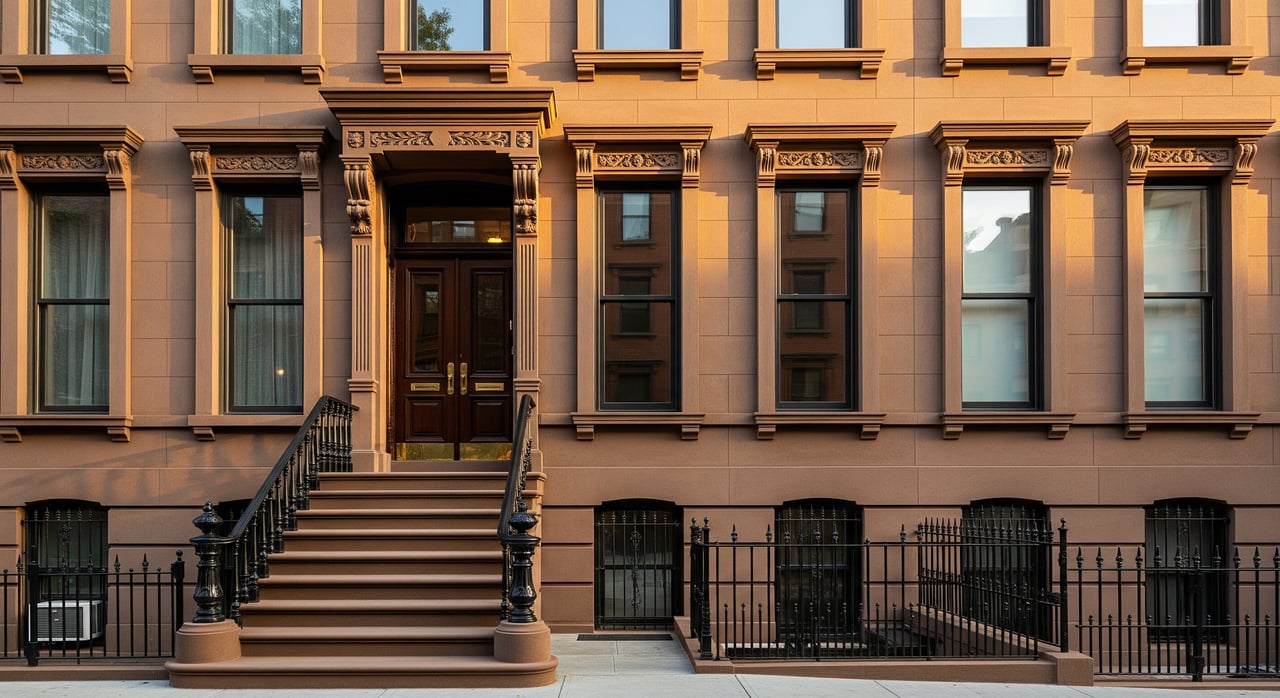
Interior living generally fits buyers who want a more traditional Williamsburg feel, lower-rise streets, and a broader mix of rowhouses, walkups, loft conversions, and smaller condo buildings. That difference comes from zoning and public-space design, not just branding.
How To Choose The Right Pocket
The best choice usually comes down to four practical questions. What kind of building do you want, how close do you want to be to parks, what kind of street activity feels right to you, and how important is transit convenience from your exact block?
If you are comparing a waterfront address, add one more question: how much flood-map review is prudent for this specific property? That extra layer of diligence is part of buying thoughtfully near the shoreline.
Waterfront May Fit You If
- You prefer newer construction and larger residential buildings
- You want direct access to waterfront parks and promenades
- You like the idea of ferry service as part of your commute
- You value visual openness and river views
- You are comfortable doing extra flood-risk review during your search
Interior May Fit You If
- You prefer lower-rise streets and a more traditional neighborhood feel
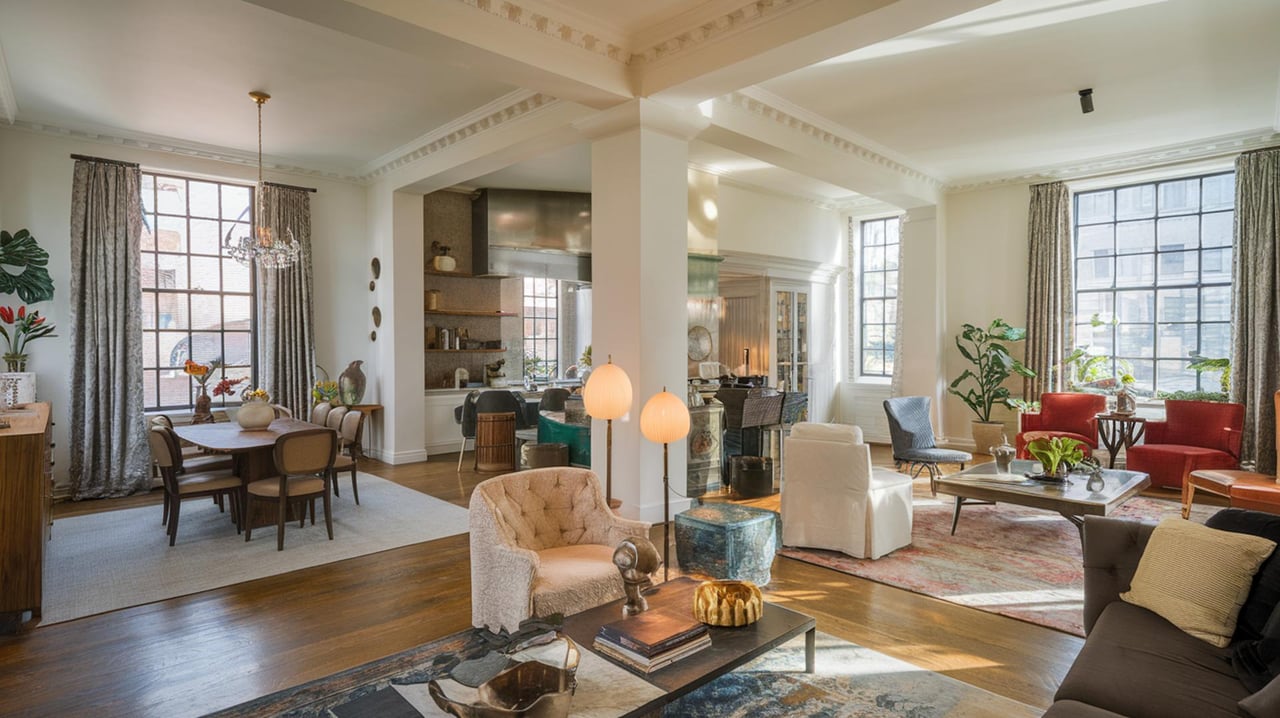
- You want a broader mix of housing types, including loft-style and smaller-scale buildings
- You expect to rely more on subway access than ferry service
- You enjoy retail corridors woven into the street grid
- You are drawn to the classic texture of inland Williamsburg blocks
Why Block-Level Advice Matters In Williamsburg
One of the biggest mistakes buyers make is treating all of Williamsburg as one thing. The waterfront is not uniform, and neither is the interior. North Williamsburg, South Williamsburg, and the Domino and Kent Avenue edge each have distinct building forms and access patterns, and some waterfront blocks still remain industrial or mixed-use.
That is why neighborhood-level knowledge matters. In Williamsburg, a few blocks can change your building type, transit options, park access, and even the feel of your daily routine.
If you are weighing waterfront versus interior living, the right answer is rarely generic. It usually comes from matching your priorities to the specific pocket, building type, and block conditions that fit your lifestyle and long-term plans. If you want a practical, design-aware perspective on where to focus your search in Williamsburg, Mark O’Brien Real Estate can help you sort through the options with a clear local lens.
FAQs
What is the main difference between Williamsburg waterfront and interior living?
- Waterfront Williamsburg generally offers newer, larger-scale buildings, riverfront parks, and possible ferry access, while interior Williamsburg generally offers lower-rise streets, more traditional building patterns, and broader subway access.
What types of buildings are common on the Williamsburg waterfront?
- Waterfront Williamsburg is more associated with newer mixed-use and larger residential buildings, including towers in areas shaped by waterfront rezoning and redevelopment.
What types of homes are common in interior Williamsburg?
- Interior Williamsburg typically includes a broader mix of rowhouses, walkups, loft-style spaces, mixed-use buildings, and smaller condo stock shaped by contextual zoning.
What parks are most relevant when comparing Williamsburg waterfront and interior areas?
- Waterfront buyers often focus on Bushwick Inlet Park, Marsha P. Johnson State Park, and Domino Park, while many interior buyers look closely at access to McCarren Park.
What transit options matter when choosing between Williamsburg waterfront and interior blocks?
- Waterfront blocks may benefit from NYC Ferry access plus nearby subway stations, while interior blocks are often more closely tied to the L, G, J, M, and Z subway lines.
What should buyers review before purchasing a Williamsburg waterfront property?
- Buyers should review the property’s location in relation to NYC Planning’s Flood Hazard Mapper and look closely at flood exposure and resiliency considerations for that specific address.