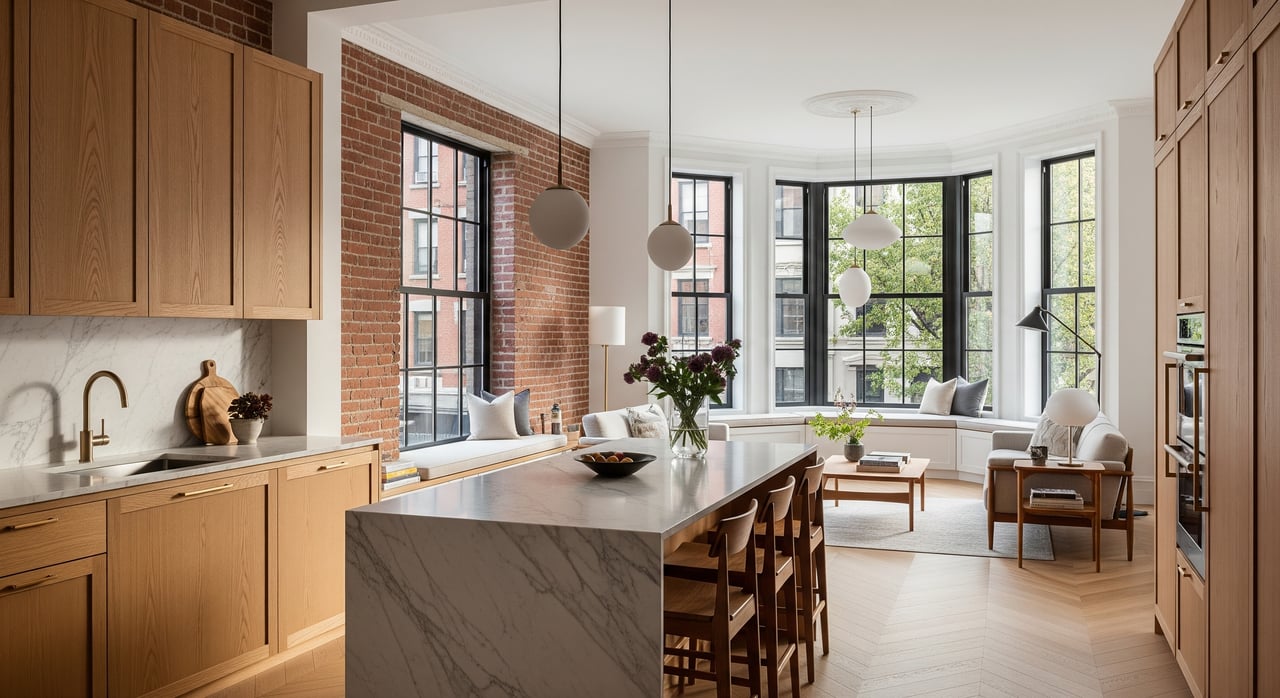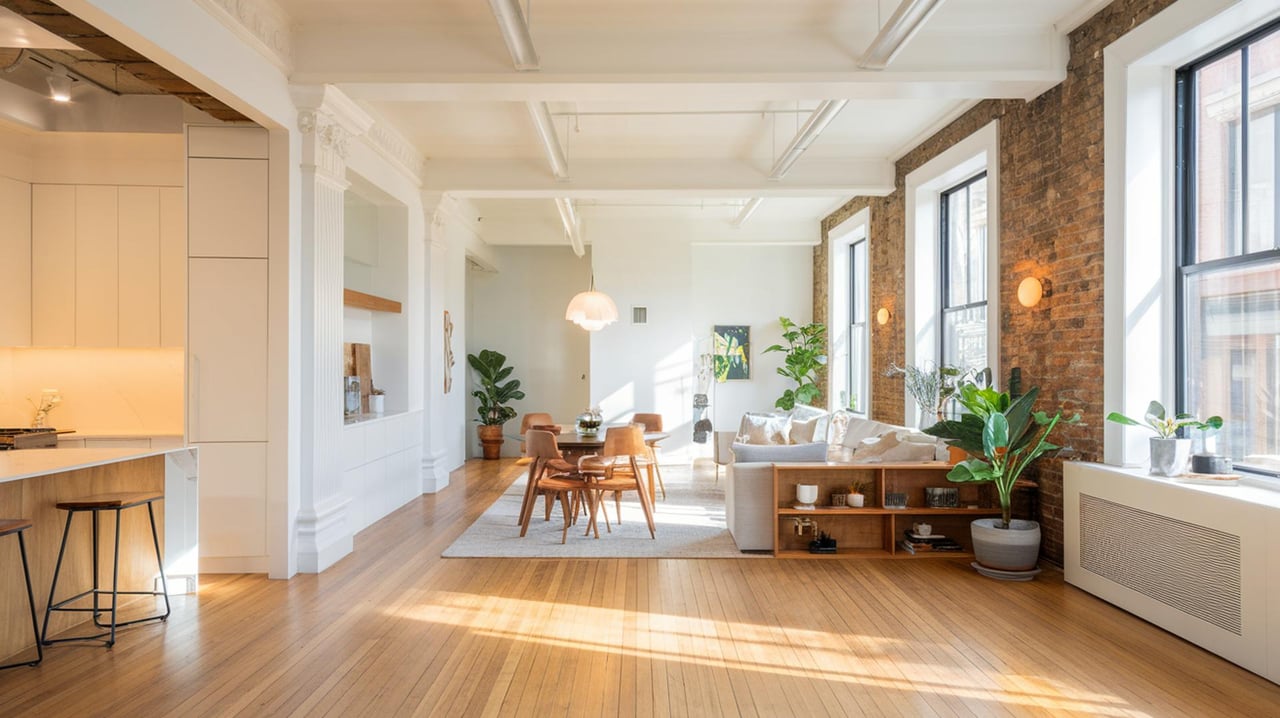
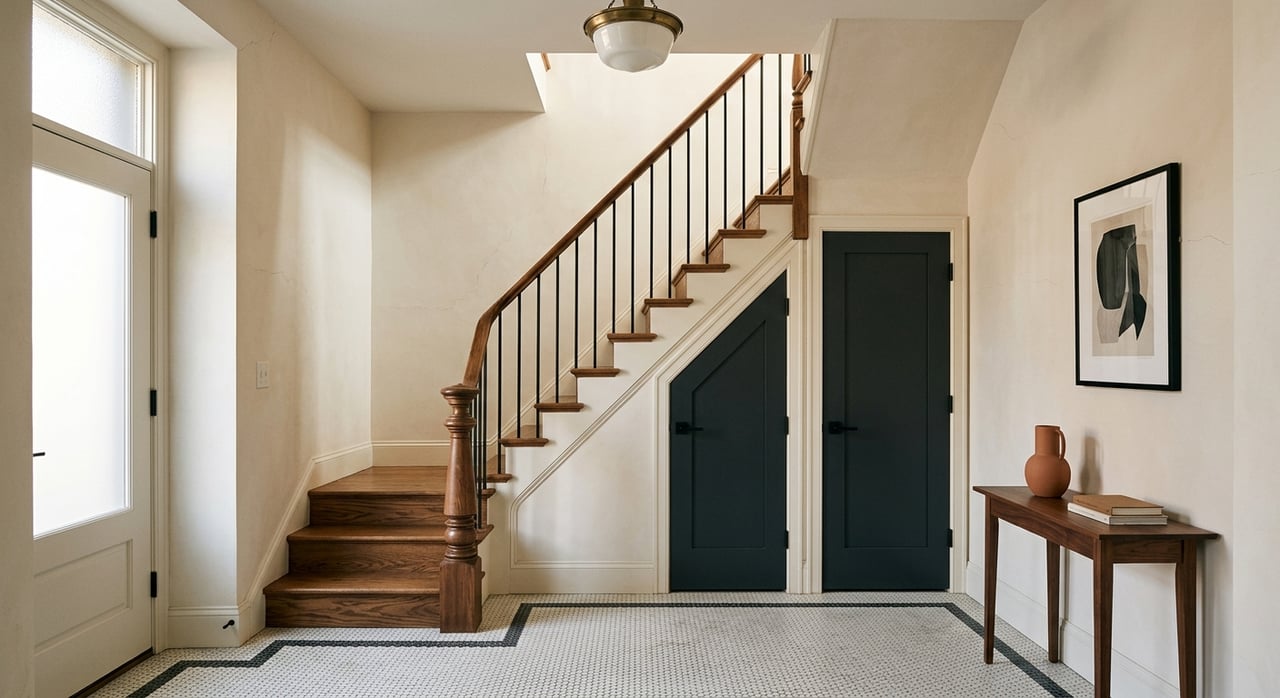
Thinking about creating an owner’s duplex in a Fort Greene brownstone? It can be a smart way to enjoy more space for yourself while keeping a separate rental unit, but in this neighborhood, a good idea on paper still has to work with zoning, legal occupancy, and landmark rules. If you want to plan wisely from the start, it helps to understand where projects usually move smoothly and where they tend to stall. Let’s dive in.
Why Fort Greene duplex planning is different
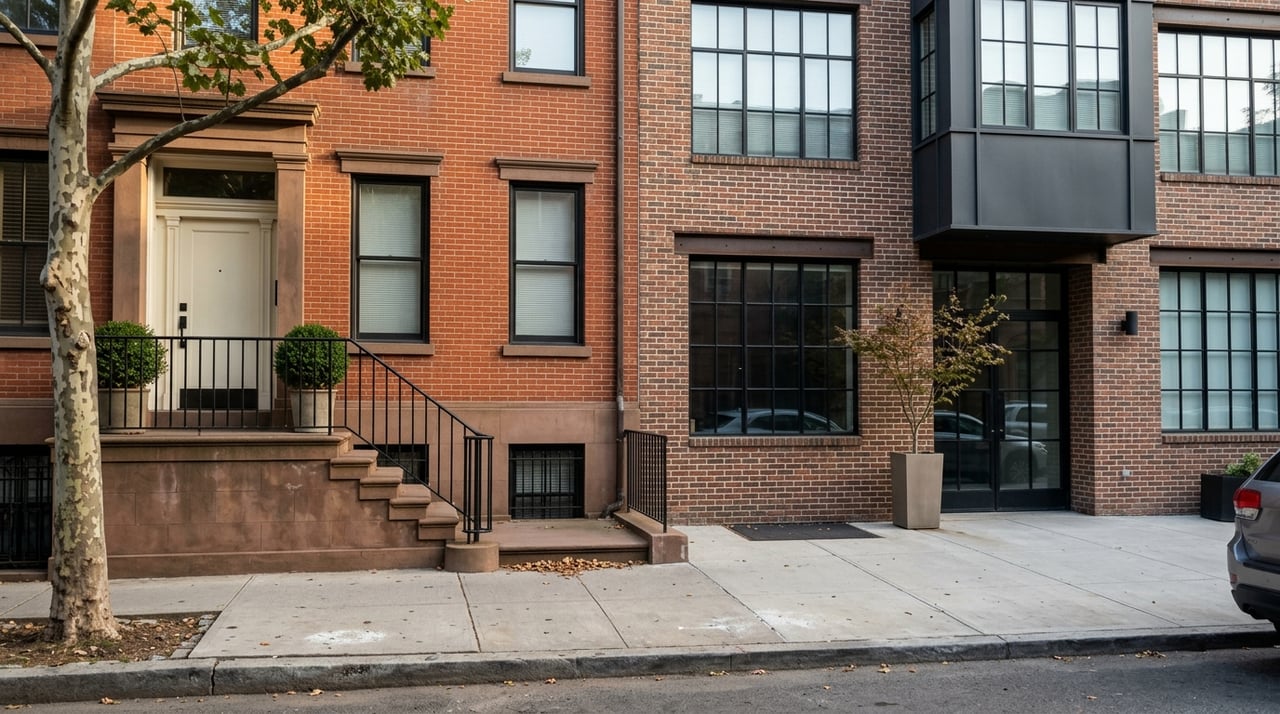
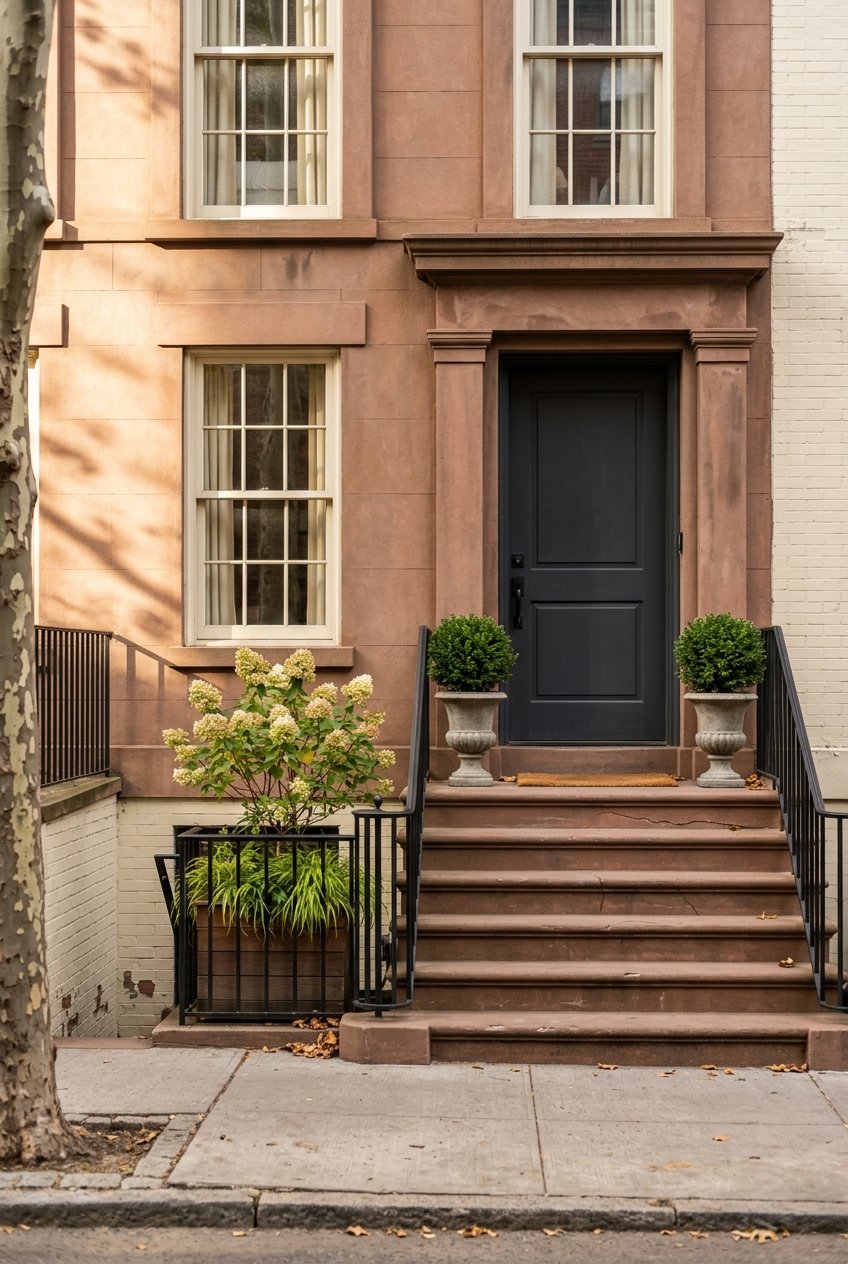
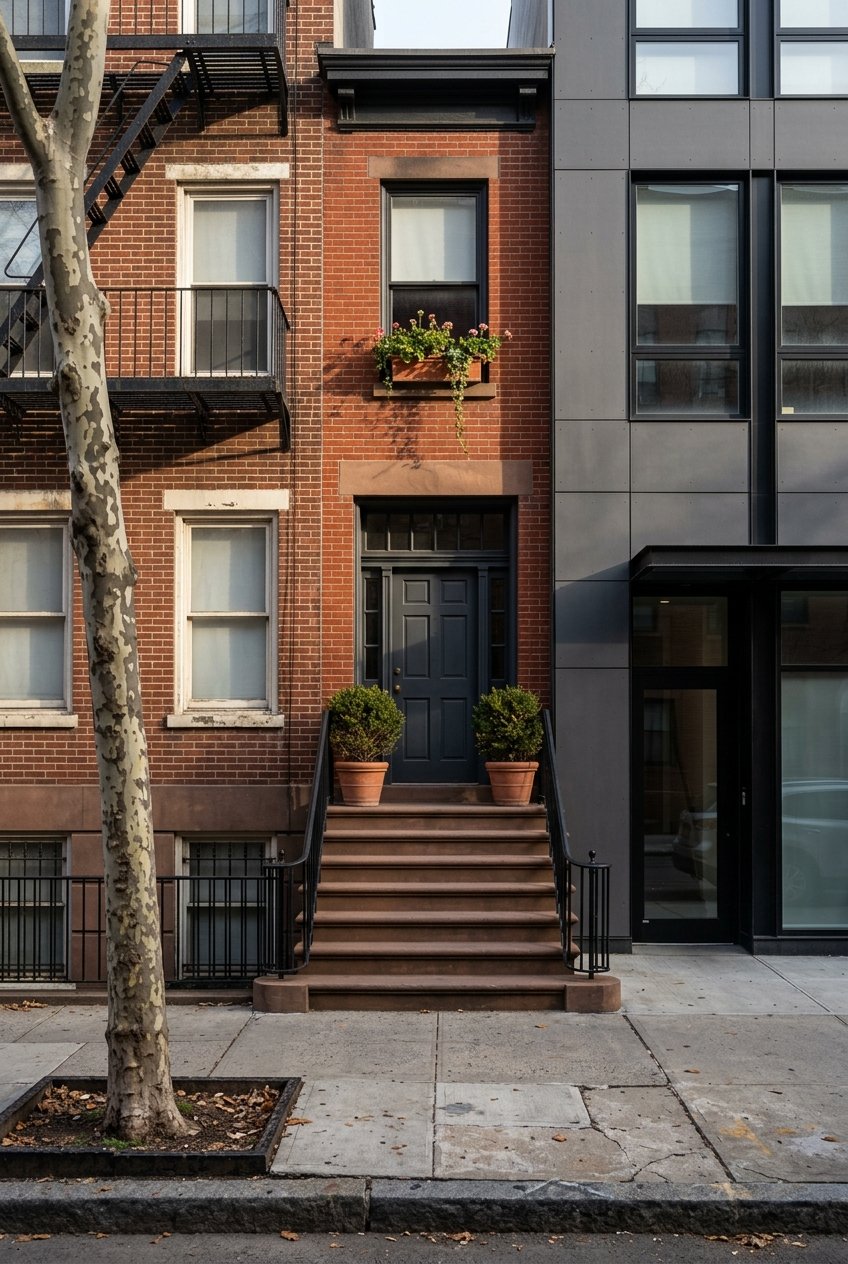
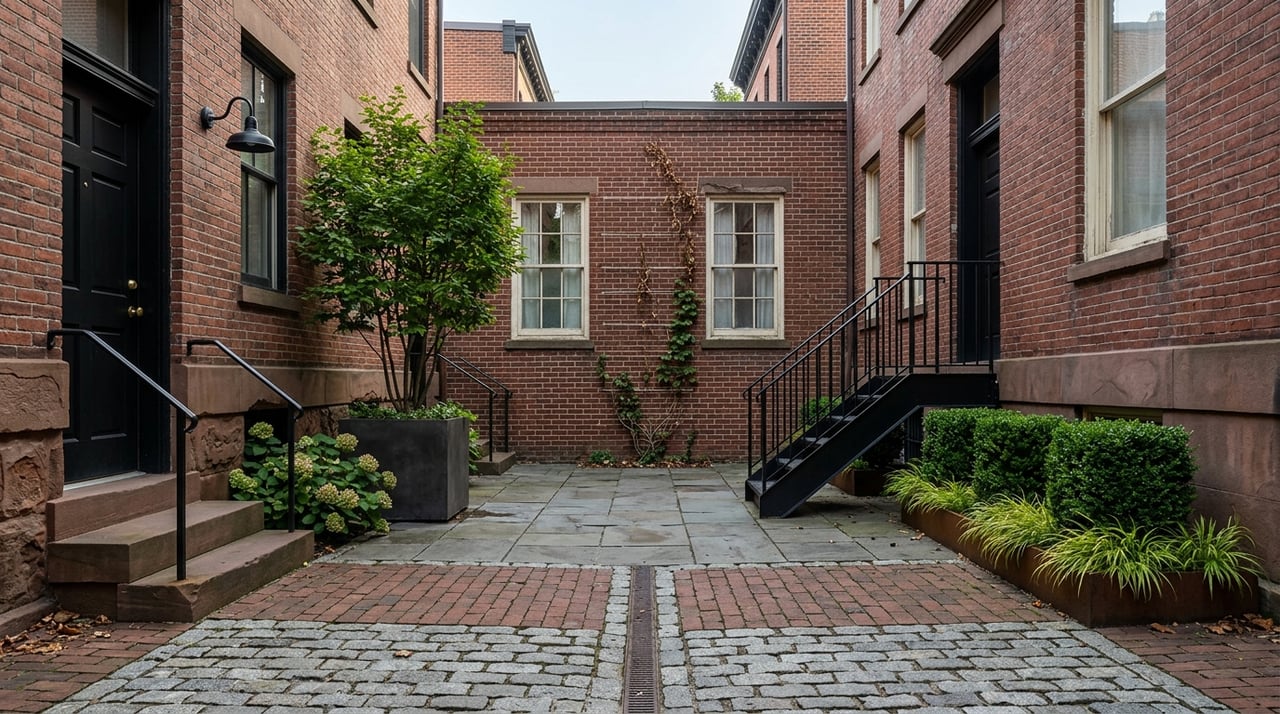
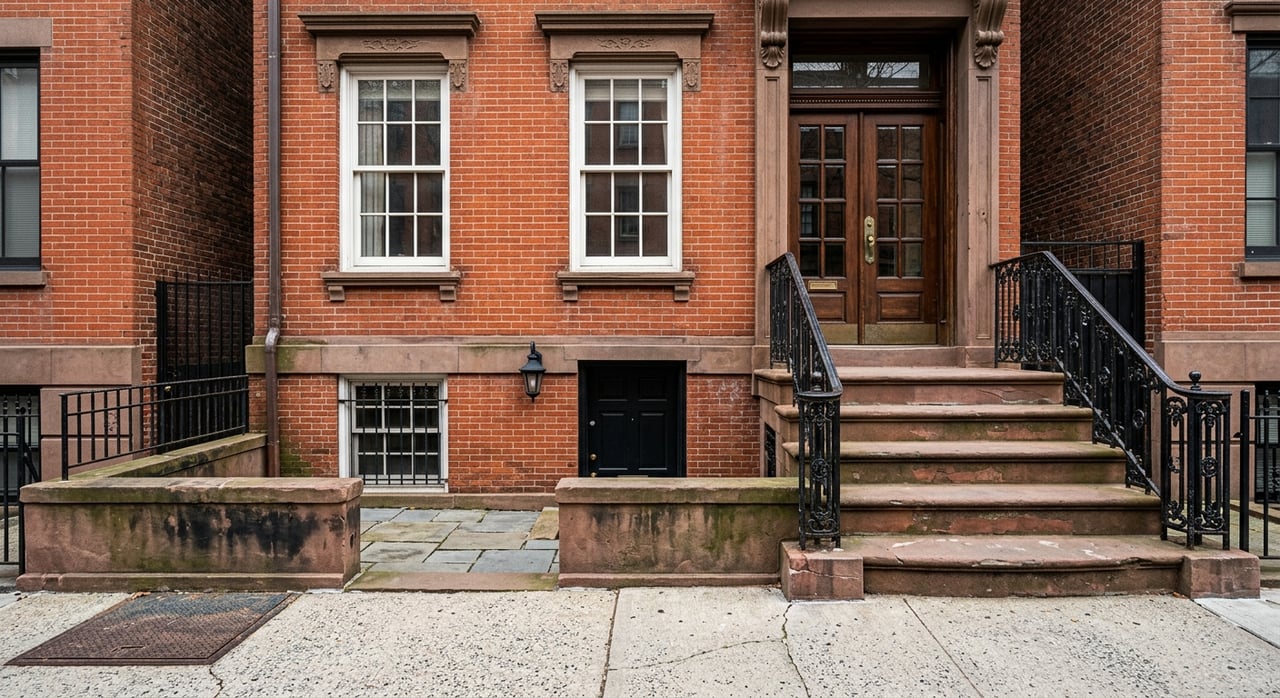
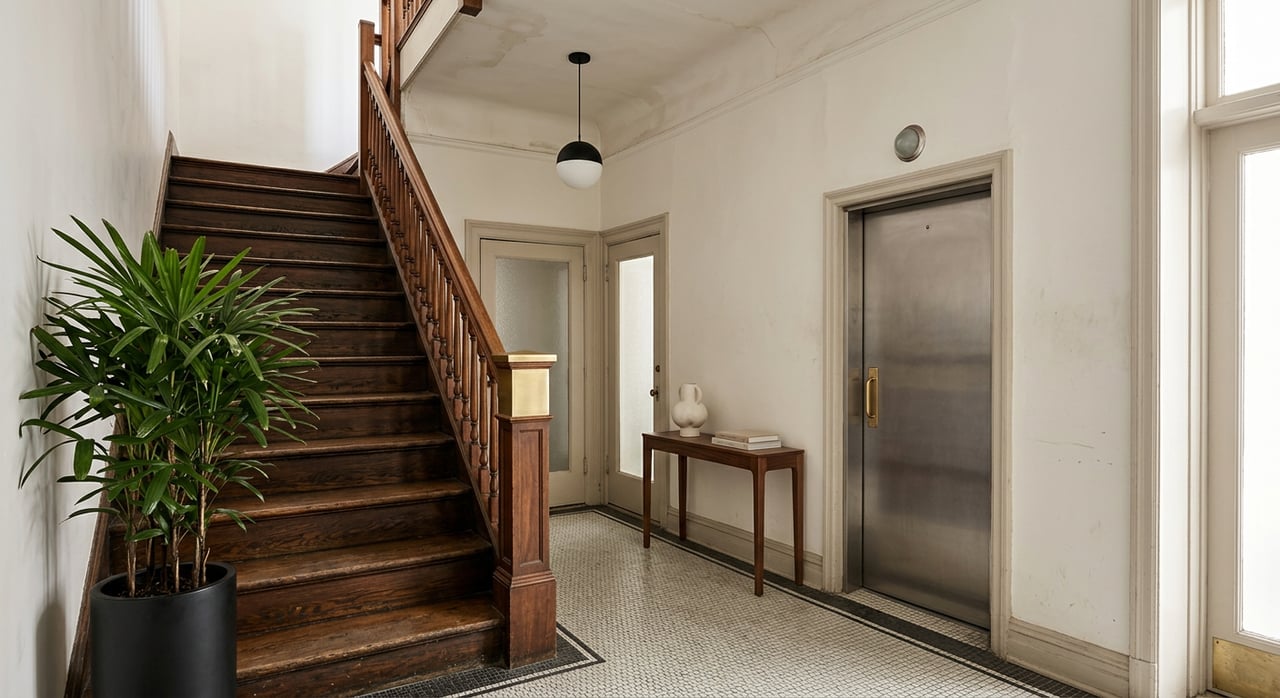
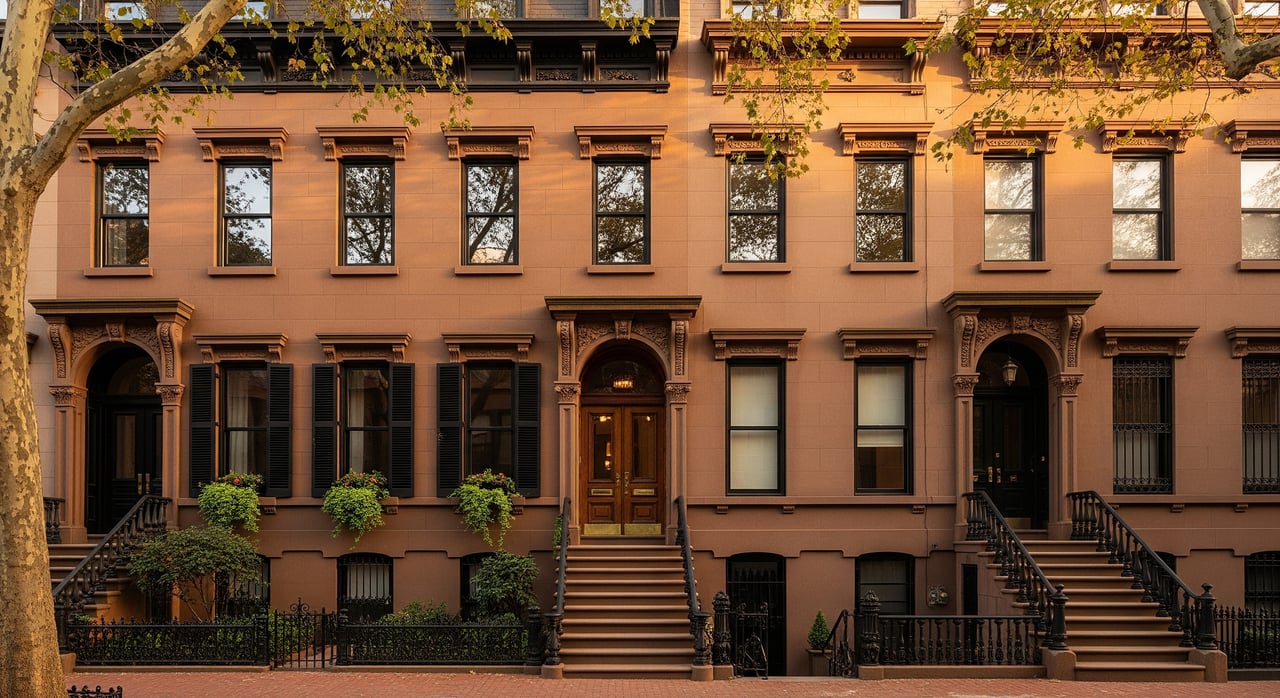
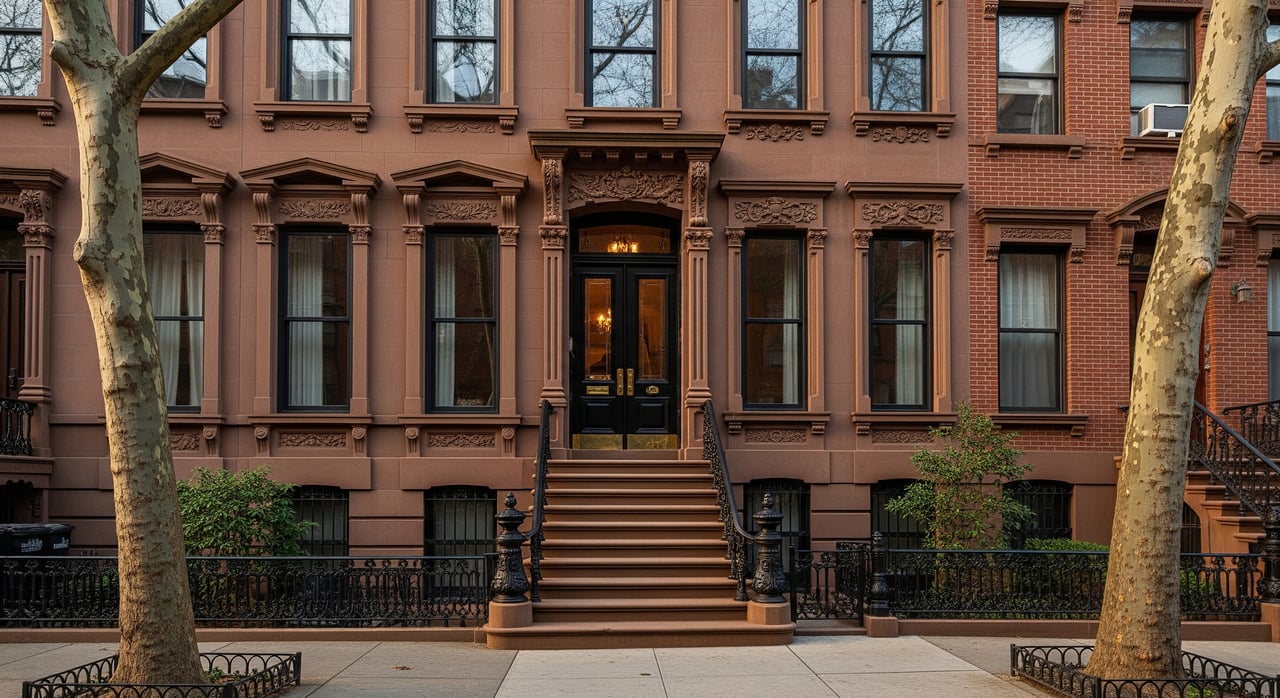
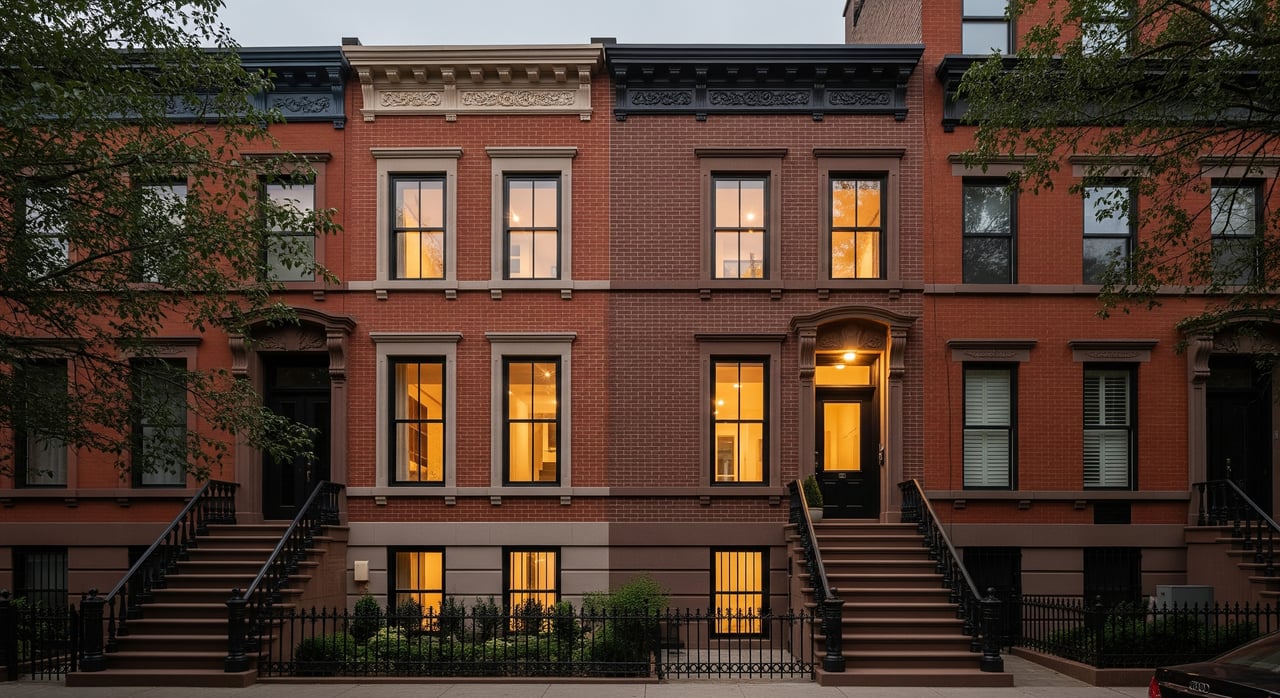
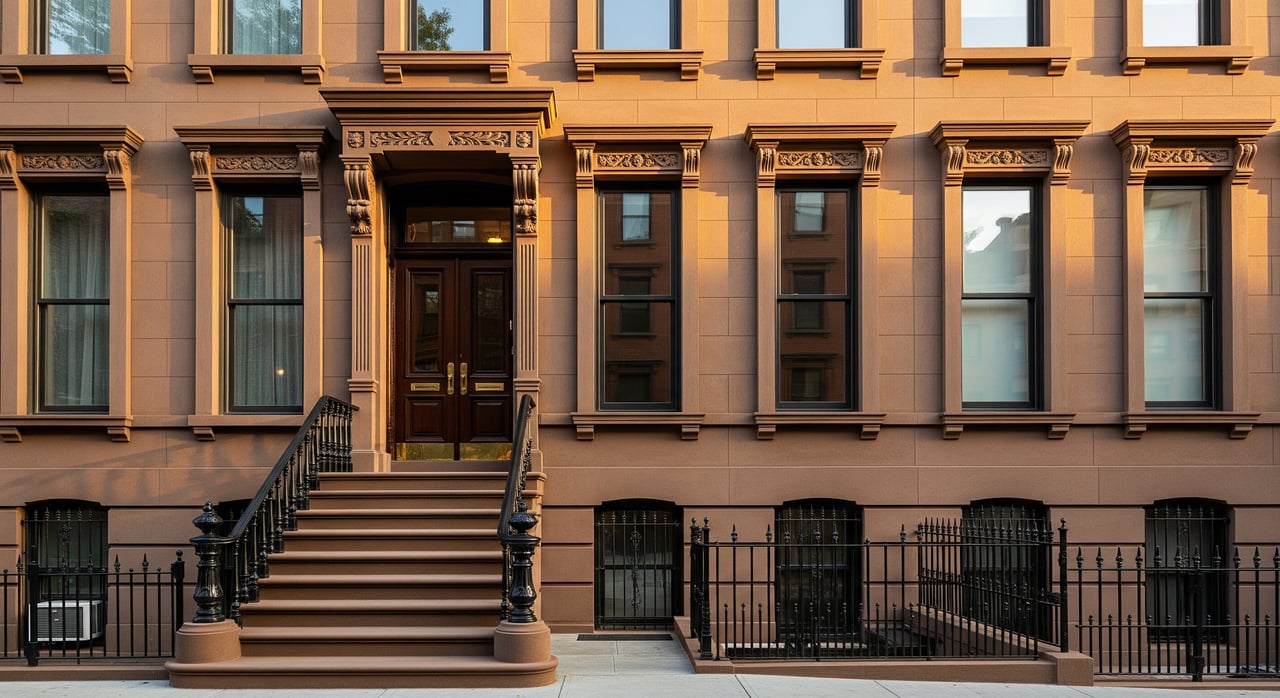
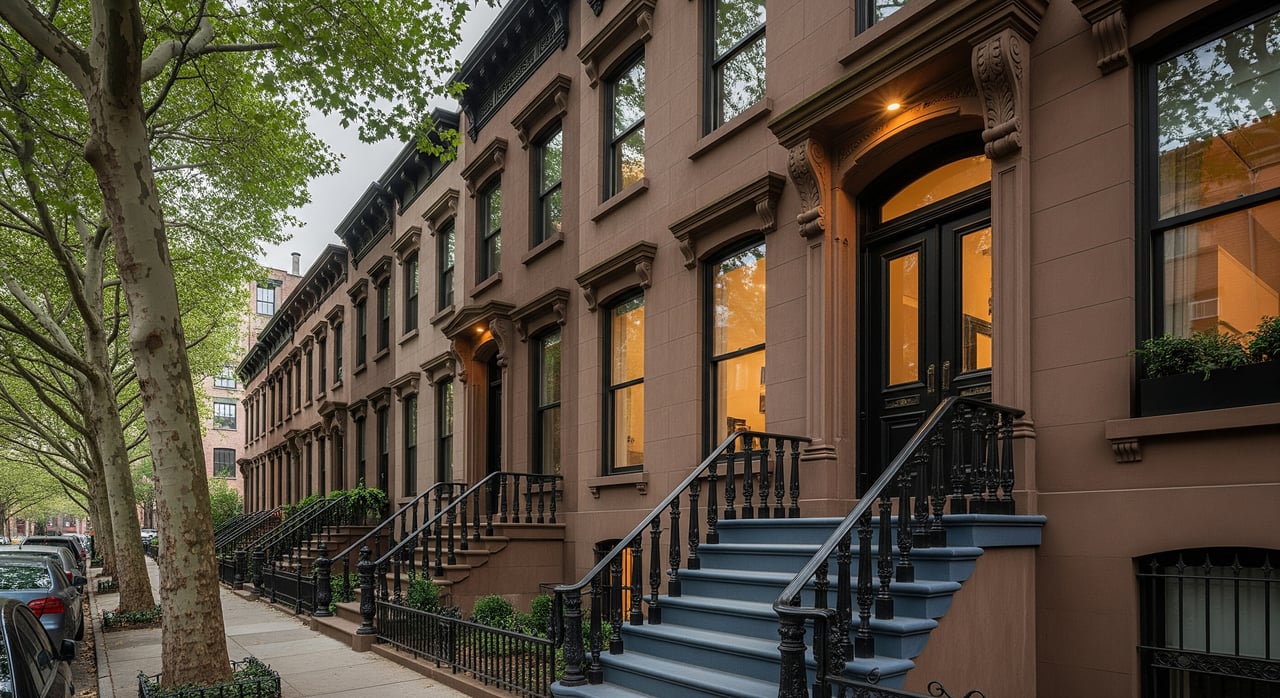
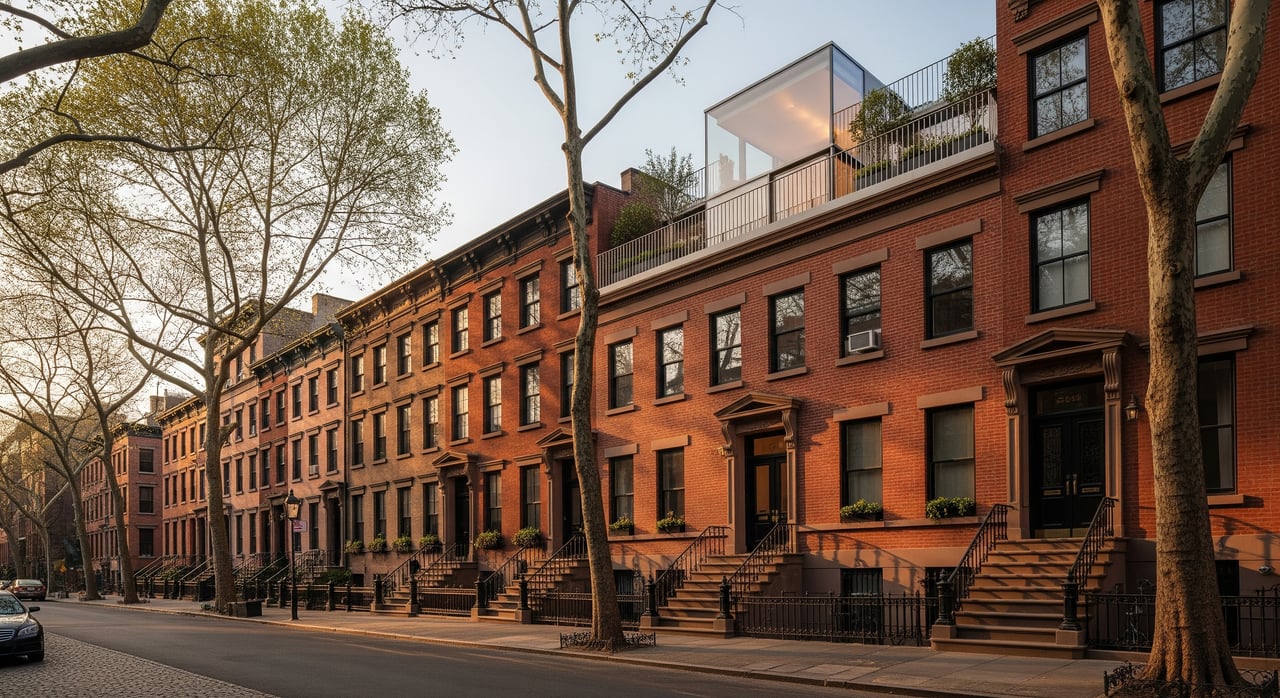
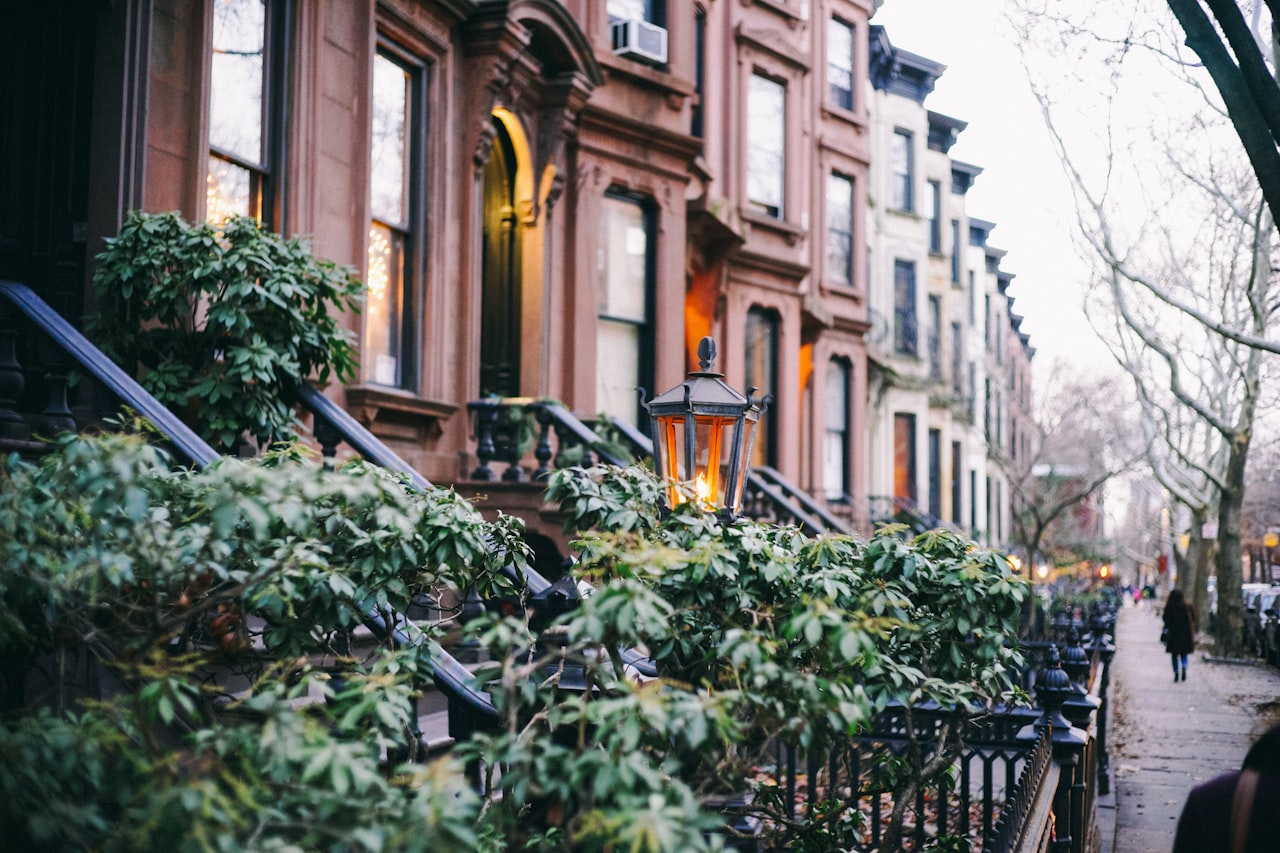
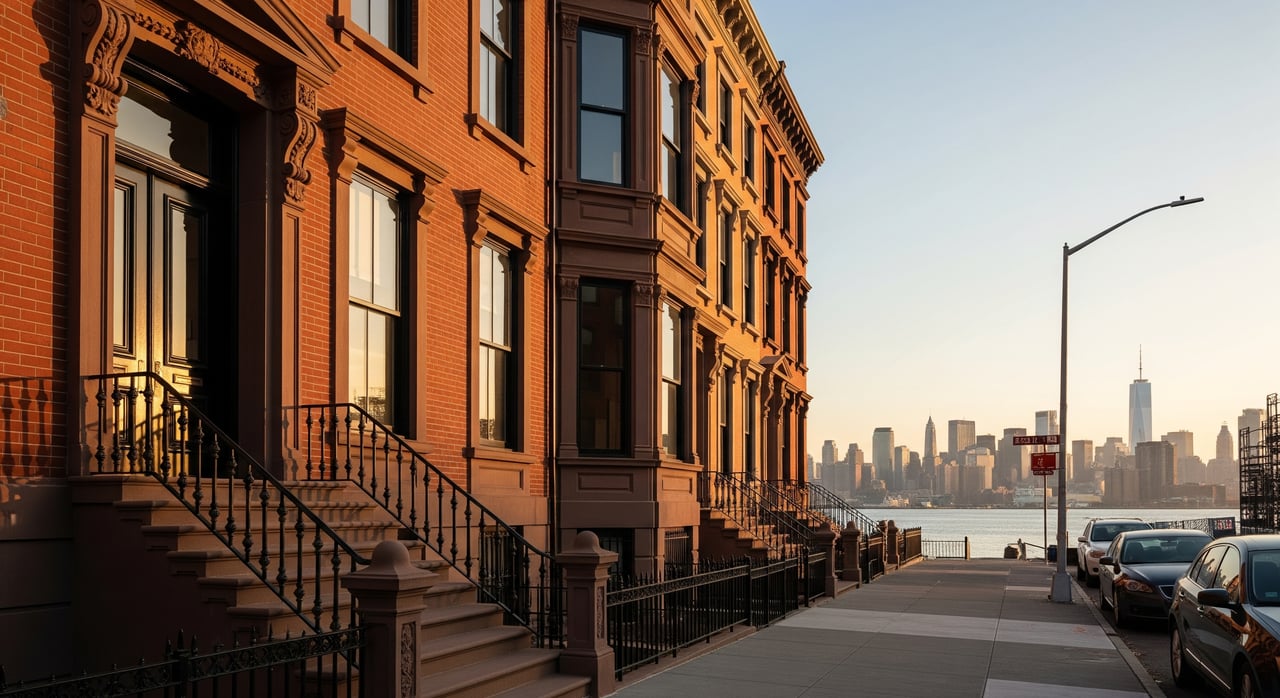
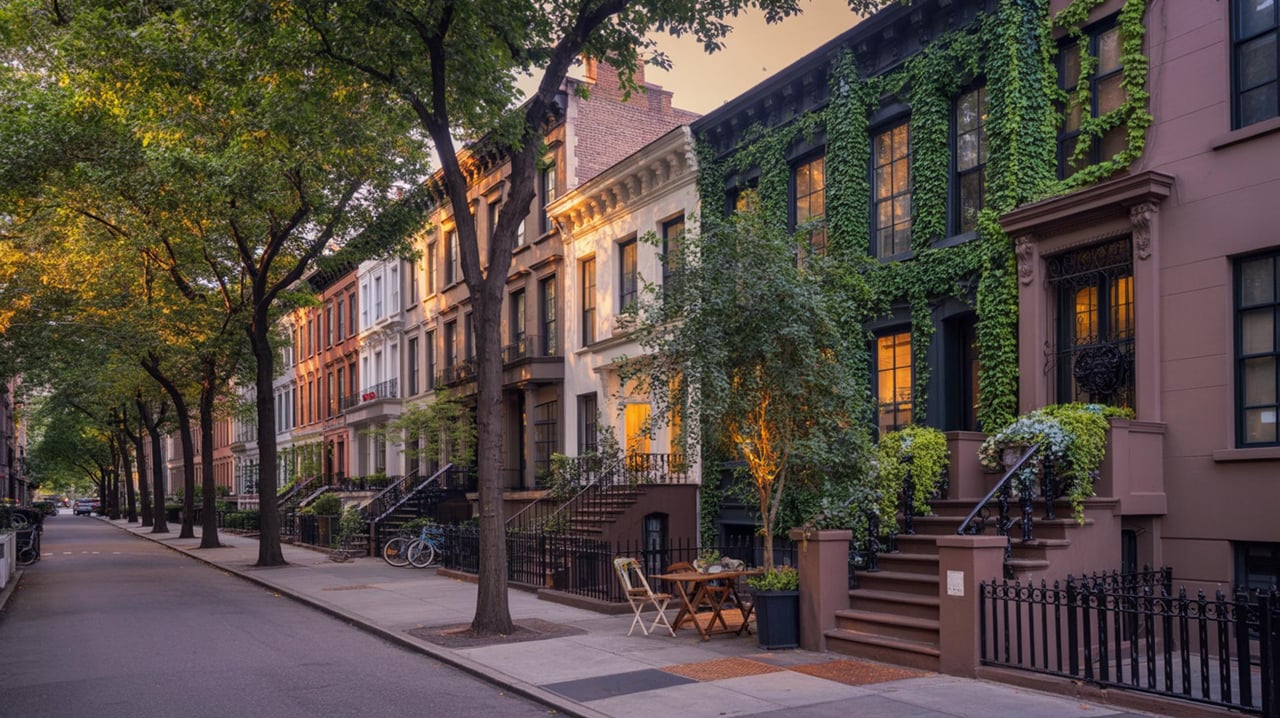
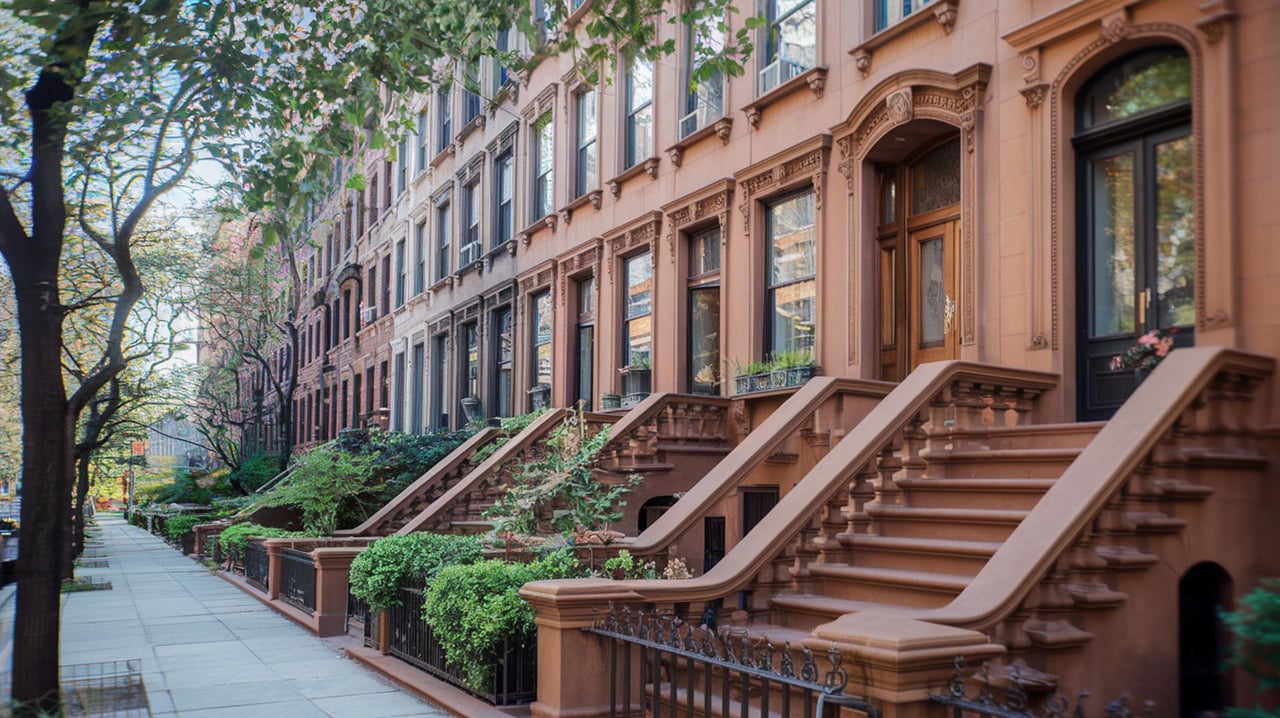
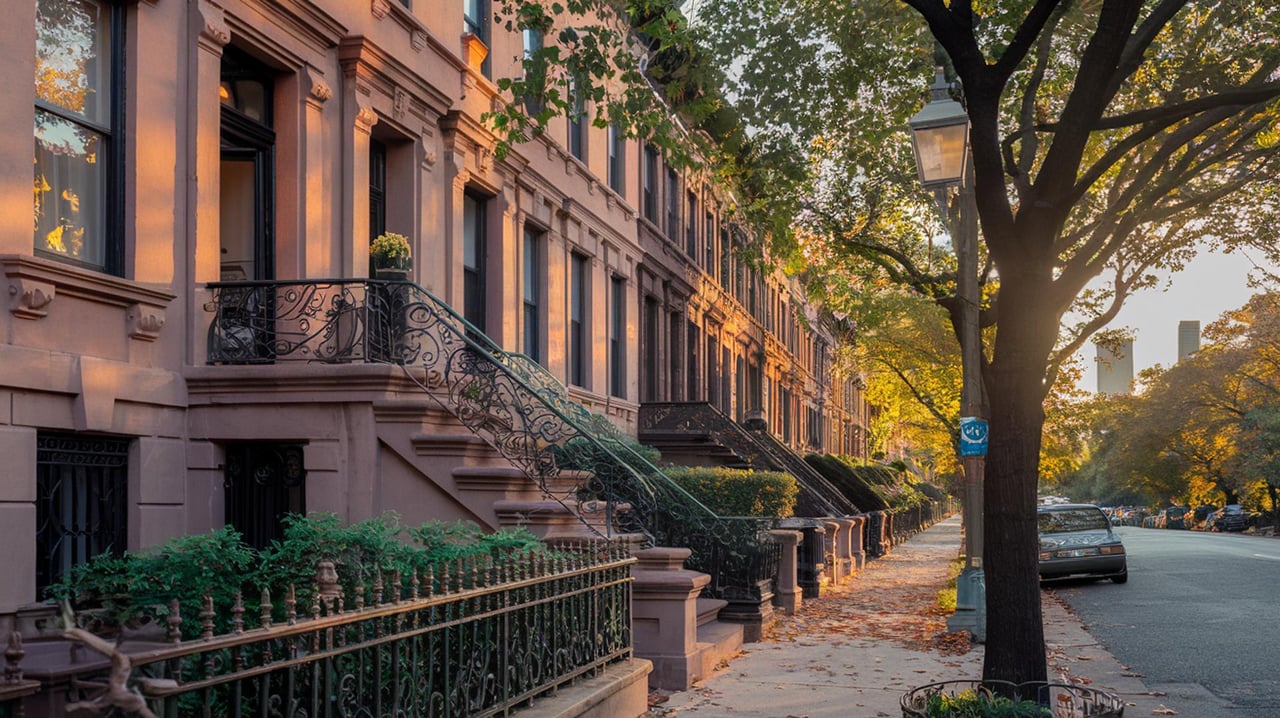
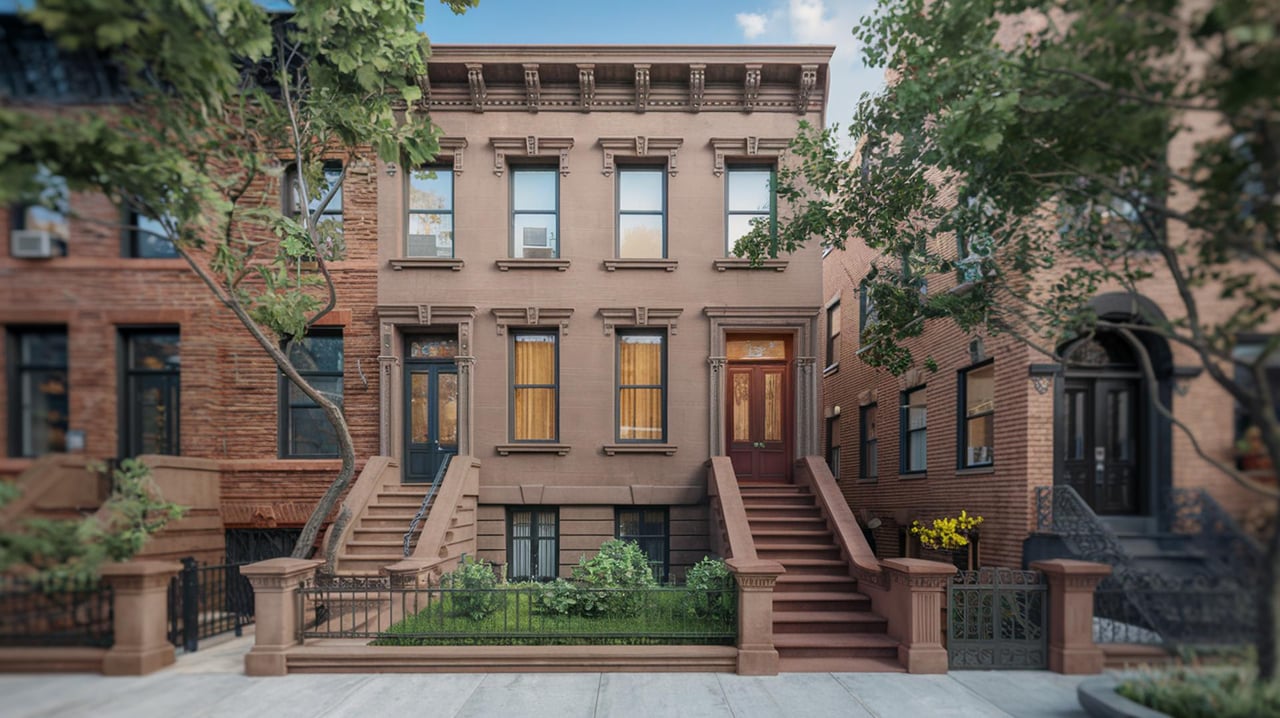
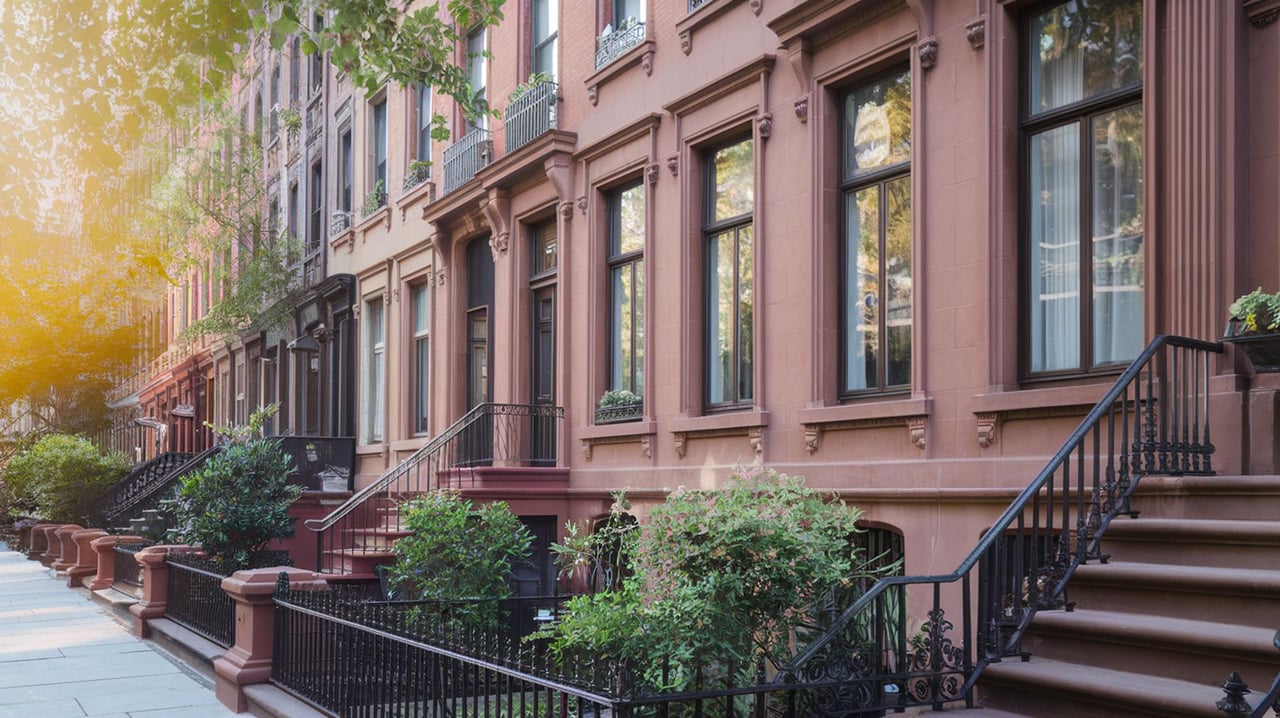
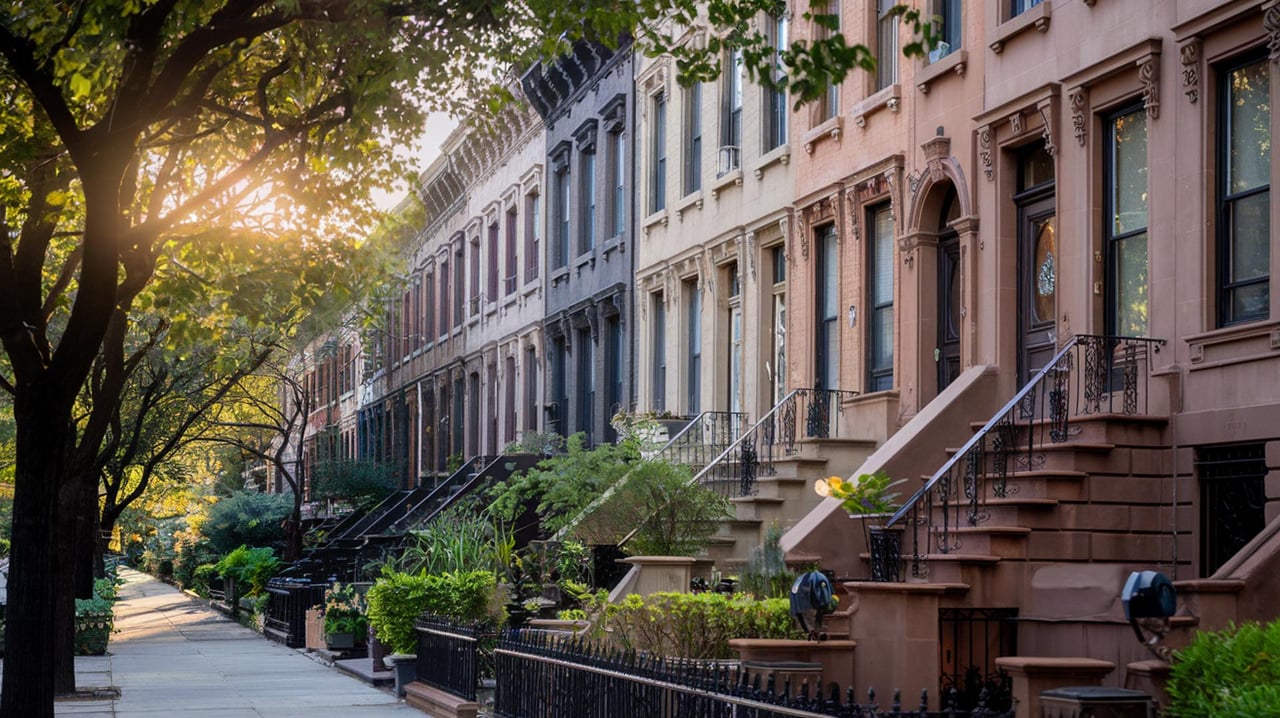
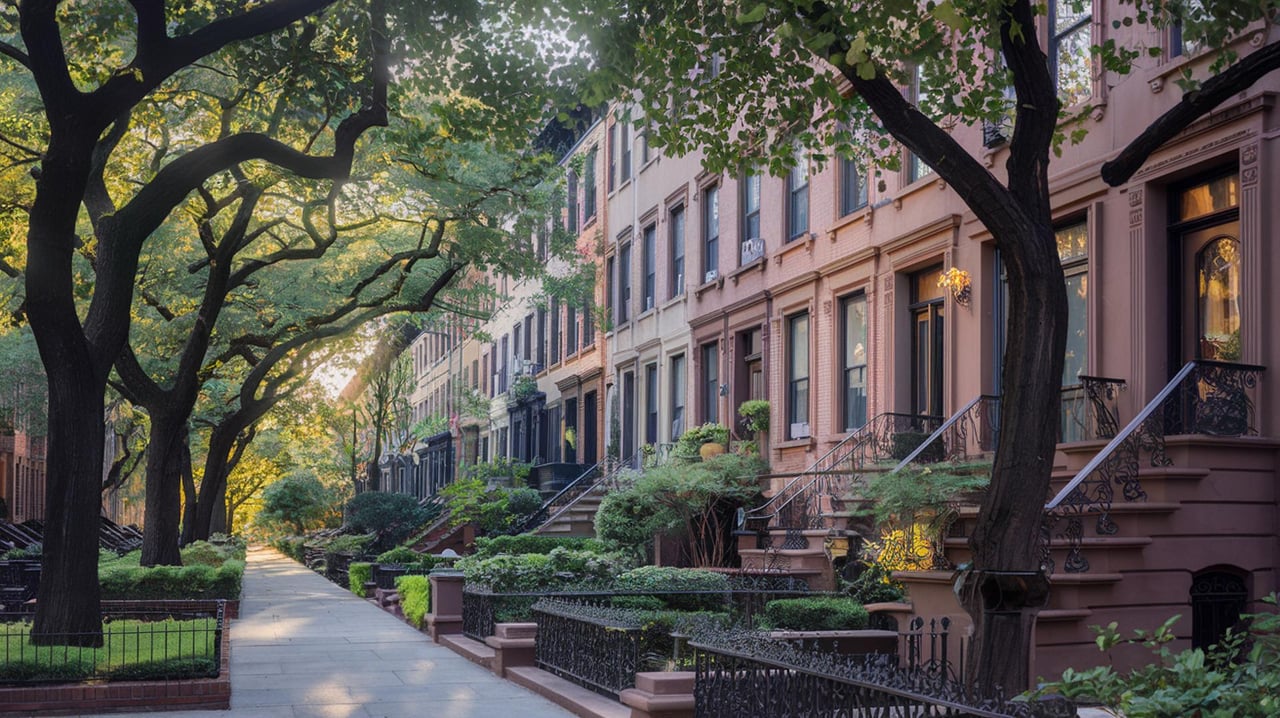
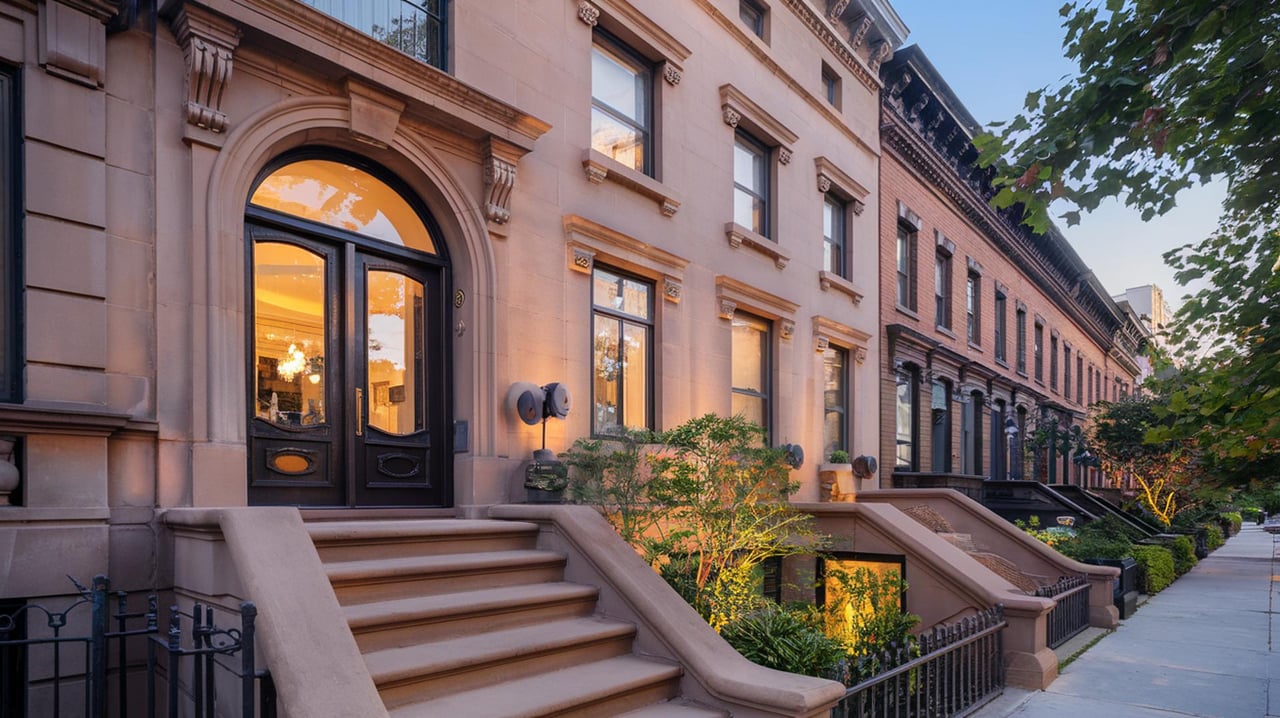
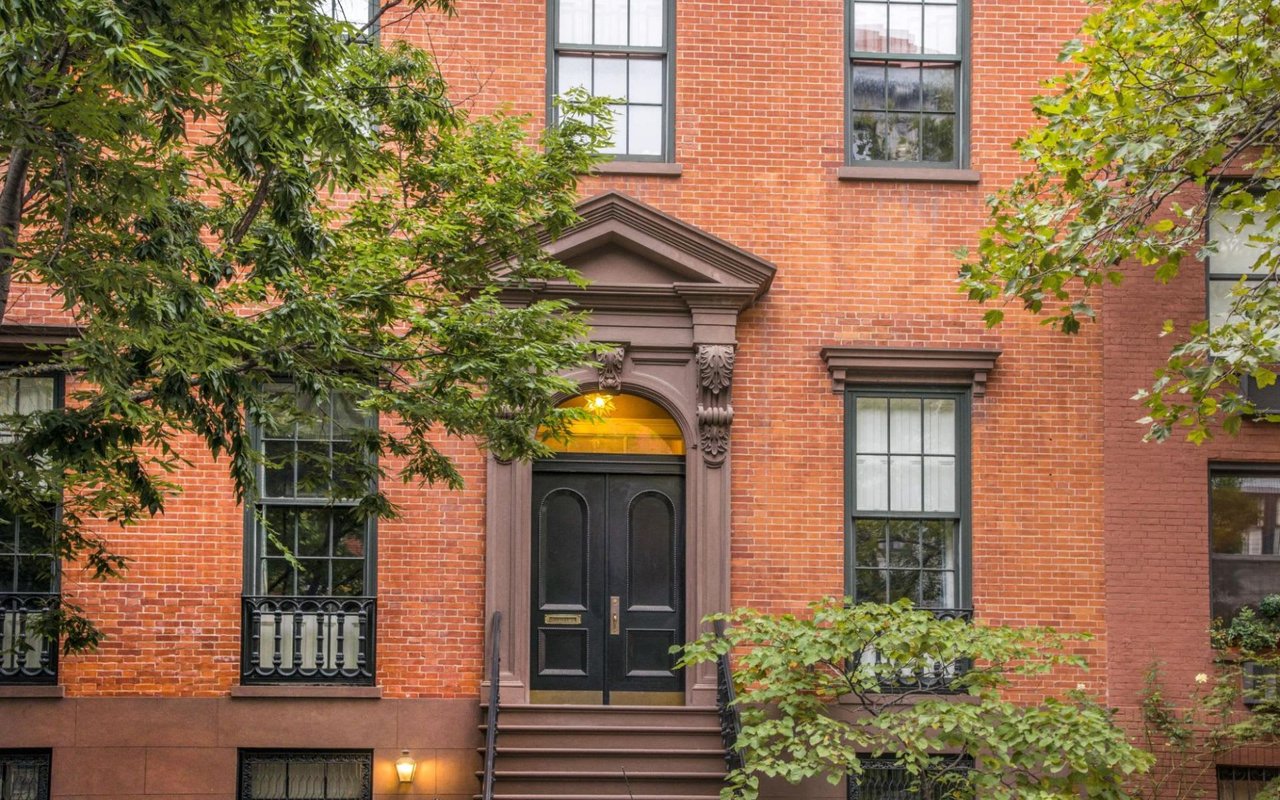
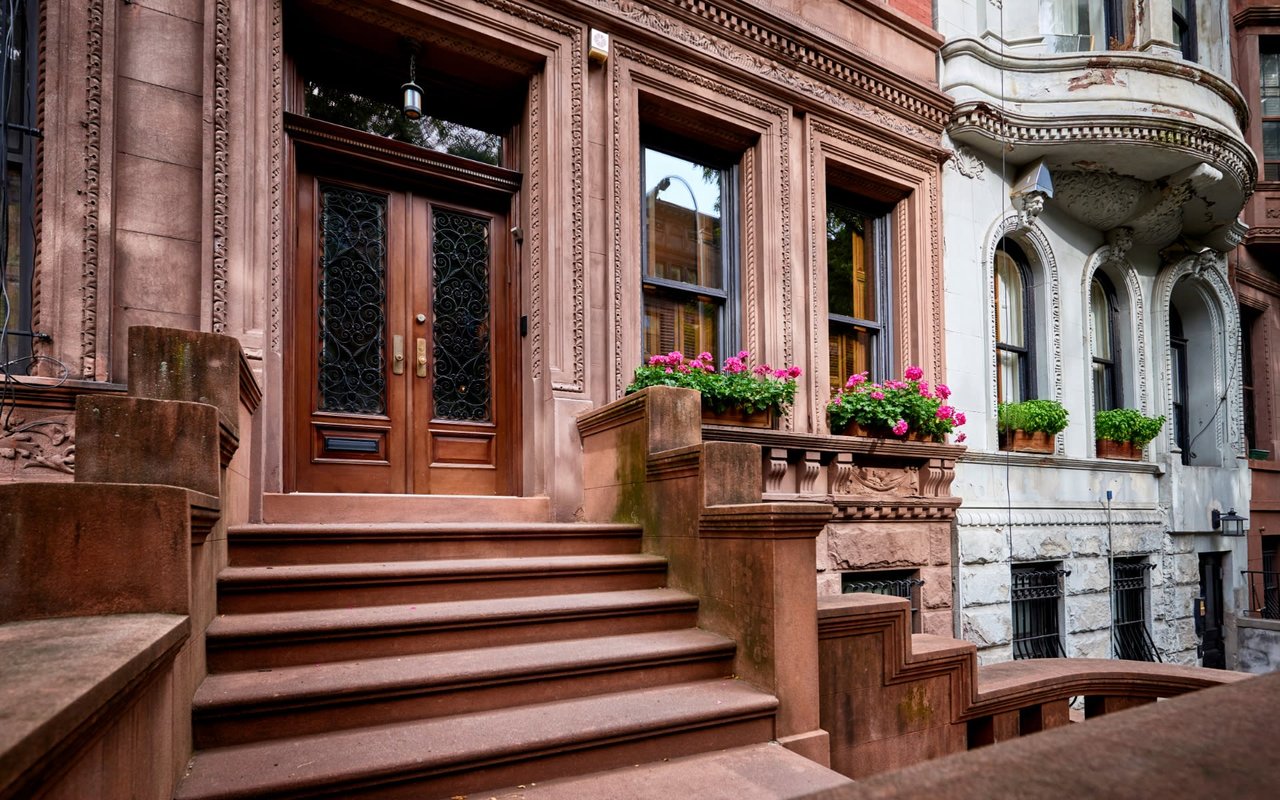
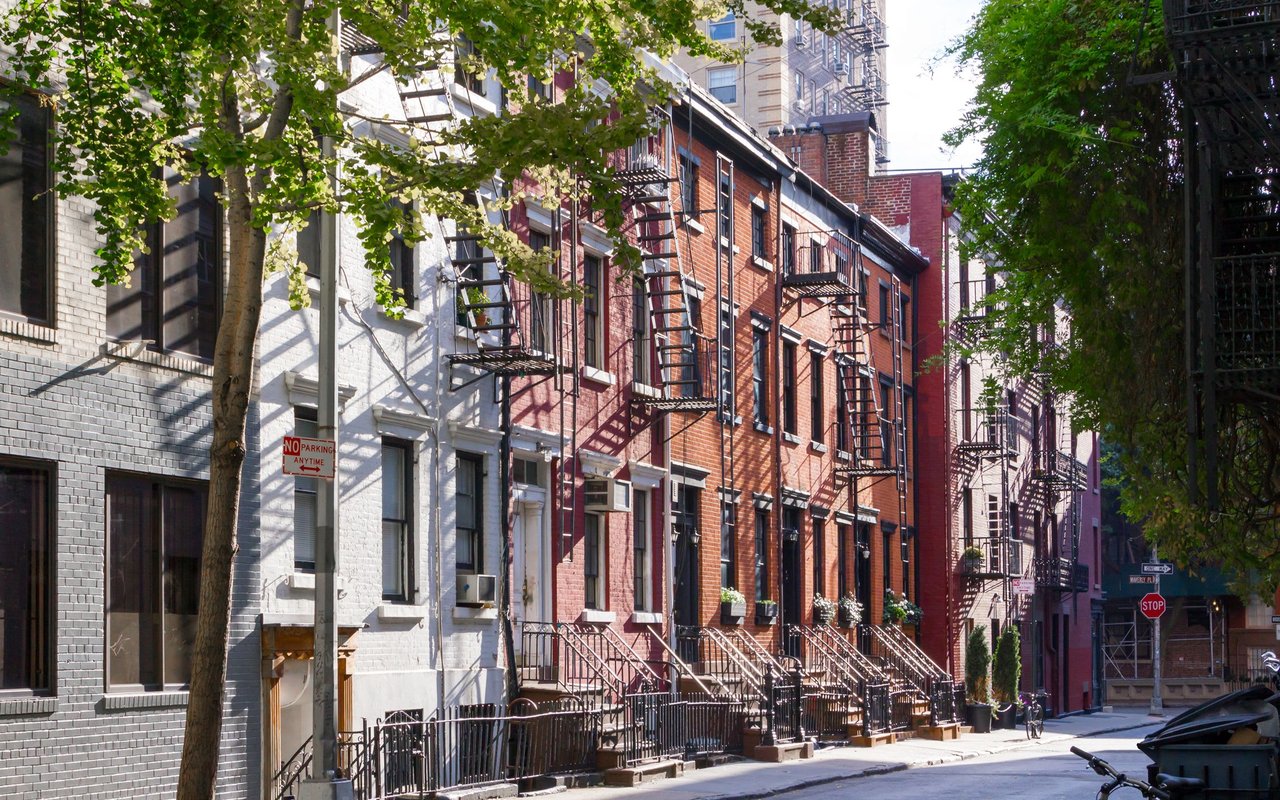
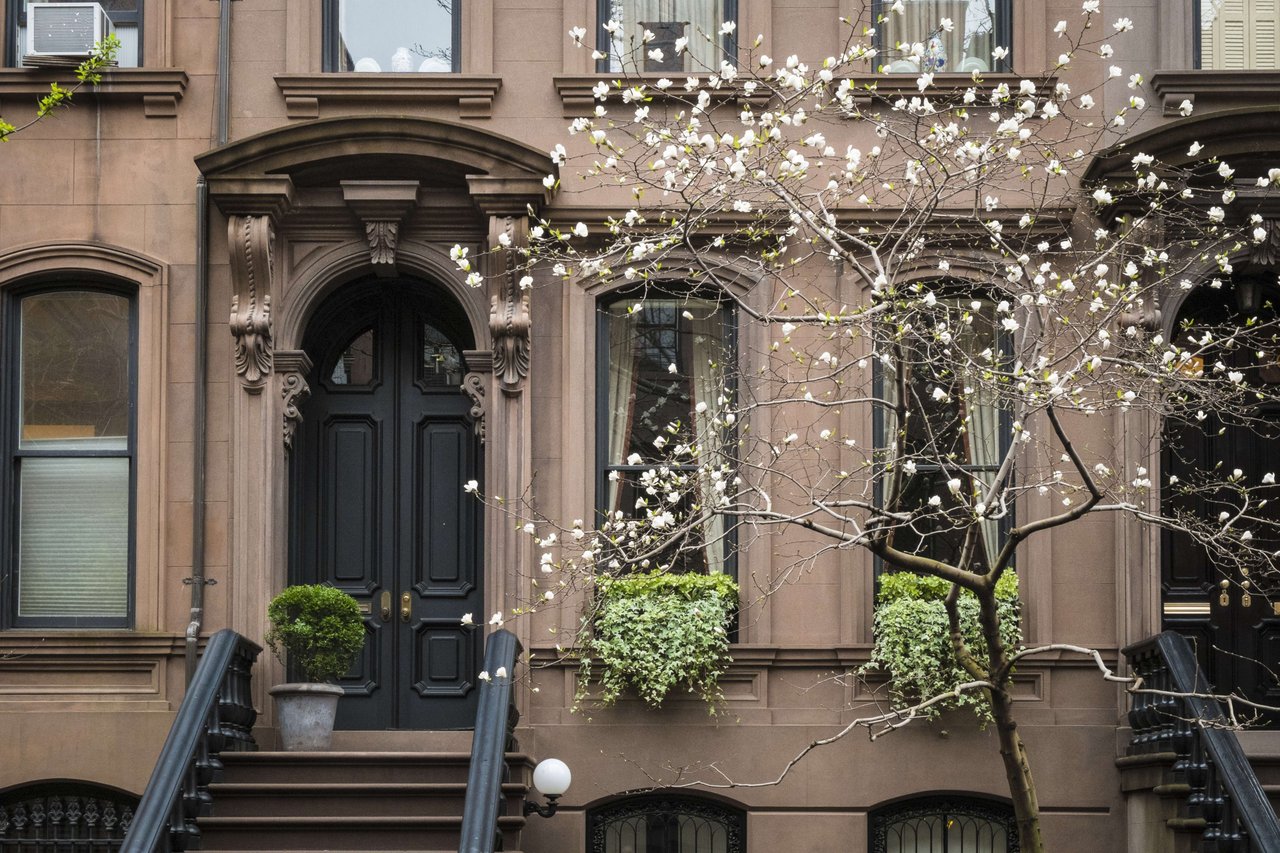
Fort Greene is still defined by its low-rise brownstone fabric. The Department of City Planning describes the area as predominantly three- to five-story brownstone row houses, and much of the neighborhood falls within the Fort Greene and Clinton Hill Historic Districts.
That matters because your duplex plan is rarely just a design exercise. In many cases, you are dealing with three separate approval tracks at once: zoning, legal occupancy, and landmark review.
Current zoning also reinforces the neighborhood’s scale. In R6B districts, standard residences are permitted at 2.0 FAR, and standard building height is capped at 55 feet, which means many projects work best when they fit within the house’s existing structure rather than relying on major expansion.
What an owner’s duplex usually looks like
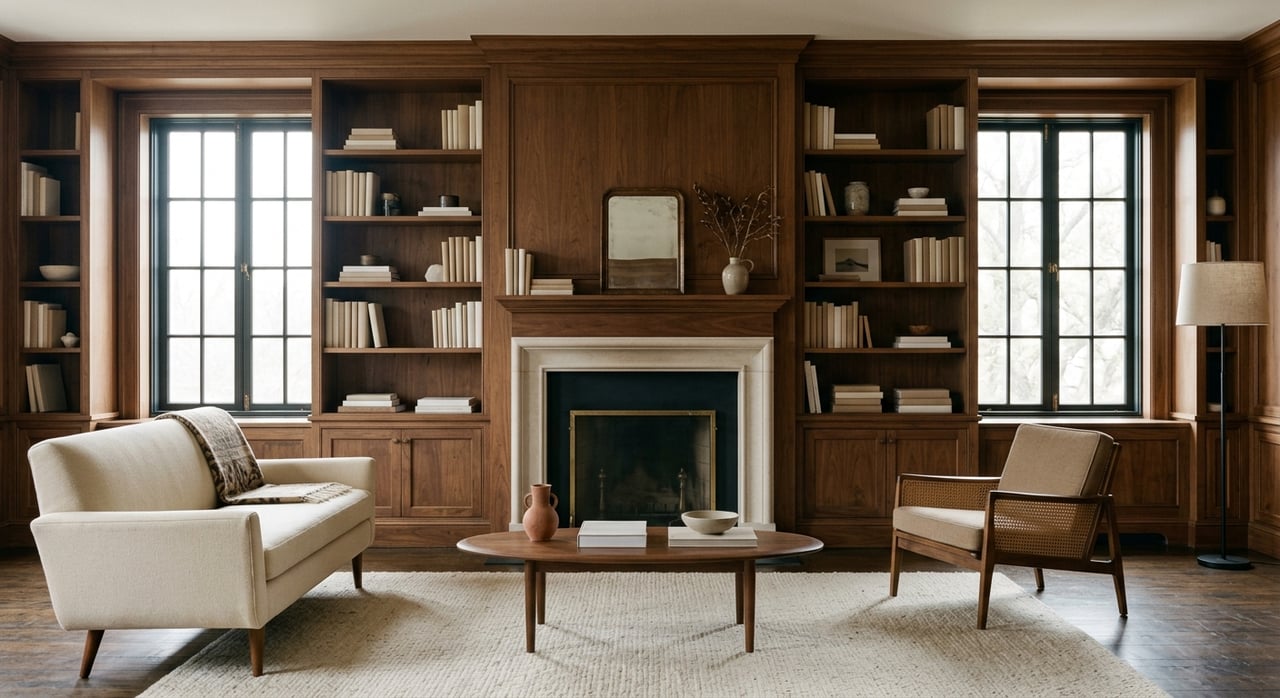
In a Fort Greene brownstone, the most workable setup is often a large owner’s duplex paired with one clearly separate rental apartment. Another possible pattern is a two-family building with an accessory unit, but only if the legal framework allows it.
The biggest issue is not what feels possible based on layout alone. The real question is whether the building’s legal occupancy supports the unit count you want to create.
If your plan depends on squeezing in an extra apartment, especially in a cellar, attic, or rear yard, the project can become much more complicated. In Fort Greene, straightforward layouts usually have a cleaner path than ones that depend on exceptions or aggressive reconfiguration.
Start with legal occupancy
Before you think about finishes, stairs, or rental income, confirm the building’s legal status. In New York City, the Certificate of Occupancy states the legal use and permitted occupancy of a building.
If the brownstone is older and never required a Certificate of Occupancy, the Department of Buildings may issue a Letter of No Objection instead to confirm legal use. Either way, you want to know exactly what the city recognizes before planning changes.
This step is critical because changes in use, egress, or occupancy can trigger a new or amended Certificate of Occupancy. You cannot legally occupy the building after that type of work until the Department of Buildings issues the needed approval.
Questions to ask first
- Does the current Certificate of Occupancy, or Letter of No Objection, match the building’s existing unit count?
- Does your proposed layout keep the same legal structure, or does it change use, occupancy, or egress?
- Are you planning a simple reconfiguration, or are you effectively creating a different building type?
Why unit count can change the whole project
For many owners, the temptation is simple: create your duplex and add one more unit somewhere else in the building. But once unit count shifts, the legal and filing path can change quickly.
The Department of Buildings defines multiple dwellings as residential buildings with three or more dwelling units. That distinction matters because a two-unit brownstone and a three-unit building do not follow the exact same practical path.
If you are buying or renovating with a future owner’s duplex in mind, the strongest candidates are often properties that already have a clean legal two- or three-unit structure. Those buildings generally offer more clarity than houses with uncertain historical use or outdated paperwork.
ADUs are not a simple workaround
Some buyers assume an accessory dwelling unit, or ADU, can solve a layout problem. In Fort Greene, that idea needs very careful review.
New York City’s current ADU rules allow only one ADU per one- or two-family residence, require the owner to occupy the zoning lot as a primary residence at initial occupancy, require a separate entrance, and cap the ADU at 800 square feet. Those are already meaningful limits.
There is another major issue for brownstones. In a two-family building, adding an attic, basement, cellar, or attached ADU is treated as a three-family building under the New York State Multiple Dwelling Law unless the unit is separated by a fire wall.
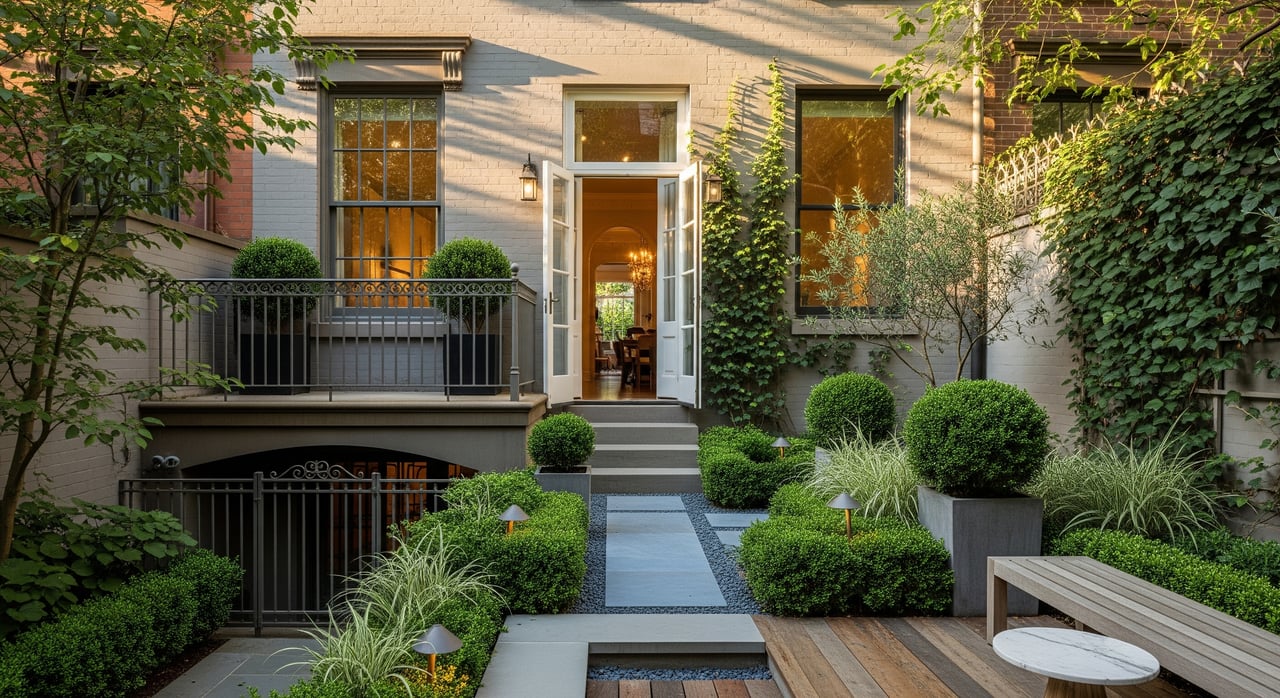
Backyard ADUs are also not permitted in historic districts. Since much of Fort Greene is landmarked, that rules out a path that some owners might otherwise consider.
What this means in practice
- Cellar apartment plans are often more constrained than they first appear.
- Detached backyard rental units are generally not an option in historic districts.
- A legal two-unit strategy is often cleaner than trying to force an extra accessory unit.
Landmark review matters more than many buyers expect
Even when a duplex plan seems feasible under zoning, landmark review can still stop or reshape it. In Fort Greene’s historic districts, most exterior changes to front and rear facades require Landmarks Preservation Commission review.
Interior work can also need LPC approval if it requires a Department of Buildings permit or affects the exterior. So if your duplex plan involves new windows, altered openings, rear facade work, or an addition, landmark review is likely part of the process.
Just as important, zoning approval does not guarantee LPC approval. A proposal can fit the zoning envelope and still be considered inappropriate under landmark rules.
The best Fort Greene brownstones for an owner’s duplex
Not every brownstone is an equally good duplex candidate. In Fort Greene, the strongest properties are usually the ones that combine legal clarity with physical flexibility.
That often means a house with an existing two- or three-unit legal structure, stairs and floor layouts that support a clear owner and rental split, and a plan that avoids major exterior changes. When the layout already wants to cooperate, the project tends to be more predictable.
By contrast, properties that depend on an unverified cellar apartment, a detached rear-yard unit, or a major facade intervention are more likely to run into friction. That does not always mean impossible, but it usually means more risk, more review, and more time.
Filing and permit strategy can affect your timeline
Once you move from concept to action, your filing path matters. The Department of Buildings treats work that changes use, occupancy, or egress as an alteration job that results in a new or amended Certificate of Occupancy.
More limited work may be treated as a renovation, especially when it does not add or eliminate rooms or change the number of floors. That distinction can influence scope, approvals, and timing.
For one- to four-family dwellings, any alteration requires a Home Improvement Contractor license in addition to a General Contractor license. Depending on the job, separate plumbing, electrical, sprinkler, boiler, or elevator permits may also be needed.
If the building stays occupied during construction, the filing must include a Tenant Protection Plan. That plan addresses issues like egress, fire safety, structural safety, health, and noise.
A practical planning checklist
Before you commit to a Fort Greene owner’s duplex, work through these points:
- Confirm the current legal use through the Certificate of Occupancy or Letter of No Objection.
- Check whether the property is in a historic district.
- Identify whether your plan changes unit count, egress, or occupancy.
- Review whether the layout depends on an ADU, cellar apartment, or backyard unit.
- Understand whether exterior changes will trigger LPC review.
- Clarify whether the work is likely to be treated as an alteration or a simpler renovation.
This checklist will not replace formal project review, but it can help you spot risk early. That is especially valuable in a neighborhood where a project can succeed on one track and fail on another.
Why early feasibility work pays off
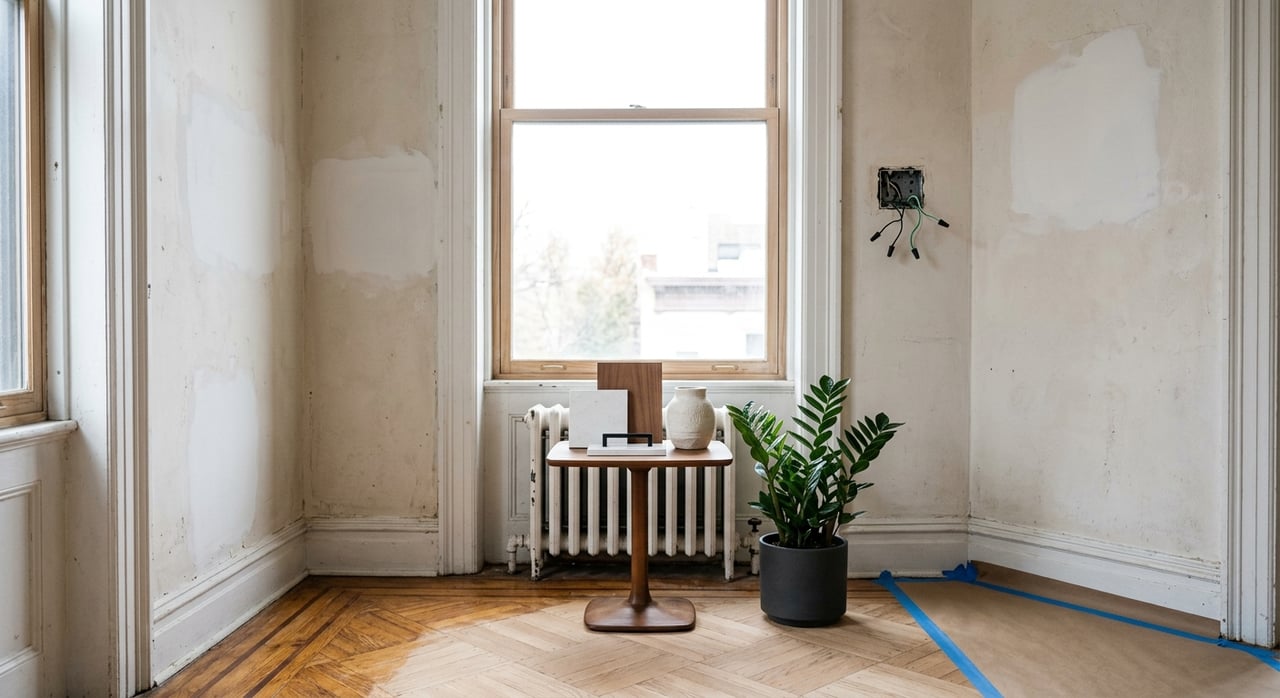
The most expensive mistake in a brownstone project is often falling in love with a layout before confirming that it can be approved. In Fort Greene, early feasibility work helps you understand whether the building’s legal status, physical layout, and historic context are aligned.
That is where practical, construction-aware guidance can make a real difference. A good plan is not just attractive or profitable. It is one that can move from concept to permits to finished space without avoidable surprises.
If you are exploring a Fort Greene purchase, rethinking your current townhouse, or weighing whether a specific brownstone can support an owner’s duplex, a grounded review at the start can save time, money, and frustration later. If you want help evaluating the layout, legal path, and renovation strategy for a brownstone project, connect with Mark O’Brien Real Estate.
FAQs
What is the best owner’s duplex layout for a Fort Greene brownstone?
- In many cases, the most workable layout is a large owner’s duplex with one clearly separate rental apartment, because that setup is often easier to align with legal occupancy and the existing structure.
Does a Fort Greene brownstone need a Certificate of Occupancy for a duplex plan?
- You need to confirm the building’s legal use through a current Certificate of Occupancy or, for some older buildings, a Letter of No Objection, especially if the project changes use, egress, or occupancy.
Can you add a cellar apartment to a Fort Greene owner’s duplex?
- A cellar-based unit can be much more constrained than it appears, particularly if the plan relies on ADU rules or changes a two-family building into a three-family condition.
Are backyard ADUs allowed for Fort Greene brownstones?
- Backyard ADUs are not permitted in historic districts, which is an important limitation because much of Fort Greene is landmarked.
Do Fort Greene duplex renovations need landmark approval?
- Many do, especially if the work affects the front or rear facade, or if the interior work requires a Department of Buildings permit and affects the exterior.
What kind of Fort Greene brownstone is the strongest duplex candidate?
- The best candidates are often brownstones with a clean legal two- or three-unit structure, flexible internal layout, and a plan that avoids major exterior changes or unverified extra units.