Thinking about buying a fixer-upper in the East Village? It can be one of the smartest ways to buy into a character-rich Manhattan neighborhood, but it can also become expensive and slow if you underestimate the building, the approvals, or the renovation scope. If you want to go in with your eyes open, this guide will help you understand what you are really buying, what to review before you sign, and where renovation risk tends to show up. Let’s dive in.
What an East Village fixer-upper really is
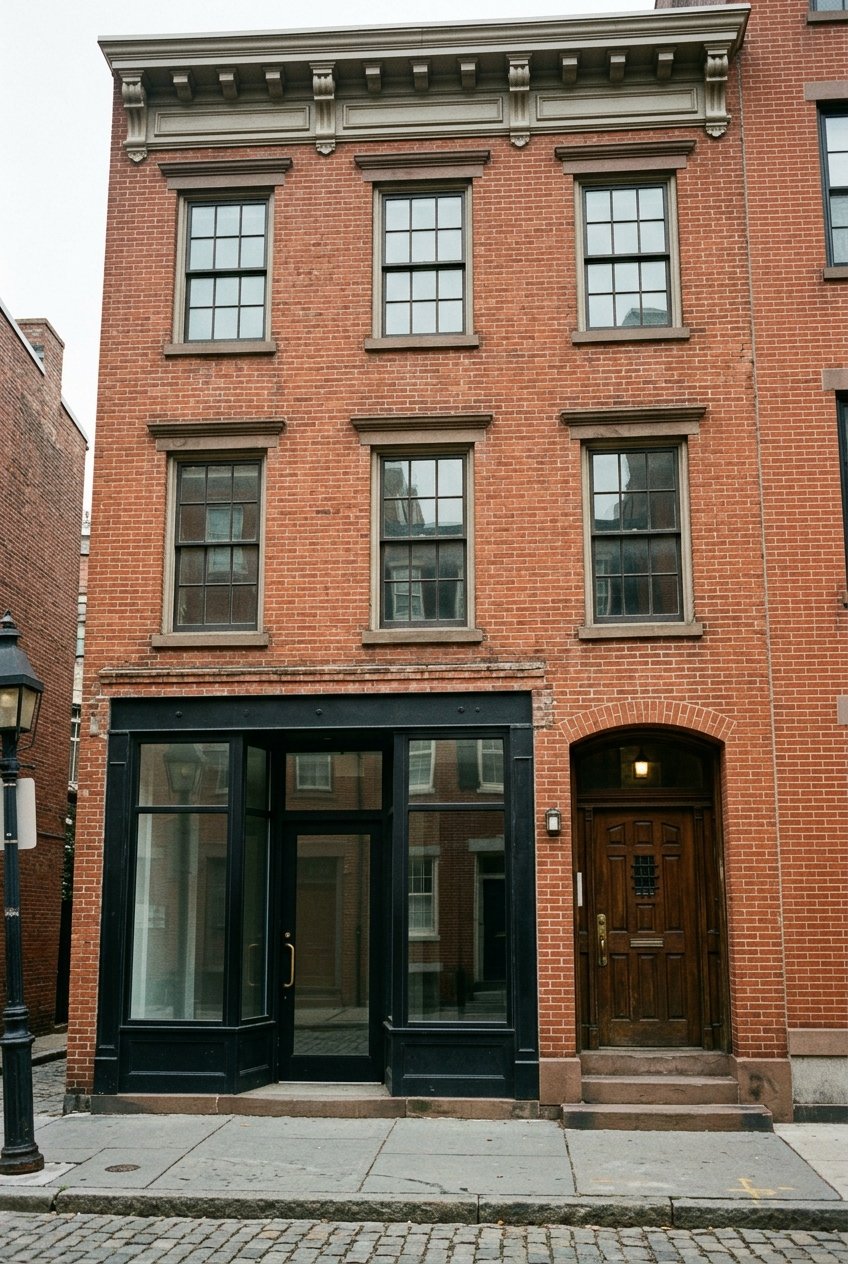
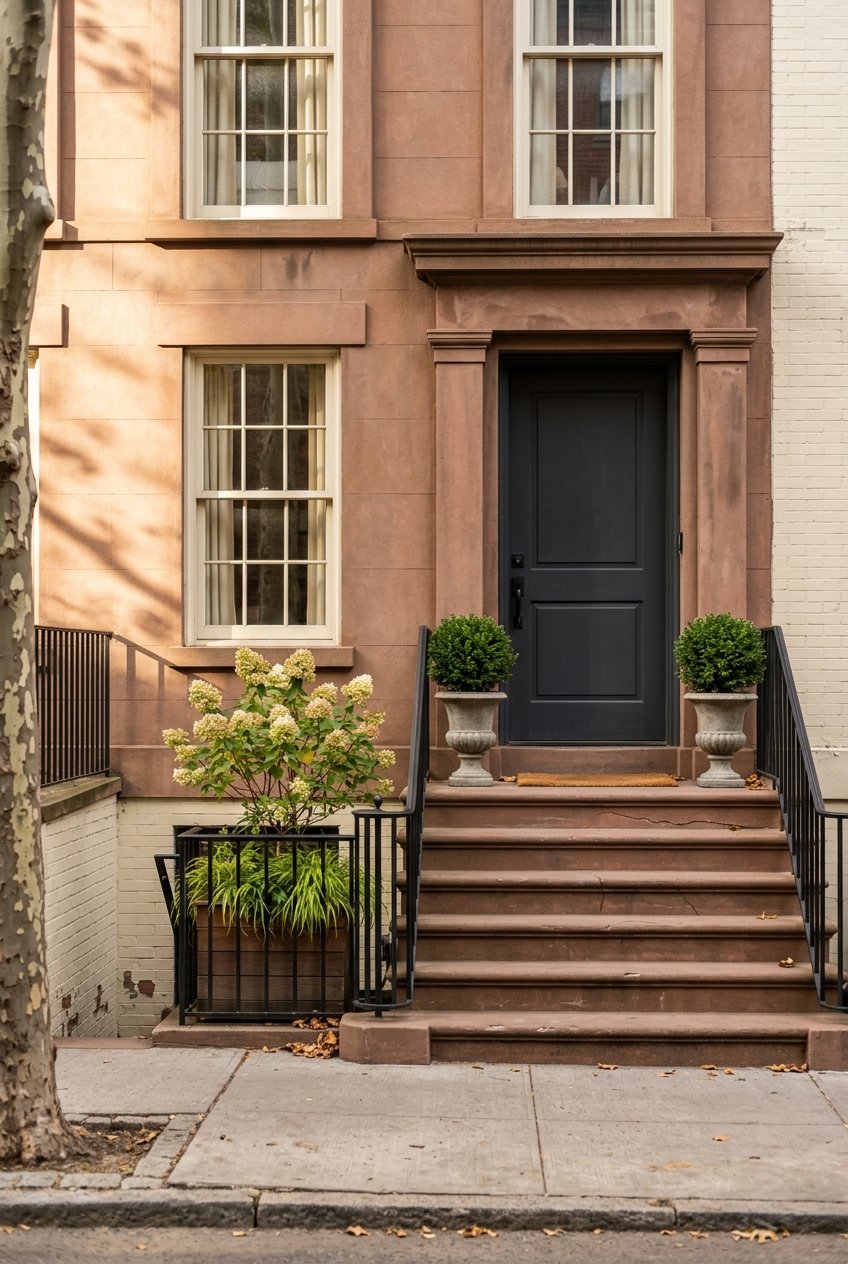
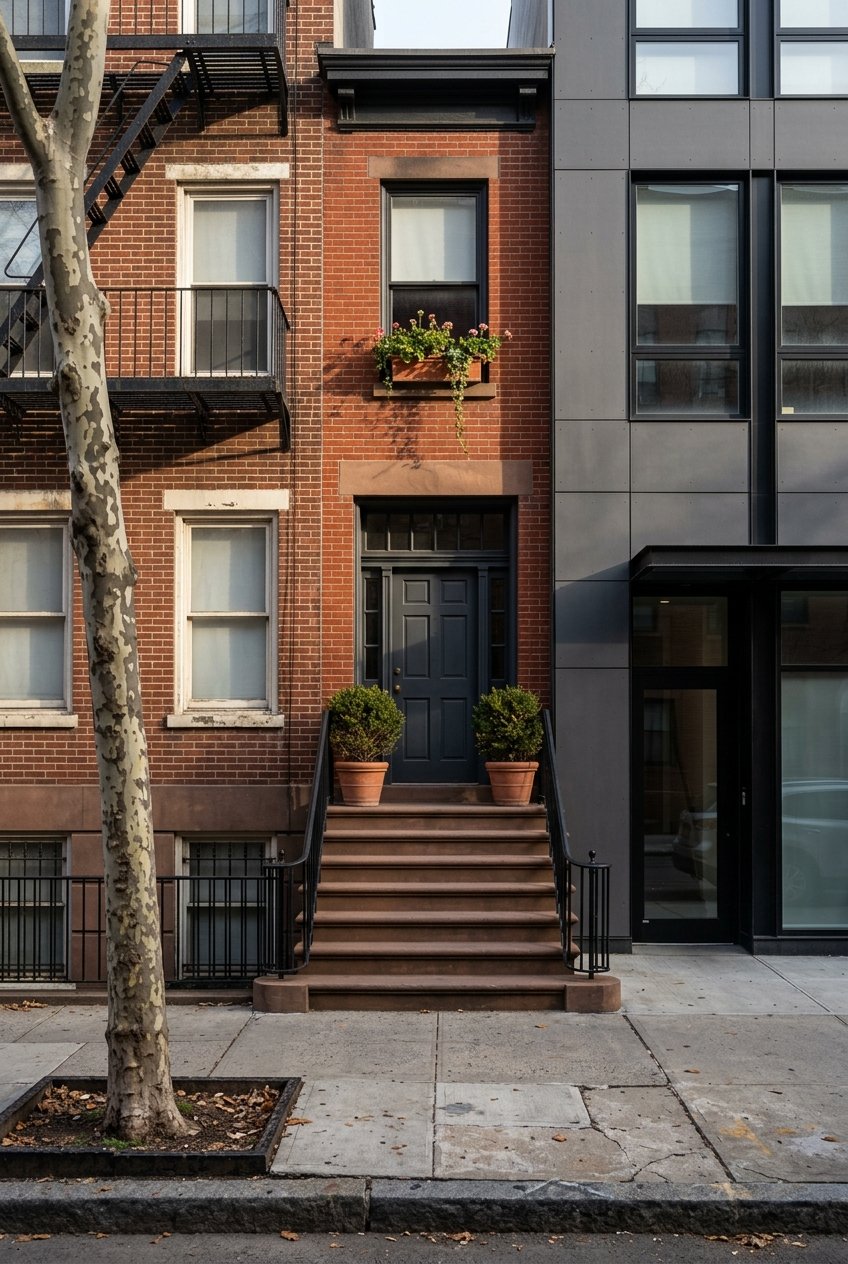
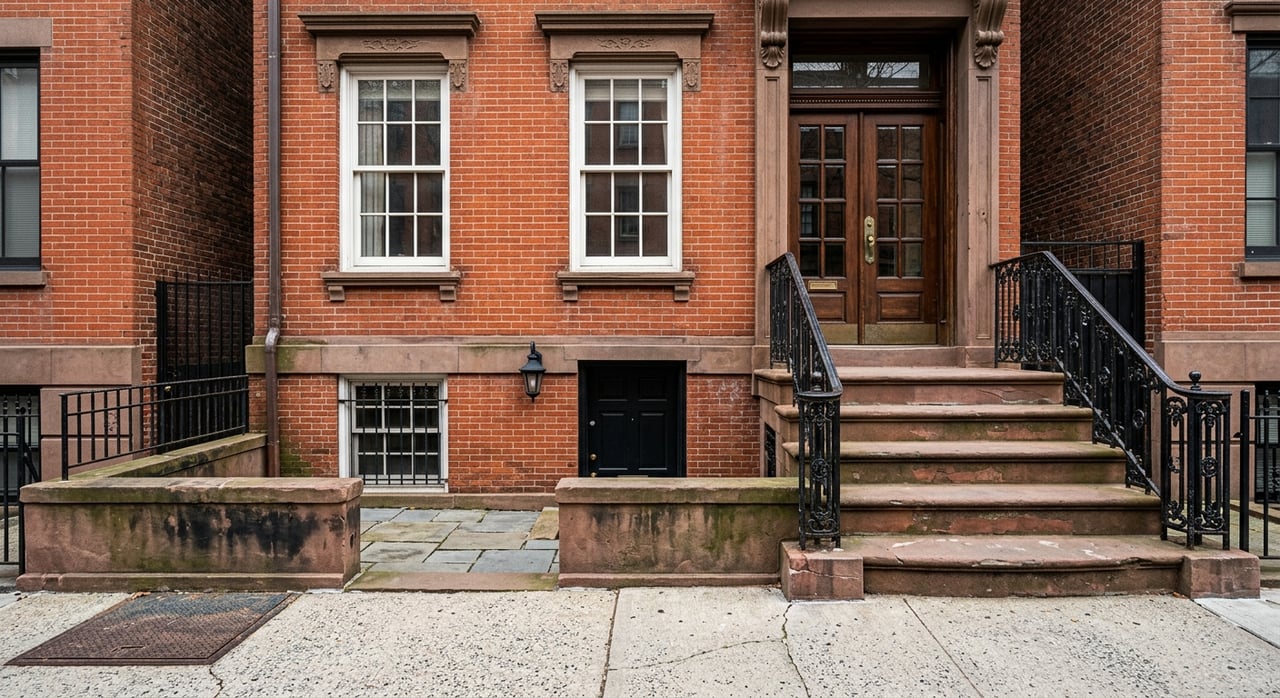
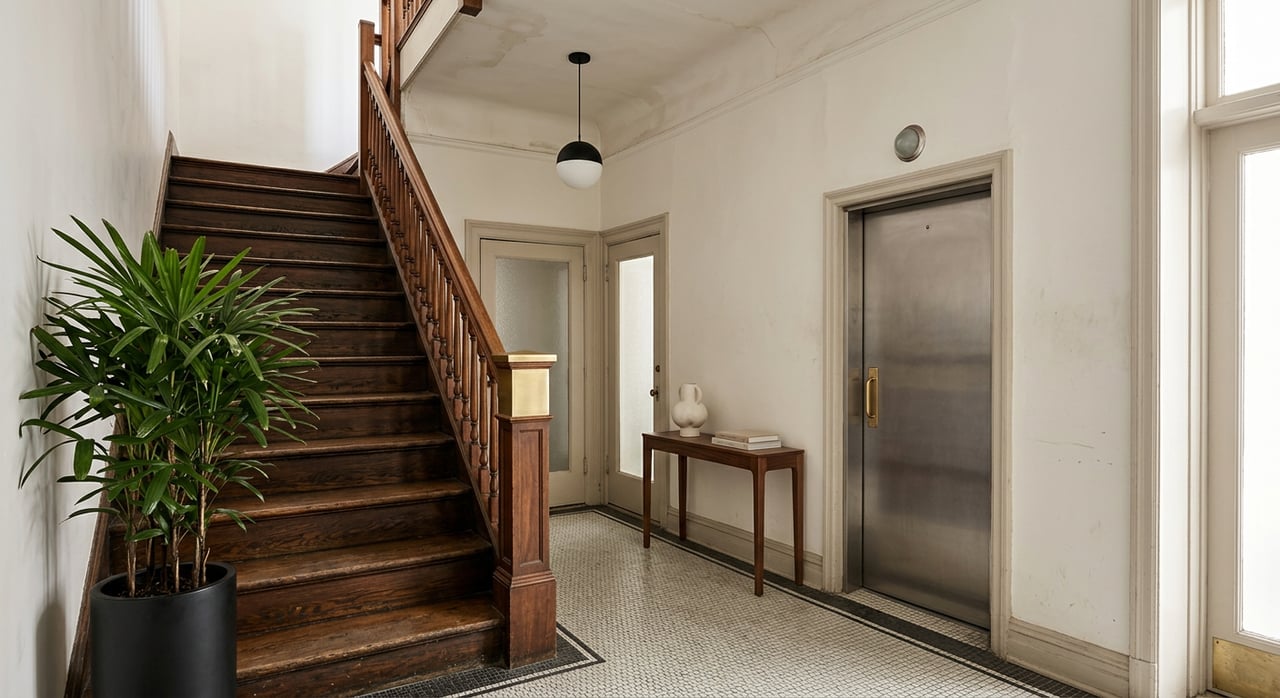
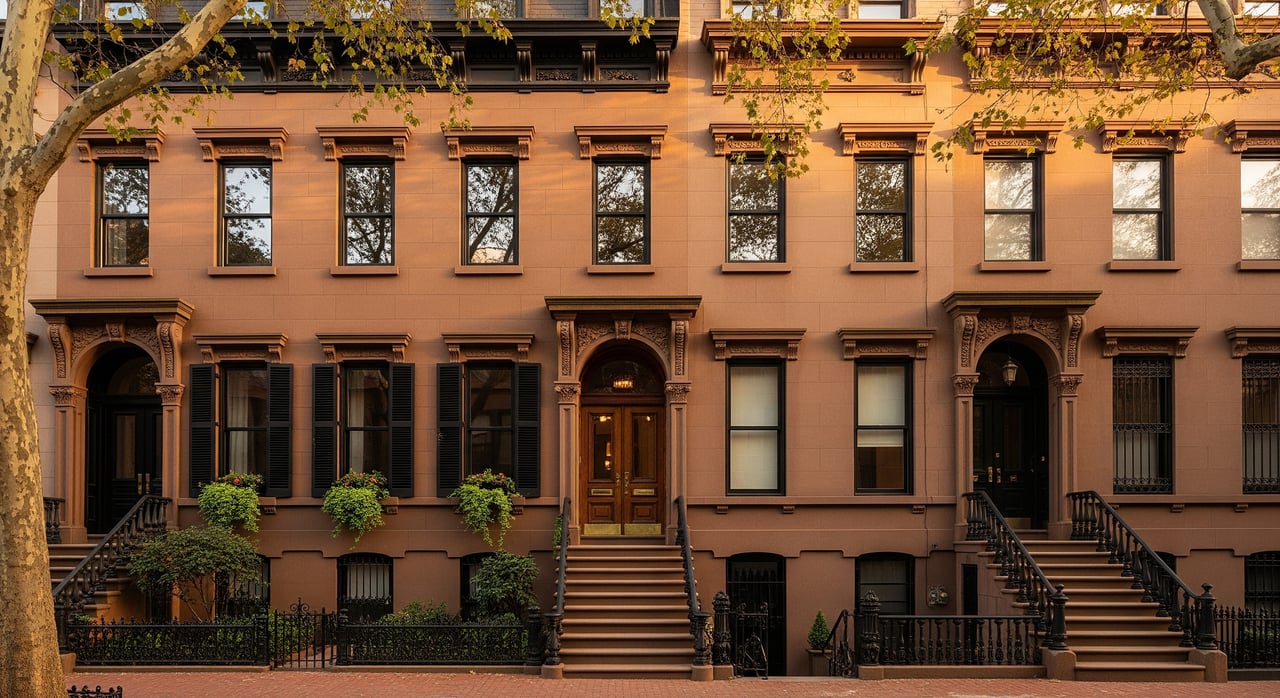
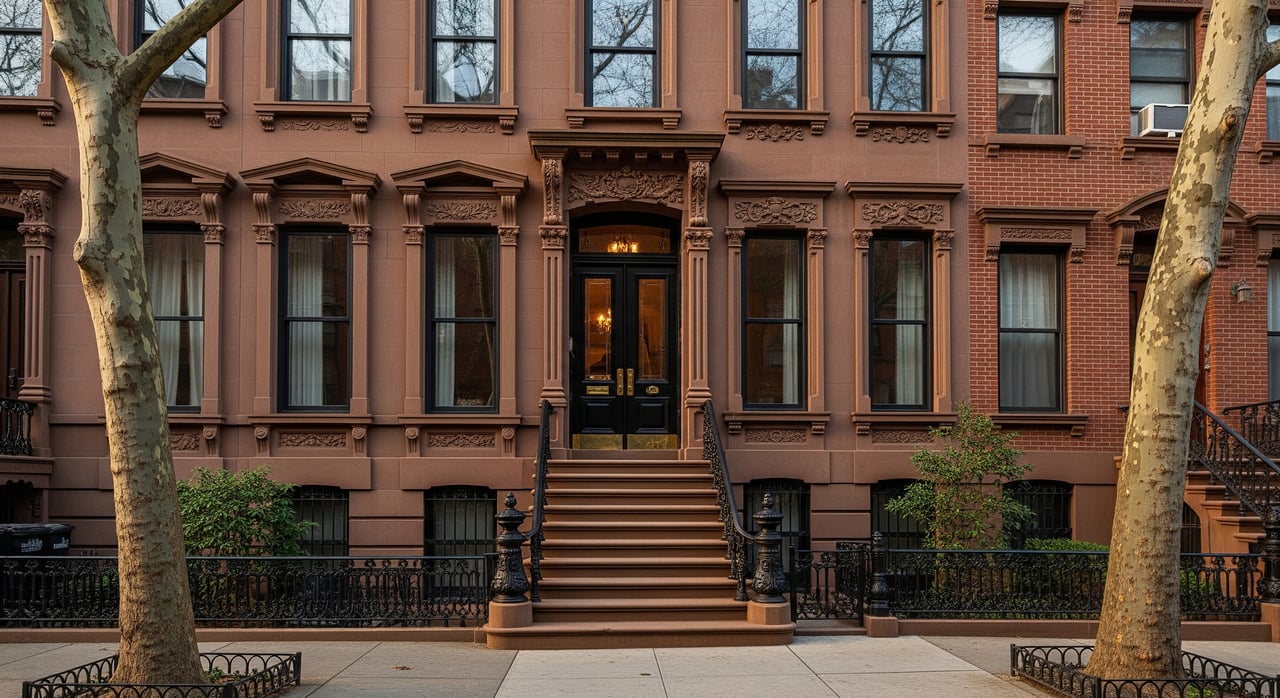
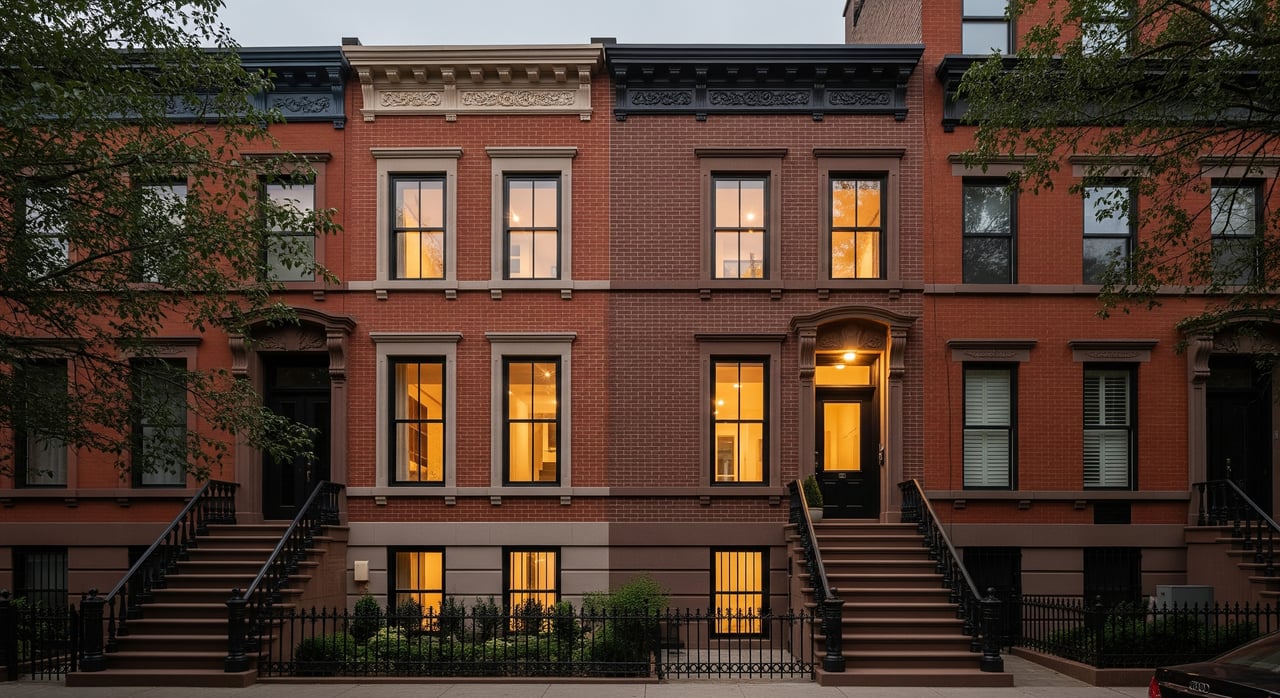
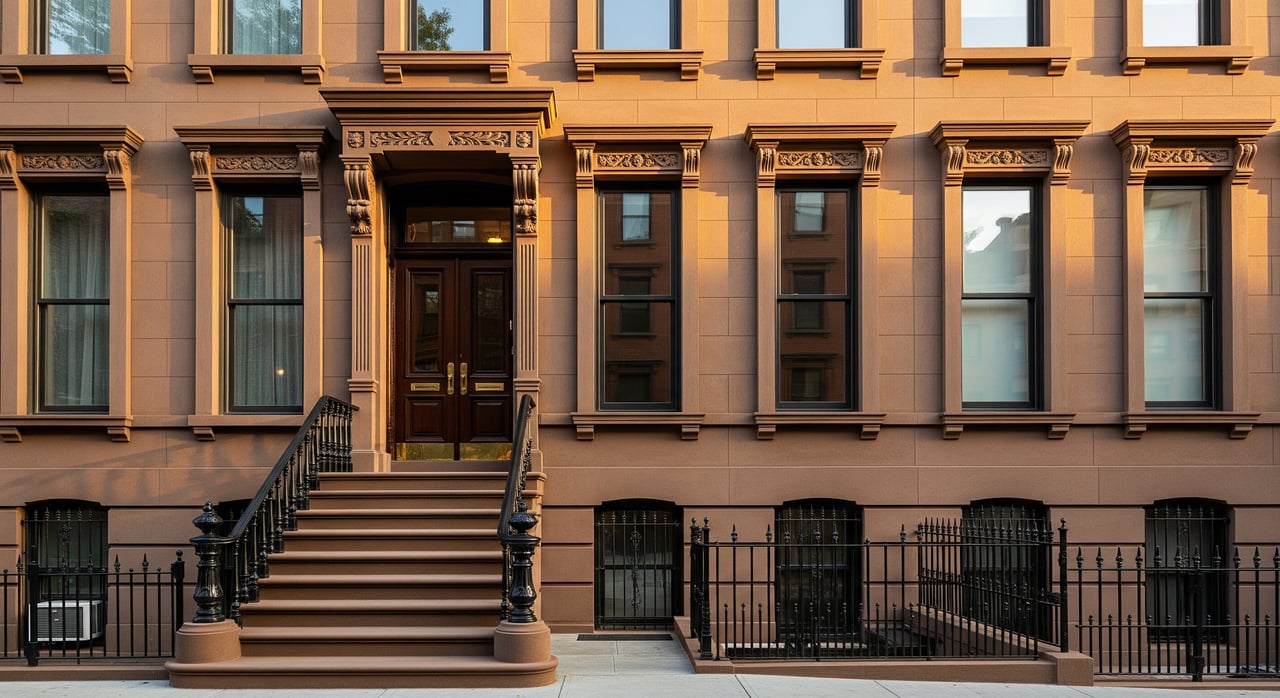
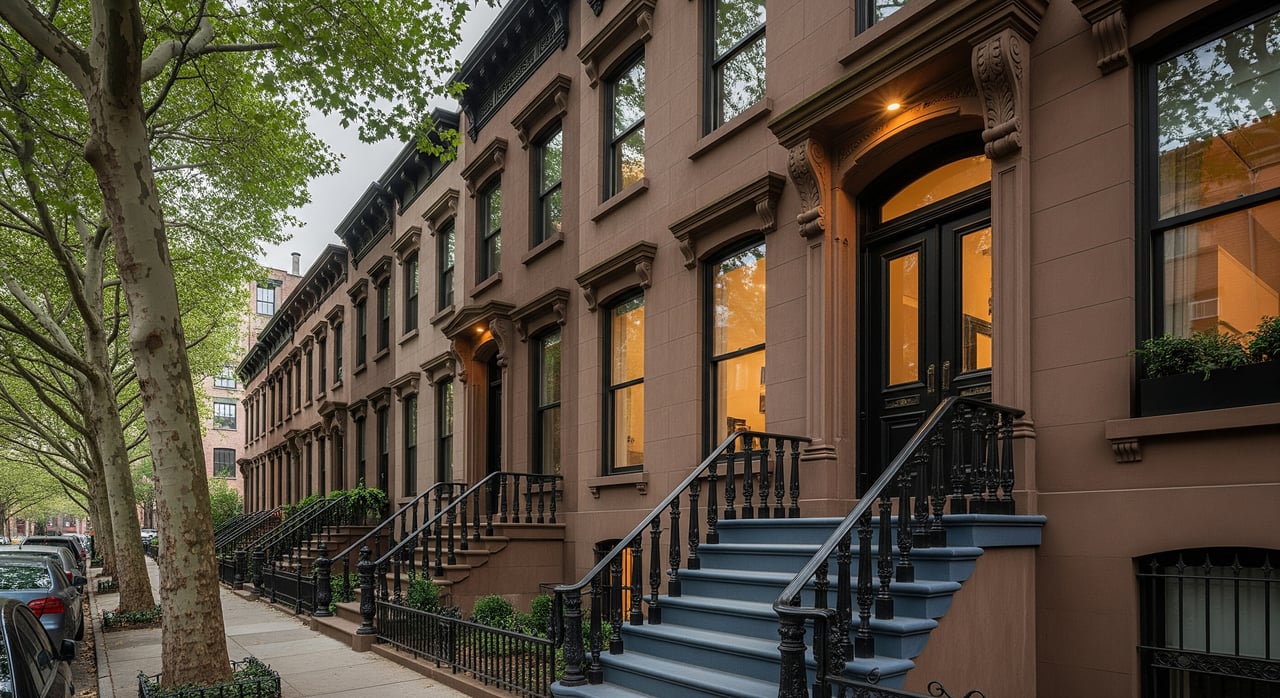
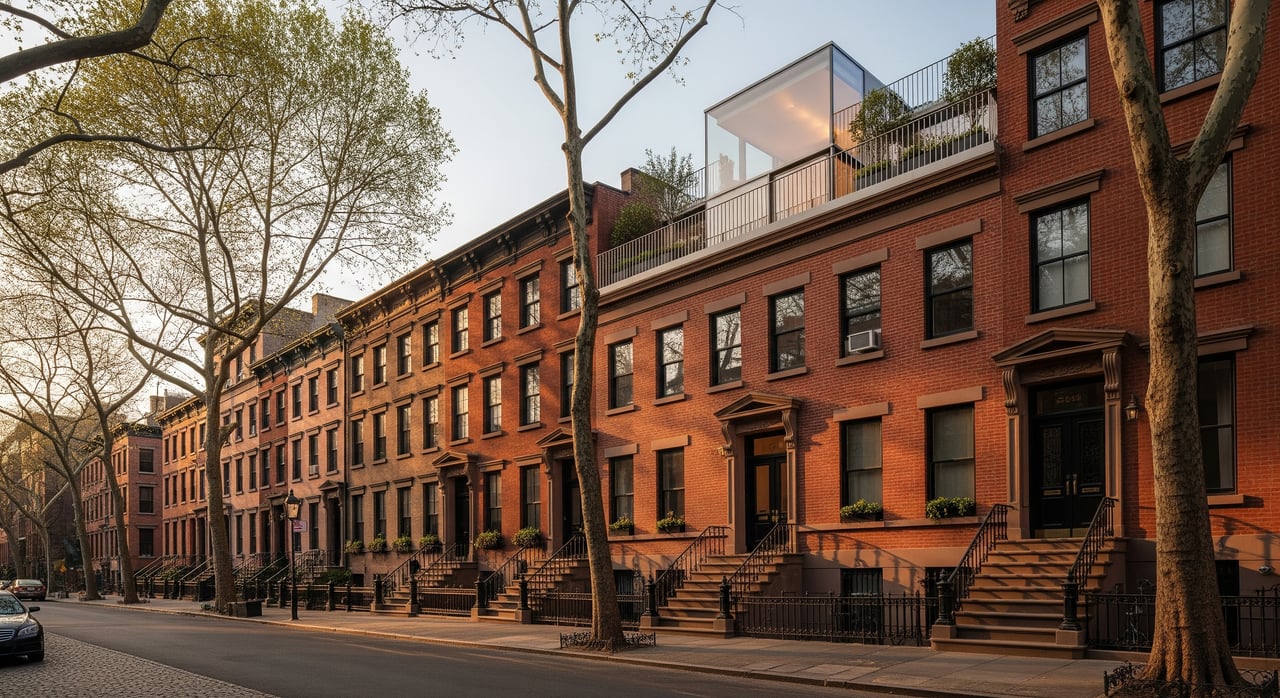
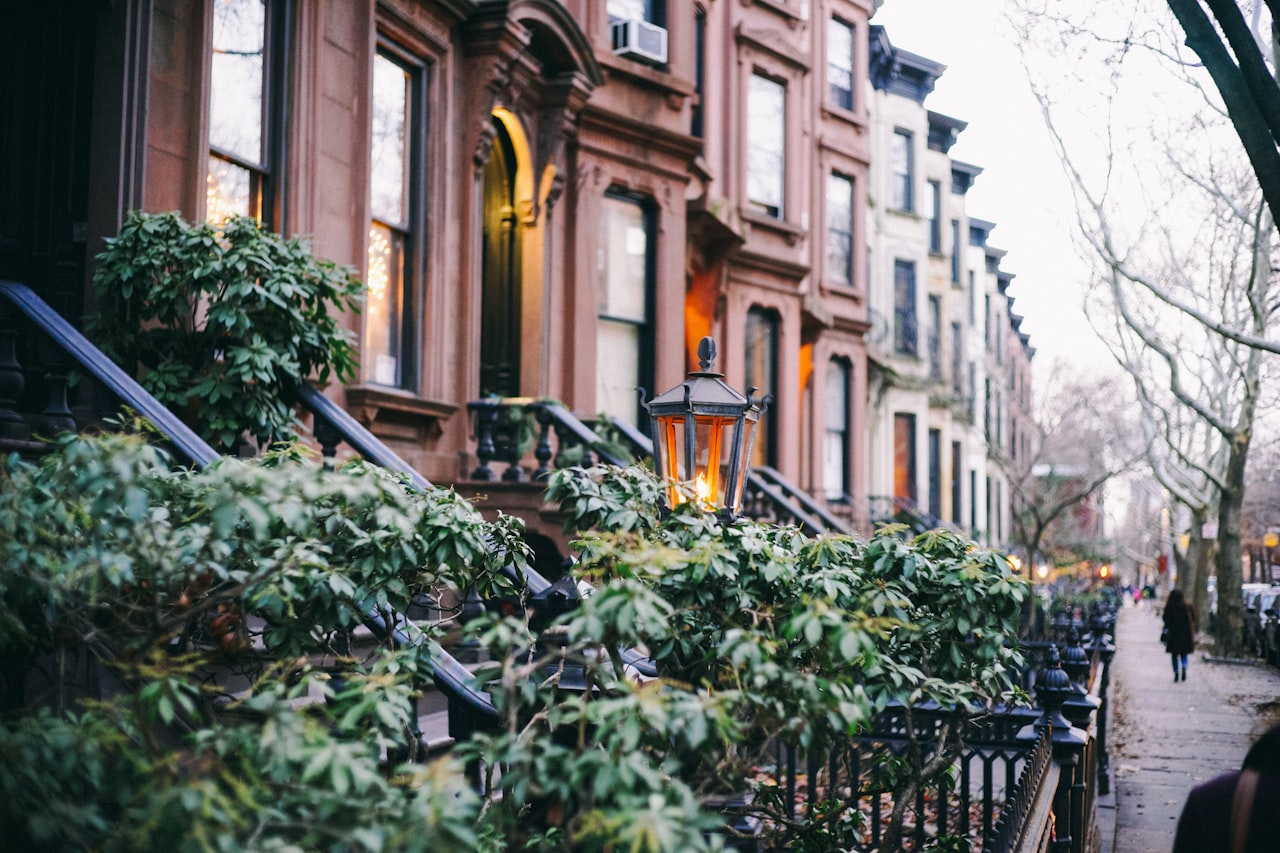
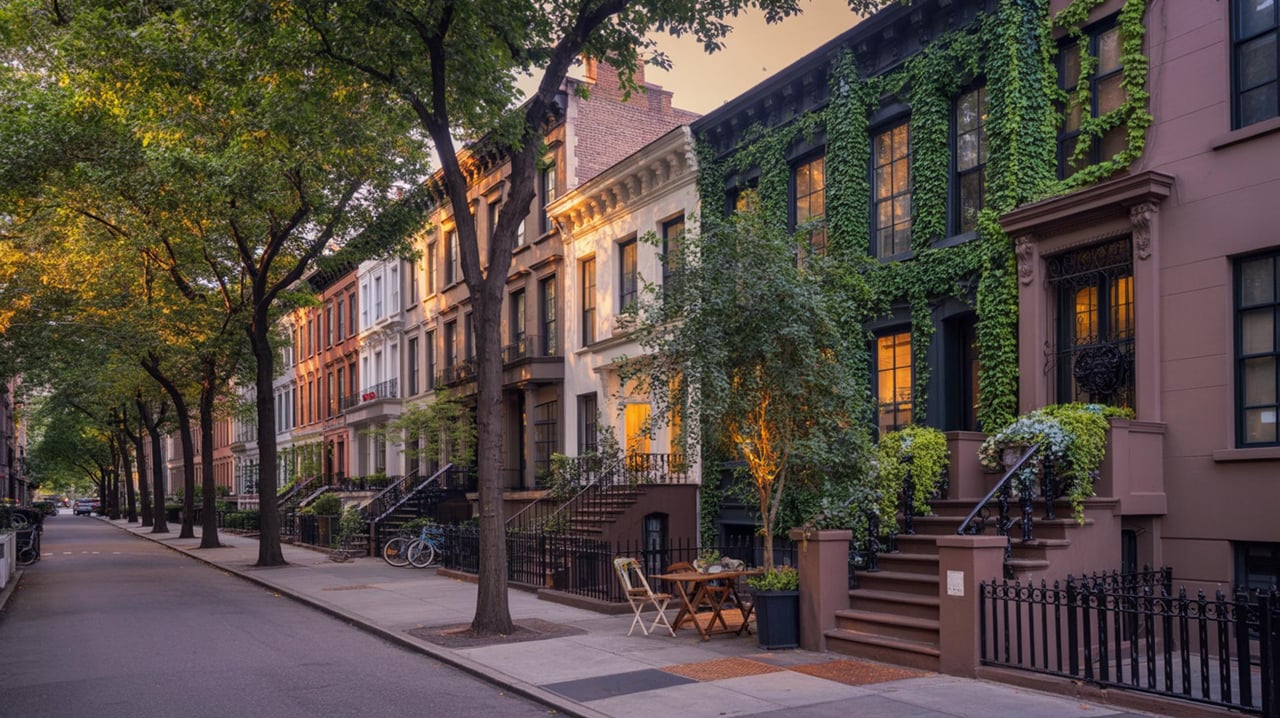
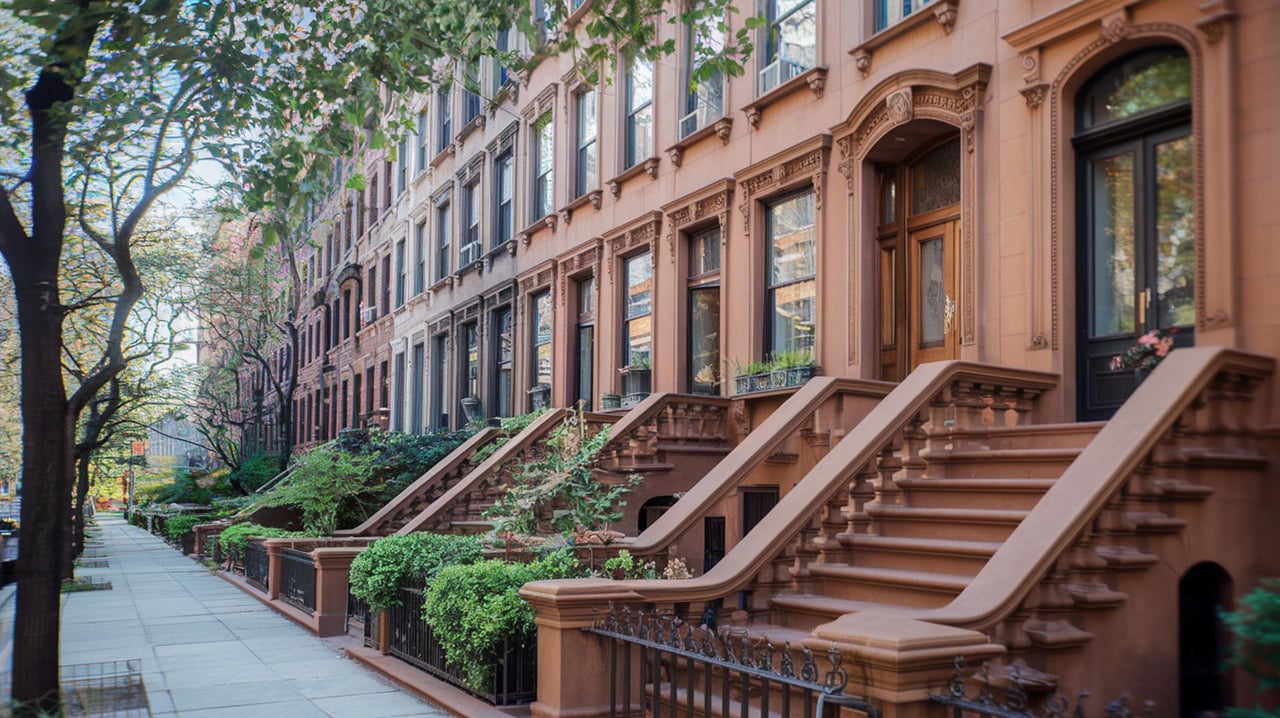
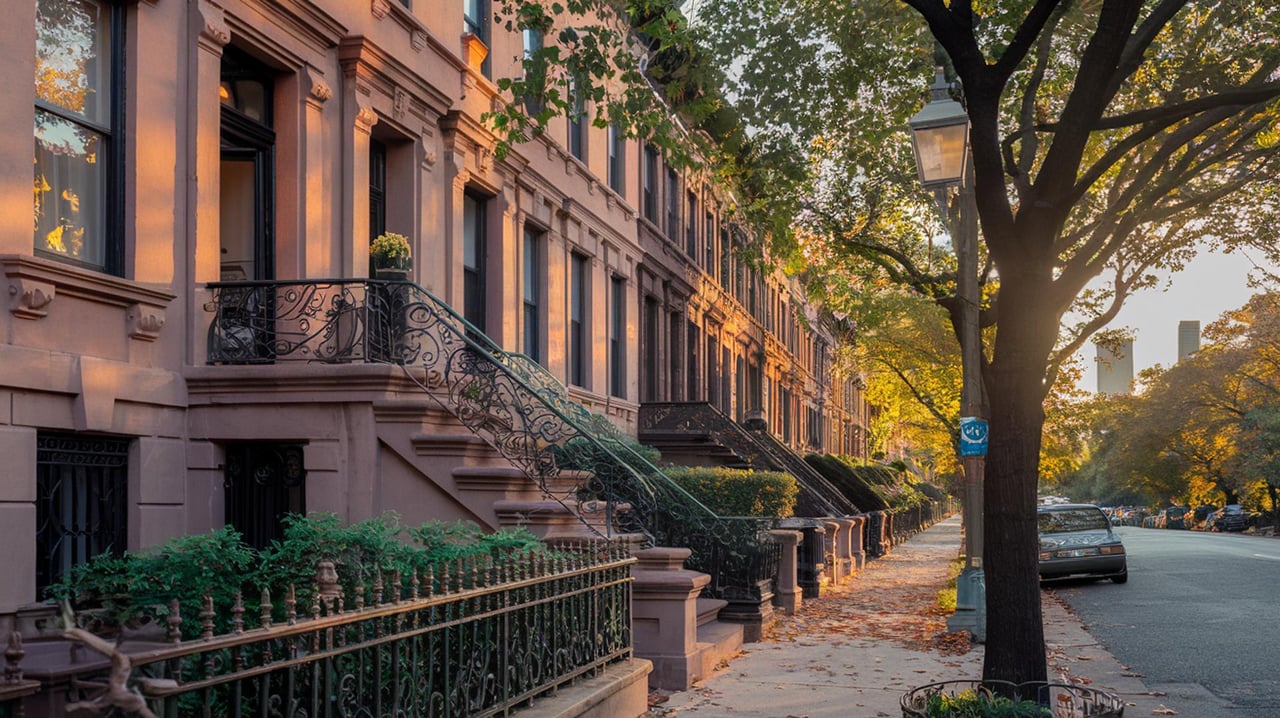
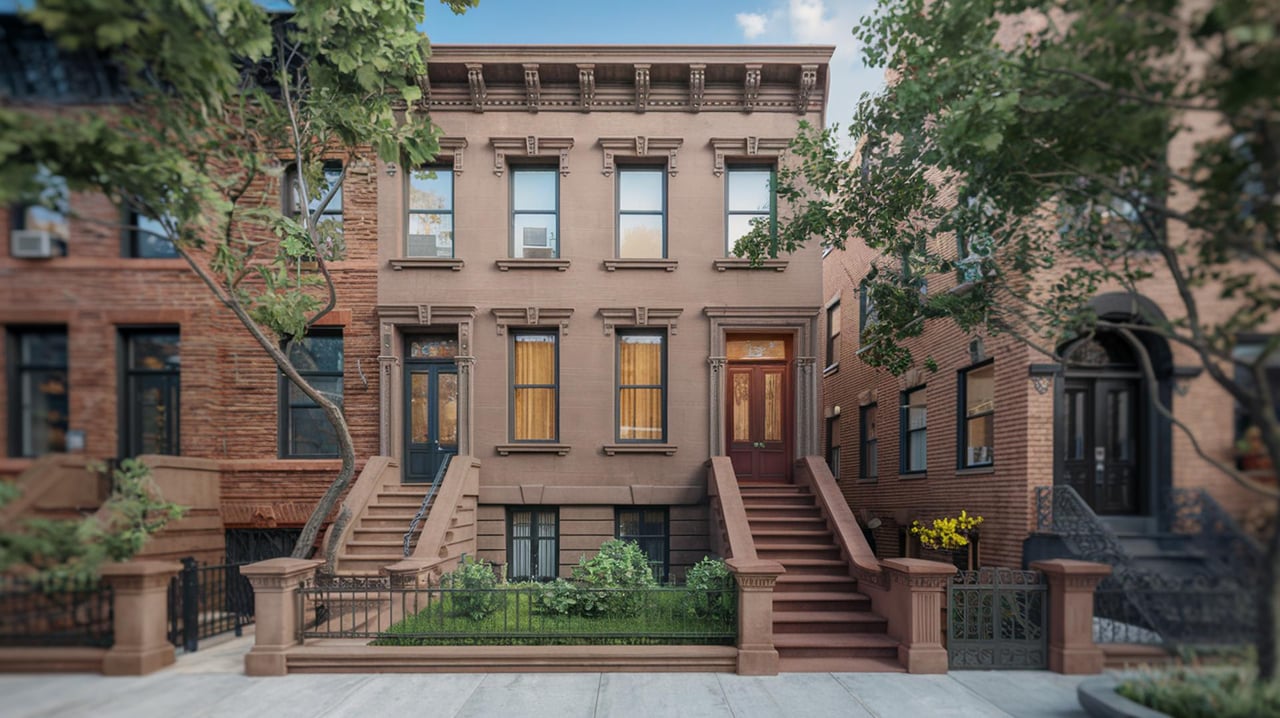
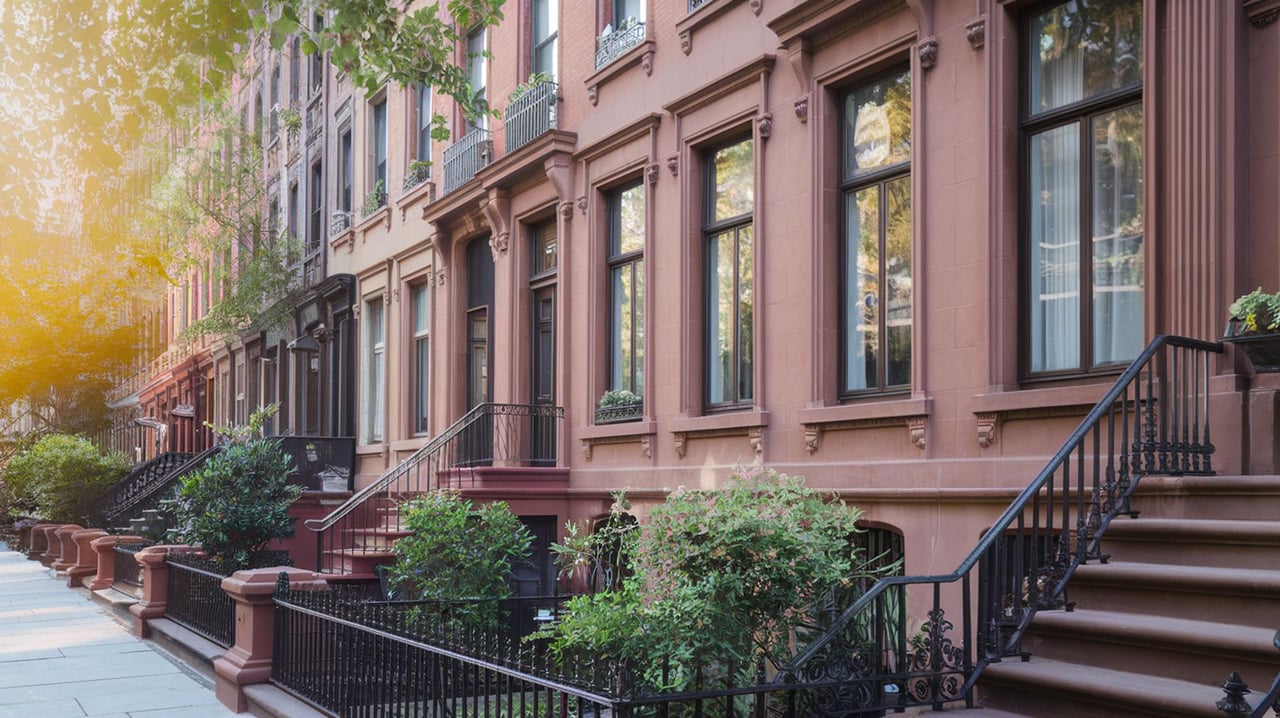
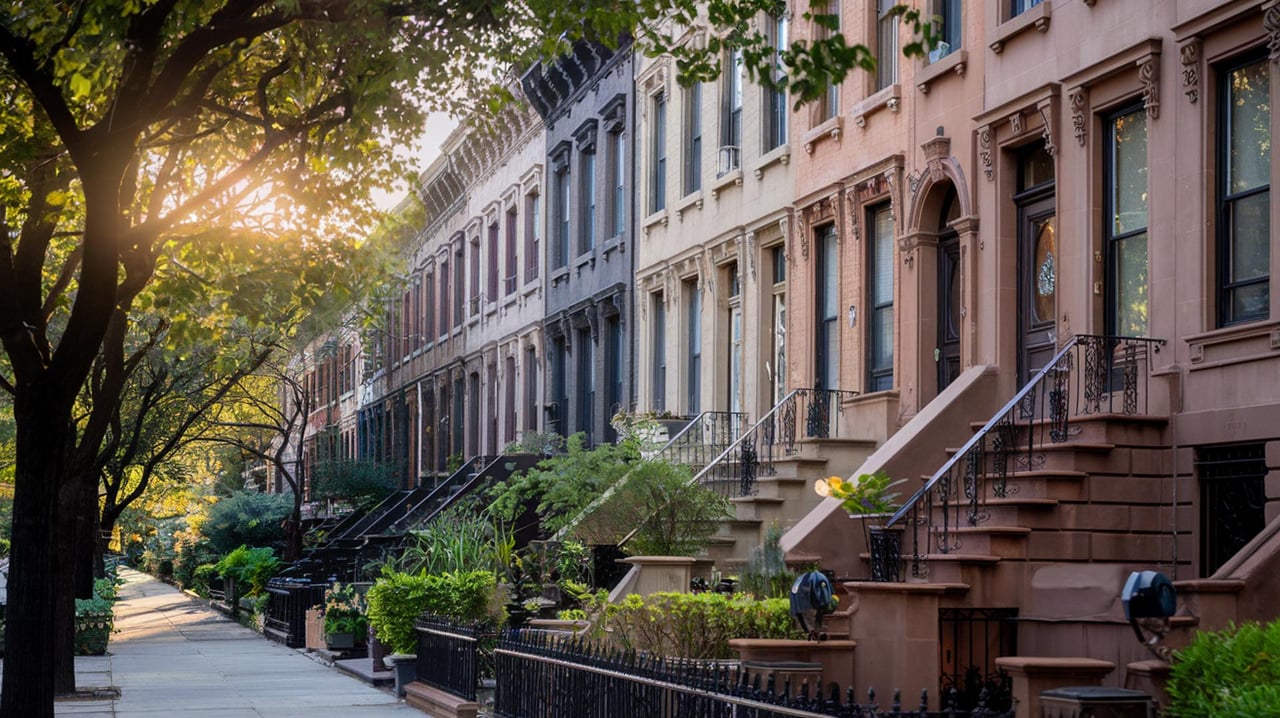
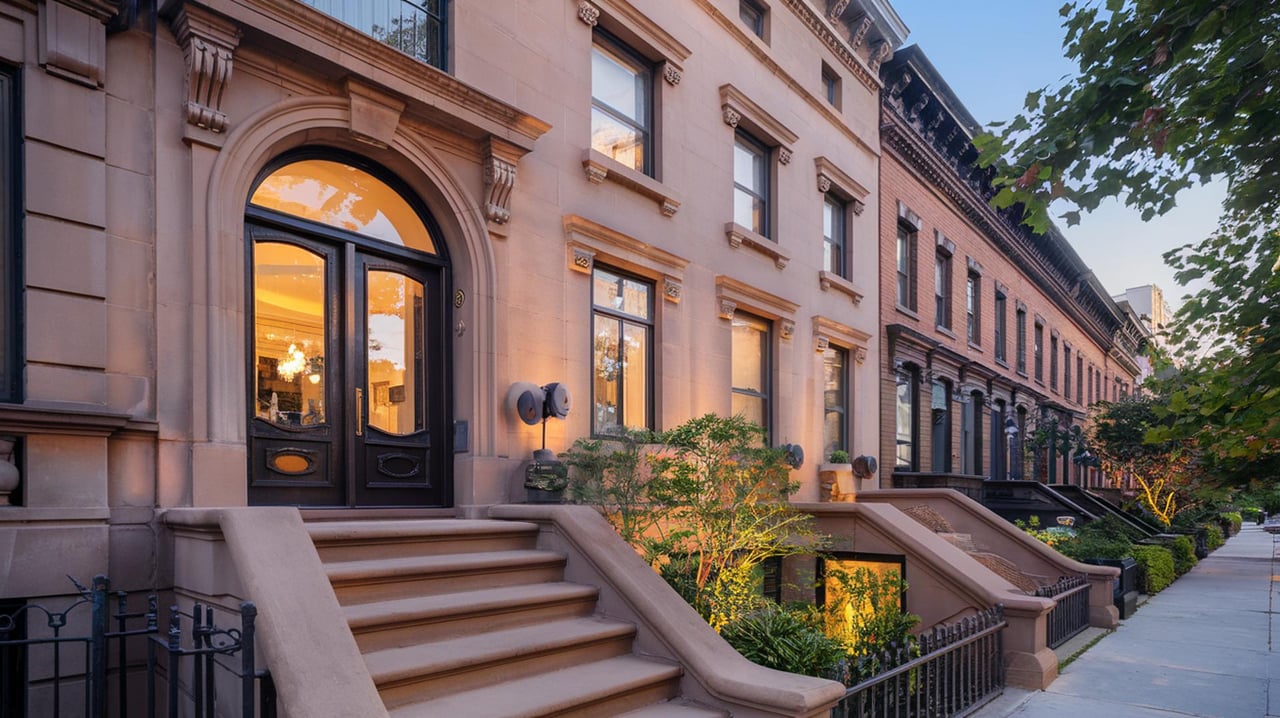
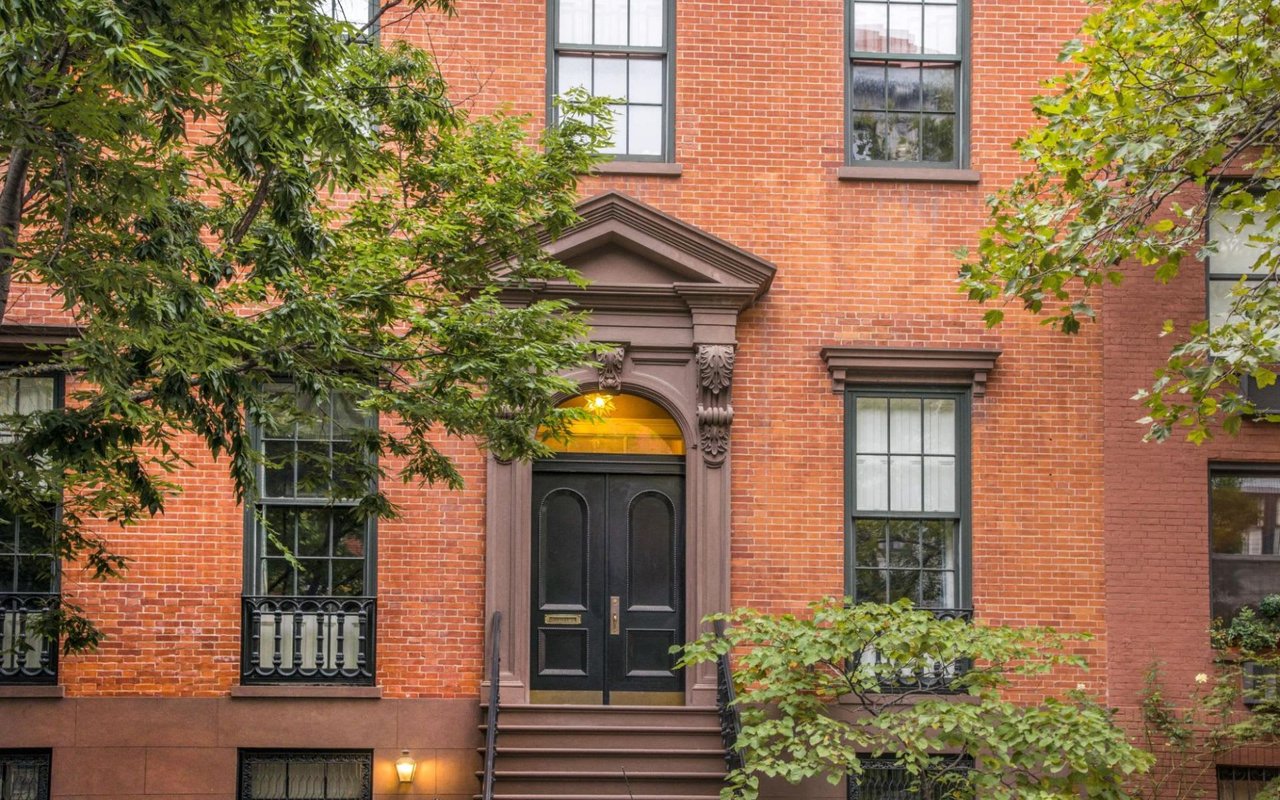
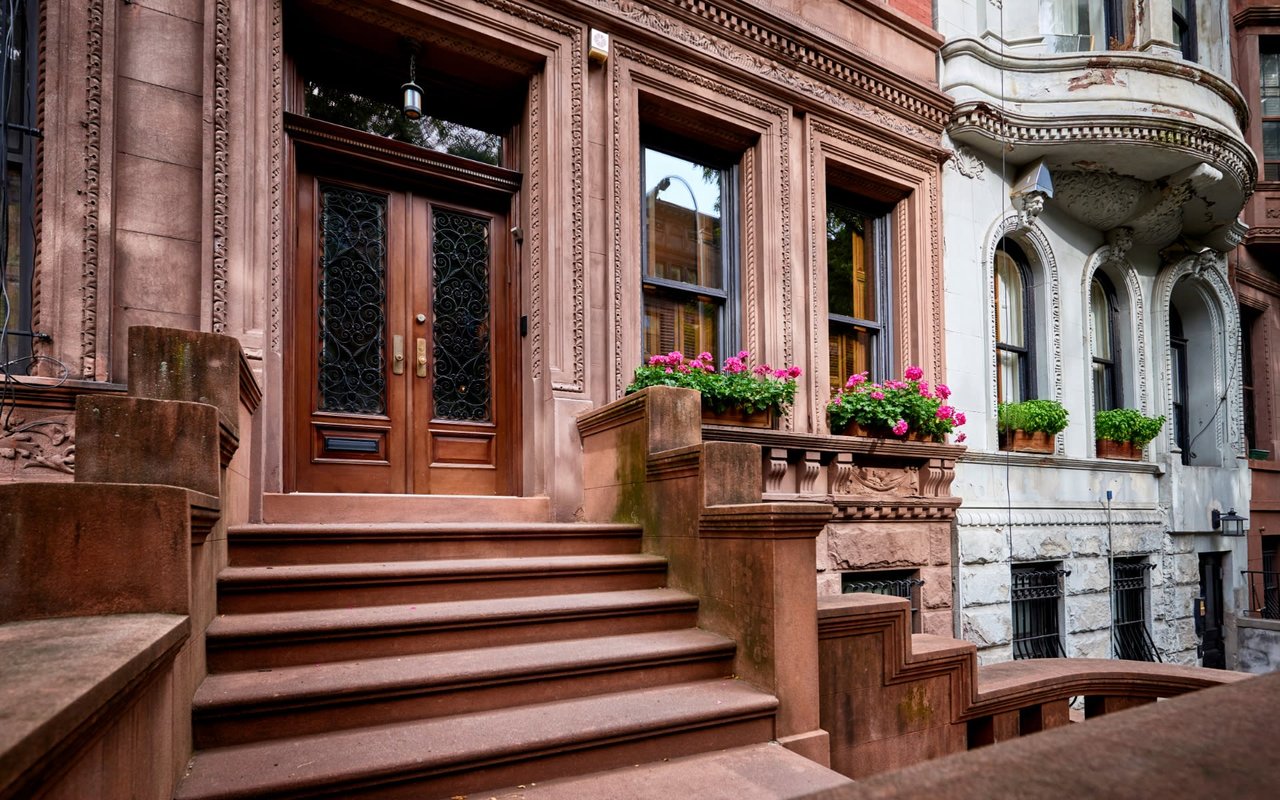
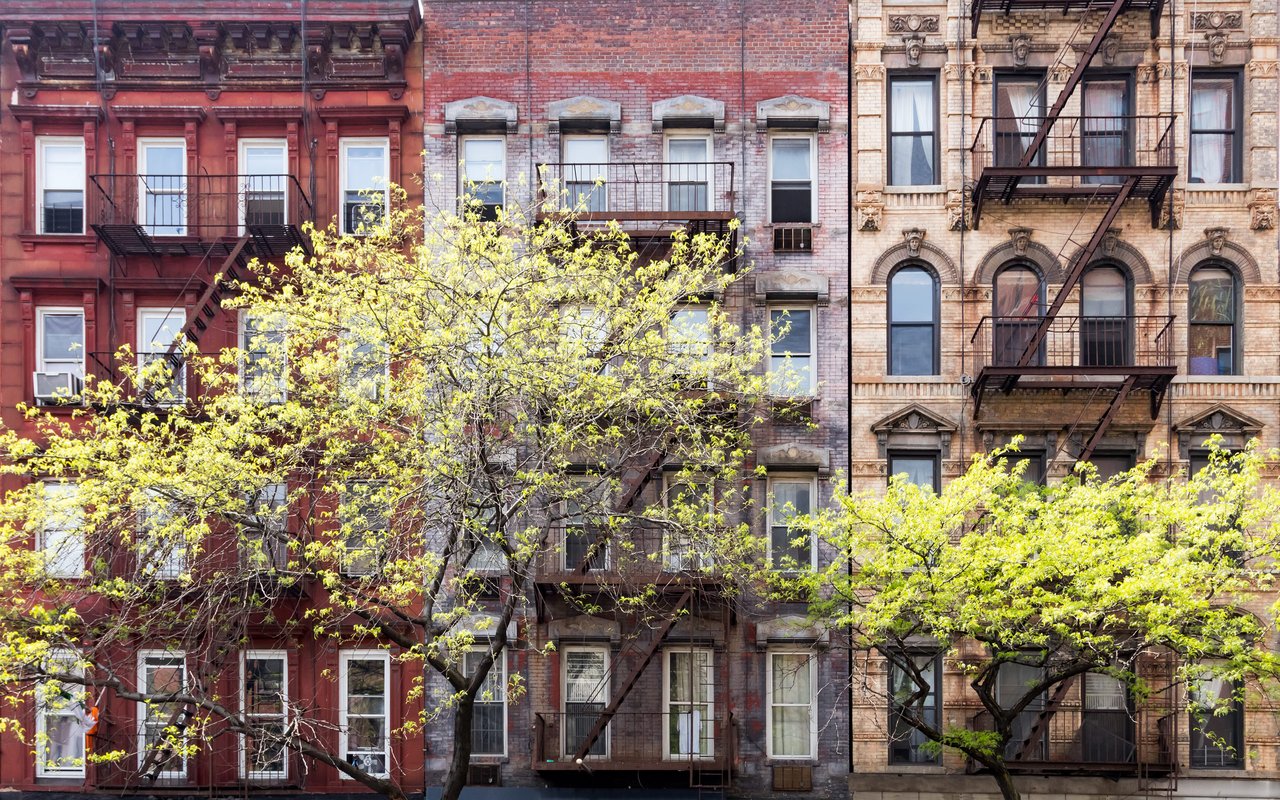
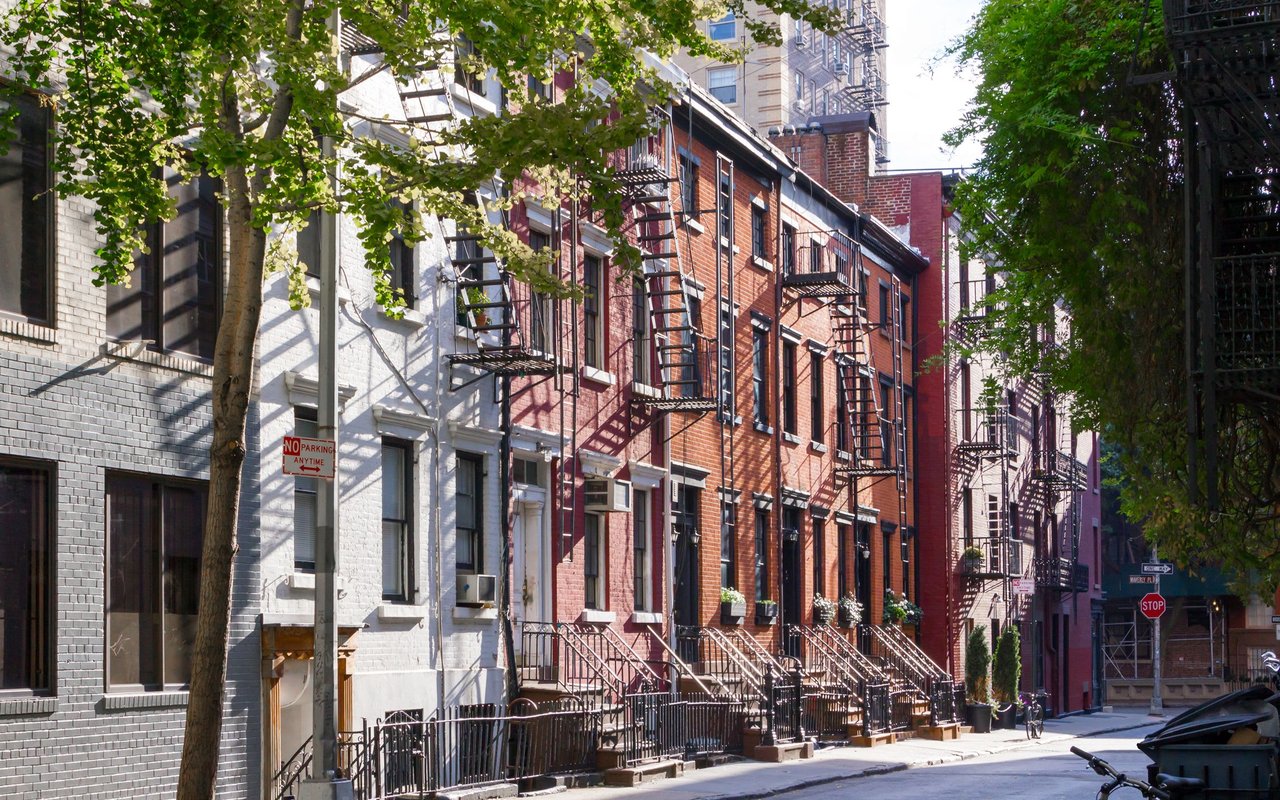
In the East Village, a fixer-upper is rarely a blank canvas. The local housing stock includes narrow four-story walkups on interior streets, mid-rise tenement-style buildings, and larger towers closer to the East River. That mix often means older construction, shared walls, and more renovation limits than you might expect in newer condo inventory.
That matters because the apartment itself is only part of the story. In many East Village buildings, your renovation plans are shaped by the age of the structure, the rules of the building, and the condition of systems you cannot fully see during a showing. A beautiful layout idea on paper may be much harder to execute once the real conditions are known.
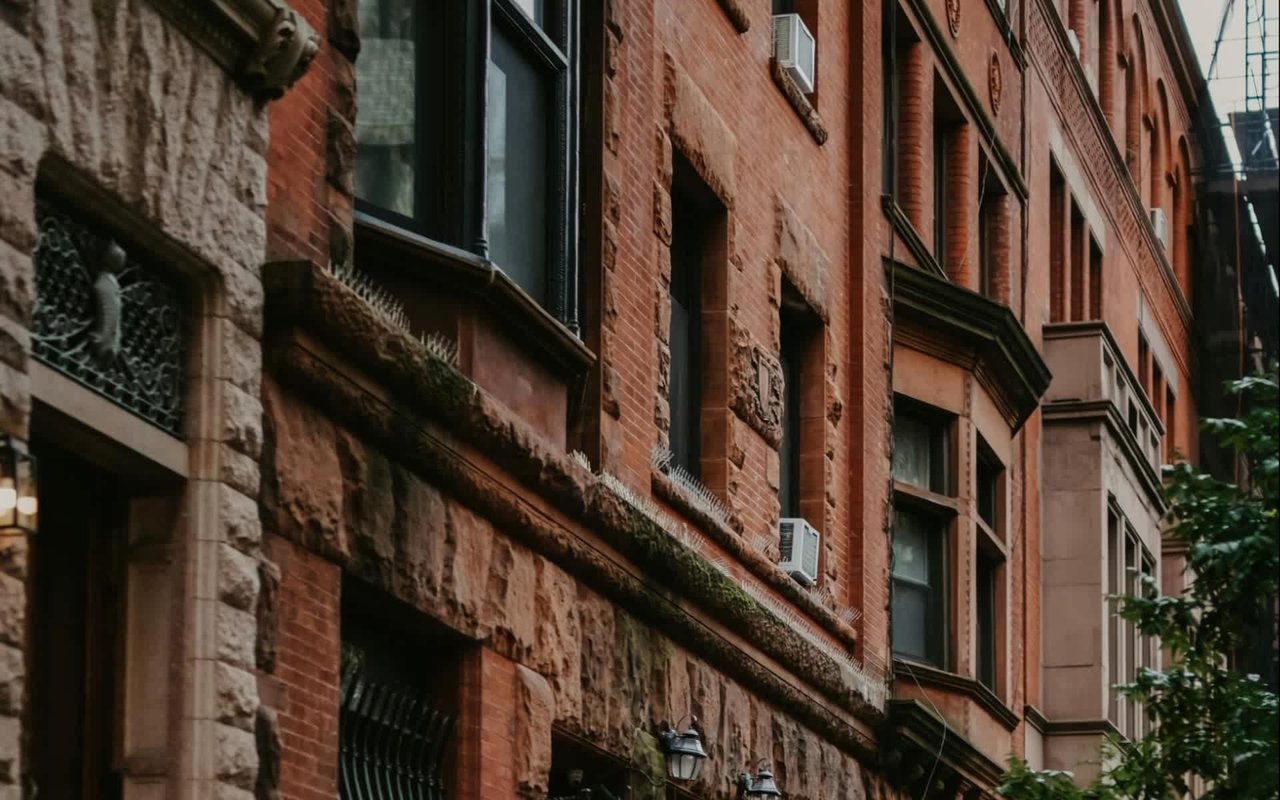
Some buildings in the area are especially old, including pre-law tenements that predate the Tenement House Act of 1879. For you as a buyer, that is a strong sign to expect older systems and more uncertainty behind walls, floors, and ceilings. In practical terms, older stock usually rewards careful due diligence more than quick assumptions.
Historic district rules can change the project
One of the first things to check is whether the property falls within a historic district. The East Village/Lower East Side Historic District was designated in 2012 and includes about 325 buildings. If a building is in that district, owners need permits for most alterations to landmarked exteriors.
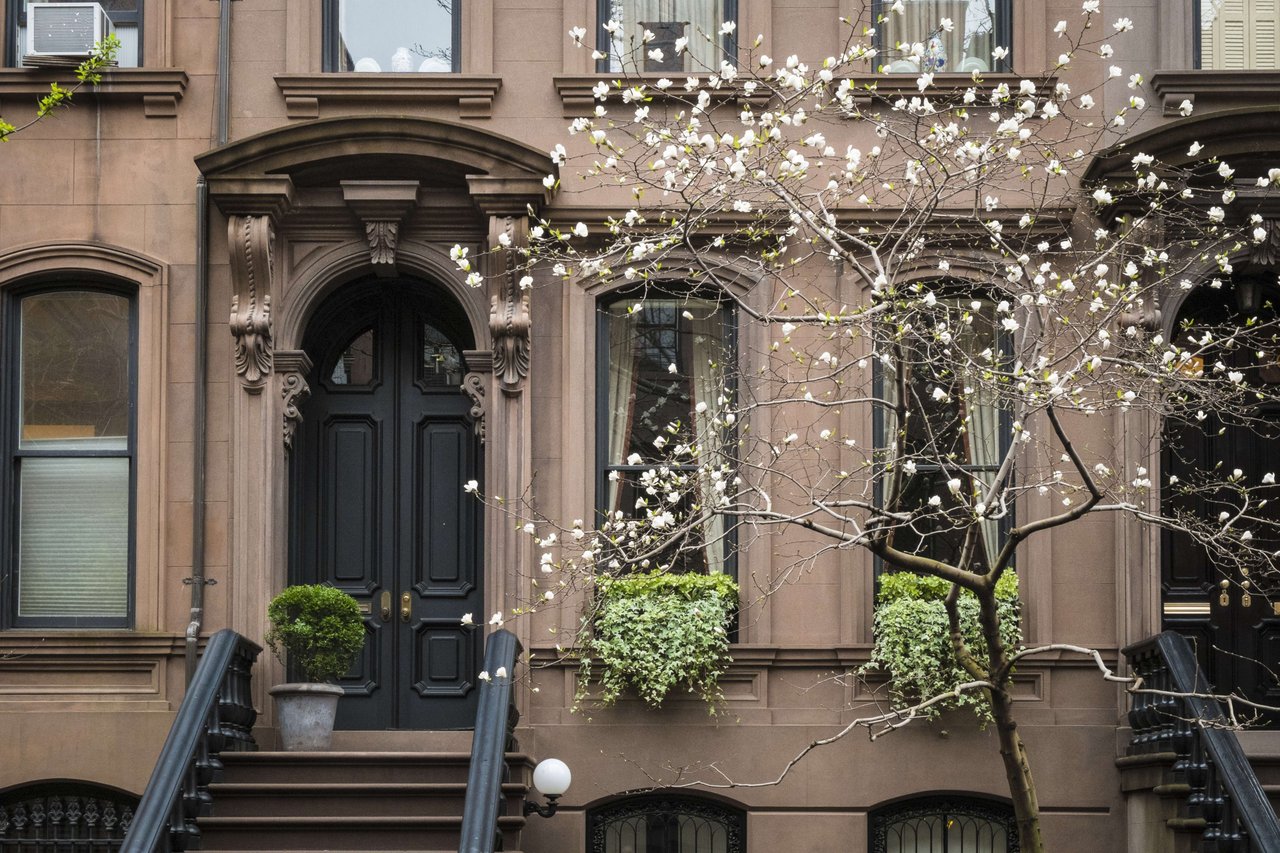
This does not mean you should avoid these properties. It means you should verify the address early and understand what kind of work you hope to do. Exterior changes that seem simple, such as window work, facade changes, or other visible alterations, may require additional review.
The Landmarks Preservation Commission says most exterior changes to front and rear facades in historic districts require review, while ordinary repairs and maintenance generally do not. Interior work usually does not require LPC review unless it affects the exterior, requires a Department of Buildings permit, or involves an interior landmark. So even if your main focus is inside the apartment, a project can become more complex if any exterior element enters the scope.
Cosmetic work vs. real renovation work
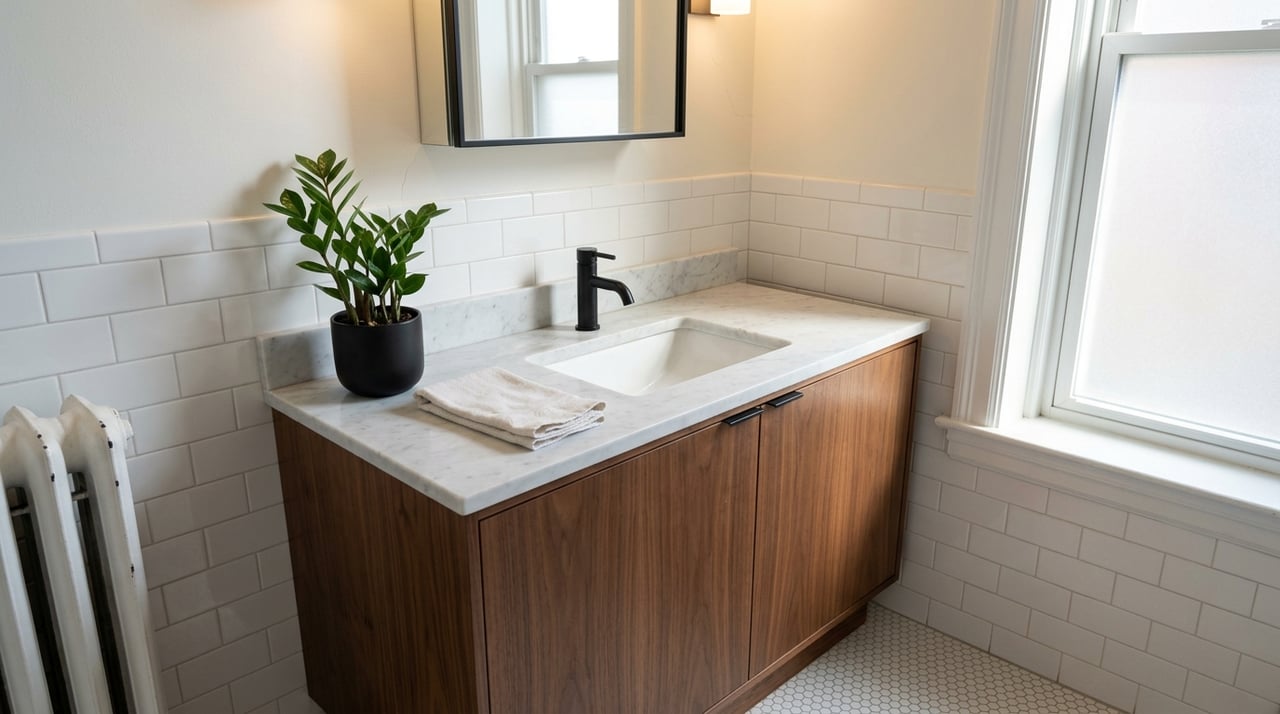
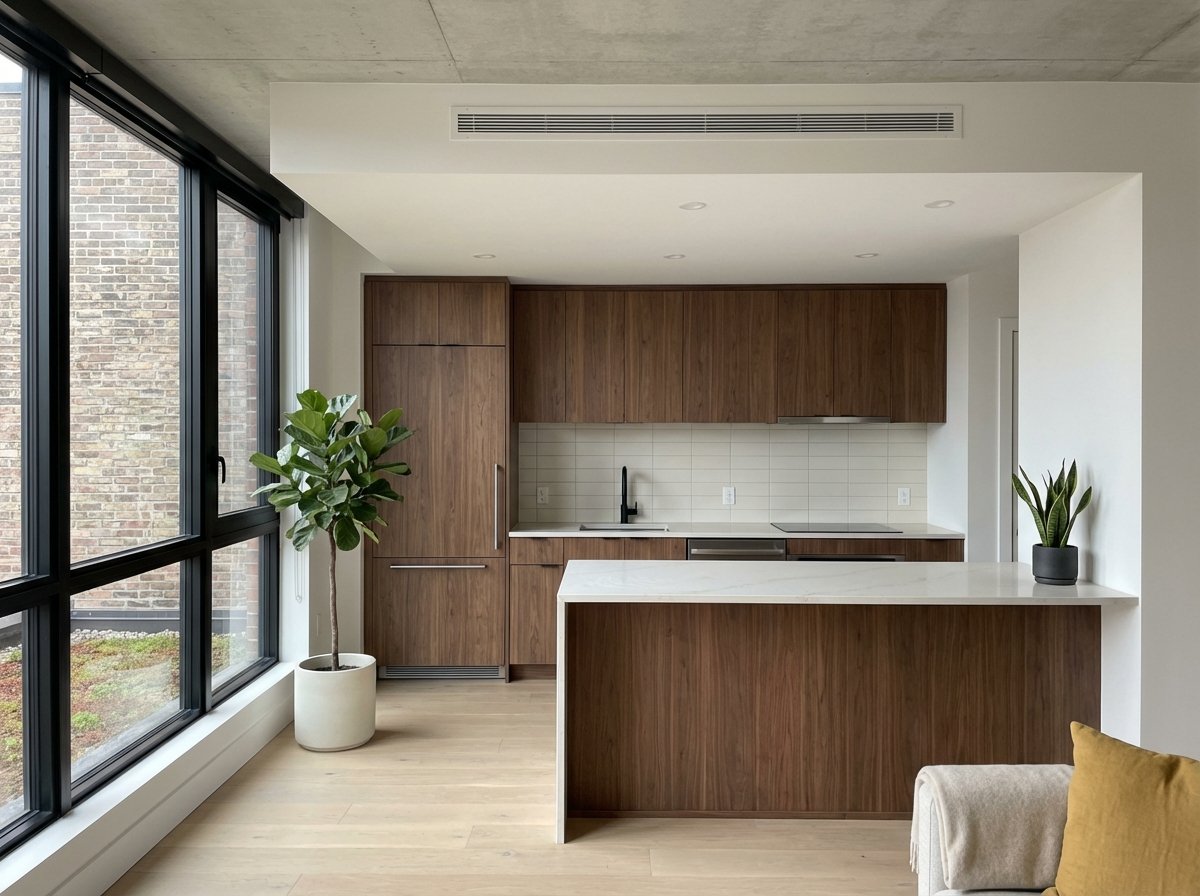
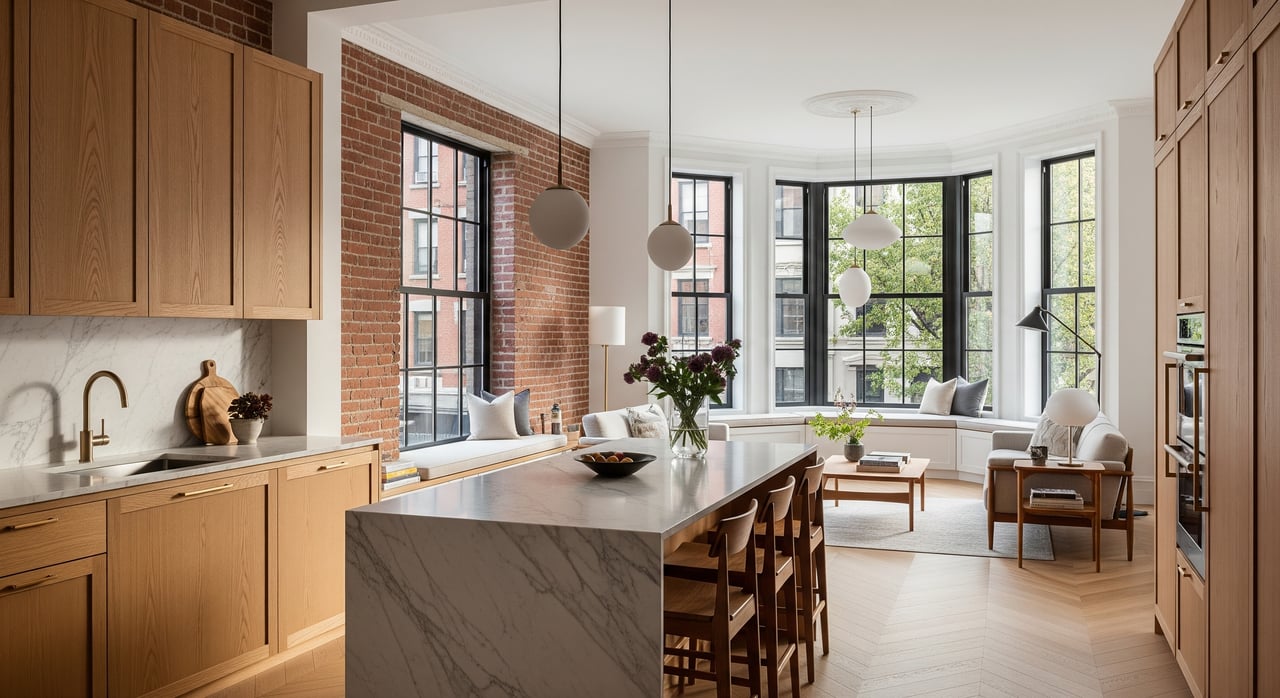
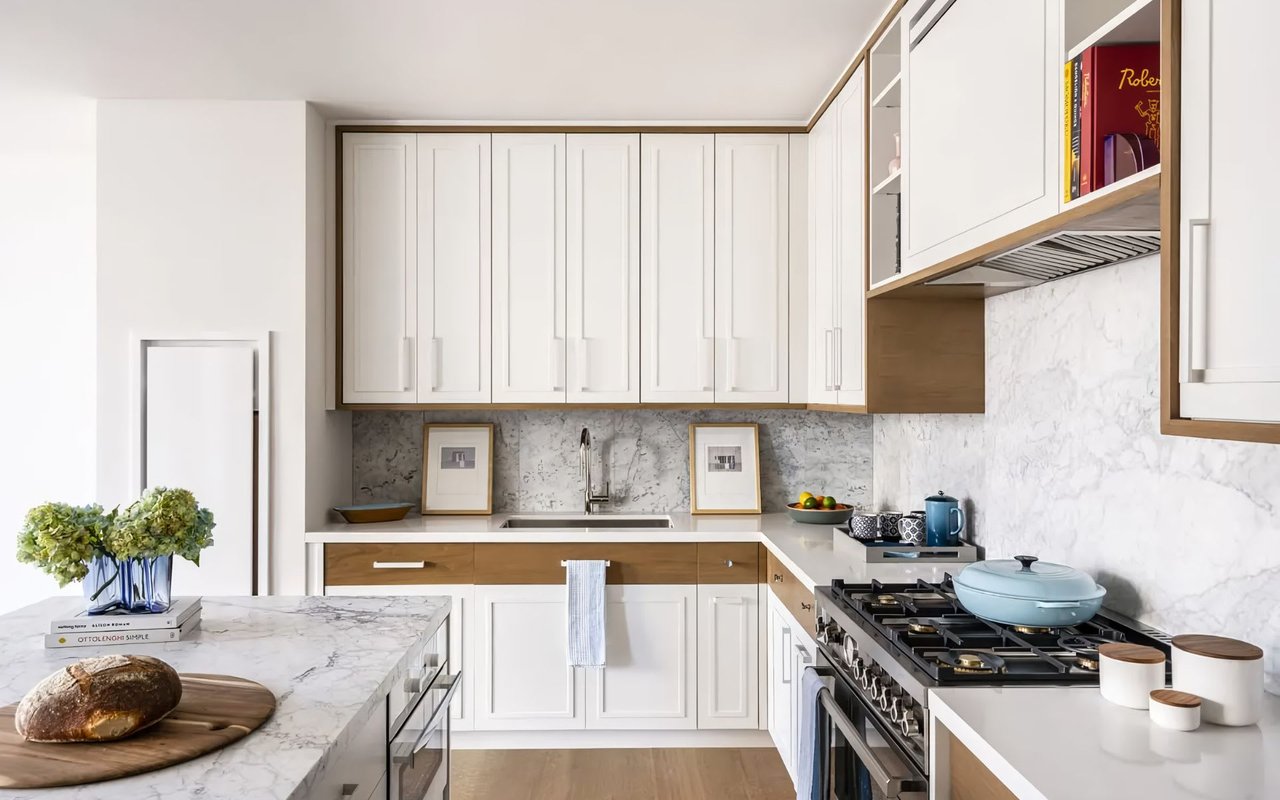
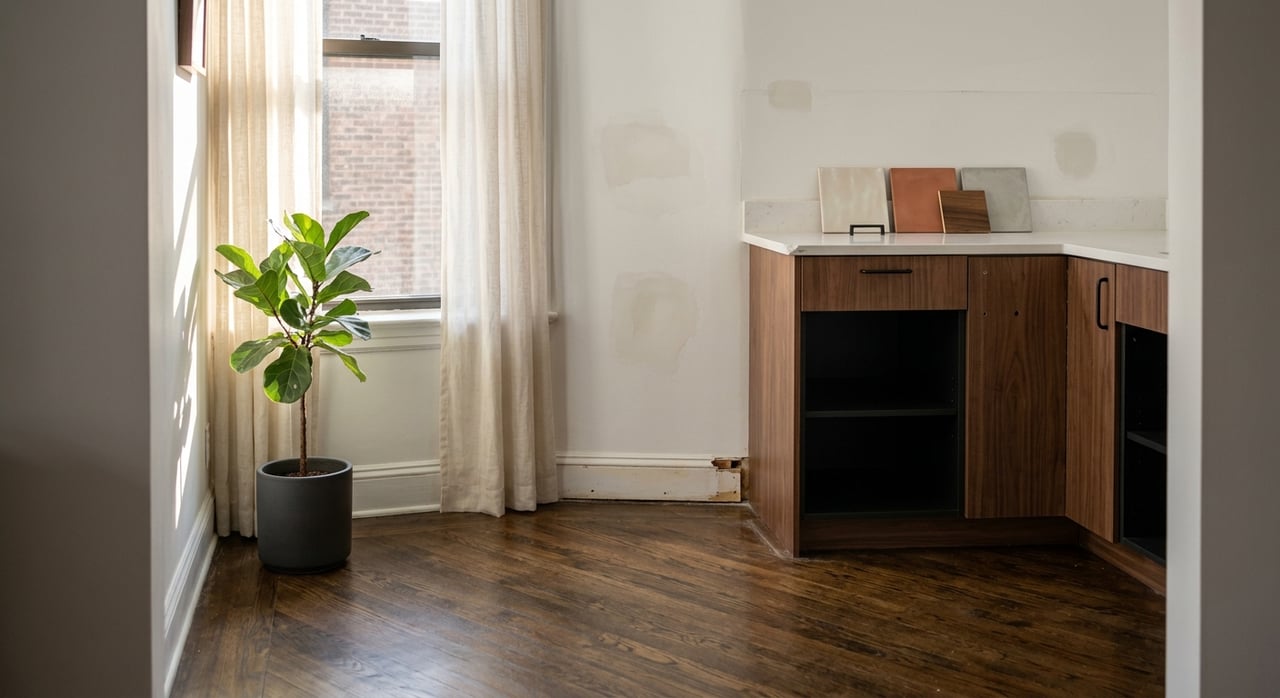
Many buyers assume a fixer-upper renovation starts and ends with finishes. In New York City, some cosmetic work often does not require Department of Buildings permits. That can include painting, plastering, installing new kitchen cabinets, resurfacing floors, and certain plumbing fixture replacements.
But once you move beyond surface updates, the rules change quickly. The city says many kitchen and bathroom renovations require an ALT2 filing when the work includes adding a new bathroom, rerouting gas pipes, adding electrical outlets, or moving a load-bearing wall. That is a major distinction because many East Village buyers want exactly those kinds of upgrades.
If plans and permits are required, the filing must be handled by a New York State licensed professional engineer or registered architect. In other words, a true fixer-upper often needs a real design and filing team, not just a contractor and a mood board. This is where disciplined planning can save you time, money, and frustration.
Older buildings bring hidden-condition risk
In the East Village, hidden conditions are often the biggest budget threat. What you see at a showing may be dated cabinets, worn floors, and old tile. What you do not see may be aging wiring, plumbing issues, prior patchwork, uneven floors, or materials that trigger extra safety review.
The city notes that pre-1987 buildings may contain asbestos in piping, insulation, walls, floors, ceiling tile, roofing, and related materials. An asbestos assessment is required before permitted work on projects that may disturb asbestos-containing material. For buyers planning a larger renovation, that is an important cost and timing factor.
Lead paint is another issue that can come into play in older New York City buildings. HPD notes that buildings built before 1960 are the major threshold for lead-paint obligations. That does not mean every project turns into an abatement job, but it does mean older East Village stock deserves a more cautious budgeting approach.
Due diligence matters before you sign
If you are buying a co-op or condo, the New York State Attorney General recommends reading the full offering plan and consulting an attorney before signing a purchase agreement. That advice matters even more when the apartment needs work. A fixer-upper purchase combines transaction risk with renovation risk, so the paper trail matters.
The Attorney General also recommends reviewing board minutes, recent financial reports, and violation history. Those records can reveal deferred maintenance, planned repairs, and ongoing building concerns that may affect both your living experience and your renovation timeline. In an older East Village building, that review can be just as important as your walk-through of the unit.
It is also worth remembering that existing buildings commonly have defects. The offering plan should disclose defects visible to the engineer or known to the managing agent, but the state notes that it is rare for an existing building to be without defects. That is a useful mindset to bring into any East Village fixer-upper search: assume there may be more to learn.
Look beyond the apartment interior
When you buy a fixer-upper in a co-op or condo, you are not only buying the apartment. You are also buying into the building’s physical condition and operating reality. That can include facade condition, roof performance, windows, elevators, heating and cooling systems, wiring, and plumbing.
These building-wide elements can affect your renovation in direct and indirect ways. If the building is planning capital work, has ongoing repairs, or has system limitations, your project may need to wait, adapt, or cost more. Even if your apartment renovation is mostly interior, the building’s broader condition can shape what is practical.
This is one reason experienced buyers try to separate aesthetic opportunity from infrastructure risk. A unit with original charm and a promising floor plan can still be a strong purchase, but only if the larger building picture supports your goals.
Approvals can shape your timeline
Renovation timelines in the East Village are not just about construction. They are also about approvals, filings, and sequencing. Department of Buildings job filings and permits are handled through DOB NOW: Build, while landmark permit applications go through the LPC Portico system.
For you, that means timing depends on more than when a contractor can start. The right approvals often need to be prepared and filed in the right order, especially when a project goes beyond cosmetic work or touches a landmarked exterior. This is why a realistic timeline should always leave room for paperwork and coordination.
A common mistake is assuming that once you close, work begins right away. In reality, the pre-construction stage can take time, especially in older buildings with design questions, permit needs, or building-specific renovation requirements. The more complex the apartment, the more valuable a clear roadmap becomes.
Budget for soft costs and contingency
A smart East Village fixer-upper budget should separate hard costs from soft costs. Hard costs are the visible construction expenses. Soft costs can include architect or engineer fees, filing costs, testing and abatement, insurance requirements, and other project coordination items.
This is where many first-time fixer-upper buyers get surprised. The visible finishes are often only part of the financial picture. In older East Village apartments, soft costs and contingency can be just as important as cabinetry, tile, or appliances.
The safest approach is to carry a meaningful contingency for hidden conditions. That is especially true in existing buildings, where defects are common and often tied to systems you cannot fully evaluate during the showing stage. If your budget is only strong enough for the ideal-case scenario, it may not be strong enough for a real fixer-upper.
East River proximity adds another check
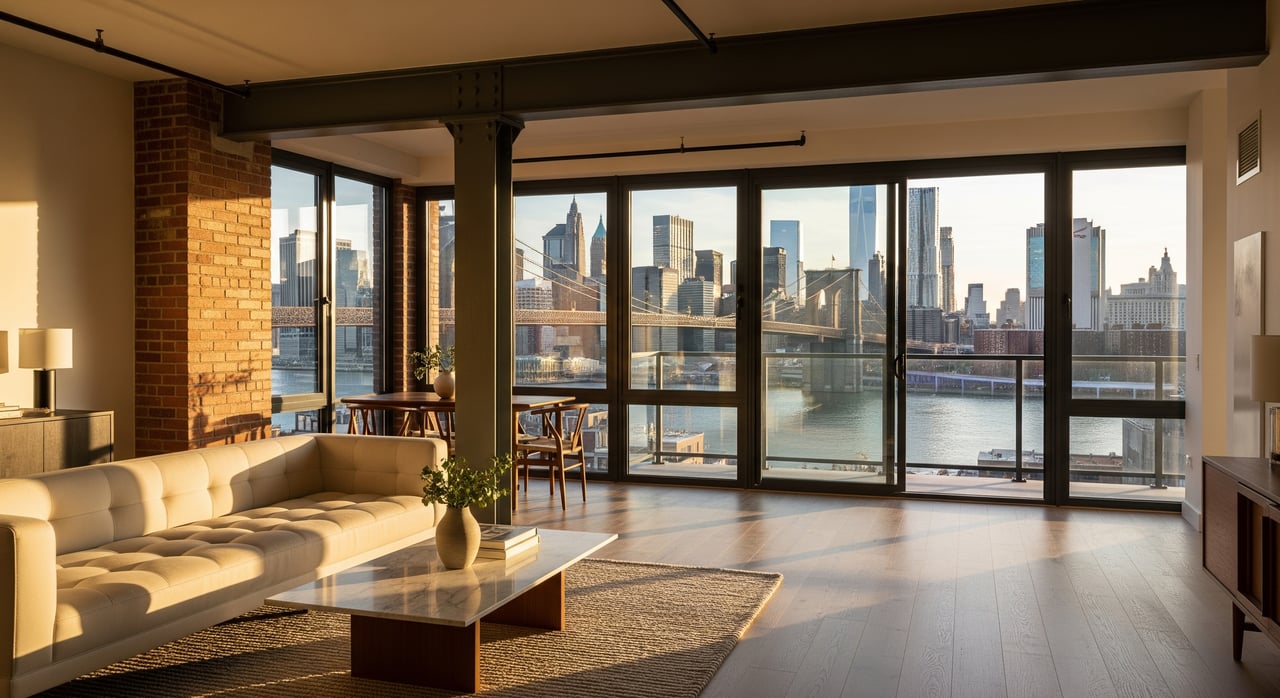
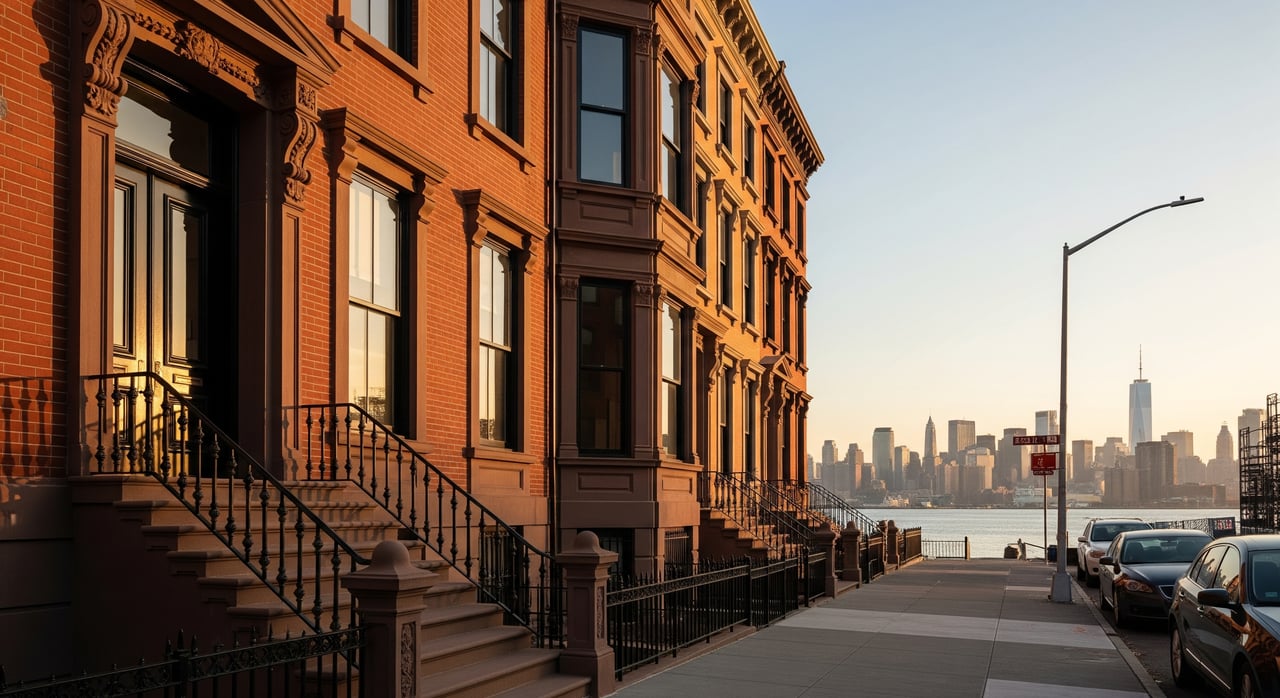
If you are shopping closer to the East River, flood-related planning deserves extra attention. The broader East Village, Lower East Side, and Two Bridges study area includes many buildings vulnerable to flooding from a 1% annual chance storm. Past storms also showed how damaging the loss of mechanical and electrical systems can be, even when the structure itself remains standing.
That does not mean every East Village block carries the same level of exposure. It does mean that east-side locations deserve careful review, especially if you are already taking on renovation risk. In some cases, location-specific building questions can be just as important as the apartment’s interior condition.
How to buy smarter in the East Village
The strongest fixer-upper buyers usually do a few things well. They verify the address and building status early, review the building’s records carefully, and build a renovation budget around reality instead of optimism. They also understand that hidden defects, approvals, and coordination often matter more than the finishes they plan to choose later.
A good East Village fixer-upper can still be a great opportunity. You may be able to create a more personal home, unlock value through smart renovation, and buy into a highly desirable neighborhood with a property that better fits your goals. But success usually comes from preparation, not improvisation.
If you want a clear-eyed view of an East Village fixer-upper before you commit, working with an advisor who understands both the market and the renovation side can make the process much easier. When you need guidance on acquisition, feasibility, budgeting, and renovation coordination, Mark O’Brien Real Estate can help you evaluate the opportunity with more confidence.
FAQs
What makes an East Village fixer-upper different from a newer condo?
- East Village fixer-uppers are often in older walkups, tenement-style buildings, or other aging housing stock, which can mean more constraints, older systems, and more renovation uncertainty than newer condo units.
What renovation work in an East Village apartment may not need permits?
- New York City says many cosmetic projects, such as painting, plastering, installing new kitchen cabinets, resurfacing floors, and some plumbing fixture replacement, may not require DOB permits.
What East Village renovation work usually needs filings or permits?
- Many kitchen and bathroom renovations require an ALT2 filing when the work includes adding a bathroom, rerouting gas pipes, adding electrical outlets, or moving a load-bearing wall.
Why should buyers check for historic district status in the East Village?
- If a property is within the East Village/Lower East Side Historic District, many exterior alterations require LPC review, which can affect project scope, timing, and approvals.
What building records should buyers review before buying an East Village fixer-upper?
- For co-op and condo purchases, buyers should review the offering plan, board minutes, recent financial reports, and violation history to better understand building condition and possible deferred maintenance.
Why is contingency so important for an East Village fixer-upper budget?
- Older buildings often have hidden defects and older systems, so a contingency helps cover conditions that may only become clear after design work begins or walls are opened.