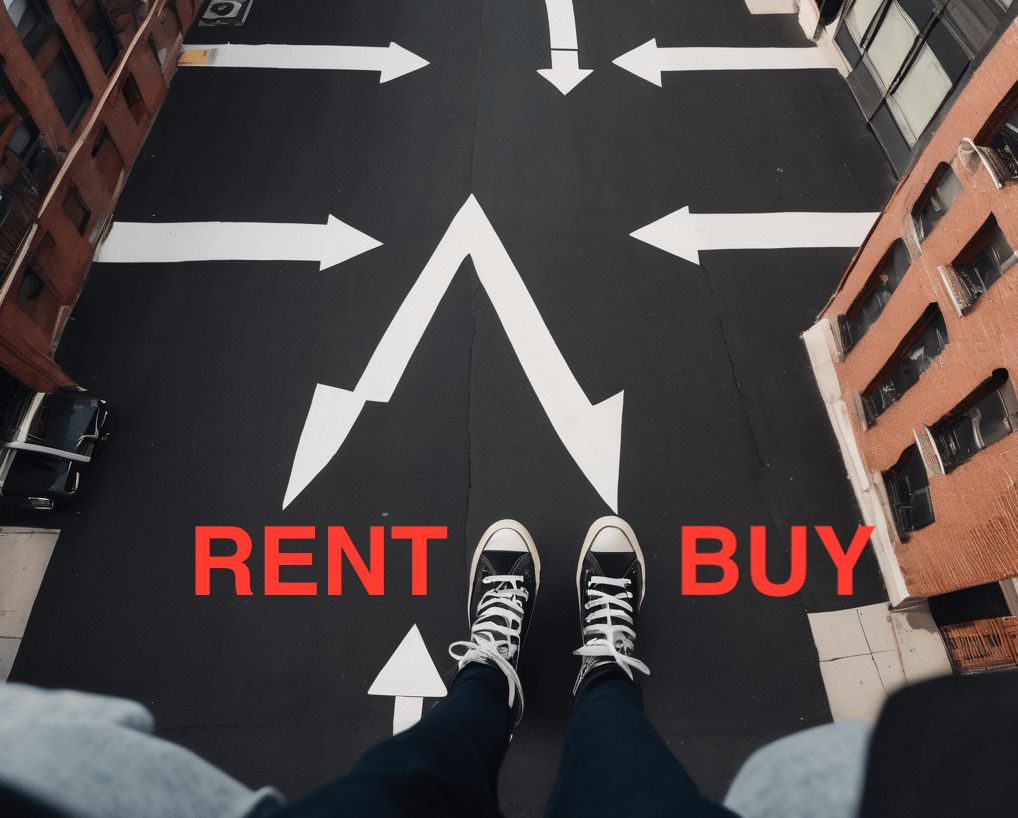
Wondering whether to renovate before you sell in Greenwich Village, or list your home as is and let the next owner take it from there? It is a fair question, especially in a neighborhood where buyers care about both character and condition, and where timing can change the math quickly. If you are weighing cost, effort, approvals, and likely resale value, this guide will help you think through the decision with a clearer strategy. Let’s dive in.
Why This Decision Matters In Greenwich Village
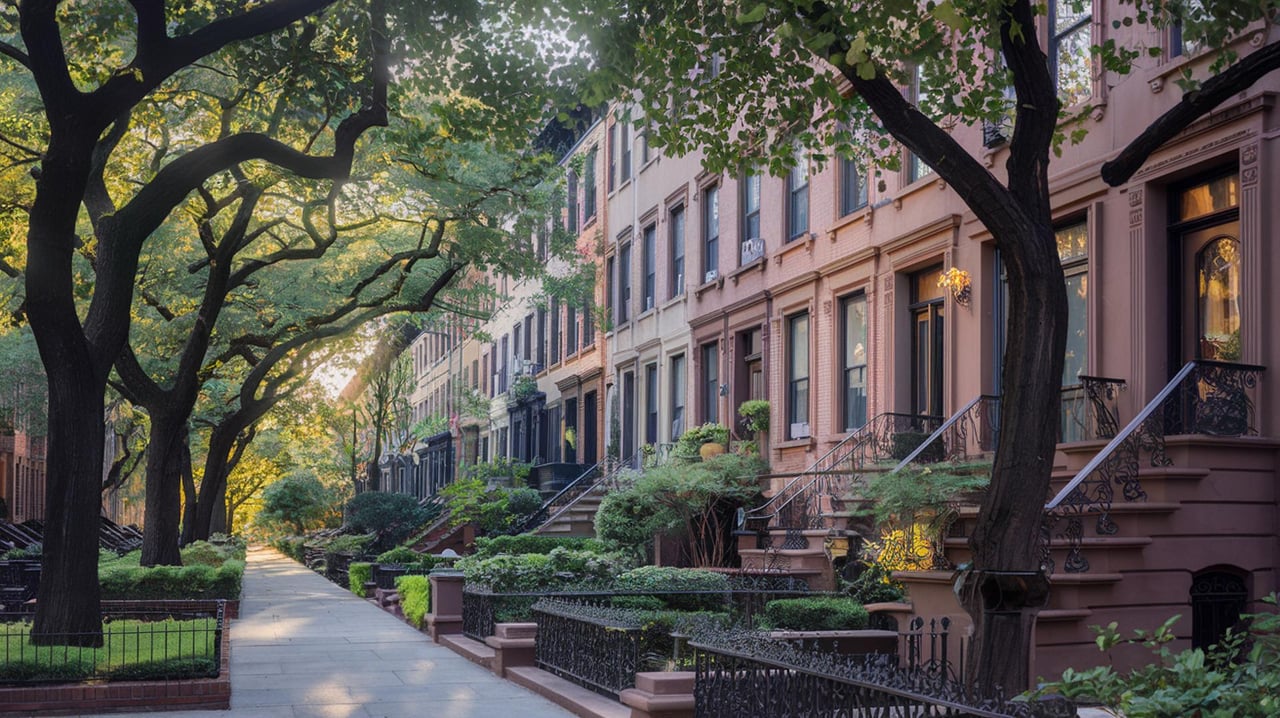
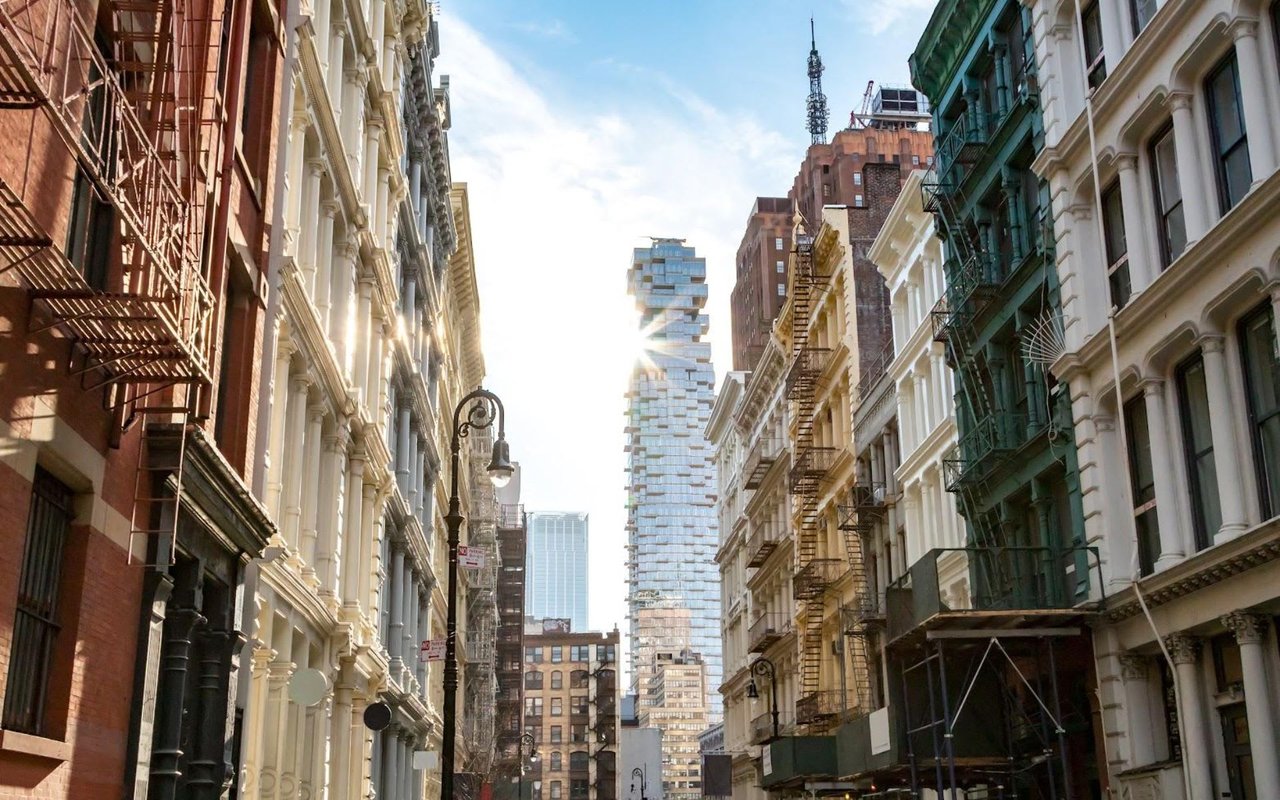
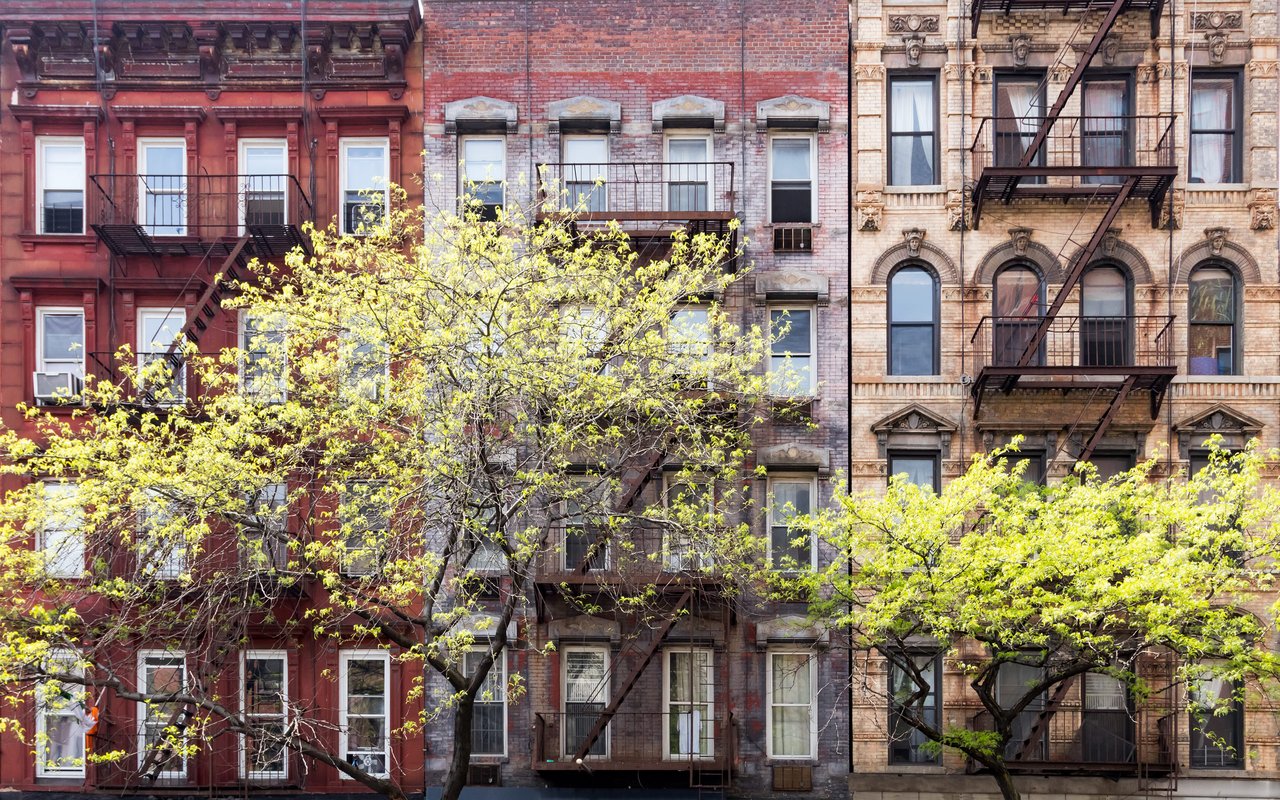
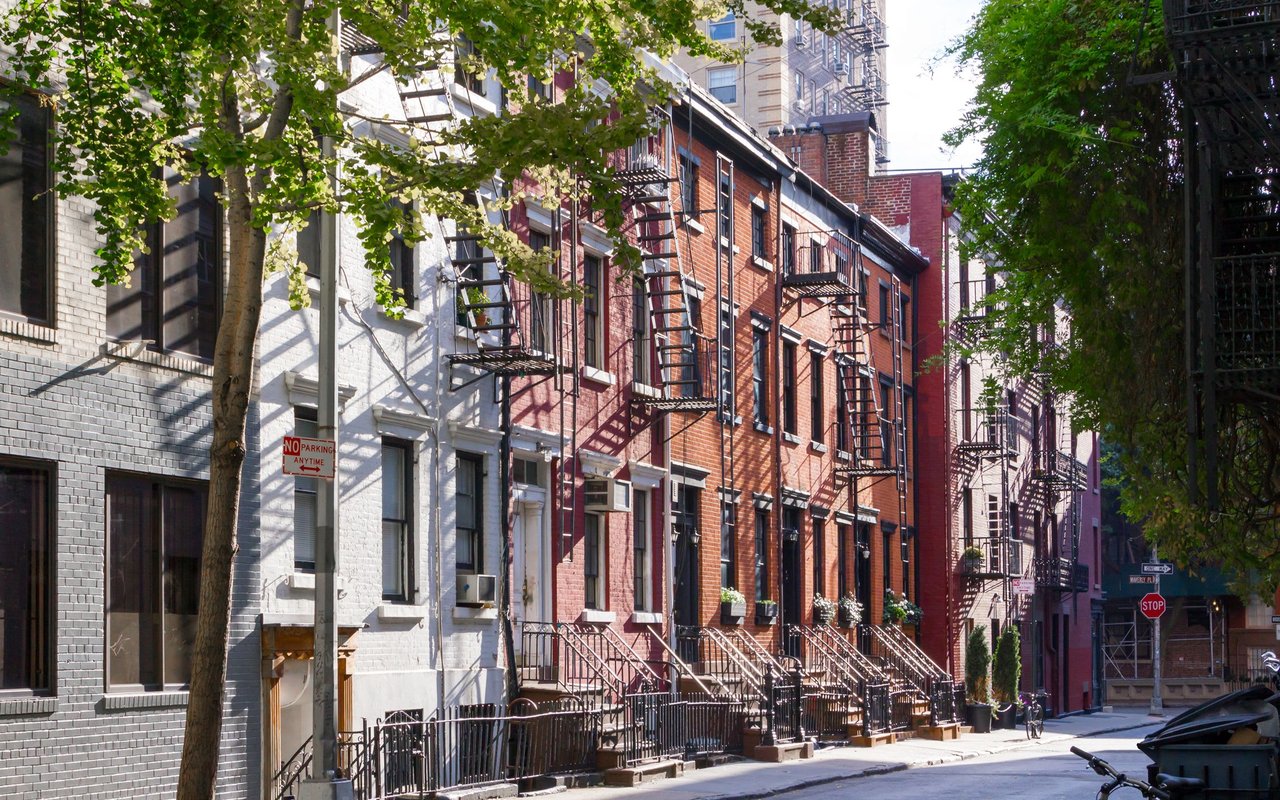
Greenwich Village is not a one-size-fits-all market. It is a high-value Manhattan neighborhood with a mix of co-ops, townhouses, and classic walk-ups, and buyers often pay close attention to presentation, layout, and how a home’s original character has been handled over time.
Recent market snapshots also show why strategy matters. Realtor.com’s May 2026 summary reports 268 homes for sale, a median listing price of $1.45 million, and a median 47 days on market, while Redfin’s May 2026 data shows a median sale price of $1.799 million and 55 median days on market. The figures differ because of methodology, but the takeaway is the same: strong pricing and polished presentation still matter.
What Greenwich Village Buyers Notice First
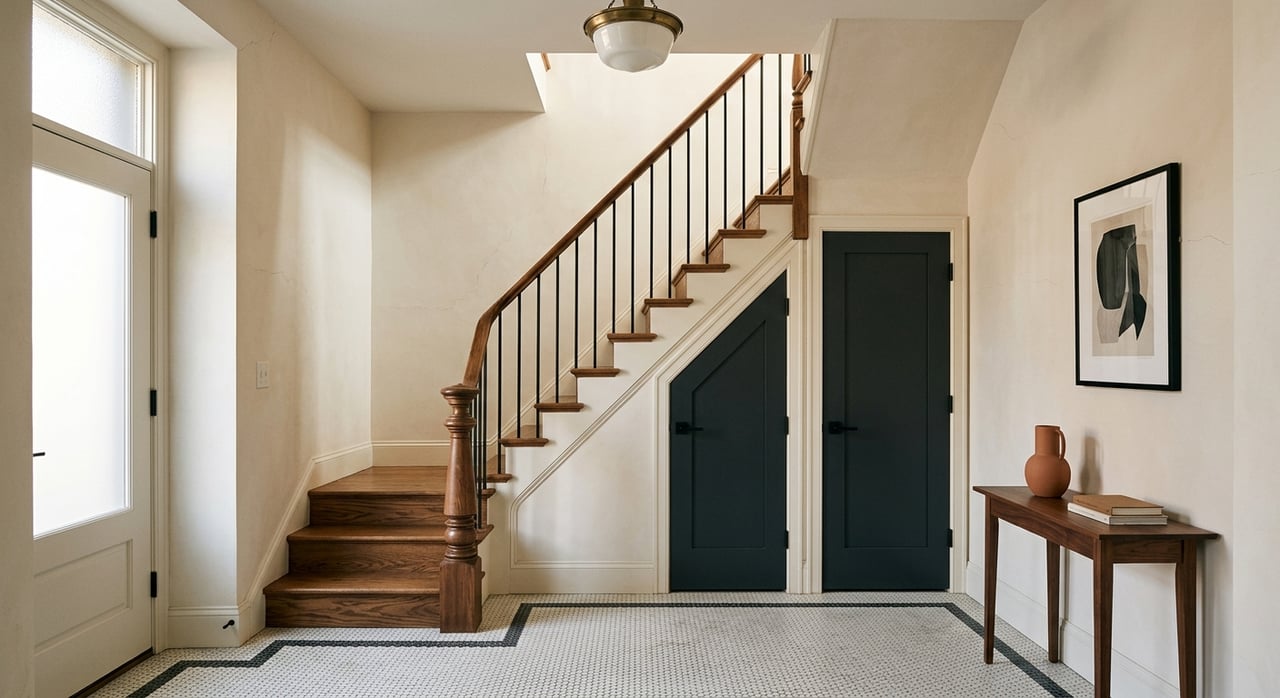
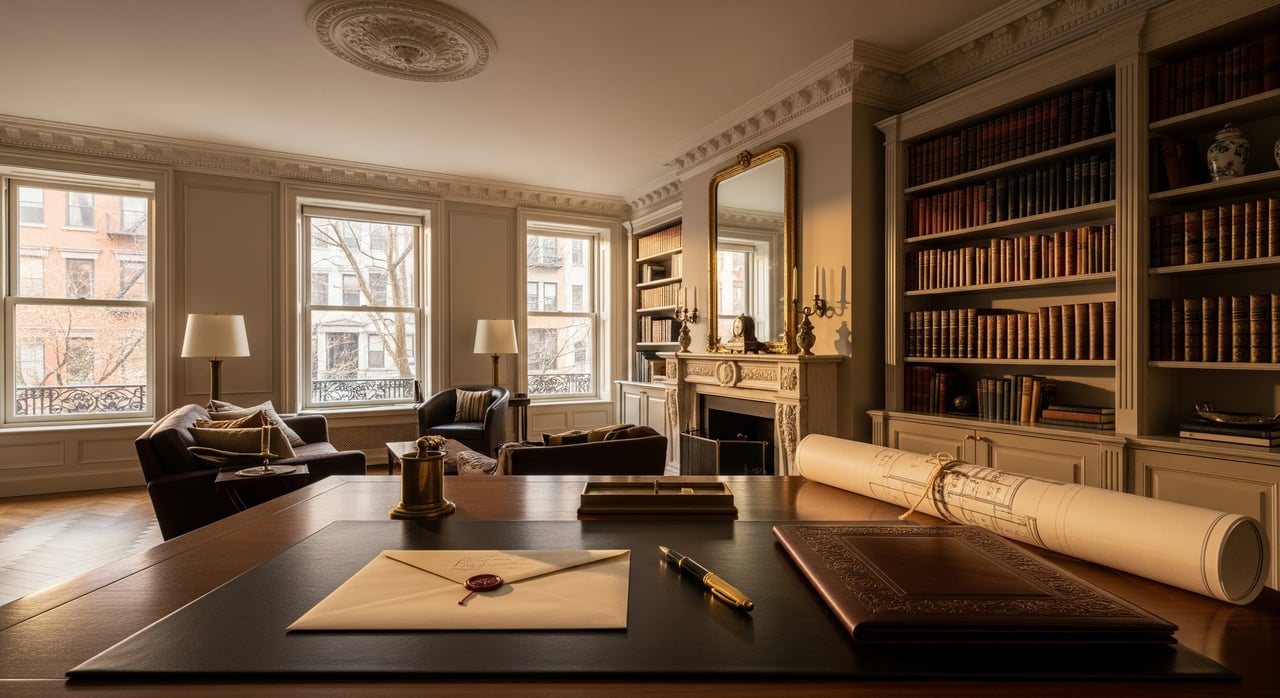
In Greenwich Village, buyers are often responding to more than square footage. They are looking at whether a home feels thoughtfully maintained, whether updates feel functional, and whether original details have been preserved rather than erased.
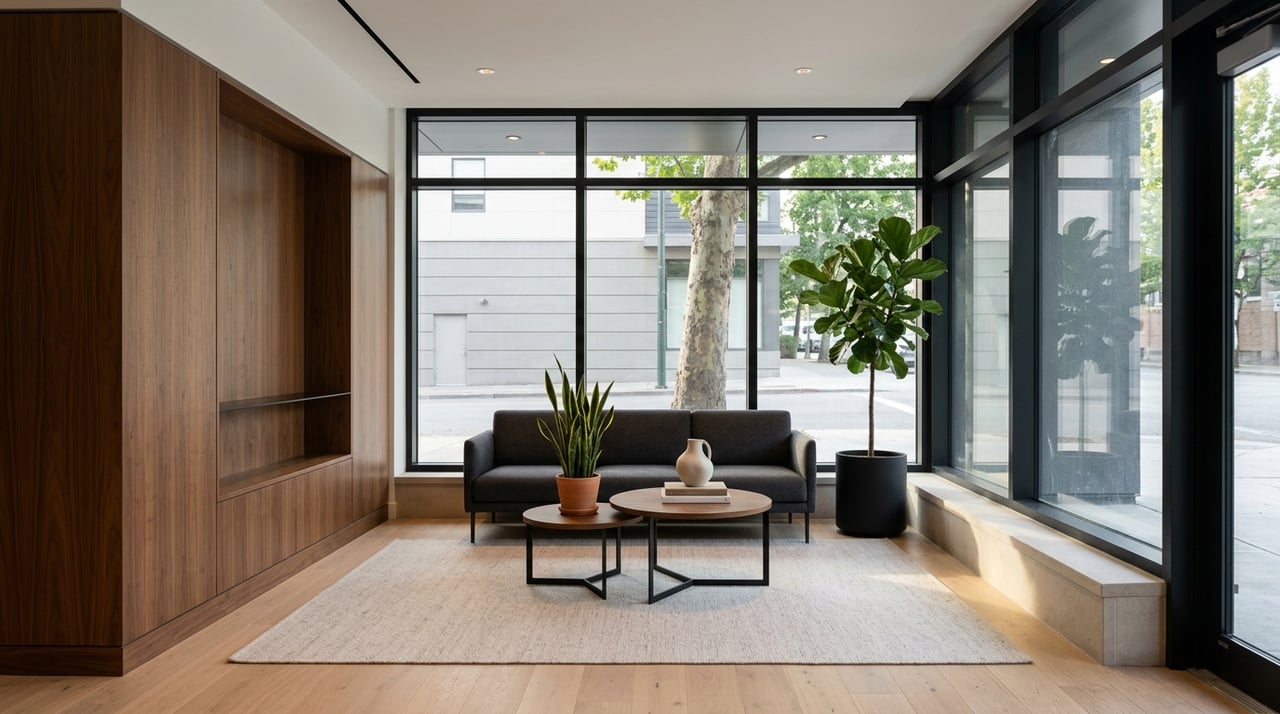
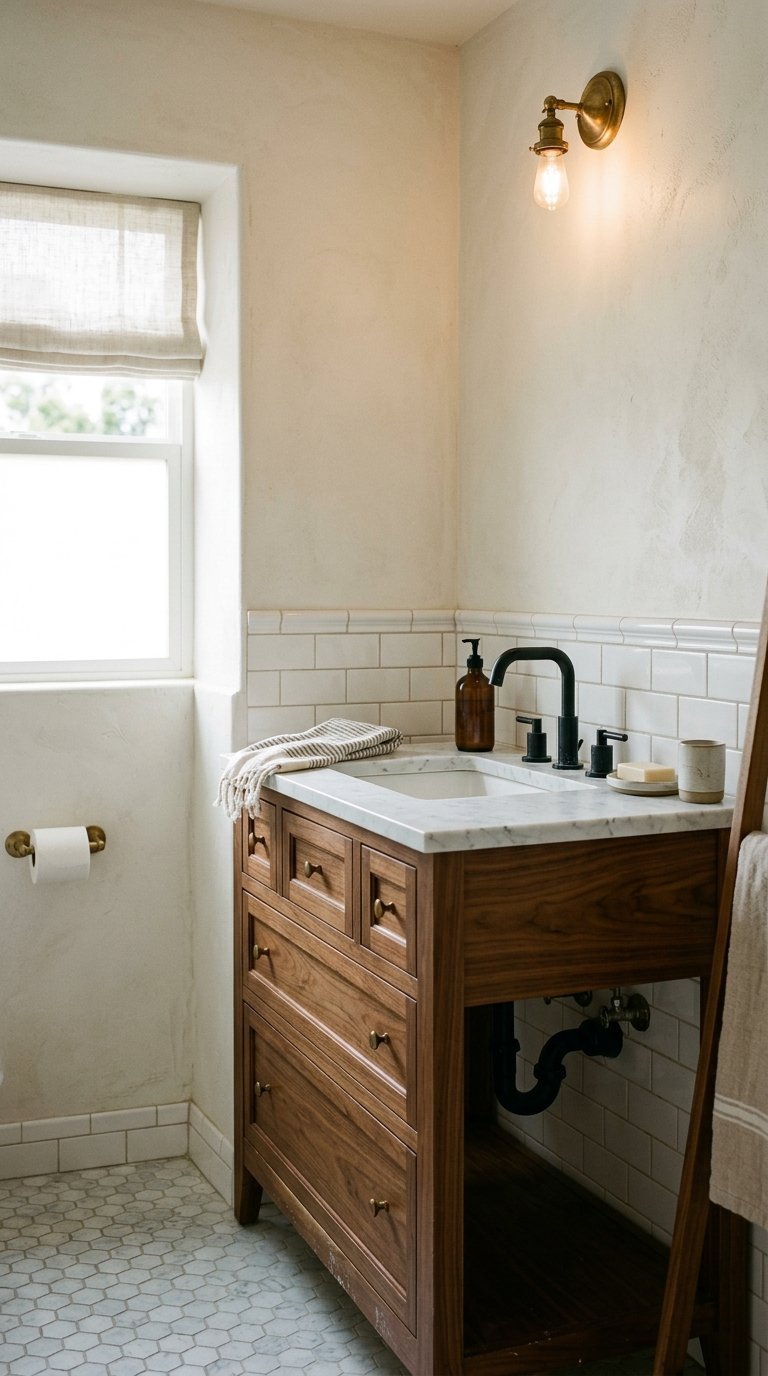
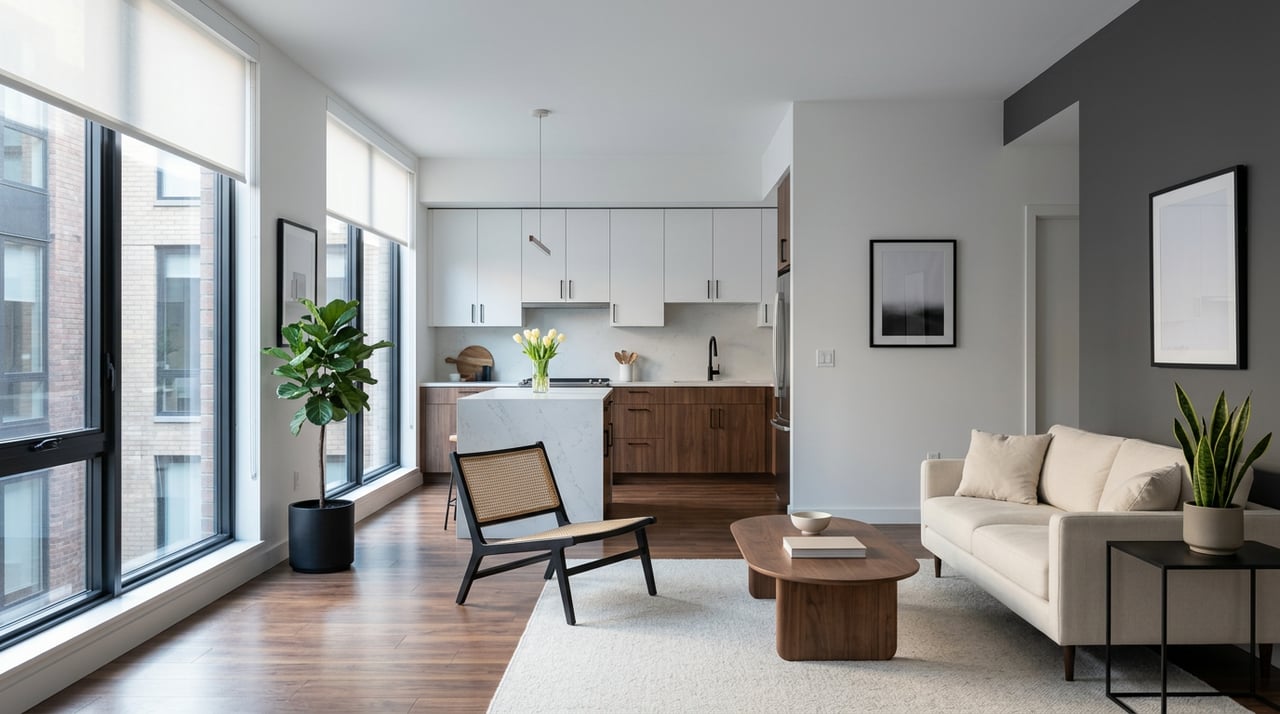
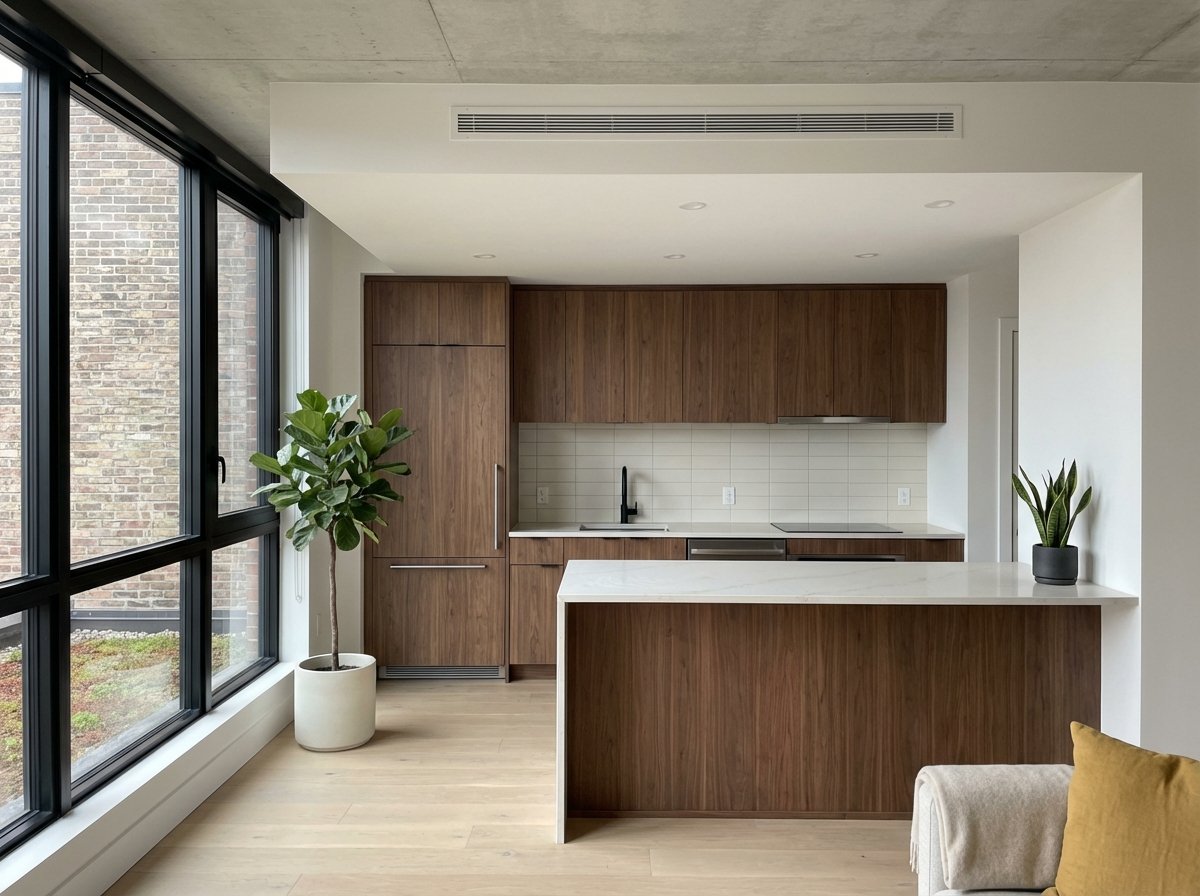
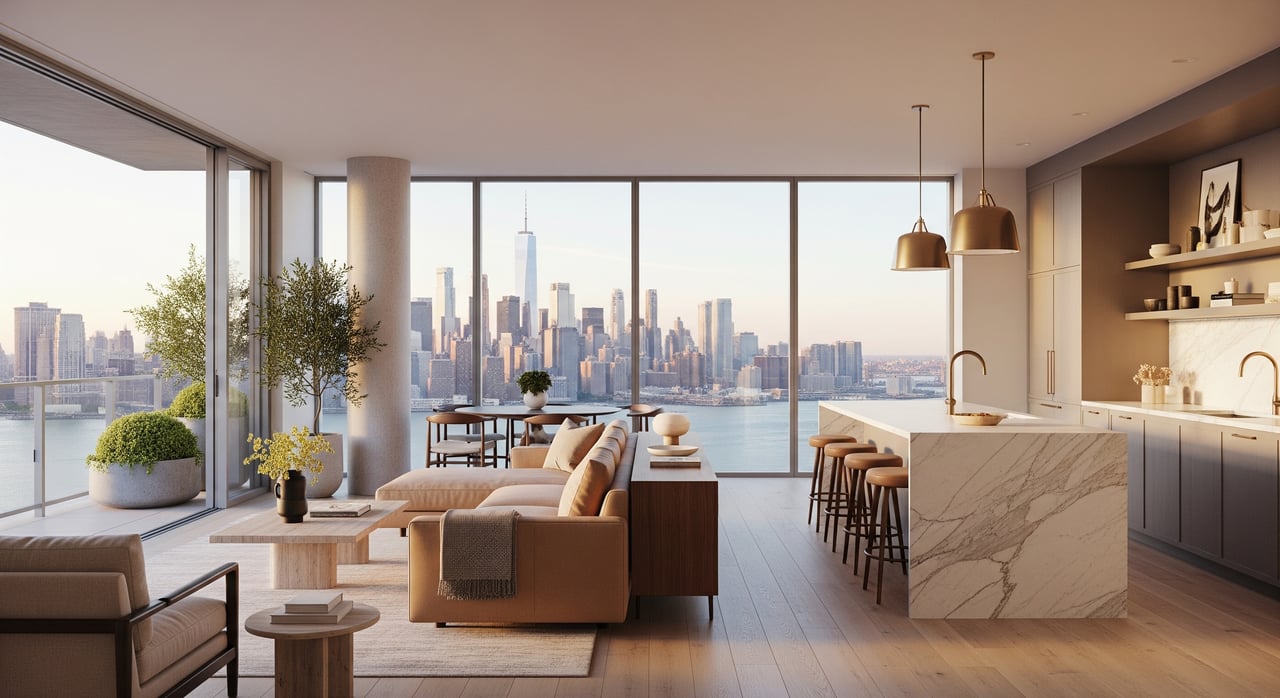
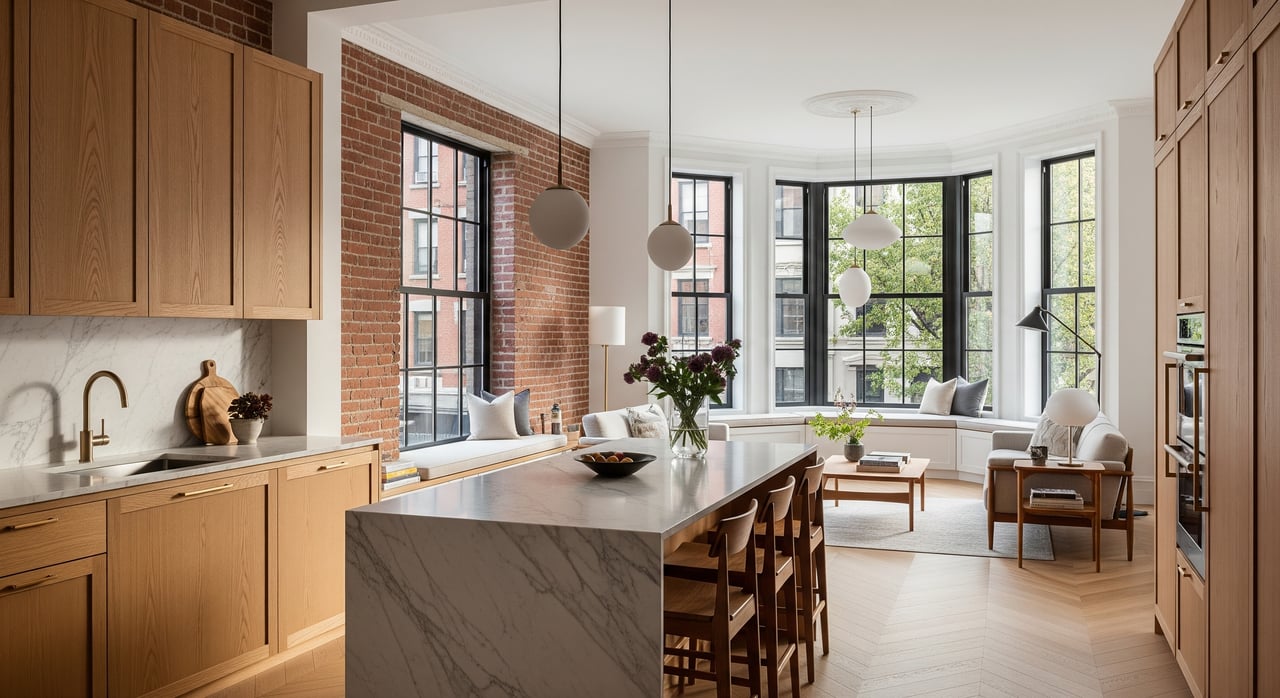
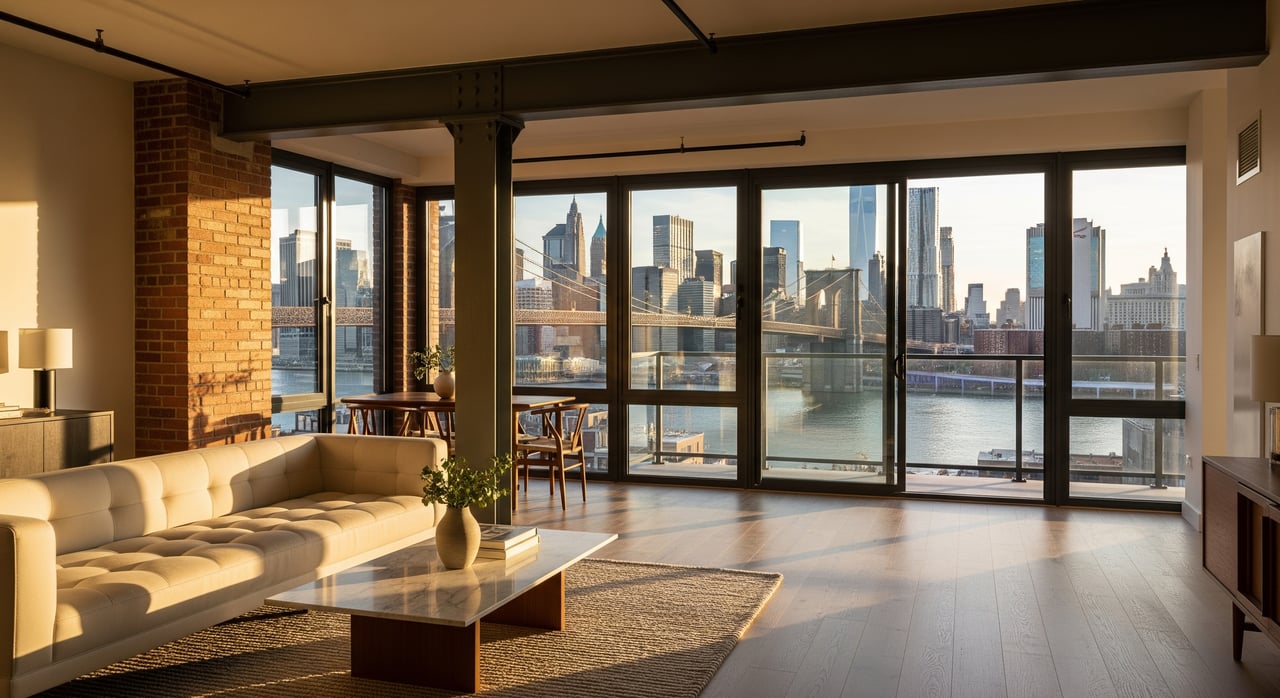
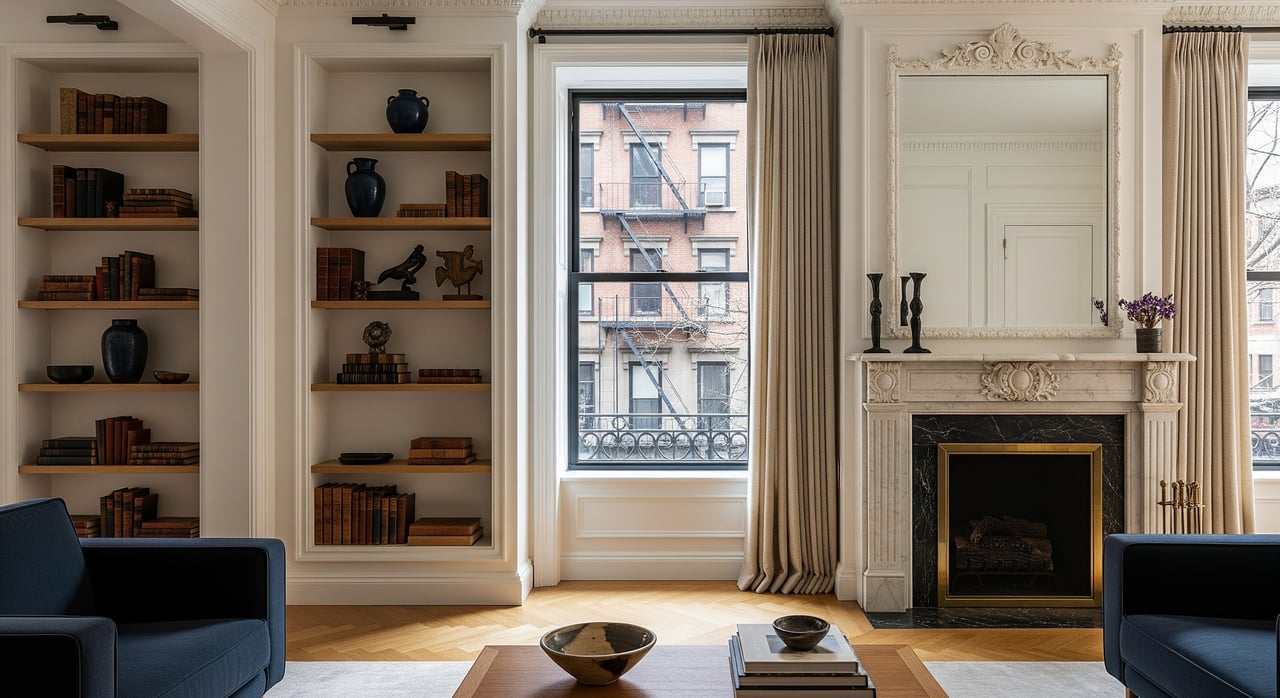
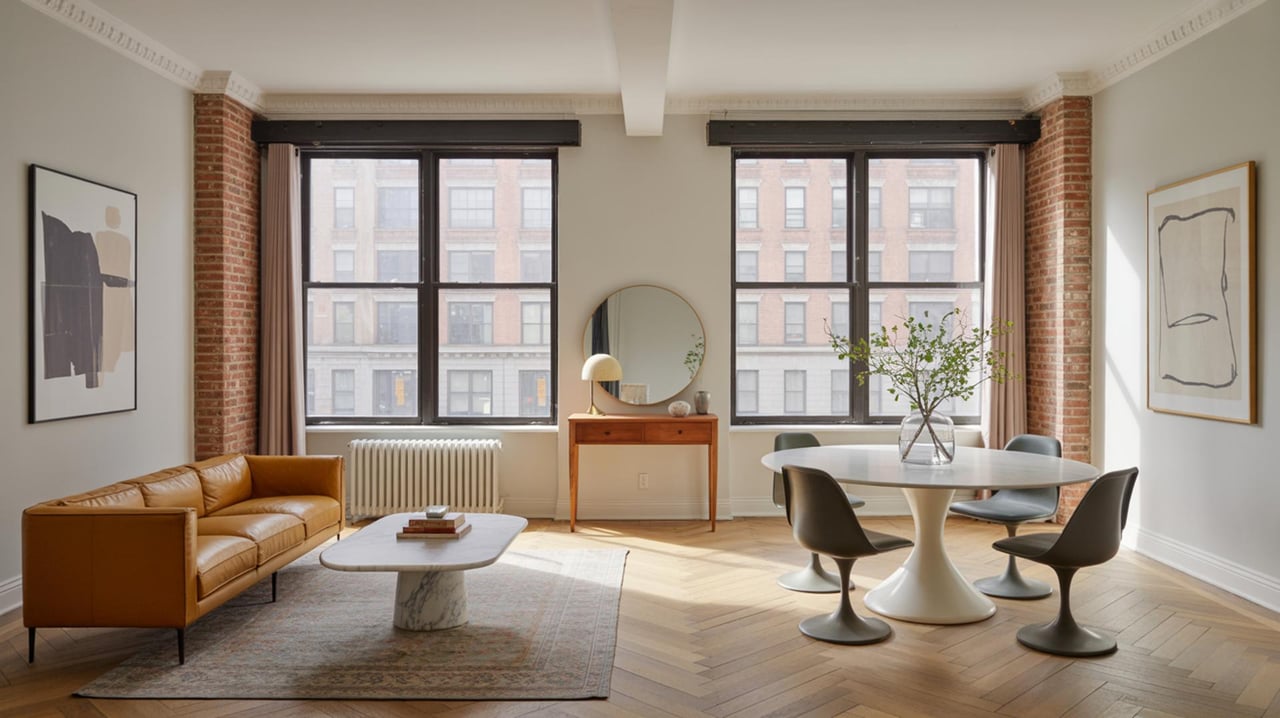
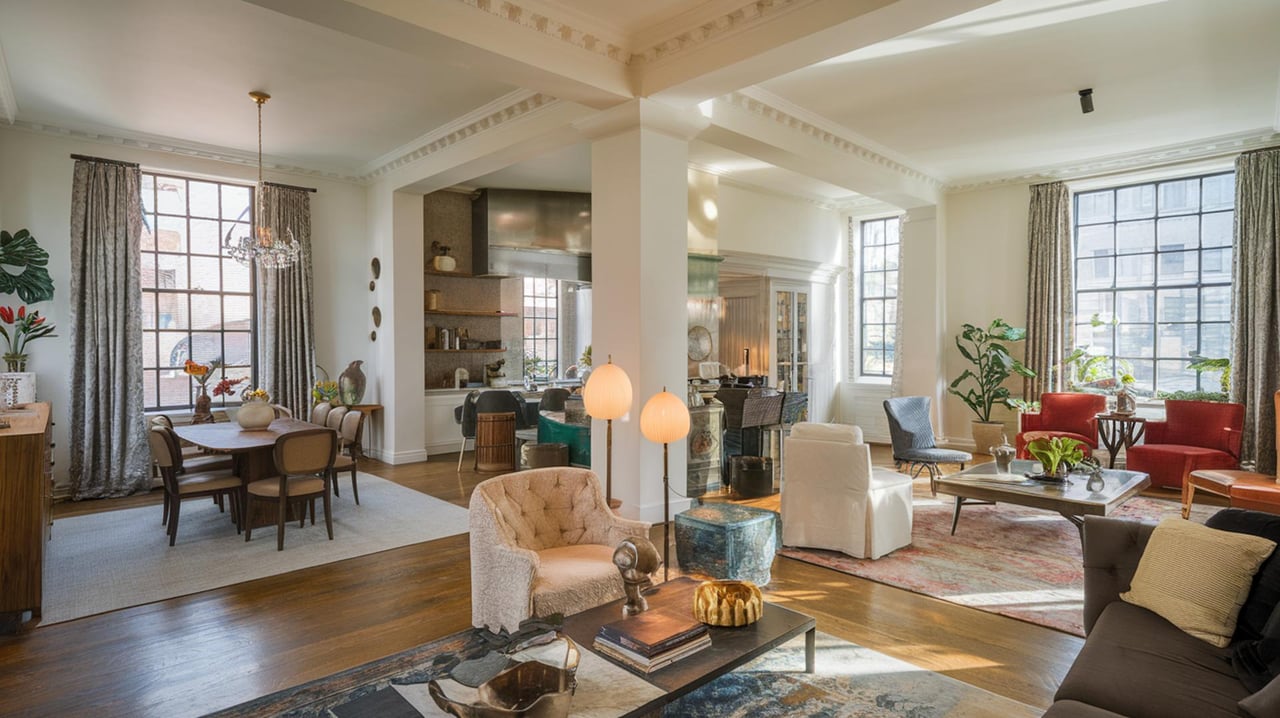
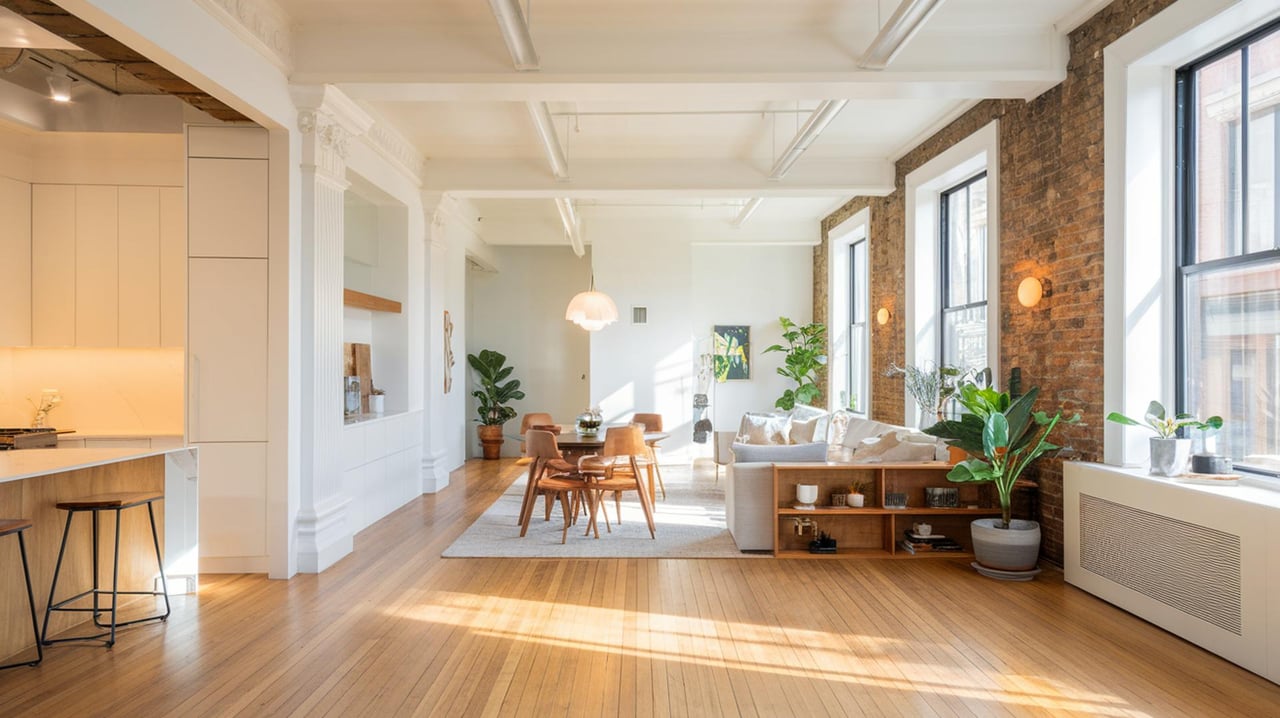
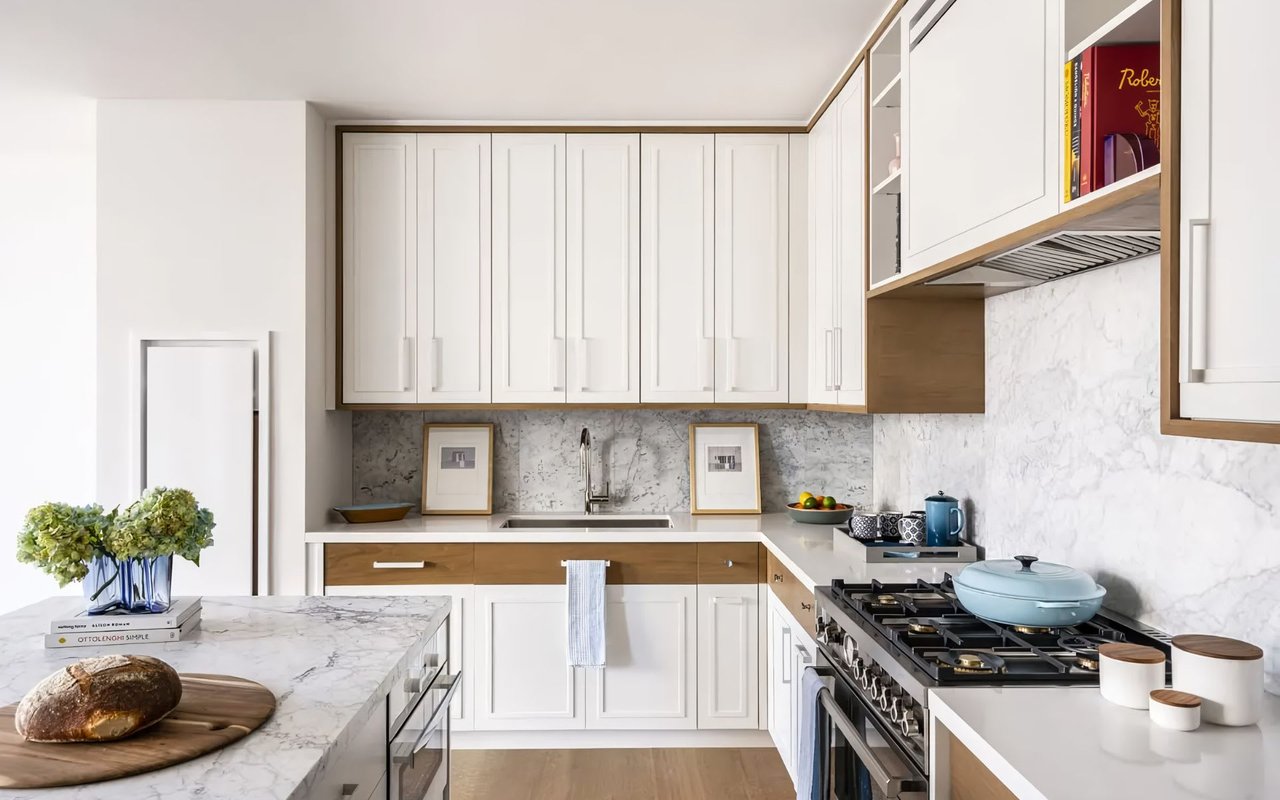
For apartments, first impressions often come down to kitchens, bathrooms, layout, storage, light, and overall building condition. In many cases, those basics matter more than trendy finishes or decorative upgrades that do not improve daily living.
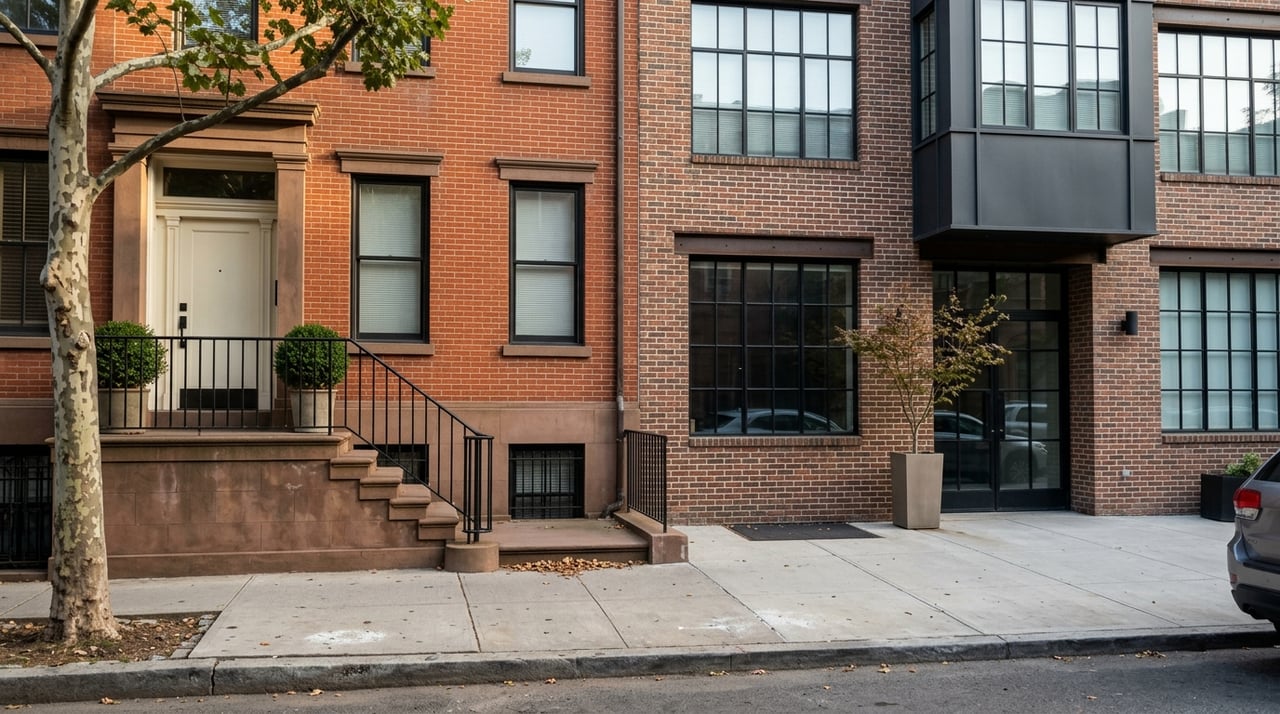
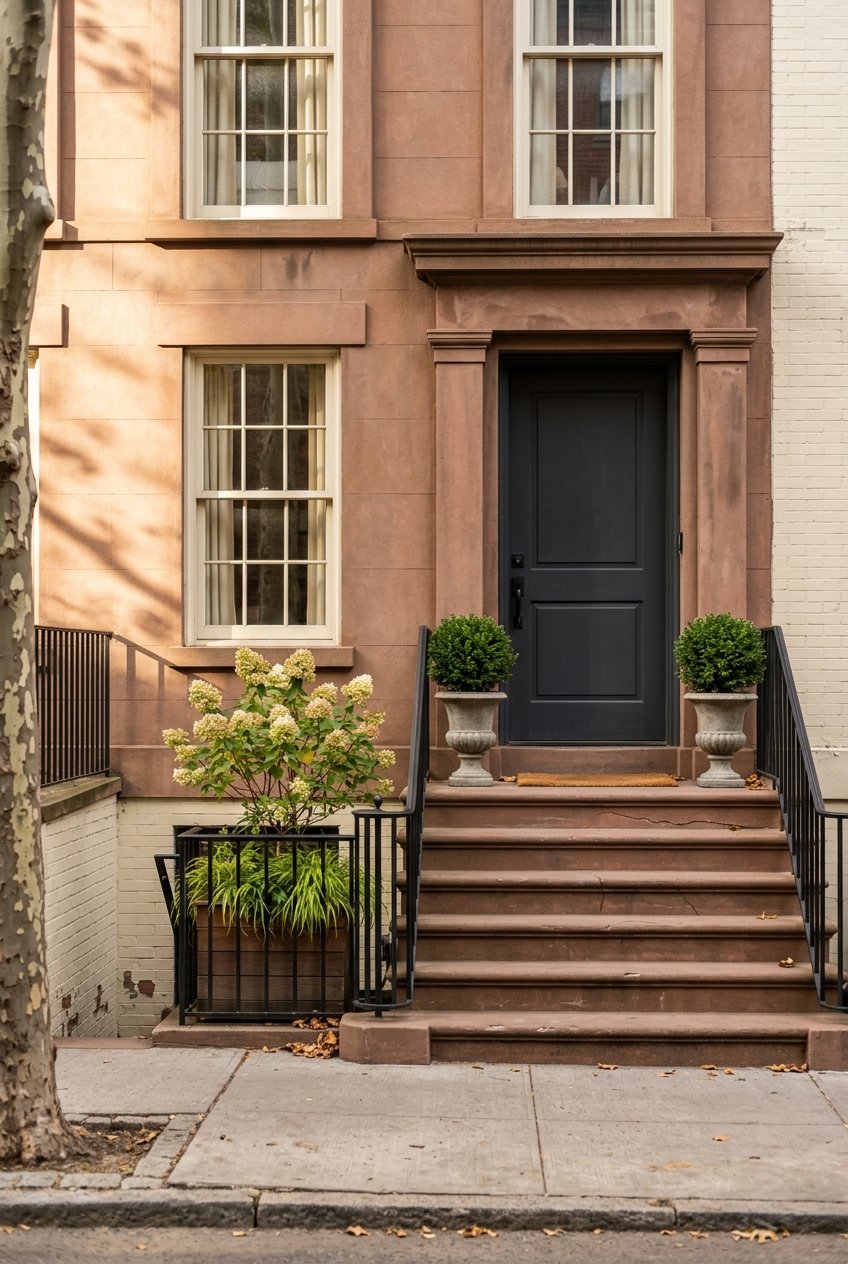
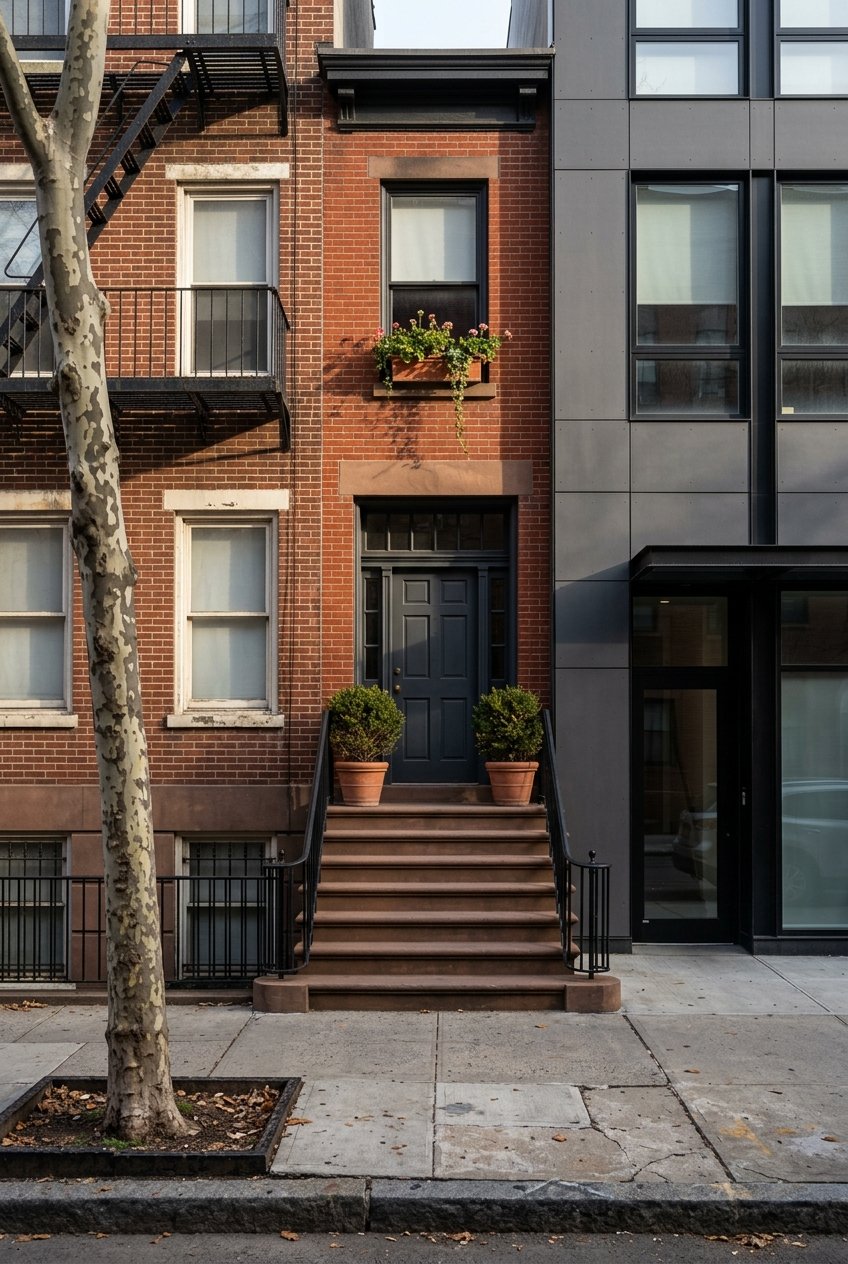
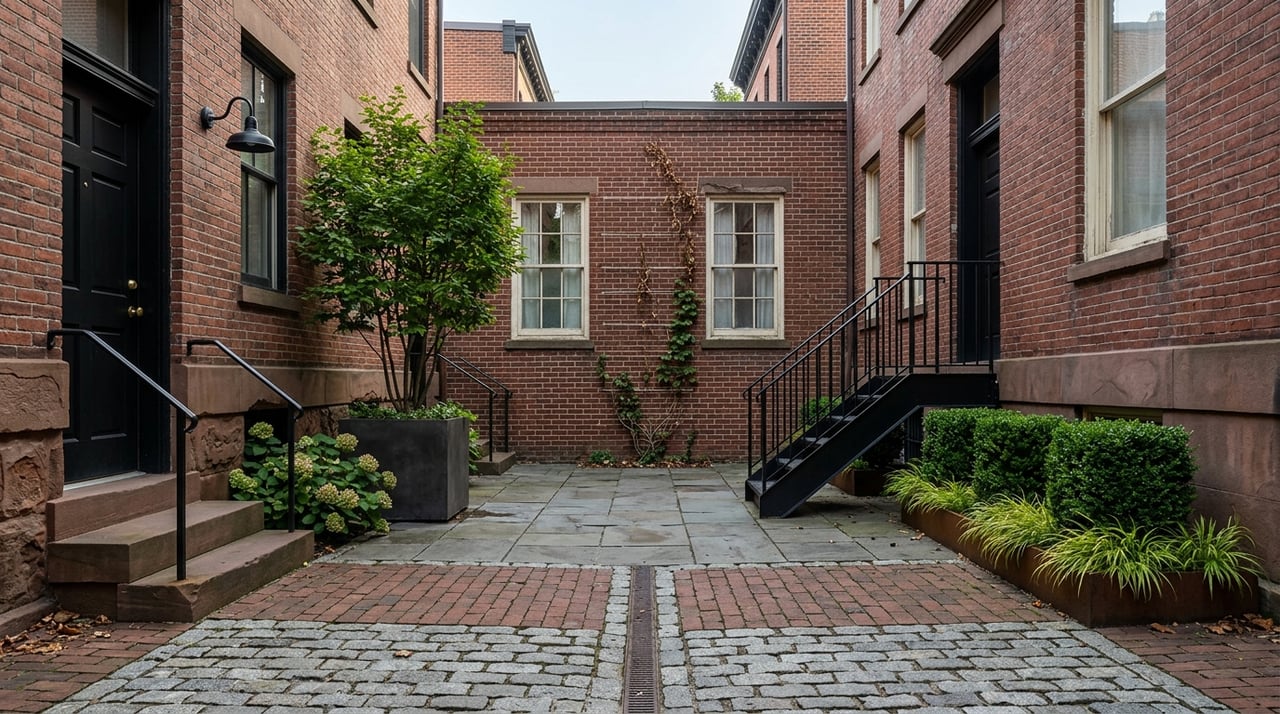
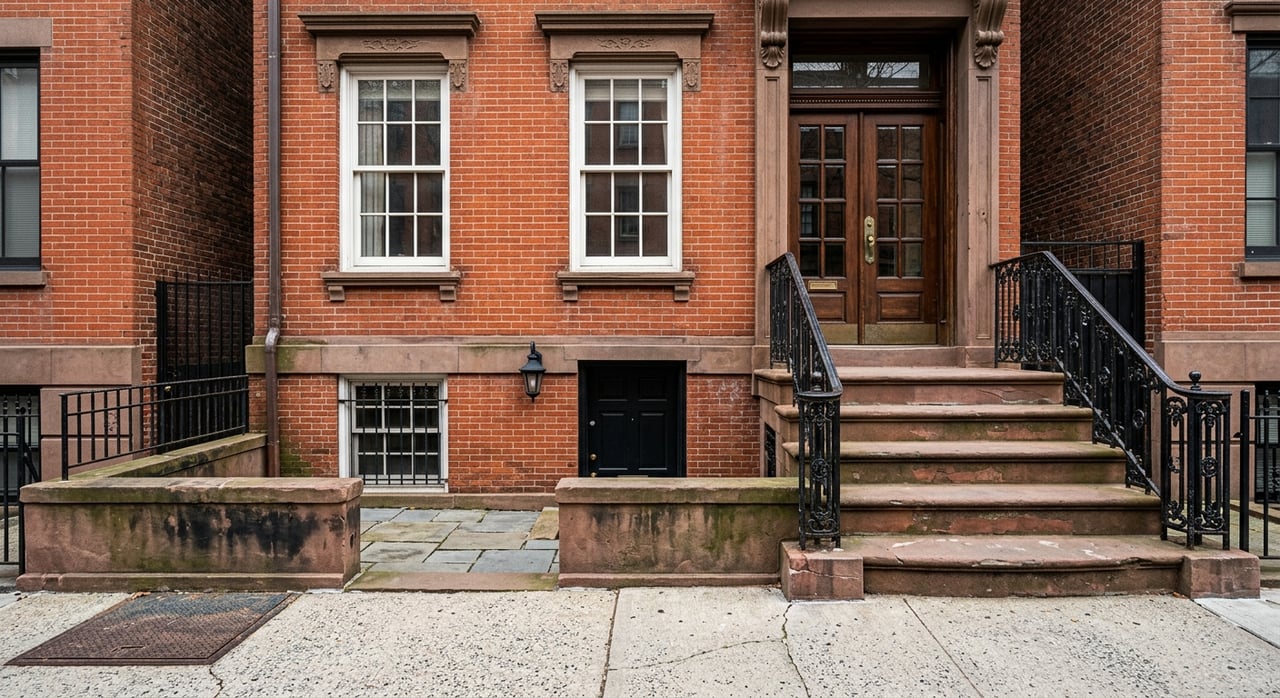
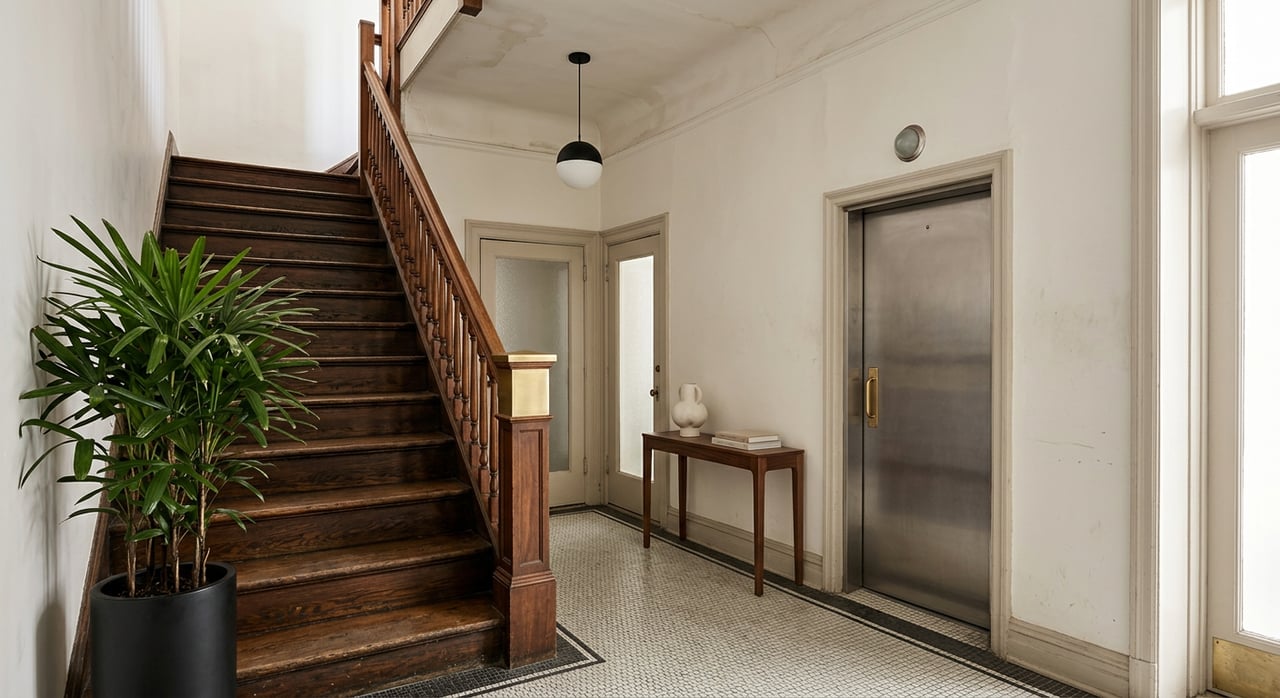
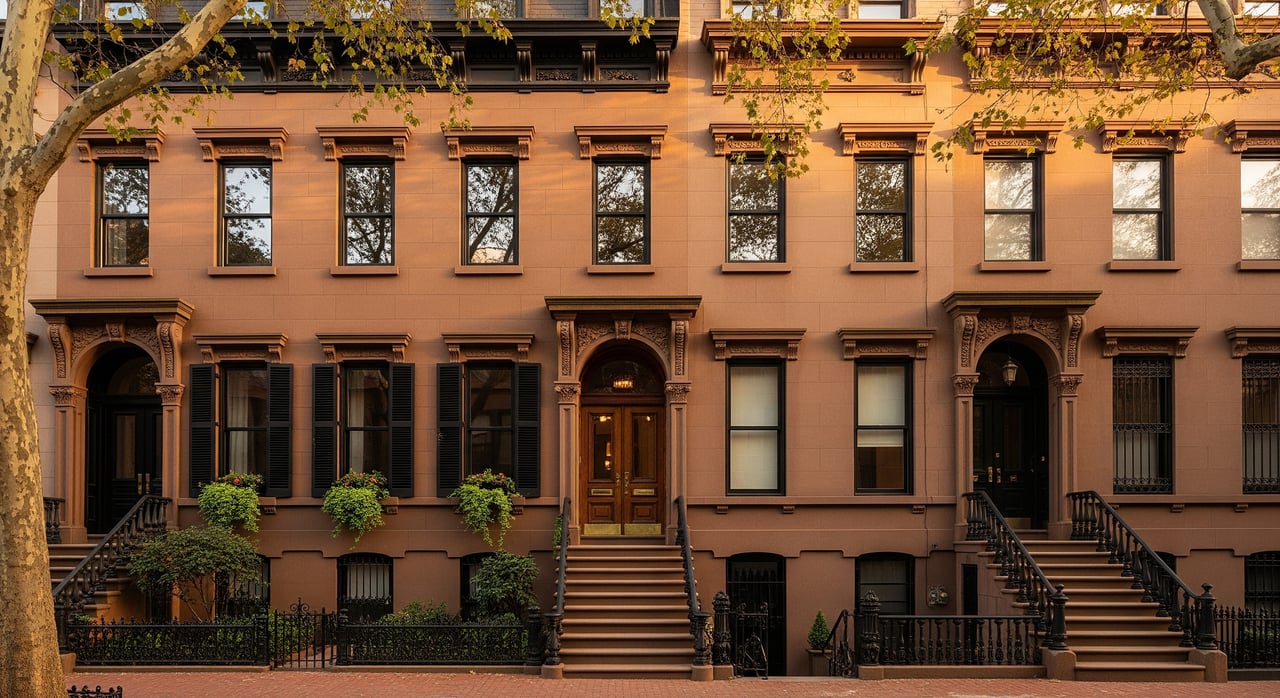
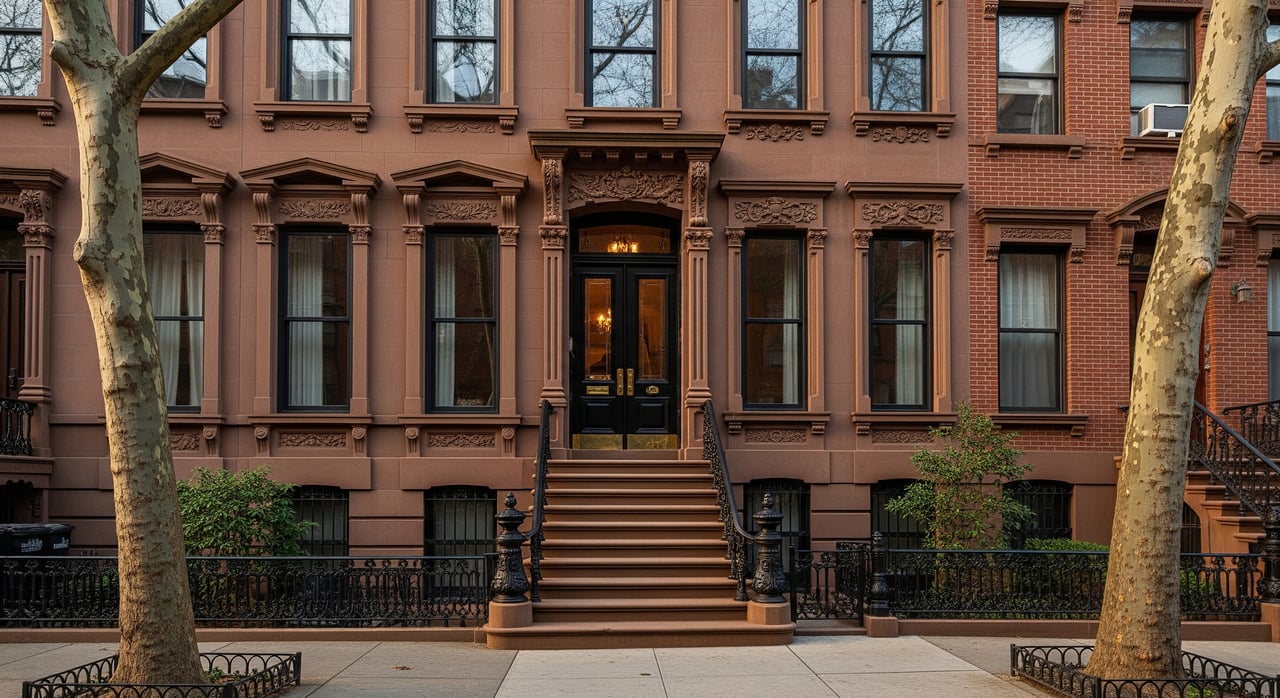
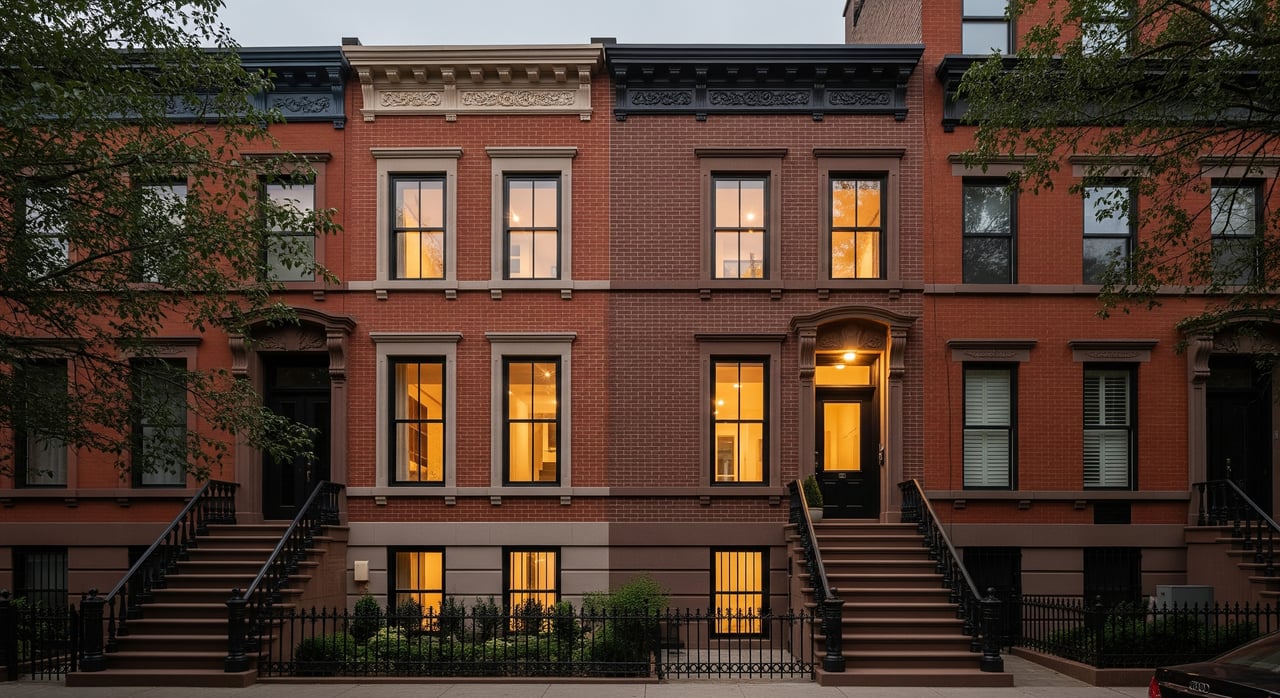
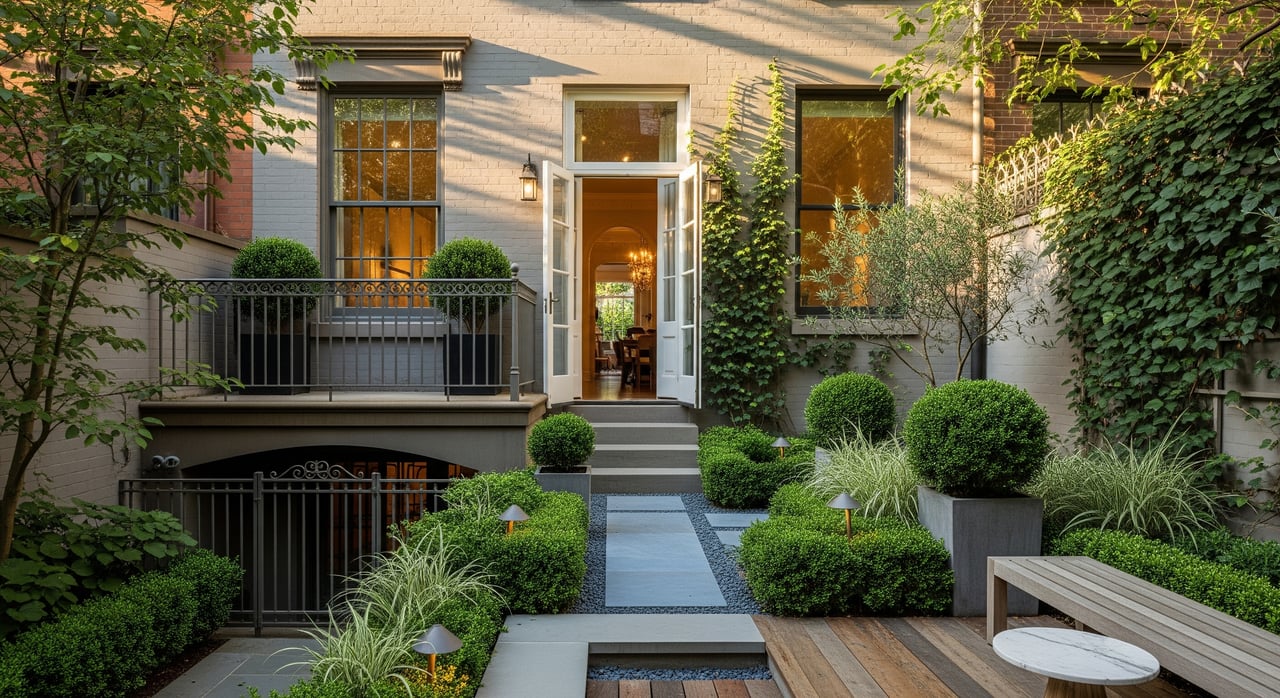
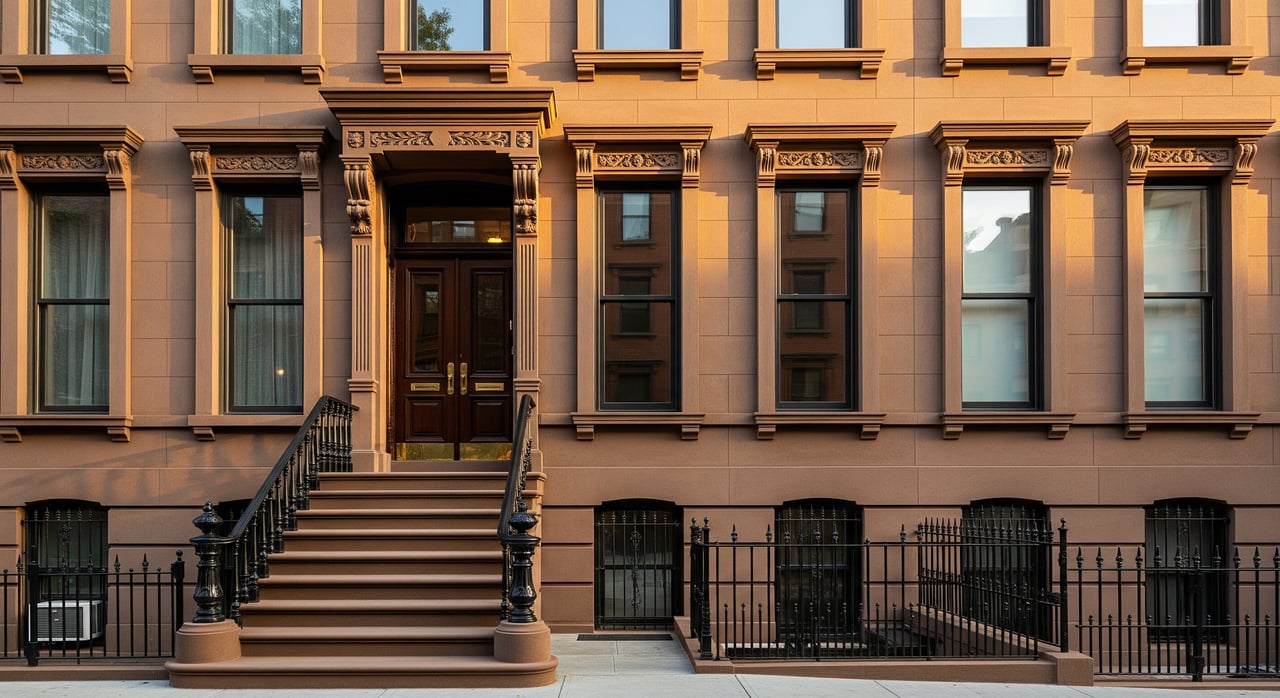
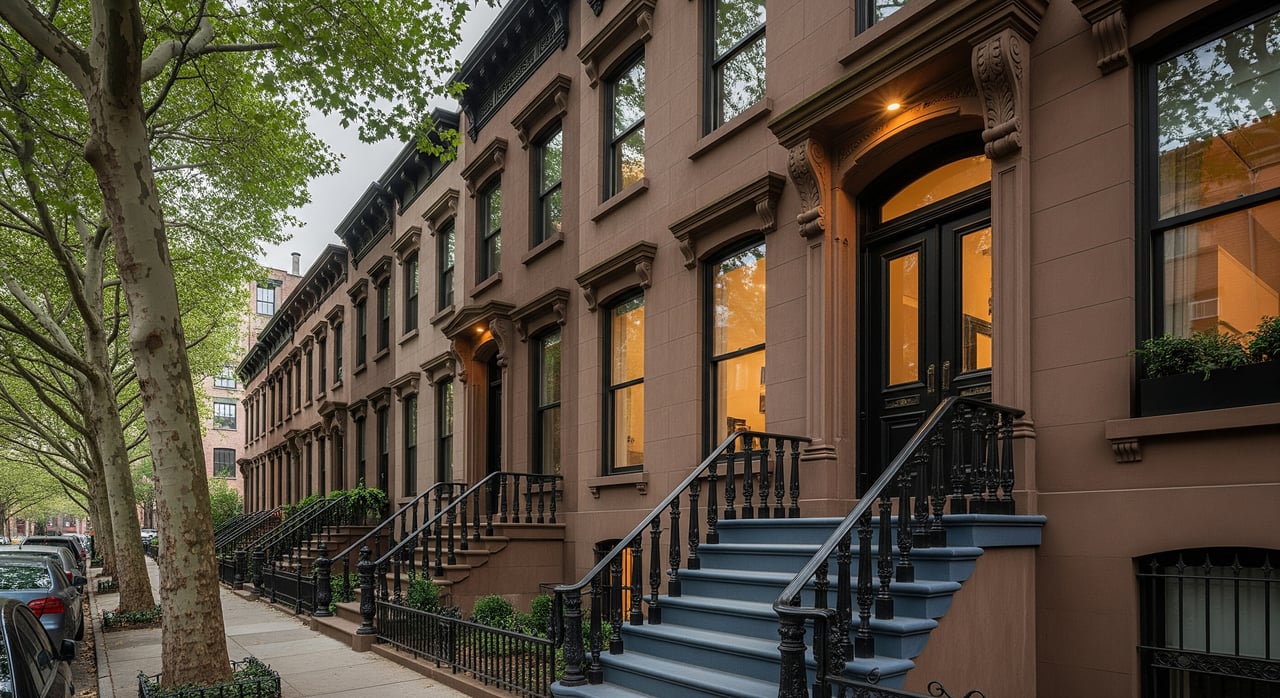
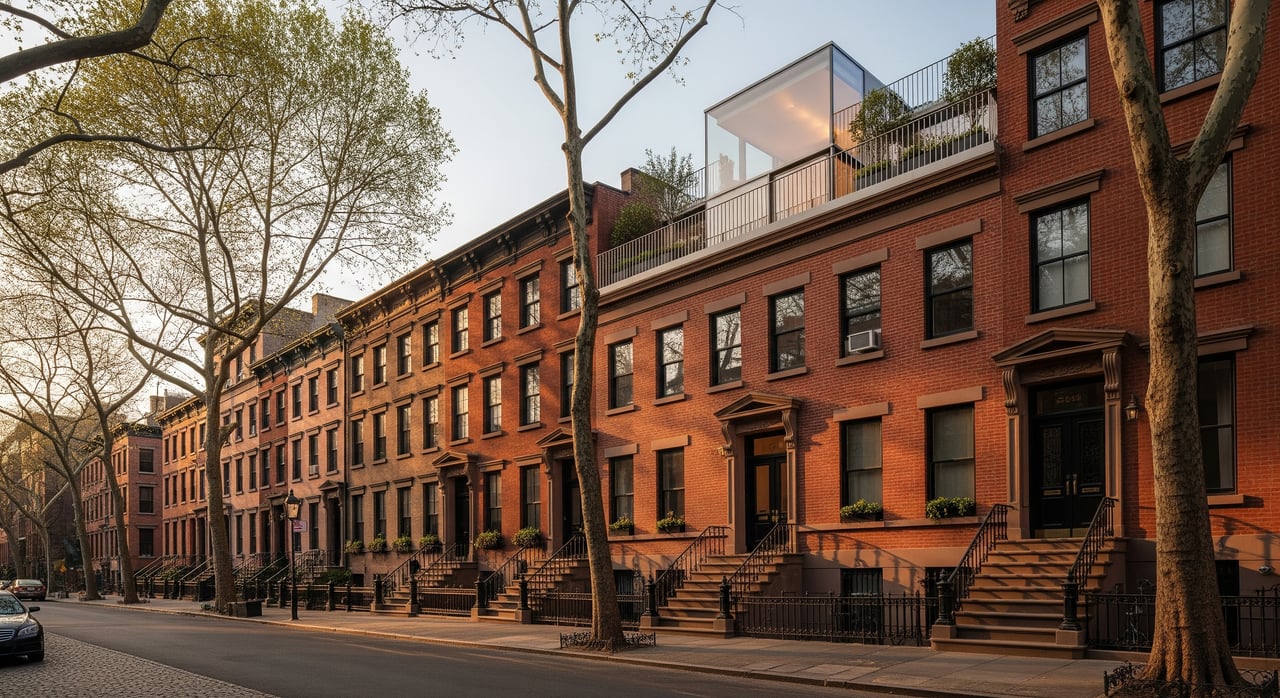
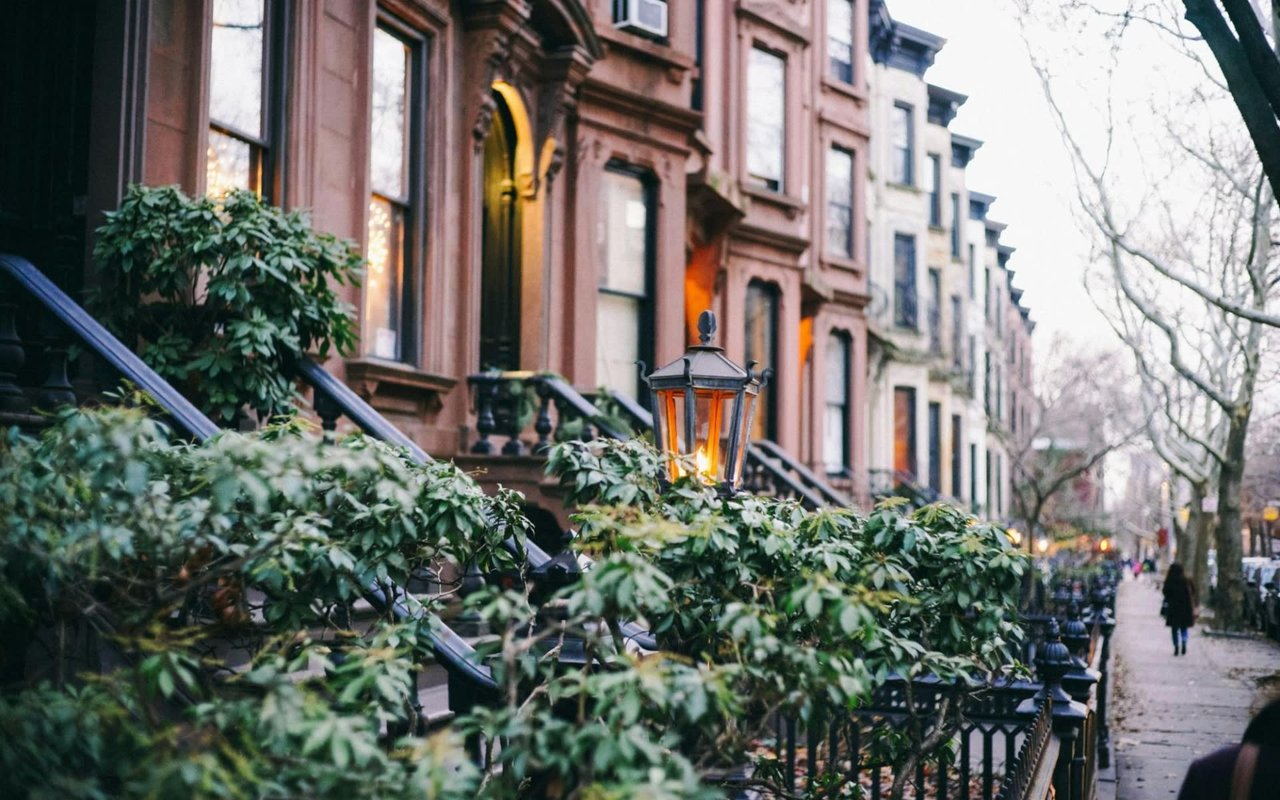
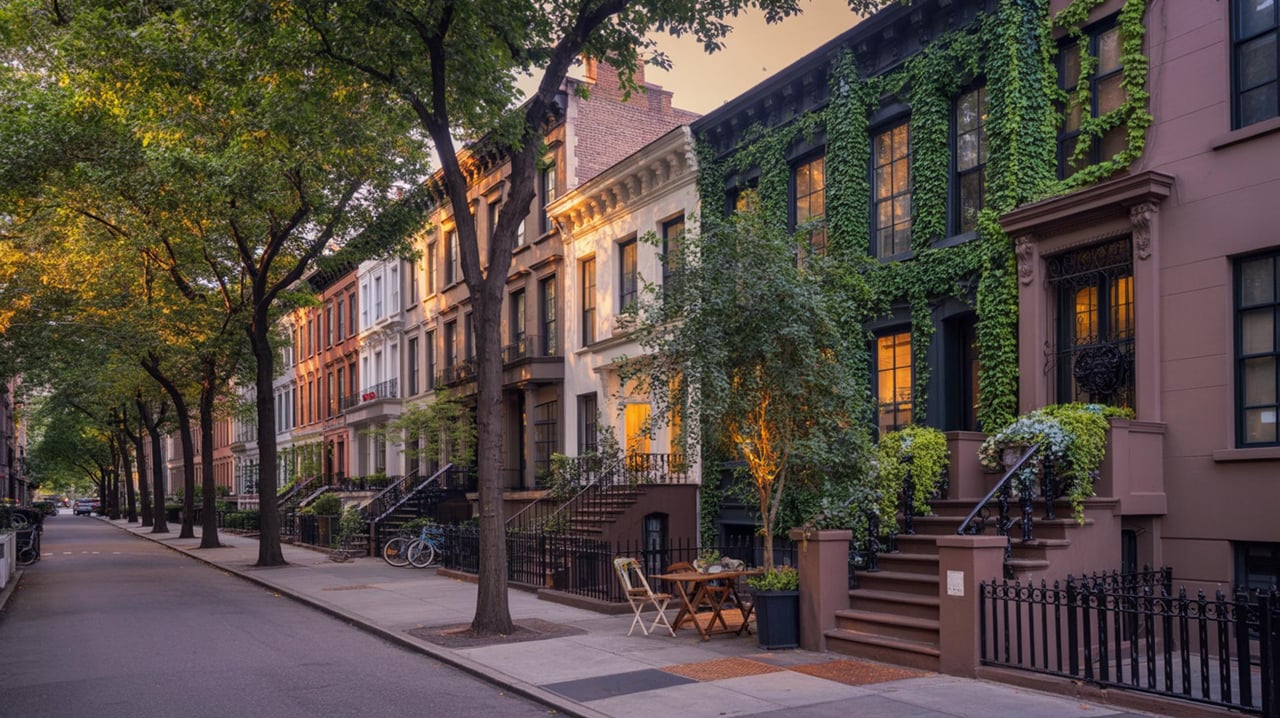
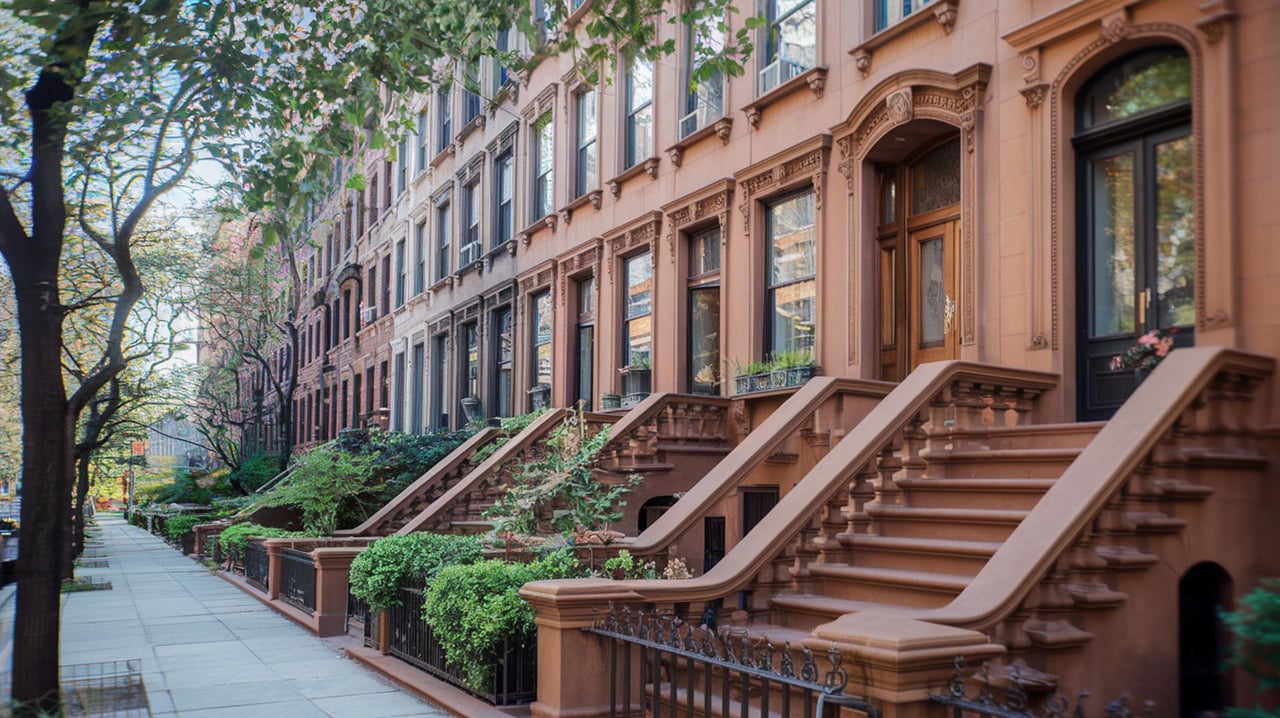
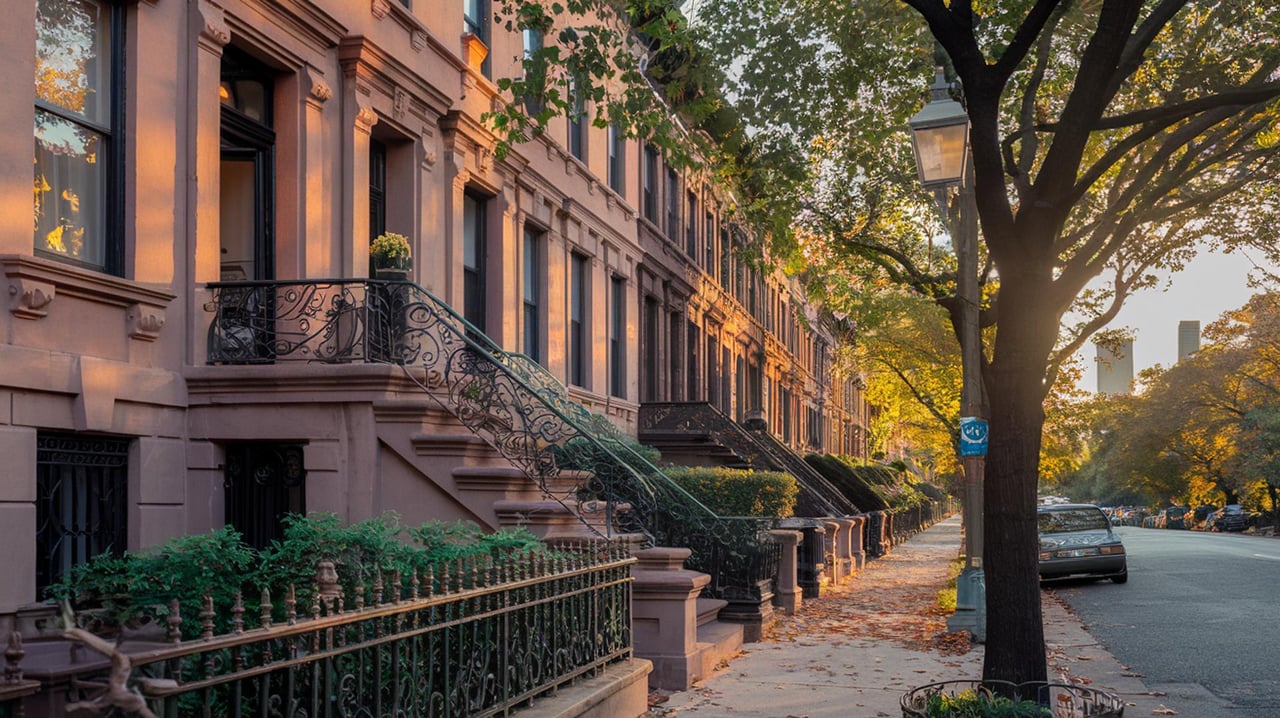
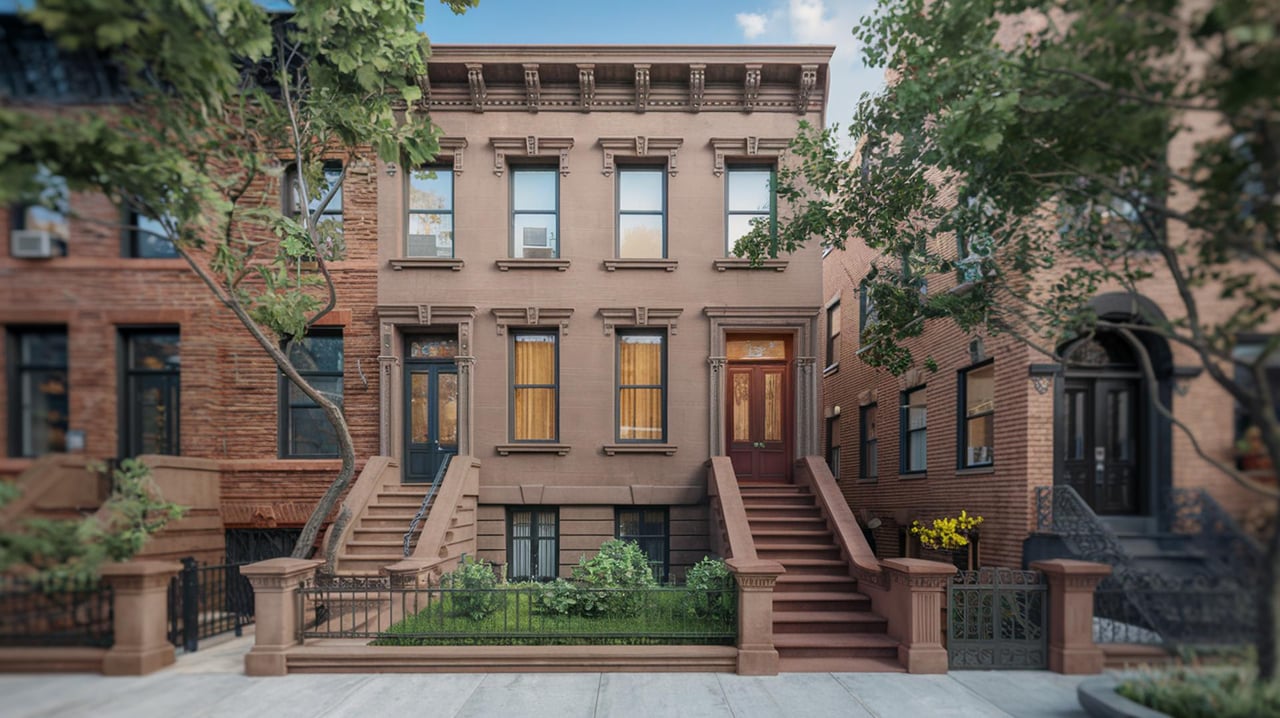
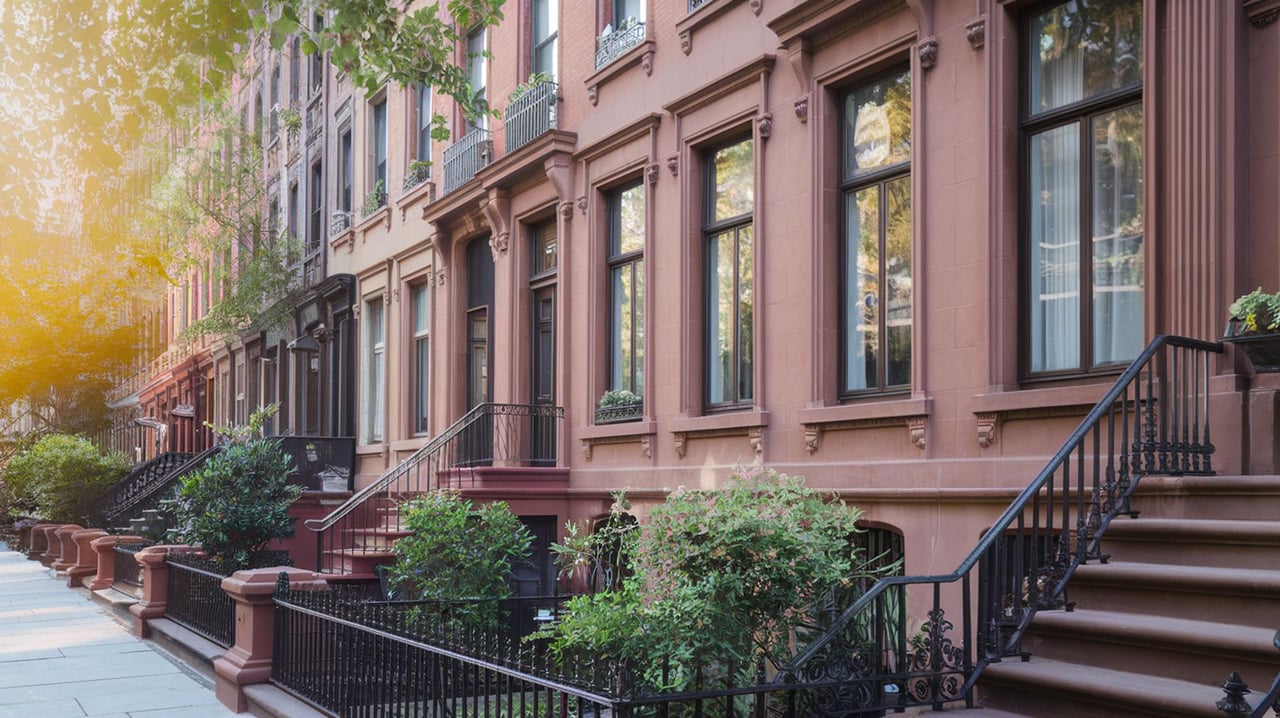
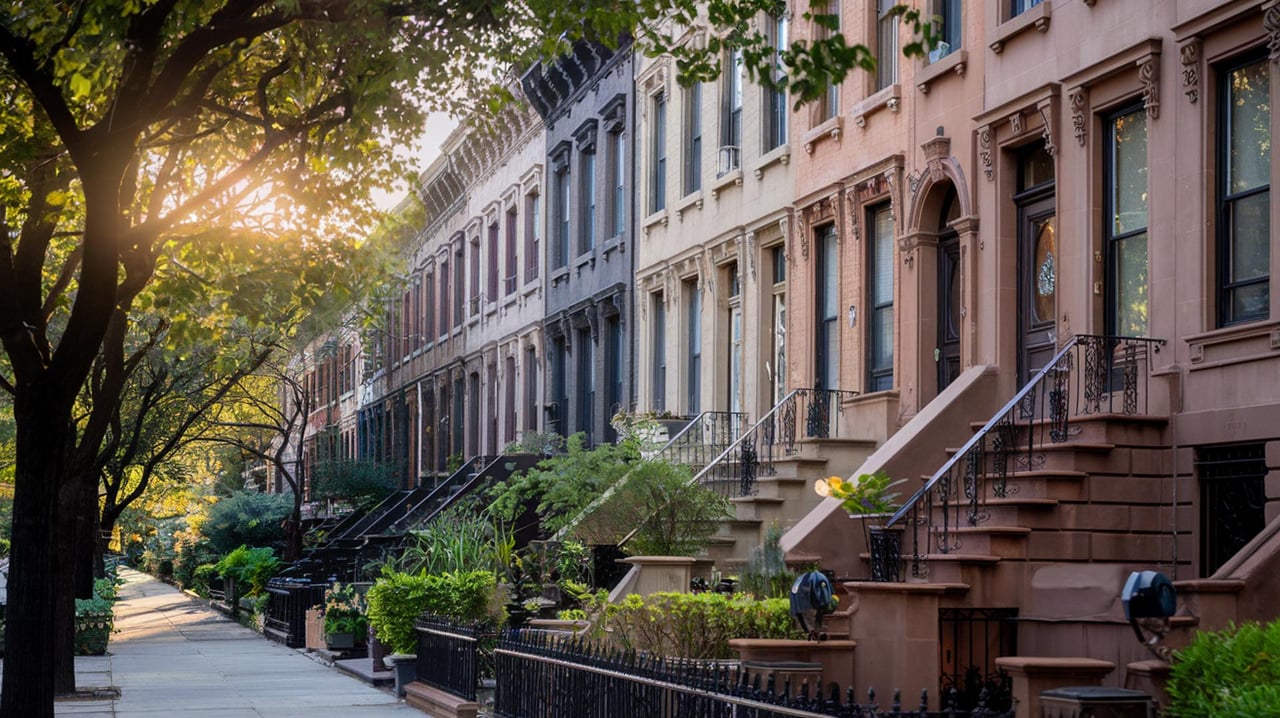
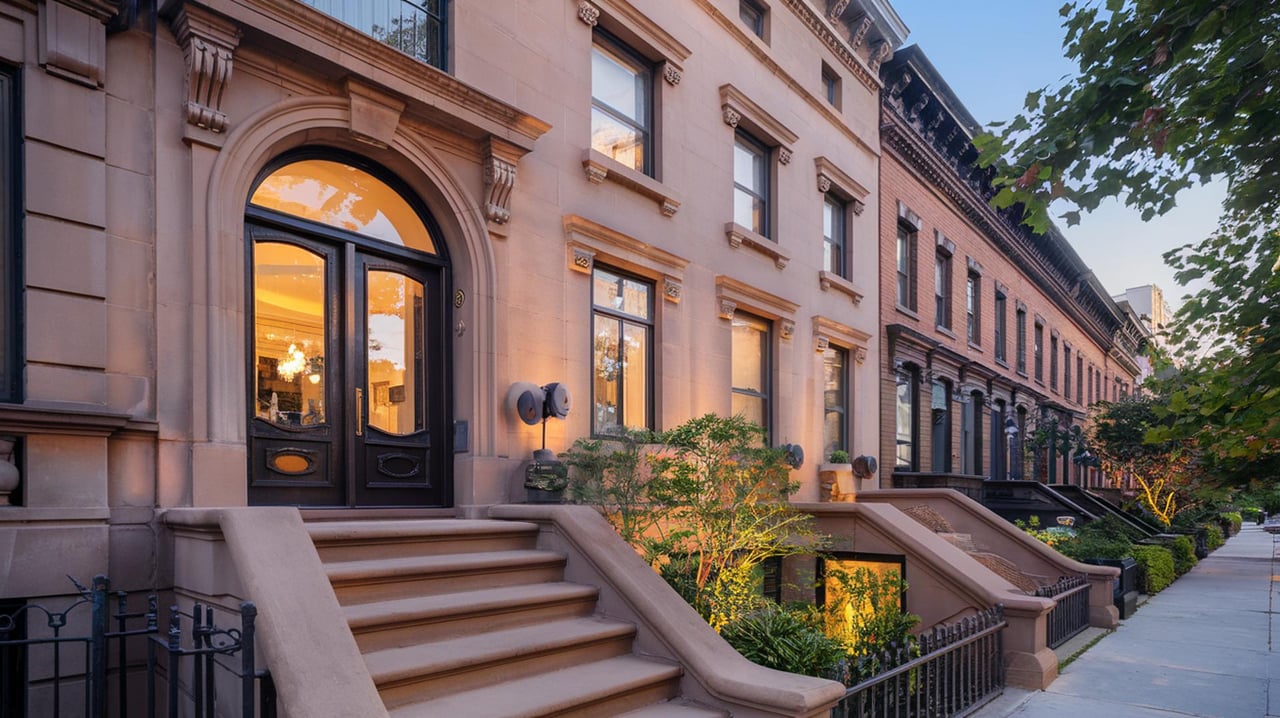
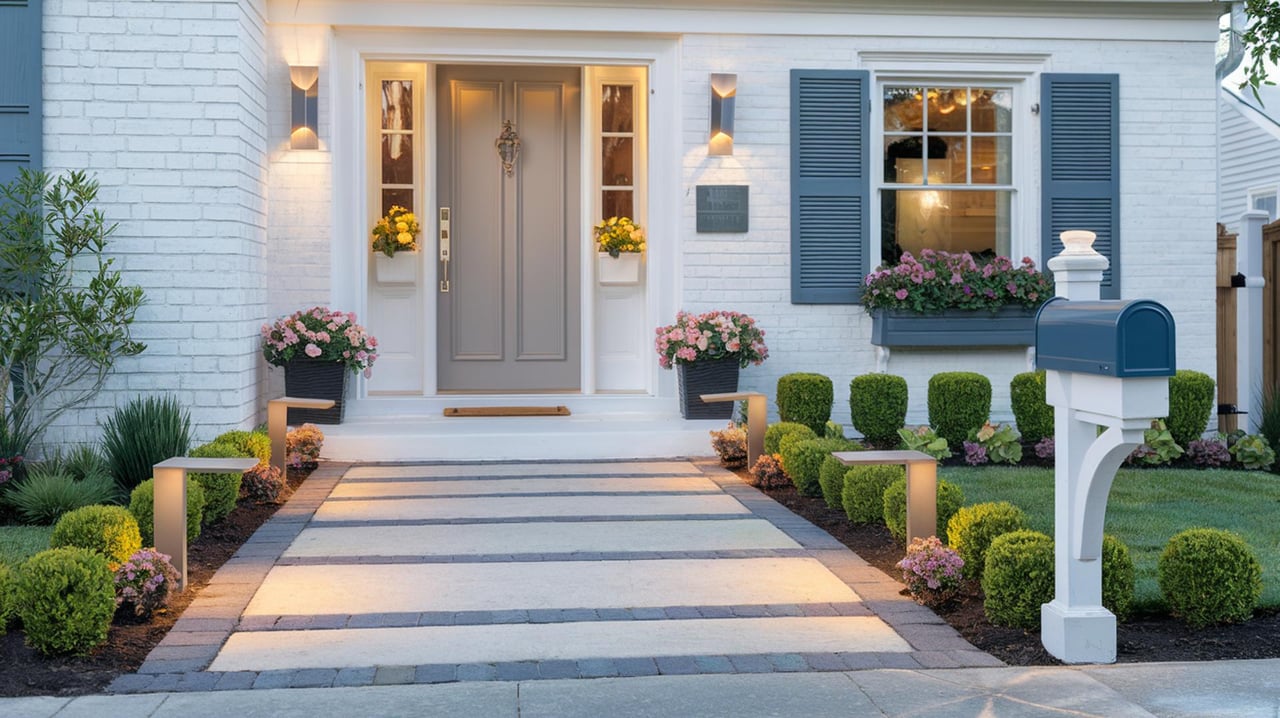
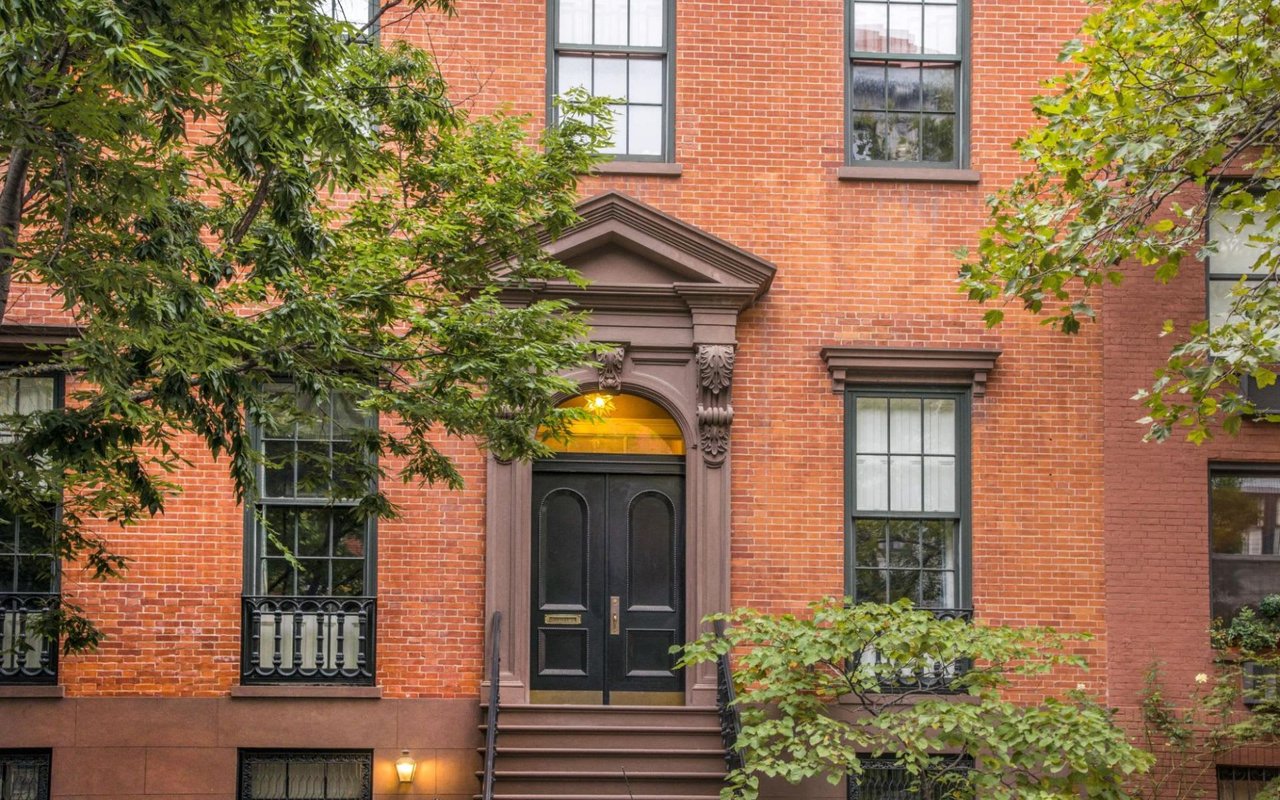
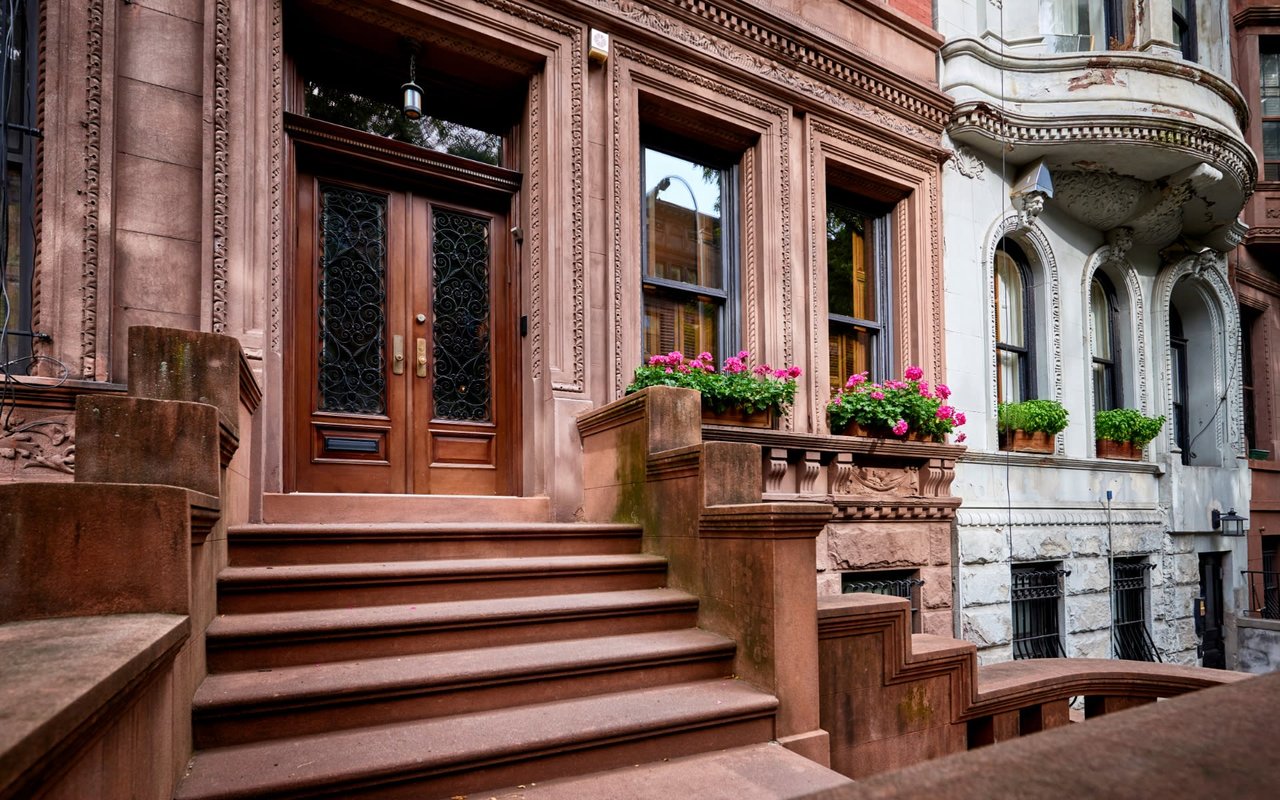
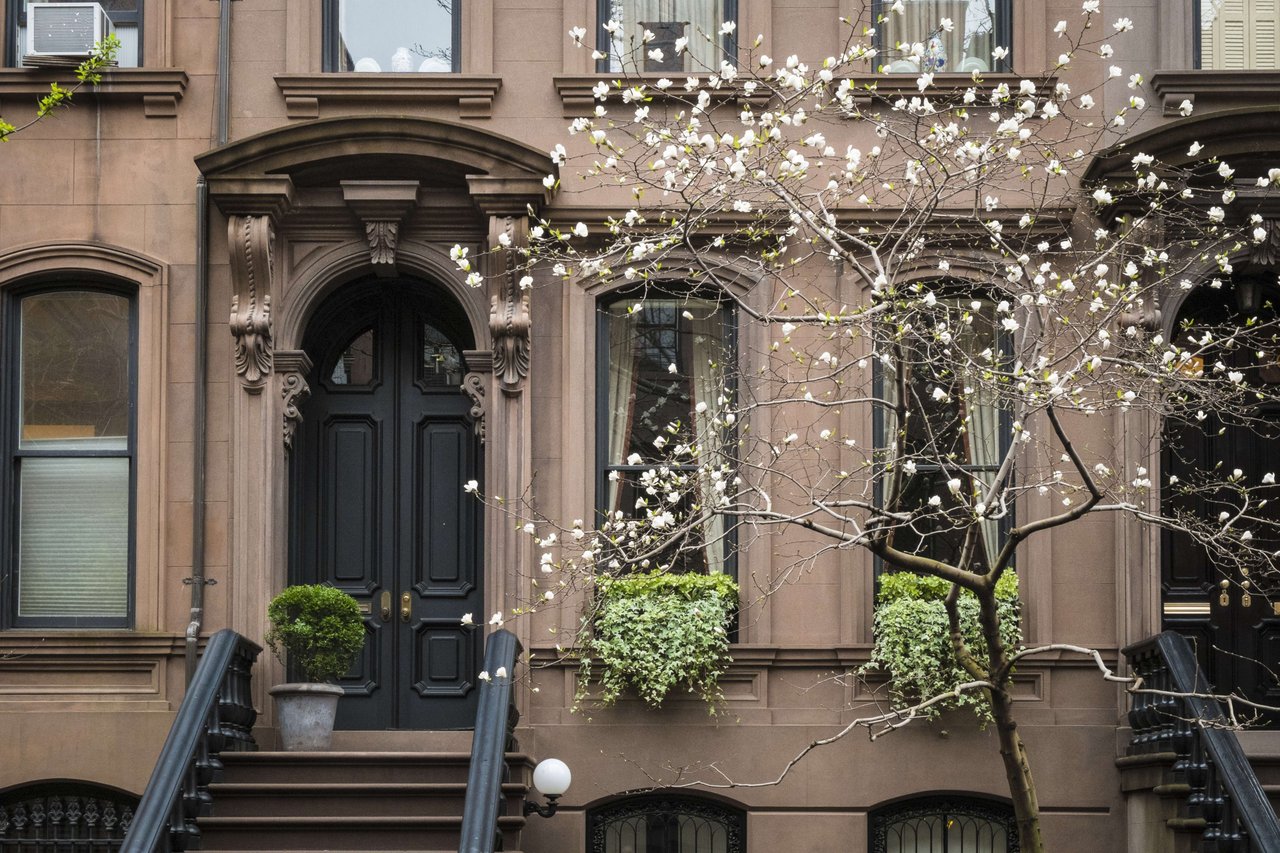
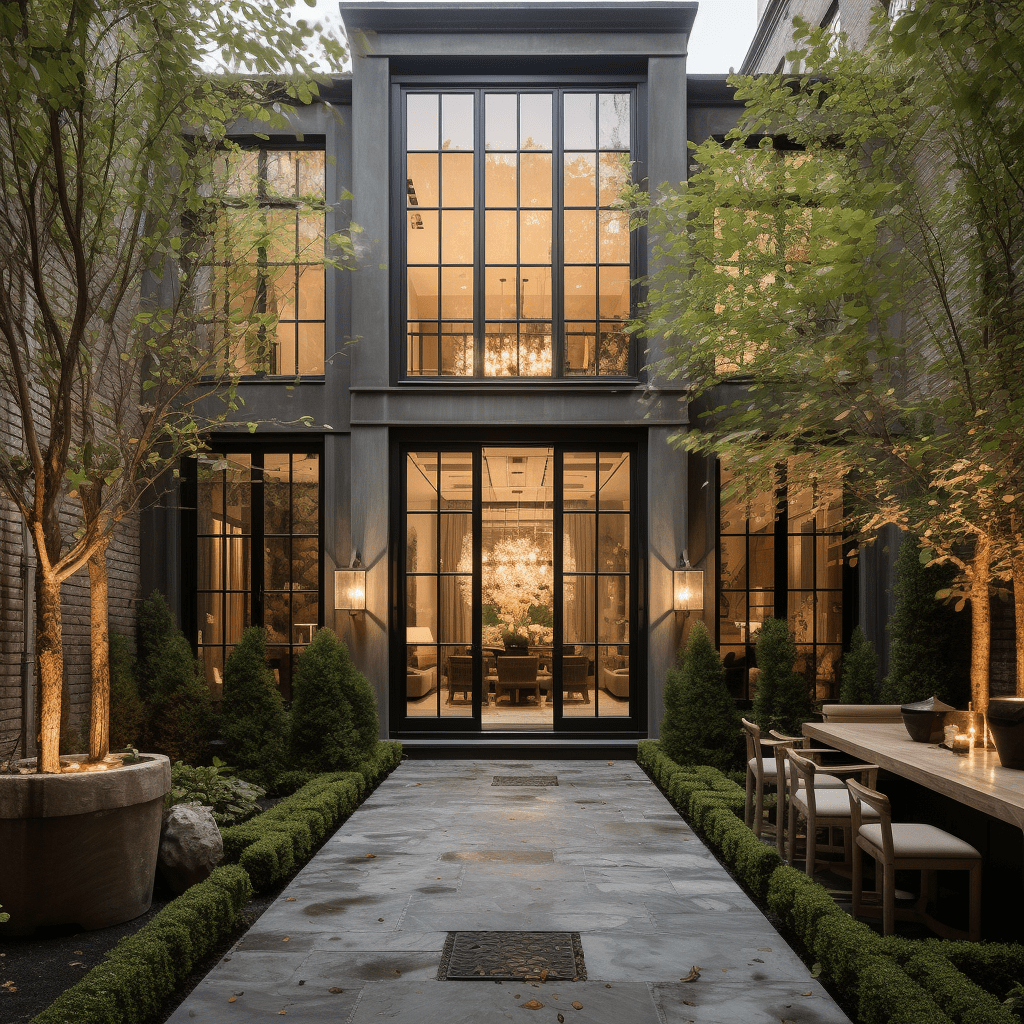
For townhouses, the analysis can shift. Exterior character, façade condition, stoop, garden, and original interior details can play a much larger role because the house itself is part of the appeal, not just the rooms inside it.
When Selling As Is Makes Sense
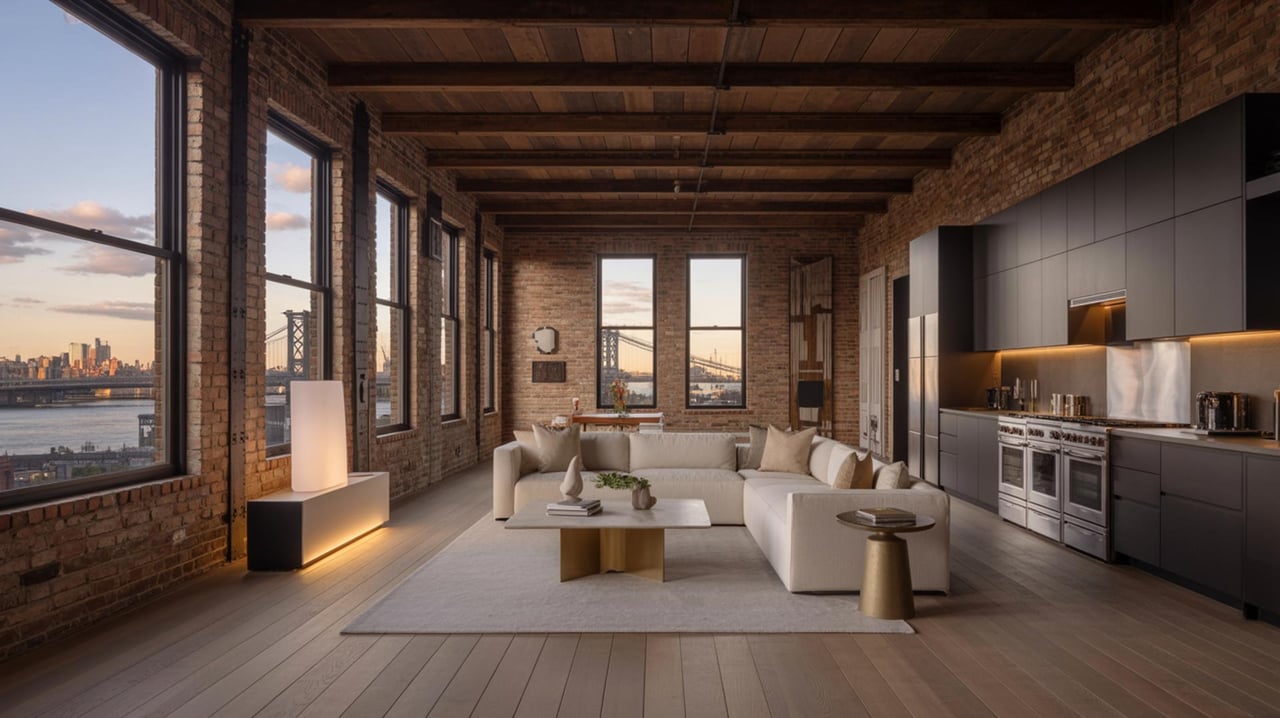
Selling as is can be the smart move when your home is already in acceptable condition and the work it needs is either minor or not obvious in photos and showings. It can also make sense if you want to avoid delays, added stress, or renovation costs that may not come back in the final sale price.
This path is often worth considering if:
- Your home is clean, functional, and reasonably well maintained
- Needed repairs are limited and do not strongly affect first impressions
- A larger renovation would delay your listing date
- The likely resale premium does not clearly outweigh the cost and disruption
- The work could trigger permit or landmark review issues
In Greenwich Village, this can be especially relevant for sellers with a near-term timeline. If the property already has good bones, strong light, and intact charm, buyers may still see the opportunity without requiring you to do the work first.
When A Light Renovation Can Pay Off
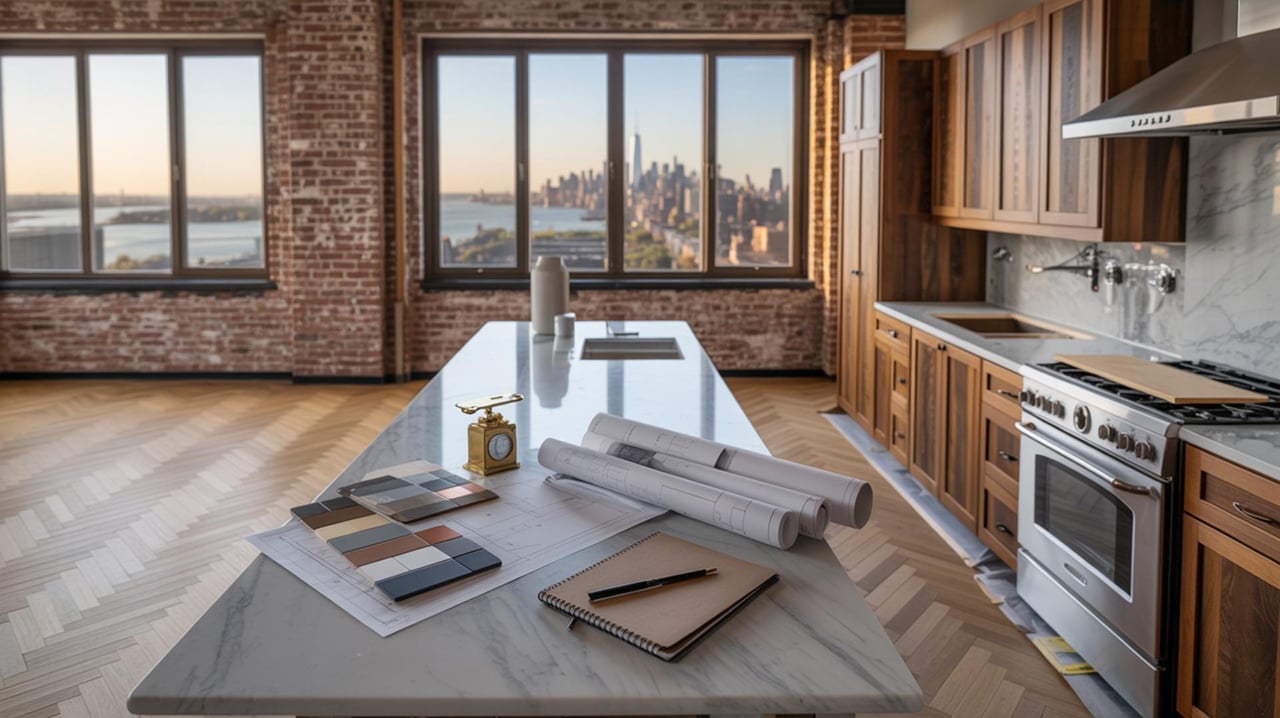
The clearest case for pre-listing work is usually not a full gut renovation. It is targeted, visible improvement that helps a home show better online and in person.
The 2025 Remodeling Impact Report found that 46% of buyers are less willing to compromise on home condition. The same report also notes that real estate professionals commonly recommend painting before listing, and that kitchen and bathroom updates remain in demand.
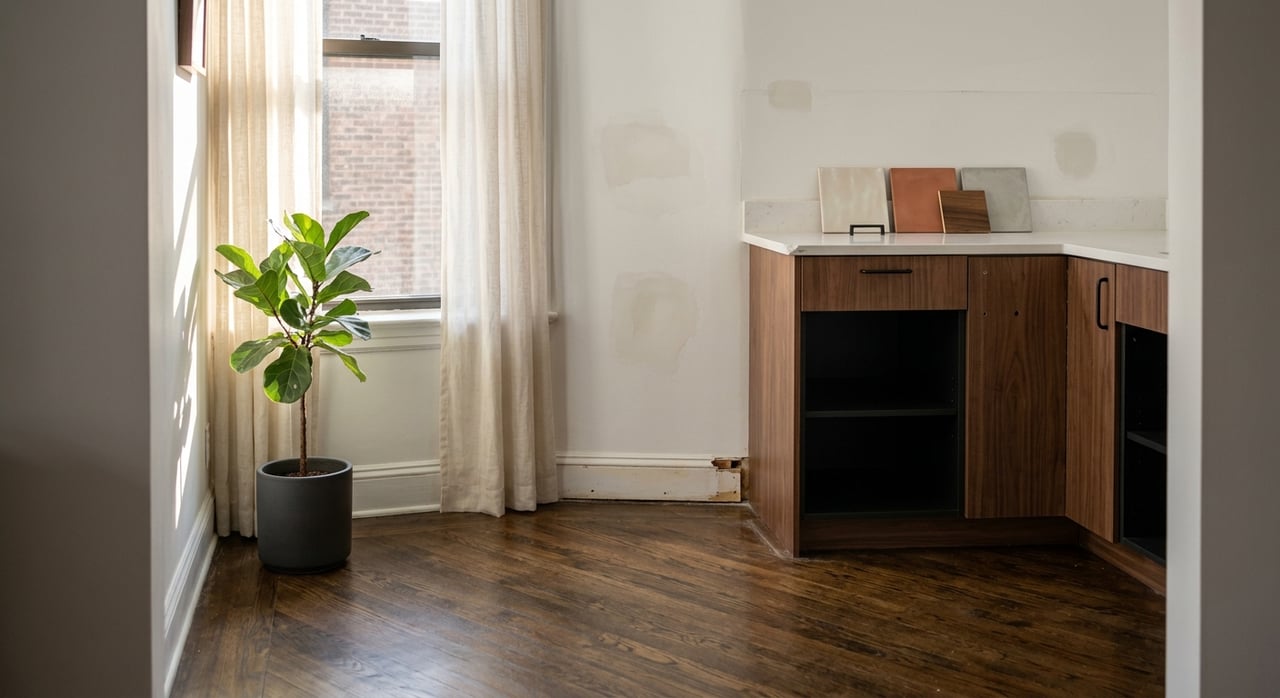
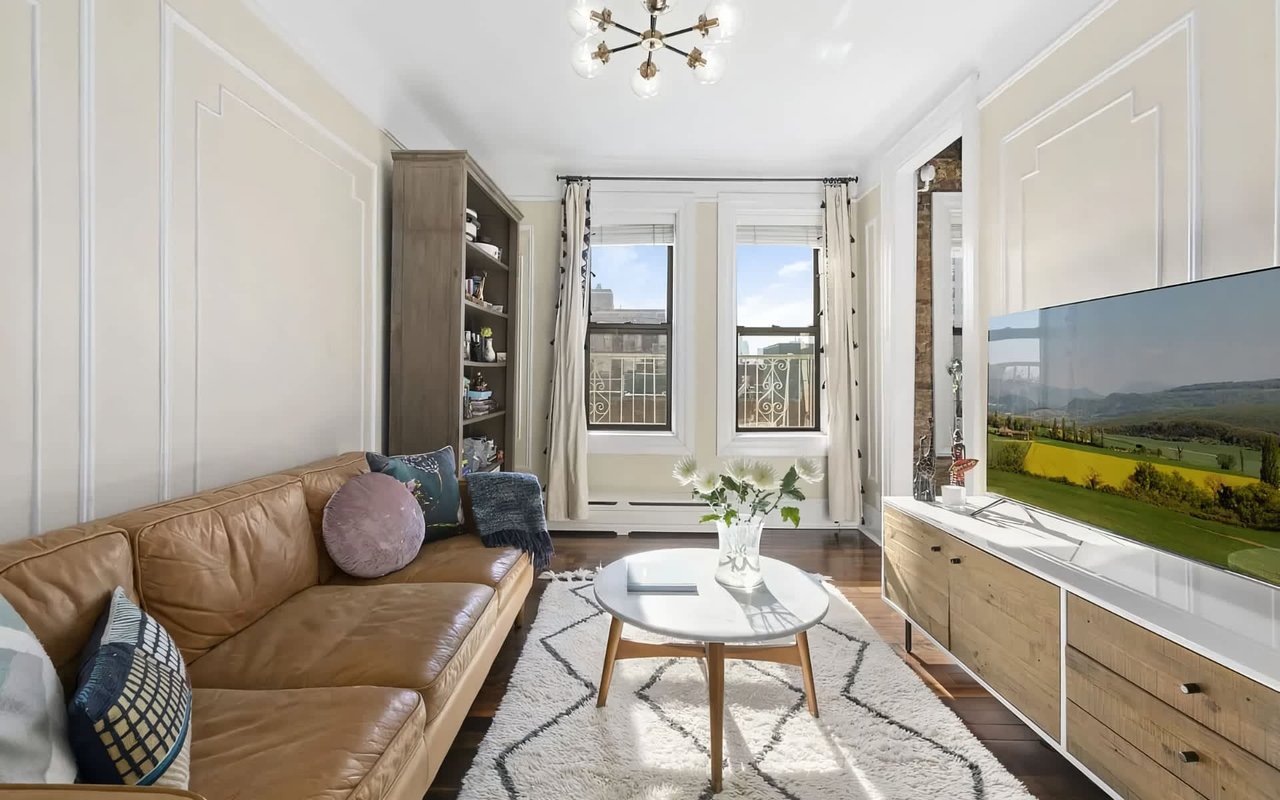
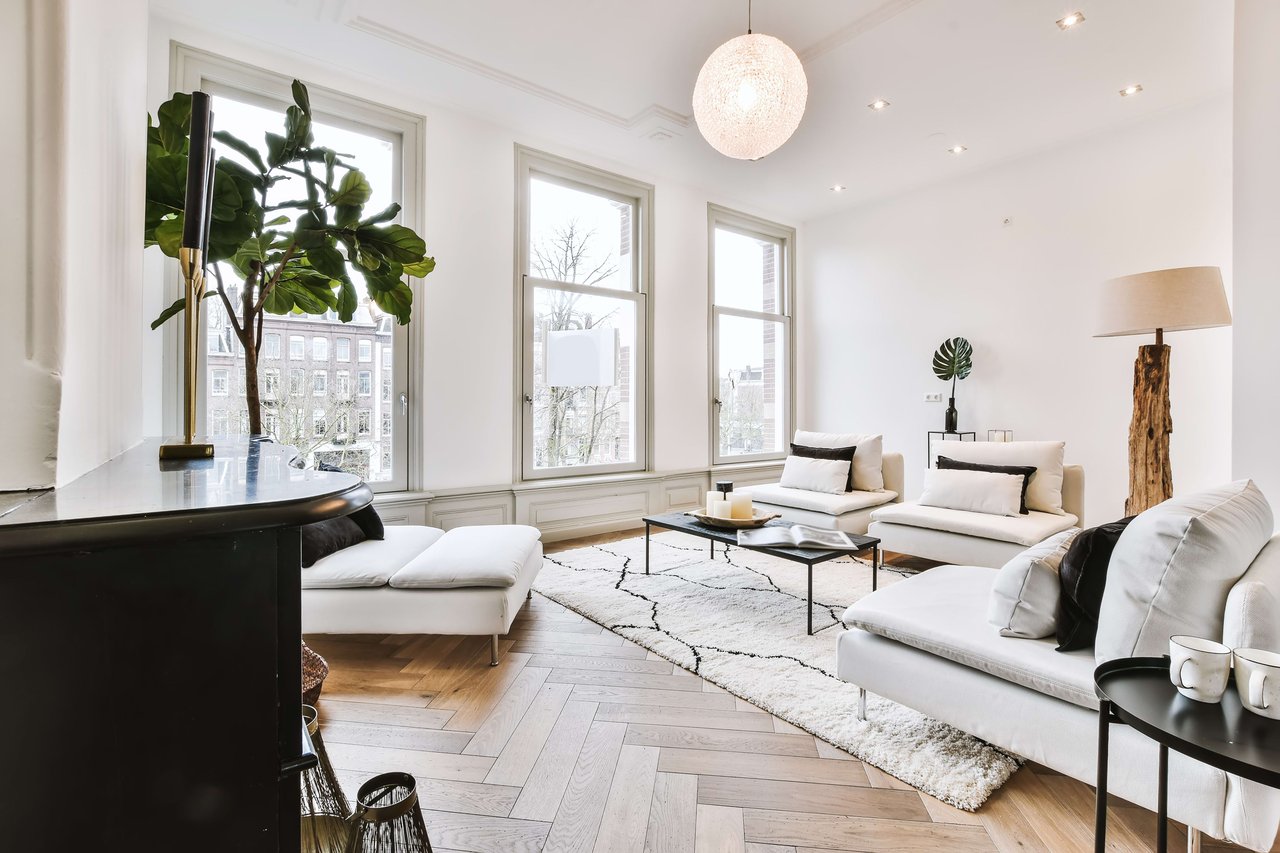
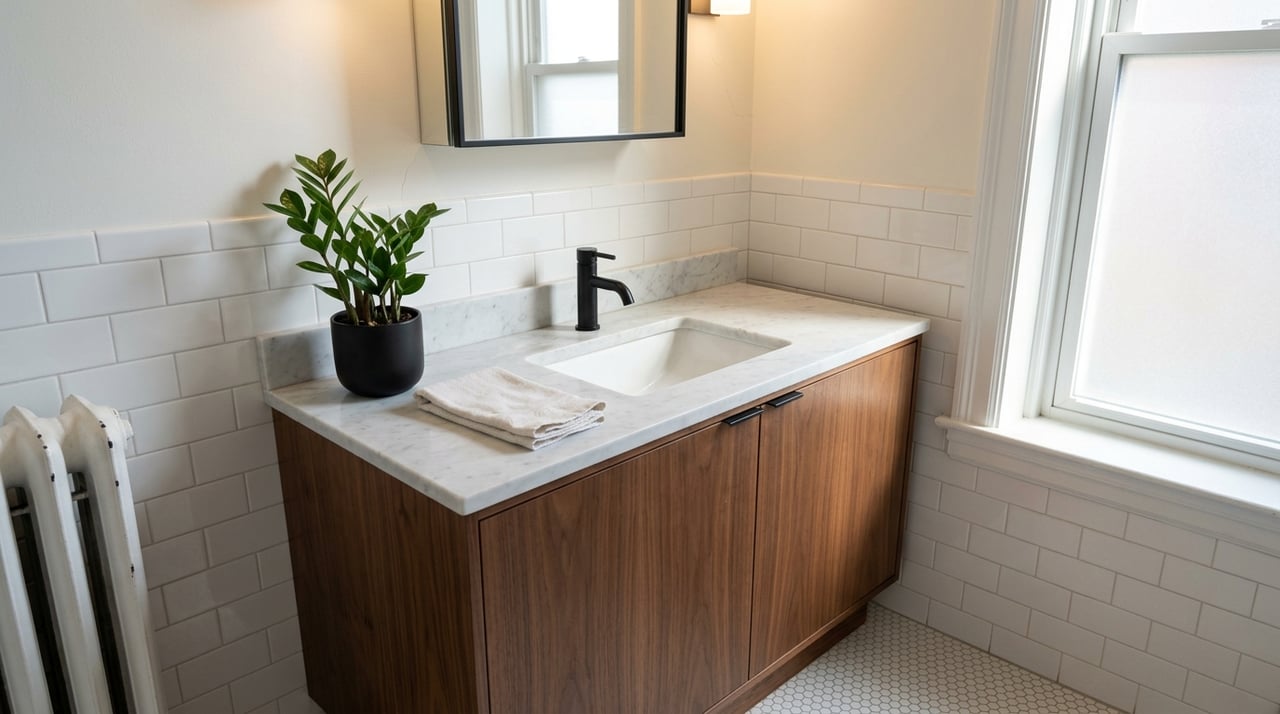
That supports a simple idea: if your home has cosmetic issues that show up right away, a modest refresh may improve buyer response. In a Greenwich Village apartment, that might mean fresh paint, repaired walls, updated cabinet hardware, refinished floors, or replacing worn plumbing fixtures.
For a townhouse, a light refresh might also include careful maintenance of visible historic elements, provided the work fits within local rules. The goal is not to over-customize. The goal is to remove friction so buyers can focus on the home’s best features.
Why Major Renovations Need Caution
Large renovations can be tempting in a high-priced neighborhood, but they do not always produce the best return. National remodeling data cited in the research shows that smaller, targeted projects often recoup more predictably than major overhauls.
For example, the 2026 roundup of the 2025 Remodeling Impact Report lists estimated cost recovery at resale of 83% for a closet renovation, 60% for a complete kitchen renovation, 60% for a minor kitchen upgrade, and 56% for a bathroom addition. The pattern is not that kitchens and baths do not matter. It is that expensive projects do not automatically return every dollar you spend.
In Greenwich Village, a major renovation can also create another risk: you may spend heavily to deliver a finish package that does not match what buyers in your segment actually want. In a character-driven market, generic luxury can be less persuasive than a well-edited home with authentic details and functional updates.
The Historic District Changes The Math
This is where Greenwich Village becomes very different from many other markets. The Greenwich Village Historic District includes more than 2,000 buildings across 65 blocks, and designated structures are protected under the Landmarks Law.
That matters because exterior changes often require review by the Landmarks Preservation Commission, or LPC. According to the city, restoration, in-kind replacement, alteration, reconstruction, demolition, or new construction affecting the exterior of a building in a historic district requires LPC review, even if the Department of Buildings does not require its own approval.
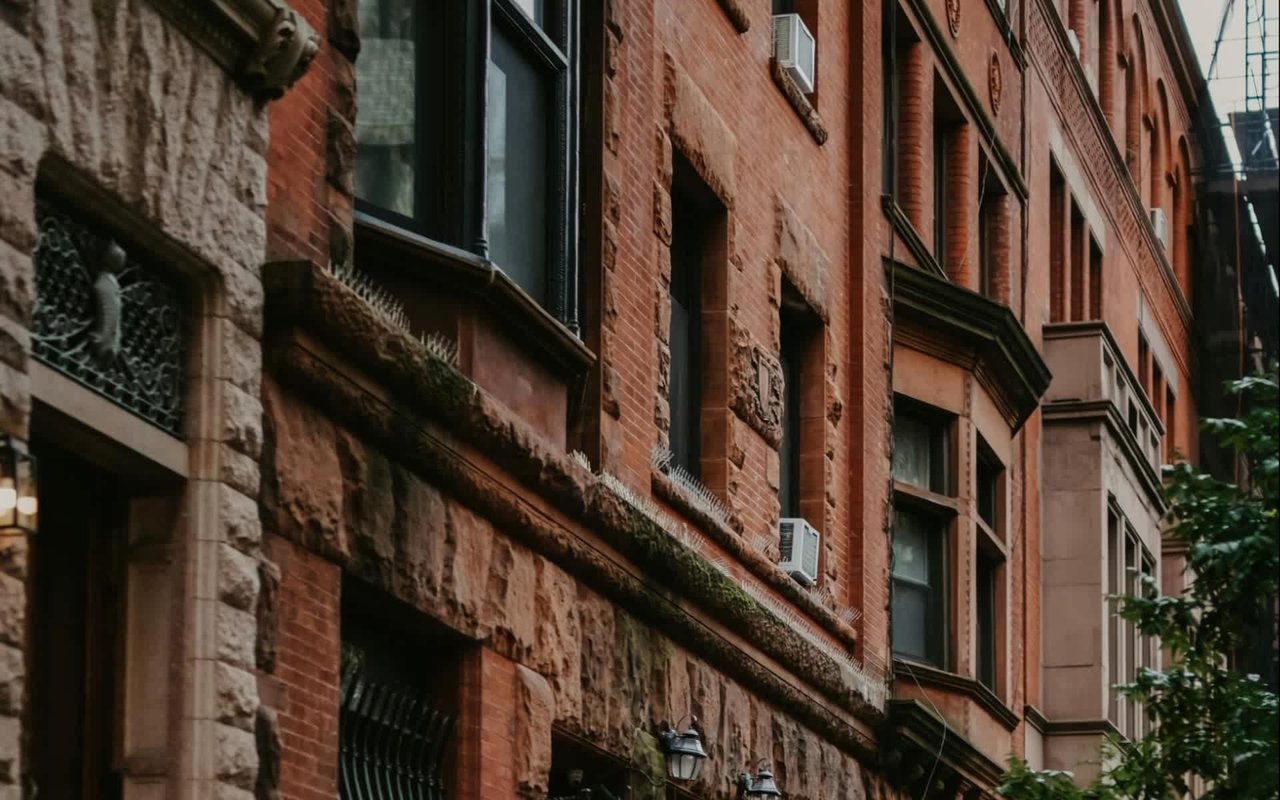
In practical terms, that means projects involving windows, doors, masonry, façade work, brownstone resurfacing, or certain HVAC penetrations can take more planning than sellers expect. If your renovation plan touches protected exterior features, timing alone may push you toward selling as is.
What You Can Usually Do Faster
Not every project becomes a long approval story. New York City says many common cosmetic jobs do not require a DOB permit, including painting, plastering, installing new cabinets, replacing plumbing fixtures, and resurfacing floors.
That makes surface-level improvements more appealing for sellers who want to boost presentation without adding months to the timeline. If your pre-listing work stays focused on interiors and cosmetic refreshes, you may be able to improve the home’s marketability with less red tape.
Still, permit rules and building rules are not the same thing. Co-ops, condos, and townhouses can each bring their own review process, so even a simple scope of work benefits from careful planning before you commit.
Timeline Can Decide The Strategy
For many Greenwich Village sellers, timing is the deciding factor. If you want to list soon, the approval path may matter just as much as the budget.
LPC states that a Permit for Minor Work can often be approved within 10 business days once a complete application is submitted. That can cover items such as window or door replacement in existing openings, masonry cleaning, brownstone resurfacing, and through-window HVAC installation.
More substantial changes may require a Certificate of Appropriateness, which LPC says can take about three months and may include a community board presentation and public hearing. If your listing is coming up in the near future, that timeline can quickly make a larger renovation impractical.
A Simple Way To Make The Call
If you are deciding whether to renovate or sell as is, it helps to ask a few practical questions:
How visible are the problems?
If buyers will notice issues immediately in listing photos or during the first showing, a light refresh may be worth it. If the needed work is more technical or less visible, selling as is may be perfectly reasonable.
Will the work expand your buyer pool?
A project is more compelling when it makes the home easier for more buyers to say yes to. Better function, cleaner finishes, and fewer obvious to-do items can help. Highly specific design choices usually help less.
What is the real timeline?
In Greenwich Village, you need to account for building review, contractor scheduling, DOB rules, and LPC review if historic features are involved. A project that looks simple on paper can take much longer in real life.
Is the price lift likely to exceed the cost?
This is the key question. You want to compare renovation cost, carrying time, approval burden, and disruption against a realistic sale-price increase, not an optimistic one.
Best Fit Strategies By Property Type
For Greenwich Village co-ops and condos
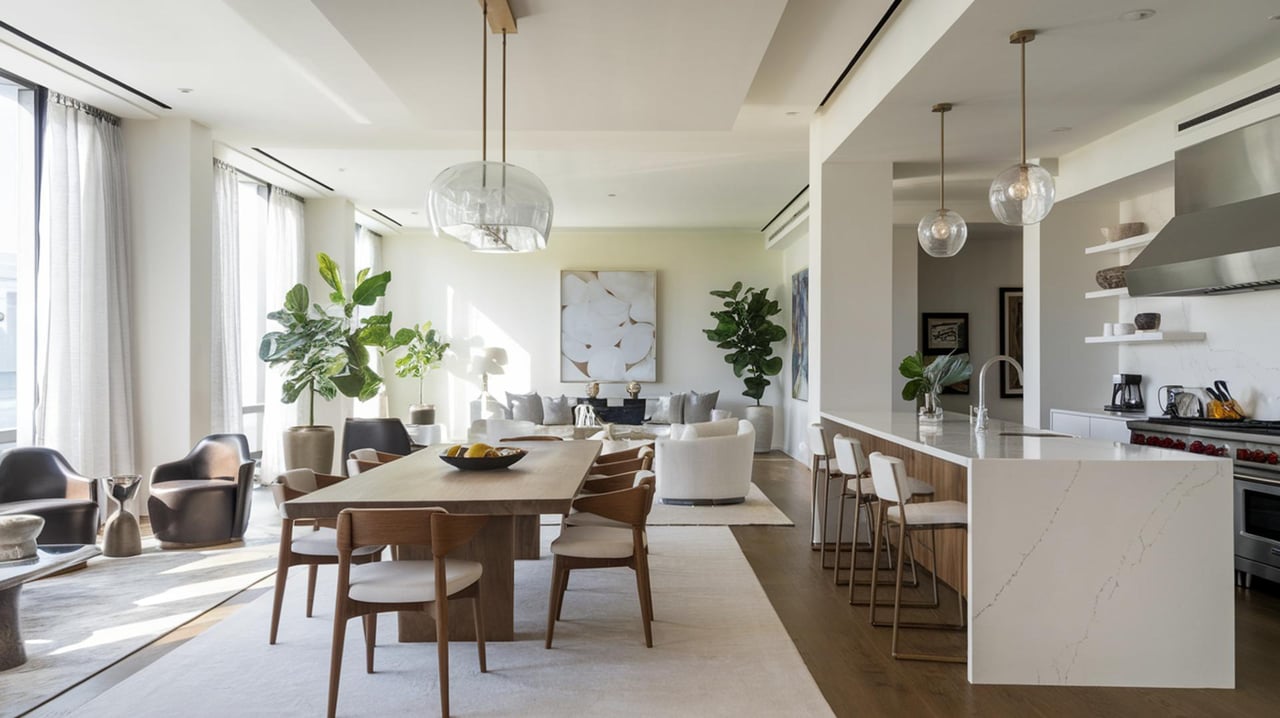
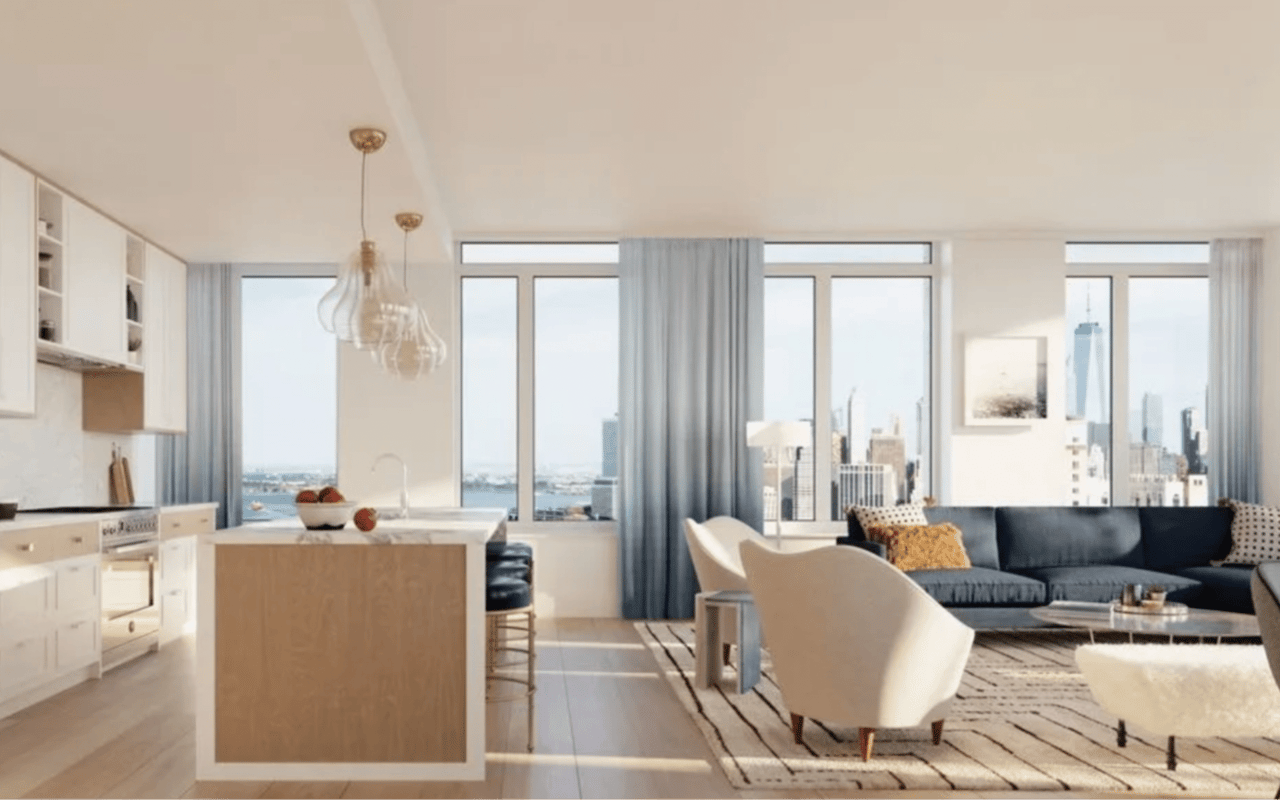
A light pre-listing update often makes the most sense. Buyers tend to focus on kitchens, baths, storage, light, layout, and general condition, so cosmetic improvements that sharpen those areas can improve first impressions.
A full renovation may be harder to justify unless the apartment is clearly outdated and the expected premium is strong. Even then, the building’s own alteration process can affect the timeline.
For Greenwich Village townhouses
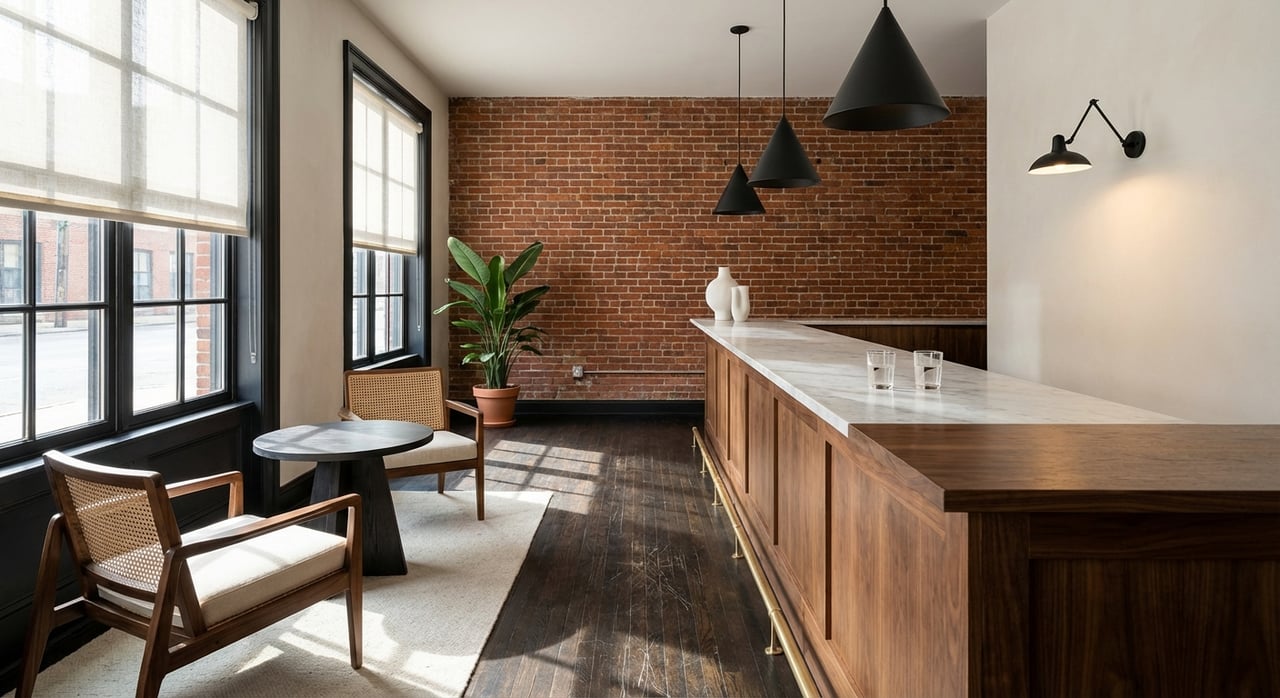
Townhouses usually require a more layered analysis. Because buyers often value the building’s historic character, preserving and presenting original details can matter as much as adding new finishes.
Exterior work needs extra caution because of landmark review. If your biggest value-add idea touches façade elements, windows, doors, or masonry, you need to weigh the likely market gain against the time and approval path.
The Smartest Approach Is Usually Targeted
In most Greenwich Village sales, the strongest strategy is not doing everything. It is doing the right amount.
If your home only needs a surface refresh, modest updates can improve first impressions without dragging the sale into a long prep cycle. If the project is more complex, especially on a landmarked property, selling as is may protect your timeline and let the next owner take on the work according to their own vision.
The right answer depends on your property, your timing, and the local buyer pool for your price point. That is where a neighborhood-specific, renovation-aware pricing and prep strategy can make a real difference.
If you are weighing whether to renovate or sell as is in Greenwich Village, Mark O’Brien Real Estate can help you assess the work, the timeline, and the likely resale impact so you can move forward with a smart plan.
FAQs
Should you renovate before selling a Greenwich Village apartment?
- Often, a light refresh makes more sense than a full renovation, especially if the apartment is already functional and the main issues are cosmetic.
Does landmark status affect renovations in Greenwich Village?
- Yes. Exterior changes in the Greenwich Village Historic District often require LPC review, which can add time and complexity.
What home updates usually matter most to Greenwich Village buyers?
- Buyers often pay close attention to kitchens, bathrooms, layout, storage, light, condition, and how well original character has been preserved.
Do cosmetic updates require permits in New York City?
- Many common cosmetic jobs, such as painting, plastering, new cabinets, plumbing fixture replacement, and floor resurfacing, do not require a DOB permit.
How long can landmark approval take in Greenwich Village?
- LPC says some minor work can often be approved within 10 business days after a complete application, while more substantial changes can take about three months.
Is it better to sell a Greenwich Village townhouse as is?
- It can be, especially if the work involves protected exterior features, would delay the listing, or may not produce a clear enough price premium to justify the effort.