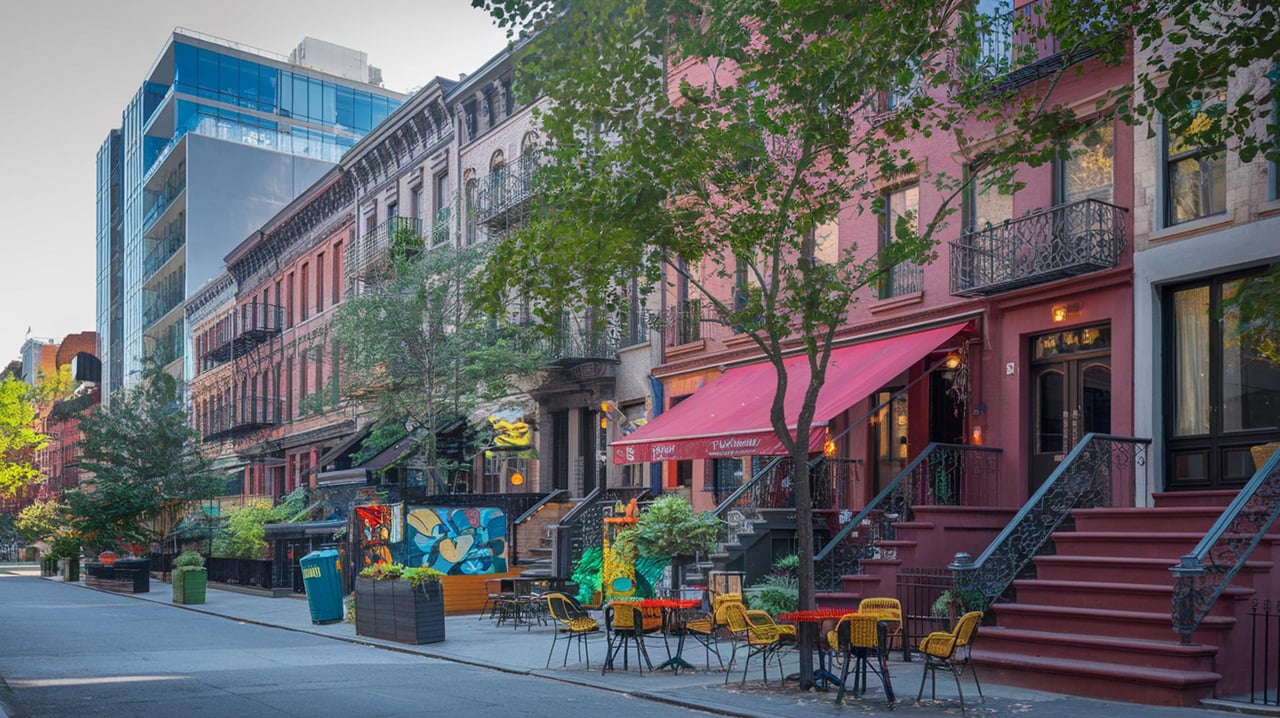
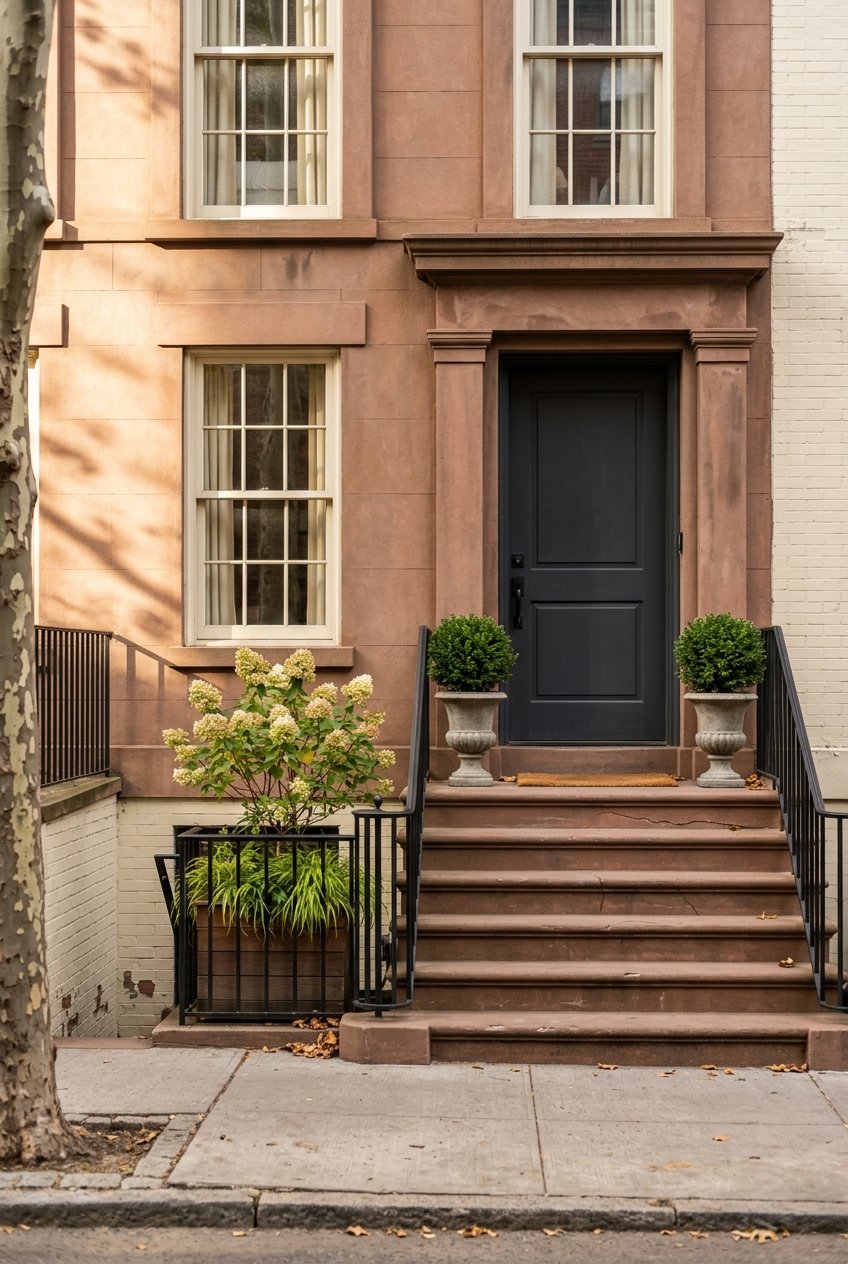
Picture this: you start the day on a stoop, grab a coffee, loop through Fort Greene Park, pick up something fresh at the Greenmarket, and end the evening a short walk from a performance at BAM. If you are drawn to brownstones, that rhythm is a big part of the appeal. Fort Greene offers a version of Brooklyn living where historic architecture, daily convenience, and arts access all work together. Let’s dive in.
Why Fort Greene Feels Like Brownstone Brooklyn
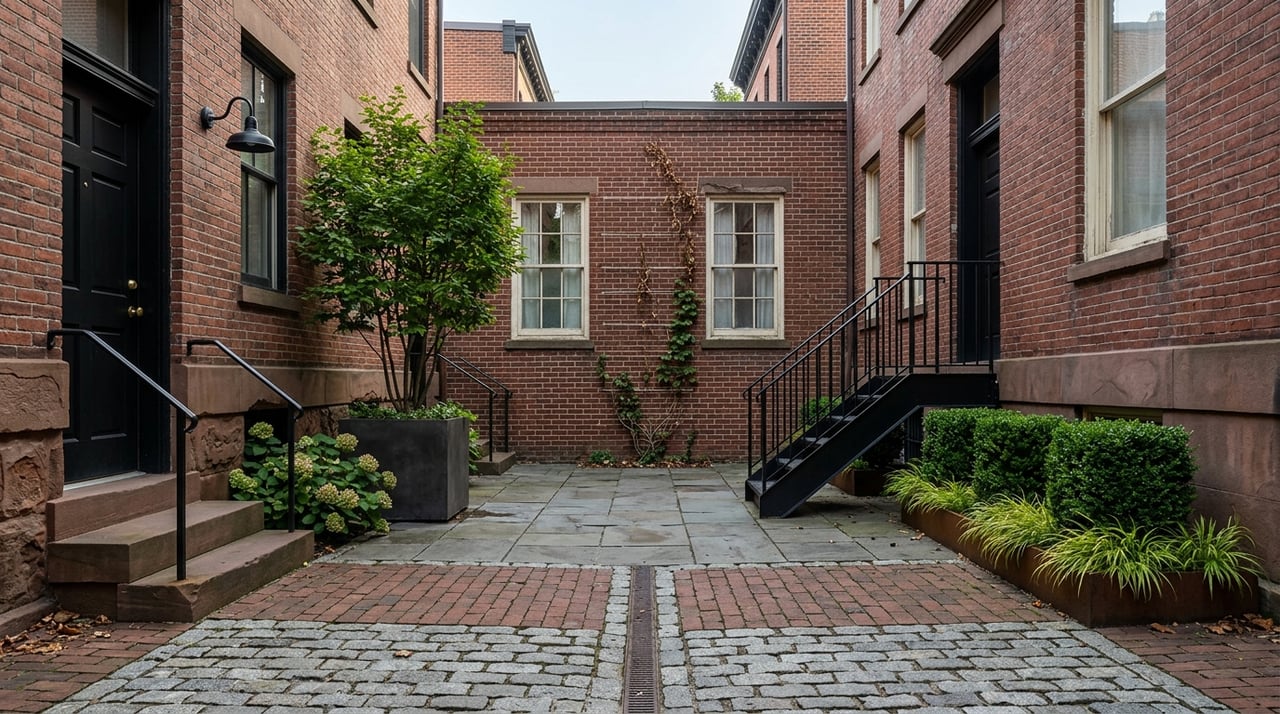
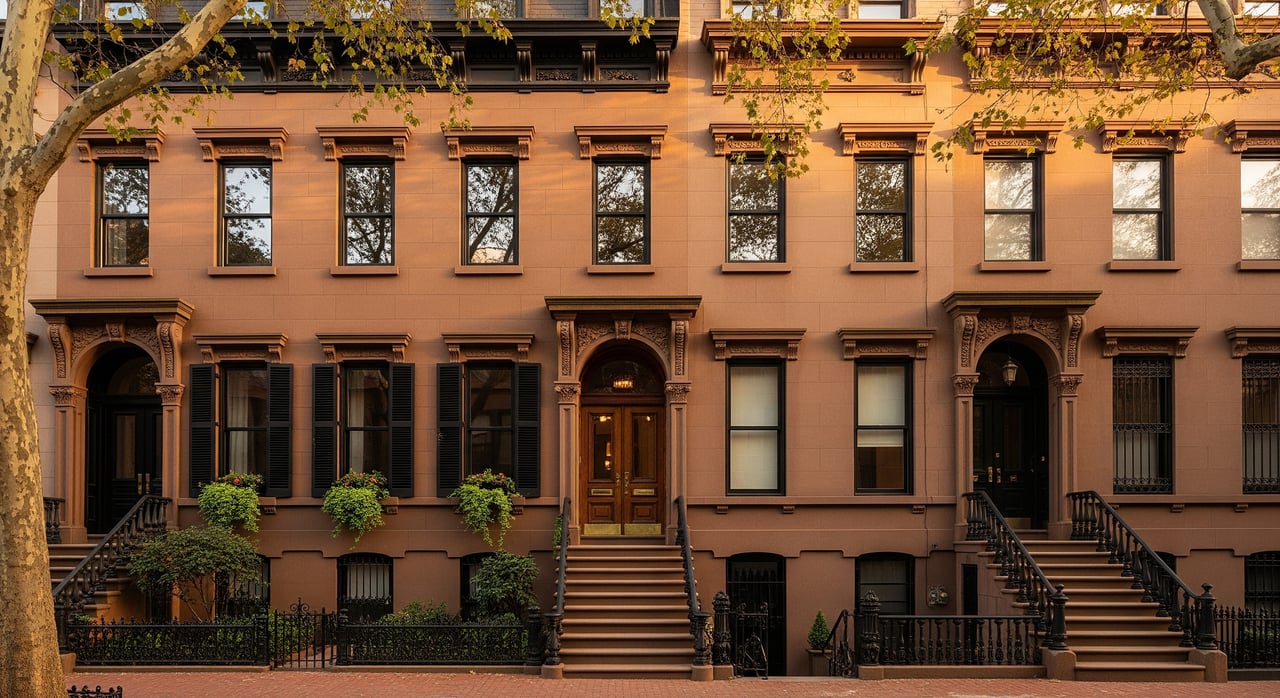
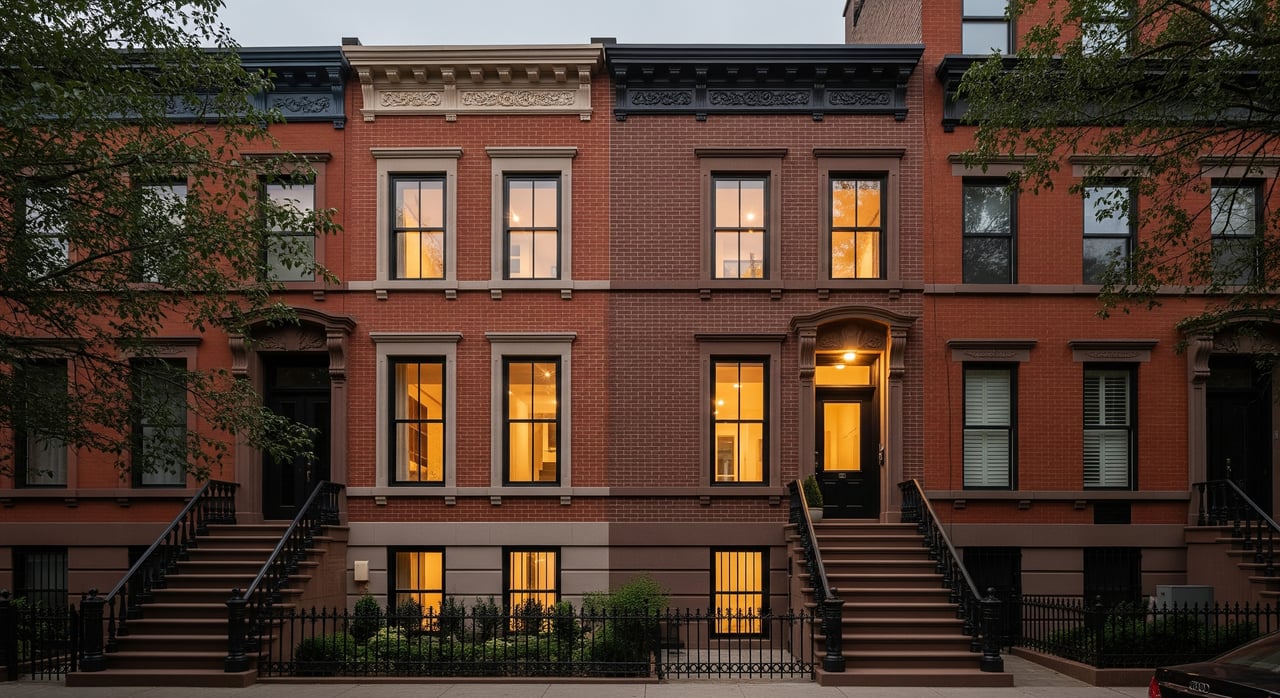
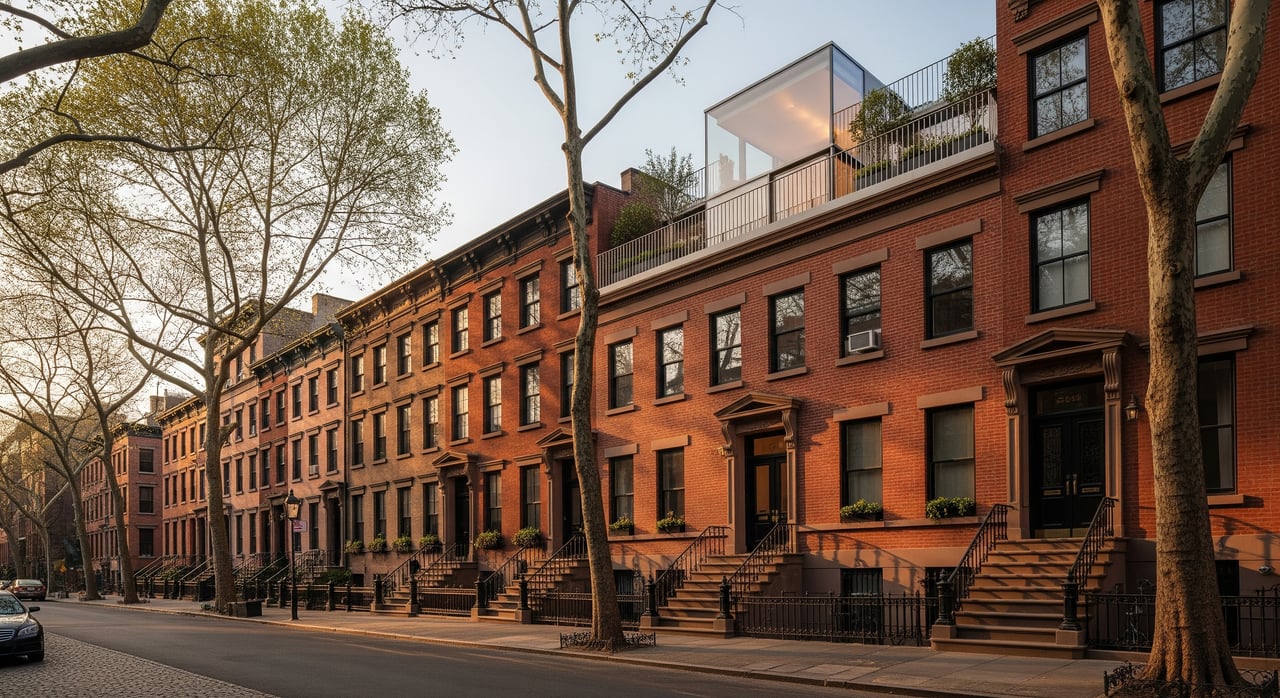
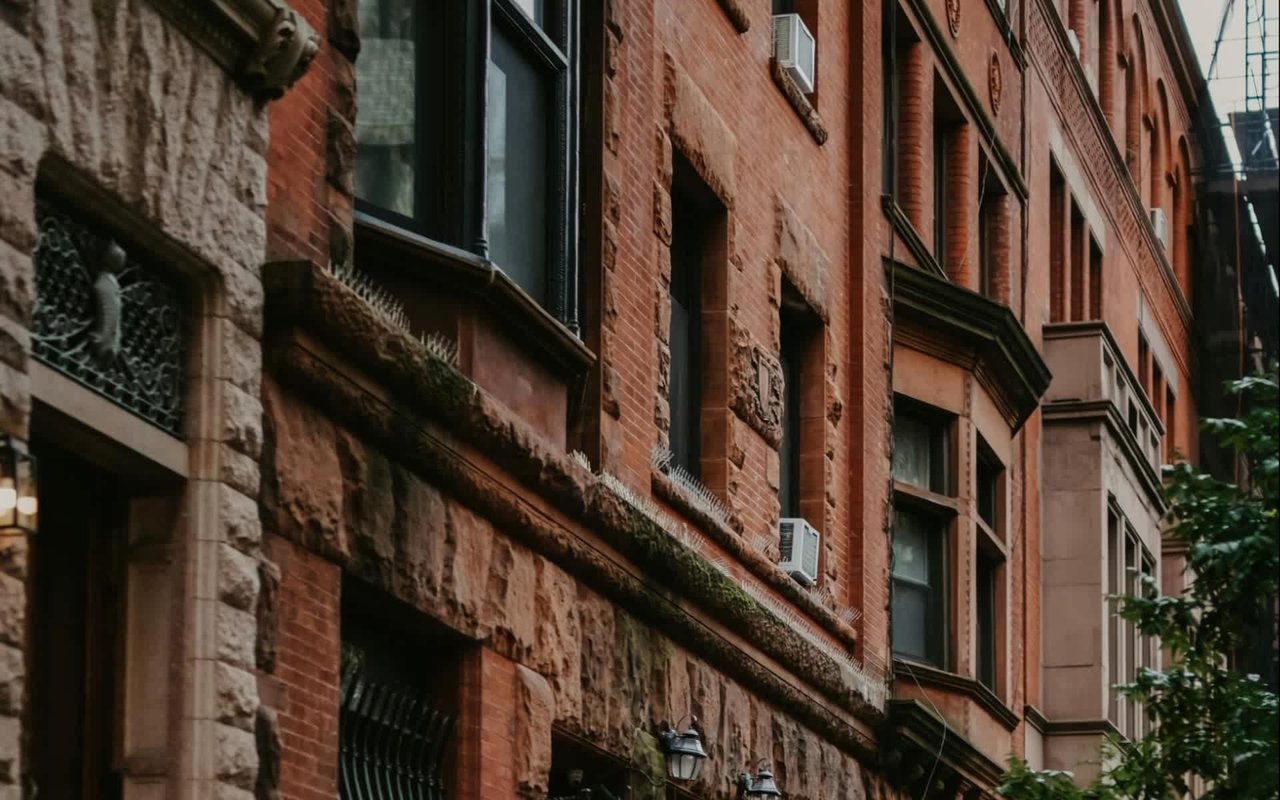
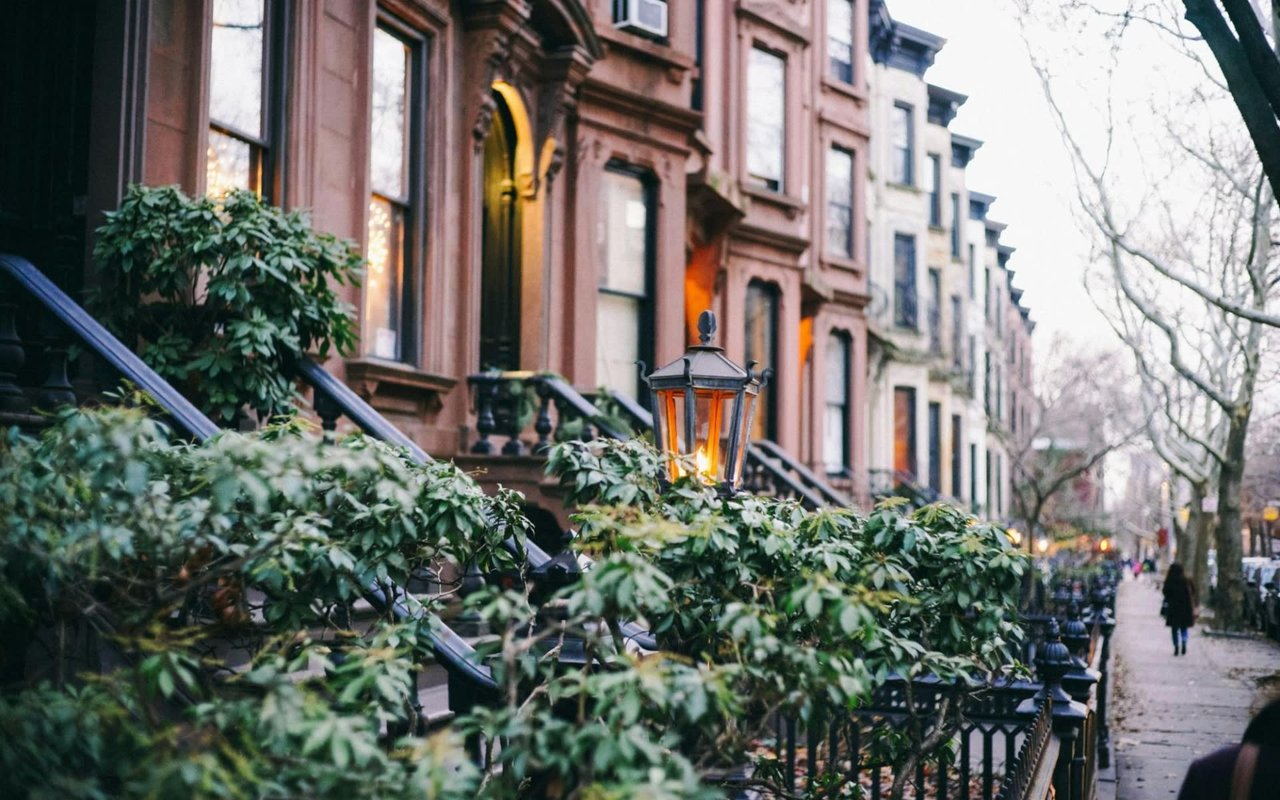
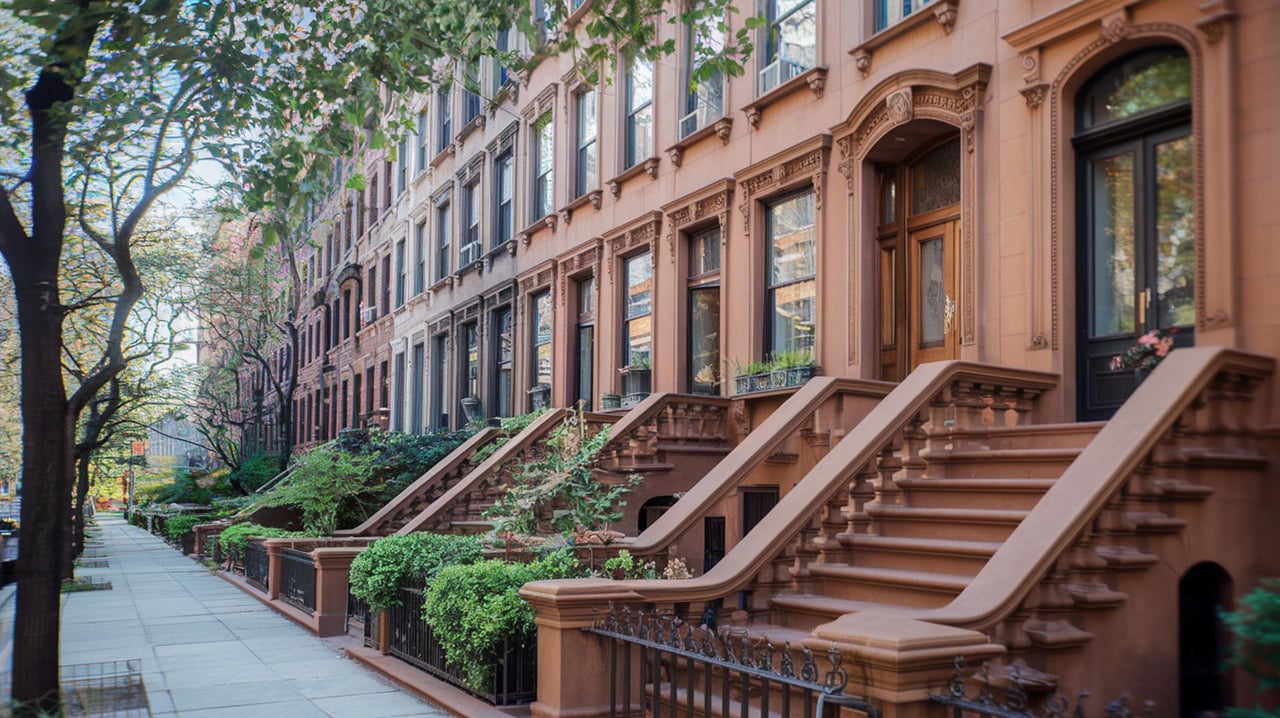
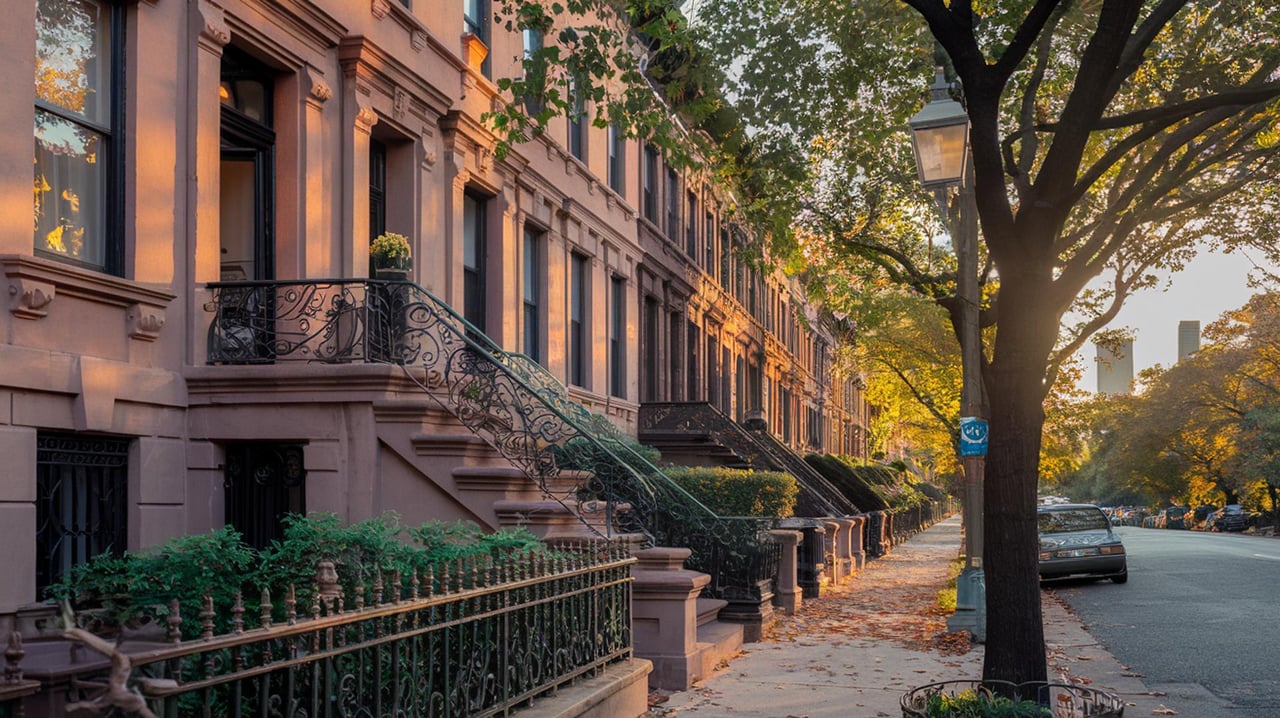
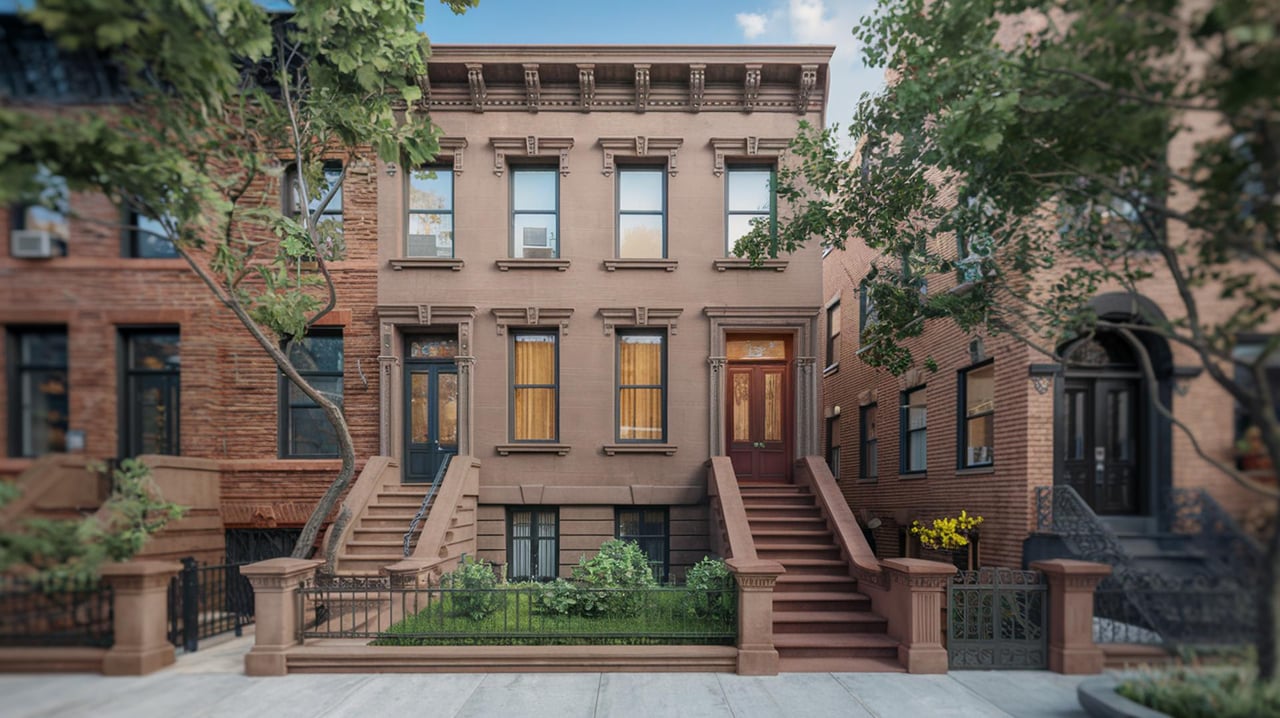
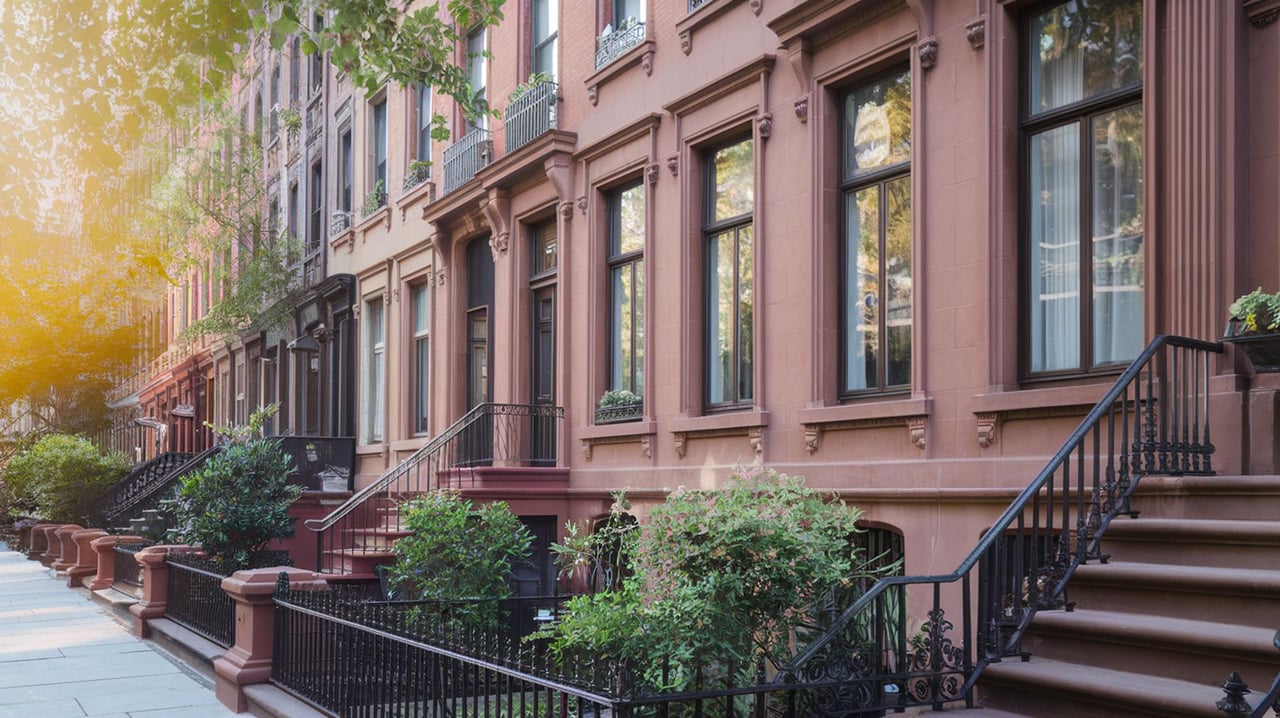
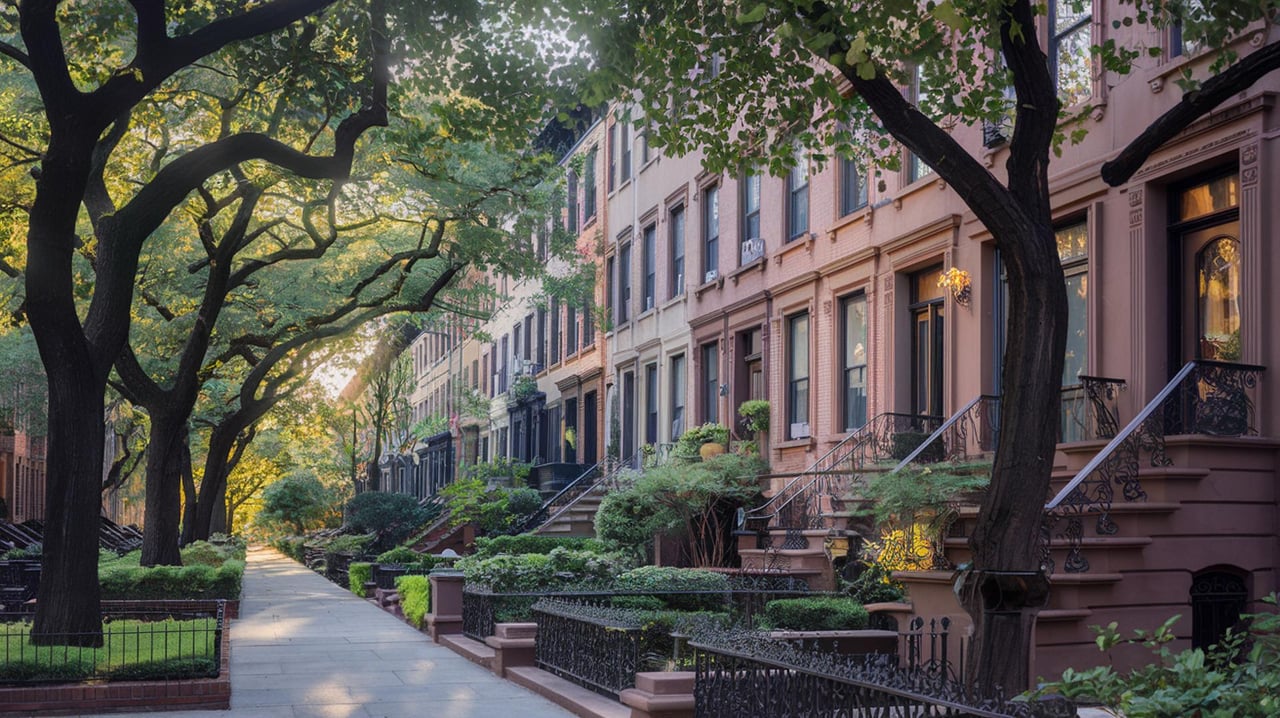
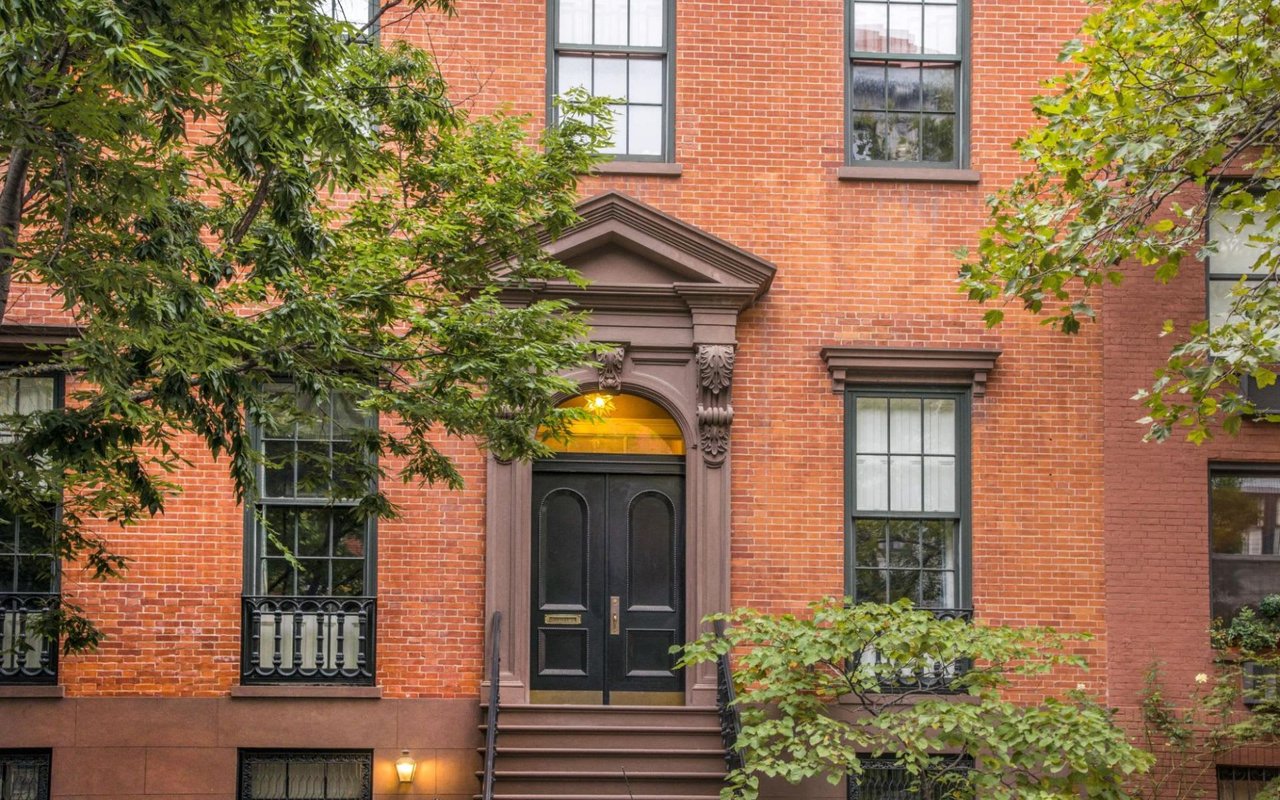
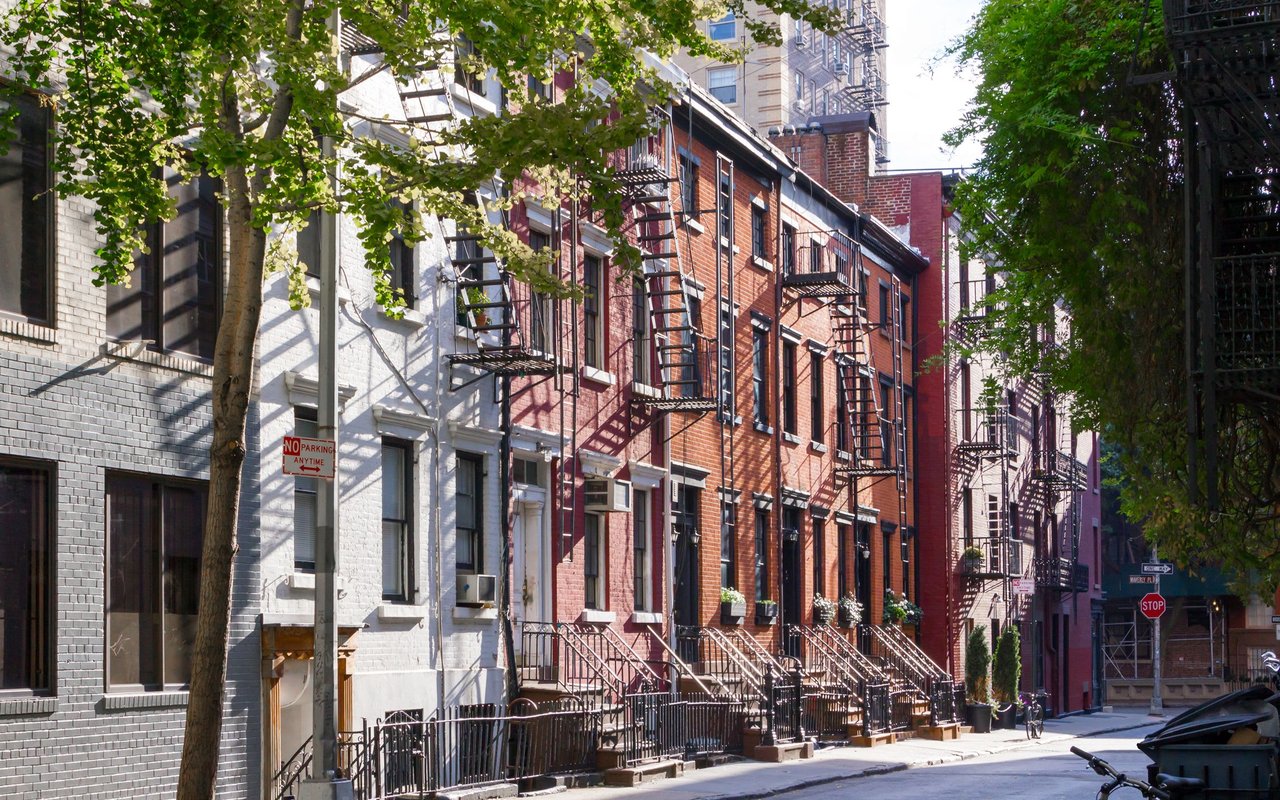
Fort Greene is often recognized for its classic brownstone setting because it brings together landmarked rowhouse blocks, Fort Greene Park, local restaurants and cafés, and major cultural institutions. The Fort Greene Historic District was designated in 1978, which helps preserve the area’s distinct architectural identity.
That historic framework shapes the feel of everyday life. You are not just buying square footage here. You are stepping into a neighborhood where the streetscape, the stoop, and the walk to the park all play a role in how the day unfolds.
Morning Starts at the Stoop and Park
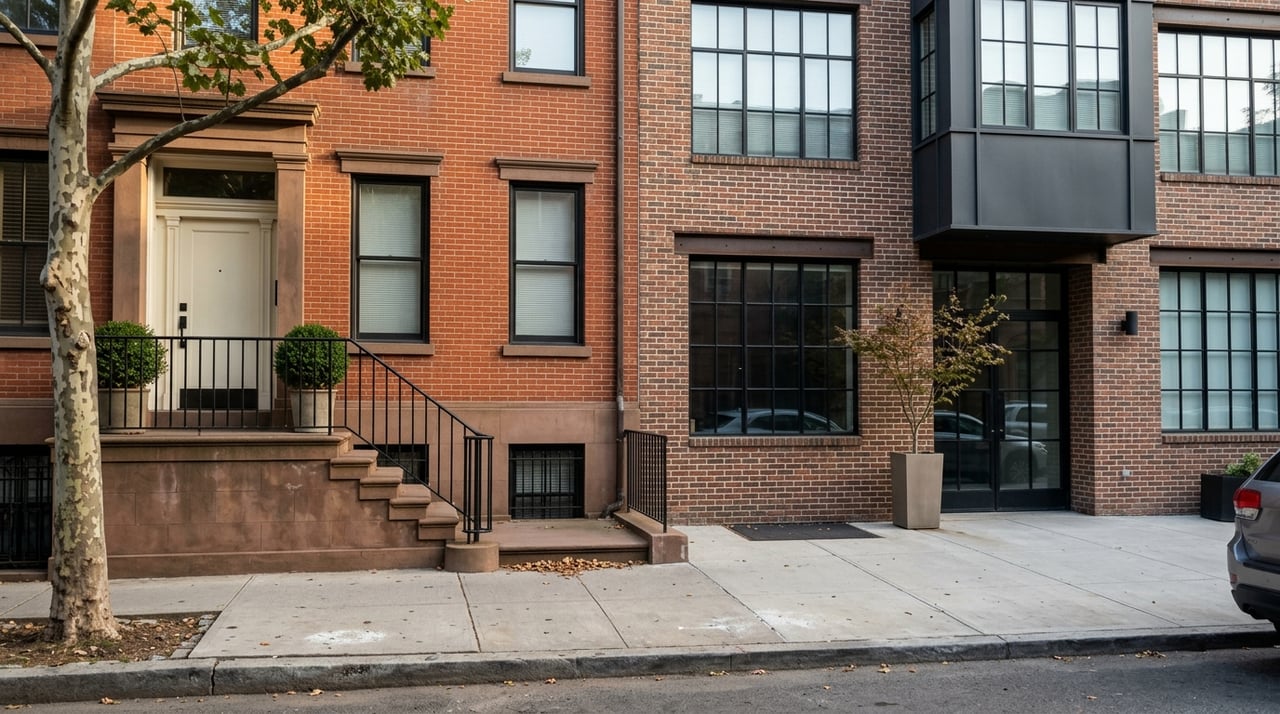
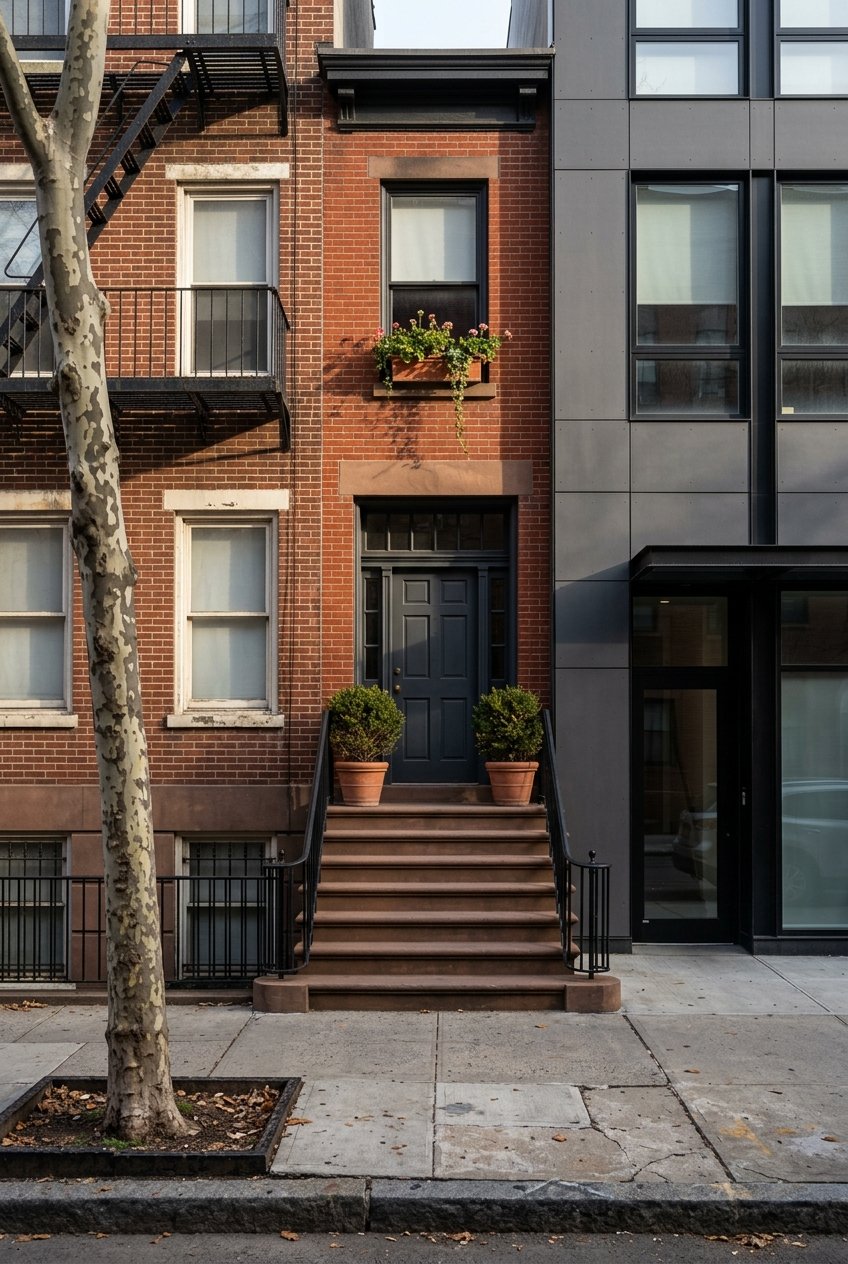
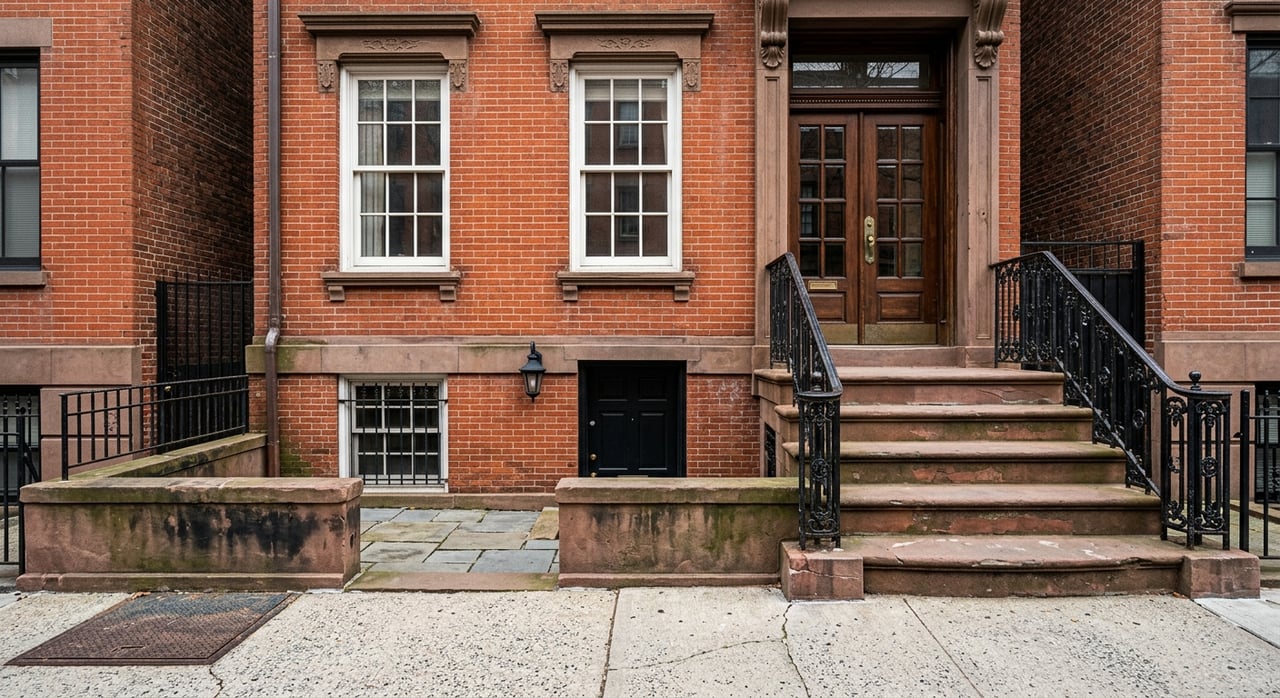
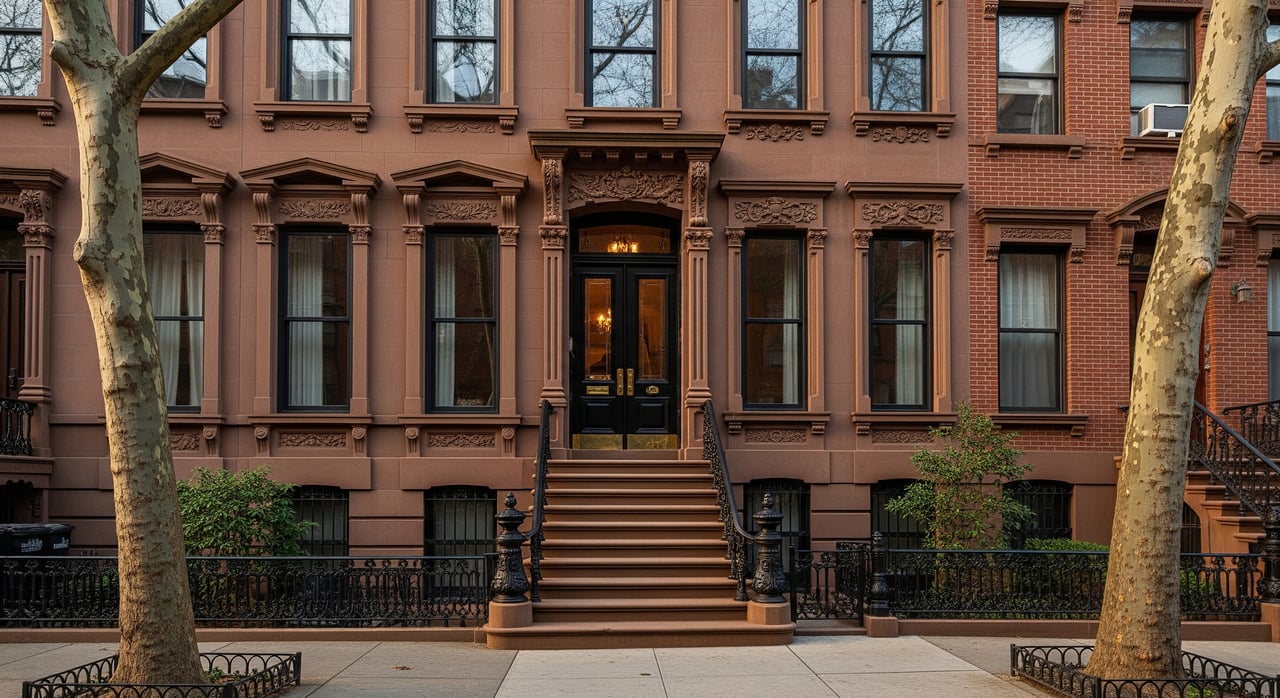
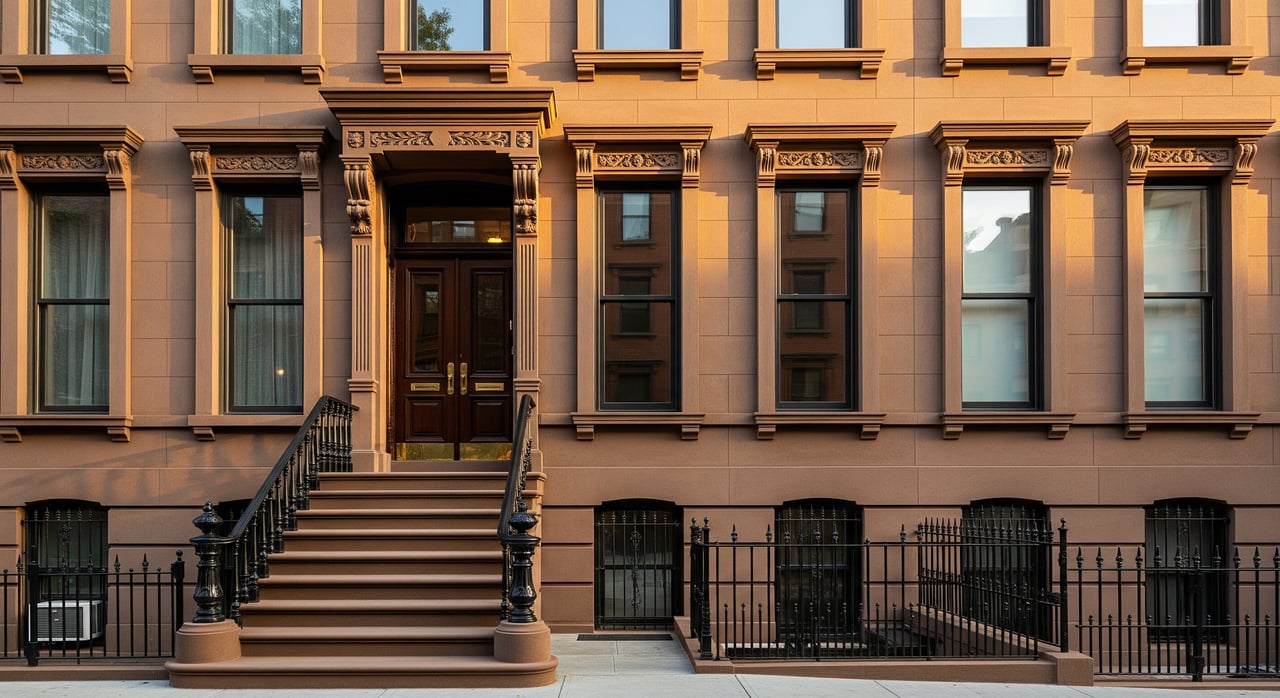
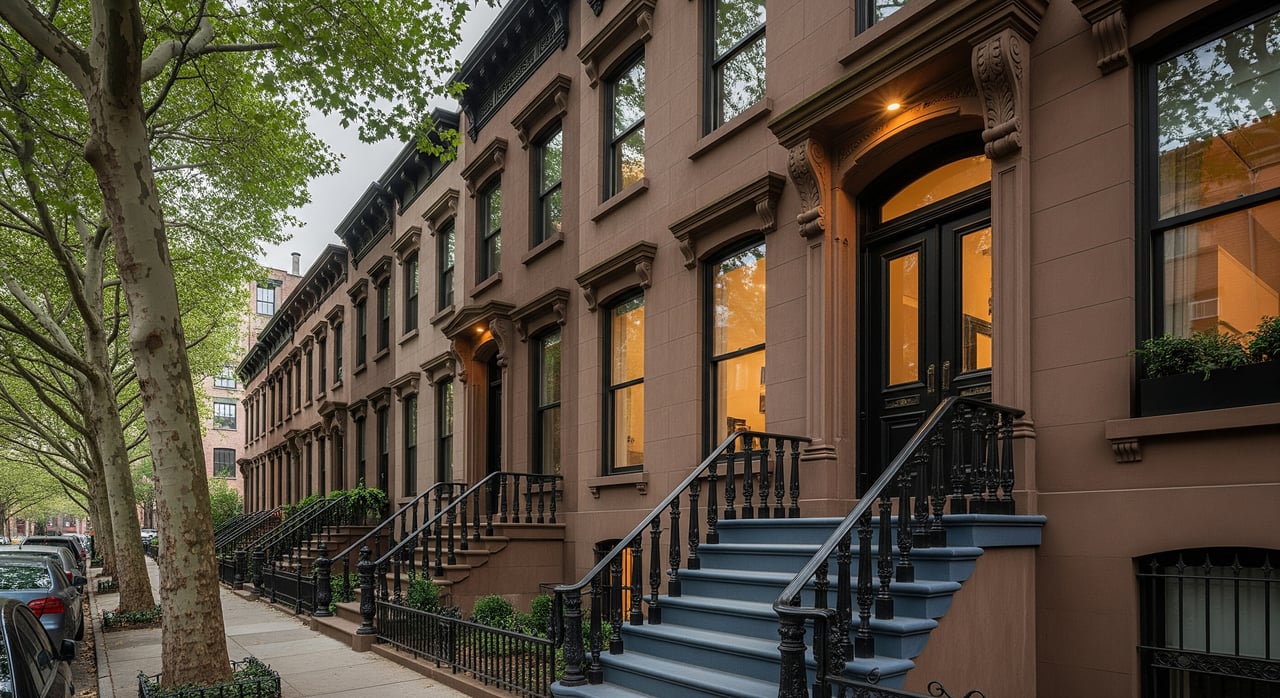
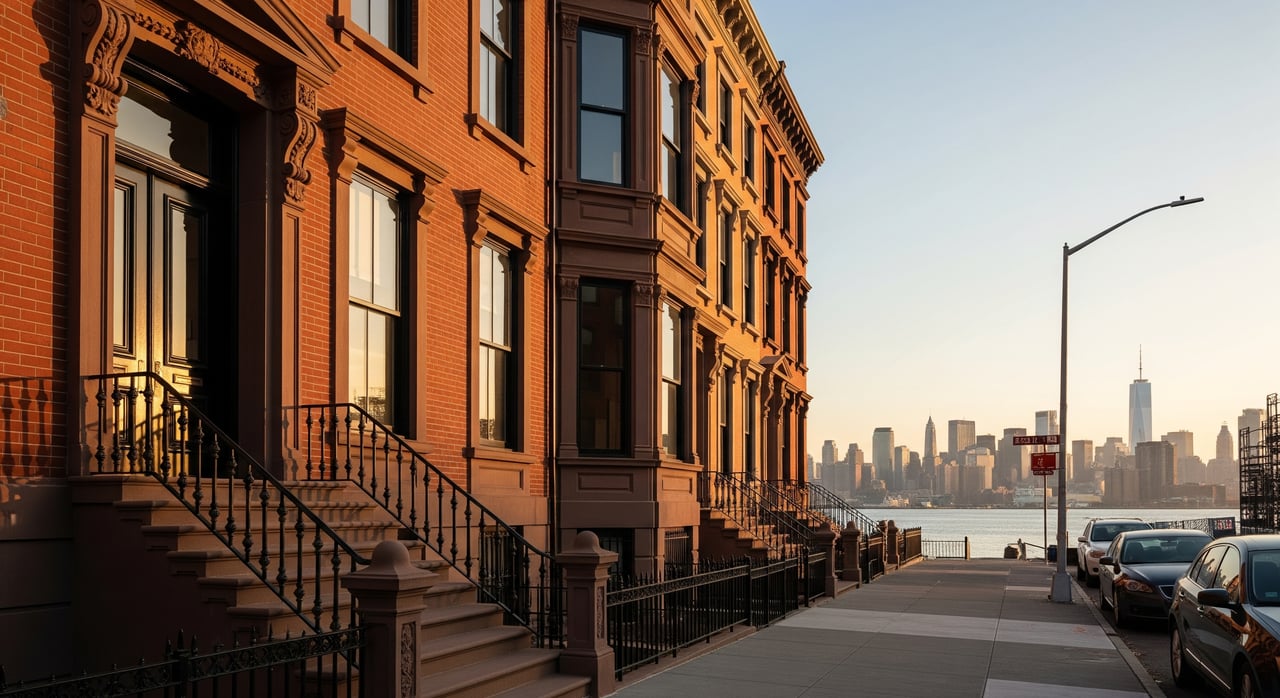
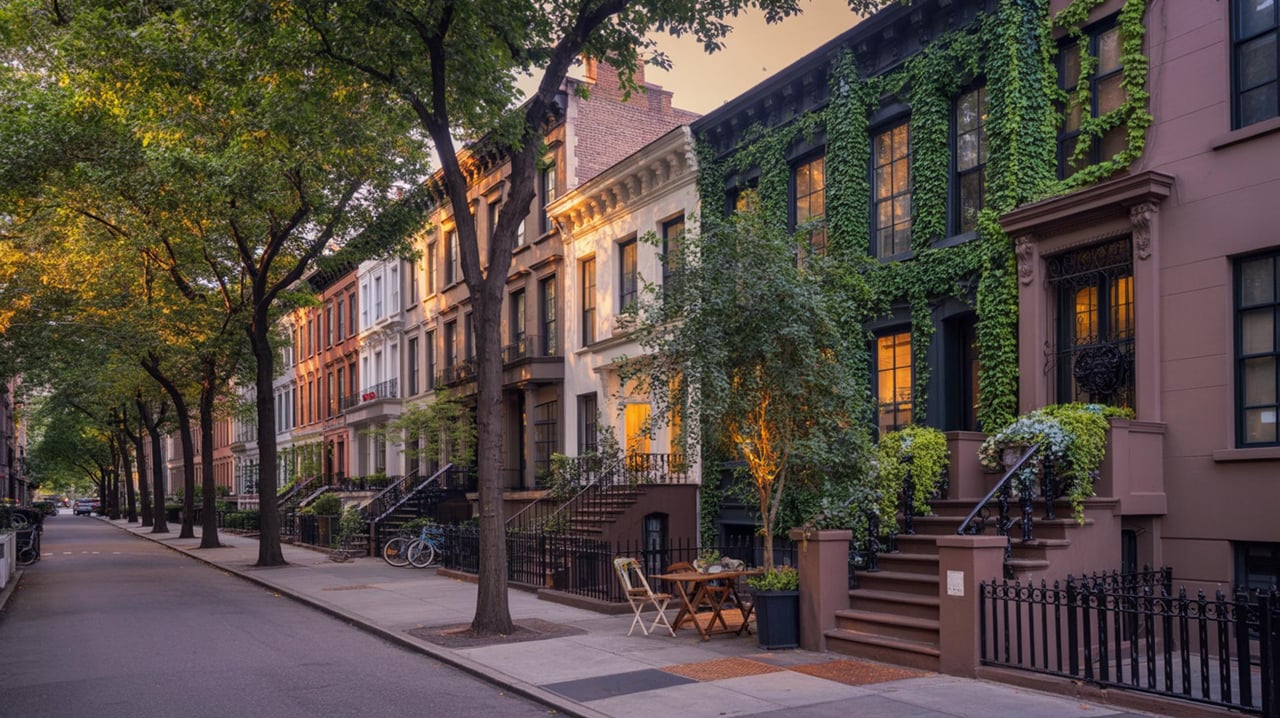
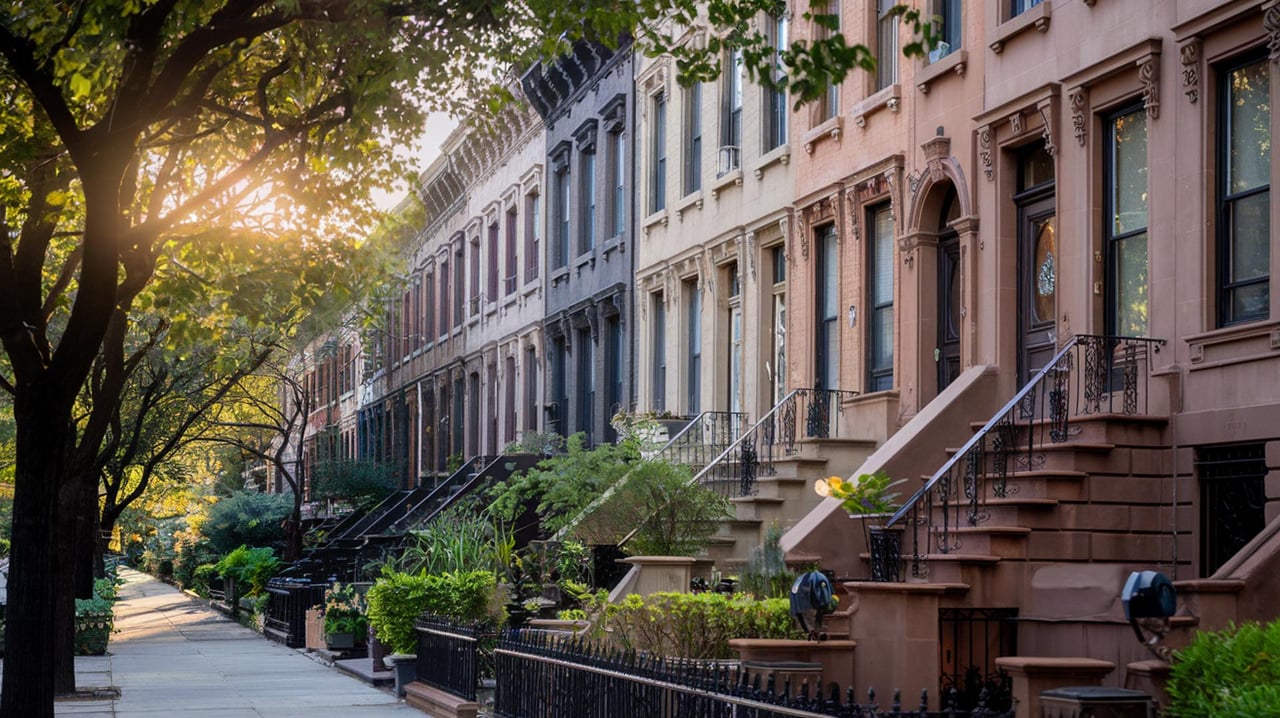
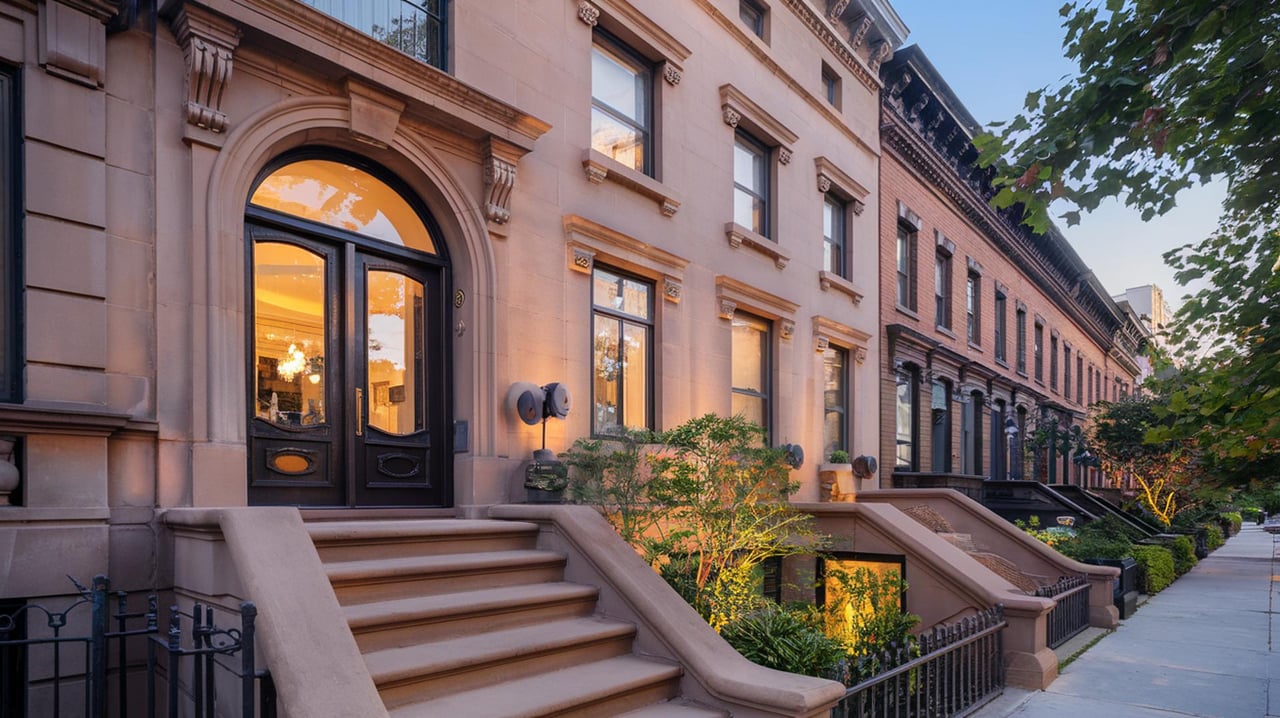
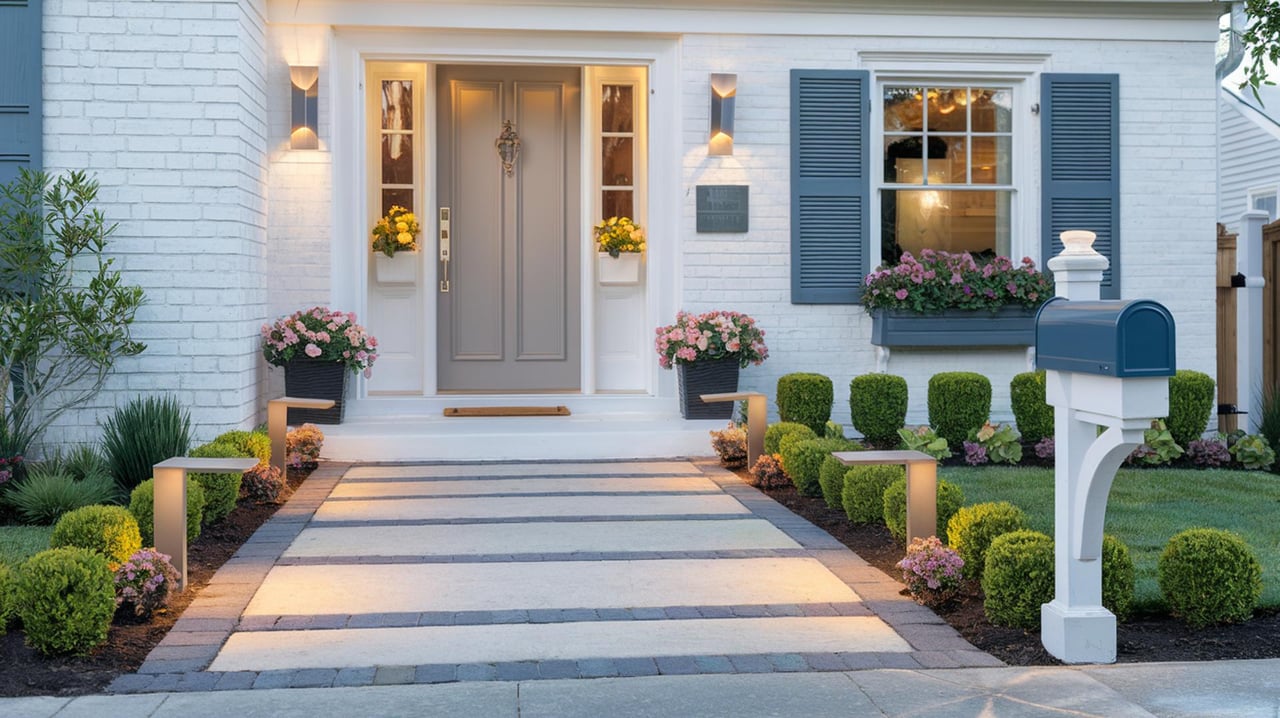
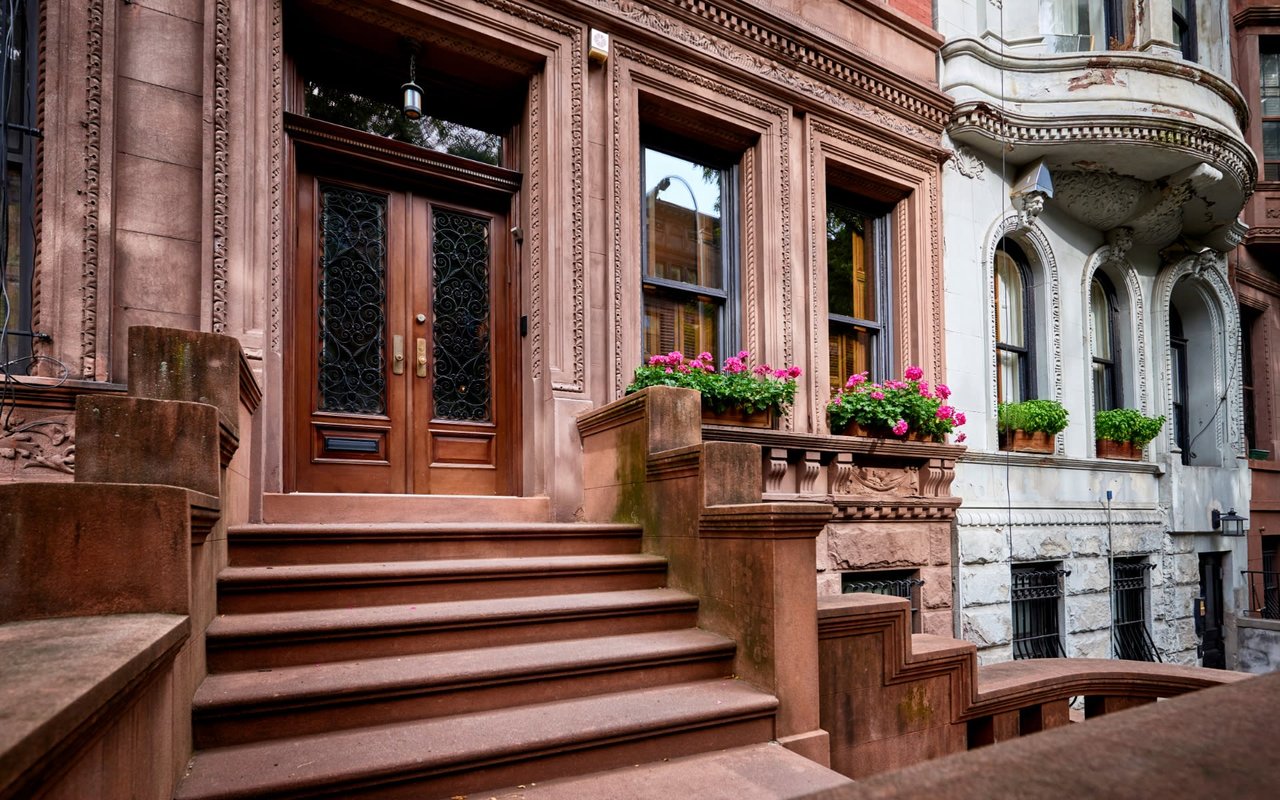
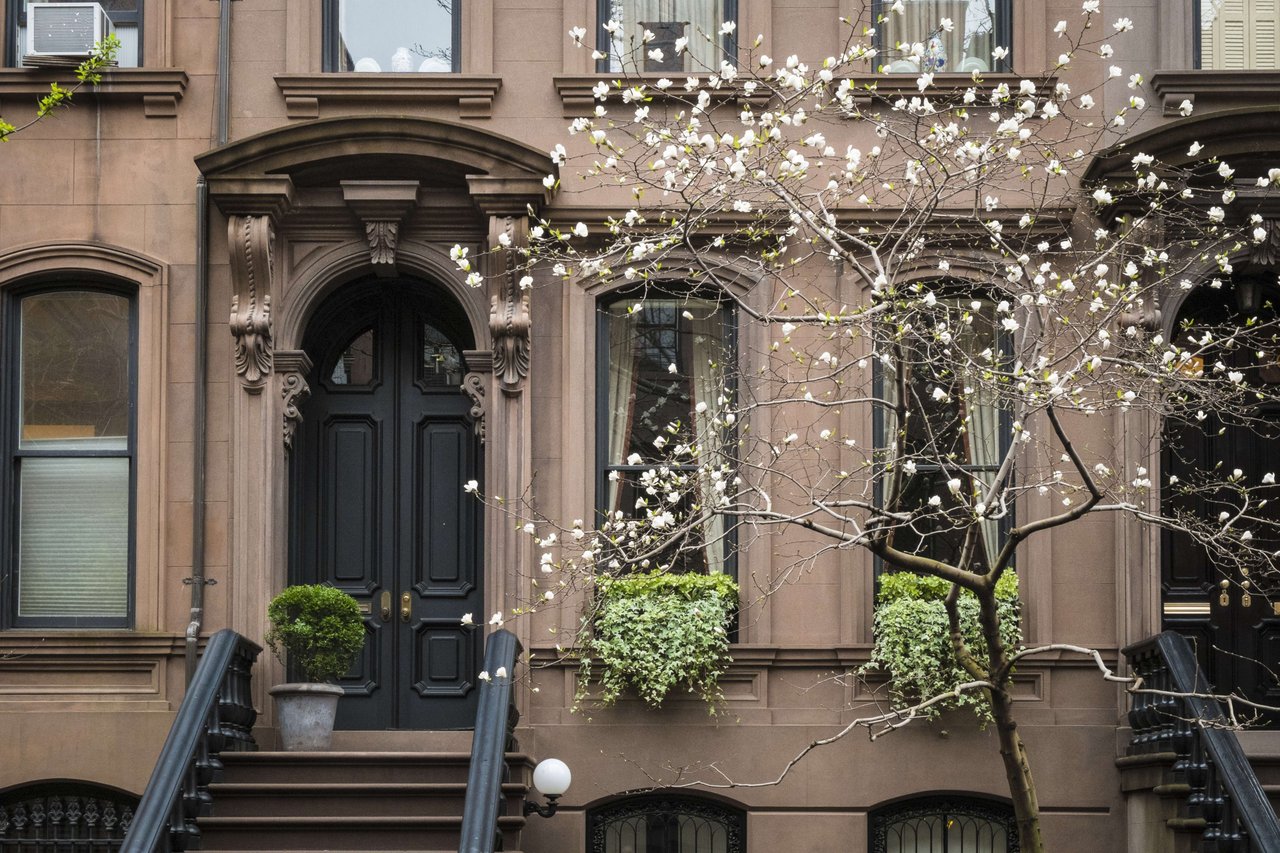
Brownstone living often begins at the stoop. The New York City Landmarks Preservation Commission defines a stoop as the steps leading to the front door, and in Fort Greene, that entry sequence matters more than you might think.
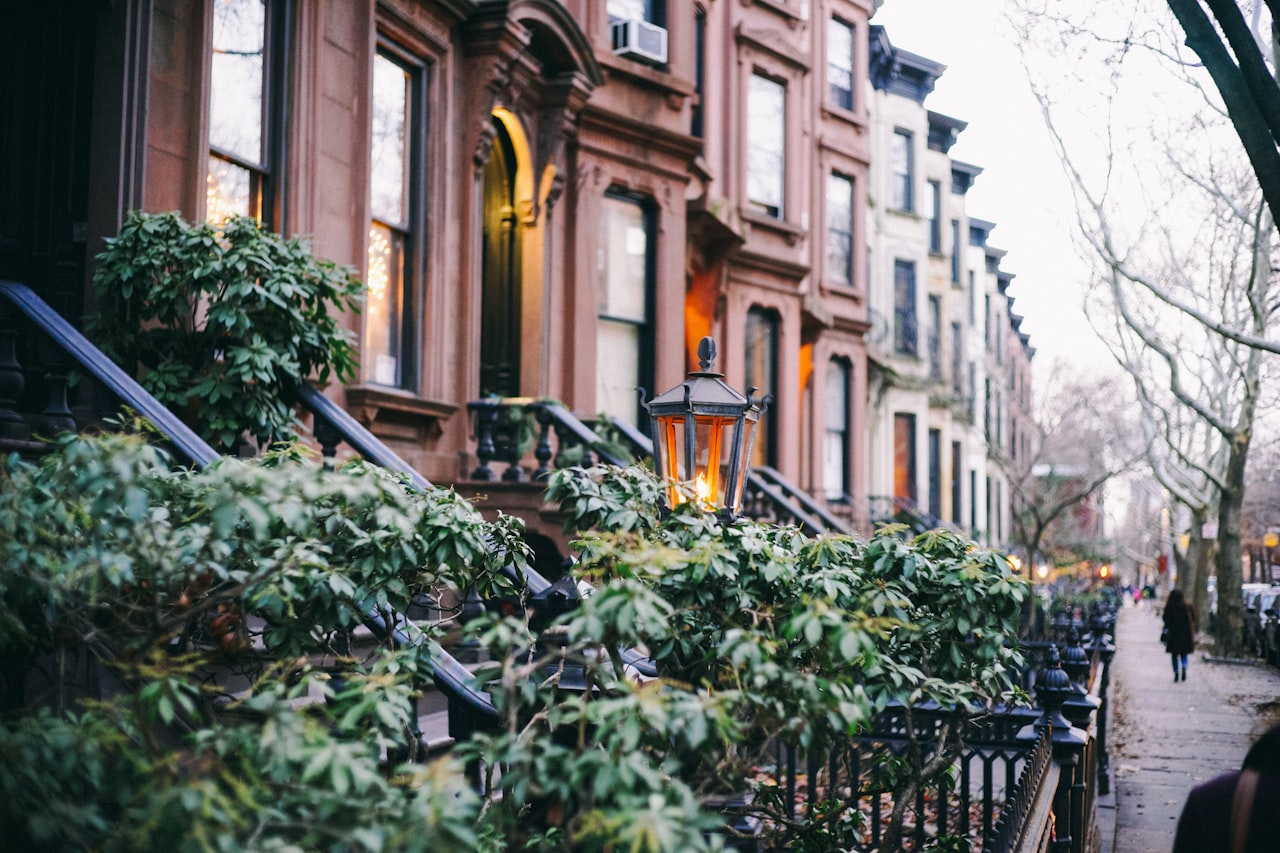
It creates a natural transition between home and neighborhood. You leave your front door, take in the block, and within minutes you can be on a park path or headed to a nearby café.
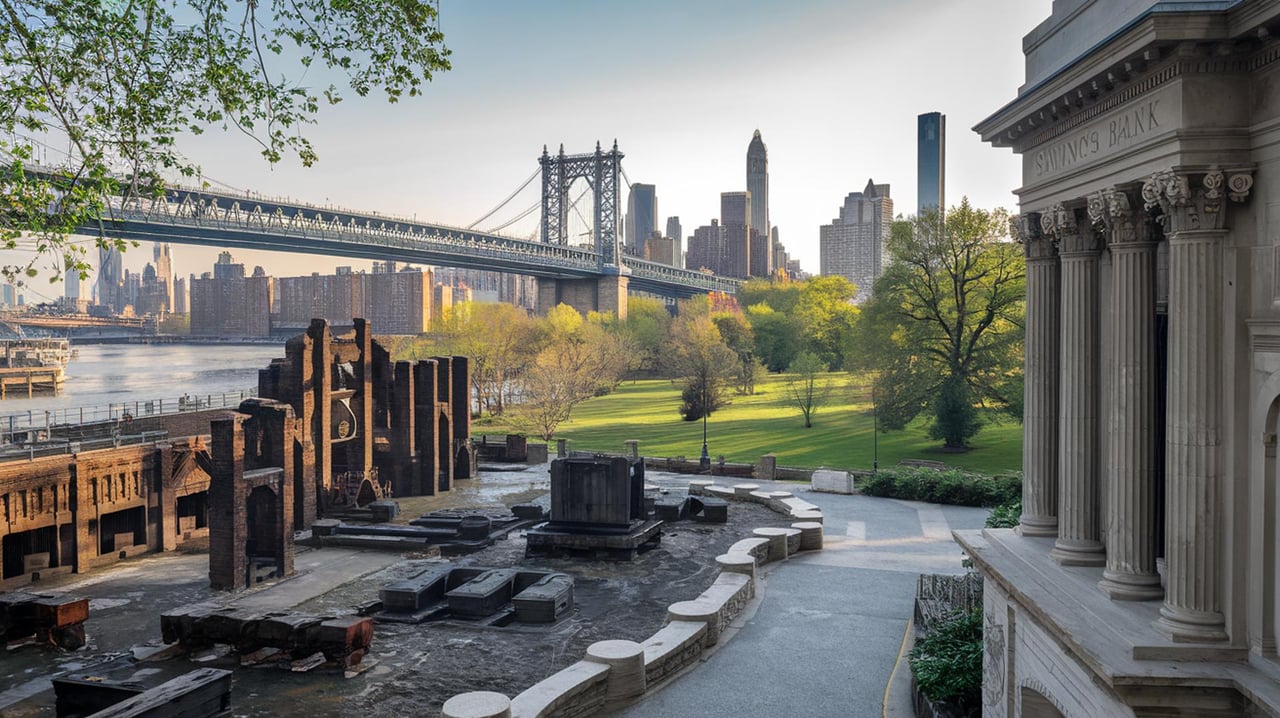
Fort Greene Park is a major part of that routine. The 30-acre park, designed by Olmsted and Vaux, includes winding paths, open lawns, mature trees, and the Prison Ship Martyrs’ Monument.
That gives the neighborhood a built-in morning rhythm. A quick walk, some fresh air, and time outdoors can all happen without getting in a car or leaving the area.
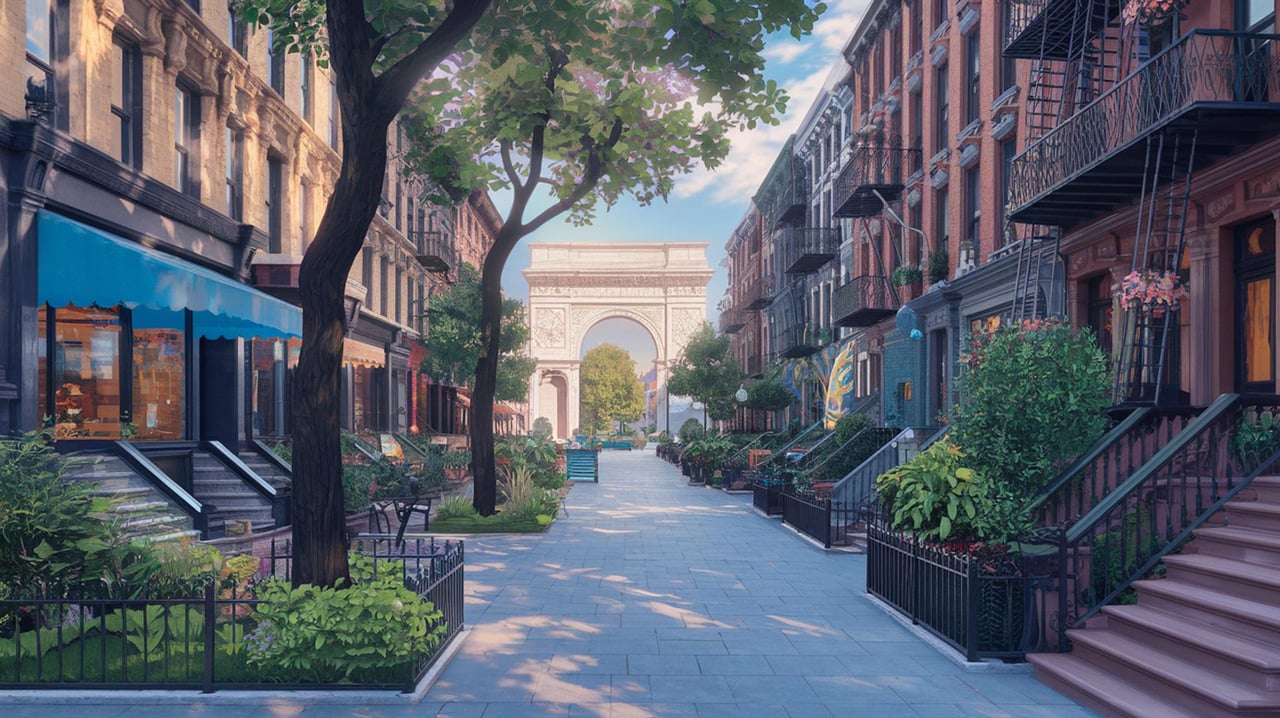
For some residents, Saturday morning adds another stop. The Fort Greene Greenmarket runs year-round on Saturdays at Washington Park between DeKalb and Willoughby Avenues, connecting local farms to the neighborhood with producer-only foods from the Northeast.
A realistic Fort Greene morning is simple and appealing:
- Step out from your brownstone block
- Walk through Fort Greene Park
- Stop for coffee
- Pick up groceries or pantry staples at the Greenmarket
- Head home on foot
That kind of routine is part of what makes the neighborhood feel self-contained.
Midday Life Works on Foot
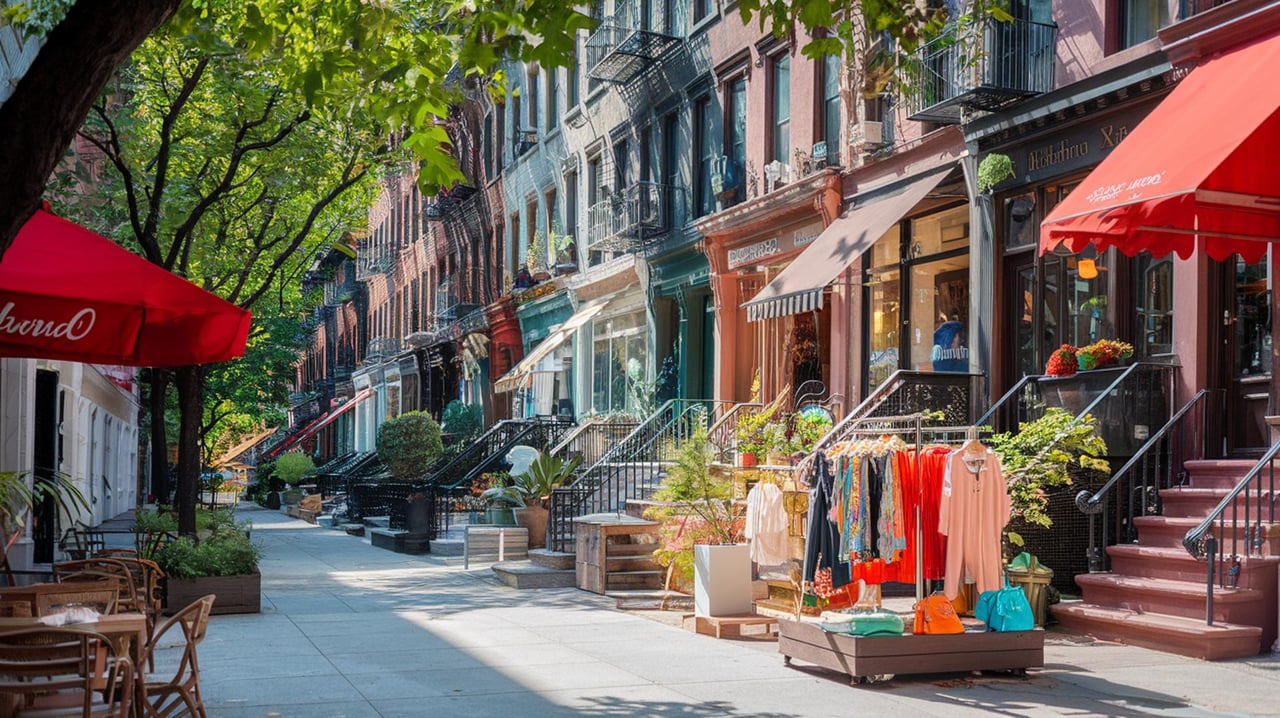
One of Fort Greene’s strengths is how naturally errands, meals, and downtime fit together. Official neighborhood listings highlighted by Visit Brooklyn include places like Cafe Paulette, Evelina, Miss Ada, and Walter’s, which support the idea of a walkable midday routine.
You do not need to map out a full day in advance to enjoy the area. A park walk can turn into coffee, lunch, or a casual stop at a local business, all within a compact section of the neighborhood.
For buyers considering a move here, that matters. Daily life is not just about the home itself. It is also about how easily your home connects to the places you actually use.
Brownstone Layouts Shape the Day
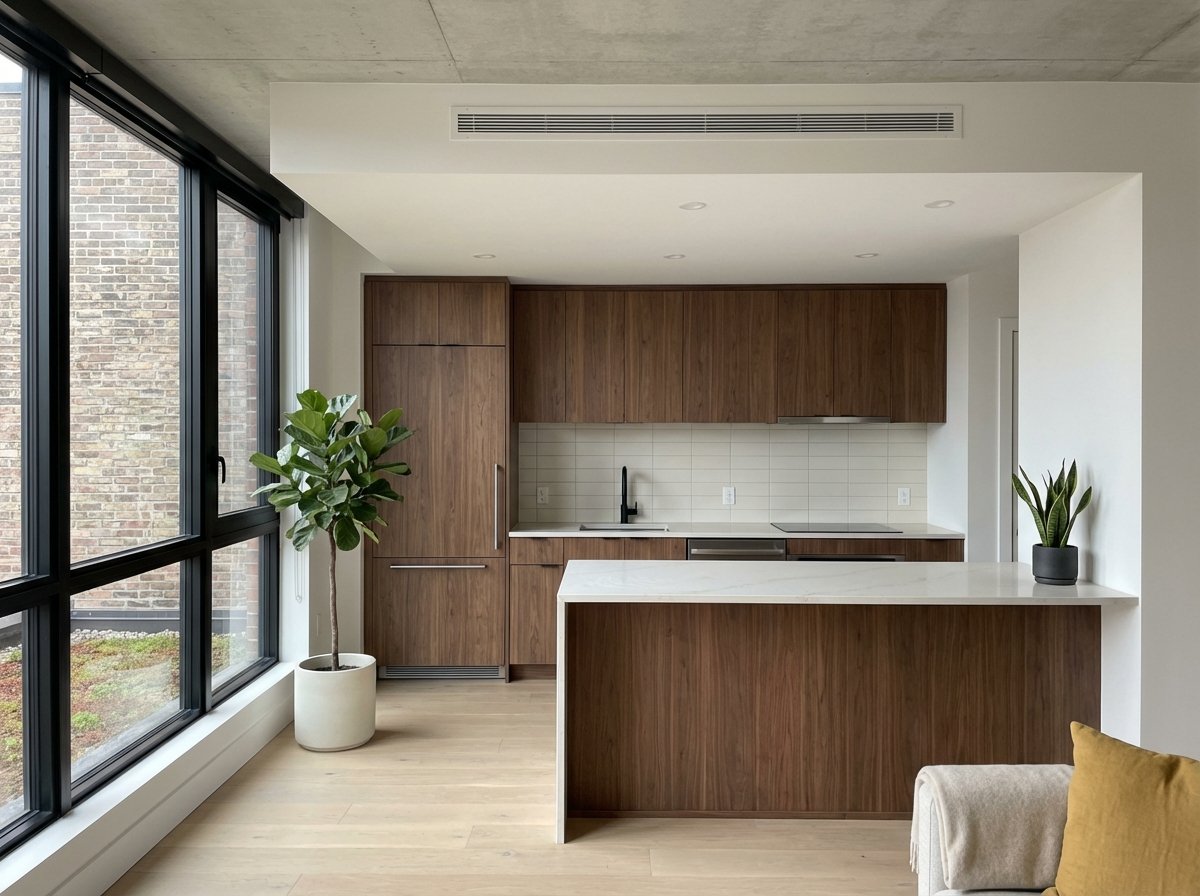
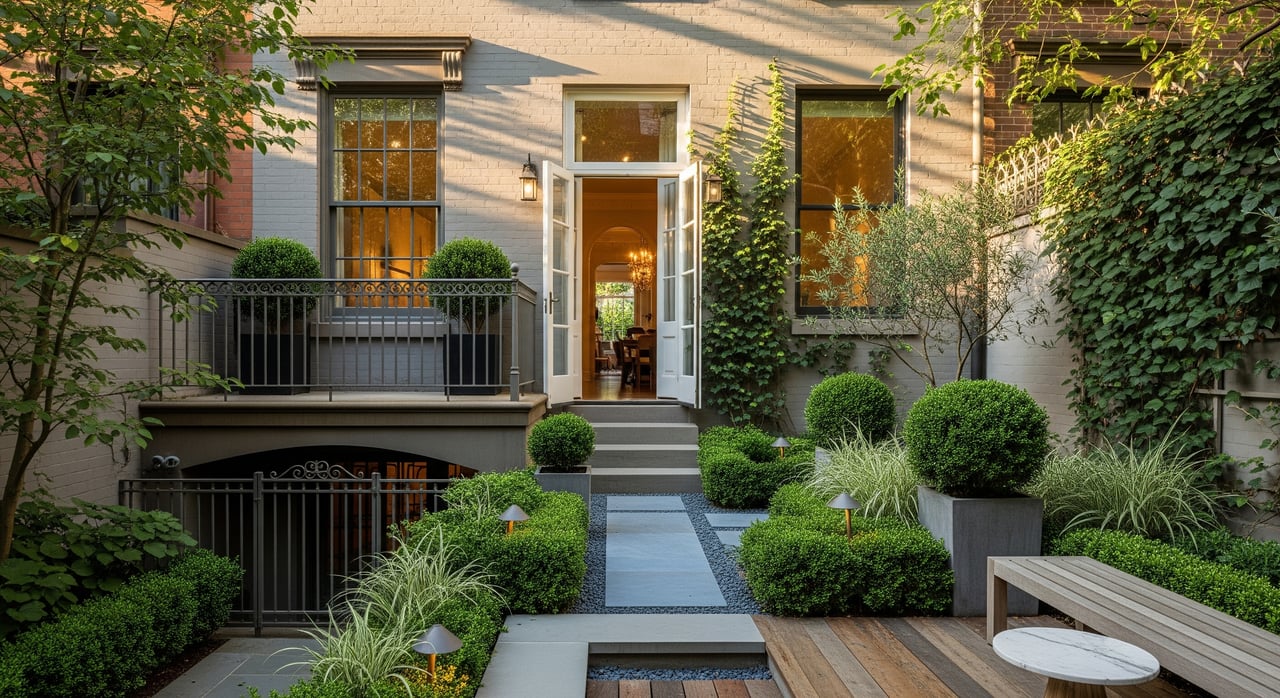
Fort Greene brownstones are appealing for more than curb appeal. Their layouts often create a very different daily experience from a newer apartment, even when the square footage is similar.
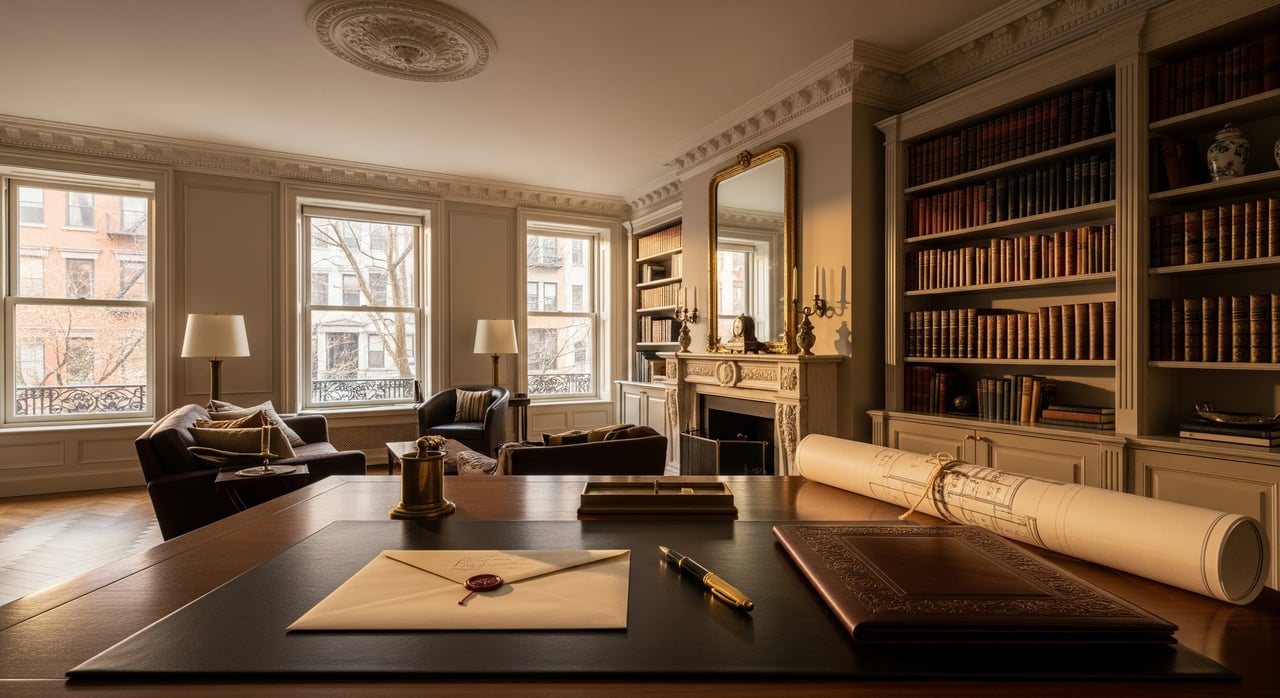
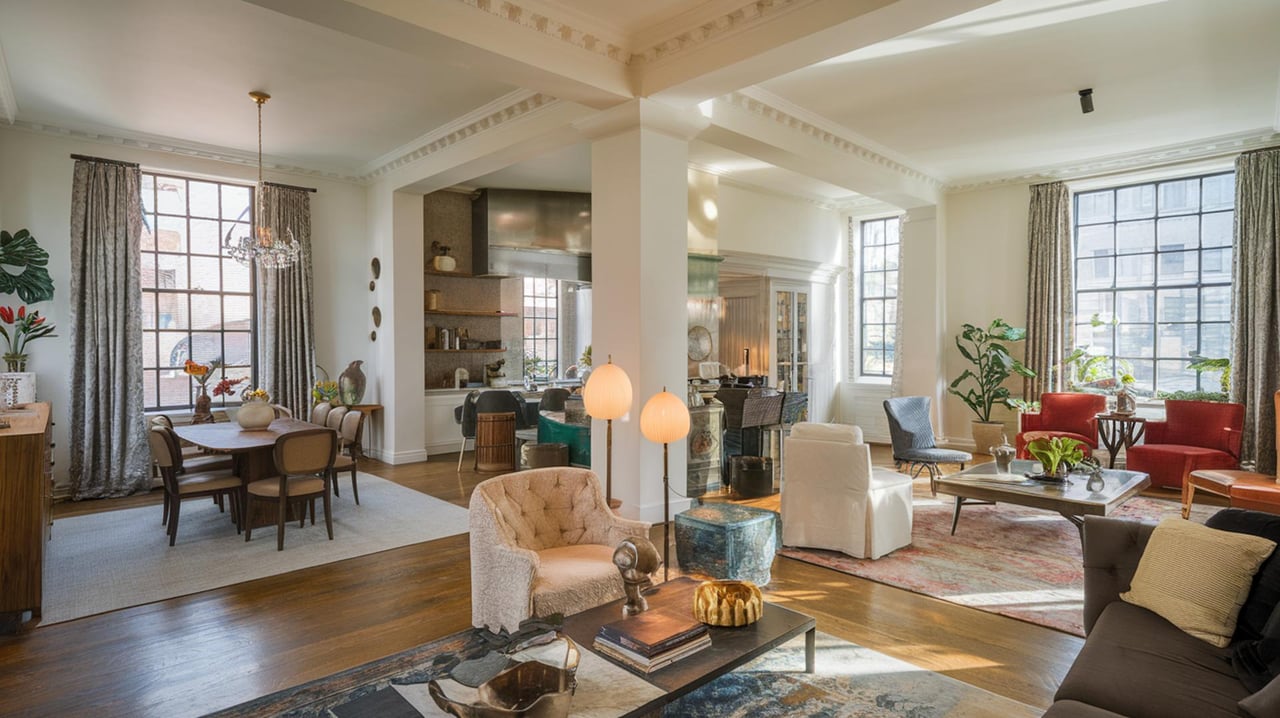
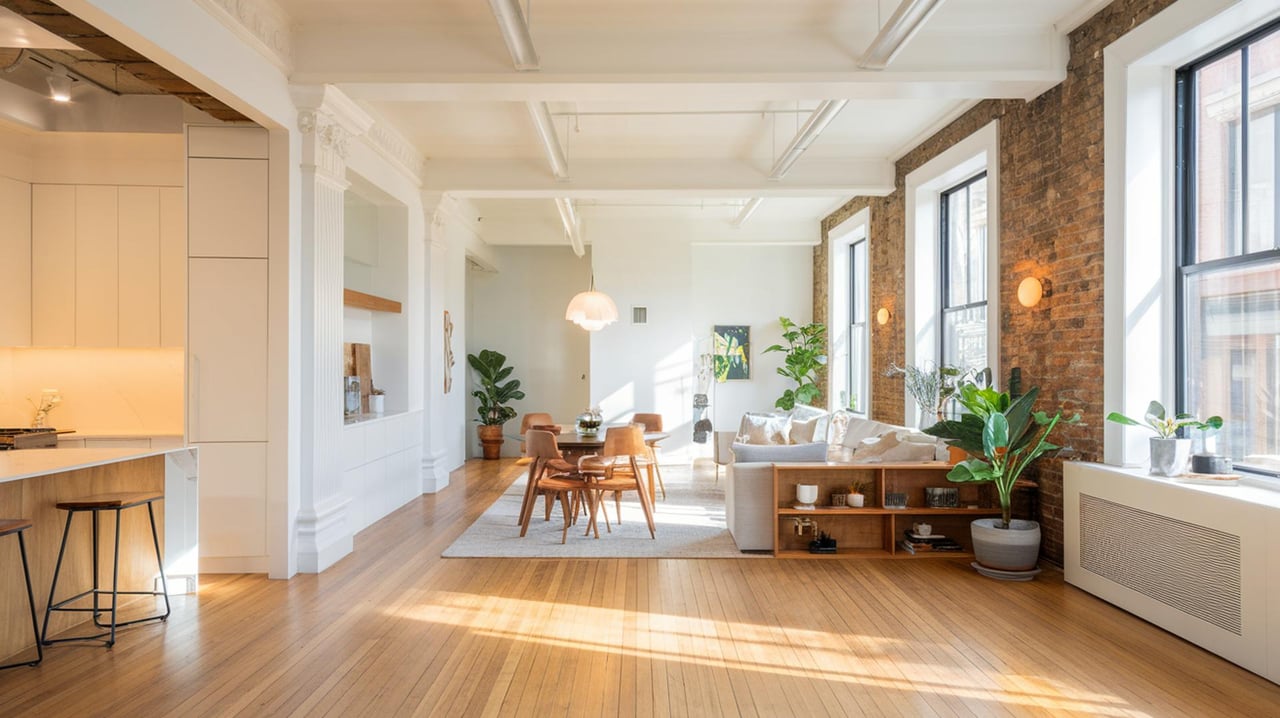
In many traditional brownstones, the parlor floor serves as the main social level. That floor often includes the living room, dining area, and sometimes the kitchen, although some homes keep the kitchen on the garden level instead.
This vertical layout changes how you live in the space. Guests may enter through the stoop and gather on the parlor floor, while quieter or more private uses happen on other levels.
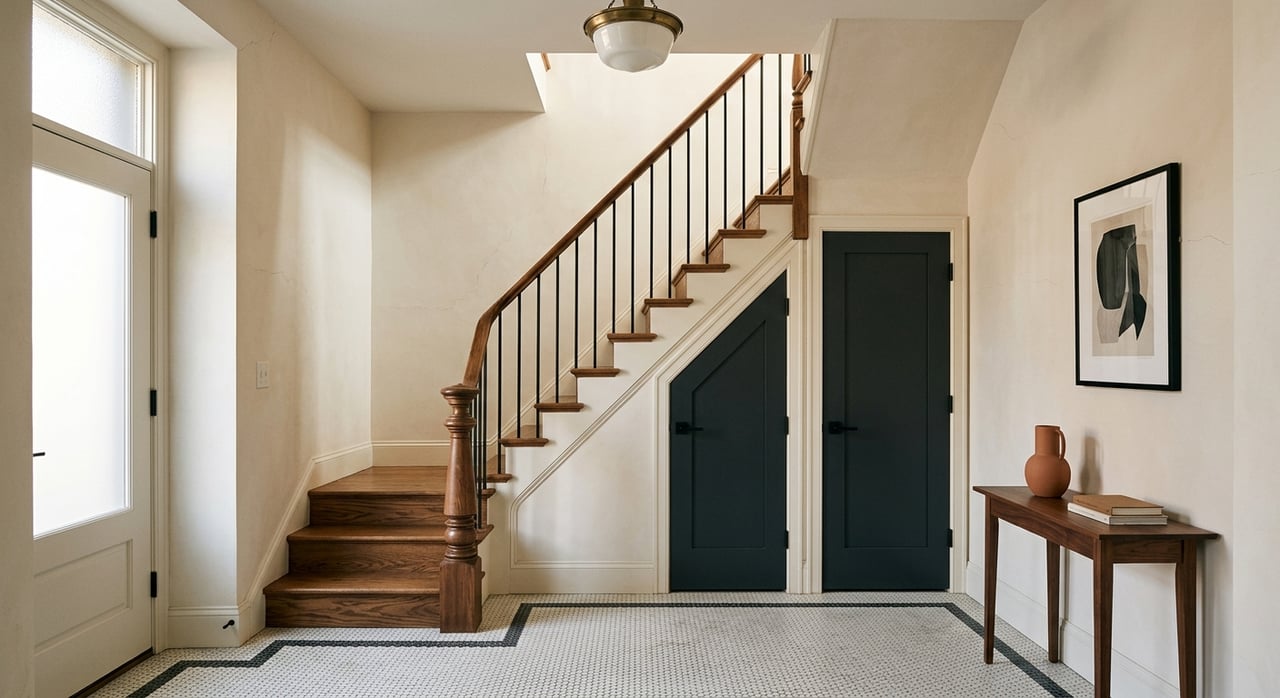
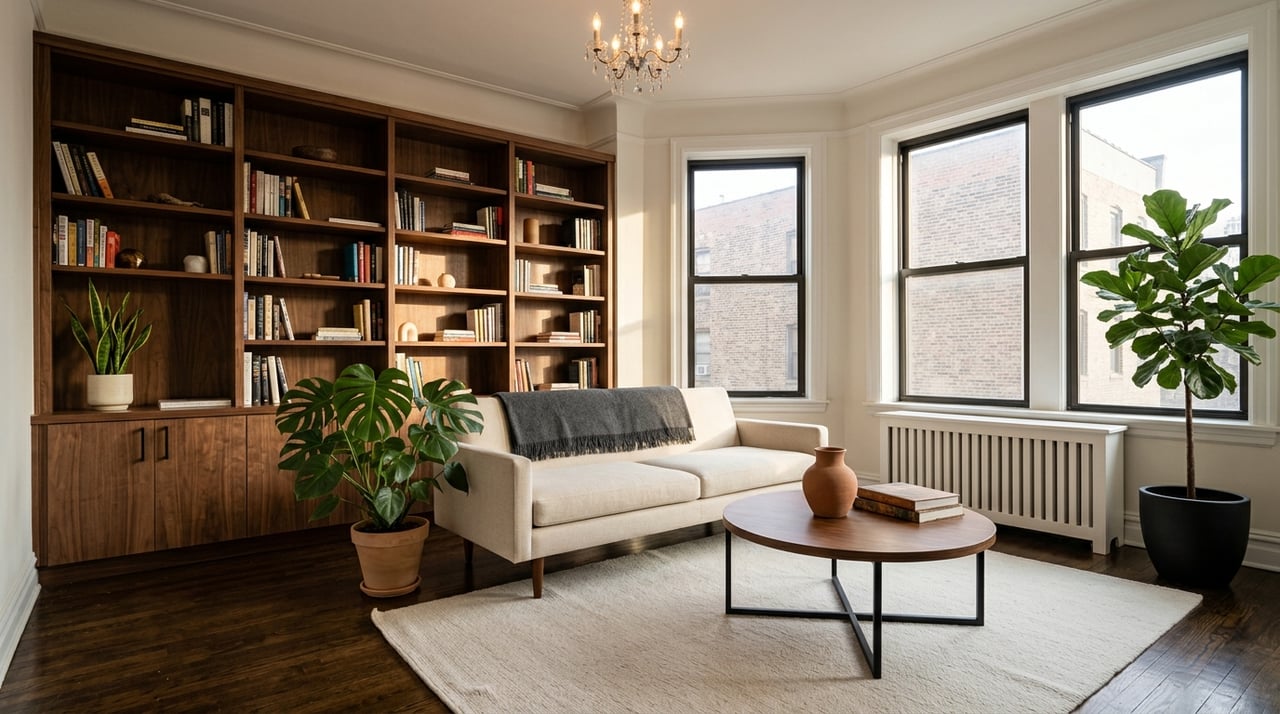
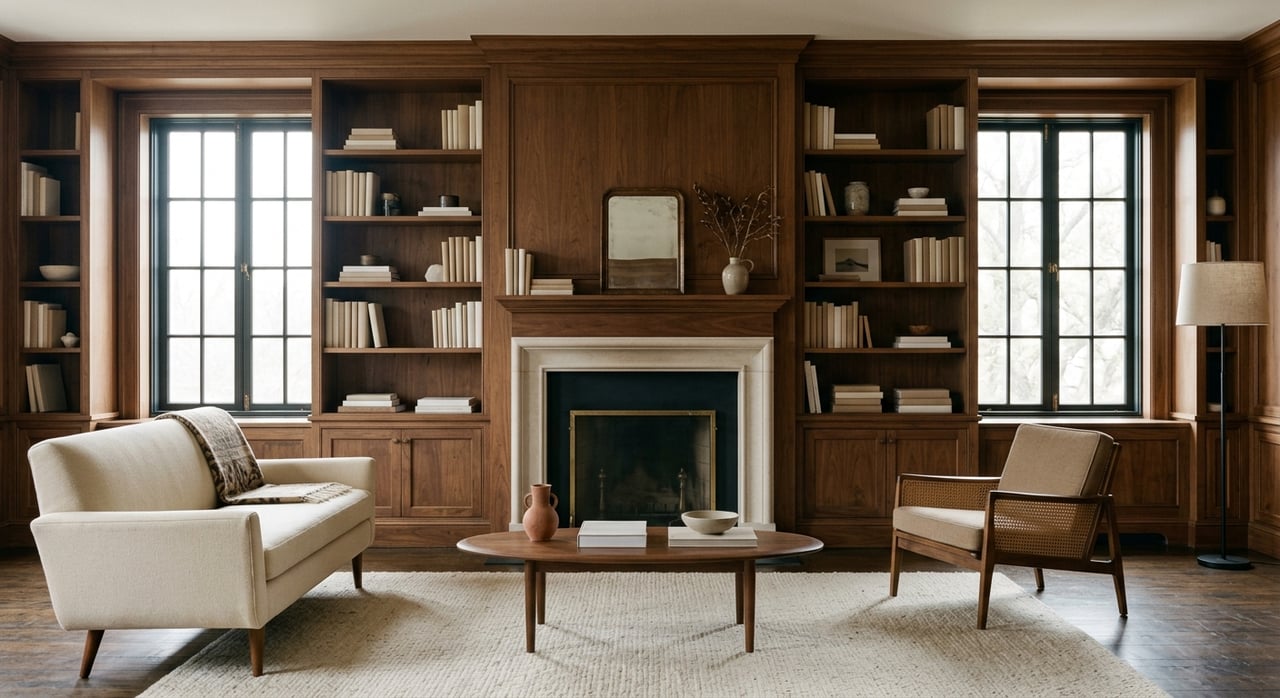
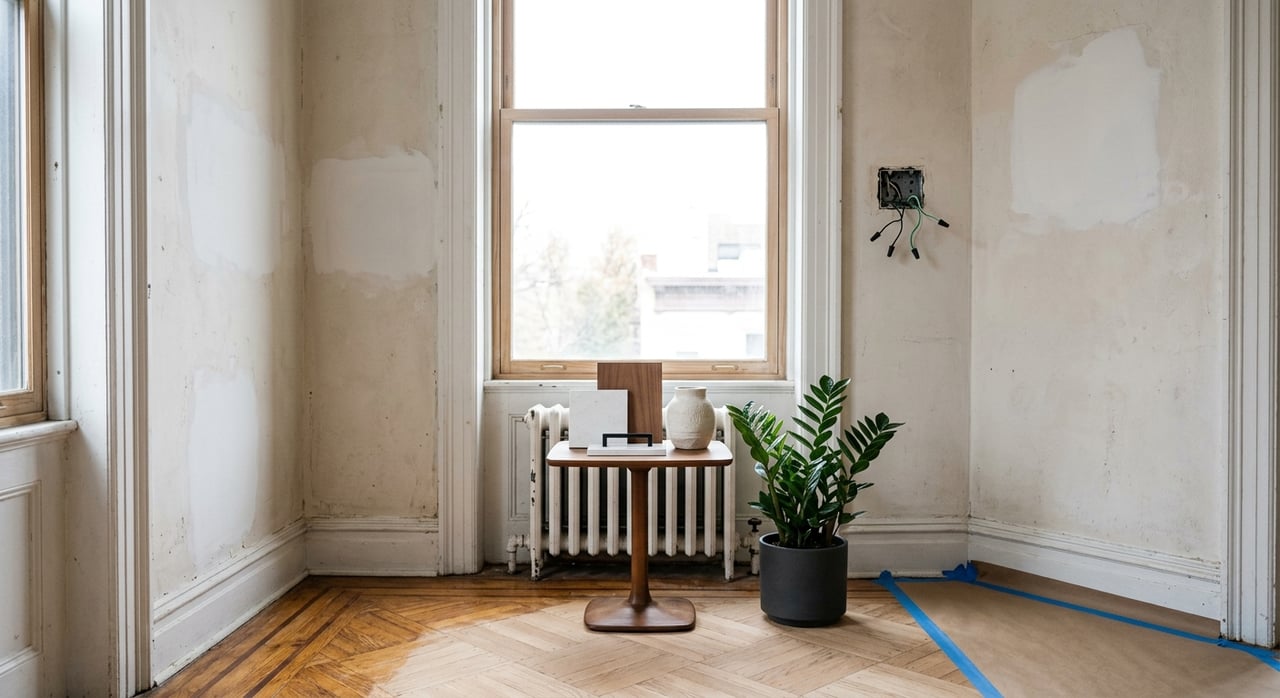
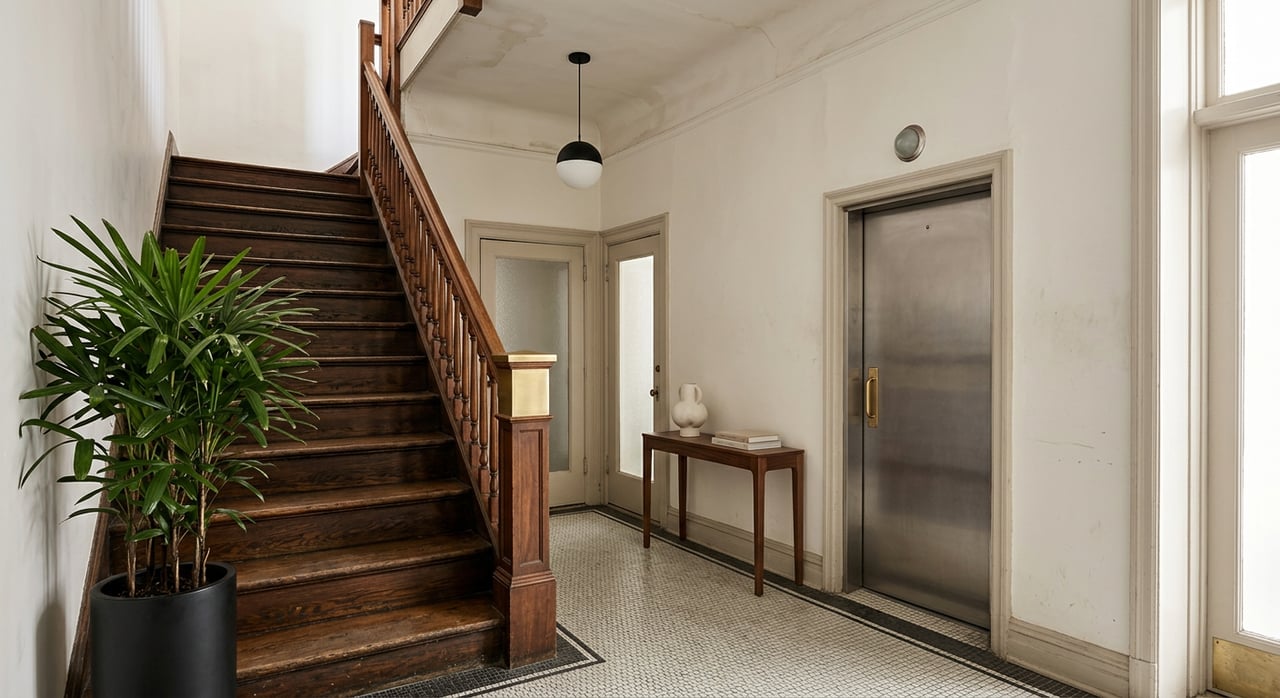
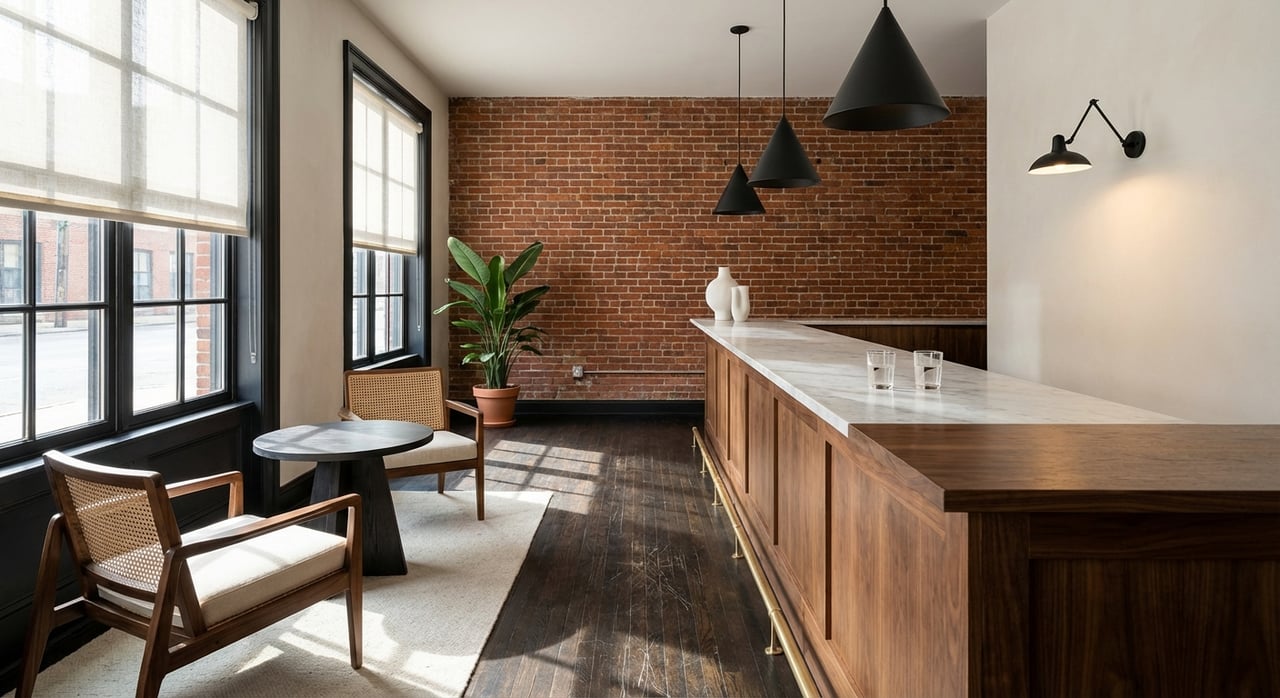
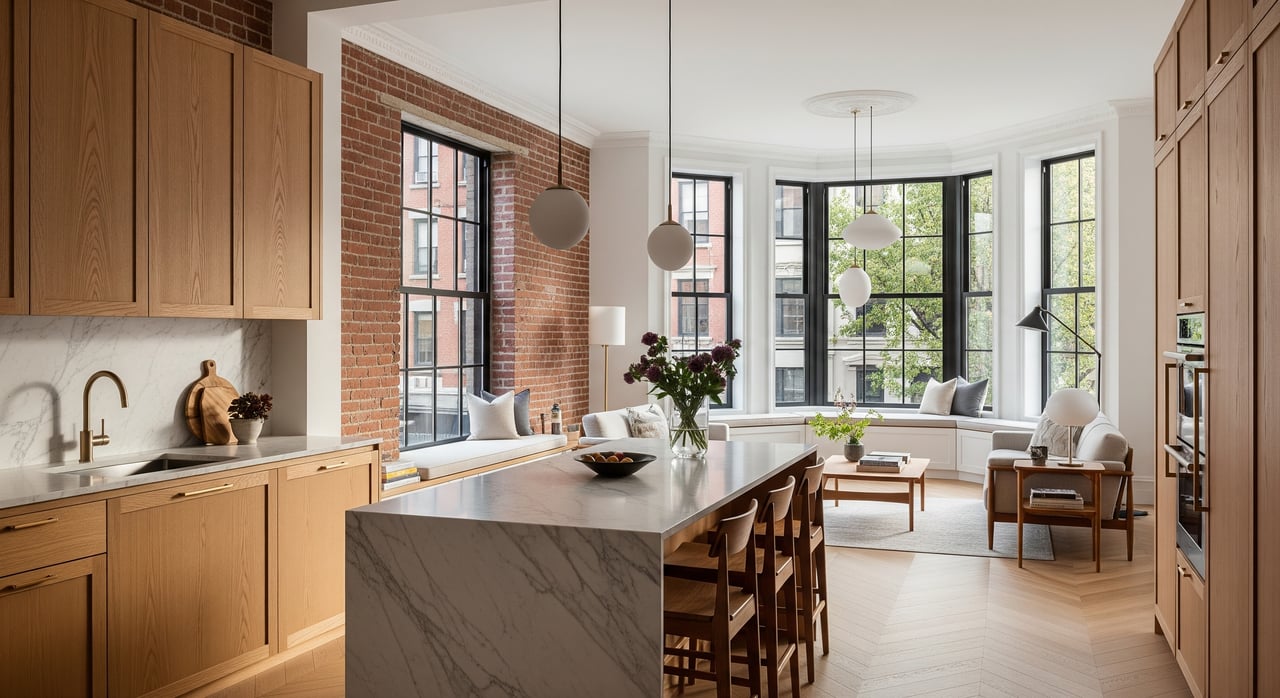
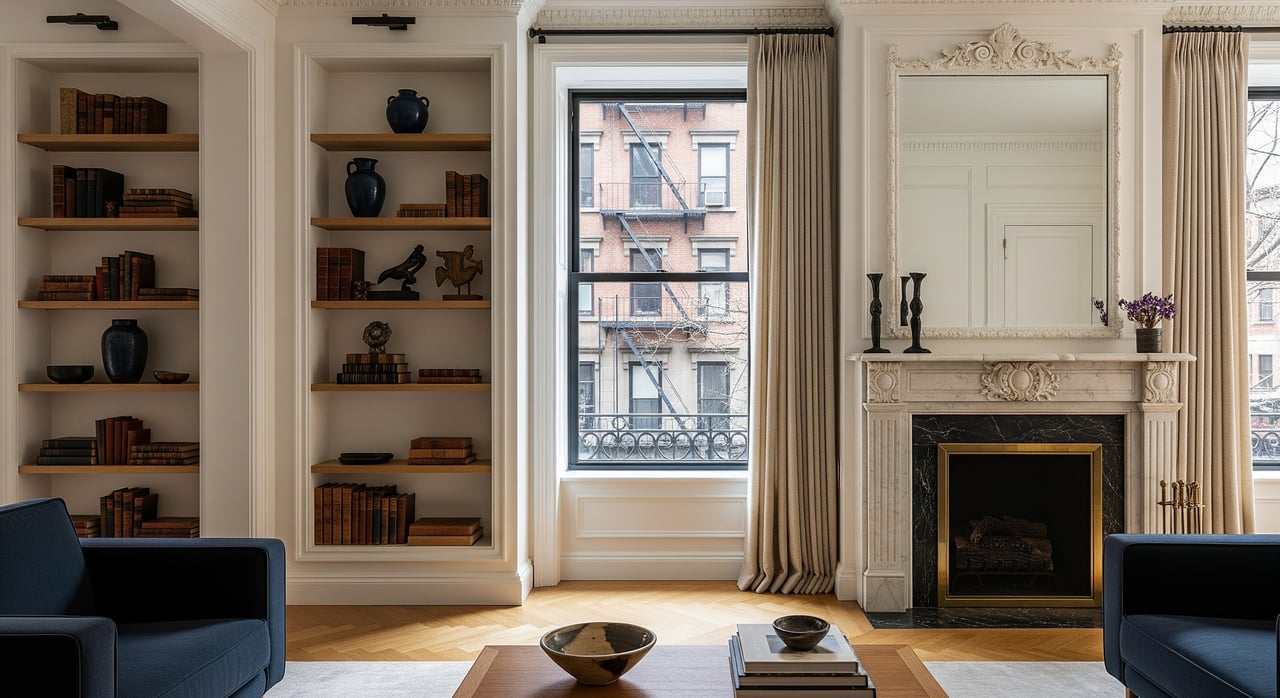
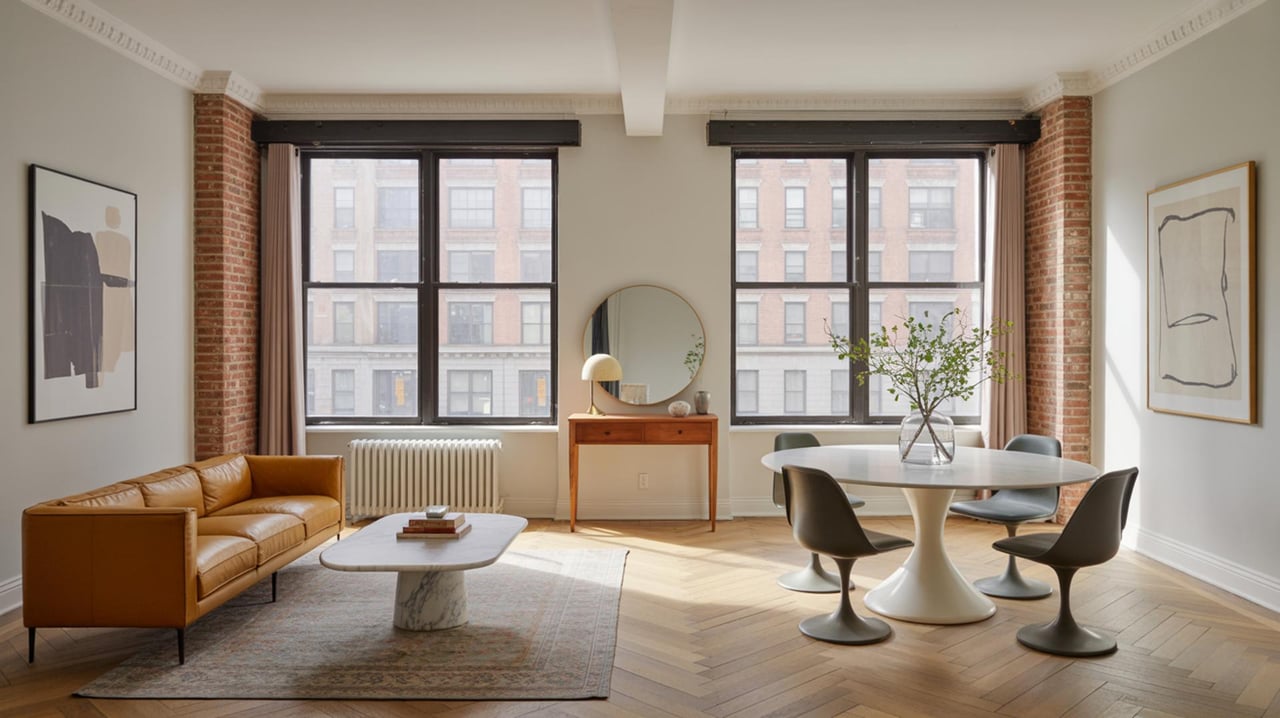
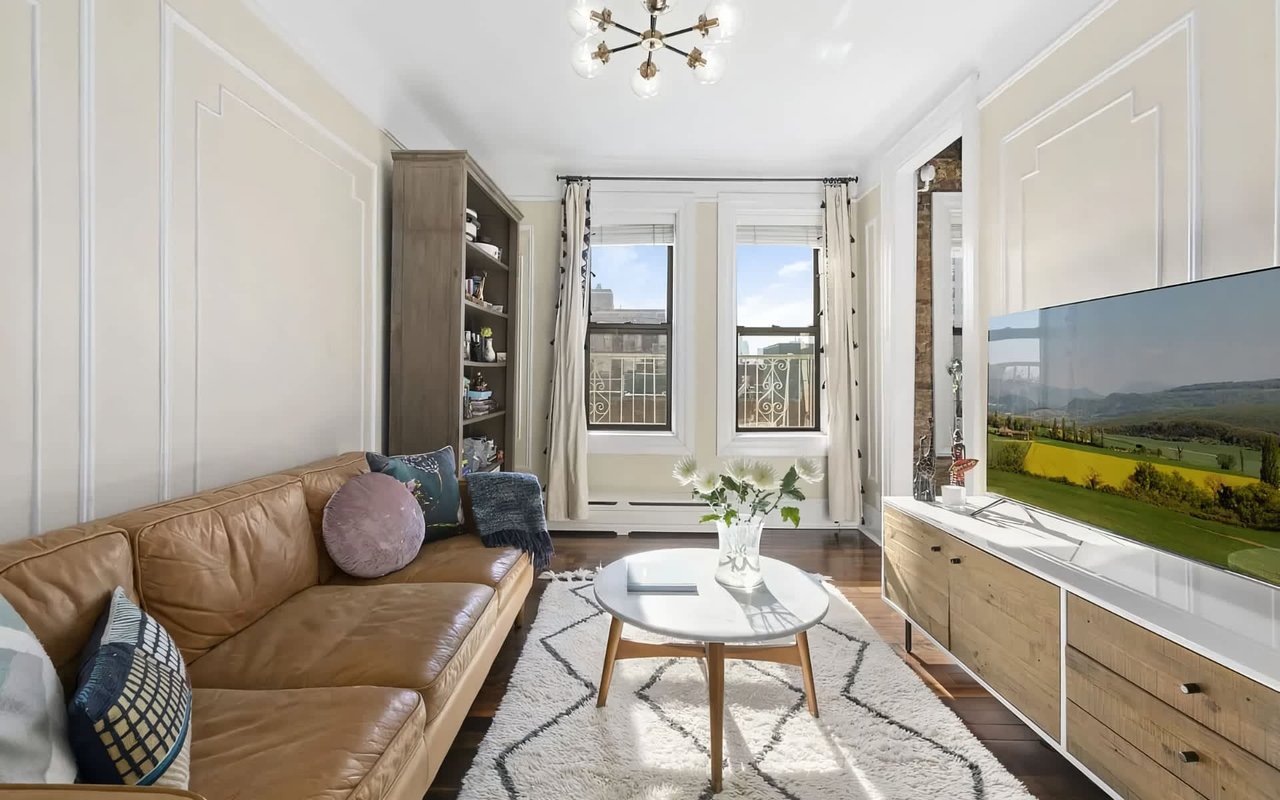
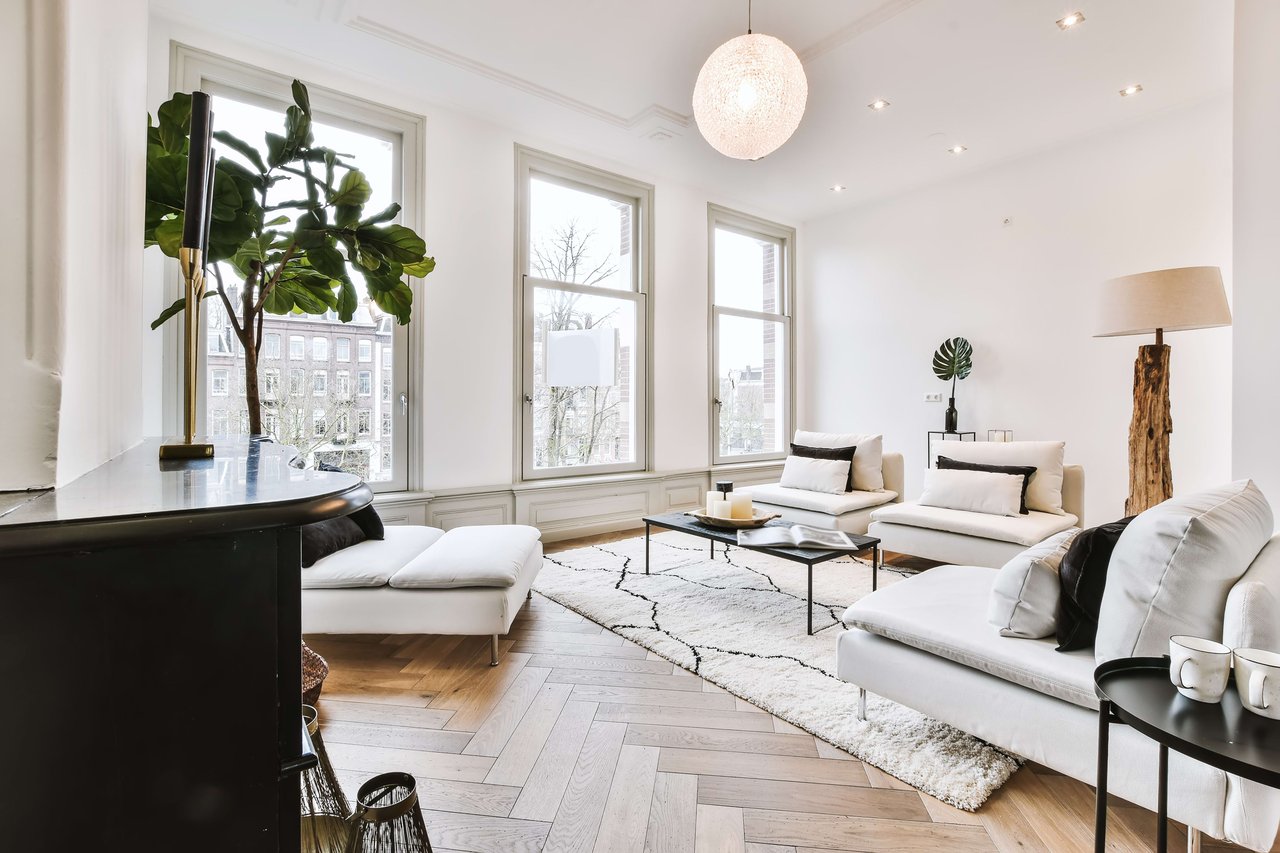
For architecture-minded buyers, the parlor level is often the emotional center of the house. It may preserve original details such as crown molding, wainscoting, hardwood floors, and fireplaces, which can give the home a sense of texture and history that is hard to replicate.
Brownstone interiors also tend to be long and narrow. That affects furniture layout, sight lines, and traffic flow.
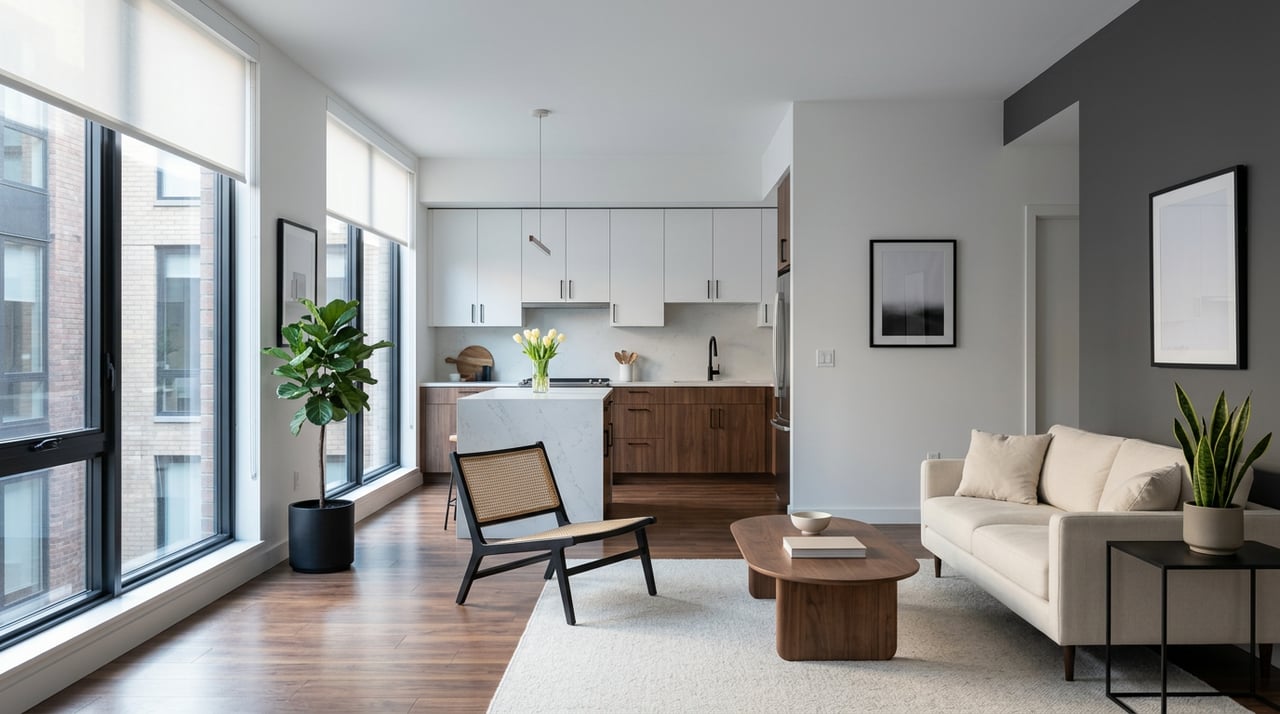
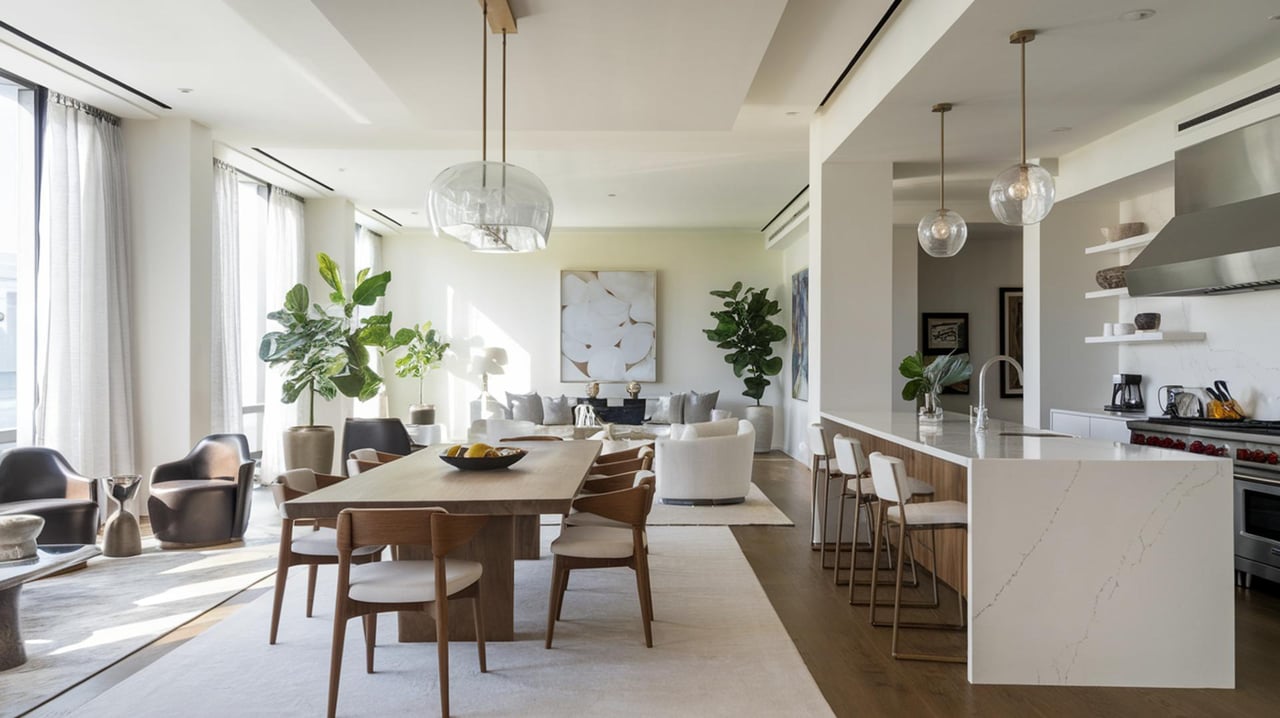
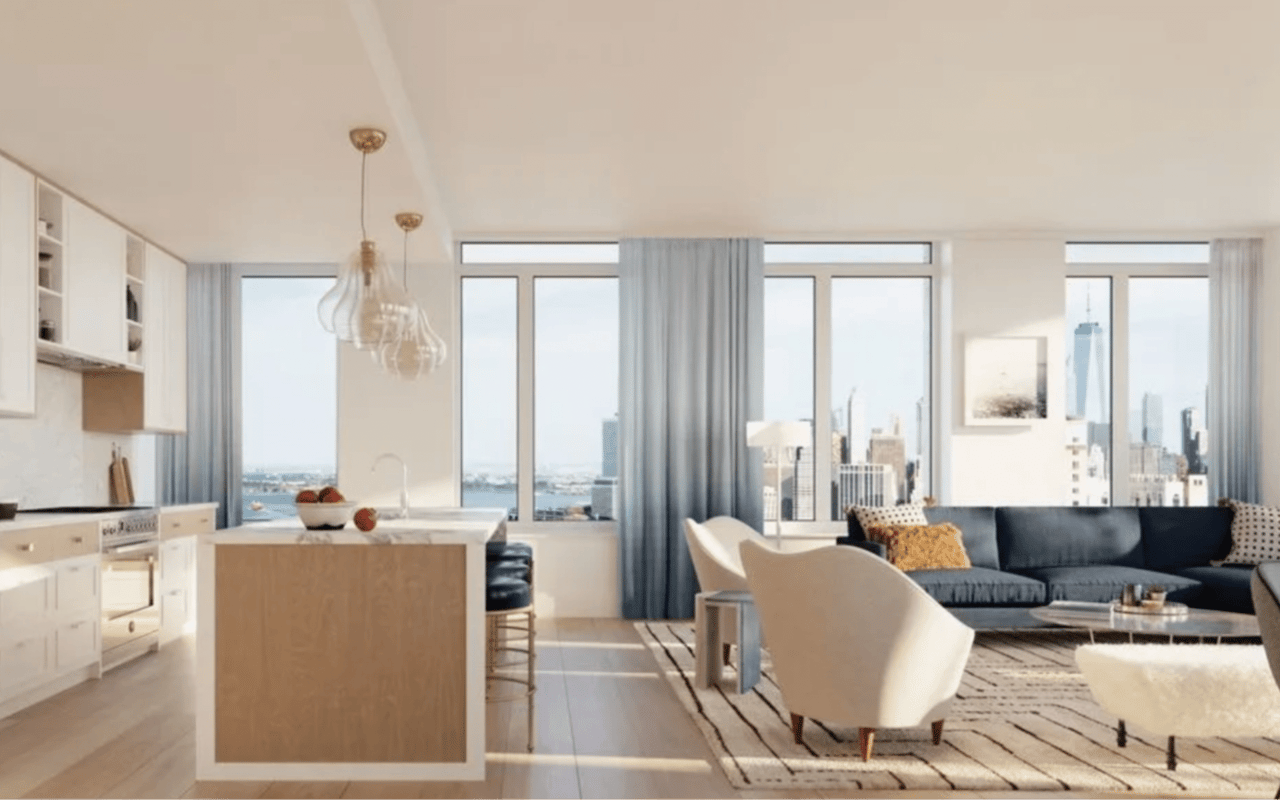
In practice, that means brownstone living can feel more layered than open-plan living. Rooms may feel more defined, circulation may be more linear, and each floor can serve a distinct purpose.
Garden Level and Lower-Level Practicalities
If you are exploring Fort Greene brownstones, it helps to understand lower-level terminology. New York City distinguishes between basements and cellars, and the difference matters when a space is being used as living area.
According to NYC Housing Preservation and Development, a basement is partly below curb level but at least half above it. A cellar is more than half below curb level, and light, ventilation, and egress become important factors if the space is used for living purposes.
This is one of those details that can affect how you evaluate a home. A lower level may look flexible in a listing, but the legal and practical use of that space depends on how it is configured.
For buyers who want guidance here, this is where a developer-broker perspective can be especially useful. Understanding layout, feasibility, and renovation potential is just as important as falling in love with the original moldings.
Evenings Center on Fort Greene’s Arts Scene
Fort Greene has a built-in evening identity that sets it apart from many brownstone neighborhoods. BAM, located at 30 Lafayette Avenue, is a major multi-arts center with a long history of performances and cultural programming.
Nearby cultural destinations also include BRIC House Gallery and UrbanGlass/Agnes Varis Art Center. Together, they support a neighborhood rhythm that moves naturally from residential calm to arts activity.
That means your day can end very differently from how it began. Morning might be about the park and the market, while evening might be about a performance, film, or gallery visit followed by a short walk home through landmarked blocks.
That transition is a big part of Fort Greene’s appeal. The neighborhood offers texture across the day without requiring a long commute to experience it.
Historic District Rules Matter
Fort Greene’s preserved look does not happen by accident. Because much of the neighborhood falls within a historic district, owners generally need Landmarks Preservation Commission approval before most exterior alterations.
That does not mean homes are frozen in time. It means changes are reviewed so the broader streetscape retains its architectural character.
In many cases, ordinary exterior repair and maintenance may be exempt, while other work requires formal approval. LPC also notes that landmarked properties must be kept in good repair.
For owners planning upkeep, LPC’s Permit for Minor Work can cover items such as:
- Repointing
- Brownstone repair
- Sidewalk work
- Ironwork
- Doors
- Window replacement
If you are considering a Fort Greene brownstone, this is an important part of ownership. The beauty of a protected block often comes with a more structured approach to exterior changes and maintenance.
What Buyers Should Take Away
A day in Fort Greene brownstone living is really a story about how architecture and neighborhood life support each other. The stoop connects you to the street, the parlor floor shapes how you gather, the park anchors your routine, and the arts scene gives the evening real depth.
For many buyers, that combination is the point. You are not choosing between historic character and practical daily life. In Fort Greene, those two things often come together.
If you are weighing whether a brownstone fits your lifestyle, focus on both the feeling and the function. Pay attention to the vertical layout, the role of the lower level, the realities of historic-district ownership, and how the block connects to your everyday routine.
That is where Fort Greene stands out. It offers a classic brownstone setting, but it also offers a lived-in pattern that feels distinctly Brooklyn and remarkably usable.
If you are thinking about buying, selling, or renovating a brownstone in Fort Greene, Mark O’Brien Real Estate can help you evaluate character, layout, and real-world potential with a practical, design-forward approach.
FAQs
What is daily life like in a Fort Greene brownstone?
- Daily life often follows a walkable rhythm shaped by the stoop, Fort Greene Park, nearby cafés, local shopping, and evening access to arts venues like BAM.
What makes Fort Greene feel like a classic brownstone neighborhood?
- Fort Greene combines landmarked rowhouse blocks, a large historic park, local businesses, and a strong arts presence, all of which reinforce its historic Brooklyn identity.
What is the parlor floor in a Fort Greene brownstone?
- The parlor floor is often the main social level in a traditional brownstone and may include the living room, dining area, and sometimes the kitchen.
What should buyers know about lower levels in Fort Greene brownstones?
- Buyers should understand the difference between a basement and a cellar, since light, ventilation, egress, and legal use can affect how that space functions.
What do historic district rules mean for Fort Greene brownstone owners?
- Owners generally need Landmarks Preservation Commission approval before most exterior alterations, although some ordinary repairs and maintenance may be exempt.
Why do Fort Greene brownstone layouts feel different from newer apartments?
- Traditional brownstones are often long, narrow, and vertically arranged, which creates more defined rooms and a different flow than a newer open-plan apartment.