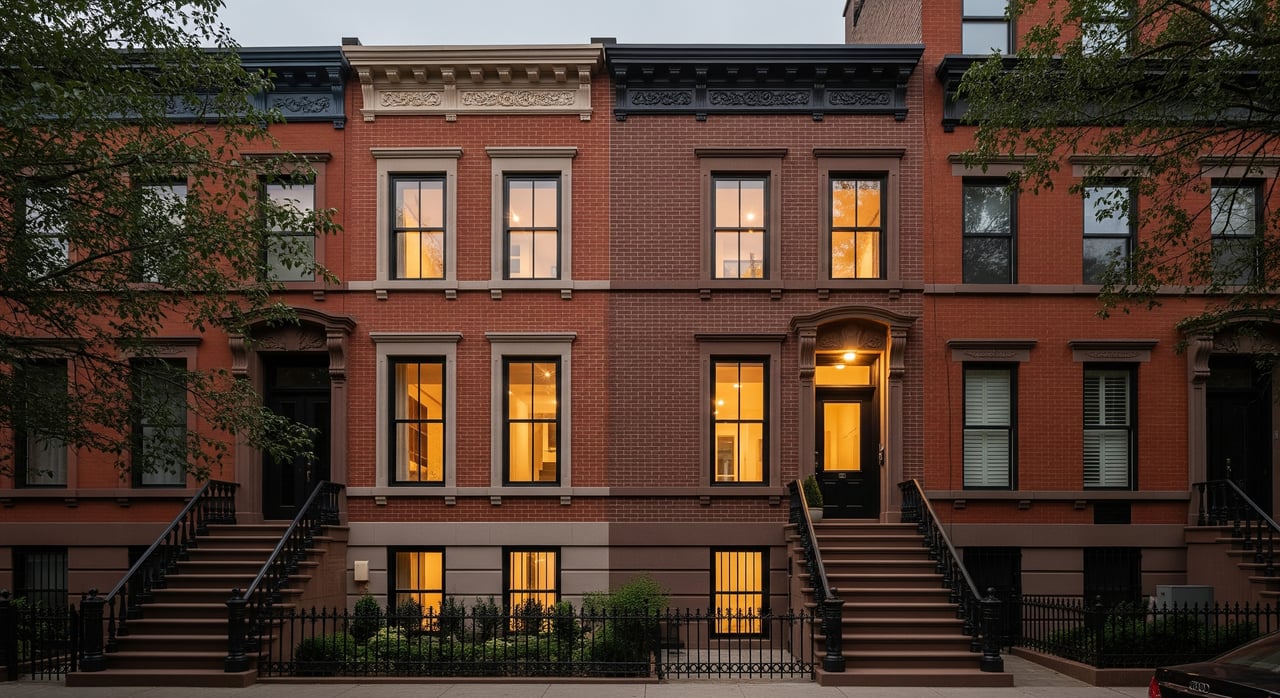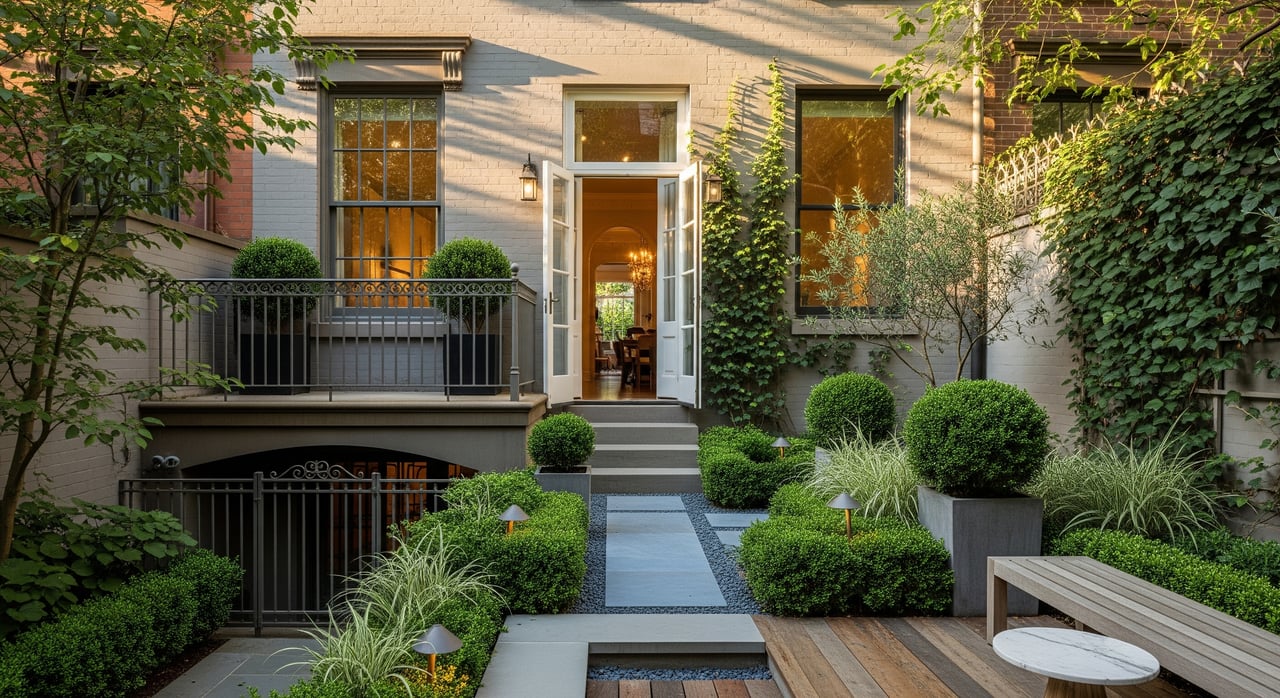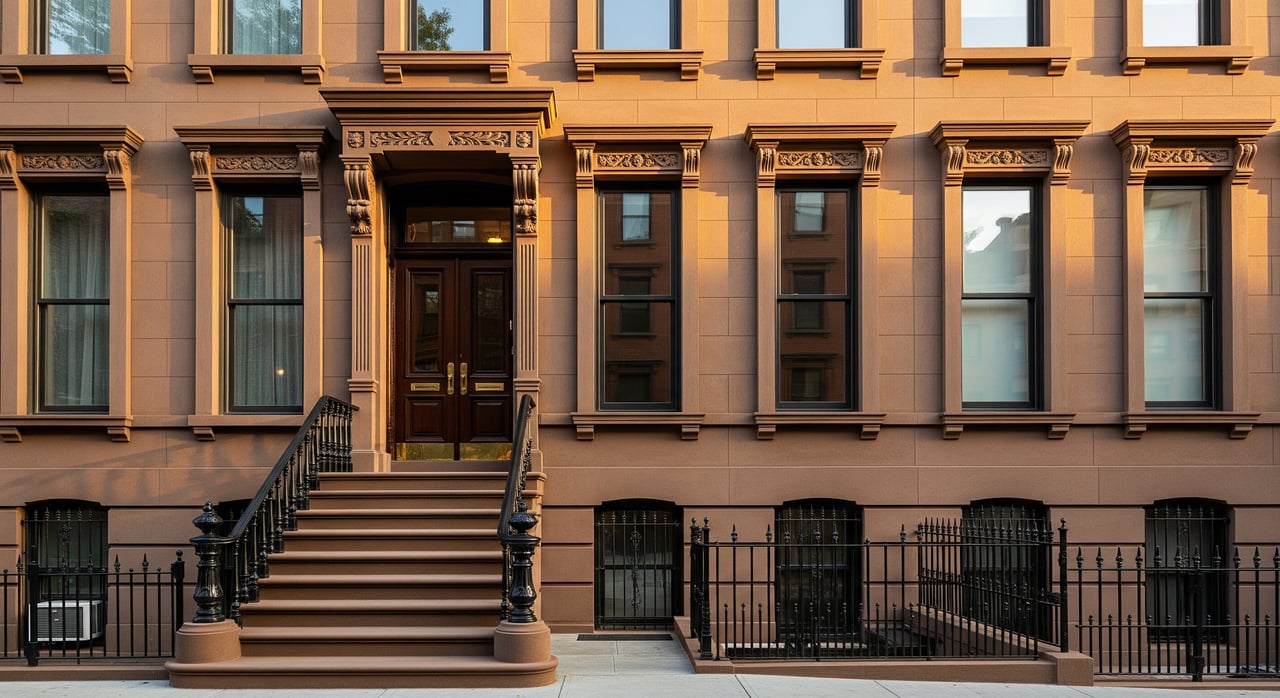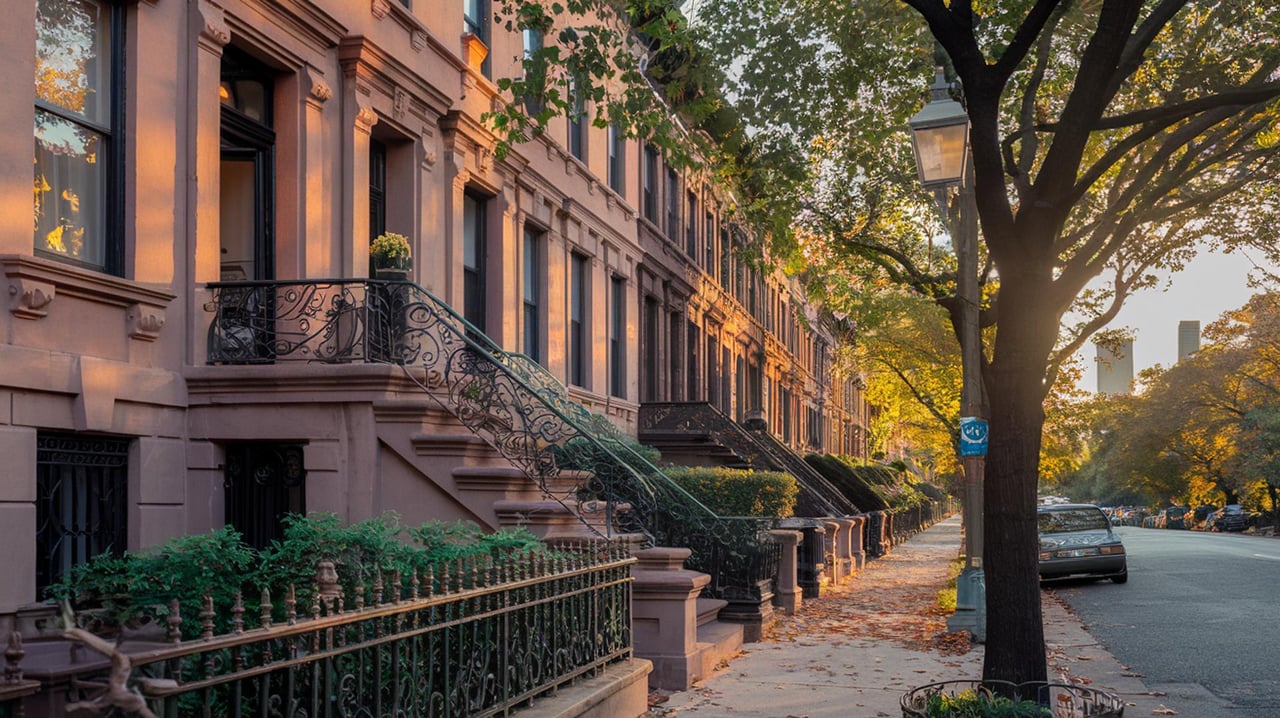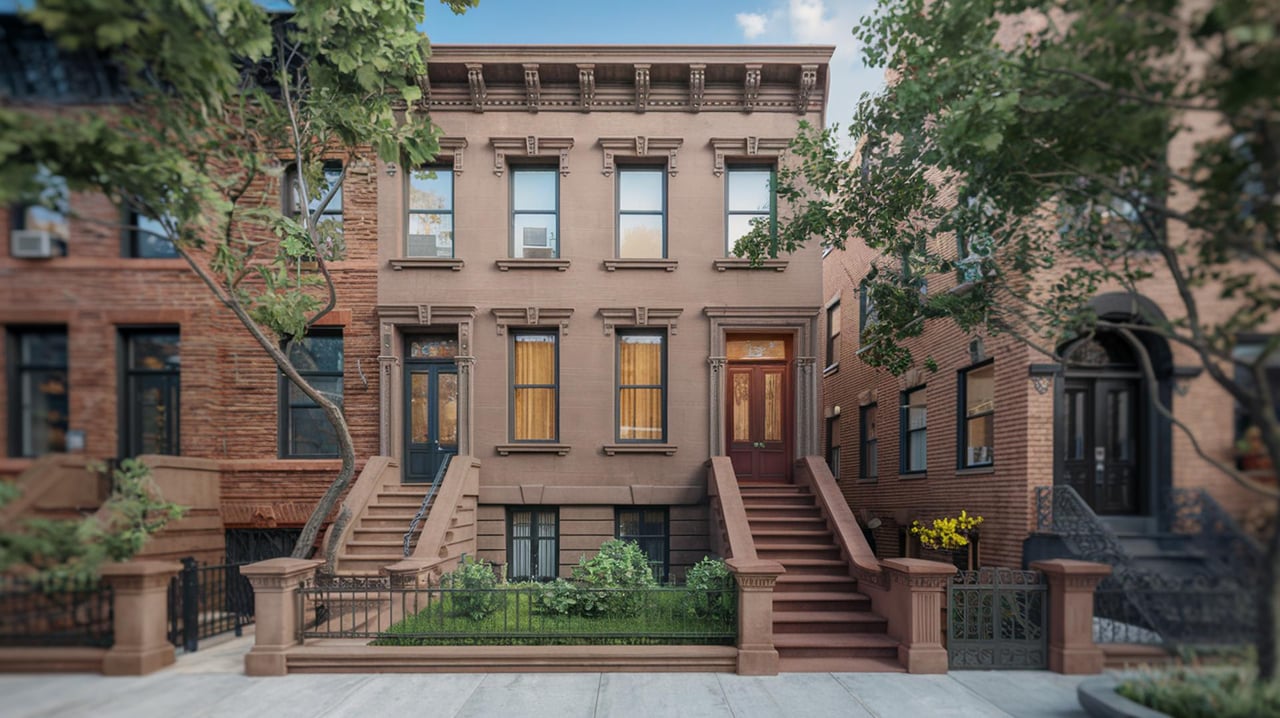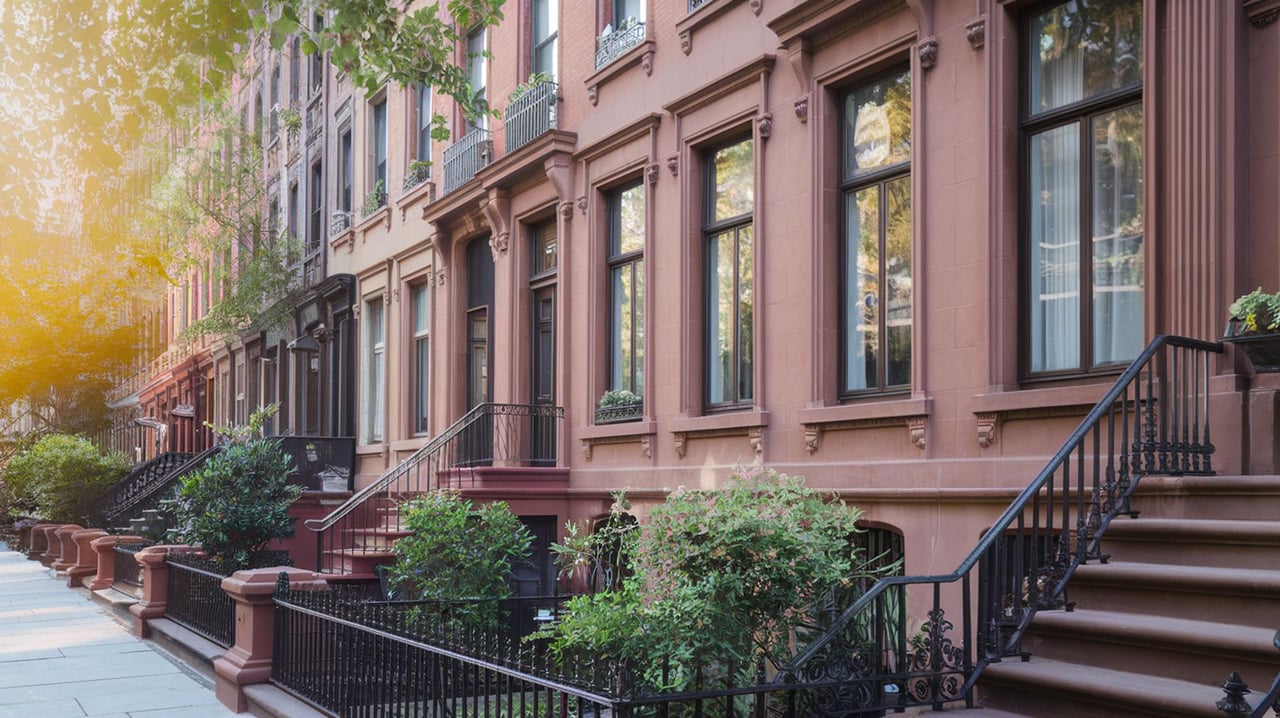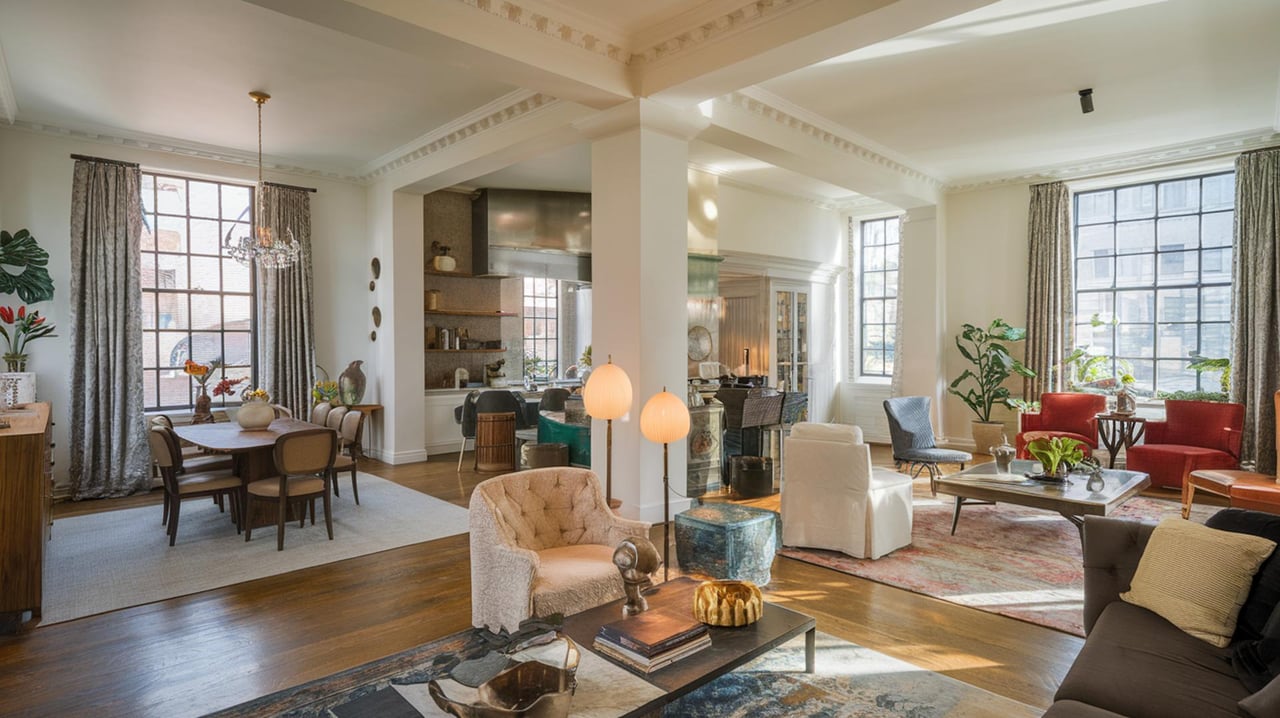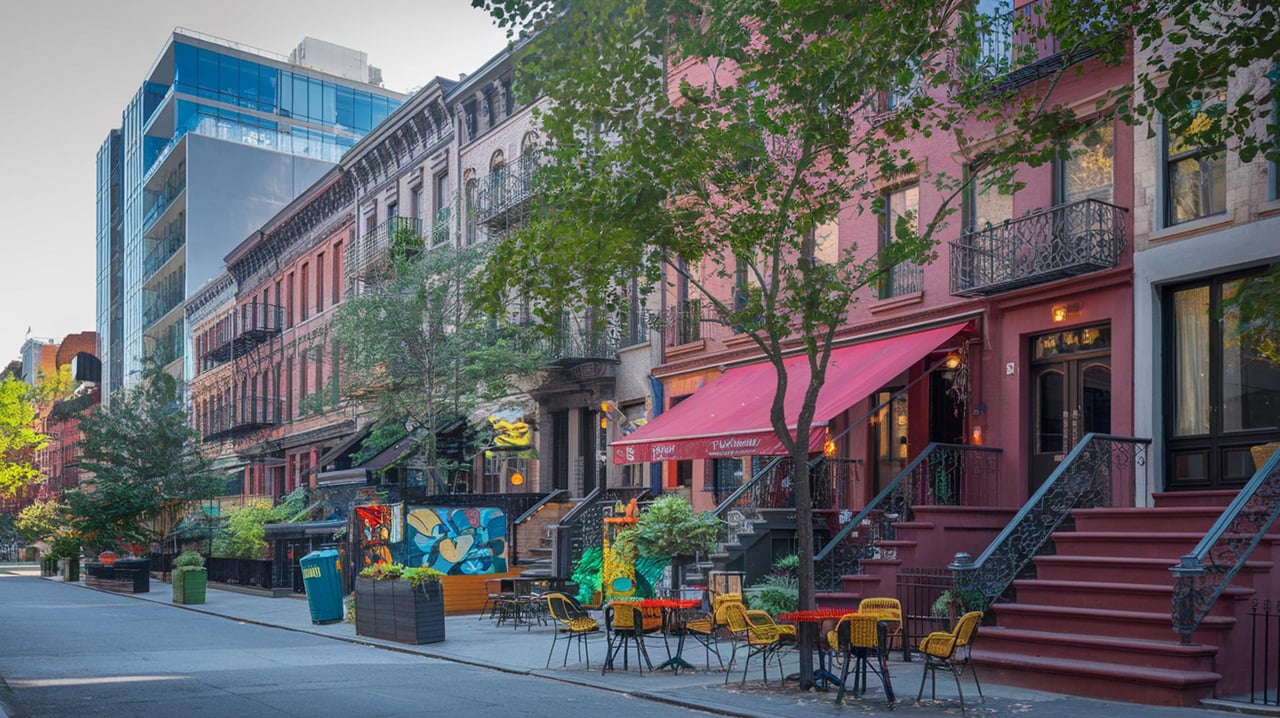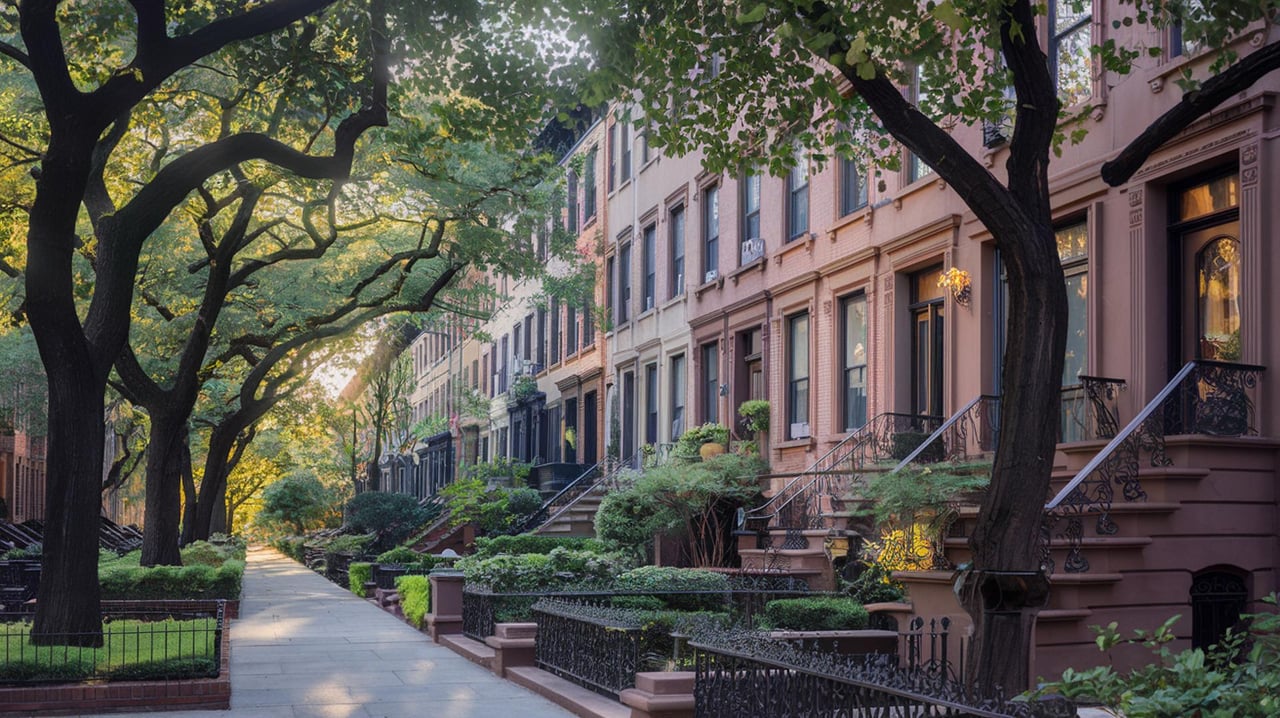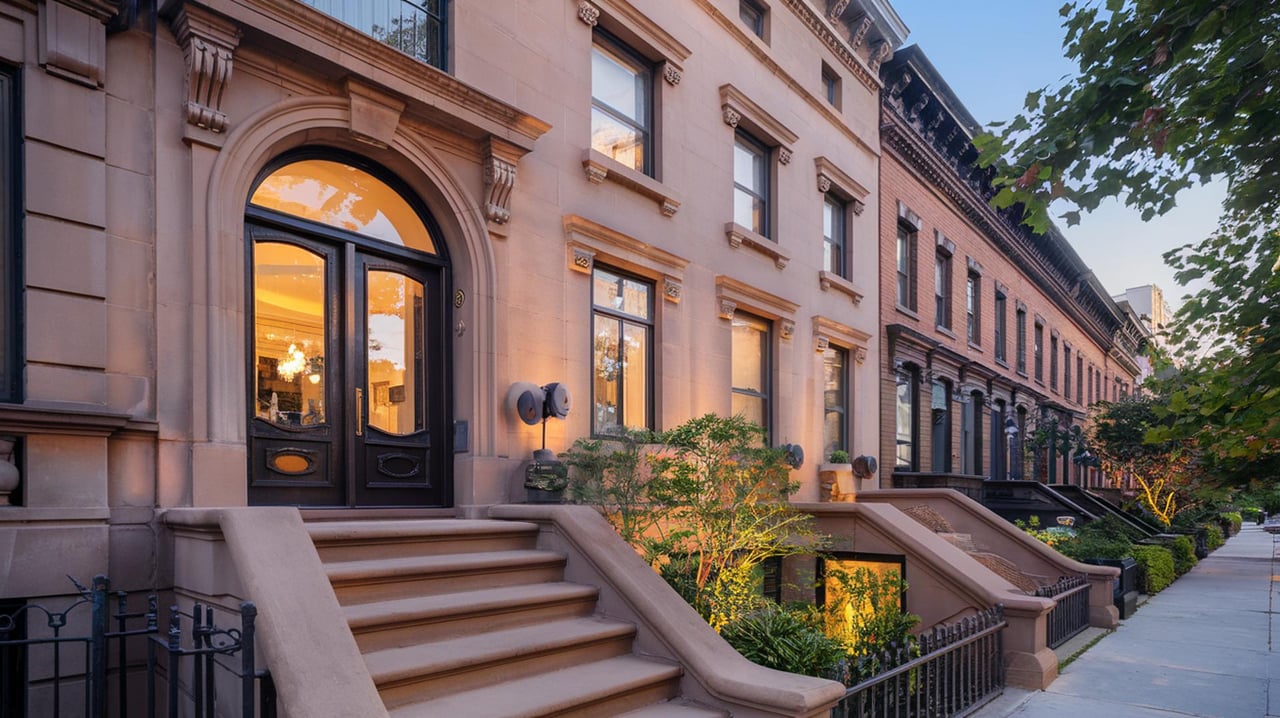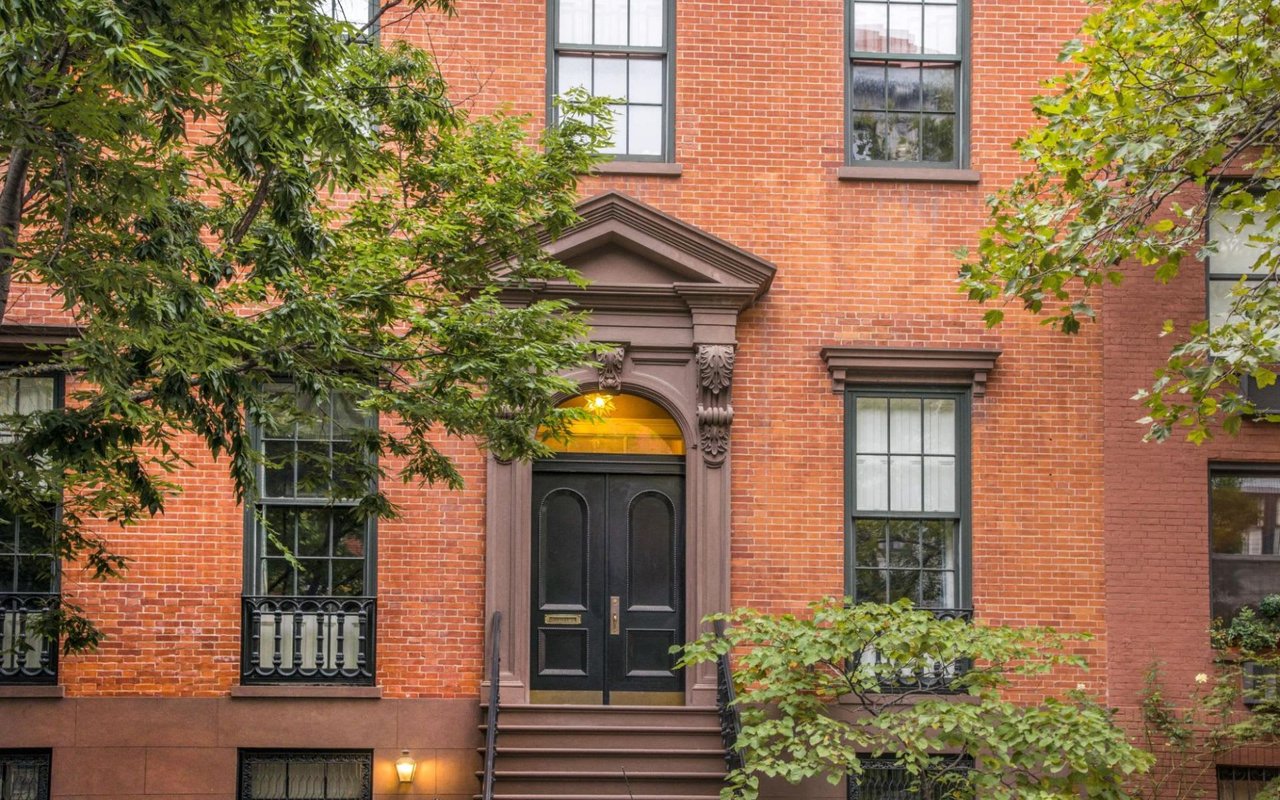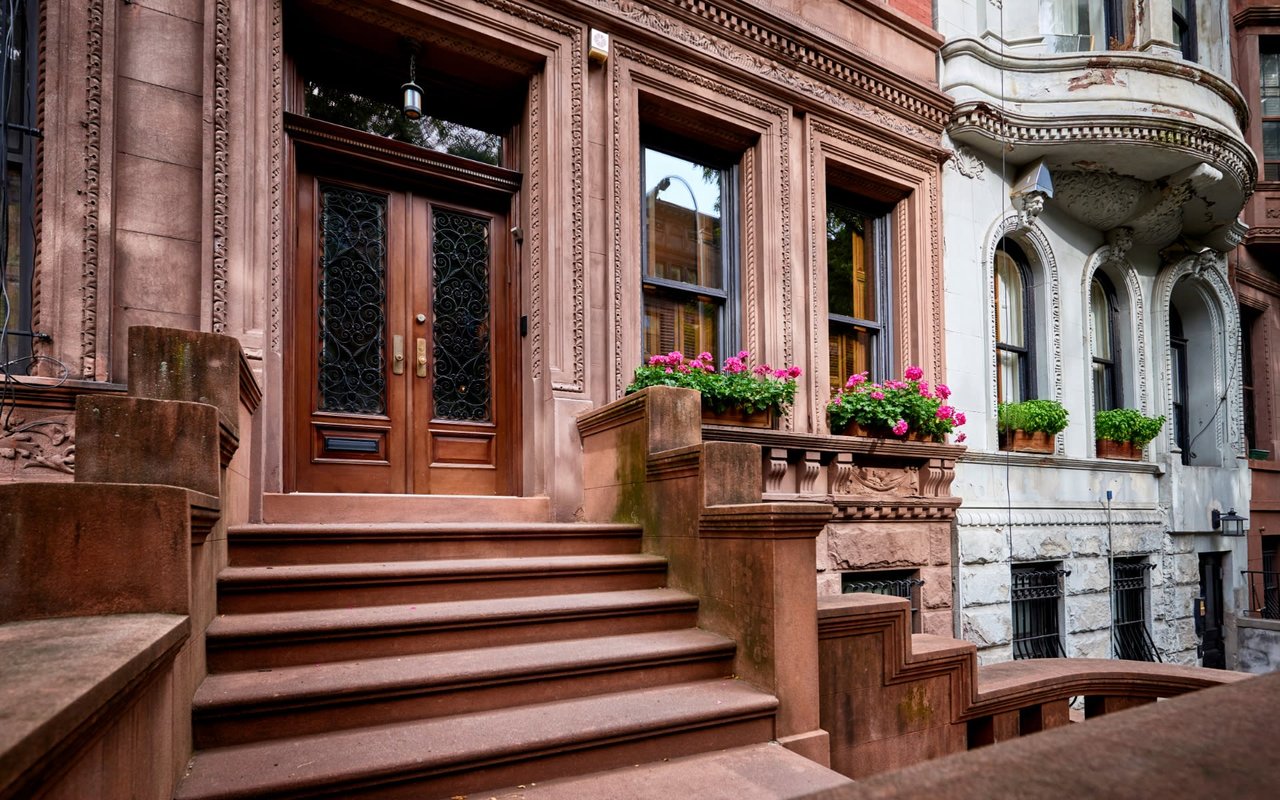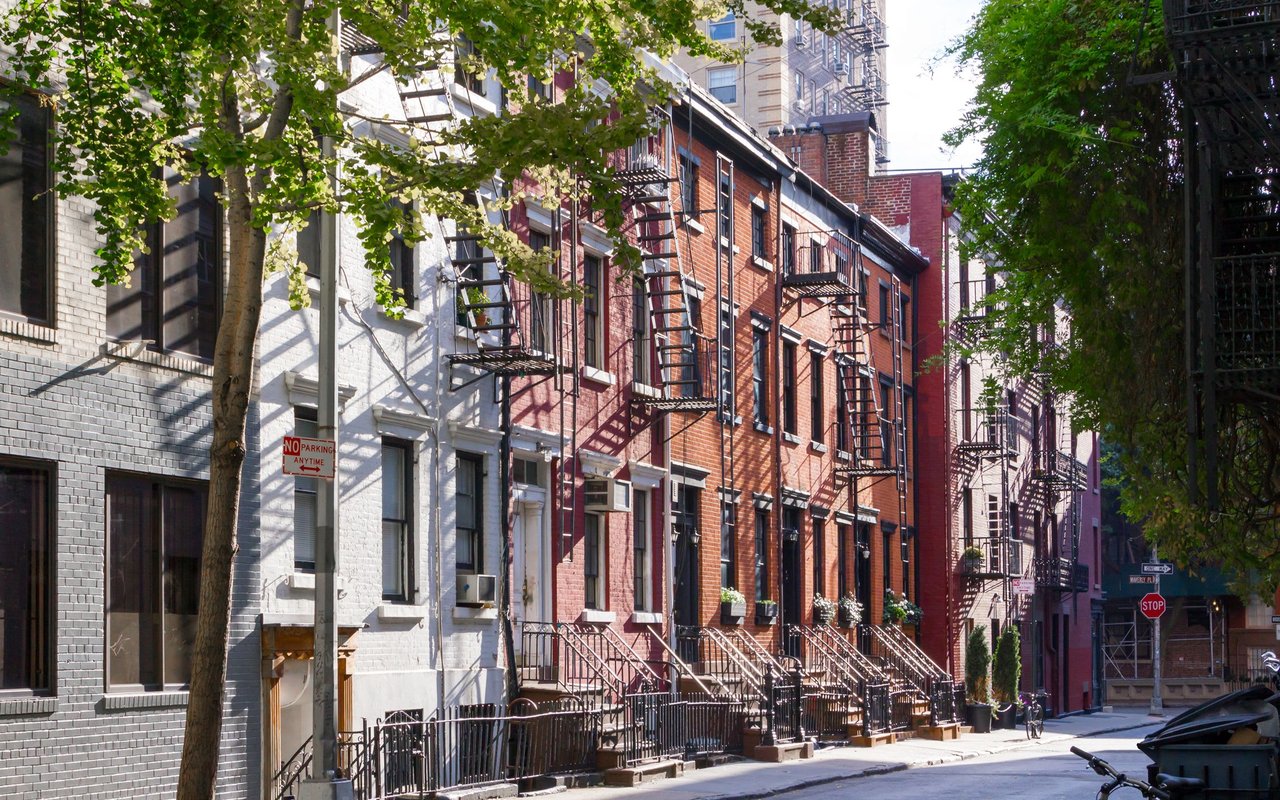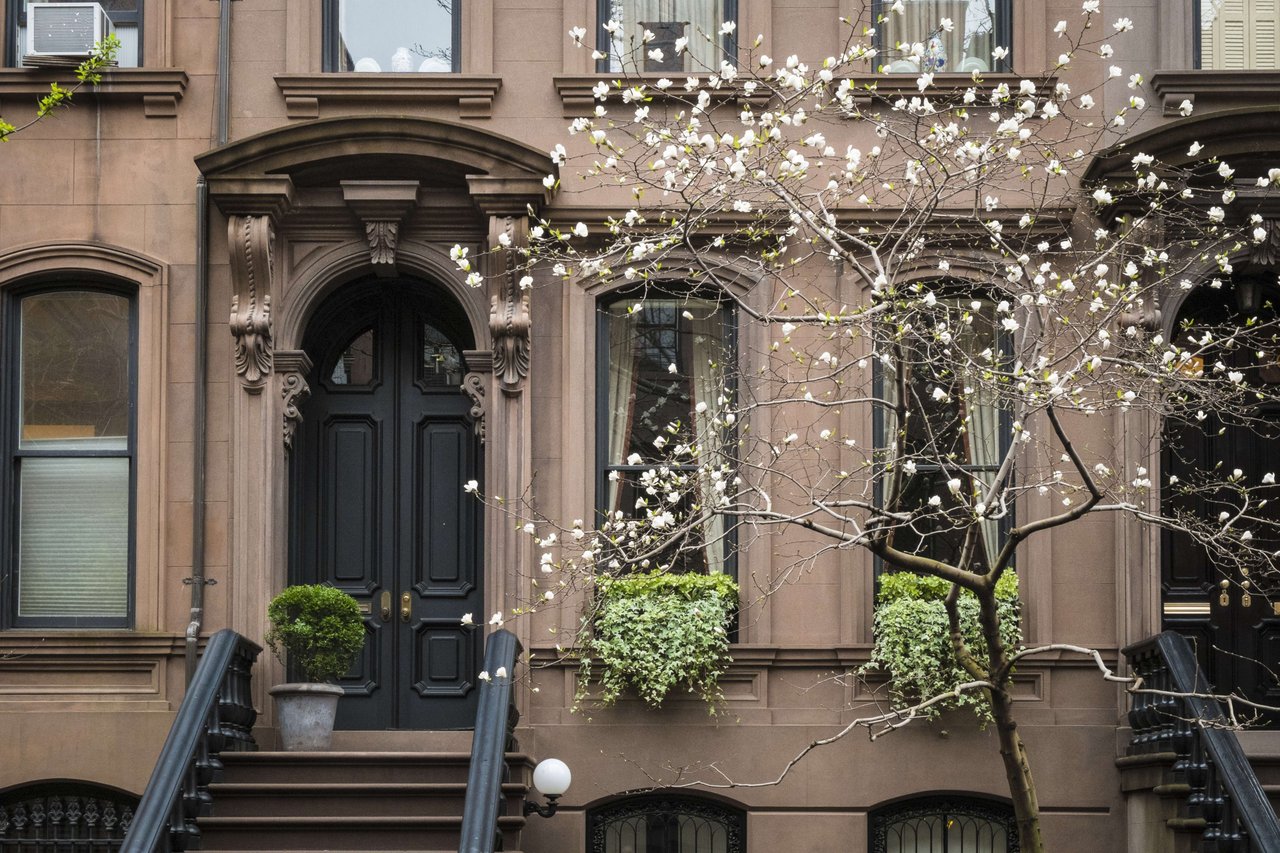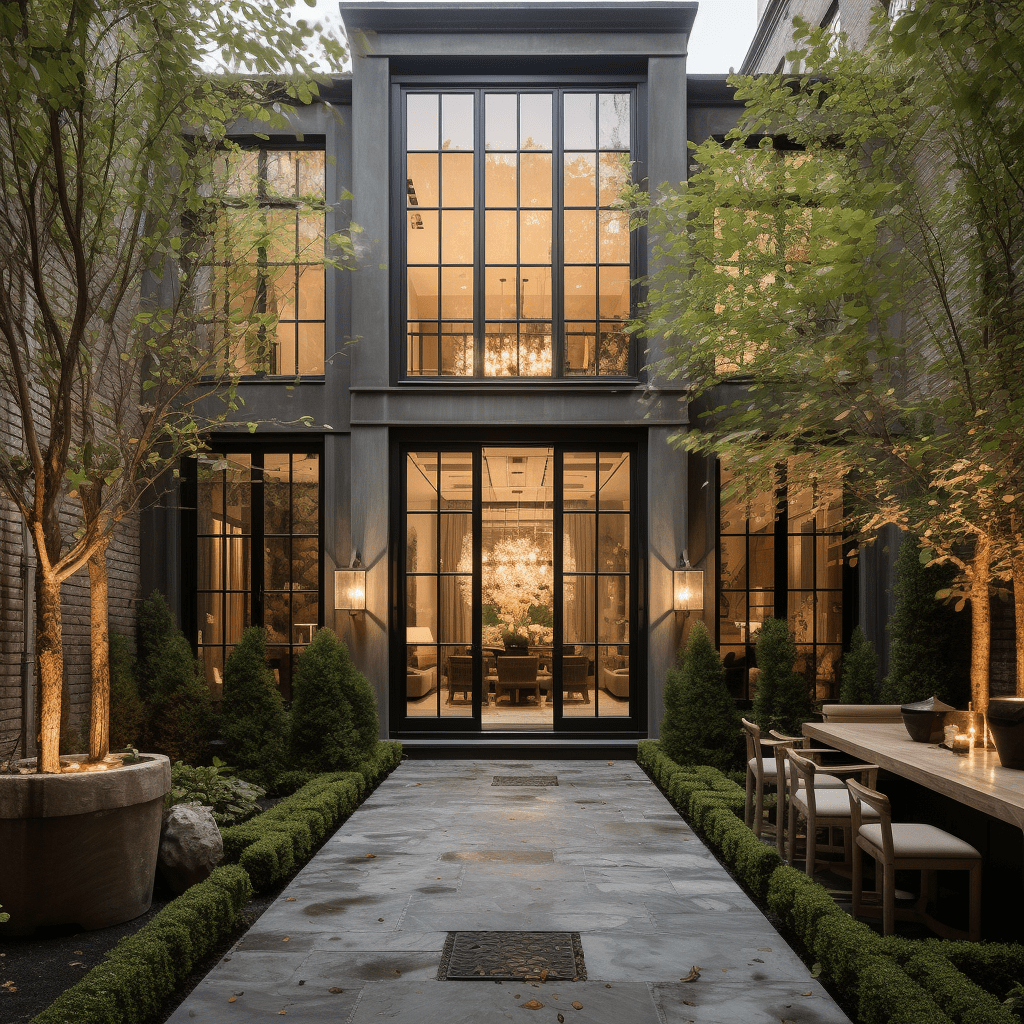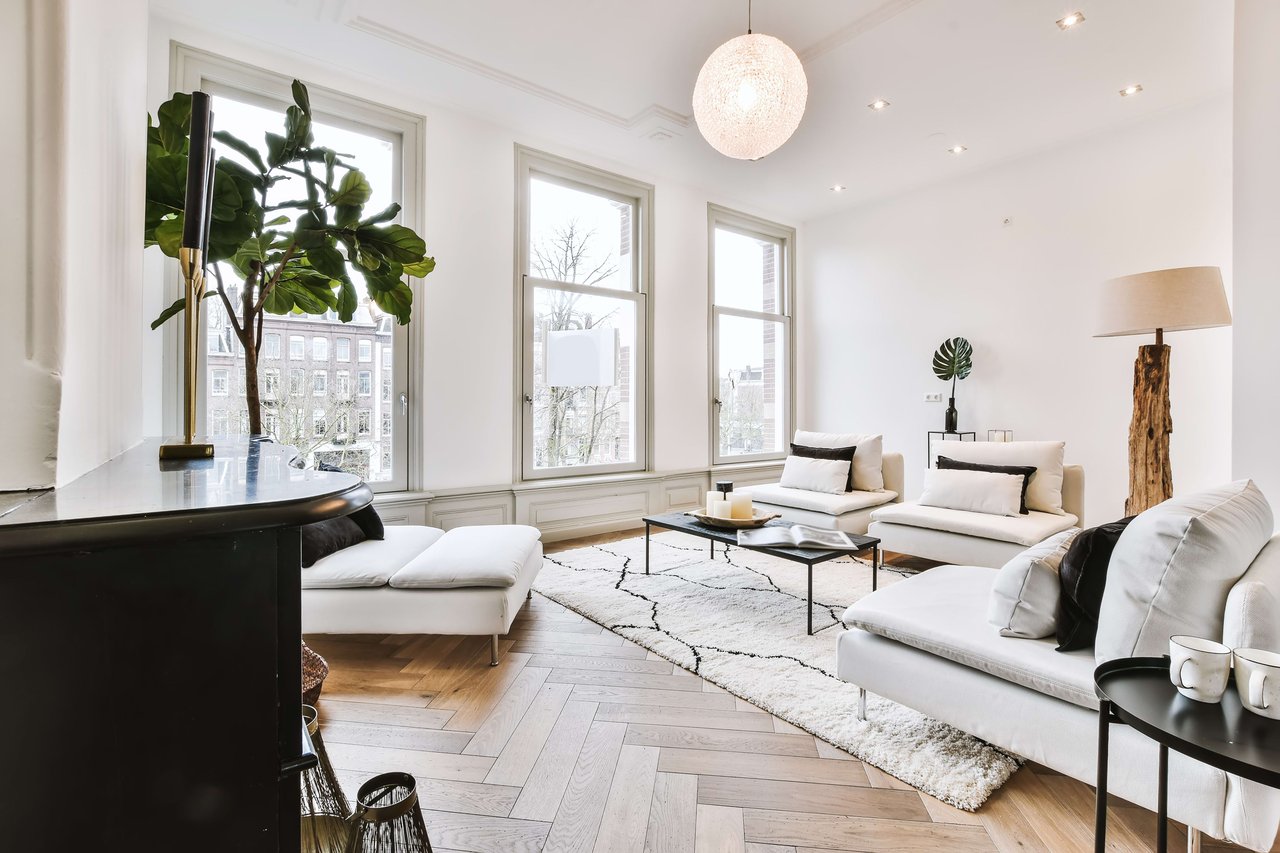
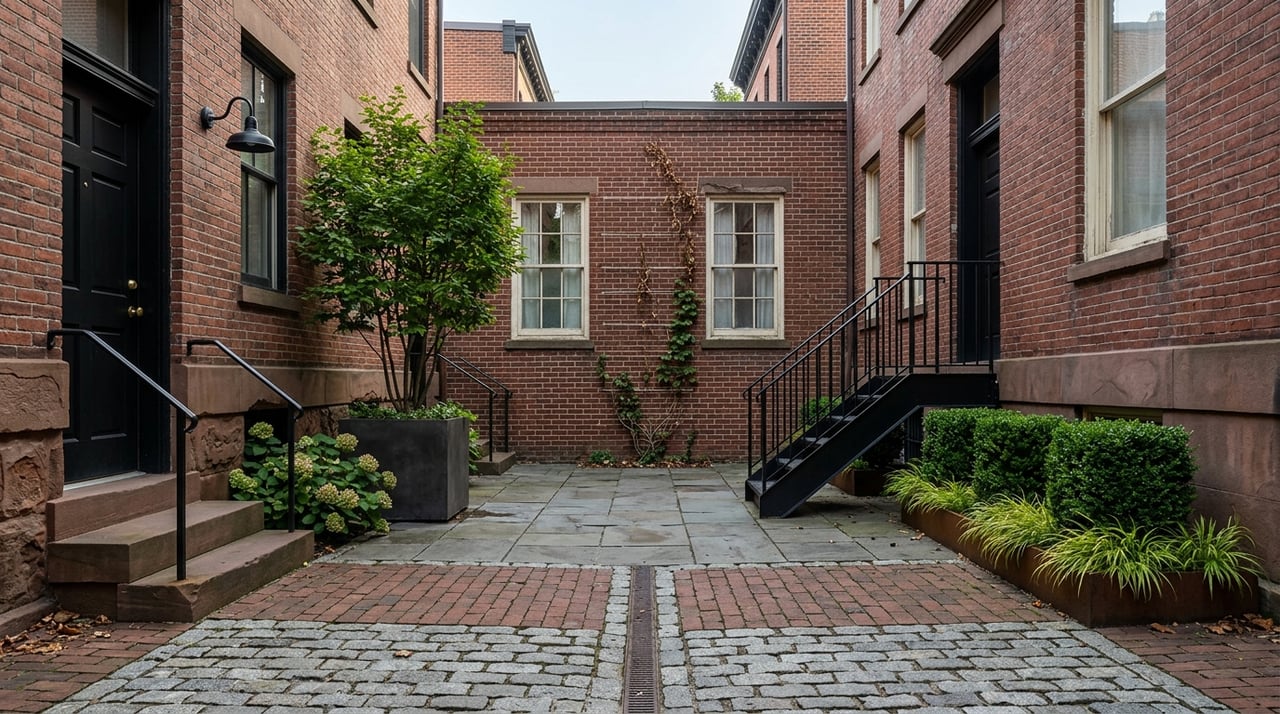
Ever walk a West Village block and wonder how an entire quiet world seems to disappear behind a gate, side passage, or crooked turn in the street? If you are drawn to homes with privacy, architectural character, and a sense of discovery, these hidden courtyards and mews-like pockets are part of what makes the neighborhood so memorable. Understanding how they came to exist, and what they mean for buyers and sellers today, can help you read the West Village more clearly. Let’s dive in.
Why hidden courts exist here
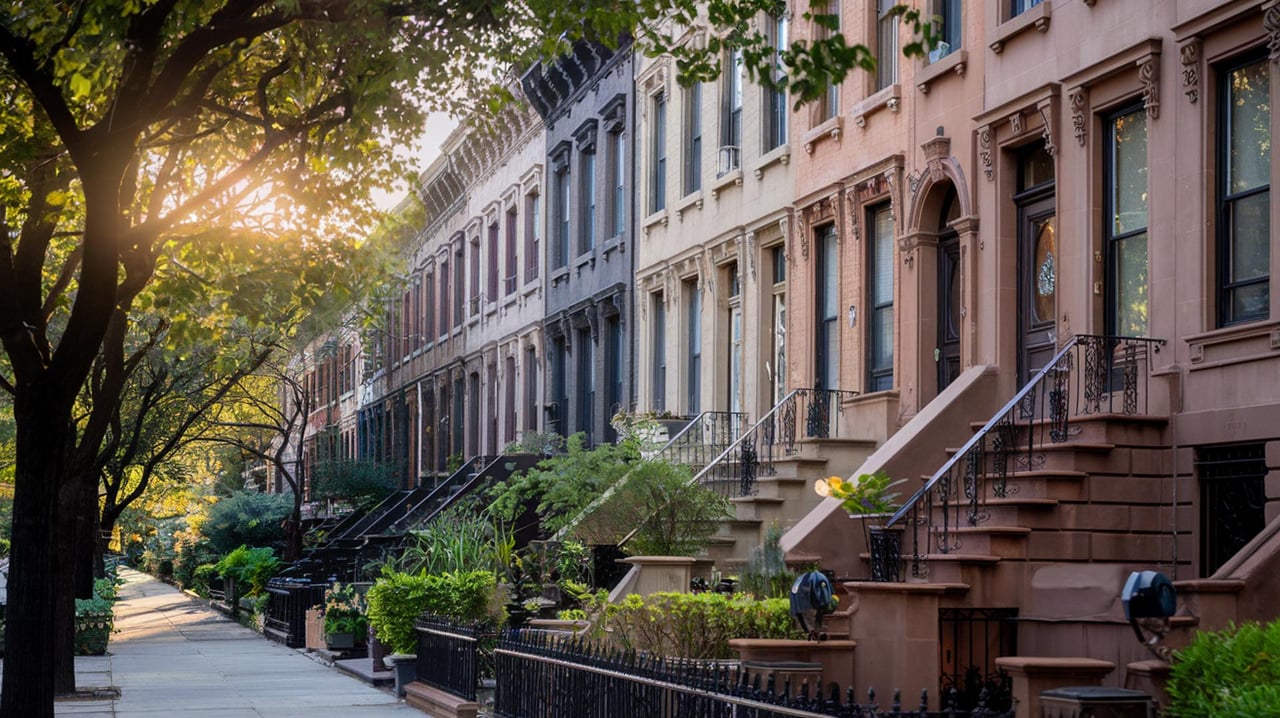
The West Village did not produce these intimate spaces by accident. Much of the area’s unusual layout comes from an irregular street pattern shaped by pre-grid roads, former farms, and waterfront conditions that remained visible even as Manhattan developed over time. According to Village Preservation’s look at the district’s most charming spots, bends, forks, and short blocks helped create leftover spaces, narrow passages, and rear-yard conditions that are still visible today.
That physical layout matters because it creates the feeling buyers often describe as rare in Manhattan: separation without isolation. In the West Village, privacy often comes from geometry, lot arrangement, and historic building patterns rather than from a large footprint alone.
Preservation shaped what survived
The other big reason these places still exist is preservation. The Greenwich Village Historic District was designated in 1969 and remains the largest historic district in New York City, a framework that helps protect coherent streetscapes and the neighborhood’s distinct sense of place.
That means many of the small courts, tucked-away houses, and unusual lot conditions were not simply erased and replaced. It also means the charm you see today is part of an actively managed historic environment, not just a lucky holdover from the past.
What a mews means here
In architectural terms, a mews originally referred to a stable-and-coach-house court or lane. In the West Village, the term is often used more loosely for small residential enclaves that feel tucked away, lane-like, and unusually private.
That distinction is useful when you are home shopping. Not every “mews” in the West Village is a classic former stable court, but many homes with that label share similar traits: gated entries, rear-lot placement, enclosed courtyards, and a quiet sense of removal from the main street.
Hidden West Village examples
Grove Court
Grove Court is one of the clearest examples of the neighborhood’s secret-world appeal. Village Preservation notes that the six small brick cottages were built in 1852 to 1854 behind a private gate and triangular courtyard as workingmen’s cottages in the rear yards of earlier Grove Street houses.
For buyers, Grove Court shows how modest scale can feel special when the setting is this distinctive. For sellers, it is a reminder that in the West Village, context can be just as powerful as square footage.
Commerce Street’s open pocket
At 39 and 41 Commerce Street, the appeal comes from openness rather than a gate. These twin houses were built in 1831 to 1832, and their generous yard remains one of the neighborhood’s best-known visual breaks, helped by Commerce Street’s bend and dead-end feel.
This is a good example of how not every hidden pocket is physically enclosed. Some feel private simply because the street geometry creates a softer, more intimate experience than a standard Manhattan block.
93 Perry Street
93 Perry Street tells a layered West Village story. Village Preservation describes it as a front house added in the late 1820s to a rear woodworking shop, linked by a narrow side passage or horse walk and opening to a concealed backyard court.
Later remodeling into studio apartments reflects a pattern seen across the Village, where utilitarian buildings were adapted for residential life. If you are evaluating a similarly unusual property today, this kind of history helps explain why layout and access may differ from a typical townhouse.
65 Horatio Street
Built in 1845, 65 Horatio Street stands out because it retains a side yard and visible bay window, both unusual for a rowhouse of its era. Village Preservation highlights the open side condition as part of what makes the house so distinctive.
That side-yard condition matters in practical terms too. Light, air, and visual separation can change how a townhouse lives day to day, especially in a dense historic neighborhood.
Greenwich Street Mews
Not every mews-like setting in the West Village is 19th century. The Greenwich Street Mews presentation from LPC describes a 1989 gated enclave of seven three-story brick townhouses arranged around an enclosed courtyard.
This is a useful reminder for buyers who want historic character but are also open to later construction. In the West Village, newer infill can still reflect the scale, materials, and intimacy that make older townhouse blocks so appealing.
Weehawken Street
The Weehawken Street Historic District designation report may be the strongest example of a lane-like micro-environment in the neighborhood. LPC describes a one-block district with 14 buildings spanning 1830 to 1938, including rowhouses, tenements, former stables, warehouses, and garage conversions.
For anyone trying to understand the West Village, Weehawken Street shows how residential and semi-industrial history can coexist on a very small street grid. That layered development pattern is a big part of why the neighborhood feels so textured.
What homes like this look like
If you are searching for a hidden-court or mews-like property, a few home types come up again and again. The housing stock varies, but there are recognizable patterns.
Common examples include:
- Small 19th-century cottages in rear courts
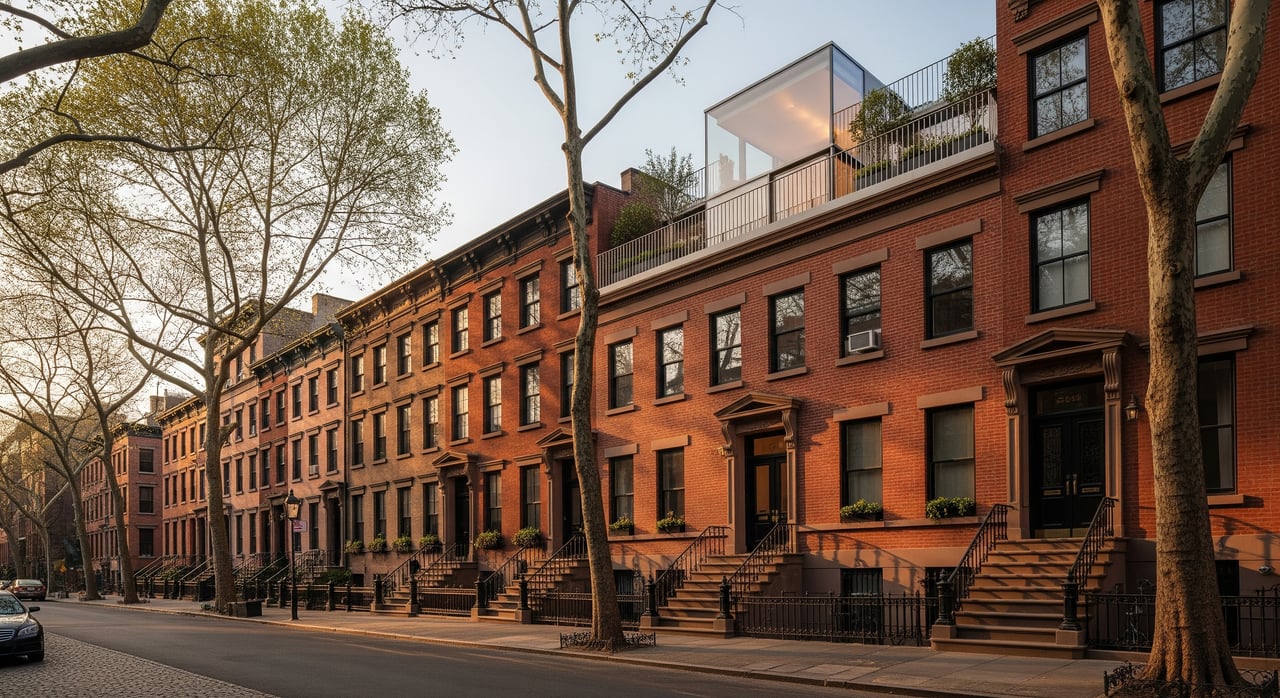
- Federal and Greek Revival rowhouses with broad yards
- Former stables and carriage-related structures converted to residences or studios
- Later infill townhouses designed to blend into historic surroundings
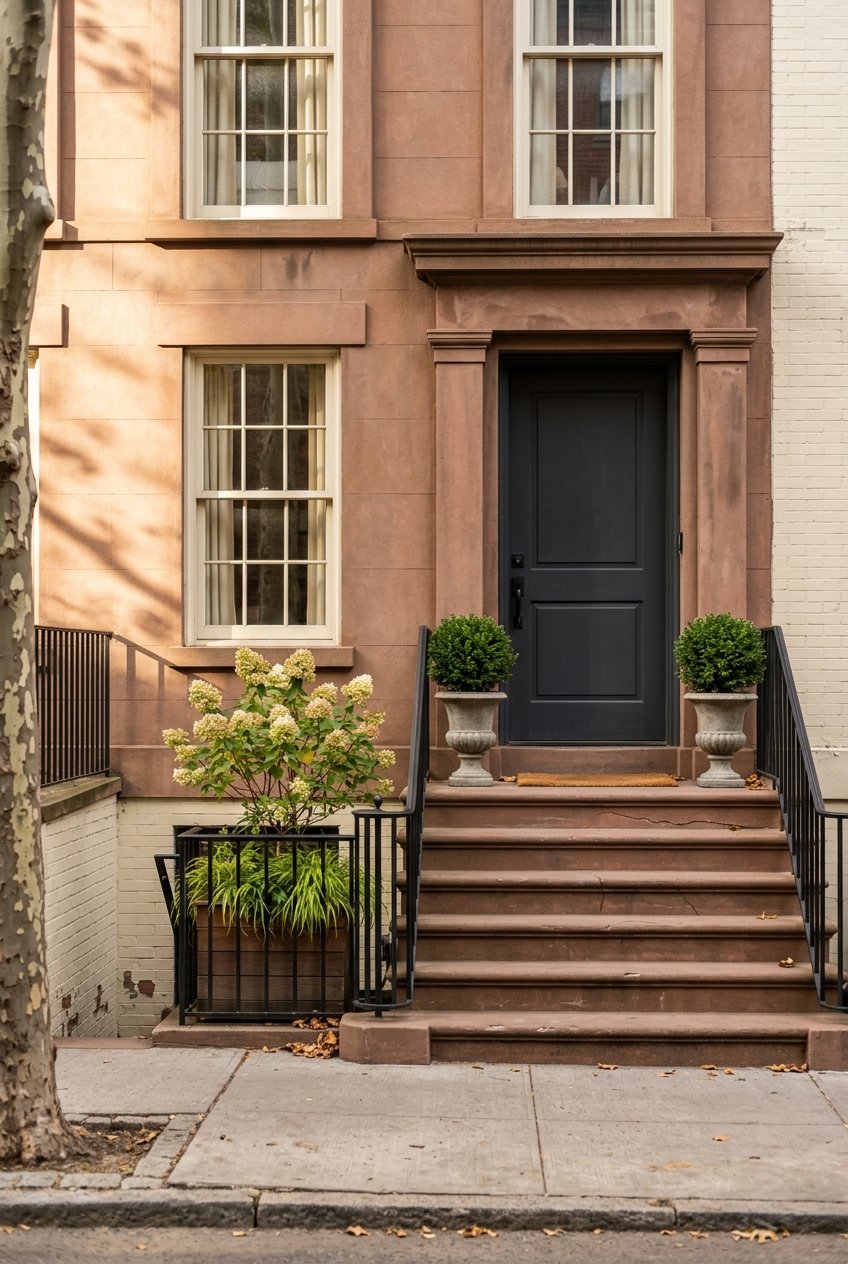
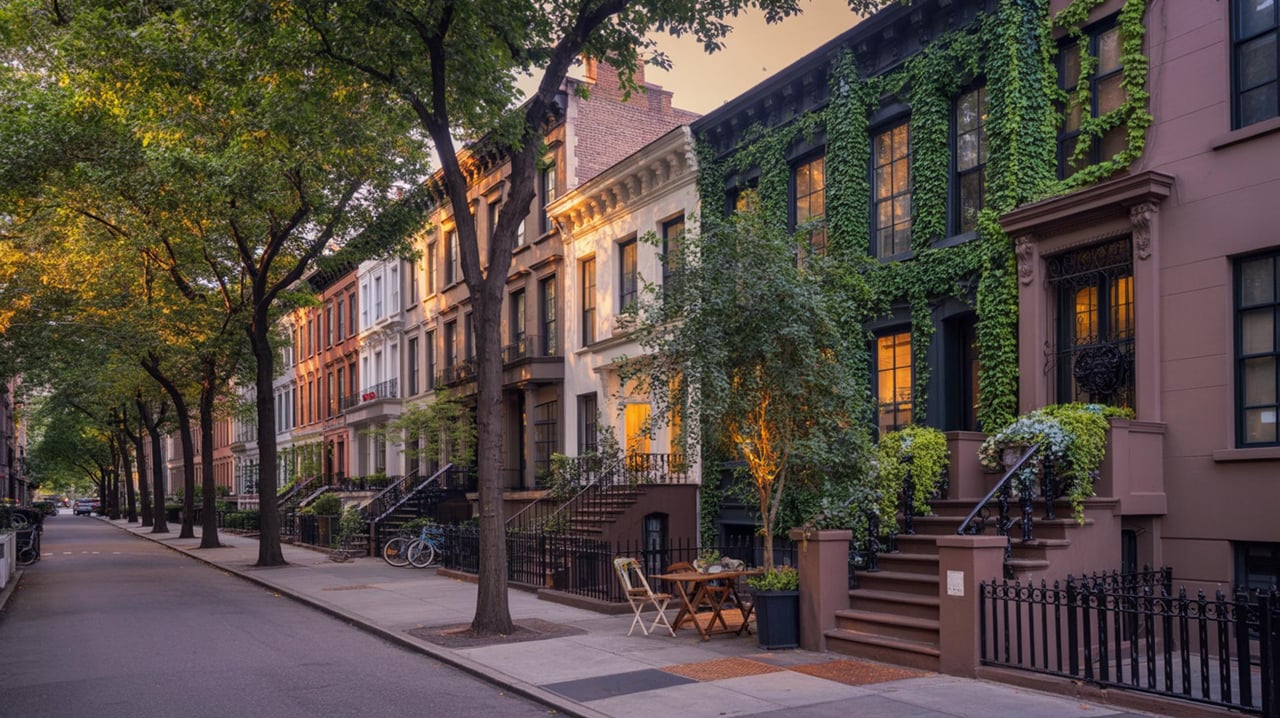
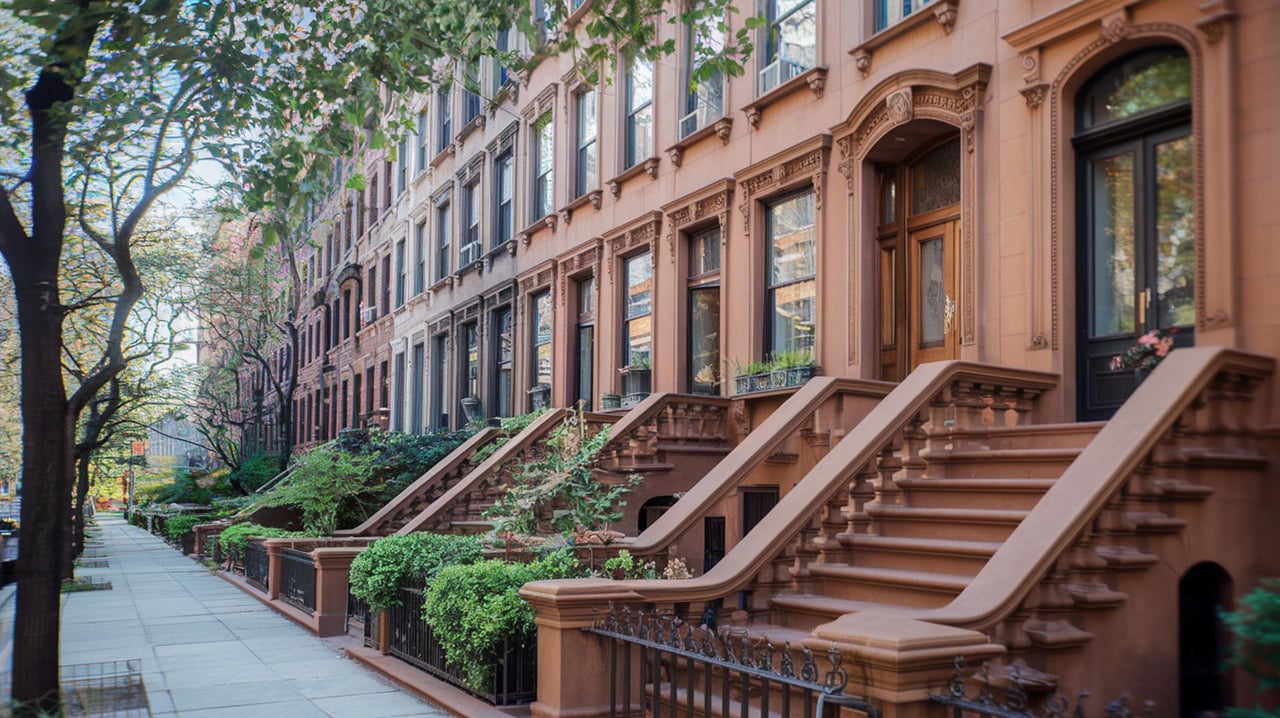
Common visual cues include:
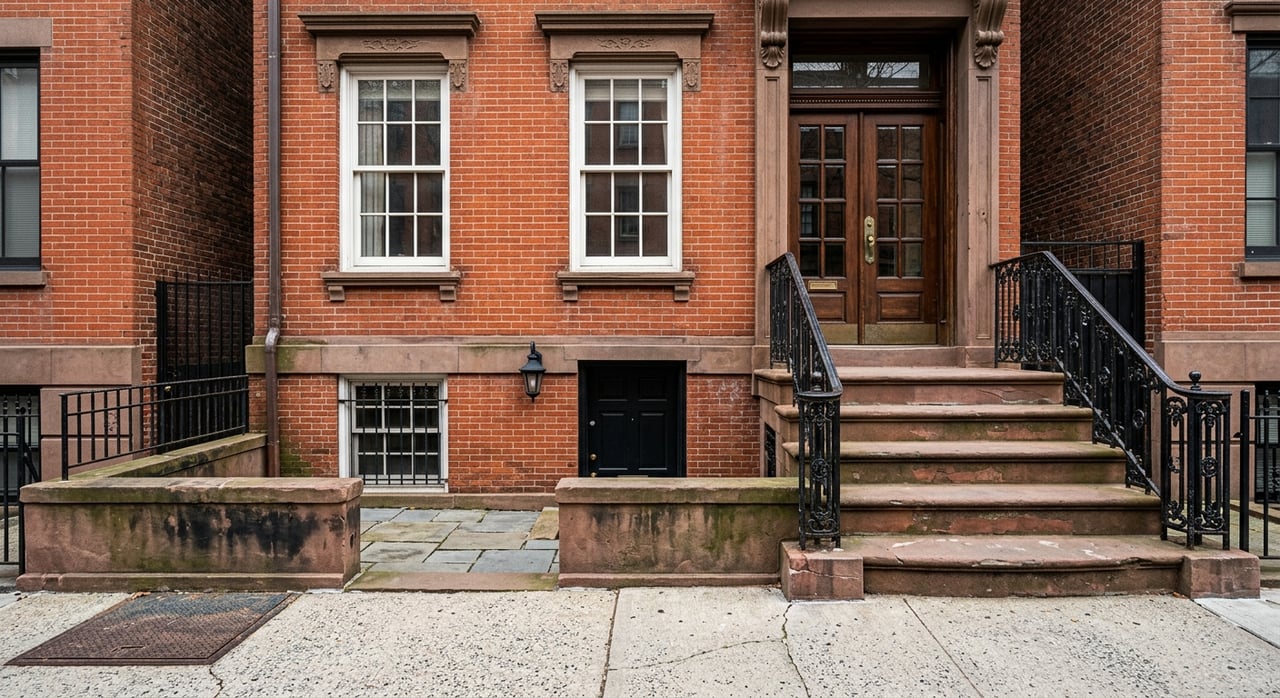
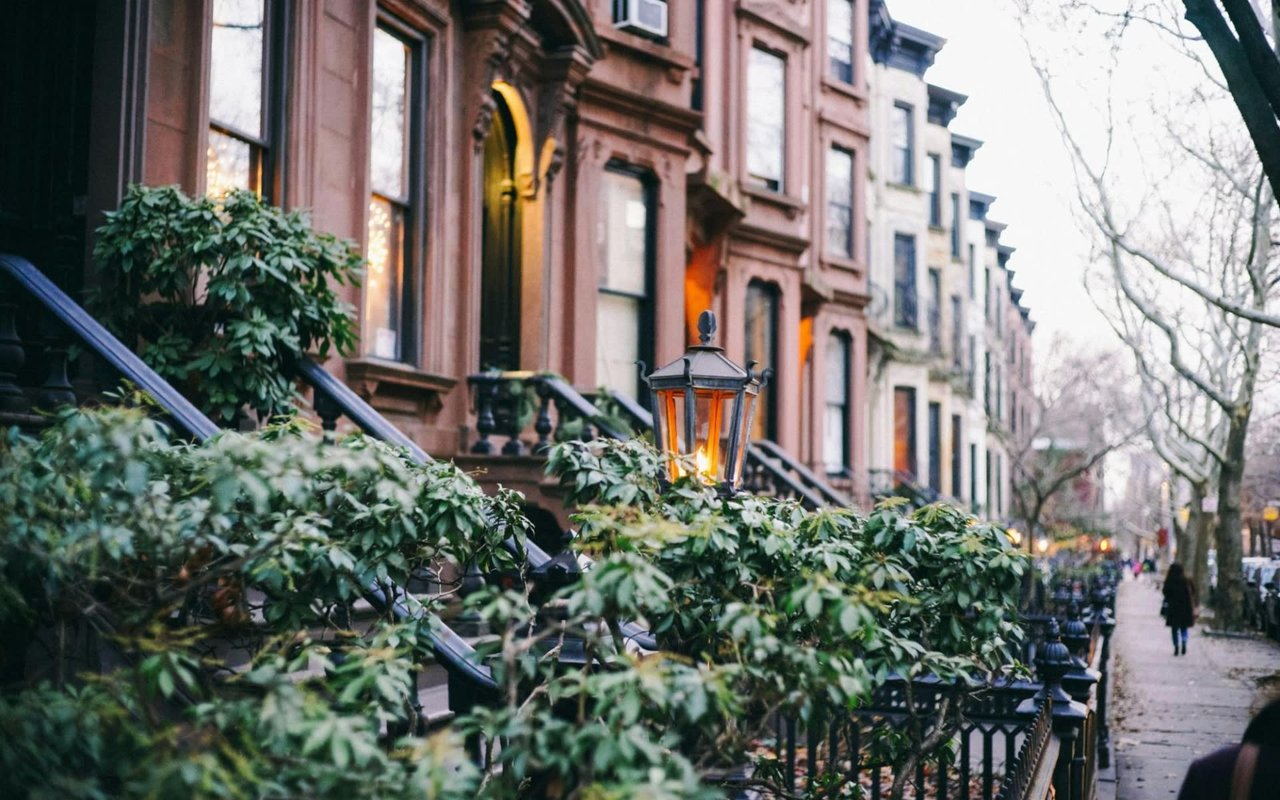
- Iron gates
- Narrow side passages
- Enclosed or semi-enclosed courts
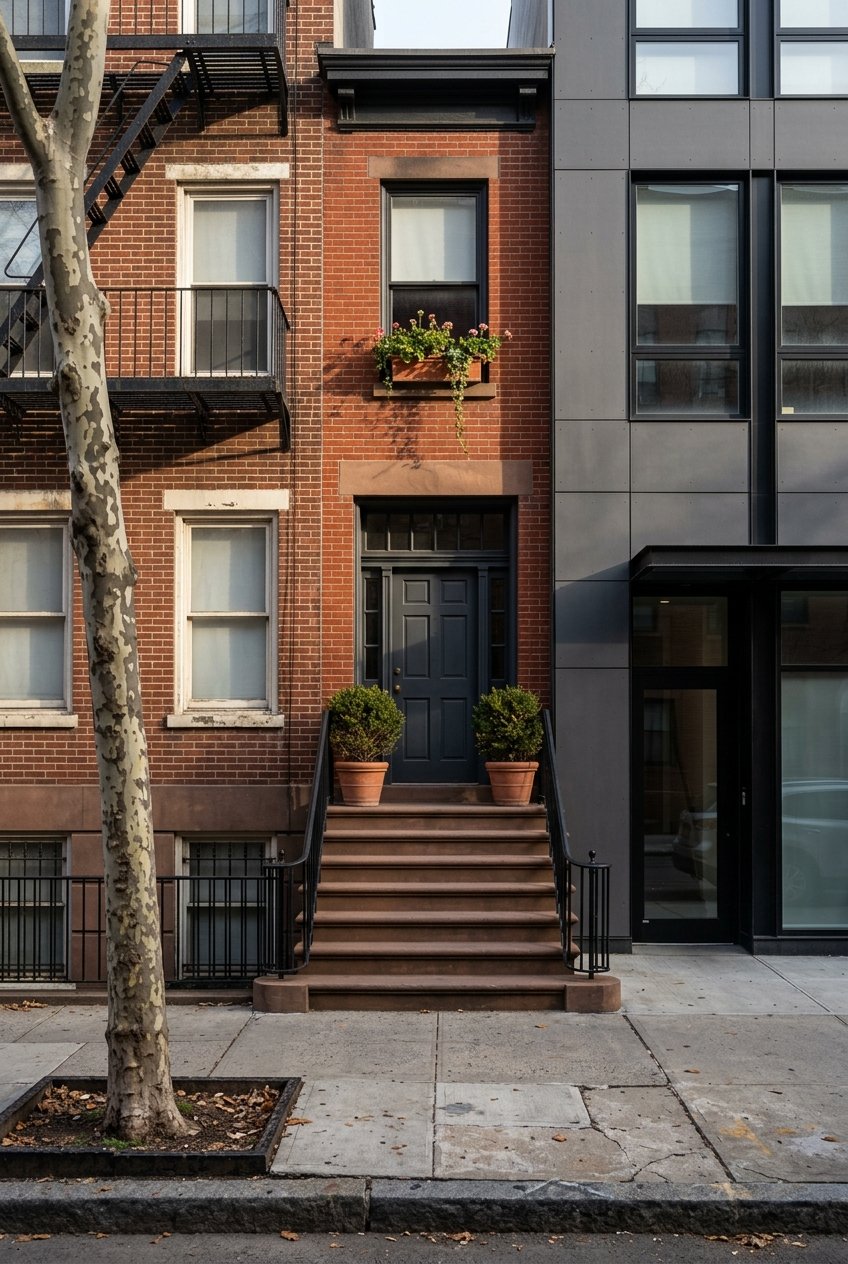
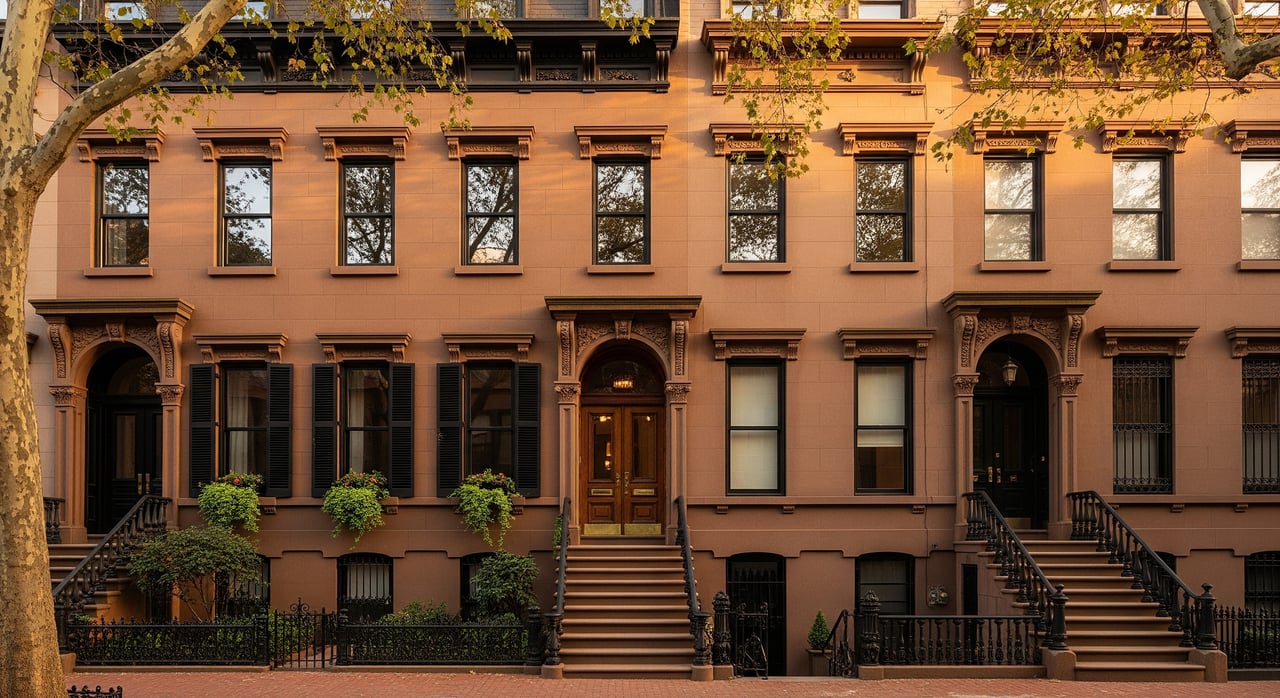
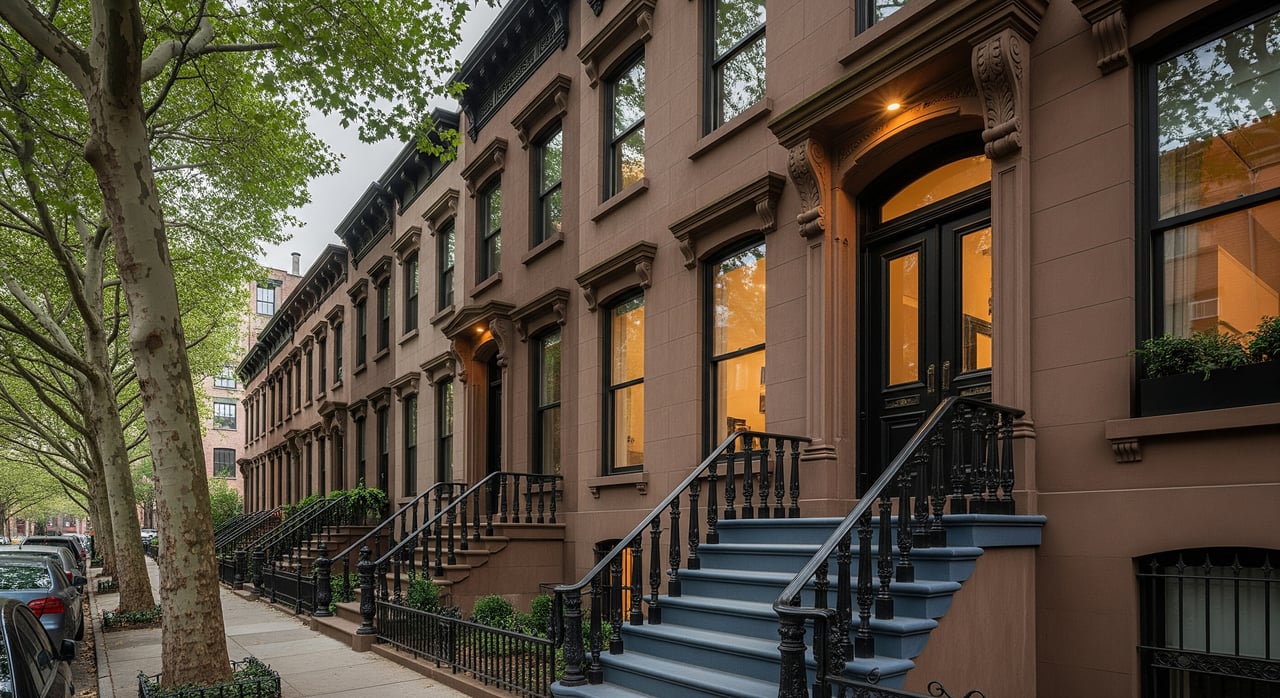
- Low stoops
- Bay windows
- Unusually narrow, angled, or crooked frontage
These details are not just aesthetic. They often signal a lot history or access condition that can affect privacy, light, layout, and how a property functions.
Why buyers are drawn to them
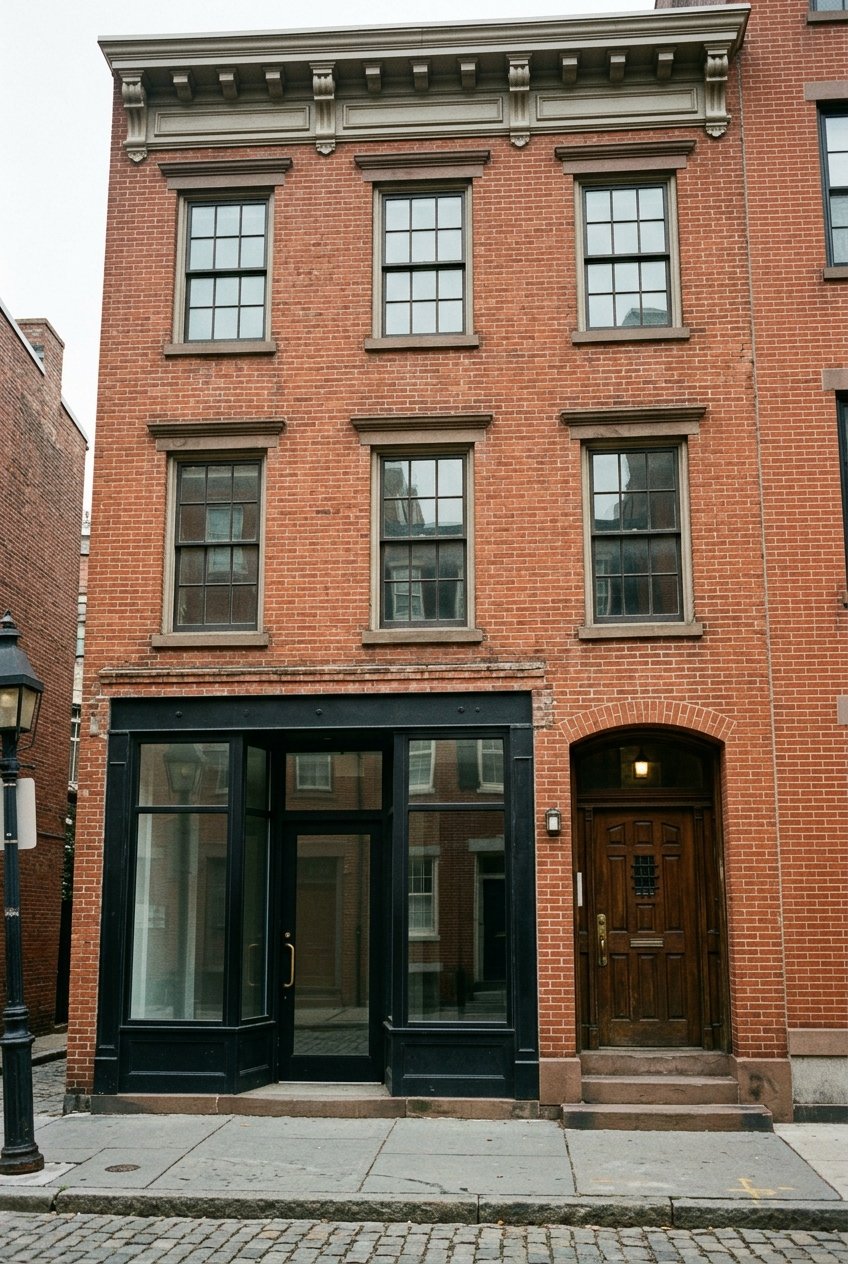
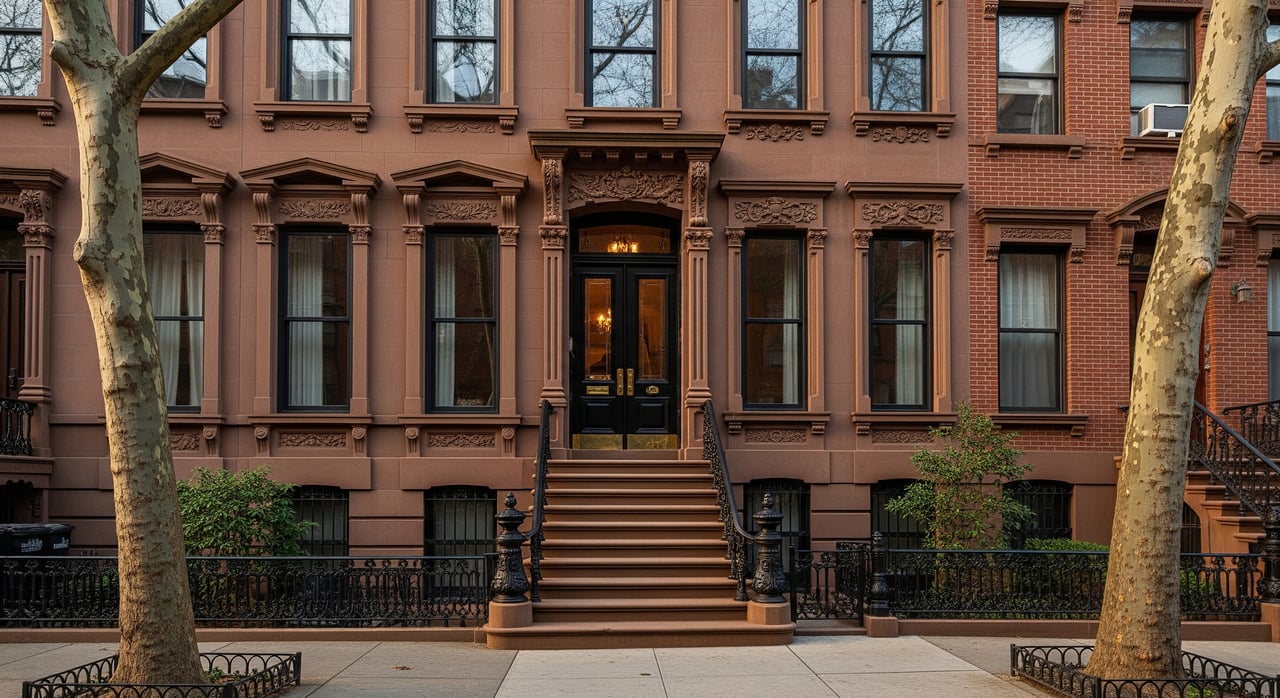
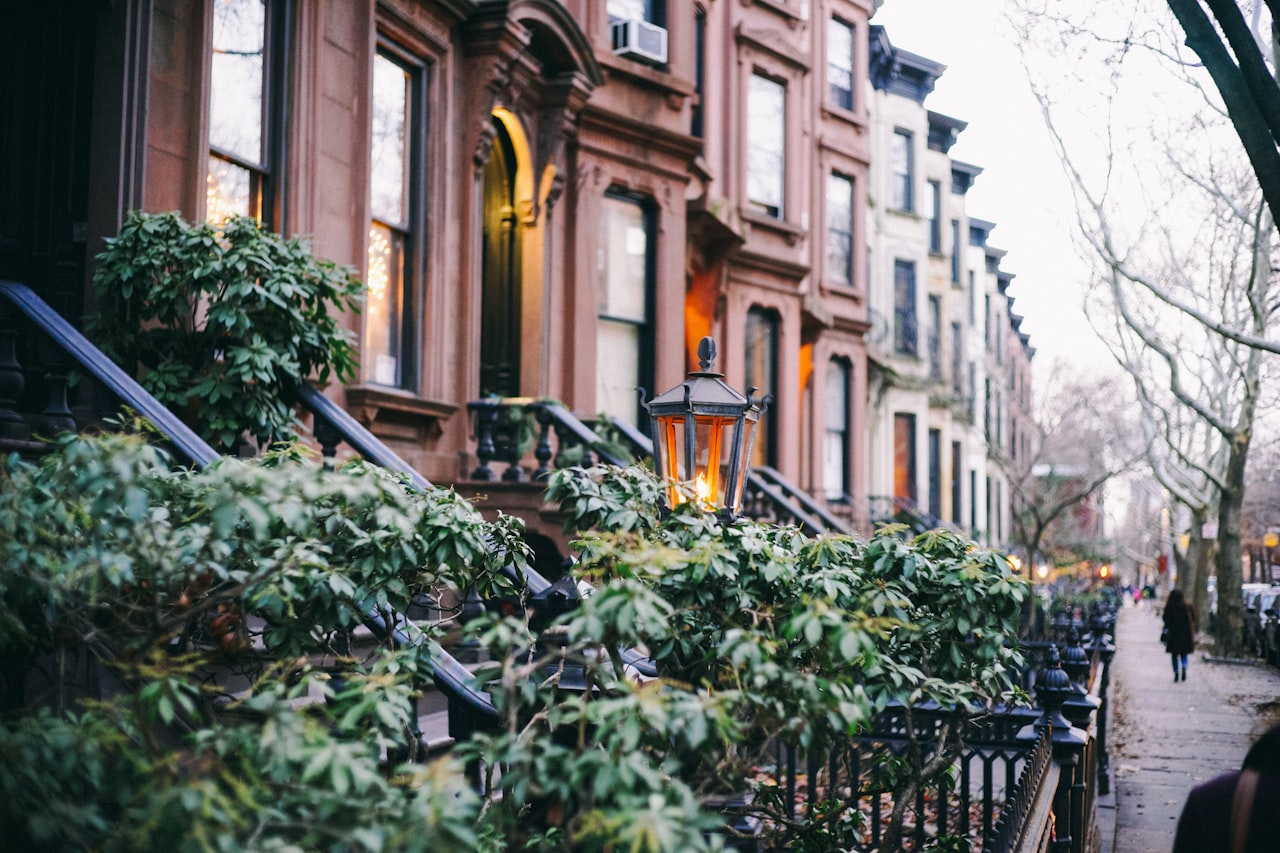
For architecture-minded buyers, the draw is easy to understand. You experience the public street first, then a gate, horse walk, side yard, or bend in the block, and suddenly the home feels set apart from the city around it.
That feeling is rare, and rarity matters in the West Village. The same factors that make these homes feel secluded also make them hard to replicate, since many old courts, alleys, and yards elsewhere in Manhattan were built over long ago.
What sellers should understand
If you own one of these homes, your property story should be handled carefully. The value is not only in finishes or square footage. It is also in the home’s relationship to the street, the historic lot pattern, and the privacy created by its position within the block.
That is especially important in a neighborhood where buyers notice architectural nuance. A side passage, rear court, gated entry, or preserved yard can become a defining part of how your home is understood and marketed.
The preservation piece matters
If you are buying or planning work on a landmarked property, preservation rules are part of the process. The Landmarks Preservation Commission permit guide notes that work on landmark buildings or sites requires permits, including projects involving restoration, additions, and front, side, and rear yards.
In practical terms, that means the qualities that make these homes special often come with review requirements. It is one more reason to approach a hidden-court or mews-like home with a clear understanding of both design potential and historic constraints.
How to evaluate a hidden-pocket home
When you tour a property in one of these settings, look beyond the romance of the address. Pay attention to how the approach, lot shape, and building placement affect everyday living.
A few smart questions to consider are:
- Is the courtyard or lane private, gated, or simply visually secluded?
- Does the home benefit from side-yard light or rear-yard openness?
- Is the unusual layout original, or the result of later conversion?
- Are there landmark-related considerations that could affect future work?
- Does the setting create value through quiet, privacy, and architectural rarity?
These are exactly the kinds of details that can change how a property should be priced, renovated, or positioned for resale.
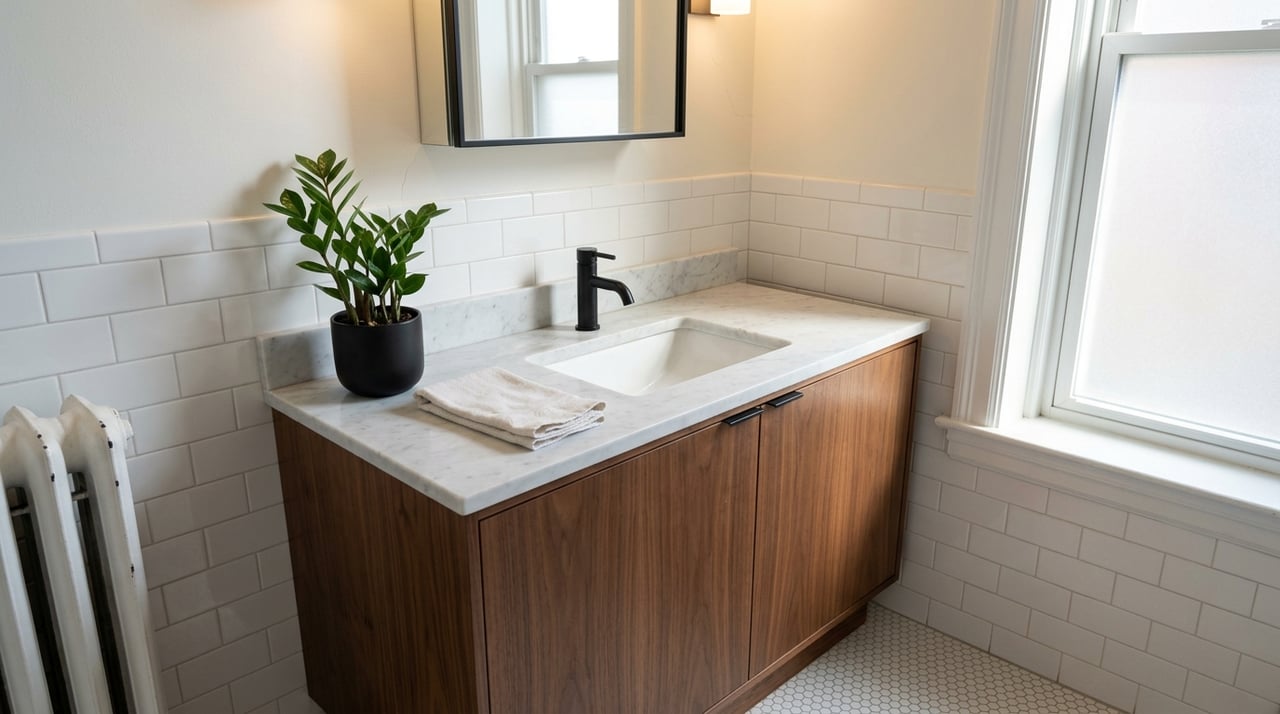
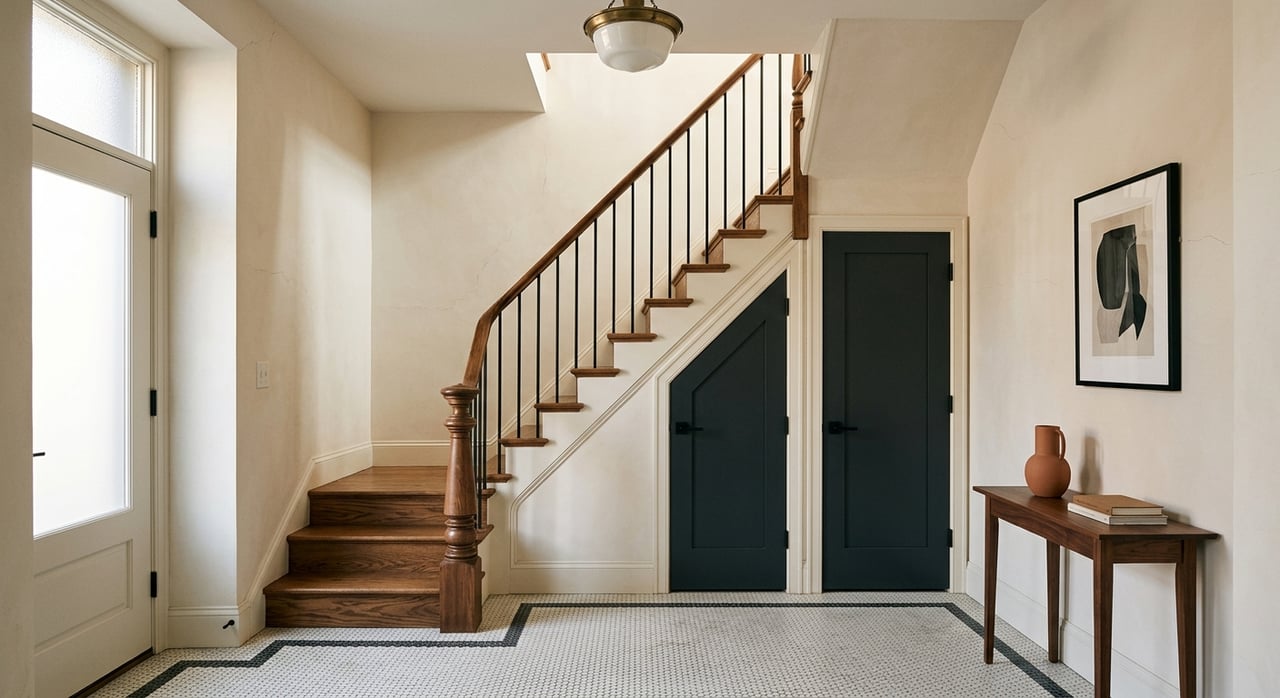
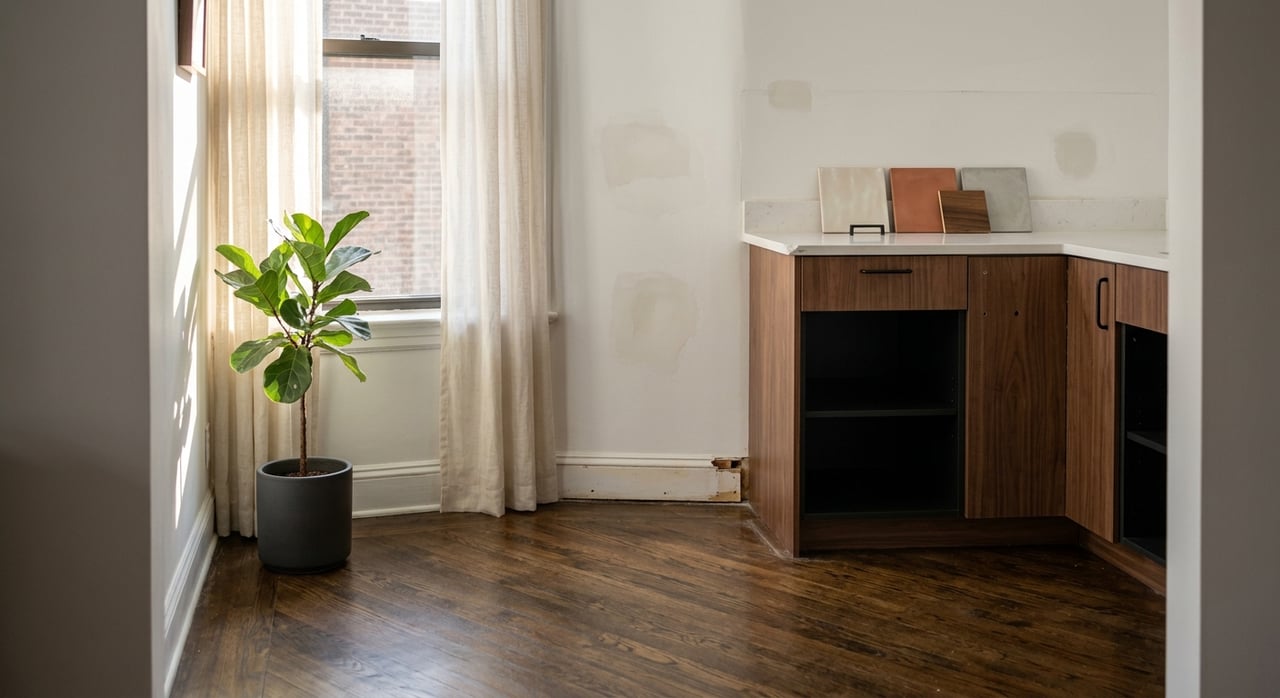
If you are exploring a townhouse, cottage, or unusual West Village property, working with an advisor who understands both the architecture and the practical side of renovation can make a real difference. Mark O’Brien Real Estate helps buyers and sellers navigate architecturally significant homes with a clear eye on design, feasibility, and long-term value.
FAQs
What does mews mean in the West Village context?
- In the West Village, “mews” usually refers to a small lane-like or courtyard setting, often inspired by former stable courts or back-lot residential enclaves.
Are West Village courtyards and mews public?
- Some are private or gated, while others feel secluded because of the street plan or remain visible from the public way.
Are all West Village mews-like homes very old?
- No. Many are 19th-century survivals, but some later projects, such as Greenwich Street Mews, were built more recently in a context-sensitive style.
Why do hidden courtyards survive in the West Village?
- They survived because of the neighborhood’s irregular street pattern, layered building history, and landmark protections that helped preserve small-scale development.
What should buyers look for in a West Village hidden-court home?
- Buyers should look at privacy, light, access, lot layout, historic character, and any landmark-related considerations that may affect future changes.