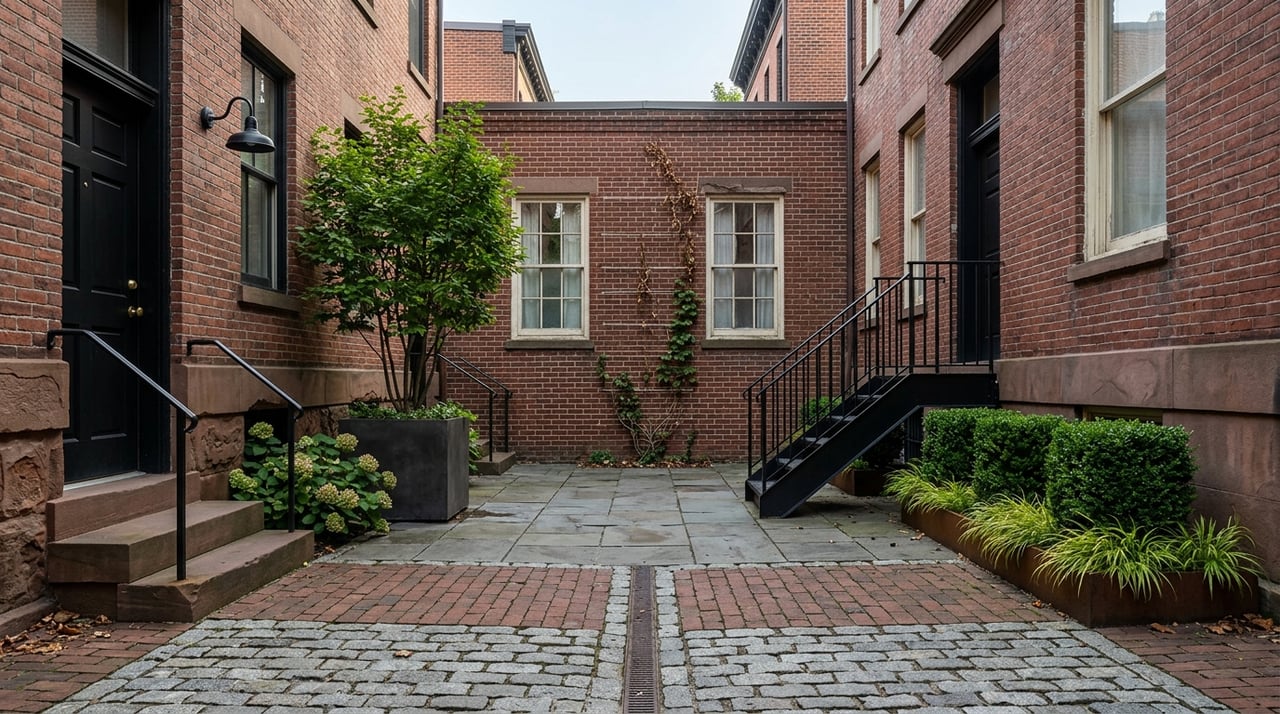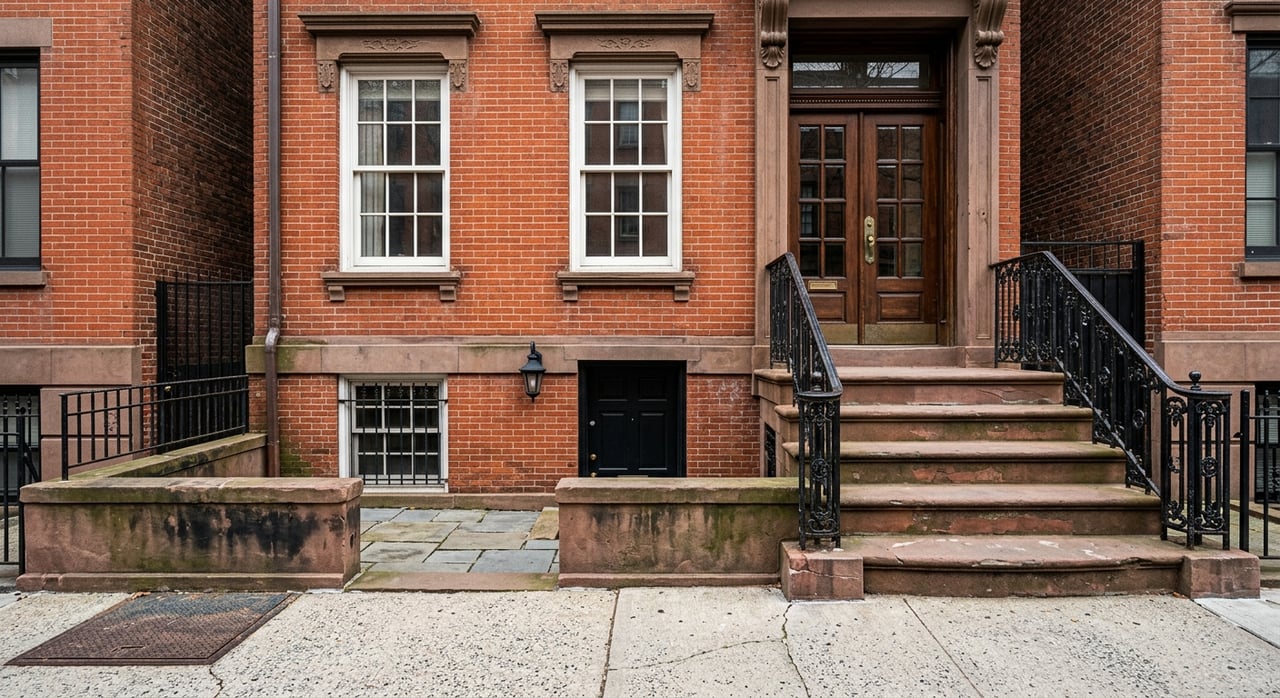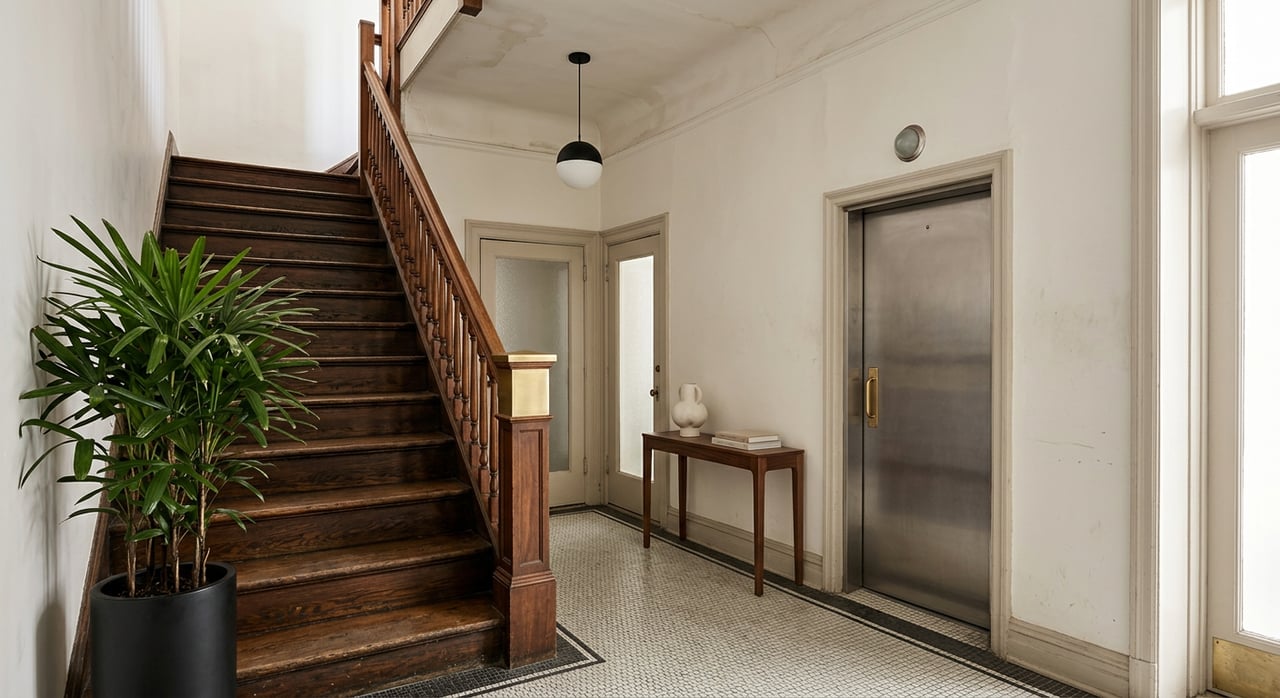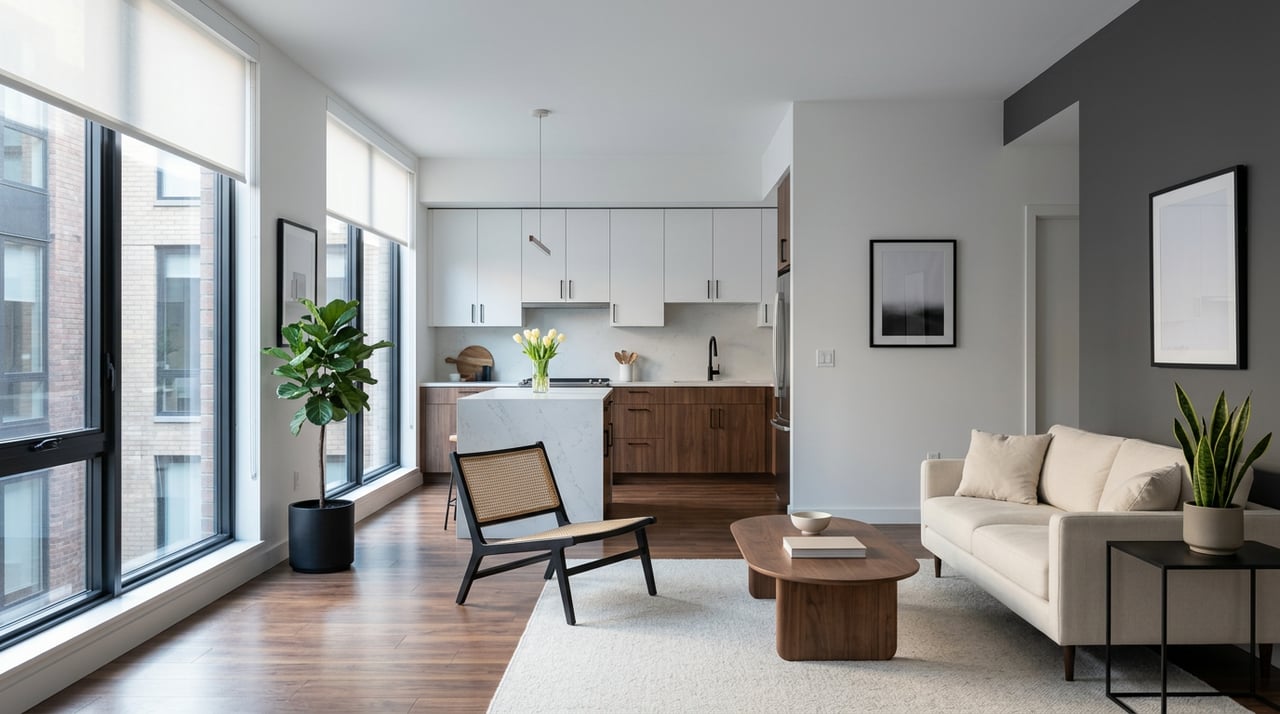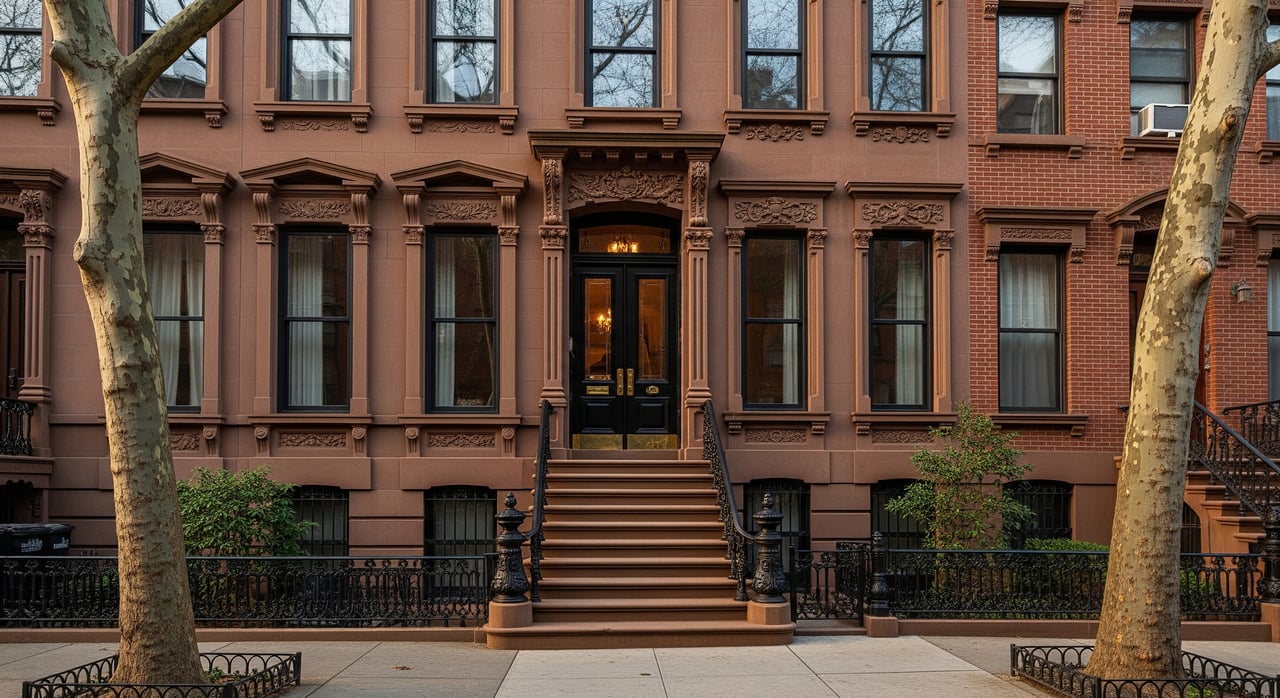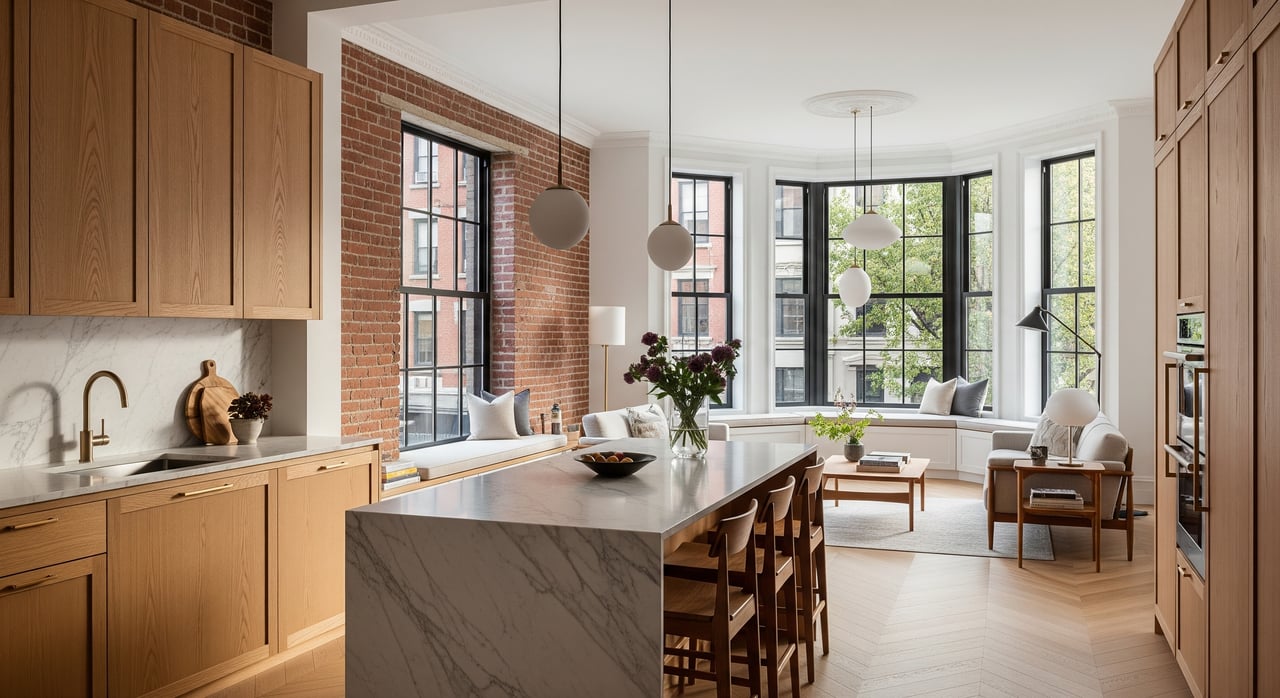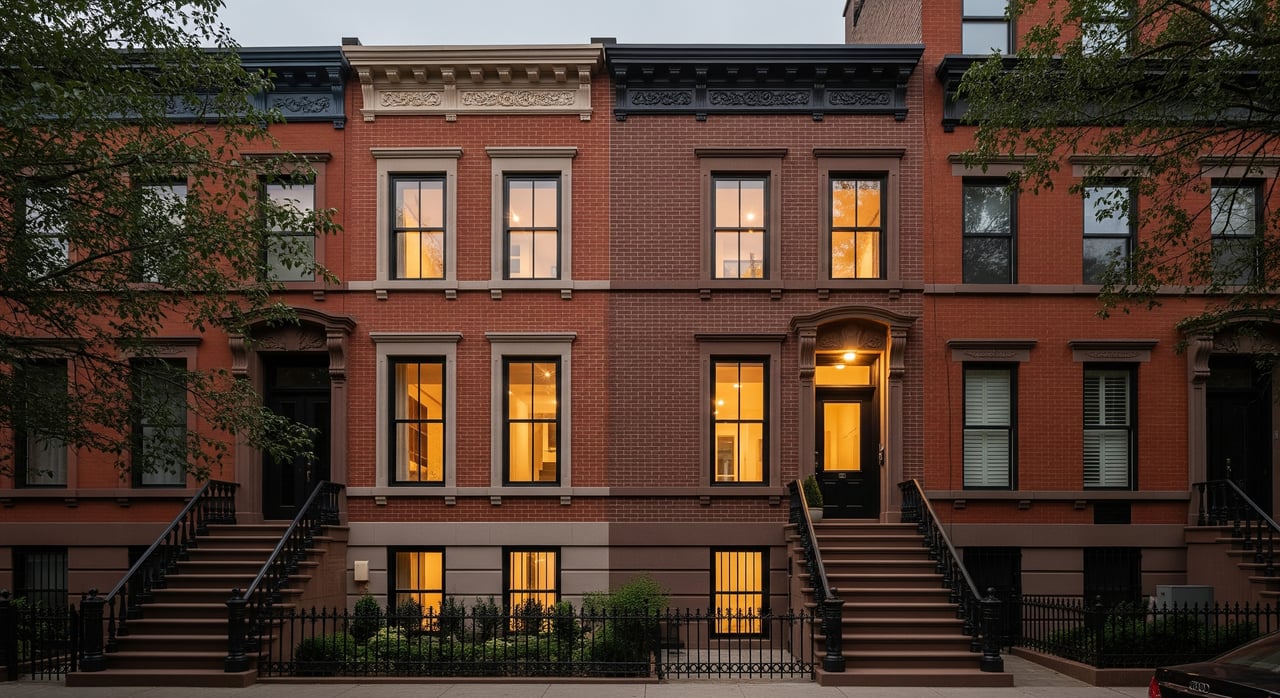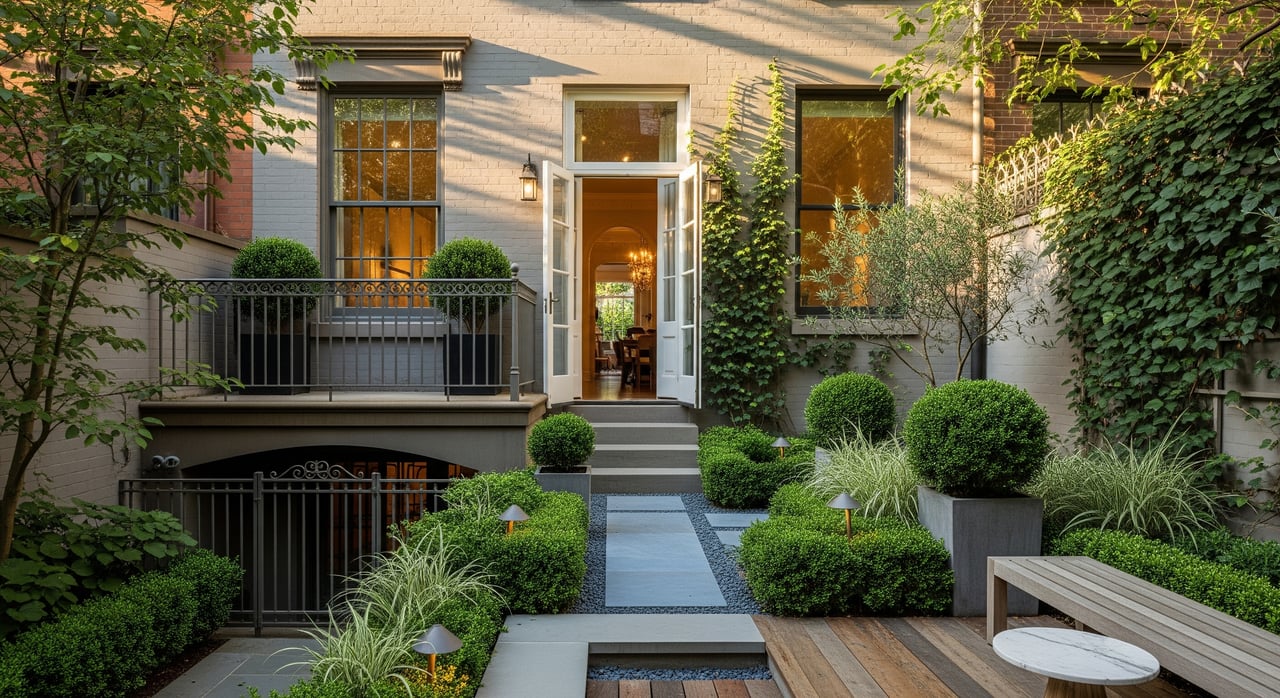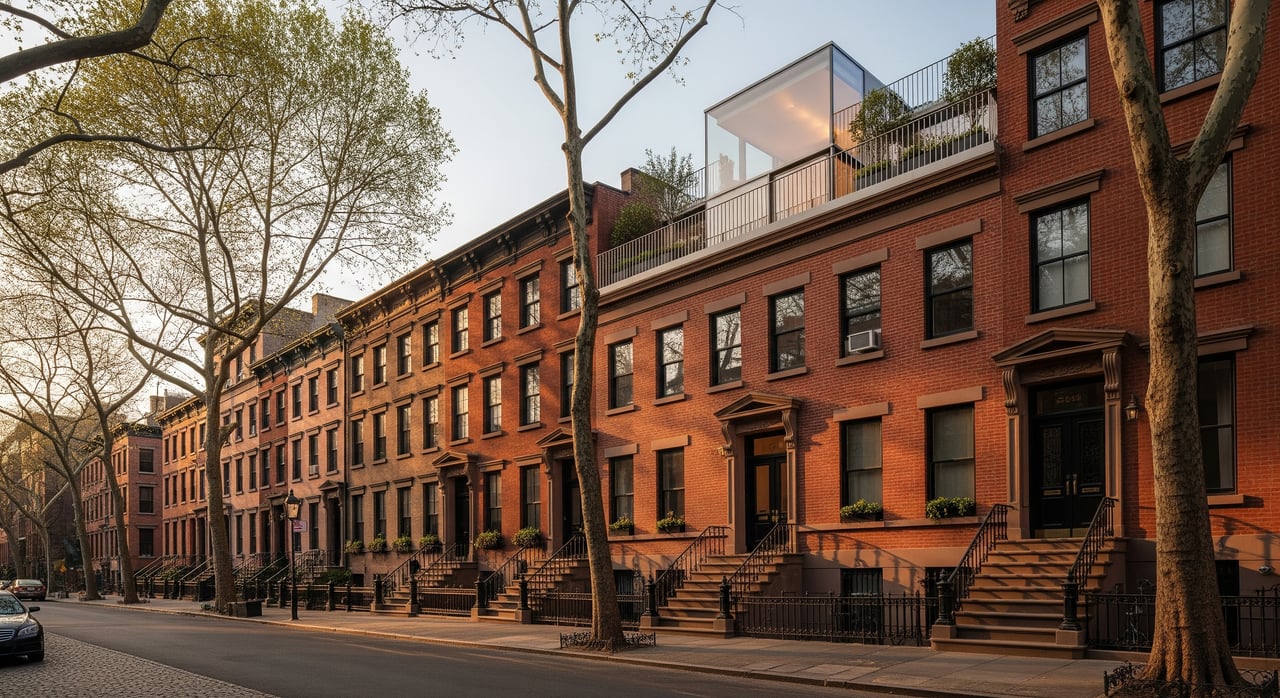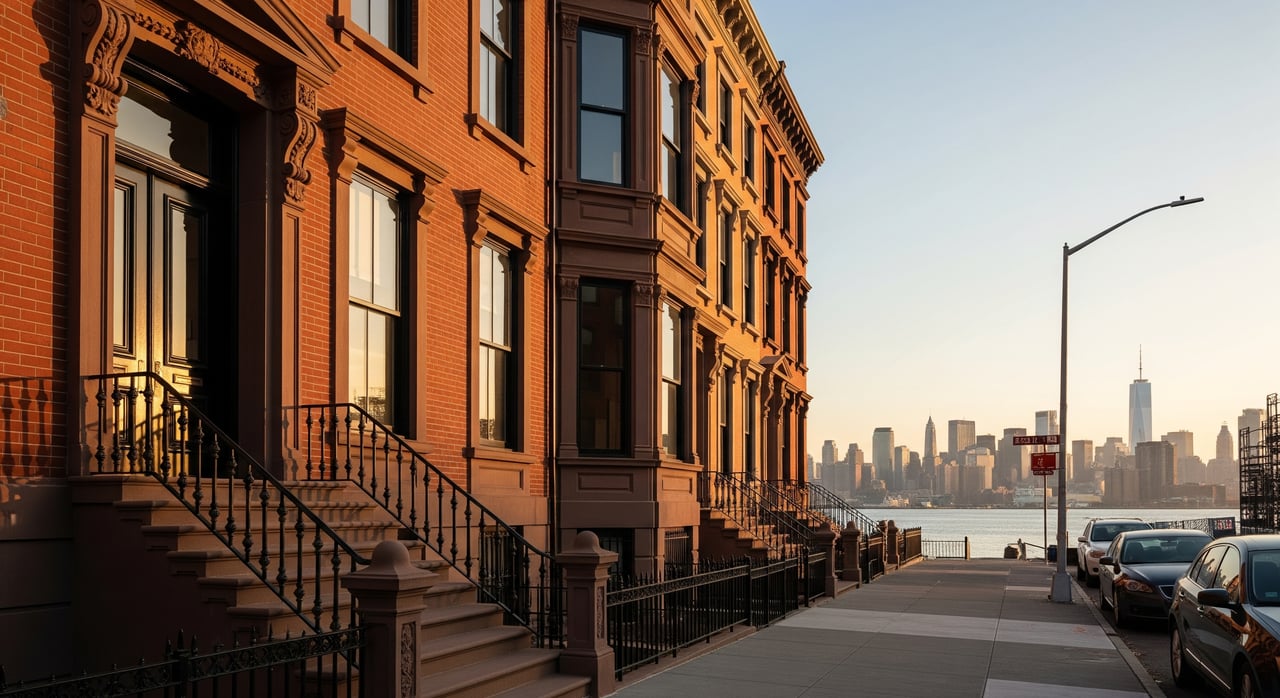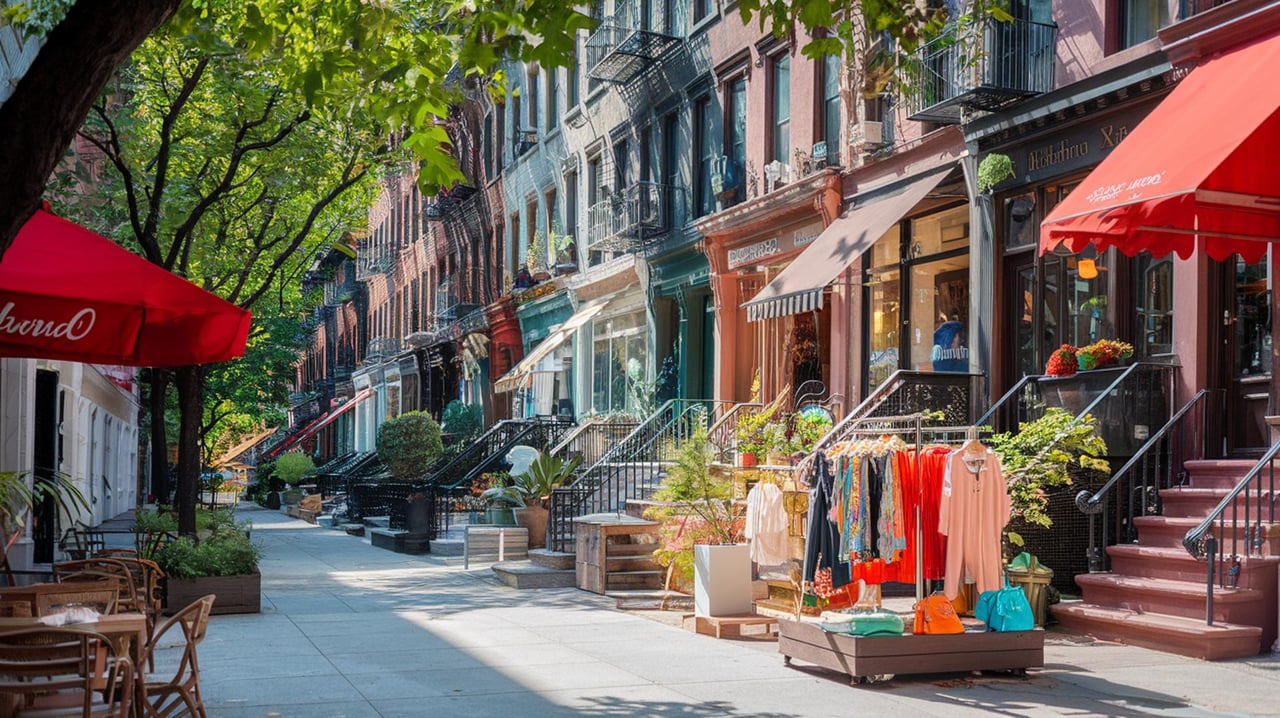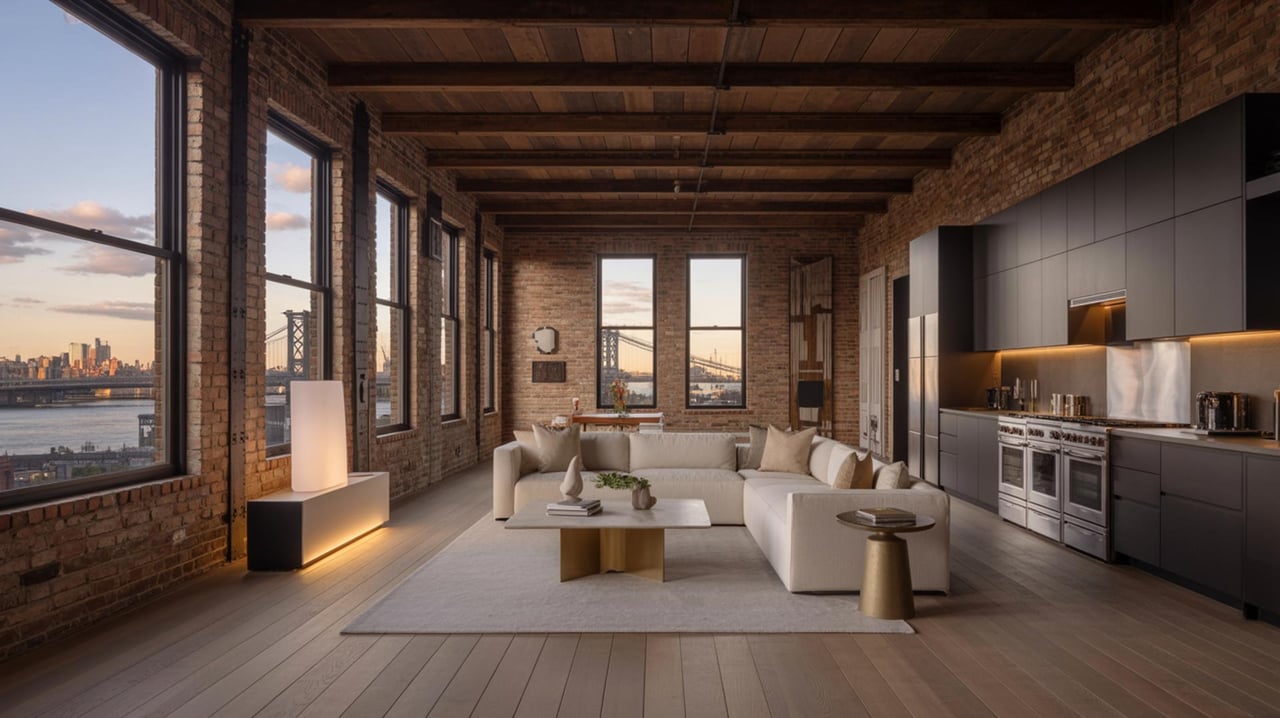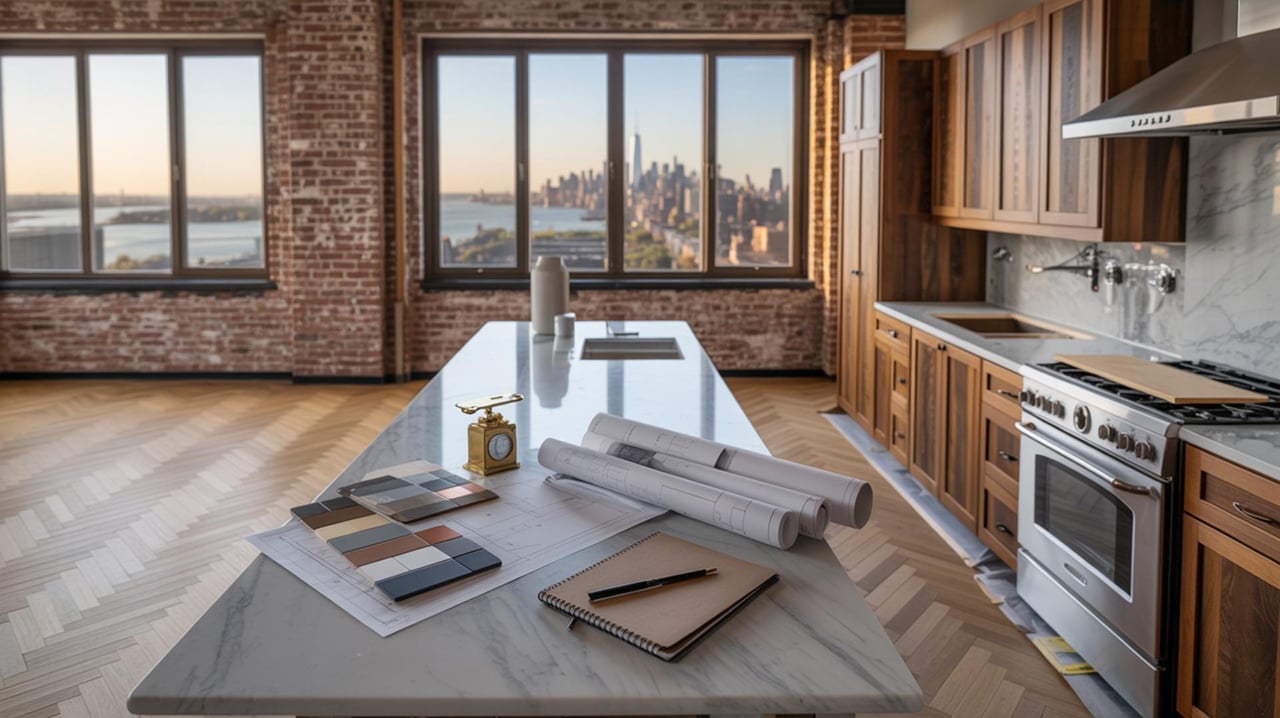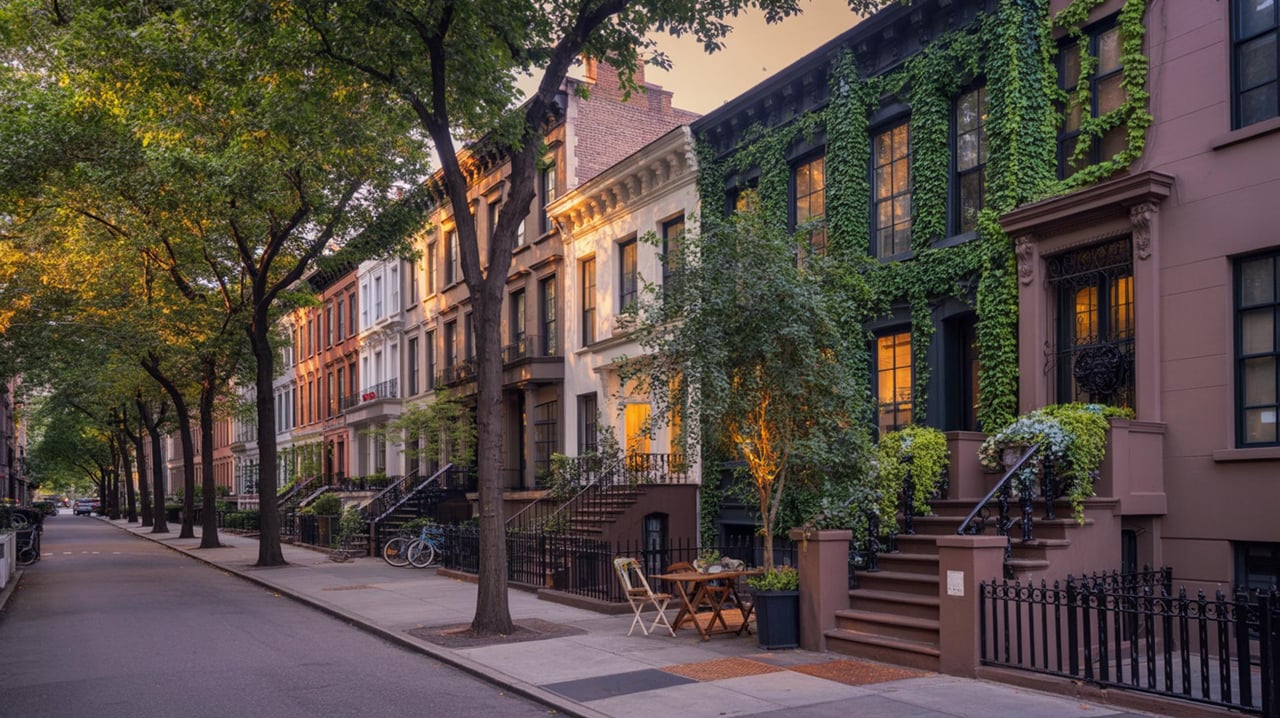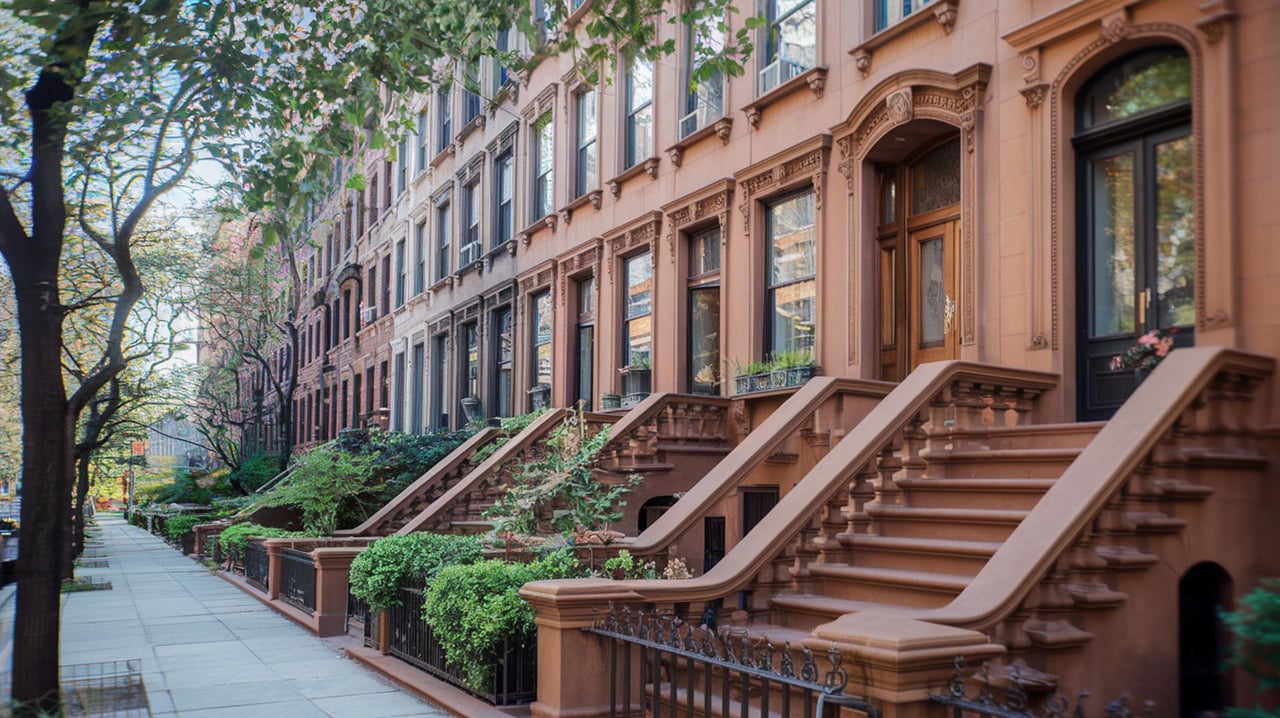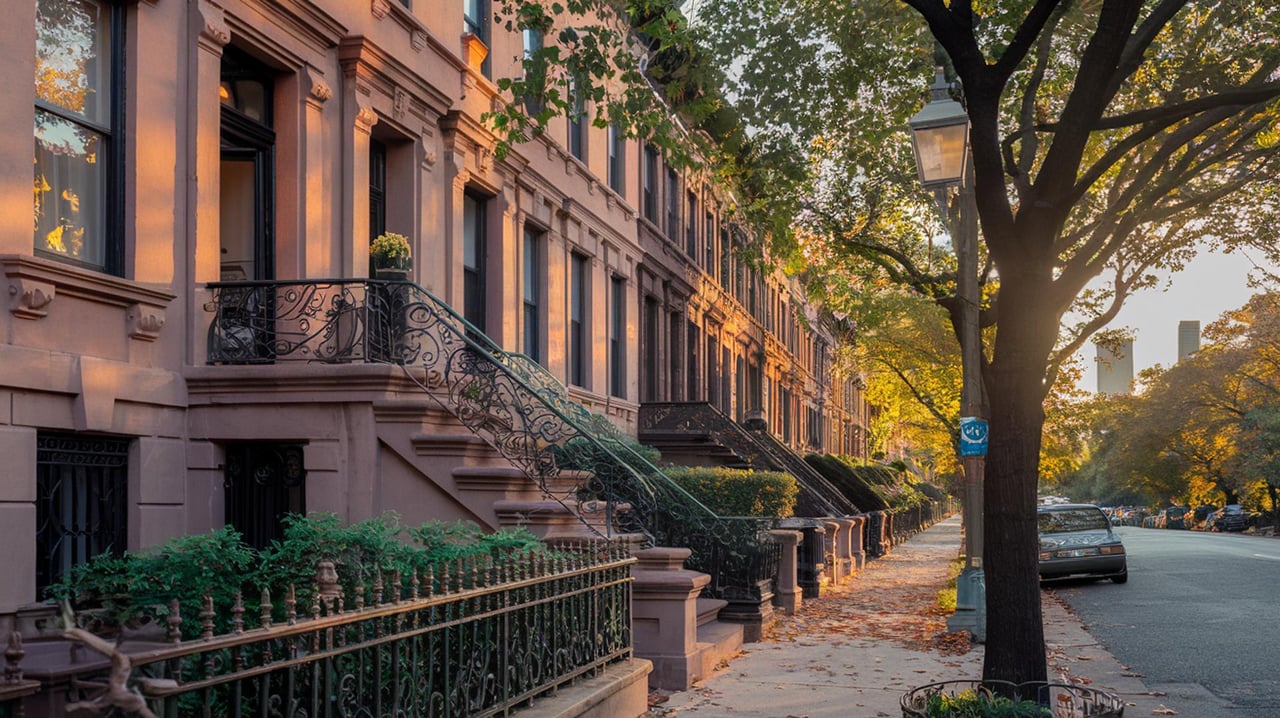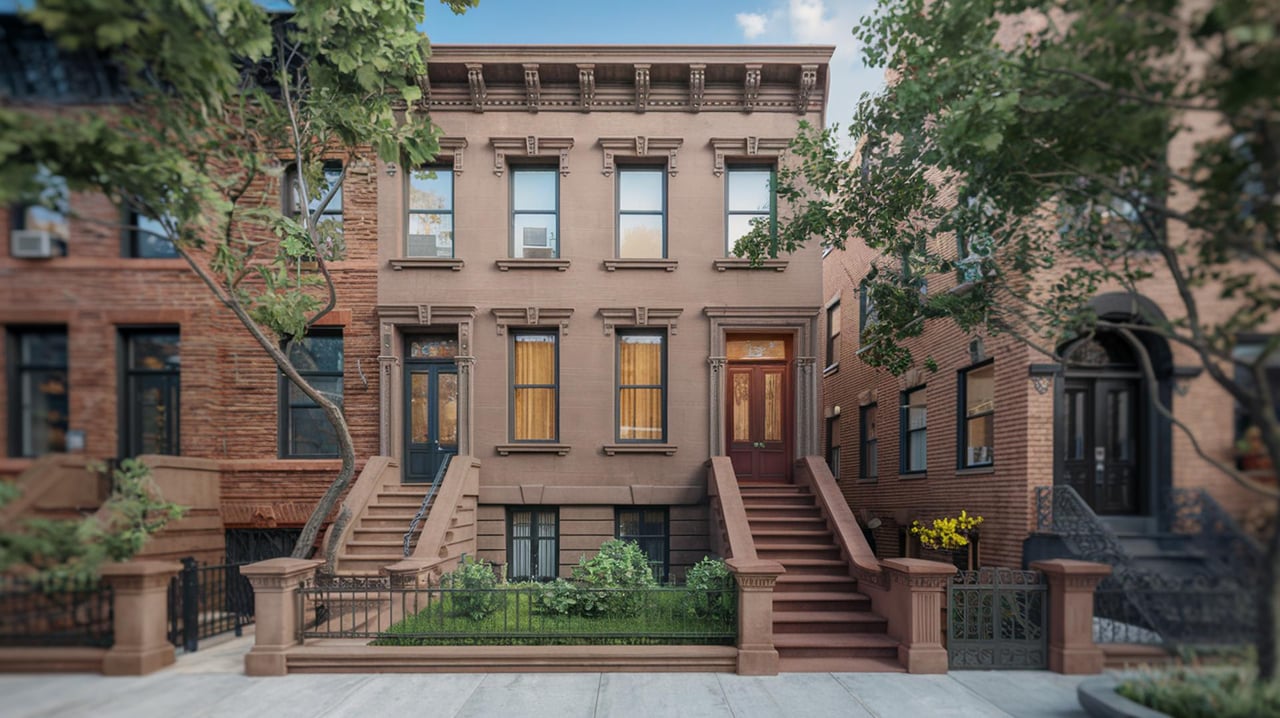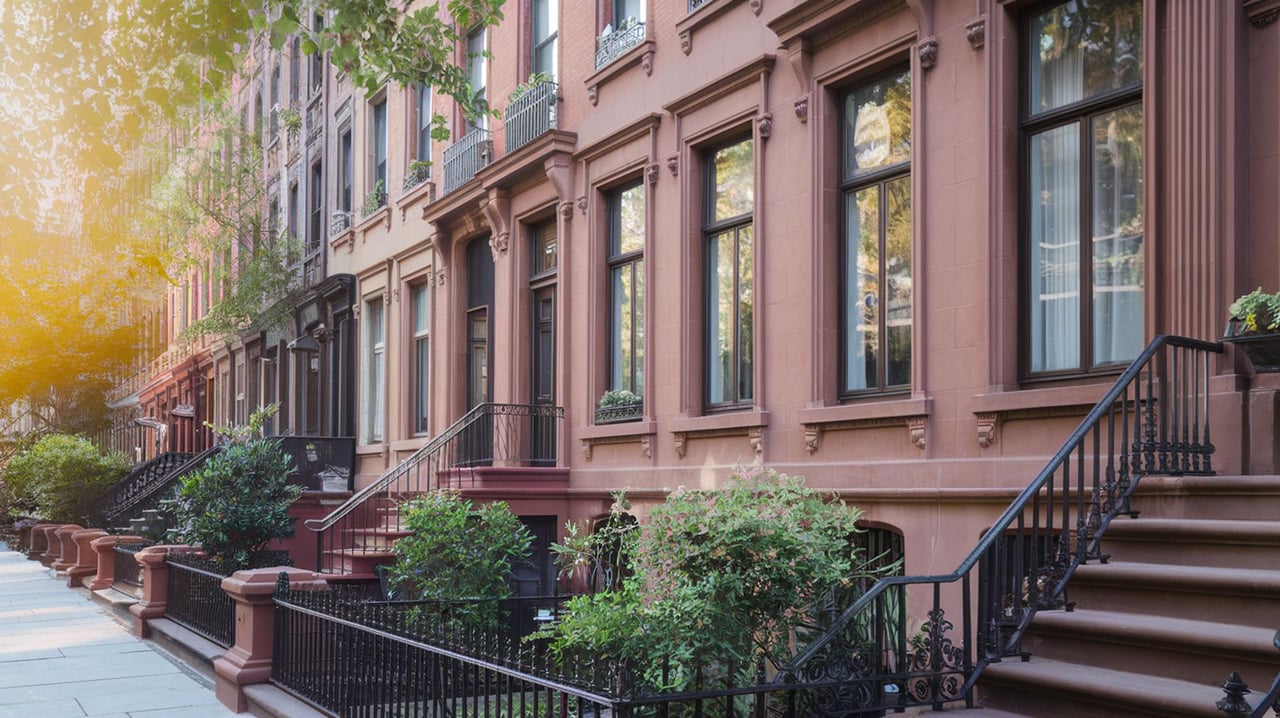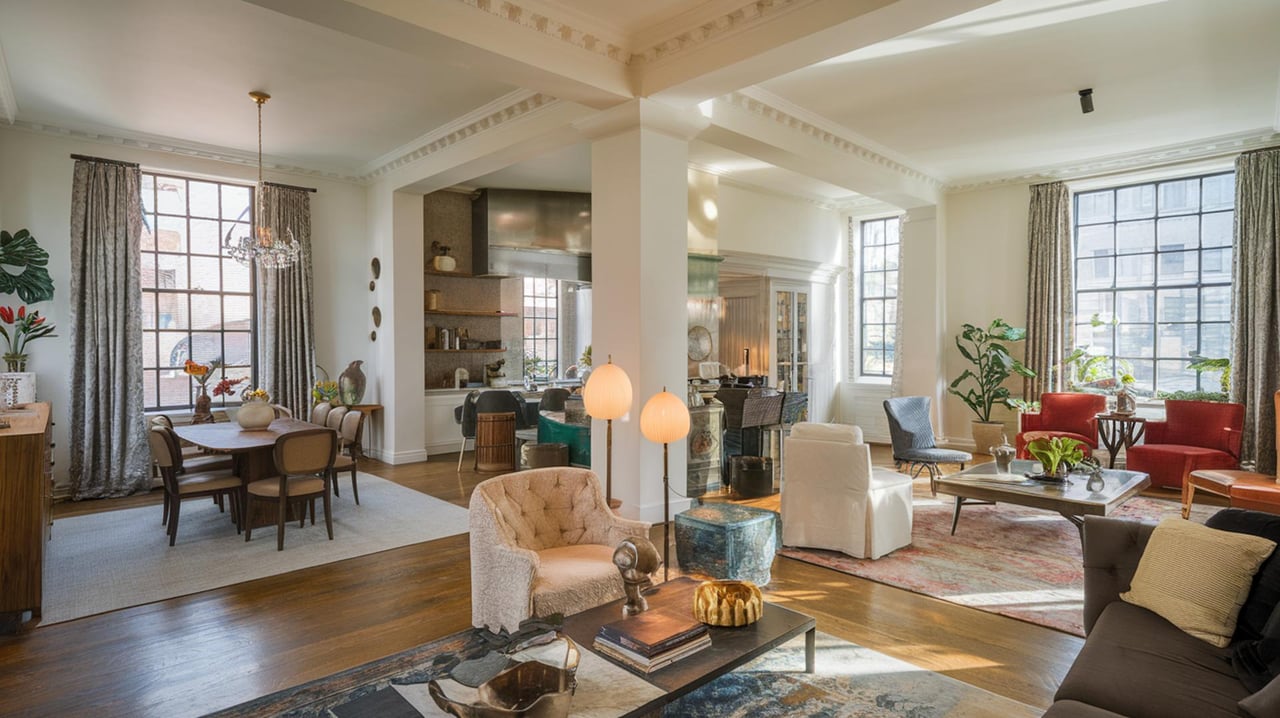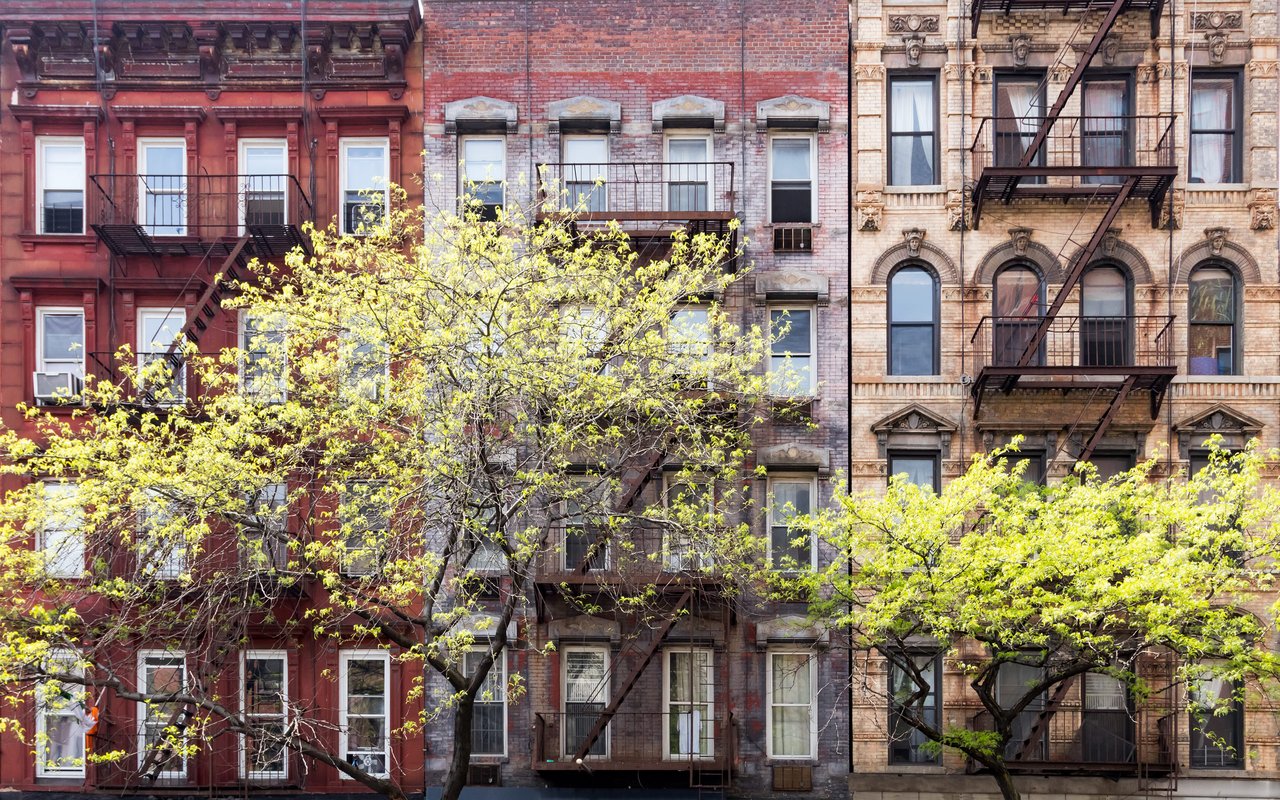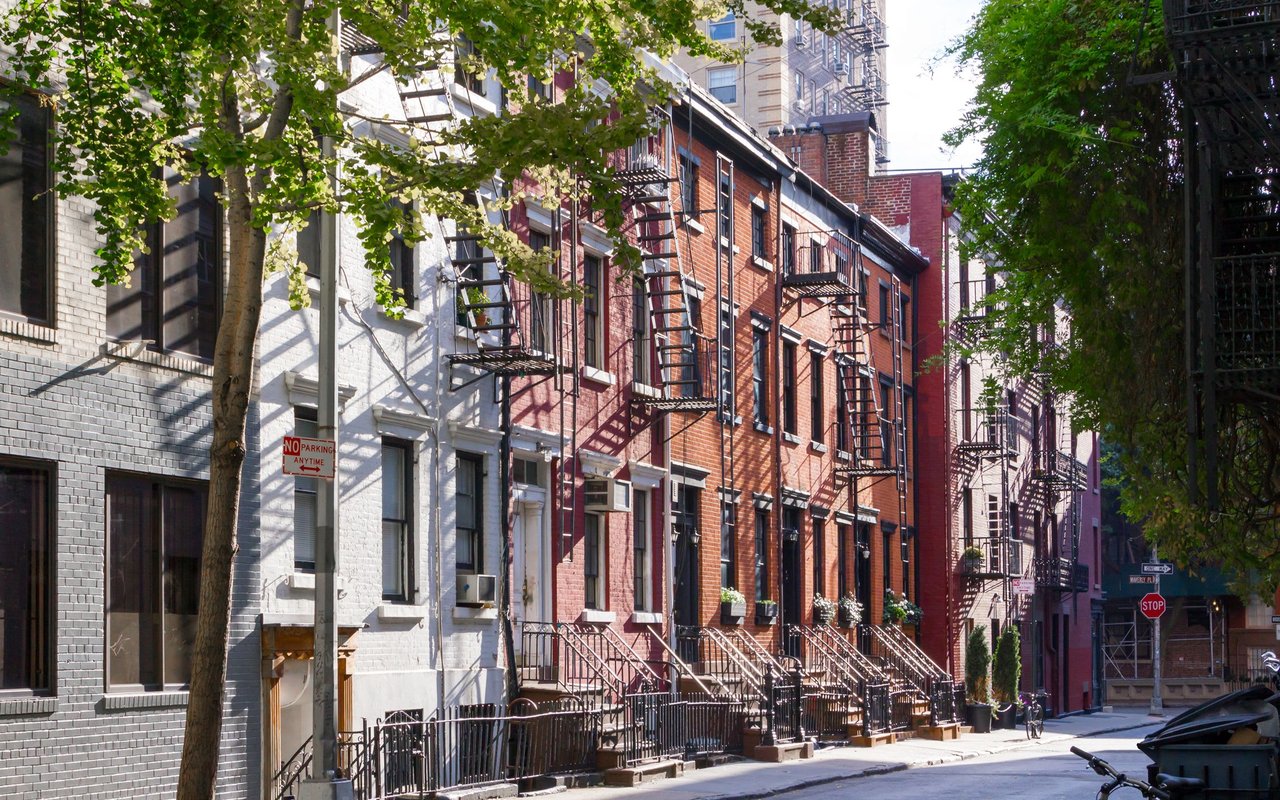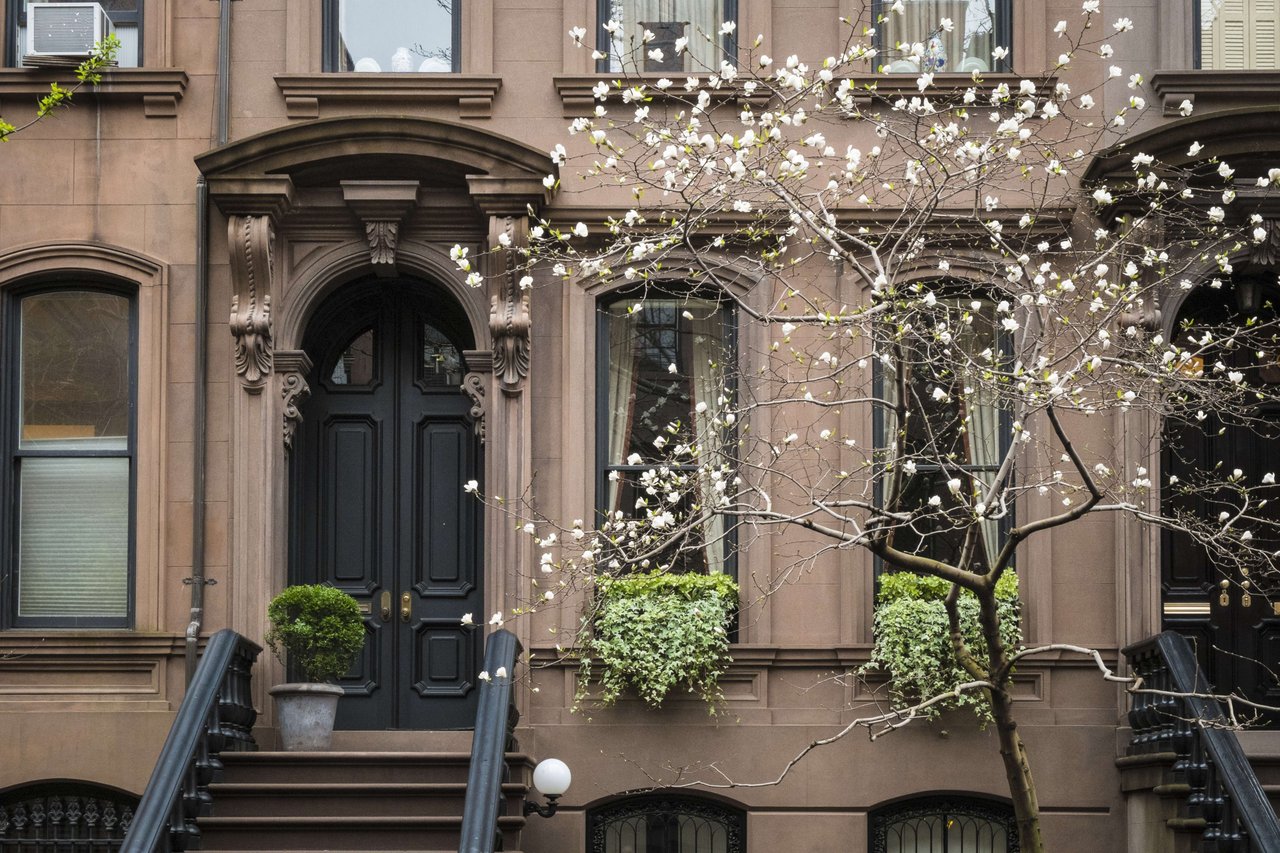
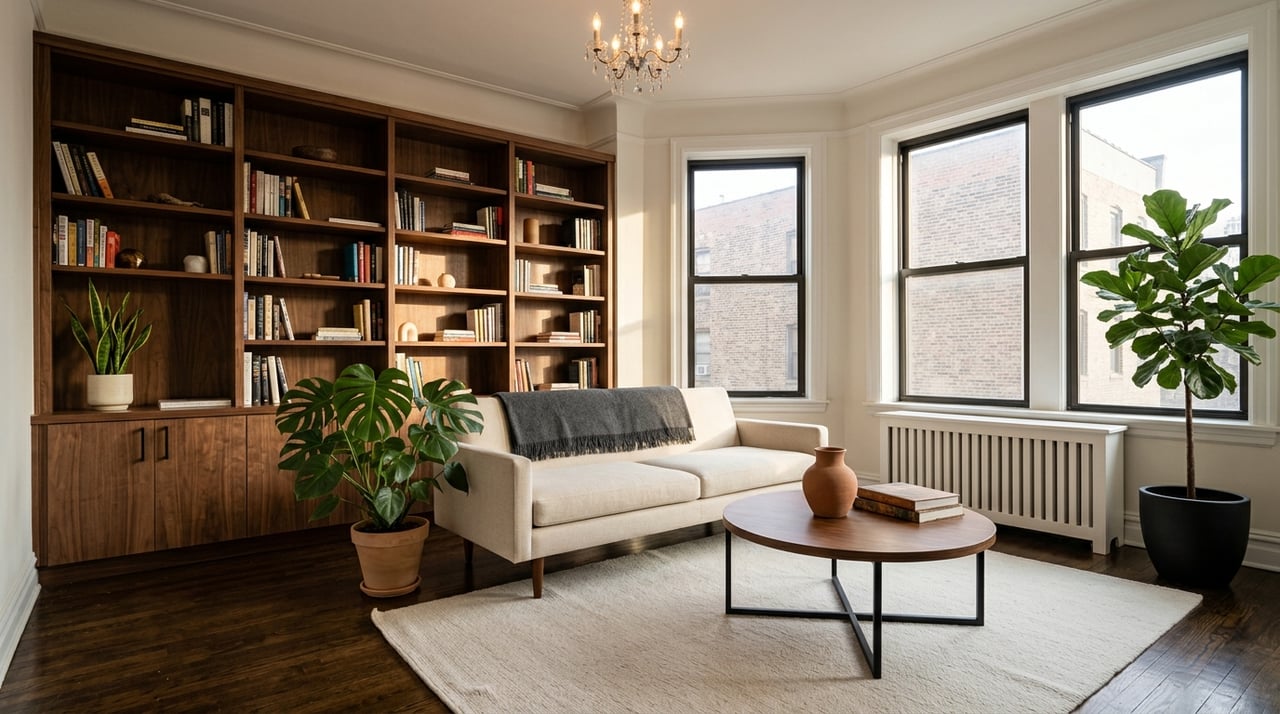
You can love Greenwich Village and still feel torn about what to buy there. A townhouse, co-op, and condo can all put you in the same neighborhood, but they offer very different ownership structures, monthly costs, and levels of control. If you are weighing character, budget, flexibility, and upkeep, this guide will help you sort through the tradeoffs and choose the fit that matches how you want to live. Let’s dive in.
Greenwich Village sets a unique housing puzzle
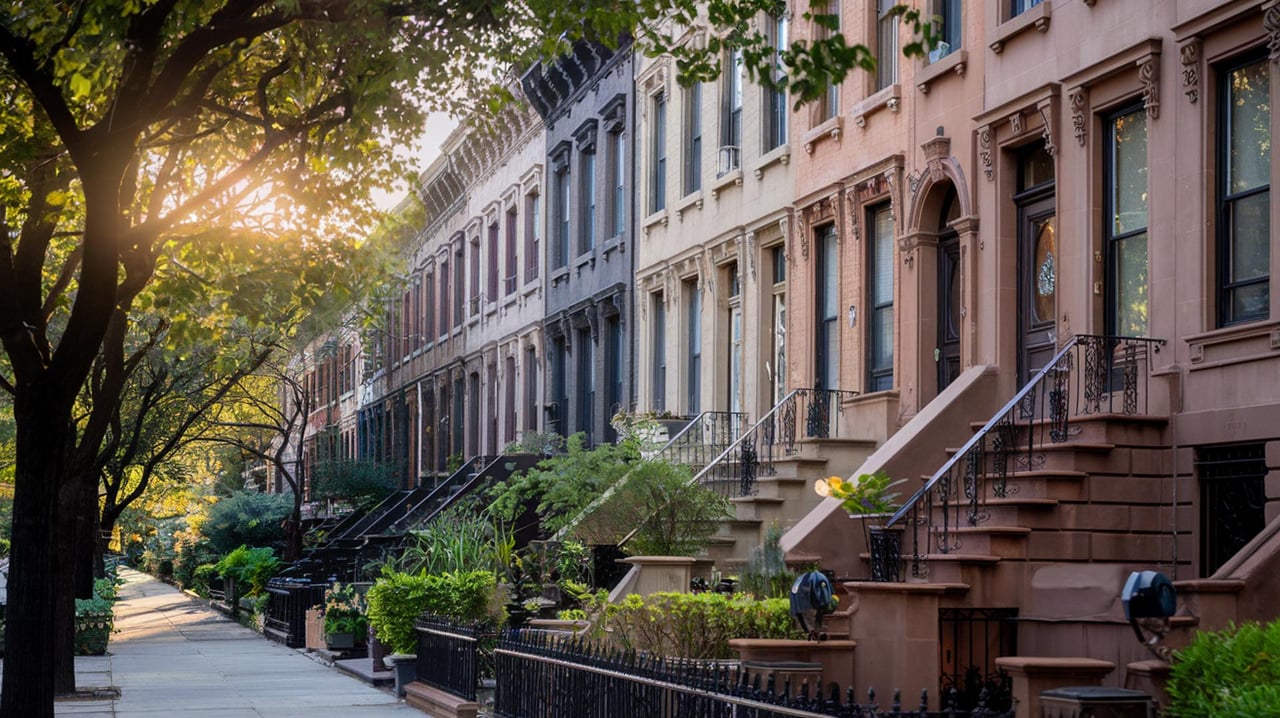
Greenwich Village is one of Manhattan’s more expensive neighborhoods, with a median sale price around $1.4 million according to StreetEasy. The area is known for older housing stock, many walk-ups, and limited supply, which shapes what buyers actually find when they start searching.
In practical terms, you will usually see far more apartment listings than house listings. That matters because townhouses are not just expensive here, they are also scarce. For many buyers, the real decision is not simply which home style they prefer, but which ownership type gives them the best path into the neighborhood.
Townhouse, co-op, or condo basics
What a townhouse means
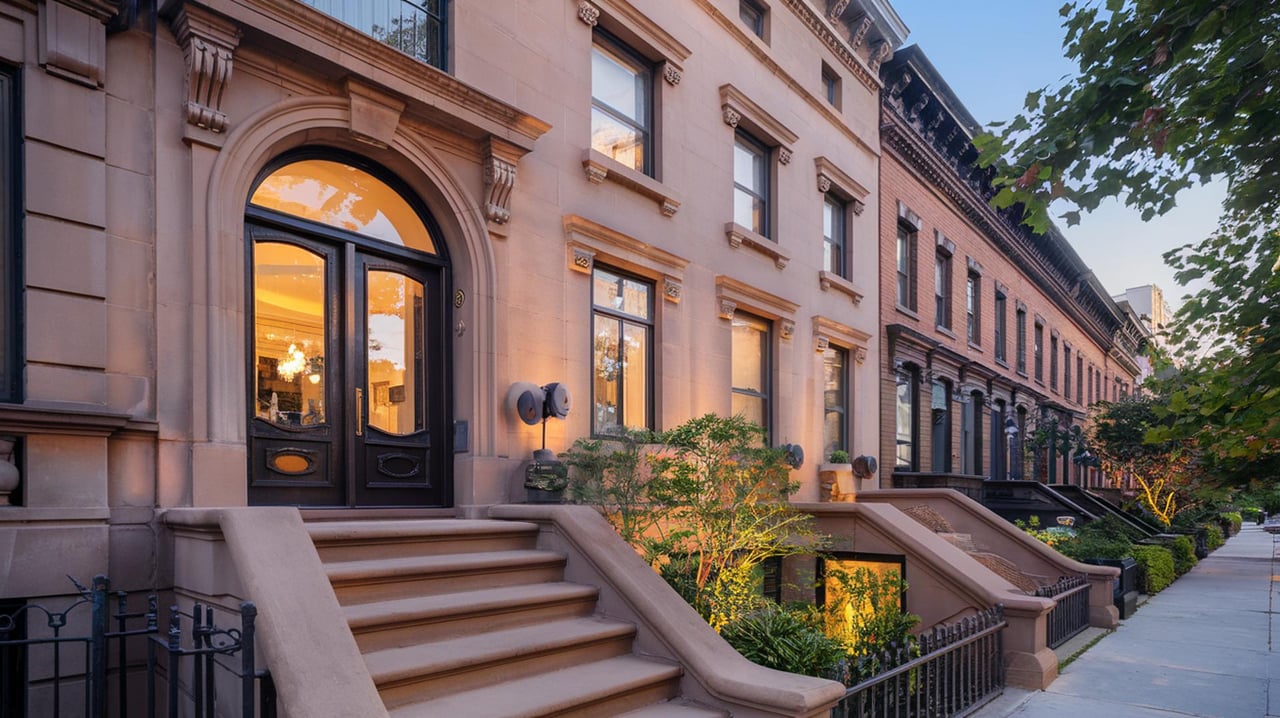
A townhouse is usually the most house-like option in this comparison. You are generally buying the building itself rather than shares in a corporation or just an individual apartment unit within a larger structure.
That often brings the most privacy and the most direct control over your property. It also brings the most responsibility, because you are not relying on a co-op corporation to absorb building-wide maintenance. In some developments, townhouse-style homes can still involve shared elements like roads, sidewalks, drainage, or retaining walls, so the legal setup should always be confirmed in the offering plan.
What a co-op means
In a co-op, you do not own real property in the same way you do with a condo or townhouse. Instead, you buy shares in a corporation, and those shares are tied to a specific apartment through a proprietary lease.
Your monthly maintenance is based on the shares allocated to your apartment. The co-op board governs the building and sets internal rules that can affect transfers, leasing, and mortgaging. That structure is familiar in Manhattan, but it is important to understand that you are buying into both a home and a corporate framework.
What a condo means
In a condo, you own your unit plus an undivided interest in the building’s common elements. That makes condo ownership legally closer to direct real property ownership than a co-op.
A condo still has shared governance through a board of managers and building rules. But the ownership and tax structure is different from a co-op, and many buyers find that distinction important when comparing flexibility and long-term plans.
Price differences in Greenwich Village
If you are trying to compare all three options, current Greenwich Village listings suggest a clear price ladder. In a recent StreetEasy sample, co-op listings ranged from about $504,000 for a studio to $3.495 million for a two-bedroom.
In that same sample, condo listings included a $1.999 million one-bedroom and a $3.995 million two-bedroom. House and townhouse listings started around $14.95 million and reached $25 million. Not every listing fits those exact bands, but the pattern is consistent: townhouses usually sit highest, condos often price above comparable co-ops, and co-ops usually offer the lowest entry point for buyers focused on the neighborhood.
How monthly costs really differ
Co-op maintenance
Co-op maintenance is not the same as condo common charges. Because the co-op corporation owns the building, maintenance can include the building’s real estate taxes and debt service, along with other building expenses and any assessments.
That bundled structure can make monthly ownership costs feel less straightforward at first glance. When you review a co-op, it helps to look past the headline maintenance number and understand what is included.
Condo common charges and taxes
With a condo, common charges and real estate taxes are projected separately. Once units are separately assessed, each unit is taxed as its own tax lot rather than being tied to the tax obligations of other units.
That cleaner separation is one reason some buyers prefer condos. It can make the cost structure easier to parse, especially if you want to understand your direct obligations more clearly.
Townhouse upkeep
A townhouse usually puts the maintenance burden directly on you. There is no co-op corporation handling roof issues, facade repairs, or similar building-wide work on your behalf.
That can be a major advantage if you want control over decisions and timing. It can also mean a much more hands-on ownership experience, especially in a neighborhood with older buildings and preservation oversight.
Historic district rules matter more here
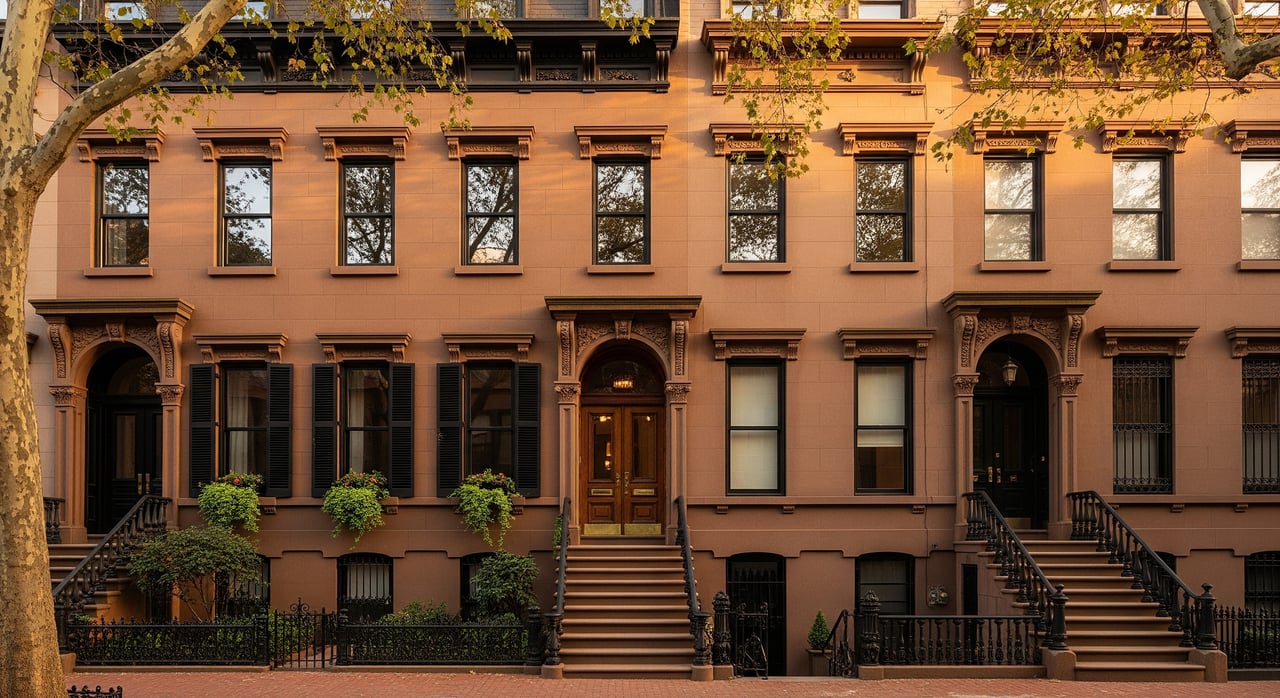
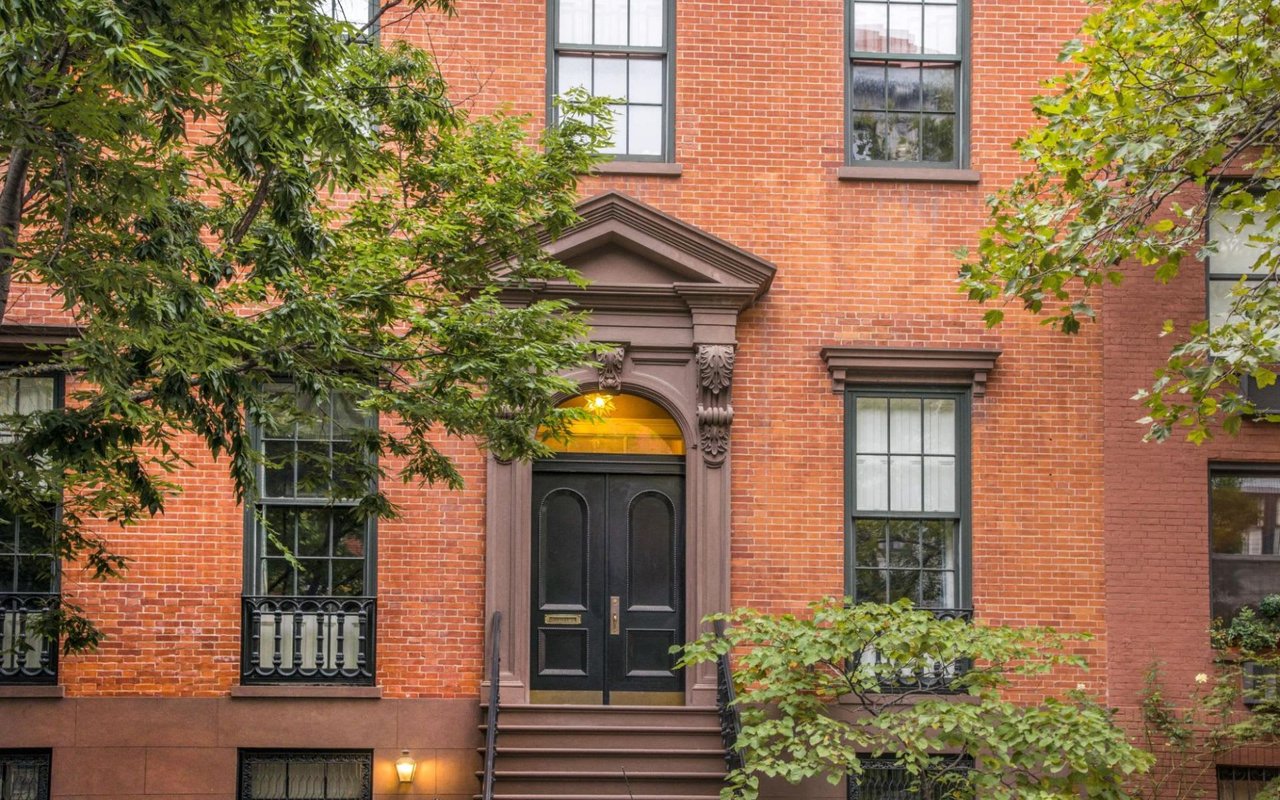
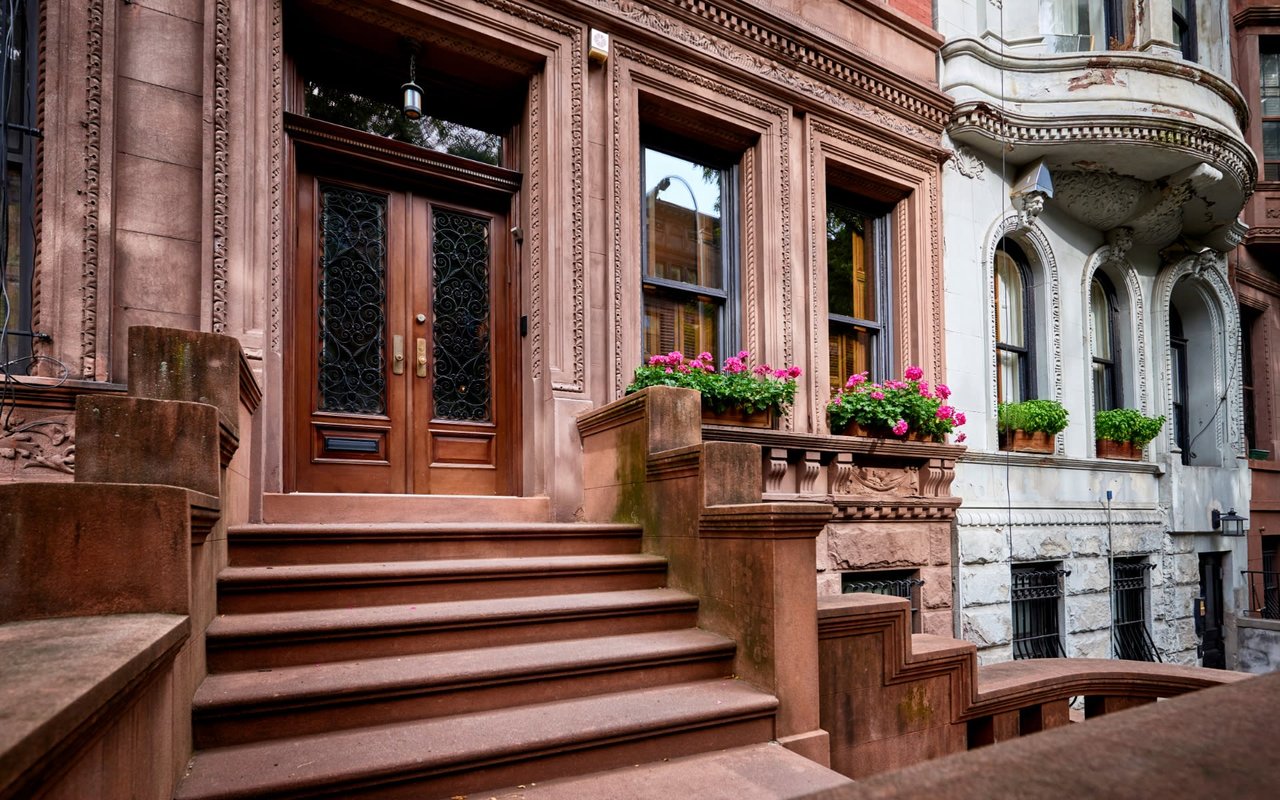
Greenwich Village is not just another Manhattan neighborhood when it comes to preservation. The Greenwich Village Historic District, designated in 1969, remains the largest historic district in New York City.
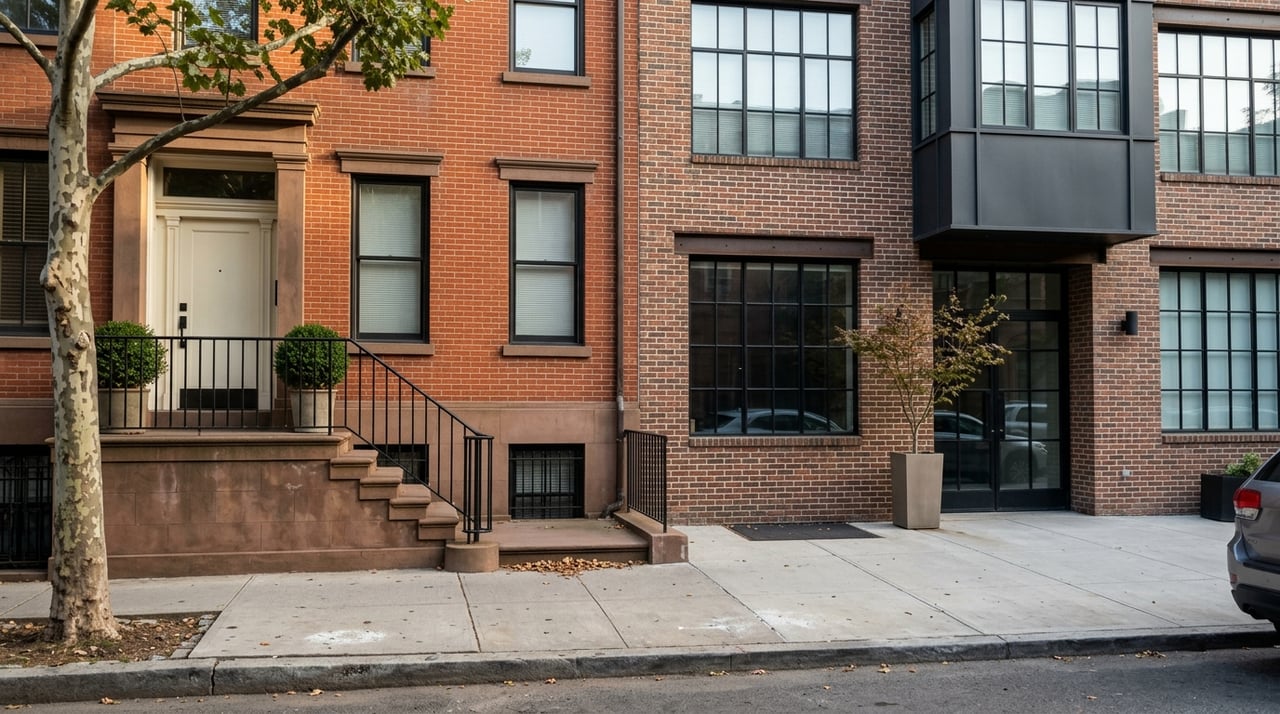
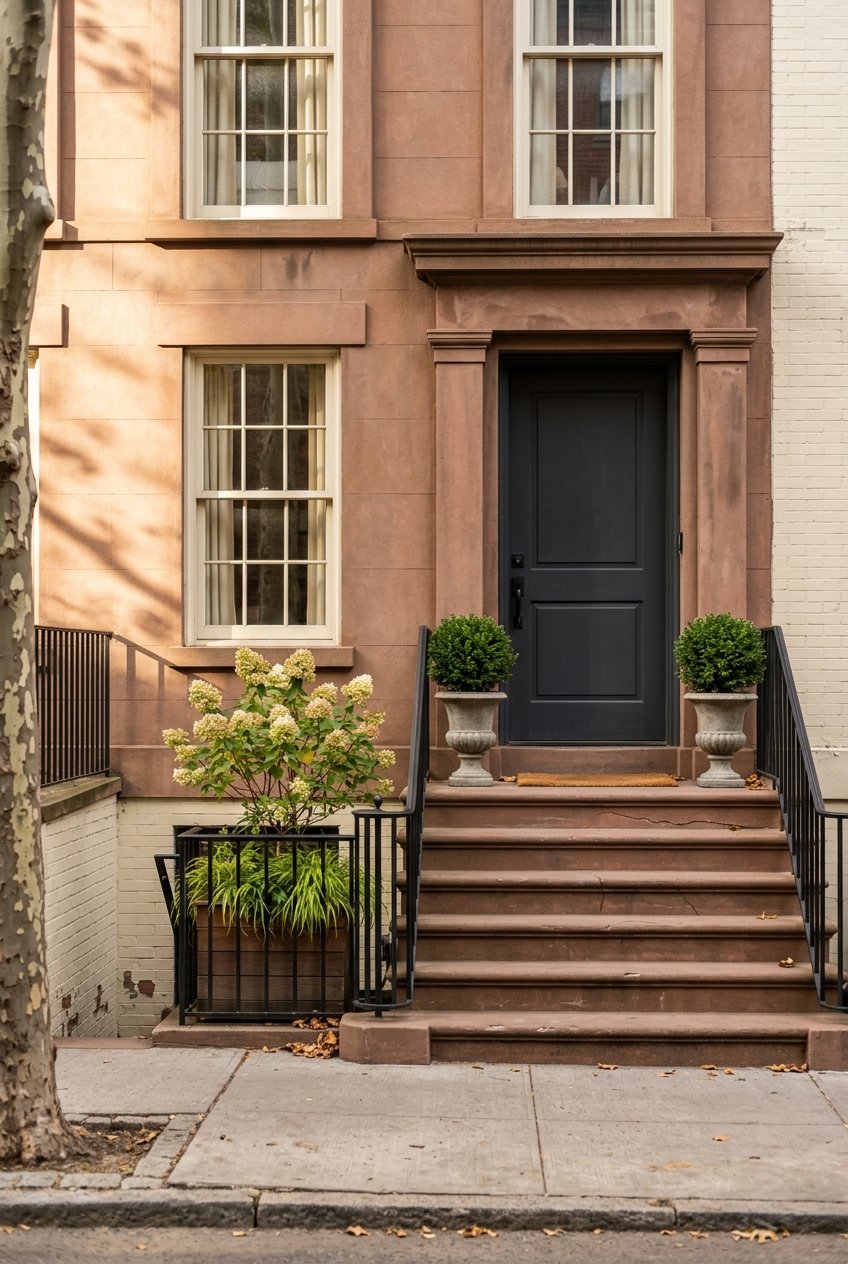
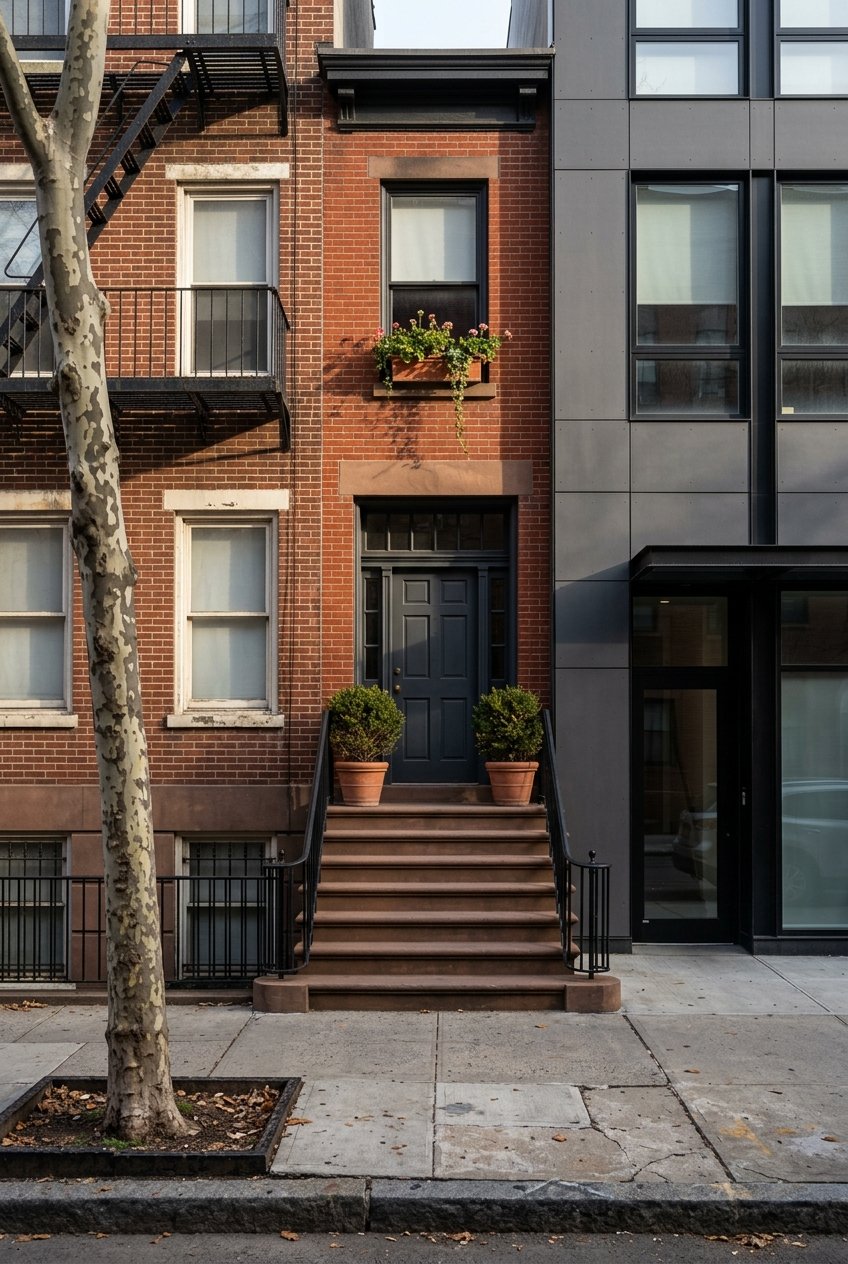
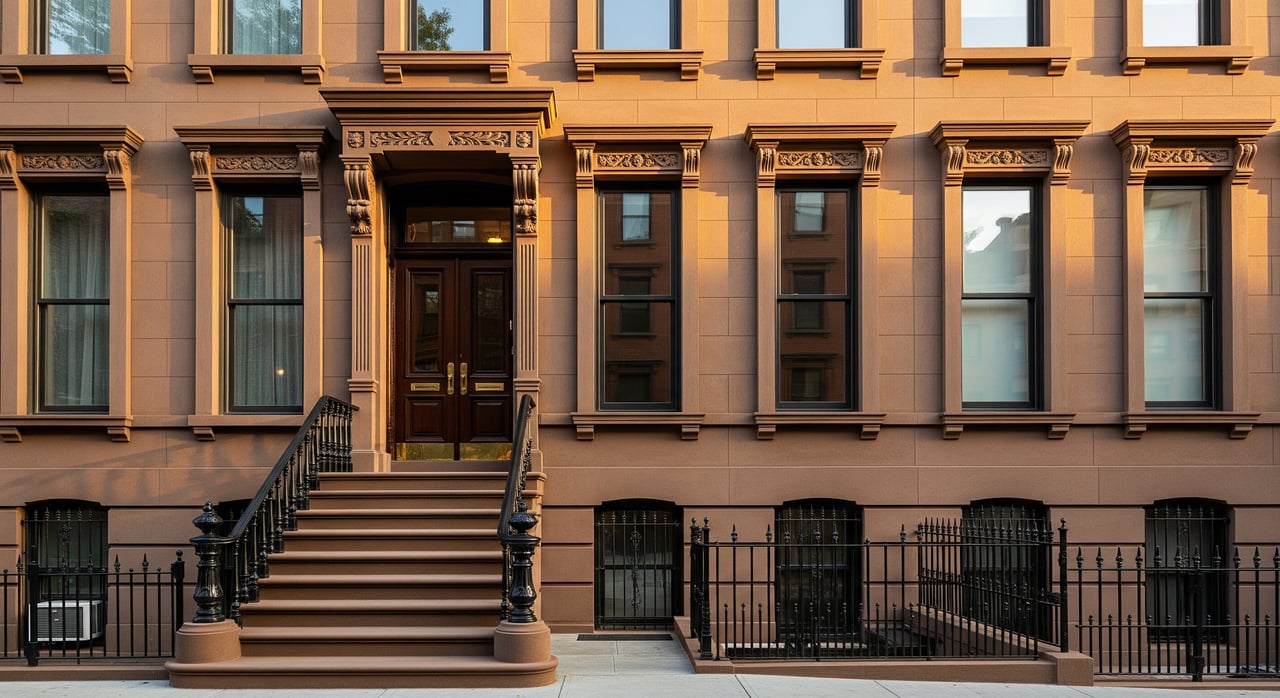
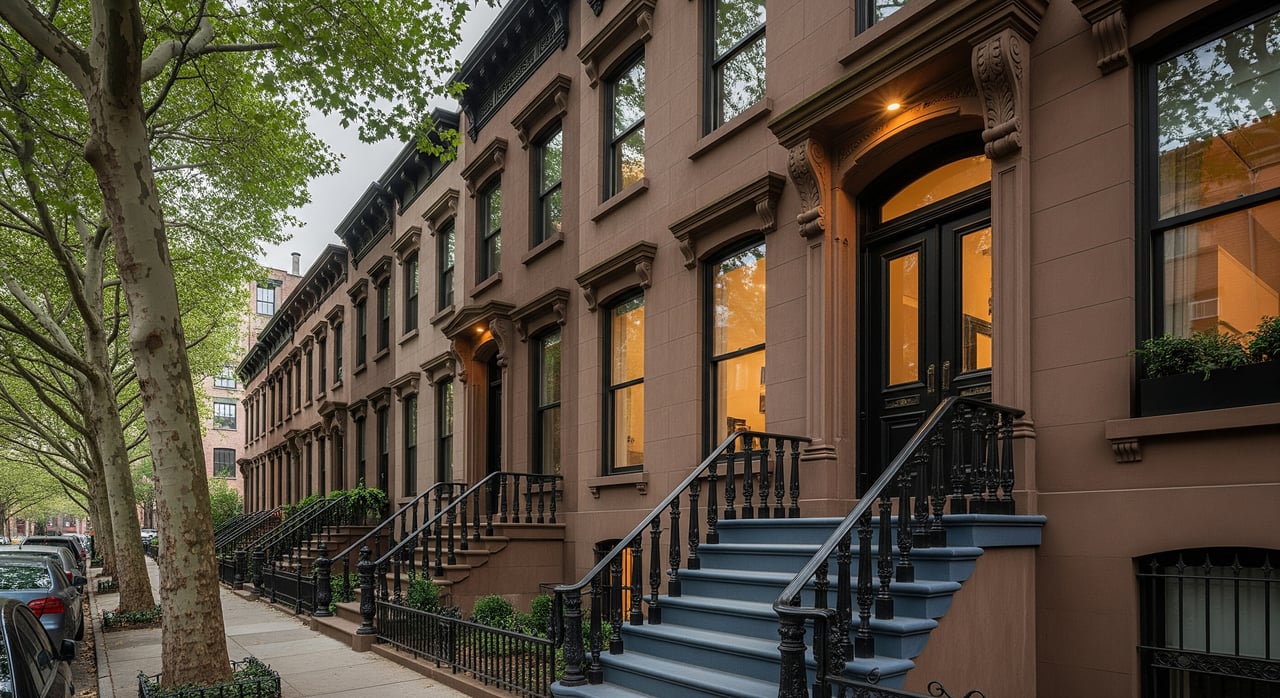
For townhouse buyers in particular, that has real implications. According to the Landmarks Preservation Commission, exterior-altering work on landmarked property can require a Certificate of Appropriateness. If you are dreaming about changing a stoop, reworking a cornice, or planning an addition, preservation review can become part of the ownership experience.
This does not mean townhouse ownership is less appealing. It means you should go in with a clear view of the approval process, possible timelines, and the level of project coordination involved.
Closing costs and financing details to know
In Greenwich Village, many purchases trigger costs that deserve a close look early in the process. New York State’s mansion tax adds 1% to residential transfers of $1 million or more, which is highly relevant in this neighborhood.
New York City also applies its real property transfer tax to sales and transfers in the city, including transfers of cooperative shares. In addition, NYC charges a mortgage recording tax on mortgages recorded in the city. Current city reporting says individual cooperative apartments do not incur mortgage recording tax liability, which is one reason co-op financing can have a different closing-cost profile than condo or townhouse financing.
For buyers comparing options at similar prices, those transaction mechanics can meaningfully affect cash needed at closing. It is one more reason to evaluate the full ownership picture, not just the asking price.
Which option fits your priorities?
Choose a townhouse if you want control
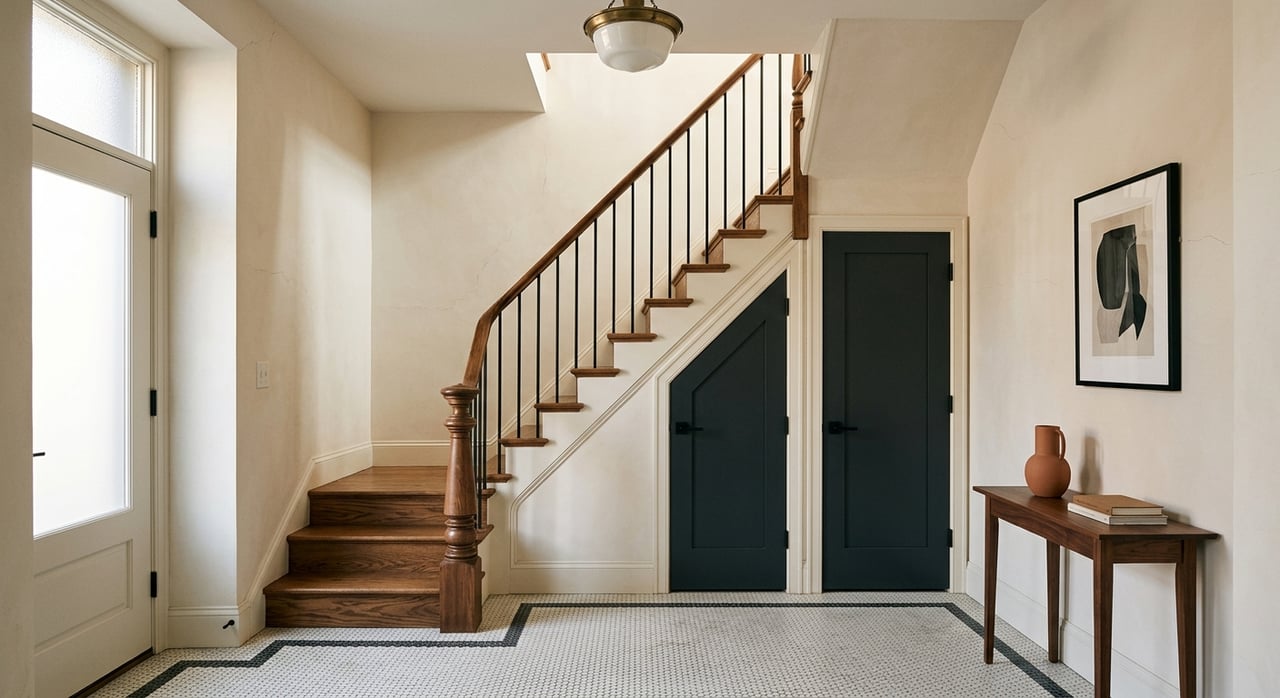
A townhouse can make sense if your top priorities are privacy, direct control, and architectural character. It is often the best fit for buyers who value a house-like feel and are comfortable managing maintenance and potential preservation review.
This option tends to reward buyers who want to shape a property over time. It can be especially appealing if you appreciate historic details and understand the practical side of caring for an older building.
Choose a co-op if you want relative value
A co-op may be the strongest fit if your priority is buying into Greenwich Village at a lower entry point than a comparable condo or townhouse. For many buyers, that tradeoff is worthwhile because it can open the door to a location that might otherwise feel out of reach.
The key is comfort with board governance, proprietary lease terms, and maintenance charges that may include building-level costs. If you value neighborhood access and can work within that structure, a co-op can be a smart choice.
Choose a condo if you want direct unit ownership
A condo often suits buyers who want direct ownership of a unit and a tax structure that is more transparent than a co-op. It can also appeal to buyers who want a building with shared management but prefer an ownership model that feels closer to traditional real estate.
In Greenwich Village, that usually comes at a premium over co-op pricing. Still, for some buyers, the legal structure and cost clarity make that premium worthwhile.
Due diligence matters in every format
No matter which path you choose, document review is essential. The New York Attorney General advises buyers to read the entire offering plan and consult an attorney before signing.
In existing buildings, board minutes, financial reports, and defect disclosures can reveal costly issues such as facade, roof, elevator, plumbing, boiler, and electrical work. In Greenwich Village, that review should also be paired with a preservation check for any landmarked or historic-district property.
For many buyers, this is where local experience becomes especially valuable. Older buildings, layered ownership structures, and preservation rules can all affect how a property looks on paper and how it feels to own in real life.
The best choice depends on how you live
There is no universal winner between a townhouse, co-op, and condo in Greenwich Village. The right answer depends on whether you value privacy, lower entry cost, direct ownership, renovation potential, or a simpler monthly structure.
If you are drawn to architectural character and want help thinking through condition, feasibility, and long-term upkeep, it helps to work with someone who understands both the market and the buildings themselves. That is especially true in a neighborhood where the charm is real, but so are the details behind the facade.
If you want help comparing Greenwich Village properties with a sharper eye on ownership structure, renovation reality, and neighborhood fit, Mark O’Brien Real Estate can help you evaluate the options with clarity.
FAQs
What is the main ownership difference between a Greenwich Village co-op and condo?
- In a co-op, you buy shares in a corporation tied to an apartment through a proprietary lease, while in a condo, you own the individual unit plus an interest in the common elements.
What usually costs more in Greenwich Village: townhouse, condo, or co-op?
- Current listing samples suggest townhouses usually cost the most, condos often price above comparable co-ops, and co-ops usually provide the lowest entry point into the neighborhood.
What monthly costs should you expect with a Greenwich Village co-op?
- Co-op maintenance can include building real estate taxes, debt service, and other building expenses, so it should not be viewed as the same type of charge as condo common charges.
What should townhouse buyers know about Greenwich Village historic district rules?
- In landmarked or historic-district settings, exterior-altering work may require Landmarks Preservation Commission review and a Certificate of Appropriateness.
What due diligence should buyers do before purchasing in Greenwich Village?
- Buyers should review the full offering plan, work with an attorney before signing, and examine board minutes, financial reports, defect disclosures, and any applicable preservation issues for the property.