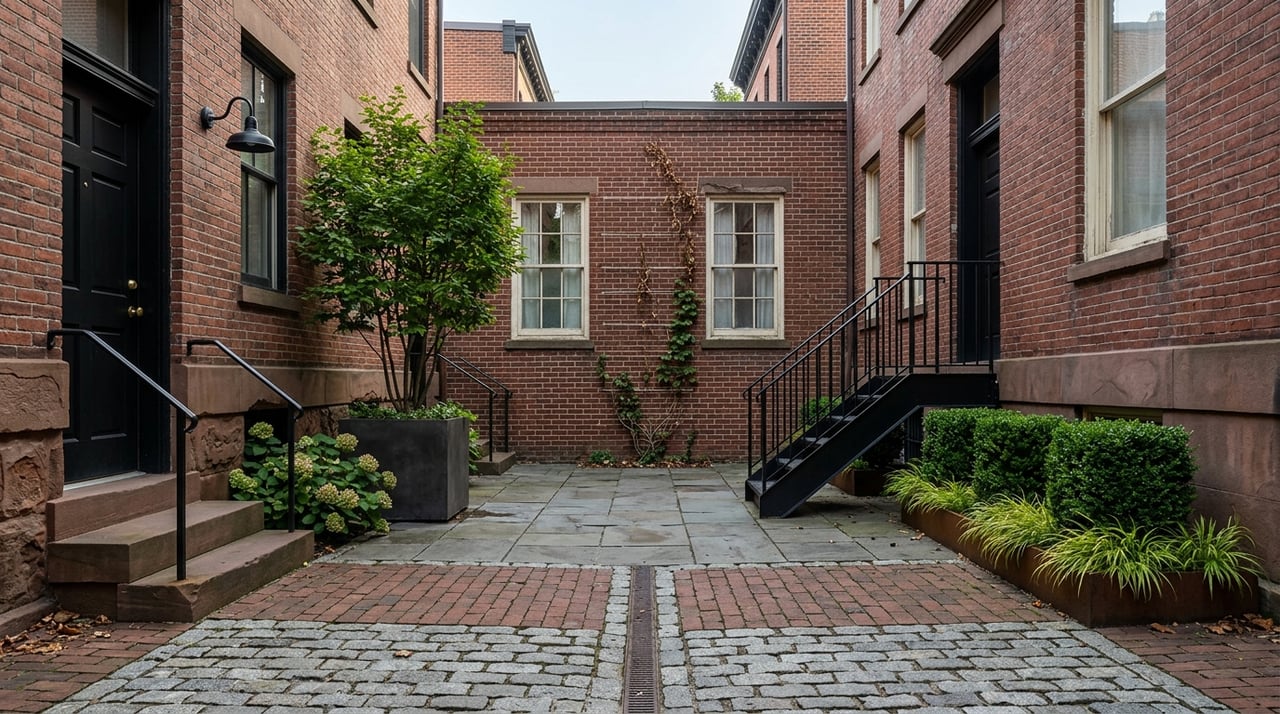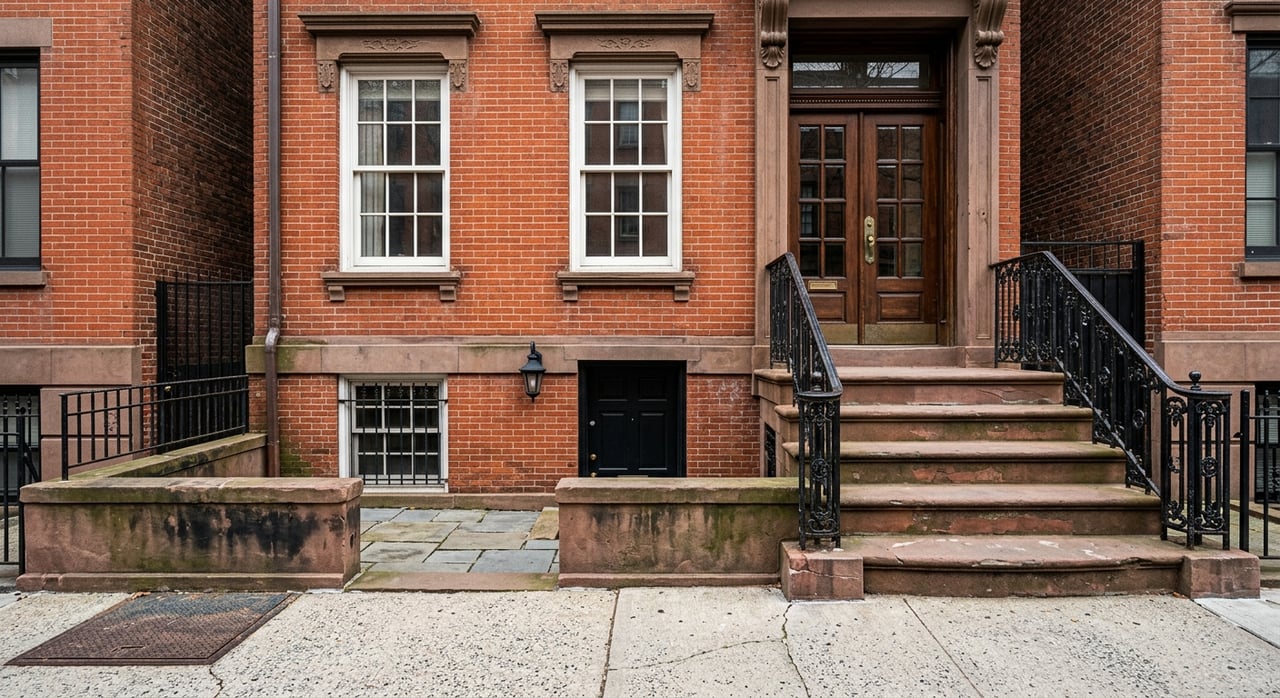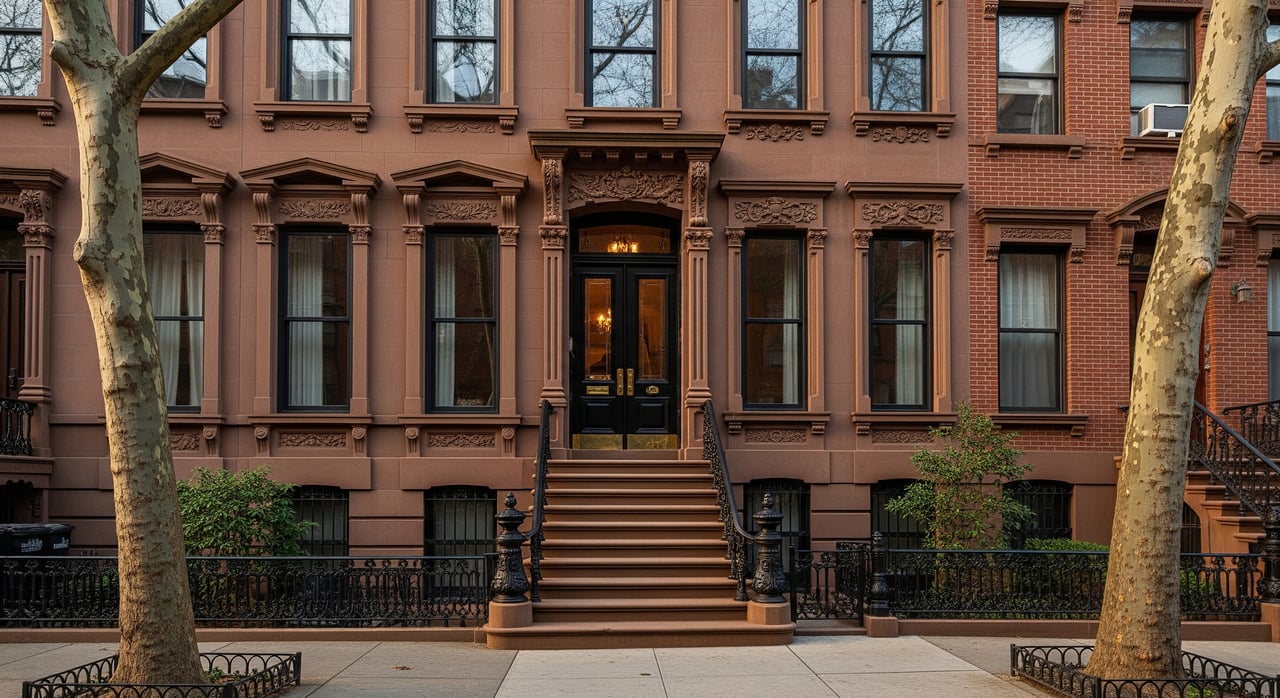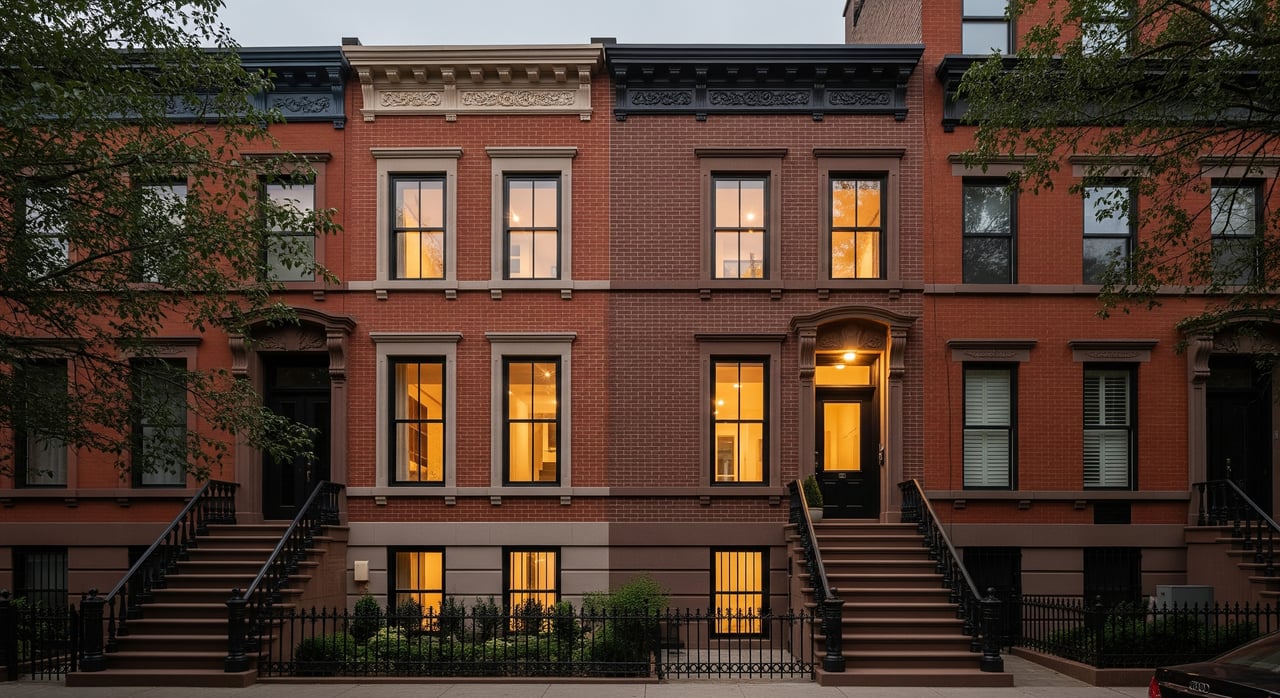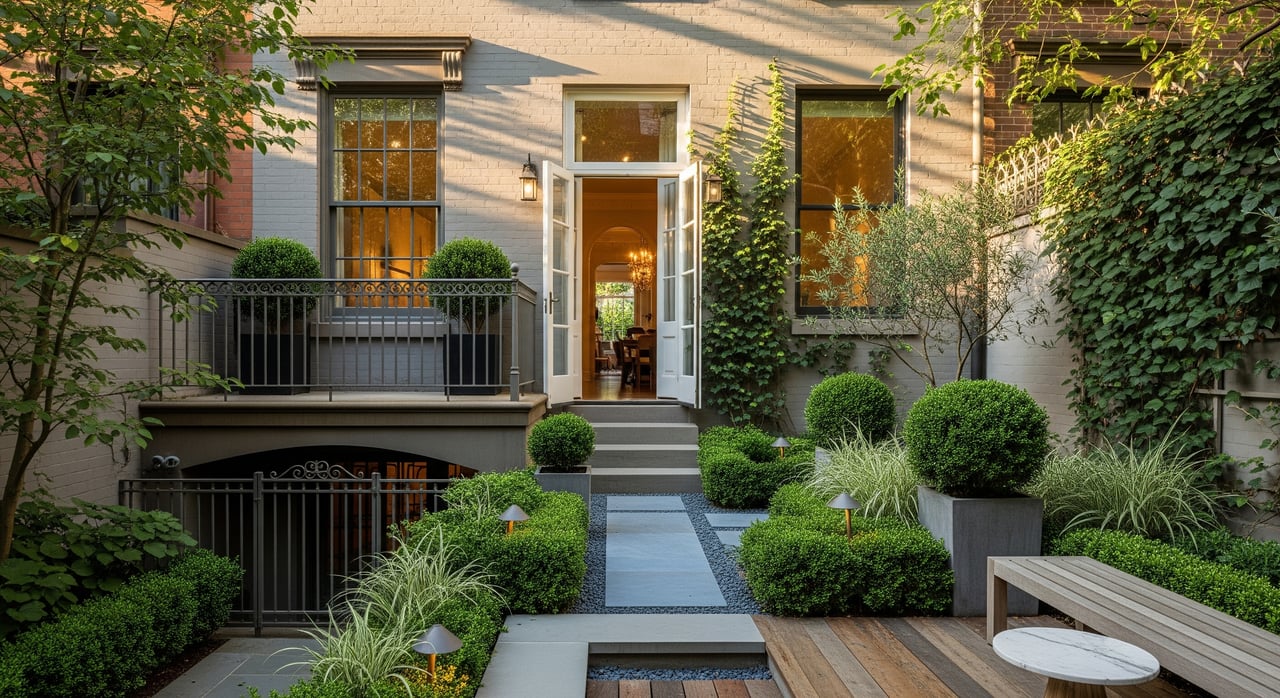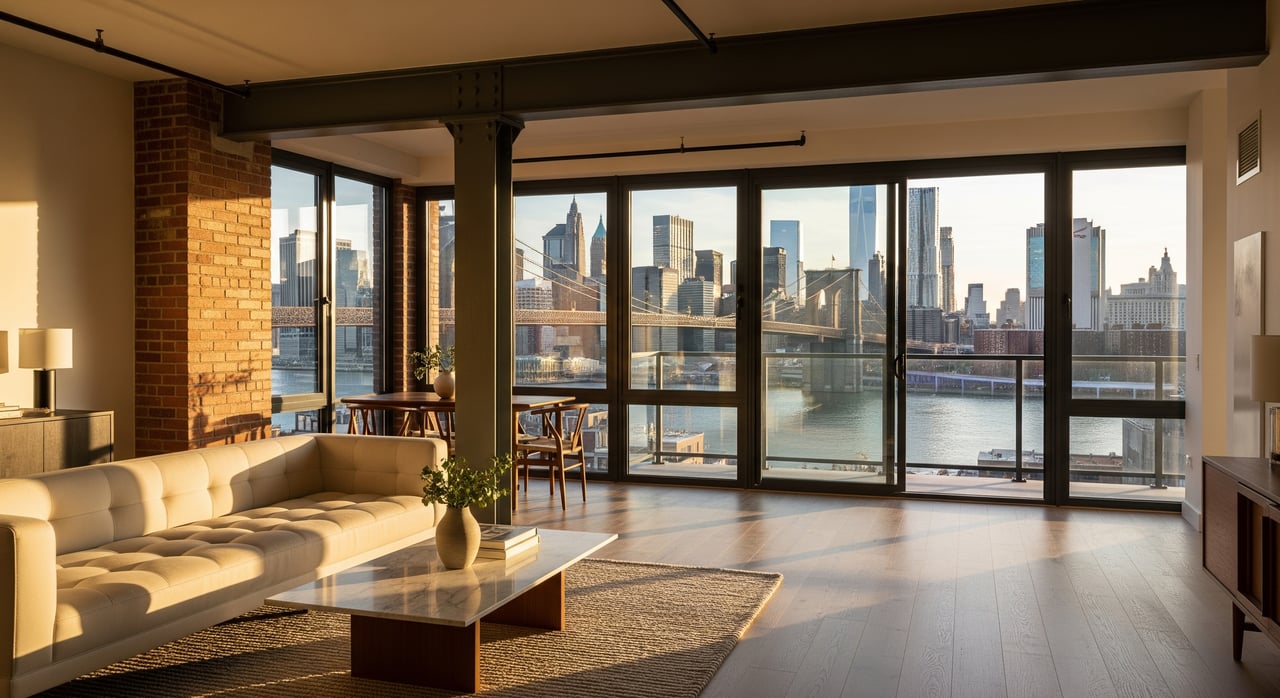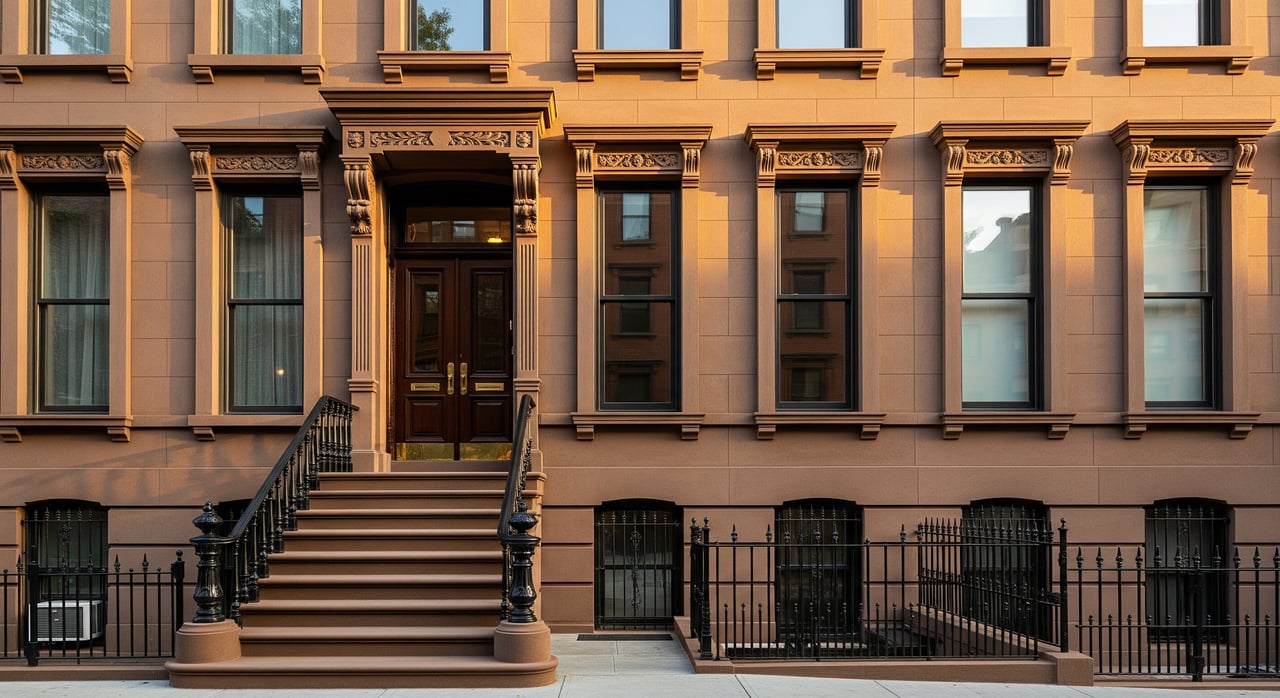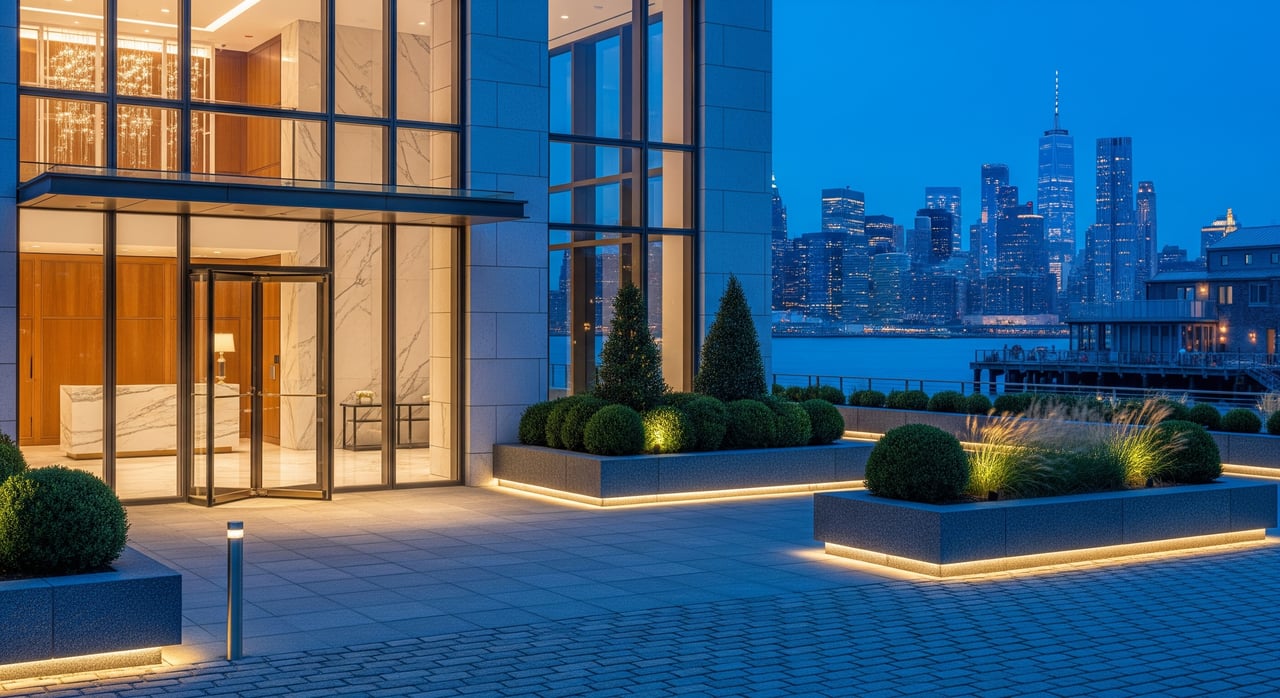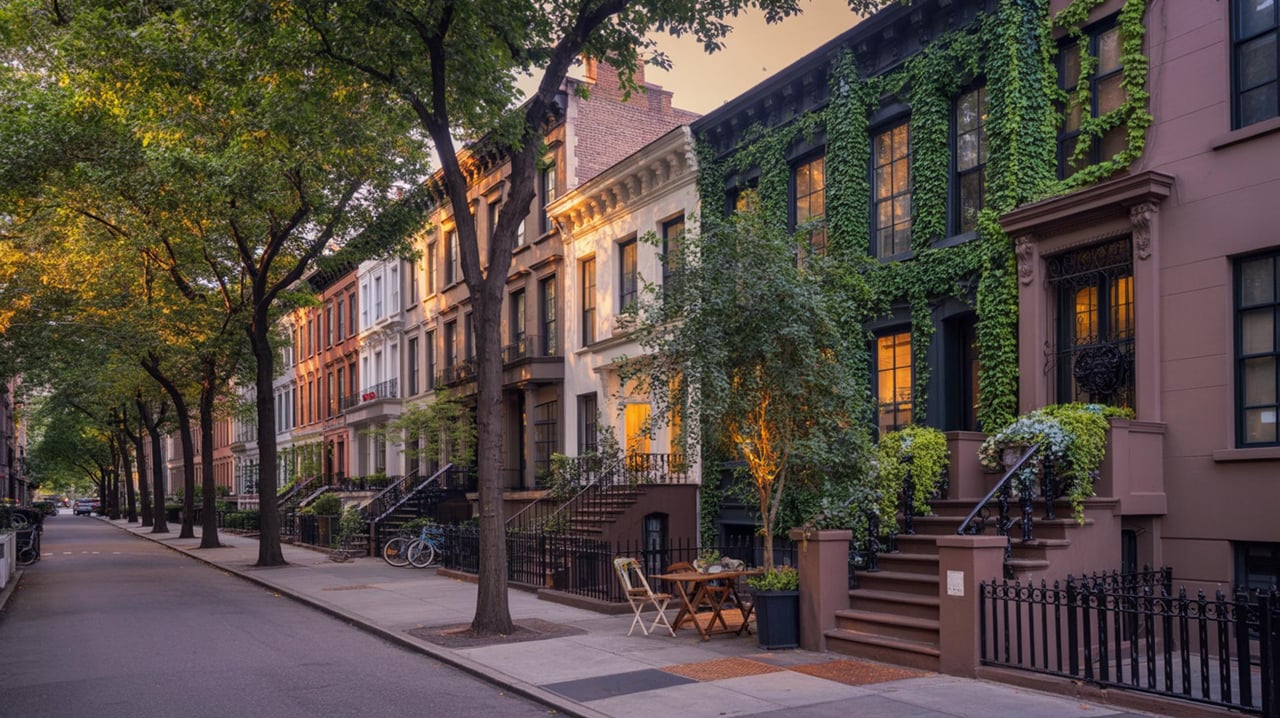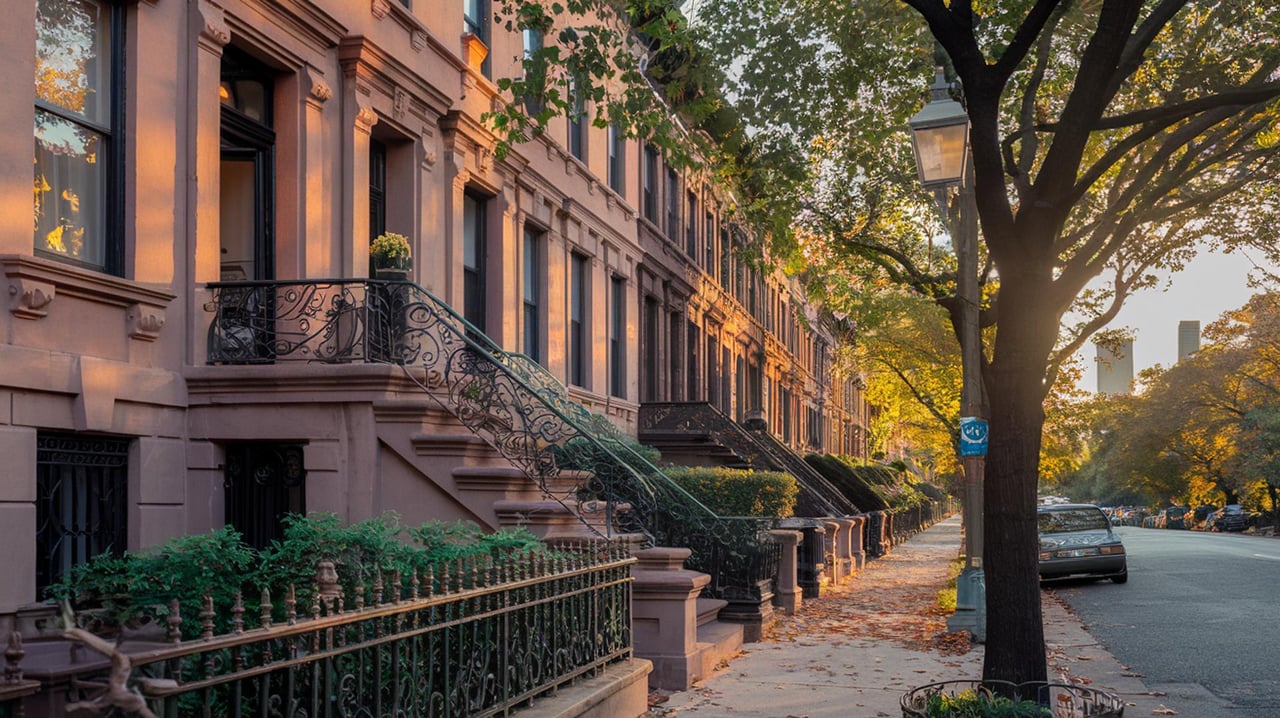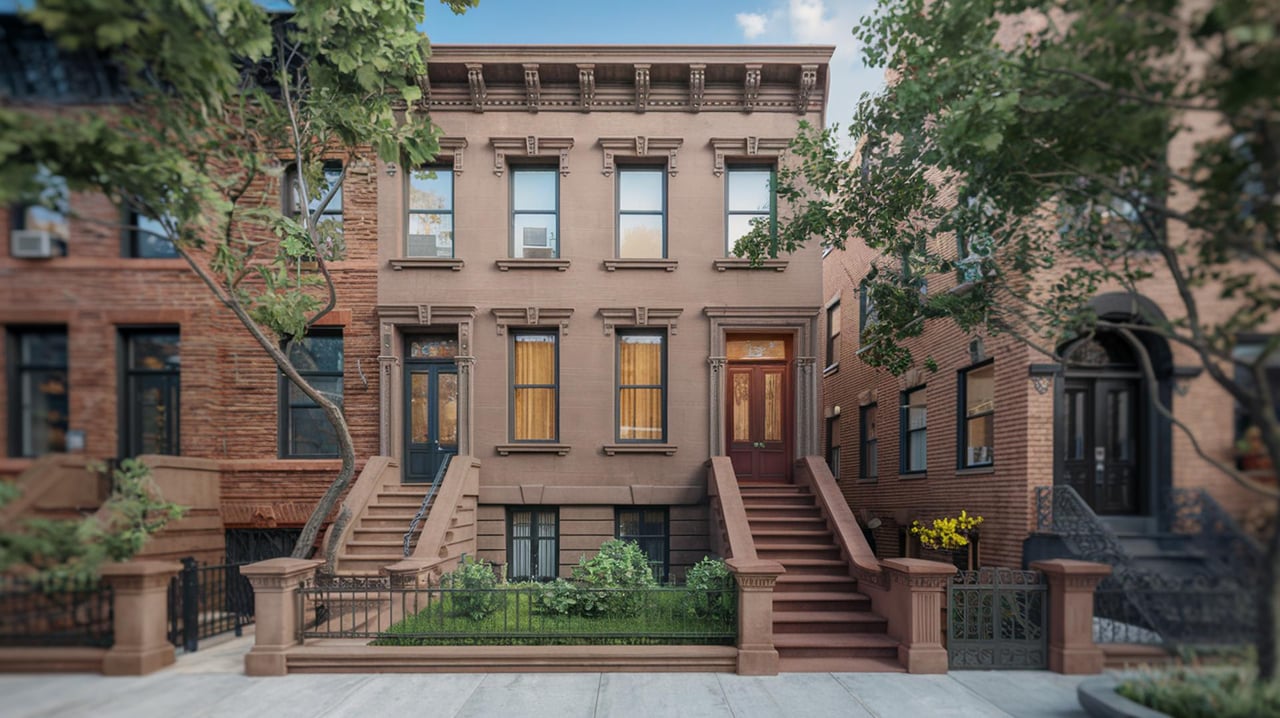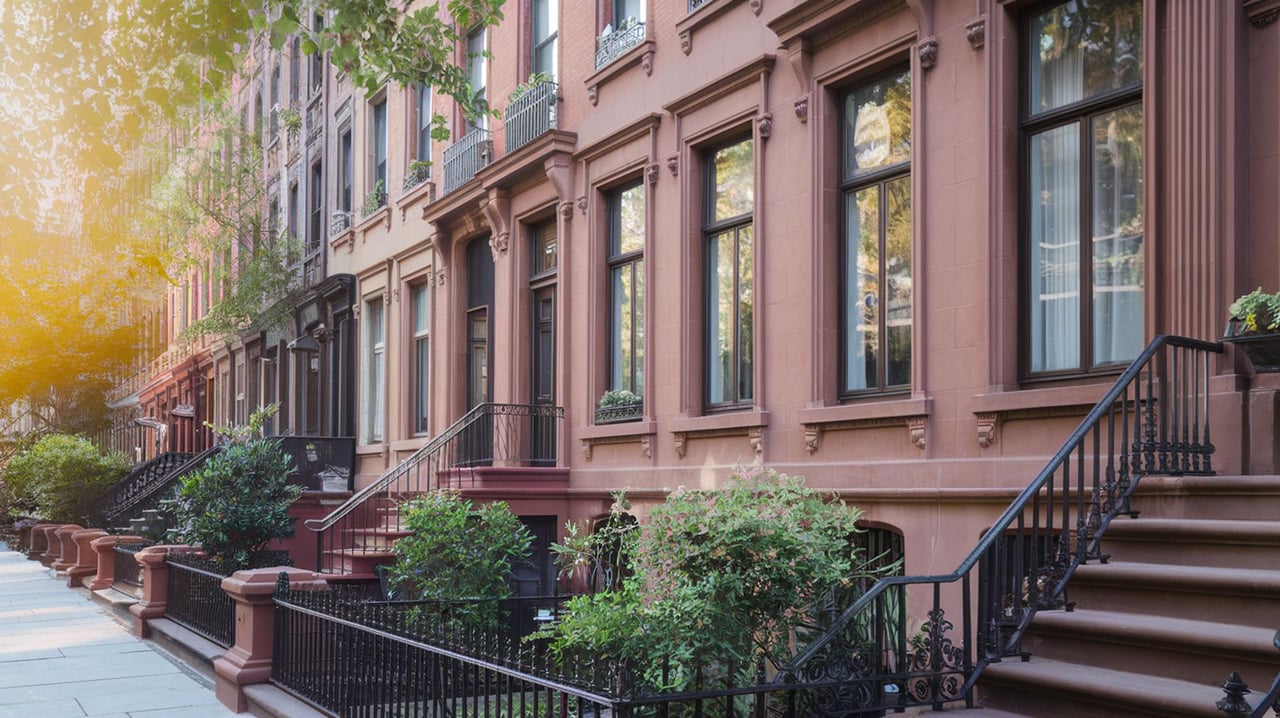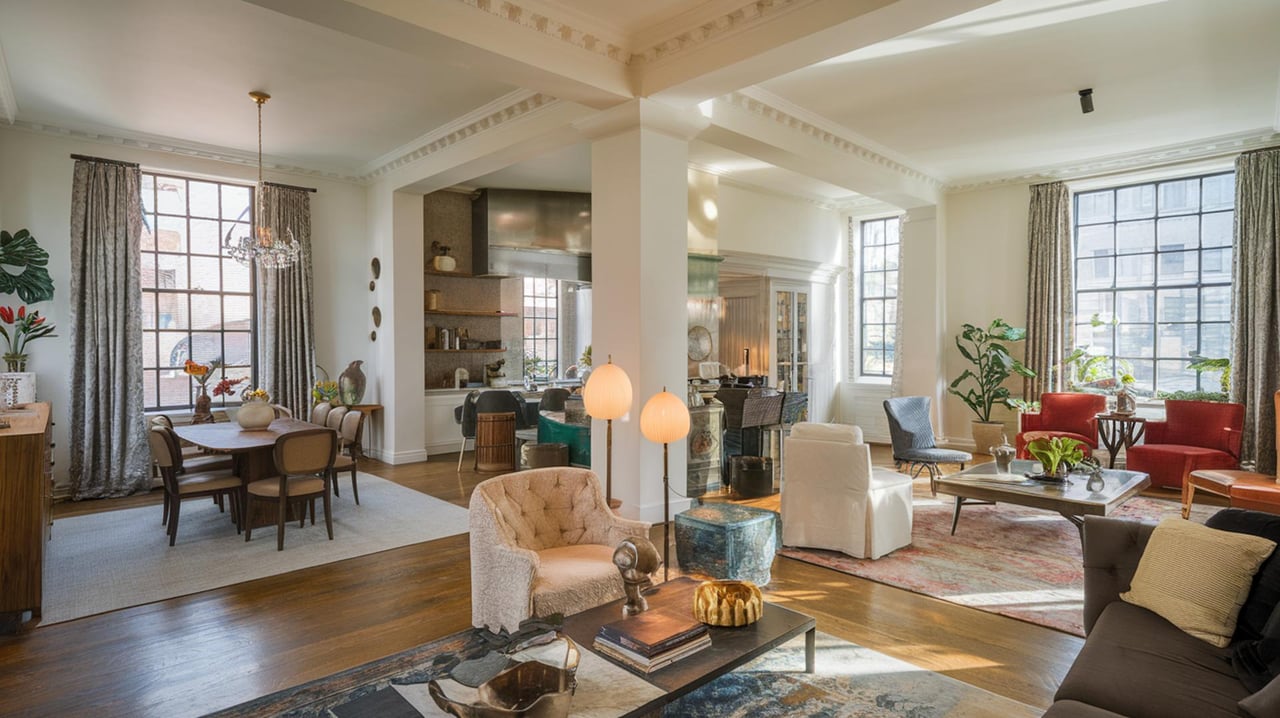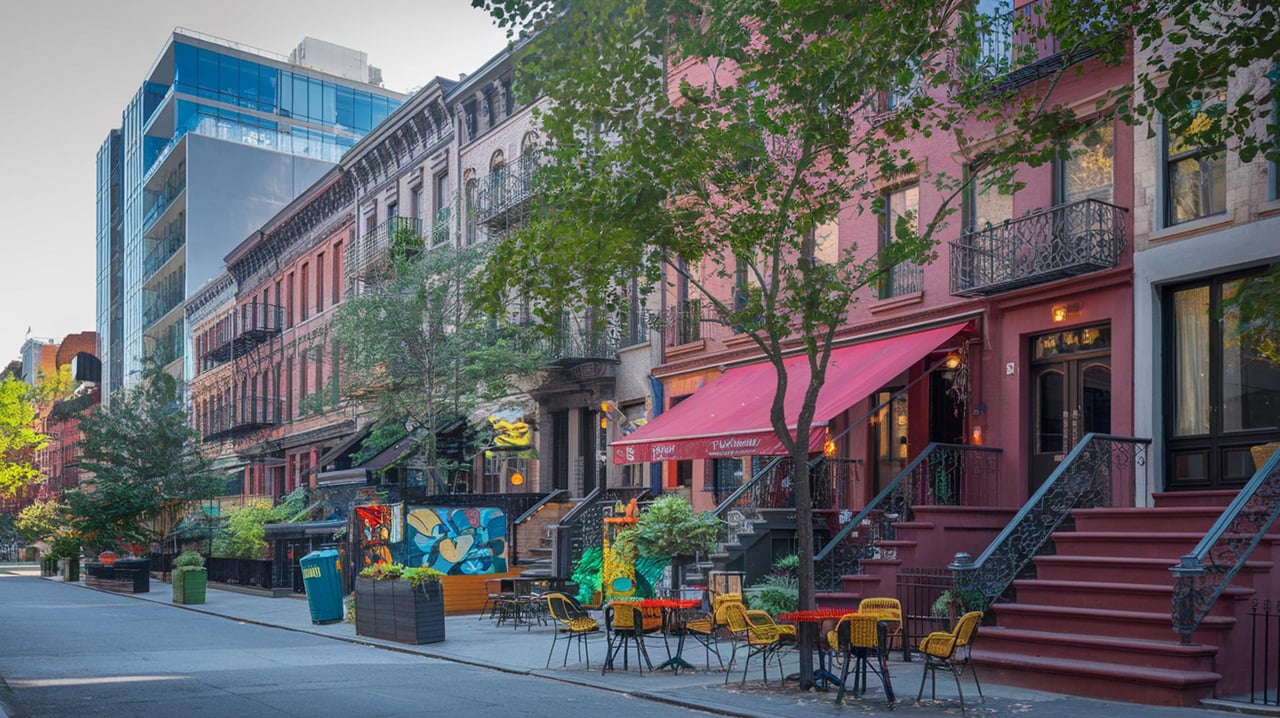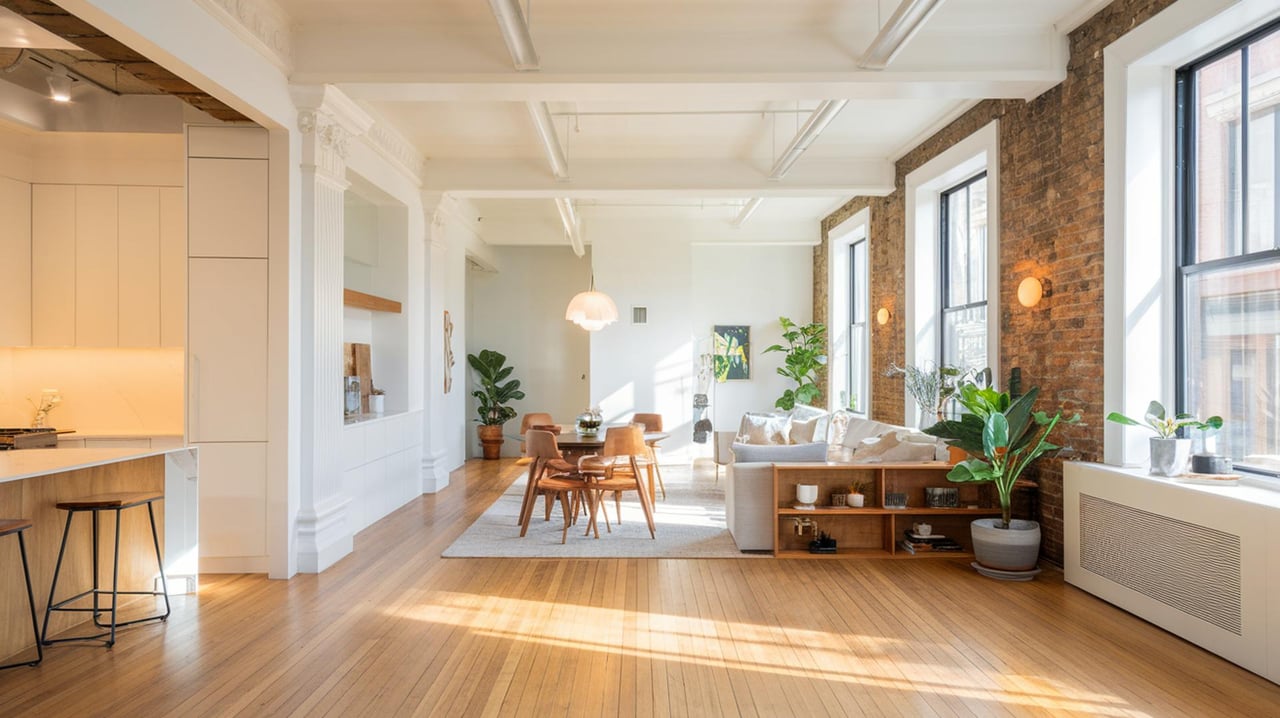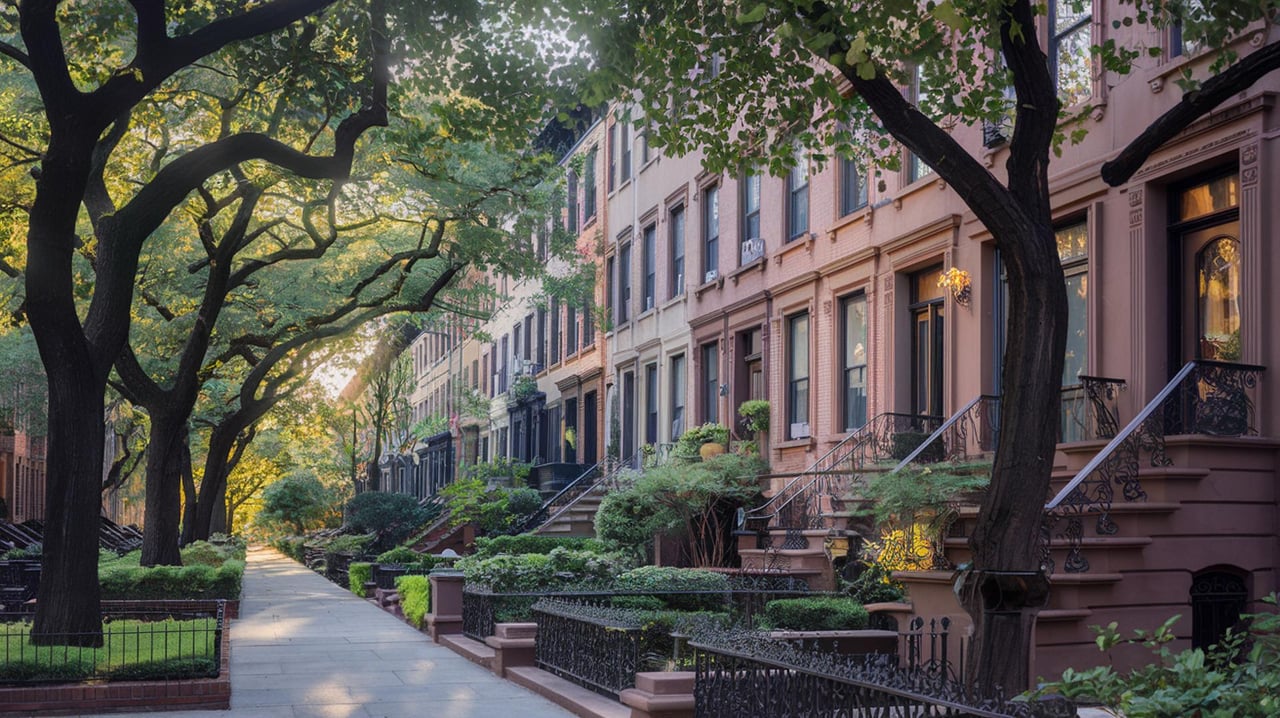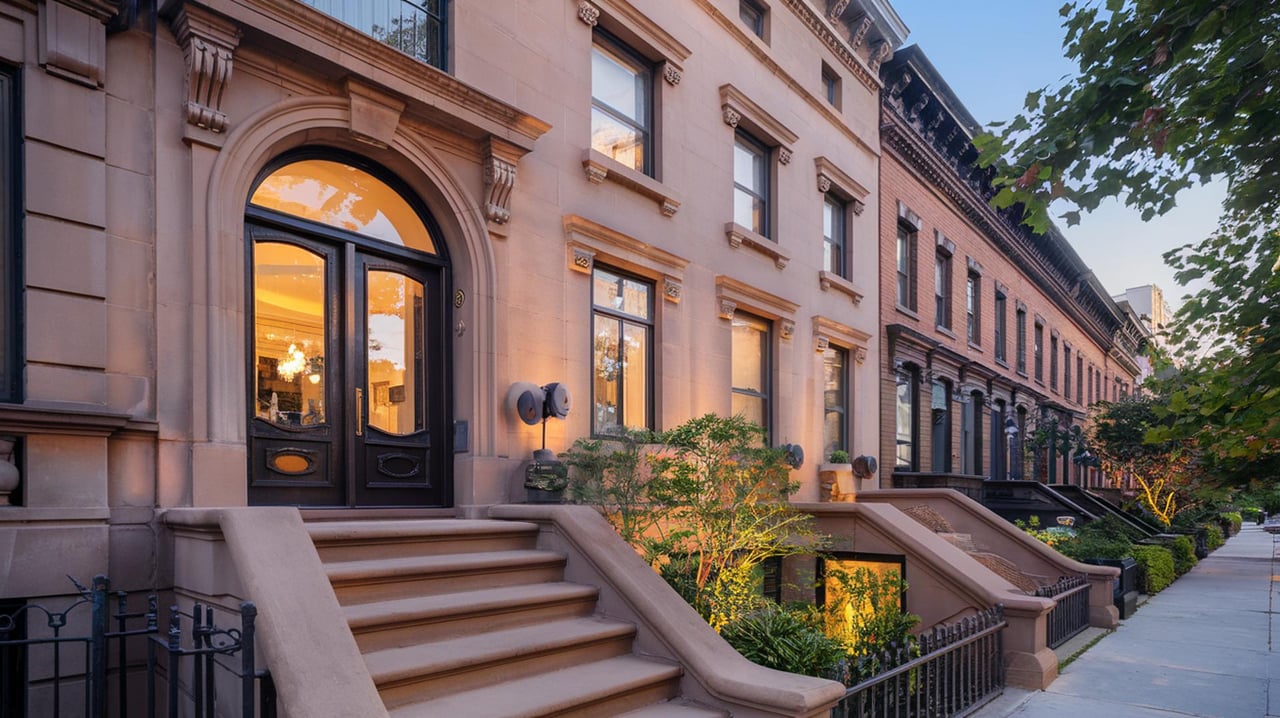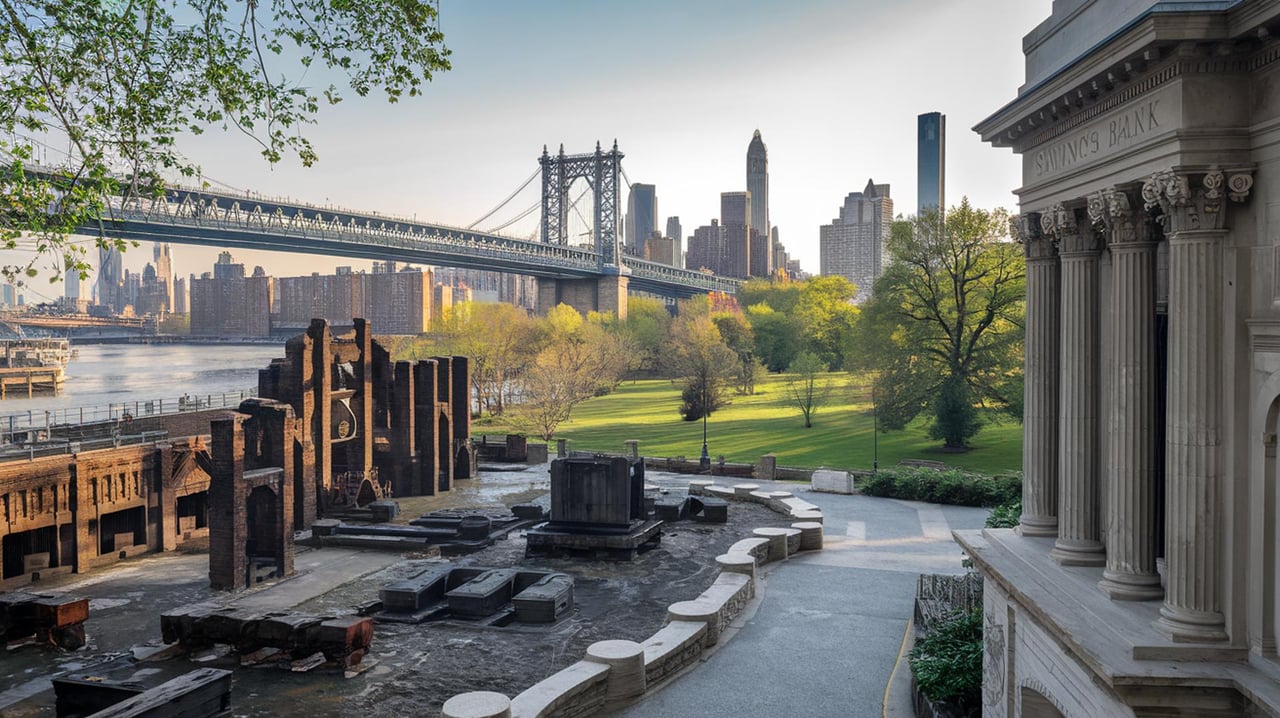
If you love the East Village, you probably know the feeling: one block looks like old New York in brick and iron, and the next opens into a wider, looser streetscape with newer buildings and a different rhythm. That variety is exactly what gives the neighborhood its architectural pull, but it can also make it hard to explain what really defines the area. In this guide, you’ll get a street-by-street look at where the East Village’s character is strongest, how it changes from block to block, and what those patterns can tell you as a buyer, seller, or owner. Let’s dive in.
Why East Village character feels layered
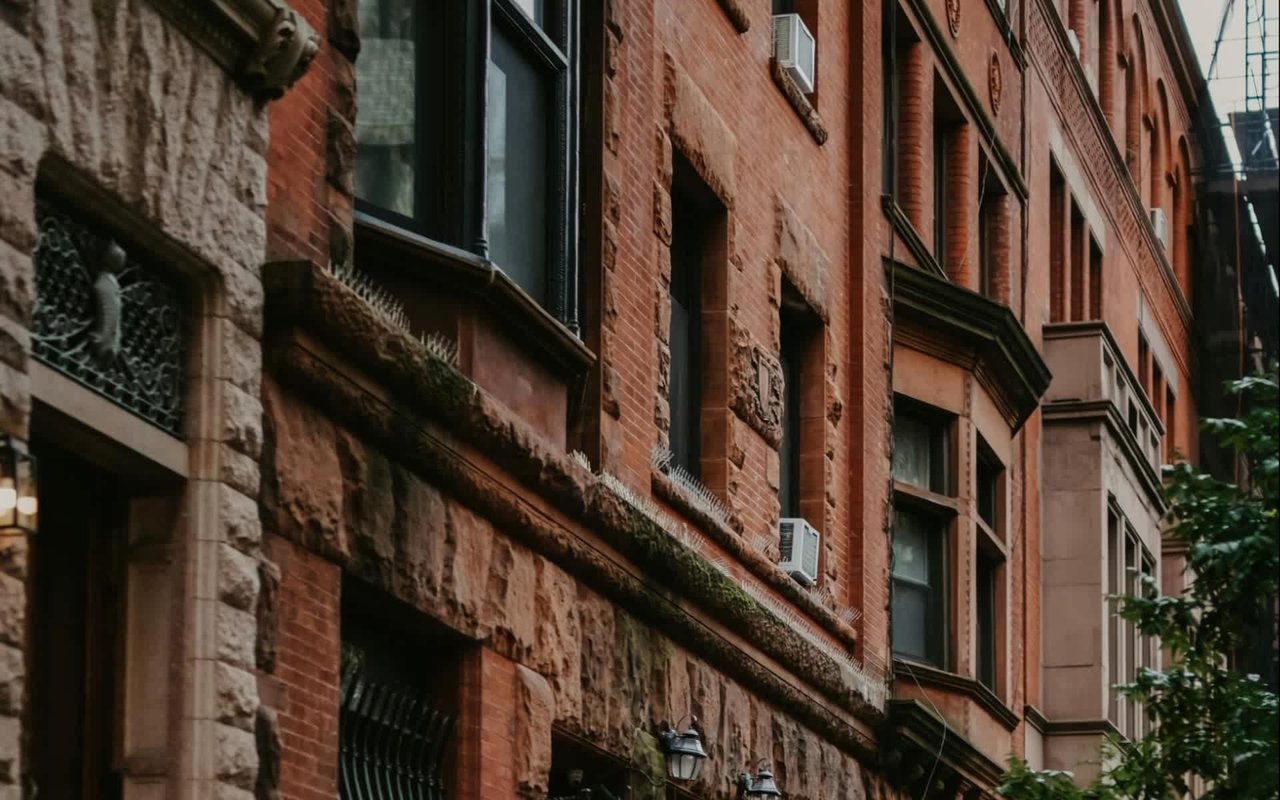
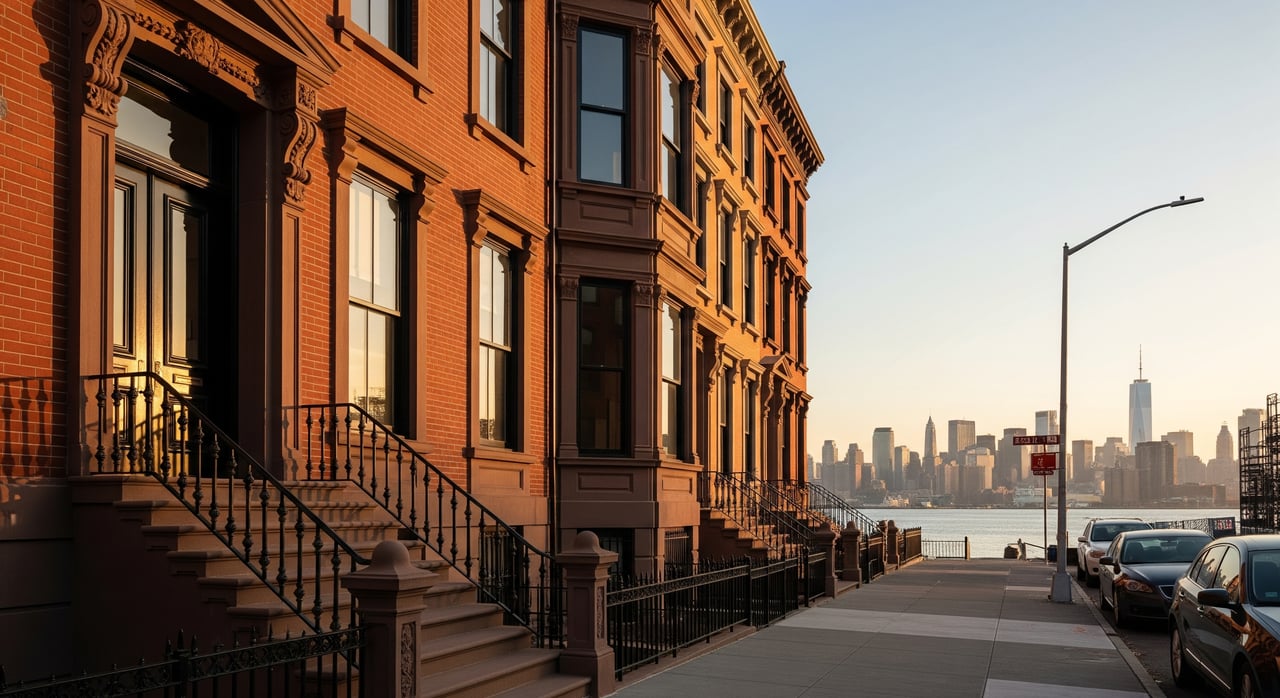
The East Village is not defined by one building type or one era. City planning materials describe it as a medium-density residential neighborhood with mixed-use residential and commercial buildings, while preservation materials show that many of its most intact historic blocks cluster around East 2nd through East 7th Streets, St. Mark’s Place, First and Second Avenues, and the Bowery.
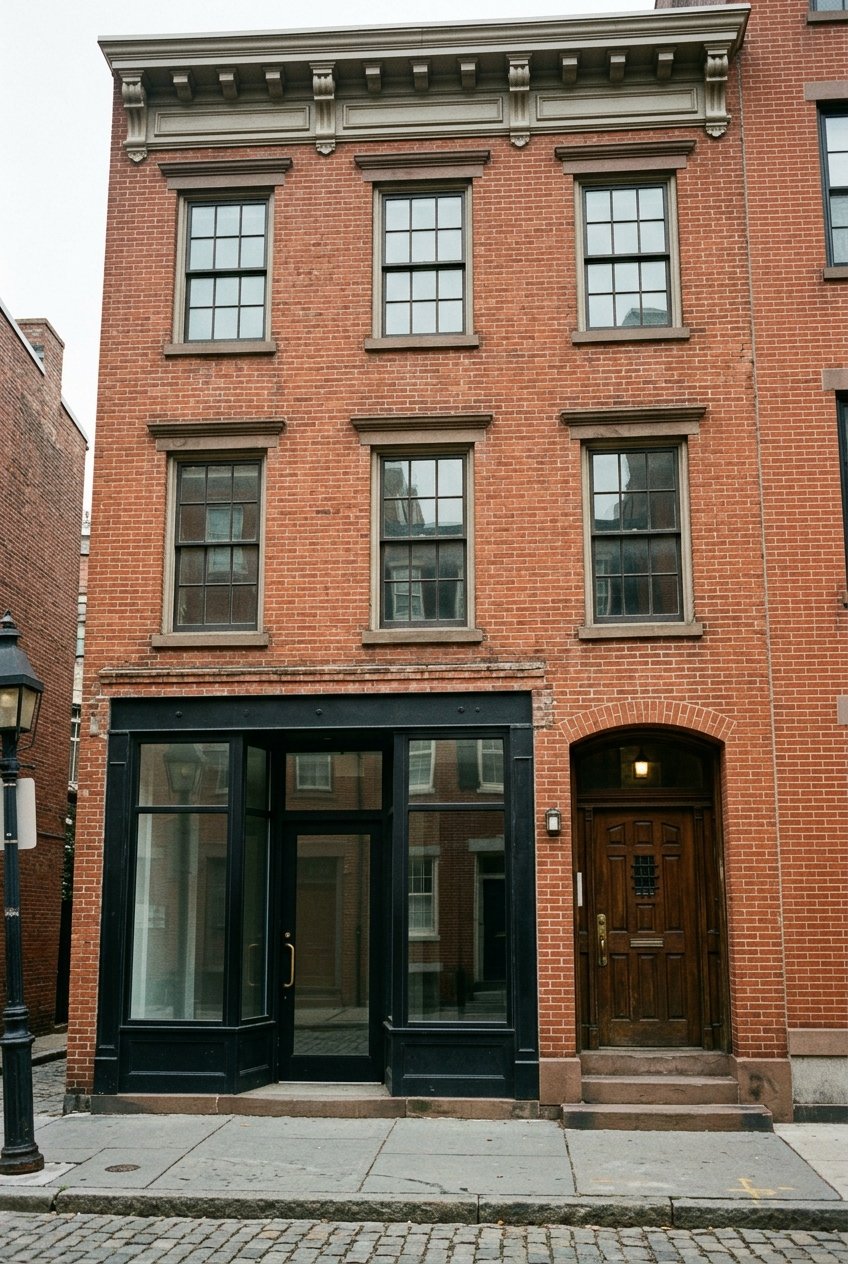
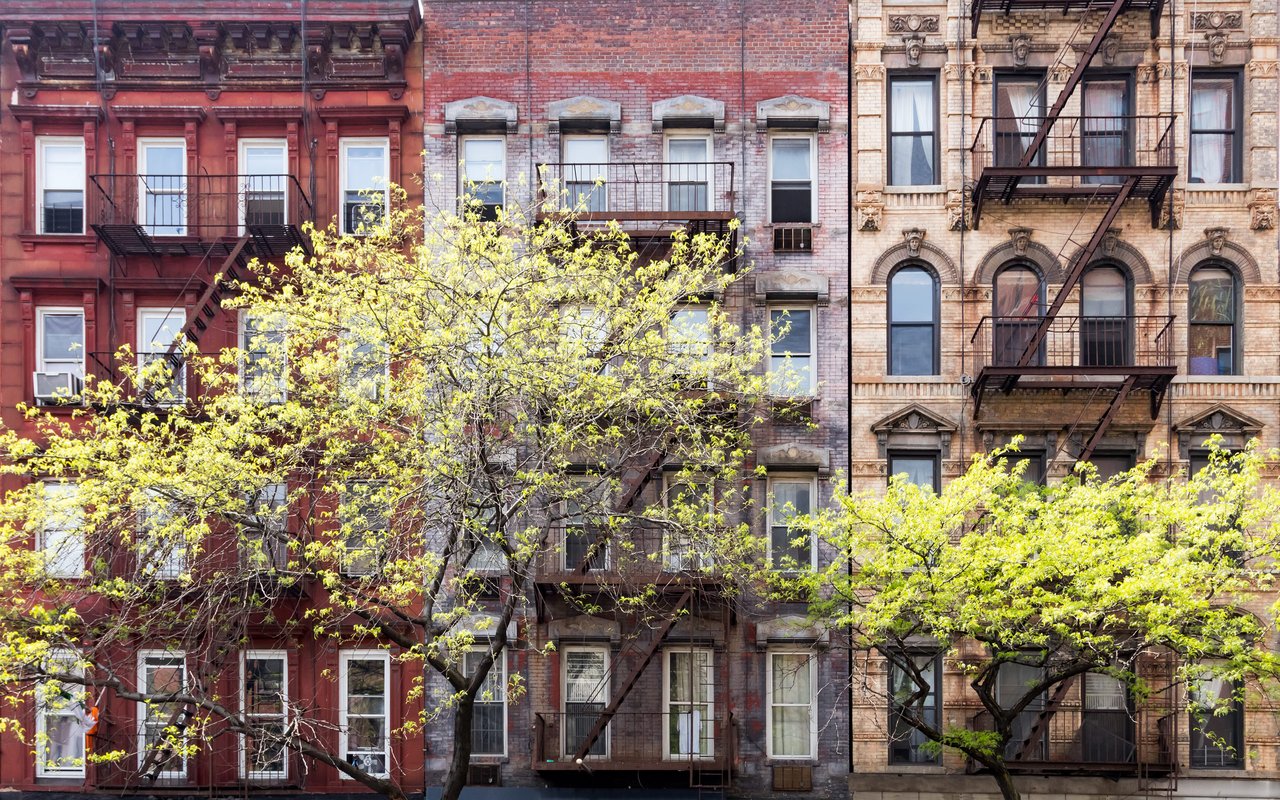
What makes the neighborhood memorable is the sequence of building types you encounter. You move from early Federal and Greek Revival houses to Italianate row houses, then to later tenements and boarding houses, early 20th-century institutional buildings, and newer contextual infill on wider corridors.
That layered pattern matters if you are evaluating a home here. It helps explain why one apartment may feel deeply tied to 19th-century streetscape character, while another sits within a broader avenue corridor shaped by later redevelopment and larger buildings.
East 10th Street shows the park-edge ideal
East 10th Street by Tompkins Square Park
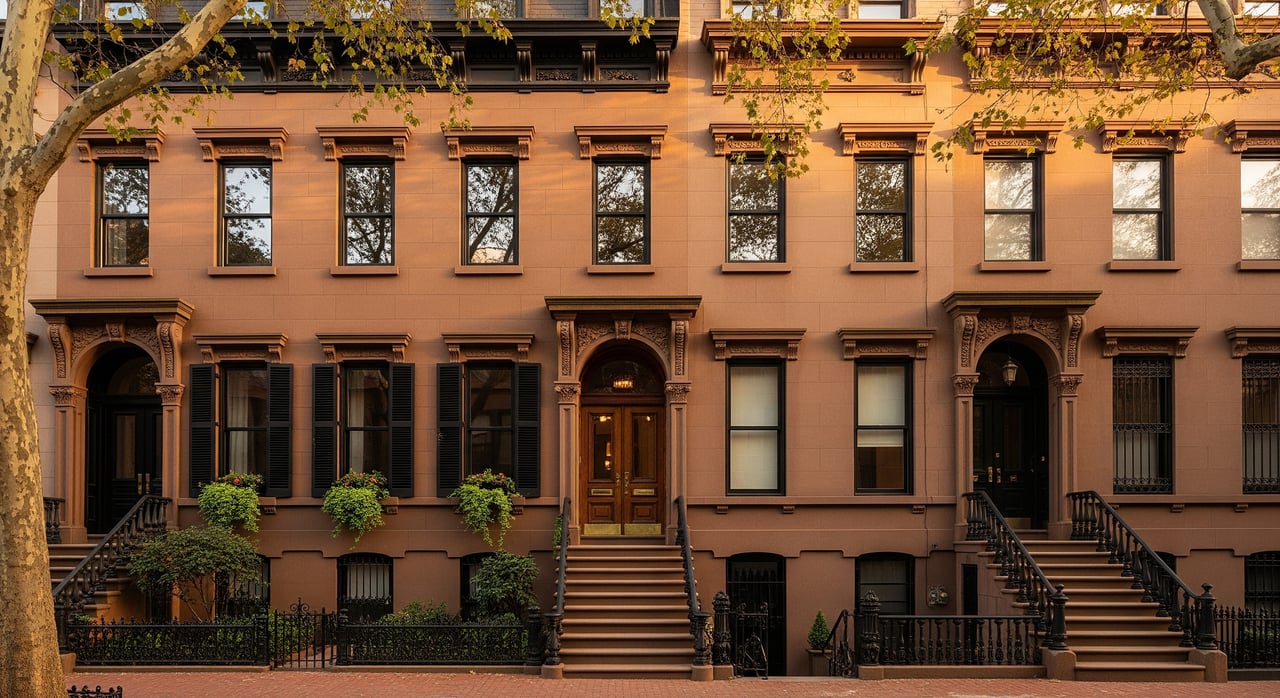
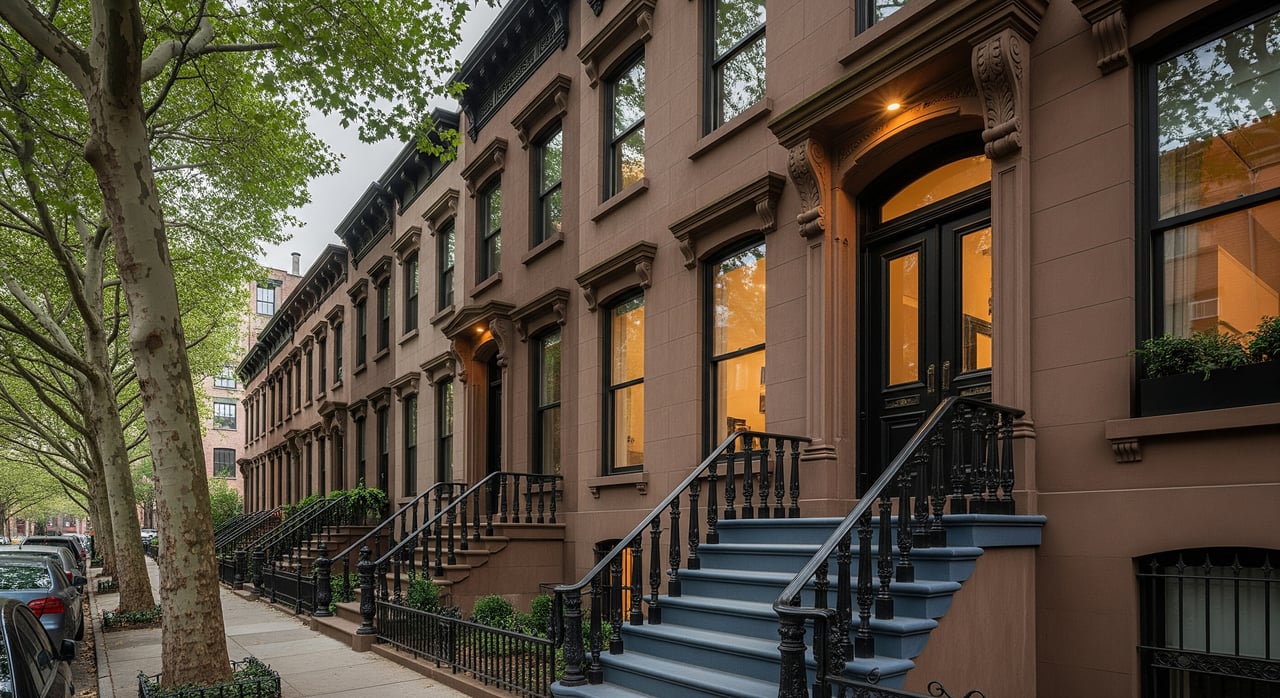
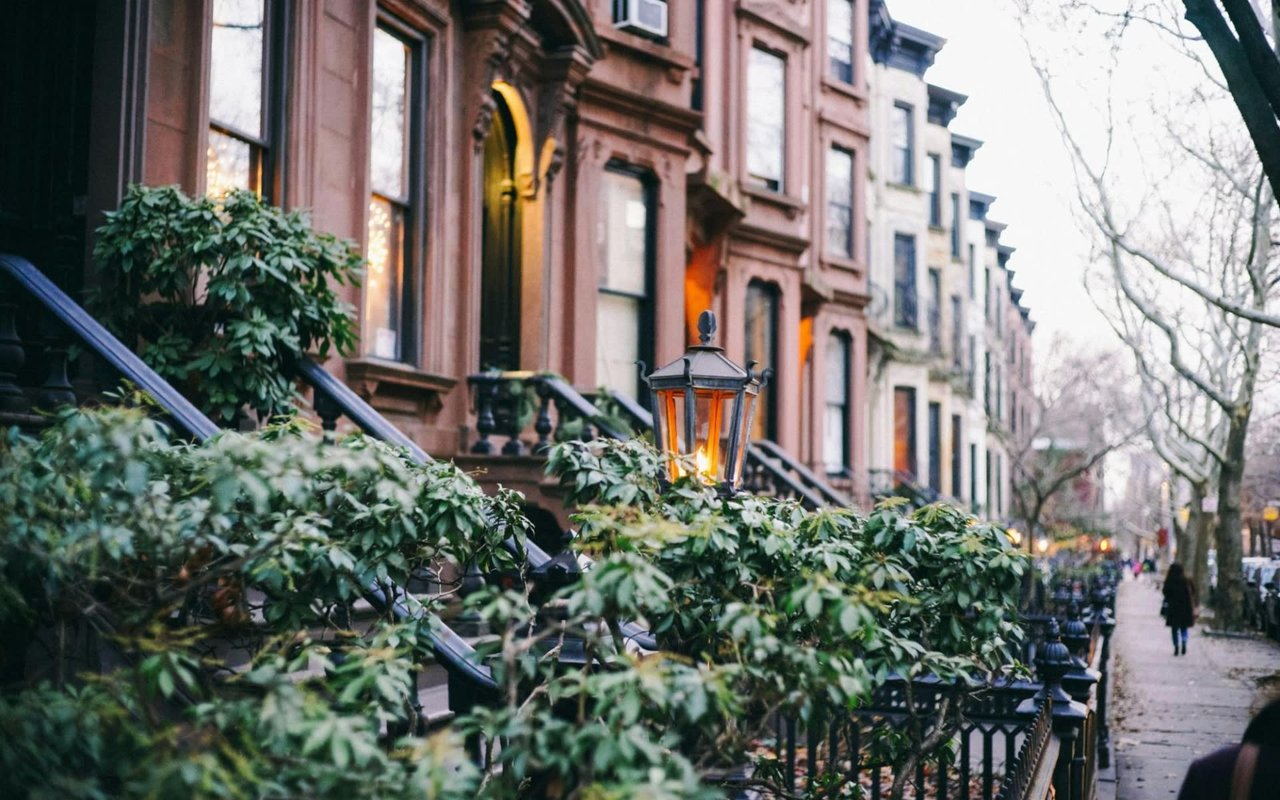
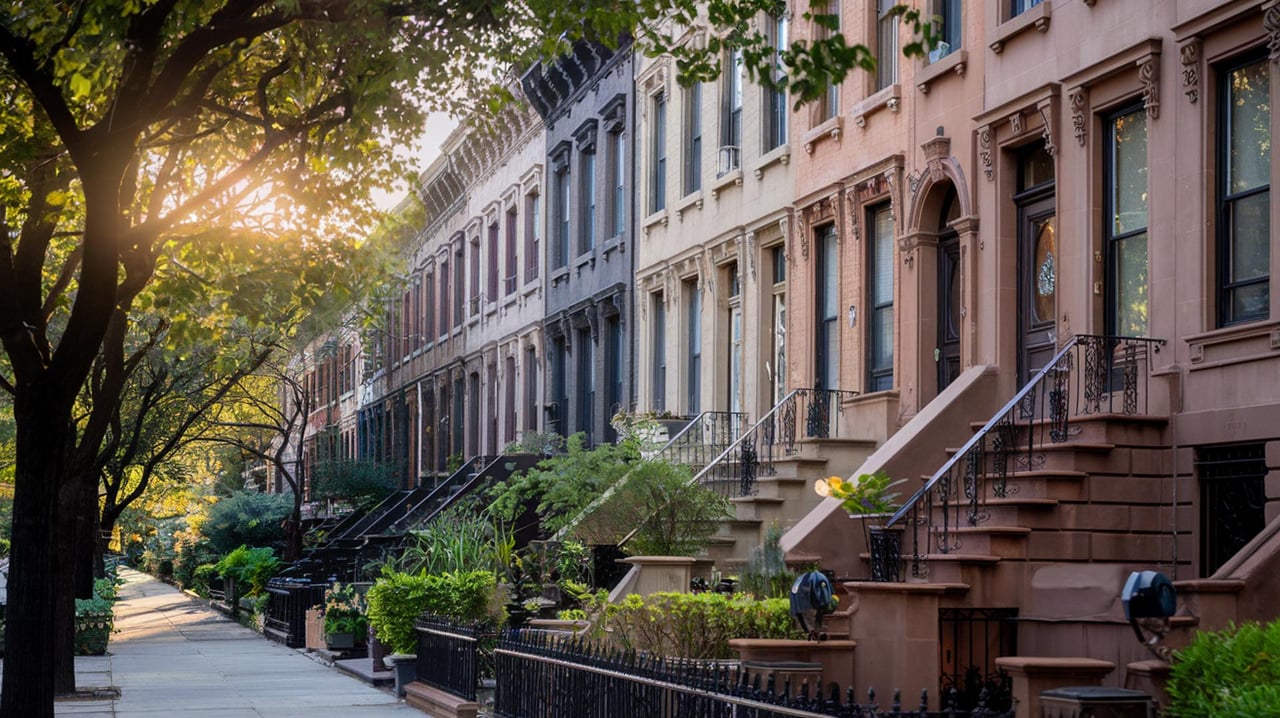
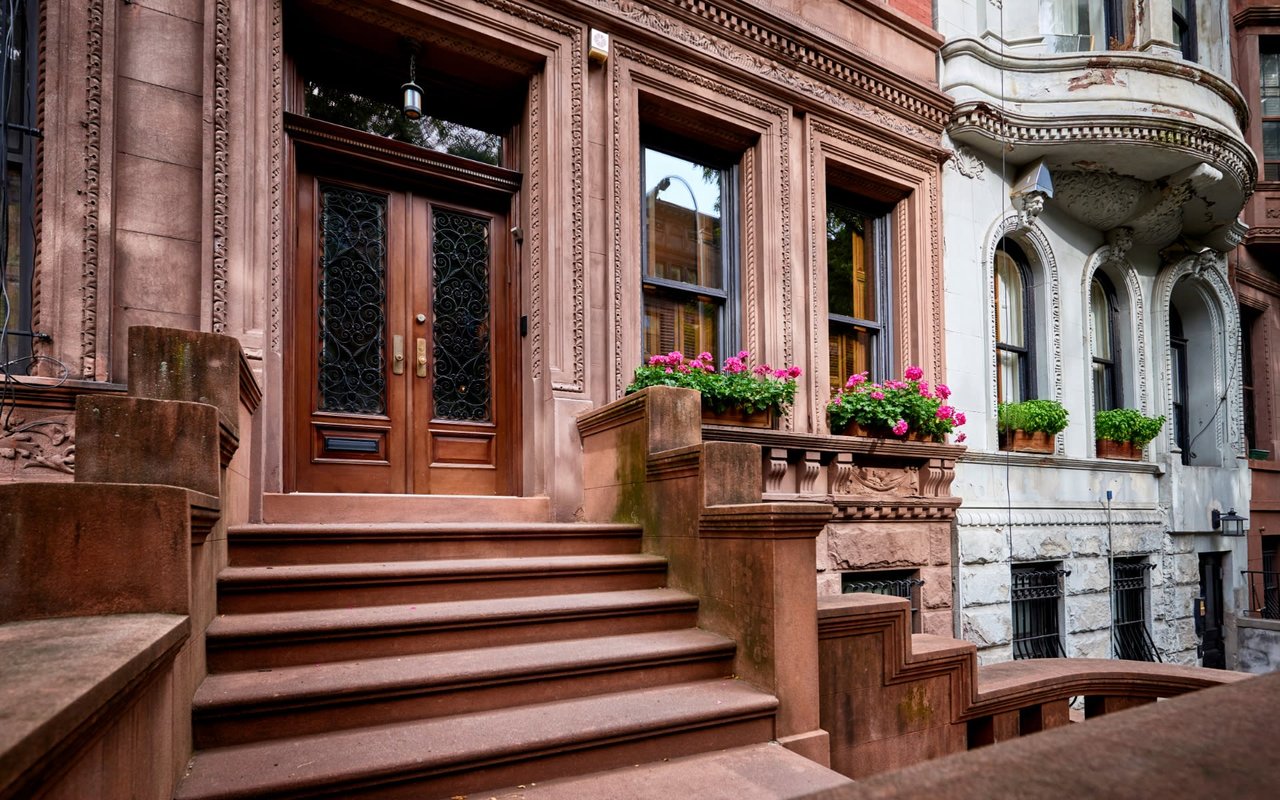
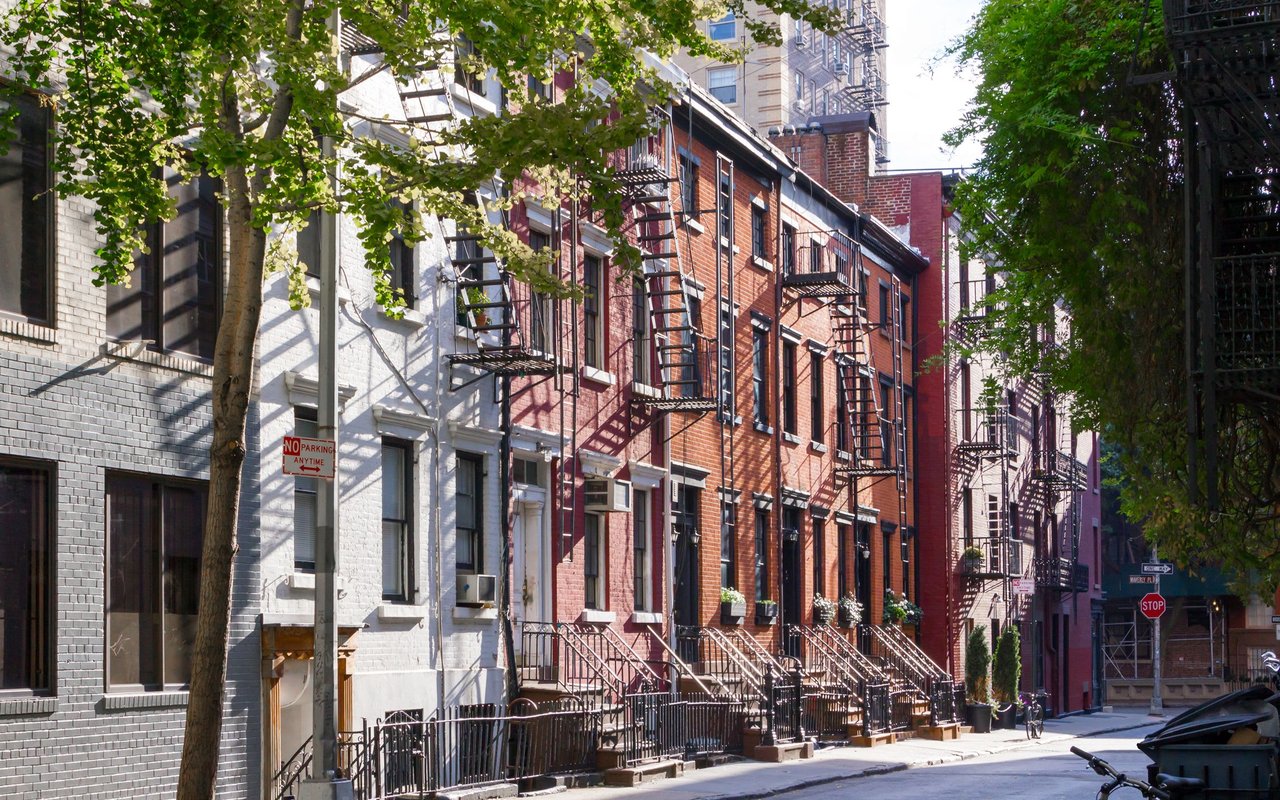
If you want one block that captures a classic, preserved East Village street wall, start with the north side of East 10th Street along Tompkins Square Park between Avenues A and B. The East 10th Street Historic District includes 26 buildings here, and the block began with stately row houses in the 1840s before filling in with purpose-built tenements and later alterations.
By 1860, nearly every lot on the park-facing block held a substantial brick building. That gives the street a strong sense of continuity, even though the buildings reflect different phases of development rather than a single moment in time.
This stretch also includes the Tompkins Square Branch of the New York Public Library, one of the city’s earliest Carnegie libraries. Its presence is a useful reminder that East Village character is not just residential. Civic buildings and institutions play a major role in shaping how these streets feel.
For buyers, this block helps define what “historic fabric” really means in the East Village. You are not looking at a frozen museum setting. You are seeing a block that evolved, densified, and adapted while still keeping a clear architectural identity.
Stuyvesant Street preserves an older map
Stuyvesant Street stands apart
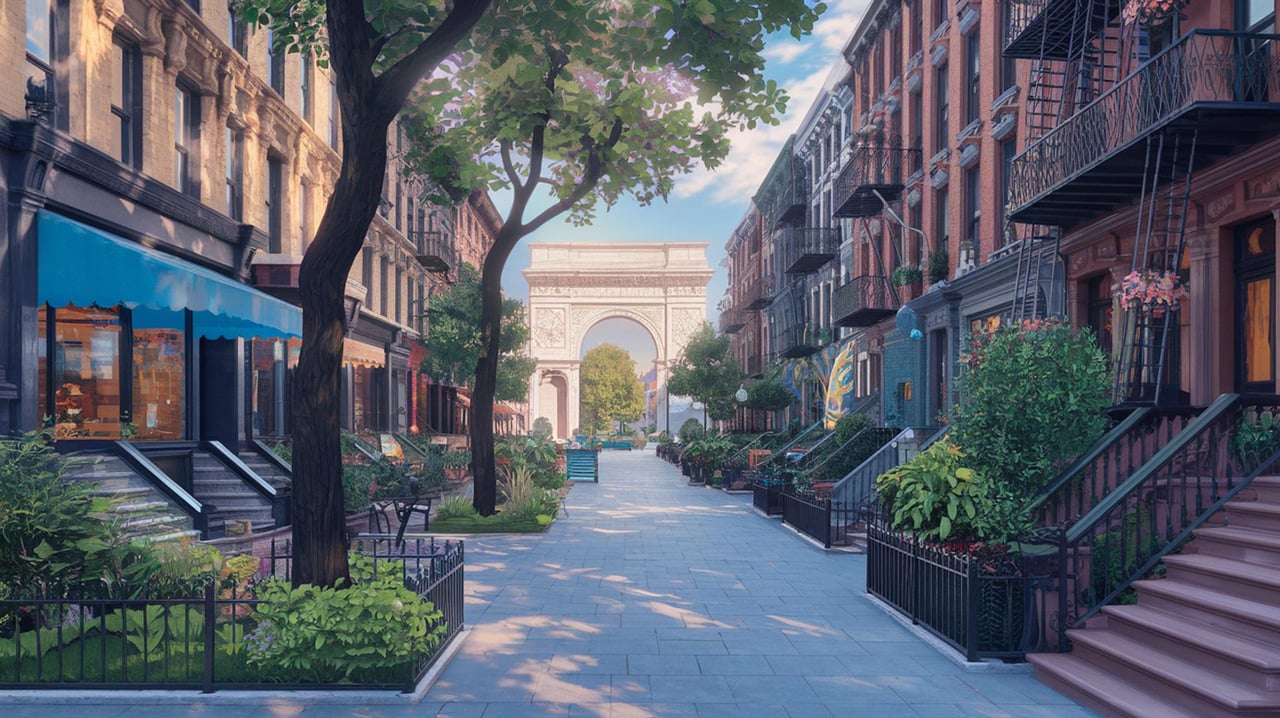
Stuyvesant Street is one of the clearest reminders that parts of the East Village predate Manhattan’s regular street grid. It was laid out in 1787 and still runs diagonally, preserving an earlier route from the Stuyvesant farm.
That unusual alignment gives the street an architectural presence that feels different from the surrounding grid. Even before you focus on individual buildings, the street pattern itself signals age and continuity.
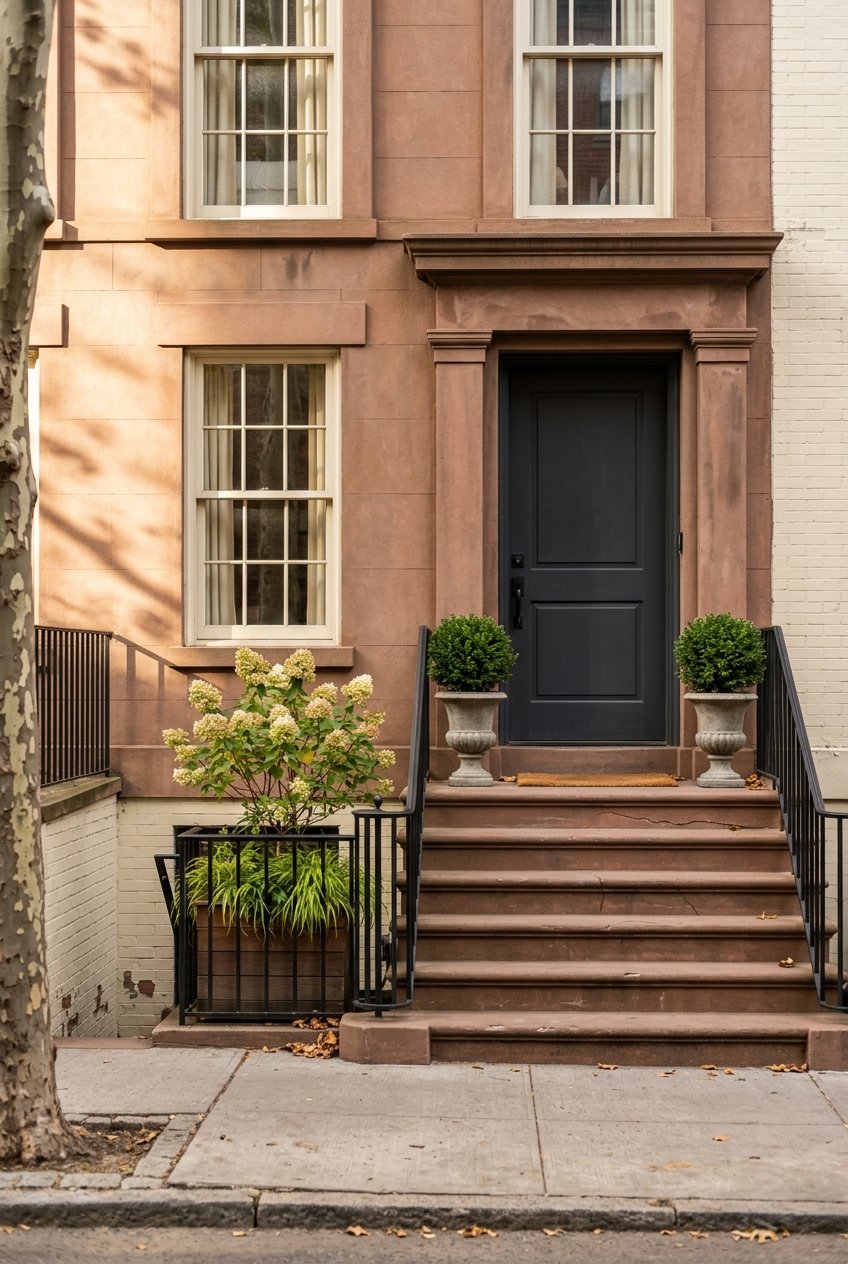
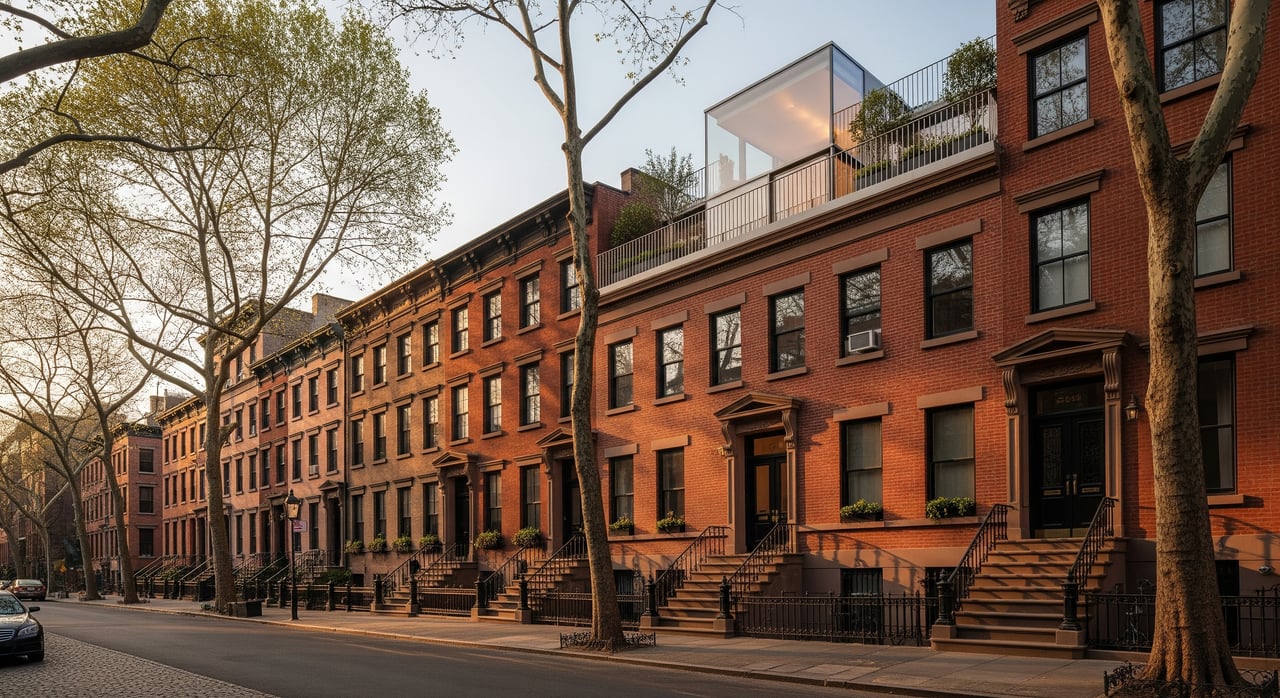
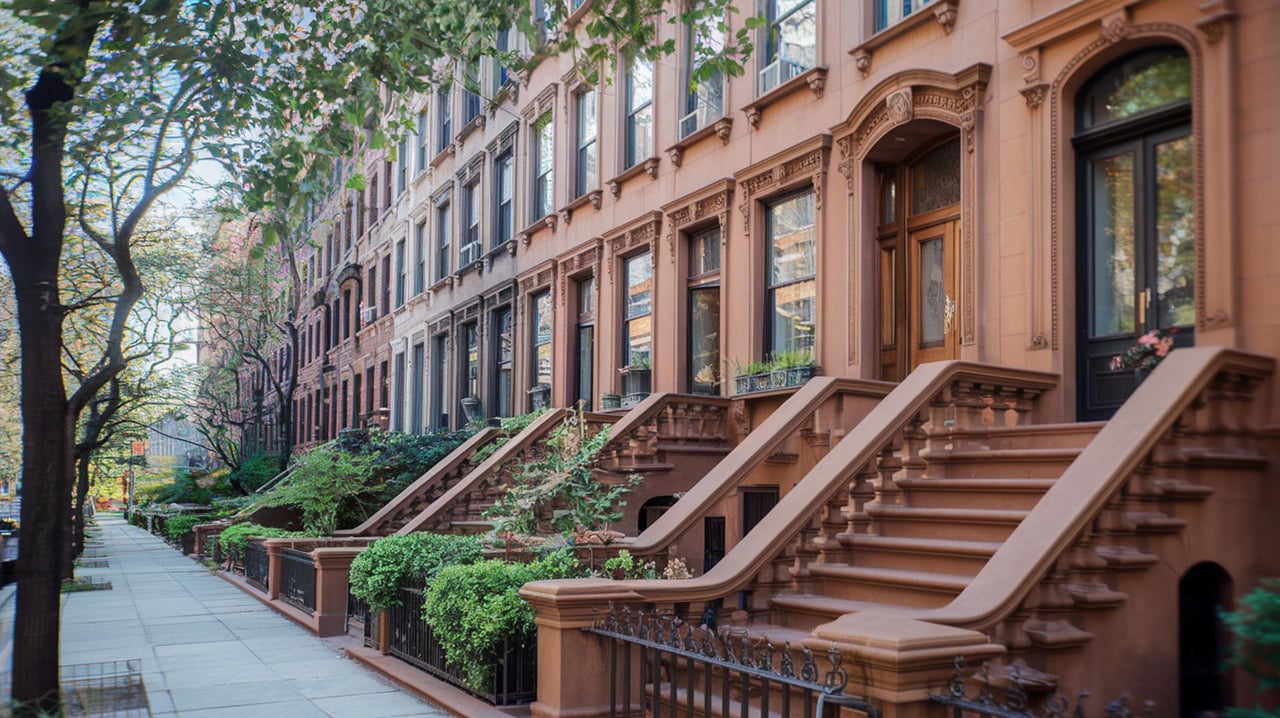
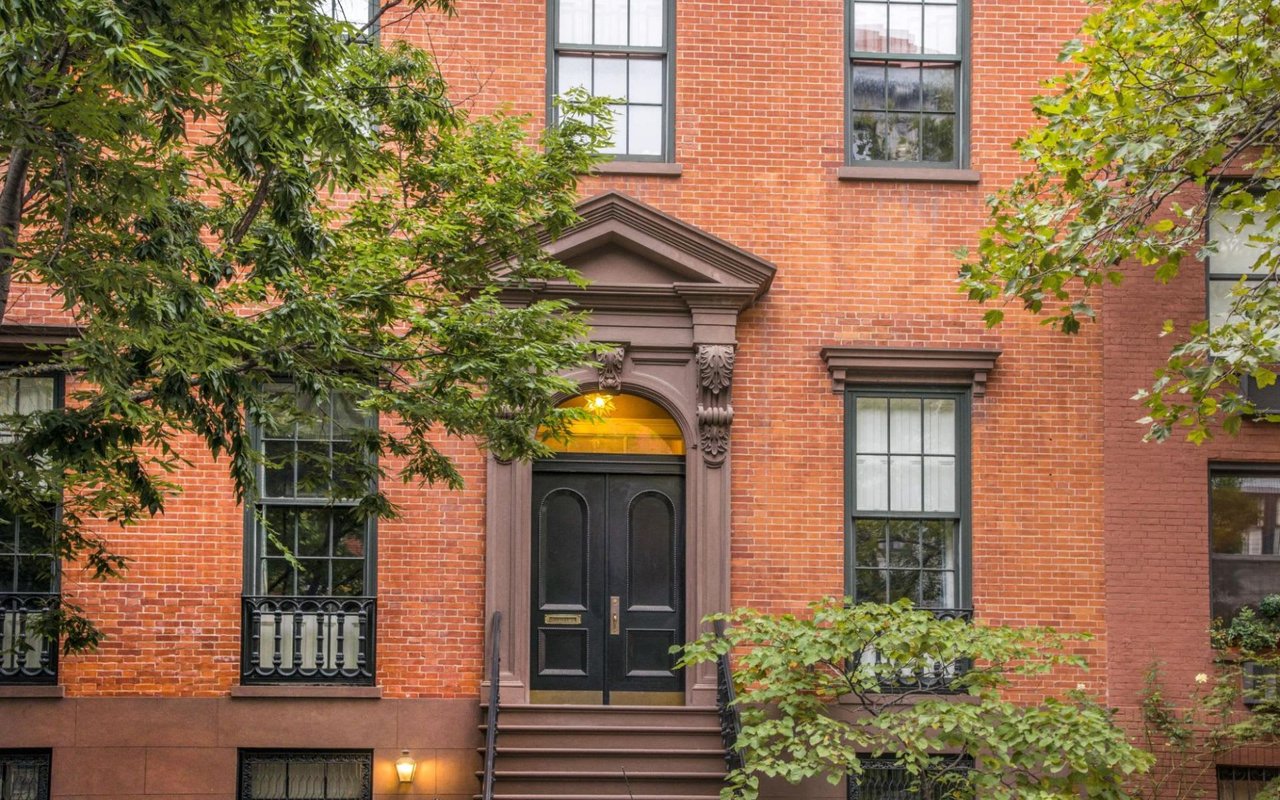
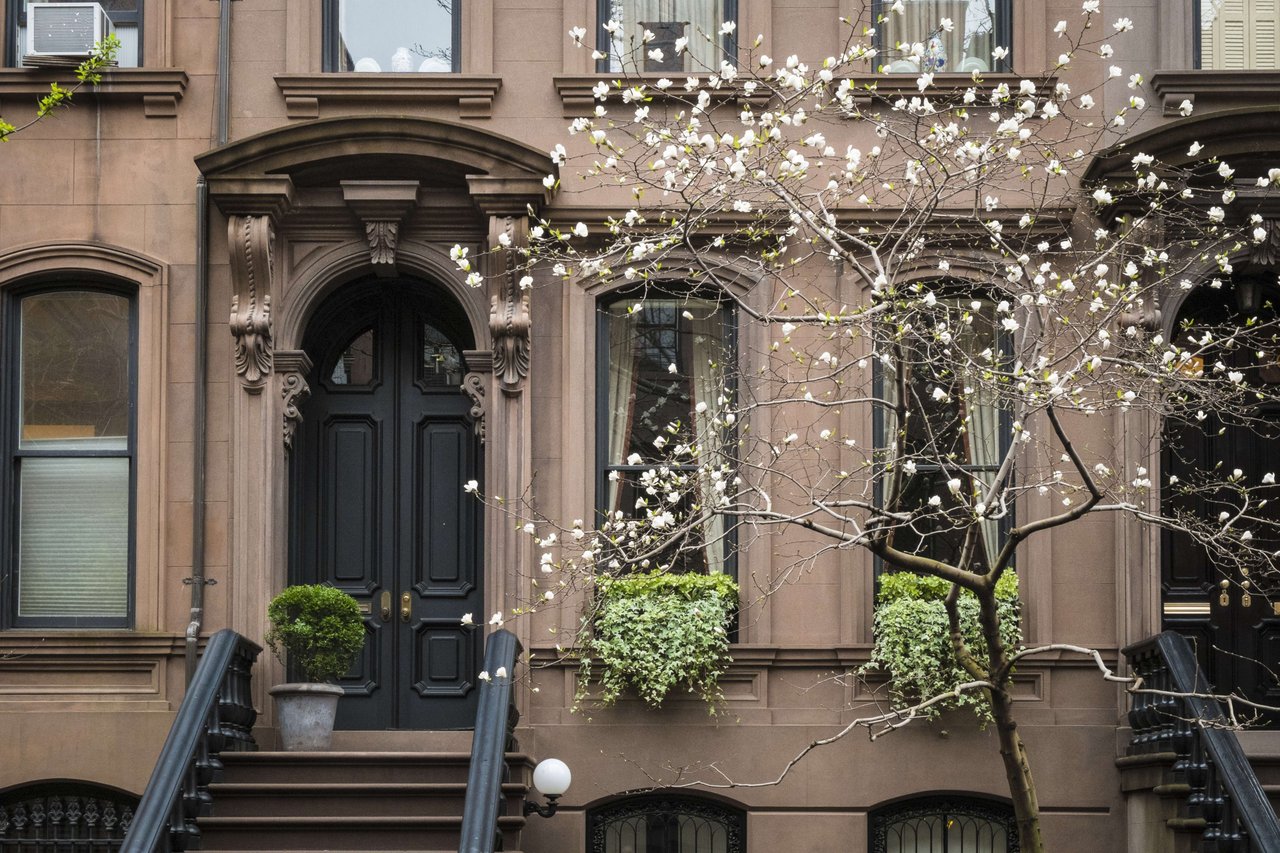
Within the St. Mark’s Historic District, this area includes early Federal residences as well as mid-19th-century Greek Revival, Italianate, and Anglo-Italianate brick row houses. Preservation materials point to recurring details such as brick facades, limestone trim, rusticated basements, projecting cornices, and cast-iron railings and balustrades.
For anyone drawn to townhouse scale and period detail, Stuyvesant Street and the surrounding historic core offer some of the neighborhood’s clearest architectural cues. These are the blocks where you can best read the East Village as an older residential district that gradually absorbed later change.
St. Mark’s Place tells the neighborhood story
St. Mark’s Place and East 8th Street
St. Mark’s Place may be the single best street for understanding how the East Village changed over time. This three-block segment of East 8th Street between Third Avenue and Avenue A began as a wealthy residential street with Federal and Greek Revival townhouses.
Over time, immigration and denser patterns of downtown living reshaped the block with tenements and boarding houses. That transition is central to the neighborhood’s identity.
In practical terms, St. Mark’s Place shows how the East Village moved from early low-rise townhouse living to a more layered and urban residential fabric. You can still read the earlier chapter in houses such as the Hamilton-Holly House at 4 St. Mark’s Place, even as the broader street reflects later adaptation.
This is one of the reasons East Village architecture feels so compelling to design-minded buyers. The appeal is not perfection or uniformity. It is the visible record of change, density, and reuse on one of Manhattan’s most recognizable streets.
Second Avenue expands the picture
Second Avenue’s institutional landmarks
If you only focus on row houses and walk-ups, you miss part of the East Village story. Second Avenue broadens the picture by showing how cultural, civic, and religious buildings contribute to the neighborhood’s streetscape.
Within the St. Mark’s historic core, major non-residential landmarks on Second Avenue include the Louis N. Jaffe Art Theater, Ottendorfer Branch Library, Deutsches Dispensary, and Middle Collegiate Church. Together, they show that East Village character is tied not only to housing but also to community institutions and public-facing architecture.
That mix gives certain blocks a richer visual texture. Facades, building heights, entrances, and materials vary more than they do on purely residential side streets, yet the area still feels cohesive because the buildings reflect a long urban history of shared use and layered development.
For sellers, this context can be especially important. A home’s value is often shaped not just by its building, but by the architectural story of the surrounding blocks and the depth of neighborhood identity they communicate.
Alphabet City holds the classic walk-up grid
Avenues A through D
For the broader residential field of the East Village, Alphabet City is essential. City planning defines it as Avenues A, B, C, and D from East 14th Street to East Houston Street, and describes it as predominantly low- to mid-rise residential with retail concentrated along the avenues.
This is where you can talk about classic East Village walk-ups, converted rowhouses, and blocks that feel a little less formal than the more tightly preserved historic cores. Some streets have fewer continuous street walls, and community gardens are especially common east of Avenue B.
That combination creates a more varied residential texture. You still see the neighborhood’s smaller-scale fabric, but the presence of gardens and looser street edges can make certain blocks feel more open and less rigid than park-facing or avenue-front historic stretches.
For buyers comparing inventory, Alphabet City often helps explain why two properties with similar square footage can feel very different in character. The block pattern, open spaces, and street rhythm shape the experience as much as the unit itself.
First and Second Avenues mark a scale shift
Wider streets, taller context
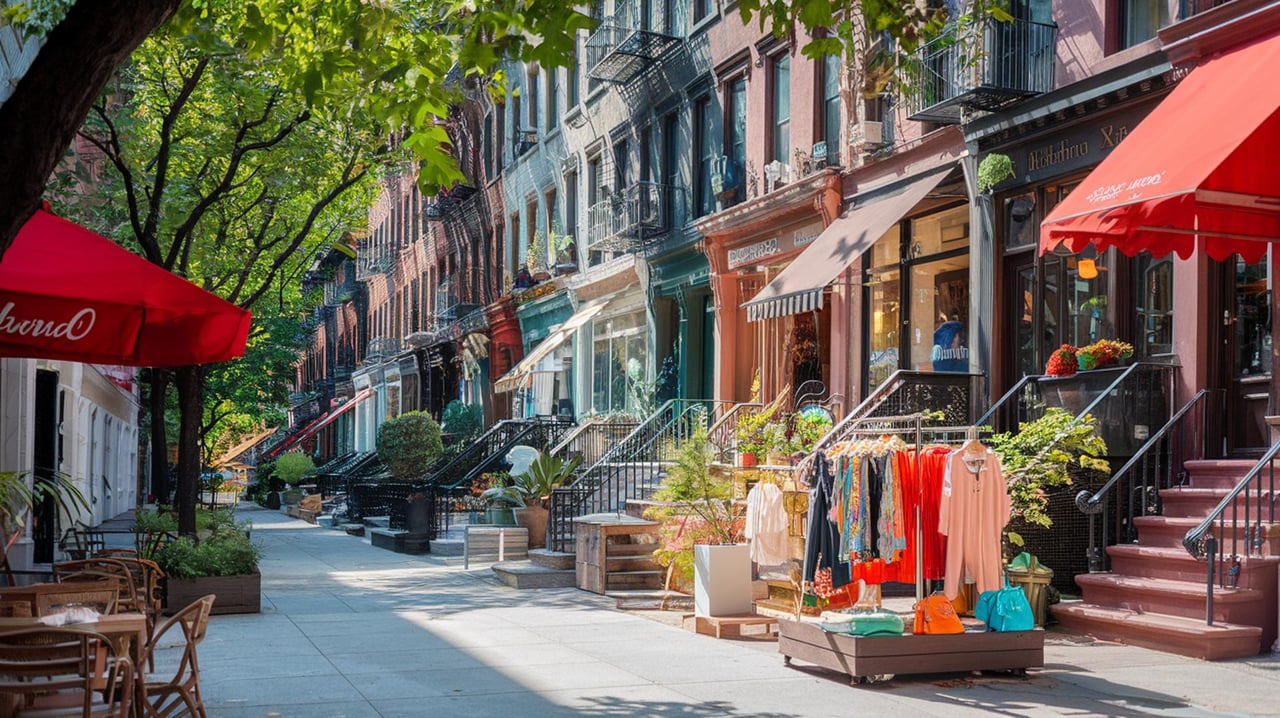
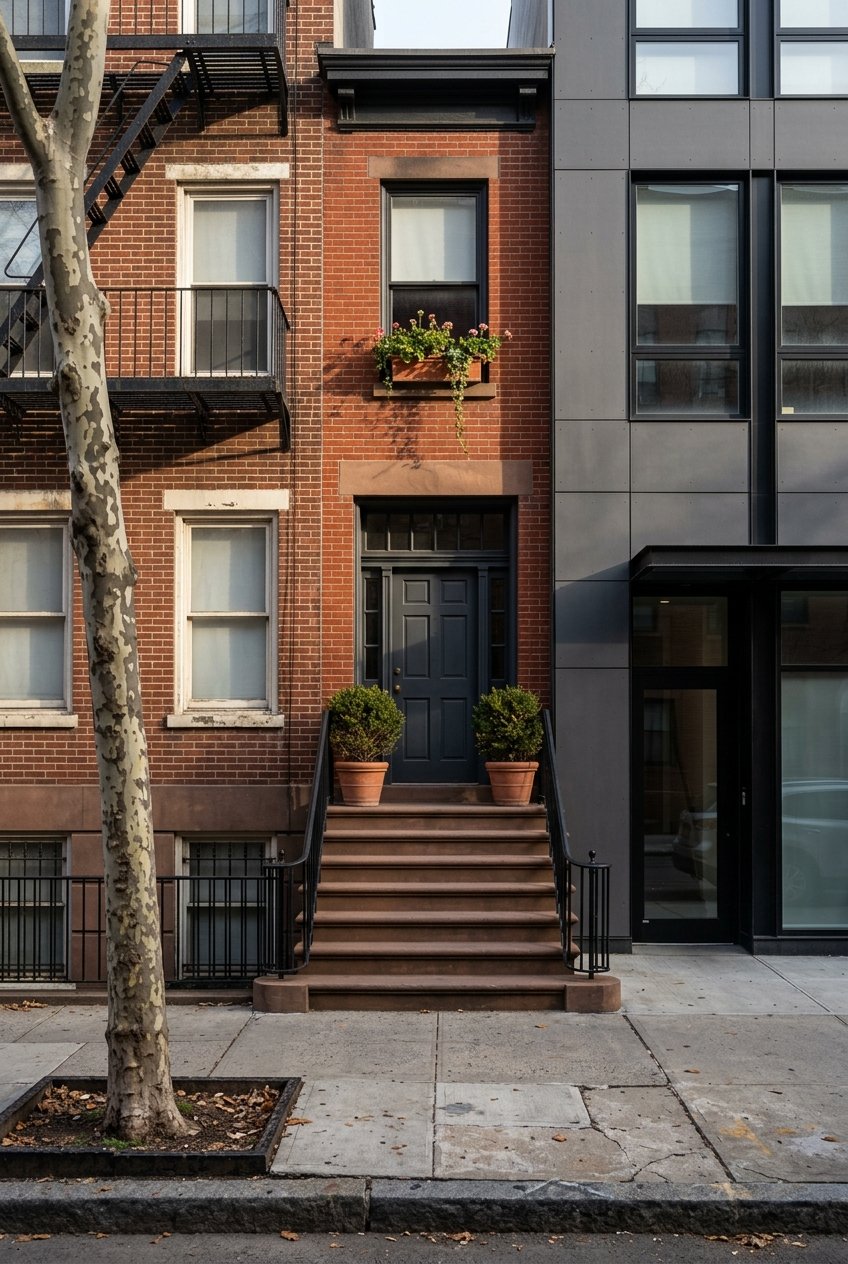
Within the East Village, planning documents describe the typical streetscape as four- to six-story attached residential buildings with street-level retail. But that pattern starts to shift on wider corridors such as First Avenue, Second Avenue north of East 3rd Street, and Avenue A, where taller contextual residential buildings fit more naturally.
East Houston Street and Second Avenue south of East 3rd Street are identified as even more suitable for higher-density forms. In other words, the East Village has a built-in scale transition, and the avenues are where that transition is easiest to see.
The Village View housing development along First Avenue between East 2nd and East 6th Streets is a useful example of a larger residential exception within the otherwise smaller-scale fabric. It shows how superblock or larger-format housing can sit within a neighborhood still widely identified with smaller attached buildings.
This distinction matters if you are buying with architecture in mind. A side-street apartment and an avenue-facing apartment may both be in the East Village, but they often belong to different streetscape types with different visual and spatial cues.
Bowery and Houston show the changing edge
Western and southern edge conditions
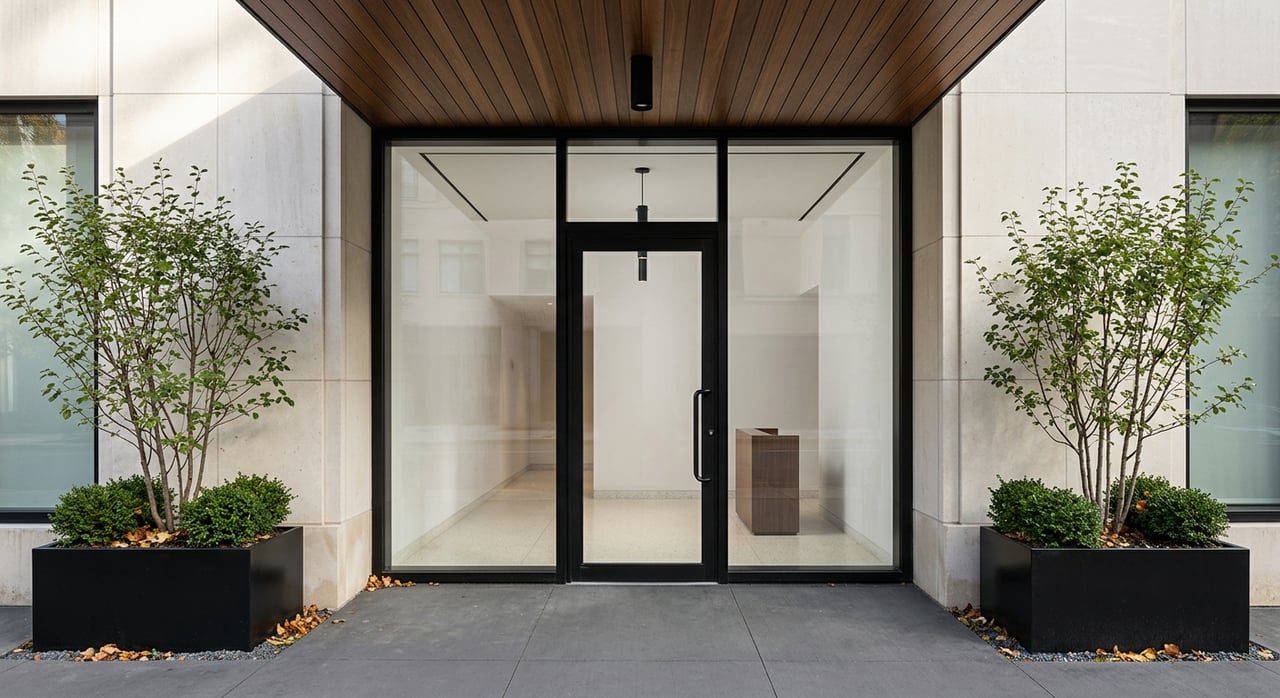
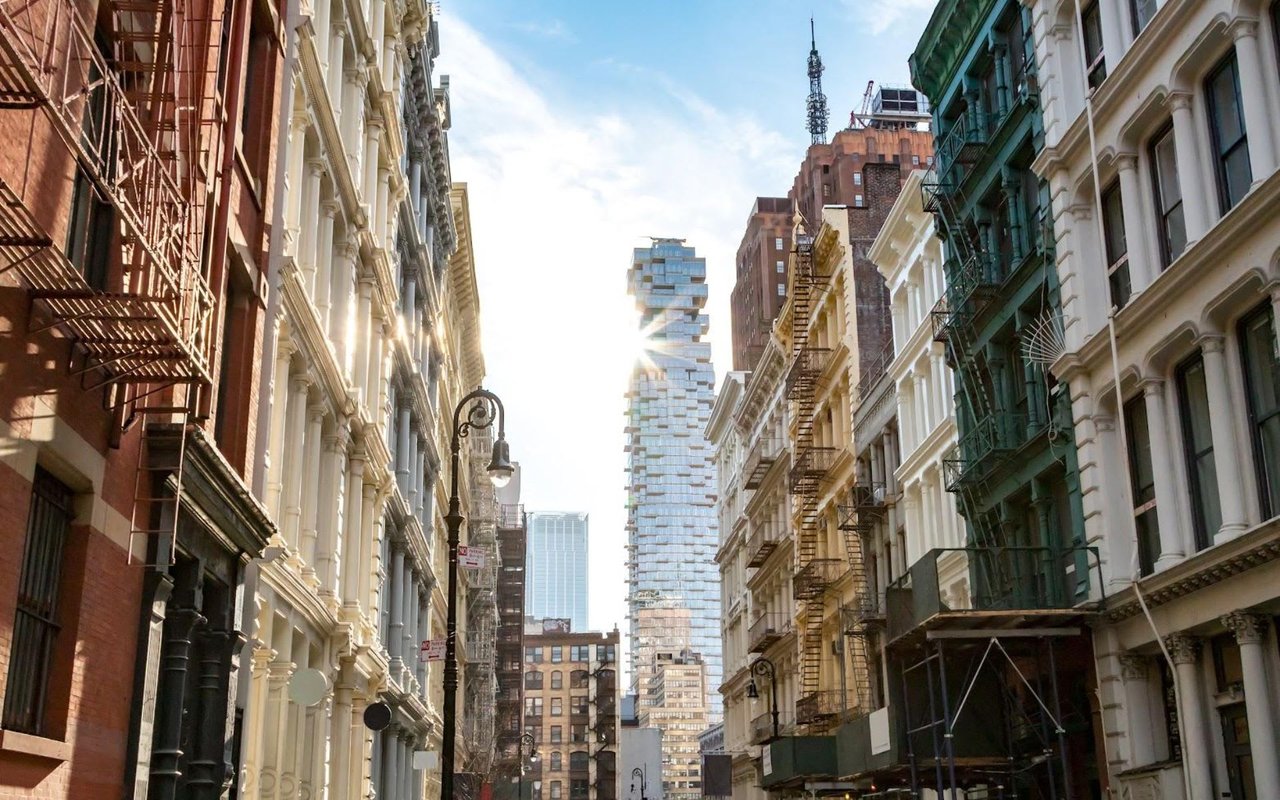
On the western and southern edges of the neighborhood, the character becomes more mixed and more modern. Planning documents describe the Bowery subarea as a set of wide streets lined with low- to mid-rise buildings of varying heights and styles, with Sara D. Roosevelt Park acting as a defining streetscape feature.
Along Chrystie Street, new residential buildings with ground-floor retail have replaced some under-used commercial and light-manufacturing sites. In the broader study area, East Houston and Delancey are the corridors where recent higher-density residential and hotel development has most clearly begun to change the traditionally low-rise look.
These edge areas are important because they sharpen your understanding of the core. They show where the East Village starts to give way to a different urban scale, different development pressures, and a less uniform relationship to historic low-rise fabric.
For owners and investors, these corridors also highlight an important real estate reality. Not every East Village address communicates the same architectural identity, even when the neighborhood name is the same.
What this means for buyers and sellers
If you are buying in the East Village, architectural character is not a minor detail. It affects how a home feels, how a block reads, and often how strongly a property connects to the neighborhood story that draws people here in the first place.
If you are selling, the most effective positioning usually starts with the street. Is your property tied to a preserved rowhouse block, a classic walk-up corridor, an avenue with a broader mixed-use profile, or an edge zone shaped by newer infill? That context helps frame the property in a way buyers can quickly understand.
At BuildMeABrownstone, we think this kind of block-by-block reading matters because architecture and value are closely linked in Manhattan neighborhoods with layered histories. When you understand the street first, it becomes easier to evaluate renovation potential, presentation strategy, and the kind of buyer most likely to respond.
If you are thinking about buying, selling, or renovating in the East Village, Mark O’Brien Real Estate can help you evaluate a property through both a design and development lens.
FAQs
Which East Village street best shows historic rowhouse character?
- East 10th Street along Tompkins Square Park and parts of Stuyvesant Street are among the clearest examples of preserved rowhouse character in the East Village.
What makes St. Mark’s Place important to East Village architecture?
- St. Mark’s Place shows the shift from early Federal and Greek Revival townhouses to later tenements and boarding houses, making it a strong example of the neighborhood’s evolution.
How is Alphabet City different from the historic core?
- Alphabet City is described as predominantly low- to mid-rise residential, with retail along the avenues, fewer continuous street walls on some blocks, and community gardens especially east of Avenue B.
Where do taller buildings fit more naturally in the East Village?
- Wider corridors such as First Avenue, Second Avenue north of East 3rd Street, Avenue A, East Houston Street, and Second Avenue south of East 3rd Street are where taller or higher-density forms fit more naturally.
Why do East Village streets feel so different from one another?
- The neighborhood developed in stages, so its streets combine early houses, row houses, tenements, institutional buildings, and newer infill rather than following one single architectural pattern.